Get 20% OFF All Premium 3D & STL Models!

In today’s fast-paced digital landscape, the demand for realistic and optimized 3D car models is higher than ever. From blockbuster video games to cutting-edge augmented reality experiences and high-impact marketing visualizations, a meticulously crafted vehicle model can be the linchpin of a successful project. These assets are no longer just static representations; they are dynamic components that power immersive worlds, convey design intent, and engage audiences on multiple platforms.
The journey of a 3D car model, from concept to final render or real-time integration, is a testament to the intricate balance between artistic vision and technical precision. Professionals across various industries require models that are not only visually stunning but also adhere to strict technical specifications for optimal performance. Whether it’s for game development, where polygon count and texture memory are paramount, or for photorealistic automotive rendering, demanding accurate materials and complex lighting, the quality of the base 3D asset dictates the final output.
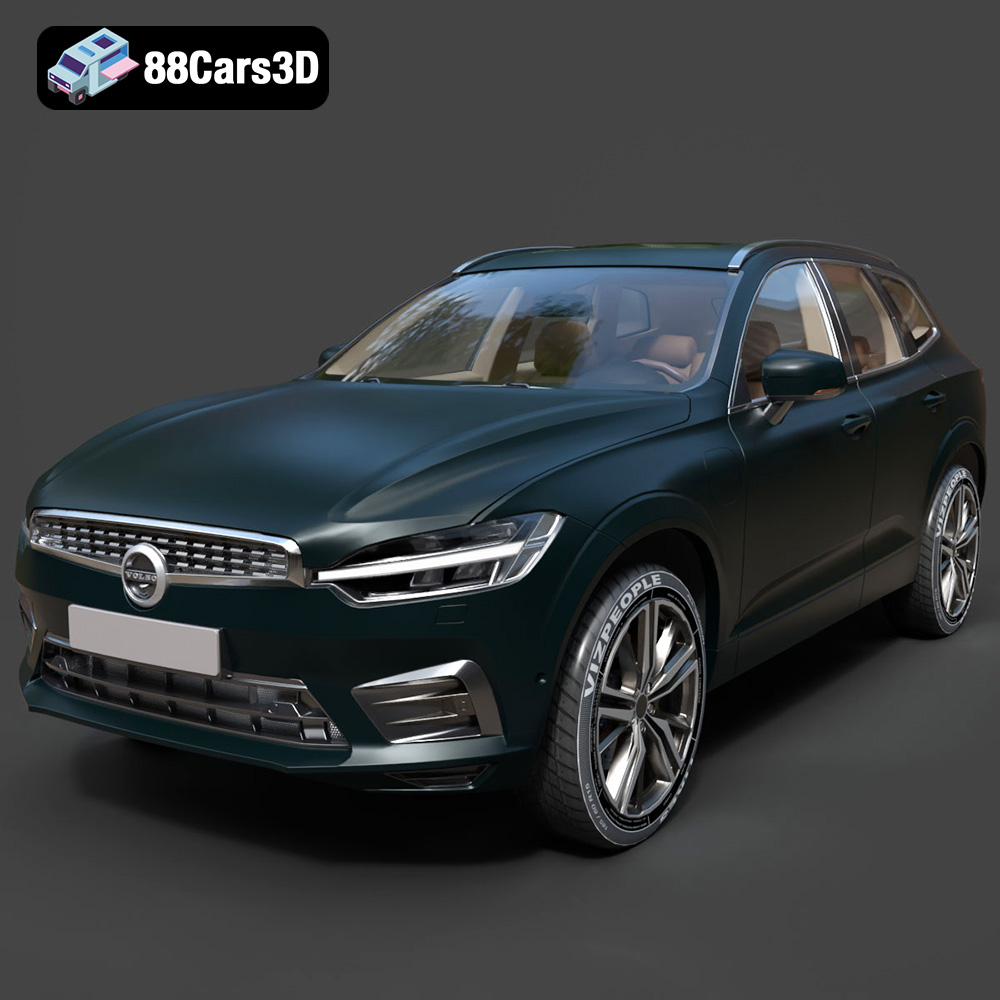
It’s within this demanding ecosystem that models like the Volno YC60-08 stand out. This particular 3D model, available on 88cars3d.com, exemplifies the blend of robust engineering capture and modern utility design required by today’s digital creators. It’s crafted to cater to a diverse range of applications, from driving dynamic open-world gaming environments to showcasing vehicles in immersive AR/VR showrooms or bringing cinematic realism to brand campaigns. The Volno YC60-08 provides a robust foundation, offering both exceptional visual fidelity and crucial optimization, making it an invaluable asset for professionals seeking efficiency without compromising quality.
Navigating the world of 3D modeling requires a fundamental understanding of various file formats, each tailored for specific workflows, software, and end-use applications. The right format ensures compatibility, preserves critical data, and optimizes performance for your project. The Volno YC60-08 3D model, for instance, offers a comprehensive suite of formats, highlighting its versatility. Let’s delve into some of the most common and crucial ones.
The `.blend` format is the native file type for Blender, the popular open-source 3D creation suite. A `.blend` file is a complete scene file, containing not just the mesh data but also materials, textures, lighting, cameras, animations, rigging, modifiers, and even custom scripts. For artists working primarily in Blender, this format offers full editability, allowing for non-destructive workflows and easy asset management within the Blender ecosystem. It’s ideal when you need to dig deep into the model’s construction, modify its topology, adjust its shader networks, or integrate it seamlessly into a larger Blender project. The Volno YC60-08’s `.blend` file provides direct access to its expertly crafted structure and materials.
FBX (Filmbox) is a proprietary file format owned by Autodesk and has become an industry standard for data interchange between various 3D software applications and game engines like Unreal Engine and Unity. It’s highly versatile, capable of storing not only mesh data (vertices, faces, UVs, normals) but also animation, rigging, cameras, lights, and basic material properties. The `.fbx` format is particularly favored in real-time pipelines due to its robust support for skeletal animation and hierarchies, making it perfect for animated assets or complex scenes that need to move between different platforms. When importing the Volno YC60-08 into Unreal, Unity, or another major DCC application, the `.fbx` version is often the preferred choice for its balance of data retention and broad compatibility.
OBJ (Wavefront Object) is one of the oldest and most widely supported 3D file formats. It’s a simple, text-based format that primarily stores mesh geometry—vertices, normals, UV coordinates, and faces. While it doesn’t support animation or rigging directly, it can reference an accompanying `.mtl` (Material Template Library) file for basic material definitions and texture paths. The `.obj` format is revered for its universal compatibility, making it an excellent choice for static models that need to be easily imported into virtually any 3D software. For the Volno YC60-08, the `.obj` ensures cross-software compatibility, offering a clean mesh for straightforward visualization or further modeling.
GLB (GL Transmission Format, Binary) is a relatively newer format designed for efficient transmission and loading of 3D scenes and models in web and extended reality (XR) applications. It’s a single-file format that bundles 3D model data, PBR (Physically Based Rendering) materials, textures, and animations into a compact package. Its binary nature and focus on PBR materials make it highly optimized for AR, VR, and browser-based display, where fast loading times and consistent visual fidelity are crucial. Integrating the Volno YC60-08 into an interactive web configurator or an AR product showcase would heavily leverage the `.glb` format.
STL (Stereolithography) is the de facto standard file format for 3D printing. It represents the surface geometry of a 3D object using a collection of triangular facets. The `.stl` format defines only the surface geometry of an object without any color, texture, or material information. For successful 3D printing, the mesh must be “manifold,” meaning it has no holes or inverted normals, forming a completely enclosed volume. The Volno YC60-08, being convertible to `.stl`, opens up possibilities for hobbyists and professionals to produce physical prototypes or display models, requiring careful attention to scale and print settings.
PLY (Polygon File Format) is a versatile file format for storing 3D data, particularly useful for 3D scanning and scientific applications. Unlike OBJ, PLY can store a wider range of properties, including color per vertex, transparency, surface normals, and various confidence parameters, making it more robust for representing complex scanned data. While less common for general 3D asset distribution, its precision makes it valuable for applications requiring accurate mesh analysis or integration with CAD software.
The `.unreal` extension isn’t a single universal file format like FBX or OBJ, but rather represents an asset that is specifically packaged or optimized for direct use within the Unreal Engine. This typically means an FBX file that has been imported, had its materials configured using Unreal’s PBR shader system, pivots correctly set, collision meshes generated (if applicable), and possibly integrated into a blueprint or level. It signifies an “engine-ready” state, saving developers significant setup time. The Volno YC60-08’s `.unreal` package suggests a streamlined workflow for game developers to drop it directly into their projects.
The `.max` format is the native file type for Autodesk 3ds Max, a powerful 3D modeling, animation, and rendering software. Similar to `.blend` files, a `.max` file contains the complete scene, including geometry, materials, textures, lights, cameras, animations, and modifiers specific to 3ds Max. It offers full editability and access to all of 3ds Max’s features. For users of 3ds Max, the Volno YC60-08’s `.max` file allows for comprehensive customization, detailed rendering setup, or integration into larger, complex scenes.
In the world of game development, 3D car models are not just static props; they are often central characters, driving dynamic gameplay and contributing significantly to the immersive experience. The Volno YC60-08, with its “game-ready & optimized” status, is engineered precisely for this demanding environment.
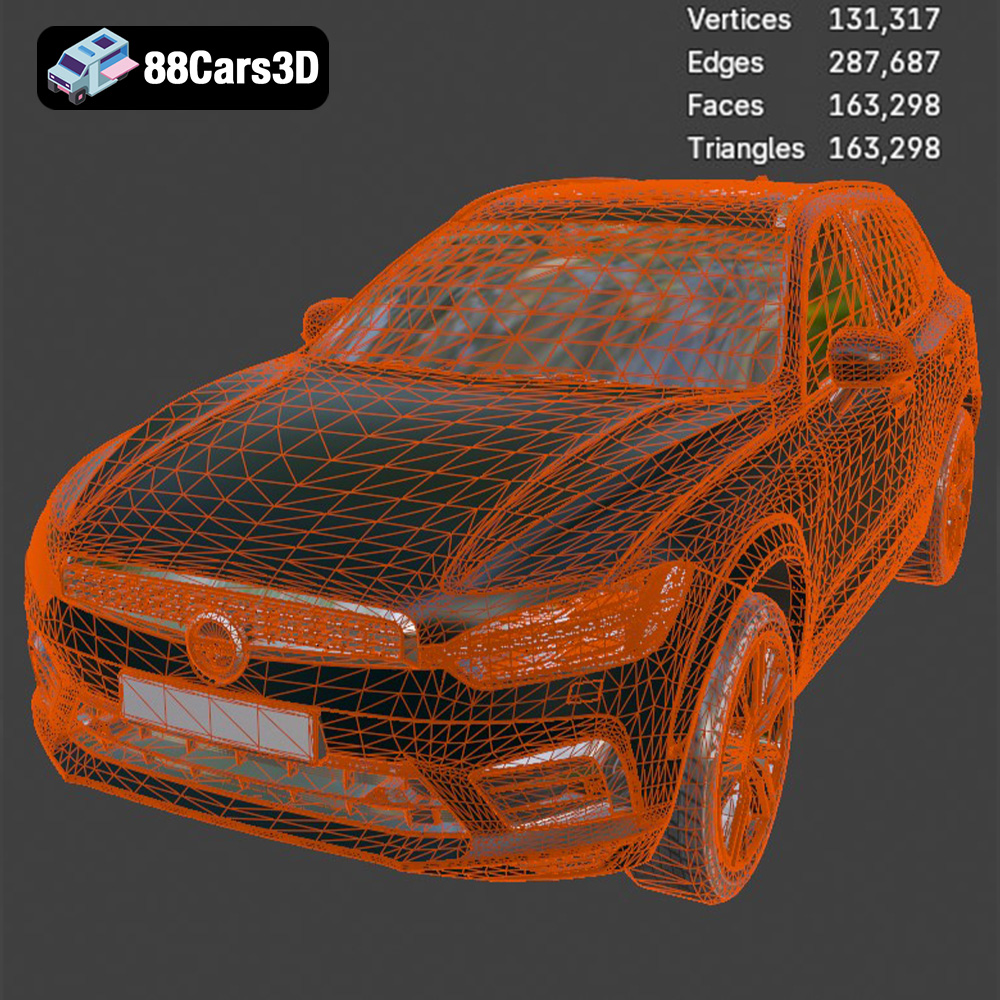
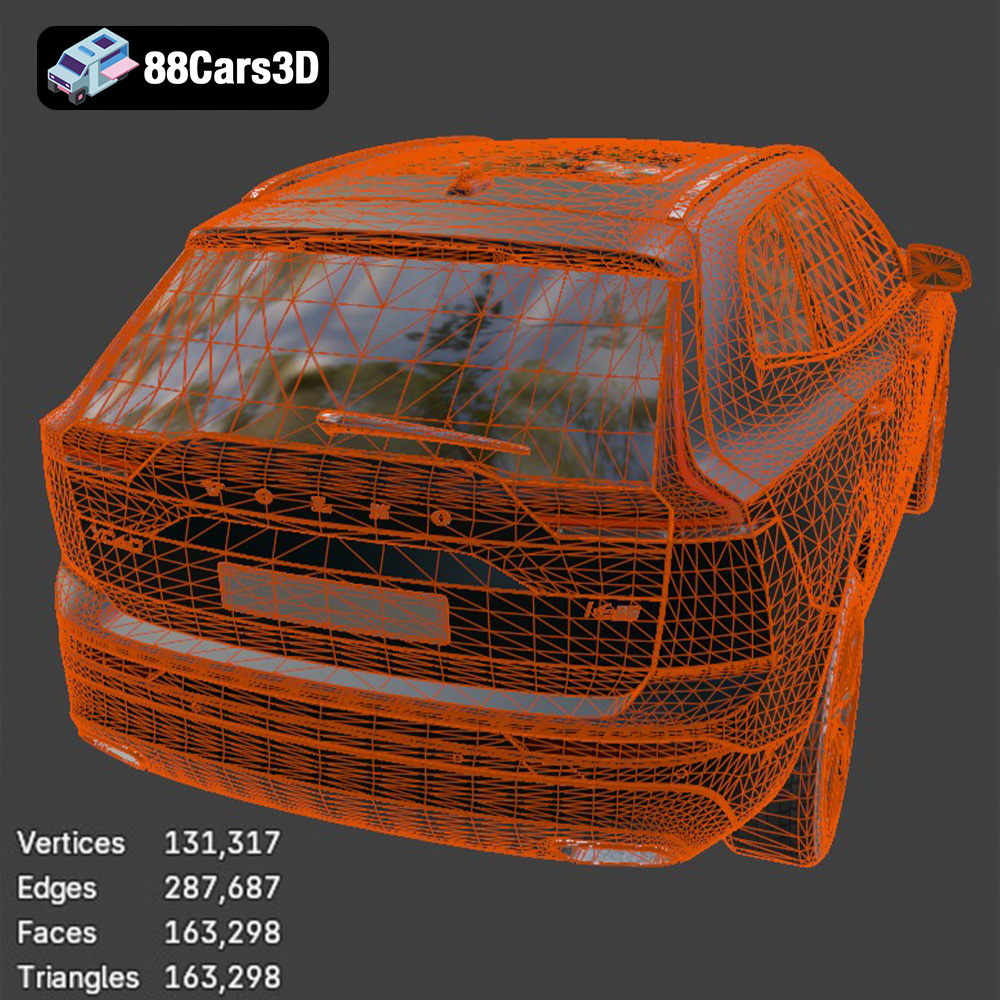
A core challenge in game development is balancing visual fidelity with performance. High polygon counts can quickly cripple frame rates. The Volno YC60-08 addresses this with approximately 150,000 triangles. This polycount strikes a crucial balance, offering enough detail for close-up shots and realistic silhouettes without bogging down the rendering engine. For open-world games, racing titles, or simulators, this level of optimization is critical, allowing developers to populate environments with multiple vehicles while maintaining smooth gameplay. The clean topology also ensures efficient UV mapping and proper deformation, should the model require advanced physics or destruction systems.
Beyond mere polycount, a game-ready asset must be structured for easy integration and animation. The Volno YC60-08 boasts separate wheels, suspension, and steering components, each with proper pivot setups. This seemingly small detail is immensely powerful. In Unreal Engine or Unity, these separate elements can be directly linked to physics systems and animation blueprints. Developers can animate steering, simulate realistic wheel rotation based on speed, and implement complex suspension travel without needing to manually cut or rig the model. This significantly reduces development time and ensures a higher degree of realism in vehicle dynamics, a cornerstone for any compelling driving experience. The included `.fbx` and `.unreal` formats further streamline this process, often coming pre-configured for direct engine use.
For advertising, marketing, and design reviews, photorealistic automotive rendering is paramount. Here, the focus shifts from real-time performance to achieving absolute visual perfection, often indistinguishable from real-world photography. The Volno YC60-08 is equally adept in this arena, providing the foundational detail required for stunning visualizations.
The product description highlights “accurate Volno YC60-08 frame geometry and authentic real-world proportions,” along with “detailed engine block and under-hood components,” “intricately modeled exhaust system and undercarriage,” and “high-fidelity lighting details including realistic headlights and taillights housings.” These meticulous details are essential for rendering. When a virtual camera zooms in on a car’s grille, captures the subtle reflections on its paint, or showcases the intricacies of its suspension, every polygon and texture matters. In rendering software like 3ds Max (using the `.max` file) or Blender (using the `.blend` file), artists can leverage these details. They can set up studio lighting environments, apply advanced PBR materials (e.g., metallic flakes in paint, realistic tire rubber, intricate chrome reflections), and render high-resolution images or animations that meet exacting industry standards.
The ability to customize a 3D model is crucial for visualization projects that require specific branding or aesthetic choices. The Volno YC60-08 offers options to change body colors, modify tire textures, and adjust material finishes. This flexibility allows artists to rapidly generate different configurations or present the vehicle in various scenarios without needing to remodel. For instance, a marketing campaign might require the vehicle in several factory colors, or perhaps a rugged off-road variant versus a sleek urban design. The clean UVs and material separation in the model facilitate these changes, allowing artists to easily swap out texture sets or adjust shader parameters for matte, gloss, or metallic finishes, adapting the lighting for different environments to create diverse visual narratives.
The utility of high-quality 3D car models extends far beyond traditional screens, permeating the realms of augmented reality (AR), virtual reality (VR), and even physical fabrication through 3D printing. The Volno YC60-08 is designed with these burgeoning applications in mind.
AR/VR platforms demand models that are not only optimized for real-time performance but also visually compelling. In virtual showrooms or configurators, users expect to interact with vehicles that look and feel real. The Volno YC60-08’s optimized geometry (approximately 150,000 triangles) makes it an excellent candidate for these immersive experiences. Its “optimized geometry for first-person POV in gaming and VR applications” specifically addresses the need for detailed interiors when users are virtually sitting inside the car. The inclusion of the `.glb` format is a direct nod to AR/VR and web-based applications, ensuring efficient loading and consistent PBR material display across different devices and browsers. Imagine a customer exploring the Volno YC60-08’s detailed cockpit through a VR headset or projecting a life-sized model into their driveway using AR, all powered by this precise 3D asset.
The ability to transition from digital to physical is a powerful capability for product visualization and hobbyist endeavors. The Volno YC60-08 is “convertible to .stl format for display-scale hobbyists,” opening up opportunities for 3D printing. The detailed 3D print settings provided, such as recommended scales (1:12 / 1:18 / 1:24), layer height suggestions, and wall thickness recommendations, offer invaluable guidance. Crucially, the advice on supports for detailed parts and print orientation for structural integrity reflects an understanding of the intricacies of FDM and resin printing. Post-processing steps like sanding, priming, and applying authentic factory colors can transform a raw print into a highly realistic miniature, a testament to the model’s underlying geometric fidelity. This capability allows designers to rapidly prototype concepts or enthusiasts to build their own physical renditions of the vehicle.
The true value of a premium 3D model, such as those found on 88cars3d.com, lies in its technical foundation. It’s not just about what you see, but how it’s built, and how efficiently it performs across various professional pipelines. The Volno YC60-08 showcases this technical prowess through several key advantages.
“Real-world scale accuracy based on actual vehicle chassis” ensures that the model maintains correct proportions and dimensions, which is vital for any professional application, from architectural visualization that integrates vehicles into scenes, to engineering simulations, or even game development where physical interactions need to be precise. Furthermore, the model’s internal structure is just as robust as its exterior. The “detailed engine block and under-hood components,” “intricately modeled exhaust system and undercarriage,” and “realistic suspension components and control arms” mean that even if these elements are not always visible, their presence ensures geometric integrity and allows for highly detailed renders or scenarios where components are exposed. This level of detail elevates the model from a simple prop to a comprehensive digital twin.
The seemingly minor detail of “proper pivot setup for steering, wheel rotation, and suspension travel” is a significant technical advantage. Without correctly placed pivot points, animating a vehicle becomes an arduous and often inaccurate task. With proper pivots, a game developer can directly link these components to a vehicle physics rig, allowing for realistic turning, rolling, and suspension compression with minimal effort. In animation, it means smooth, predictable motion. This attention to underlying functional structure is what separates a truly professional, game-ready asset from a basic static model. It represents hours of meticulous preparation by skilled 3D artists, translating directly into time saved for the end-user.
In a market saturated with varying levels of quality, selecting the right 3D assets is a critical decision for any project. Professional creators understand that investing in high-quality, pre-optimized models saves immense amounts of time and ensures a consistent standard of excellence. This is where platforms like 88cars3d.com prove invaluable.
88cars3d.com specializes in providing high-quality 3D car models, like the Volno YC60-08, that meet the rigorous demands of professional workflows. The convenience of having models available in multiple formats—`.blend`, `.fbx`, `.obj`, `.glb`, `.stl`, `.ply`, `.unreal`, and `.max`—means artists and developers can integrate assets quickly, regardless of their preferred software or target platform. This eliminates the need for time-consuming format conversions, re-topology, or optimization, allowing teams to focus on creative tasks rather than technical preparation. The detailed product descriptions, outlining polycounts, specific features, and recommended applications, provide transparency and confidence in the purchase.
Whether you’re a solo indie game developer looking for a fleet of vehicles, an architectural visualization studio needing realistic contextual elements, an AR/VR innovator building immersive experiences, or a marketing agency crafting compelling renders, 88cars3d.com offers a curated selection. The focus on “game-ready & optimized” assets ensures that performance is never an afterthought, while the meticulous detail caters to the highest visual standards. The Volno YC60-08, with its blend of aesthetic appeal and technical robustness, is a prime example of the caliber of 3D car models available, enabling creators to elevate their projects with confidence and efficiency.
The digital automotive world thrives on precision, versatility, and efficiency. High-quality 3D car models are no longer a luxury but a fundamental requirement across game development, visualization, AR/VR, and even 3D printing. The Volno YC60-08 3D model embodies these principles, offering a meticulously crafted asset that combines exceptional visual fidelity with crucial technical optimization. Its comprehensive detail, from the engine compartment to the cockpit, coupled with its game-ready polycount and multi-format availability, makes it a robust solution for a wide array of professional applications.
By understanding the nuances of different 3D file formats and leveraging assets designed for specific workflows, creators can streamline their processes, achieve superior results, and bring their visions to life with unparalleled realism and performance. Models like the Volno YC60-08 from 88cars3d.com empower artists and developers to push the boundaries of digital creation, delivering immersive experiences and stunning visuals that truly resonate. Investing in such expertly crafted 3D assets is an investment in quality, efficiency, and the future of digital content.
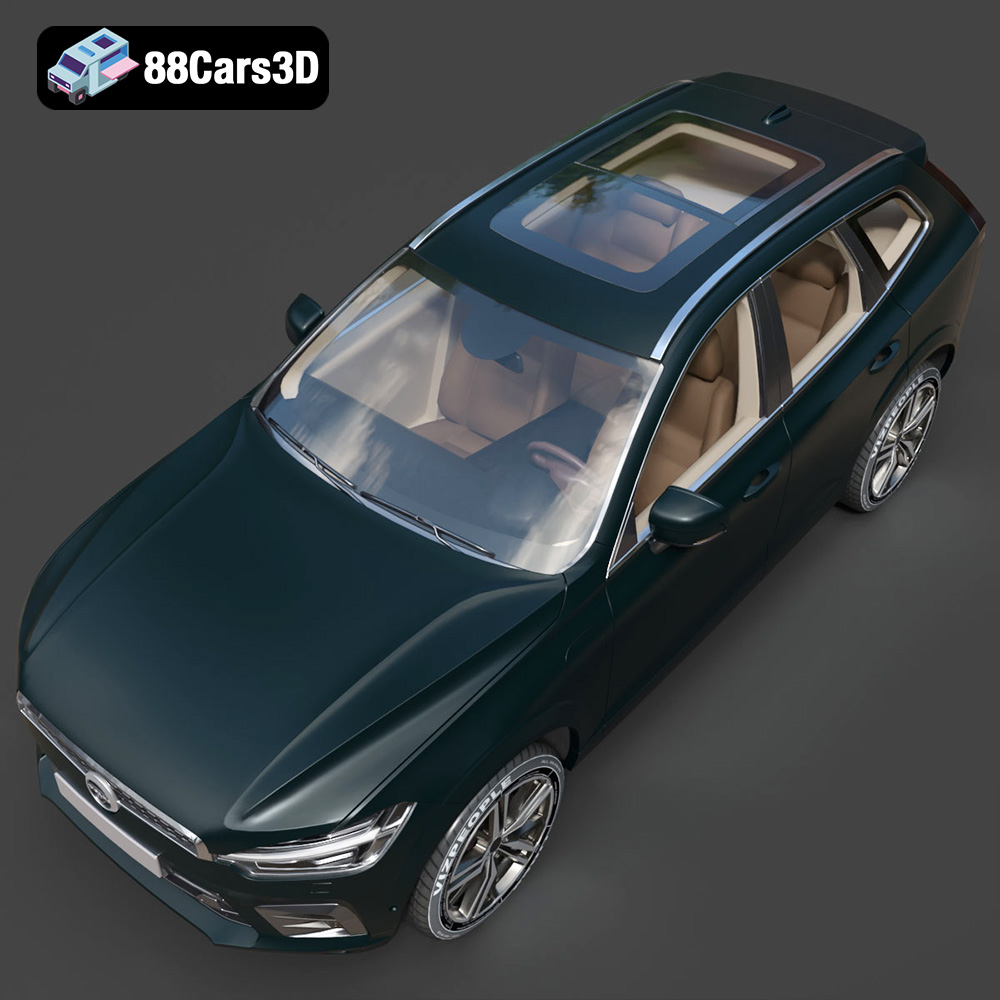
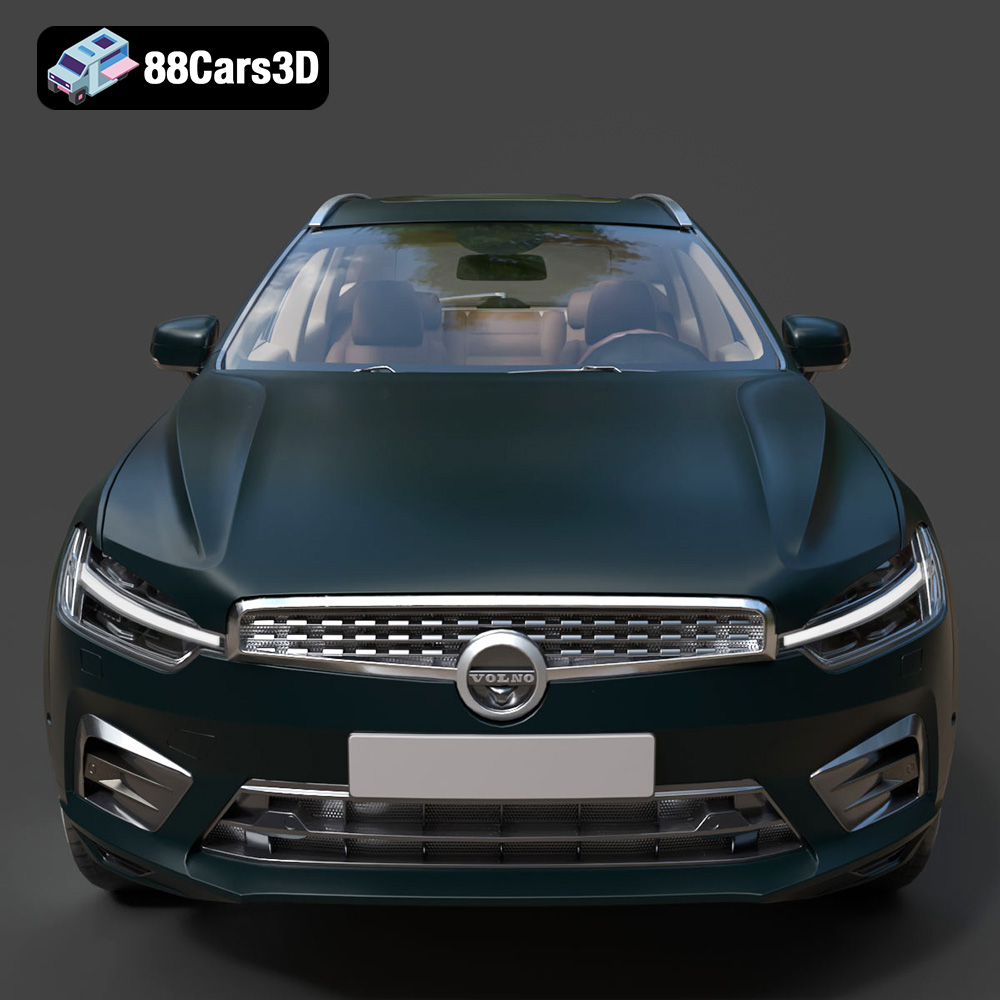
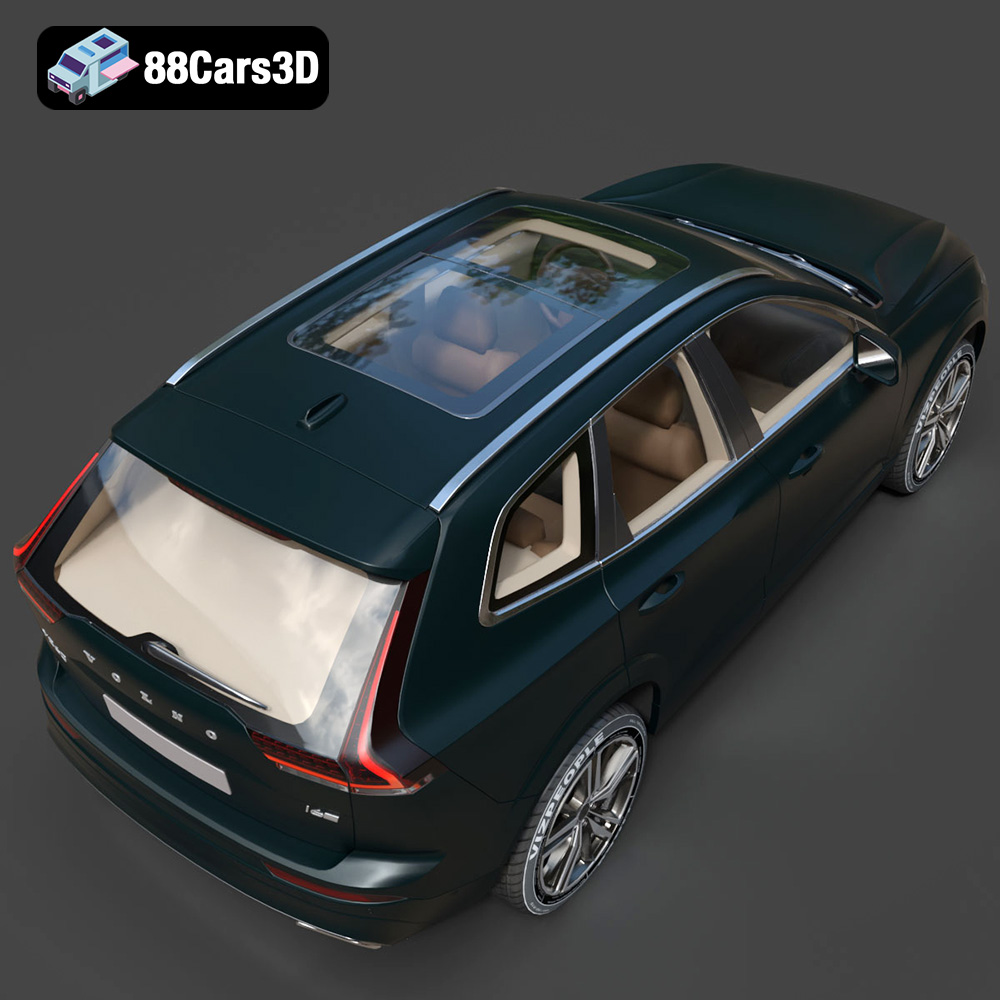
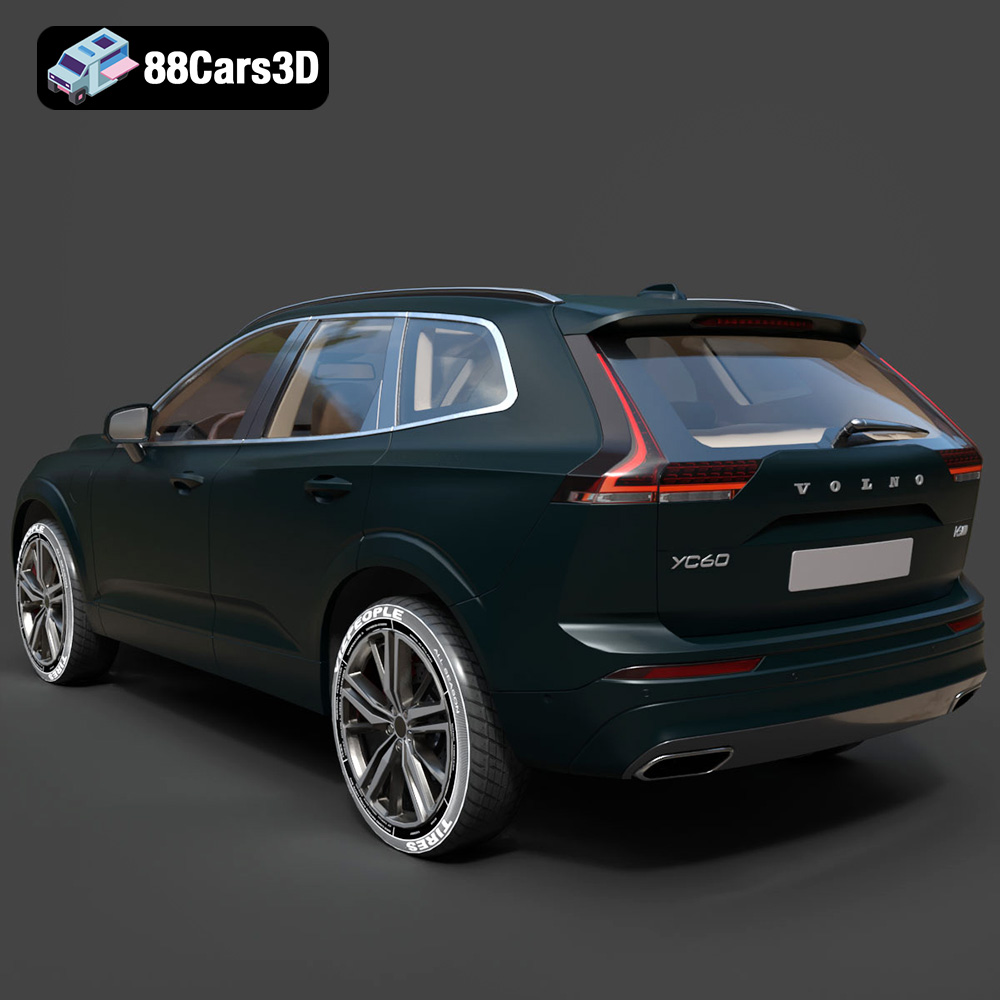
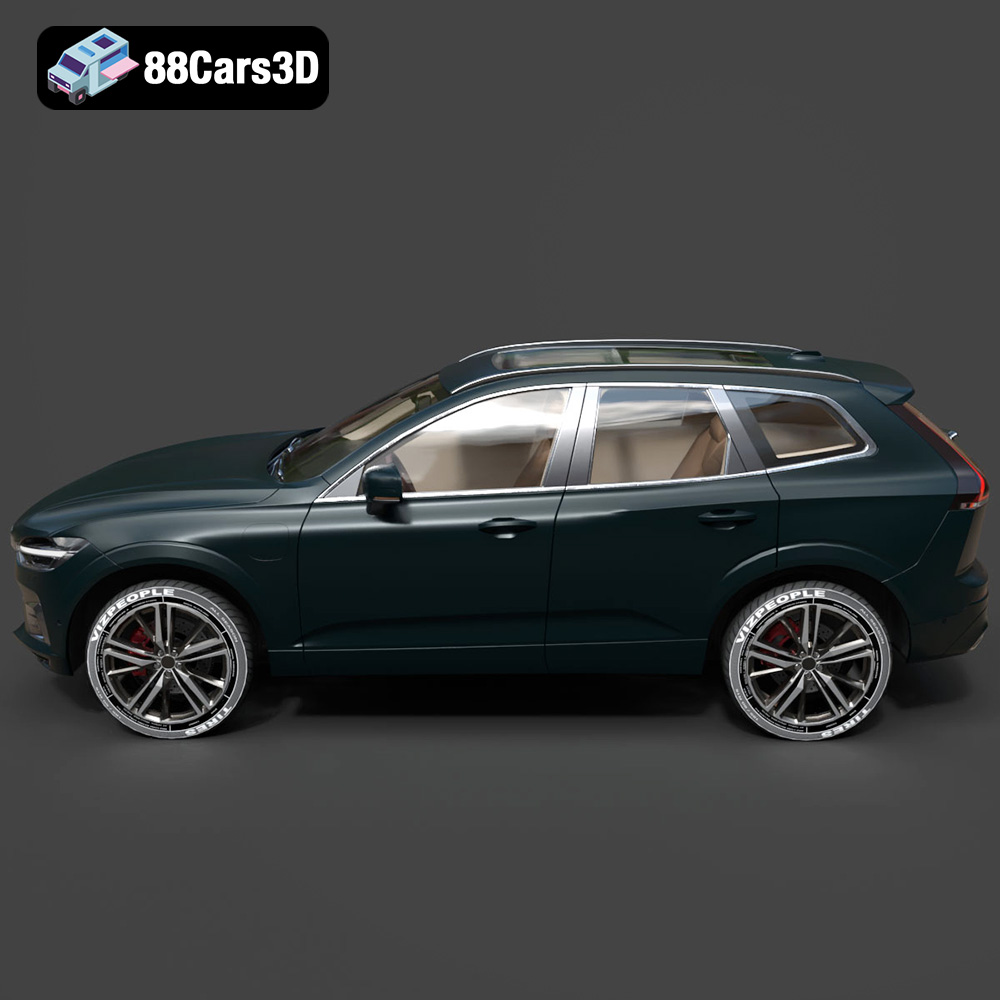
The Volno YC60-08 represents a perfect blend of robust engineering and modern utility design. Recognized for its distinctive contours and reliable performance aesthetics, this vehicle features a bold front fascia, dynamic side profiles, and an expertly modeled undercarriage. The 3D model meticulously captures key visual elements, from the detailed engine compartment and exhaust system to the distinctive lighting cues that make this vehicle stand out.
$19.99
.blend
.fbx
.glb
.max
.obj
.ply
.rendering
.stl
.unreal
car-3d-model
game asset
game-ready
low-poly
optimized
SUV
utility-vehicle
volno
VR/AR
yc60-08