Get 20% OFF All Premium 3D & STL Models!

In the vibrant intersection of automotive passion and digital artistry, the creation of high-fidelity 3D models stands as a testament to engineering reverence. Few machines ignite the senses quite like a supersport motorcycle, a category defined by raw power, precise handling, and breathtaking aesthetics. Among these legends, the Triumph Daytona 675 SE 2008 carves out a special place, celebrated for its unique triple-cylinder howl and iconic design. For designers, game developers, animators, and visualization specialists, the ability to accurately reproduce such a masterpiece in the digital realm is invaluable.
Enter the world of professional-grade 3D car models, where every curve, every component, and every material detail is painstakingly recreated. This isn’t merely about visual appeal; it’s about providing a robust, versatile asset that seamlessly integrates into diverse production pipelines. The Triumph Daytona 675 SE 2008 3D Model is a prime example of such an asset, meticulously crafted to meet the demanding requirements of everything from cinematic rendering to real-time game engines and even physical 3D printing. It captures the essence of this British icon, offering unparalleled detail and flexibility for any project.
Creating a truly exceptional 3D model of a complex machine like a motorcycle requires more than just artistic flair; it demands a deep understanding of geometry, topology, and real-world physics. The goal is to produce a digital twin that is both visually stunning and technically sound, ready for a myriad of applications without compromising performance or fidelity.
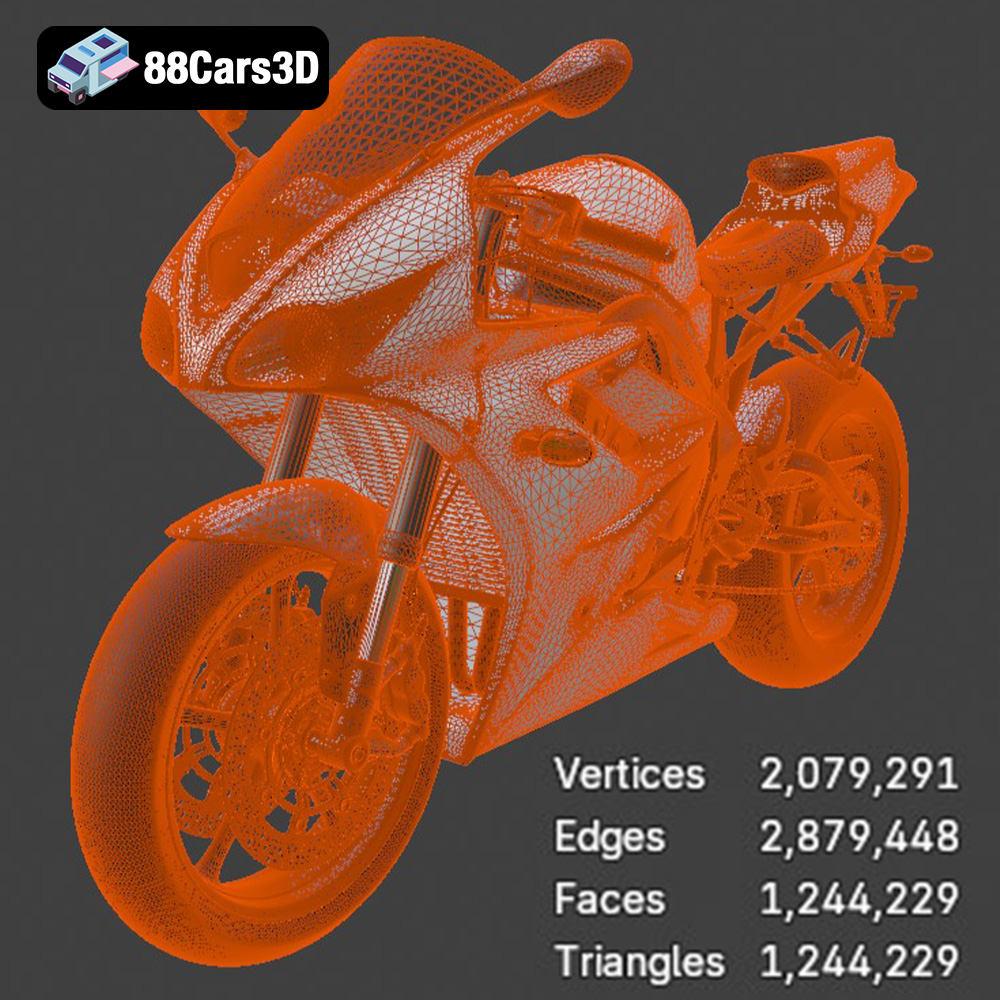
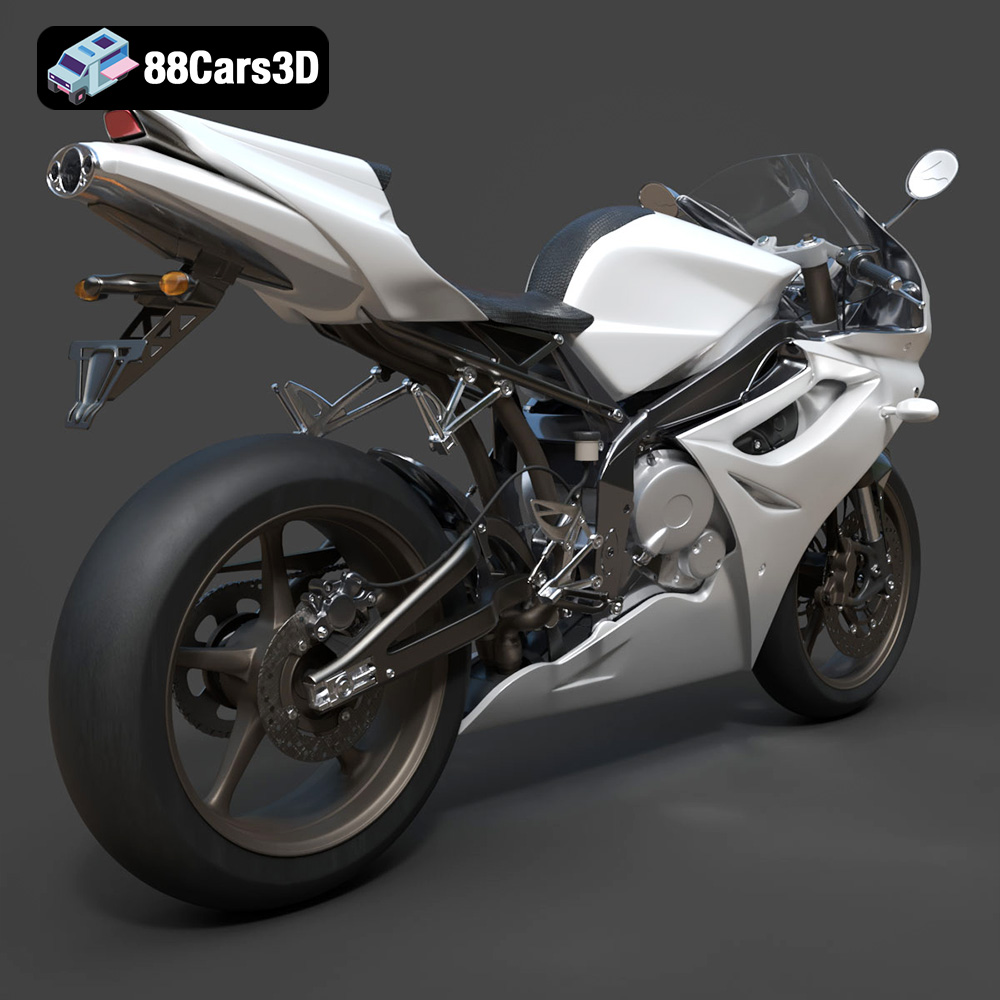
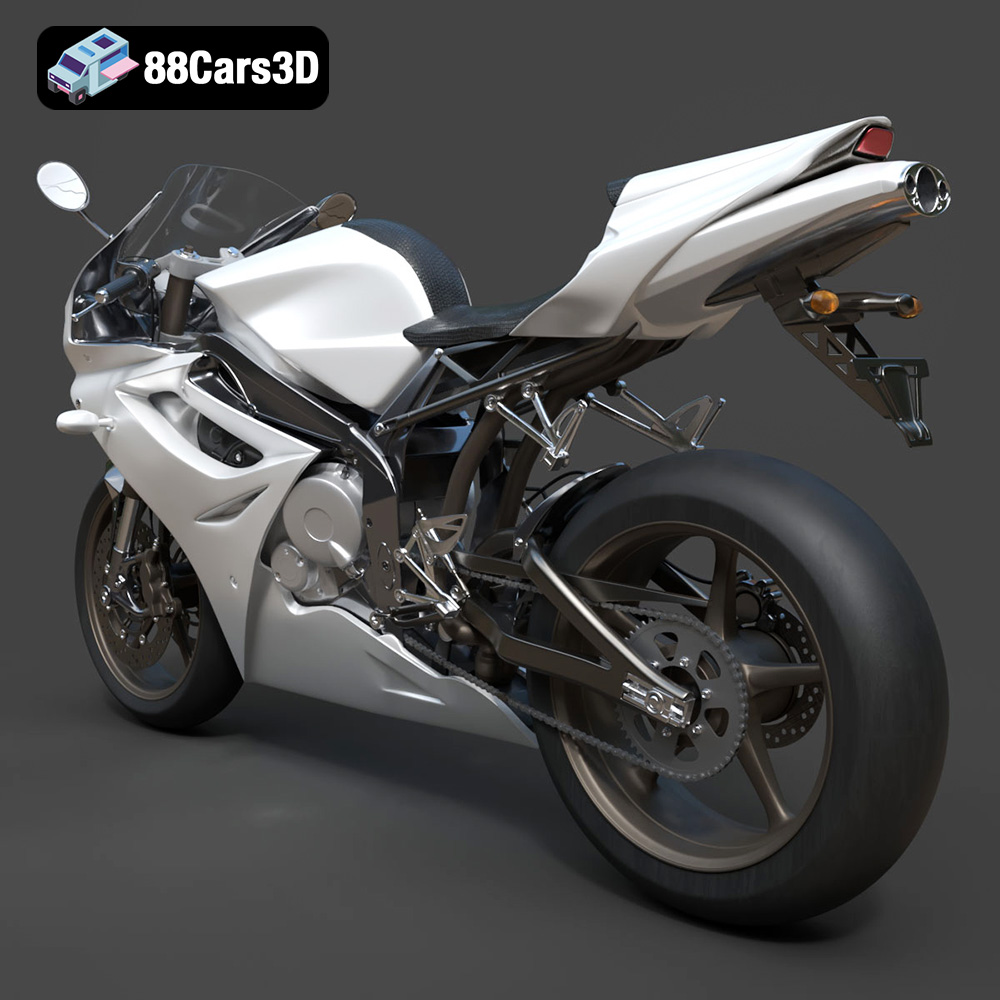
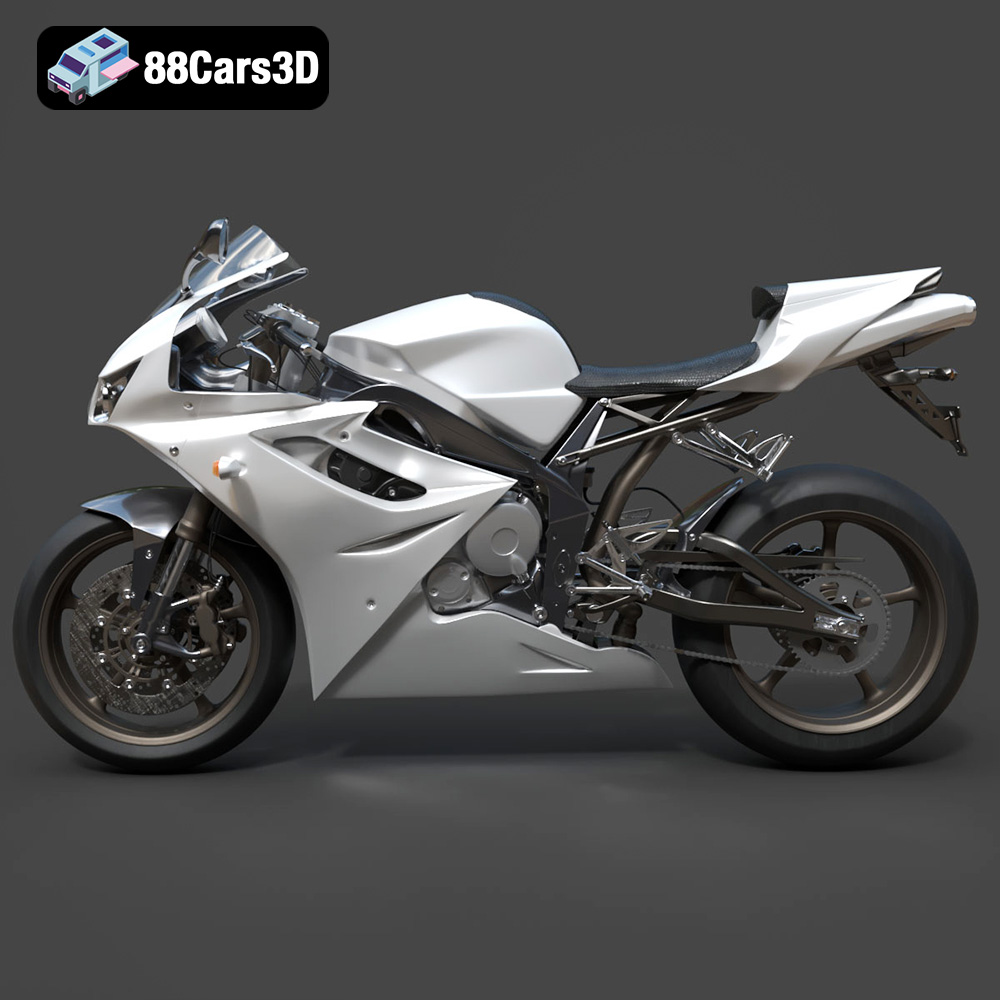
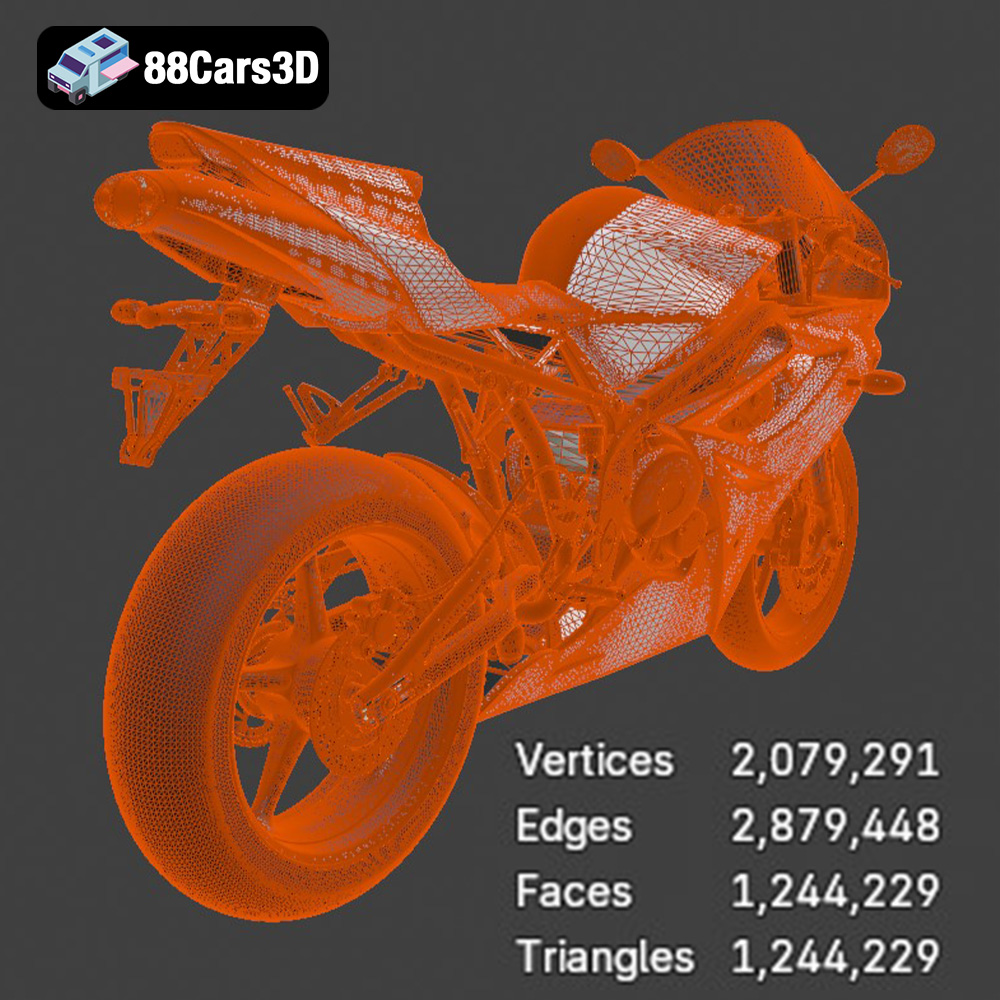
The journey begins with painstaking research and reference gathering, ensuring that every dimension, every panel gap, and every design element of the real-world vehicle is accurately translated. For the Triumph Daytona 675 SE 2008, this means faithfully replicating its aggressive stance, the distinctive triple under-tail exhaust, and the intricate details of its golden alloy wheels. The model boasts an impressive 1,244,229 triangles, a figure that represents a careful balance. It’s detailed enough to withstand extreme close-ups in high-resolution renders, showcasing the individual casing bolts on the engine block or the precise texture of the tire treads. Yet, this polycount is also optimized for efficiency, ensuring that the model performs smoothly within the constraints of real-time environments like Unreal Engine or Unity, without bogging down the frame rate.
This careful topology management is crucial. Clean, quad-based (where appropriate) or triangle-optimized meshes are essential for deformation, LOD generation, and smooth shading. It’s not just about the number of polygons, but how they are distributed and structured to maintain visual integrity from a distance and up close.
A static, beautiful model is only part of the equation for professional use. For dynamic applications, the 3D model must also be functionally designed, anticipating animation and interactivity. The Triumph Daytona 675 SE 2008 model exemplifies this with its intelligent structural setup. Key components like the wheels, suspension, and steering are separated and properly pivoted. This means animators can easily simulate realistic wheel rotation, suspension travel over bumps, and accurate steering movements, bringing the motorcycle to life in dynamic scenes or interactive simulations. This level of preparation significantly reduces post-purchase setup time, allowing artists to dive directly into creative work rather than spending hours on technical rigging. Moreover, the model is built to real-world scale, a fundamental requirement for accurate physics simulations, augmented reality applications, and architectural visualization projects where scale consistency is paramount.
The versatility of a professional 3D asset is often measured by the range of file formats it supports. Different software, platforms, and application types have specific requirements, and providing a comprehensive suite of formats ensures maximum compatibility and workflow efficiency. The Triumph Daytona 675 SE 2008 3D Model is supplied with an extensive selection of formats, each serving distinct purposes for various industries. Understanding when to use each is key to a streamlined production pipeline.
When you acquire a high-quality asset like the Daytona 675 SE 3D model from 88cars3d.com, you’re not just getting a single file; you’re gaining access to a toolkit tailored for specific needs:
Having this comprehensive set of formats ensures that the Triumph Daytona 675 SE 2008 3D Model can be a truly universal asset in any professional’s toolkit, adapting seamlessly to a wide array of software and project requirements.
The true value of a premium 3D asset lies in its ability to integrate effortlessly into established professional pipelines. The Triumph Daytona 675 SE 2008 3D Model, with its detailed construction and multiple file formats, is designed to be a cornerstone asset across various industries.
For game developers, performance and visual fidelity must always be in harmony. The Daytona model strikes this balance with its optimized 1,244,229 triangle count, perfectly suited for high-end racing titles, open-world adventures, or realistic motorcycle simulators. The availability of .fbx and “unreal” formats is crucial here. Developers can import the .fbx directly into Unreal Engine or Unity, leveraging the provided PBR texture maps to achieve photorealistic materials under real-time lighting. The proper pivot setups for the wheels, steering, and suspension enable immediate rigging for physics-based vehicle systems, allowing for authentic handling and visual response in gameplay. Creating custom LODs (Levels of Detail) for the model is also straightforward, ensuring that the game maintains optimal frame rates even with many vehicles on screen, while still displaying high detail when the camera is close. This pre-optimized, game-ready nature dramatically cuts down on development time, allowing teams to focus on gameplay mechanics rather than asset preparation.
When the goal is absolute photorealism for marketing, advertising, or cinematic sequences, the model’s granular detail shines. Professionals using 3ds Max can utilize the .max file, or Blender users the .blend file, to access the fully editable scene. In environments like V-Ray or Corona for 3ds Max, or Cycles for Blender, artists can easily set up studio lighting, experiment with complex material shaders for the metallic paintwork, chrome accents, and rubber tires, and craft breathtaking renders. The intricate details of the 675cc engine block, the texture on the sport-focused seat, and the fierce dual-projector headlights hold up flawlessly in extreme close-up shots. This makes it an ideal asset for brand campaigns, product showcases, or dynamic lifestyle animations where the Triumph Daytona 675 SE needs to be presented with stunning realism in a controlled virtual environment.
Augmented Reality (AR) and Virtual Reality (VR) applications demand efficient assets that can perform smoothly on various hardware, from powerful headsets to mobile devices. The .glb format is tailor-made for these scenarios, offering a compact, optimized package that’s quick to load and display. Imagine a virtual motorcycle showroom where potential customers can walk around the Daytona 675 SE, inspect its features in 360 degrees, or even change its color in real-time. The model’s optimized geometry and PBR materials are perfect for creating such immersive experiences. For mobile AR, placing the motorcycle into a real-world environment via a smartphone camera becomes a seamless and captivating demonstration of its presence, powered by the efficient .glb structure.
A professional 3D model is a canvas for creativity. Beyond its inherent quality, its flexibility in customization and its broad range of applications are what truly empower artists and designers.
The Triumph Daytona 675 SE 2008 3D Model is built with customization in mind. Its clean topology and organized material IDs allow for easy modifications to suit any project brief or artistic direction:
This level of control ensures that the digital asset remains relevant and adaptable across countless creative endeavors, providing a solid foundation for unique visual storytelling.
While primarily a digital asset, the Daytona 675 SE model’s availability in .stl format opens up an exciting avenue for physical creation. Hobbyists and professionals alike can transform the digital model into a tangible object. The provided 3D print settings are invaluable guidelines:
This dual appeal—digital and physical—showcases the extraordinary versatility of high-quality 3D car models, extending their utility far beyond the screen.
In today’s fast-paced digital production environment, efficiency and quality are paramount. Sourcing premium, pre-built 3D assets is not just a convenience; it’s a strategic decision that offers tangible benefits to studios and individual artists alike.
Building a highly detailed, accurate 3D model from scratch, like the Triumph Daytona 675 SE 2008, is an incredibly labor-intensive process. It involves countless hours of modeling, UV unwrapping, texturing, and optimization. For studios operating under tight deadlines, the ability to license a ready-to-use asset of this caliber can save hundreds of man-hours and significant project costs. Instead of dedicating valuable resources to basic asset creation, teams can focus on creative direction, animation, scene composition, and rendering, pushing the boundaries of their projects without reinventing the wheel. Websites like 88cars3d.com specialize in providing these production-ready assets, allowing professionals to accelerate their workflows and deliver high-quality results more consistently.
Beyond saving time, purchasing a professional 3D model guarantees a certain level of quality and authenticity. The Triumph Daytona model, for instance, is built with real-world scale accuracy and meticulously captures the unique heritage and aggressive styling of the Special Edition. This attention to detail ensures that the digital representation is faithful to the original, which is critical for product visualization, brand representation, and any project where authenticity is key. Poorly made or inaccurate models can detract from a project’s credibility, whereas a high-fidelity asset like this enhances it, providing a reliable foundation for any creative endeavor.
The demand for exceptional 3D models continues to grow across industries, from game development and cinematic animation to architectural visualization and immersive AR/VR experiences. The Triumph Daytona 675 SE 2008 3D Model stands as a shining example of what a professional-grade 3D car model should be: a high-fidelity, meticulously crafted, and versatile asset that empowers artists and developers to achieve their creative visions without compromise. Its detailed geometry, optimized topology, and extensive file format support make it an indispensable tool for anyone seeking to incorporate the iconic British supersport into their digital projects.
Whether you’re crafting a hyper-realistic racing simulator, producing stunning marketing renders, or designing an interactive virtual showroom, the strategic advantage of leveraging such a premium asset is undeniable. It saves time, ensures authenticity, and provides the flexibility needed to excel in a dynamic digital landscape. For professional-grade 3D car models and motorcycle assets that meet the highest standards, explore the comprehensive selection available at 88cars3d.com.
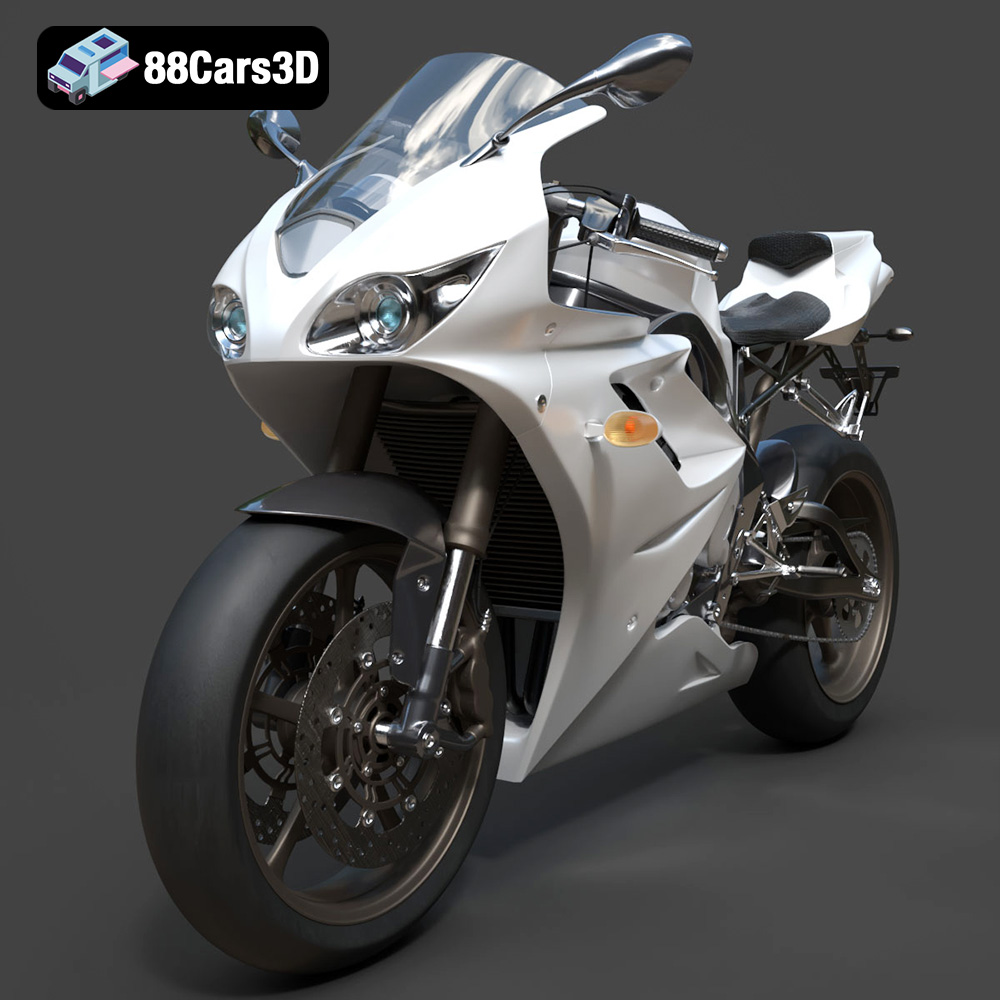
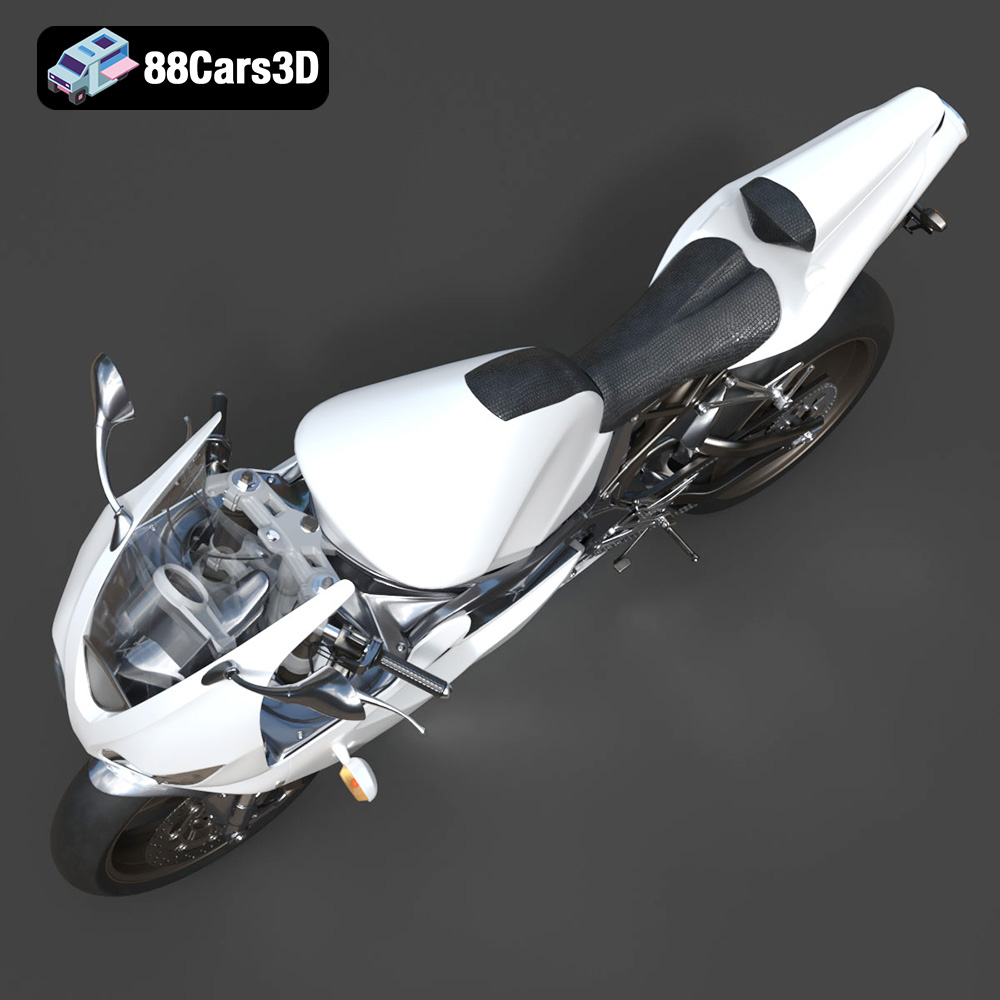
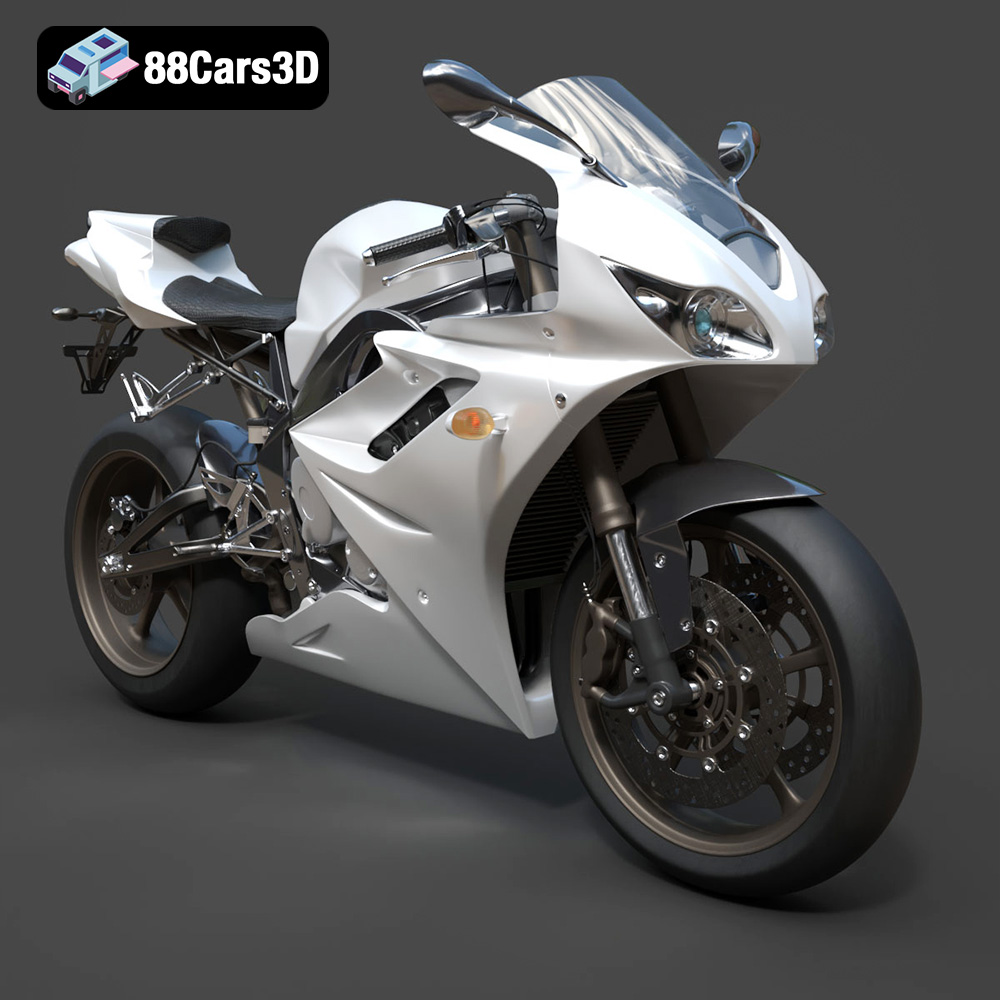
The Triumph Daytona 675 SE 2008 stands as a pinnacle of British supersport engineering, renowned for its distinctive howling 675cc inline-three engine and razor-sharp handling. This 3D model meticulously captures the Special Edition’s unique heritage and aggressive styling, featuring the iconic triple under-tail exhaust system, golden alloy wheels, and aerodynamically sculpted fairings that make it an unforgettable machine on both the track and the street. Crafted with an impressive 1,244,229 triangles, this 3D model offers unparalleled visual fidelity and structural accuracy. The topology has been carefully managed to ensure excellent performance for high-end game development, cinematic animations, and cutting-edge AR/VR applications. Its stunning level of detail holds up perfectly in close-up renders while maintaining efficiency for real-time engines like Unreal Engine and Unity. Perfect for high-octane racing simulators, virtual motorcycle showrooms, dynamic lifestyle animations, and hyper-realistic studio renders.
$37.50
.2008
.blend
.fbx
.glb
.max
.obj
.ply
.rendering
.stl
.supersport
.triumph
.unreal
daytona-675
daytona-675-se
game asset
game-ready
motorcycle-3d-model
optimized
sports-bike
VR/AR