Get 20% OFF All Premium 3D & STL Models!

In the rapidly evolving landscape of 3D visualization, from hyper-realistic game environments to immersive architectural walkthroughs and compelling marketing campaigns, the demand for exceptionally detailed and technically sound 3D car models has never been higher. These assets are the cornerstone of believable digital worlds, providing not just visual flair but also critical context and realism to any scene. Whether you’re a game developer crafting the next open-world driving experience, an architect illustrating a grand design with a bustling streetscape, or a cinematic artist producing a captivating animation, the quality and versatility of your automotive assets can make or break your project.
The journey from concept to a fully realized 3D vehicle is a meticulous process, demanding expertise in modeling, texturing, rigging, and optimization. It’s a journey where precision meets performance, ensuring that a model not only looks stunning but also functions flawlessly within various software and real-time engines. This article will explore the intricacies of high-quality 3D car models, delve into the critical technical specifications that empower professional workflows, and demonstrate how a meticulously crafted asset, like the Oldsmobile Bravada Mk2f 1998-08 3D Model available on 88cars3d.com, can elevate your projects to new heights. We’ll examine everything from file formats and poly counts to real-world applications in game development, AR/VR, and automotive rendering, ensuring you’re equipped with the knowledge to select and implement the best assets for your needs.
The choice of file format for a 3D model is not merely a technicality; it’s a strategic decision that dictates compatibility, functionality, and performance across different software and platforms. High-quality 3D car models, especially those designed for professional use, often come with a suite of formats to cater to diverse needs. Understanding the strengths and typical use cases of each is paramount for any 3D artist or developer.
The `.blend` file format is native to Blender, the powerful open-source 3D creation suite. When you receive a model in this format, you’re getting a fully editable Blender scene. This includes not just the mesh data, but also materials, textures, lighting, camera setups, animations, and even physics simulations, all packaged within a single file. For artists heavily invested in Blender, this format offers the most flexibility for customization, tweaking shaders, adjusting topology, or incorporating the model directly into an existing Blender project. It’s ideal for those who need complete control over every aspect of the asset.
FBX (Filmbox) is a proprietary file format developed by Autodesk, and it has become the de facto industry standard for 3D data interchange. Its strength lies in its ability to store a wide range of 3D data, including geometry, materials, textures, animations, and rigging information, while maintaining compatibility across various software like 3ds Max, Maya, Cinema 4D, and critically, game engines like Unreal Engine and Unity. For game developers and those working in real-time pipelines, `.fbx` is often the preferred choice due to its robust support for animation and skeletal data, making it perfect for animated 3D car models.
The Wavefront `.obj` format is one of the oldest and most widely supported 3D file formats. It’s renowned for its universality, making it an excellent choice for cross-software compatibility. An `.obj` file primarily stores geometry data (vertices, normals, texture coordinates, and faces) and can reference external material files (.mtl) for surface properties. While it doesn’t typically support animation or rigging, its simplicity and widespread adoption make it a reliable fallback for importing 3D car models into virtually any 3D application or renderer. It’s particularly useful when you need just the clean mesh data to build upon.
GLB is the binary version of glTF (GL Transmission Format), a royalty-free specification for the efficient transmission and loading of 3D scenes and models by applications. `.glb` packages all model data (geometry, textures, animations, and materials) into a single, self-contained file. This makes it incredibly efficient for web-based 3D viewers, augmented reality (AR), virtual reality (VR) applications, and mobile platforms, where file size and quick loading times are crucial. Its optimization makes it perfect for interactive 3D car models in online configurators or immersive experiences.
STL (STereoLithography) is the standard file format for 3D printing. It represents a 3D model as a series of connected triangles, describing only the surface geometry of an object without color, texture, or other CAD attributes. While not ideal for rendering or animation, its simplicity and widespread support by 3D printers and slicing software make it indispensable for physical prototyping or creating display-scale models of 3D car models. The Oldsmobile Bravada Mk2f model, for instance, is perfectly convertible to `.stl` for enthusiasts looking to bring their digital asset into the physical world.
The PLY (Polygon File Format) is another format that describes a 3D object as a collection of polygons. It supports properties like color, transparency, and normals, and can store a broader range of data than `.obj` or `.stl`, including scanner data, making it suitable for scientific computing, CAD, and precise geometric analysis. While less common for general rendering, its precision makes it valuable for specialized engineering or reverse-engineering workflows with 3D car models.
This “format” typically refers to assets packaged or exported specifically for direct integration into the Unreal Engine. While Unreal primarily uses `.fbx` for import, an `.unreal` file might signify a pre-packaged asset bundle (e.g., a .uasset file or a project folder) that includes not just the model, but also optimized materials, LODs (Levels of Detail), collision meshes, and potentially blueprints, ready to be dropped into an Unreal project with minimal setup. This “engine-ready” state is a huge time-saver for game developers.
Similar to `.blend` for Blender, `.max` is the native file format for Autodesk 3ds Max, a powerful software widely used in architectural visualization, automotive design, and film production. A `.max` file contains the entire scene data, including geometry, modifiers, materials, lights, cameras, and animation curves. It offers the most comprehensive editing capabilities for users of 3ds Max, allowing full modification and advanced rendering setups for highly detailed 3D car models.
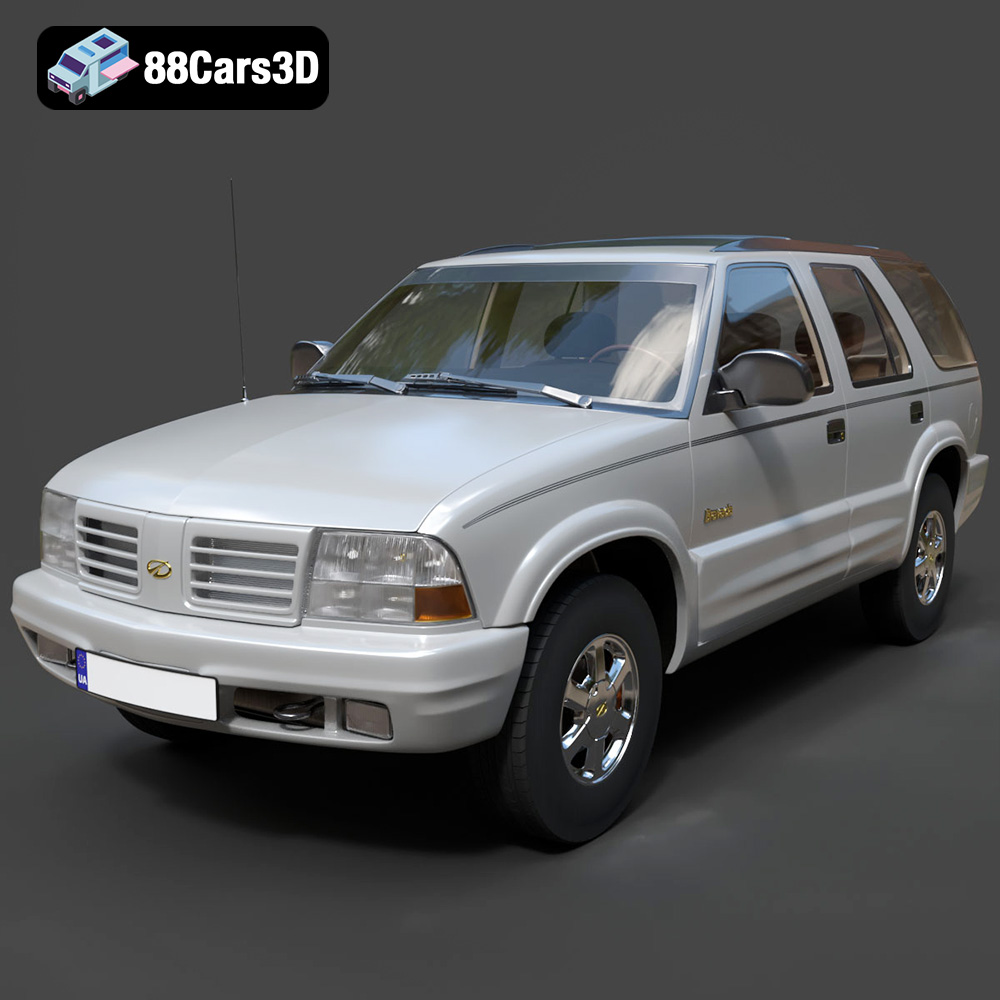
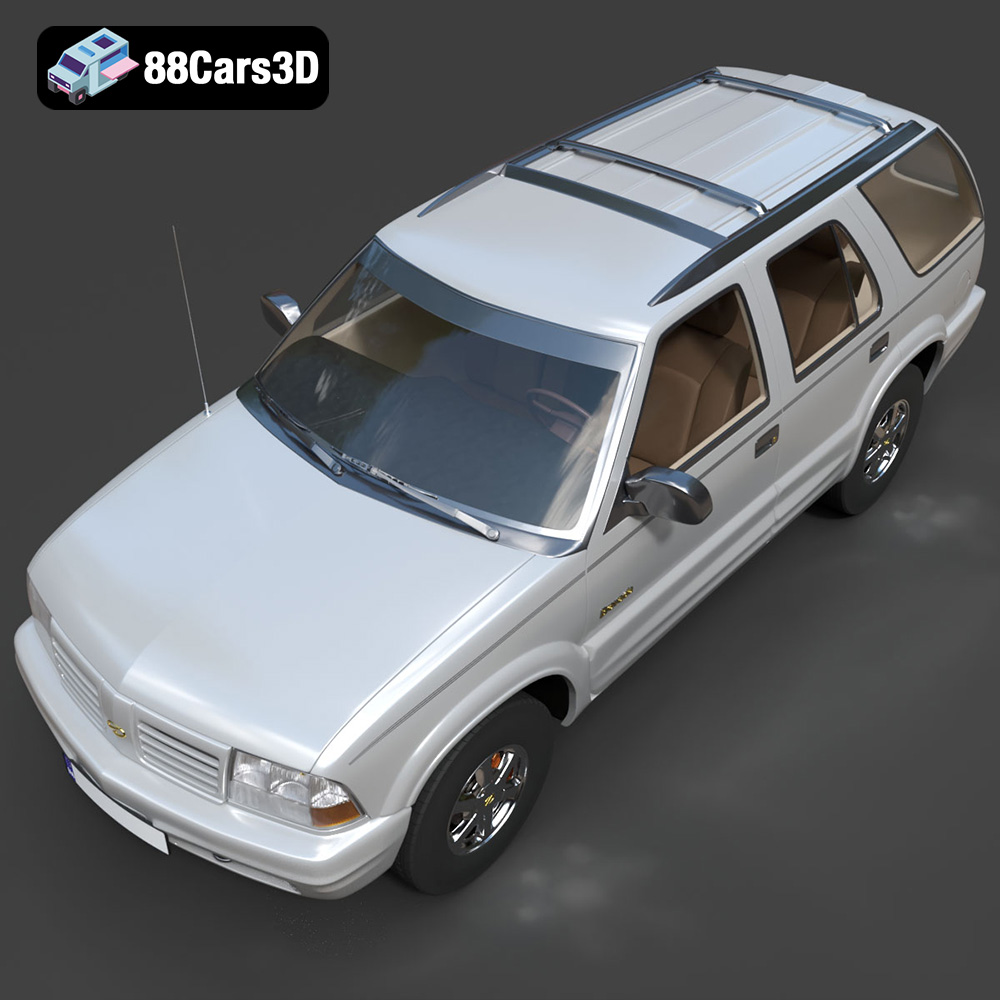
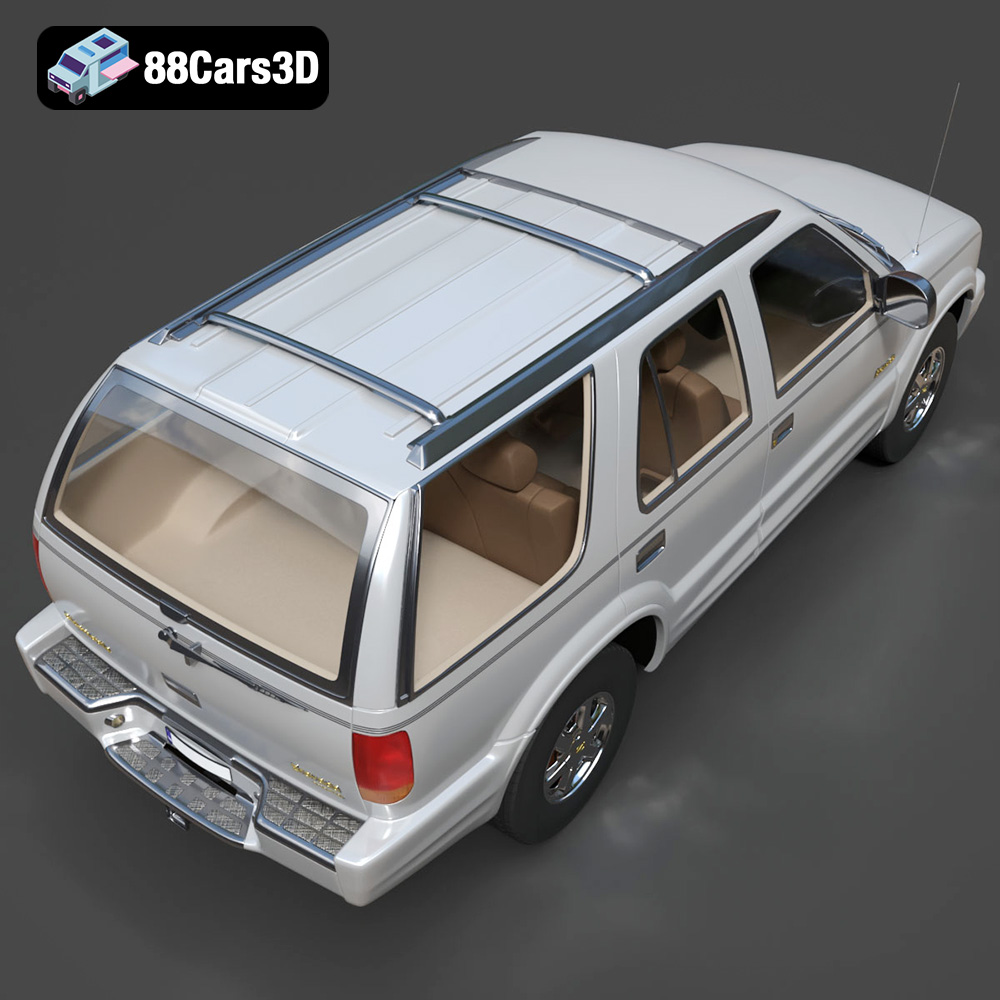
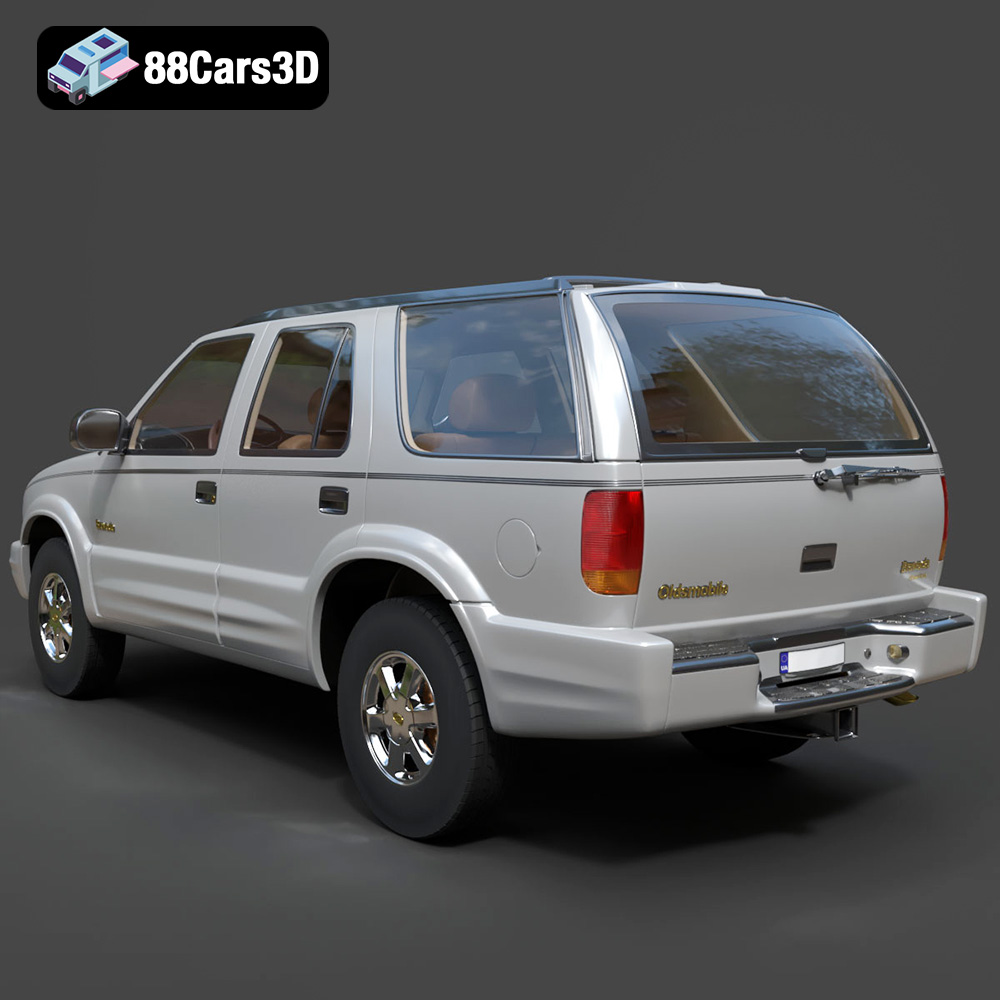
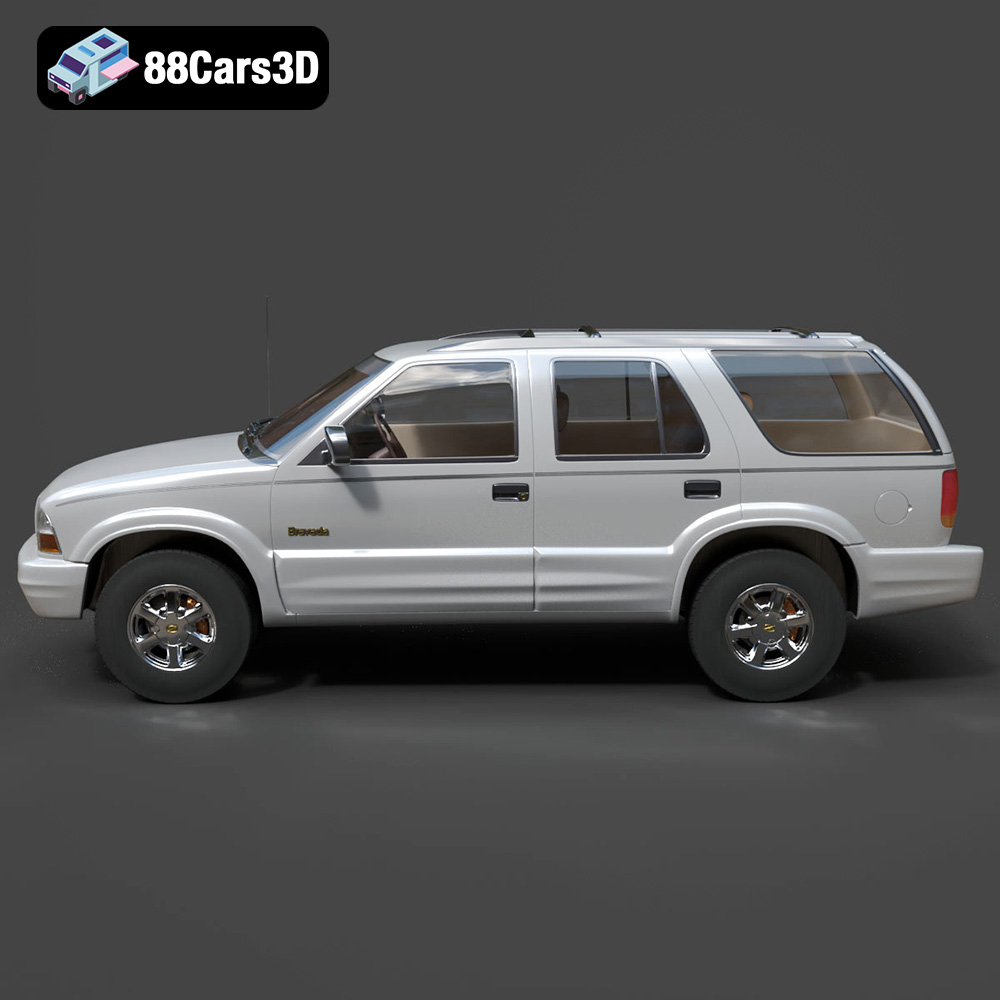
The Oldsmobile Bravada Mk2f (1998-08) holds a unique place in automotive history, symbolizing a blend of rugged utility and sophisticated luxury from its era. Recreating such a vehicle in 3D requires an acute eye for detail and a deep understanding of digital craftsmanship. The 3D model of the Oldsmobile Bravada Mk2f, available at 88cars3d.com, is a prime example of a premium asset that captures the essence of this distinctive SUV, making it an invaluable addition to various professional pipelines.
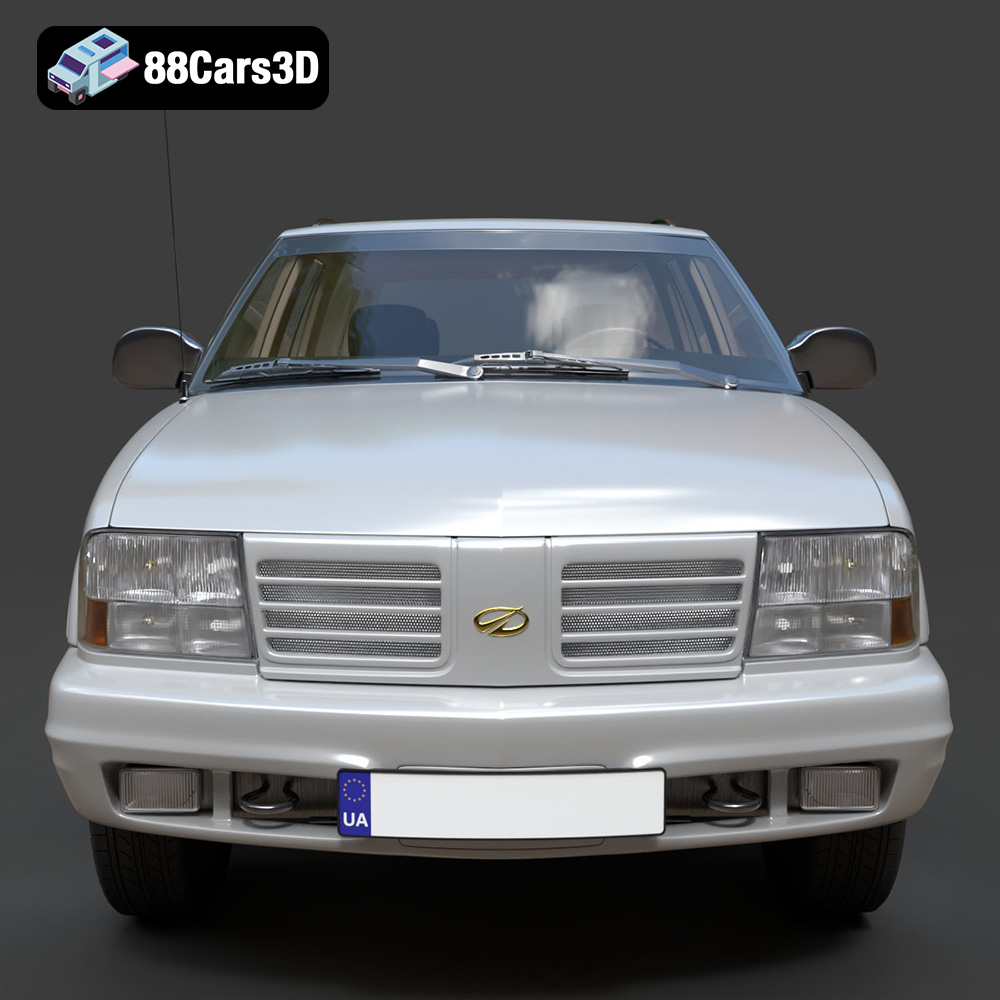
One of the standout features of this 3D model is its unwavering commitment to authenticity. The creators have meticulously captured the Bravada’s signature design elements: the iconic Oldsmobile split front grille, the seamless body-colored lower cladding, and its smoothly integrated aerodynamic styling cues. These details are not merely superficial; they are accurately replicated in the geometry, providing a solid foundation for realistic rendering and animation. From the specific proportions of its mid-size SUV frame to the nuanced curves of its exterior paneling, every aspect contributes to its true-to-life representation.
Beyond the exterior, the cockpit and interior features are equally impressive. The model includes luxurious ribbed leather-style seat detailing and plush cabin textures, an accurate dashboard with center console and wood-grain accent styling, and a detailed instrument cluster showcasing period-correct analog gauges. Precision-modeled foot pedals, a steering column, and a floor-mounted automatic shifter complete the immersive internal view. This level of interior detail is critical for first-person POV in gaming or close-up shots in cinematic rendering, adding significant value for designers focusing on realistic environments.
A beautiful model is only truly professional if it’s also technically sound and optimized for performance. The Oldsmobile Bravada Mk2f 3D model strikes a commendable balance between visual fidelity and real-time efficiency, making it “game-ready.”
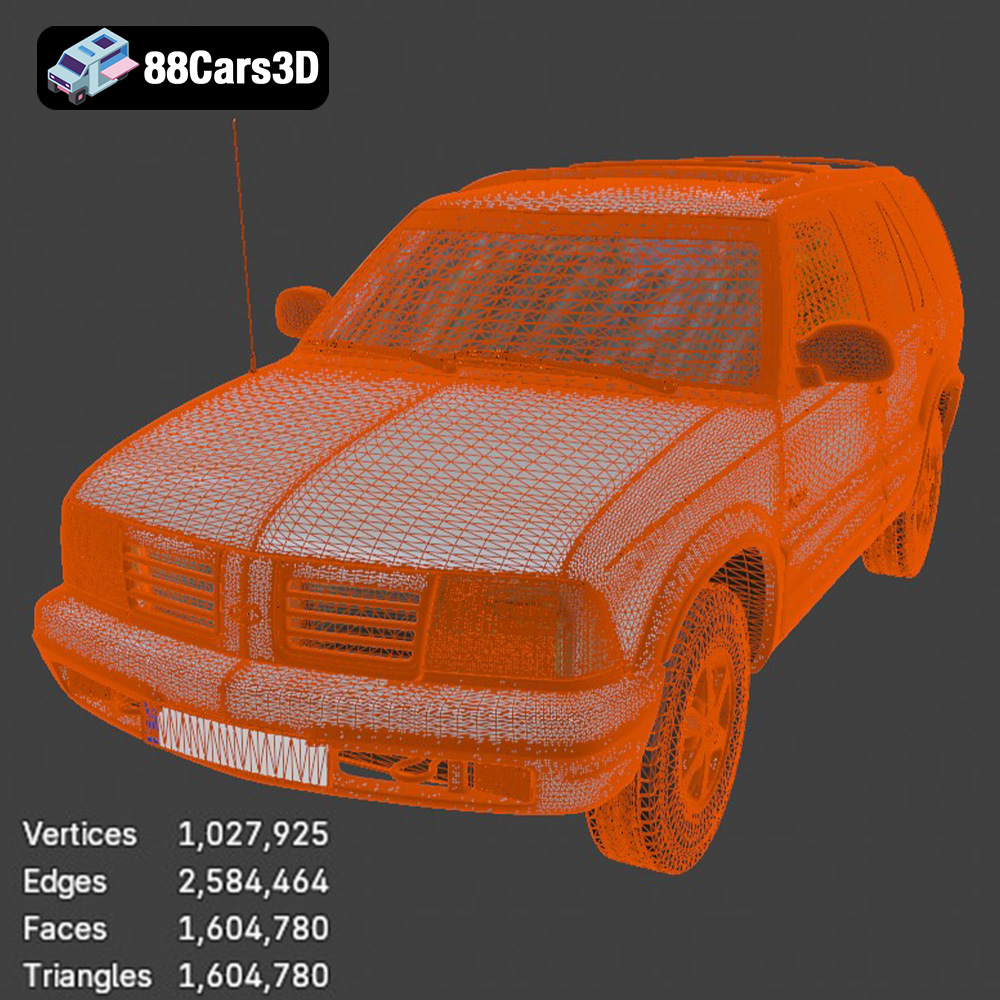
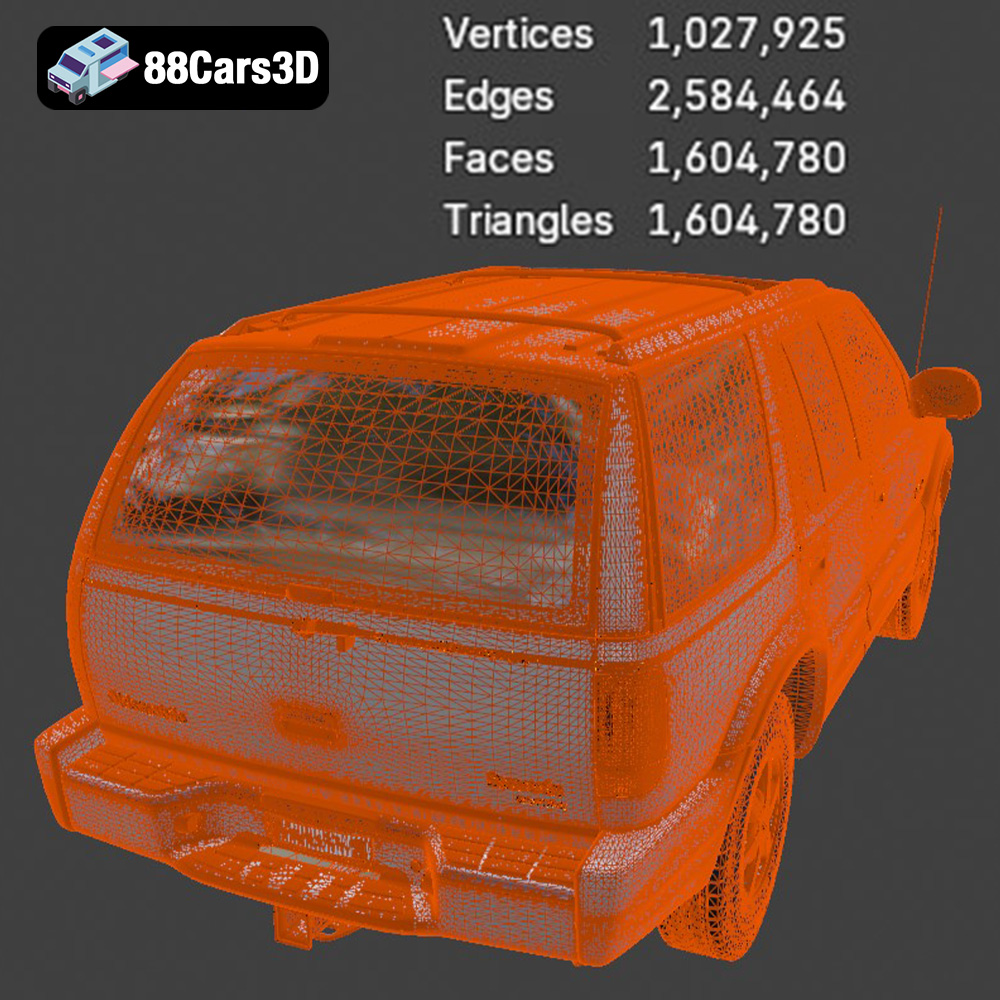
With a triangle count of 1,604,780, the model delivers high-fidelity visual quality without compromising performance in real-time engines like Unreal and Unity. This polycount is carefully chosen to render high-definition details across the exterior, light housings, and undercarriage while remaining manageable for modern game engines. This optimized topology ensures smooth framerates and efficient resource utilization, a critical advantage for game developers. The geometry is expertly structured, making it suitable for both high-end rendering and interactive experiences.
The model adheres to real-world scale accuracy based on the actual vehicle chassis, ensuring correct integration into architectural visualizations or realistic simulations. Furthermore, proper pivot setups for steering, wheel rotation, and suspension travel are implemented. This pre-rigged articulation saves countless hours for animators and simulation specialists, allowing for immediate integration into dynamic scenes.
The versatility of a well-crafted 3D car model is its true measure. The Oldsmobile Bravada Mk2f is designed to integrate seamlessly into a multitude of professional workflows, from the demanding environments of game development to the precise needs of AR/VR and the artistic requirements of cinematic rendering.
For game developers, the Bravada Mk2f offers a ready-made solution for populating virtual worlds. Its optimized polycount of 1,604,780 triangles is perfect for open-world games, racing titles, and simulators where multiple vehicles need to be rendered efficiently. The game-ready geometry means less time spent on optimization and more time on gameplay and level design. The separated components for wheels, suspension, and steering allow for advanced physics integration, enabling realistic driving mechanics. Imagine this classic SUV traversing a detailed urban environment or serving as a period-correct vehicle in a historical game setting, contributing to an authentic and engaging player experience. The included `.fbx` and `.unreal` formats ensure quick integration into popular game engines.
Integrating the Bravada into Unreal Engine is straightforward. Import the `.fbx` or `.unreal` file, and thanks to the proper pivot setups, you can quickly rig it to a vehicle blueprint. The detailed interior is ideal for first-person camera views, making it excellent for racing games or driving simulators. Developers can leverage Unreal’s powerful material editor to create realistic paint finishes, glass, and tire materials, further enhancing the model’s visual appeal. LODs (Levels of Detail) can be easily generated or applied if not already included, ensuring performance across various distances and hardware configurations.
Augmented and Virtual Reality applications demand highly optimized assets that can render smoothly on a wide range of devices. The Bravada Mk2f model, particularly with its `.glb` format, is an excellent candidate for virtual showrooms, interactive configurators, and mobile AR experiences. Imagine a customer virtually exploring the Bravada in their driveway before a purchase, or an architectural visualization where the SUV adds a layer of realism to a proposed development. Its real-world scale and detailed features contribute significantly to the sense of presence and immersion in these cutting-edge applications.
The `.glb` format is specifically designed for efficient transmission and rendering in web browsers and mobile AR/VR platforms. This means the Bravada model can be easily embedded into websites for interactive 3D viewing or deployed in mobile apps for augmented reality overlays. Its single-file nature simplifies asset management and reduces loading times, providing a seamless user experience whether viewing the car in a browser or placing it virtually in a real-world scene.
For rendering and architectural visualization artists, the Oldsmobile Bravada provides a highly detailed, period-correct asset for creating stunning still images and animations. Its authentic design elements and meticulous topology make it perfect for brand campaigns, lifestyle scenes, and studio lighting setups. Architects can use it to populate visualizations of residential or commercial projects, adding a touch of realism and a sense of scale. Cinematic artists can integrate it into short films or advertisements, leveraging its detailed interior for compelling driver POV shots or its classic exterior for nostalgic scene-setting. The model’s compatibility with major 3D software platforms like 3ds Max and Blender ensures it can be integrated into existing rendering pipelines.
Users of 3ds Max can utilize the `.max` file for full project control, while Blender users benefit from the `.blend` file. Both formats allow for extensive customization of materials, lighting, and camera angles. Artists can experiment with different studio lighting setups, integrate the vehicle into environment renders, or even animate specific components like doors and suspension for dynamic visualizations. The detailed geometry responds beautifully to ray tracing, allowing for incredibly realistic reflections, refractions, and global illumination.
Beyond basic integration, high-quality 3D car models offer extensive opportunities for customization, advanced rendering techniques, and even physical production through 3D printing. The Oldsmobile Bravada Mk2f model is built with these possibilities in mind.
A truly versatile 3D asset provides ample room for creative modification. The Bravada model facilitates numerous customization options to tailor it to specific project requirements:
Achieving photorealistic automotive rendering is an art form that relies heavily on both the quality of the 3D model and the renderer’s capabilities. With a model like the Bravada, artists can focus on the nuances of lighting, reflections, and material shaders. Techniques like HDRI (High Dynamic Range Imaging) lighting combined with advanced material setups (e.g., PBR materials for realistic paint, chrome, and glass) can bring the vehicle to life. Careful attention to light bounces, caustics, and subtle surface imperfections can elevate a render from good to breathtaking, making the 3D car model indistinguishable from a real photograph.
The Oldsmobile Bravada Mk2f 3D model also extends its utility into the physical realm through 3D printing. The inclusion of the `.stl` format, along with specific print settings recommendations, makes this a tangible asset for hobbyists and collectors alike. Imagine holding a perfectly scaled replica of this classic SUV.
In the world of 3D production, time is a precious commodity. Creating a highly detailed and optimized 3D car model from scratch can be an extremely resource-intensive endeavor, often requiring hundreds of hours of expert labor. This is where marketplaces like 88cars3d.com become indispensable. Sourcing pre-made, high-quality 3D car models like the Oldsmobile Bravada Mk2f allows artists and developers to significantly reduce production timelines and allocate resources more efficiently.
Investing in professional-grade assets ensures consistency in quality, adherence to technical standards, and broad compatibility across different software and engines. Instead of wrestling with complex modeling challenges, artists can focus on their core competencies, whether that’s level design, animation, or rendering. This strategic approach accelerates project delivery, improves overall visual fidelity, and ultimately leads to more compelling and successful outcomes. When you choose a model from 88cars3d.com, you are investing in an asset that is ready for demanding professional use right out of the box, saving you valuable time and effort in your creative pursuits.
The landscape of 3D visualization is continuously pushing the boundaries of realism and interactivity. At the heart of this evolution are meticulously crafted assets that serve as the building blocks for incredible digital experiences. We’ve explored the critical role of high-quality 3D car models, delved into the technical nuances of various file formats, and showcased how the Oldsmobile Bravada Mk2f 1998-08 3D Model exemplifies a premium asset designed for professional workflows.
From its authentic exterior and detailed interior to its game-ready optimization and extensive file format support, this model from 88cars3d.com is engineered to meet the stringent demands of game development, AR/VR, and high-fidelity automotive rendering. Whether you’re crafting an immersive simulation, a photorealistic architectural visualization, or a captivating animation, the right 3D car model can elevate your project, save valuable time, and unlock new creative possibilities. By understanding the technical specifications and application versatility of such assets, artists and developers can make informed decisions that drive their projects forward into the realm of the truly extraordinary.
The Oldsmobile Bravada Mk2f (1998-08) stands as a distinct symbol of late 90s and early 2000s American luxury SUVs. Known for its sophisticated SmartTrak all-wheel-drive system, this mid-size premium utility vehicle blends rugged capability with upscale comfort. The model captures the vehicle’s signature design elements, including the iconic Oldsmobile split front grille, seamless body-colored lower cladding, and smoothly integrated aerodynamic styling cues that set it apart from its corporate siblings. Boasting a meticulous topology with a triangle count of 1,604,780, this 3D model delivers high-fidelity visual quality without compromising performance. Designed with game-ready optimization in mind, the geometry is expertly structured for real-time engines, rendering high-definition details in the exterior paneling, complex light housings, and undercarriage components. It serves as an exceptional asset for developers and artists focusing on game development, immersive AR/VR experiences, animation, and hyper-realistic architectural visualization. Perfect for urban driving simulations, virtual dealership showrooms, historical 90s-era automotive scenes, and cinematic rendering projects.
$37.50
.blend
.fbx
.glb
.luxury suv
.max
.obj
.oldsmobile
.ply
.rendering
.stl
.unreal
bravada
bravada-mk2f
car-3d-model
classic-suv
game asset
game-ready
low-poly
optimized
SUV
VR/AR