Get 20% OFF All Premium 3D & STL Models!

The landscape of digital content creation is constantly evolving, driven by an insatiable demand for realism and immersion across industries. From the adrenaline-pumping worlds of AAA video games to groundbreaking military simulations and sophisticated architectural visualizations, the quality of 3D assets forms the bedrock of any successful project. In this intricate ecosystem, acquiring meticulously crafted models is not just a convenience; it’s a strategic advantage, saving countless hours of development and ensuring unparalleled visual fidelity.
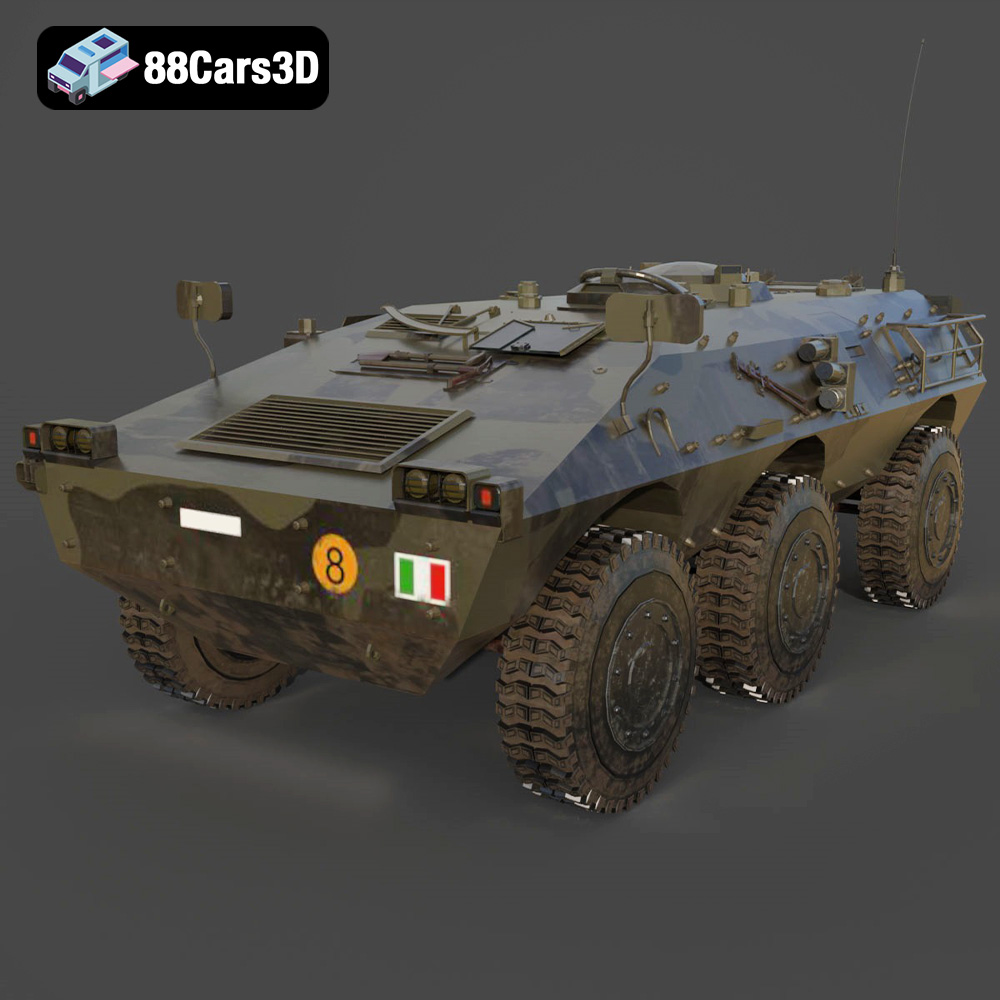
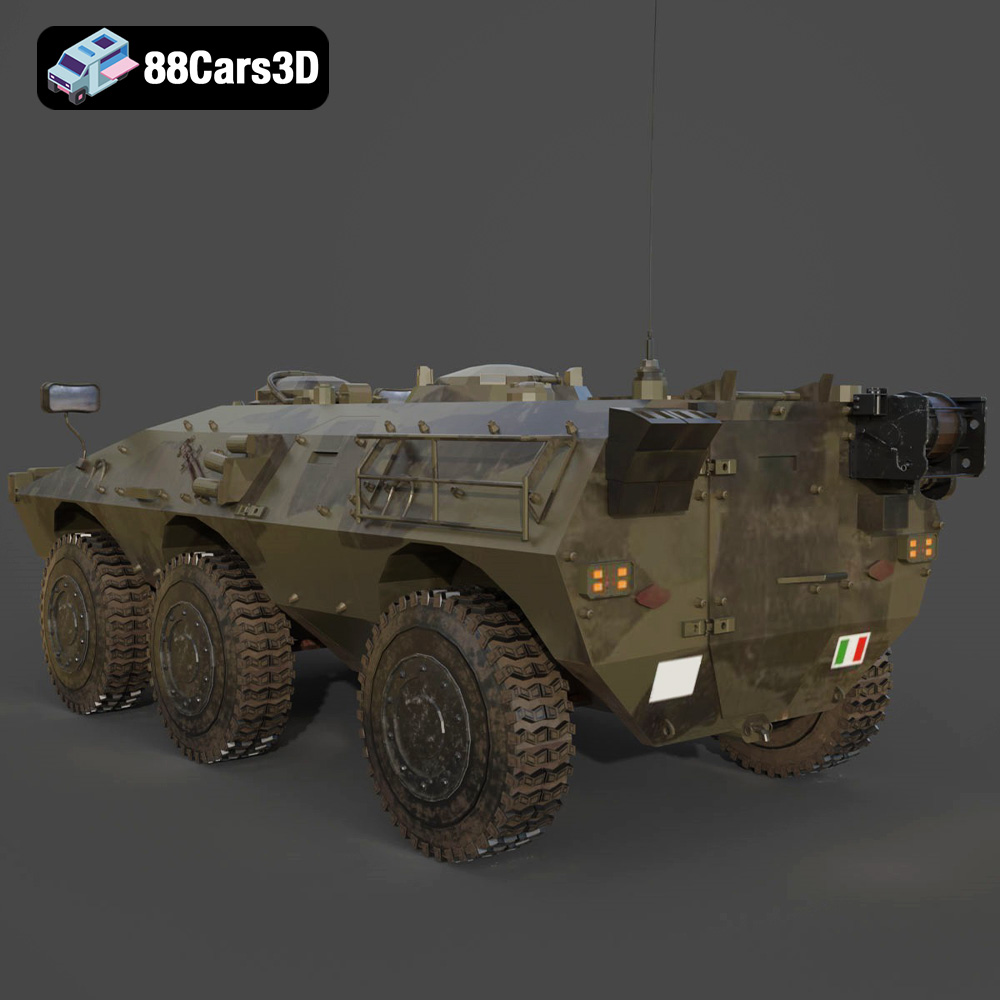
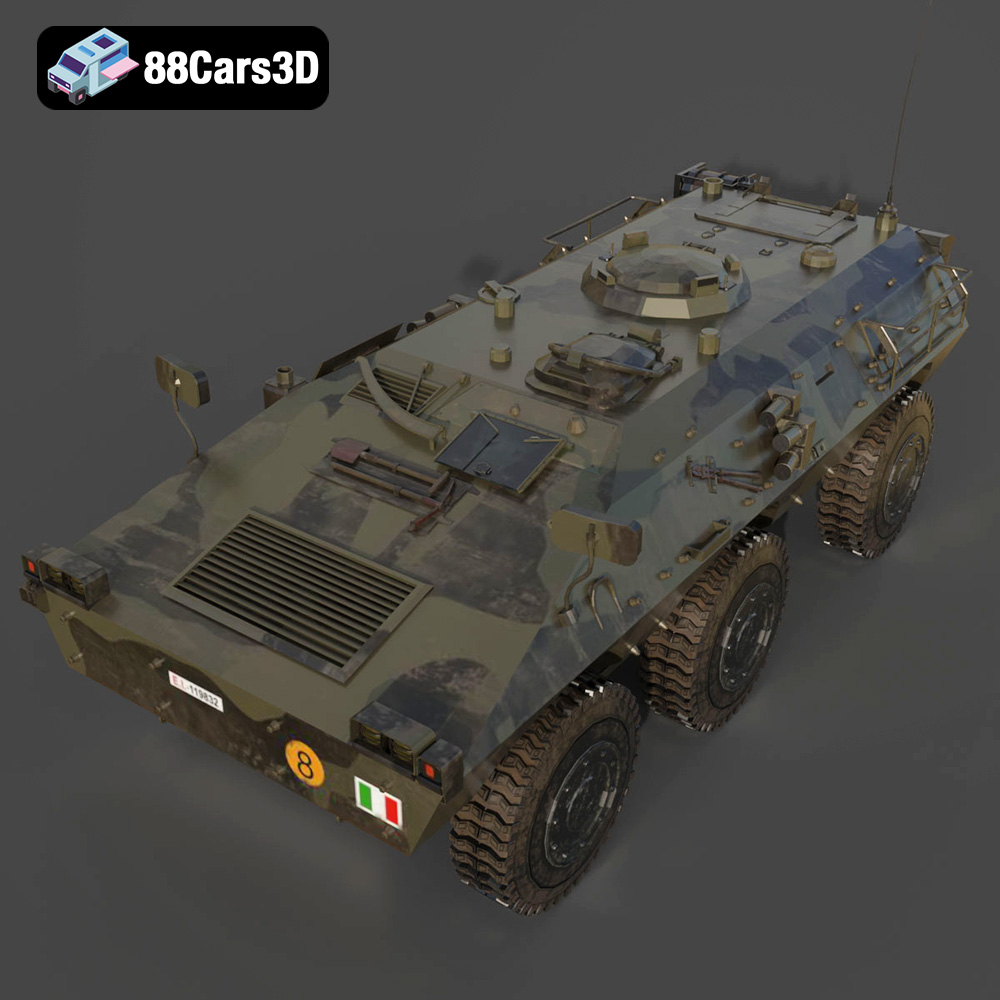
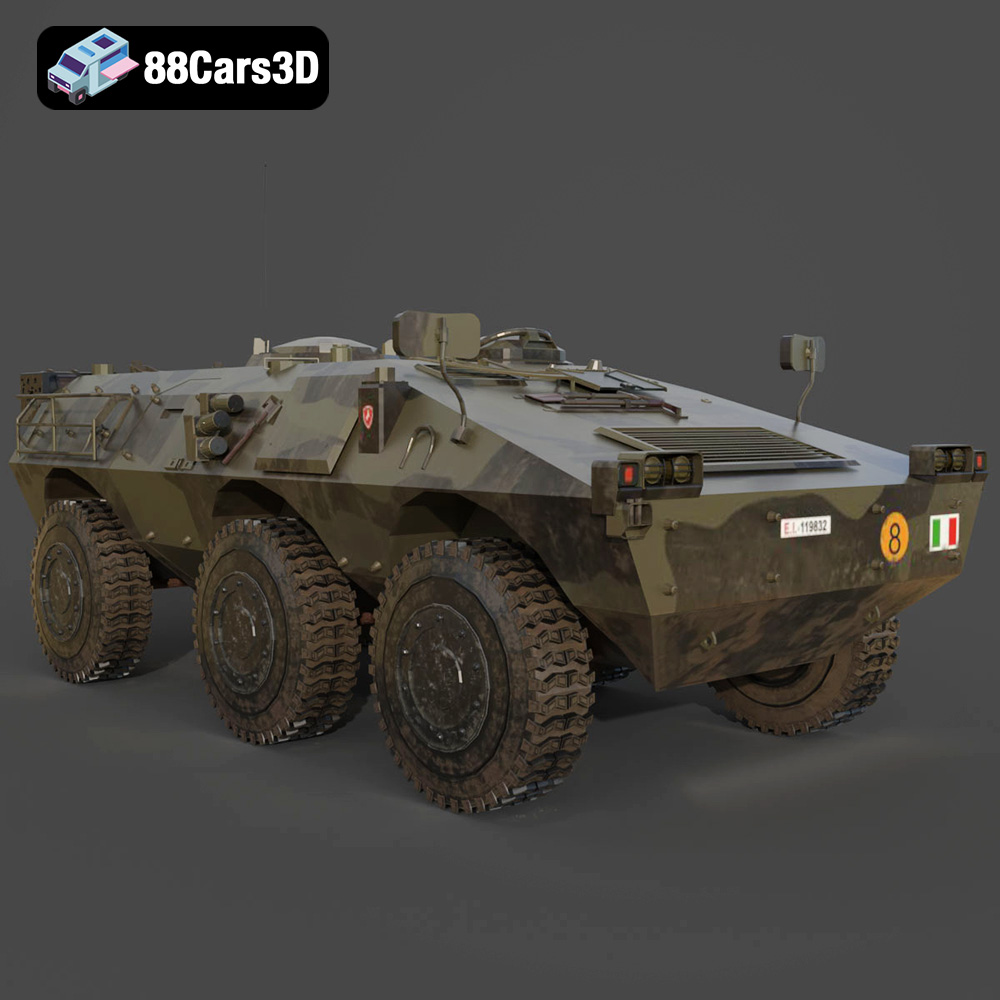
For professionals and enthusiasts alike, the search for assets that seamlessly blend technical precision with artistic excellence can be daunting. This is where platforms specializing in high-quality 3D models become indispensable resources. Today, we delve into the world of advanced vehicle modeling, exemplified by the exceptional Puma AFV 6-08 3D Model. This asset is more than just a collection of polygons; it’s a testament to modern digital craftsmanship, engineered to meet the rigorous demands of game development, cinematic rendering, immersive AR/VR experiences, and even tangible 3D printing projects. Its robust design and optimized topology make it a cornerstone asset for anyone looking to elevate their digital battlefield or any project requiring a cutting-edge armored fighting vehicle.
The real-world Puma AFV 6-08 stands as a symbol of modern military engineering, a formidable Infantry Fighting Vehicle (IFV) renowned for its advanced modular composite armor, remote-controlled turret, and precision auto-cannon. Translating such a complex piece of hardware into a digital model requires an intricate understanding of both its physical design and the technical requirements of various digital pipelines. The challenge lies in capturing every aggressive contour, every intricate detail of the suspension, and the nuanced geometry of its weapon systems, all while ensuring the model remains performant and versatile.
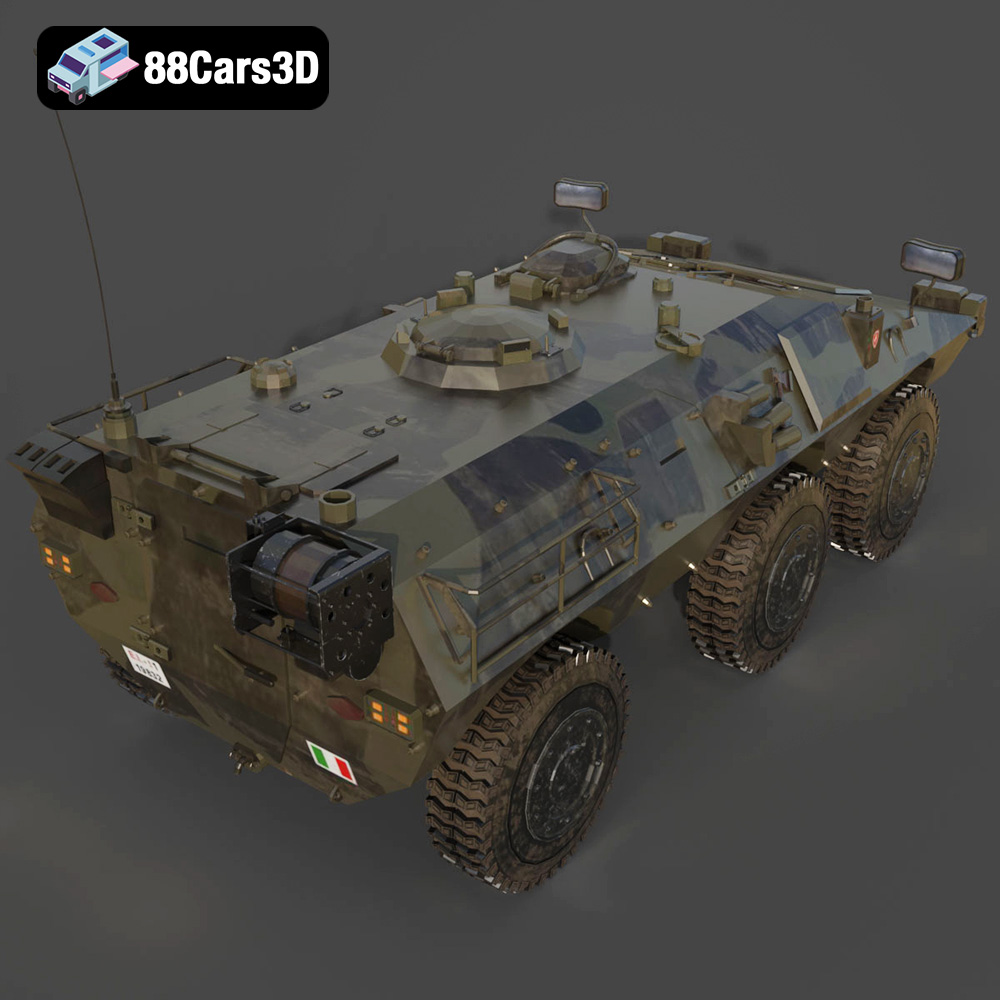
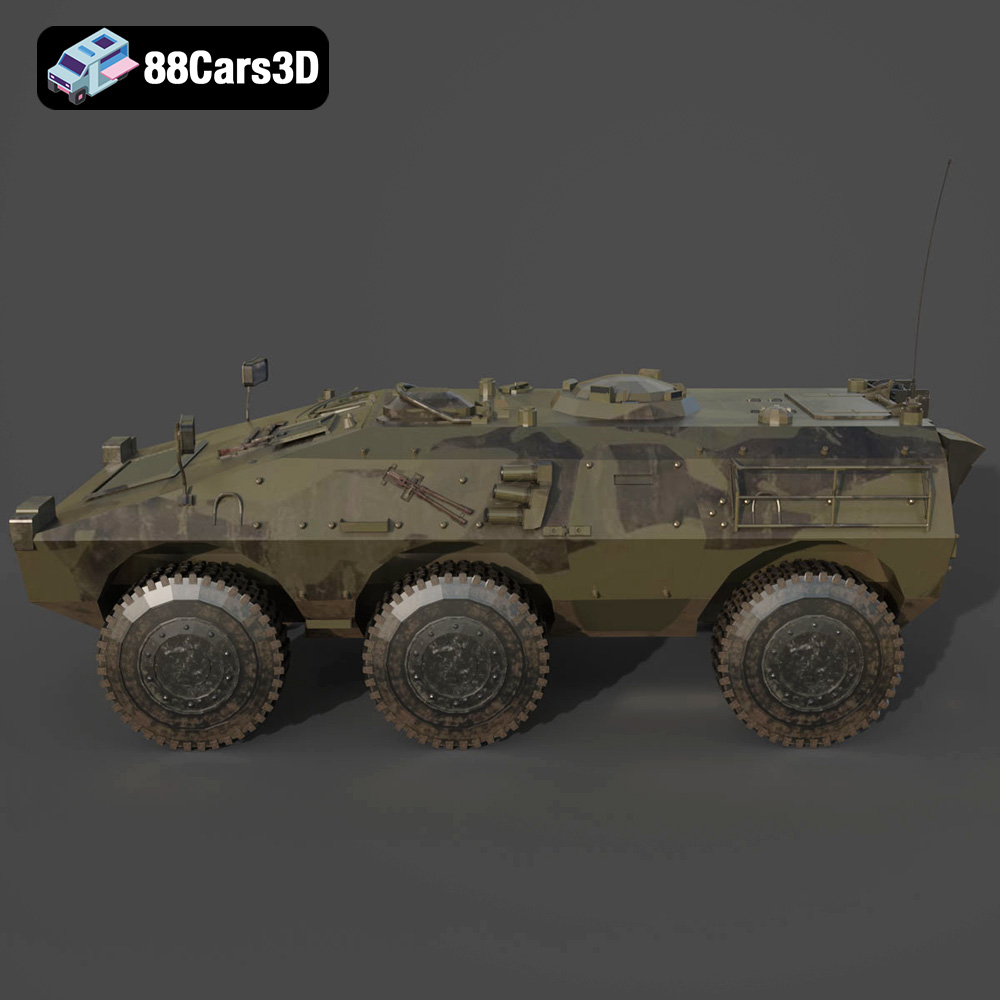
The Puma AFV 6-08 3D Model rises to this challenge with remarkable success. It is not merely an approximation but a detailed digital twin, meticulously designed to reflect the vehicle’s imposing silhouette and functional components. This attention to detail is crucial for projects where authenticity is paramount, whether for historical accuracy in documentaries or immersive realism in combat simulators.
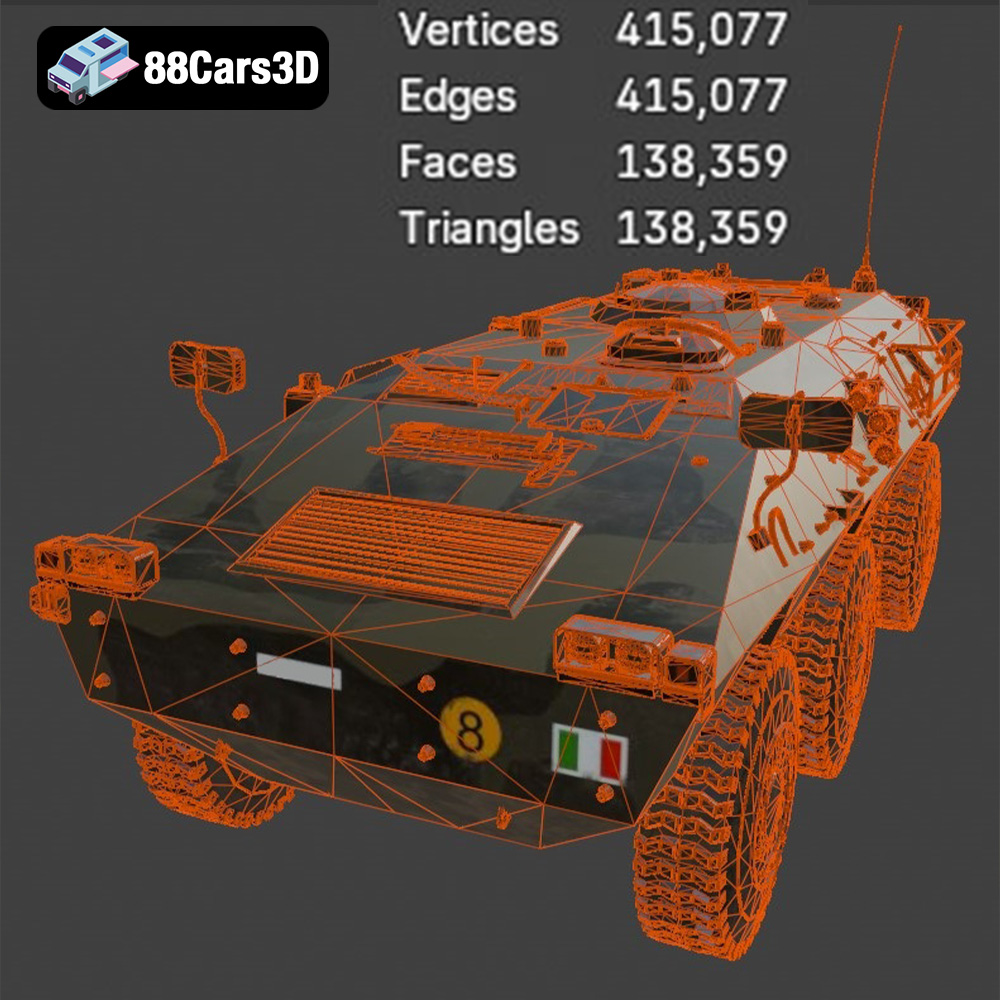
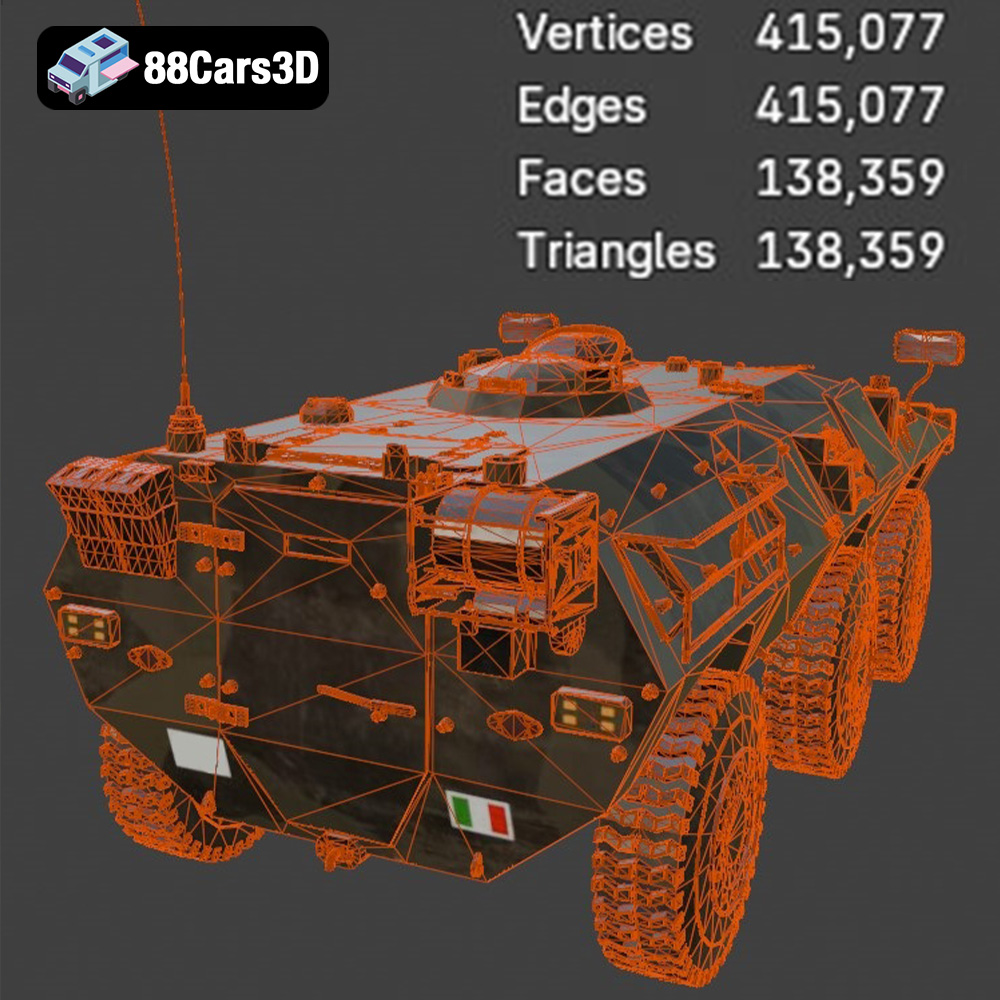
At its heart, this 3D model boasts an optimized topology of 138,359 triangles. This specific polycount strikes a critical balance: it’s rich enough to convey high-end visual realism for close-up renders and detailed animations, yet lean enough to ensure game-ready performance in real-time engines like Unreal Engine and Unity. This optimization is a key indicator of a professional-grade asset, meaning less time spent by developers on reducing polycounts and more time focused on creative implementation.
The model’s external features are a masterclass in digital replication: accurate hull geometry, heavy armor proportions, detailed continuous tracks with drive sprockets and road wheels, a fully realized remote-controlled weapon station, tactical optics, periscopes, and intricate exhaust grilles. Even subtle elements like tow cables and external storage bins are present. Internally, while optimized for first-person POV in gaming, it includes detailed commander and gunner hatch geometry, periscope viewing angles, and representational troop compartment doors. Crucially, separate components for the turret, gun barrel, and track elements are provided, already set up with proper pivots, making rigging and animation a streamlined process. This level of granular detail and preparation is invaluable for animators and game developers.
In the expansive world of 3D content creation, the choice of file format is as critical as the model itself. Different formats serve distinct purposes, each optimized for specific workflows, software compatibility, and end-use applications. Understanding these nuances is fundamental for any professional dealing with 3D assets, as it directly impacts efficiency, interoperability, and project success. A high-quality model like the Puma AFV 6-08 3D Model from 88cars3d.com often comes with a variety of formats, ensuring maximum flexibility for its users.
Each format serves a crucial role, and the provision of multiple options for the Puma AFV 6-08 3D Model underscores its versatility, ensuring it fits seamlessly into any professional workflow, from complex animations to real-time game environments and physical reproductions.
For game developers, time is a critical resource, and pre-optimized assets like the Puma AFV 6-08 3D Model are invaluable. When working with Unreal Engine or Unity, the .fbx or the specific “.unreal” optimized package is the go-to format. Upon import, developers can quickly assign Physically Based Rendering (PBR) materials, leveraging the model’s clean UV mapping (implied by “game-ready”) to apply high-resolution textures for diffuse, normal, roughness, metallic, and ambient occlusion maps. The separate components for the turret, gun barrel, and tracks, combined with their proper pivot setups, allow for immediate rigging and animation. This means implementing complex track animations, turret rotation, and gun elevation can be handled efficiently with minimal custom work. Furthermore, the optimized polycount of 138,359 triangles ensures excellent performance, even when multiple AFVs are present on screen, making it ideal for large-scale combat simulators or open-world tactical shooters. Adding collision meshes and setting up in-game physics becomes straightforward, accelerating the path from asset acquisition to interactive gameplay.
For cinematic productions, architectural visualizations, or high-end product renders, visual fidelity is paramount. The .max or .blend formats provide native access to the model within its respective software, allowing for complete control over every aspect. In 3ds Max, artists can utilize advanced rendering engines like V-Ray or Corona to create photorealistic lighting scenarios, deep shadows, and intricate material reflections that truly bring the Puma AFV to life. Blender users can leverage Cycles or Eevee for similarly stunning results, taking advantage of its robust node-based shader system to craft custom camouflage patterns, weathering effects, and metallic wear that tell a story. The meticulous detail of the Puma AFV 6-08 3D Model, from its external storage bins to its intricate exhaust grilles, holds up exceptionally well under close-up camera angles, making it perfect for dynamic cutscenes, historical documentaries, or even as a focal point in a futuristic military garage scene.
The rise of Augmented Reality (AR) and Virtual Reality (VR) demands highly optimized assets that can perform flawlessly on a wide range of devices, from mobile phones to high-end VR headsets. The Puma AFV 6-08 3D Model, with its game-ready polycount and included .glb format, is perfectly suited for these immersive applications. The .glb format, specifically designed for efficient web and real-time deployment, allows for quick loading and smooth interaction in virtual showrooms, military training simulators, or even interactive educational experiences. Imagine placing a life-sized Puma AFV in your living room via AR, or navigating a virtual battlefield from the perspective of a gunner in VR. The model’s optimized geometry ensures that these experiences remain fluid and engaging, providing a powerful tool for visualization and training that transcends traditional media.
The journey of a 3D model doesn’t always end on a screen; for hobbyists, collectors, and diorama builders, the ability to physically hold a miniature replica of a complex vehicle is a unique joy. The inclusion of the .stl format for the Puma AFV 6-08 3D Model directly caters to the 3D printing community. The provided print settings offer a clear roadmap for achieving optimal results: recommended scales (1:35, 1:48, 1:72) for popular military modeling, layer height guidance (0.04–0.12 mm, with resin printing recommended for fine details), and crucial advice on supports and print orientation. Post-processing suggestions, such as sanding, priming, and applying authentic military camouflage with weathering effects, bridge the gap between digital asset and physical masterpiece. This versatility means that the same digital file can be used for a cutting-edge game, a cinematic render, and a physical display model, showcasing the comprehensive utility of this asset.
A static asset, however detailed, often needs to adapt to diverse narrative contexts. The Puma AFV 6-08 3D Model is designed with customization in mind. Artists can effortlessly change camouflage patterns to suit different operational environments – from woodland NATO green to arid desert tan or stark winter white. This isn’t just a color swap; it involves careful re-texturing to ensure realism. Similarly, track textures can be modified to reflect battlefield conditions, whether freshly factory-clean, subtly dusty, or heavily caked with mud. Material finishes can also be adjusted, moving from a standard matte military CARC (Chemical Agent Resistant Coating) paint to showing metallic wear and tear around hatches, edges, and points of heavy friction. These subtle changes in materials and textures are vital for conveying the age, usage, and environmental context of the vehicle, adding depth to any scene or simulation.
Beyond basic material adjustments, the model provides a strong foundation for adding layers of battlefield authenticity. Tactical markings, unit insignia, and identification numbers can be easily integrated as decals or texture overlays, personalizing the vehicle for specific scenarios or fictional military units. Dynamic lighting setups can transform the vehicle’s appearance, simulating different times of day, weather conditions (rain, snow, fog), or combat environments (e.g., the stark glow of muzzle flashes at night). Integrating the Puma AFV 6-08 3D Model into diverse combat scenarios, alongside other assets like soldiers, terrain, and destructible environments, allows for the creation of compelling visual narratives. This level of adaptability makes the asset an invaluable tool for storytellers, game designers, and visual effects artists who need a high degree of creative control over their digital assets.
In the fast-paced world of 3D production, the decision to buy a pre-made asset versus modeling from scratch is often a matter of efficiency and quality. Sourcing high-quality 3D models like the Puma AFV 6-08 3D Model from reputable marketplaces such as 88cars3d.com offers significant advantages. Each asset is meticulously crafted by experienced artists and optimized for professional pipelines. This means you’re investing in a product with clean topology, proper UVs, accurate scale, and robust file formats, all of which are critical for seamless integration into your projects. The time saved in modeling, texturing, and optimizing a complex asset like a military vehicle can be redirected to other crucial aspects of development, leading to faster project completion and higher overall quality. It’s about leveraging expert craftsmanship to enhance your own creative output.
While this article focuses on the exceptional Puma AFV 6-08 3D Model, 88cars3d.com offers a broader collection of premium 3D vehicle models. From highly detailed 3D car models for automotive rendering to diverse game assets and visualization components, the marketplace provides a rich repository for creative professionals. Whether you’re designing the next big racing game, creating a realistic urban environment, or producing stunning marketing visuals, having access to a curated selection of high-quality assets ensures consistency and excellence across your portfolio. Investing in well-made assets from 88cars3d.com is not just a purchase; it’s an enhancement of your digital arsenal, empowering you to tackle ambitious projects with confidence and achieve professional-grade results.
The digital frontier of 3D modeling demands assets that are not only visually striking but also technically robust and versatile. The Puma AFV 6-08 3D Model exemplifies these qualities, standing out as a premier asset for anyone engaged in game development, cinematic rendering, immersive AR/VR experiences, or 3D printing. Its optimized geometry, meticulous detail, and comprehensive suite of file formats (including .blend, .fbx, .obj, .glb, .stl, .ply, .unreal, and .max) ensure seamless integration into virtually any professional workflow. From its accurate hull geometry to its game-ready performance and print-ready structure, this model is a testament to the power of well-crafted digital assets.
By leveraging such high-quality resources, artists and developers can significantly reduce production times, enhance visual realism, and focus on the creative aspects of their projects. For those seeking to equip their digital worlds with unparalleled realism and performance, exploring premium 3D car models and military vehicle assets on 88cars3d.com is a definitive step towards achieving cinematic quality and immersive experiences in any medium.
The Puma AFV 6-08 is a pinnacle of modern military engineering, representing a highly advanced armored fighting vehicle designed for maximum survivability and lethality. Known for its formidable presence on the battlefield, this IFV (Infantry Fighting Vehicle) features heavy modular composite armor, a sleek yet rugged hull, and a remote-controlled turret housing a precision auto-cannon. Its imposing silhouette, combined with heavy-duty continuous tracks and intricate exhaust vents, makes it an iconic piece of modern mechanized warfare.
This 3D model boasts exceptional quality with a highly optimized topology of 138,359 triangles, ensuring game-ready performance without compromising on visual fidelity. Meticulously modeled to capture every detail from the heavy armor blocks to the optics sensors, it is built for seamless integration into real-time engines like Unreal Engine and Unity. It is a premium asset tailored for game development, AR/VR military simulations, animation, and high-quality visualization.
Perfect for military combat simulations, realistic battleground environments, action-packed shooter games, and high-end cinematic renders.
.blend, .fbx, .obj, .glb, .stl, .ply, .unreal, .max
Tags:
puma, afv-6-08, armored-fighting-vehicle, military-vehicle, tank, ifv, game-ready, low-poly, optimized, vehicle-3d-model, game-asset, rendering, vr-ar, blend, fbx, obj, glb, stl, ply, unreal, max
$14.99
.blend
.fbx
.glb
.max
.obj
.ply
.rendering
.stl
.tank
.unreal
afv-6-08
armored-fighting-vehicle
game asset
game-ready
ifv
low-poly
military-vehicle
optimized
puma
vehicle-3d-model
VR/AR