Get 20% OFF All Premium 3D & STL Models!

The allure of a high-performance vehicle like the 2008 Aston Martin DBS is undeniable. Its fusion of raw power with an elegant, sculpted form represents a pinnacle of automotive design. In the modern creative landscape, capturing this essence digitally is paramount for a vast array of industries, from cutting-edge game development to hyper-realistic architectural visualization and immersive AR/VR experiences. The demand for meticulously crafted 3D car models that faithfully recreate every curve, every detail, and every mechanical nuance has never been higher.
Such digital assets are more than just models; they are foundations upon which entire virtual worlds, marketing campaigns, and interactive simulations are built. They empower artists, developers, and designers to bring their visions to life with unparalleled realism and efficiency. When a model captures the “soul” of a vehicle, like the Aston Martin DBS 2008, it transcends mere geometry, becoming a powerful storytelling tool.
This comprehensive guide delves into the technical intricacies and professional applications of high-fidelity 3D car models, using the exceptional Aston Martin DBS 2008 3D model as our prime example. We will explore the critical role of various file formats, the demanding requirements of different creative workflows, and how a premium asset like this one, available on platforms such as 88cars3d.com, becomes an indispensable tool for achieving professional-grade results.
In the world of 3D modeling, selecting the correct file format is a critical decision that impacts compatibility, feature retention, and overall workflow efficiency. Each format is designed with specific strengths, catering to different stages of the production pipeline, from initial modeling to real-time rendering and physical fabrication. Understanding these nuances is crucial for any professional working with 3D assets, especially when integrating detailed 3D car models like the Aston Martin DBS 2008 into diverse projects.
The .blend file format is native to Blender, the popular open-source 3D creation suite. A .blend file is a complete scene package, containing not just the mesh data but also materials, textures, lighting setups, animation data, cameras, and even custom scripts. For artists primarily working in Blender, this format offers maximum flexibility and editability. It allows for non-destructive workflows, enabling designers to revisit and tweak every aspect of the Aston Martin DBS 2008 model without losing any project data. Its robust nature makes it ideal for animation projects, detailed rendering setups, and any scenario where the user requires full control over the asset’s construction within Blender’s ecosystem.
.fbx (Filmbox) is arguably the most widely adopted proprietary file format for 3D data exchange, developed by Autodesk. Its strength lies in its ability to store a vast array of 3D data, including geometry, materials, textures, animations, skinning, and camera information, while maintaining compatibility across a multitude of 3D applications like 3ds Max, Maya, Blender, Unreal Engine, and Unity. For real-time pipelines in game development, .fbx is often the go-to format due to its efficiency in transferring animation and skeletal data. When importing the Aston Martin DBS 2008 into game engines, .fbx ensures that pivot points for wheels, steering, and suspension are accurately preserved, making it production-ready for interactive environments.
.obj (Wavefront OBJ) is a universal geometry definition file format that is highly compatible across almost all 3D software. It primarily stores vertex data, face definitions, and UV coordinates, often accompanied by an .mtl (material template library) file for basic material properties. While .obj doesn’t typically support animation or complex material node setups, its simplicity and widespread acceptance make it excellent for mesh interchange, particularly when the primary goal is to transfer clean geometric data. For scenarios where you need a basic, stable mesh of the Aston Martin DBS 2008 without complex rigging or animations, .obj is a reliable choice for cross-software compatibility.
.glb (GLB Binary) is a binary representation of the glTF (GL Transmission Format) standard, which is rapidly becoming the “JPEG of 3D.” Designed for efficient transmission and loading of 3D scenes and models in web and real-time applications, .glb packages all necessary data (geometry, materials, textures, animation) into a single, self-contained file. This makes it exceptionally well-suited for AR/VR applications, interactive web viewers, and mobile experiences, where file size and quick loading times are crucial. Deploying the Aston Martin DBS 2008 as a .glb ensures it will render efficiently and consistently across various browser-based or mobile augmented reality platforms.
.stl (Stereolithography) is the standard file format for 3D printing. It describes only the surface geometry of a 3D object using a collection of interconnected triangles. While it doesn’t store color, texture, or material information, its simplicity and ubiquitous support across 3D printing software make it indispensable for physical fabrication. If the goal is to bring the Aston Martin DBS 2008 from the digital screen to a tangible model, conversion to .stl is the necessary step, followed by careful preparation for printing parameters.
.ply (Polygon File Format, or Stanford Triangle Format) is a versatile format for storing 3D data, particularly useful for scanned data, CAD applications, and scientific visualization. It can store not only geometry but also color, transparency, normals, texture coordinates, and even properties per face or vertex. While less common for general animation or game development than .fbx, .ply offers a robust solution for preserving detailed mesh information, making it suitable for high-precision rendering or analytical applications of the Aston Martin DBS 2008 model.
The .unreal file format, typically referring to Unreal Engine’s native asset format (e.g., .uasset), implies a model specifically optimized and packaged for direct use within the Unreal Engine ecosystem. This means it has likely been imported, had its materials set up, collisions defined, and potentially even blueprint functionality integrated. While not a standalone 3D export format in the traditional sense, having a model provided in an “unreal” format suggests it’s pre-configured for optimal performance and appearance within the engine, saving significant setup time for developers using the Aston Martin DBS 2008 in their projects.
Similar to .blend for Blender, .max is the native file format for Autodesk 3ds Max. It encompasses the entire 3ds Max scene, including geometry, materials, textures, lighting, cameras, animation, and any modifiers or scripts used within the project. For professionals heavily reliant on 3ds Max for architectural visualization, product design, or cinematic rendering, the .max file offers maximum flexibility for editing, refining, and rendering the Aston Martin DBS 2008 with all its inherent details and complex material setups.
The availability of the Aston Martin DBS 2008 3D model in this diverse range of formats (.blend, .fbx, .obj, .glb, .stl, .ply, .unreal, .max) highlights its versatility and the producer’s commitment to accommodating various professional workflows. This ensures that regardless of the target application—be it game development, photorealistic rendering, augmented reality, or 3D printing—the model is ready for immediate integration and optimal performance.
A truly exceptional 3D car model distinguishes itself through an obsessive commitment to detail and a profound understanding of technical optimization. The Aston Martin DBS 2008 3D model exemplifies this philosophy, meticulously recreating the iconic grand tourer with a balance of visual fidelity and performance efficiency. From its aggressive stance to the intricate cockpit, every element contributes to an immersive and authentic digital representation.
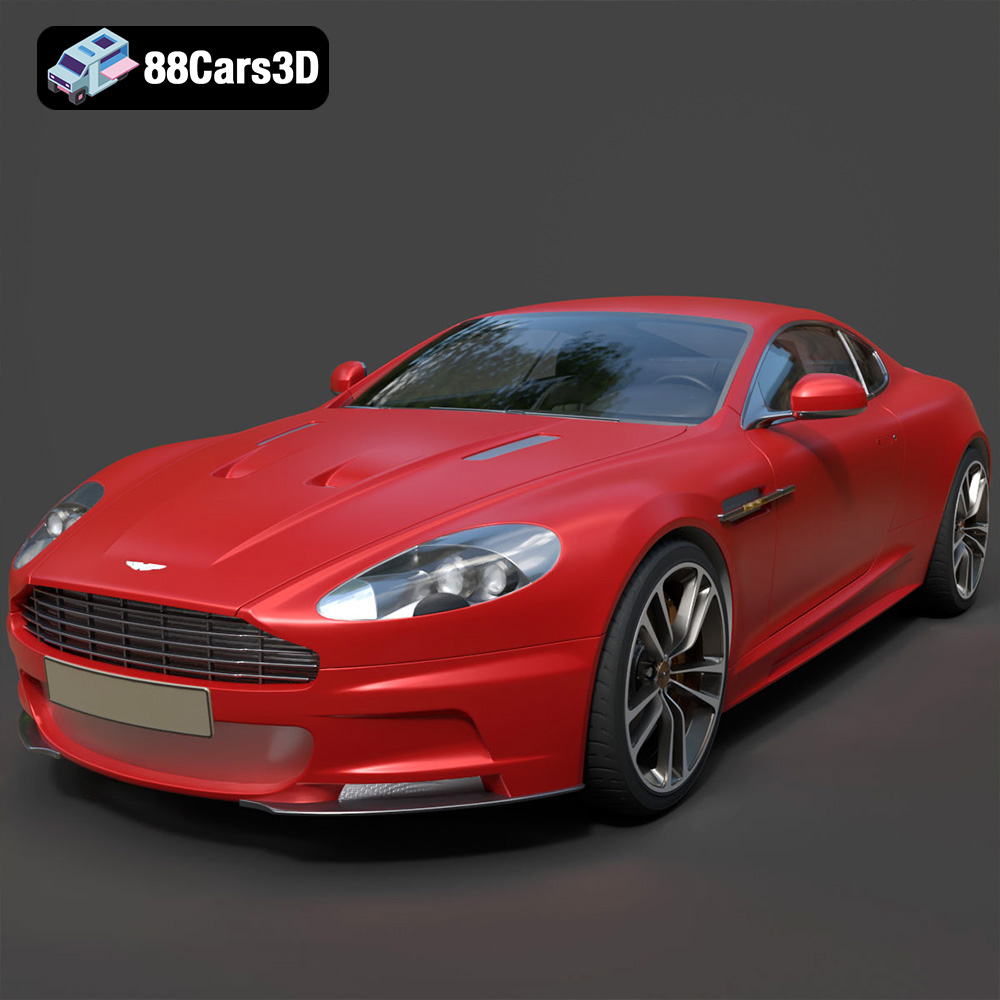
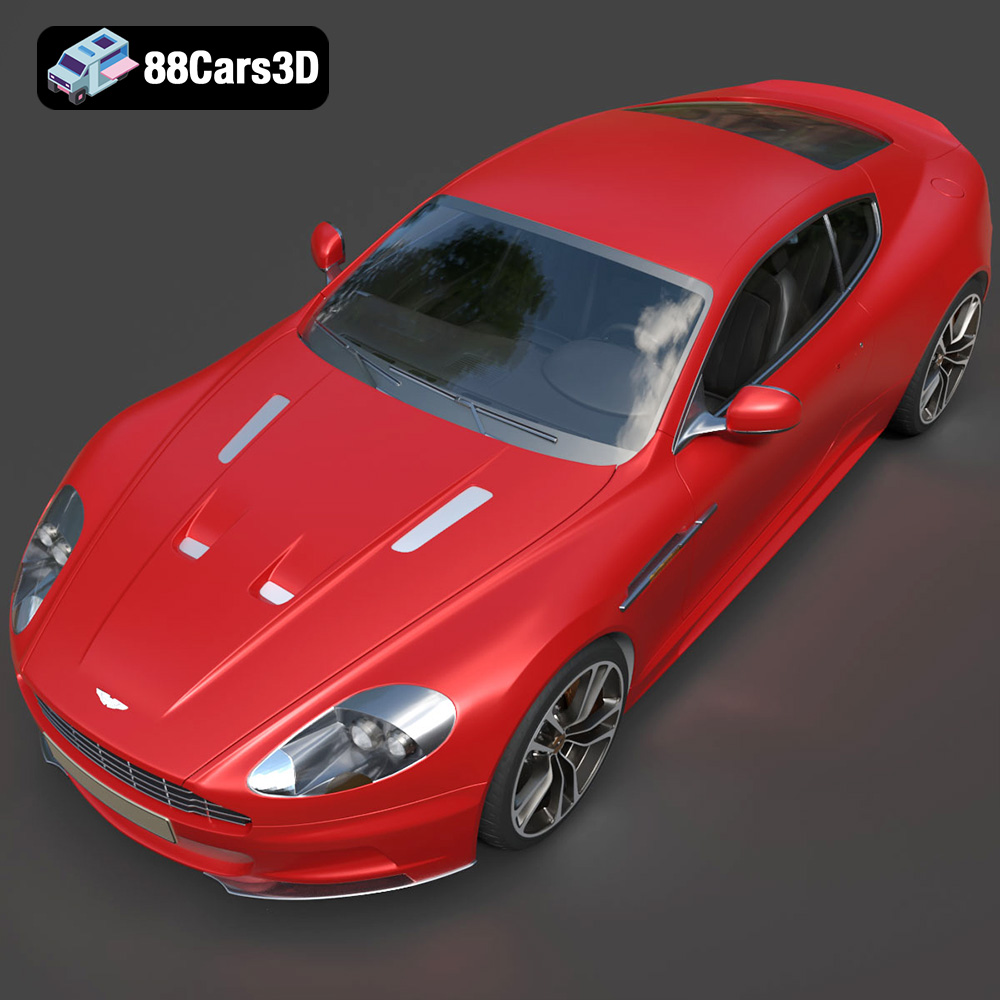
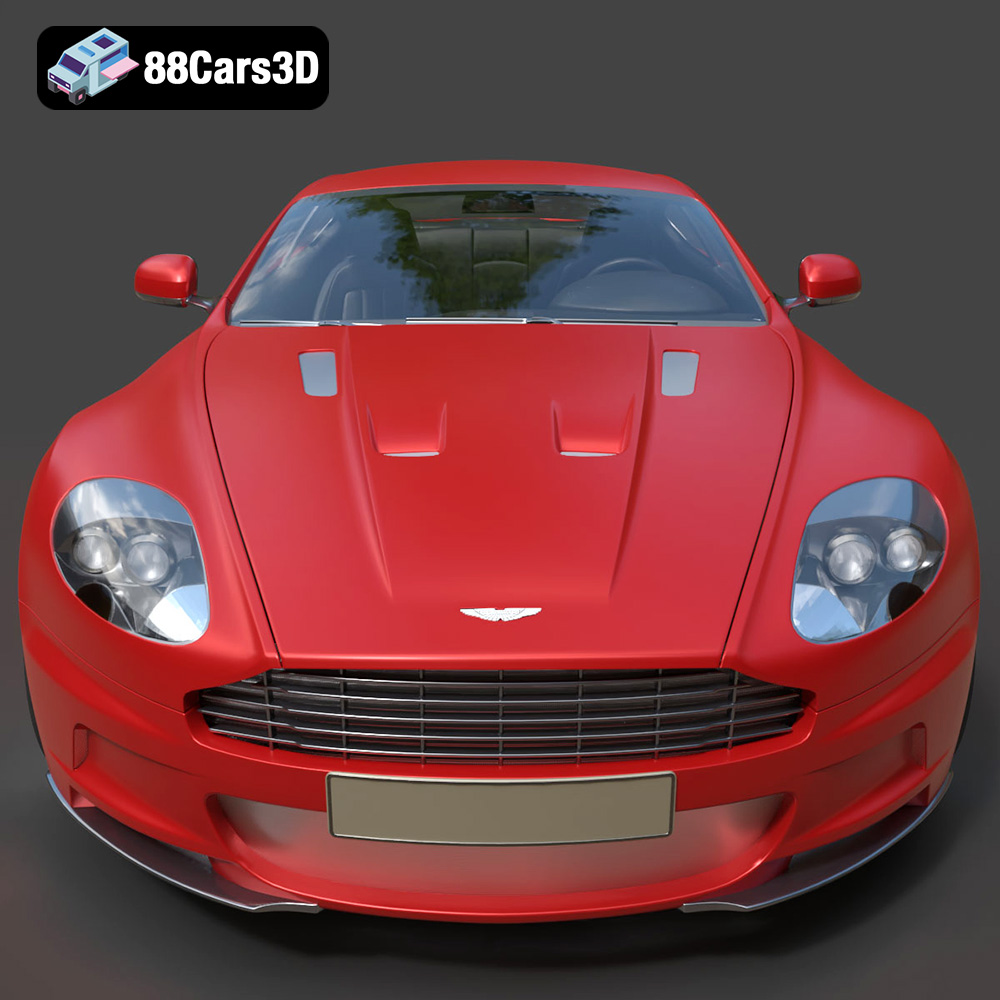
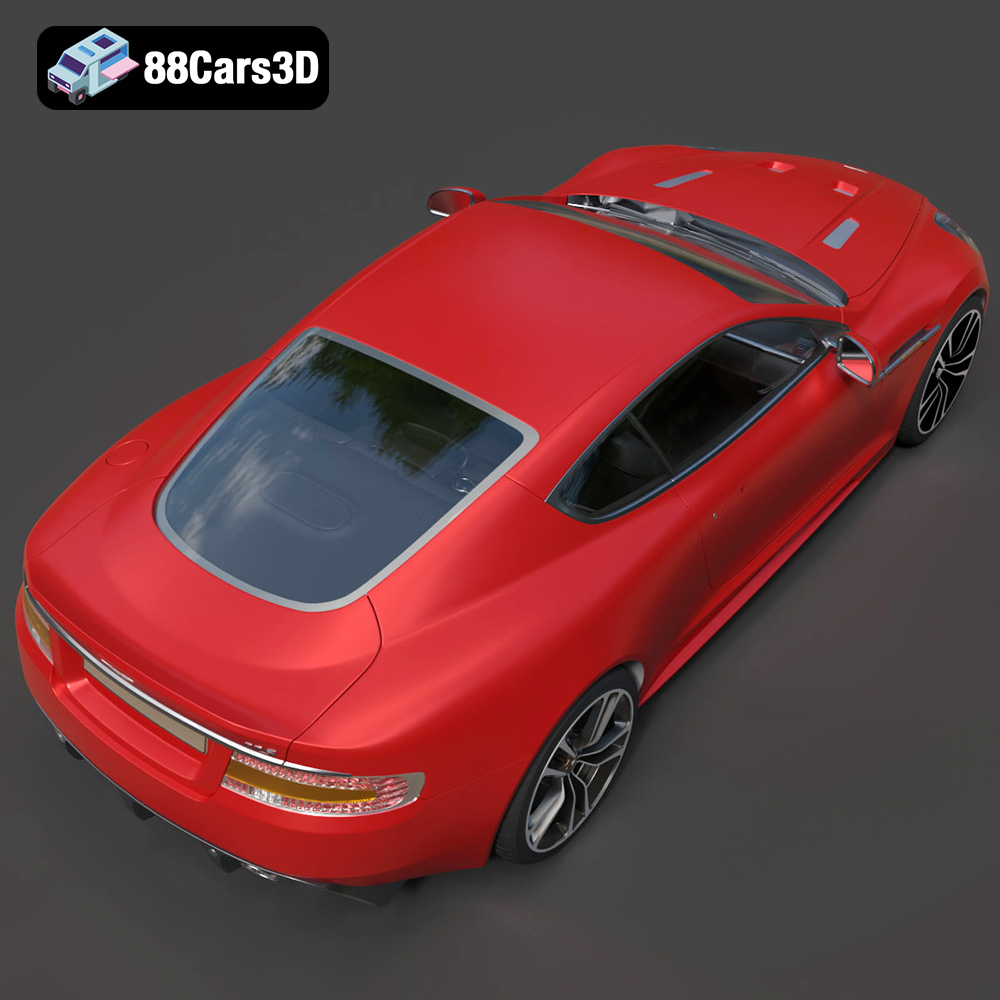
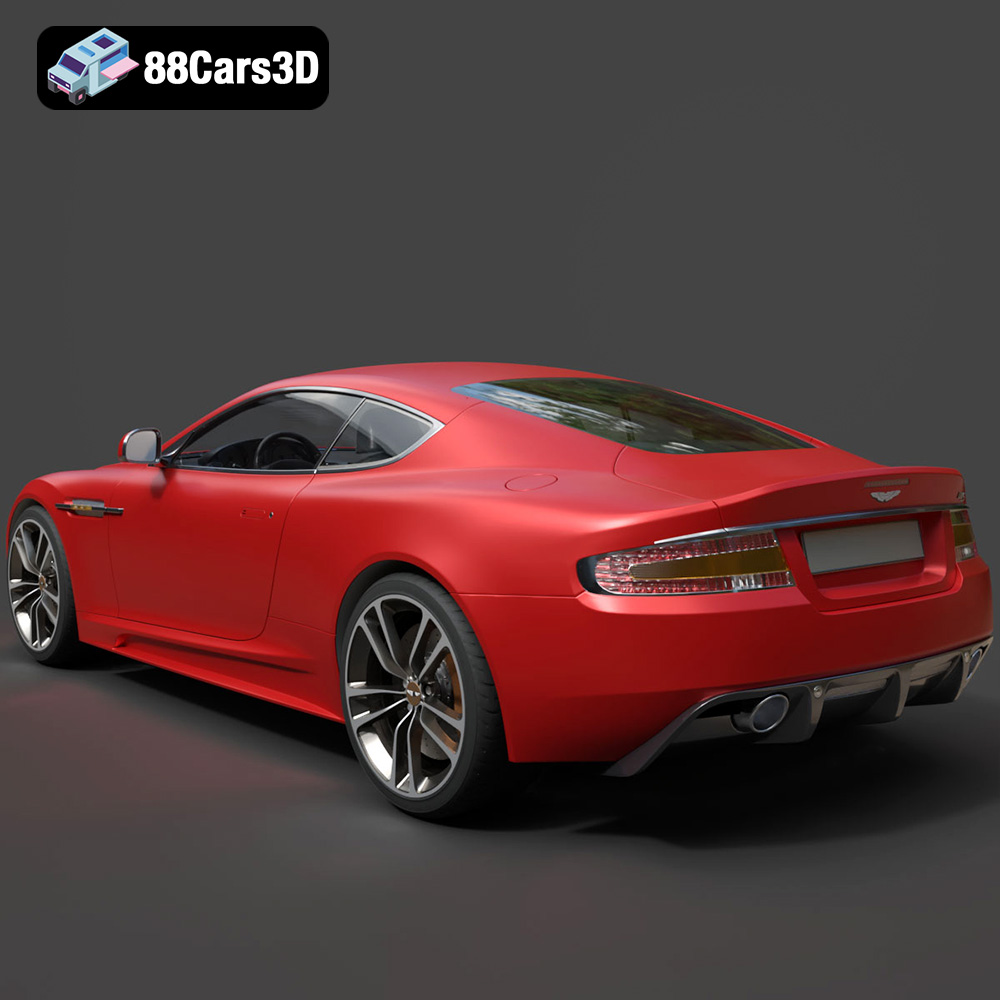
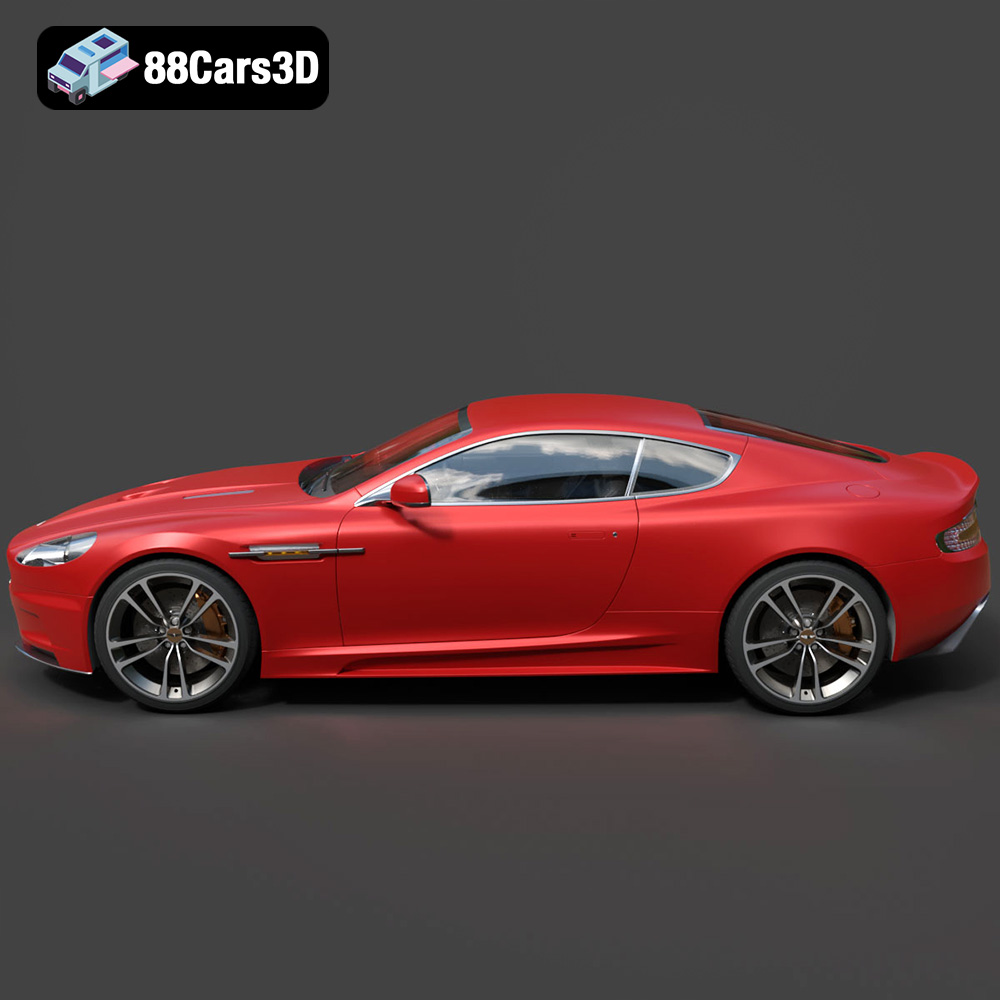
The exterior of the 2008 Aston Martin DBS is a masterclass in automotive sculpture, and its 3D counterpart captures this essence flawlessly. The model boasts accurate frame geometry and impeccable exterior proportions, mirroring the real vehicle’s powerful yet elegant silhouette. Details like the aggressive dual exhaust system and the carbon-fiber rear diffuser are not merely suggested but precisely modeled, reflecting the car’s performance-oriented design. The signature HID headlamps and distinctive LED taillight clusters are faithfully recreated, ensuring that the car’s “face” and “rear” convey the same unmistakable presence as the physical vehicle. Even the bespoke alloy wheels are paired with accurately treaded high-performance tires, contributing to the overall realism and making it a standout asset for automotive rendering.
Beyond the flawless bodywork, the model extends its precision to elements typically hidden from casual view. A detailed V12 engine block and surrounding bay components are present, offering an authentic glimpse into the car’s powerful heart. This level of detail is invaluable for close-up shots, virtual engine bay tours, or even educational simulations. Furthermore, the detailed suspension system, complete with realistic brake calipers and drilled rotors, underscores the model’s commitment to technical accuracy. Crucially for dynamic applications, separate wheels, suspension components, and steering elements are provided, each with proper pivot setups. This thoughtful design ensures seamless and accurate animation for racing simulations, cinematic sequences, and interactive configurators, allowing for realistic wheel rotation, steering input, and suspension travel.
The interior of the Aston Martin DBS 2008 is where luxury meets performance, and its 3D model replicates this environment with stunning fidelity. Premium luxury sport seats feature detailed stitching and leather textures, inviting the viewer into a world of bespoke craftsmanship. The authentic Aston Martin sport steering wheel, complete with accurate badging, feels tangible, while the highly detailed instrument cluster and central infotainment screen provide crucial visual anchors for realism. Every intricate control detail, including aluminum pedals, the gear shifter, and tactile center console buttons, is modeled for authenticity. This meticulous attention to the cockpit ensures an immersive first-person POV, making the model perfect for realistic gaming experiences, virtual tours, and even VR training simulations where interacting with the interior is paramount.
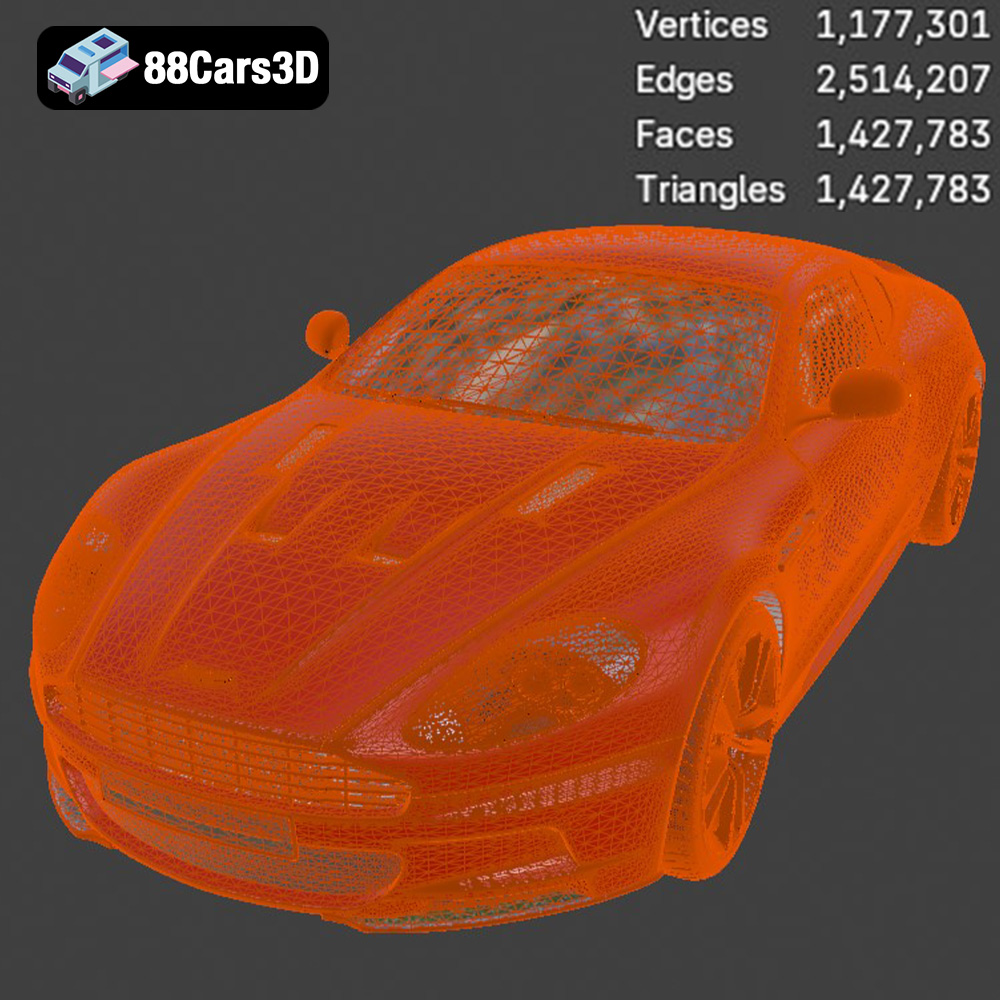
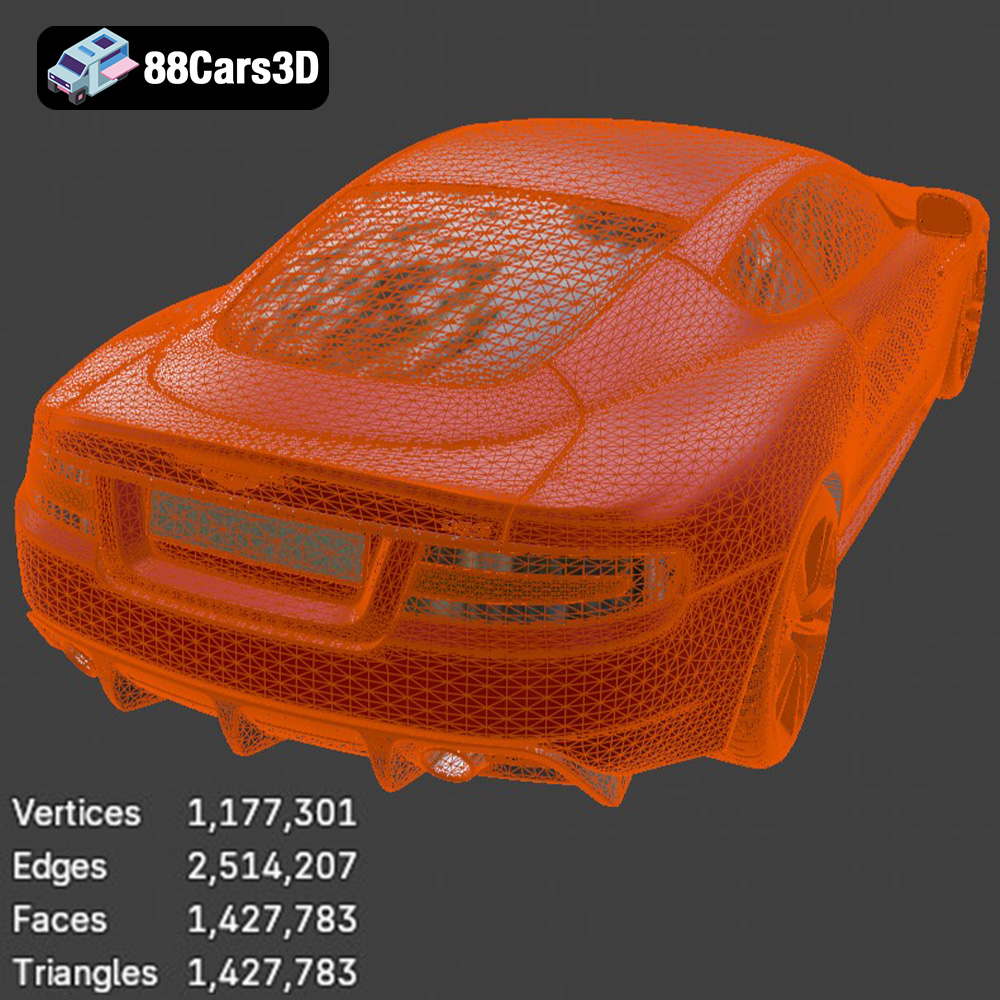
The technical specifications of this Aston Martin DBS 2008 3D model are engineered for versatility. With 1,427,783 triangles, it strikes an optimal balance: a sufficiently high polycount for stunning visual realism in high-end renders and cinematics, yet optimized enough for seamless performance in modern real-time engines like Unreal Engine and Unity. This “game-ready” optimization is crucial, meaning developers can drop the model into their projects with minimal additional work. The real-world scale accuracy, based on the actual vehicle chassis, ensures that the model integrates perfectly into existing virtual environments without scale mismatches. Combined with proper pivot setups for all animated parts, this model is a robust and efficient asset designed to meet the rigorous demands of professional 3D production.
The versatility of a well-crafted 3D car model, such as the Aston Martin DBS 2008, lies in its adaptability across numerous professional applications. From exhilarating racing simulations to persuasive marketing visuals, the asset serves as a cornerstone for diverse digital projects. Understanding how to integrate such a detailed model into various pipelines is key to unlocking its full potential.
For game developers, the Aston Martin DBS 2008 3D model is a treasure trove. Its “game-ready” optimization, boasting 1,427,783 triangles, ensures that it can be deployed in demanding open-world games, high-fidelity racing titles, and realistic simulators without heavily impacting performance. The model’s topology is carefully structured, making it easy to create Level of Detail (LOD) models for distant views, further enhancing frame rates. When imported into engines like Unreal Engine or Unity via the .fbx or .unreal formats, its proper pivot setups for steering, wheel rotation, and suspension travel become immediately apparent. This allows developers to quickly implement realistic physics and animation, creating an authentic driving experience. Material setups in these engines can leverage PBR (Physically Based Rendering) workflows, allowing artists to achieve stunning metallic paints, reflective glass, and realistic tire shaders that react accurately to in-game lighting conditions.
In architectural visualization (arch-viz) and cinematic rendering, realism is paramount. Artists using 3ds Max or Blender can utilize the .max or .blend formats to access the full detail of the Aston Martin DBS 2008 model. Its high polycount and meticulous detailing make it perfect for close-up shots and high-resolution renders for brand campaigns, luxury virtual showrooms, or lifestyle scenes. In these static or pre-rendered environments, the full extent of its material complexity can be unleashed, creating photorealistic reflections on the car’s body, intricate headlight refractions, and the subtle sheen of leather interiors. Lighting setups can be precisely controlled, from studio backdrops to dynamic outdoor environments, showcasing the car in its best light. The model’s accurate scale and proportions ensure it integrates seamlessly into virtual architectural scenes, adding a touch of luxury and realism to any visualization project.
Augmented Reality (AR) and Virtual Reality (VR) are transforming how we interact with 3D content, and the Aston Martin DBS 2008 3D model is perfectly positioned for these immersive applications. Its availability in the .glb format makes it ideal for web-based AR configurators, virtual showrooms accessible through VR headsets, or mobile AR experiences where users can place the car in their real-world environment. The optimized geometry ensures smooth performance on a variety of devices, while the detailed interior supports immersive first-person viewpoints. Imagine a customer exploring every angle of the DBS, opening doors, and even “sitting” inside, all within a virtual or augmented space. This level of interaction is crucial for modern marketing and product showcase, offering an unprecedented engagement level that static images cannot match.
While digital visualization is powerful, there’s a unique satisfaction in holding a physical manifestation of a digital creation. The Aston Martin DBS 2008 3D model isn’t confined to screens; it’s also designed for the exciting world of 3D printing, allowing enthusiasts and professionals to bring this automotive icon into the tangible world. The inclusion of the .stl format directly supports this application, offering a bridge from pixel to plastic.
The journey from a digital 3D car model to a physical print begins with careful preparation. While the model is highly detailed, converting it to the .stl format for 3D printing requires consideration of the physical limitations of printing technology. The .stl format triangulates the entire mesh, which is the standard input for most slicer software used in 3D printing. For a complex model like the DBS, ensuring manifold geometry (no holes or non-watertight surfaces) is crucial for a successful print. Artists often perform a “decimation” or simplification of certain areas if the target print size is small, to reduce file size and print time without losing critical details. However, for recommended scales like 1:12 or 1:18, the model’s high detail can be largely preserved, especially when using resin printers.
Achieving a high-quality 3D print of the Aston Martin DBS 2008 requires specific settings and post-processing.
Post-processing is where the model truly comes to life. This often involves sanding away support marks, applying primer to create a smooth surface, and then painting with authentic factory colors and metallic finishes to replicate the DBS’s luxurious appearance. This blend of digital precision and physical craftsmanship makes 3D printing an exciting extension of working with such high-quality 3D car models.
Investing in a high-quality 3D model like the Aston Martin DBS 2008 is not just about acquiring a static asset; it’s about gaining a versatile foundation for endless creative possibilities. The inherent design and technical robustness of such models allow for extensive customization and ensure their relevance for years to come, truly maximizing your digital asset investment.
One of the primary advantages of a professionally created 3D car model is the level of creative control it offers. Artists can transcend the stock appearance and personalize the Aston Martin DBS 2008 to fit any project brief or artistic vision. This includes:
This level of customization means that the single Aston Martin DBS 2008 3D model can represent numerous iterations, making it incredibly cost-effective and creatively liberating for multiple projects.
A high-quality 3D car model is an enduring asset. Its clean topology, real-world scale, and accurate geometry ensure that it remains compatible and relevant even as software and rendering technologies evolve. A well-structured model with proper UVs and a logical hierarchy can be easily updated with new material systems, integrated into new game engines, or adapted for emerging technologies like volumetric rendering or advanced physics simulations. This future-proof nature means your investment in a detailed asset like the Aston Martin DBS 2008 from 88cars3d.com will continue to deliver value, adapting to the changing demands of the digital landscape rather than becoming obsolete with each technological shift. It’s a foundational piece that empowers innovation, rather than limiting it.
In the fast-paced world of 3D production, time is a precious commodity. Creating a hyper-detailed 3D car model like the Aston Martin DBS 2008 from scratch demands hundreds of hours of expert modeling, texturing, and optimization. For many studios, independent artists, and developers, this is simply not feasible within project deadlines and budget constraints. This is where specialized marketplaces like 88cars3d.com provide an invaluable service.
88cars3d.com offers a curated selection of high-quality 3D car models, meticulously crafted by experienced artists. By sourcing assets from such platforms, professionals gain immediate access to production-ready models, bypassing the arduous initial creation phase. This allows them to focus their creative energy on integration, customization, and final project delivery. The Aston Martin DBS 2008 3D model is a prime example of the caliber of assets available, ensuring that quality, technical accuracy, and diverse file format support are guaranteed. Choosing a reputable source like 88cars3d.com ensures that you’re acquiring not just a model, but a reliable, optimized, and versatile tool that will elevate your projects and streamline your workflow, ultimately delivering superior results faster.
The Aston Martin DBS 2008 is more than just a car; it’s an icon of automotive design and engineering. In the digital realm, its meticulously crafted 3D model serves as a powerful testament to the artistry and technical prowess required in modern 3D production. From its game-ready optimization for lightning-fast real-time experiences to its high-fidelity details perfect for photorealistic rendering and its adaptability for 3D printing, this model is a masterclass in versatile digital asset creation.
We’ve explored the critical importance of understanding diverse file formats—from the editable .blend and .max files to the universally compatible .fbx and .obj, the web-optimized .glb, the print-ready .stl, and the precision-oriented .ply and .unreal formats. Each serves a distinct purpose, ensuring that this Aston Martin DBS 2008 3D model can seamlessly integrate into virtually any professional workflow. Whether you’re animating a cinematic, building a racing simulator, designing an AR showroom, or even printing a physical replica, the model’s precise geometry, detailed interior, and optimized topology provide an unparalleled foundation.
By investing in such a high-quality, adaptable 3D car model from trusted sources like 88cars3d.com, artists and developers gain a significant advantage. They save invaluable time and resources while ensuring their projects achieve the highest standards of visual fidelity and technical performance. The Aston Martin DBS 2008 3D model is not just an asset; it’s a gateway to limitless creative possibilities, ready to drive your next project to success.
Experience the epitome of British automotive excellence with this meticulously crafted 3D model of the 2008 Aston Martin DBS. Renowned for its breathtaking combination of brute force and sophisticated elegance, the DBS features an aggressive aerodynamic profile, carbon-fiber design cues, and the legendary naturally aspirated V12 engine. From its signature front grille to the sculpted rear diffuser and dual exhaust system, every iconic visual element has been faithfully recreated to capture the undeniable presence of this grand touring masterpiece.
$37.50
.blend
.dbs
.fbx
.glb
.max
.obj
.ply
.rendering
.sports car
.stl
.unreal
aston-martin
car-3d-model
dbs-2008
game asset
game-ready
grand-tourer
luxury car
optimized
VR/AR