Get 20% OFF All Premium 3D & STL Models!

In the dynamic world of digital visualization, automotive design, and immersive entertainment, the demand for exceptionally detailed and technically robust 3D car models has never been higher. From the breathtaking realism of cinematic renders to the responsive physics of next-generation racing simulators, the quality of a vehicle asset is paramount. Professionals across industries, whether architects, game developers, or marketing specialists, seek models that not only look authentic but are also engineered for seamless integration into complex workflows. It is within this demanding landscape that the ATS GT 2021 3D Model emerges as a prime example of excellence, offering a meticulous digital recreation of a legendary hypercar designed to elevate any project.
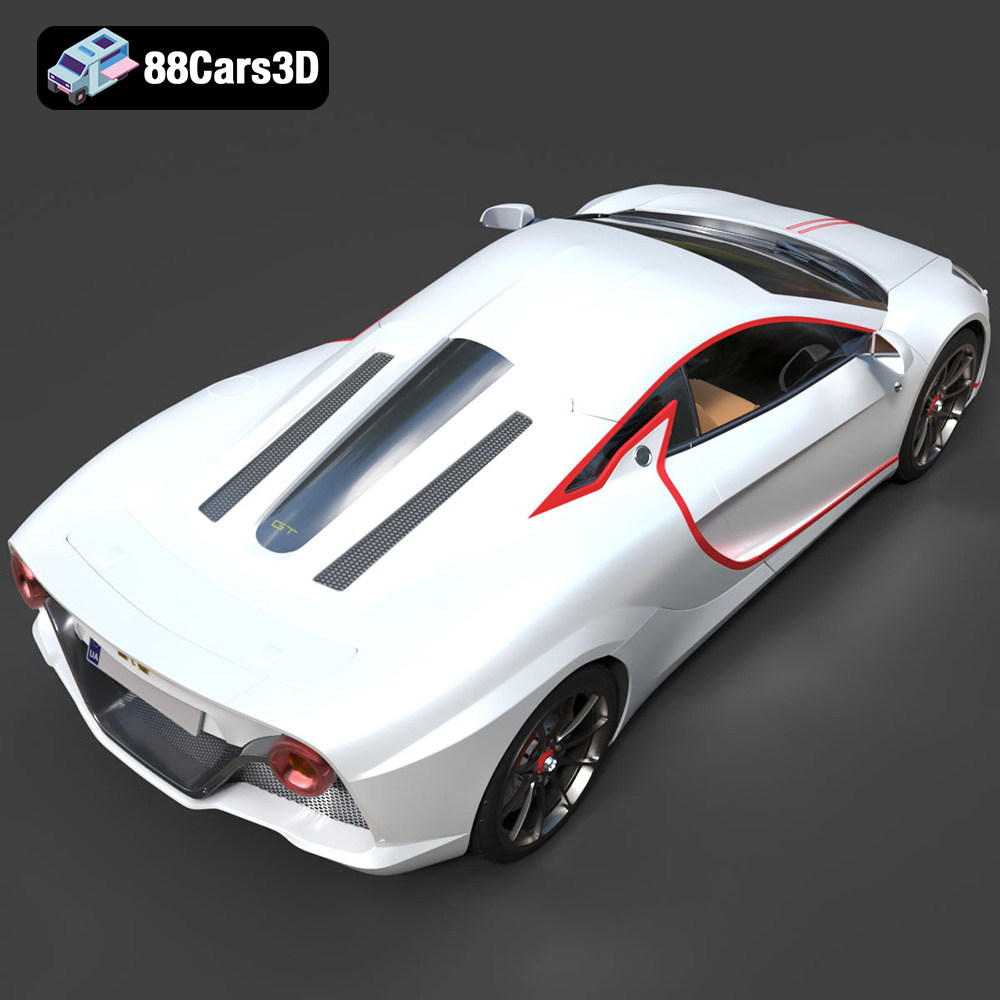
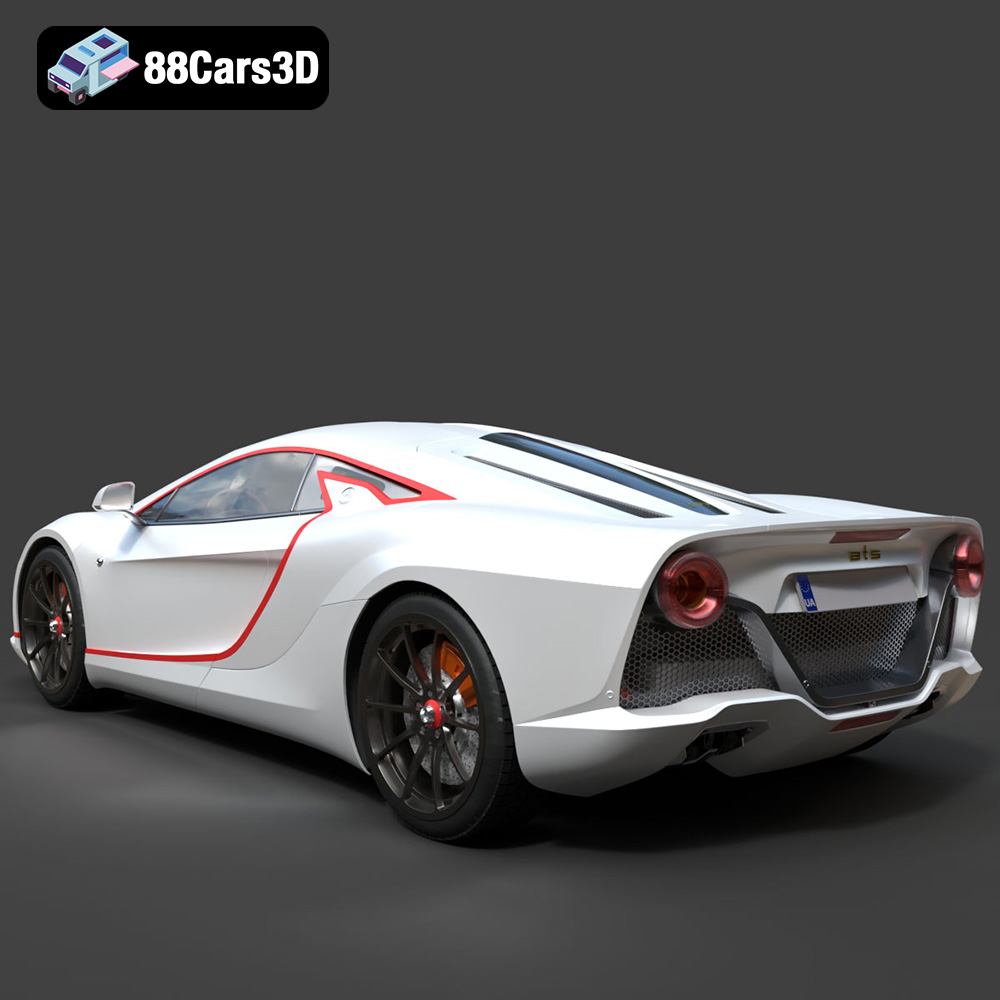
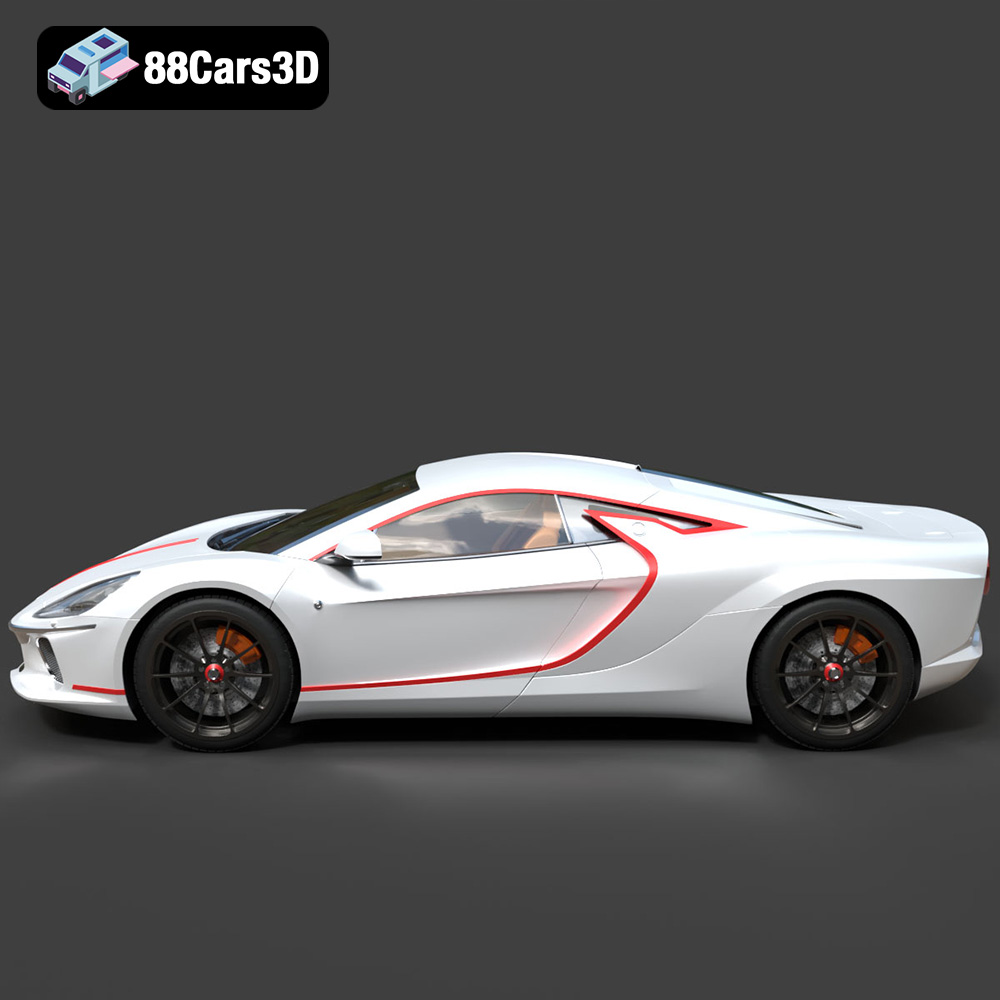
The ATS GT 2021 is a testament to bespoke Italian engineering, combining a rich heritage with cutting-edge performance and aesthetics. Its carbon-fiber chassis, formidable twin-turbo V8, sweeping aerodynamic lines, and iconic dihedral doors define its modern appeal. This specific 3D model meticulously captures every handcrafted curve and aggressive detail, providing a foundation for unparalleled visual fidelity. Whether you’re crafting an architectural visualization showcasing a luxurious garage, developing a premium racing title for Unreal Engine 5, or designing an interactive virtual showroom, the ATS GT 2021 model offers the precision and optimization necessary to bring your vision to life.
The versatility of a high-quality 3D model is often defined by the range of file formats it supports, each tailored for specific use cases and software environments. Understanding these formats is crucial for seamless integration into various pipelines, from intricate animation to real-time game development and even physical replication through 3D printing. The ATS GT 2021 3D Model, for instance, comes equipped with a comprehensive suite of formats, ensuring maximum compatibility and utility for diverse professional needs.
The .blend file format is native to Blender, the powerful open-source 3D creation suite. When you acquire a .blend file, you gain access to a fully editable scene, complete with all its modifiers, materials, textures, lighting setups, and any associated rigging or animation data. This format is ideal for artists who primarily work within Blender and require full creative control over the asset. It allows for deep customization, from adjusting mesh topology to modifying shader graphs, making it perfect for bespoke projects where the foundational model needs extensive re-interpretation or integration into a Blender-centric pipeline. Its comprehensive nature means it often contains the most complete and easily modifiable version of the model, retaining all scene-specific attributes.
The .fbx (Filmbox) format, developed by Autodesk, is widely considered the industry-standard file format for 3D data interchange. It excels at preserving complex scene data, including meshes, materials, textures, bones, skinning, animation, and camera information, across different 3D applications and game engines. For projects involving Unreal Engine, Unity, 3ds Max, Maya, or Cinema 4D, .fbx is often the go-to choice due to its robust support for hierarchies and animation. Its binary structure makes it efficient for real-time pipelines and ensures a consistent transfer of animated and skeletal data, making it indispensable for game asset development, especially for a vehicle like the ATS GT 2021 with separable animated components like wheels and doors.
The .obj (Wavefront OBJ) format is one of the oldest and most universally supported 3D file formats. It’s an excellent choice for transferring static mesh data between virtually any 3D software. While it doesn’t typically store animation or rigging information, it’s highly reliable for geometry (vertices, faces, UV coordinates) and can reference external material (.mtl) files for basic shading. For applications where a clean, static model is needed, perhaps for a basic render or as a starting point for retopology in a new application, .obj provides unparalleled cross-software compatibility. Its text-based nature also makes it easy to inspect and debug if necessary, making it a dependable backbone for a general-purpose 3D car model.
The .glb (GLB-Binary glTF) format is a relatively newer standard designed for efficient transmission and loading of 3D scenes and models by engines and applications. It’s particularly optimized for AR (Augmented Reality), VR (Virtual Reality), and browser-based display due to its compact binary nature and ability to embed textures and other assets directly within a single file. For interactive virtual showrooms, luxury configurators, or integrating the ATS GT 2021 into a web experience, .glb offers superior performance and ease of deployment, ensuring rapid loading times and seamless interaction.
The .stl (Stereolithography) format is the standard for 3D printing. It represents a 3D model as a collection of unconnected triangles, defining only the surface geometry without color, texture, or material information. For a model like the ATS GT 2021, the .stl file is crucial for hobbyists and professionals looking to produce a physical replica. It requires the mesh to be “watertight” (manifold) to ensure a successful print, meaning there are no gaps or holes in the surface. This format is essential for transforming the digital hypercar into a tangible collector’s item.
The .ply (Polygon File Format) format is designed to store polygonal models, often generated from 3D scanners. It can store a wider range of properties than .obj or .stl, including color, transparency, surface normals, and even texture coordinates, per vertex or per face. While less common for everyday artistic interchange, .ply is valuable for precision meshes, scientific data visualization, reverse engineering, or integrating the ATS GT 3D model into CAD software or analysis tools that demand comprehensive geometric data, potentially for aerodynamic simulations or component fitment studies.
While not a traditional generic file extension like .fbx or .obj, a file designated as .unreal typically signifies an asset that has been specifically prepared and optimized for direct import into Unreal Engine. This often means it’s an .fbx file pre-configured with correct scales, pivots, material assignments, and sometimes even collision meshes or LODs (Levels of Detail) tailored for Unreal’s import pipeline. For the ATS GT 2021, an “.unreal” optimized asset streamlines the process of integrating it into demanding real-time environments, ensuring engine-ready quality and performance without extensive manual adjustments post-import.
The .max file format is the native project file for Autodesk 3ds Max, a leading software in architectural visualization, game development, and animation. Similar to .blend, a .max file contains the complete scene data, including all geometry, modifiers, materials, textures, lighting, cameras, animation, and scene settings. For 3ds Max users, this format offers the highest degree of editability and control, making it ideal for incorporating the ATS GT 2021 into complex rendering setups, animation sequences, or existing architectural scenes rendered with V-Ray or Corona.
Creating a truly exceptional 3D car model is a blend of artistic skill and technical precision. It goes beyond simply replicating form; it involves understanding the underlying engineering, the interplay of light on surfaces, and the specific demands of diverse digital environments. The ATS GT 2021 3D model from 88cars3d.com exemplifies this philosophy, delivering a product that meets the highest standards of detail and functionality.
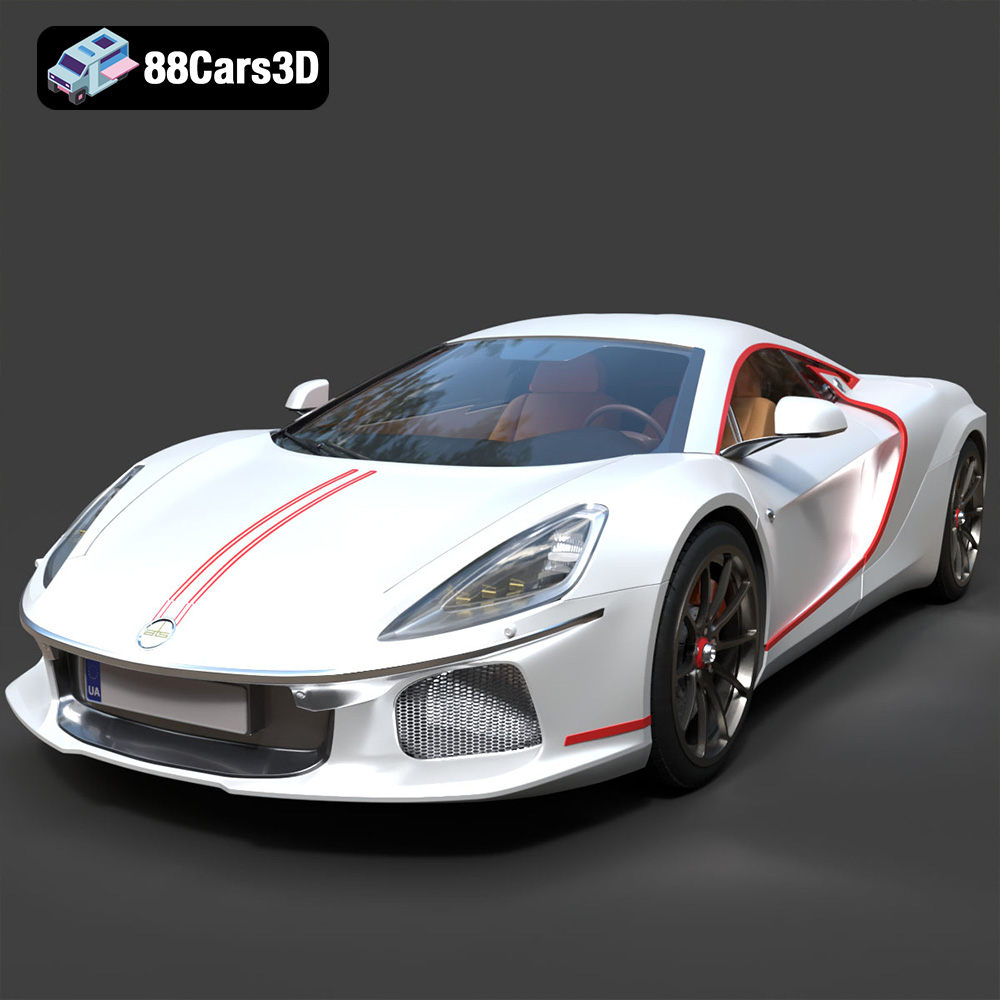
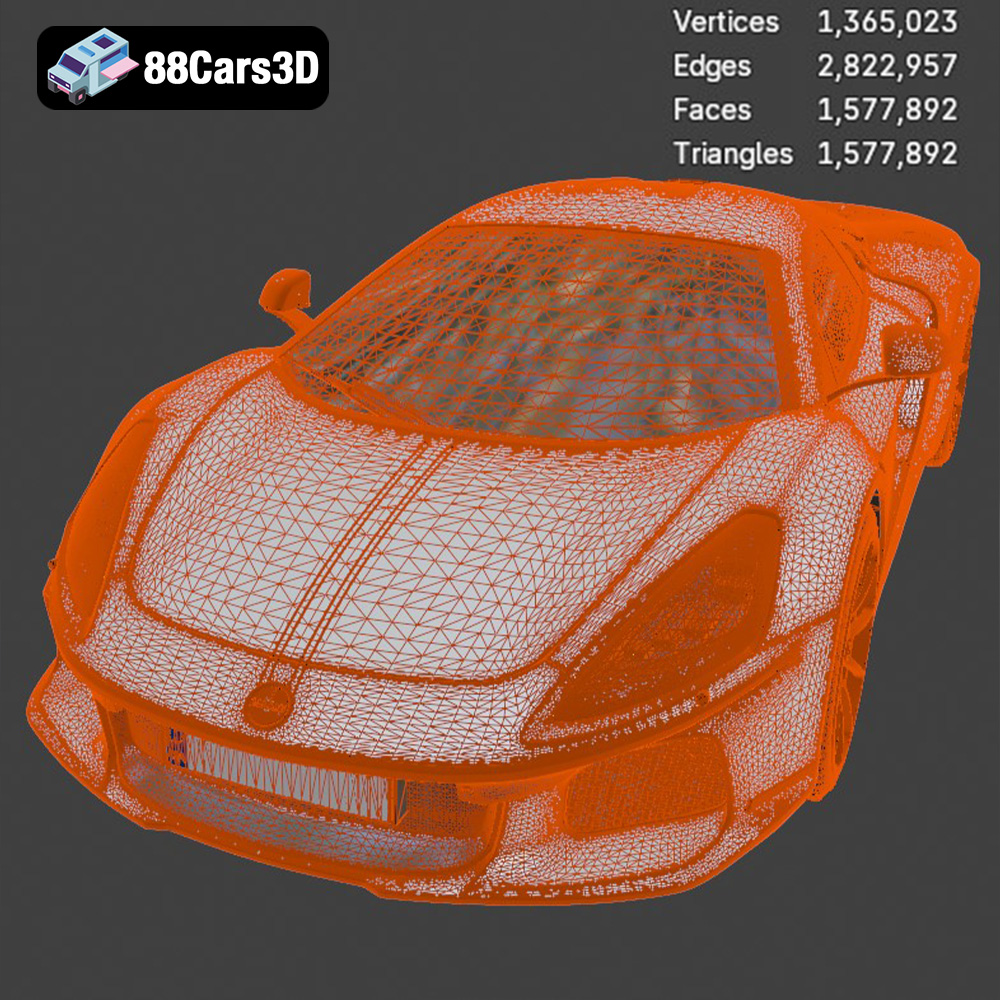
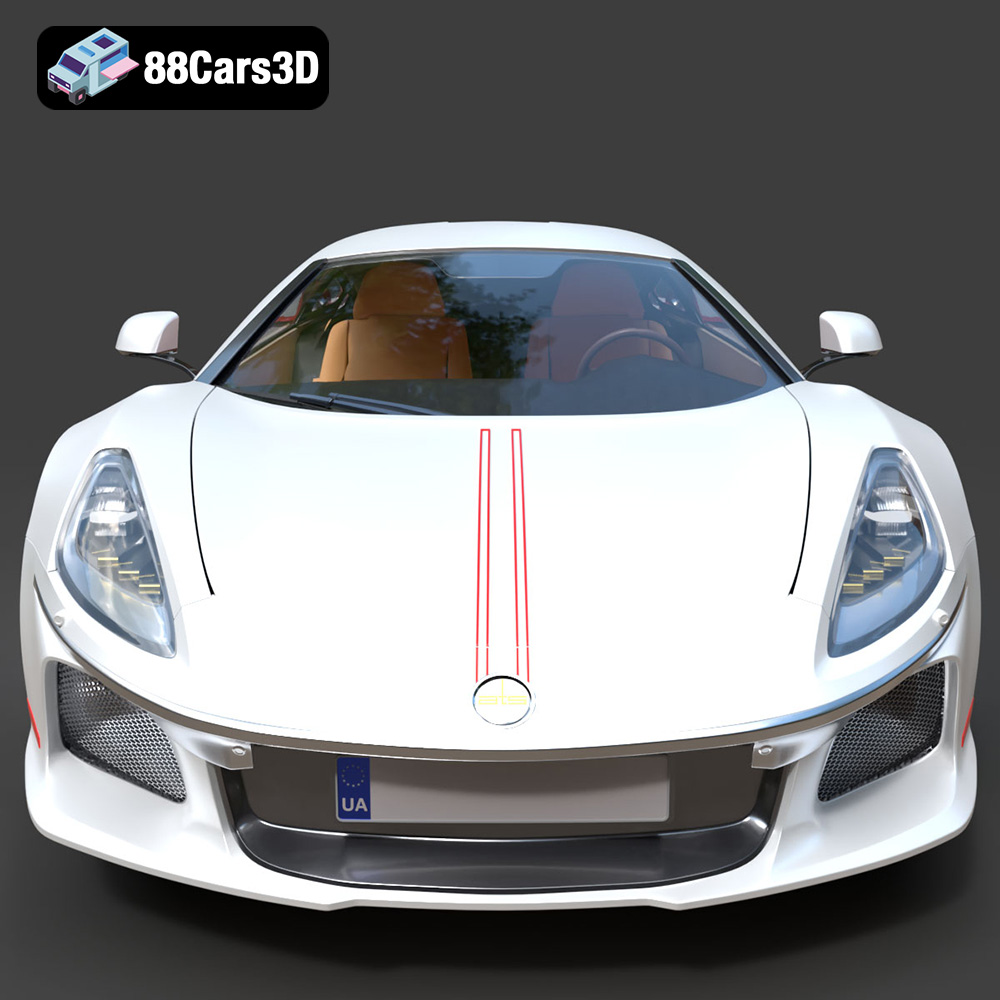
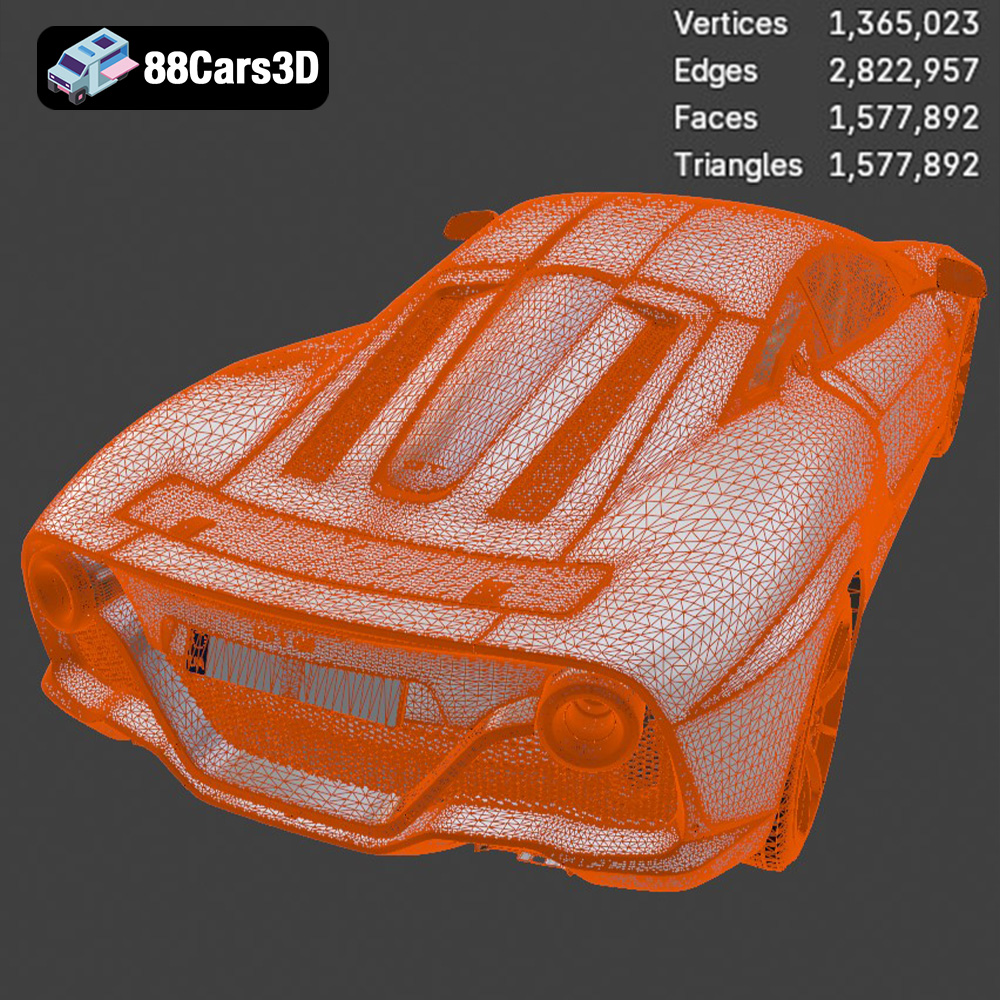
The true measure of a premium 3D vehicle model lies in its ability to convincingly replicate the nuances of its real-world counterpart. For the ATS GT 2021, this means accurately capturing the bespoke carbon-fiber chassis, the aggressive aerodynamic proportions, and the sweeping lines that define its hypercar status. The model boasts a dense and highly detailed topology of 1,577,892 triangles, ensuring that even under extreme close-up, every curve, vent, and panel gap holds up. This fidelity extends to intricate features like the detailed twin-turbo V8 engine bay, visible mechanical components, the complex rear diffuser, and the authentic alloy wheel design with detailed brake calipers and cross-drilled rotors. Such meticulous attention to exterior detail is crucial for studio renders, where every reflection and shadow can highlight or diminish realism.
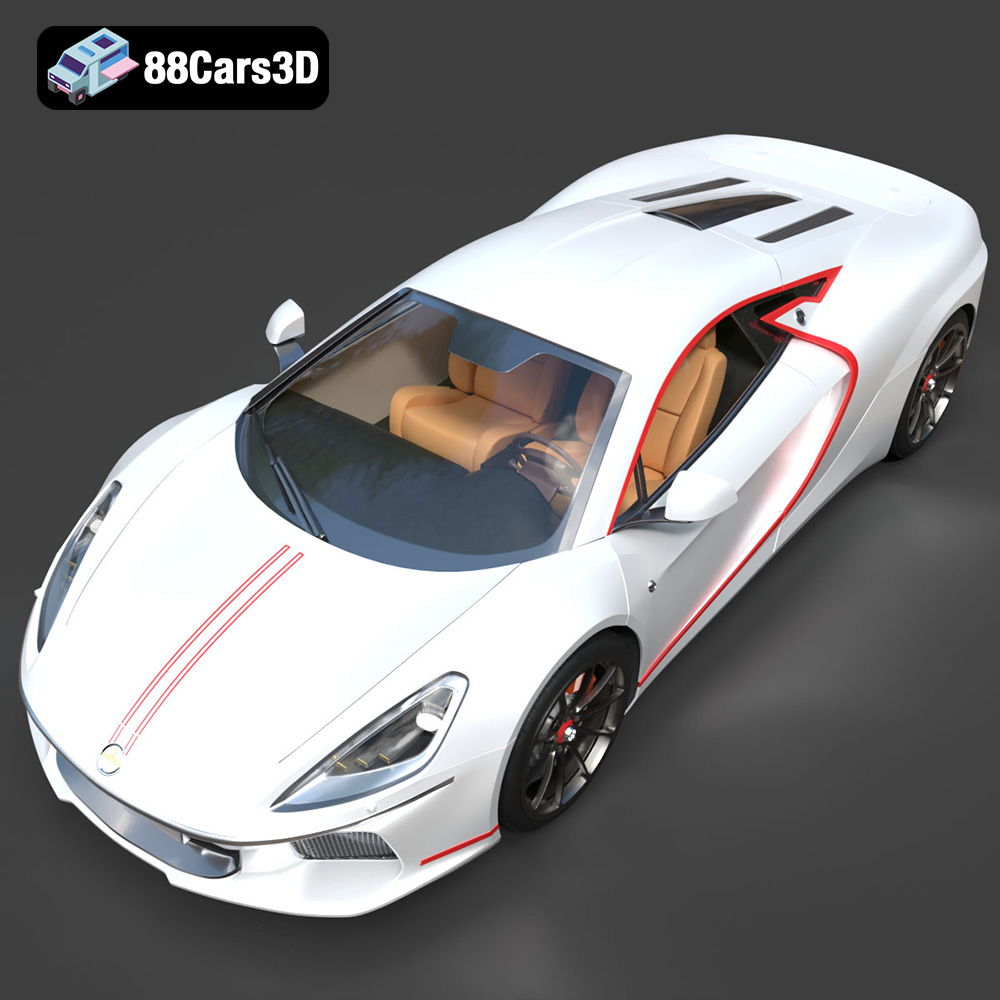
While the exterior often grabs immediate attention, a truly immersive experience, especially in VR or first-person gaming, hinges on a meticulously crafted interior. The ATS GT 2021 model does not disappoint, featuring luxurious bespoke bucket seats with detailed stitching, an ergonomic racing-style steering wheel, a high-definition digital instrument cluster, and precise control details including paddle shifters and pedals. Optimized interior geometry is critical for gaming and VR applications, where users can directly interact with or be placed inside the vehicle. This level of detail ensures that whether you’re taking a virtual test drive or designing an architectural visualization of a car showroom, the interior experience is as compelling as the exterior.
Beyond static beauty, the utility of a professional 3D car model often depends on its readiness for animation. The ATS GT 2021 model is engineered with this in mind, featuring separate wheels, doors, suspension components, and steering parts. Crucially, it includes a proper pivot setup for steering, wheel rotation, dihedral door opening, and suspension travel. This pre-configured architecture saves countless hours for animators and developers, enabling them to quickly set up complex sequences like driving simulations, vehicle walk-arounds, or crash physics without needing to rebuild foundational rigging.
The advent of powerful real-time engines and increasingly sophisticated rendering techniques has raised the bar for 3D asset optimization. A successful 3D car model must strike a delicate balance between visual richness and performance efficiency, catering to the unique demands of game development, AR/VR, and high-fidelity rendering.
The ATS GT 2021 3D model, with its 1,577,892 triangle count, exemplifies a strategic approach to polygon optimization. This dense topology ensures breathtaking visual realism, making it suitable for high-end cinematic animations and detailed studio renders where every surface needs to look pristine. Yet, the geometry is optimized for use in next-generation game engines like Unreal Engine 5 and Unity. This isn’t merely about having a high poly count; it’s about efficient poly distribution, clean topology, and often, underlying LOD (Level of Detail) strategies that allow the model to scale performance based on viewing distance without sacrificing overall visual quality. This balance is key for premium automotive showcases where visual fidelity cannot be compromised, even in real-time.
For game developers targeting the next generation of racing titles, open-world games, and simulators, the ATS GT 2021 provides a game-ready foundation. Its optimized structure and included formats like .fbx and .unreal are designed for seamless integration. In Unreal Engine, for example, developers can leverage features like Nanite virtualized geometry and Lumen global illumination to render the model with stunning photorealism at real-time frame rates. Its clean mesh and properly set up pivots facilitate the implementation of complex physics, collision detection, and animation systems, making it an invaluable asset for AAA game development.
The immersive potential of AR and VR demands highly optimized assets that can be rendered smoothly on various devices. The ATS GT 2021 model, especially with its .glb format, is perfect for creating virtual automotive showrooms, luxury configurators, and interactive VR experiences. Its detailed interior, coupled with real-world scale accuracy, allows for a truly convincing first-person perspective. Imagine a client exploring the bespoke cockpit in virtual reality, changing body colors and material finishes in real-time, or viewing the hypercar superimposed onto their driveway via augmented reality. This model provides the necessary visual quality and optimization to deliver such cutting-edge interactive experiences.
In professional visualization, the 3D model is merely the starting point. The true artistry lies in how it’s lit, textured, and presented. High-quality assets like the ATS GT 2021 enable artists to push the boundaries of photorealism across various rendering environments.
For artists working in architectural visualization or automotive marketing, studio rendering in software like 3ds Max with renderers such as V-Ray or Corona is a common workflow. The .max file provided with the ATS GT 2021 allows for full customization within this environment. Artists can meticulously craft intricate lighting setups – from softbox arrays to environmental HDRI domes – to highlight the car’s sweeping lines and metallic finishes. Advanced material settings can be applied to simulate realistic paint clear coats, carbon fiber weaves, and reflective chrome, achieving cinematic quality renders suitable for high-impact brand campaigns and luxurious lifestyle automotive scenes.
The advent of real-time ray tracing, particularly in engines like Unreal Engine 5, has revolutionized automotive visualization. With the ATS GT 2021 3D model, artists can leverage Unreal’s powerful rendering capabilities to create interactive experiences with physically accurate lighting, reflections, and global illumination. Imagine a virtual scene where the hypercar’s paint reflects the dynamic environment with true-to-life bounce light, or its headlights cast precise, volumetric beams. This workflow offers the best of both worlds: the visual fidelity traditionally associated with offline rendering, but delivered in a responsive, real-time environment ideal for dynamic presentations and virtual production.
For automotive manufacturers and luxury brands, compelling visuals are crucial. The ATS GT 2021 model serves as an excellent foundation for creating stunning visual content for marketing campaigns. From high-resolution still images for print ads to dynamic cinematic sequences for television commercials or online promotions, the model’s detail ensures it stands out. Customizable elements like body colors, tire textures, and material finishes allow agencies to tailor the model to specific branding requirements, showcasing the vehicle in various aspirational scenarios without the cost and logistical challenges of physical photoshoots.
The journey of a 3D model doesn’t always end on a screen. For enthusiasts, collectors, or designers requiring physical prototypes, 3D printing offers an exciting avenue. The inclusion of the .stl format for the ATS GT 2021 model opens up this possibility, allowing for the creation of tangible replicas.
To successfully 3D print the ATS GT 2021, selecting the right settings and materials is key. The product description recommends scales of 1:12, 1:18, or 1:24, offering various display options. For optimal detail, especially for the intricate aerodynamic elements, resin printing (SLA/DLP) with a layer height of 0.04–0.12 mm is highly recommended over FDM. This preserves the fine lines and sharp edges of the hypercar. For FDM printing, ensuring a wall thickness of 1.2–2.0 mm and an infill of 20–30% provides structural integrity. Supports will be crucial for overhangs like mirrors, exhaust tips, and the complex rear diffuser, and careful print orientation (e.g., frame angled, wheels printed separately) helps in achieving the best results.
Once printed, post-processing elevates the physical model from a raw print to a display-worthy piece. This typically involves sanding to smooth layer lines, applying primer to create an even surface, and then painting with authentic factory colors and metallic finishes. With careful attention, hobbyists can recreate the glossy sheen of the hypercar’s paintwork, making it a proud addition to any collection. The ability to transition from a high-fidelity digital asset to a stunning physical object underscores the comprehensive value offered by high-quality 3D car models found on platforms like 88cars3d.com.
A truly professional 3D asset provides a foundation for creativity, not a rigid limitation. The ATS GT 2021 3D model offers extensive customization options, empowering artists and developers to adapt it to any creative brief or technical requirement.
The ability to change body colors, modify tire textures, and adjust material finishes is fundamental for integrating a car model into diverse scenes and narratives. Whether you need to showcase the ATS GT 2021 in its iconic factory colors, apply a bespoke hypercar finish, or experiment with matte carbon fiber accents, the model’s material setup allows for easy modifications. This flexibility extends to components like tires, enabling the swap between slick track tires for a race simulation and high-performance street variants for a luxury lifestyle render.
Every environment demands a unique lighting approach. The ATS GT 2021 model is designed to perform beautifully under various digital lighting setups. Artists can adapt lighting to create different moods – from the harsh, dramatic shadows of a futuristic urban landscape to the soft, diffused light of a luxury showroom. This adaptability ensures that the hypercar always looks its best, whether it’s the centerpiece of a cinematic short or a component in an interactive product configurator.
The pursuit of realism and versatility in 3D visualization continues to drive innovation, particularly in the realm of automotive assets. A high-fidelity 3D car model like the ATS GT 2021 is more than just a digital replica; it’s a meticulously engineered tool that empowers professionals across industries. From its dense yet optimized polygon count to its comprehensive suite of file formats – including .blend, .fbx, .obj, .glb, .stl, .ply, .unreal, and .max – this model is designed for seamless integration into diverse workflows.
Whether you are a game developer crafting the next AAA racing title, an architect visualizing a luxury garage, a marketing agency creating a high-impact branding campaign, or a hobbyist seeking to 3D print a stunning replica, the ATS GT 2021 3D model offers unparalleled detail and flexibility. It embodies the pinnacle of digital craftsmanship, ensuring that your projects stand out with breathtaking visual realism and technical robustness. Explore the possibilities and elevate your digital creations with premium assets available on 88cars3d.com, where quality and versatility meet the demands of modern visualization.
The ATS GT 2021 represents the pinnacle of bespoke Italian hypercar engineering, reviving a legendary nameplate with breathtaking modern aesthetics. Built on a carbon-fiber chassis with a formidable twin-turbo V8 powertrain, this vehicle is characterized by its sweeping aerodynamic lines, aggressive rear diffuser, and iconic dihedral doors. Every curve of its handcrafted bodywork has been meticulously replicated in this high-fidelity 3D model, capturing the essence of exclusive grand touring and track-ready performance.
Boasting a dense and highly detailed topology of 1,577,892 triangles, this 3D model delivers unparalleled visual fidelity suitable for close-up studio renders and high-end cinematic animations. Despite the high polygon count, the model features optimized structural geometry that can be utilized in next-generation game engines (Unreal Engine 5, Unity) for premium automotive showcases, VR experiences, and real-time raytracing applications.
Perfect for high-end racing simulators, architectural visualization, virtual automotive showrooms, and AAA game development.
.blend, .fbx, .obj, .glb, .stl, .ply, .unreal, .max
Tags:
ats, gt-2021, ats-gt, supercar, hypercar, sports-car, game-ready, optimized, car-3d-model, game-asset, rendering, vr-ar, blend, fbx, obj, glb, stl, ply, unreal, max
$37.50
.ats
.blend
.fbx
.glb
.hypercar
.max
.obj
.ply
.rendering
.sports car
.stl
.supercar
.unreal
ats-gt
car-3d-model
game asset
game-ready
gt-2021
optimized
VR/AR