Get 20% OFF All Premium 3D & STL Models!

In the rapidly evolving digital landscape, the demand for high-fidelity 3D assets is insatiable. From photorealistic architectural visualizations to immersive game environments and cutting-edge virtual reality experiences, the quality of a 3D model can make or break a project. Automotive design, in particular, stands as a testament to this truth. Capturing the intricate curves, aggressive stance, and luxurious details of a modern vehicle requires not just artistic skill, but profound technical expertise.
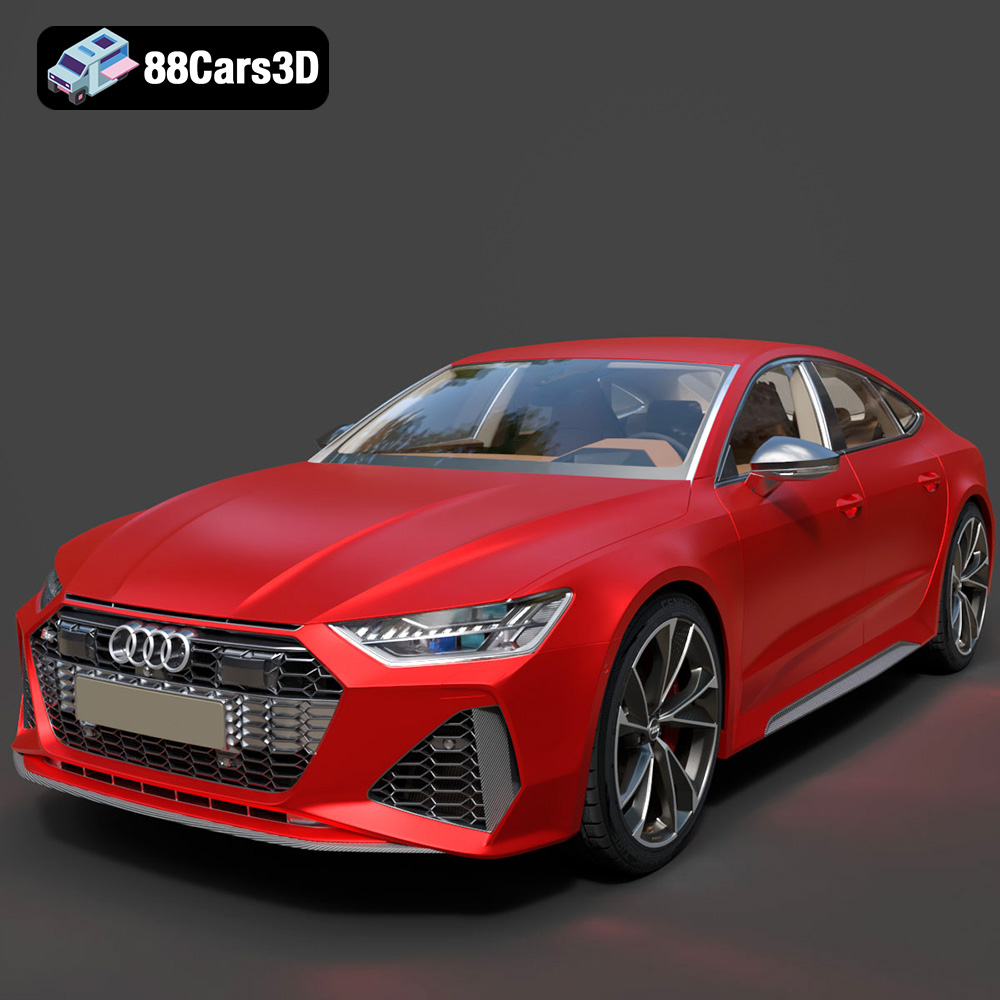
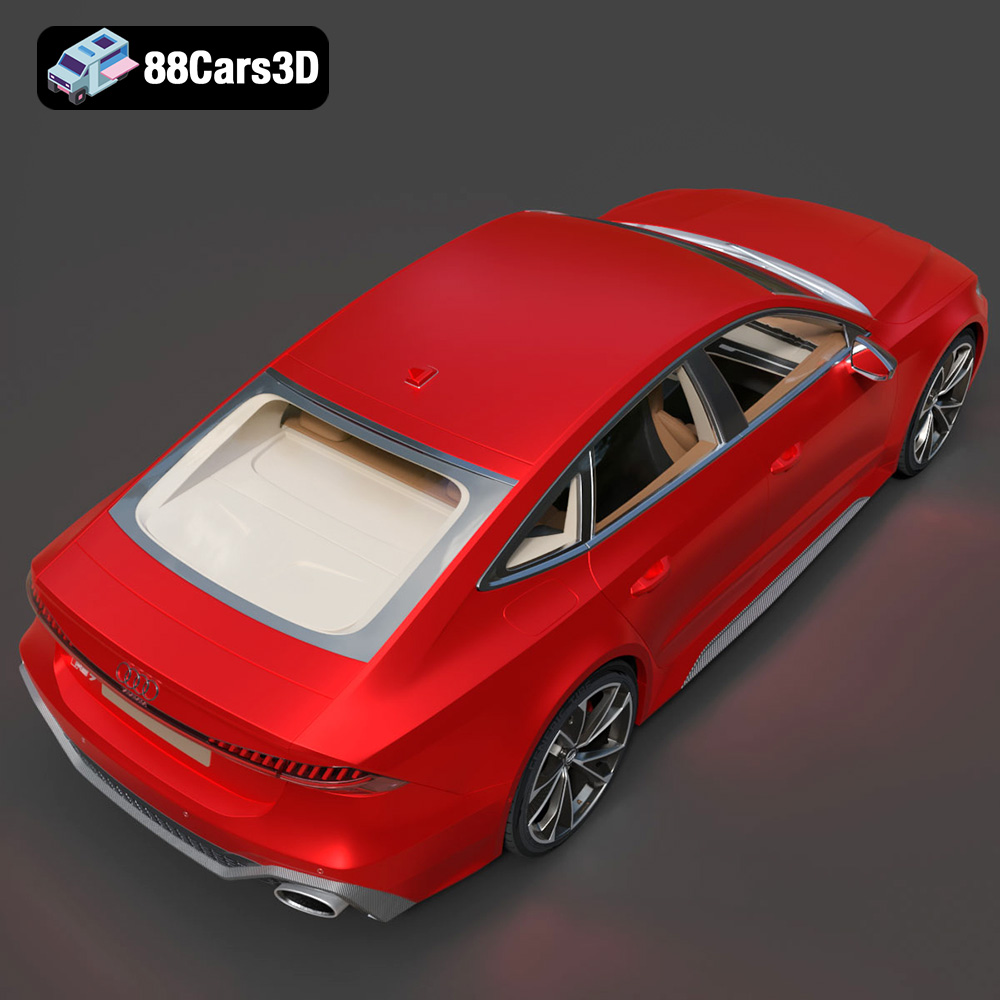
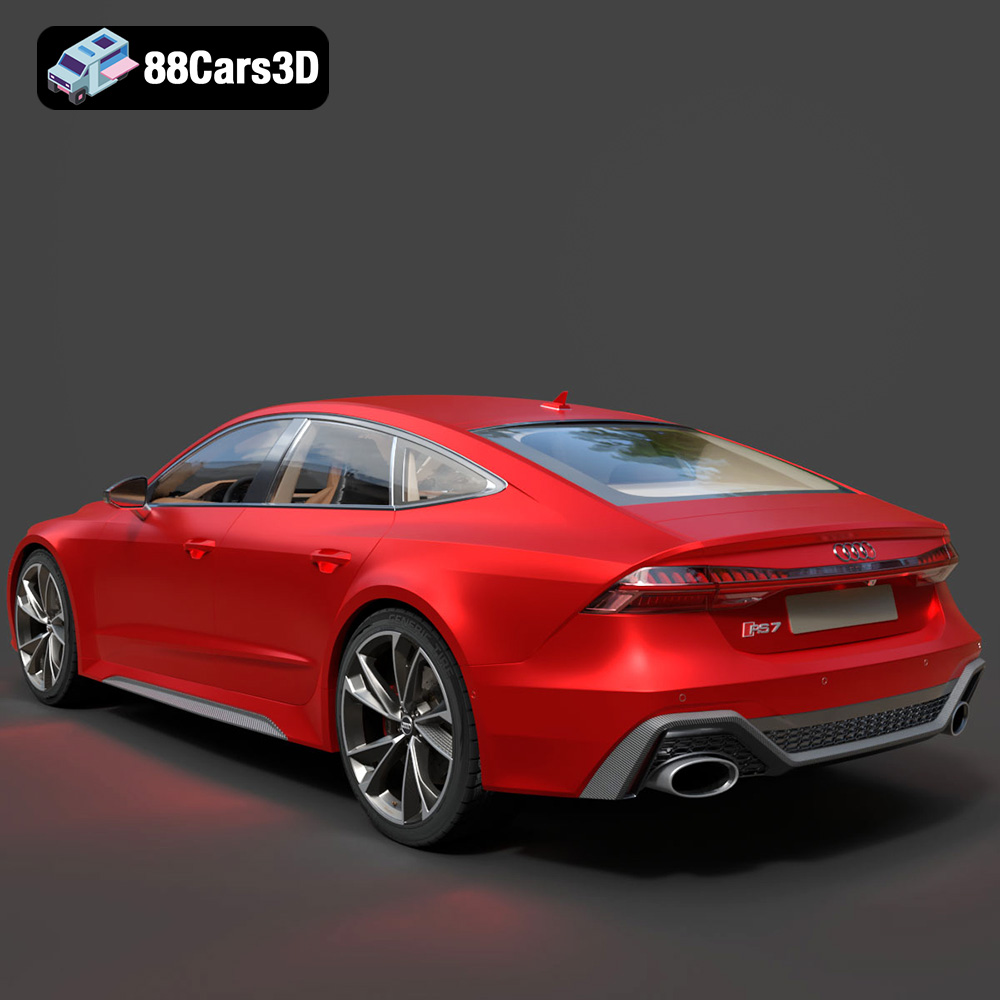
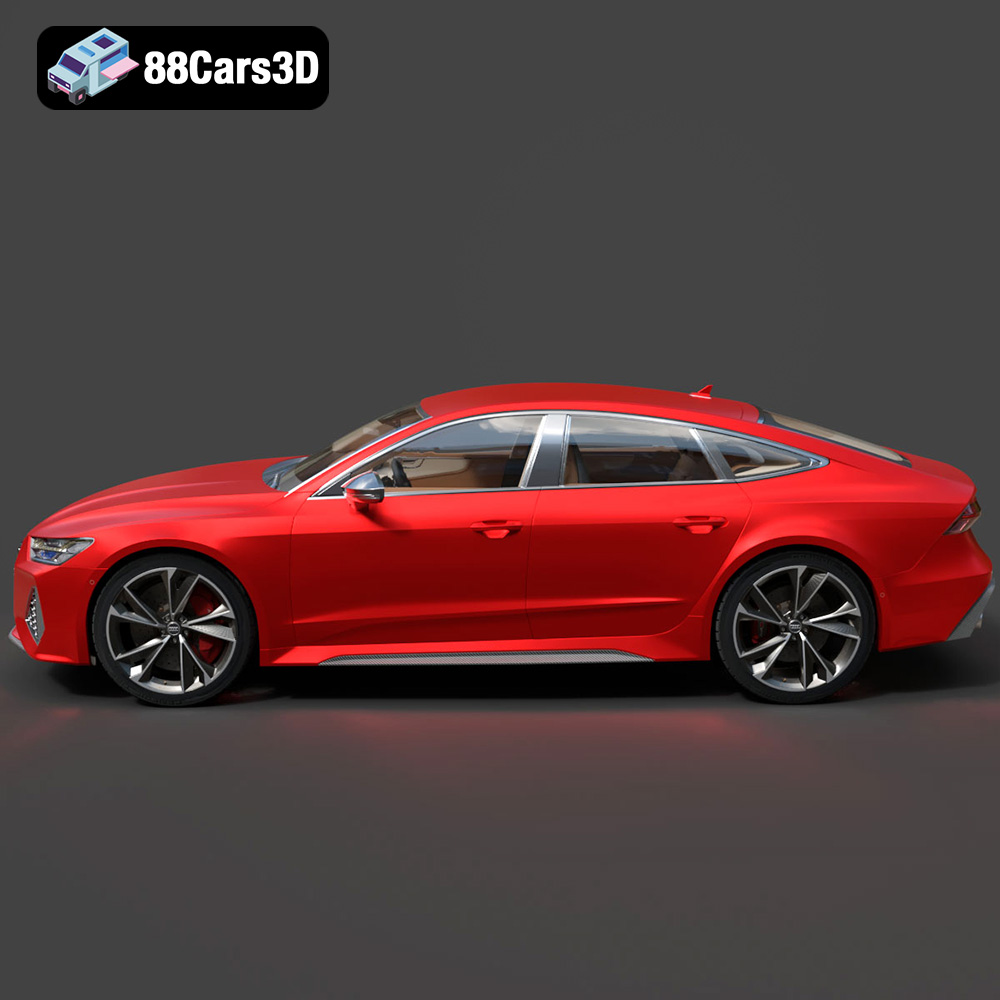
The Audi RS7 Sportback 2020 3D Model exemplifies this convergence of art and engineering. This isn’t just a generic car model; it’s a meticulously crafted digital twin of one of Audi’s most compelling performance vehicles. Known for its commanding presence, the real-world RS7 Sportback seamlessly blends aggressive performance with grand touring luxury, featuring a menacing front fascia, a wide single-frame grille, sharply sculpted lines, and a distinctive sloping roofline. Translating such an iconic design into a digital asset that maintains its authenticity and aesthetic appeal is a significant undertaking, and it’s precisely what makes premium 3D car models so valuable to professionals across various industries. This article will delve into the technical intricacies, workflow considerations, and diverse applications of high-quality 3D car models, using the Audi RS7 Sportback 2020 as our prime example.
When it comes to automotive visualization and interactive experiences, the pursuit of realism is paramount. A high-fidelity 3D car model is more than just a visual prop; it’s a critical component that communicates design intent, showcases engineering prowess, and evokes emotional responses. The Audi RS7 Sportback 2020 3D Model, with its exceptional level of detail and careful optimization, perfectly illustrates the advantages of investing in premium assets.
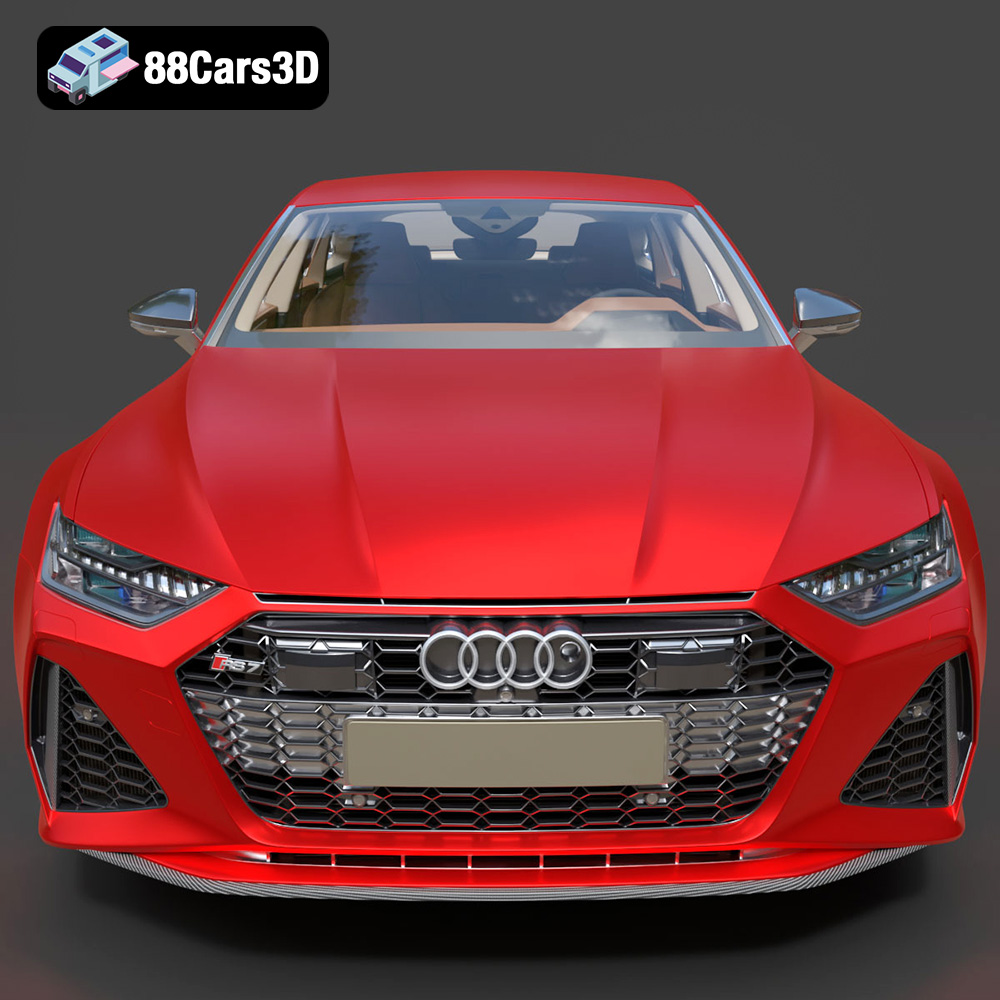
The real Audi RS7 Sportback 2020 is a marvel of German engineering, characterized by its muscular widebody stance, dual oval exhaust tips, and striking HD Matrix LED headlights. To accurately represent this in a digital environment, a 3D model must replicate every subtle curve, every sharp crease, and every functional detail. This includes the distinctive RS-specific front bumper, the intricate pattern of the single-frame grille, and the precise geometry of the alloy wheels and braking system. The provided Audi RS7 model captures these nuances, ensuring that its digital counterpart carries the same visual weight and authenticity as the physical vehicle.
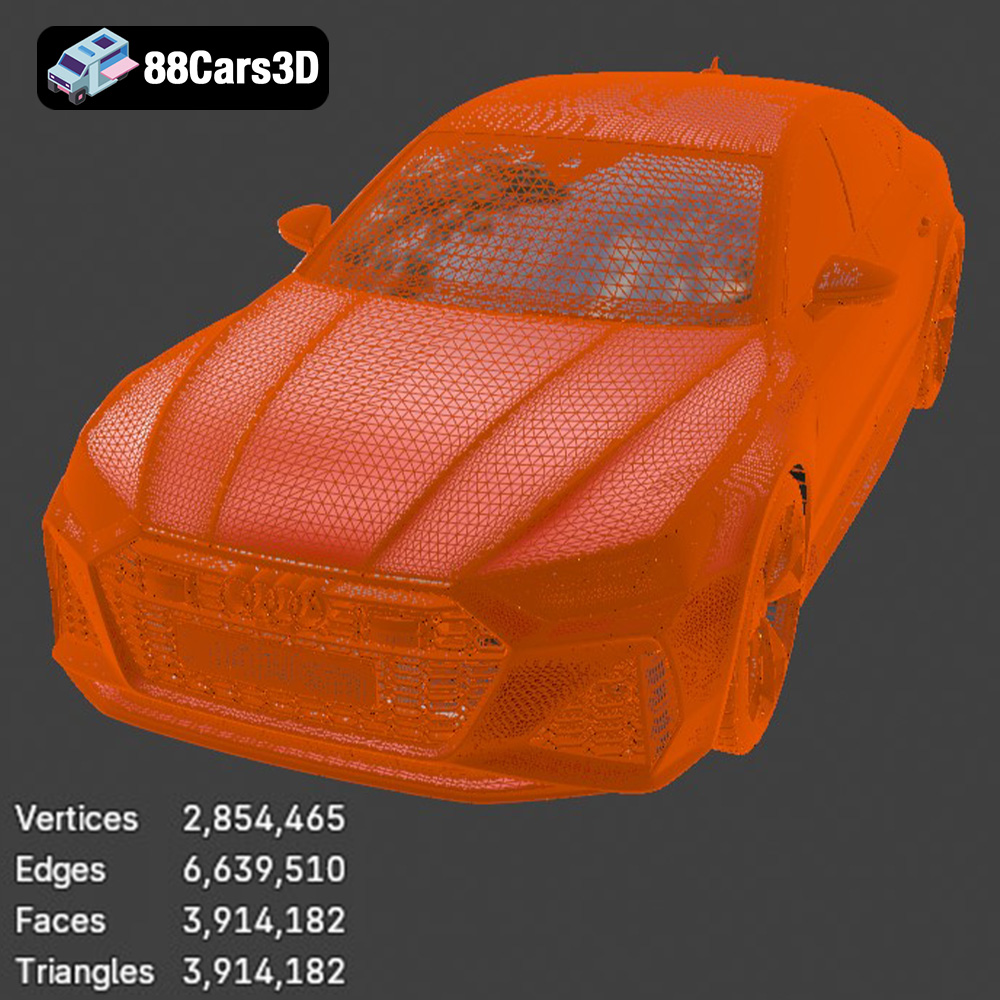
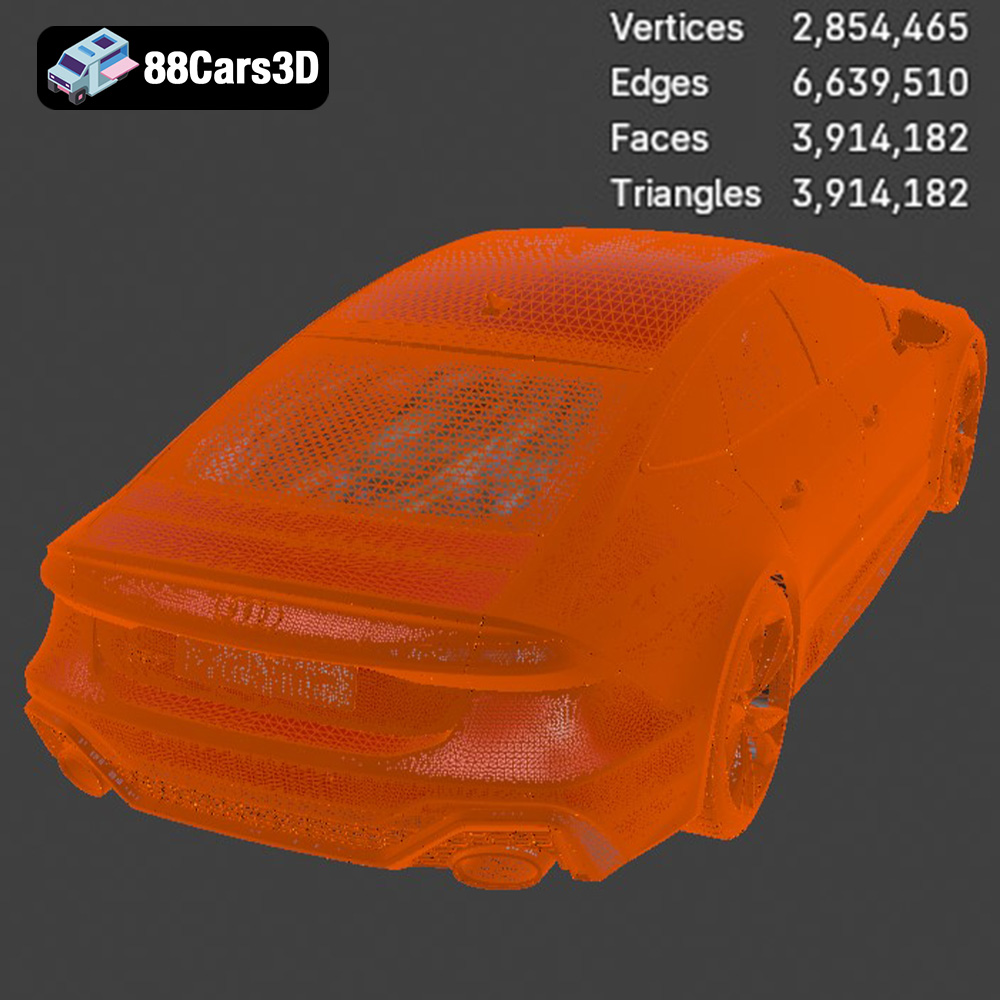
Achieving visual realism often comes at the cost of performance, especially in real-time applications like game development or AR/VR. This is where the technical expertise behind a premium 3D model truly shines. The Audi RS7 Sportback 2020 3D Model boasts a substantial triangle count of 3,914,182. While this might seem high, it represents a careful balance. This poly count is sufficient to ensure high-fidelity visual realism, suitable for close-up shots and cinematic sequences, yet its topology is structured intelligently for efficient integration into game engines. This “game-ready” optimization is crucial, allowing developers to leverage detailed assets without crippling frame rates.
The meticulous detail and technical precision of models like the Audi RS7 Sportback 2020 expand their utility across numerous professional applications. For architectural visualization artists, it transforms a static building render into a dynamic, lifestyle-infused scene. For game developers, it provides a ready-to-integrate asset for open-world games or high-stakes racing titles. And for marketing agencies, it offers an unparalleled tool for creating captivating brand campaigns and virtual configurators. This versatility is a direct result of the model’s quality and comprehensive design.
Navigating the world of 3D assets requires a solid grasp of file formats. Each format serves specific purposes, offering different levels of compatibility, detail, and optimization for various software and applications. The Audi RS7 Sportback 2020 3D Model is conveniently offered in a wide array of formats, ensuring maximum flexibility for any project. Understanding these is key to seamless integration into your workflow.
The `.blend` format is Blender’s native file type. When you download a `.blend` file, you’re getting the complete Blender scene, including all geometry, materials, textures, lighting setups, cameras, and even animations. This format is ideal for Blender users who need full editability and access to every component of the model. It allows for advanced customization, tweaking materials with Blender’s node-based shader editor, adjusting scene lighting, or integrating the model into existing Blender projects with ease. For professionals deeply embedded in the Blender ecosystem, `.blend` offers the most comprehensive starting point.
`.fbx` (Filmbox) is a proprietary file format developed by Autodesk, and it has become a de facto standard for 3D data exchange, particularly within game development and animation pipelines. It supports geometry, materials, textures, animations, and even skeletal rigs. Its strength lies in its ability to transfer complex scene data reliably between different software packages like 3ds Max, Maya, Blender, Unity, and Unreal Engine. For real-time applications, `.fbx` is often the preferred choice due to its robust support for mesh data and animation, making the Audi RS7 model ready for immediate import into engine environments.
The `.obj` (Wavefront Object) format is one of the oldest and most widely supported 3D file formats. It’s a simple, human-readable text file that defines geometry (vertices, normals, texture coordinates, and faces) and can reference external material definition files (`.mtl`) for basic material properties and texture maps. While `.obj` doesn’t support animation or advanced scene data, its universal compatibility makes it excellent for cross-software transfers when you primarily need mesh data. It’s a reliable fallback when other formats encounter issues, ensuring the Audi RS7 model’s core geometry is always accessible.
`.glb` (GLB File Format) is the binary version of glTF (GL Transmission Format), an open-standard 3D file format for 3D scenes and models developed by the Khronos Group. `.glb` is designed for efficient transmission and loading of 3D scenes by applications. It packages geometry, materials, textures, and animations into a single, self-contained file, making it incredibly popular for web-based 3D viewers, AR/VR applications, and mobile experiences. Its optimization for real-time rendering and small file size makes it perfect for displaying the Audi RS7 in virtual showrooms or augmented reality apps.
`.stl` (Stereolithography) is almost exclusively used for 3D printing. It represents a 3D model as a series of connected triangles, defining only the surface geometry without color, texture, or material information. While simple, it’s the most common format accepted by 3D printers and slicing software. If your goal is to physically manifest the Audi RS7 Sportback 2020 3D model, perhaps as a scale model or prototype, the `.stl` format is precisely what you need, ensuring a clean, watertight mesh for fabrication.
`.ply` (Polygon File Format or Stanford Triangle Format) is a versatile format for storing 3D data, particularly from 3D scanners. It can store a wider range of information than `.stl`, including color, transparency, and sometimes even normal vectors, for each vertex and face. While less common for general 3D asset exchange than `.fbx` or `.obj`, `.ply` is valued in applications requiring high precision mesh data, such as reverse engineering, scientific visualization, or CAD/CAM workflows. It offers a robust alternative for specific technical analysis of the Audi RS7’s geometry.
While not a standalone general-purpose format, `.unreal` typically refers to an asset package specifically prepared and optimized for direct import into the Unreal Engine. This often implies pre-configured materials, collision meshes, LODs (Levels of Detail), and appropriate naming conventions. An `.unreal` package for the Audi RS7 would mean a seamless, drag-and-drop experience for developers, minimizing the setup time and ensuring the model performs optimally within the engine’s real-time environment. This saves countless hours of optimization and material setup.
The `.max` format is the native file type for Autodesk 3ds Max, one of the most powerful and widely used 3D software applications in the architecture, visualization, and entertainment industries. A `.max` file contains the complete 3ds Max scene, including all objects, modifiers, materials, lighting, cameras, and animation data. For users of 3ds Max, this format provides full editability and allows access to the original project setup. It’s ideal for rendering high-quality still images or complex animations of the Audi RS7, offering the most control for advanced users.
The specific features and technical advantages of the Audi RS7 Sportback 2020 3D Model downloaded from 88cars3d.com are what elevate it from a generic asset to a truly premium resource for professionals. Its design philosophy clearly prioritizes both aesthetic accuracy and functional performance across various digital domains.
The exterior of the Audi RS7 Sportback 2020 is instantly recognizable, and the 3D model diligently replicates its defining characteristics. This includes the accurate frame geometry and the distinctive widebody proportions that give the RS7 its aggressive stance. Crucial RS-specific elements such as the detailed front bumper, large air intakes, and the wide single-frame grille are faithfully rendered. Moving to the rear, the signature RS dual oval exhaust system and the sculpted rear diffuser are present, enhancing its sporty appeal. Furthermore, the HD Matrix LED headlights with laser light detailing and sleek animated taillights are represented, allowing for dynamic lighting setups. The high-performance alloy wheels, complete with detailed RS braking system and massive calipers, contribute significantly to the model’s realism. The realistic sport suspension stance and undercarriage elements ensure that even from low angles, the model holds up to scrutiny. A key technical advantage for animators is the separation of components like wheels, doors, suspension, and steering, which are ready for independent manipulation and complex rigging.
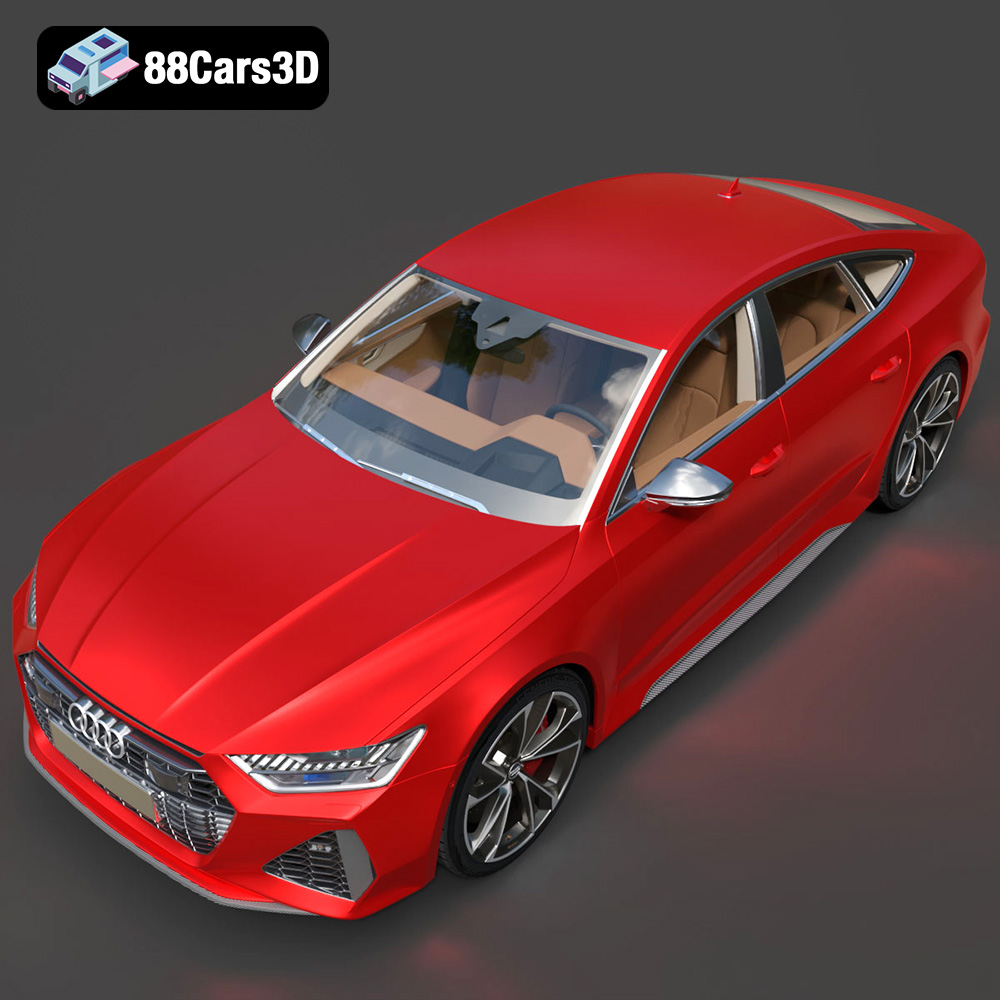
The interior of a vehicle is just as important as its exterior, especially for applications like virtual showrooms, AR/VR experiences, or first-person gameplay. The Audi RS7 Sportback 2020 3D Model excels here with an intricately detailed cockpit. RS sport seats, complete with their distinctive honeycomb stitching patterns, immediately convey luxury and performance. The flat-bottomed Alcantara/leather steering wheel with paddle shifters adds to the authentic feel. Perhaps most critical for modern vehicle interiors are the digital displays: the Virtual Cockpit dual-screen MMI infotainment system and instrument cluster displays are accurately modeled, crucial for creating immersive environments. Intricate center console detailing, including the electronic shifter and climate controls, further enhances the realism. The geometry is optimized for immersive first-person POV, making it ideal for driving simulators or interactive product presentations.
The raw technical specifications underscore the model’s professional-grade quality. With 3,914,182 triangles, the model strikes an exceptional balance between high-end visual realism and optimization for real-time engines like Unreal and Unity. This careful polycount ensures that demanding close-up renders are possible without sacrificing performance in interactive applications. The model is built to real-world scale accuracy, based on actual vehicle chassis dimensions, which is vital for seamless integration into existing scenes or precise architectural visualizations. Furthermore, proper pivot setups for steering, wheel rotation, and suspension travel are pre-configured, drastically reducing setup time for animation artists and game developers. This comprehensive preparation ensures compatibility with a wide range of major 3D software platforms and real-time rendering engines.
The true value of a premium 3D car model, such as the Audi RS7 Sportback 2020, is realized when it can be seamlessly integrated into professional workflows across various software platforms. Whether you are an architectural visualizer using 3ds Max, a game developer in Unreal Engine, or an indie artist leveraging Blender, understanding the workflow for high-quality assets is crucial.
For artists working in 3ds Max, the `.max` file format offers the most direct and complete integration. Upon opening, the model should appear with all its components, materials, and potentially even some basic lighting or camera setups intact. The first steps typically involve:
Blender users benefit immensely from the native `.blend` file format. This provides direct access to the full project, offering maximum control:
For Unreal Engine developers, the `.fbx` and the specialized `.unreal` formats are invaluable. The goal is real-time performance and visual fidelity:
The utility of a high-quality 3D model like the Audi RS7 Sportback 2020 extends far beyond static renders. Its robust design and versatile file formats make it an exceptional asset for a variety of cutting-edge applications, each demanding specific technical considerations.
For game developers, the Audi RS7 Sportback 2020 3D Model is an ideal asset for several reasons. Its “game-ready & optimized” nature, with 3,914,182 triangles, strikes a perfect balance. This polycount allows for impressive visual fidelity in modern racing titles or open-world environments, where players expect realistic vehicle models, without overly taxing game engine performance. The separated components for wheels, doors, suspension, and steering are critical for implementing realistic physics and animation. Developers can use these elements to create dynamic suspension travel, realistic steering mechanics, and even damage models. The optimized geometry also facilitates the creation of LODs (Levels of Detail), ensuring smooth performance even when multiple vehicles are on screen or viewed from a distance. Imagine a high-stakes street race where the Audi RS7 is the star, or a sprawling urban environment where it serves as a high-detail AI vehicle or a player’s prized possession.
Augmented Reality (AR) and Virtual Reality (VR) applications thrive on high-quality, performant 3D assets. The Audi RS7 Sportback 2020 3D Model is perfectly suited for creating immersive virtual showrooms or advanced car configurators. In a VR experience, a potential customer could “walk around” the RS7, examining its aggressive widebody proportions and intricate details up close, even “sitting inside” to appreciate the RS sport seats and Virtual Cockpit. The optimized geometry and inclusion of formats like `.glb` make it excellent for web-based AR experiences where the model can be projected into real-world environments via a smartphone. Customization options—such as changing body colors (e.g., Nardo Gray, factory colors, custom matte finishes), modifying tire textures, or adjusting material finishes—can be implemented interactively, allowing users to personalize their virtual Audi RS7 in real-time. This level of interaction enhances engagement and aids in product understanding before a physical purchase.
The inclusion of the `.stl` format, along with detailed 3D print settings, opens up an entirely different dimension for the Audi RS7 Sportback 2020 3D Model: physical fabrication. Hobbyists, collectors, and designers can convert the digital asset into a tangible display piece. The recommended scale (1:12, 1:18, 1:24) and layer height (0.04–0.12 mm) suggest that resin printing is ideal for capturing the model’s fine details, like the intricate grille or headlight clusters. Specific guidance on wall thickness, infill, and support placement (especially for complex parts like exhaust, mirrors, and the steering wheel) ensures a successful print. The advice to print the frame angled for structural integrity and wheels separately is a testament to the practical considerations involved. Post-processing steps like sanding, priming, and painting with authentic factory colors and metallic finishes can result in a stunning scale replica, a testament to the model’s geometric accuracy.
In a world where time is a valuable commodity, having access to a reliable source for high-quality 3D car models is a significant advantage for any professional. 88cars3d.com distinguishes itself as an online marketplace committed to providing meticulously crafted assets that meet the rigorous demands of various industries.
The Audi RS7 Sportback 2020 3D Model is a prime example of the caliber of products available on 88cars3d.com. The detailed product description explicitly outlines its high triangle count, game-ready optimization, real-world scale accuracy, and proper pivot setups. These are not merely buzzwords but critical technical specifications that assure buyers of the model’s professional usability. When designers and developers source assets from 88cars3d.com, they can be confident that they are acquiring models that have undergone careful construction and optimization, saving countless hours of rework and troubleshooting.
A key strength of the models offered at 88cars3d.com is their broad compatibility. The provision of multiple file formats—including .blend, .fbx, .obj, .glb, .stl, .ply, .unreal, and .max—means that regardless of your preferred software or end-use application, there’s a format ready for integration. This multi-format approach caters to the diverse needs of the industry, from high-end cinematic rendering in 3ds Max to real-time game development in Unreal Engine, or even physical creation via 3D printing. This versatility underscores a deep understanding of professional workflows and the varied requirements of digital artists and engineers.
For studios and individual creators, the ability to quickly acquire premium 3D car models directly impacts project timelines and budgets. Instead of spending days or weeks modeling an iconic vehicle from scratch, assets from 88cars3d.com allow teams to jump directly into scene setup, lighting, animation, or game logic. This efficiency not only accelerates production but also frees up creative talent to focus on unique aspects of their projects. Whether it’s populating a sprawling urban game map or creating a stunning automotive commercial, high-quality ready-to-use assets empower creators to achieve their visions with greater speed and fidelity.
The journey from concept to a compelling digital experience is paved with technical challenges and artistic opportunities. High-quality 3D car models stand as a cornerstone of modern visualization, offering unparalleled realism and versatility across diverse applications. The Audi RS7 Sportback 2020 3D Model serves as an exemplary asset, showcasing how meticulous attention to detail, careful optimization, and broad file format support can empower professionals in game development, AR/VR, rendering, and even 3D printing.
From understanding the nuances of different file formats like .fbx for game engines or .stl for physical fabrication, to integrating these complex models into sophisticated workflows in software like 3ds Max, Blender, or Unreal Engine, the technical demands are significant. However, when an asset is built with such precision and foresight, it transforms from a mere digital object into a powerful creative tool. By leveraging premium assets found on platforms like 88cars3d.com, creators can streamline their production pipelines, achieve higher levels of visual fidelity, and ultimately deliver more impactful and immersive digital experiences. The Audi RS7 Sportback 2020 isn’t just a car; it’s a testament to the intricate art and engineering of digital model-making, ready to drive your next project to success.
The Audi RS7 Sportback 2020 represents the pinnacle of German engineering, seamlessly blending aggressive performance with grand touring luxury. Known for its commanding presence on the road, this high-performance sportback features a menacing front fascia with a wide single-frame grille, sharply sculpted lines, and a distinctive sloping roofline. Powered by a potent twin-turbo V8 engine in the real world, its muscular widebody stance, dual oval exhaust tips, and striking LED matrix headlights make it an iconic modern classic in the luxury performance segment. This premium 3D model boasts an exceptional level of detail with a triangle count of 3,914,182, ensuring high-fidelity visual realism suitable for close-up shots and high-end cinematic sequences. Despite its meticulous detailing, the model’s topology is carefully structured for integration into game engines and real-time environments. Whether you are developing a next-gen racing title, an immersive VR showroom, or crafting photorealistic visualizations, this asset delivers unparalleled quality and accuracy.
$37.50
.2020
.audi
.blend
.fbx
.glb
.max
.obj
.ply
.rendering
.stl
.unreal
car-3d-model
game asset
game-ready
high poly
luxury car
optimized
performance-car
rs7-sportback
sports-sedan
VR/AR