Get 20% OFF All Premium 3D & STL Models!

In the rapidly evolving world of digital content creation, the demand for authentic and technically precise 3D assets has never been higher. From breathtaking cinematic sequences to immersive game environments and groundbreaking AR/VR experiences, the quality of a 3D model can be the definitive factor in a project’s success. Automotive design, in particular, thrives on precision, aesthetic detail, and the faithful recreation of engineering marvels. Today, we’re taking an in-depth look at how premium 3D car models, exemplified by the stunning Lamborghini 08 3D Model available on 88cars3d.com, empower artists and developers to push the boundaries of realism and interaction.
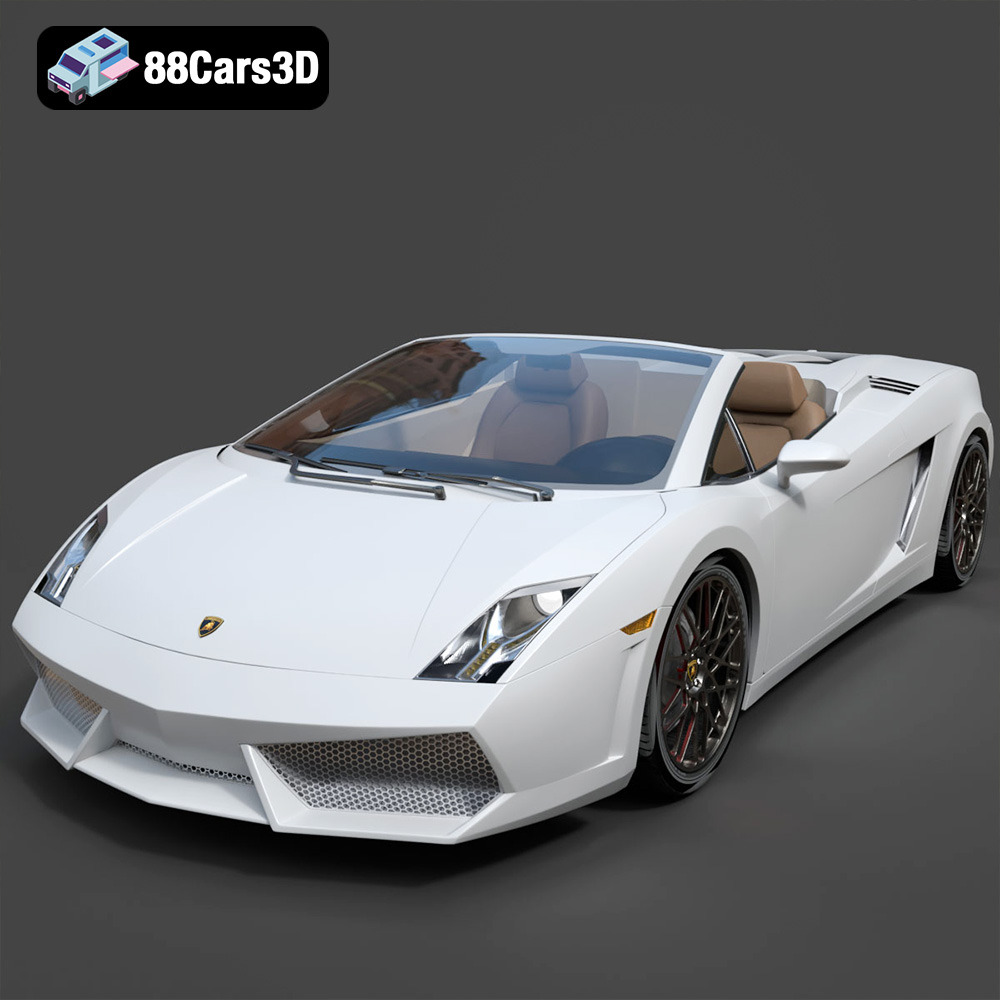
The Lamborghini 08 is more than just a virtual representation of an iconic supercar; it’s a meticulously crafted digital asset designed to meet the rigorous demands of professional production pipelines. Its striking balance of aerodynamic aggression, sharp angular lines, and an imposing rear diffuser translates flawlessly into the digital realm, making it a true masterpiece of modern hypercar design. Understanding the technical nuances behind such an asset and how to leverage its capabilities is key to unlocking its full potential across diverse applications, from high-speed racing simulations to luxury lifestyle automotive visualization and virtual showrooms.
The versatility of a 3D car model, such as the Lamborghini 08, is heavily reliant on the file formats it supports. Each format serves a specific purpose, catering to different software, workflows, and end-use applications. Choosing the right format is critical for maintaining model integrity, optimizing performance, and ensuring seamless integration into your project pipeline. The Lamborghini 08 from 88cars3d.com offers a comprehensive suite of formats, each with its unique advantages.
The .blend file format is the native format for Blender, a powerful open-source 3D creation suite. When you download a .blend file, you’re not just getting the mesh; you’re often receiving a complete Blender scene. This typically includes the model’s geometry, materials, textures, lighting setups, camera positions, animations, and even physics simulations. For the Lamborghini 08, a .blend file would provide full editability, allowing artists to easily adjust materials, modify mesh elements, or integrate the car into existing Blender projects with all its PBR material definitions and UV unwraps ready to go. It’s ideal for artists who primarily work in Blender and require maximum flexibility for customization and rendering within the ecosystem.
FBX (Filmbox) is a proprietary file format developed by Autodesk, widely recognized as an industry standard for 3D data exchange between various software applications. It’s particularly favored in game development (Unreal Engine, Unity) and animation due to its robust support for not just geometry and UVs, but also animations, rigs, cameras, and lights. For an automotive asset like the Lamborghini 08, the .fbx format is crucial because it can transfer the vehicle’s separate wheels, suspension, and steering components with their correct pivot points, enabling realistic animation of driving dynamics. Its binary nature also makes it relatively compact and efficient for real-time pipelines.
OBJ (or .obj) is a simple, universal 3D data format that represents only the geometry (vertices, normals, texture coordinates, and faces) and material information (via an accompanying .mtl file). While it doesn’t support animation or rigging, its widespread compatibility across almost all 3D software makes it an excellent choice for static model exchange. If you need to import the Lamborghini 08 into an uncommon 3D package or simply require the raw mesh data for further sculpting or re-topology, .obj is often the most reliable option. It’s a foundational format for cross-software compatibility, ensuring your asset is accessible regardless of your primary tool.
GLB (GL Transmission Format Binary) is a relatively newer format designed for efficient transmission and loading of 3D scenes and models by engines and applications. It’s the binary version of glTF, which has become the “JPEG of 3D” for its focus on real-time rendering, especially in AR (Augmented Reality), VR (Virtual Reality), and browser-based 3D viewers. A .glb file for the Lamborghini 08 is a self-contained asset, bundling geometry, materials, textures, and even animations into a single, compact file. This optimization makes it perfect for interactive web configurators, mobile AR experiences, or light VR applications where quick loading and performance are paramount.
STL (STereoLithography) is the most common file format used for 3D printing. It describes only the surface geometry of a 3D object using a collection of interconnected triangles, without any color, texture, or material information. When you download the Lamborghini 08 in .stl format, it’s specifically prepared for additive manufacturing. While the original model has 882,595 triangles, the .stl version might be further optimized for watertightness and manifold geometry, essential for successful 3D prints. Hobbyists and professionals looking to create physical scale models of the supercar would utilize this format, paying close attention to recommended print settings like layer height, infill, and supports, as detailed in the product description.
PLY (Polygon File Format) is a versatile format for storing 3D data from 3D scanners, CAD programs, or other precision modeling applications. It can store a wider range of properties than .obj or .stl, including color, transparency, surface normals, and even confidence maps, on a per-vertex or per-face basis. While less commonly used for general asset exchange in creative pipelines, the .ply format for the Lamborghini 08 could be valuable for engineers or designers needing highly precise mesh data for analysis, reverse engineering, or integration into specialized CAD/CAM software. Its ability to store complex attributes makes it suitable for scientific or industrial visualization.
The inclusion of an .unreal file indicates a pre-configured, engine-ready asset specifically tailored for the Unreal Engine. This format typically means the model has already gone through an optimization process within Unreal, with materials properly set up, collision meshes generated, and potentially even LOD (Level of Detail) variations implemented. For game developers or real-time visualization artists working with Unreal Engine, this drastically reduces setup time, allowing for immediate integration of the Lamborghini 08 into a scene with minimal fuss. It’s a testament to the model’s game-ready optimization, ensuring smooth performance and visual fidelity straight out of the box.
Similar to .blend for Blender, .max is the native file format for Autodesk 3ds Max, another industry-leading 3D modeling, animation, and rendering software. A .max file for the Lamborghini 08 would contain the complete scene data, including all geometry, materials (potentially V-Ray or Corona materials), textures, lights, cameras, and animation setups specific to 3ds Max. This format offers the highest level of editability and control for users within the 3ds Max environment, making it ideal for high-end rendering, complex animation sequences, or integration into architectural visualization projects where 3ds Max is the primary tool.
Creating a truly convincing 3D car model is a blend of artistic skill and technical acumen. The Lamborghini 08 from 88cars3d.com exemplifies this synthesis, offering a model that is both visually stunning and technically robust. Its design embodies the pinnacle of radical Italian automotive engineering, which is meticulously translated into its digital counterpart.
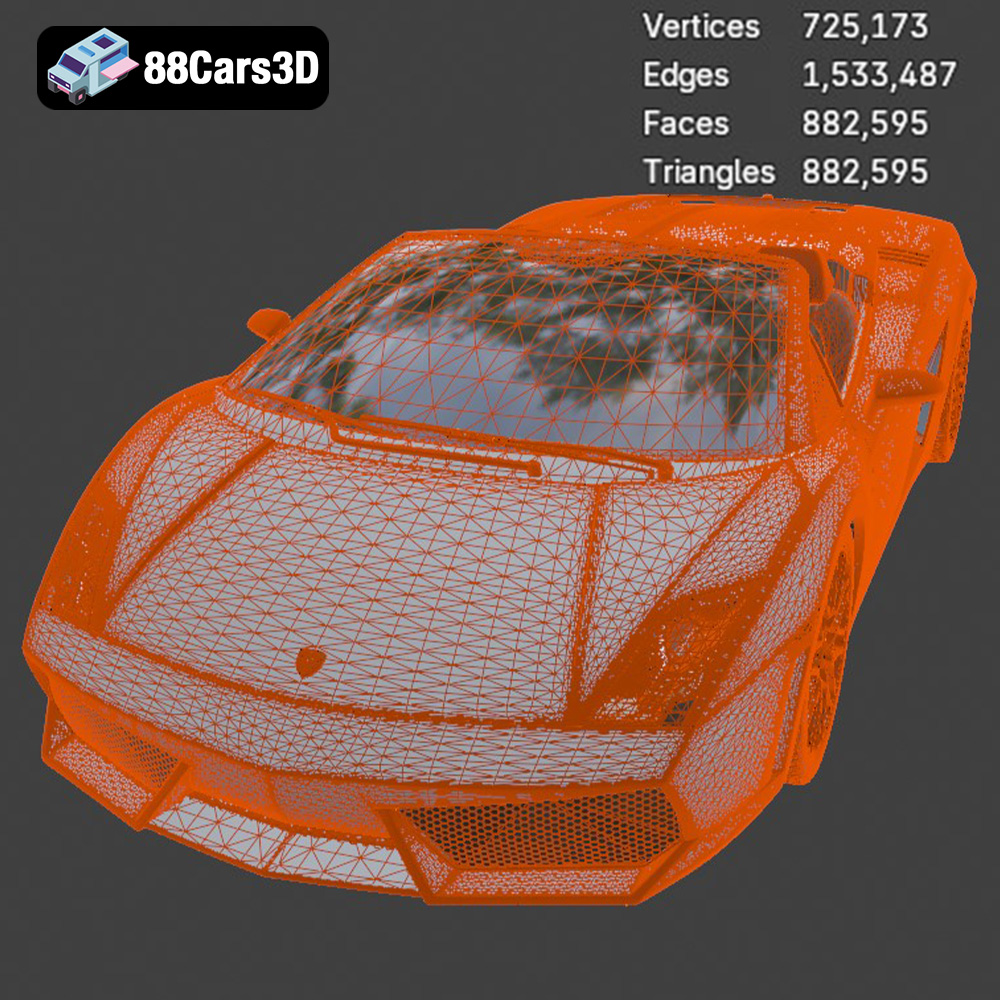
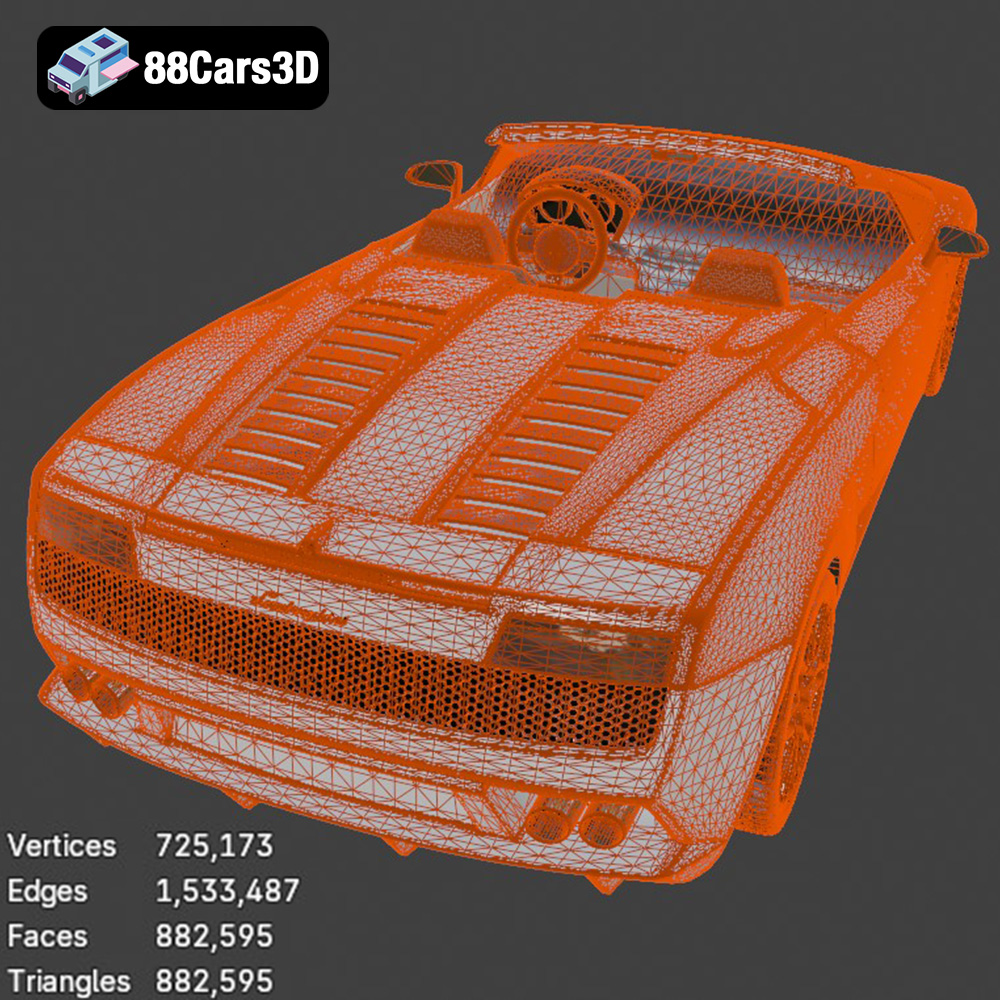
At the core of any high-quality 3D model is its topology. The Lamborghini 08 boasts 882,595 triangles. This specific polycount is a critical technical advantage. It’s high enough to capture the intricate details, sharp angular lines, and subtle curves of the supercar, ensuring exceptional visual fidelity that can rival cinematic assets. Yet, it remains efficiently structured, preventing an unmanageable polygon count that would cripple real-time performance. This balance makes it versatile: stunning in high-end renders, yet performant enough for demanding game engines like Unreal and Unity, and even immersive AR/VR experiences. The optimized mesh ensures stunning realism in physically based rendering (PBR) workflows, where accurate light interaction with materials is paramount.
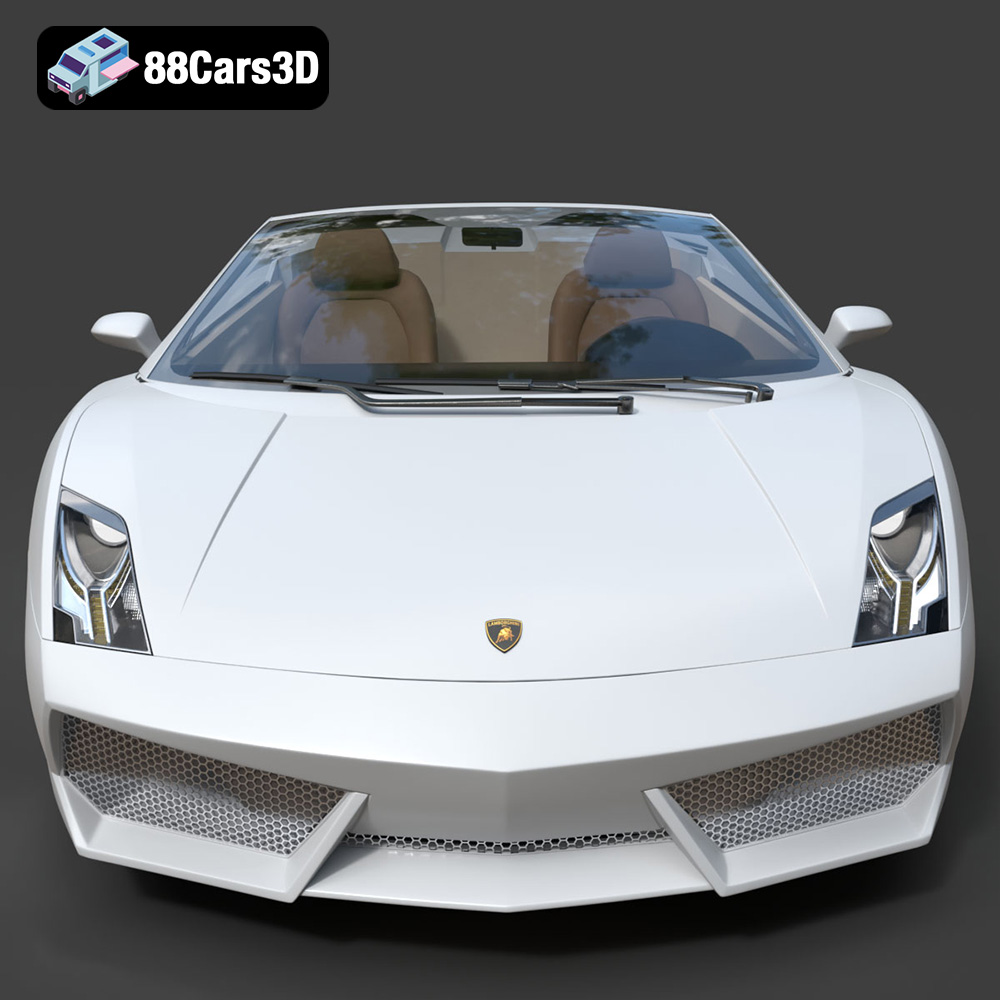
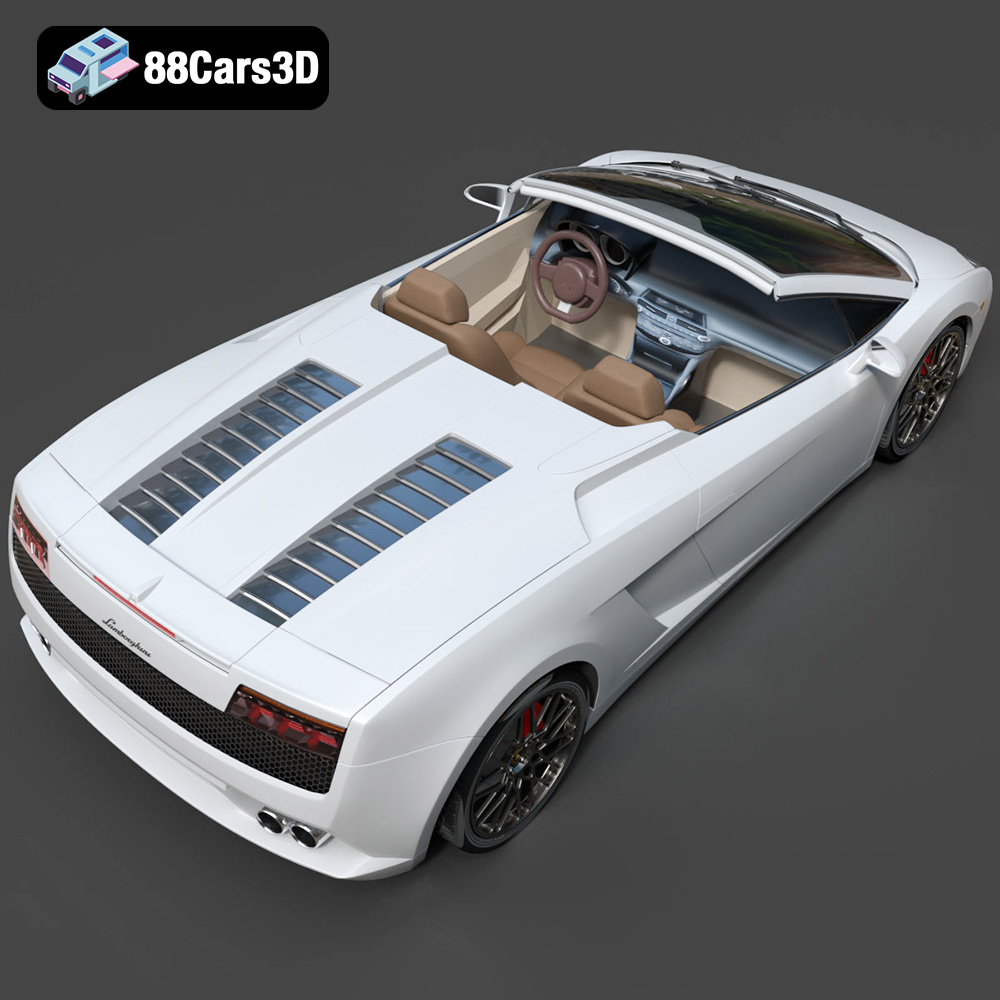
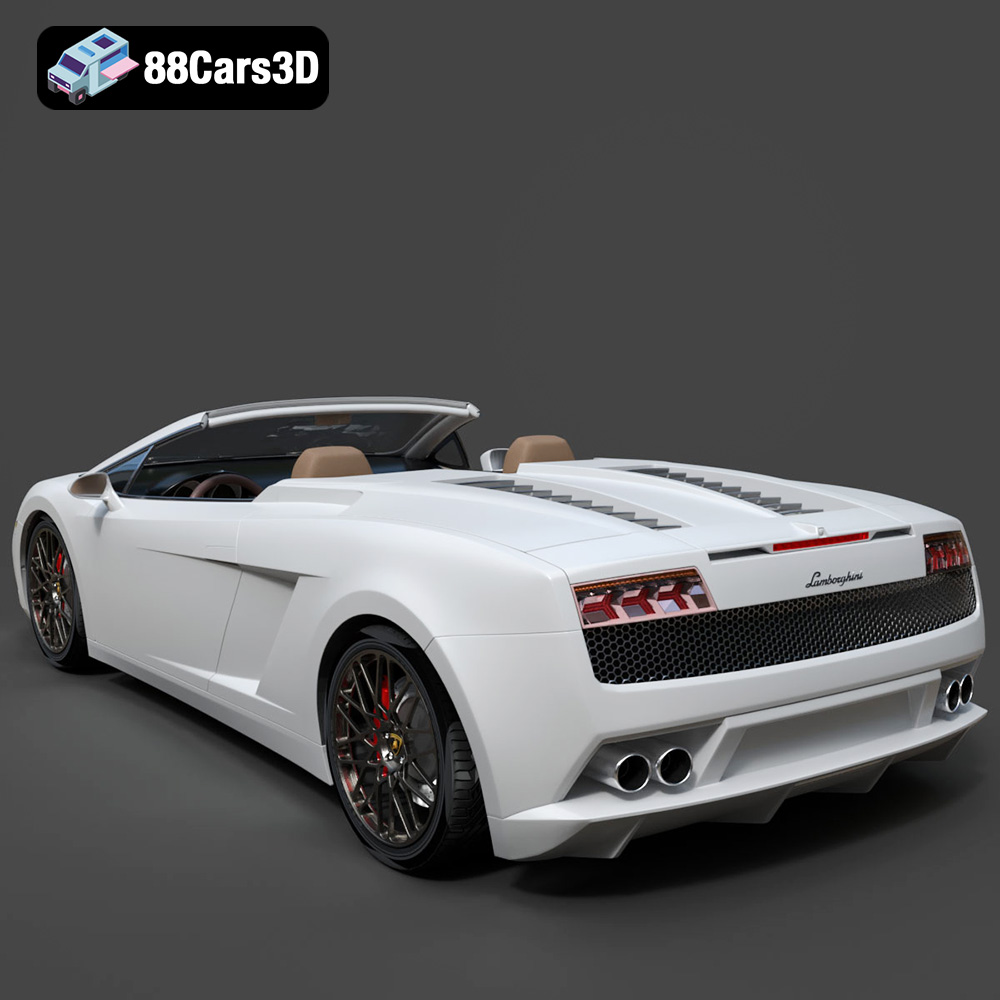
The devil is in the details, and the Lamborghini 08 model leaves no stone unturned. Its exterior features include accurate frame geometry, aggressive aerodynamic proportions, and a detailed engine block visible beneath the rear glass cover – a signature supercar touch. The performance-oriented quad-exhaust system with carbon-fiber styled surrounds, signature Y-shaped LED daytime running lights, and aggressive geometric taillights are all faithfully recreated. High-performance alloy wheels clad in detailed low-profile track tires, massive carbon-ceramic brake discs, and detailed suspension calipers further enhance realism. Crucially, separate wheels, suspension, and steering components are included, which are essential for believable animation and interactive simulations.
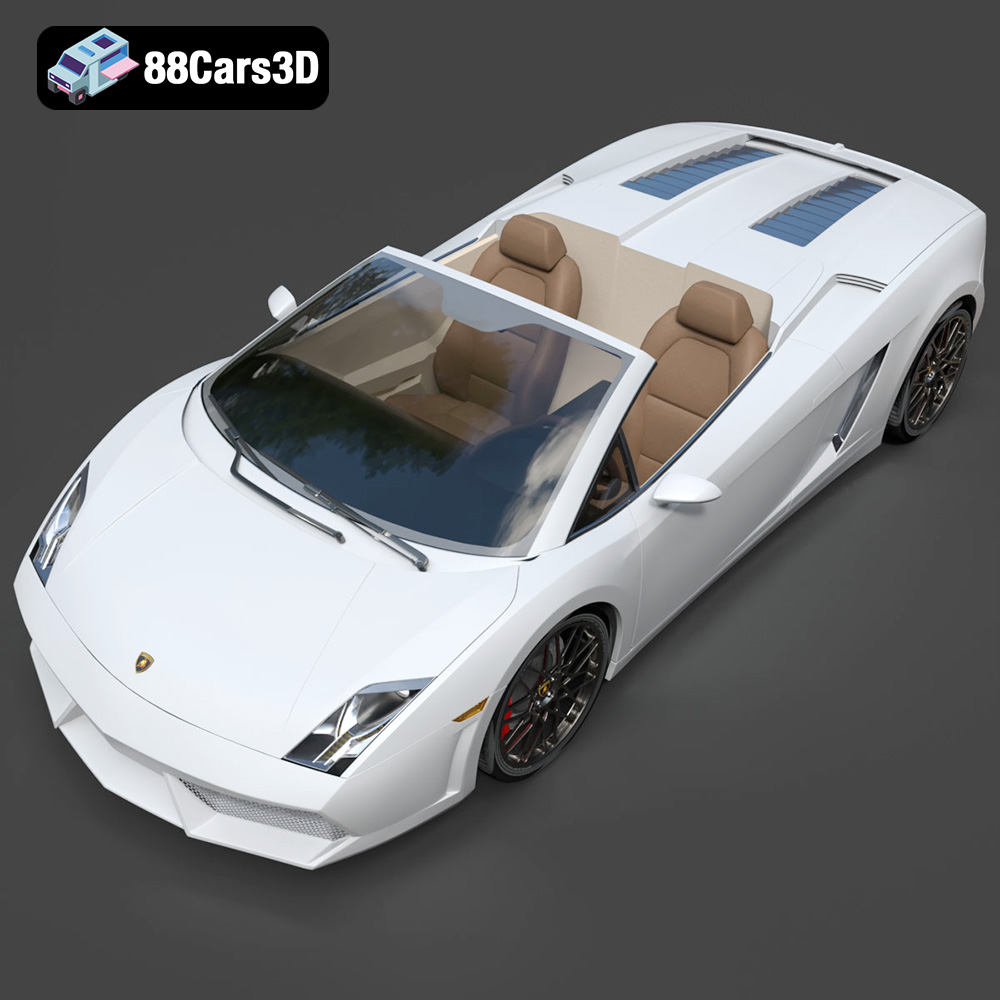
The interior is equally impressive, offering an immersive experience for first-person POV applications. High-bolstered Alcantara-style racing seats with contrast stitching details, a fighter-jet inspired flat-bottom steering wheel, a detailed digital instrument cluster, and center console telemetry displays are all present. Precision control details, including paddle shifters, alloy pedals, and the signature start button, complete the cockpit, making it optimized for gaming and VR simulations where players or users will interact closely with the environment.
The true value of a premium 3D car model like the Lamborghini 08 from 88cars3d.com lies in its seamless integration into various professional workflows. Whether you’re a game developer, an automotive visualization specialist, or an AR/VR content creator, the asset’s technical specifications and included file formats are designed for maximum compatibility and efficiency.
For game development, the Lamborghini 08 is explicitly listed as “Game-Ready & Optimized.” This means its 882,595 triangles are optimized for real-time engines.
In Unreal Engine, developers typically import the .fbx file (or use the pre-configured .unreal asset). Upon import, Unreal’s material editor allows for setting up PBR materials, connecting textures (albedo, normal, roughness, metallic, ambient occlusion) to ensure accurate visual response to lighting. Collision meshes can be automatically generated or custom-created for precise vehicle physics. The separate wheel and suspension components with proper pivot setups are critical for implementing sophisticated vehicle physics systems using blueprints or C++, enabling realistic steering, wheel rotation, and suspension travel. LODs (Levels of Detail) can be generated to optimize performance further, swapping lower-poly versions of the car as it moves away from the camera. Performance is paramount in games, and this model’s balanced polycount significantly aids in maintaining high frame rates.
Similarly, in Unity, importing the .fbx model is straightforward. Unity’s Universal Render Pipeline (URP) or High Definition Render Pipeline (HDRP) can be leveraged to achieve stunning visual quality with PBR materials. Scripting in C# allows for implementation of driving mechanics, custom shaders for car paint, and interactive elements. The optimized geometry and separate parts streamline the process of creating engaging racing experiences or incorporating the car into open-world environments.
For cinematic quality rendering and advanced animation, the .max and .blend files offer unparalleled flexibility.
In 3ds Max, artists can open the .max file to find a fully editable project. This allows for fine-tuning geometry, adjusting materials with advanced renderers like V-Ray or Corona Renderer, and setting up complex lighting environments. The model’s real-world scale accuracy is crucial for integrating it into architectural visualization scenes or studio product shots. Animators can fully exploit the separate components for detailed car animations, from realistic suspension compression to opening doors for a virtual showroom experience. The native 3ds Max environment provides powerful tools for rigging, advanced material editing, and global illumination rendering that push visual realism to its limits.
Blender users will benefit from the .blend file’s comprehensive scene data. With Cycles or Eevee renderers, artists can achieve photorealistic results, applying the included PBR textures and materials. Blender’s node-based material system offers extensive customization for car paint, glass, and carbon fiber details. Its animation capabilities, combined with the model’s separate, pivot-ready components, make it ideal for creating professional automotive advertisements, product showcases, or integration into larger animated projects. Artists can easily adjust body/tank colors, modify tire textures, and adapt material finishes to match specific creative briefs.
The utility of a meticulously crafted 3D car model like the Lamborghini 08 extends across a broad spectrum of digital applications, each demanding specific technical considerations and offering unique creative opportunities. Its versatile file formats and optimized structure make it an invaluable asset for professionals.
In the realm of game development, the Lamborghini 08 is a prime candidate for open-world games, high-speed racing titles, and realistic simulators. Its optimized polycount of 882,595 triangles strikes a perfect balance: detailed enough for close-up views and cinematic moments, yet efficient for real-time rendering at high frame rates. Game developers can leverage the separate wheels, suspension, and steering components to create highly authentic driving physics, enhancing player immersion. Imagine a racing game where every drift and bump is visually and physically accurate, thanks to the model’s precise geometry and pivot setups. Furthermore, its PBR readiness ensures consistent visual quality across different lighting conditions, making it suitable for diverse in-game environments, from sun-drenched city streets to gritty night races.
Augmented Reality (AR) and Virtual Reality (VR) represent the frontier of interactive experiences, and high-quality 3D car models are central to their success. The Lamborghini 08, particularly in its .glb format, is perfect for immersive virtual showrooms, interactive configurators, and mobile AR experiences. In a virtual showroom, potential buyers could explore the car from every angle, customize its paint color and interior finishes in real-time, and even sit virtually inside the cockpit, experiencing the detailed Alcantara-style seats and digital instrument cluster. For AR, users could project the Lamborghini 08 into their real-world environment via a smartphone or headset, allowing them to visualize it in their driveway or office, offering a compelling pre-purchase experience that transcends static imagery.
Beyond interactive applications, the Lamborghini 08 excels in traditional rendering and visualization. Marketing agencies, automotive manufacturers, and architectural visualization studios can utilize this model for stunning brand campaigns, luxury lifestyle scenes, and studio lighting setups. Its high-fidelity topology and accurate material definitions allow for photorealistic renders that are indistinguishable from real-world photography. Whether it’s showcasing the car in a sleek modern garage, cruising through a vibrant urban street scene, or highlighting its design intricacies in a minimalist studio environment, the model provides the foundational quality needed to create compelling visual narratives. The ability to easily change body colors, adjust material finishes (matte, gloss, metallic, carbon fiber), and adapt lighting allows for endless creative possibilities without the need for expensive physical prototypes or photo shoots.
The digital realm often inspires tangible creations, and 3D printing offers an exciting avenue to bring the Lamborghini 08 into the physical world. The inclusion of an .stl format file directly supports this application, allowing hobbyists and enthusiasts to own a physical representation of this iconic supercar.
3D printing an intricate model like the Lamborghini 08 requires careful attention to print settings and material choice. The recommended scales of 1:12, 1:18, or 1:24 are ideal for balancing detail retention with manageable print times and material usage. For fine details, such as the aggressive aerodynamic proportions, engine block, and interior features, resin printing is strongly recommended over FDM (Fused Deposition Modeling). Resin printers can achieve significantly finer layer heights (0.04–0.12 mm), capturing delicate curves and sharp edges with superior fidelity. This is crucial for replicating the Y-shaped LED lights, intricate wheel designs, and the cockpit’s precision control details.
Technical considerations like wall thickness (1.2–2.0 mm) and infill (20–30%) are vital for structural integrity without excessive material consumption. Supports will be required for overhangs and intricate parts like the exhaust system, mirrors, and spoilers to prevent warping and ensure geometric accuracy during the printing process. Optimal print orientation, such as printing the frame angled and wheels separately, further enhances structural integrity and print quality, minimizing the need for extensive post-processing.
After the printing process, post-processing is where the model truly comes to life. This stage involves sanding to remove support marks and smooth surfaces, followed by priming to create a uniform base for painting. The real magic happens with the authentic factory colors and metallic finishes. Achieving a showroom-quality finish often involves multiple layers of paint, clear coats, and meticulous attention to detail to replicate the supercar’s luxurious sheen. Hobbyists can experiment with different custom finishes, from matte to high-gloss, and apply specific details to tires and interior elements, truly personalizing their physical Lamborghini 08 model. This hands-on process bridges the gap between digital asset and physical collectible, offering a rewarding experience for automotive enthusiasts.
A truly professional 3D model isn’t just about static beauty; it’s about the potential for dynamic adaptation and customization. The Lamborghini 08 model from 88cars3d.com is engineered for this flexibility, allowing artists and developers to tailor it precisely to their project’s unique requirements, thereby maximizing its realism and impact.
One of the most powerful customization options lies in the ability to modify materials and textures. The model’s PBR-ready setup means that changing the car’s body color is a straightforward process, often just a few clicks in most 3D software or game engines. This isn’t limited to a simple color swap; artists can experiment with a vast palette of factory colors, custom finishes, or even unique effects like chameleon paints or pearlescent shimmers. Beyond paint, the model allows for adjusting material finishes—transitioning from a high-gloss metallic sheen to a stealthy matte finish, or emphasizing the intricate patterns of carbon fiber elements on the aerodynamic parts. Tire textures can be swapped between track-oriented variants with aggressive treads and street-focused designs, altering both the visual aesthetic and reinforcing the car’s intended environment. This level of material control ensures the Lamborghini 08 can fit into any brand campaign or game setting.
Realism in 3D rendering is heavily dependent on lighting, and a high-quality model like the Lamborghini 08 is built to react beautifully to diverse lighting environments. Whether it’s the harsh, direct sunlight of an outdoor scene, the soft, diffused illumination of an indoor studio, or the dramatic interplay of light and shadow in a nighttime cityscape, the model’s meticulously crafted geometry and PBR materials will respond accurately. Artists can adapt lighting setups to emphasize its aggressive aerodynamic proportions, highlight the Y-shaped LED daytime running lights, or bring out the luxurious details of the Alcantara-style interior. This adaptability means the same model can be used across multiple marketing visuals or game levels, always maintaining its photorealistic quality without needing extensive re-texturing or re-modeling.
The provision of separate wheels, suspension, and steering components further enhances customization, allowing for individual part replacements, custom rim designs, or even full suspension modifications for specific racing simulations. This modularity, combined with the comprehensive set of included file formats and optimization for various workflows, ensures that the Lamborghini 08 is not just a high-fidelity asset but a truly versatile digital toolkit for any automotive-focused project.
The journey through the intricacies of the Lamborghini 08 3D model reveals the significant impact that high-fidelity, technically robust assets have on modern digital content creation. From its meticulously optimized 882,595-triangle topology to its stunning exterior and interior detailing, this model is a testament to the blend of artistic vision and engineering precision required in the digital automotive space. Its comprehensive suite of file formats – .blend, .fbx, .obj, .glb, .stl, .ply, .unreal, and .max – ensures unparalleled compatibility and flexibility across virtually every professional workflow, from game development and AR/VR experiences to cinematic rendering and 3D printing.
The ability to seamlessly integrate such a sophisticated asset into platforms like Unreal Engine, Unity, 3ds Max, and Blender, coupled with extensive customization options for materials, textures, and lighting, empowers artists and developers to achieve unprecedented levels of realism and immersion. Whether you’re building the next-generation racing simulator, designing an interactive virtual showroom, or simply aiming for photorealistic renders that capture the essence of a supercar, the Lamborghini 08 provides the foundation for excellence.
For professionals seeking to elevate their projects with premium 3D car models that offer both breathtaking aesthetics and uncompromising technical quality, 88cars3d.com is a valuable resource. The Lamborghini 08 model is a prime example of the caliber of assets available, ready to transform your creative visions into stunning digital realities.
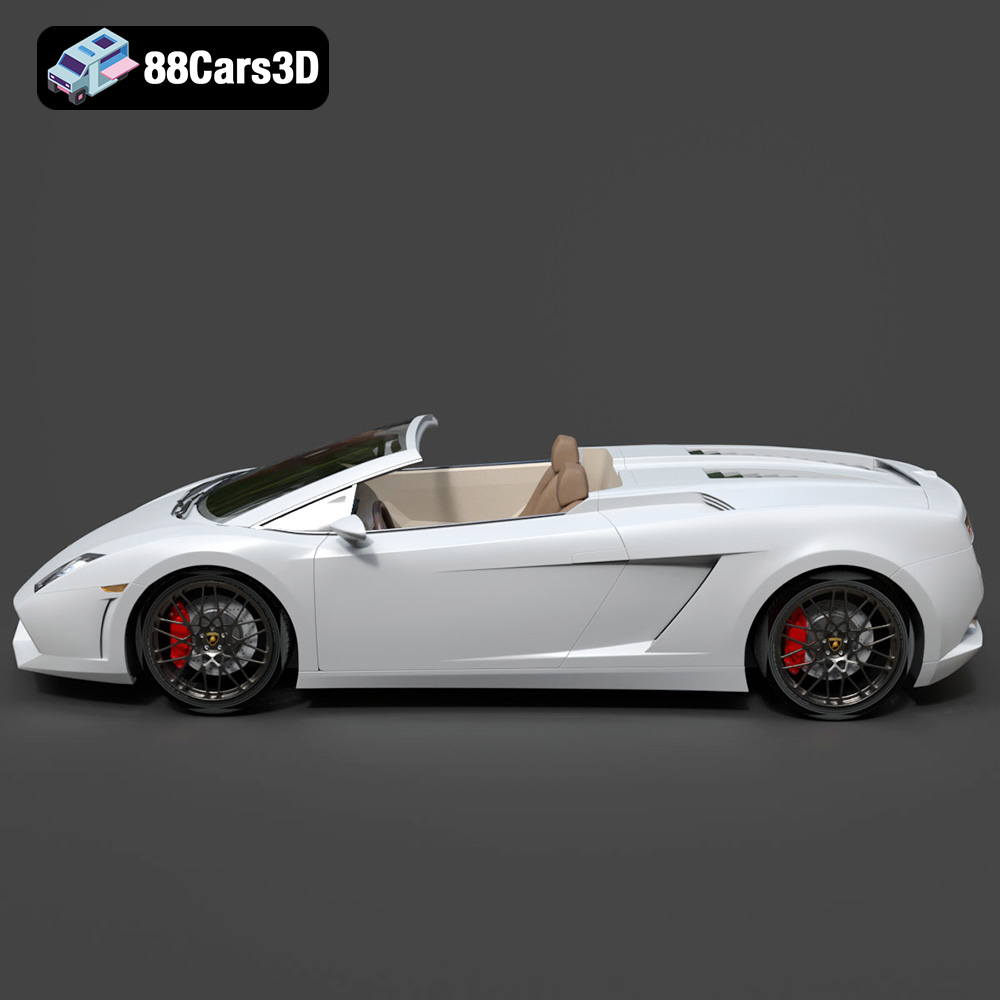
The Lamborghini 08 embodies the pinnacle of radical Italian automotive engineering, showcasing a striking balance of aerodynamic aggression and breathtaking performance. Renowned for its heritage of uncompromising power, this exotic supercar features a low-slung, wedge-shaped profile, signature sharp angular lines, and an imposing rear diffuser. The unmistakable styling cues, combined with a meticulously detailed mid-engine layout and menacing exhaust ports, make it a true masterpiece of modern hypercar design.
This premium 3D model features a highly detailed topology with 882,595 triangles, offering exceptional visual fidelity that rivals cinematic assets while remaining efficiently structured. The optimized mesh ensures stunning realism in physically based rendering (PBR) workflows, making it a versatile centerpiece for cutting-edge game development, immersive AR/VR experiences, professional animation, and architectural visualization.
Perfect for high-speed racing simulations, luxury lifestyle automotive visualization, virtual showrooms, and cinematic urban street scenes.
$58.50
.blend
.fbx
.glb
.hypercar
.max
.obj
.ply
.rendering
.sports car
.stl
.supercar
.unreal
car-3d-model
game asset
game-ready
high poly
Lamborghini Gallardo Spyder
optimized
VR/AR