Get 20% OFF All Premium 3D & STL Models!

In the dynamic world of digital content creation, the demand for high-fidelity 3D assets continues to grow exponentially. From blockbuster video games and cinematic visualizations to cutting-edge AR/VR experiences and intricate 3D prints, the quality of your foundational models dictates the success and realism of your projects. Nowhere is this more apparent than in the automotive sector, where precision and authenticity are paramount. Expertly crafted 3D car models serve as the backbone for countless applications, offering creators unparalleled flexibility and detail.
Today, we’re diving deep into the technical landscape of 3D automotive assets, exploring how a truly versatile model can transform your workflow. We’ll examine the intricacies of file formats, optimization techniques, and real-world applications, using the exceptional Cactus Jeep 3D Model as a prime example of what robust engineering and artistic vision can achieve. This model, available on 88cars3d.com, encapsulates the rugged spirit of an off-road legend while offering impeccable technical specifications for any professional pipeline.
The allure of a rugged 4×4 like the Cactus Jeep transcends mere transportation; it embodies adventure, resilience, and a go-anywhere spirit. Translating this essence into a 3D model requires a meticulous understanding of both automotive design and digital asset creation. For artists and developers, these vehicles present unique challenges and opportunities, demanding intricate details for suspension systems, robust chassis, and utilitarian interiors.
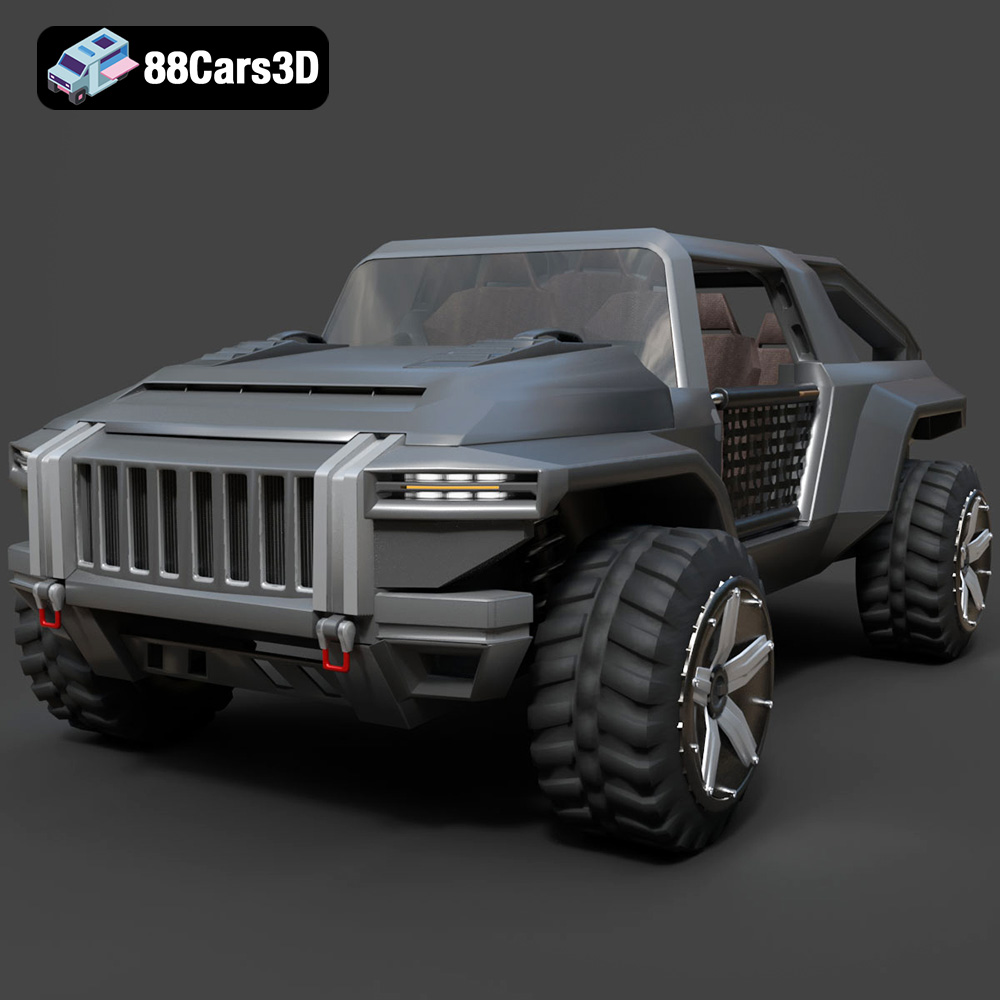
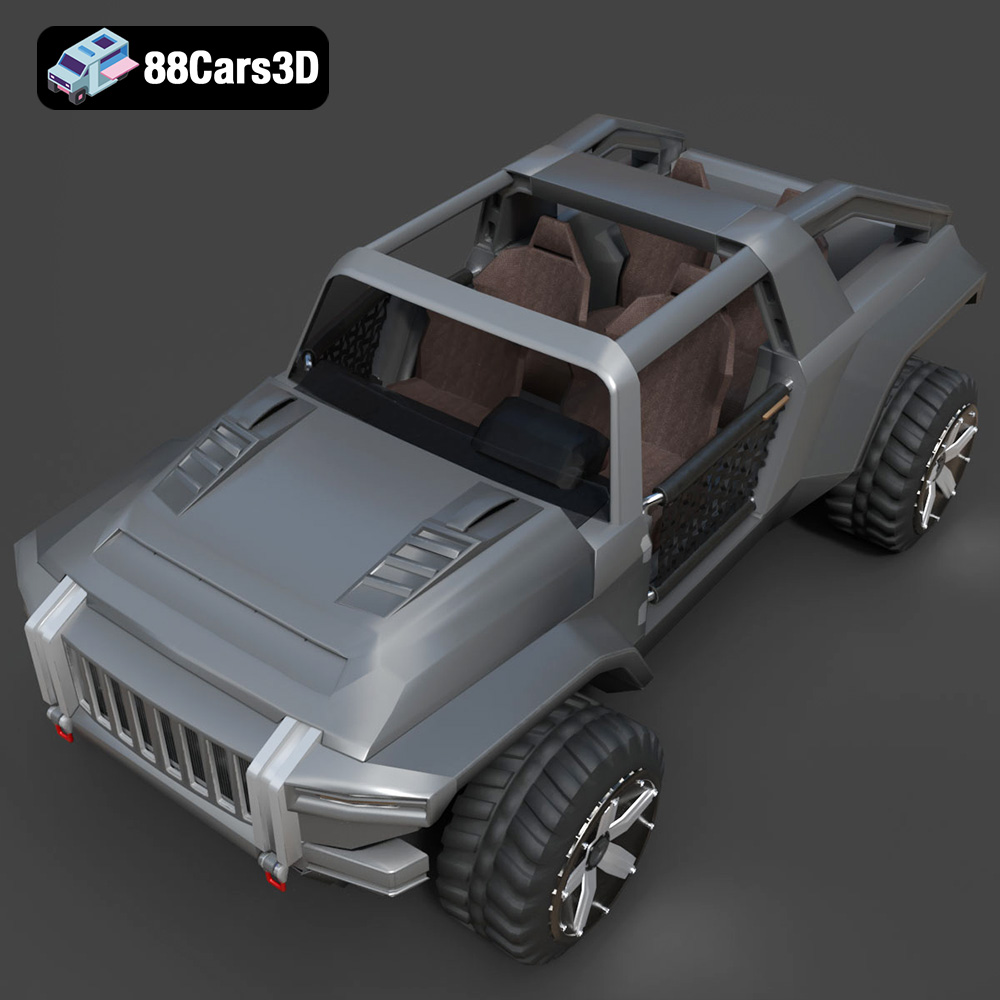
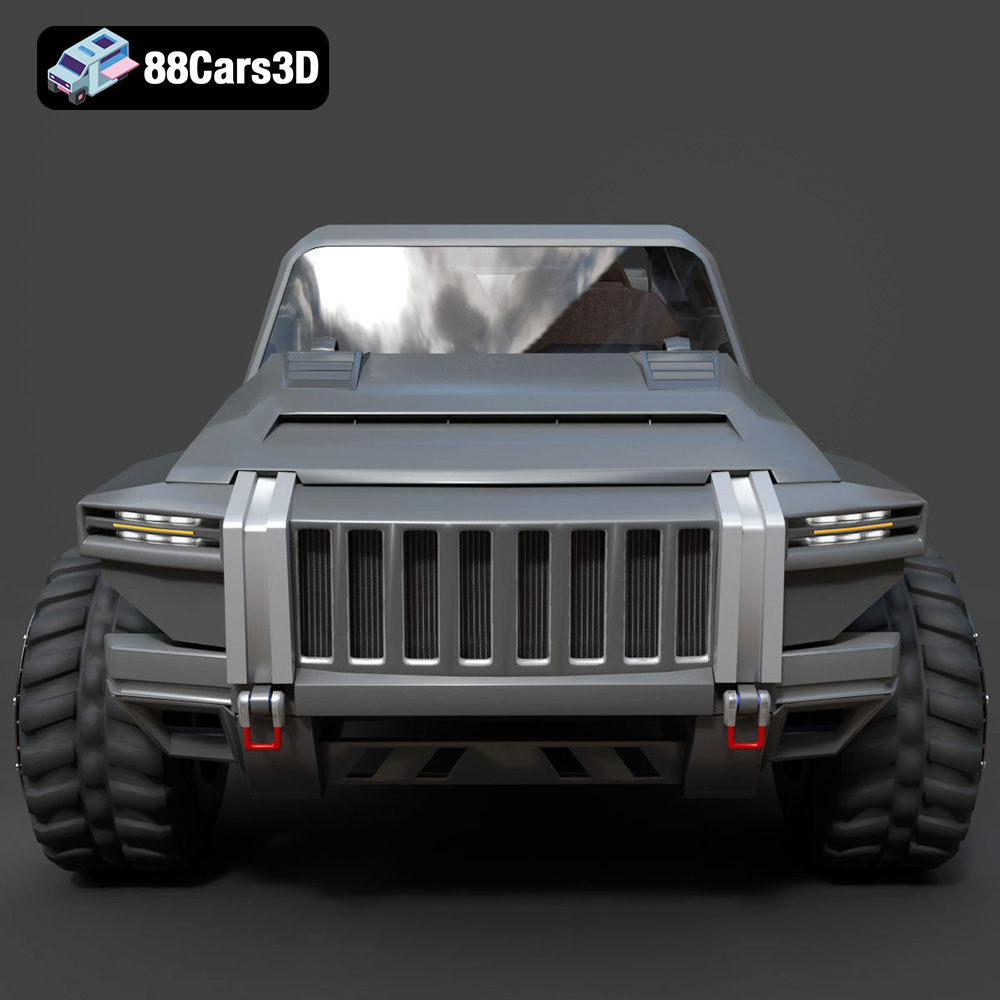
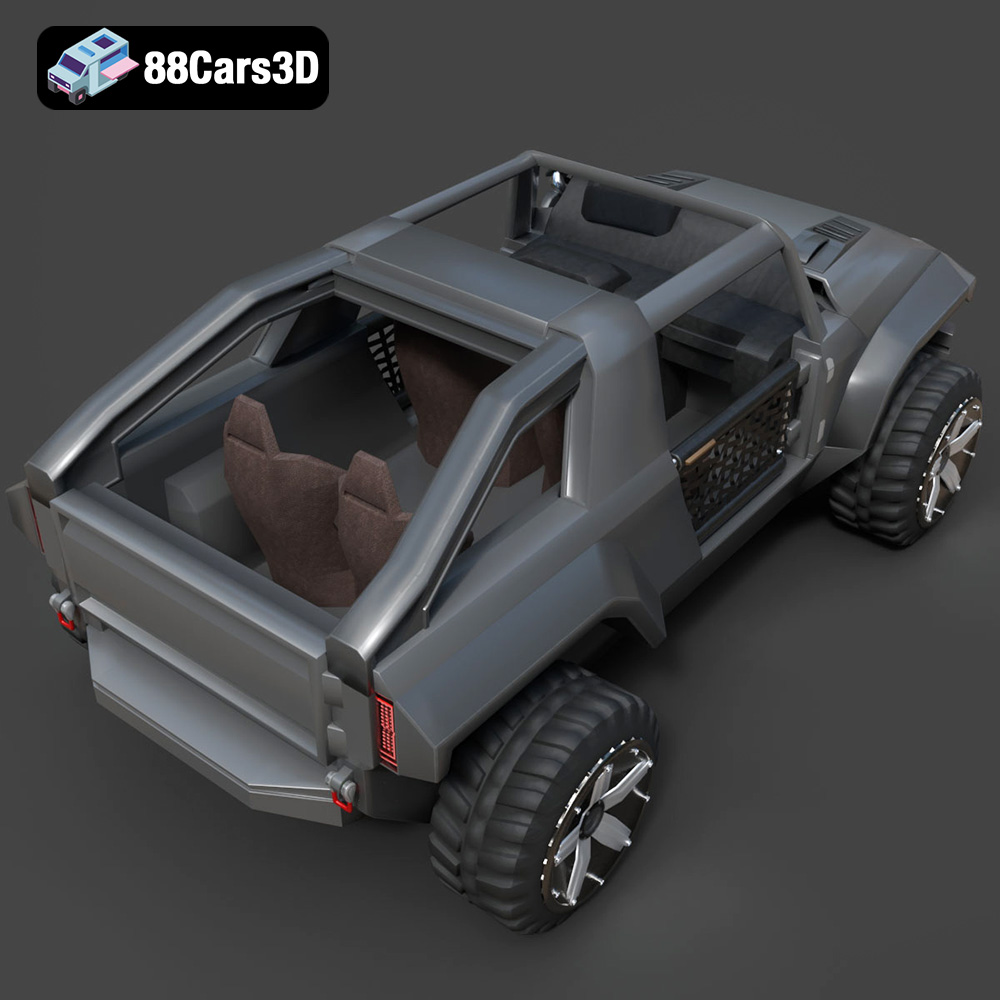
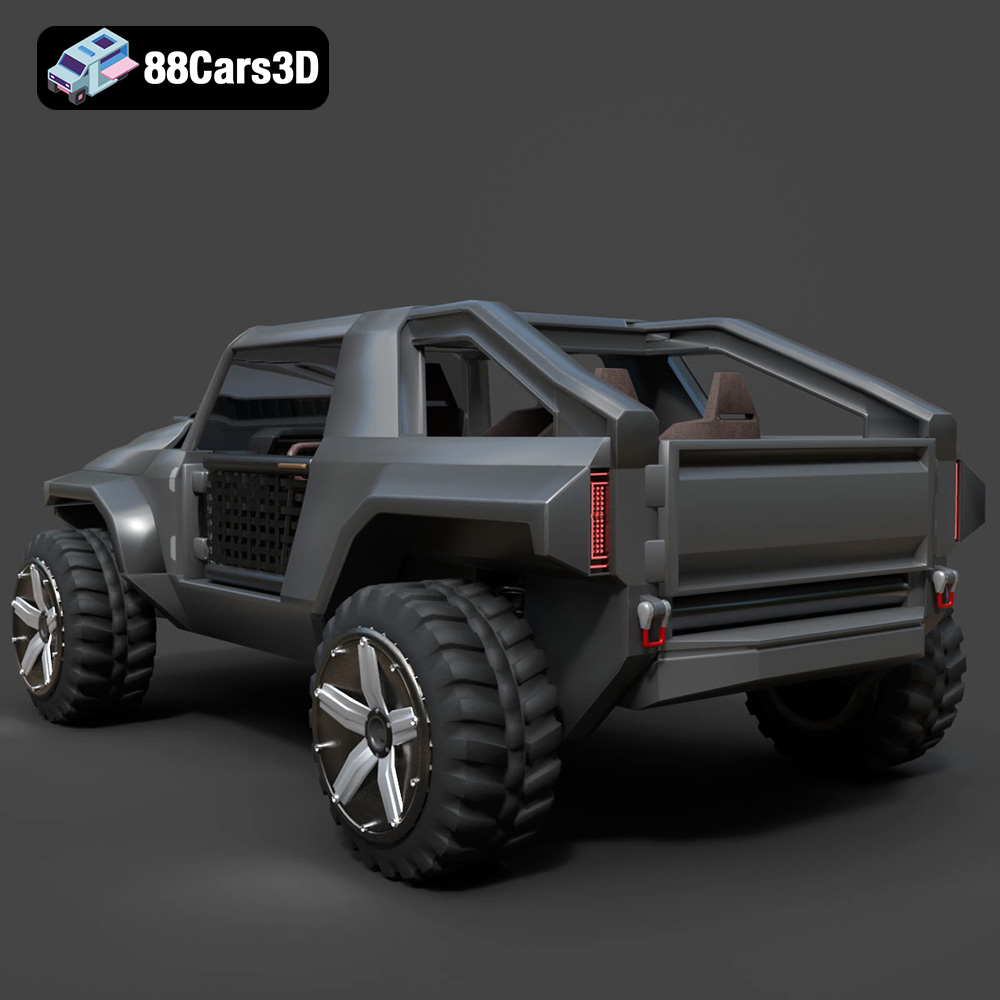
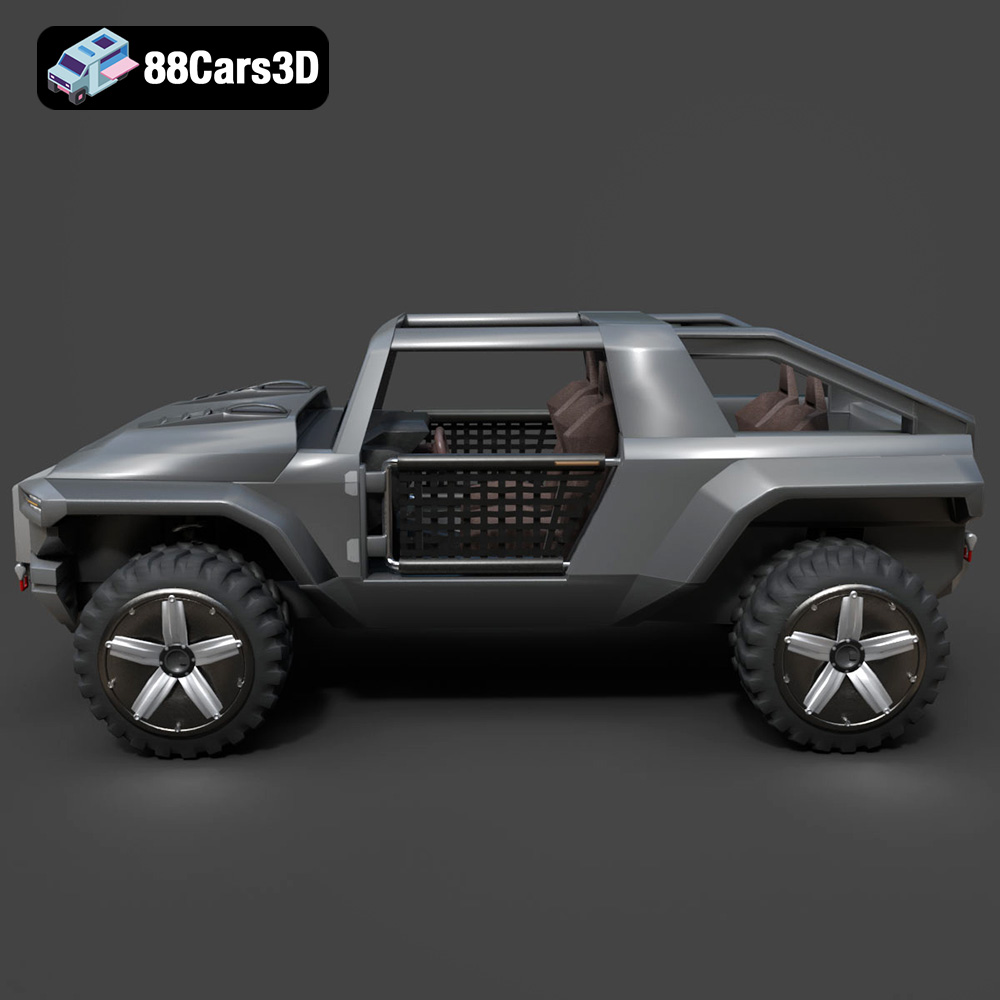
The Cactus Jeep 3D Model exemplifies this dedication to authenticity. Its creators focused on recreating the iconic vehicle’s signature traits: the distinctive front grille, muscular wheel arches, and functional, boxy silhouette. Beyond surface aesthetics, the model incorporates detailed engine bay components, a heavy-duty off-road exhaust system, and classic lighting setups. These aren’t just cosmetic additions; they are carefully modeled elements that contribute to the overall visual realism and technical integrity. The high-clearance suspension, with its visible leaf springs and dampers, further reinforces the model’s off-road pedigree, making it instantly recognizable and believable in any scene.
For game developers and visualization artists, models like the Cactus Jeep are invaluable. They provide a rich narrative element, instantly conveying a sense of adventure or a specific environmental context. In open-world games, a well-placed, highly detailed 4×4 can elevate player immersion. For automotive rendering projects, it can serve as a focal point for lifestyle scenes, showcasing products in an aspirational context. The ability to integrate such an iconic vehicle seamlessly into diverse digital environments underscores the importance of having access to high-quality 3D car models that are both visually stunning and technically optimized.
The choice of file format is a critical decision in any 3D project, directly impacting compatibility, workflow efficiency, and the ultimate output quality. Different formats are optimized for specific applications, ranging from real-time game engines to precision 3D printing. The Cactus Jeep 3D Model, for instance, is offered in a comprehensive array of formats to ensure maximum versatility across various professional pipelines.
The .blend file format is Blender’s native project file. It stores not just the mesh data, but also materials, textures, lighting setups, animations, cameras, scene information, and even scripts. For users deeply integrated into the Blender ecosystem, a .blend file offers the most complete and editable experience. It allows for full customization, from tweaking topology and UVs to adjusting complex shader networks and animation curves. When working on projects destined for rendering within Blender or needing extensive modification before export, the .blend format is indispensable.
.fbx (Filmbox) is arguably the most widely adopted proprietary 3D interchange format, developed by Autodesk. It excels at transferring entire scenes, including geometry, materials (though often simplified), textures, animations, and skeletal data, between different 3D software applications and game engines. It’s particularly ideal for pipelines involving Unreal Engine, Unity, 3ds Max, Maya, and Cinema 4D. Its robust support for animation makes it a go-to for character and vehicle rigging, ensuring that the separate wheels, suspension, and steering components of the Cactus Jeep 3D Model can be easily imported and animated in virtually any professional environment.
.obj (Wavefront OBJ) is an older, simpler, but highly universal 3D geometry definition file format. It primarily stores mesh data (vertices, UVs, normals, faces) and can reference external .mtl (material) files for basic material properties. While it doesn’t support animation or advanced scene data, its simplicity and widespread compatibility make it an excellent choice for basic mesh transfer between almost any 3D software. For foundational modeling work or when you need a clean mesh without complex scene data, .obj remains a reliable option.
.glb (GLB, GL Transmission Format Binary) is the binary version of glTF (GL Transmission Format), an open-standard 3D file format developed by the Khronos Group. .glb files package all necessary assets (geometry, materials, textures, animations) into a single, self-contained binary file, making them highly efficient for web-based 3D, augmented reality (AR), virtual reality (VR), and mobile applications. Its compact size and optimized structure ensure fast loading times and smooth performance in browser-based viewers and AR/VR experiences, making the Cactus Jeep perfect for virtual showrooms or interactive web configurators.
.stl (STereoLithography) is the standard file format for 3D printing. It represents a 3D model as a series of connected triangles (a tessellated surface) without color, texture, or other CAD attributes. Its sole purpose is to define the surface geometry of a 3D object for manufacturing. While the Cactus Jeep 3D Model is highly detailed, conversion to .stl often involves ensuring watertight meshes and checking for manifold geometry, crucial steps for successful physical output. The inclusion of this format means enthusiasts can bring the digital model into the tangible world.
.ply (Polygon File Format, Stanford Triangle Format) is a file format for storing graphical objects as a collection of polygons. It supports a wider range of properties than .obj, including color, transparency, normals, texture coordinates, and even reliability information for each polygon. It’s frequently used in 3D scanning applications and can store point cloud data, making it useful for high-precision models or when dealing with data derived from real-world scans. For analytical or CAD-centric workflows where mesh integrity and data attributes are paramount, .ply offers robust capabilities.
The .unreal designation implies an asset specifically packaged or configured for direct import and optimal performance within Unreal Engine. This often means the asset has been exported with specific settings, naming conventions, and possibly includes pre-configured materials or blueprints tailored for the engine. While .fbx is the common interchange format for Unreal, a dedicated .unreal package suggests an even smoother, more integrated workflow, minimizing import issues and accelerating development for game-ready assets like the Cactus Jeep.
Similar to .blend for Blender, .max is the native project file format for Autodesk 3ds Max. It stores all scene data, including geometry, materials, lighting, cameras, animations, modifiers, and plugin-specific information. For artists working within the 3ds Max environment, the .max file provides full access to every aspect of the scene for advanced rendering, animation, and customization. It’s the preferred format for studios deeply invested in the 3ds Max pipeline, offering maximum flexibility for high-end automotive rendering and complex scene setups.
Creating 3D car models for game development demands a delicate balance between visual fidelity and performance optimization. Every polygon, texture resolution, and material shader contributes to the overall load on a game engine. The Cactus Jeep 3D Model stands out as an exemplary game asset due to its thoughtful construction and optimization.
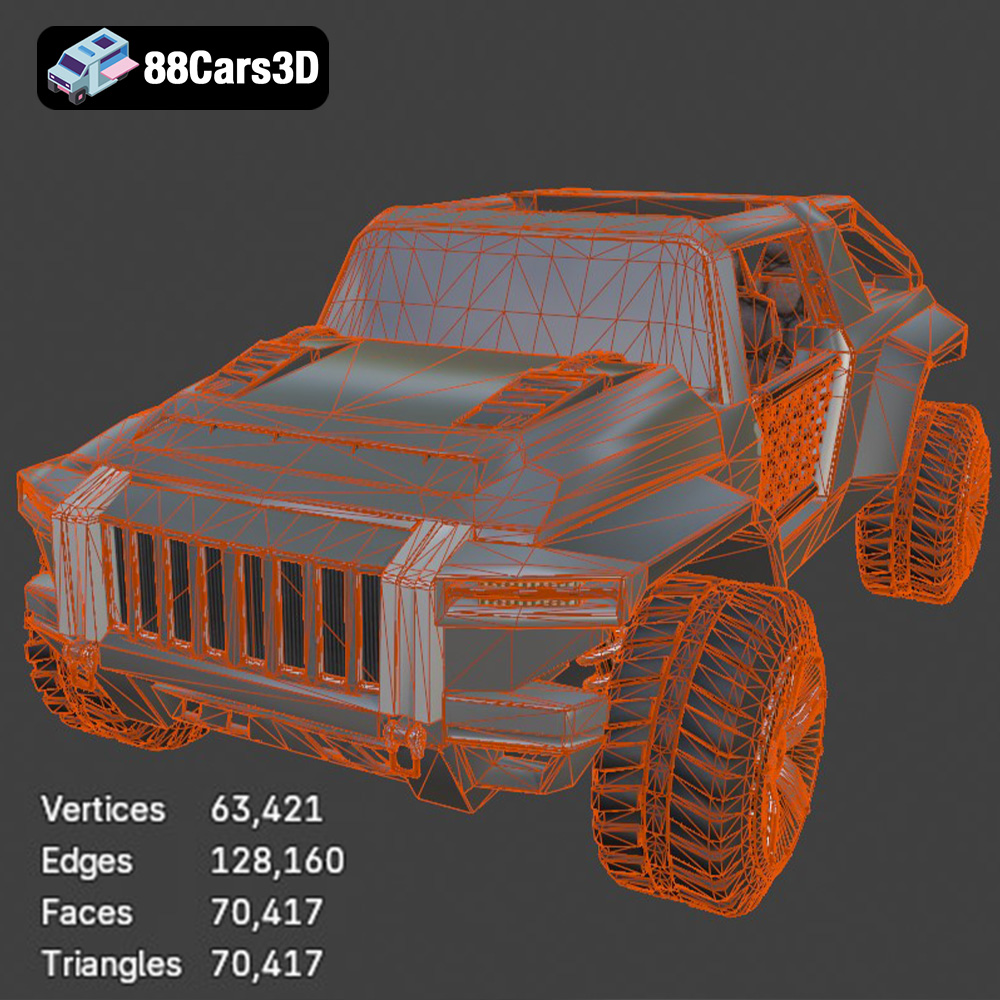
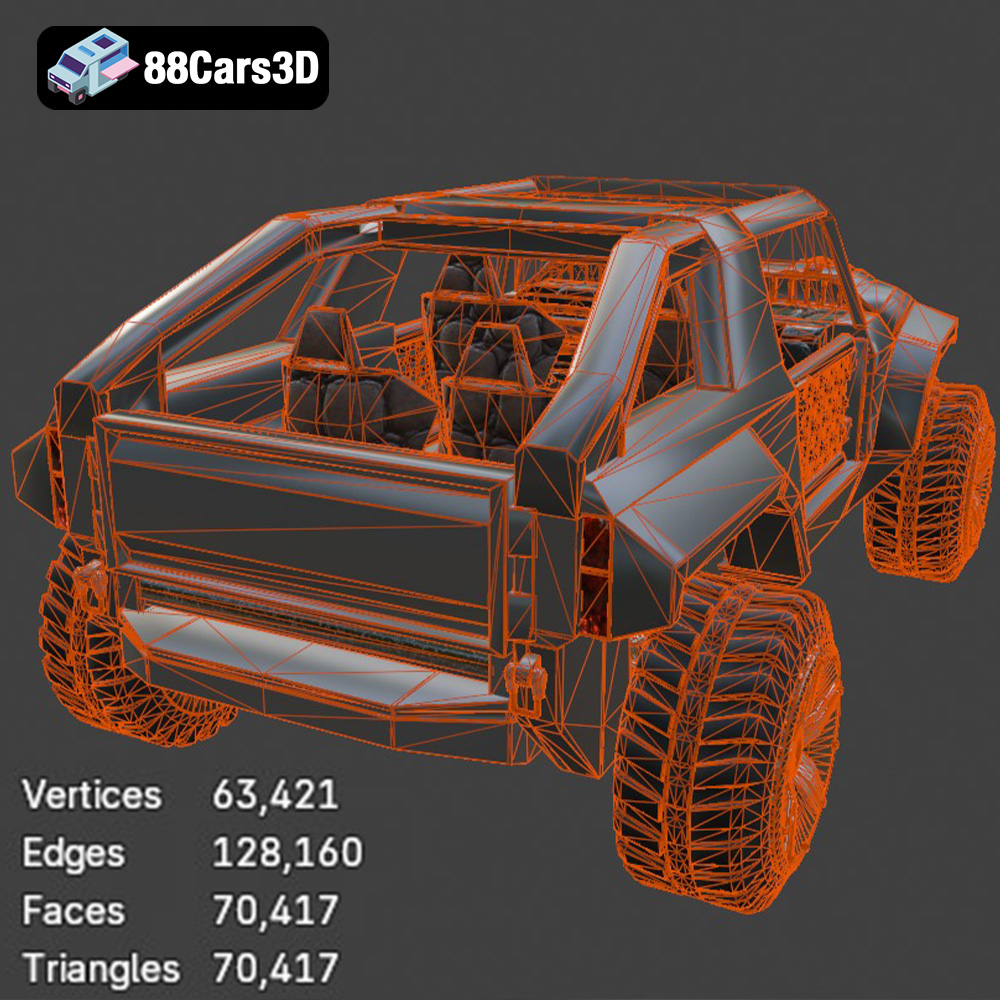
The Cactus Jeep boasts an efficient topology of 70,417 triangles. This polycount is a “sweet spot” for modern game engines like Unreal and Unity. It’s detailed enough to convey high-end visual realism, capturing the intricacies of the jeep’s frame, engine bay, and interior, without overburdening the rendering pipeline. Higher polygon counts can lead to frame rate drops, especially when many vehicles are on screen or in complex environments. This model’s optimized geometry ensures smooth performance, making it ideal for open-world games, racing titles, and demanding simulations where responsiveness is key.
Integrating the Cactus Jeep 3D Model into real-time engines like Unreal Engine or Unity is straightforward, thanks to its well-structured design and included file formats. When importing the .fbx or .unreal formats, developers can expect clean mesh data, proper UV mapping for textures, and a logical hierarchy of objects. For Unreal, developers often leverage Static Meshes, creating LODs (Levels of Detail) from the base model to further optimize performance at different distances. For Unity, prefabs can be created for easy instantiation and modification. The model’s real-world scale accuracy also simplifies integration into existing game environments, ensuring consistent sizing alongside other assets.
A truly game-ready vehicle asset must be designed for animation. The Cactus Jeep excels here with its separate wheels, suspension, and steering components, each with properly set pivot points. This modularity is crucial for creating realistic vehicle physics and animations:
These features allow game developers to implement advanced vehicle controllers, bringing the Cactus Jeep to life with authentic movement and interaction within the game world.
While optimized for games, the high quality of the Cactus Jeep 3D Model also makes it an outstanding asset for non-real-time rendering and visualization. The foundational detail and clean topology provide an excellent starting point for photorealistic outputs across various media.
For high-end automotive rendering, software like 3ds Max paired with renderers like V-Ray or Corona is a standard. The .max file included with the Cactus Jeep 3D Model provides a fully editable project, allowing artists to leverage the full power of these tools. This means:
The model’s accurate geometry and detailed features, from the engine bay to the interior, ensure that even close-up renders maintain exceptional fidelity.
Augmented Reality (AR) and Virtual Reality (VR) are transforming how we interact with digital products. The Cactus Jeep 3D Model is perfectly suited for creating immersive virtual showrooms, interactive configurators, and mobile AR experiences. The .glb format, optimized for web and mobile, facilitates quick loading and smooth performance in these environments. Users can explore the vehicle from every angle, customize colors and materials in real-time, or even place the 3D model in their physical environment using AR apps. This interactive potential is invaluable for marketing and product presentation, offering a tangible sense of the vehicle without a physical prototype.
Beyond technical applications, high-quality 3D car models are powerful tools for brand storytelling. A visually stunning render of the Cactus Jeep tackling a rugged landscape can evoke emotion and aspiration in a way static photography struggles to match. These assets can be used across various marketing channels: website hero images, social media campaigns, animated commercials, and interactive product presentations. The ability to modify body colors, tire textures, and material finishes allows for endless creative possibilities, adapting the model to diverse campaign themes and aesthetic requirements.
The journey of a 3D model doesn’t always end on a screen. With the advent of accessible 3D printing technologies, models like the Cactus Jeep can transcend the digital realm and become physical objects. The inclusion of the .stl format makes this transition seamless for hobbyists and professionals alike.
While the .stl format is designed for 3D printing, some preparation is usually needed to achieve optimal results. For the Cactus Jeep 3D Model, this involves ensuring the mesh is “watertight” (no gaps or holes) and that all parts are manifold. The product description recommends specific scales (1:12 / 1:18 / 1:24), which are ideal for display-quality models. Resin printers (SLA/DLP) are often recommended for fine details due to their higher precision, especially for intricate parts like the engine bay components, the detailed grille, and the interior dashboard dials. For larger, more robust prints, FDM (Fused Deposition Modeling) printers can be used with appropriate settings.
Successful 3D printing goes beyond just the file format. The recommended print settings for the Cactus Jeep 3D Model highlight best practices:
Post-processing is where the model truly comes to life. Sanding, priming, and painting with authentic factory colors or custom metallic finishes can transform a raw print into a stunning, display-ready collectible. This fusion of digital design and physical craftsmanship offers an incredibly rewarding experience for enthusiasts.
In a marketplace flooded with digital assets, the distinction between good and excellent often lies in the details, optimization, and versatility of the product. 88cars3d.com prides itself on providing high-quality 3D car models that meet the rigorous demands of professional production pipelines across various industries.
The Cactus Jeep 3D Model is a testament to the quality standard upheld by 88cars3d.com. Its optimized triangle count of 70,417 ensures it’s game-ready without sacrificing visual fidelity. The real-world scale accuracy, proper pivot setups for animation, and meticulously detailed exterior and interior features demonstrate a commitment to both technical excellence and artistic precision. These aren’t just pretty models; they are engineered assets designed to perform flawlessly, saving artists and developers countless hours of rework and optimization.
The extensive range of included file formats (.blend, .fbx, .obj, .glb, .stl, .ply, .unreal, .max) caters to a broad spectrum of users and applications. Whether you’re a hobbyist eager to 3D print a cool model, a game developer building an immersive open-world, an architect creating a visualization, or a marketing team crafting a compelling brand campaign, 88cars3d.com provides assets that integrate seamlessly into your chosen workflow. This comprehensive compatibility, combined with the assurance of professional quality, makes 88cars3d.com a go-to resource for premium 3D car models.
The journey through the creation and application of high-quality 3D car models reveals a fascinating intersection of art, engineering, and digital innovation. Assets like the Cactus Jeep 3D Model are more than just virtual objects; they are powerful tools that drive creativity, enhance realism, and streamline production across diverse industries. From enabling lightning-fast game performance and crafting breathtaking automotive rendering scenes to facilitating immersive AR/VR experiences and bringing digital designs to life through 3D printing, the versatility of such a meticulously designed model is undeniable.
By understanding the nuances of file formats, the importance of optimization, and the potential for customization, creators can unlock the full potential of their projects. The Cactus Jeep 3D Model, available at 88cars3d.com, is an outstanding example of a high-value game asset that delivers on all fronts – an iconic vehicle, technically robust, and ready for any challenge you throw at it. Elevate your next project with assets that stand out for their quality and flexibility, and experience the difference that professional craftsmanship makes.
Experience the ultimate blend of rugged utility and off-road heritage with the Cactus Jeep. This iconic 4×4 vehicle is celebrated for its utilitarian styling, exceptional durability, and unmatched capability on rough terrains. Engineered for seamless integration into modern digital environments, this model boasts an efficient topology of 70,417 triangles, delivering stunning visual fidelity without compromising performance, making it an exceptional game-ready asset.
$14.99
.4×4
.blend
.fbx
.glb
.jeep
.max
.obj
.ply
.rendering
.stl
.unreal
cactus
car-3d-model
game asset
game-ready
low-poly
off-road
optimized
SUV
VR/AR