Get 20% OFF All Premium 3D & STL Models!

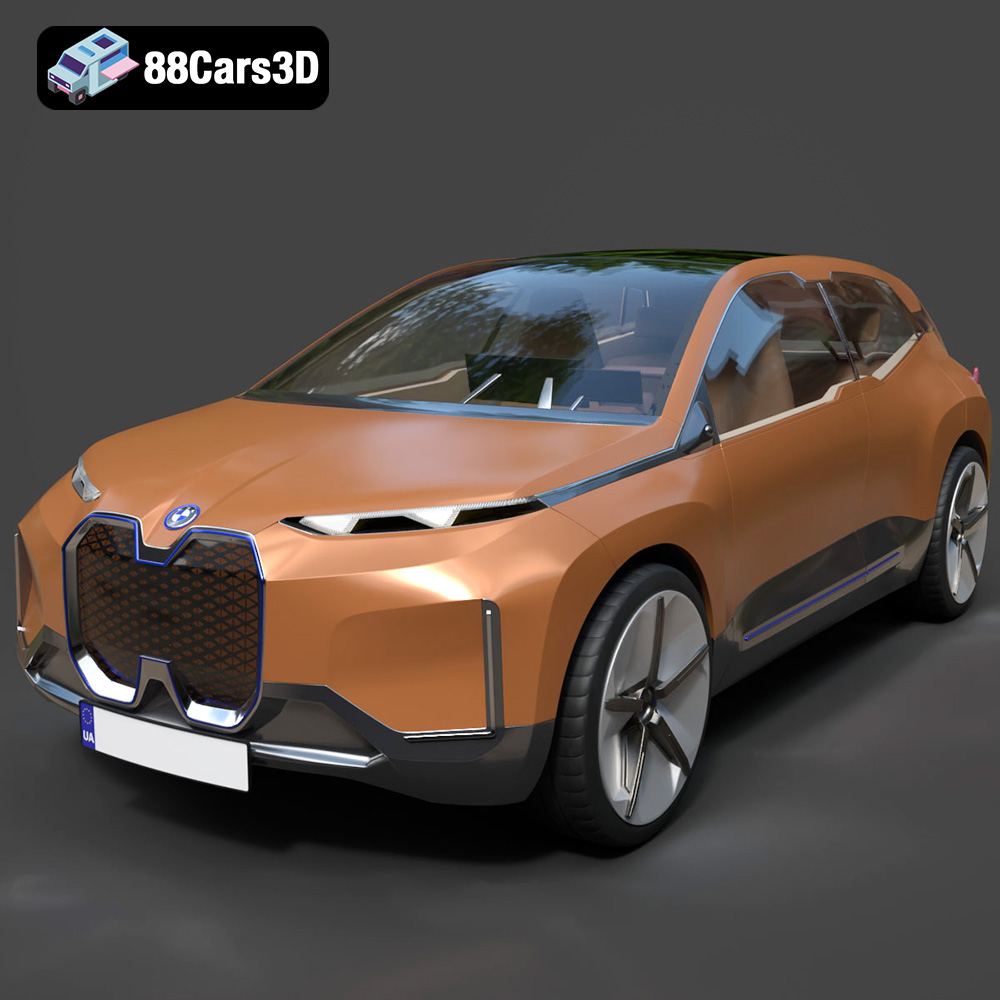
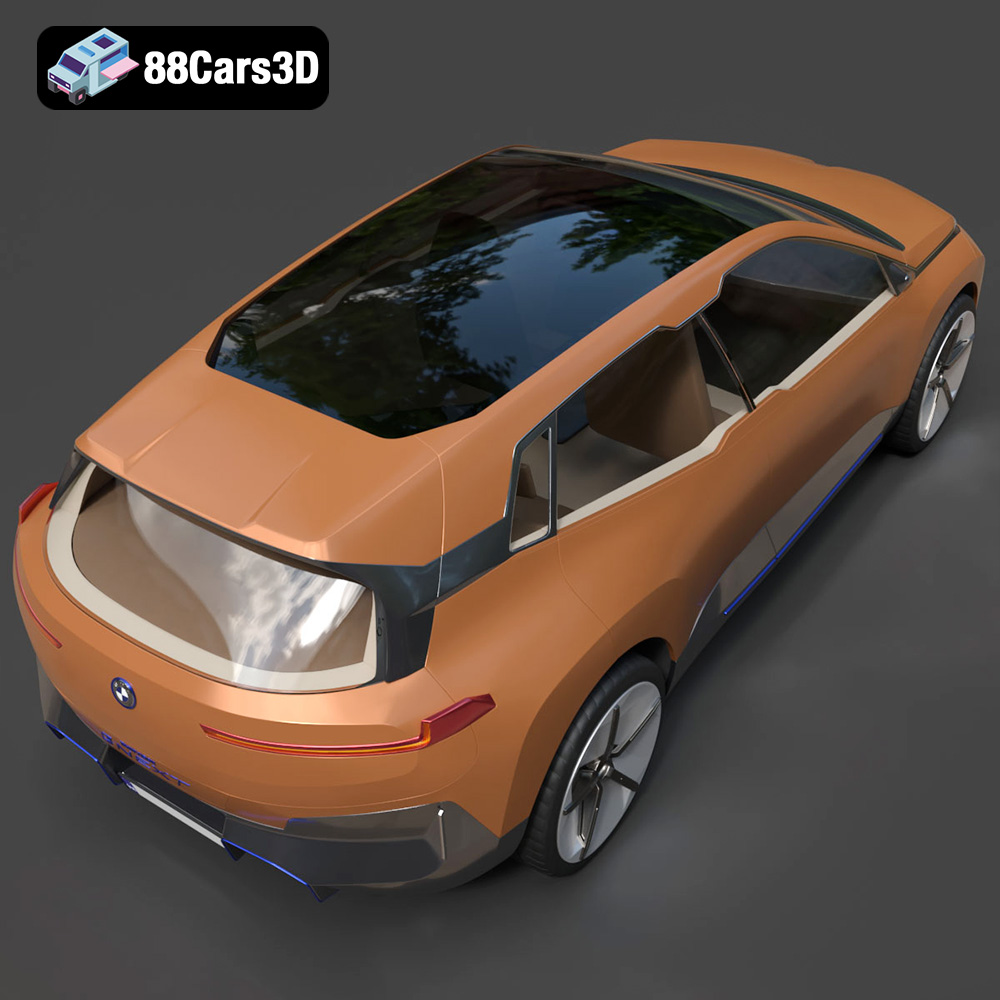
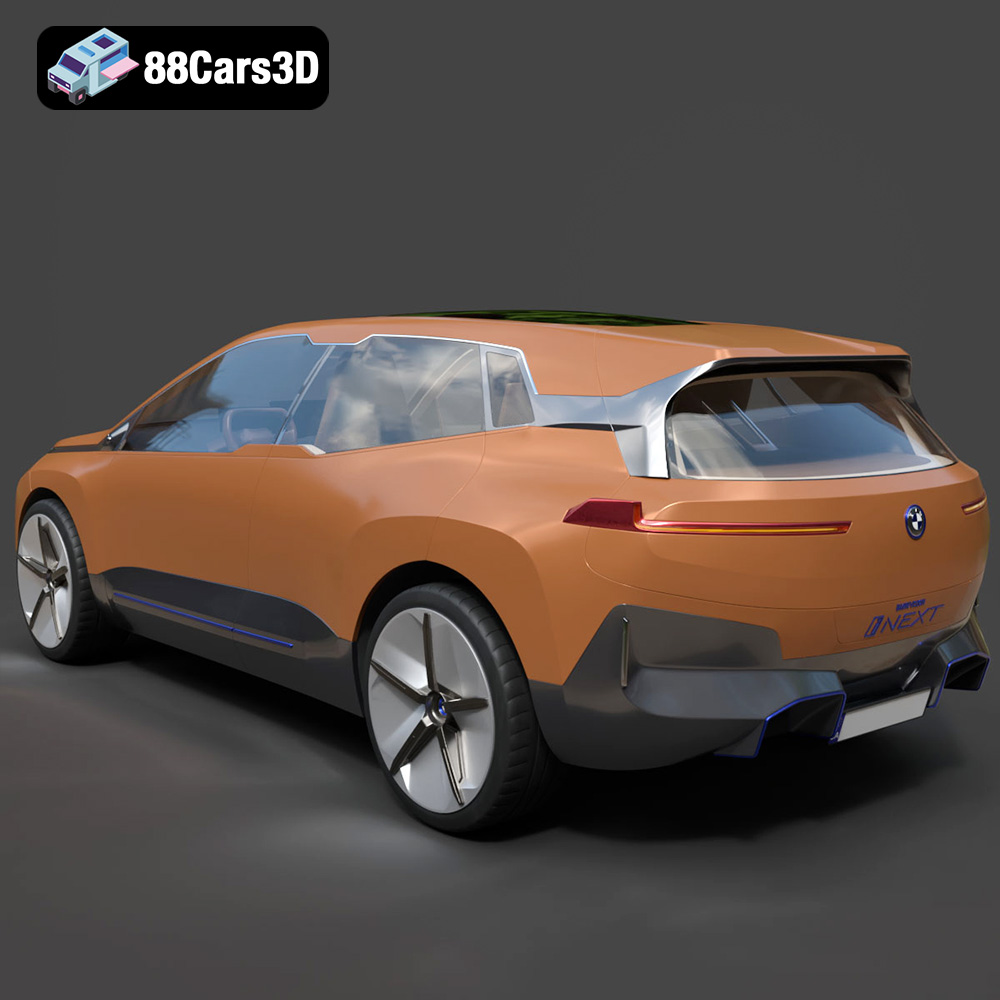
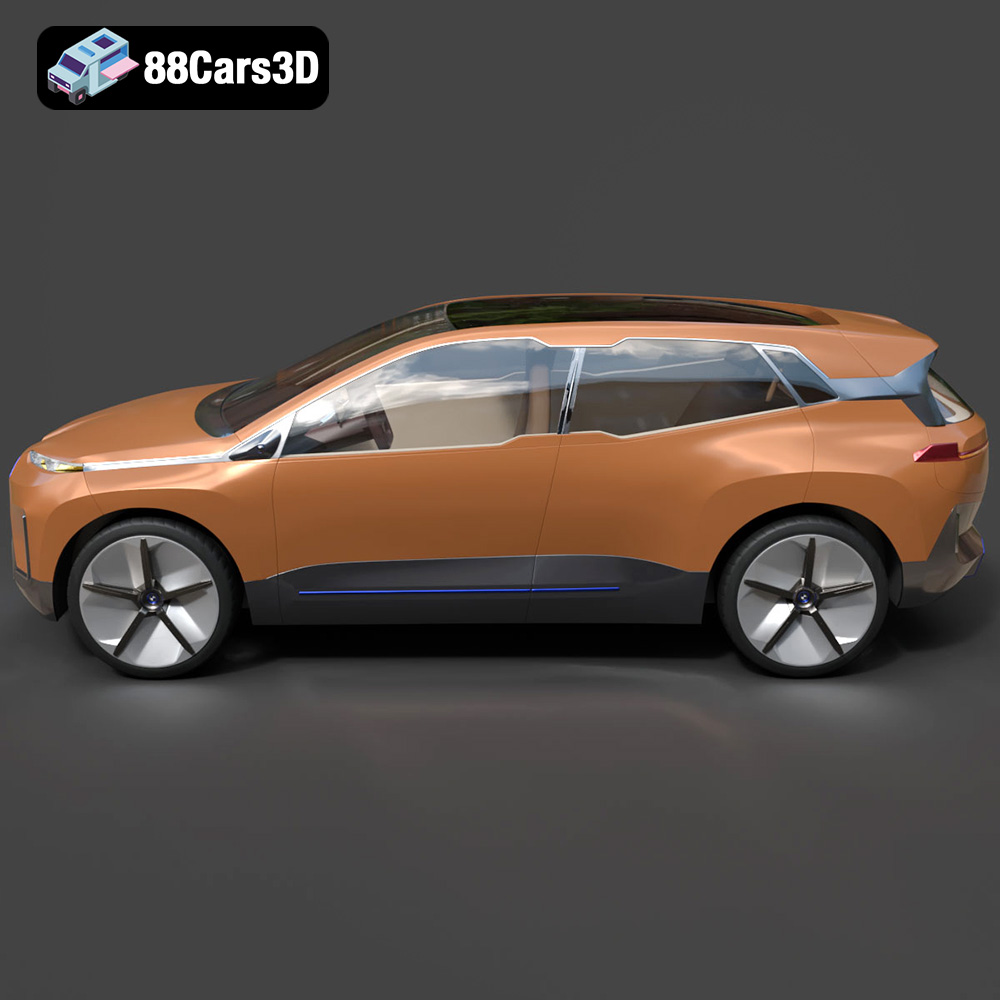
In the dynamic world of automotive design, concept cars serve as beacons, illuminating the path forward for innovation, aesthetics, and technology. The BMW Vision iNEXT 2018 is a prime example of such foresight, an electric SUV concept that not only reimagined mobility but also set new benchmarks for autonomous driving and sophisticated electric powertrains. For professionals in rendering, game development, AR/VR, and industrial design, capturing the essence of such a visionary vehicle in a digital format is paramount. It allows for exploration, simulation, and integration into new realities, driving forward projects with unparalleled realism and efficiency.
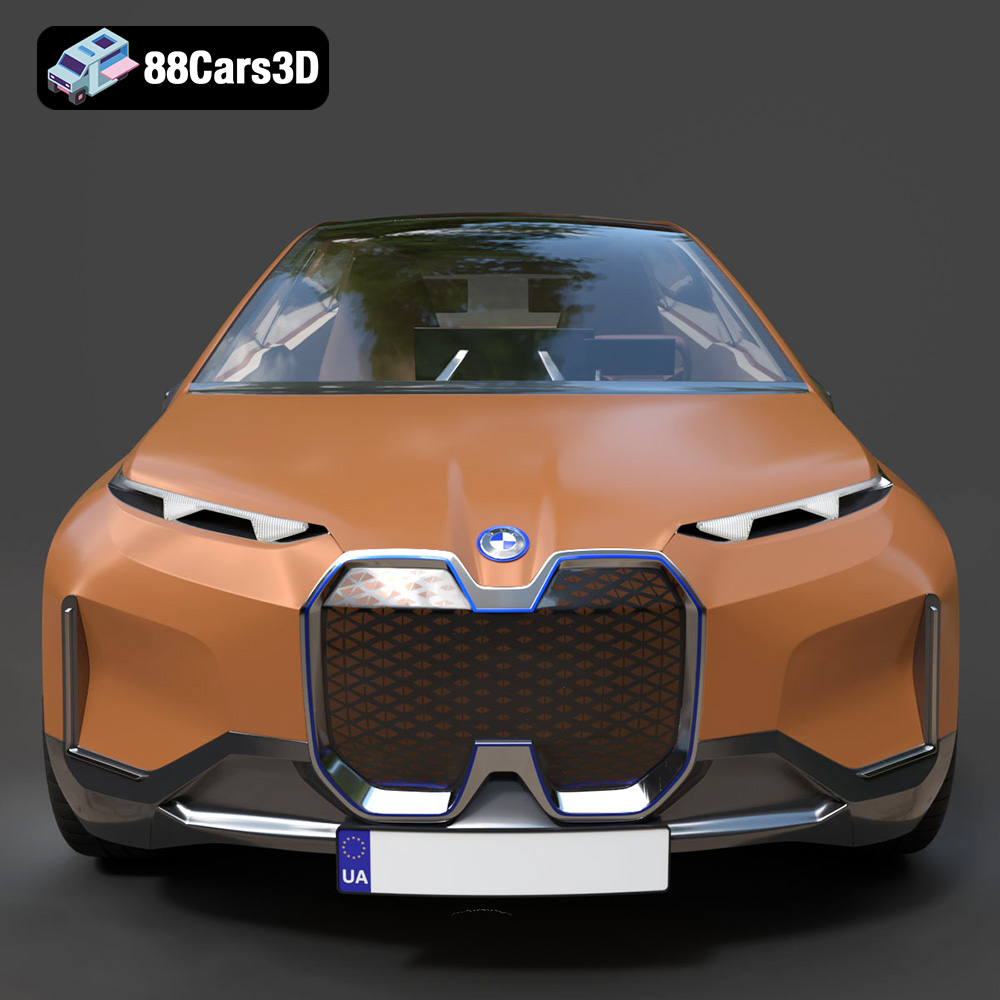
The ability to harness the intricate details of a groundbreaking concept like the Vision iNEXT in a high-fidelity 3D model transforms how designers, artists, and developers approach their craft. From creating stunning cinematic renders that showcase its iconic interconnected double-kidney grille to integrating it as a driveable asset in a futuristic open-world game, the demand for meticulously crafted 3D car models is ever-growing. This article delves into the technical intricacies and creative possibilities unlocked by premium 3D assets, using the BMW Vision iNEXT 2018 3D model as our exemplary subject, available now at 88cars3d.com.
The versatility of a 3D model is often defined by the range and quality of its supported file formats. Each format serves a specific purpose, optimized for different software, engines, or applications. Understanding these distinctions is crucial for seamless integration into any professional workflow, ensuring compatibility and preserving the integrity of the asset.
The .blend file format is the native project file for Blender, the powerful open-source 3D creation suite. A .blend file offers the most comprehensive data, including not just the mesh geometry and UVs, but also materials, textures, lighting setups, cameras, animation data, modifiers, and even custom scripts. For artists primarily working in Blender, this format provides full editability and access to every aspect of the scene, making it ideal for customization, re-rigging, or developing complex animations.
.fbx (Filmbox) is arguably the most widely adopted proprietary file format for 3D data interchange, developed by Autodesk. Its strength lies in its ability to store a vast array of 3D data, including mesh geometry, UV mapping, material definitions, textures, skeletal animation, blend shapes, and even camera and light information. This makes .fbx invaluable for moving assets between different 3D applications (like 3ds Max, Maya, Blender) and, critically, into game engines such as Unreal Engine and Unity. For the BMW Vision iNEXT 2018, the .fbx format ensures that all separate components like wheels, suspension, and steering, along with their pivot setups, are retained and ready for animation within these real-time environments.
The .obj (Wavefront Object) format is a highly universal and widely supported text-based format primarily used for transferring mesh geometry. It stores vertex positions, UV coordinates, normals, and face definitions, making it excellent for cross-software compatibility. While .obj is robust for geometry, it typically lacks support for advanced features like animation, rigging, or complex material networks, usually requiring an accompanying .mtl (material) file for basic material definitions. Its simplicity and widespread acceptance make it a reliable fallback for ensuring a model’s basic shape can be opened and edited in almost any 3D software, a key advantage for a premium 3D car model like the Vision iNEXT.
.glb (GL Transmission Format Binary) is the binary version of glTF, a royalty-free specification for the efficient transmission and loading of 3D scenes and models by applications. Optimized for real-time applications, particularly those on the web, AR, and VR, .glb packages all necessary data (geometry, materials, textures, animations) into a single, self-contained binary file. This makes it incredibly efficient for streaming and display in browser-based viewers, mobile AR apps, and immersive VR experiences, offering a lightweight yet visually rich representation of the BMW Vision iNEXT 2018.
.stl (Stereolithography) is the de facto standard file format for 3D printing. It represents a 3D model as a series of connected triangles (a triangulated surface), defining only the surface geometry of an object without color, texture, or other CAD attributes. While simple, its universal acceptance by 3D printing software and hardware makes it essential for physical prototyping or creating display-scale models of the Vision iNEXT. Ensuring a watertight mesh and appropriate scaling, as provided by the optimized BMW Vision iNEXT 2018 3D model, is critical for successful printing.
The .ply (Polygon File Format, or Stanford Triangle Format) is another format that describes 3D objects as a list of polygons. It is often used in scientific and engineering applications, especially where scan data or precise mesh information is crucial. Unlike .stl, .ply can store more comprehensive data such as color, transparency, normals, texture coordinates, and even reliability information for each vertex and face, making it suitable for reverse engineering, CAD, or detailed mesh analysis when working with the BMW Vision iNEXT.
The .unreal format, or rather, the .uasset format within the Unreal Engine ecosystem, represents a fully imported and optimized asset specifically for use within Unreal Engine. While typically not a standalone file you download directly, the inclusion of “unreal” in the list signifies that the asset has been prepped and validated for the engine, potentially coming with optimized materials, collision meshes, and LODs (Levels of Detail) ready to be dropped into an Unreal project. This level of preparation saves considerable development time for game developers and real-time visualization artists.
Finally, the .max format is the native scene file for Autodesk 3ds Max, a leading 3D modeling, animation, rendering, and visualization software. Like .blend, it encapsulates the entire scene, including geometry, materials, lighting, cameras, animation, and scene settings. For those who utilize 3ds Max for architectural visualization, product rendering, or character animation, the .max file provides full control and the ability to leverage 3ds Max’s powerful rendering capabilities (e.g., V-Ray, Corona Renderer) to achieve photorealistic results with the BMW Vision iNEXT 2018 model.
Achieving truly immersive and believable digital experiences starts with the underlying technical quality of the 3D assets. The BMW Vision iNEXT 2018 3D model from 88cars3d.com is engineered with a keen understanding of both visual fidelity and performance, making it a stellar example for various professional applications.
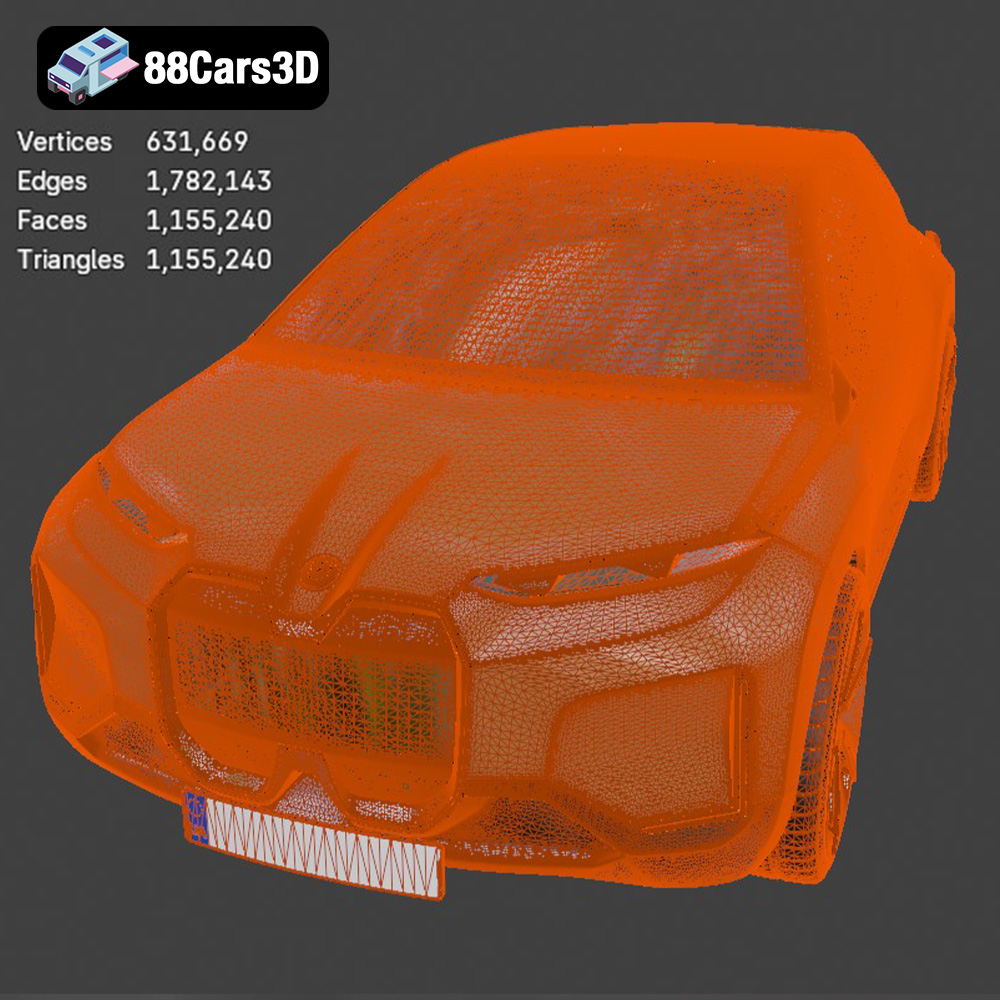
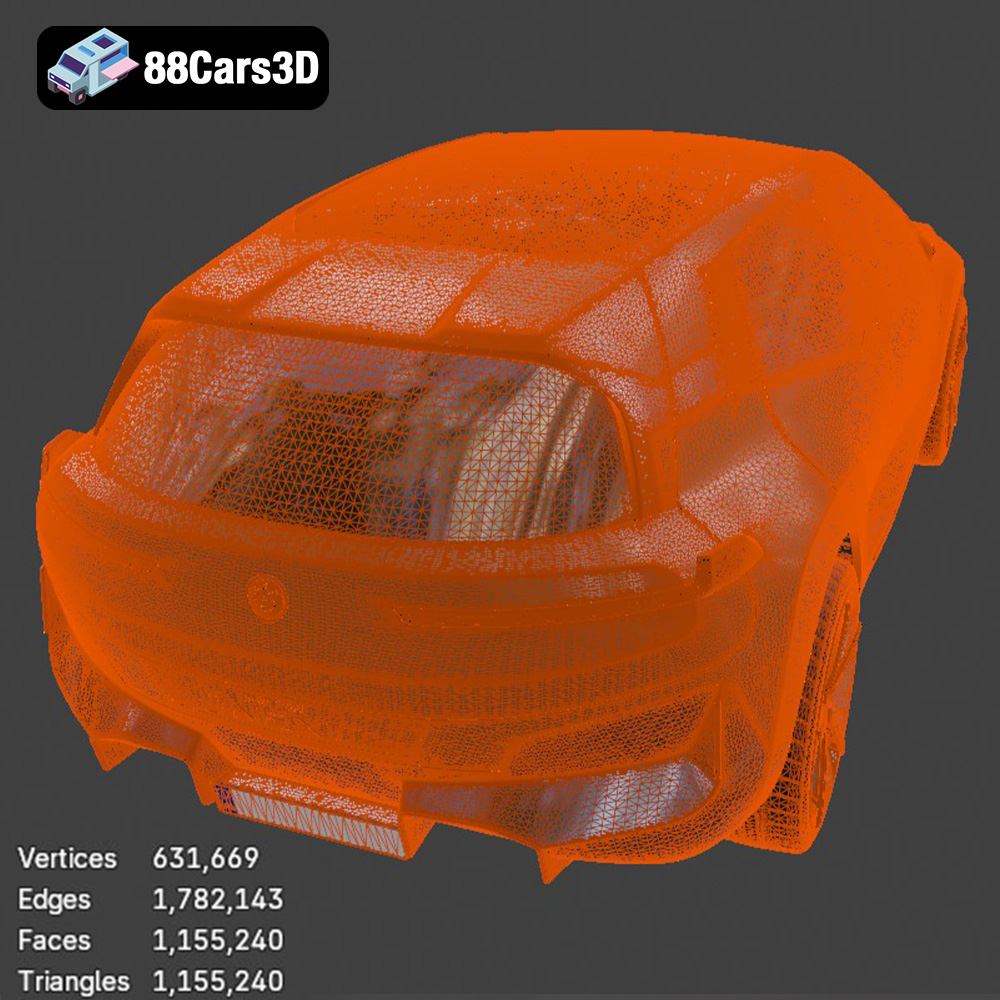
The product description highlights an impressive 1,155,240 triangle count. This figure represents a carefully calculated balance. It’s high enough to capture the sleek, monolithic shape, the intricate details of the illuminated kidney grille, and the sophisticated interior elements without relying on excessive normal maps for primary forms. At the same time, it’s intelligently optimized to remain “game-ready.” In game development, polycount directly impacts frame rates. A model like this allows for stunning close-ups and high-resolution rendering without unduly stressing real-time engines like Unreal or Unity, especially for main player vehicles or hero assets in cinematic sequences. The focus on ‘intelligent optimization’ means polygons are distributed where they matter most – around curvature, sharp edges, and detailed components – rather than wasted on flat, planar surfaces.
Beyond raw geometry, the model’s adherence to “real-world scale accuracy” is critical for believable integration into virtual environments. Whether it’s placed in an architectural visualization scene or alongside other vehicles in a game, correct scaling ensures it looks natural and proportional. Furthermore, the “proper pivot setup for steering, wheel rotation, and suspension travel” is a foundational requirement for any animated vehicle asset. Without correctly positioned pivots, animating a car’s movement becomes a laborious, often impossible, task. This attention to detail means the BMW Vision iNEXT 2018 3D model is not just a static display piece but a dynamic, animatable component ready for complex simulations and interactive experiences.
The true value of a premium 3D car model like the BMW Vision iNEXT 2018 lies in its seamless integration into diverse professional pipelines. From high-end advertising to interactive applications, the asset’s technical characteristics enable a multitude of creative and functional uses.
For marketing agencies and automotive visualization studios, photorealistic rendering is the ultimate goal. Using software like 3ds Max with renderers such as V-Ray or Corona, or Blender’s Cycles/Eevee, artists can leverage the BMW Vision iNEXT 3D model to create stunning images and animations. The detailed geometry, PBR-ready materials (implied by “compatible with major 3D software platforms”), and proper UV mapping allow for accurate light interaction, reflection, and material representation. Imagine creating a cinematic commercial showcasing the iNEXT gliding through a futuristic city, or an interactive configurator where potential customers can customize body colors and material finishes in real-time. The ability to “change body/tank colors” and “adjust material finishes” directly addresses these needs, offering extensive customization options.
As a “game-ready” asset, the BMW Vision iNEXT 2018 3D model is ideally suited for modern game development. Its optimized polycount of 1,155,240 triangles strikes a sweet spot, providing visual fidelity for current-generation consoles and high-end PCs while maintaining performance. Game developers can import the .fbx or .unreal (if pre-packaged) formats directly into engines like Unreal Engine or Unity. The separate wheels, suspension, and steering components, coupled with correct pivot setups, mean it’s ready for rigging, physics simulation, and advanced vehicle animation systems. This model can serve as a hero vehicle in racing titles, an autonomous taxi in an open-world futuristic RPG, or a high-detail prop in a simulator, bringing an authentic touch of cutting-edge automotive design to virtual worlds.
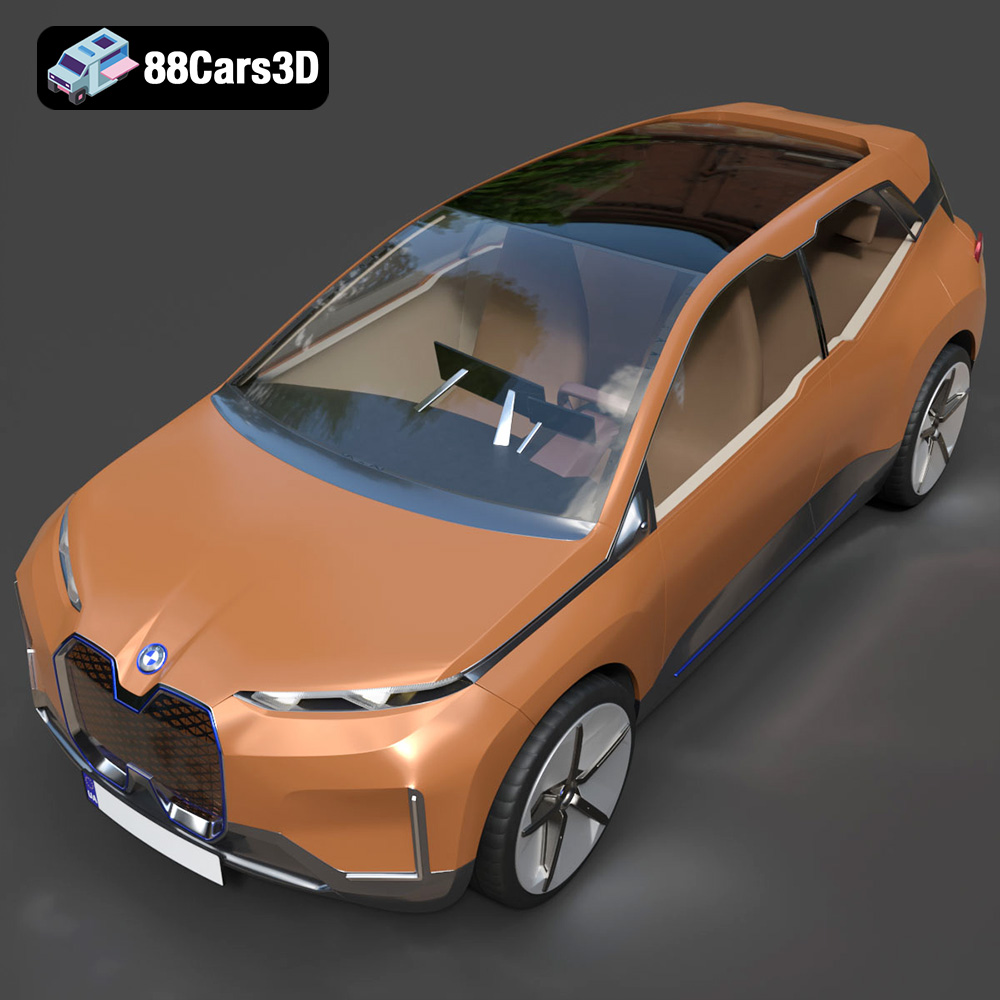
The burgeoning fields of AR and VR demand highly optimized yet visually rich assets. The BMW Vision iNEXT 2018 3D model, especially in .glb format, is a perfect candidate for these immersive platforms. For AR, it can be projected into real-world environments via mobile devices, allowing users to “see” the concept car in their driveway or office. For VR, it can be placed in virtual showrooms or interactive experiences where users can step inside, examine the ‘Shy Tech’ interior, and interact with its features in full 3D. The “optimized geometry for first-person POV in gaming” translates directly to enhanced realism in VR, providing a seamless and believable experience.
The applications for a meticulously crafted 3D car model extend across various cutting-edge industries, each leveraging different facets of the asset’s technical prowess. The BMW Vision iNEXT 2018 3D model is a testament to the versatility required in today’s digital landscape.
For game studios, time is a critical resource. Developing a vehicle from scratch, especially one with the complexity and innovative design of the Vision iNEXT, can take hundreds of hours. By utilizing a pre-made, game-ready 3D car model from 88cars3d.com, developers can significantly accelerate their production timelines. The inclusion of separate, animatable components (wheels, suspension, steering) is a game-changer. In Unreal Engine, for instance, a developer can import the .fbx file, set up the vehicle’s skeletal mesh, define physics constraints for the suspension and wheels, and quickly integrate it into a drivable pawn blueprint. The optimized polycount ensures that multiple instances of the vehicle can appear on screen without causing performance bottlenecks, crucial for open-world games or racing titles where a bustling environment is key.
The AR/VR capabilities of the BMW Vision iNEXT model open up innovative possibilities for automotive marketing and sales. Imagine a virtual showroom where potential buyers can walk around the iNEXT, open its doors, and even customize its color and interior finishes in real-time using VR headsets. For mobile AR, the .glb format is invaluable, allowing users to place a virtual iNEXT in their garage or on their street, viewing it from any angle before it even exists as a physical product. This interactive visualization transforms the customer experience, offering a level of engagement far beyond traditional brochures or websites. The model’s detailed interior is particularly effective here, enabling immersive cockpit views.
High-end cinematic rendering is where the BMW Vision iNEXT model can truly shine in visual fidelity. Advertising agencies and film studios can utilize the .max or .blend files with advanced renderers to produce stunningly photorealistic visuals for commercials, documentaries, or even concept films. The detailed geometry, coupled with PBR materials and high-resolution textures, ensures that every curve, reflection, and material property is rendered with breathtaking accuracy. Features like the ‘iconic interconnected and illuminated kidney grille’ and ‘sweeping taillight signatures’ become focal points for dramatic lighting and visual storytelling, making the iNEXT model an indispensable asset for brand campaigns and high-stakes lifestyle visualizations.
While digital applications are broad, the tangible output of 3D models through 3D printing offers a unique avenue for designers, hobbyists, and engineers. The BMW Vision iNEXT 2018 3D model is designed to cross this digital-to-physical divide seamlessly.
The inclusion of the .stl format directly supports 3D printing. However, preparing a high-fidelity digital model for physical manifestation requires more than just converting the file. The product description provides crucial “3D Print Settings” that highlight the thoughtful consideration put into the model’s printability. Recommendations for scale (1:12, 1:18, 1:24) are essential for managing print time, material usage, and detail retention. The suggested layer height (0.04–0.12 mm) and the recommendation for resin printing underscore the importance of capturing fine details, especially for the intricate design elements of the iNEXT, such as the ultra-slim LED headlights or the complex alloy wheels.
Technical advice on “wall thickness: 1.2–2.0 mm” and “infill: 20–30%” ensures the printed model will have adequate structural integrity without being overly dense or brittle. The mention of “supports: Required for detailed parts like exhaust, mirrors, handlebars” (though the iNEXT is an SUV, this indicates a general understanding of complex automotive prints) and “print orientation: Frame printed angled for structural integrity; wheels printed separately” demonstrates an expert understanding of 3D printing best practices to prevent warping and ensure optimal surface quality. Finally, “post-processing: Sanding, primer, and authentic factory colors with metallic finishes” guides users towards achieving a professional, display-quality physical replica of the BMW Vision iNEXT 2018, transforming a digital vision into a tangible art piece or prototype.
A premium 3D model isn’t just about static accuracy; it’s also about flexibility. The BMW Vision iNEXT 2018 3D model offers significant customization options, ensuring it can be adapted to fit a myriad of creative and technical requirements.
The ability to “change body/tank colors (e.g., factory colors, custom finishes)” is fundamental for any automotive visualization. Whether you need the iNEXT in its iconic launch color, a bespoke metallic shade for a luxury ad, or a matte black finish for a stealthy game asset, the model’s material setup supports easy modification. Similarly, “modify tire textures (off-road vs. street variants)” and “adjust material finishes (matte, gloss, metallic)” allows artists to tailor the vehicle’s appearance to suit different environments and design briefs, from rugged desert scenes to polished urban landscapes. This level of aesthetic control is invaluable for creating unique visual narratives.
Furthermore, the flexibility to “adapt lighting for different environments” underscores the model’s readiness for diverse rendering scenarios. A car rendered under harsh studio lights will look very different from one in a golden hour desert scene or a neon-lit futuristic city. The model’s robust material definitions and clean geometry ensure that it reacts realistically to various lighting conditions, allowing artists to achieve the desired mood and atmosphere. This adaptability makes the BMW Vision iNEXT 2018 a truly versatile asset, capable of performing exceptionally across all demanding digital mediums, readily available for download at 88cars3d.com.
The BMW Vision iNEXT 2018 stands as a testament to automotive innovation, pushing the boundaries of design, autonomy, and electric mobility. Translating such a visionary concept into a premium 3D model requires meticulous attention to detail, technical precision, and an understanding of diverse industry needs. The BMW Vision iNEXT 2018 3D model offers a compelling solution, delivering breathtaking visual fidelity with intelligent optimization across a comprehensive range of file formats, making it suitable for everything from cinematic rendering and game development to immersive AR/VR experiences and detailed 3D printing.
For professionals striving for realism, efficiency, and adaptability in their projects, this model provides an invaluable foundation. Its game-ready geometry, accurate real-world scale, proper pivot setups, and extensive customization options ensure it seamlessly integrates into any high-stakes production pipeline. Whether you’re designing the next generation of racing games, crafting an interactive virtual showroom, or producing high-impact marketing visuals, the technical excellence of this 3D car model empowers creators to bring their visions to life. Explore the future of automotive design and elevate your projects with high-quality 3D car models. Discover the BMW Vision iNEXT 2018 and many other exceptional assets at 88cars3d.com.
Experience the future of mobility with the BMW Vision iNEXT 2018, a groundbreaking electric SUV concept that redefines automotive design. This premium 3D model boasts an impressive 1,155,240 triangle count, delivering breathtaking visual fidelity while maintaining intelligent optimization. Designed for real-time applications, game development, AR/VR, and high-end cinematic animation, ensuring stunning realism in any digital environment.
$37.50
.blend
.bmw
.fbx
.glb
.max
.obj
.ply
.rendering
.stl
.unreal
car-3d-model
concept-car
electric-suv
game asset
game-ready
high poly
optimized
vision-inext
vision-inext-2018
VR/AR