Get 20% OFF All Premium 3D & STL Models!

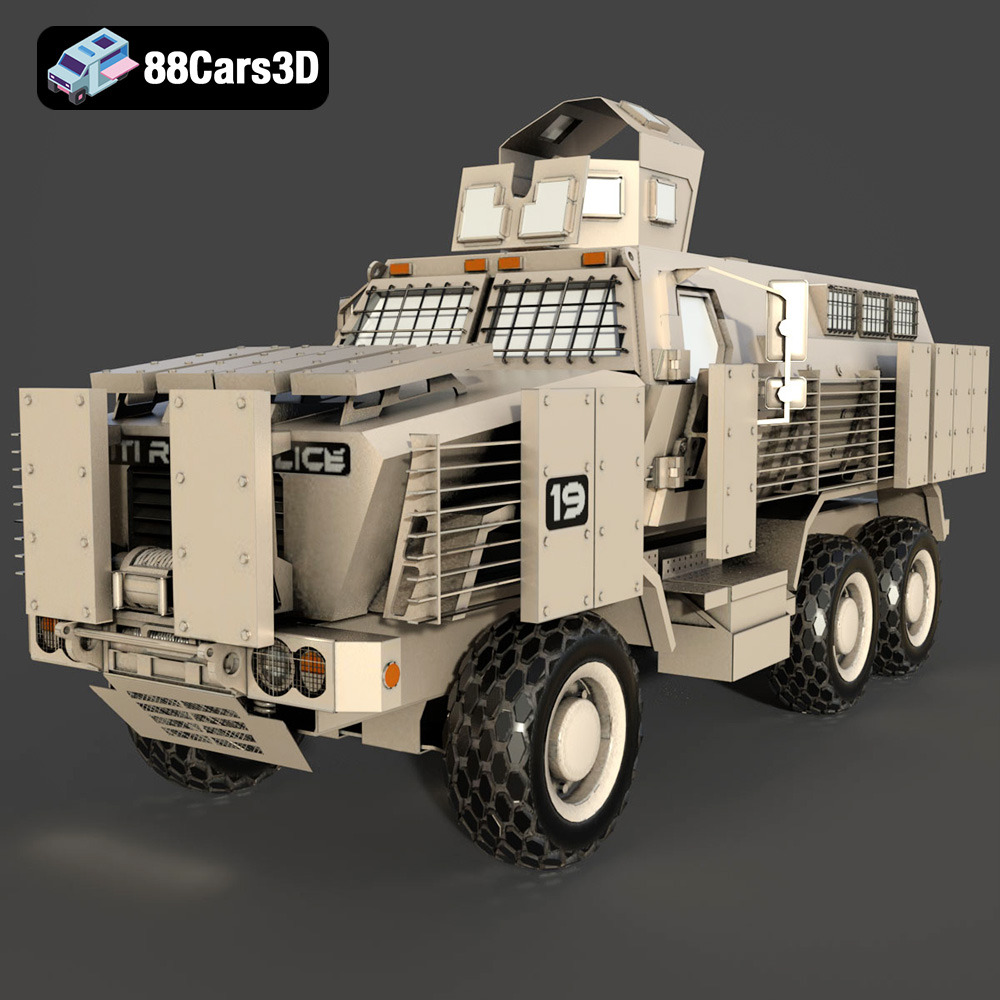
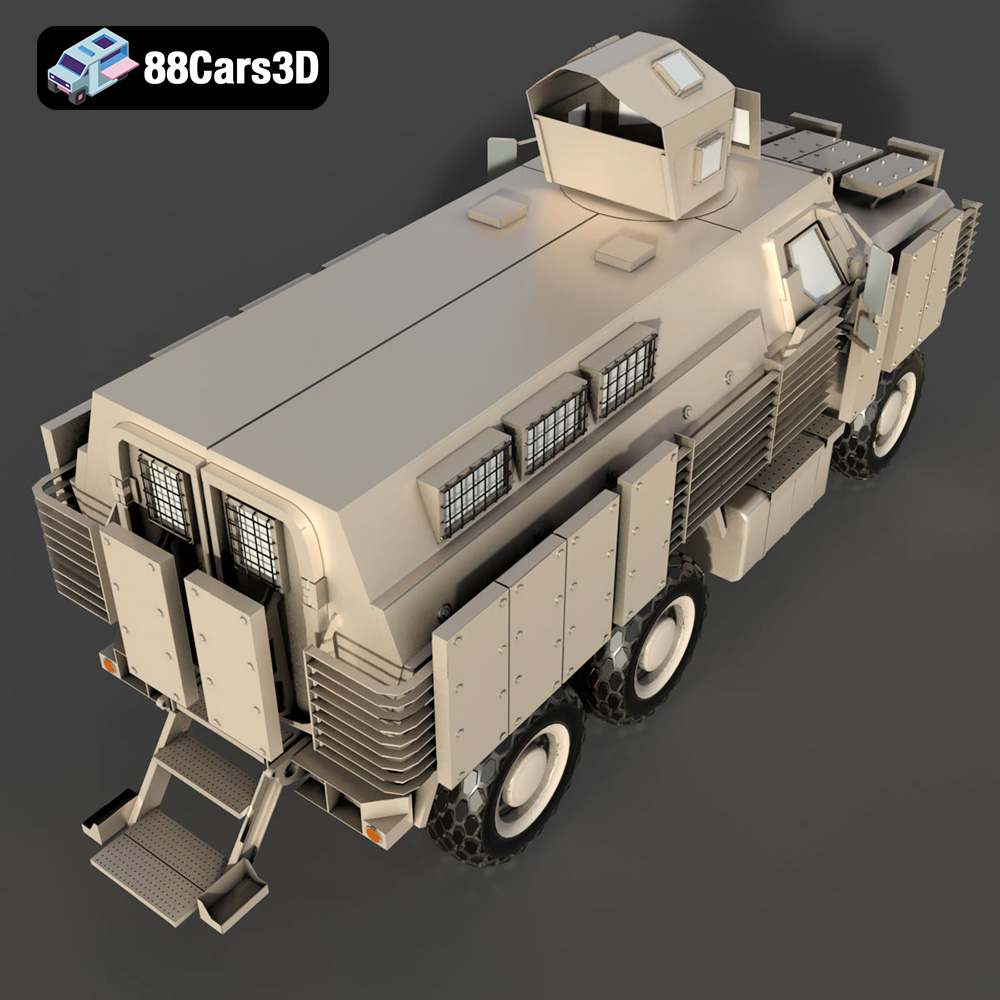
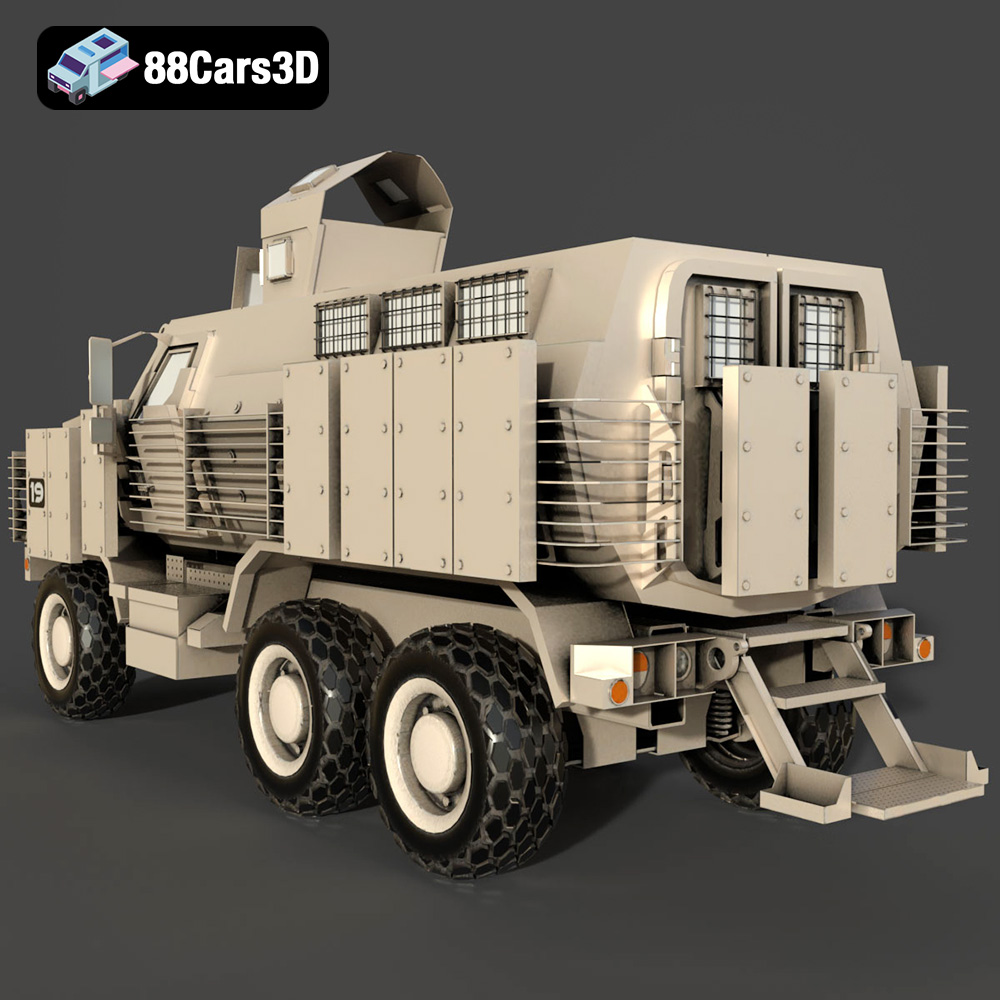
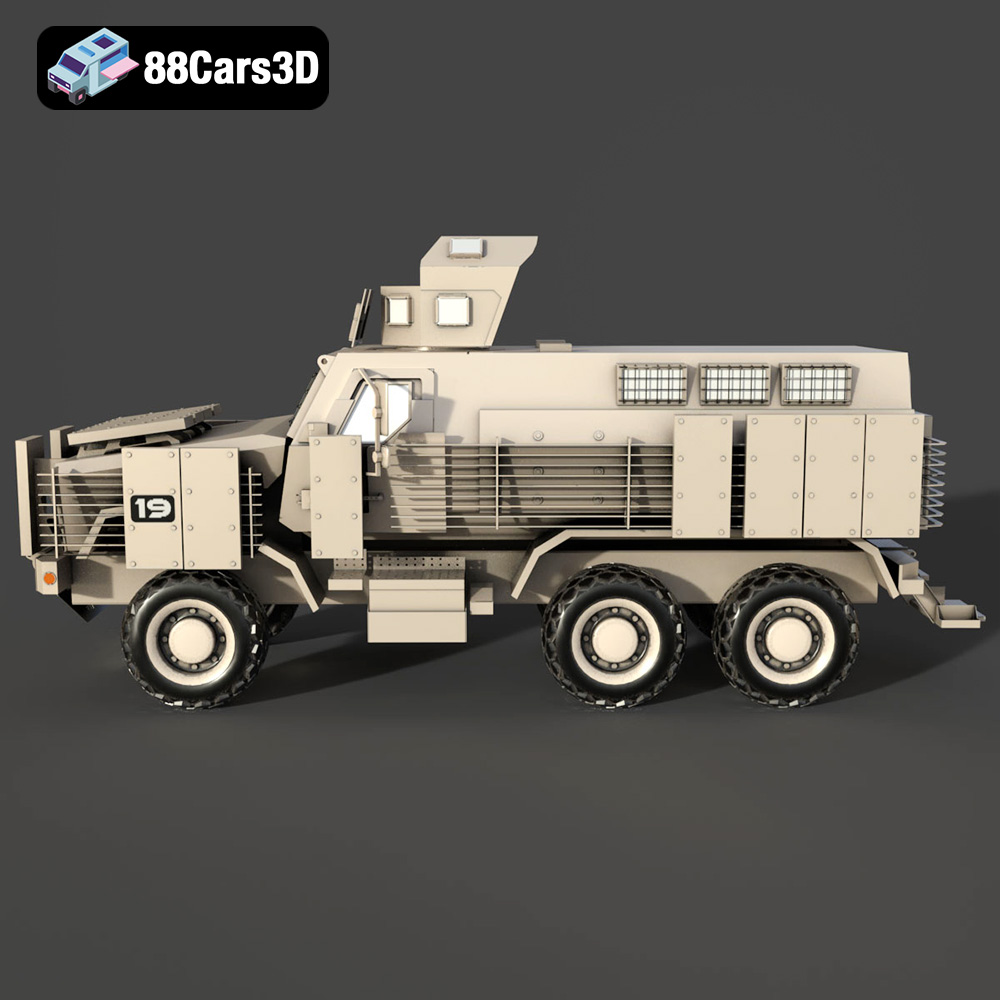
The digital landscape of visualization and simulation continues to push boundaries, demanding increasingly realistic and performant 3D assets. From immersive game environments to precision engineering simulations and cinematic storytelling, the backbone of any compelling project is the quality of its models. In the specialized realm of military simulation and tactical visualization, accuracy, detail, and optimization are paramount. This is where specialized 3D car models, particularly those representing iconic military hardware, prove indispensable. Consider the formidable Caiman MRAP (Mine-Resistant Ambush Protected) – a vehicle synonymous with resilience and tactical prowess. Replicating such a machine in 3D requires a meticulous approach, ensuring that every rivet and panel contributes to an authentic and functional digital twin. The Caiman MRAP 2008 3D Model available on 88cars3d.com stands as a prime example of such an asset, meticulously crafted for diverse professional applications ranging from high-fidelity rendering to real-time game development.
The Caiman MRAP is more than just a military vehicle; it’s a symbol of survivability engineered for the most demanding operational theaters. Its distinctive V-hull design, heavy armor, and imposing stance are instantly recognizable. Translating this real-world presence into a digital asset is a sophisticated process that goes beyond simple aesthetics, embedding functionality and historical accuracy into its very geometry. A well-crafted 3D model like the Caiman MRAP 2008 allows developers and artists to deploy this legend across a myriad of virtual scenarios.
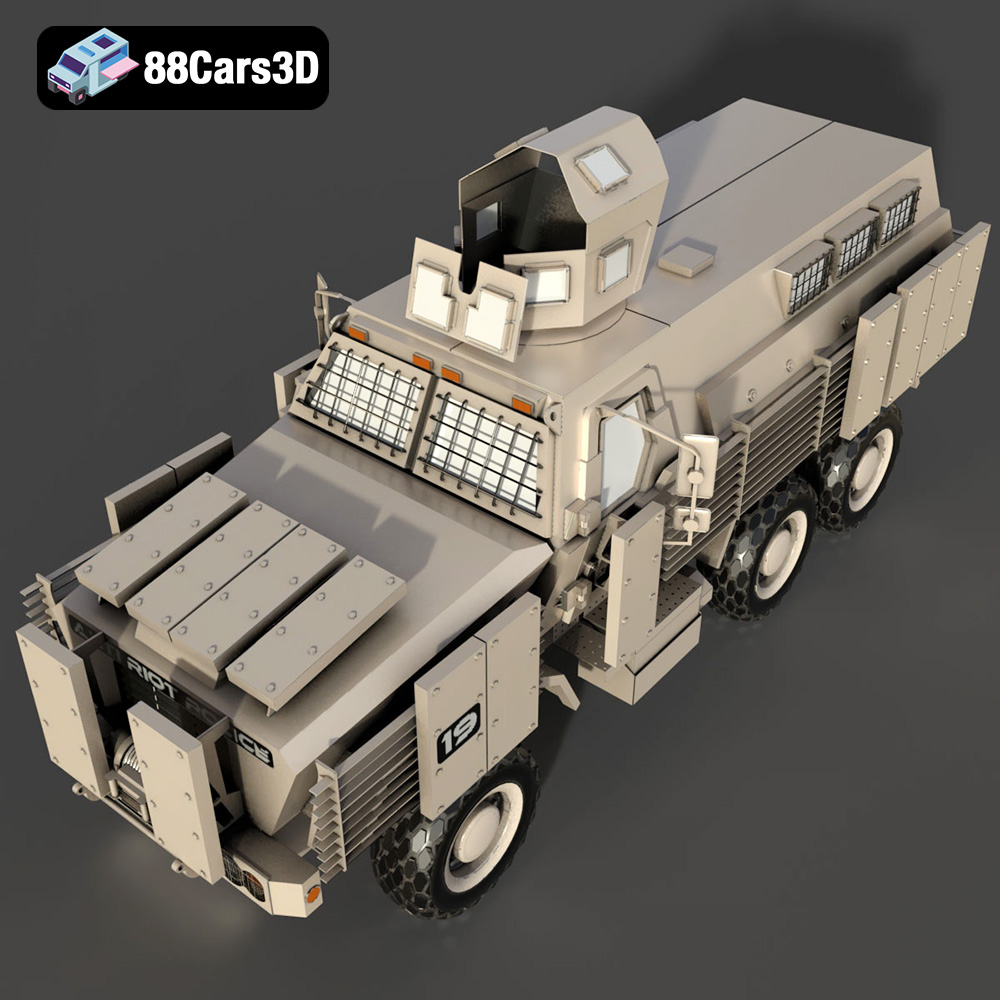
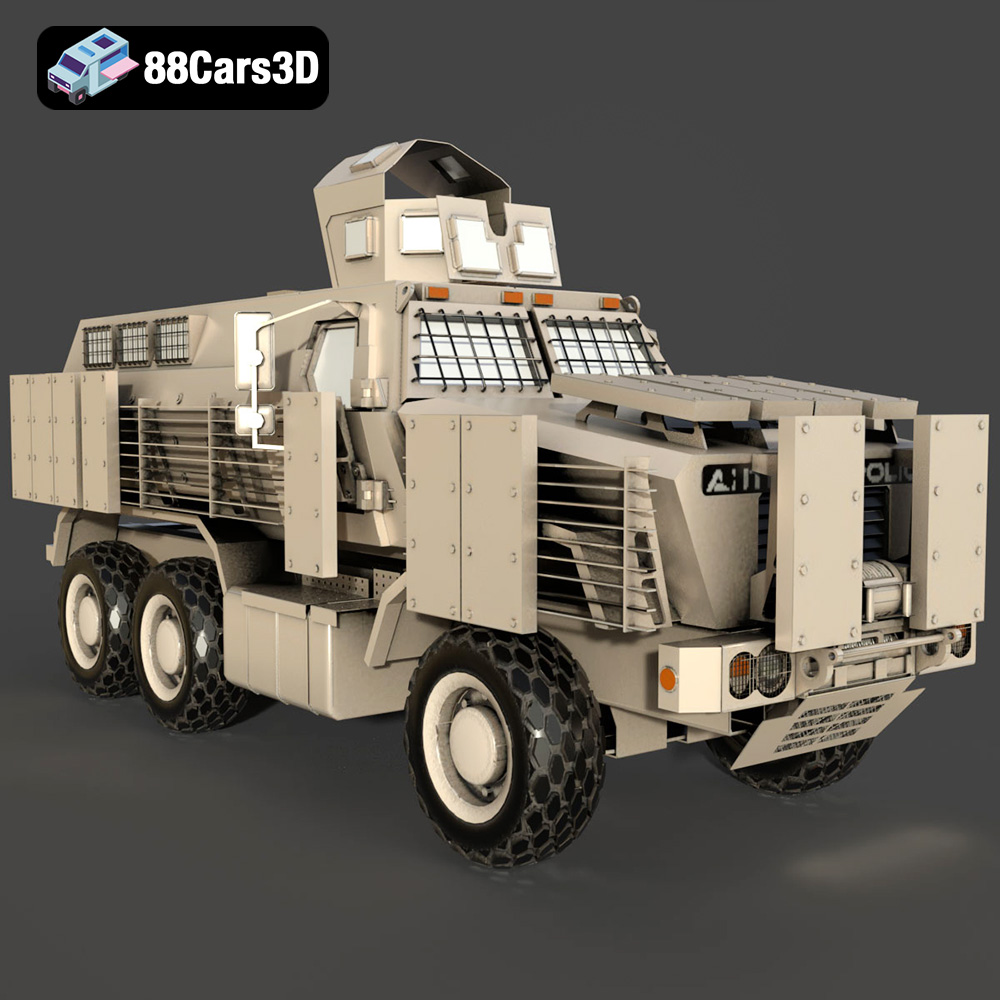
Creating a faithful digital replica of a complex military vehicle like the Caiman MRAP involves extensive research and precision modeling. Every aspect, from the robust diesel engine enclosure and reinforced exhaust system to the intricate rooftop turret, grab handles, and communication antennas, must be accurately represented. This ensures that the model not only looks correct but also functions credibly within interactive environments. The Caiman MRAP 2008 3D Model achieves this by boasting an accurate heavy-duty armored chassis geometry and proportions, complete with detailed engine blocks, cooling grilles, and military-spec lighting. Inside, blast-mitigating troop seats, a tactical steering wheel, and military-grade instrument clusters provide an authentic first-person perspective, critical for immersive training or gaming applications.
For military combat simulations, first-person tactical shooters, and VR military training applications, the level of detail directly correlates with the effectiveness and believability of the experience. An accurately modeled vehicle, down to its suspension components and tire treads, enhances immersion and allows for realistic physics interactions. The Caiman MRAP 2008 3D Model, with its massive run-flat tactical wheels and reinforced heavy-duty leaf spring suspension details, provides the granular detail necessary for these demanding applications. Its separate wheels, suspension, turret, and steering components are individually articulated, allowing for precise animation and dynamic interaction, which is crucial for authentic tactical maneuvers in any simulation.
The versatility of a 3D asset is often determined by the range and quality of its included file formats. Each format serves specific purposes, catering to different software, pipelines, and end-use applications. Understanding these distinctions is crucial for anyone working with 3D car models or any other game assets. The Caiman MRAP 2008 3D Model provides a comprehensive suite of formats, ensuring broad compatibility and utility across professional workflows.
The .blend format is the native file type for Blender, the powerful open-source 3D creation suite. It’s a complete scene file, meaning it typically includes all aspects of a project: geometry, materials, textures (packed or external links), lighting, cameras, animations, rigging, modifiers, and even scene settings. This makes .blend files ideal for users who want full control and flexibility to modify, re-texture, or animate the model within Blender’s comprehensive ecosystem. For artists and developers who use Blender as their primary tool, a .blend file is the starting point for deep customization and iteration, allowing for granular adjustments to topology, UVs, and material nodes without any loss of data during import/export cycles.
.fbx (Filmbox) is arguably the most widely adopted proprietary 3D interchange format, particularly prevalent in game development. Developed by Autodesk, it’s designed to transfer a wide array of 3D data between different software applications while preserving crucial elements like geometry, materials, textures, animations (skeletal and blend shapes), cameras, and lights. For real-time pipelines like Unreal Engine and Unity, .fbx is often the go-to format due to its robust support for skeletal animations and complex rigging, making it ideal for dynamic game assets like the Caiman MRAP, where intricate suspension and turret movements are essential. Its ability to encapsulate a wealth of information in a single file streamlines the export and import process, minimizing setup time in target engines.
.obj (Wavefront OBJ) is a universal, open-standard 3D geometry definition file format that is supported by virtually every 3D application. While it primarily stores geometric data (vertices, normals, texture coordinates, and faces), it can also reference external .mtl (material) files for basic material properties and texture maps. It doesn’t typically support animation or rigging, making it more suited for static models or as a base for further processing. Its simplicity and widespread compatibility make it an excellent choice for cross-software transfers when the primary goal is to exchange mesh data. For the Caiman MRAP, the .obj format provides a robust base mesh for users who might want to re-texture or optimize it in their preferred software without concerns about proprietary format limitations.
.glb (GLB, the binary version of glTF – GL Transmission Format) is an increasingly popular format optimized for efficient transmission and loading of 3D scenes and models in AR, VR, and web-based applications. It’s a single-file container that bundles geometry, materials, textures, animations, and skeletal data into a compact, self-contained package. This “transmission-optimized” nature makes it perfect for deployment on platforms where file size and loading speed are critical, such as interactive product viewers, metaverse experiences, and mobile AR apps. The Caiman MRAP in .glb format would be ideal for a virtual showroom or an interactive training module accessible via a web browser or a mobile device, offering quick and high-quality rendering.
.stl (Stereolithography) is the de-facto standard file format for 3D printing. It represents a 3D model as a collection of unconnected triangles (a tessellated surface) that define the object’s surface geometry. It contains no color, texture, or material information, focusing solely on the shape. For hobbyists and professionals looking to physically manifest their digital assets, an .stl file is essential. The Caiman MRAP 2008 3D Model’s availability in .stl allows military hobbyists and diorama builders to print scale replicas, requiring careful consideration of print settings, supports, and post-processing for optimal results.
.ply (Polygon File Format) is a file format designed to store 3D data from 3D scanners. It can store a wider range of properties than .obj or .stl, including color, transparency, surface normals, and even confidence values for each vertex. While less common for general 3D asset exchange, it’s valuable in scientific visualization, reverse engineering, and applications requiring precise mesh data with additional attributes. For the Caiman MRAP, the .ply format could be utilized in specialized CAD applications or for detailed analysis of its robust geometry, offering a high degree of data integrity.
The .unreal format, or more accurately, assets packaged for Unreal Engine, signifies a model that has been specifically prepared and exported for direct integration into an Unreal Engine project. This often means the model comes with optimized meshes, properly configured materials (using Unreal’s PBR workflow), collision meshes, and sometimes even pre-set Blueprints or animations. It’s not a generic file extension but rather a statement of compliance and readiness for Unreal’s ecosystem. For users focused on developing games or simulations within Unreal Engine, an “Unreal-ready” Caiman MRAP model drastically reduces setup time and ensures optimal performance and visual fidelity within the engine.
.max is the native file format for Autodesk 3ds Max, one of the leading 3D modeling, animation, and rendering software packages. Like .blend, a .max file contains an entire scene, including geometry, materials, textures, lighting, cameras, animation data, and modifiers. It’s an indispensable format for professionals who use 3ds Max for architectural visualization, motion graphics, and high-end automotive rendering. For the Caiman MRAP, having the .max file provides access to the original project, allowing users to leverage 3ds Max’s powerful rendering capabilities (e.g., V-Ray, Corona) and animation tools for sophisticated cinematic sequences or defense industry visualizations.
The demand for high-quality, performant 3D game assets has never been higher, especially in genres like tactical shooters, military simulators, and open-world combat games. Similarly, AR/VR environments for training and visualization rely heavily on optimized models that maintain visual integrity without sacrificing frame rates. The Caiman MRAP 2008 3D Model from 88cars3d.com is engineered to meet these rigorous demands.
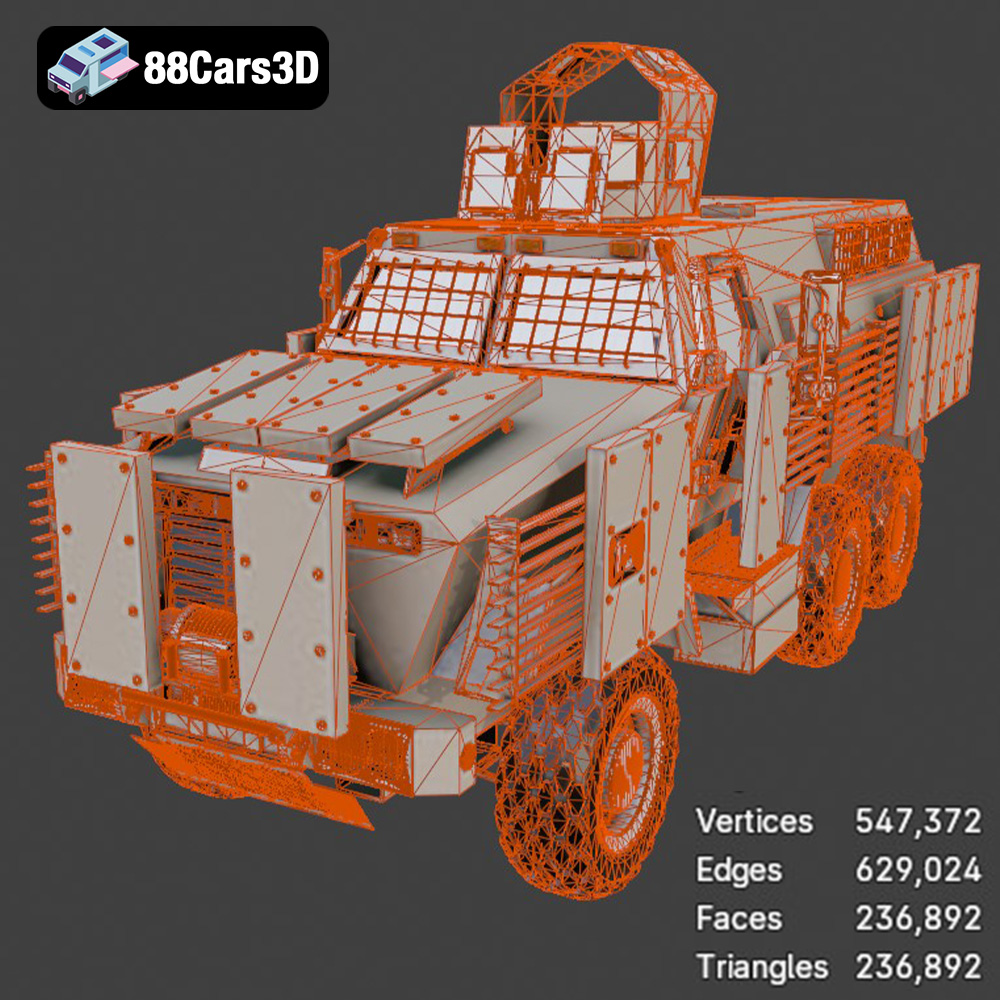
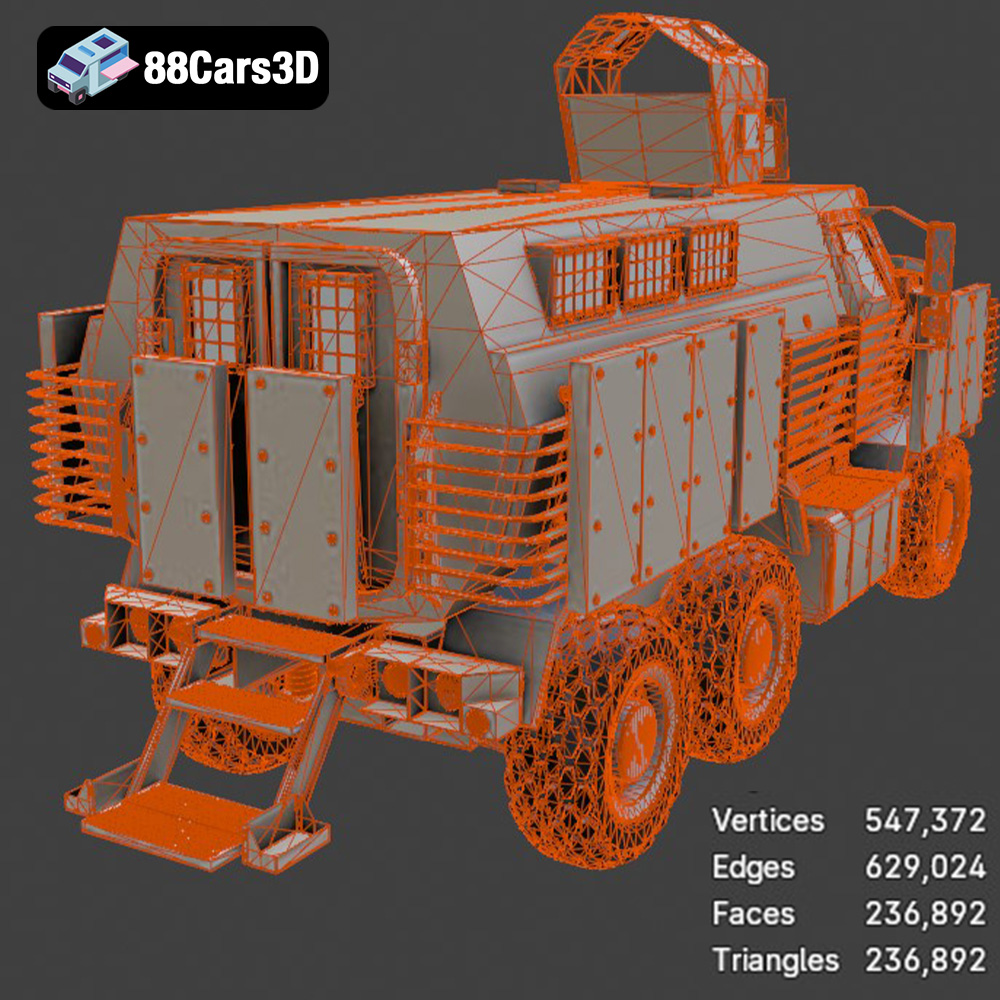
One of the critical technical specifications for game assets is their polygon count, directly impacting real-time performance. The Caiman MRAP 2008 3D Model strikes a perfect balance with 236,892 triangles. This polycount is sufficiently high to maintain high-end visual realism, showcasing intricate details like the armored chassis and cockpit interior, yet optimized enough for smooth performance in demanding real-time engines like Unreal Engine and Unity. This careful optimization ensures that developers can deploy multiple instances of the vehicle in large open-world maps or complex VR scenes without encountering significant performance bottlenecks, making it an excellent game-ready asset.
Beyond static appearance, the Caiman MRAP model is designed for dynamic interaction. Its separate components—wheels, suspension, turret, and steering—are structured for easy animation. Proper pivot setups for steering, wheel rotation, and suspension travel are included, which are essential for realistic physics simulations and interactive controls in games. This modularity allows game designers to implement custom animations for driving over rough terrain, operating the turret, or even simulating damage and destruction, providing a richer, more interactive experience for players or trainees.
Imagine a VR military training application where recruits can familiarize themselves with the Caiman MRAP’s interior layout, practice driving in hostile terrains, or conduct simulated tactical engagements. The optimized geometry and detailed cockpit features, including blast-mitigating troop seats, a heavy-duty tactical steering wheel, and military-grade instrument clusters, provide an authentic environment for such training. With its realistic scale and detailed components, the Caiman MRAP 2008 3D Model offers a cost-effective and safe alternative to real-world training, allowing for repeatable scenarios and detailed performance feedback.
For cinematic sequences, defense industry campaigns, or high-fidelity studio lighting setups, the goal shifts from real-time optimization to achieving absolute photorealism. This is where the Caiman MRAP 2008 3D Model truly shines, offering the detail and flexibility required for stunning visual effects and professional automotive rendering.
While the product description doesn’t explicitly detail UVs and textures, a high-quality model implies clean UV mapping and the ability to apply sophisticated PBR (Physically Based Rendering) materials. For photorealistic renders, artists would leverage the model’s precise geometry to apply textures that simulate weathered metal, dirty tires, and realistic military paint finishes. This involves intricate texture work for diffuse, roughness, metallic, normal, and ambient occlusion maps. The Caiman MRAP model allows for customization options such as changing body/armor colors (e.g., desert tan, woodland camo), modifying tire textures (heavy mud vs. dry dirt variants), and adjusting material finishes for a weathered or battle-damaged look, all crucial for authentic rendering.
Effective lighting is paramount in cinematic rendering. When showcasing a military vehicle like the Caiman MRAP, studio lighting techniques can dramatically enhance its visual impact. This might involve using strong key lights to highlight the vehicle’s rugged contours, subtle fill lights to prevent harsh shadows, and rim lights to define its silhouette against a background. Specialized techniques, such as HDRI (High Dynamic Range Imaging) environments, can simulate realistic outdoor lighting conditions, making the Caiman MRAP appear grounded in any virtual scene. The ability to adapt lighting for daytime patrols or night-vision environments further expands its utility for diverse narrative needs.
Once rendered, the Caiman MRAP in a cinematic context benefits immensely from post-production. This phase involves color grading to set the mood, adding atmospheric effects like dust or smoke, depth of field to draw attention, and subtle lens flares or optical aberrations for a filmic look. Integrating the Caiman MRAP into complex scenes with other 3D car models or environments demands robust layering and compositing skills, turning raw renders into polished, emotionally resonant visuals. The quality of the base 3D model ensures that the post-production process starts with a strong foundation, allowing artists to focus on artistic embellishments rather than fixing fundamental geometric issues.
Beyond digital displays, the Caiman MRAP 2008 3D Model offers the unique advantage of physical manifestation through 3D printing. This opens up avenues for hobbyists, collectors, and defense contractors to create tangible scale models or prototypes, transforming the virtual into the tactile.
The provided .stl format is ideal for 3D printing, but successful output depends on understanding printer types and model preparation. For FDM (Fused Deposition Modeling) printers, which extrude plastic filaments, considerations include layer height, infill density, and wall thickness (recommended 1.2–2.0 mm for the Caiman MRAP). Resin (SLA/DLP) printers, known for their superior detail, are recommended for fine tactical details due to their ability to produce smoother surfaces and intricate features with smaller layer heights (0.04–0.12 mm). Regardless of the method, proper scaling (1:35 / 1:24 / 1:18 recommended), orientation (armored frame angled for structural integrity), and the strategic placement of supports (required for exhaust, mirrors, antennas, and turret) are crucial for a successful print.
A 3D printed Caiman MRAP model is just the beginning. Post-processing is key to achieving an authentic finish. This includes removing supports, sanding to smooth out layer lines (especially for FDM prints), and applying a primer coat. For true military realism, the model can then be painted with authentic CARC (Chemical Agent Resistant Coating) military finishes, weathered with washes and pigments, and detailed with miniature decals. This meticulous process transforms a raw 3D print into a display-worthy replica, mirroring the rugged aesthetic of the real Caiman MRAP and offering a rewarding experience for military hobbyists and diorama builders.
A high-quality 3D car model is not just about its initial fidelity; it’s also about its adaptability. The Caiman MRAP 2008 3D Model offers significant customization options, making it a versatile asset for a wide range of projects and scenarios.
The modular design of the Caiman MRAP model, with its separate components for animation, naturally extends to customization. Artists and developers can easily swap out elements, add aftermarket tactical equipment, or even integrate different weapon systems to suit specific narrative or gameplay requirements. This modularity is invaluable for creating diverse mission profiles in games or simulating various loadouts for training exercises. For instance, a basic Caiman MRAP can be transformed into a command-and-control variant by adding different communication arrays or a medical evacuation vehicle by modifying its rear compartment, all based on the same foundational model.
The customization options extend to environmental adaptation. The ability to easily change body/armor colors (e.g., desert tan for arid environments, woodland camo for forested regions, or urban grey for cityscapes) allows the Caiman MRAP to seamlessly integrate into various virtual settings. Modifying tire textures to heavy mud variants for off-road scenes or dry dirt variants for dusty trails adds another layer of realism. Furthermore, adjusting material finishes from matte military-spec to weathered or battle-damaged states can convey the vehicle’s operational history, enhancing storytelling in cinematic renders or reflecting in-game wear and tear. This level of adaptability ensures the Caiman MRAP remains relevant and impactful across countless visual narratives.
In the dynamic world of 3D modeling and visualization, the demand for high-quality, versatile, and technically sound assets is constant. Whether you’re a game developer crafting the next tactical shooter, an animator producing a cinematic military sequence, an AR/VR developer building immersive training environments, or a hobbyist seeking to 3D print a detailed replica, the foundational quality of your 3D models is paramount. The Caiman MRAP 2008 3D Model exemplifies what a premium asset should offer: meticulous detail, optimal performance, and broad compatibility across a spectrum of professional applications. Its comprehensive suite of file formats, from the editable .blend and .max files to the game-ready .fbx and .unreal, and the print-ready .stl, ensures that it fits seamlessly into any modern workflow. By investing in such high-caliber 3D car models, artists and developers can significantly elevate the realism, performance, and overall impact of their projects. Explore this and many other exceptional game assets and automotive rendering models at 88cars3d.com to bring your most ambitious visions to life.
The Caiman MRAP (Mine-Resistant Ambush Protected) is a legendary military vehicle renowned for its unparalleled survivability and rugged tactical aesthetic. Designed to withstand explosive devices and ambushes in hostile territories, it features a signature V-hull design, heavy-duty armor plating, and an imposing, high-clearance stance. This digital replica captures its iconic features meticulously, from the robust diesel engine enclosure and reinforced exhaust system to the intricate rooftop turret, grab handles, and communication antennas.
$14.99
.blend
.fbx
.glb
.max
.obj
.ply
.rendering
.stl
.tactical
.unreal
armored-vehicle
caiman
car-3d-model
game asset
game-ready
low-poly
military-vehicle
mrap
mrap-2008
optimized
VR/AR