Get 20% OFF All Premium 3D & STL Models!

In the fast-paced realms of automotive design, game development, cinematic rendering, and immersive virtual experiences, the quality of your 3D assets can make or break a project. A meticulously crafted 3D car model isn’t just a visual element; it’s a foundation for realism, performance, and creative freedom. From simulating the subtle reflections on a polished fender to the nuanced dynamics of a high-speed chase, a superior model empowers artists and developers to achieve unparalleled levels of fidelity and engagement.
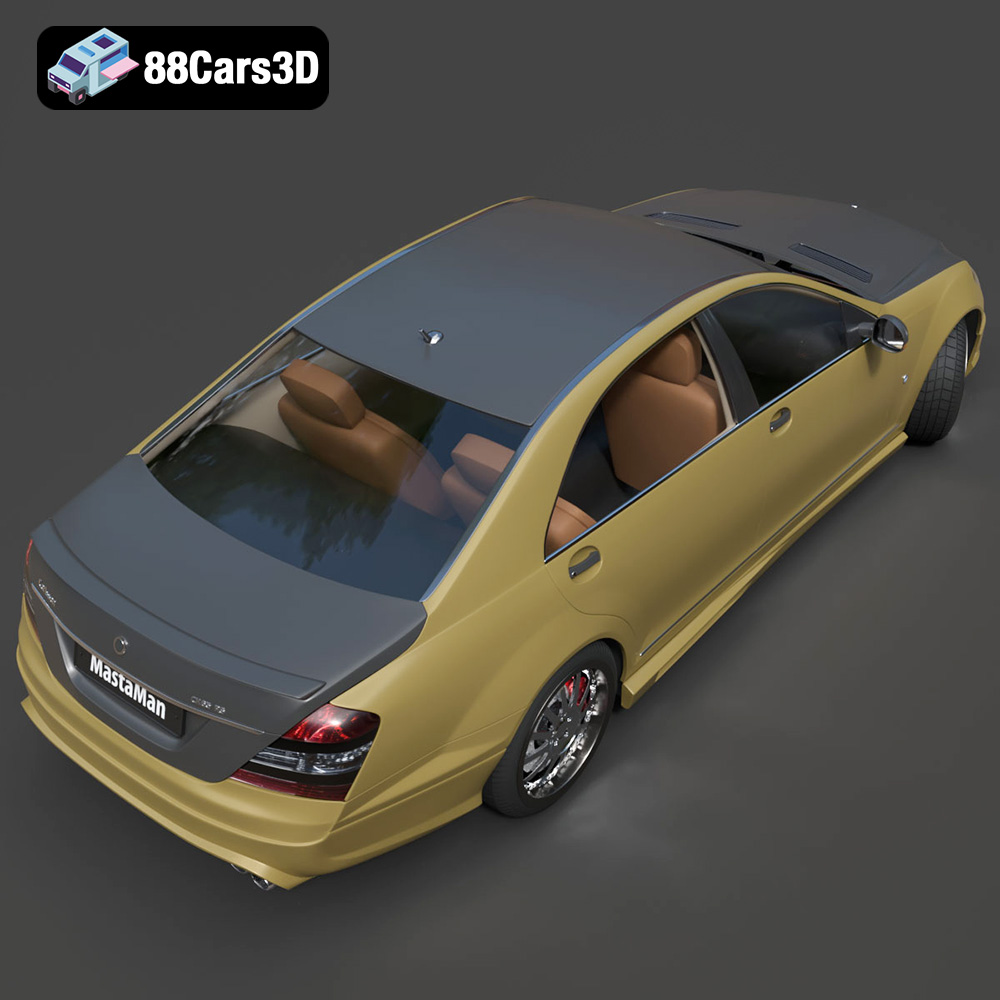
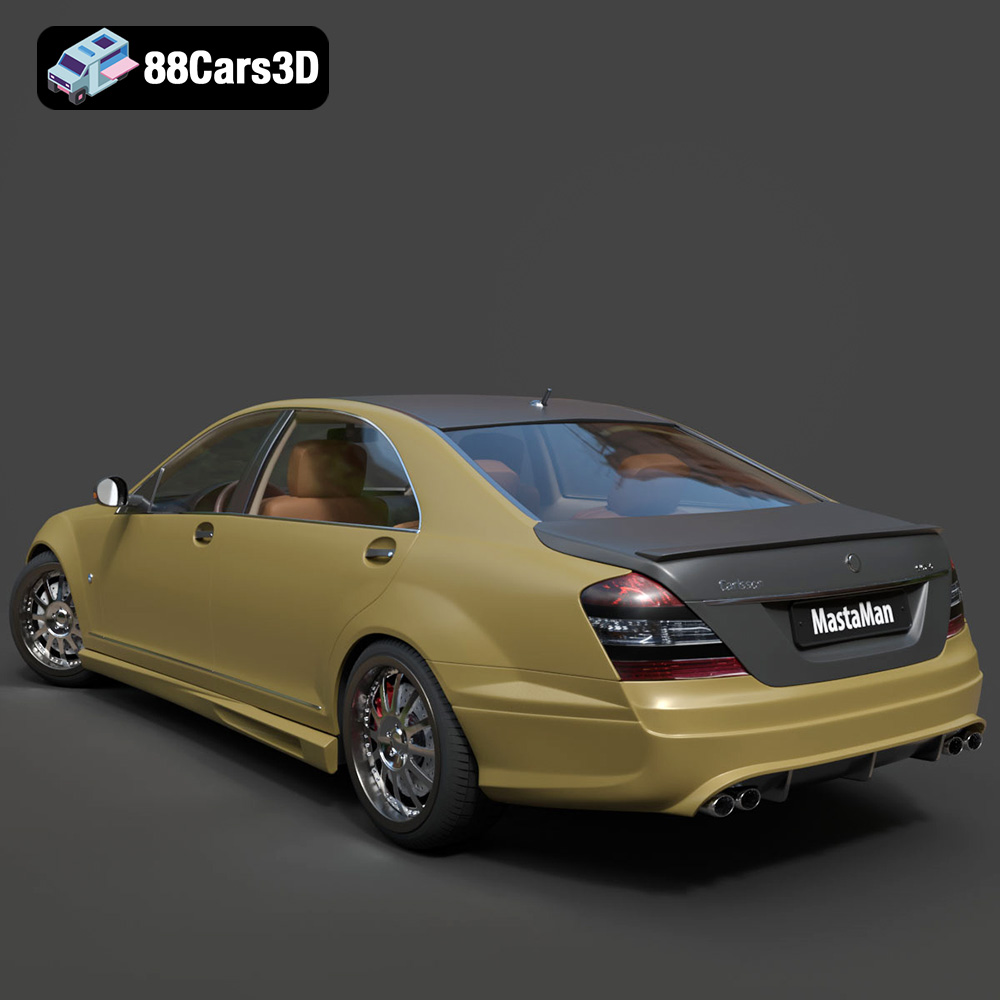
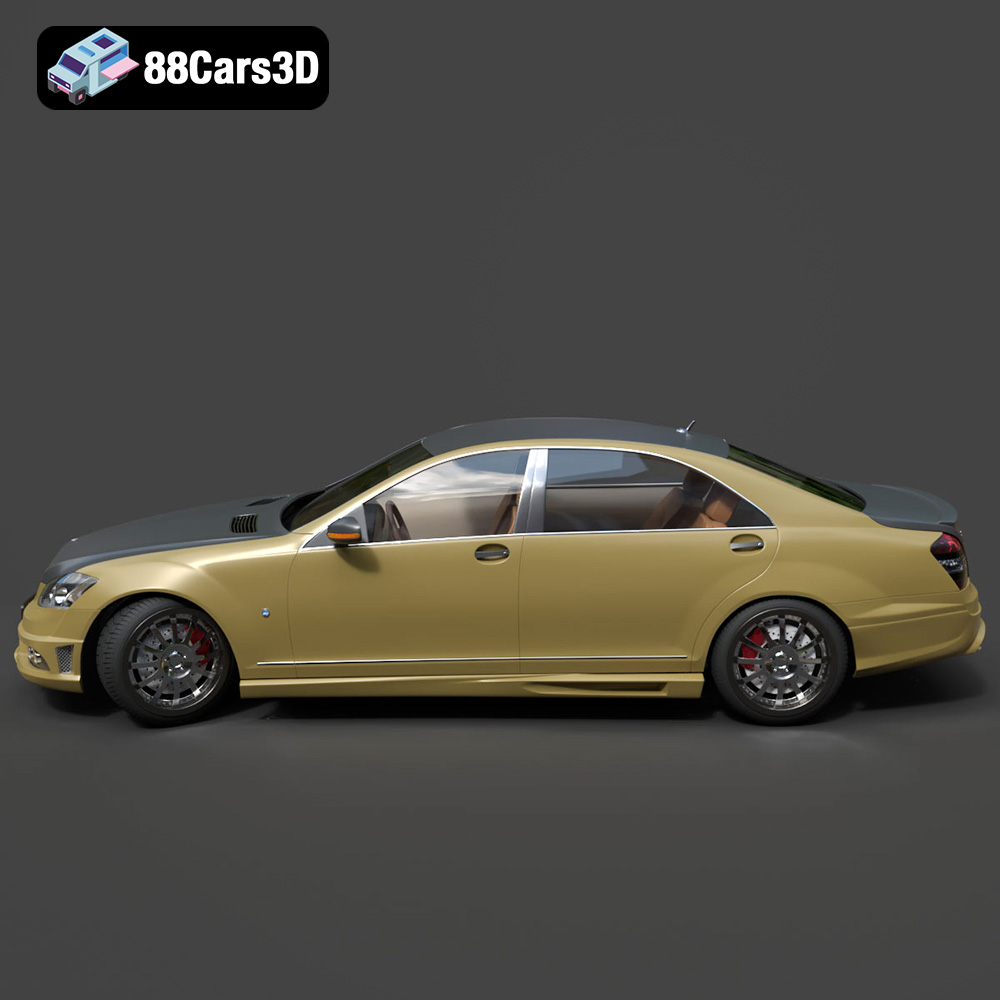
The demand for authenticity has never been higher, pushing the boundaries of what 3D artists can deliver. This is where specialized platforms like 88cars3d.com become indispensable, offering a curated selection of premium 3D vehicle assets designed to meet the rigorous standards of professional production. Among these standouts, the Carlsson CK65 RS 2013 3D Model exemplifies the fusion of luxury and performance, captured in stunning digital detail. This particular model, a pinnacle of high-performance luxury tuning, translates the iconic grand tourer platform into an extraordinary digital asset, ready for extraordinary applications.
In this comprehensive guide, we’ll delve deep into the technical intricacies, workflow considerations, and diverse applications of high-quality 3D car models. We’ll explore how assets like the Carlsson CK65 RS 2013 empower creators across various industries, ensuring that your next project accelerates past the competition.
The versatility of a 3D model often lies in its compatibility with various software and engines, largely dictated by the file formats it supports. Professional 3D car models, such as the Carlsson CK65 RS 2013 available at 88cars3d.com, are typically offered in multiple formats to ensure seamless integration into diverse pipelines. Understanding these formats is crucial for optimizing your workflow and achieving your project goals, whether it’s high-fidelity rendering, real-time game development, or 3D printing.
The .blend format is the native file type for Blender, the powerful open-source 3D creation suite. When you download a .blend file, you’re getting a fully editable Blender scene. This includes not only the mesh geometry but also materials, textures (often packed within the file or referenced externally), lighting setups, cameras, animations, and even physics simulations. For artists working primarily in Blender, this format offers the most flexibility for customization, rigging, animation, and further detailing. It’s ideal for projects where you need to dissect the model, understand its construction, or apply specific Blender modifiers and node-based materials.
.fbx (Filmbox) is arguably the most widely adopted proprietary 3D file format for exchanging data between various 3D applications, game engines (like Unreal Engine and Unity), and animation software. Developed by Autodesk, FBX files can store a wide range of data, including geometry, materials, textures, animations, skinning, and camera information. Its strength lies in its ability to maintain much of the original scene data during transfer, making it an ideal choice for complex rigged and animated assets like vehicles. For game developers, .fbx is often the go-to format for importing 3D car models into real-time pipelines due to its robust support for animation and skeletal data.
The .obj (Wavefront OBJ) format is a simple, universal geometry definition file. It’s a highly compatible format, making it excellent for cross-software transfers when you primarily need mesh data. OBJ files store vertex positions, UV coordinates, normals, and face information. Material definitions are typically referenced in an accompanying .mtl (material template library) file, which defines basic material properties like color and texture maps. While it doesn’t support animation or rigging as robustly as FBX, its simplicity and widespread support make it a reliable choice for static models, architectural visualization, or when precise geometry transfer is paramount.
.glb (GL Transmission Format Binary) is the binary version of the glTF (Graphics Library Transmission Format) specification, a royalty-free open standard for 3D scenes and models. GLB files package all assets (geometry, materials, textures, animations) into a single file, making them highly efficient for web-based 3D applications, augmented reality (AR), virtual reality (VR), and mobile experiences. It’s designed for quick loading and rendering in real-time environments, offering a streamlined asset delivery for interactive 3D content where file size and performance are critical. The Carlsson CK65 RS 2013’s .glb format makes it perfectly suited for interactive showrooms or web configurators.
.stl (Stereolithography) is the most common file format for 3D printing. It represents a 3D model as a series of connected triangles, defining only the surface geometry of the object. STL files do not contain color, texture, or material information; they are purely about the physical shape. While less useful for rendering or animation, it’s indispensable for transforming a digital model into a physical object. The Carlsson CK65 RS 2013, with its detailed topology, translates beautifully into an STL, allowing enthusiasts to print high-fidelity physical replicas.
The .ply (Polygon File Format) is another format for storing 3D data, particularly useful for scanned data, CAD applications, and scientific visualization. It can store a variety of properties beyond just geometry, including color per vertex or per face, normal vectors, and even transparency. While less common for general animation or game development compared to FBX, PLY offers a precise mesh representation often preferred in fields requiring accurate geometric analysis or for importing complex scan data.
The .unreal format signifies an asset that is specifically packaged or optimized for direct use within the Unreal Engine. This often means the model has already been imported, has its materials and textures set up within Unreal’s ecosystem (e.g., using PBR materials), and might even include Blueprints or specific Unreal-centric optimizations. This format saves significant time for Unreal Engine developers, as it reduces the setup process and ensures the model is ready for real-time environments with minimal tweaking, making the Carlsson CK65 RS 2013 a truly “game-ready” asset.
Similar to .blend for Blender, .max is the native file format for Autodesk 3ds Max, a leading software for 3D modeling, animation, and rendering in architectural visualization, product design, and cinematic production. A .max file contains a complete 3ds Max scene, including geometry, materials, textures, lighting, cameras, animation data, and modifiers. For professionals who rely on 3ds Max for high-end rendering or complex animation sequences, having the Carlsson CK65 RS 2013 available in its native .max format provides the ultimate control and flexibility for customization and integration into existing 3ds Max projects.
By offering this diverse range of formats, the Carlsson CK65 RS 2013 3D Model ensures that users can confidently integrate it into virtually any professional 3D pipeline, making it an exceptionally versatile asset.
Achieving photorealism in 3D car models goes far beyond just having the correct shape. It involves a meticulous blend of geometry, material science, and attention to every minute detail. A truly high-fidelity model, like the Carlsson CK65 RS 2013, is engineered from the ground up to excel in diverse applications, from real-time simulations to cinematic pre-renders.
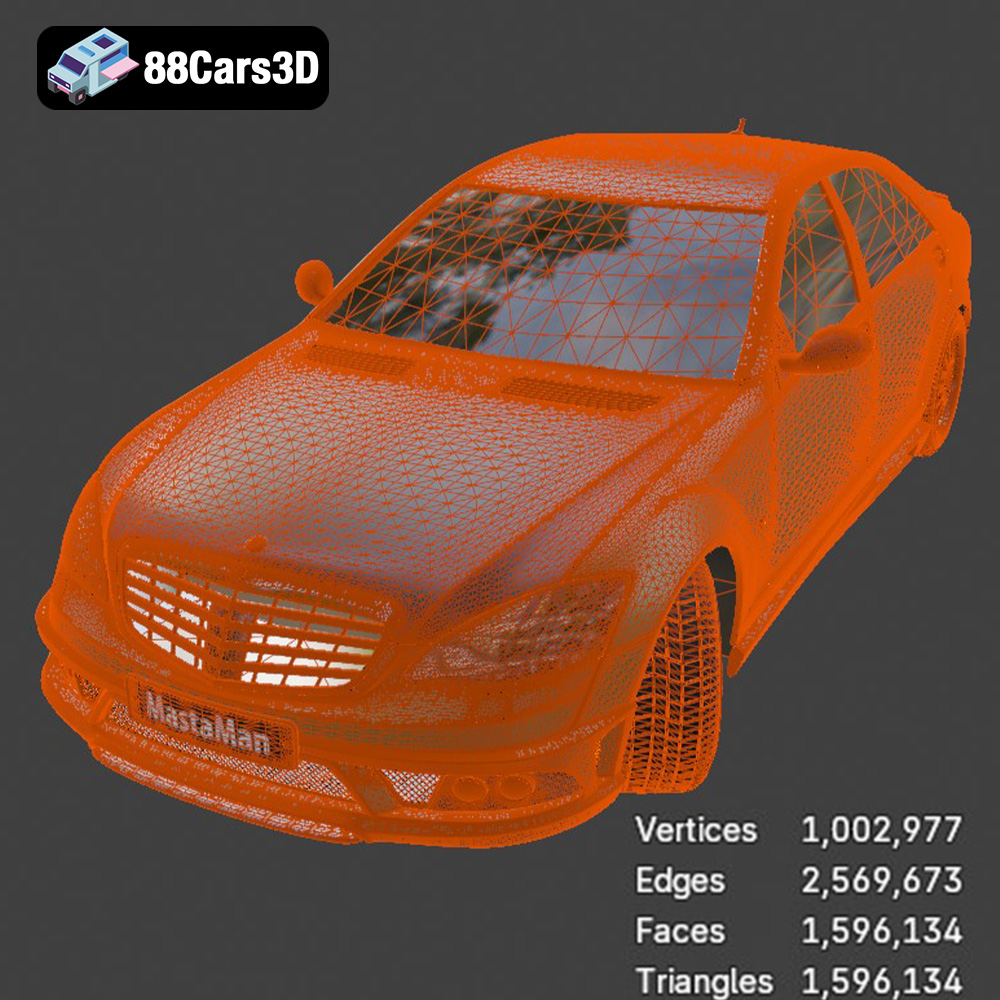
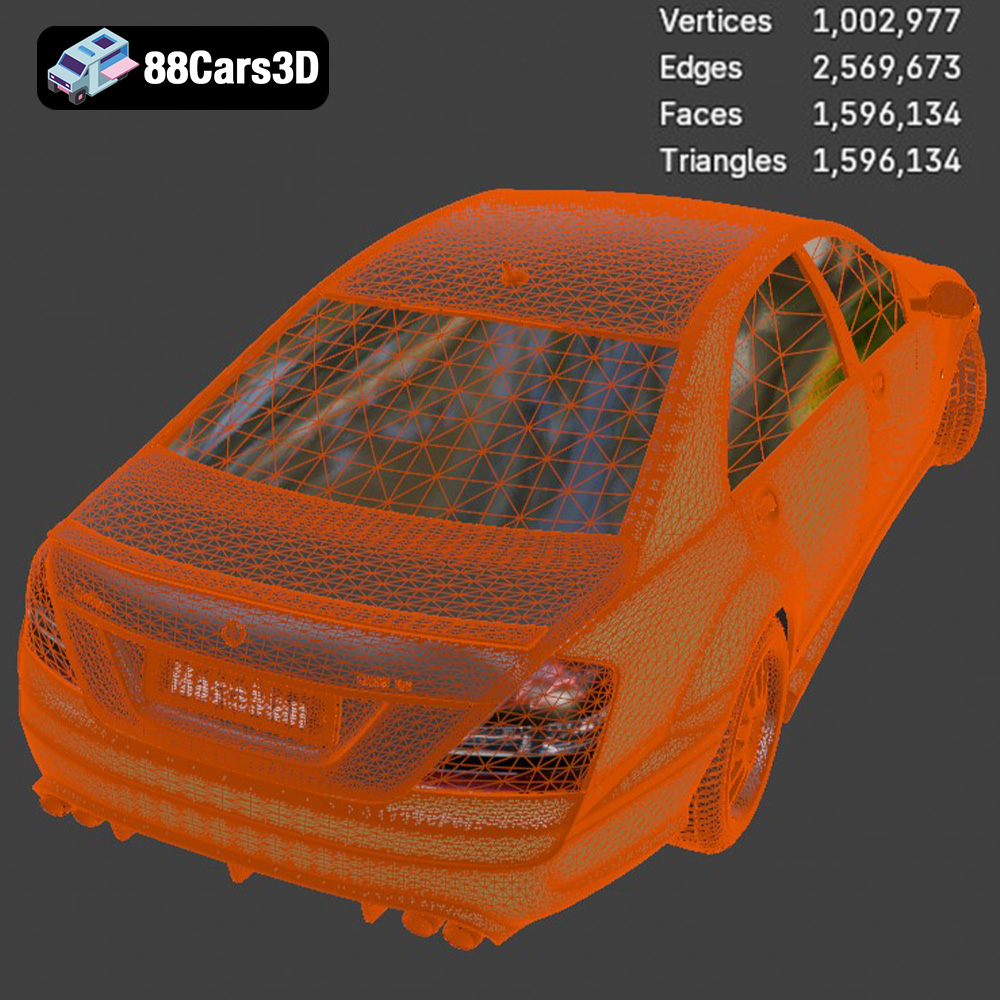
The foundation of any great 3D model is its geometry. For a vehicle, this means a clean, efficient, and well-structured mesh. The Carlsson CK65 RS 2013 boasts a highly detailed topology with a triangle count of 1,596,134. This specific polycount represents a critical balance: it’s high enough to ensure exceptional visual fidelity and photorealism, capturing every curve and edge, but also expertly optimized to perform efficiently in demanding real-time environments like game engines (Unreal, Unity) and virtual reality showrooms. Clean topology ensures that the model deforms correctly during animation, subdivides smoothly for extreme close-ups, and shades without artifacts. Furthermore, the model features separate wheels, suspension, and steering components, each with proper pivot setups, enabling realistic animation of wheel rotation, suspension travel, and steering input.
Beyond raw polygon count, the realism of a 3D car model heavily relies on its materials and textures. High-quality assets employ a Physically Based Rendering (PBR) workflow, accurately simulating how light interacts with surfaces in the real world. This includes detailed maps for color (Albedo/Base Color), reflectivity (Metallic), roughness, normal mapping for fine surface details, and potentially ambient occlusion. The Carlsson CK65 RS 2013’s detailed description implies such a sophisticated setup, crucial for rendering luxurious quilted leather, the metallic sheen of its custom forged alloy wheels, the aggressive carbon fiber front lip, and the intricate LED headlight assemblies. These textures and materials are vital for delivering stunning quality in cinematic animation rendering and convincing realism in immersive AR/VR experiences.
What truly elevates a high-quality 3D car model are the often-overlooked details. The Carlsson CK65 RS 2013 doesn’t stop at just an accurate exterior. It includes a detailed V12 biturbo engine block and bay components, allowing for cinematic shots under the hood or enhancing realism in a garage environment. Similarly, the cockpit and interior features are meticulously crafted: luxurious quilted leather sport seats, a custom sport steering wheel with paddle shifters, high-resolution dashboard and instrument cluster details, and even the center console, pedals, and gear selector levers. This level of interior detail is crucial for first-person POV in gaming and immersive virtual configurators, where users expect to explore every facet of the vehicle.
A high-quality 3D car model is only as valuable as its ability to integrate seamlessly into diverse professional workflows. The Carlsson CK65 RS 2013 3D Model, with its optimized geometry and multi-format availability, serves as an excellent example of an asset designed for maximum utility across various creative industries.
For game developers, performance and visual fidelity must coexist. The Carlsson CK65 RS 2013 is explicitly designed as “Game-Ready & Optimized,” with its 1,596,134 triangles striking a perfect balance for real-time engines like Unreal and Unity. Developers can import the .fbx or .unreal formats directly, leveraging the pre-configured pivot setups for steering, wheel rotation, and suspension travel to accelerate the animation and physics setup.
In Unreal Engine, the .unreal format minimizes setup time, allowing for rapid deployment into levels. Developers can assign PBR materials, set up custom collisions, and integrate the model into a vehicle blueprint for realistic driving dynamics. For Unity, importing the .fbx file allows artists to apply their own custom shaders, set up wheel colliders, and script vehicle controllers. The clean topology ensures smooth LOD (Level of Detail) generation, crucial for maintaining performance across different hardware specifications and distances in open-world games or racing titles.
When the goal is photorealism for marketing campaigns, product showcases, or architectural visualizations, dedicated rendering software is paramount. The Carlsson CK65 RS 2013, available in .max and .blend formats, provides artists with full control.
In 3ds Max, artists can import the native .max file, preserving all original scene data, modifiers, and potentially rendering-specific materials (like those for V-Ray or Corona). This allows for intricate studio lighting setups, high-dynamic-range imaging (HDRI) environments, and detailed camera animations to highlight the vehicle’s aggressive aerodynamic body kit, signature mesh grille, and intricate LED headlights. For Blender users, the .blend file offers similar flexibility, allowing artists to utilize Cycles or Eevee renderers, explore advanced material nodes, and create cinematic sequences that showcase the car’s luxurious quilted leather interior and roaring quad-exhaust system.
The burgeoning fields of Augmented Reality (AR) and Virtual Reality (VR) demand highly optimized, yet visually stunning, 3D assets. The Carlsson CK65 RS 2013’s .glb format is tailor-made for these applications.
For VR showrooms, users can interact with the vehicle in a fully immersive 3D space, opening doors, viewing the detailed V12 engine block, or even changing body colors in real-time. The optimized geometry ensures smooth framerates, preventing motion sickness and enhancing user engagement. In AR experiences, the .glb format facilitates quick loading on mobile devices, allowing users to place the Carlsson CK65 RS 2013 in their real-world environment, scaling it, and viewing it from any angle. This is perfect for virtual configurators or interactive product presentations, making the car an accessible and engaging digital experience.
While digital visualization is powerful, the tangible world still holds its own unique appeal. High-quality 3D car models offer a bridge to physical creation through 3D printing, enabling enthusiasts, designers, and hobbyists to bring their digital assets into the real world. The Carlsson CK65 RS 2013 3D Model is convertible to the ubiquitous .stl format, opening doors to scale model production and rapid prototyping.
Transforming a detailed digital model into a successful 3D print requires careful consideration of print settings and preparation. For the Carlsson CK65 RS 2013, recommended scales like 1:12, 1:18, or 1:24 are suggested, allowing for a good balance of detail and manageable print size. Resin printing is often recommended for finer details like the signature quad-tailpipe performance exhaust system or the intricate LED headlights, thanks to its ability to achieve very low layer heights (0.04–0.12 mm). FDM printing can also be used, but layer lines might be more visible.
Technical aspects like wall thickness (1.2–2.0 mm), infill (20–30%), and the necessity of supports for complex overhangs (mirrors, exhaust, spoilers) are crucial. The advice to print the frame angled for structural integrity and wheels separately highlights best practices for achieving robust and accurate physical models. This meticulous approach ensures that the Carlsson CK65 RS 2013’s accurate aerodynamic body kit and frame proportions are faithfully reproduced in its physical counterpart.
A highly detailed STL file offers numerous advantages. For hobbyists, it means the ability to create stunning display-scale replicas, perfect for showcasing on a desk or adding to a collection. The intricate exterior features, from the bespoke Carlsson forged alloy wheels to the lowered sport suspension details, can be meticulously painted and finished post-print.
Beyond hobbyists, 3D printing from a high-quality STL can also serve professional purposes. Designers might use it for rapid prototyping design concepts, testing physical proportions, or creating marketing mock-ups before full-scale manufacturing. The ability to quickly iterate on physical forms based on a precise 3D car model significantly accelerates the development process. Post-processing, including sanding, primer, and applying authentic factory colors with metallic finishes, allows for a truly professional end product that mirrors the digital original.
The true power of a high-quality 3D car model, such as the Carlsson CK65 RS 2013, lies not only in its inherent detail but also in its adaptability. Professionals often require the flexibility to customize assets to fit specific project needs, branding guidelines, or artistic visions. This model offers extensive customization options, enabling creative freedom without compromising quality.
One of the most immediate customization options is altering the vehicle’s aesthetics. Users can easily change body colors, experimenting with authentic factory colors, custom finishes, or even unique livery designs to match specific brand campaigns or artistic styles. The ability to modify material finishes – from matte and gloss to various metallic looks – allows for precise control over how light interacts with the car’s surfaces, enhancing its visual impact in any scene.
Furthermore, the Carlsson CK65 RS 2013 allows for changes to tire textures. This means a single model can be adapted for different scenarios, such as swapping between sleek low-profile performance tires for street racing simulations and more rugged variants for off-road environments, expanding its utility significantly. This level of customization ensures that the model can be a versatile asset across diverse projects, from hyper-realistic advertisements to stylized game levels.
Beyond static aesthetics, the Carlsson CK65 RS 2013 is engineered for dynamic interaction. Its technical specifications highlight “separate wheels, suspension, and steering components for animation,” coupled with a “proper pivot setup for steering, wheel rotation, and suspension travel.” This structural breakdown is critical for animators and game developers.
In animation, these separate components mean artists can simulate realistic driving sequences, dramatic turns, and even suspension compression over uneven terrain, adding significant realism to cinematic renders or virtual driving experiences. For interactive applications like luxury automotive configurators or virtual showrooms, the ability to animate parts individually allows users to open doors, turn wheels, or even inspect the detailed V12 biturbo engine block, creating a truly engaging and immersive experience. This level of granular control transforms the static model into a dynamic, interactive element that can drive user engagement and provide detailed product exploration.
In the evolving landscape of 3D production, the foundation of success often rests on the quality and versatility of your digital assets. High-fidelity 3D car models are more than just pretty pictures; they are complex technical achievements that serve as the backbone for game development, automotive rendering, AR/VR experiences, and even physical prototyping through 3D printing. The commitment to meticulous detail, optimized topology, and multi-format compatibility ensures that these assets are not just visually stunning but also highly functional across professional pipelines.
The Carlsson CK65 RS 2013 3D Model stands as a prime example of this professional-grade quality. Its comprehensive feature set, from the accurately modeled aerodynamic body kit and detailed V12 engine bay to the luxurious interior and game-ready optimization, makes it an invaluable resource. Whether you’re an independent game developer, a professional visualization artist, or a hobbyist looking to 3D print a stunning replica, this model provides the technical sophistication and creative flexibility needed to excel.
For those seeking to elevate their projects with premium 3D vehicle assets, exploring platforms like 88cars3d.com is a crucial step. It’s where quality meets convenience, providing the tools you need to accelerate your creative vision and deliver truly impactful results.
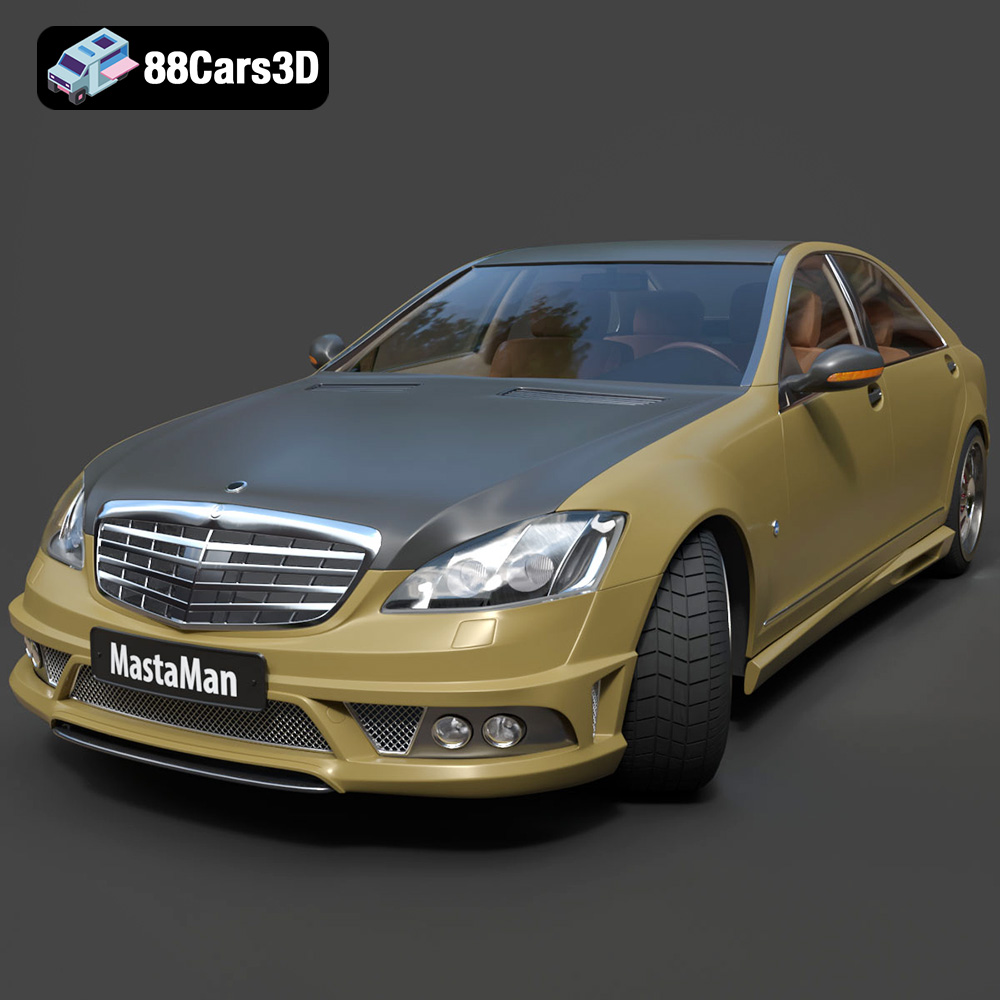
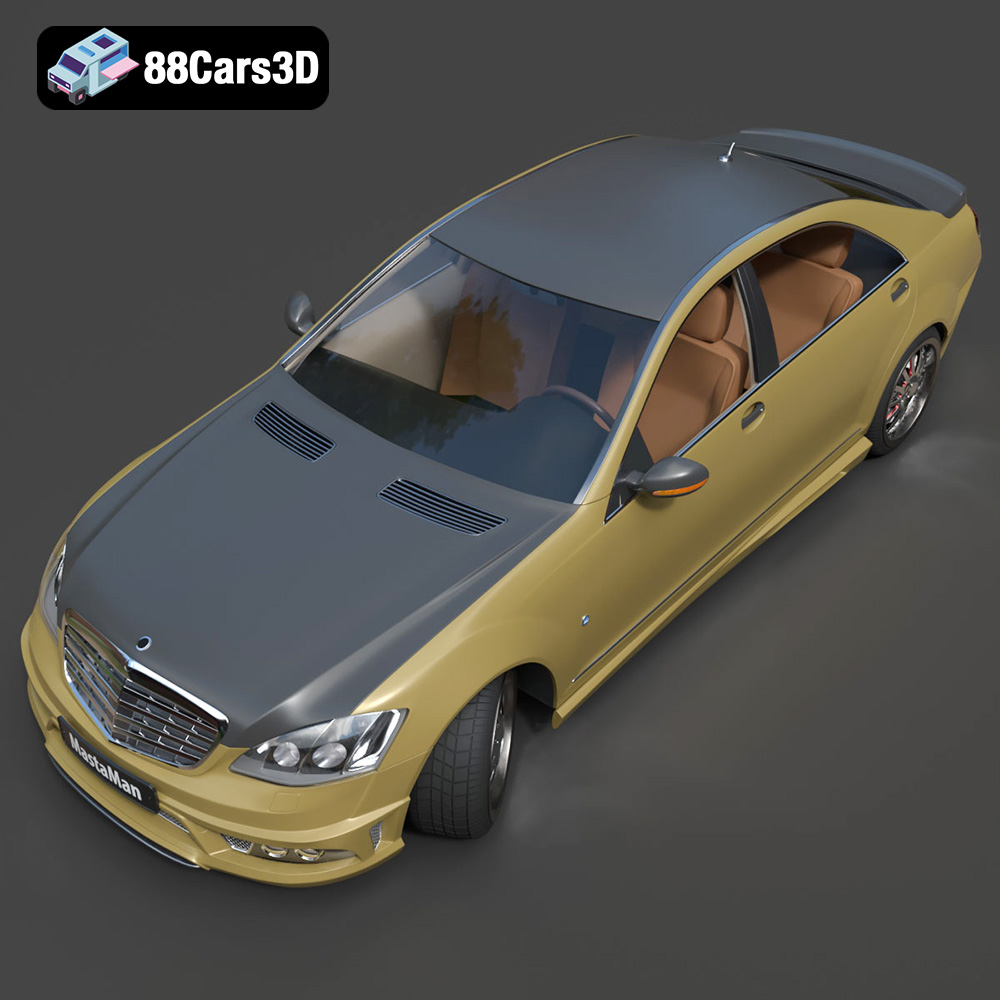
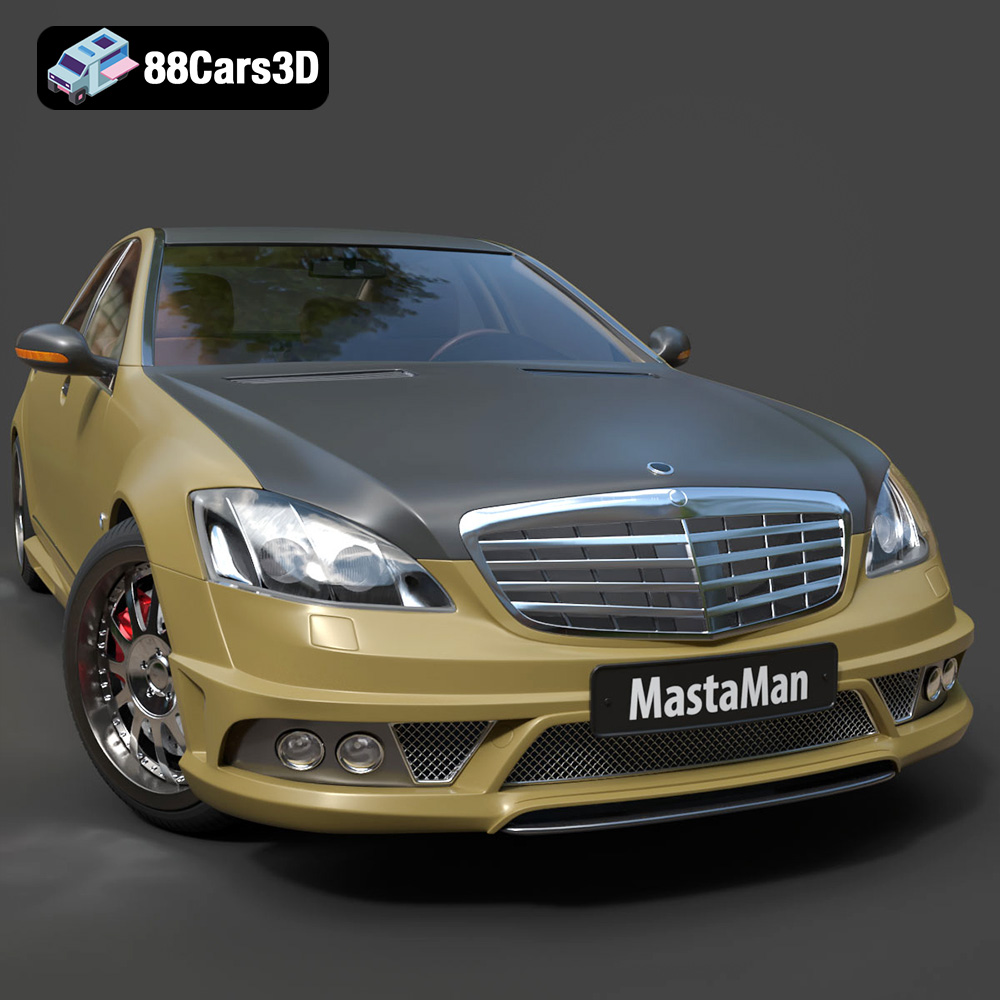
The 2013 Carlsson CK65 RS is a pinnacle of high-performance luxury tuning, taking the iconic grand tourer platform to extraordinary new heights. Known for its aggressive aerodynamic body kit, bespoke lightweight forged alloy wheels, and a roaring quad-exhaust system, this powerhouse perfectly combines opulent comfort with supercar-slaying performance. Its distinct visual elements, including the signature mesh grille and carbon fiber front lip, make it an absolute standout in the world of premium tuned vehicles. This meticulously crafted 3D model boasts a highly detailed topology with a triangle count of 1,596,134, ensuring exceptional visual fidelity and photorealism. Designed for versatility, the geometry is expertly optimized to deliver stunning quality in high-end game development, immersive virtual reality showrooms, and cinematic animation rendering without compromising structural integrity. Perfect for high-speed racing simulations, luxury automotive configurators, cinematic close-up rendering, and high-end architectural visualizations.
$79.99
.2013
.blend
.carlsson
.fbx
.glb
.max
.obj
.ply
.rendering
.sports car
.stl
.unreal
car-3d-model
ck65-rs
game asset
game-ready
luxury car
optimized
tuner-car
VR/AR