Get 20% OFF All Premium 3D & STL Models!

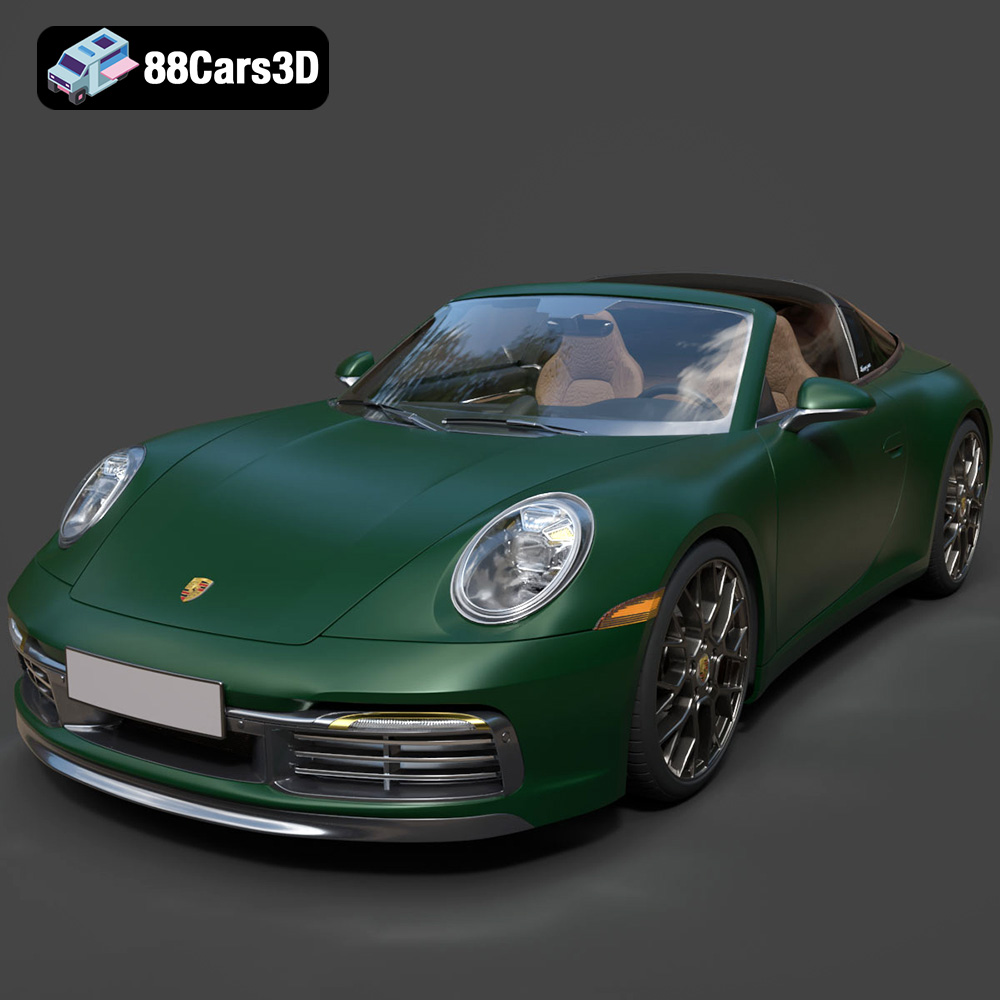
In the vibrant world of 3D modeling, where imagination takes digital form, few subjects command as much fascination as the automobile. From high-octane racing simulations to immersive architectural visualizations and stunning cinematic sequences, a meticulously crafted 3D car model is often the beating heart of a project. It’s more than just a mesh of polygons; it’s an intricate symphony of design, engineering, and digital artistry. Today, we’re diving deep into the realm of premium 3D car models, exemplified by an absolute icon: the Porsche 911 Targa. This legendary vehicle, celebrated for its unique Targa roof, distinctive silhouette, and unparalleled driving experience, translates into an equally impressive digital asset, providing endless possibilities for creators across various industries.
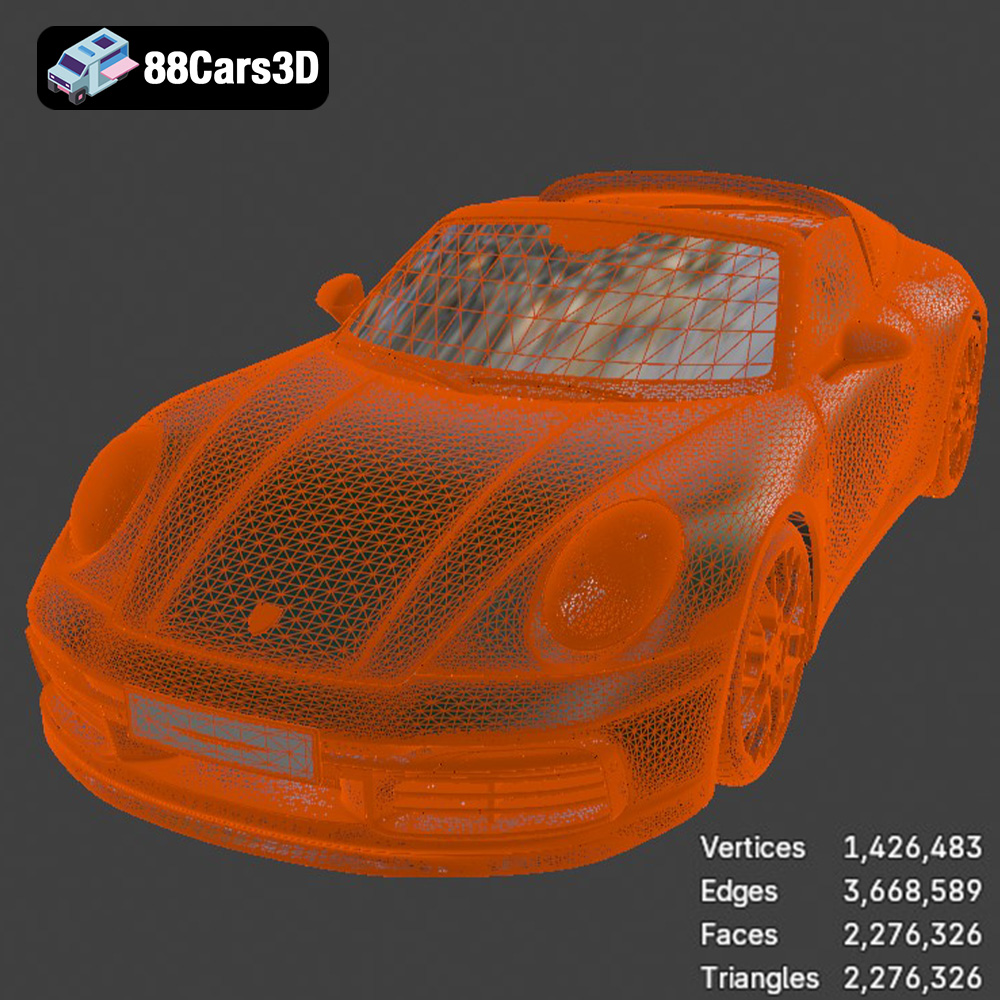
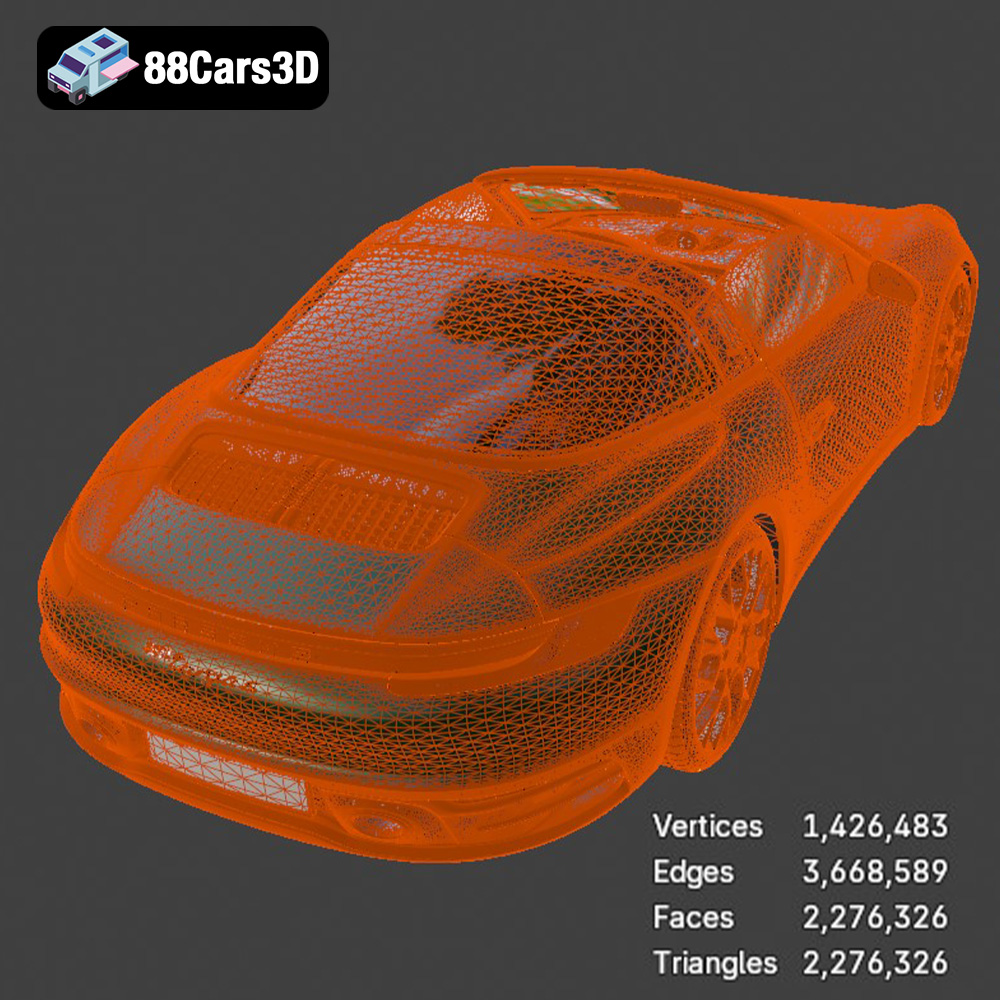
The journey from concept to a fully realized 3D automotive masterpiece involves a complex interplay of technical expertise, artistic vision, and a deep understanding of digital workflows. Whether you’re a game developer striving for hyper-realism, an architect envisioning the perfect luxury lifestyle scene, or a product designer iterating on future concepts, the quality of your 3D assets dictates the success of your final output. Our featured Porsche 911 Targa 3D model stands as a prime example of what’s achievable when precision meets passion, offering an exact triangle count of 2,276,326, ensuring unparalleled visual fidelity suitable for the most demanding applications.
This comprehensive guide will explore the critical aspects of working with high-quality 3D car models, using the Porsche 911 Targa as our central point of reference. We’ll delve into file formats, discuss professional workflows in popular software like 3ds Max, Blender, and Unreal Engine, examine diverse applications from game development to 3D printing, and highlight the technical advantages that set premium models apart. Join us as we unlock the full potential of digital automotive assets and discover how models from platforms like 88cars3d.com can elevate your next project.
The choice of a 3D model file format is crucial, dictating compatibility, feature retention, and optimization for specific applications. Understanding the strengths and weaknesses of each format is paramount for any professional integrating 3D car models into their workflow. The Porsche 911 Targa 3D model, for instance, comes equipped with a comprehensive suite of formats, ensuring maximum flexibility and integration.
The .blend file is Blender’s native format, offering a fully editable scene with all materials, textures, lighting, cameras, and animation data embedded. For users deeply integrated into the Blender ecosystem, this format provides the most flexibility for customization. It allows artists to dive straight into the model’s construction, modify its topology, adjust shaders, or even re-rig elements without any conversion artifacts. Its versatility makes it ideal for artists who want to leverage Blender’s powerful modeling, sculpting, and rendering capabilities, such as Cycles and Eevee, to create bespoke scenes or highly detailed renders of the Porsche 911 Targa.
.fbx (Filmbox) is a proprietary file format developed by Autodesk, widely recognized as the industry standard for 3D data exchange between different software applications. Its strength lies in its ability to store a wide range of data, including geometry, materials, textures, animations, and even skeletal rigs. For game development, particularly with engines like Unreal Engine and Unity, .fbx is often the go-to format due to its robust support for animations and hierarchical structures. When working with the Porsche 911 Targa, the .fbx file ensures that the separate wheels, suspension, and steering components retain their pivot setups and hierarchies, making it ready for immediate animation and integration into real-time pipelines.
.obj (Wavefront OBJ) is one of the oldest and most universally supported 3D file formats. It’s a simple, text-based format primarily used for storing 3D geometry (vertices, normals, texture coordinates, and faces) and material references (MTL files). While it doesn’t support animation or rigging directly, its broad compatibility makes it an excellent choice for cross-software data transfer, especially when geometry is the primary concern. For static renders or when starting a new project in a less common 3D application, the .obj version of the Porsche 911 Targa offers a clean, reliable geometric base.
.glb (GL Transmission Format Binary) is the binary version of glTF, an open-standard, royalty-free specification for the efficient transmission and loading of 3D scenes and models by applications. .glb files embed all assets (geometry, materials, textures, animations) into a single binary file, making them highly efficient for web-based 3D, augmented reality (AR), and virtual reality (VR) experiences. Its “transmission-optimized” nature means faster loading times and reduced file sizes, which is crucial for mobile AR applications or interactive virtual showrooms featuring the Porsche 911 Targa.
.stl (STereoLithography) is the de facto standard format for 3D printing. It represents a 3D model as a series of connected triangles, essentially describing the surface geometry without color or texture information. While simple, its ubiquity in the additive manufacturing world is unmatched. The Porsche 911 Targa 3D model, convertible to .stl, opens up avenues for hobbyists and professionals to create physical prototypes or display models, adhering to specified print settings like recommended scale, layer height, and support requirements.
.ply (Polygon File Format or Stanford Triangle Format) is a file format for storing 3D data from 3D scanners, CAD software, or other sources. It supports properties such as color, transparency, surface normals, texture coordinates, and even confidence values. While less common for general rendering, .ply is valuable for applications requiring precise mesh information, often used in scientific visualization, reverse engineering, or when detailed surface analysis of the Porsche 911 Targa’s complex curves is needed.
The .unreal designation typically refers to assets packaged or optimized specifically for Unreal Engine. While not a standalone file format in the same way as .fbx or .obj, it implies that the model has undergone specific optimizations, material setups, and perhaps even collision meshes and LODs (Levels of Detail) to perform optimally within Unreal Engine. An “.unreal” file for the Porsche 911 Targa would mean a drag-and-drop experience into your Unreal project, complete with properly configured materials and textures, ready for immediate use in game development or high-fidelity real-time architectural visualization.
The .max file is the native project format for Autodesk 3ds Max. Similar to .blend for Blender, a .max file contains the complete scene, including geometry, materials, textures, lighting, cameras, animation, and any modifiers or plug-in specific data. For artists working within the 3ds Max ecosystem, this format offers full editability and control over the model. It’s ideal for professional studios using 3ds Max for complex animation, advanced rendering with V-Ray or Corona, or detailed architectural and product visualization projects featuring the Porsche 911 Targa.
At the heart of any exceptional 3D visualization lies an equally exceptional model. The Porsche 911 Targa 3D model is a testament to meticulous craftsmanship, built to deliver unparalleled visual fidelity and technical robustness across a spectrum of applications. Its design, rooted in the iconic automotive engineering of the real-world Targa, has been translated into digital form with extraordinary attention to detail.
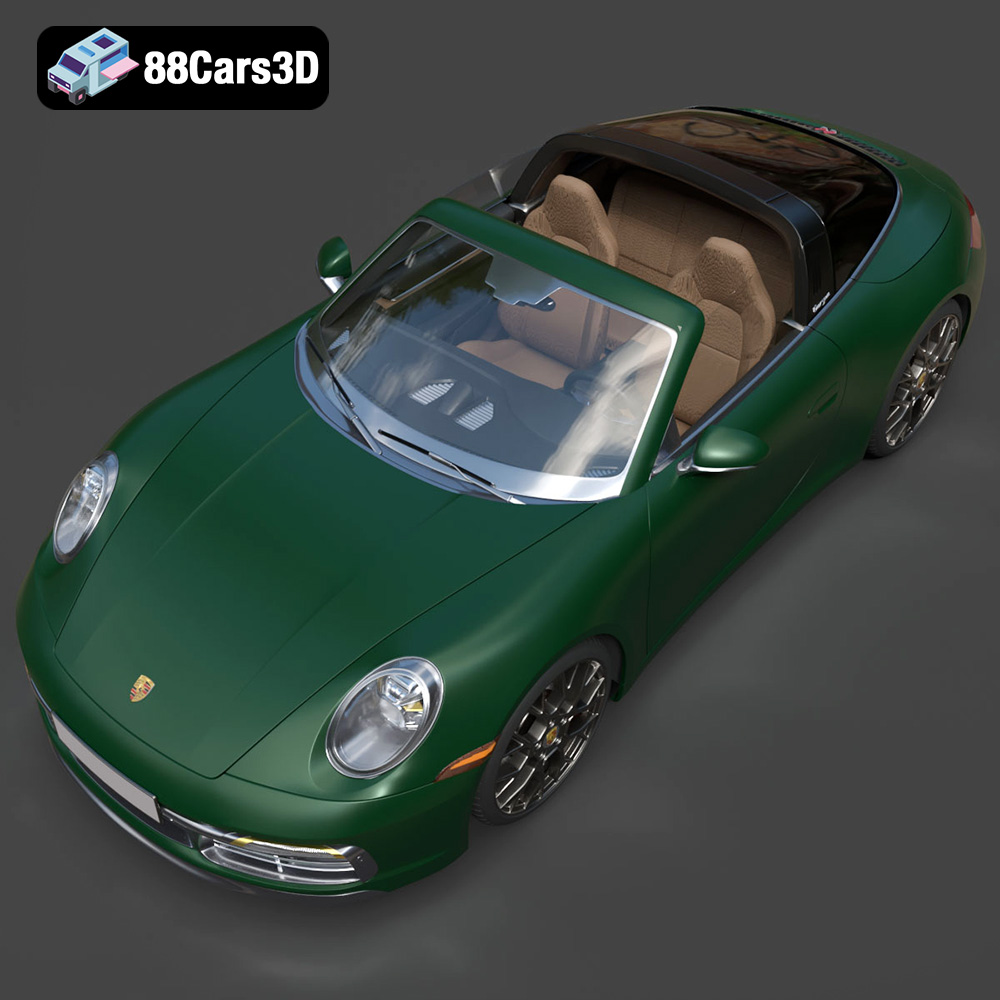
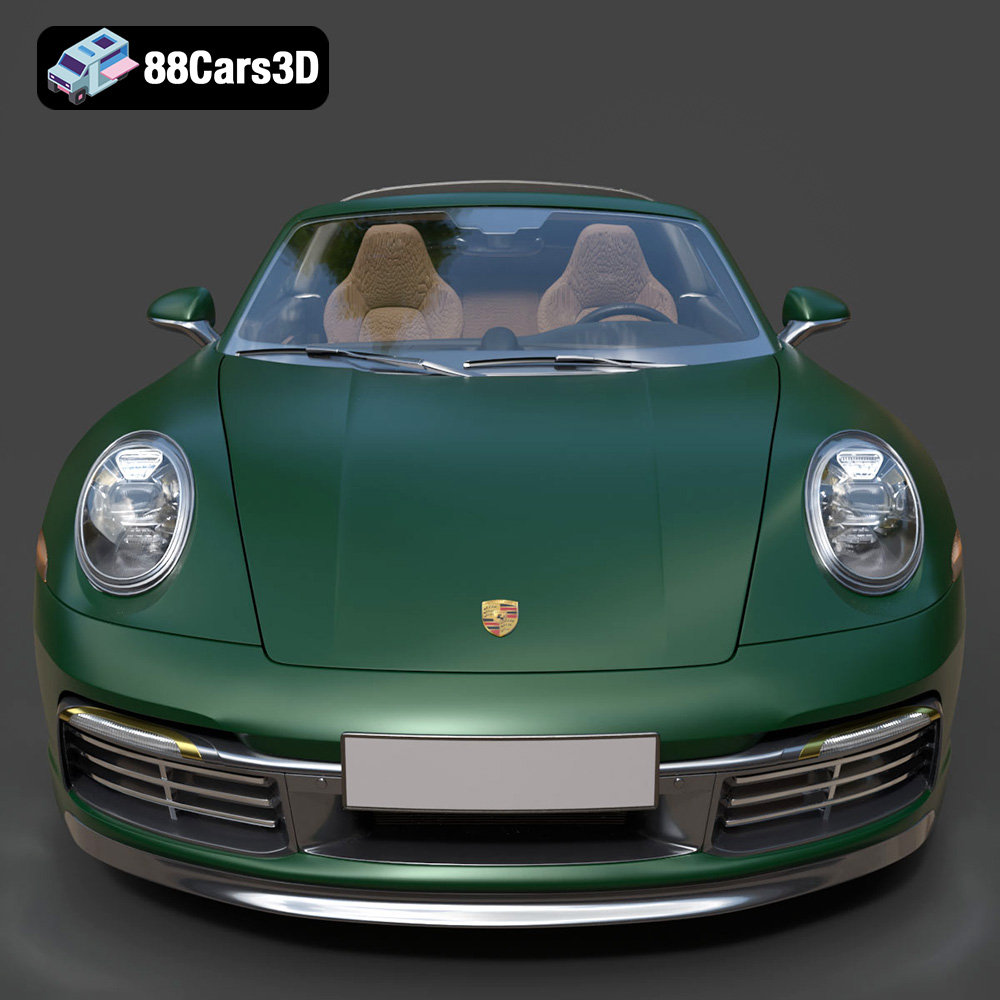
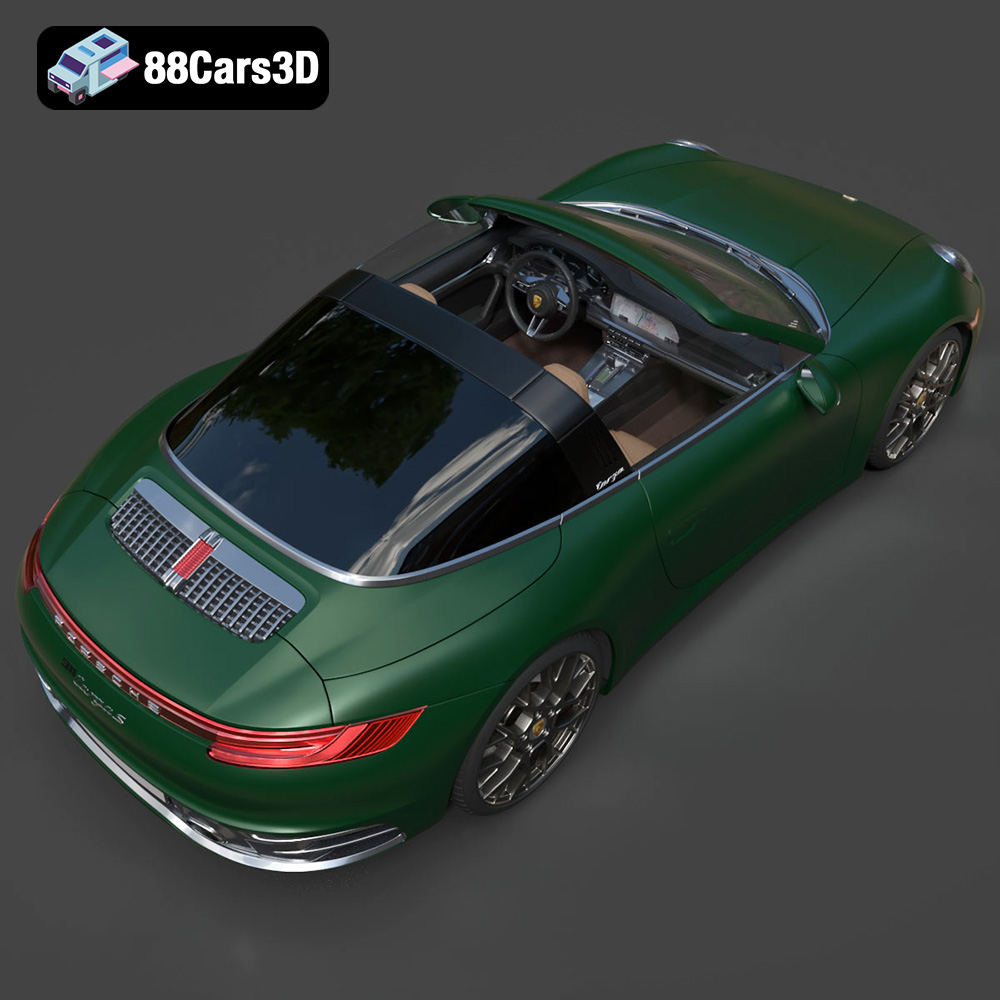
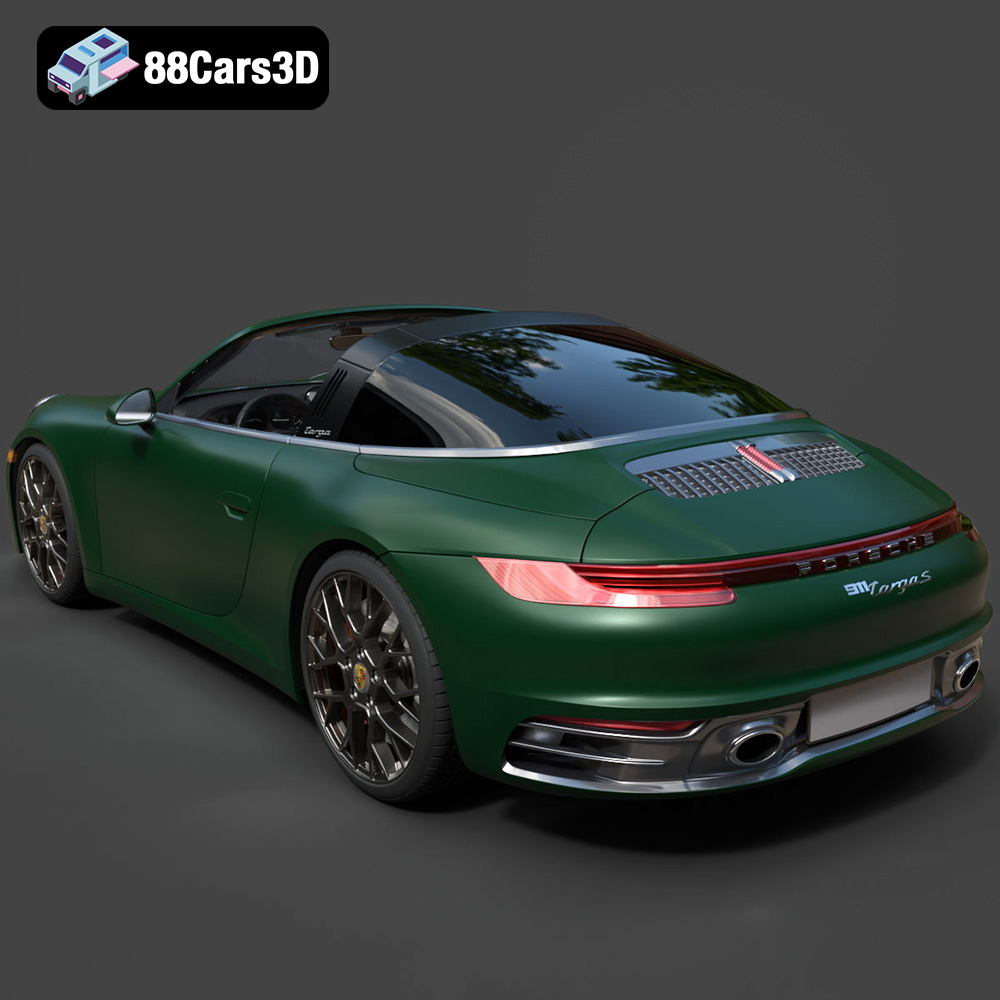
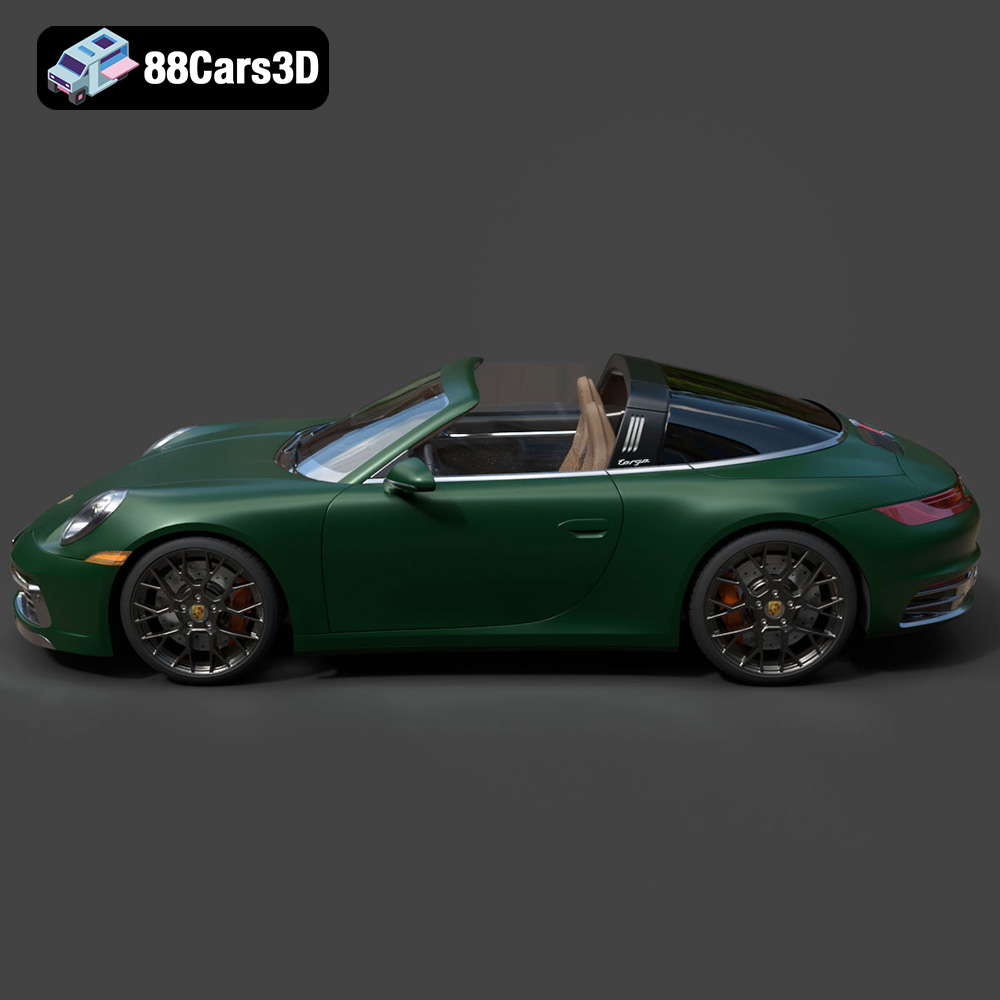
The model captures the essence of the Porsche 911 Targa’s legendary design. From the accurate frame geometry and iconic proportions to the distinctive sweeping rear fenders and signature round headlights, every curve and line has been faithfully reproduced. The unique Targa roof mechanism, a defining feature of this particular 911 variant, is rendered with precision, hinting at the perfect blend of open-top exhilaration and structural integrity. Details like the authentic dual exhaust system, rear diffuser, and continuous rear taillight strip are not merely decorative but are geometrically sound, providing realism from every angle. The premium alloy wheels, wrapped in high-performance low-profile tires, along with detailed brake calipers and suspension geometry, complete the exterior, ready for close-up renders or dynamic camera movements in a racing simulation.
The commitment to detail extends well into the cockpit. The interior features premium leather-trimmed sport seats with intricate stitching, the iconic 911 steering wheel with functional button layouts, and the classic five-dial analog/digital hybrid instrument cluster. The center console, pedals, and shifter are all meticulously modeled, providing a fully immersive experience, especially critical for first-person POV in gaming or detailed virtual showrooms. This level of interior fidelity ensures that whether your camera is outside admiring the car’s lines or inside for a driver’s perspective, the realism holds true.
Beyond aesthetics, the model boasts significant technical advantages. With an exact triangle count of 2,276,326, it strikes an optimal balance between high-end visual realism and game-readiness. This “optimized polycount” is crucial for real-time engines like Unreal and Unity, where performance is paramount without sacrificing visual quality. The model maintains real-world scale accuracy, based on the actual vehicle chassis, ensuring correct proportions when integrated into larger scenes. Furthermore, proper pivot setups for steering, wheel rotation, and suspension travel are included, enabling realistic animation without extensive rigging rework. This makes the Porsche 911 Targa 3D model a powerful asset straight out of the box, saving valuable development time.
Integrating a high-quality 3D car model like the Porsche 911 Targa into various professional pipelines requires a strategic approach. Different industries and software packages demand specific considerations to maximize efficiency and achieve desired outcomes. Whether for cinematic rendering, interactive experiences, or precise manufacturing, understanding these workflows is key.
For high-fidelity automotive rendering, 3ds Max remains a cornerstone in many studios. When working with the Porsche 911 Targa .max file, artists have full control over every aspect of the scene. The workflow typically involves:
This workflow is ideal for brand campaigns, luxury virtual showrooms, and marketing materials where visual perfection is paramount, showcasing the Porsche 911 Targa in its best light.
Game development demands a balance of visual quality and performance. The Porsche 911 Targa’s “game-ready & optimized” nature, with its 2,276,326 triangles, is perfectly suited for modern game engines like Unreal Engine. The .fbx and .unreal files are critical here:
This streamlined process allows game studios to quickly integrate a high-quality asset like the Porsche 911 Targa, drastically reducing development time while delivering an immersive experience.
Blender has become an incredibly powerful tool for 3D artists, from individual freelancers to larger studios. The .blend file of the Porsche 911 Targa offers a fantastic starting point:
The utility of a high-quality 3D car model like the Porsche 911 Targa extends far beyond traditional static renders. Its optimized design and versatile file formats open doors to dynamic, interactive, and even physical applications, catering to a diverse range of industries and creative needs.
Modern game development continually pushes the boundaries of realism. For racing simulators, open-world adventures, or even vehicle customization games, the Porsche 911 Targa 3D model is an invaluable asset. Its “game-ready & optimized” nature, with a robust polycount that balances detail with performance, is ideal. Game developers can leverage its accurate frame geometry, detailed engine block, and authentic interior to create immersive player experiences. The separate, animatable components for wheels, suspension, and steering provide the foundational elements for realistic physics and vehicle dynamics, crucial for competitive racing titles. Integrating such a high-quality asset drastically reduces the time spent on modeling and texturing, allowing teams to focus on gameplay mechanics and overall world-building. Platforms like 88cars3d.com specialize in providing these kinds of premium game assets, saving studios countless hours of development.
Augmented Reality (AR) and Virtual Reality (VR) are transforming how we interact with digital content. The Porsche 911 Targa model is perfectly suited for these immersive environments. Imagine:
The inclusion of the .glb format is particularly beneficial here, as it’s optimized for efficient transmission and loading in AR/VR applications, ensuring smooth, high-performance experiences across devices.
The ability to convert the Porsche 911 Targa 3D model to .stl format opens up a fascinating avenue for physical creation. 3D printing allows enthusiasts, designers, and hobbyists to bring this digital masterpiece into the real world as a tangible display model. The provided 3D print settings are critical for success:
Achieving a perfect balance between stunning visual realism and optimal performance is a constant challenge in 3D production. A high-quality 3D car model, such as the Porsche 911 Targa available on 88cars3d.com, is designed with this equilibrium in mind, offering significant advantages to artists and developers.
The stated triangle count of 2,276,326 for the Porsche 911 Targa is a prime example of intelligent optimization. While it’s a high polycount, indicating a tremendous amount of detail suitable for close-up renders and cinematic sequences, it’s also carefully managed to remain “game-ready.” This means the topology – the arrangement of polygons – is clean, efficient, and well-distributed, avoiding unnecessary density in flat areas while ensuring ample detail where needed, such as around curves, vents, and panel gaps. Clean topology also simplifies UV mapping, texturing, and potential future modifications, making the model easier to work with across various software packages.
Modern rendering, both real-time and offline, relies heavily on Physically Based Rendering (PBR) workflows. The Porsche 911 Targa model includes optimized geometry ready for PBR material application. This means artists can easily create realistic paint finishes (metallic, gloss, matte), glass with accurate refraction, tire rubber with subtle surface variations, and detailed interior leathers. High-resolution texture maps (color, normal, roughness, metallic, ambient occlusion) ensure that even the smallest details, like the stitching on the sport seats or the texture of the dashboard, hold up under extreme scrutiny, enhancing the overall realism and immersion.
For any dynamic application, a 3D car model needs to be animation-ready. The Porsche 911 Targa model addresses this with:
These features significantly streamline the animation pipeline, allowing for more believable motion and interaction within games, simulations, or animated sequences.
Acquiring a high-quality 3D car model like the Porsche 911 Targa is an investment in your creative pipeline. To fully leverage this investment, it’s crucial to consider its customization potential and how it stands up to future demands.
The versatility of the Porsche 911 Targa 3D model is highlighted by its extensive customization options. These features empower artists and designers to adapt the model to specific project needs, brand guidelines, or unique creative visions:
These options ensure that the base model serves as a flexible foundation, minimizing the need for extensive re-modeling and maximizing creative freedom.
The 3D industry is constantly evolving, with new rendering techniques, game engine updates, and emerging technologies like volumetric capture and real-time ray tracing. A well-constructed 3D asset like the Porsche 911 Targa is designed to be future-proof:
Investing in a high-quality, versatile 3D car model like this one from 88cars3d.com means you’re not just buying an asset for today, but a foundational element that can grow and adapt with your projects for years to come.
The journey through the intricate world of 3D car models reveals a blend of artistic vision and technical prowess that is essential for modern digital content creation. The Porsche 911 Targa 3D model stands as a prime example of what a premium asset can offer – from its scrupulous exterior and interior detailing to its game-ready optimization and comprehensive file format support. We’ve explored how such a model seamlessly integrates into professional workflows, whether for breathtaking automotive rendering in 3ds Max, dynamic game development in Unreal Engine, or innovative AR/VR experiences, not to mention its tangible application in 3D printing.
Understanding the nuances of file formats like .blend, .fbx, .obj, and .glb, along with the strategic considerations for polycount, topology, and animation readiness, empowers creators to make informed decisions that elevate their projects. The ability to customize colors, textures, and finishes further ensures that a single high-quality asset can be adapted to countless creative scenarios, proving to be a wise and future-proof investment.
For those seeking to infuse their projects with unparalleled realism and efficiency, the value of a meticulously crafted 3D car model cannot be overstated. By choosing assets designed for professional use, like the Porsche 911 Targa 3D model, you gain not just a visual component, but a powerful tool that streamlines your workflow and unlocks new creative possibilities. Explore the extensive collection of high-quality 3D car models at 88cars3d.com and take your next project to the finish line with confidence and style.
The Porsche 911 Targa is an iconic masterpiece of automotive engineering, celebrated for its legendary rear-engine layout, unmistakable silhouette, and the classic Targa roof mechanism. Perfectly blending the thrill of open-top driving with the structural rigidity of a coupe, this model features signature round headlights, sweeping rear fenders, and a meticulously crafted dual exhaust system. With an exact triangle count of 2,276,326, this highly detailed 3D model delivers unparalleled visual fidelity and exceptional topology. Optimized for both high-end rendering and detailed visualizations, it maintains the precise geometry needed for cinematic sequences, immersive VR/AR experiences, and next-gen game development. Perfect for high-fidelity racing simulators, luxury virtual showrooms, architectural visualizations, and cinematic automotive animations.
$87.50
.blend
.fbx
.glb
.max
.obj
.ply
.porsche
.rendering
.sports car
.stl
.unreal
911-targa
car-3d-model
classic-car
game asset
game-ready
low-poly
optimized
VR/AR