Get 20% OFF All Premium 3D & STL Models!

In the rapidly evolving landscape of 3D visualization, game development, architectural rendering, and immersive AR/VR experiences, the quality of your assets dictates the fidelity of your final output. Automotive models, in particular, serve as critical elements in populating digital worlds, conveying brand messages, and creating engaging simulations. From the bustling streets of an open-world game to the meticulous precision of an engineering visualization, a truly exceptional 3D vehicle asset must balance intricate detail with optimized performance.
Achieving this balance is a significant challenge for 3D artists and studios. Crafting a vehicle from scratch, ensuring accurate proportions, intricate mechanical details, and clean topology, is an incredibly time-consuming and resource-intensive endeavor. This is where a curated marketplace for professional-grade assets becomes invaluable. Consider, for instance, a workhorse like the Ford Transit Camion 2008. Its utilitarian design and widespread presence make it an essential component for any realistic urban or industrial scene. A high-fidelity model of such a vehicle, readily available, can instantly elevate a project, saving countless hours in the modeling pipeline. This is precisely the value proposition offered by platforms like 88cars3d.com, which provide meticulously crafted 3D car models designed to meet the rigorous demands of professional production.
The journey of a 3D model from concept to a final rendered image or real-time environment involves a critical understanding of various file formats. Each format serves a specific purpose, excelling in different stages of the production pipeline or in particular application scenarios. Choosing the correct format is paramount for maintaining data integrity, optimizing performance, and ensuring seamless compatibility across diverse software ecosystems. Here’s a breakdown of the key formats you’ll encounter with professional 3D models, such as the Ford Transit Camion 2008 available on 88cars3d.com:
The .blend file format is native to Blender, the powerful open-source 3D creation suite. When you receive a .blend file, you’re getting a fully editable Blender scene, complete with all its intricacies: mesh data, materials, textures, lighting, cameras, animation data, modifiers, and even scene settings. This format is ideal for Blender users who need complete control over the model. It allows for advanced customization, re-rigging, modifying topology, or integrating the asset into an existing Blender project without loss of information. It’s the ultimate format for artists who want to delve deep into the model’s construction and leverage Blender’s extensive toolset.
FBX (Filmbox) is arguably the most widely adopted proprietary 3D file format for exchanging 3D content between different software applications. Developed by Autodesk, .fbx excels at preserving a wide range of data, including mesh geometry, materials, textures, animations, skinning, and rigging information. It is the go-to format for transferring animated characters and complex scenes, making it ideal for game engines like Unreal Engine and Unity, as well as digital content creation (DCC) tools such as 3ds Max, Maya, and Cinema 4D. Its robust support for skeletal animation and deformation makes it a cornerstone of real-time pipelines.
OBJ (or .obj) is a simple, universally recognized geometry definition file format developed by Wavefront Technologies. It primarily stores vertex positions, UV coordinates, normals, and polygon faces. While it doesn’t typically embed animation or advanced material definitions directly, it’s incredibly robust for transferring static mesh data between virtually any 3D software. Its text-based nature makes it easy to parse and understand, serving as an excellent fallback for cross-software compatibility when other formats might fail. For simple model transfers or when focusing purely on geometric data, .obj remains a reliable choice.
GLB (GL Transmission Format Binary) is the binary version of glTF (GL Transmission Format), a royalty-free specification for the efficient transmission and loading of 3D scenes and models by applications. .glb files contain 3D model data—geometry, appearances, scene graph, and animations—in a single file, making them exceptionally compact and easy to share. This format is highly optimized for AR, VR, and browser-based displays, offering a lightweight yet powerful solution for interactive 3D content on the web. It’s increasingly popular for e-commerce, virtual showrooms, and augmented reality apps due to its efficiency and widespread support.
STL (STereoLithography) is the de facto standard file format for 3D printing and CAD software. It describes only the surface geometry of a 3D object, often using a series of connected triangles (facets) without any color, texture, or other CAD attributes. While it’s not suitable for rendering or animation, its simplicity makes it perfect for additive manufacturing processes. When preparing a model like the Ford Transit Camion 2008 for physical fabrication, an .stl file is essential to convey the exact shape to the 3D printer.
PLY (Polygon File Format) is another format primarily used for storing 3D data from 3D scanners. It’s capable of storing information beyond simple geometry, such as color, transparency, normals, texture coordinates, and properties like confidence values for each vertex or face. While not as common for general asset exchange as FBX or OBJ, .ply is valuable for applications requiring high precision mesh data, often in CAD, scientific visualization, or analysis, especially when working with point cloud data derived from real-world scans.
While not a universal file format in the same way as FBX or OBJ, an “.unreal” file or asset typically refers to a model specifically pre-configured and optimized for direct import and use within Unreal Engine. This often means the asset has been properly scaled, has its materials and textures set up to work efficiently with Unreal’s Physically Based Rendering (PBR) system, and may include collision meshes or level-of-detail (LOD) setups. Receiving an asset in this “engine-ready” state significantly streamlines workflow for game developers, reducing the time spent on integration and optimization.
The .max file format is native to Autodesk 3ds Max, one of the leading 3D modeling, animation, and rendering software packages. Similar to .blend, a .max file contains the entire scene data, including geometry, modifiers, materials, textures, lighting, cameras, animation, and rendering settings. It offers the most comprehensive editing capabilities for 3ds Max users, allowing them to leverage all of the software’s powerful features. For studios primarily using 3ds Max for architectural visualization, product design, or cinematic animation, the .max format provides unparalleled flexibility.
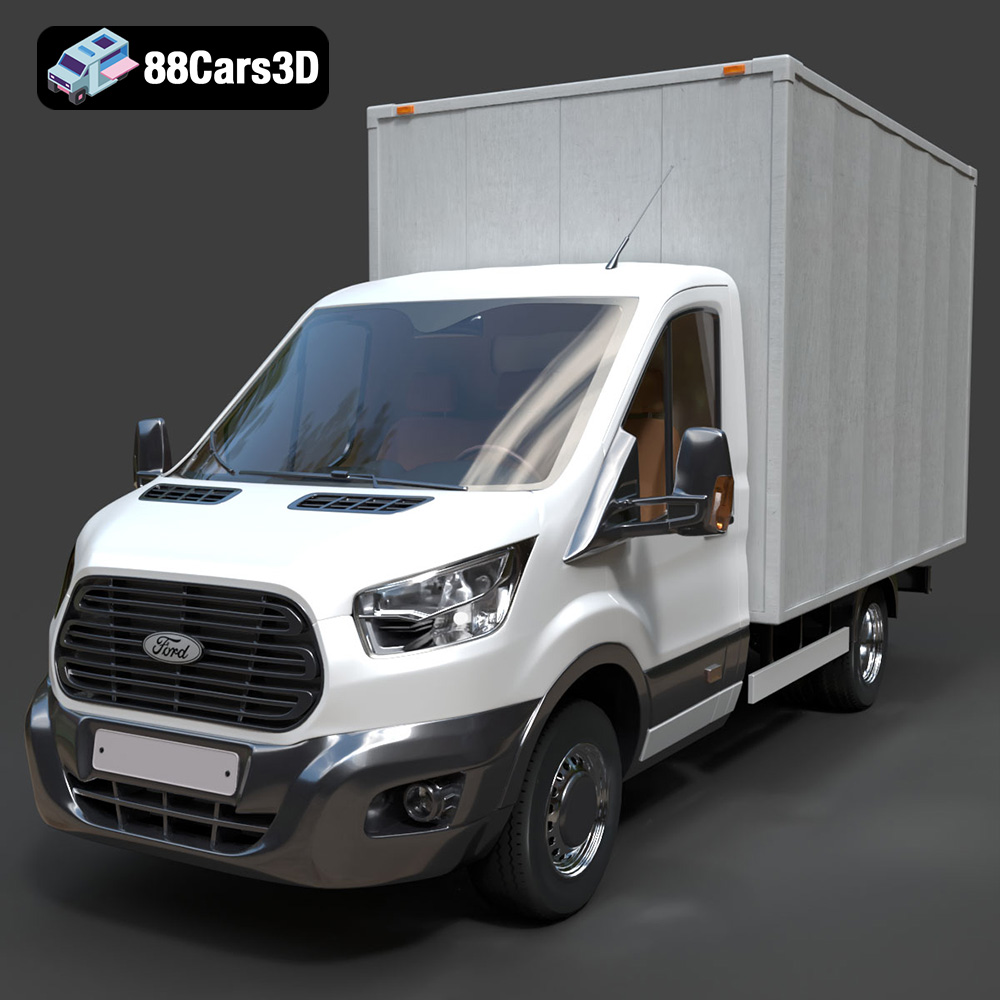
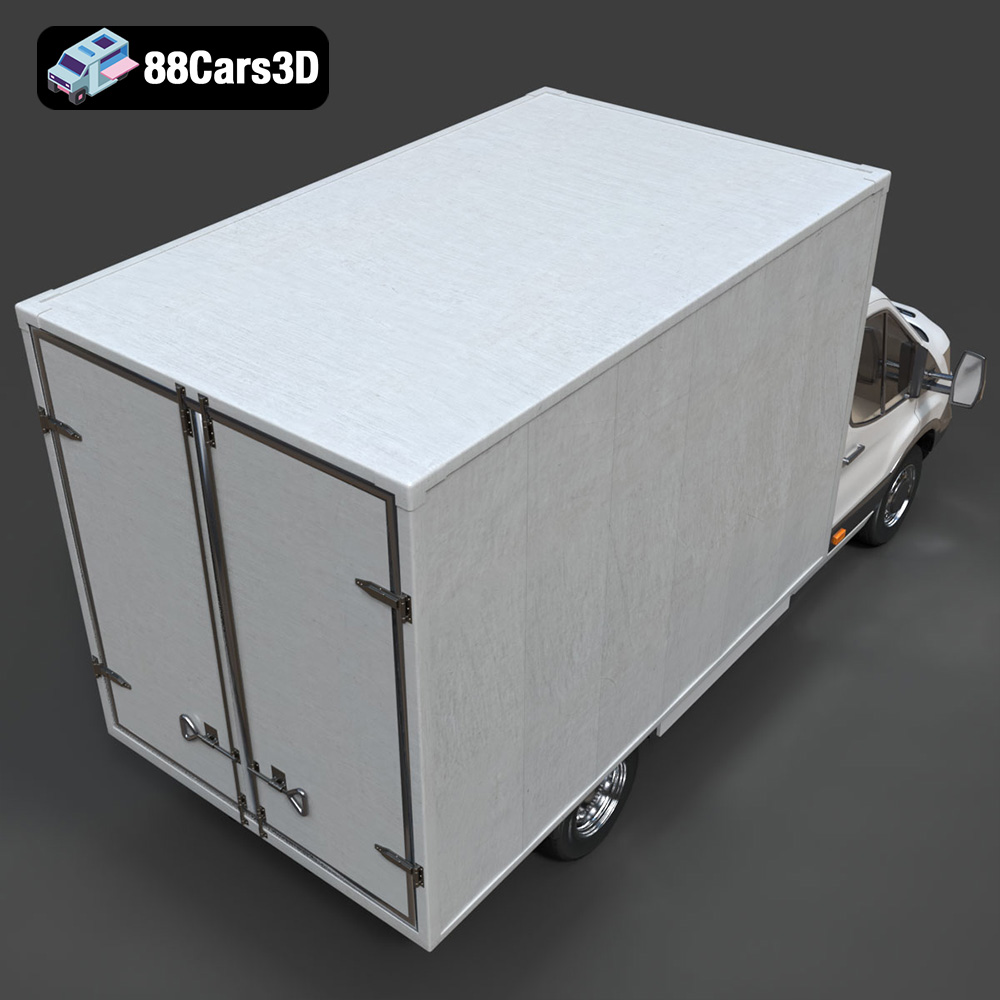
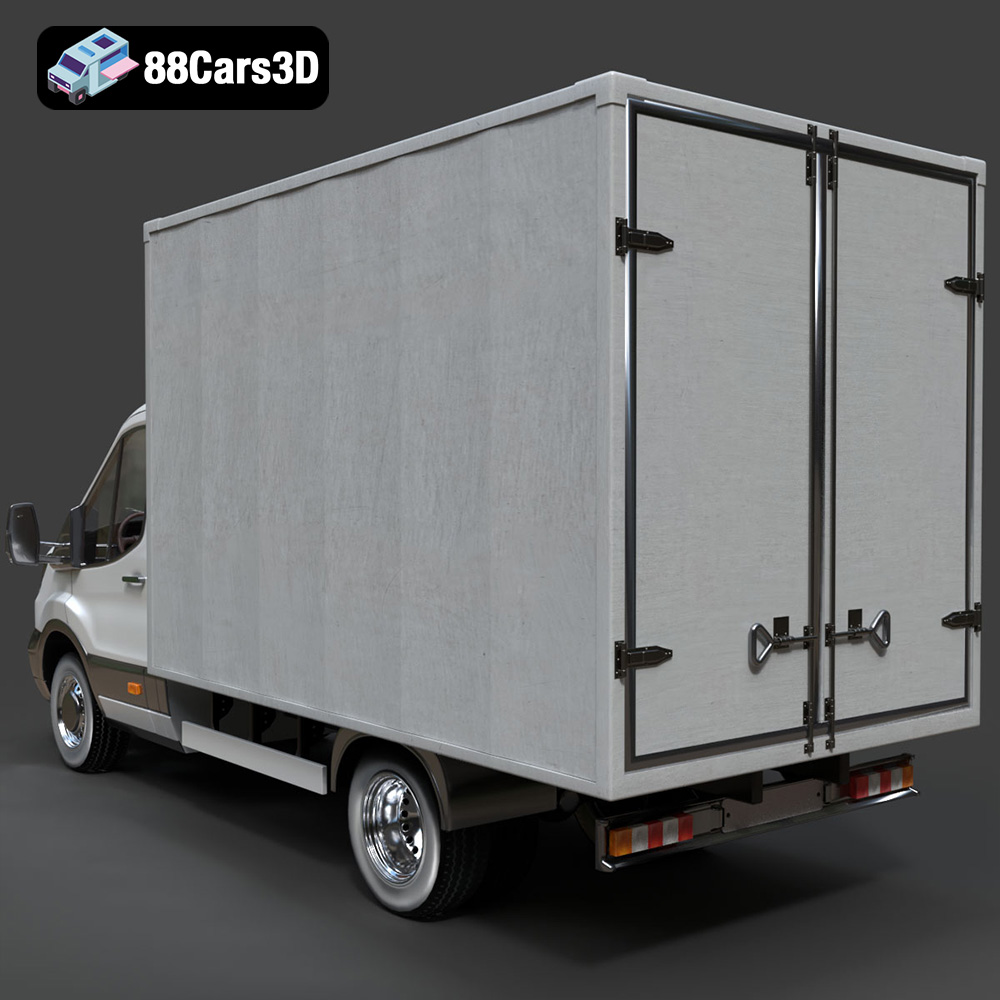
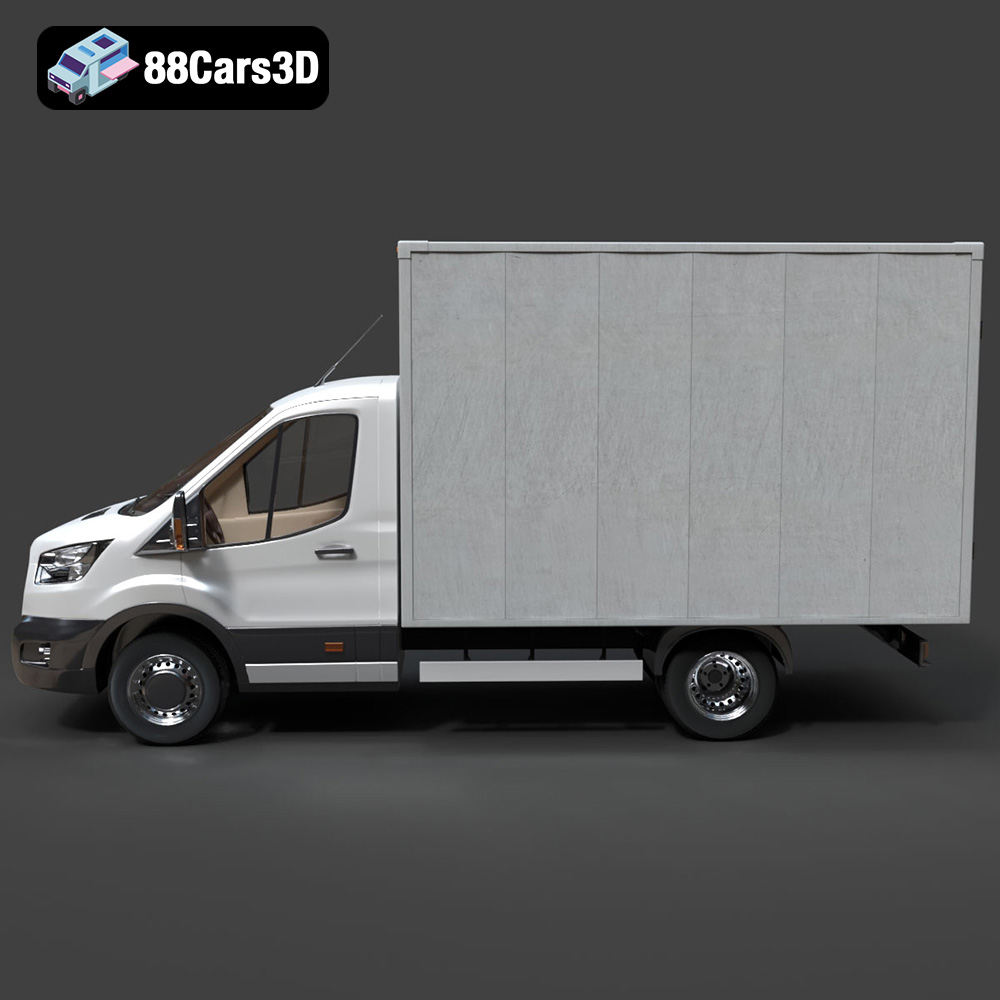
The Ford Transit Camion 2008 3D model stands as a testament to meticulous craftsmanship in digital automotive design. It captures the essence of this iconic commercial workhorse, providing a robust and visually stunning asset for a myriad of professional applications. This isn’t just a generic truck model; it’s a specific, highly detailed representation, ensuring authenticity in any scene it populates.
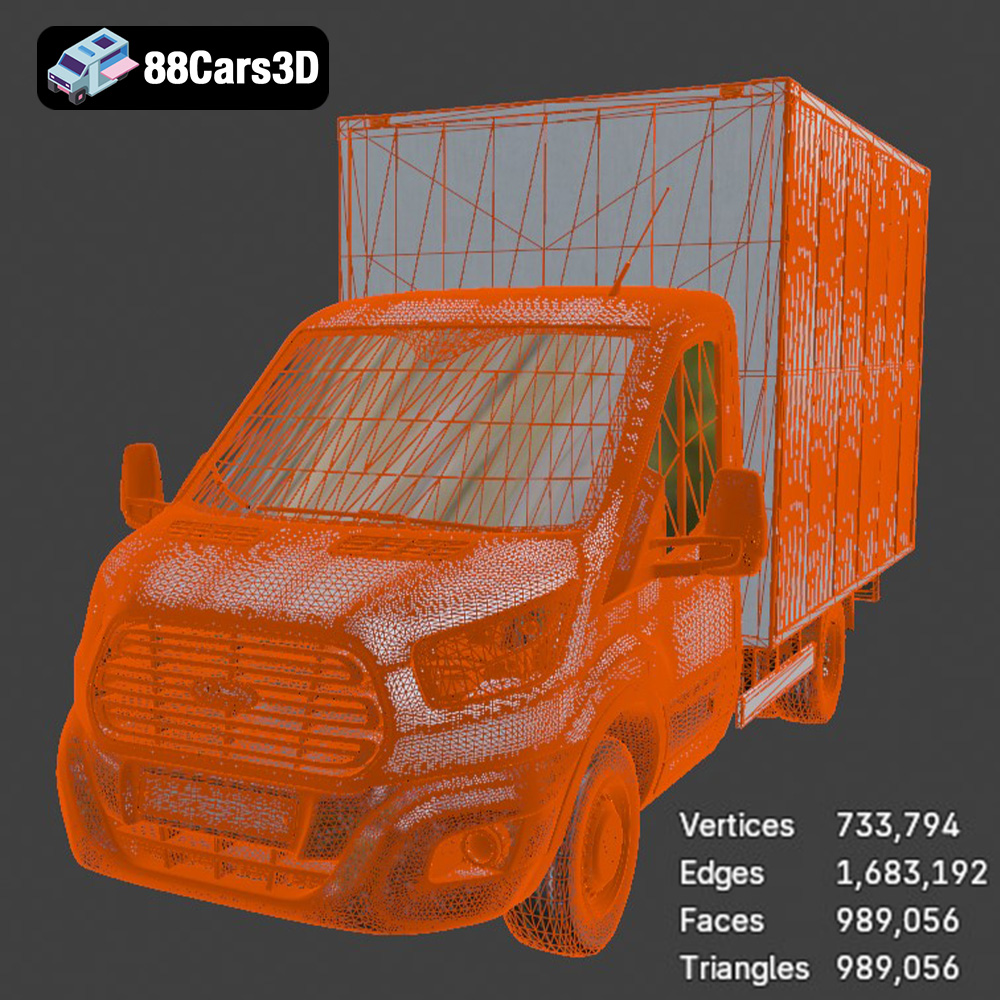
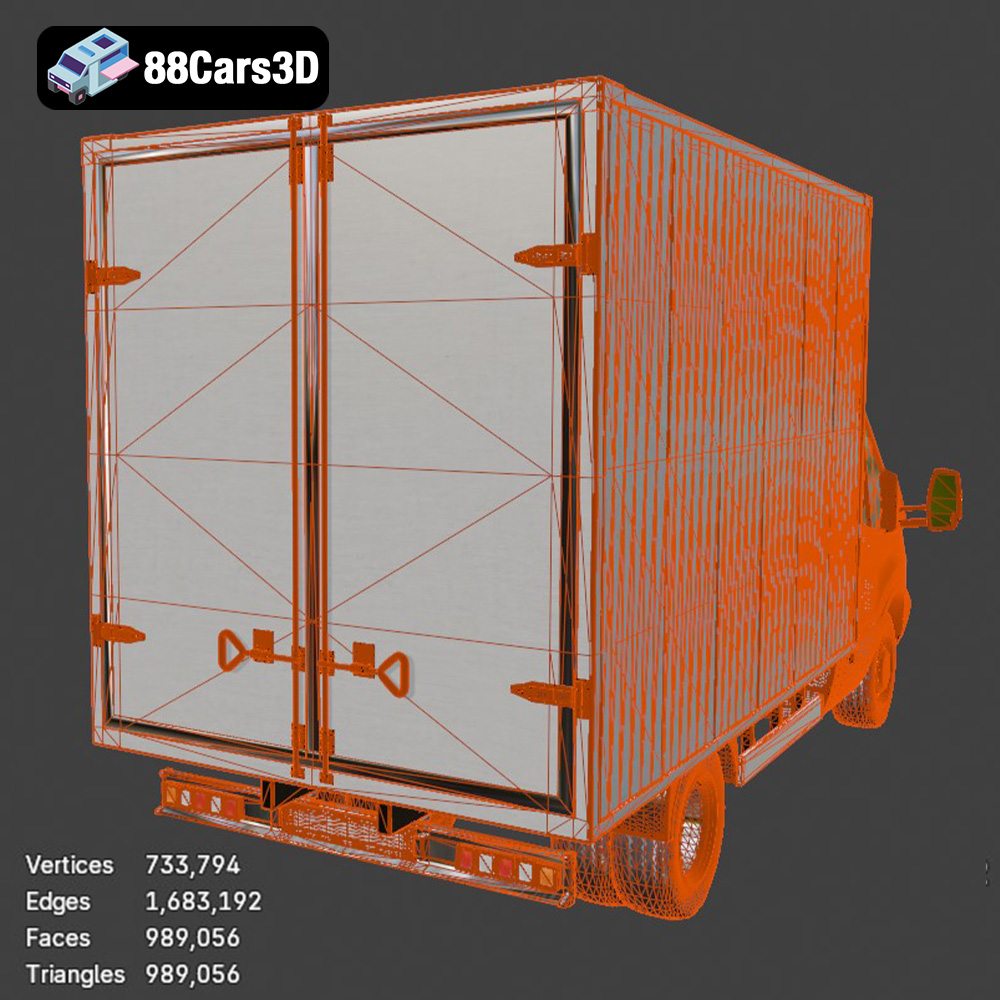
Every curve, panel, and component of the Ford Transit Camion 2008 has been painstakingly recreated to ensure real-world accuracy. The model boasts an impressive 989,056 triangles, a polycount that strikes an excellent balance between visual richness and performance efficiency. This high fidelity is evident in the precise frame geometry and proportions, mirroring the actual vehicle. Diving deeper, the model features a detailed engine block and under-hood components, offering an unexpected level of realism for those moments when the camera demands it. The commercial exhaust system and undercarriage details are not glossed over, contributing to the overall believability, particularly in ground-level shots or interactive environments where users might inspect the vehicle closely.
Attention to detail extends to the lighting elements, with accurately modeled headlights, taillights, and roof-mounted indicators that catch and reflect light realistically. The heavy-duty wheels, tires, and hubcaps are rendered with high resolution, showcasing realistic tread patterns and material properties. Furthermore, the intricate leaf spring suspension details, crucial for a commercial vehicle designed for heavy loads, are present and correct. For animation purposes, critical components like the wheels, suspension, and steering are separated and properly pivoted, enabling dynamic and realistic motion sequences.
While often overlooked in external shots, a detailed interior is vital for truly immersive experiences, especially in game development or virtual reality. The Ford Transit Camion 2008 doesn’t disappoint, offering a fully realized cockpit. Authentic commercial driver and passenger seating, complete with realistic upholstery and contours, invites the viewer inside. The steering wheel and column setup are accurately modeled, as is the utility-focused instrument cluster that mirrors the 2008 model’s design. Essential controls like the gear shifter, heavy-duty pedals, and door panels are all present and optimized. This level of internal detail is particularly beneficial for first-person POV in gaming or for VR training simulations, where users expect to interact with or observe the interior in high fidelity.
Professional 3D assets must not only look good but also perform efficiently across various platforms and engines. The Ford Transit Camion 2008 model is a prime example of an asset engineered with this dual requirement in mind, making it a valuable addition to any digital arsenal from 88cars3d.com.
The impressive 989,056 triangles are not just a number; they represent a carefully considered balance. This polycount is optimized to deliver high-end visual realism without crippling real-time engine performance. For game developers, this means the Ford Transit Camion 2008 is truly “game-ready,” capable of seamless integration into popular engines like Unreal Engine and Unity. The structured topology ensures clean deformation during animation and efficient rendering. This optimization minimizes performance bottlenecks, allowing for the population of dense urban environments or large-scale simulations with multiple instances of the vehicle, all while maintaining smooth framerates and stunning visual quality.
A critical, yet often underestimated, aspect of professional 3D models is real-world scale accuracy. The Ford Transit Camion 2008 model adheres strictly to the actual vehicle chassis dimensions, ensuring it looks correct when placed alongside other assets or within architectural scenes. This precision eliminates the need for manual scaling and guesswork, saving artists valuable time. Beyond static representation, the model is designed for dynamic interaction. It features a proper pivot setup for steering, allowing for realistic wheel articulation and turning animations. The wheels themselves are separately modeled, enabling individual rotation. Furthermore, the suspension components are designed for accurate travel, providing the capability for realistic bounce and compression effects over uneven terrain. This level of animatable detail is crucial for driving simulations, cutscenes, and interactive experiences.
The versatility of a high-quality 3D asset like the Ford Transit Camion 2008 makes it indispensable across a wide spectrum of creative and technical industries. Its robust design and optimized structure open doors to numerous applications.
In the realm of game development, authenticity can make or break immersion. The Ford Transit Camion 2008 is an ideal asset for open-world games where players traverse bustling cities, for racing titles featuring commercial vehicle challenges, or for highly detailed simulators that mimic logistics operations. Its optimized polycount ensures it fits comfortably within engine budgets, while its high level of detail makes it suitable for close-up interactions and hero vehicle roles. Imagine a delivery simulation where players must navigate urban streets, or a disaster relief scenario where these robust vehicles are central to the narrative. The model provides the visual fidelity necessary to make these experiences truly compelling and believable.
For architectural visualization, populating a scene with realistic vehicles is essential for conveying scale, context, and a sense of life. The Ford Transit Camion 2008, with its iconic styling, can effortlessly transform a static building render into a vibrant street scene or an active industrial complex. Its detailed exterior and interior make it perfect for brand campaigns and lifestyle scenes, adding a touch of realism to promotional materials. In cinematic animation, whether for short films, commercials, or game intros, this model can serve as a background vehicle or even a key character, responding beautifully to studio lighting setups and complex camera movements. The ability to customize colors and add commercial liveries further enhances its utility for these visual storytelling applications.
The burgeoning fields of Augmented Reality (AR) and Virtual Reality (VR) demand highly optimized yet detailed assets. The Ford Transit Camion 2008, particularly in its .glb format, is perfect for immersive virtual showrooms, where potential buyers can explore the vehicle in a 3D space, or for configurators that allow for real-time customization. Mobile AR experiences benefit from its optimized geometry, ensuring smooth performance on handheld devices. Beyond the digital realm, this model offers exciting possibilities for physical creation. Convertible to .stl format, it becomes suitable for 3D printing. Hobbyists and professionals can create display-scale models, with recommended settings for layer height (0.04–0.12 mm for resin), wall thickness, infill, and support structures to ensure a successful print that captures its fine details, from the exhaust system to intricate suspension components.
A truly valuable 3D asset goes beyond its initial state; it offers flexibility for customization and seamlessly integrates into existing professional workflows. The Ford Transit Camion 2008 from 88cars3d.com exemplifies this adaptability, empowering artists to tailor it to specific project needs.
The ability to customize is a cornerstone of creative freedom. This model provides extensive customization options, allowing artists to change cabin colors to match brand guidelines or specific artistic visions. Commercial fleet liveries can be applied with ease, transforming a generic vehicle into a branded asset for a specific company or organization within a simulation. Modifying tire textures, perhaps switching between standard street variants and more rugged off-road styles, can alter the vehicle’s character and suitability for different environments. Material finishes can be adjusted from matte to gloss or metallic, influencing how the vehicle interacts with light and its overall aesthetic. Furthermore, adapting lighting for various environments—be it a sun-drenched urban street, a moody industrial warehouse, or a stylized cinematic scene—allows for complete artistic control over the vehicle’s presentation. These options ensure that the Ford Transit Camion 2008 can be re-purposed and integrated into diverse projects without requiring extensive re-modeling.
One of the primary advantages of purchasing high-quality, pre-made 3D models from reputable sources like 88cars3d.com is the efficiency they bring to the production pipeline. The Ford Transit Camion 2008 is supplied in a variety of industry-standard formats, including .blend for Blender users, .fbx for universal compatibility with engines like Unreal and Unity, .obj for broad software support, and .max for 3ds Max artists. This comprehensive format support means that regardless of your preferred DCC software or real-time engine, the model can be imported with minimal fuss. Artists can immediately begin texturing, lighting, animating, or integrating it into their scenes, bypassing the time-consuming initial modeling phase. This saves valuable production time and resources, allowing teams to focus on iteration, refinement, and other creative aspects of their projects. The pre-optimized geometry, proper pivot setups, and real-world scale further streamline the integration process, ensuring the model is ready to perform out-of-the-box in demanding professional environments.
The demand for high-quality, technically sound 3D automotive models continues to grow across industries. From realistic game environments and cutting-edge AR/VR experiences to precise architectural visualizations and intricate 3D prints, the foundation of any successful project lies in the assets chosen. The Ford Transit Camion 2008 3D model stands out as an exceptional example of an asset that marries high visual fidelity with practical technical optimization. Its detailed exterior and interior, game-ready topology, and extensive format support make it a versatile tool for any professional. By leveraging such meticulously crafted models, artists and studios can significantly enhance their workflow efficiency, elevate the realism of their projects, and bring their creative visions to life with unparalleled quality. For those seeking to populate their digital worlds with authentic and performant vehicles, exploring the professional-grade offerings at 88cars3d.com is a definitive step toward achieving outstanding results.
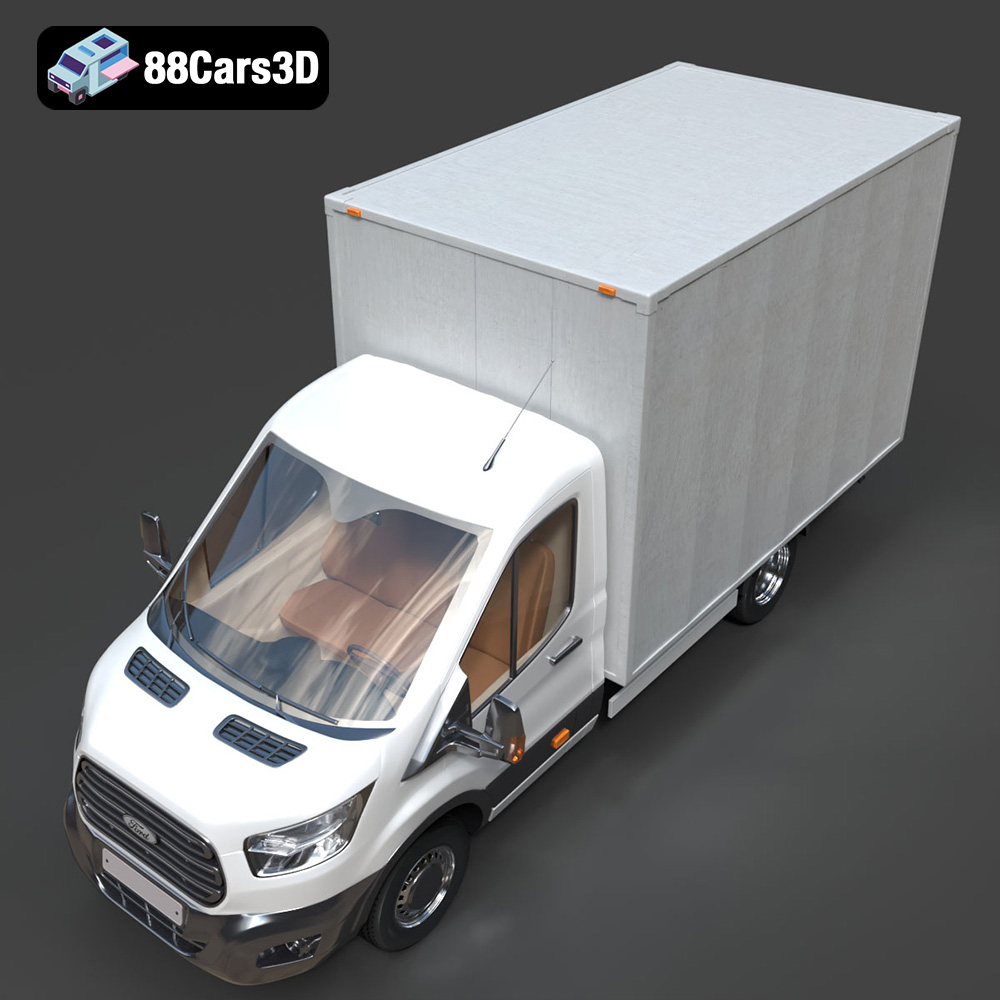
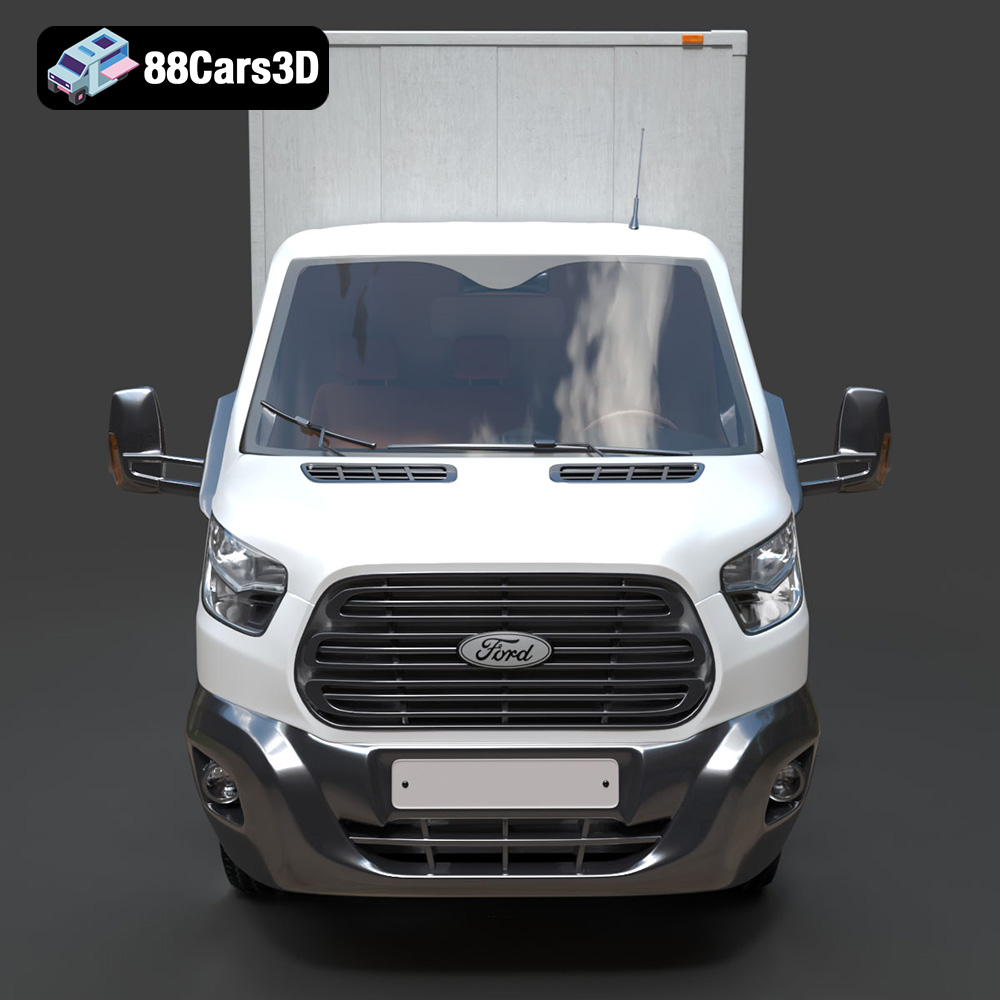
The Ford Transit Camion represents a pinnacle of commercial vehicle reliability, offering robust utility and iconic styling tailored for heavy-duty logistics and transport. This 2008 model features the classic commercial truck bed configuration, detailed chassis framework, and the unmistakable front fascia of the Transit series, making it an essential asset for realistic urban and industrial scenes.
Boasting an impressive 989,056 triangles, this high-fidelity 3D model delivers exceptional visual realism while maintaining structured topology for seamless integration. Whether utilized in game development, architectural visualization, or cinematic animation, this asset provides unparalleled detail for close-up shots and immersive environments.
Perfect for industrial simulations, urban environment population, logistics-focused gaming titles, and commercial fleet visualizations.
.blend, .fbx, .obj, .glb, .stl, .ply, .unreal, .max
Tags:
ford, transit-camion, 2008, commercial-vehicle, truck, game-ready, high-poly, optimized, car-3d-model, truck-3d-model, game-asset, rendering, vr-ar, blend, fbx, obj, glb, stl, ply, unreal, max
$61.00
.2008
.blend
.fbx
.ford
.glb
.max
.obj
.ply
.rendering
.stl
.truck
.unreal
car-3d-model
commercial-vehicle
game asset
game-ready
high poly
optimized
transit-camion
truck-3d-model
VR/AR