Get 20% OFF All Premium 3D & STL Models!

The digital landscape of automotive design, game development, and visualization demands assets that are not only visually stunning but also technically robust and versatile. High-quality 3D car models are the backbone of photorealistic renders, immersive simulations, and engaging interactive experiences. They enable designers to iterate rapidly, game developers to build expansive worlds, and marketers to create compelling visual narratives.
In this comprehensive guide, we delve into the intricate world of professional 3D automotive assets, highlighting how a meticulously crafted model like the BMW X1 2013 exemplifies excellence in the field. This first-generation E84 X1, the pioneer of the premium compact SUV segment, offers a unique blend of sporty dynamics and versatile functionality. Our exploration will cover everything from understanding crucial file formats to advanced rendering techniques and practical applications in various industries. Whether you’re a seasoned professional seeking to enhance your workflow or an enthusiast looking to understand the mechanics behind stunning digital visuals, this article will illuminate the path to leveraging top-tier 3D car models for your projects.
The utility of any 3D car model often hinges on its compatibility and the specific information it carries across different software and platforms. The BMW X1 2013 model, available on 88cars3d.com, is offered in a comprehensive suite of file formats, ensuring maximum flexibility for any professional workflow. Understanding the nuances of each is critical for making informed decisions and optimizing your pipeline.
The .blend format is Blender’s native file type. It encapsulates an entire Blender project, including all mesh data, materials, textures, lighting, cameras, animation data, and even scene settings. For users deeply integrated into the Blender ecosystem, this format provides the most complete and editable version of the BMW X1 2013. It allows for direct manipulation of the model’s geometry, extensive material tweaking using Blender’s powerful node-based shader editor, and the ability to build complex animation sequences from the ground up, making it ideal for custom projects and high-end rendering within Blender.
Autodesk’s .fbx (Filmbox) format has become an industry standard for interoperability, particularly between different 3D applications and game engines. It supports mesh data, materials (though material definitions can sometimes translate imperfectly between software), textures, animation, and even skeletal data. For game developers working with Unreal Engine or Unity, the .fbx version of the BMW X1 2013 is often the go-to choice. It efficiently transfers complex models with their associated animation pivots and basic material assignments, streamlining the import process into real-time environments for creating compelling game assets.
The .obj (Wavefront OBJ) format is one of the oldest and most universally supported 3D file formats. It primarily stores geometric data (vertices, normals, texture coordinates, and faces) and can reference external material (.mtl) files for basic color and texture information. While it doesn’t typically store animation or scene data, its simplicity and widespread compatibility make the .obj version of the BMW X1 2013 an excellent choice for transferring models between disparate software packages where .fbx might encounter specific compatibility issues, or for situations where only the pure mesh data is required.
.glb (GL Transmission Format Binary) is the binary version of glTF, a royalty-free specification for the efficient transmission and loading of 3D scenes and models by applications. It packages textures, materials, and geometry into a single, compact file, making it exceptionally well-suited for web-based 3D, augmented reality (AR), virtual reality (VR), and mobile applications. The .glb version of the BMW X1 2013 is perfect for interactive car configurators, virtual showrooms, or embedding 3D models directly into websites with minimal load times and excellent performance.
The .stl (Stereolithography) format is the de facto standard for 3D printing. It represents a 3D model as a series of connected triangles, describing only the surface geometry without color, texture, or other attributes. When preparing the BMW X1 2013 for physical fabrication, the .stl file is essential. It provides a clean, watertight mesh optimized for additive manufacturing processes, allowing hobbyists and professionals to bring the digital model into the physical world as scale replicas or prototypes.
The .ply (Polygon File Format) is another popular format for storing 3D data, particularly from 3D scanners or for applications requiring precise geometric analysis, such as CAD. It can store a wider range of properties than .obj, including color, transparency, and sometimes even normal vectors per vertex or face. For detailed engineering analysis or specific CAD workflows involving the BMW X1 2013, the .ply format offers a robust and accurate representation of the mesh.
The .unreal format indicates an asset specifically tailored for the Unreal Engine. While not a native Unreal file type in the same vein as .uasset, its inclusion often signifies a pre-processed or highly optimized version of the model, potentially with textures, materials, and pivot points already configured for direct import and immediate use within Unreal Engine projects. This can save significant setup time for game developers looking to integrate the BMW X1 2013 into their simulations or games.
Finally, the .max format is the native file type for Autodesk 3ds Max. Like .blend for Blender, it contains all the scene information, including the model’s geometry, materials, lighting, cameras, and animation data. For professionals using 3ds Max for high-end visualization, animation, or automotive rendering, the .max file provides full editability and access to all the original scene setups. This allows for deep customization, complex rigging, and sophisticated rendering workflows within one of the industry’s most powerful rendering suites.
Creating a truly professional 3D car model goes far beyond simply replicating a vehicle’s silhouette. It involves meticulous attention to detail, a deep understanding of topology, and a strategic approach to optimization. The BMW X1 2013 model from 88cars3d.com stands as a testament to these principles, offering a benchmark for quality in digital automotive assets.
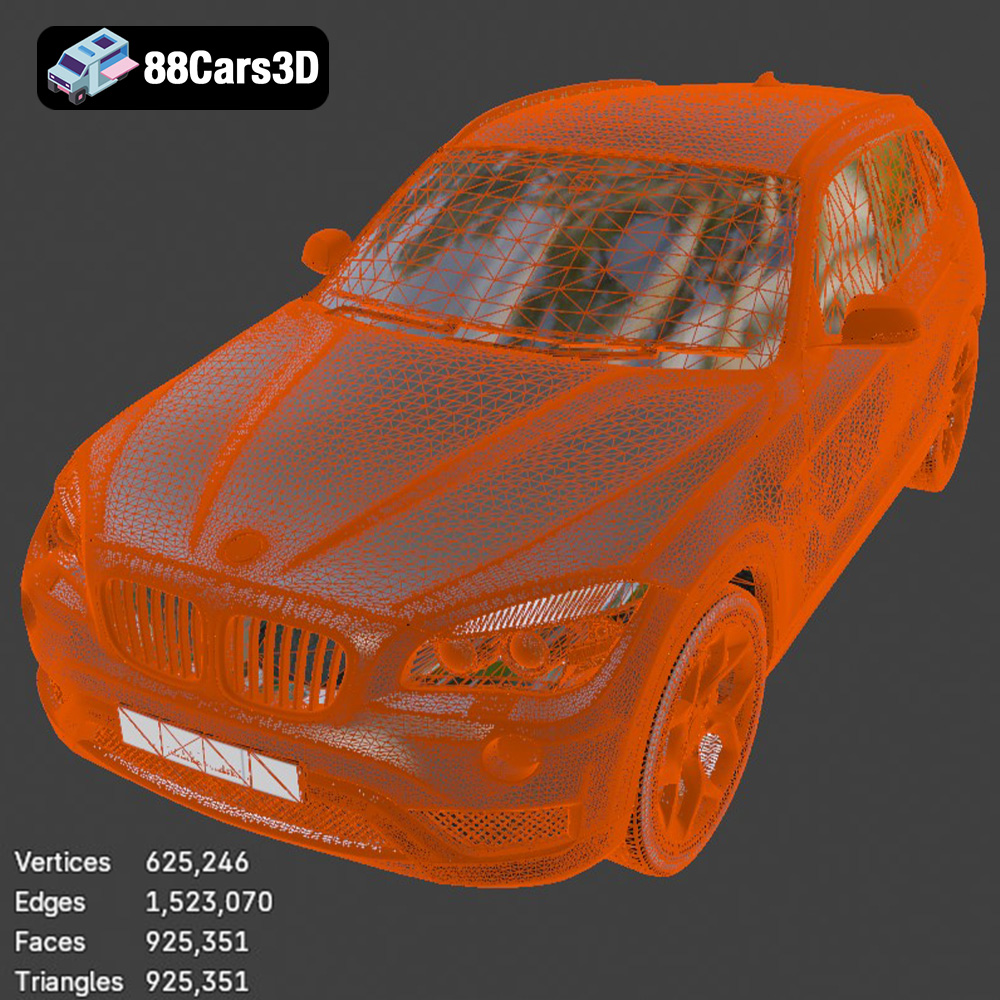
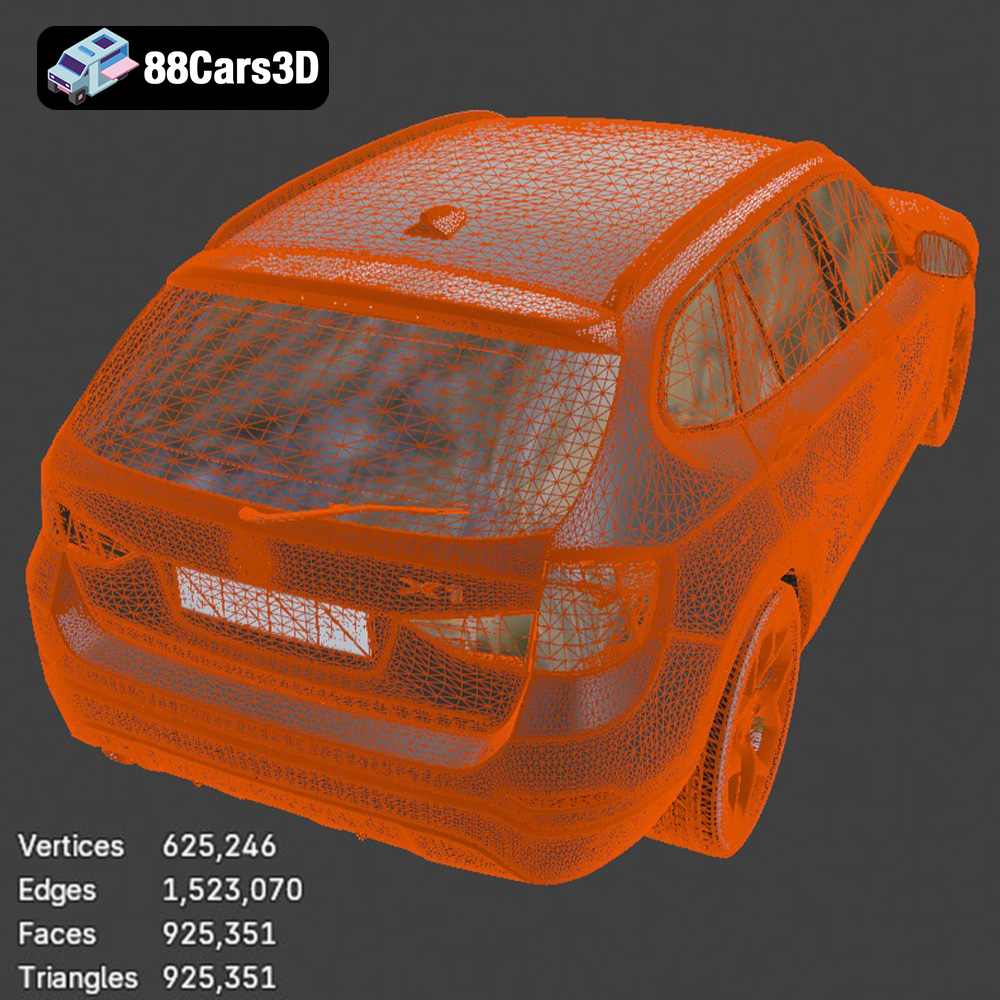
One of the most critical aspects of any 3D model, especially for performance-intensive applications like game development, is its topology and polycount. The BMW X1 2013 boasts a highly detailed topology with a triangle count of 925,351. This number represents a careful balance: it’s high enough to deliver exceptional visual fidelity, smooth surface reflections, and intricate details for close-up shots and high-end automotive rendering, yet optimized enough for modern real-time engines. For professional workflows, this means avoiding overly dense meshes that bog down performance, while also preventing overly sparse geometry that leads to blocky or unrealistic surfaces. Clean quad-based topology, even when triangulated for export, is essential for deformation, sculpting, and UV unwrapping without artifacts.
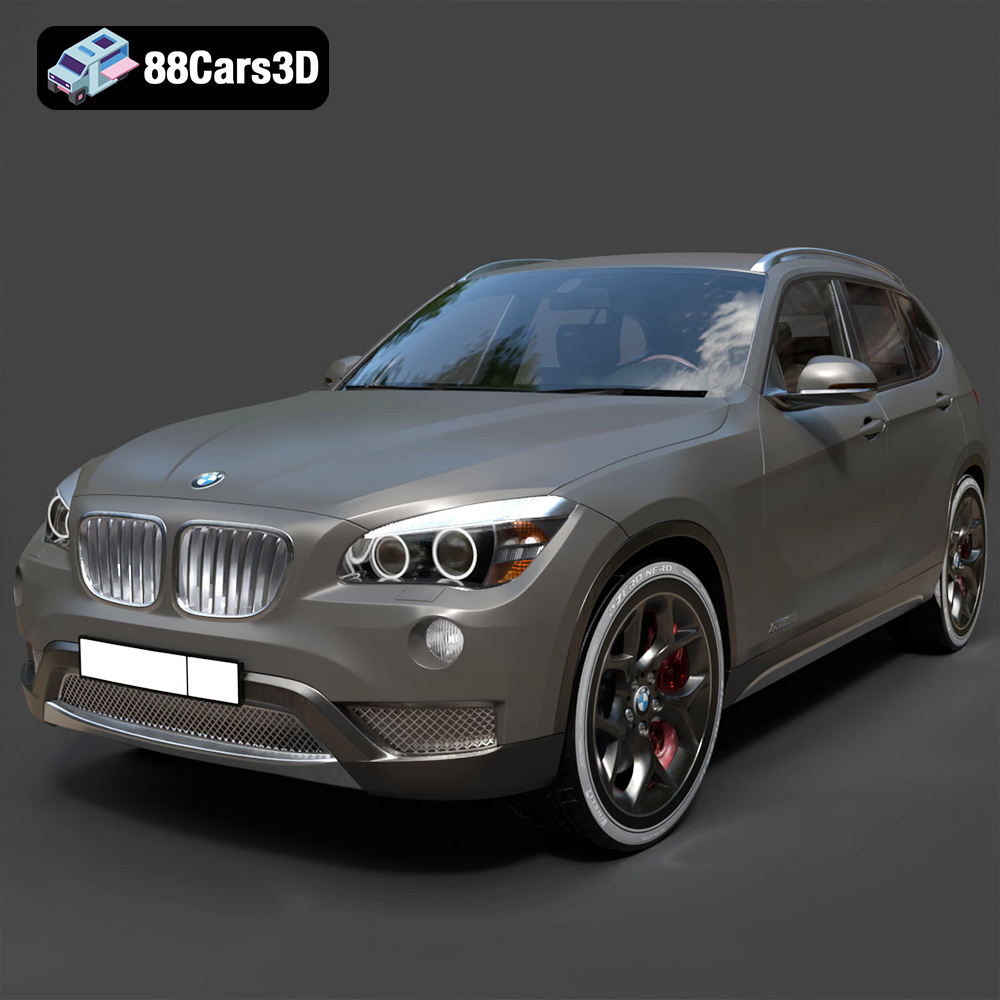
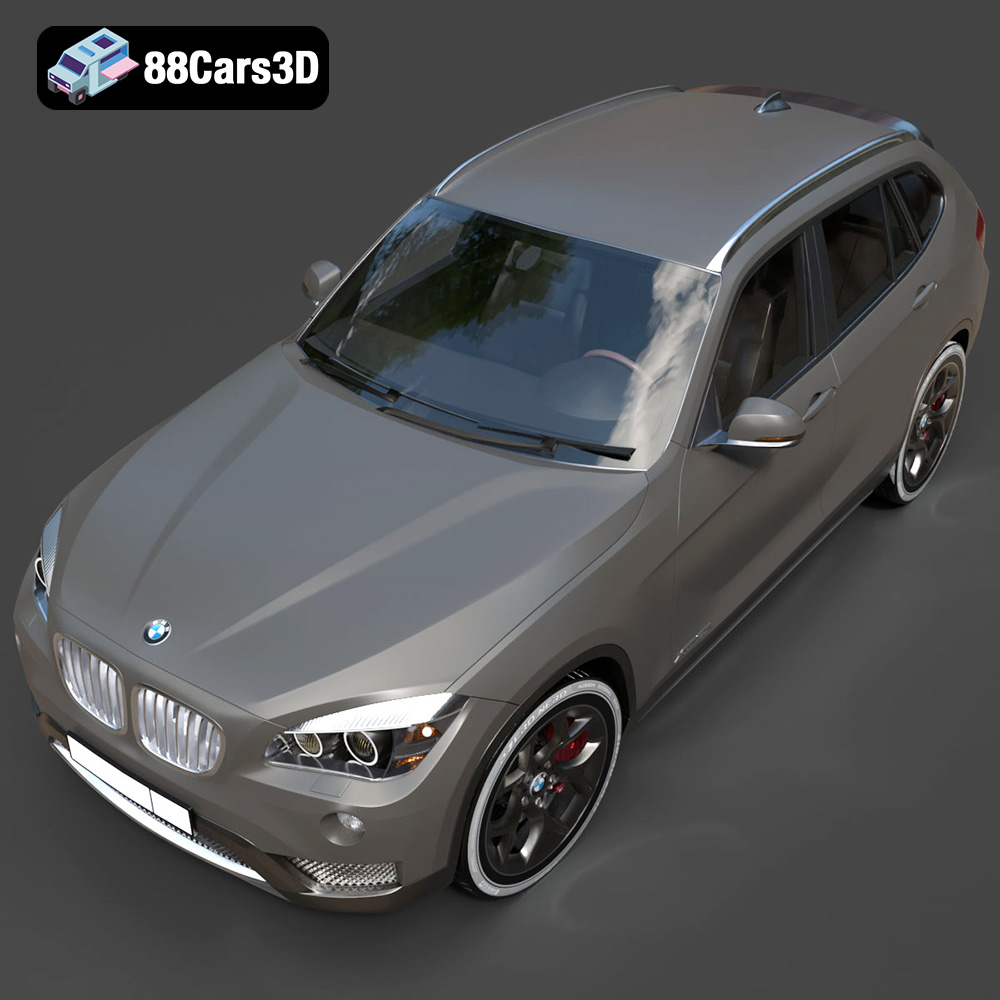
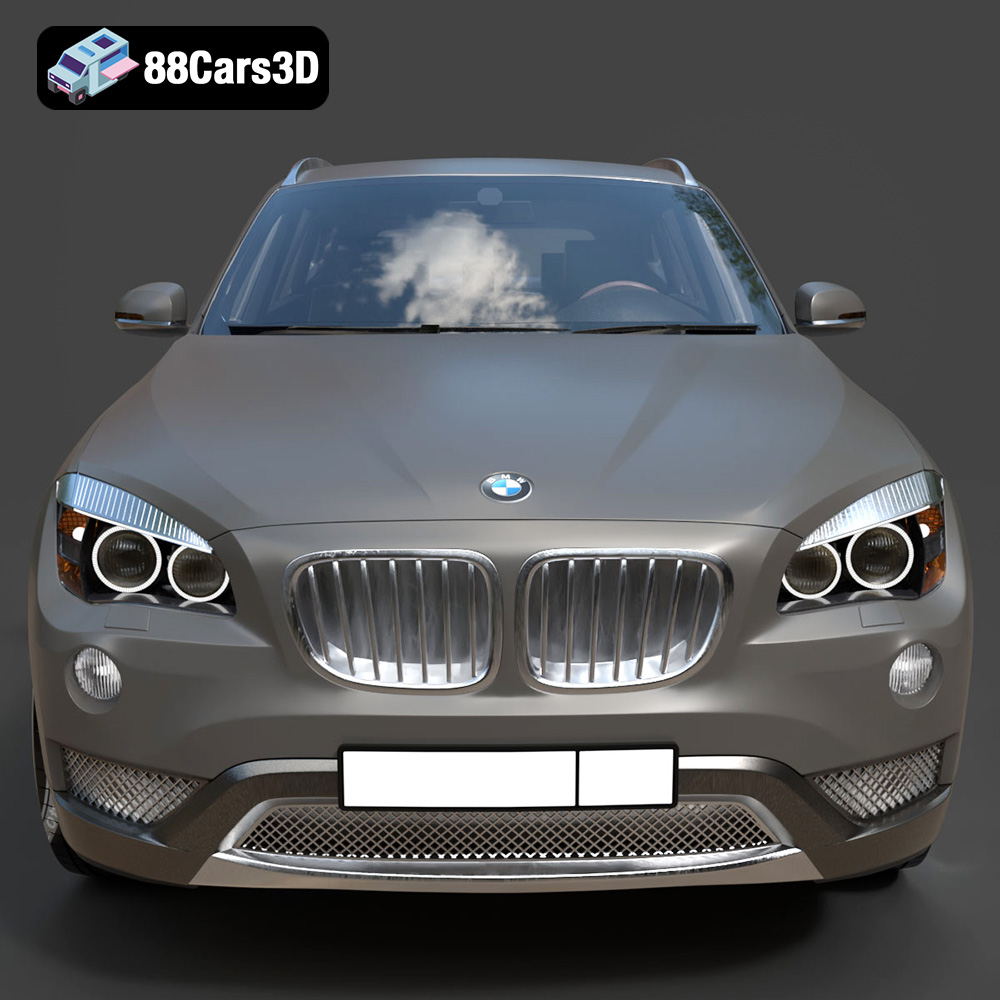
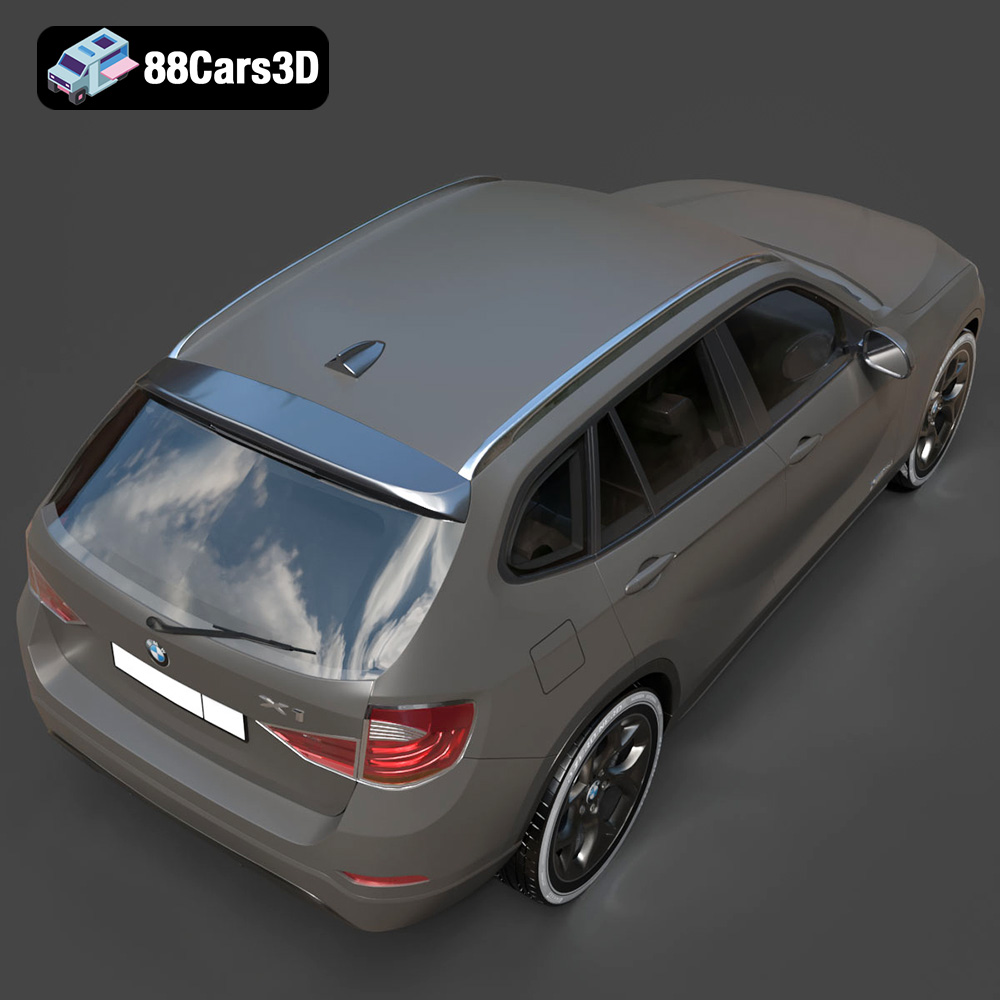
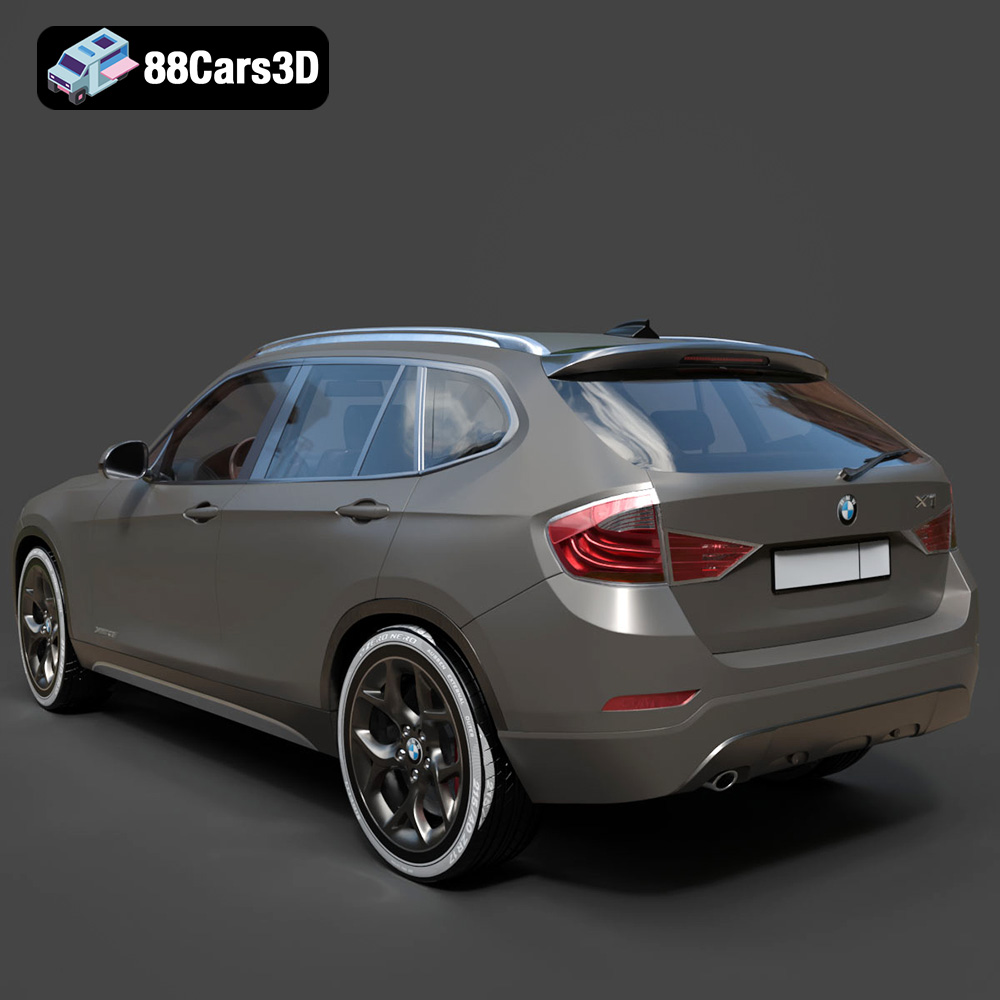
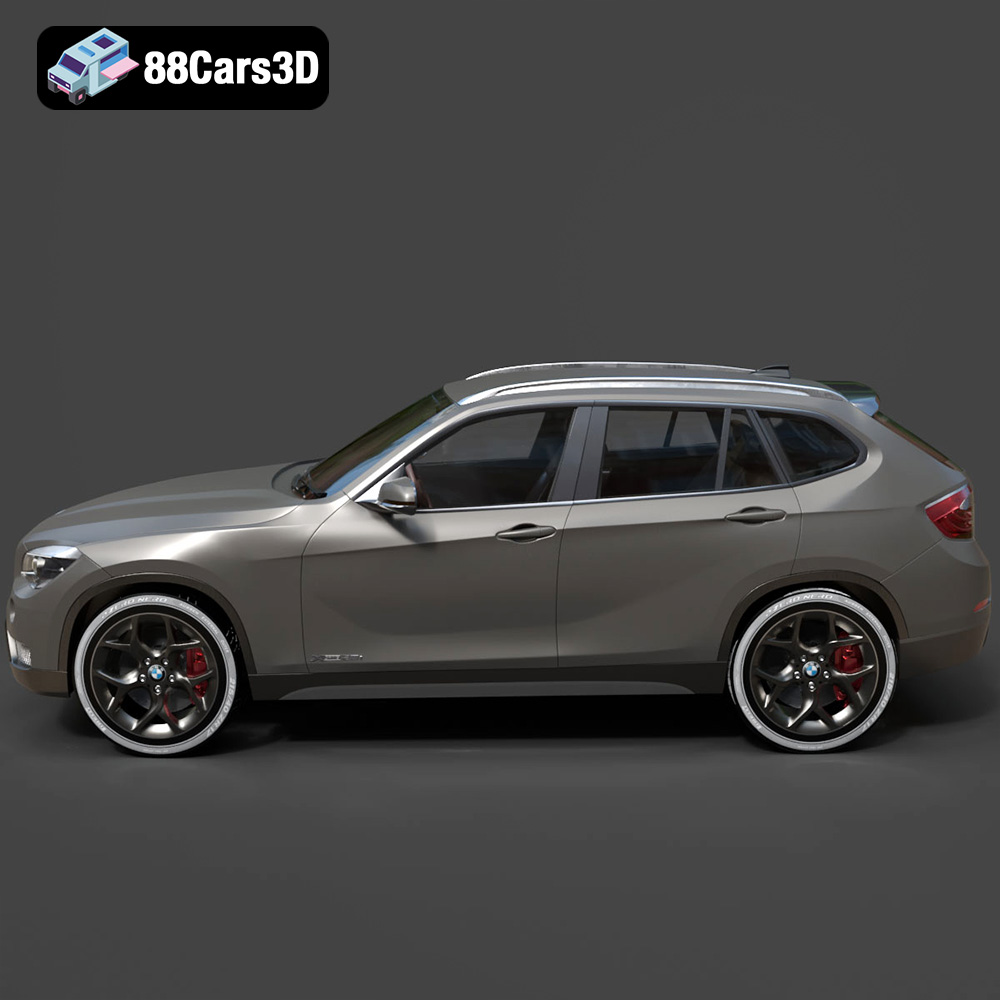
The authenticity of a 3D car model is defined by its details. The BMW X1 2013 captures the essence of the E84 X1 through an accurate frame geometry and precise proportions. On the exterior, iconic elements like the signature kidney grille, sculpted hood, and unmistakable twin-circular headlights are intricately modeled. Beyond the visible, even components like the detailed engine bay, undercarriage, and realistic exhaust system based on original trim specifications are faithfully recreated. High-resolution alloy wheels with detailed tire treads and sidewalls further enhance realism. Inside, the model doesn’t falter. It features authentic multi-adjustable front seats, a rear bench, an accurate driver-oriented dashboard, a classic 3-spoke steering wheel, a detailed dual-dial analog instrument cluster, and a precisely modeled center console with the iDrive controller and gear shifter. This level of interior detail is crucial for first-person perspective in gaming or virtual reality applications.
For any dynamic application, whether it’s a driving simulator or a cinematic animation, a 3D car model must be prepared for movement. The BMW X1 2013 excels here with separate wheels, independent suspension representations, and steering components. Crucially, it features a proper pivot setup for steering, individual wheel rotation, and suspension travel. This architectural separation and correct pivot placement are invaluable. They allow animators to quickly rig and animate realistic vehicle dynamics, simulating bumps, turns, and other driving maneuvers without complex manual adjustments, ensuring the vehicle behaves authentically within its virtual environment.
The demands of modern game development are immense, requiring assets that strike a perfect balance between visual splendor and real-time performance. The BMW X1 2013 3D car model is specifically engineered to meet these challenges, making it an invaluable asset for creating immersive and high-fidelity gaming experiences.
For developers working with industry-leading game engines like Unreal Engine or Unity, seamless asset integration is paramount. The BMW X1 2013 model, with its included .fbx and .unreal formats, is primed for drag-and-drop implementation. In Unreal Engine, developers can import the .fbx file, set up materials using PBR (Physically Based Rendering) textures for realistic lighting interactions, and configure collision meshes for accurate physics. The .unreal format, specifically optimized for the engine, can further streamline this process, potentially offering pre-configured materials and hierarchies. Similarly, in Unity, the .fbx import provides a solid foundation for setting up shaders, adding colliders, and integrating the vehicle into driving scripts. This optimized structure reduces development time, allowing teams to focus on gameplay mechanics and environmental design rather than asset preparation, making it a true game-ready game asset.
The optimized polycount of 925,351 triangles for the BMW X1 2013 is a testament to its game-ready nature. This count is meticulously chosen to maintain high-end visual realism for modern game titles while ensuring excellent frame rates, even in expansive open-world environments. For racing games, simulators, or urban driving scenarios, having a fleet of detailed vehicles without compromising performance is crucial. Imagine a bustling city simulation where dozens of these detailed BMW X1s populate the streets, contributing to the realism without taxing the GPU. The balance of detail and optimization ensures that players experience smooth, immersive gameplay, whether they’re behind the wheel in a first-person view or watching the action from a cinematic third-person perspective.
Beyond static visuals, the true power of a game-ready vehicle model lies in its ability to support dynamic simulation. The BMW X1 2013 model’s separate components—wheels, suspension, and steering—are crucial for implementing realistic vehicle physics. Game engines can leverage these individual parts to simulate wheel rotation, independent suspension travel over uneven terrain, and accurate steering responses. This level of detail extends to creating believable damage models, where individual panels or components can deform or detach based on collision impacts. For developers aiming for high-fidelity driving mechanics, this anatomical separation provides the granular control needed to craft engaging and authentic vehicular experiences within their games.
High-quality automotive rendering transforms static 3D models into compelling visual stories, essential for marketing, product visualization, and architectural integration. The BMW X1 2013 3D model, with its exceptional detail and versatile file formats, is an ideal candidate for pushing the boundaries of photorealism.
For artists and designers specializing in photorealistic visualizations, the native .max and .blend files of the BMW X1 2013 offer the ultimate control within their preferred software. In 3ds Max, professionals can leverage advanced rendering engines like V-Ray or Corona to create breathtaking images. This involves setting up complex PBR materials for the car paint, glass, tires, and interior, replicating real-world reflectivity, roughness, and metallic properties. HDRI (High Dynamic Range Image) lighting is often used to capture realistic environmental reflections, while studio lighting setups can highlight specific design features. Similarly, Blender users can utilize Cycles or Eevee, building intricate node-based shaders to achieve identical levels of fidelity. The highly detailed topology of the X1 ensures that subtle reflections and material interactions are rendered perfectly, critical for high-impact automotive rendering in advertising campaigns or product showcases.
In architectural visualization (arch-viz), the inclusion of context-rich elements like vehicles can significantly enhance the realism and narrative of a scene. Placing the BMW X1 2013 model in front of a modern building render, within a contemporary garage, or parked on a stylish street immediately adds a sense of scale, lifestyle, and realism. Its accurate proportions and detailed features make it seamlessly blend into any urban or suburban architectural setting. This capability allows visualization artists to create more dynamic and relatable scenes, helping clients envision not just a building, but a complete lifestyle. The model’s versatility makes it a perfect fit for a diverse range of visualization projects, from static images to animated fly-throughs.
The interactive nature of AR (Augmented Reality) and VR (Virtual Reality) demands 3D models that are optimized for real-time interaction without compromising visual quality. The .glb format included with the BMW X1 2013 is specifically designed for these applications, allowing for seamless integration into virtual showrooms, interactive car configurators, or mobile AR experiences. Imagine a customer exploring the BMW X1 2013 in their driveway through their smartphone, or customizing its color and interior options in a virtual reality environment. The model’s optimized geometry ensures smooth performance in these interactive settings, while its detailed design provides an engaging and realistic user experience. This blend of visual fidelity and real-time performance makes the X1 a powerful tool for next-generation marketing and sales presentations.
Beyond the screen, 3D car models can transcend the digital realm and become tangible objects through 3D printing. The BMW X1 2013 model from 88cars3d.com offers dedicated support for this exciting application, allowing enthusiasts and professionals alike to create physical replicas with incredible detail.
The inclusion of the .stl format is crucial for 3D printing the BMW X1 2013. This format provides a clean, watertight mesh that is readily understood by slicing software, which prepares the model for the 3D printer. The product description provides essential guidelines for successful printing: recommended scales (1:12, 1:18, 1:24) ensure a manageable size with sufficient detail; layer height suggestions (0.04–0.12 mm) indicate the level of fineness achievable, with resin printing often recommended for capturing the smallest features. Wall thickness (1.2–2.0 mm) is vital for structural integrity, preventing prints from becoming too fragile. For optimal results, detailed parts like the exhaust, mirrors, and even parts of the interior will require supports during printing, and the model’s frame is best printed at an angle to enhance strength. These detailed print settings demonstrate a thoughtful approach to making the digital asset accessible for physical fabrication.
The choice of 3D printing material significantly impacts the final look and feel of the BMW X1 2013 replica. Resin 3D printers are often recommended for their ability to produce extremely fine details and smooth surfaces, perfect for automotive models where subtle curves and sharp edges are paramount. FDM (Fused Deposition Modeling) printers can also be used, especially for larger scales, though they may require more post-processing. Regardless of the printing method, post-processing is key to achieving a professional finish. This can involve sanding to remove layer lines or support marks, applying primer for an even surface, and then painting with authentic factory colors, potentially metallic finishes, to replicate the original vehicle’s aesthetic. The ability to bring a high-fidelity 3D car model to life as a physical object opens up new avenues for display, prototyping, and collectible creation.
A truly valuable 3D car model offers not just accuracy, but also flexibility. The BMW X1 2013 model provides extensive customization options, allowing users to adapt it to diverse project requirements and creative visions, ensuring it remains relevant across numerous applications.
The ability to easily modify material properties and colors is paramount for creative freedom. With the BMW X1 2013, users can effortlessly change the body color to any factory hue, custom finish, or even experimental tones. This is particularly useful for brand campaigns that require specific color palettes or for game developers who want to offer players a wide range of customization options. Beyond body paint, modifications extend to tire textures—allowing for transitions between standard street variants and more rugged off-road options, or even bespoke racing slicks. Adjusting material finishes from matte to gloss, or introducing various metallic flake intensities, further enhances realism and allows the model to perfectly match different lighting conditions or artistic styles. This level of material control ensures the BMW X1 2013 can be integrated into virtually any scene with a cohesive visual presence, making it a highly adaptable game asset or rendering element.
The visual impact of a 3D model is heavily influenced by its environment and lighting. The flexible nature of the BMW X1 2013 allows for seamless integration into any virtual setting. Whether you’re placing it in a brightly lit urban street for an architectural render, a moody night scene for a cinematic shot, or a sterile studio environment for product photography, the model can be dynamically lit to suit the context. Adjusting reflections, shadows, and highlights based on different HDRI maps or artificial light sources helps to convey different moods and visual styles. This adaptability means the same high-quality model can serve multiple purposes: a clean showroom car one moment, a rugged adventurer the next, simply by adjusting its surroundings and illumination. This versatility is a core strength for any professional working with 3D car models across various industries.
The journey from a digital concept to a fully realized 3D asset capable of serving diverse professional needs is complex, requiring precision, optimization, and versatility. The BMW X1 2013 3D model, available on 88cars3d.com, stands as an exemplary representation of what a high-quality 3D car model should be. From its meticulously crafted exterior and interior details to its optimized topology and extensive file format support, it is designed to empower creators across industries.
Whether you are developing the next generation of open-world games with captivating game assets, producing photorealistic automotive rendering for marketing and architectural visualization, or bringing tangible models to life through 3D printing, the BMW X1 2013 offers the technical foundation and creative freedom you need. Its readiness for animation, adaptability for customization, and broad software compatibility make it an indispensable tool for any professional pipeline. Investing in such a comprehensive and high-fidelity asset from 88cars3d.com ensures that your projects not only look stunning but also perform flawlessly, pushing the boundaries of what’s possible in the digital realm.
Discover the pioneer of the premium compact SUV segment with our highly accurate BMW X1 2013 3D model. This meticulously crafted digital asset captures the sporty, versatile essence of the first-generation E84 X1, blending the dynamic driving characteristics of a sports sedan with the commanding stance of an SAV (Sports Activity Vehicle). Highlighting iconic visual elements such as the signature kidney grille, sculpted hood, and unmistakable twin-circular headlights, this model brings authentic Bavarian styling to your virtual environment.
$26.00
.2013
.blend
.bmw
.fbx
.glb
.max
.obj
.ply
.rendering
.stl
.unreal
car-3d-model
compact-suv
game asset
game-ready
optimized
SUV
VR/AR
x1