Get 20% OFF All Premium 3D & STL Models!

In the vibrant realm of digital creation, where imagination meets meticulously crafted polygons, the demand for high-quality 3D assets is ever-growing. From blockbuster video games to cinematic renders and immersive virtual reality experiences, a foundational element often takes center stage: the vehicle. More specifically, a finely detailed 3D car model can transform a good project into an extraordinary one. Today, we’re delving into the world of automotive digital artistry, exploring the technical nuances, workflow integrations, and creative possibilities unlocked by premium 3D models, with a special focus on the magnificent 2013 Ferrari 450 3D Model available on 88cars3d.com.
The allure of a supercar like the Ferrari 450 extends far beyond its physical presence; it embodies a legacy of design, performance, and engineering prowess. Capturing this essence in a digital format requires not just artistic skill, but a deep understanding of technical optimization, ensuring the model is not only visually stunning but also highly functional across diverse applications. This particular Ferrari 450 model stands as a testament to this philosophy, offering unparalleled detail and versatility for professionals and enthusiasts alike.
One of the most crucial aspects of working with 3D models, especially highly detailed ones like our featured Ferrari 450, is understanding the various file formats available. Each format serves a specific purpose, excelling in different stages of the 3D pipeline from initial modeling to real-time rendering, AR/VR experiences, and even physical 3D printing. The versatility of the Ferrari 450 2013 3D Model is significantly enhanced by its availability in a comprehensive array of formats, ensuring maximum compatibility and utility.
The .blend format is the native file type for Blender, the powerful open-source 3D creation suite. When you download the Ferrari 450 in .blend, you’re receiving a fully editable Blender scene. This includes the model’s geometry, materials, textures, lighting, camera setups, and even animation data if present. Artists who primarily work in Blender will find this format invaluable as it allows for direct manipulation, material adjustments, scene integration, and rendering within their preferred environment without any loss of data during conversion. It’s perfect for complex scene assembly, animation projects, or further refinement of the model’s appearance.
.fbx (Filmbox) is arguably one of the most widely adopted proprietary file formats for 3D data exchange, especially within the game development and animation industries. Developed by Autodesk, FBX can store comprehensive scene data, including geometry (meshes), materials, textures, animations, skeletons, skinning, and camera information. Its strength lies in its ability to transfer complex 3D scenes between different software applications like 3ds Max, Maya, Blender, and real-time engines such as Unreal Engine and Unity. For the Ferrari 450, the .fbx version is ideal for seamlessly importing the car into your game projects, architectural visualizations, or cinematic animations, often maintaining pivot points and hierarchical structures necessary for rigging and animation.
The .obj (Wavefront Object) format is a widely supported, simpler alternative to FBX, primarily used for storing 3D geometry and color data. It consists of a plain text file (.obj) defining vertices, normals, UV coordinates, and faces, often accompanied by a material library file (.mtl) that specifies surface properties and links to texture maps. While .obj doesn’t typically support animation or complex scene hierarchies, its universal compatibility makes it an excellent choice for cross-software model sharing where pure geometry and basic materials are the priority. It’s a reliable fallback for ensuring the Ferrari 450’s mesh and textures can be opened in virtually any 3D software.
.glb (GL Transmission Format Binary) is the binary version of glTF, a royalty-free specification for the efficient transmission and loading of 3D scenes and models by applications. GLB packs all model data (geometry, textures, materials, animations) into a single, self-contained binary file, making it incredibly efficient for web-based AR/VR applications, online viewers, and mobile platforms. Its compact size and optimized structure ensure faster loading times and smoother performance in real-time browser environments. For showcasing the Ferrari 450 in an interactive web configurator or an augmented reality app, .glb is the definitive choice.
The .stl (Stereolithography) format is the de facto standard for 3D printing. It represents 3D surfaces as a collection of triangular facets, defining the geometry of a 3D object without color, texture, or other CAD attributes. While it’s a “dumb” format in terms of editable features, its simplicity and widespread support by slicing software make it perfect for preparing models for additive manufacturing. The Ferrari 450 model’s availability in .stl means hobbyists and professionals can accurately translate the digital supercar into a tangible physical model, with precise print settings provided to achieve stunning detail.
.ply (Polygon File Format or Stanford Triangle Format) is another format for storing 3D data, particularly from 3D scanners. It can store a variety of properties including color, transparency, surface normals, and texture coordinates. While less common for general asset exchange than FBX or OBJ, it’s favored in certain CAD, reverse engineering, and scientific visualization applications due to its flexibility in storing complex mesh attributes. For projects requiring high precision or direct integration with CAD software, the .ply version of the Ferrari 450 can be advantageous.
The .unreal format signifies an asset specifically optimized and prepared for direct import into Unreal Engine. While often referring to native Unreal Engine content rather than a universal file type, its inclusion here implies a version of the Ferrari 450 model that has undergone specific preparation for Unreal Engine’s unique PBR (Physically Based Rendering) material system, collision setups, and LOD (Level of Detail) optimization. This format significantly streamlines the workflow for game developers, allowing them to drop a fully configured, engine-ready car into their projects with minimal setup.
Finally, the .max format is the native scene file for Autodesk 3ds Max, a leading software for 3D modeling, animation, rendering, and compositing. Similar to .blend for Blender, a .max file contains all scene information, including geometry, materials (especially V-Ray or Corona setups), lights, cameras, modifiers, and animation data. For 3ds Max users, the .max version of the Ferrari 450 offers the most flexibility for detailed rendering setups, complex animations, or integrating the model into existing 3ds Max architectural visualization or product design scenes without any conversion issues or loss of data fidelity.
The extensive range of file formats for the Ferrari 450 2013 3D Model underscores its versatility, making it a powerful asset for almost any digital creative project. This commitment to compatibility ensures that whether you’re building a game, rendering a commercial, or 3D printing a collectible, you have the right tool for the job.
Creating a 3D model that truly stands out requires a blend of artistic vision and technical precision. The 2013 Ferrari 450 3D model exemplifies this fusion, meticulously crafted to deliver both stunning visual fidelity and optimal performance across various applications. Let’s peel back the layers and examine what makes this asset a premium choice for professionals.
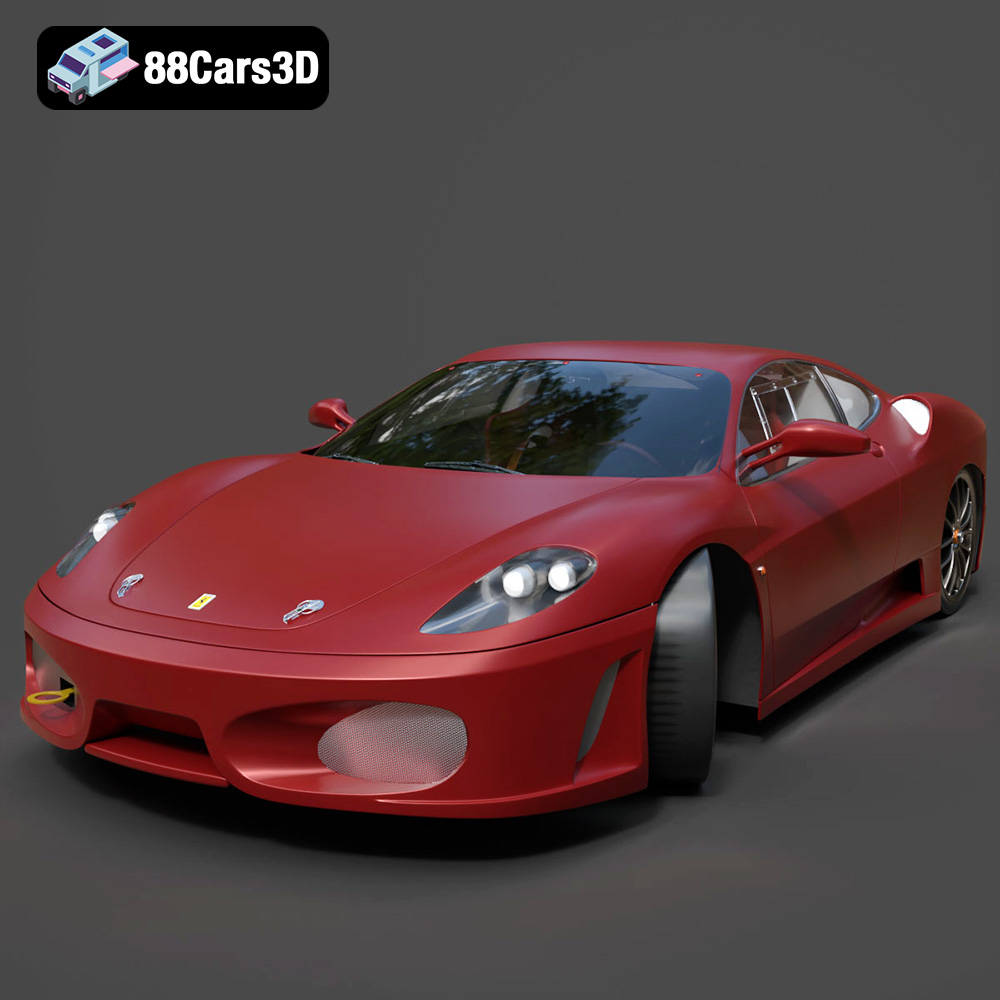
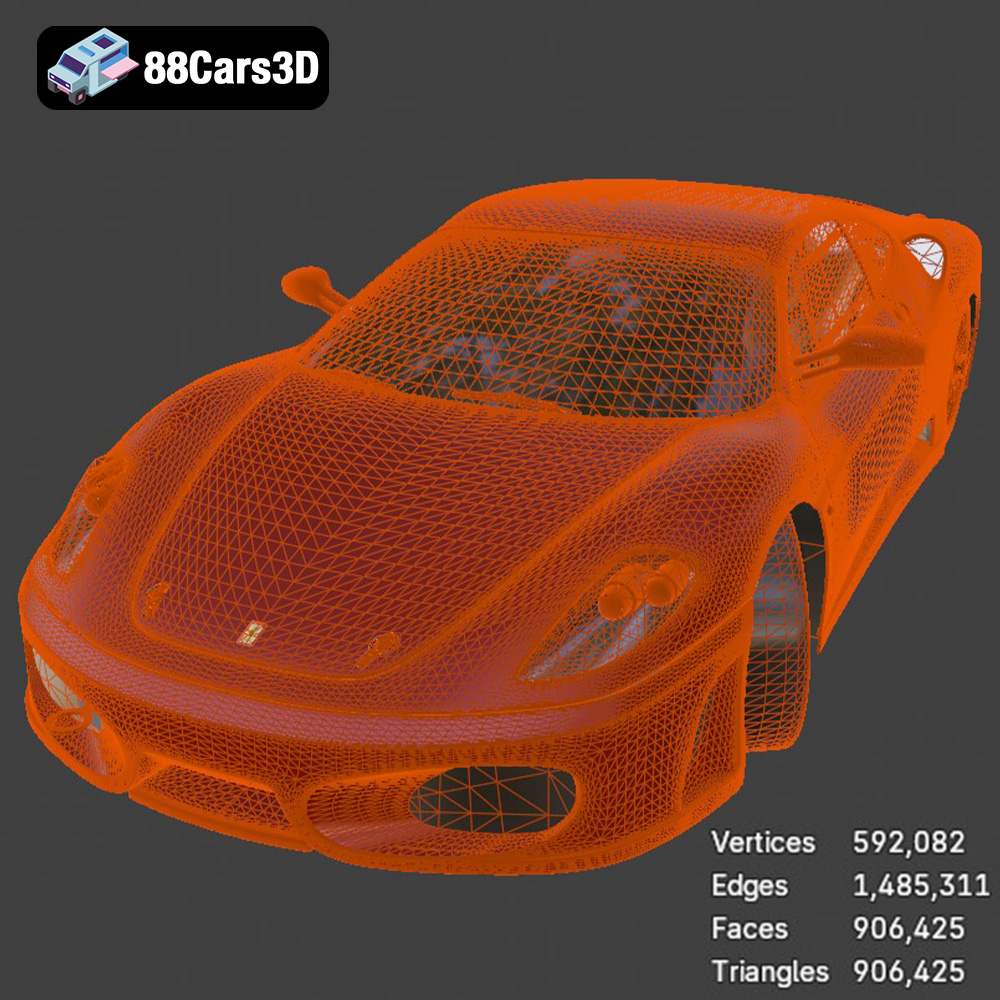
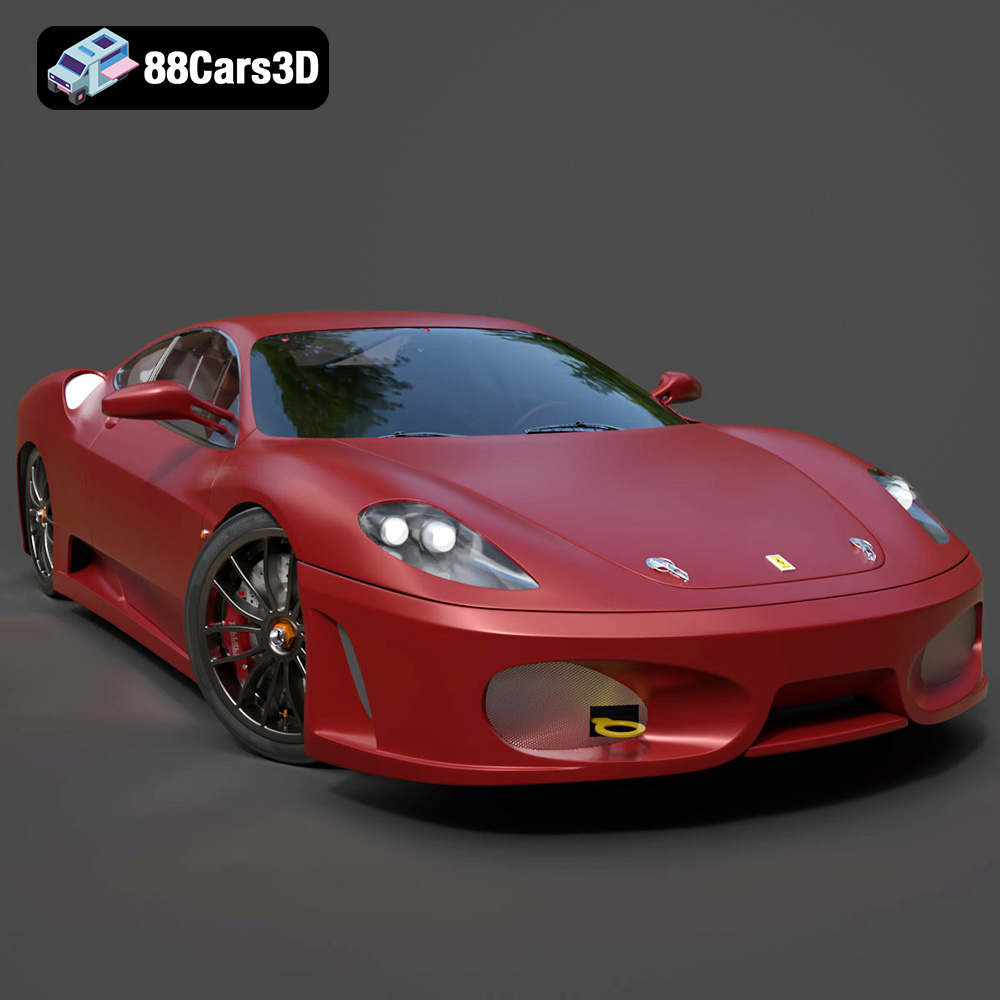
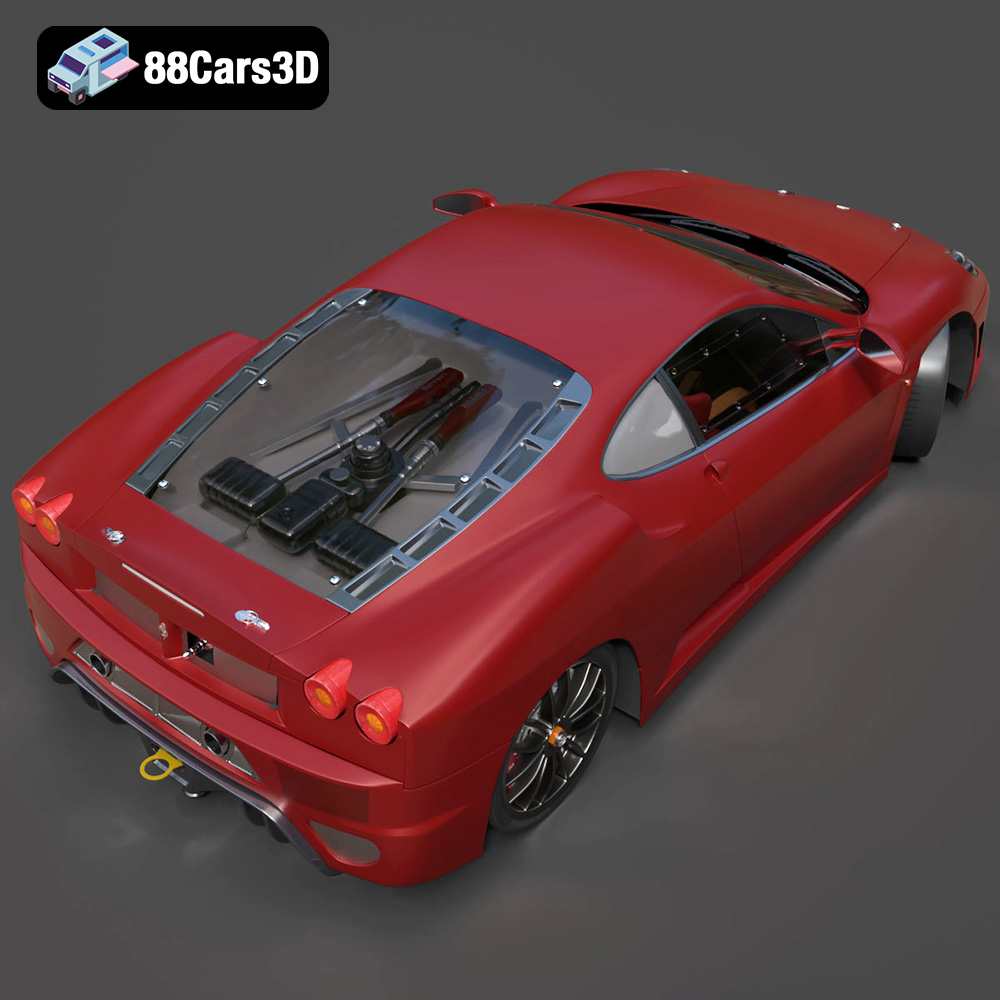
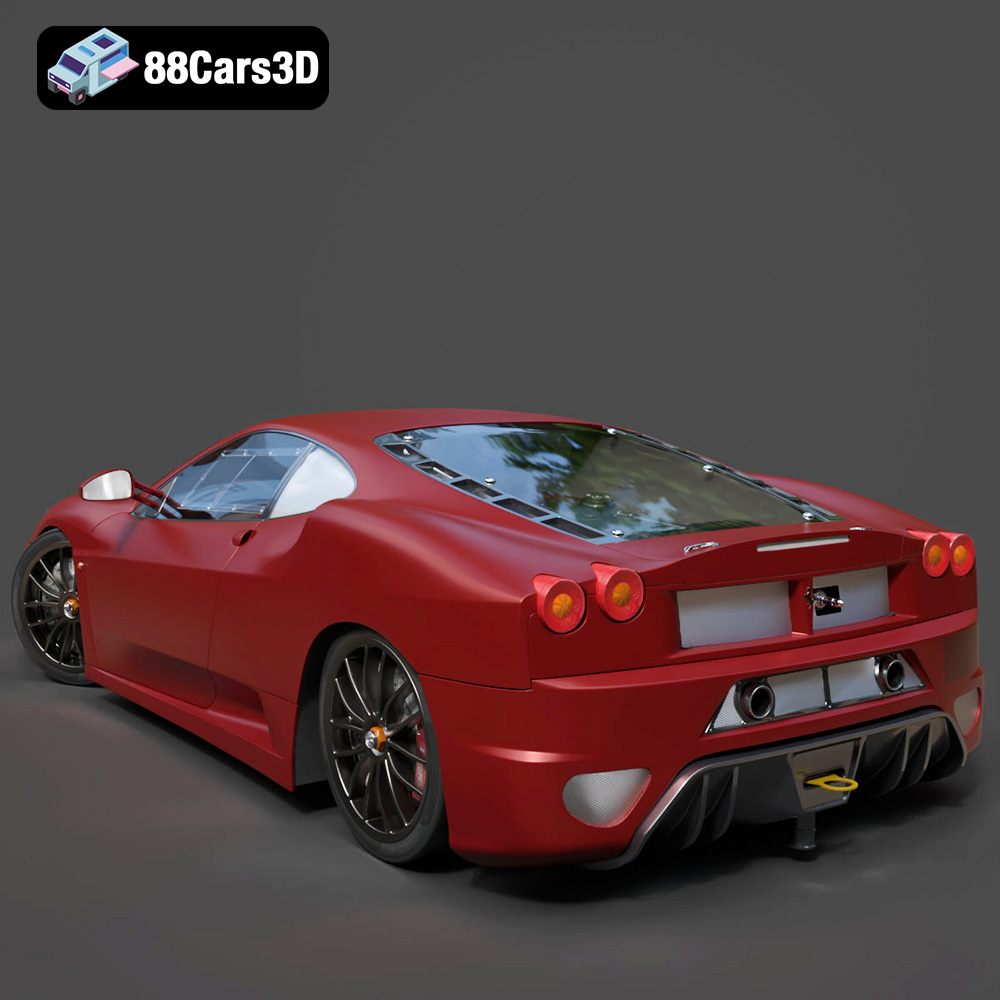
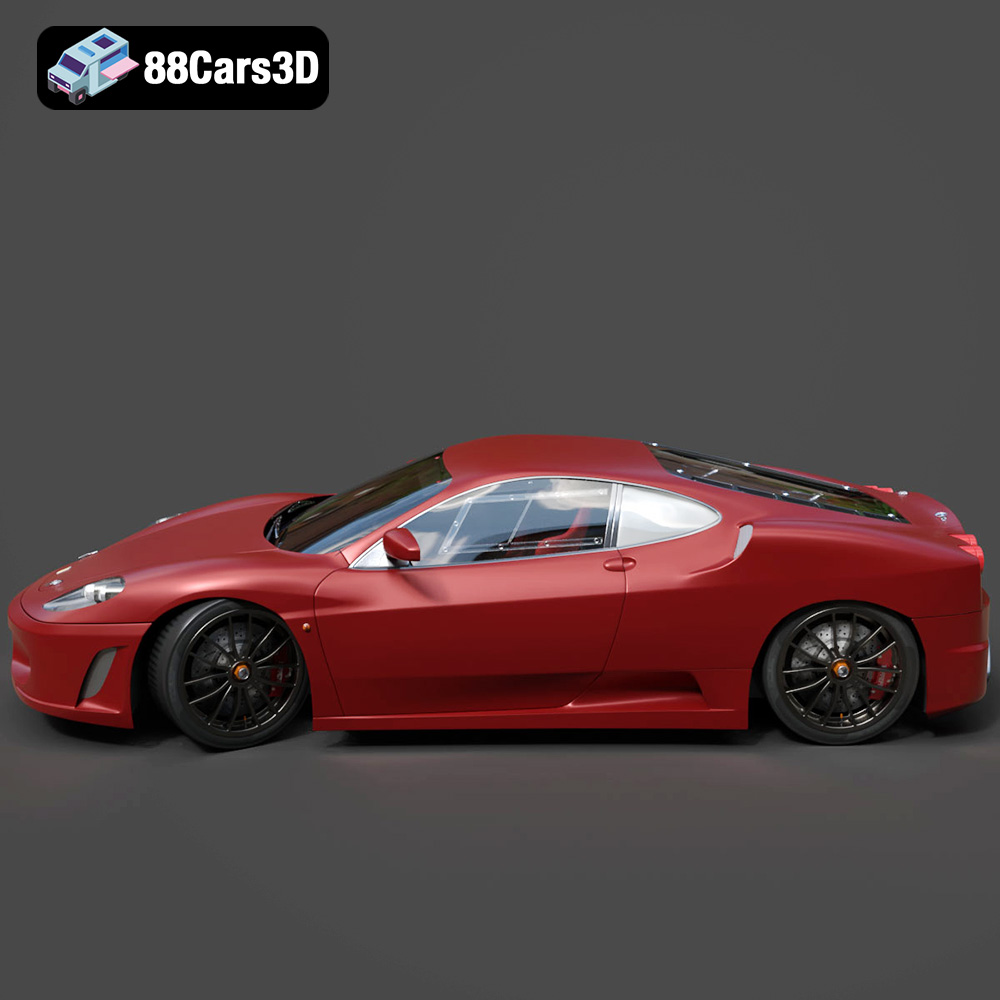
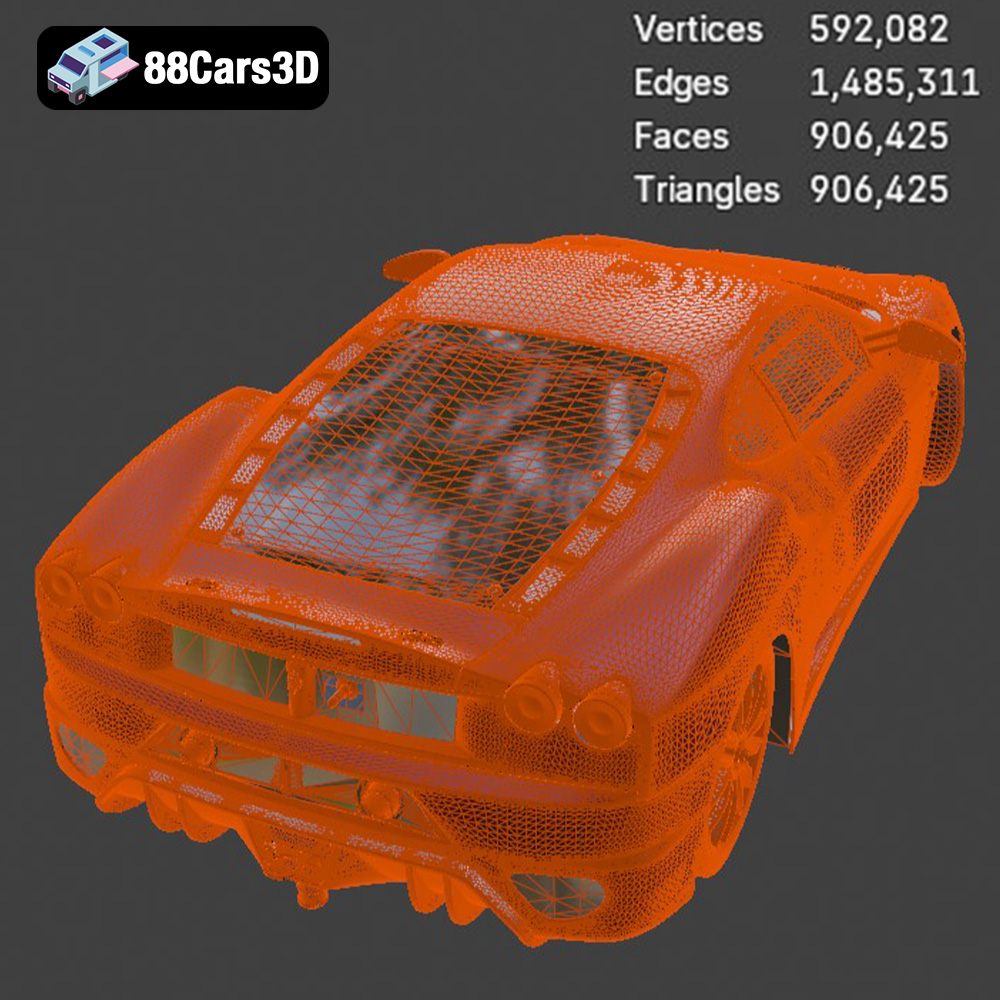
The first impression of any 3D car model comes from its visual accuracy. This Ferrari 450 captures the essence of Italian engineering with breathtaking aerodynamic design, aggressive styling, and that unmistakable mid-engine supercar silhouette. Every curve, vent, and panel gap reflects painstaking attention to detail, bringing the virtual car to life. However, beauty isn’t just skin deep in 3D; the underlying topology is equally crucial. With an optimized triangle count of 906,425, this model strikes a perfect balance. It’s dense enough to convey high-end visual realism for cinematic renders and close-up shots, yet streamlined enough to ensure performance in real-time engines like Unreal Engine and Unity. This careful optimization avoids unnecessary polygon counts that can bog down game engines, making it genuinely “game-ready.”
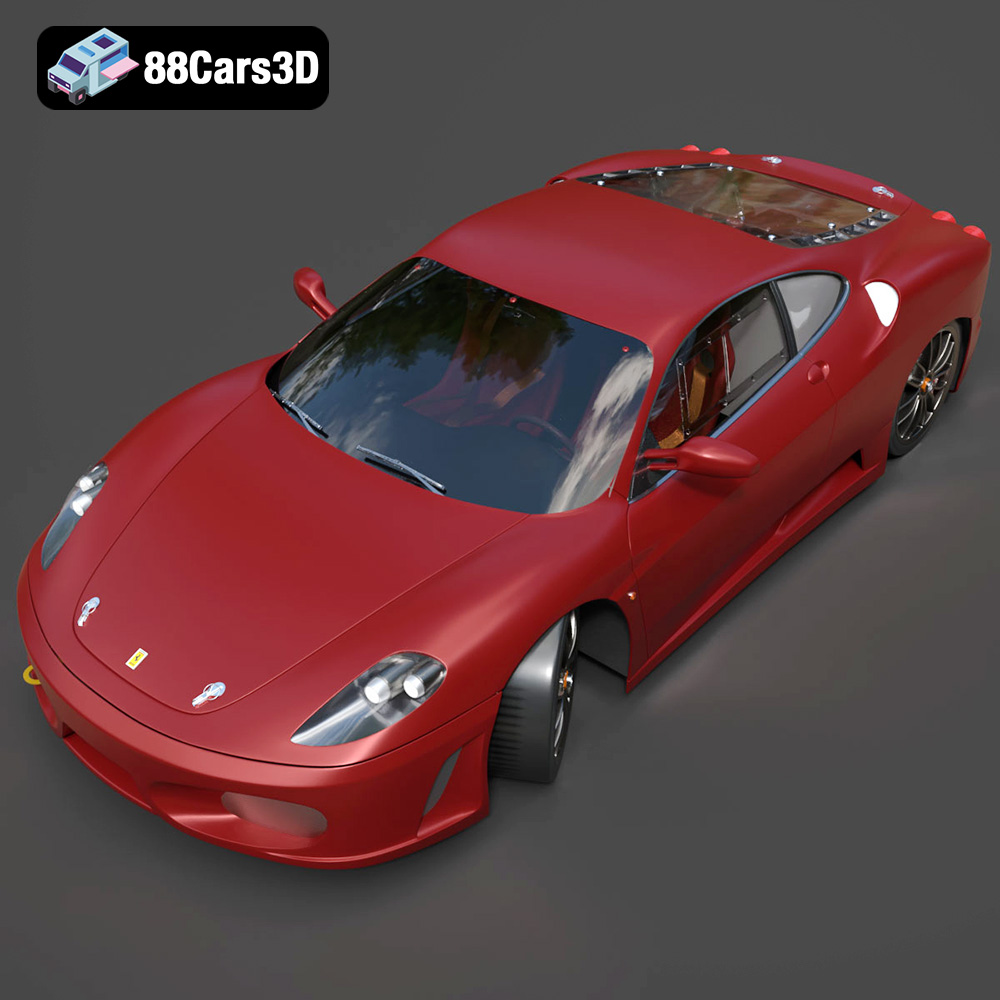
A supercar isn’t just about its exterior; the cockpit experience is equally important, especially for immersive applications. The Ferrari 450 model extends its high-fidelity treatment to the interior, making it suitable for first-person perspectives in gaming and virtual showrooms.
Accuracy is paramount in professional 3D work. This Ferrari 450 model adheres to real-world scale based on actual vehicle chassis specifications, ensuring that it integrates seamlessly into any scene without requiring manual scaling adjustments. This attention to scale is crucial for realistic automotive rendering and believable in-game environments.
Beyond its inherent quality, the model offers substantial customization options, allowing artists to tailor it to their specific project needs:
This comprehensive approach to detail, optimization, and flexibility makes the Ferrari 450 3D model an exceptional asset, designed to meet the rigorous demands of modern digital production pipelines.
The true value of a premium 3D asset like the Ferrari 450 lies in its seamless integration into diverse professional workflows. Whether you’re a seasoned automotive renderer, a game developer, or an AR/VR experience designer, this model is built to accelerate your production and elevate your final output.
For artists focused on photorealistic automotive rendering, a high-fidelity model is the cornerstone of stunning visuals. The Ferrari 450, available in both .max for 3ds Max and .blend for Blender, provides an ideal starting point.
For game developers, the challenge is always to balance visual fidelity with real-time performance. The Ferrari 450 3D model is specifically designed with game development in mind, offering a triangle count of 906,425 that provides excellent detail without crippling frame rates.
In a fast-paced production environment, time is money. Sourcing pre-made, high-quality 3D assets like this Ferrari 450 from marketplaces like 88cars3d.com significantly reduces development time and costs. Instead of spending weeks modeling and texturing a complex vehicle from scratch, artists can immediately integrate a production-ready model, allowing them to focus on unique scene elements, animation, or interactive logic.
The inclusion of detailed exterior and interior features, coupled with animation-ready components, means less rework and more immediate results. This streamlined approach empowers studios to deliver stunning visuals on tighter deadlines, maintaining a competitive edge in various industries.
The utility of a robust 3D car model extends far beyond traditional rendering and game development. With the rise of augmented reality (AR), virtual reality (VR), and accessible 3D printing, versatile models like the Ferrari 450 are becoming indispensable tools for a broader range of innovative applications.
AR and VR offer unprecedented opportunities for engaging audiences, particularly in automotive marketing, virtual showrooms, and interactive training. The Ferrari 450 3D model is perfectly poised for these immersive applications.
For enthusiasts and collectors, the ability to translate a digital model into a physical object is a fascinating prospect. The Ferrari 450 3D model provides this capability through its inclusion of the .stl format, making it suitable for 3D printing output.
The versatility demonstrated by the Ferrari 450 3D model across these diverse applications highlights its robust design and the forward-thinking approach of its creators. It’s not just a static asset; it’s a dynamic tool for innovation.
In the vast ocean of online 3D marketplaces, finding truly high-quality, production-ready assets can be a challenge. This is where specialized platforms like 88cars3d.com distinguish themselves. For professionals seeking top-tier 3D car models, 88cars3d.com offers a curated selection that meets stringent industry standards, exemplified by the Ferrari 450 2013 3D Model.
When you acquire a 3D model from 88cars3d.com, you’re not just buying a collection of polygons; you’re investing in a professionally crafted asset designed for immediate integration into demanding projects. The Ferrari 450 model, with its meticulously optimized topology (906,425 triangles), real-world scale accuracy, and proper pivot setups, showcases this commitment to quality. Every detail, from the sculpted body to the separate animatable components, is a result of expert craftsmanship, ensuring that artists receive a clean, efficient, and visually stunning model right out of the box. This saves invaluable production time, as there’s no need for extensive cleanup or re-modeling – a common issue with lower-quality assets found elsewhere.
While the Ferrari 450 is an exceptional example, it represents just a fraction of the high-quality assets available. 88cars3d.com specializes in automotive 3D models, offering a diverse catalog that caters to a wide range of aesthetic and functional requirements. From vintage classics to modern supercars, utility vehicles, and concept designs, the marketplace is a rich resource for any project requiring detailed vehicle assets. This singular focus on automotive models allows them to maintain a high standard of quality and expertise across their entire collection.
Choosing a reputable source like 88cars3d.com means investing in reliability and efficiency. It means less time troubleshooting and more time creating, ultimately leading to superior final products across all digital mediums.
The journey through the intricate world of 3D car models reveals a fascinating interplay between artistic vision and technical prowess. The 2013 Ferrari 450 3D Model stands as a shining example of what a premium asset can offer. Its meticulous detail, optimized topology, comprehensive file format support, and animation-ready structure make it an incredibly versatile tool for a myriad of applications, from breathtaking automotive rendering and immersive game development to cutting-edge AR/VR experiences and even tangible 3D prints.
Understanding the nuances of formats like .blend, .fbx, .obj, and .glb, alongside the specific optimizations for game engines or 3D printing, empowers creators to make informed decisions that significantly enhance their workflow. This Ferrari 450 model isn’t just a static digital representation; it’s a dynamic asset designed to accelerate production, inspire creativity, and elevate the quality of any project it’s integrated into.
For professionals seeking uncompromising quality and seamless integration, sourcing such meticulously crafted 3D assets from specialized marketplaces like 88cars3d.com is a strategic advantage. It ensures that your focus remains on innovation and storytelling, confident that the foundational elements of your digital world are built on excellence. Embrace the thrill of Italian engineering and unlock new creative horizons with a model that truly captures the essence of a modern supercar.
Experience the thrill of Italian engineering with this stunning 3D model of the 2013 Ferrari 450. Known for its breathtaking aerodynamic design, aggressive styling, and unmistakable mid-engine supercar silhouette, this model captures the essence of high-performance racing heritage. Key visual elements include a sculpted body, precision-modeled exhaust system, and signature styling cues that define the modern supercar era. Crafted with meticulous attention to detail, this 3D model features an optimized topology with a triangle count of 906,425, ensuring high-end visual fidelity without compromising performance. It is perfectly suited for a wide range of digital applications, offering seamless integration for game development, AR/VR, animation, and realistic visualization.
$58.99
.2013
.blend
.fbx
.ferrari
.glb
.max
.obj
.ply
.rendering
.sports car
.stl
.supercar
.unreal
car-3d-model
ferrari-450
game asset
game-ready
low-poly
optimized
VR/AR