Get 20% OFF All Premium 3D & STL Models!

In the rapidly evolving landscape of digital media, high-quality 3D assets are the bedrock of compelling visuals and immersive experiences. From blockbuster video games to cutting-edge architectural visualizations and cinematic renders, the demand for meticulously crafted models is constant. Automotive subjects, in particular, hold a special place, offering a unique blend of technical intricacy and aesthetic appeal. Capturing the spirit and engineering of an iconic vehicle in three dimensions requires precision, optimization, and versatility.
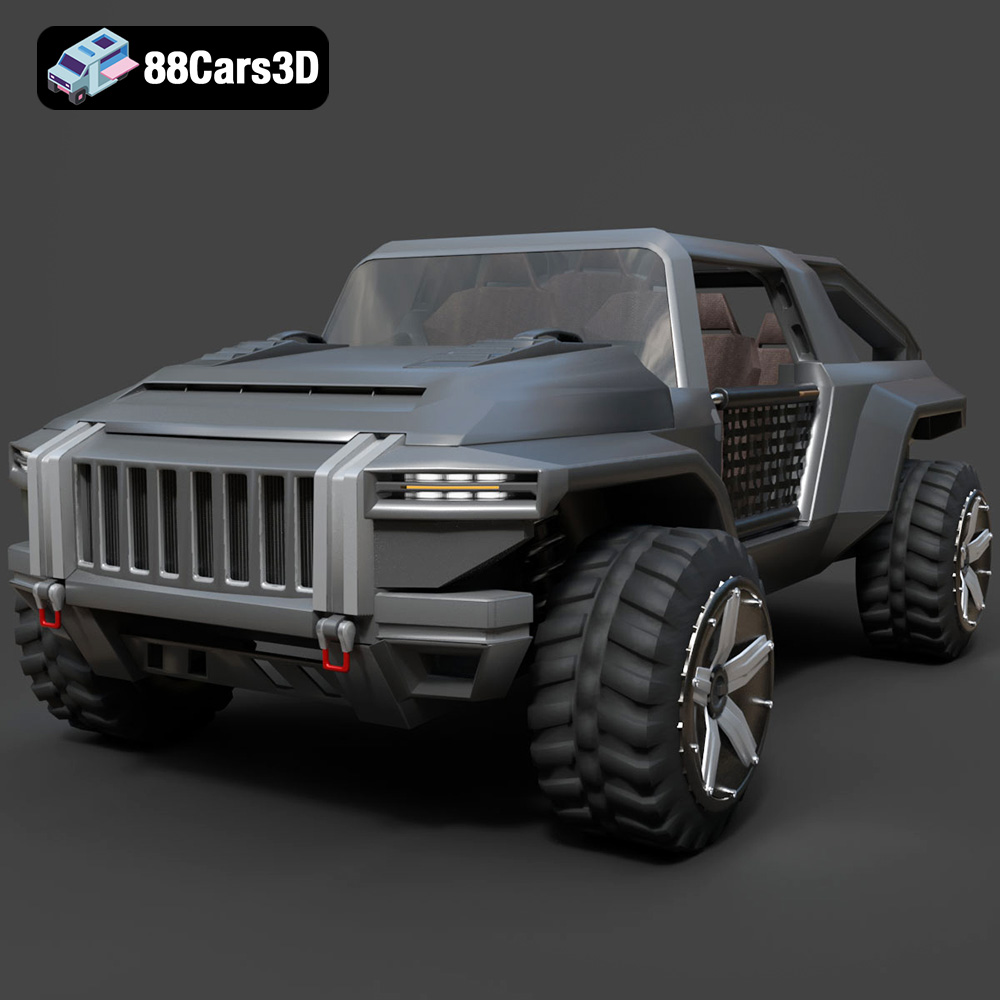
Today, we delve deep into the technical prowess and creative potential of a standout asset: the Cactus Jeep 3D Model. This isn’t just any vehicle model; it’s a testament to rugged utility and off-road heritage, designed to perform across a spectrum of professional applications. Whether you’re a game developer seeking an authentic ride for an open-world adventure, an architect visualizing a scene, or a product designer iterating on concepts, this model offers a robust foundation. Its optimized geometry, detailed features, and multi-format compatibility make it an invaluable addition to any digital arsenal, embodying the seamless integration required by modern pipelines.
The choice of a 3D model file format is often as crucial as the model itself, dictating compatibility, feature retention, and overall workflow efficiency. When acquiring a premium asset like the Cactus Jeep 3D Model, understanding the nuances of each included format is key to maximizing its utility across various software and platforms. This model from 88cars3d.com is provided in a comprehensive array of formats, ensuring it fits virtually any professional pipeline.
The .blend format represents a native Blender scene file. For artists and studios utilizing Blender, this is often the most desirable format as it contains the complete project data: meshes, materials, textures, lighting, camera setups, animation data, modifiers, and even custom scripts. Importing a .blend file directly into Blender allows for full editability, giving users the freedom to dissect the model, understand its construction, apply custom rigs, or integrate it seamlessly into a larger Blender project without any loss of information or conversion artifacts. It’s the ideal format for deep customization and collaborative work within the Blender ecosystem.
.fbx (Filmbox) is arguably the most widely adopted proprietary file format for 3D content exchange, developed by Autodesk. Its strength lies in its ability to store a wide range of 3D data, including mesh geometry, materials, textures, bone rigs, animations, and even light and camera information. This makes it a crucial format for game development, as engines like Unreal Engine and Unity have robust .fbx importers. For the Cactus Jeep, the .fbx file ensures that all separate components like wheels, suspension, and steering, along with their pivot points, are correctly transferred for animation and physics integration, making it a truly game-ready asset.
The .obj (Wavefront OBJ) format is a widely supported, open-standard file format for 3D geometry. It’s a text-based format that primarily stores mesh data (vertices, normals, texture coordinates, and faces) and can reference external .mtl (material library) files for basic material properties like color and texture maps. While it doesn’t store animation or rigging data, its universal compatibility makes it an excellent choice for static model transfers between almost any 3D software application. For the Cactus Jeep, the .obj provides a clean, reliable mesh that can be easily imported into any program for rendering or further modeling, serving as a robust base for various projects.
.glb (GL Transmission Format Binary) is the binary version of the glTF format, designed for efficient transmission and loading of 3D scenes and models by engines and APIs. It’s rapidly becoming the standard for web-based 3D, AR (Augmented Reality), and VR (Virtual Reality) applications due to its compact size and PBR (Physically Based Rendering) material support. A .glb file packages all necessary assets (geometry, materials, textures) into a single file, making it incredibly convenient for displaying models in browsers, mobile AR apps, or virtual showrooms. The Cactus Jeep’s .glb file is optimized for these environments, ensuring quick loading and high visual fidelity.
The .stl (Stereolithography) format is the standard file type for 3D printing. It describes only the surface geometry of a 3D object using a mesh of triangular facets, without any color, texture, or material information. This format is crucial for hobbyists and professionals looking to bring the Cactus Jeep 3D Model into the physical world. The provided .stl file for the Cactus Jeep allows users to prepare the model for 3D printing, enabling the creation of tangible display pieces or prototypes, following the recommended print settings for optimal results.
The .ply (Polygon File Format, or Stanford Triangle Format) is another common format for storing 3D data. It can store a variety of properties including color, transparency, surface normals, texture coordinates, and even reliability information for the data. While often associated with 3D scanning and point cloud data, it can also represent polygon meshes. It’s particularly useful in applications requiring high precision and detailed geometry analysis, often found in CAD, scientific visualization, or specific manufacturing workflows. Though less common for general purpose 3D car models, its inclusion provides an option for highly specialized pipelines.
The .unreal designation indicates that the model has been specifically prepared and optimized for direct import and use within Unreal Engine. This typically means the mesh, materials, textures, and possibly even basic blueprint setups are pre-configured to adhere to Unreal Engine’s best practices for performance and visual quality. This format significantly reduces the setup time for game developers, allowing them to drop the Cactus Jeep directly into their projects with minimal post-import work, leveraging Unreal’s powerful rendering capabilities instantly.
Similar to .blend for Blender, the .max format is the native file type for Autodesk 3ds Max. It contains all the scene information, including the model’s geometry, materials, textures, modifiers, lights, cameras, and any animation data created within 3ds Max. For professionals working with 3ds Max, this file offers the highest level of control and flexibility, enabling advanced rendering setups with engines like V-Ray or Corona, complex animation sequences, and detailed scene construction. The Cactus Jeep’s .max file is perfect for high-fidelity automotive rendering and studio-quality visualization projects.
Game development demands a delicate balance between visual fidelity and performance, especially for detailed assets like vehicles. The Cactus Jeep 3D Model is engineered precisely for this challenge, making it an exemplary game-ready asset for modern interactive experiences.
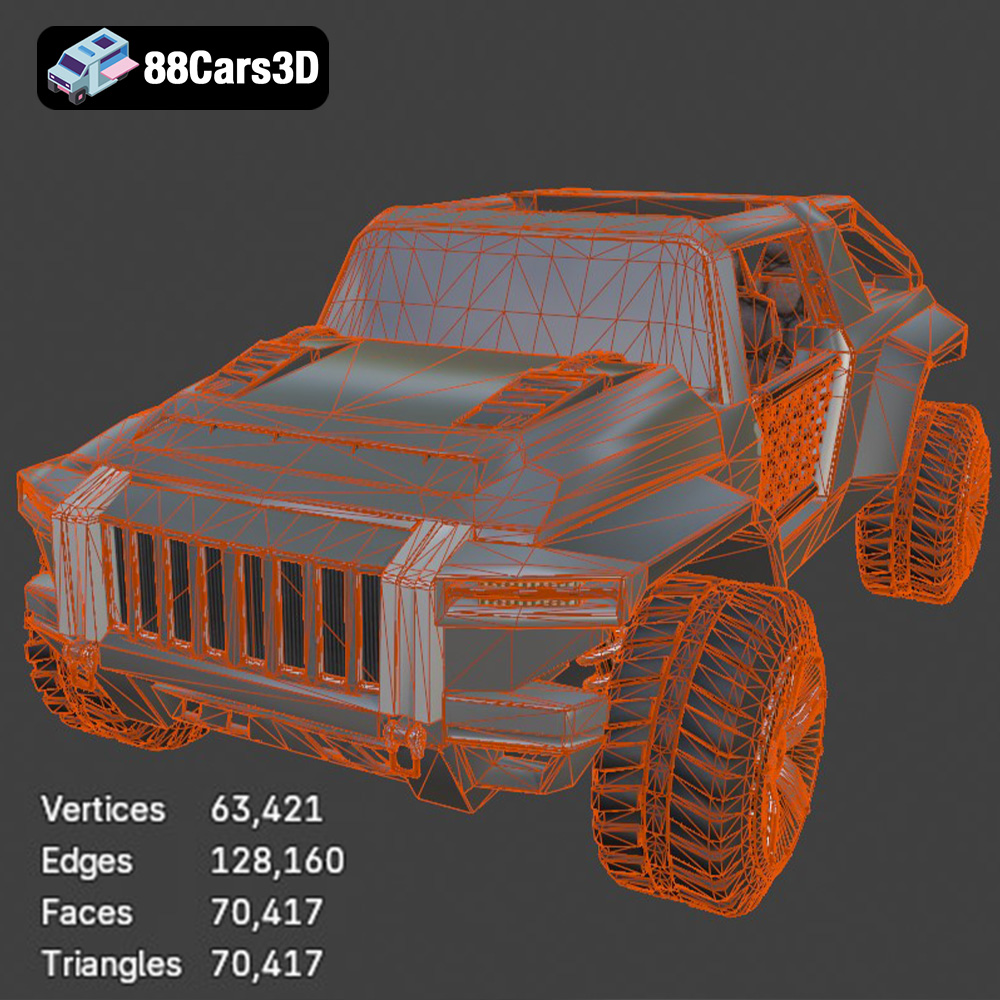
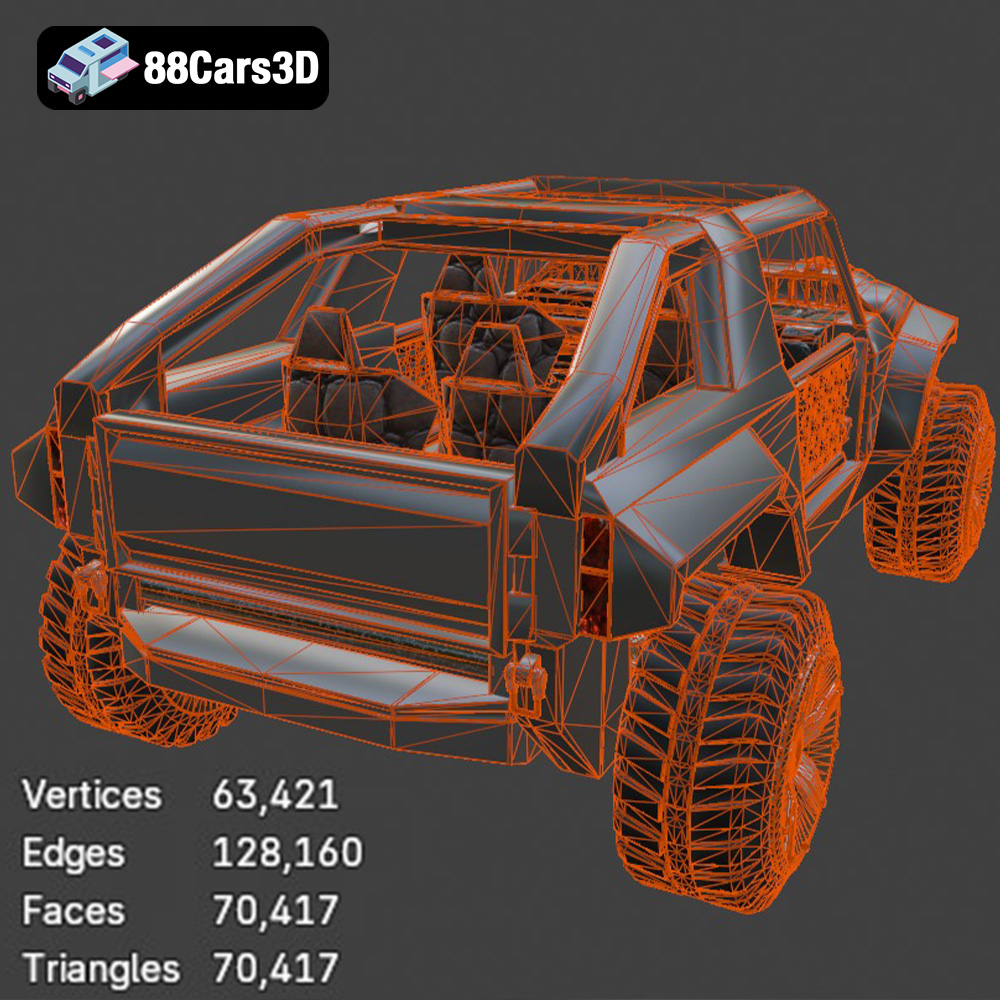
At the heart of any successful game asset is its optimization. The Cactus Jeep boasts an efficient topology of 70,417 triangles. This specific polycount is not arbitrary; it strikes a perfect balance. It’s detailed enough to convey a high level of visual realism, capturing the rugged charm of an off-road legend, yet optimized to ensure minimal impact on game performance. For real-time engines like Unreal and Unity, this means smoother frame rates, less memory consumption, and a more responsive player experience. This careful optimization is crucial for open-world games, mobile titles, and VR experiences where every triangle counts towards maintaining immersion.
A static car model has limited utility in a game; it needs to move and react realistically. The Cactus Jeep is designed with animation in mind, featuring separate wheels, suspension, and steering components. More importantly, it includes proper pivot setups for steering, wheel rotation, and suspension travel. This technical detail is paramount: it allows game developers to easily integrate complex vehicle physics systems, enabling realistic bounces, turns, and suspension articulation as the vehicle traverses uneven terrain. This level of preparation drastically cuts down on development time, allowing artists and programmers to focus on gameplay mechanics rather than basic asset setup.
The appeal of an off-road vehicle like the Cactus Jeep shines brightest in open-world environments. Its design makes it ideal for a myriad of game genres:
The model’s robustness and detailed interior, optimized for first-person POV, further enhance player immersion, making it feel like a truly integral part of the game world.
Beyond interactive environments, the Cactus Jeep 3D Model excels in the realm of high-fidelity automotive rendering and visualization, bringing stunning photorealism to marketing campaigns, product showcases, and artistic compositions.
For studios and designers, accurate and visually rich 3D car models are indispensable tools. The Cactus Jeep model provides an excellent foundation for creating marketing materials, ad campaigns, and brand showcases. Its detailed geometry, coupled with PBR-ready materials, allows for breathtaking studio renders. Imagine this rugged vehicle showcased against a sleek, minimalist backdrop, or navigating a dynamic, stormy landscape – the possibilities for impactful visual storytelling are endless. The emphasis on real-world scale accuracy further ensures that renders are believable and consistent with actual vehicle proportions, a critical factor for automotive brands.
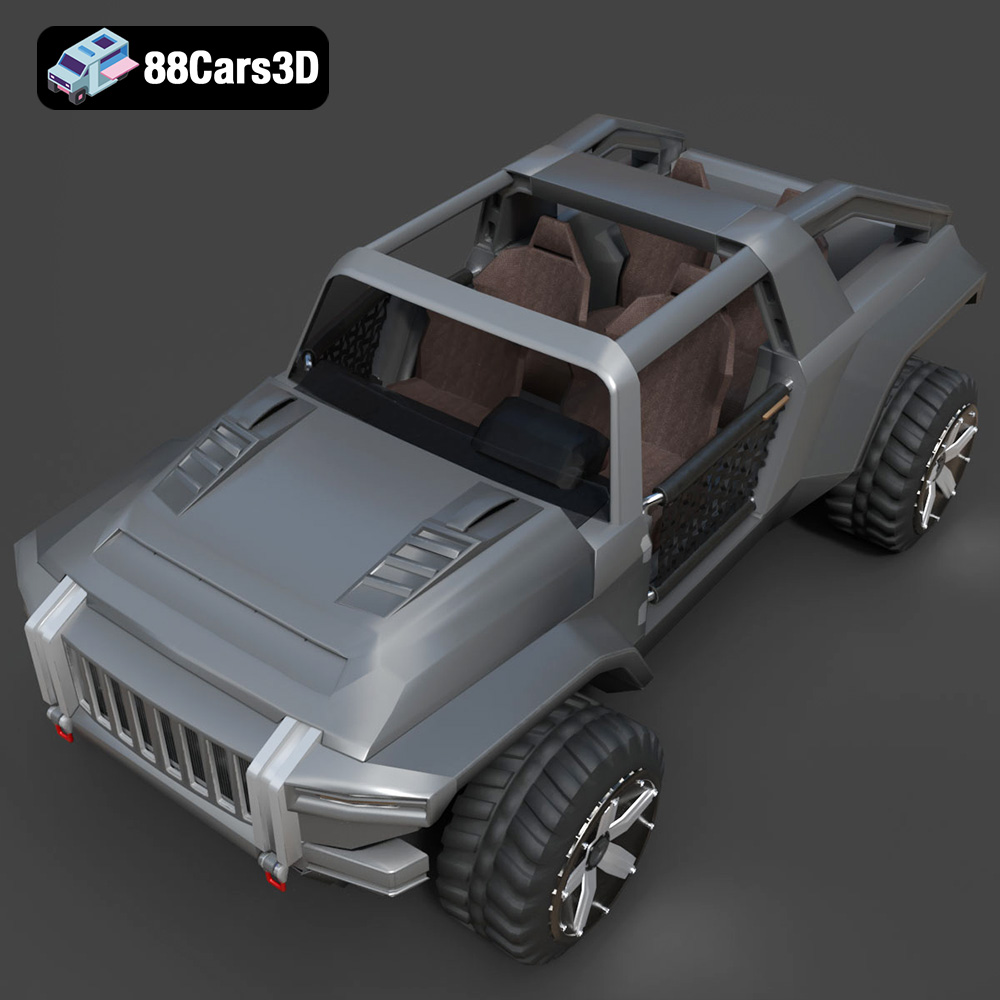
The product description highlights a wealth of exterior and interior features that contribute to its render-ready quality:
Each of these elements is meticulously modeled, ensuring that when rendered with advanced lighting and shading techniques, the resulting images are virtually indistinguishable from photographs. This attention to detail is what elevates a good 3D car model to an exceptional one, ready for professional automotive rendering tasks.
Professional rendering workflows often involve extensive customization. The Cactus Jeep model is built to facilitate this with ease. Artists can:
This flexibility empowers artists to adapt the model to diverse project requirements without extensive re-modeling, making it a highly efficient asset for various visualization needs.
The versatility of high-quality 3D car models extends far beyond traditional screens, opening doors to immersive virtual experiences and tangible physical creations.
Augmented Reality (AR) and Virtual Reality (VR) are transforming how we interact with digital content. The Cactus Jeep 3D Model, with its optimized geometry and game-ready status, is perfectly suited for these emerging platforms. The inclusion of the .glb format is a clear advantage here, offering a streamlined path for web-based AR/VR deployments. Imagine:
The model’s efficient polycount ensures smooth performance on AR/VR hardware, crucial for maintaining user comfort and immersion in these demanding environments.
For enthusiasts, model makers, or those requiring physical prototypes, the ability to 3D print a digital asset is invaluable. The Cactus Jeep 3D Model includes an .stl format, making this transition from digital to physical seamless. The provided 3D print settings are a crucial guide for achieving excellent results:
This comprehensive guidance empowers users to successfully reproduce the Cactus Jeep as a tangible model, whether for hobbyist collections, educational purposes, or rapid prototyping.
The true measure of a versatile 3D asset lies in its adaptability across various professional software and workflows. The Cactus Jeep 3D Model, available through 88cars3d.com, provides the necessary file formats to integrate seamlessly into industry-standard pipelines.
For artists deeply integrated into the Blender ecosystem, the native .blend file is a goldmine. It allows for complete control over every aspect of the model. Users can:
Blender’s robust modeling, sculpting, and texturing tools make it an ideal environment for further enhancing the Cactus Jeep to meet unique creative visions.
The inclusion of the .unreal file signifies the Cactus Jeep’s readiness for direct deployment in Unreal Engine projects. This is a massive time-saver for game developers and real-time visualization specialists. With this format, users can:
The Cactus Jeep becomes an immediate interactive element within Unreal, accelerating development and enabling dynamic showcases.
For high-end architectural visualization, cinematic animation, and advertising, 3ds Max remains a dominant force. The .max file for the Cactus Jeep provides full access to the model within this powerful environment. Professionals can:
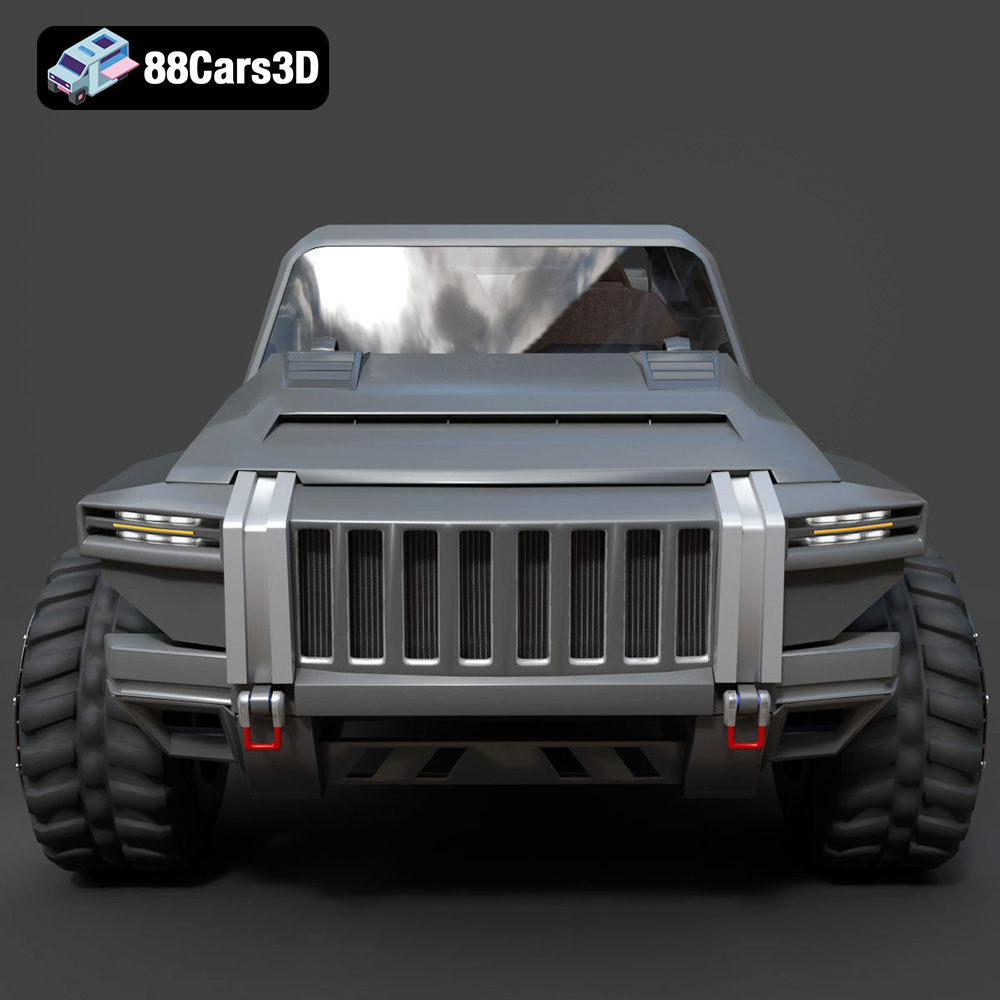
The .max file ensures that all the intricate details of the Cactus Jeep, from its signature grille to its heavy-duty chassis, are available for the highest level of artistic and technical control, pushing the boundaries of professional automotive rendering.
The digital realm thrives on quality assets, and the Cactus Jeep 3D Model exemplifies what a premium 3D car model should be: versatile, highly detailed, and meticulously optimized. From its efficient 70,417-triangle topology perfect for game development and AR/VR, to its intricate exterior and interior features designed for photorealistic automotive rendering, this model stands as a testament to expert craftsmanship.
Its comprehensive array of file formats—including .blend, .fbx, .obj, .glb, .stl, .ply, .unreal, and .max—ensures seamless integration into virtually any professional workflow, empowering creators to bring their visions to life across diverse platforms. Whether you’re animating a rugged off-road adventure, crafting a stunning marketing visualization, or even 3D printing a scale replica, the Cactus Jeep provides the robust foundation you need.
Investing in such a high-quality asset significantly streamlines production pipelines, reduces development time, and elevates the visual impact of any project. Explore the full potential of this exceptional 3D car model and discover other premium game assets and automotive rendering solutions by visiting 88cars3d.com today. Your next project deserves nothing less than excellence.
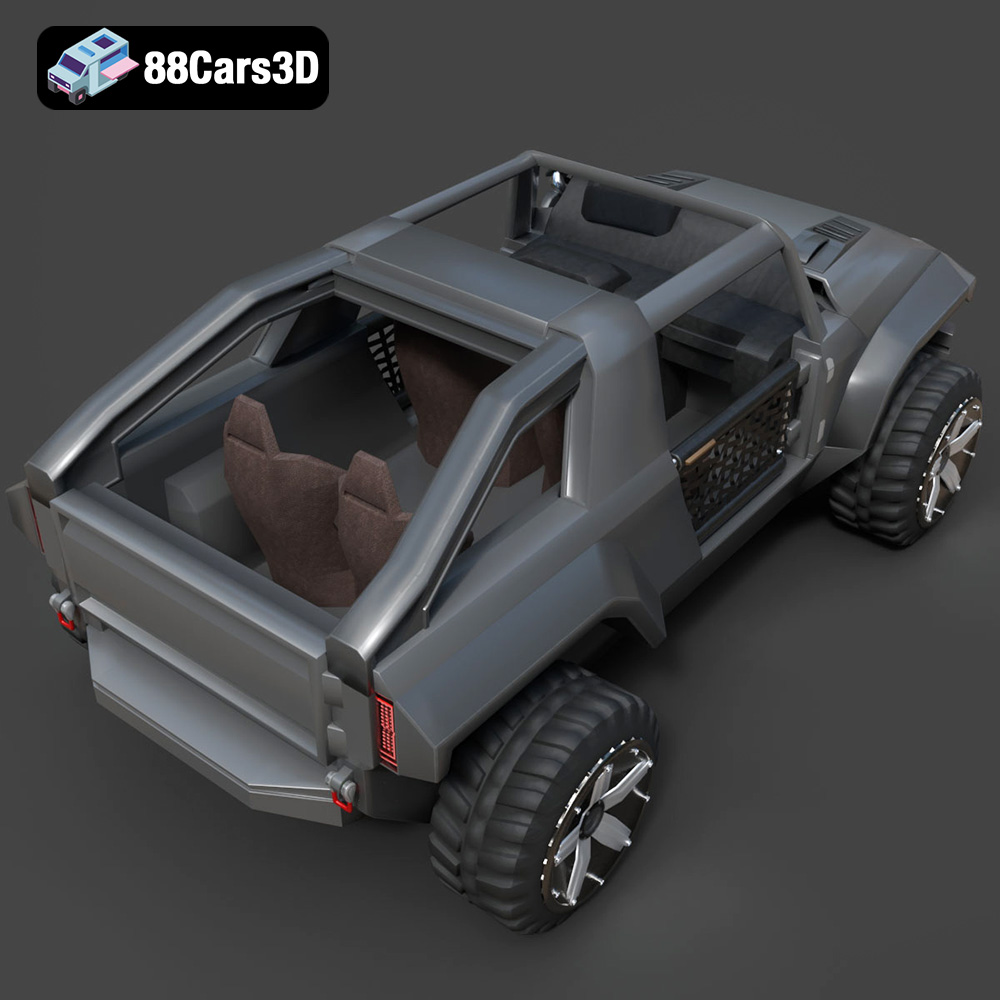
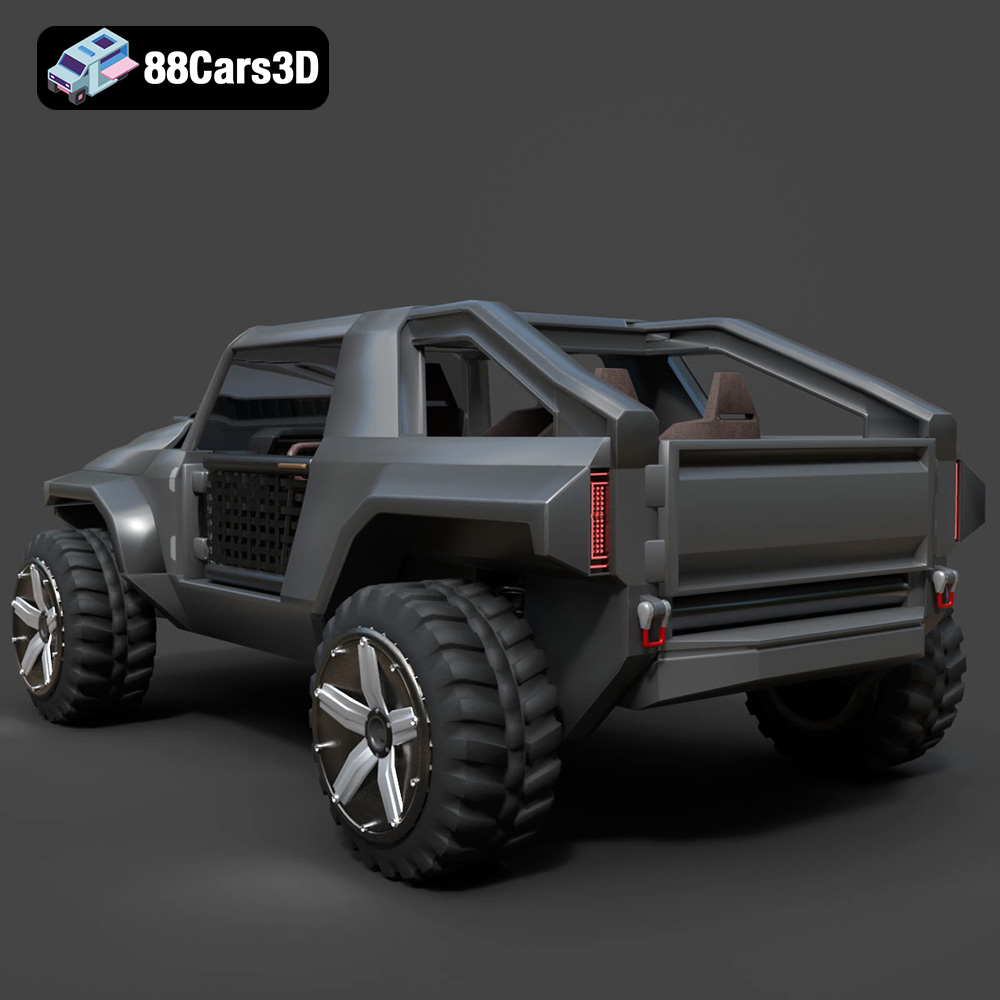
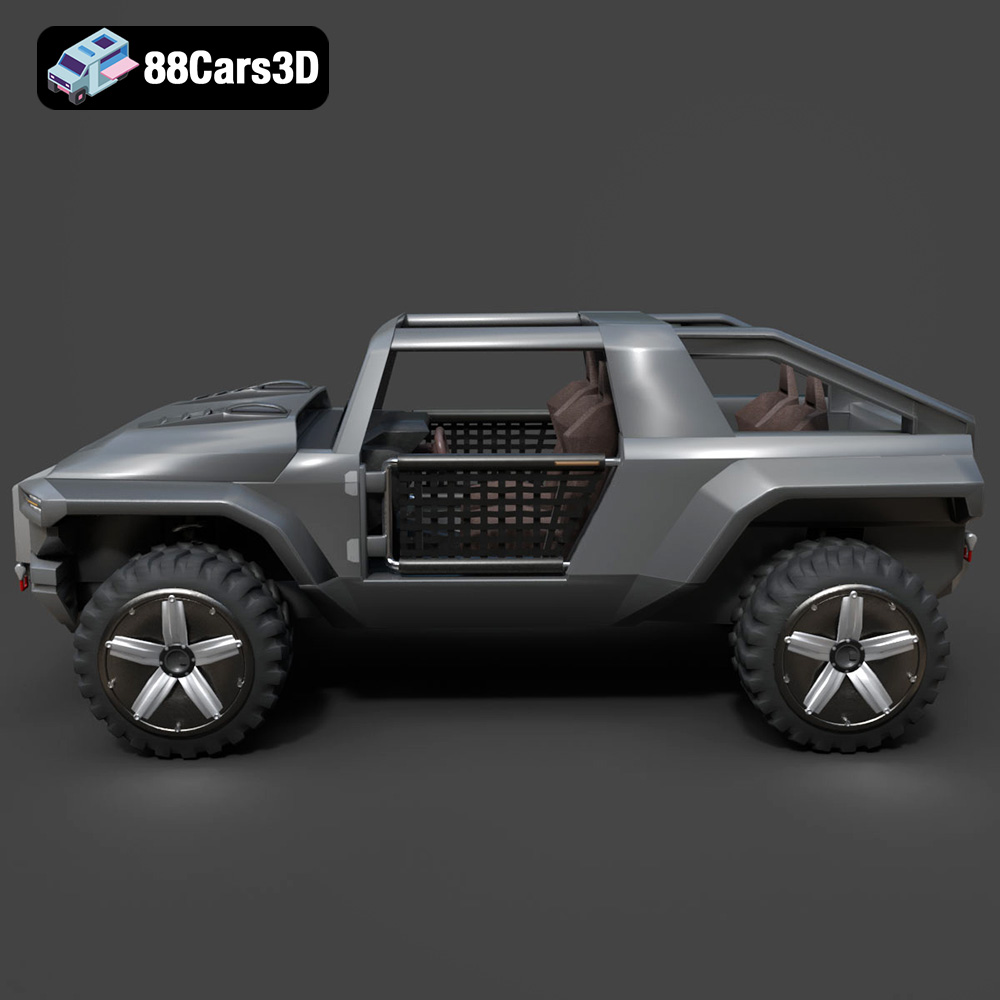
Experience the ultimate blend of rugged utility and off-road heritage with the Cactus Jeep. This iconic 4×4 vehicle is celebrated for its utilitarian styling, exceptional durability, and unmatched capability on rough terrains. From its signature front grille and exposed heavy-duty chassis to its muscular wheel arches and functional boxy silhouette, this 3D model captures the true spirit of a classic off-roading legend ready to tackle the wilderness.
Engineered for seamless integration into modern digital environments, this model boasts an efficient topology of 70,417 triangles. It delivers stunning visual fidelity without compromising performance, making it an exceptional game-ready asset. Whether you are developing an immersive open-world adventure, creating realistic automotive renders, or building an interactive VR experience, this meticulously optimized model guarantees high-end results across various real-time engines and rendering software.
Perfect for open-world off-road simulations, survival game environments, digital automotive showrooms, and photorealistic lifestyle renderings.
.blend, .fbx, .obj, .glb, .stl, .ply, .unreal, .max
Tags:
cactus, jeep, off-road, 4×4, suv, game-ready, low-poly, optimized, car-3d-model, game-asset, rendering, vr-ar, blend, fbx, obj, glb, stl, ply, unreal, max
$14.99
.4×4
.blend
.fbx
.glb
.jeep
.max
.obj
.ply
.rendering
.stl
.unreal
cactus
car-3d-model
game asset
game-ready
low-poly
off-road
optimized
SUV
VR/AR