Get 20% OFF All Premium 3D & STL Models!

In the dynamic worlds of automotive rendering, game development, and immersive visualization, the pursuit of realism is relentless. Every detail, from the gleam on a paint job to the intricate mechanics of an engine, contributes to a truly believable digital experience. While sports cars and luxury sedans often hog the spotlight, the backbone of urban and industrial scenes lies in the often-unsung heroes of logistics: commercial vehicles. These workhorses not only populate virtual environments but also serve as critical functional assets in simulations, training modules, and advertising campaigns.
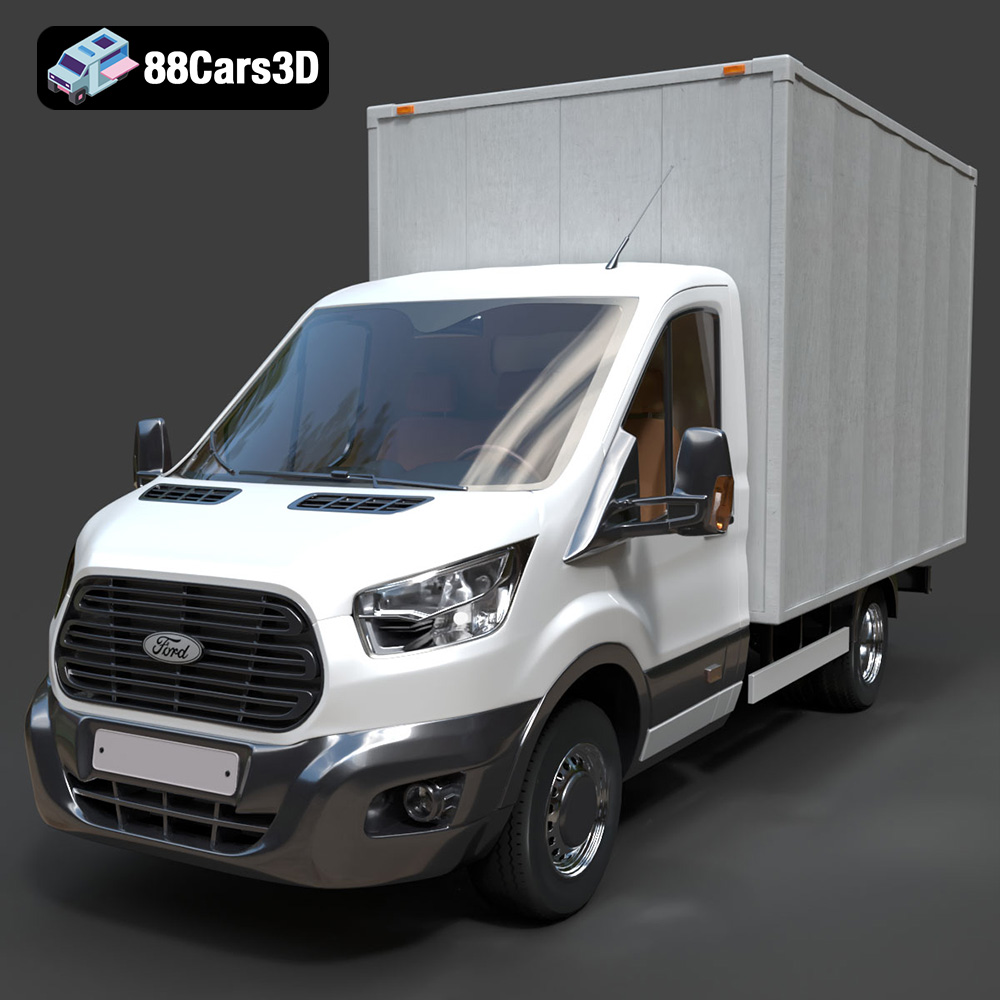
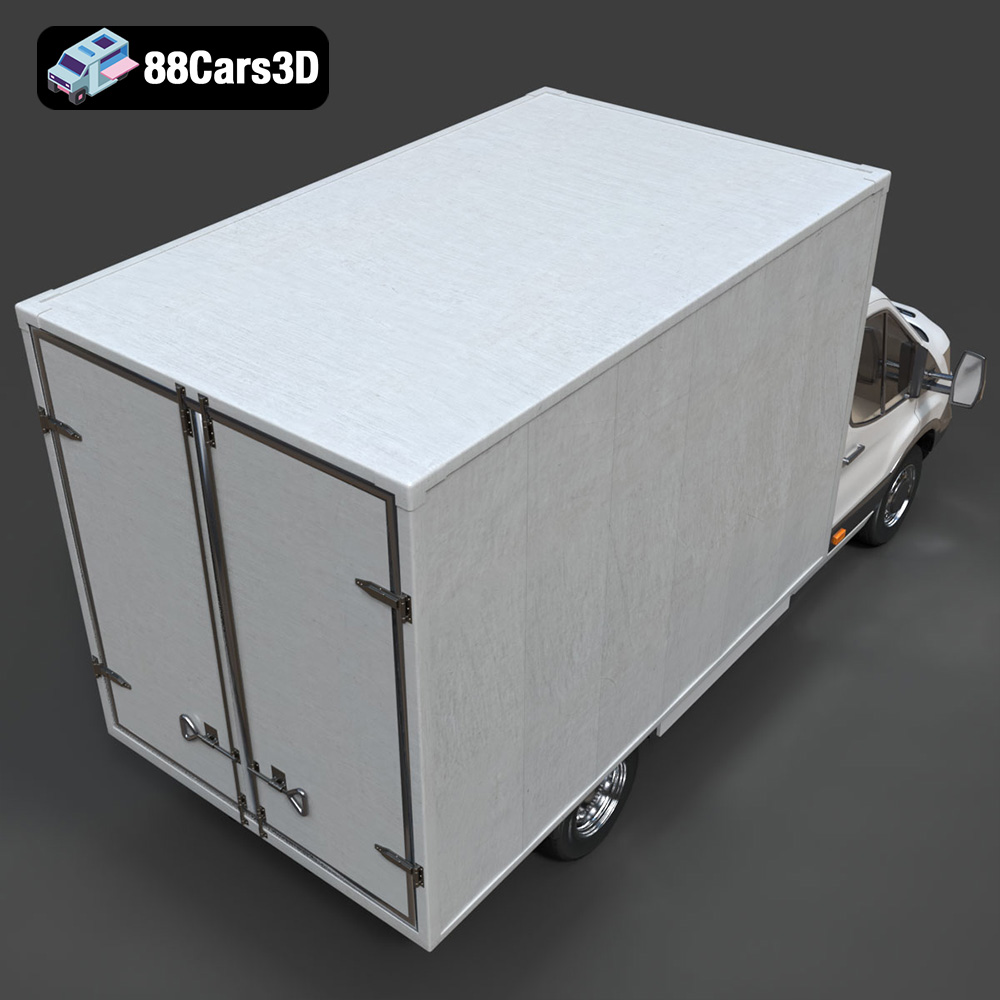
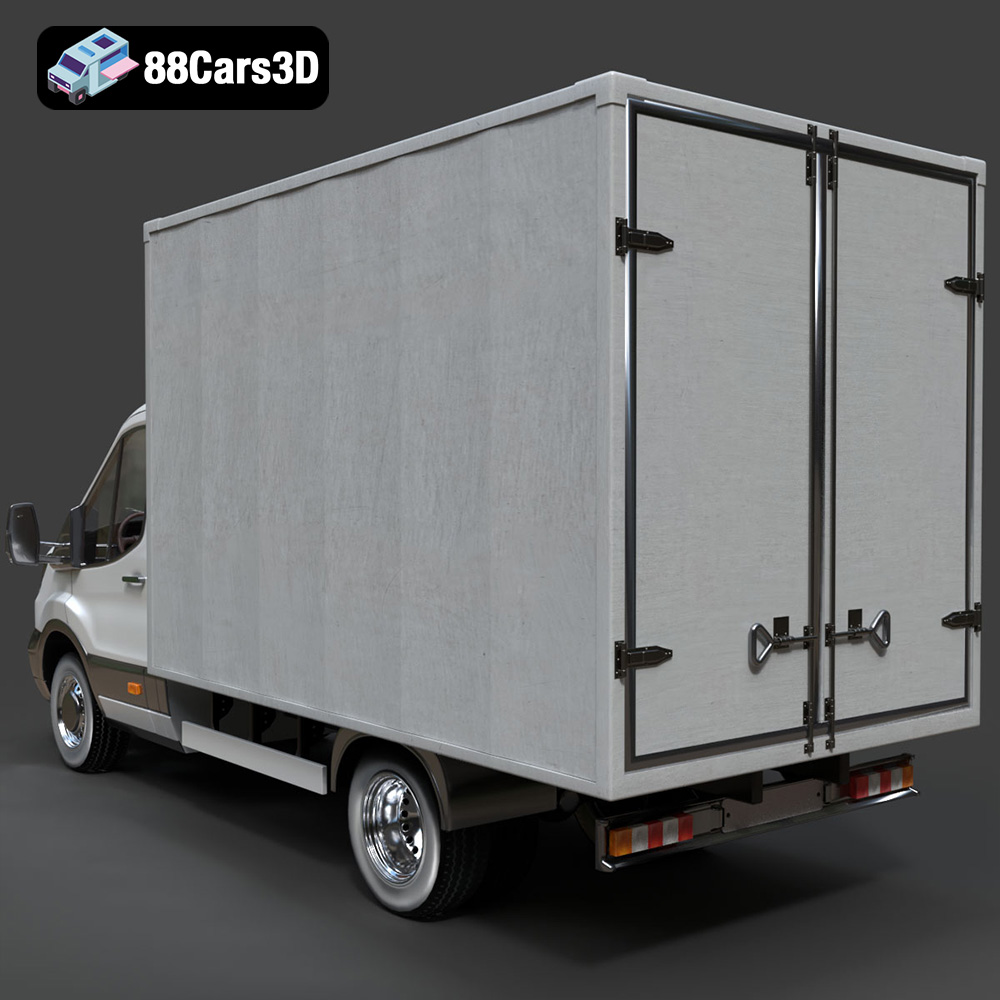
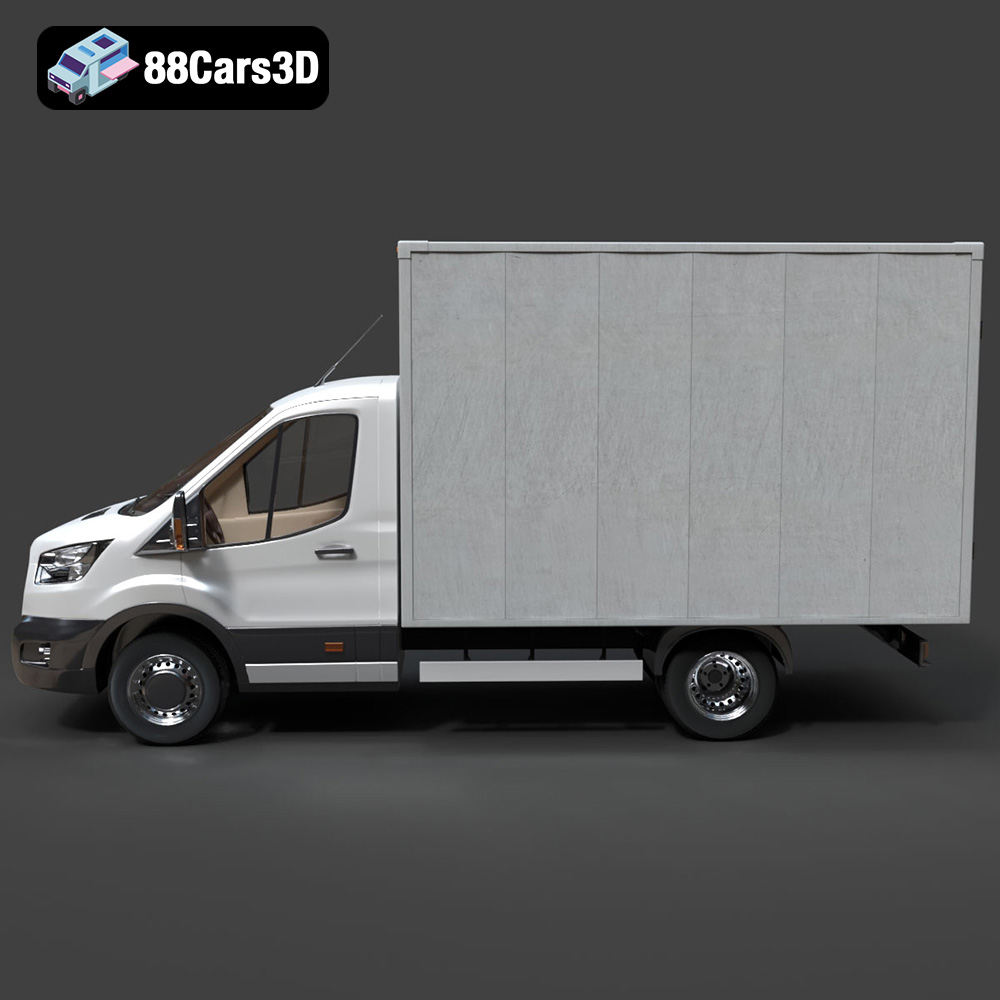
The demand for impeccably detailed, production-ready commercial vehicle 3D models has never been higher. Professionals require assets that combine aesthetic accuracy with technical optimization, ready to drop into diverse pipelines without extensive rework. This is precisely where models like the Ford Transit Camion 2008 3D Model truly shine. Representing a pinnacle of robust utility and iconic styling, this particular asset offers a meticulously crafted digital twin of a vehicle synonymous with heavy-duty logistics and urban transport. Its detailed chassis, classic commercial truck bed, and unmistakable front fascia make it a cornerstone for creating realistic, engaging, and functionally rich digital scenes.
Navigating the ecosystem of 3D modeling requires a solid understanding of the various file formats available, each tailored for specific applications, software compatibility, and data integrity. The choice of format can profoundly impact a project’s workflow, performance, and final output quality. When acquiring a versatile asset like the Ford Transit Camion 2008 3D model, its availability across multiple formats is a significant advantage, providing flexibility for any professional pipeline.
The comprehensive range of formats for the Ford Transit Camion 2008 3D model ensures that it can seamlessly integrate into virtually any professional workflow, from high-end cinematic rendering in 3ds Max to real-time interactive experiences in Unreal Engine, and even physical production via 3D printing. This versatility underscores the value proposition of acquiring well-prepared 3D car models from marketplaces like 88cars3d.com.
A truly professional 3D asset goes beyond mere visual representation; it embodies a meticulous balance of detail, optimization, and structural integrity. The Ford Transit Camion 2008 3D model exemplifies this philosophy, offering a robust digital replica designed for demanding production environments.
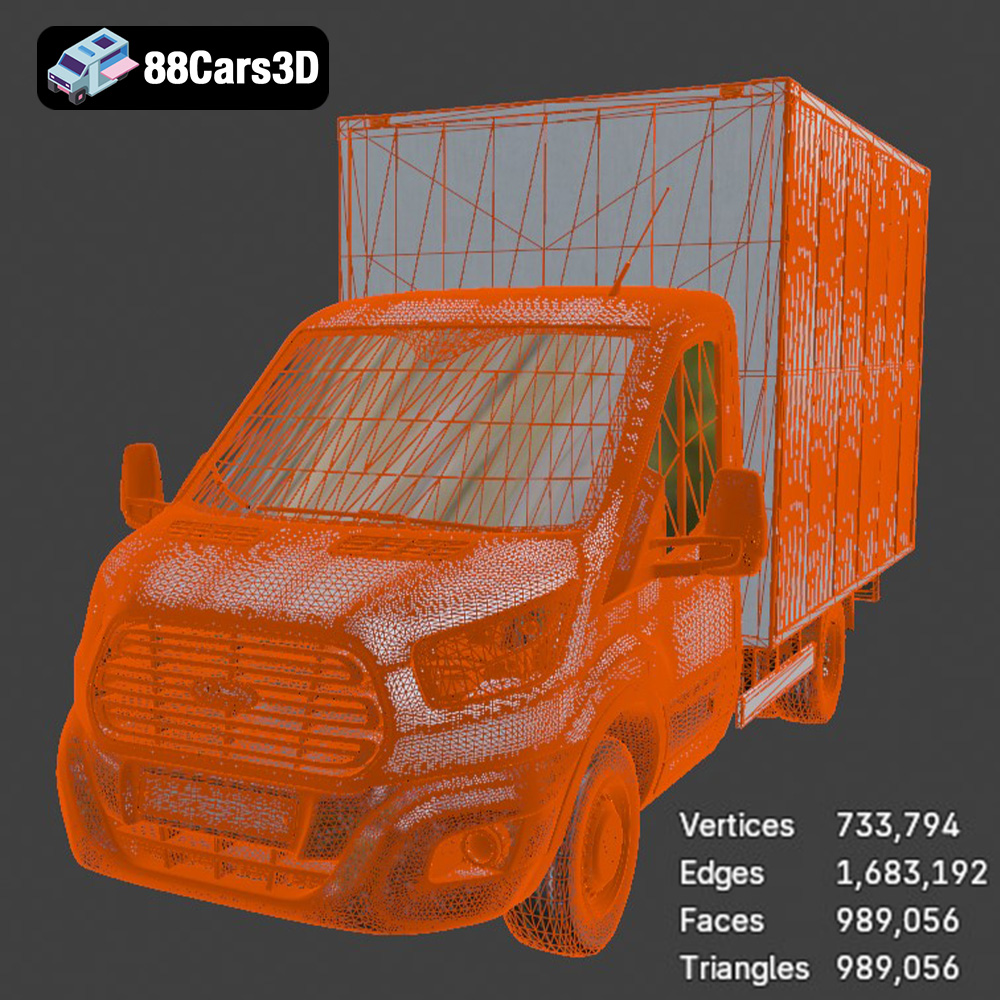
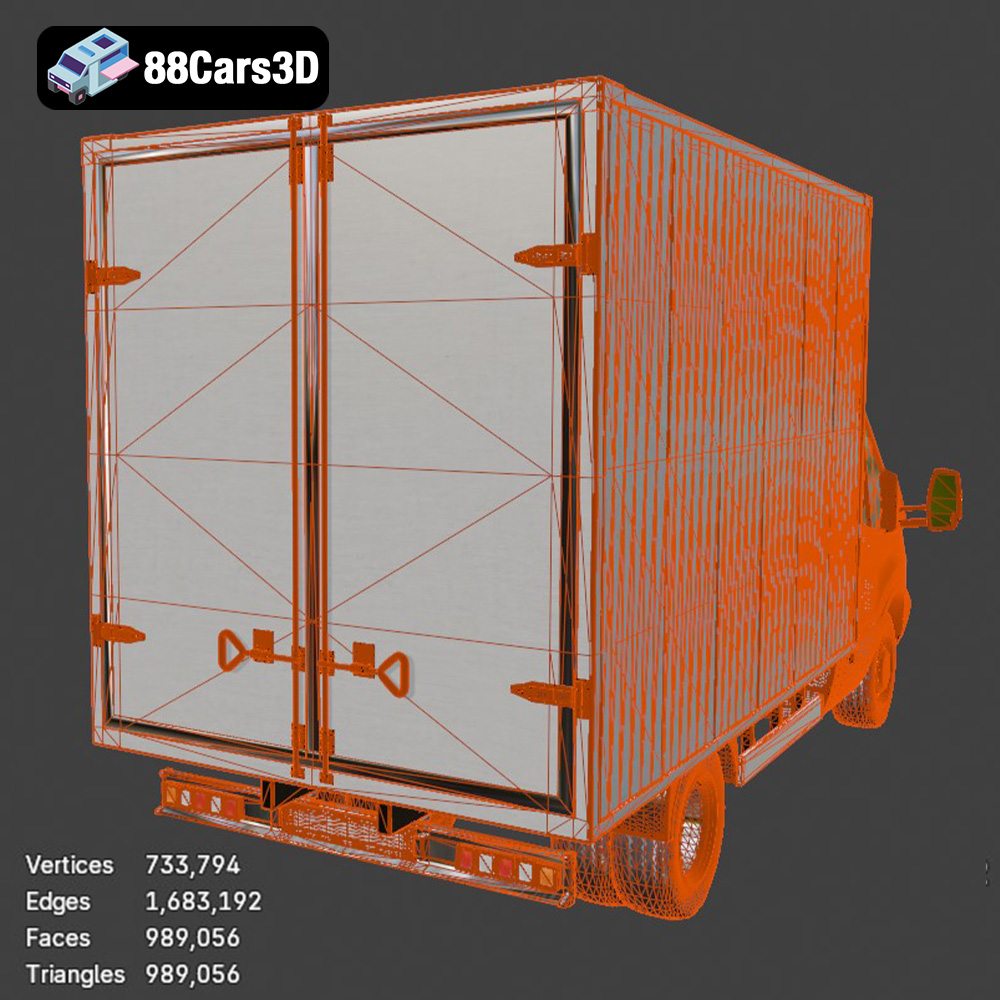
The reported 989,056 triangles for this model represent a sweet spot in modern 3D asset creation. This polycount is high enough to deliver exceptional visual realism, capturing the subtle curves and sharp edges of the Transit’s body, the intricate tread patterns on its heavy-duty tires, and the complex details of its chassis. For close-up shots in automotive rendering, this level of detail is crucial for avoiding a “flat” or simplistic appearance. However, it’s also carefully considered for “Game-Ready & Optimized” performance. While not ultra-low poly, a well-optimized mesh at this count can be efficiently managed by contemporary real-time engines like Unreal and Unity, particularly when coupled with modern rendering techniques, LODs (Levels of Detail), and efficient instancing. The structured topology implied by this optimization ensures clean deformation for animation and efficient UV mapping for texturing.
The meticulous attention to detail is evident in both the exterior and interior features. The exterior boasts accurate frame geometry, realistic commercial exhaust systems, and undercarriage details typically overlooked in less premium models. The inclusion of a detailed engine block and under-hood components is a significant advantage for engineers, animators, or anyone requiring a peek beneath the surface for technical visualizations or even simulation breakdowns. Separate components for wheels, suspension, and steering are critical for realistic animation, allowing for accurate rotation, travel, and turning simulations. Inside, the cockpit replicates an authentic commercial driver experience, featuring a detailed steering wheel, utility-focused instrument cluster, gear shifter, and heavy-duty pedals. This level of interior fidelity is paramount for first-person POV in gaming or for creating immersive virtual training modules.
Beyond visual fidelity, the model’s technical specifications offer significant advantages. Its real-world scale accuracy, based on actual vehicle chassis dimensions, ensures seamless integration into architectural visualization projects or existing vehicle fleets without scale mismatches. Crucially, the “proper pivot setup for steering, wheel rotation, and suspension travel” simplifies the animation process dramatically. Instead of painstakingly adjusting pivot points, animators can immediately begin rigging or applying pre-made vehicle animation systems, saving valuable production time. This attention to underlying structure makes the model not just a static display piece but a functional, animatable asset, ready for complex simulations or interactive experiences.
The true measure of a high-quality 3D asset lies in its ability to integrate smoothly into various professional pipelines. The Ford Transit Camion 2008 3D model, with its array of included file formats and robust technical foundation, is designed for just such versatility. Let’s explore its application in three prominent 3D environments.
For professionals leveraging 3ds Max for high-fidelity architectural visualization or cinematic rendering, the included .max file or a robust .fbx export offers immense value. Upon importing the .max file, users gain immediate access to the model’s original scene structure, potentially including lighting setups, materials, and even basic animation rigs. If starting from .fbx, the import process is straightforward, maintaining hierarchical structure and material assignments. Artists can then:
Blender users benefit directly from the native .blend file, providing a complete, editable scene. This allows for unparalleled flexibility, from minor tweaks to major customizations. For game asset preparation or creative rendering, the workflow might include:
Unreal Engine developers will find the .fbx and dedicated .unreal formats particularly valuable for incorporating the Ford Transit Camion 2008 into their projects. The “Game-Ready & Optimized” tag ensures a smooth transition:
The versatility of a well-crafted 3D model extends far beyond static images or cinematic animations. The Ford Transit Camion 2008 3D model, with its robust design and multiple format offerings, is a multifaceted asset for a wide range of cutting-edge applications.
In game development, a vehicle like the Ford Transit Camion 2008 is an invaluable asset for creating believable and engaging environments. Its “Game-Ready & Optimized” polycount of 989,056 triangles strikes an excellent balance, offering enough detail for modern game engines without excessively burdening performance. For open-world games, this model can populate urban and industrial zones, adding authenticity to traffic flows and static scene elements. In racing titles or simulators, the detailed exterior and interior (optimized geometry for first-person POV) provide an immersive experience for players. The separately modeled wheels, suspension, and steering components are critical for implementing realistic vehicle physics and animation, allowing for dynamic interactions and believable driving mechanics in logistics-focused gaming titles or commercial training simulations. This kind of asset elevates the realism of any virtual environment, making it a staple for developers seeking high-quality game assets.
Augmented Reality (AR) and Virtual Reality (VR) represent the forefront of immersive visualization. The Ford Transit Camion 2008 3D model is perfectly suited for these platforms, especially with its availability in the .glb format, which is optimized for efficient transmission and loading in web and mobile AR/VR environments. Imagine a virtual showroom where potential buyers can explore different configurations and liveries of a commercial fleet vehicle in a VR headset, or an AR application that places a life-sized Transit Camion directly into a customer’s driveway via their smartphone. Its real-world scale accuracy ensures that AR overlays are true to life, providing invaluable context for planning or sales. For immersive virtual configurators, mobile AR experiences, or even training scenarios where mechanics learn about engine components in VR, this model offers a detailed and interactive foundation.
The ability to transition from the digital realm to a tangible physical object is a powerful capability, and the Ford Transit Camion 2008 3D model supports this with its .stl format. Hobbyists, model makers, or even engineers requiring physical prototypes can leverage this feature. The product description provides specific 3D print settings, including recommended scales (1:12, 1:18, 1:24), layer height (0.04–0.12 mm for fine detail, suggesting resin printing), wall thickness, infill, and crucial support requirements for intricate parts like the exhaust and mirrors. The advice on print orientation (frame angled, wheels separately) is key for structural integrity and minimizing support material. Post-processing recommendations—sanding, primer, and authentic factory colors with metallic finishes—guide users toward achieving a professional, display-quality physical model. This application highlights the asset’s versatility, enabling tangible outcomes from digital designs.
The success of any 3D project often hinges on the quality and efficiency of its asset pipeline. Creating complex 3D car models like the Ford Transit Camion 2008 from scratch demands significant time, expertise, and resources. From intricate modeling and precise UV mapping to detailed texturing and optimal mesh topology, each step requires specialized knowledge. This is where investing in pre-made, high-quality 3D assets becomes an undeniable advantage for studios and individual artists alike.
By utilizing production-ready assets, development teams can dramatically accelerate their timelines. Instead of allocating weeks or even months to model a single vehicle, artists can instantly integrate a fully textured and optimized model into their scene. This frees up valuable internal resources to focus on core project elements, unique creative challenges, or other aspects of development that cannot be outsourced. The immediate availability of an asset like the Ford Transit Camion 2008 3D model means less overhead, faster iteration, and ultimately, a more efficient use of budget.
Professional marketplaces like 88cars3d.com curate assets that meet stringent quality standards. This ensures that the 3D car models you acquire, such as the Ford Transit Camion 2008, are built with proper topology, real-world scale accuracy, consistent PBR material workflows, and robust file structures. This eliminates the guesswork and potential inconsistencies that can arise from custom-built models or lower-quality free assets. The Ford Transit Camion, for instance, boasts specific pivot setups and optimized geometry, ensuring consistent performance and ease of use across various platforms.
The inclusion of multiple file formats (.blend, .fbx, .obj, .glb, .stl, .ply, .unreal, .max) ensures maximum compatibility across different 3D software and game engines. This flexibility means that the asset can be adapted for a wide range of current and future projects, from traditional automotive rendering to cutting-edge AR/VR experiences and even 3D printing. It mitigates the risk of software lock-in and provides a versatile foundation for diverse creative and technical needs. Accessing such a comprehensive library of formats from a single source like 88cars3d.com simplifies asset management and reduces potential integration headaches.
In the competitive landscape of 3D visualization, game development, and digital media, the quality of your assets directly impacts the impact and authenticity of your final product. The Ford Transit Camion 2008 3D model stands as a testament to this principle, offering a meticulously detailed, technically robust, and supremely versatile asset designed to meet the rigorous demands of professional workflows.
From its impressive polycount balancing high fidelity with real-time optimization to its exhaustive suite of exterior and interior details, this model provides an unparalleled foundation for creating believable commercial and industrial scenes. Its readiness for diverse applications, from complex cinematic rendering in 3ds Max and creative freedom in Blender to seamless integration into Unreal Engine for game development, AR/VR experiences, and even physical reproduction via 3D printing, underscores its indispensable value. The inclusion of a wide array of file formats further solidifies its position as a flexible and future-proof investment for any serious 3D artist or studio.
Investing in such high-quality 3D car models from reputable sources like 88cars3d.com is not merely a purchase; it’s a strategic decision that accelerates production, ensures consistent quality, and empowers artists to focus on creativity without compromise. The Ford Transit Camion 2008 3D model is more than just a digital file; it’s a key to unlocking new levels of realism and efficiency in your next project.
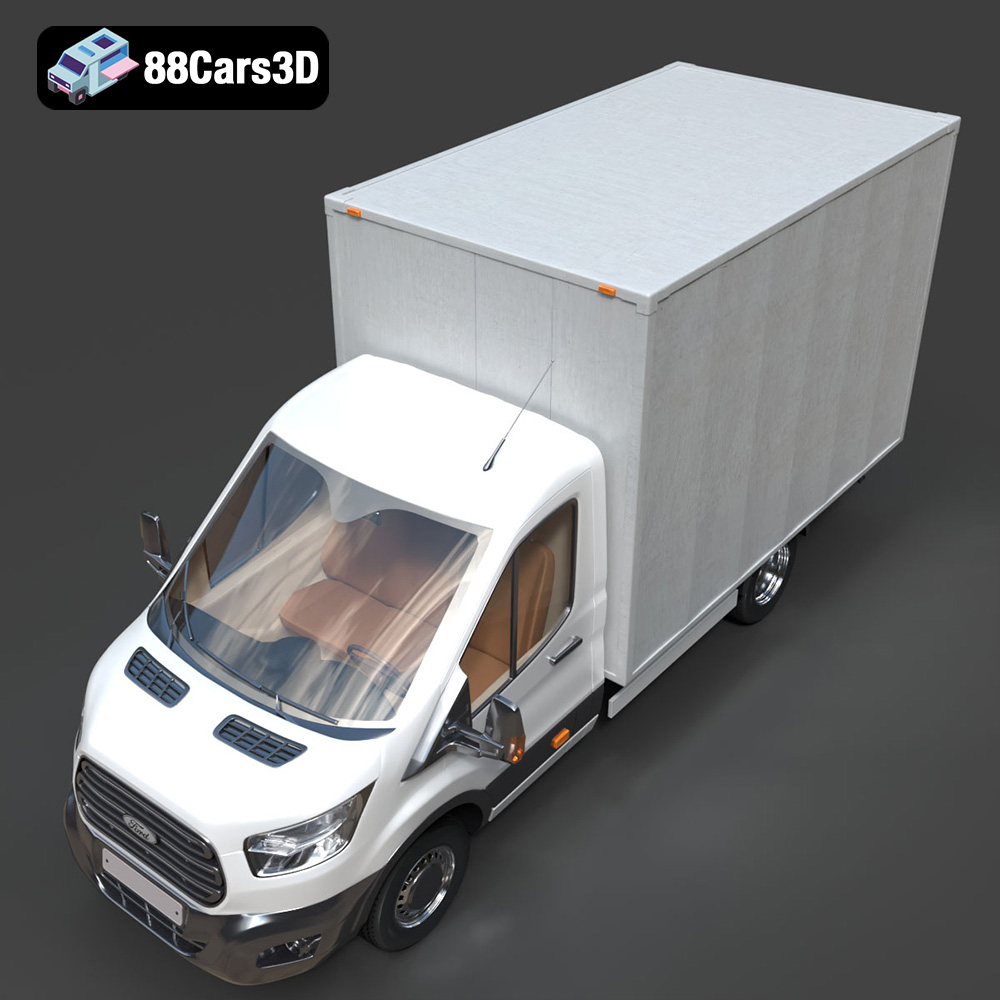
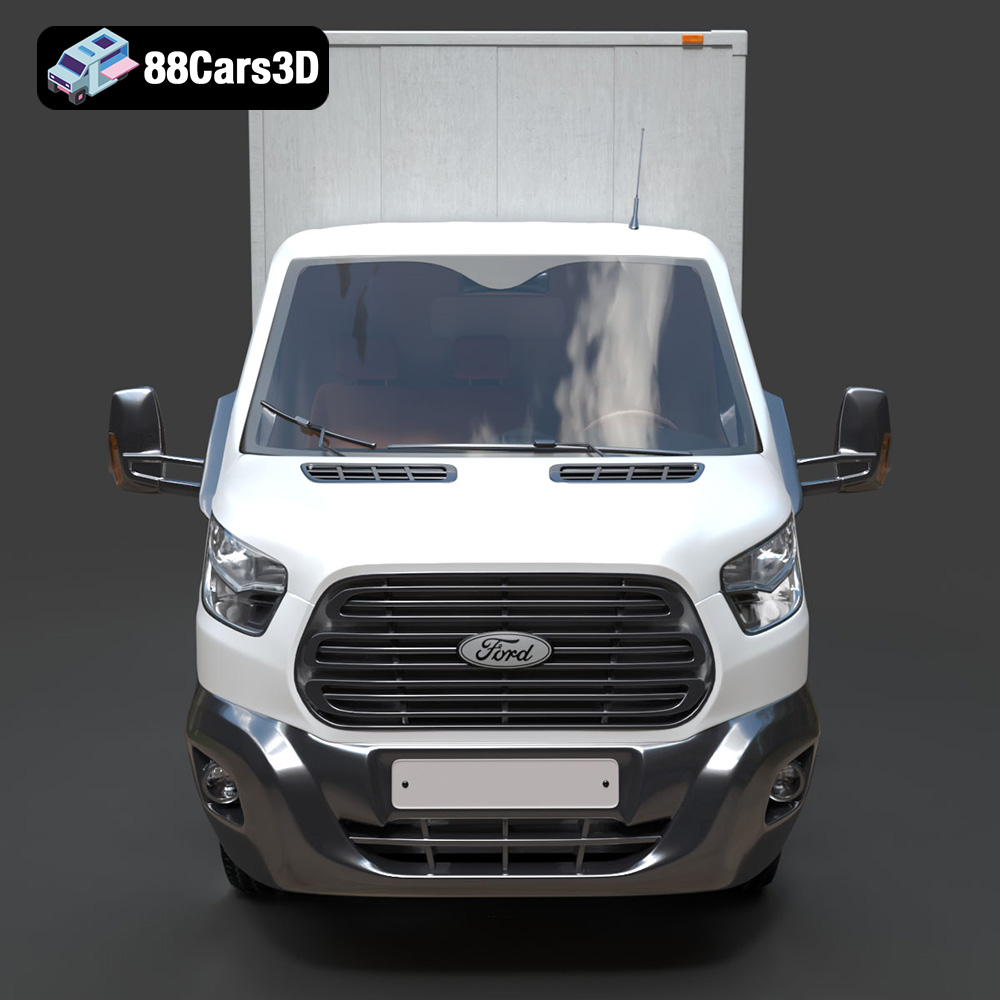
The Ford Transit Camion represents a pinnacle of commercial vehicle reliability, offering robust utility and iconic styling tailored for heavy-duty logistics and transport. This 2008 model features the classic commercial truck bed configuration, detailed chassis framework, and the unmistakable front fascia of the Transit series, making it an essential asset for realistic urban and industrial scenes. Boasting an impressive 989,056 triangles, this high-fidelity 3D model delivers exceptional visual realism while maintaining structured topology for seamless integration. Whether utilized in game development, architectural visualization, or cinematic animation, this asset provides unparalleled detail for close-up shots and immersive environments. Perfect for industrial simulations, urban environment population, logistics-focused gaming titles, and commercial fleet visualizations.
$61.00
.2008
.blend
.fbx
.ford
.glb
.max
.obj
.ply
.rendering
.stl
.truck
.unreal
car-3d-model
commercial-vehicle
game asset
game-ready
high poly
optimized
transit-camion
truck-3d-model
VR/AR