Get 20% OFF All Premium 3D & STL Models!

In the dynamic world of 3D visualization, the demand for high-fidelity automotive models has never been greater. From cinematic advertising and architectural walkthroughs to immersive gaming experiences and virtual reality showrooms, a meticulously crafted vehicle model forms the cornerstone of compelling visual content. The art and science of creating these digital masterpieces lie in a keen eye for detail, a deep understanding of engineering, and a mastery of advanced 3D software and rendering techniques.
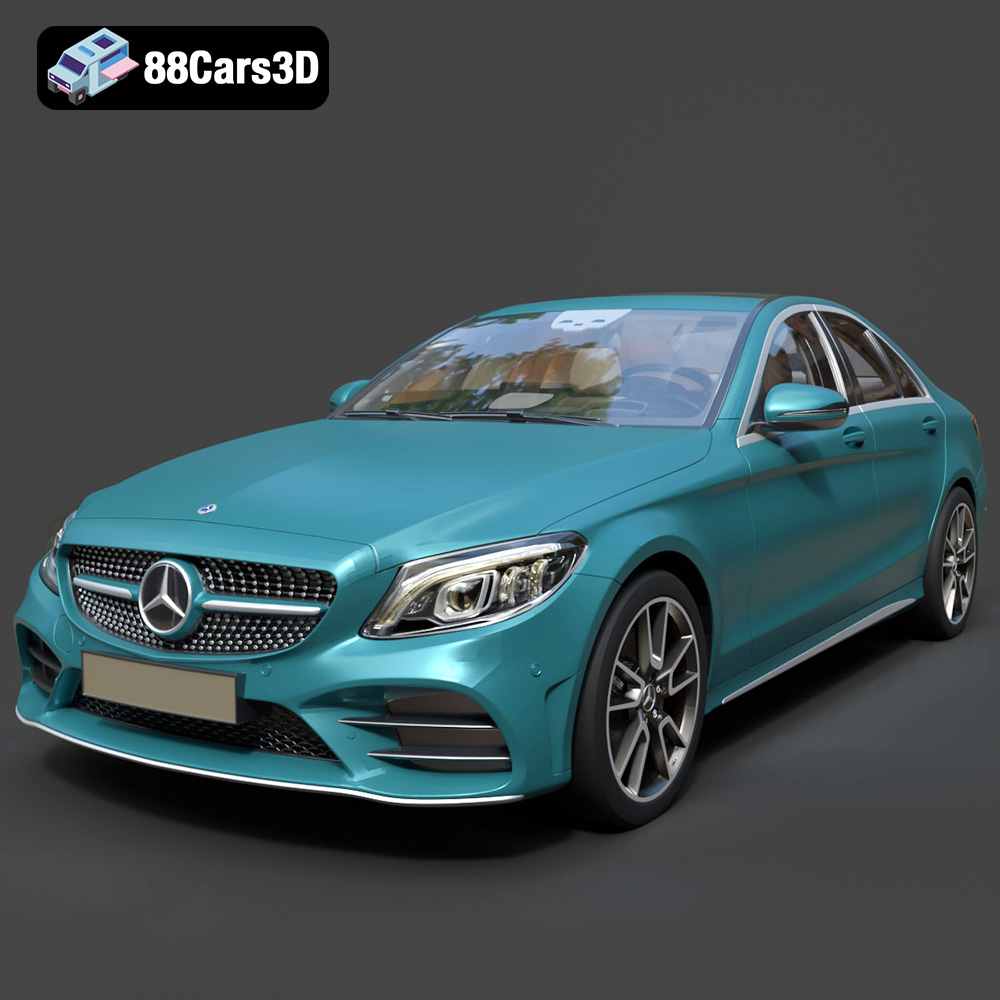
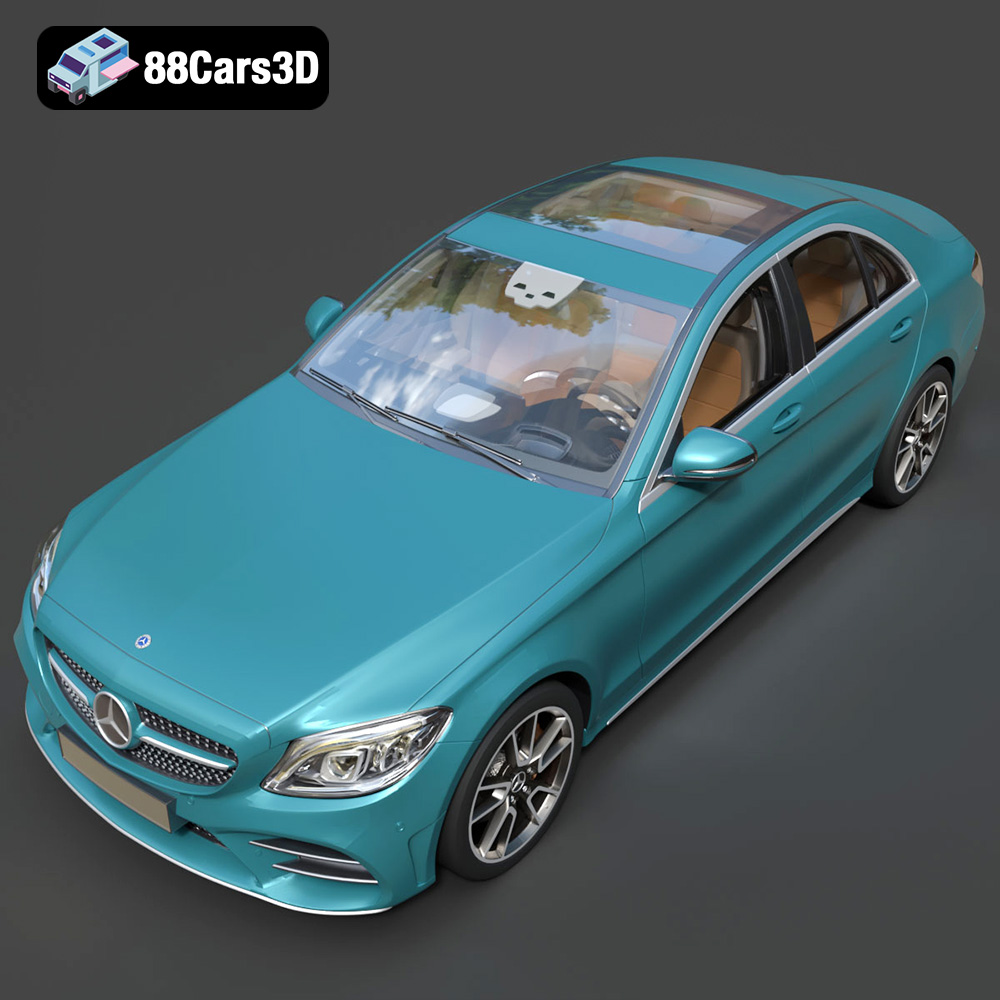
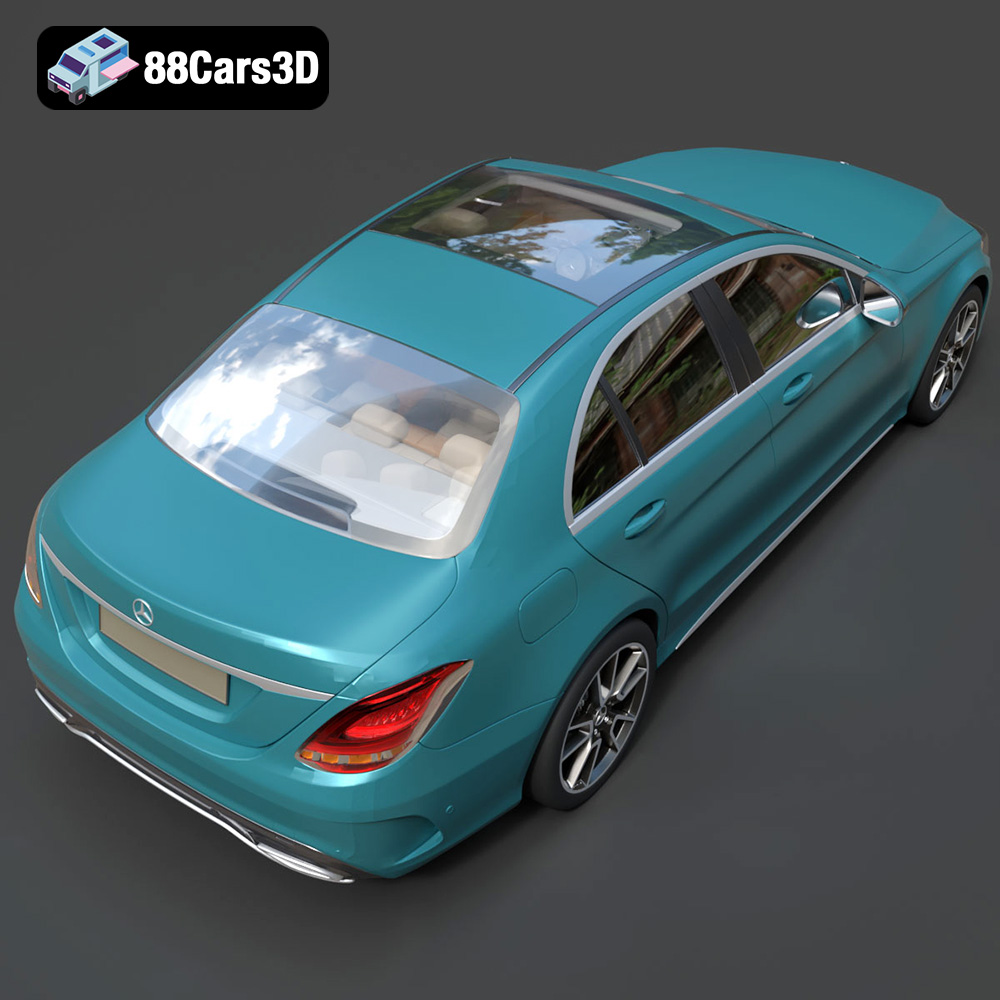
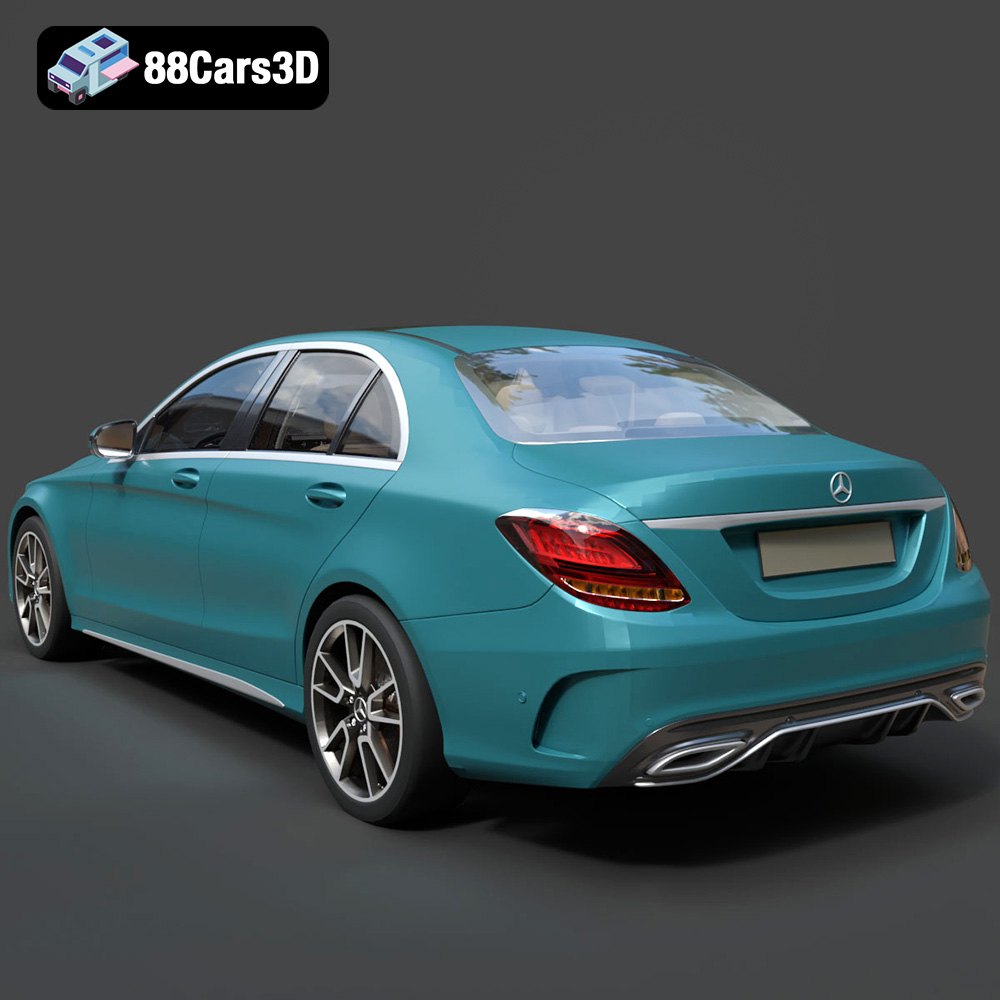
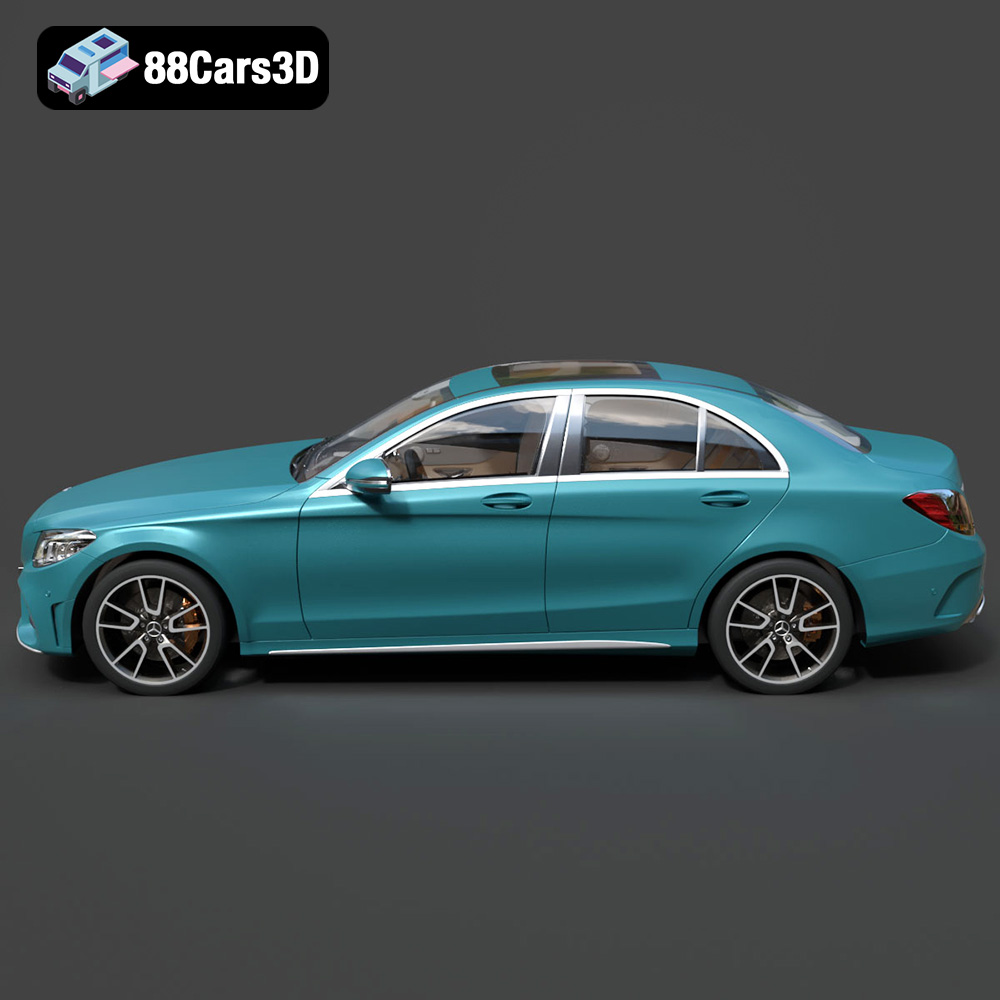
Today, we delve into the intricacies of professional 3D car models, exploring their applications, technical requirements, and the profound impact they have across various industries. Our journey will highlight how a premium asset, such as the Mercedes-Benz C-Class 2019 3D model, stands as a testament to this pursuit of digital perfection. This exceptional model, available at 88cars3d.com, encapsulates the elegant design heritage and modern aerodynamic styling of the iconic compact executive luxury sedan, making it an indispensable tool for designers, developers, and artists seeking unparalleled realism and versatility.
The choice of file format for a 3D model is not merely a technicality; it’s a critical decision that dictates compatibility, functionality, and the overall efficiency of your workflow. Each format serves distinct purposes, optimized for specific software environments, rendering pipelines, or end-use applications. Understanding these nuances is paramount for anyone working with professional 3D car models.
The .blend format is Blender’s native file type, offering a comprehensive and fully editable scene. When you download a .blend file, you’re not just getting the mesh; you’re receiving the entire Blender project. This includes geometry, materials, textures, lighting setups, camera positions, animations, modifiers, and even scene settings. For artists primarily working within Blender, this is the most flexible and powerful format, allowing for extensive customization and direct integration into their existing projects without any loss of data fidelity. It’s ideal for those who want to tweak every aspect of the Mercedes-Benz C-Class 2019 model, from material shaders to suspension animation rigs.
Autodesk’s .fbx (Filmbox) format has become an industry standard for interoperability between different 3D software applications and, crucially, for integration into game engines like Unreal Engine and Unity. It’s a binary format capable of storing a vast array of 3D data, including geometry, animation, skinning, blend shapes, cameras, and lights. For real-time pipelines, .fbx is invaluable because it efficiently transfers complex animated rigs and hierarchical structures, ensuring that the detailed suspension and steering components of a model like the Mercedes-Benz C-Class 2019 retain their functionality when imported into a game environment. It’s a robust choice for moving assets between Maya, 3ds Max, Blender, and directly into game engines.
The .obj (Wavefront OBJ) format is one of the oldest and most universally supported 3D file formats. It’s a simple, text-based format primarily used for exchanging raw geometry data, including vertices, faces, normals, and UV coordinates. While it lacks support for animations, rigging, or advanced scene information, its widespread compatibility makes it a safe bet for ensuring a 3D model can be opened and worked with in virtually any 3D software. For static renders or base mesh edits of the Mercedes-Benz C-Class 2019, .obj provides a clean, portable foundation. Material definitions are typically handled by an accompanying .mtl file.
.glb (GL Transmission Format Binary) is the binary version of glTF, specifically designed for efficient transmission and loading of 3D scenes and models in web-based, AR, and VR applications. What makes .glb particularly powerful is its “self-contained” nature: it bundles geometry, materials, textures, and even animations into a single, compact file. This optimization reduces load times and simplifies deployment, making it perfect for interactive virtual showrooms, mobile AR experiences, or integrating the Mercedes-Benz C-Class 2019 into a browser-based configurator. Its efficiency is key for delivering rich 3D content across diverse platforms.
The .stl (Stereolithography) format is the de facto standard for 3D printing. It represents a 3D model as a collection of unconnected triangles, describing only the surface geometry of an object. Crucially, .stl files do not contain color, texture, or material information – they are purely about form. When preparing the Mercedes-Benz C-Class 2019 for 3D printing, conversion to .stl is necessary. Users must then consider print settings like scale, layer height, infill, and support structures, as specified for hobbyists looking to create physical replicas of their favorite luxury vehicles.
The .ply (Polygon File Format) is often used for storing 3D data from 3D scanners or for applications requiring precise mesh data. Unlike .obj, .ply can store additional properties for each vertex or face, such as color, normal vectors, transparency, and even confidence values. This makes it a preferred format for scientific visualization, CAD applications, and for models derived from real-world scans where preserving detailed surface information is critical. While less common for direct rendering, its precision makes it valuable for analysis or specific engineering tasks involving complex geometry like the C-Class.
The .unreal designation typically refers to an asset that is not just compatible with Unreal Engine, but specifically prepared, optimized, and often packaged within the Unreal Engine project structure itself. This might involve models imported as .fbx then having materials, textures, collision meshes, LODs (Levels of Detail), and blueprint functionalities meticulously set up directly within Unreal. An “Unreal-ready” asset means that the Mercedes-Benz C-Class 2019 model is already configured for real-time environments, often with optimized polycount, correct material instances, and even animation blueprints, allowing for seamless drag-and-drop integration and immediate use within a game or simulation project without significant setup.
Similar to .blend for Blender, the .max format is the native file type for Autodesk 3ds Max. It stores a complete 3ds Max scene, including all geometry, modifiers, materials, textures, lighting, cameras, animation tracks, and scene settings. For professionals operating within the 3ds Max ecosystem, a .max file offers the highest level of flexibility and fidelity. It allows artists to directly access and manipulate every aspect of the Mercedes-Benz C-Class 2019 model within its native environment, making it ideal for high-end animation, detailed rendering setups using V-Ray or Corona, and complex architectural visualizations where the car needs to be integrated perfectly.
Automotive visualization is a specialized field that demands a fusion of artistic talent and technical prowess. The goal is to transcend mere representation and evoke the emotion, luxury, and performance inherent in a vehicle’s design. This process is crucial for everything from marketing campaigns to product development.
For many professionals, Autodesk 3ds Max combined with a powerful rendering engine like V-Ray or Corona Renderer forms the backbone of photorealistic automotive visualization. A high-quality 3D car model, such as the Mercedes-Benz C-Class 2019 from 88cars3d.com, provides an ideal starting point. With the .max file, artists have full access to the model’s geometry, allowing for meticulous material setup. This involves creating intricate car paint shaders that accurately simulate metallic flakes, clear coat reflections, and subtle fresnel effects. Headlight and taillight materials require complex emissive and refractive shaders to capture the LED detailing, while tire sidewalls and tread patterns demand detailed normal and displacement maps for tactile realism. Proper studio lighting, often achieved through HDRI (High Dynamic Range Imaging) environments and strategically placed area lights, is paramount to highlight the vehicle’s contours and reflections. The ability to separate wheels, suspension, and steering components allows for dynamic poses and animation, elevating still renders into captivating visual narratives.
Beyond isolated studio shots, automotive models frequently find their way into architectural visualizations and lifestyle scenes. Imagine the Mercedes-Benz C-Class 2019 perfectly parked in front of a modern glass-clad villa or cruising down a sun-drenched coastal road. In these scenarios, the realism of the car model directly impacts the credibility of the entire scene. The precise real-world scale accuracy of the 88cars3d.com model ensures it integrates seamlessly without appearing disproportionate. Its detailed exterior features, from the iconic grille to the complex LED lighting, add a layer of authenticity that elevates the overall visual impact. Artists can easily adjust body colors, material finishes (matte, gloss, metallic), and lighting to match the environment and desired mood, creating bespoke marketing assets for real estate, luxury brands, or even urban planning projects.
The gaming industry thrives on immersion, and high-quality vehicle assets are indispensable for delivering believable virtual worlds. Whether it’s a high-octane racing simulator, an expansive open-world adventure, or a detailed driving experience, the fidelity and optimization of 3D car models are critical for performance and visual appeal.
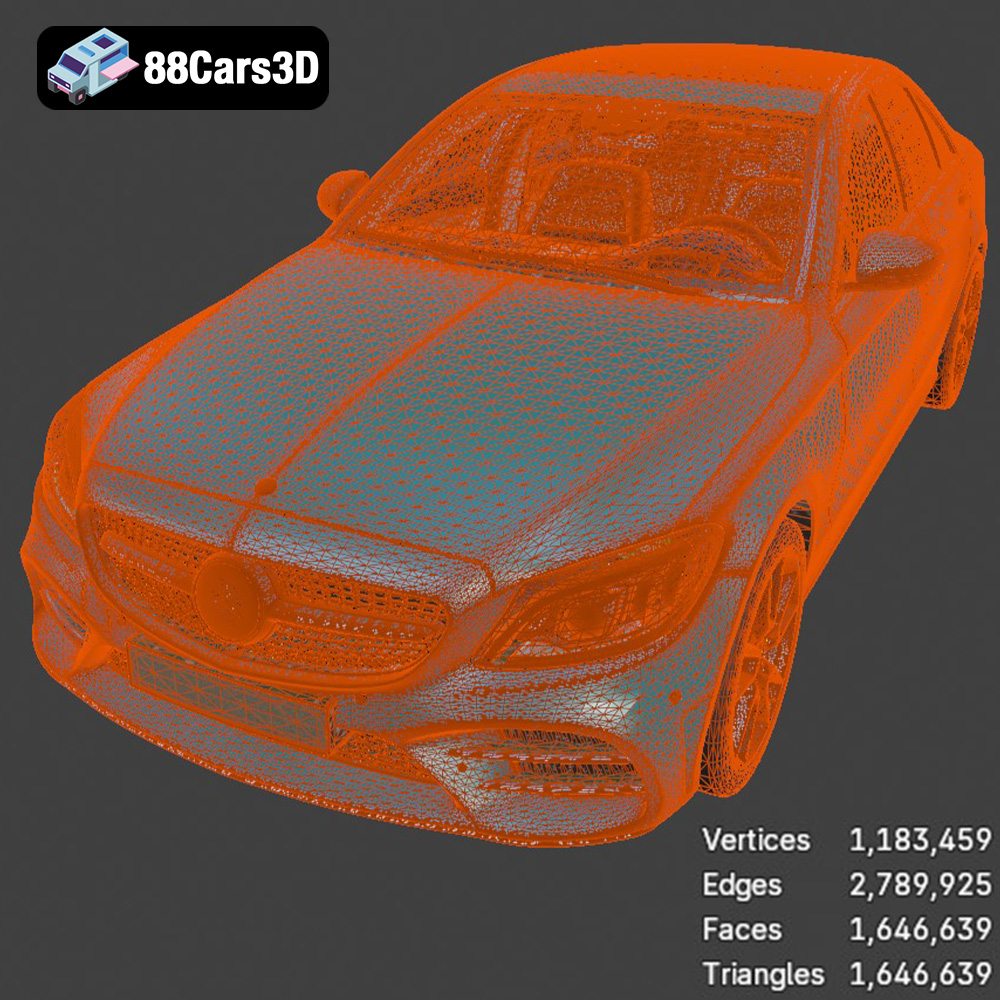
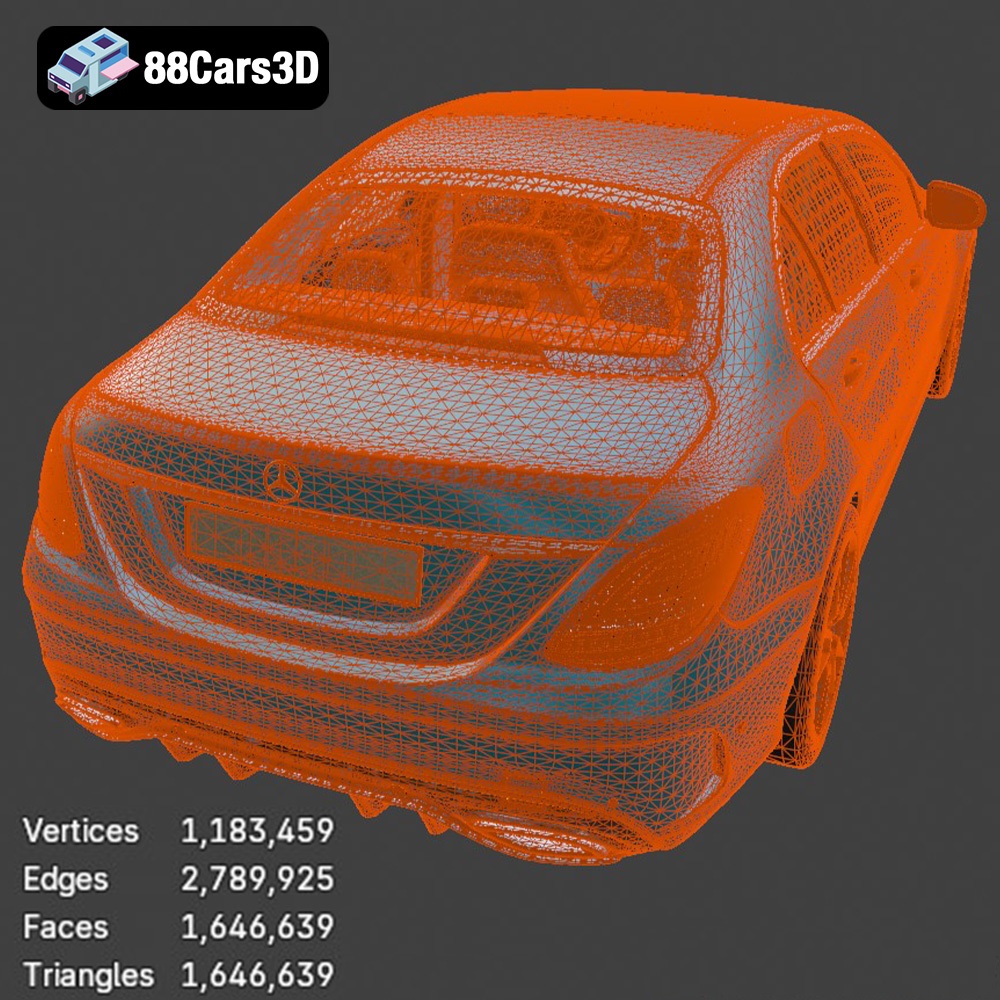
Developing game assets requires a delicate balance between visual fidelity and performance optimization. The Mercedes-Benz C-Class 2019 3D model, boasting 1,646,639 triangles, hits a sweet spot, providing breathtaking realism without crippling frame rates in real-time engines. For Unreal Engine and Unity developers, the inclusion of .fbx and .unreal formats is a game-changer. These formats facilitate efficient import, preserving complex hierarchies, pivot points, and UV mappings. The model’s “game-ready” status means it comes with proper pivot setups for crucial animated parts like steering, wheel rotation, and suspension travel. This allows developers to quickly integrate the vehicle physics, implement realistic handling, and animate components dynamically based on player input or environmental interactions. Furthermore, the optimized geometry is designed to work well with Level of Detail (LOD) systems, ensuring that the model maintains performance even when multiple vehicles are on screen or viewed from a distance.
Integrating a high-fidelity car model into a game engine goes beyond just visuals. It involves setting up complex vehicle physics, collision detection, and interactive elements. The separate components for wheels, suspension, and steering in the Mercedes-Benz C-Class 2019 model are crucial for this. In Unreal Engine, for example, developers can use the Chaos Vehicle physics system or a custom setup to define suspension travel, tire friction, and engine parameters. The accurately modeled suspension and brake calipers not only look realistic but also provide the necessary geometric anchors for physically based animation. The detailed cockpit and interior features, optimized for first-person POV, allow for immersive driving experiences, where players can see the authentic multi-function steering wheel, digital instrument cluster, and refined center console controls. This level of detail elevates the player’s connection to the vehicle, making every drive more engaging.
The utility of high-quality 3D car models extends far beyond traditional rendering and gaming, embracing emerging technologies like Augmented Reality (AR), Virtual Reality (VR), and even physical fabrication through 3D printing.
AR and VR are transforming how consumers interact with products, offering unprecedented levels of immersion and configurability. The Mercedes-Benz C-Class 2019 3D model is perfectly suited for these applications. Its optimized geometry and attention to detail make it ideal for virtual showrooms where potential buyers can explore the car’s exterior and interior in a fully immersive environment. The .glb format is particularly valuable here, providing a lightweight, single-file solution optimized for web-based AR/VR viewers and mobile applications. Imagine pointing your phone at a surface and having the C-Class appear life-sized in your driveway, allowing you to walk around it, change colors, and even peek inside. The ability to customize body colors, modify tire textures, and adjust material finishes within these virtual spaces offers a powerful pre-purchase experience, reducing the need for physical prototypes and accelerating design iteration.
For enthusiasts, collectors, or even designers needing a physical prototype, 3D printing offers a tangible connection to their digital assets. The Mercedes-Benz C-Class 2019 model from 88cars3d.com can be converted to the .stl format, making it ready for fabrication. While the digital model boasts millions of triangles for visual fidelity, preparing it for 3D printing requires specific considerations. Recommended scales (1:12, 1:18, 1:24) ensure a manageable print size while retaining crucial details. For fine details like the grille, emblems, and interior components, resin printing is often recommended over FDM, allowing for much finer layer heights (0.04–0.12 mm) and smoother surfaces. Critical aspects like wall thickness, infill percentage (20-30% for a good balance of strength and material use), and support structures for overhangs (exhaust, mirrors, steering wheel) must be carefully planned. Post-processing steps like sanding, priming, and painting with authentic factory colors and metallic finishes can truly bring the miniaturized C-Class to life, transforming a digital asset into a cherished physical display piece.
In a fast-paced creative industry, efficiency is as important as quality. High-end 3D car models like the Mercedes-Benz C-Class 2019 offer significant advantages, streamlining workflows and empowering artists and developers to focus on creativity rather than foundational asset creation.
Creating a detailed, accurate, and optimized 3D car model from scratch is an incredibly time-consuming and expensive endeavor. It requires specialized skills in CAD modeling, sculpting, retopology, UV mapping, and material creation. By utilizing a pre-built, professional-grade asset from a reputable marketplace like 88cars3d.com, studios and individual artists can drastically cut down development time and costs. Instead of spending weeks or months on a single vehicle, they can acquire a ready-to-use model and immediately integrate it into their projects. This allows them to allocate resources to other critical aspects of their production, such as scene development, animation, or interactive elements, ultimately accelerating project timelines and improving overall profitability.
A truly professional 3D car model offers more than just aesthetic appeal; it provides a flexible foundation for customization. The Mercedes-Benz C-Class 2019 3D model, with its included file formats (.blend, .max, .fbx, .obj, .glb, .stl, .ply, .unreal), ensures compatibility with virtually any major 3D software and real-time engine. This adaptability is crucial for projects that might span multiple platforms or require variations of the same vehicle. Artists can easily change body colors, modify tire textures, and adjust material finishes to suit specific branding guidelines or environmental themes. For example, a single model can be adapted for a hyper-realistic advertising render, then optimized with different textures and LODs for a mobile game, and finally converted for a physical 3D print. This versatility makes the asset an intelligent long-term investment for any studio or freelancer working across diverse visualization and interactive media.
The world of 3D modeling for automotive design, rendering, and game development is a complex yet exhilarating frontier. High-quality 3D car models are the unsung heroes, enabling artists and developers to bring their visions to life with unparalleled realism and efficiency. The Mercedes-Benz C-Class 2019 3D model stands as a prime example of such an asset, meticulously crafted for a multitude of applications, from high-end rendering in 3ds Max to real-time game development in Unreal Engine, immersive AR/VR experiences, and even precise 3D printing.
Understanding the nuances of various file formats, optimizing assets for specific pipelines, and leveraging detailed technical specifications are paramount for success in this field. By choosing expertly prepared assets from platforms like 88cars3d.com, professionals can streamline their workflows, save valuable time and resources, and focus on delivering captivating and memorable automotive experiences. Whether you’re an architect visualizing a new property, a game developer crafting the next racing sensation, or an advertiser creating a stunning campaign, the right 3D car model is your ultimate accelerator.
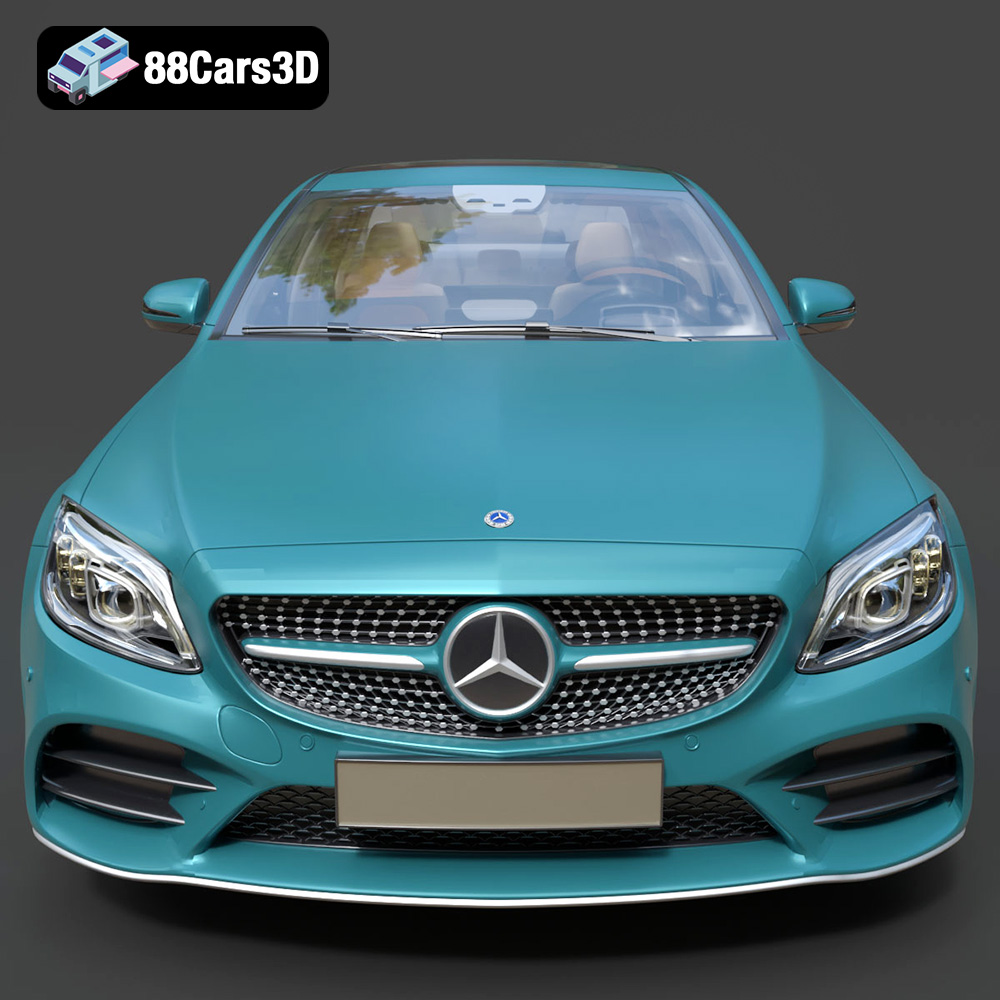
The Mercedes-Benz C-Class 2019 represents the pinnacle of compact executive luxury, blending elegant design heritage with modern aerodynamic styling. Known for its sophisticated diamond-block grille, sleek LED High-Performance headlamps, and refined body contours, this vehicle embodies premium automotive engineering and class-leading aesthetics.
This premium 3D model boasts an exceptional topology with a triangle count of 1,646,639, ensuring breathtaking visual fidelity. It is perfectly optimized for both high-end real-time game engines and photorealistic studio rendering, making it a versatile asset for game development, AR/VR experiences, animation, and high-end automotive visualization.
Perfect for architectural visualizations, next-gen racing games, virtual showrooms, and high-end cinematic animations.
.blend, .fbx, .obj, .glb, .stl, .ply, .unreal, .max
Tags:
mercedes-benz, c-class, 2019, sedan, luxury-car, game-ready, optimized, car-3d-model, game-asset, rendering, vr-ar, blend, fbx, obj, glb, stl, ply, unreal, max
$80.50
.2019
.blend
.fbx
.glb
.max
.obj
.ply
.rendering
.sedan
.stl
.unreal
c-class
car-3d-model
game asset
game-ready
luxury car
mercedes-benz
optimized
VR/AR