Get 20% OFF All Premium 3D & STL Models!

In the dynamic world of digital content creation, the demand for high-fidelity 3D assets is ever-growing. From blockbuster video games to cinematic automotive advertisements and immersive virtual reality experiences, photorealistic models are the bedrock of compelling visuals. Creating these intricate digital representations from scratch is an art and a science, requiring immense skill, time, and specialized knowledge. This is where a curated marketplace of professional 3D car models, such as 88cars3d.com, becomes an invaluable resource for artists, developers, and designers.
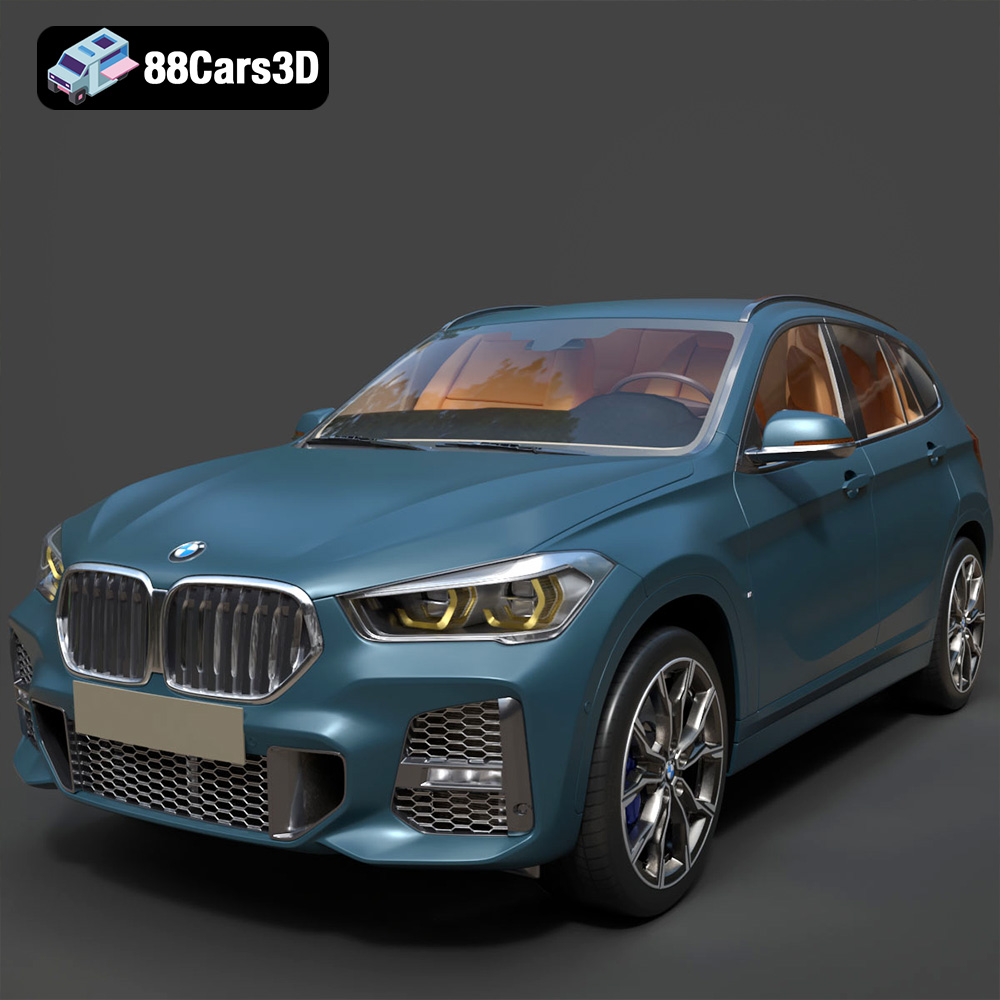
Today, we delve into the technical intricacies and versatile applications of a prime example of such an asset: the BMW X1 M-Sport 2020 3D Model. This meticulously crafted digital twin not only captures the aggressive aesthetics and refined engineering of its real-world counterpart but also embodies the technical excellence required for a broad spectrum of professional uses. We’ll explore how models like this empower creators to accelerate their workflows, achieve stunning results, and push the boundaries of automotive visualization, game development, and interactive experiences.
Producing a high-quality 3D car model is far more complex than simply extruding a few polygons. It involves a deep understanding of automotive design, topology, material science, and optimization techniques. A truly professional asset, like the BMW X1 M-Sport 2020 3D Model, is a result of countless hours spent on precision modeling and texturing.
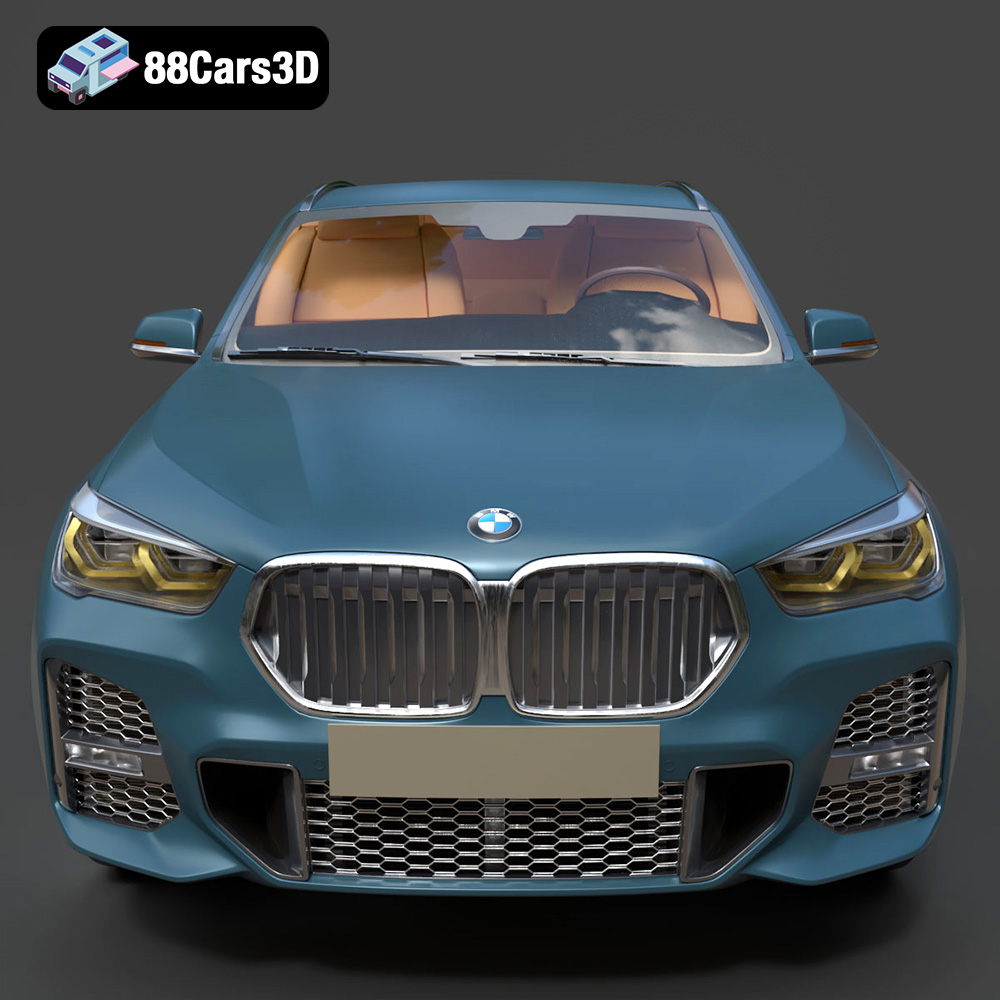
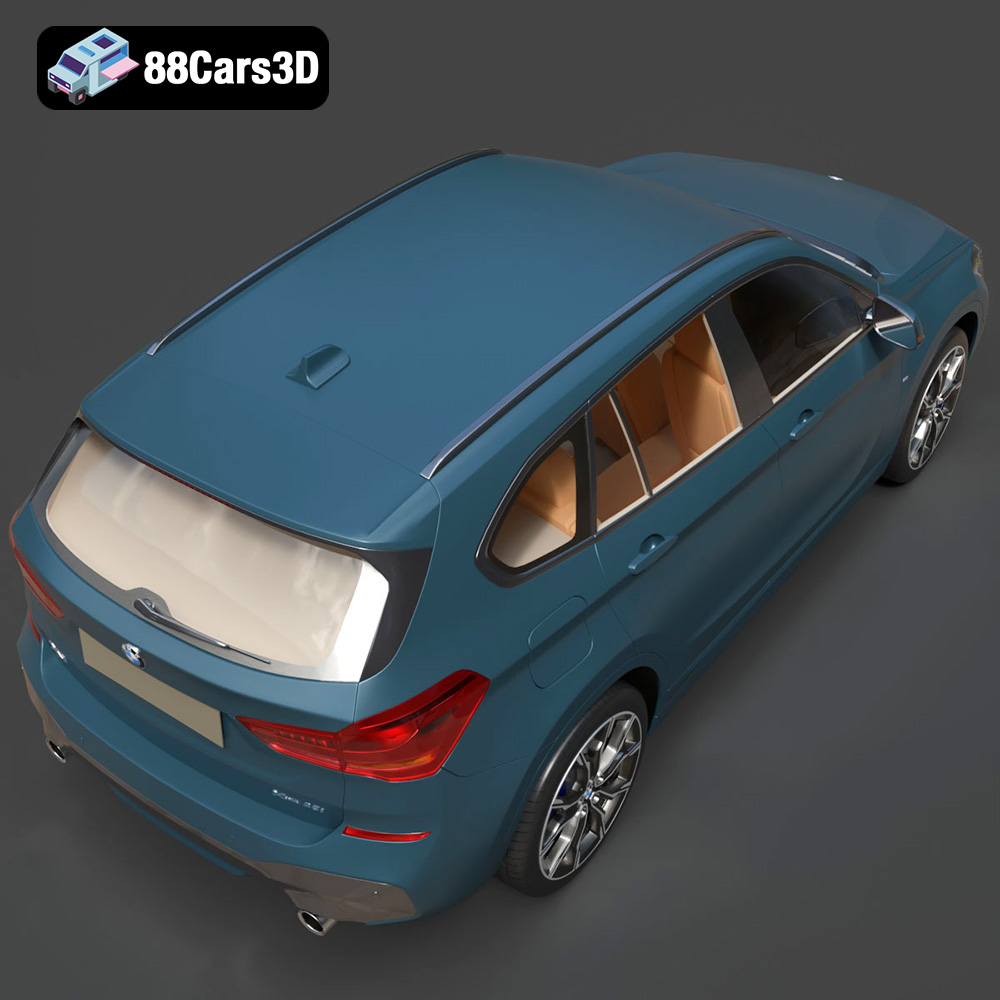
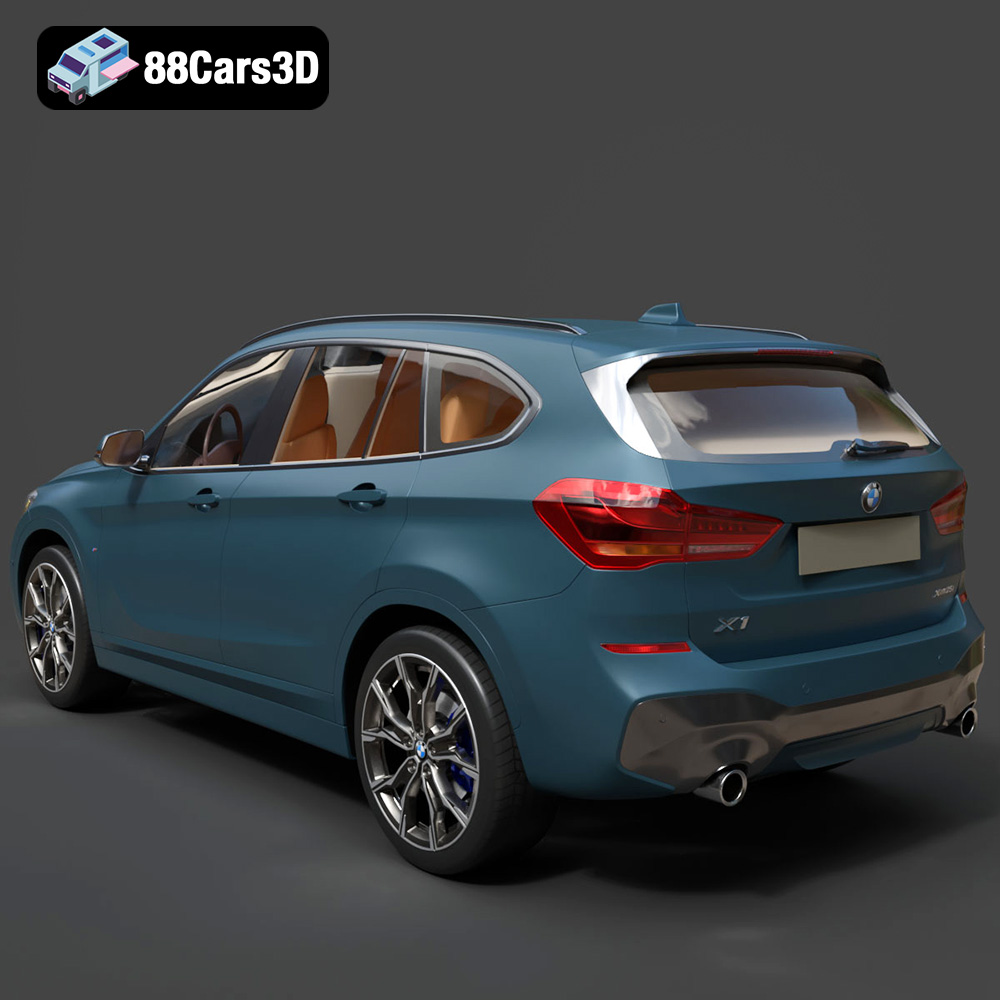
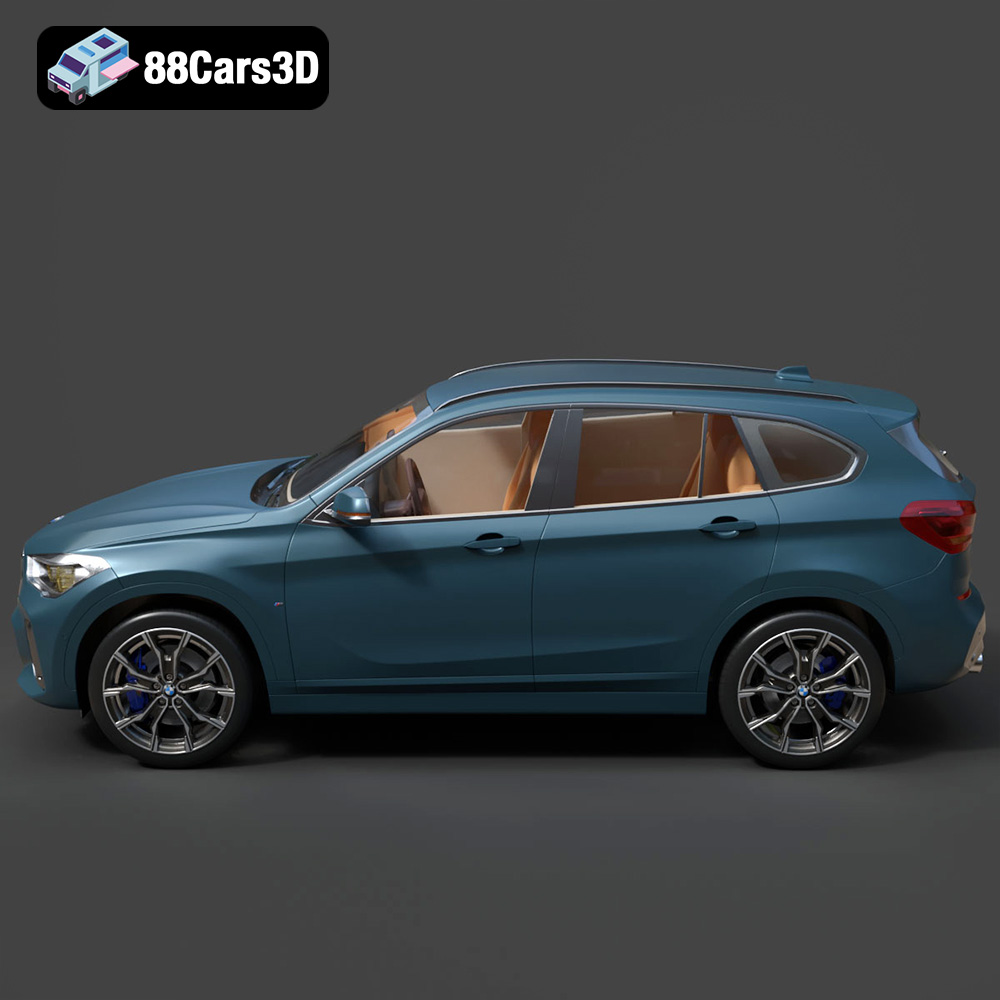
The foundation of any believable 3D vehicle model lies in its geometric accuracy. Every curve, panel gap, and design element must faithfully replicate the real car. For the BMW X1 M-Sport 2020, this means meticulously recreating the aggressive M aerodynamics package, the signature enlarged air intakes, and the iconic prominent kidney grilles. This level of detail extends to the subtle contours of the side profile and the sporty twin exhaust tailpipes, ensuring the model conveys the dynamic presence of the M-Sport lineage. Furthermore, maintaining real-world scale accuracy is paramount for seamless integration into architectural visualization (arch-viz) scenes or realistic driving simulations.
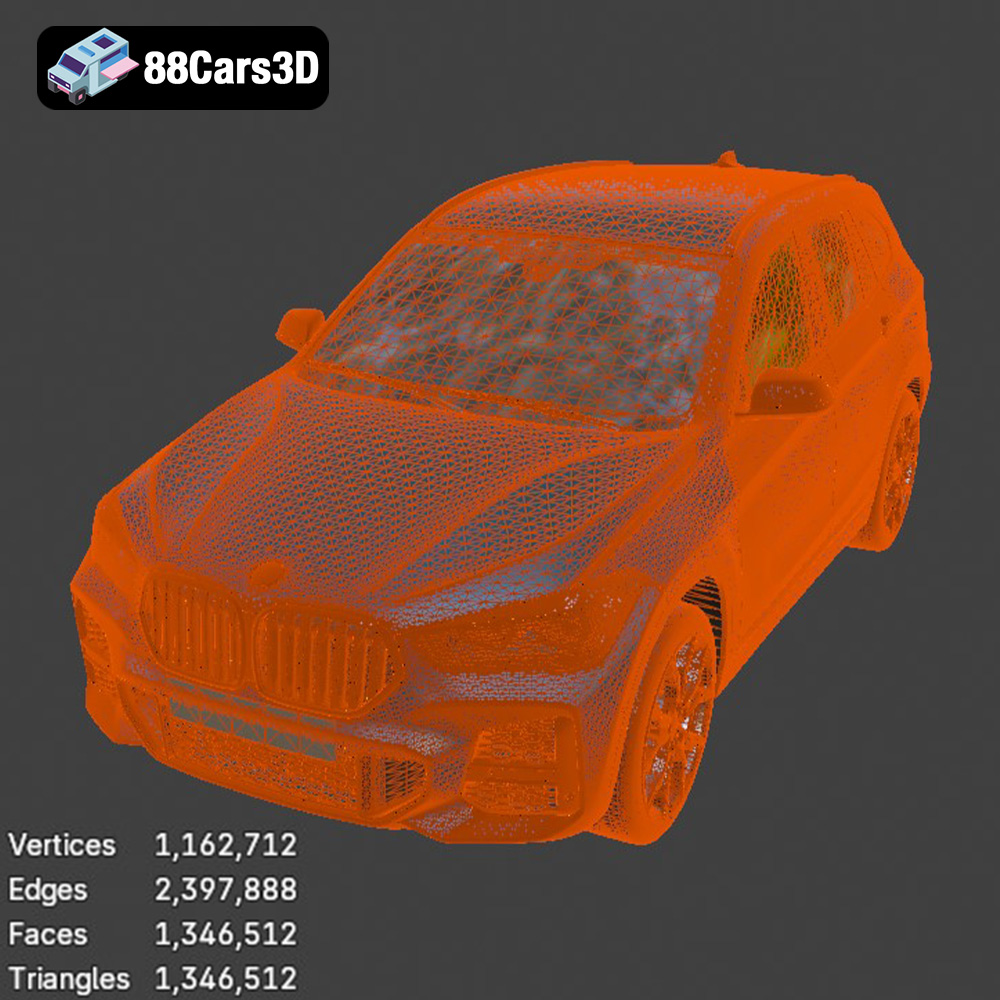
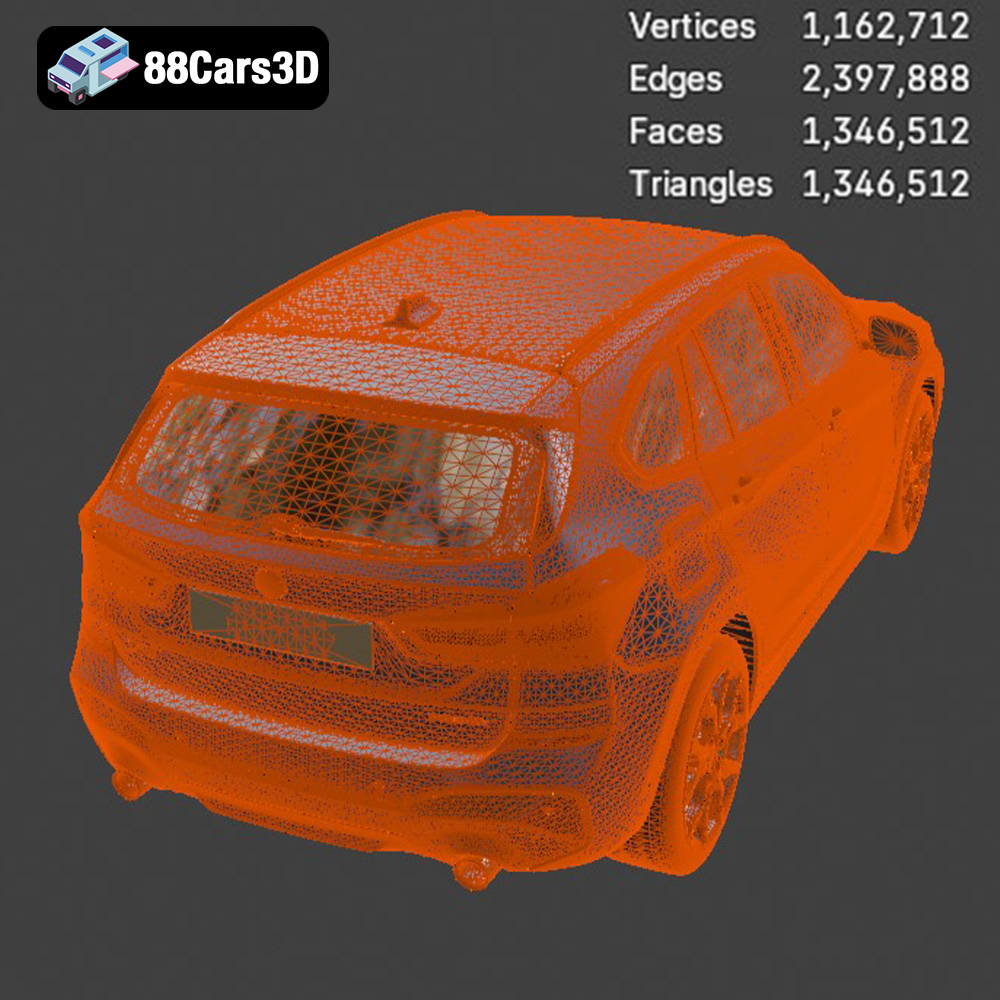
Beyond visual accuracy, technical performance is crucial. A key aspect is the model’s topology, which refers to the arrangement of its polygons (faces, edges, vertices). The BMW X1 M-Sport 2020 3D Model boasts a highly detailed topology of 1,346,512 triangles. This polycount strikes a perfect balance: it’s sufficiently detailed to deliver uncompromised visual fidelity, ensuring smooth reflections and crisp edge flow in high-resolution cinematic renders, yet optimized enough for efficient performance in demanding real-time environments like game engines (Unreal Engine, Unity) and AR/VR applications. Clean quad-based or well-triangulated mesh ensures proper deformation during animation and avoids rendering artifacts.
A bare mesh, no matter how accurate, lacks realism without proper materials and textures. High-quality 3D car models come with carefully crafted materials that simulate real-world surfaces – from the metallic flake paint and reflective chrome accents to the subtle texture of tire treads and the intricacies of the interior upholstery. Physically Based Rendering (PBR) workflows are standard, ensuring materials react correctly to light in any rendering engine. This means specular maps, roughness maps, normal maps, and diffuse maps are all carefully calibrated to bring the BMW X1 M-Sport to life.
Choosing the right file format is crucial for integrating 3D models into various workflows and applications. Each format has its strengths, ideal use cases, and technical considerations. The BMW X1 M-Sport 2020 3D Model from 88cars3d.com comes with a comprehensive suite of file formats, ensuring maximum compatibility and flexibility for professionals.
The .blend format is Blender’s native file type. It encapsulates an entire Blender scene, including the 3D model, materials, textures, lighting, cameras, animation data, and even modifiers. For users entrenched in the Blender ecosystem, this format offers the most complete and editable version of the BMW X1 M-Sport. It’s ideal for artists who wish to dive deep into the model’s construction, make significant alterations, re-rig, or set up custom renders using Blender’s Cycles or Eevee renderers. The full material setup, potentially including procedural textures, is retained, making it a fantastic starting point for any Blender-centric project.
.fbx (Filmbox) is a proprietary file format developed by Autodesk, widely adopted as an interchange format between 3D software and game engines. It’s renowned for its robust support for mesh data, materials, textures, animations, and skeletal systems. For the BMW X1 M-Sport 2020, the .fbx file is the go-to for importing into Unreal Engine, Unity, and other real-time pipelines due to its efficient handling of complex scenes and animation data. It’s also excellent for transferring models between different DCC (Digital Content Creation) software like 3ds Max, Maya, and Cinema 4D, ensuring that critical data like pivot points for wheels and steering are preserved.
The .obj (Wavefront Object) format is one of the oldest and most widely supported 3D file formats, making it a truly universal choice. It primarily stores geometric data (vertices, normals, texture coordinates, and faces) and can reference external .mtl (material) files for basic material properties. While it doesn’t support animation or rigging, its simplicity and widespread compatibility mean the .obj version of the BMW X1 M-Sport 2020 can be opened in virtually any 3D software, making it excellent for cross-software compatibility or as a fallback option when other formats encounter issues. It’s often used for static renders or as a base for re-texturing in other applications.
.glb (GL Transmission Format Binary) is an increasingly popular, compact, and efficient format designed for real-time viewing in web browsers, augmented reality (AR), and virtual reality (VR) applications. It bundles the 3D model, textures, and animations into a single binary file, making it incredibly fast to load and display. The .glb version of the BMW X1 M-Sport 2020 is perfectly optimized for interactive online showrooms, mobile AR experiences, or light VR applications, where file size and quick rendering are paramount. Its use of PBR materials ensures consistent visual quality across different platforms.
.stl (Stereolithography) is the de facto standard file format for 3D printing. It represents a 3D object as a collection of unconnected triangular facets, without color or texture information. The .stl version of the BMW X1 M-Sport 2020 is explicitly designed for additive manufacturing. It’s the format you would load into a slicer program (like Cura, PrusaSlicer, or Chitubox) to prepare the model for physical production, whether for display-scale hobbyists or rapid prototyping. The model’s optimized topology ensures a manifold mesh, crucial for successful 3D prints.
.ply (Polygon File Format or Stanford Triangle Format) is a versatile format capable of storing a wide range of properties, including color, transparency, and normal vectors, along with the standard geometric data. It’s often used for scanned 3D data, scientific applications, and CAD (Computer-Aided Design) where precision and the ability to include additional vertex/face properties are important. The .ply version of the BMW X1 M-Sport 2020 offers a robust and detailed mesh for advanced analysis or integration into specialized engineering visualization pipelines.
The .unreal format signifies an asset specifically packaged and optimized for direct import into Unreal Engine. This often means it comes with pre-configured materials, collision meshes, LODs (Levels of Detail), and potentially even Blueprints or animation setups tailored for the engine. For rapid development within Unreal Engine, the .unreal file for the BMW X1 M-Sport 2020 provides a streamlined, engine-ready asset, saving valuable time on setup and configuration, allowing developers to immediately integrate the vehicle into their virtual environments.
.max is the native file format for Autodesk 3ds Max, one of the most powerful and widely used 3D modeling, animation, and rendering software packages in the industry. The .max file for the BMW X1 M-Sport 2020 offers the full editable project, including scene setup, modifiers, lights, cameras, and renderer-specific materials (e.g., V-Ray, Corona). This is invaluable for professionals using 3ds Max for high-end automotive rendering, complex animations, or extensive scene integration where full control over every aspect of the model and its environment is desired.
Let’s examine the specific features that make this BMW X1 M-Sport 2020 3D Model a standout asset for professionals and enthusiasts alike. Its meticulous design goes far beyond just the exterior shell.
The exterior of the BMW X1 M-Sport 2020 3D Model is a testament to precision modeling. It captures the aggressive stance and sleek lines that define the M-Sport aesthetic. Key features include the accurate BMW X1 M-Sport 2020 frame geometry and proportions, ensuring the digital model mirrors its real-world counterpart precisely. The detailing extends to the undercarriage and engine block components, which, while often unseen, contribute to overall authenticity and are crucial for specific visualizations or close-up shots. The sporty exhaust system with twin chrome-plated tailpipes, high-resolution LED headlights, and characteristic 3D L-shaped taillights are all individually modeled to enhance realism. Signature M double-spoke alloy wheels, complete with realistic tire treads, and distinctive brake calipers with M Sport suspension details complete the exterior package, making it ideal for high-end automotive rendering.
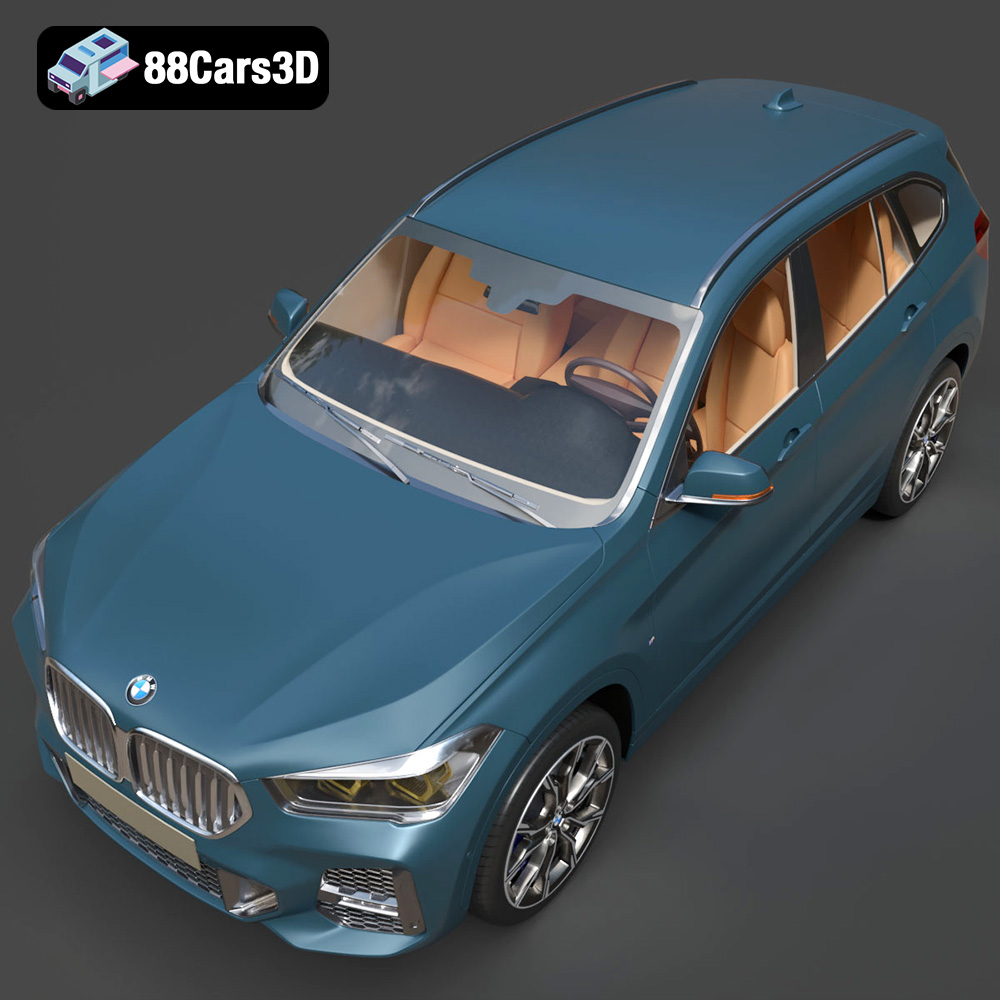
Often overlooked in lesser models, the interior of the BMW X1 M-Sport 2020 3D Model is as thoroughly detailed as the exterior. This is vital for immersive experiences like VR tours, first-person gameplay, or detailed product configurators. The model features premium sports seats with detailed stitching and bolstering, an iconic M leather steering wheel with multi-function controls, and a fully detailed digital instrument cluster alongside the iDrive infotainment screen. Every control, including pedals, the gear selector, and climate controls, is accurately modeled, providing a truly immersive experience, especially when optimized geometry is considered for first-person POV in gaming and VR applications.
The technical specifications of this 3D model highlight its readiness for professional pipelines. With 1,346,512 triangles, it’s categorized as “Game-Ready & Optimized,” meaning it offers a perfect balance for real-time engines like Unreal and Unity while maintaining the visual realism expected in high-fidelity projects. Its real-world scale accuracy is based on the actual vehicle chassis, simplifying integration into existing scenes. Crucially, the model features a proper pivot setup for steering, wheel rotation, and suspension travel, which is indispensable for animating the vehicle or implementing realistic physics in a game engine. This attention to detail significantly reduces setup time for developers and artists.
The versatility of a high-quality 3D asset like the BMW X1 M-Sport 2020 extends across numerous professional applications. From interactive experiences to static renders, its technical foundation allows for seamless integration and stunning output.
For game developers, finding optimized yet visually rich 3D car models is a constant challenge. The BMW X1 M-Sport 2020 3D Model is explicitly designed for this purpose. Its balanced polycount makes it ideal for open-world games, racing titles, and simulators in engines like Unreal and Unity. The inclusion of an .unreal file, along with the industry-standard .fbx, streamlines the import process. Developers can leverage its separate wheels, suspension, and steering components for sophisticated vehicle physics and animation systems, creating truly dynamic and responsive driving experiences. Proper pivot points mean less time spent on rigging and more on gameplay mechanics.
Architectural visualization studios, advertising agencies, and automotive designers frequently require top-tier 3D car models for compelling renders. The BMW X1 M-Sport excels here, offering the fidelity needed for brand campaigns, lifestyle scenes, and studio lighting setups. Using software like 3ds Max (with the .max file) or Blender (with the .blend file) in conjunction with renderers like V-Ray, Corona, or Cycles, artists can achieve photorealistic results that are indistinguishable from real-world photography. The detailed geometry ensures perfect reflections and refractions, crucial for showcasing the vehicle’s paintwork and materials. From glossy brochure imagery to large-format digital billboards, this model provides the raw quality needed for impactful automotive rendering.
The burgeoning fields of Augmented Reality (AR) and Virtual Reality (VR) demand highly optimized 3D assets that can perform smoothly on various devices. The .glb format, included with the BMW X1 M-Sport 2020, makes it perfect for immersive virtual showrooms, interactive configurators, and mobile AR experiences. Imagine a customer exploring the X1 M-Sport in their driveway via an AR app, or walking around it in a VR showroom, customizing colors and interiors in real-time. The model’s optimized geometry and game-ready status ensure a fluid and engaging user experience without sacrificing visual quality, making it a valuable asset for next-generation interactive marketing and product showcasing.
A superior 3D model isn’t just about initial quality; it’s also about the flexibility it offers for adaptation and enhancement. The BMW X1 M-Sport 2020 3D Model provides extensive options for customization, allowing artists and designers to tailor it to specific project requirements and creative visions.
The ability to customize is critical for creative control. With this model, users can easily change body colors, applying factory finishes like Misano Blue or Alpine White, or experimenting with custom hues and metallic effects. Modifying tire textures to reflect different conditions, such as summer performance versus winter variants, adds another layer of realism. Adjusting material finishes—from matte and gloss to metallic and carbon fiber—allows for endless variations, accommodating diverse aesthetic preferences and project briefs. Furthermore, adapting lighting for different environments is straightforward, ensuring the vehicle always looks its best whether placed in a bright studio, a dramatic sunset, or a moody night scene.
While the BMW X1 M-Sport 2020 model is already optimized, understanding further techniques can enhance its utility. For extremely performance-sensitive applications, particularly in mobile AR/VR or high-density game scenes, additional optimization might be beneficial. This can involve creating Levels of Detail (LODs), where simpler versions of the model are swapped in at greater distances from the camera. Another technique is baking textures – converting complex procedural materials or high-resolution details into simpler image textures, which can significantly improve real-time rendering performance. Efficient UV unwrapping (implied by a professional model) also plays a crucial role in texture fidelity and optimization, ensuring textures are applied without distortion and maximizing texture space usage.
This attention to optimization details makes assets from 88cars3d.com particularly valuable, as they often come pre-prepared or are easily adaptable for these processes, saving considerable development time and resources.
Beyond digital displays, the BMW X1 M-Sport 2020 3D Model opens up avenues for tangible creation through 3D printing. This capability transforms a digital asset into a physical object, perfect for display, prototyping, or detailed model collections.
The inclusion of an .stl file makes the BMW X1 M-Sport 2020 model immediately compatible with 3D printing workflows. The product description provides essential print settings, guiding users through the process. Recommended scales like 1:12, 1:18, or 1:24 allow for various display sizes. For achieving fine details, especially on intricate components like exhaust systems, mirrors, and door handles, resin printing is recommended with layer heights between 0.04–0.12 mm. This level of precision ensures that the subtle curves and sharp lines of the M-Sport design are accurately replicated.
Successful 3D printing also requires careful consideration of structural integrity and post-processing. The recommended wall thickness of 1.2–2.0 mm and infill of 20–30% provide a balance between durability and material usage. Supports are often required for overhangs and intricate parts, ensuring they print correctly without sagging. Printing the frame angled and wheels separately is a smart strategy to optimize structural strength and detail. After printing, post-processing steps like sanding, priming, and applying authentic factory colors with metallic finishes elevate the printed model from a raw prototype to a museum-quality display piece. This makes the BMW X1 M-Sport 2020 3D Model a fantastic asset not just for digital projects but also for hobbyists and professionals looking to create physical representations.
The creation and utilization of high-quality 3D car models are fundamental to modern digital content creation across industries. The BMW X1 M-Sport 2020 3D Model stands as a prime example of an asset that combines meticulous detailing with robust technical specifications, making it an invaluable tool for a wide array of applications. Whether you are developing the next generation of game assets, striving for photorealistic automotive rendering in a commercial, building an immersive AR/VR experience, or even producing a physical model through 3D printing, this model provides the foundation for excellence.
Its comprehensive suite of file formats – including .blend, .fbx, .obj, .glb, .stl, .ply, .unreal, and .max – ensures unparalleled compatibility with virtually any professional workflow. The attention to detail, from the precise exterior geometry to the fully rendered interior and optimized topology, reflects the commitment to quality that professionals demand. For anyone seeking to elevate their projects with premium 3D car models, exploring the offerings at 88cars3d.com, including this exceptional BMW X1 M-Sport 2020 3D Model, is a clear path to achieving superior results and unleashing creative potential without the overhead of building from scratch.
Experience the perfect fusion of versatility and athletic performance with this meticulously crafted 3D model of the BMW X1 M-Sport 2020. Representing the pinnacle of premium compact SUVs, this model captures the aggressive M aerodynamics package, signature enlarged air intakes, and the iconic prominent kidney grilles. From the sporty twin exhaust tailpipes to the sharply contoured side profile, every element has been faithfully recreated to convey the dynamic presence of the M-Sport lineage. Boasting a highly detailed topology of 1346512 triangles, this model is expertly optimized to deliver uncompromised visual fidelity while maintaining efficient performance across various digital platforms. Whether deployed in cutting-edge game engines or high-resolution cinematic renders, the geometry guarantees smooth reflections, crisp edge flow, and unparalleled realism for demanding 3D environments. Perfect for high-end racing simulations, architectural visualization scenes, immersive virtual showrooms, and automotive brand campaigns.
$37.50
.2020
.blend
.bmw
.crossover
.fbx
.glb
.max
.obj
.ply
.rendering
.stl
.unreal
car-3d-model
game asset
game-ready
optimized
SUV
VR/AR
x1-m-sport