Get 20% OFF All Premium 3D & STL Models!

The world of digital visualization is constantly evolving, pushing the boundaries of realism and interactivity. From blockbuster video games to cutting-edge architectural presentations and virtual reality training simulations, the demand for highly detailed, authentic 3D assets is paramount. Nowhere is this more evident than in automotive design and rendering, where precision and visual fidelity can make or break a project.
Creating a truly convincing digital vehicle requires meticulous attention to detail, from the sleek curves of the bodywork to the intricate mechanics of the suspension and the sophisticated textures of the interior. For professionals and enthusiasts alike, sourcing a high-quality 3D car model is often the first, and most critical, step. These aren’t just pretty pictures; they are complex digital blueprints engineered for performance in diverse applications. Today, we delve into the technical intricacies of premium automotive 3D models and explore how a versatile asset like the Mercedes-Benz GLA-08 3D Model exemplifies excellence in this demanding field. Whether your goal is a photorealistic render, an engaging game asset, or an interactive AR/VR experience, understanding the nuances of these digital creations is key to unlocking their full potential.
The power and versatility of a 3D car model often lie not just in its geometric fidelity, but also in the range of file formats it supports. Different formats are optimized for distinct purposes, software compatibility, and pipeline requirements. Choosing the right format is crucial for seamless integration and optimal performance in your projects. The Mercedes-Benz GLA-08 3D Model, for instance, offers an impressive array of options, catering to virtually any professional workflow.
The .blend format is Blender’s native file type, offering a complete and editable scene package. When you download a .blend file, you’re not just getting the mesh; you’re receiving the entire setup, including materials, textures, lighting, camera positions, animations, and even physics simulations if present. This makes it ideal for users deeply integrated into the Blender ecosystem, allowing for immediate modification, rendering, and further development without compatibility headaches. It’s a fantastic starting point for custom rigging, material adjustments, or scene composition.
.fbx (Filmbox) stands as one of the most widely adopted interchange formats in the 3D industry. Developed by Autodesk, it excels at transferring 3D models, animation, and scene data between different software applications like 3ds Max, Maya, Cinema 4D, and critically, game engines like Unreal Engine and Unity. Its strength lies in its ability to embed complex data such as skeletal animations, blend shapes, lights, and cameras while maintaining good compatibility. For real-time pipelines, .fbx is often the go-to format for importing dynamic assets, making the Mercedes-Benz GLA-08 ready for direct game engine deployment.
The .obj (Wavefront Object) format is a venerable and highly compatible format primarily used for transferring geometric data, including vertices, normals, UV coordinates, and groups. While it doesn’t typically embed animation or complex material definitions (these are often handled by accompanying .mtl files), its simplicity and widespread support make it a universal choice for basic mesh transfer across almost any 3D software. If you need a clean, basic mesh for sculpting, retopology, or foundational rendering in a less common application, .obj is a reliable option.
.glb (GL Transmission Format Binary) is an increasingly important format optimized for efficient transmission and loading of 3D scenes and models on the web, in AR, and VR environments. It’s a binary version of glTF, bundling all necessary data – geometry, materials, textures, and animation – into a single, compact file. This “single-file delivery” approach minimizes HTTP requests and reduces file sizes, making it perfect for rapid display in web browsers (e.g., using Three.js or Babylon.js), mobile AR apps, and lightweight VR experiences. The GLA-08 in .glb ensures swift, high-quality deployment in these interactive mediums.
.stl (STereoLithography) is the de facto standard for 3D printing. It represents a 3D model as a collection of unconnected triangles, defining only the surface geometry of an object without color, texture, or material information. While less suitable for rendering, its simplicity makes it ideal for additive manufacturing processes. For hobbyists or professionals looking to bring the Mercedes-Benz GLA-08 into the physical world, the .stl format provides the necessary data for slicing software to prepare the model for printing.
The .ply (Polygon File Format) is another popular format for storing 3D data, particularly scan data and point clouds. It can store a wider range of properties than .obj or .stl, including color, transparency, and sometimes even normal vectors per vertex or face. This makes it valuable in scientific computing, CAD, and applications where precise mesh data with additional attributes is critical, often stemming from 3D scanning or complex geometric analysis.
While not a standalone file format in the traditional sense, an .unreal asset typically refers to a model meticulously prepared and packaged for direct import and optimal performance within Unreal Engine. This often implies proper scaling, collision meshes, LODs (Levels of Detail), and a material setup that leverages Unreal’s physically-based rendering (PBR) system. Such a pre-optimized asset significantly reduces the setup time and technical hurdles for game developers and real-time visualization artists, ensuring the Mercedes-Benz GLA-08 looks and performs flawlessly within the engine.
Similar to .blend for Blender, the .max format is Autodesk 3ds Max’s native project file. It encapsulates the entire scene, including all models, materials, textures, lights, cameras, animation data, and modifiers. For users of 3ds Max, receiving a .max file means full editability, allowing for comprehensive customization, animation, and rendering directly within the powerful architectural visualization and animation environment that 3ds Max provides. This offers maximum flexibility for professional studios.
A truly exceptional 3D car model goes beyond basic shape; it captures the essence and intricate details of its real-world counterpart. The Mercedes-Benz GLA-08 3D Model available at 88cars3d.com is a prime example of this philosophy, demonstrating how meticulous craftsmanship translates into unparalleled visual fidelity and versatility.
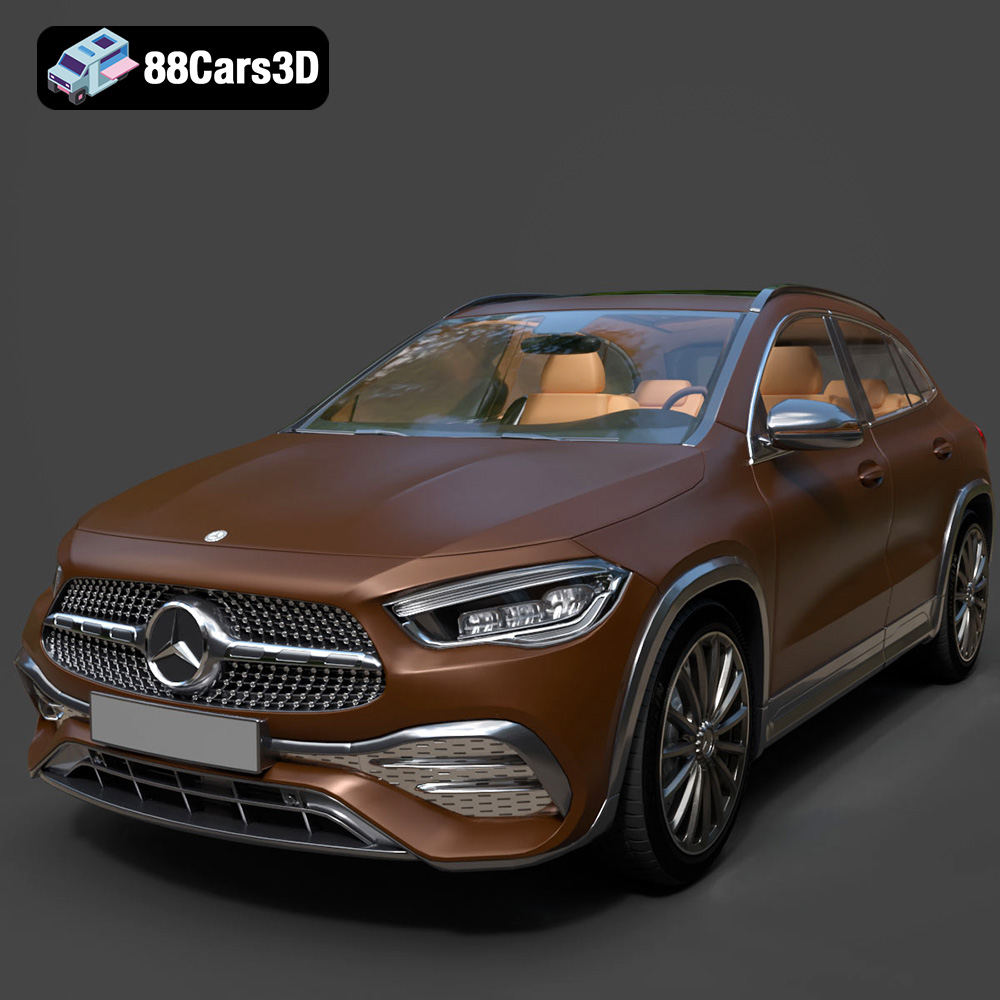
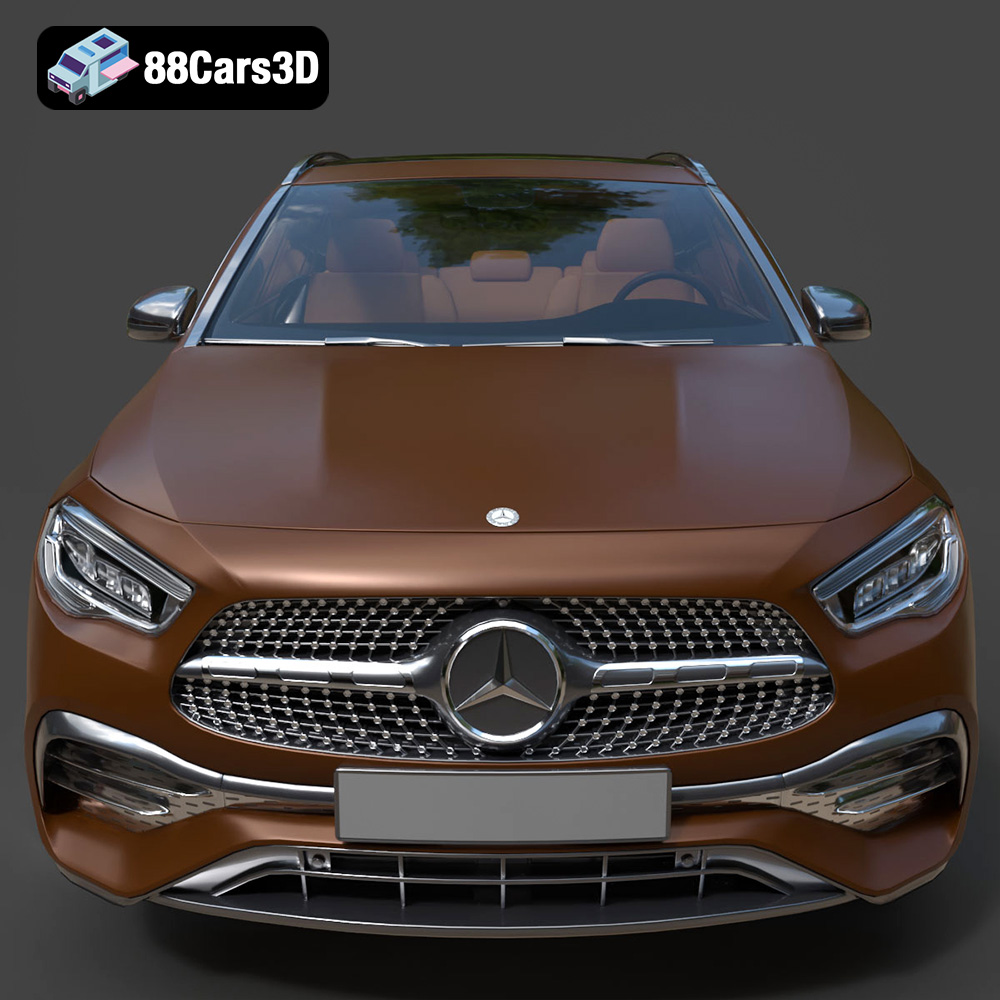
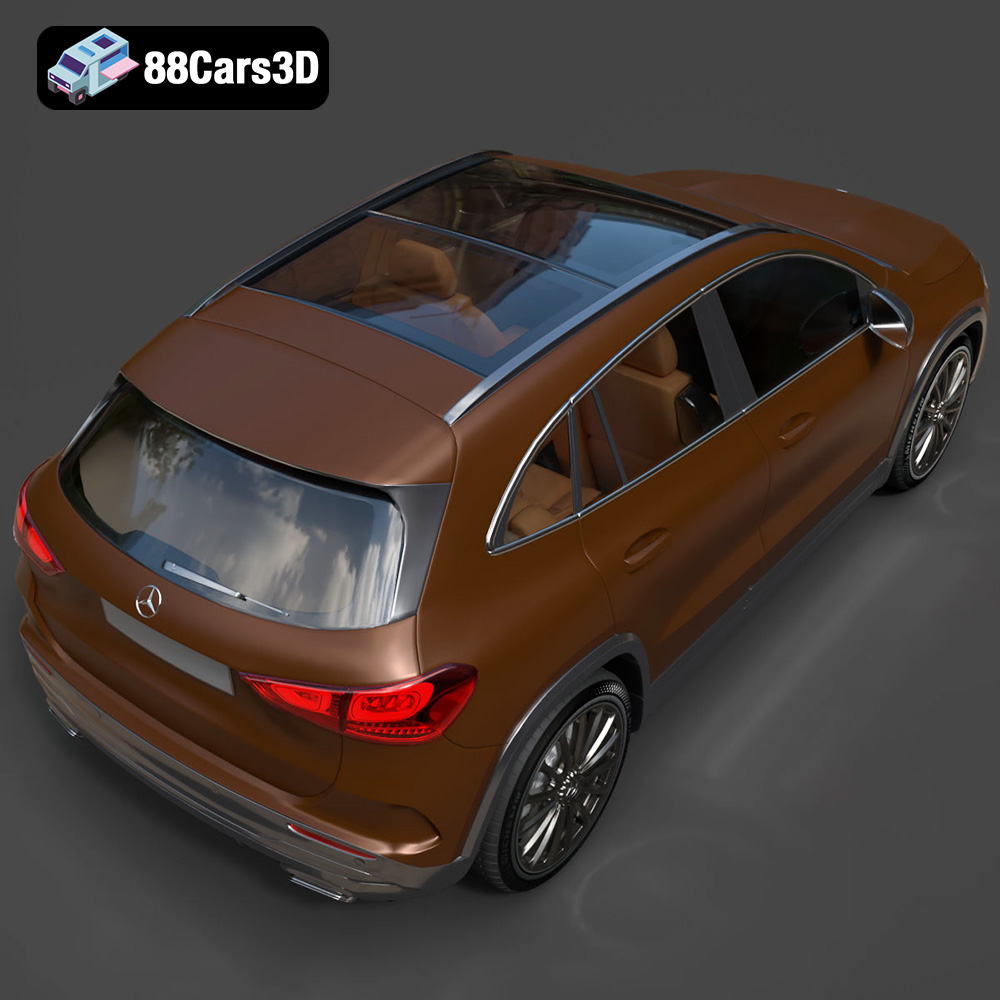
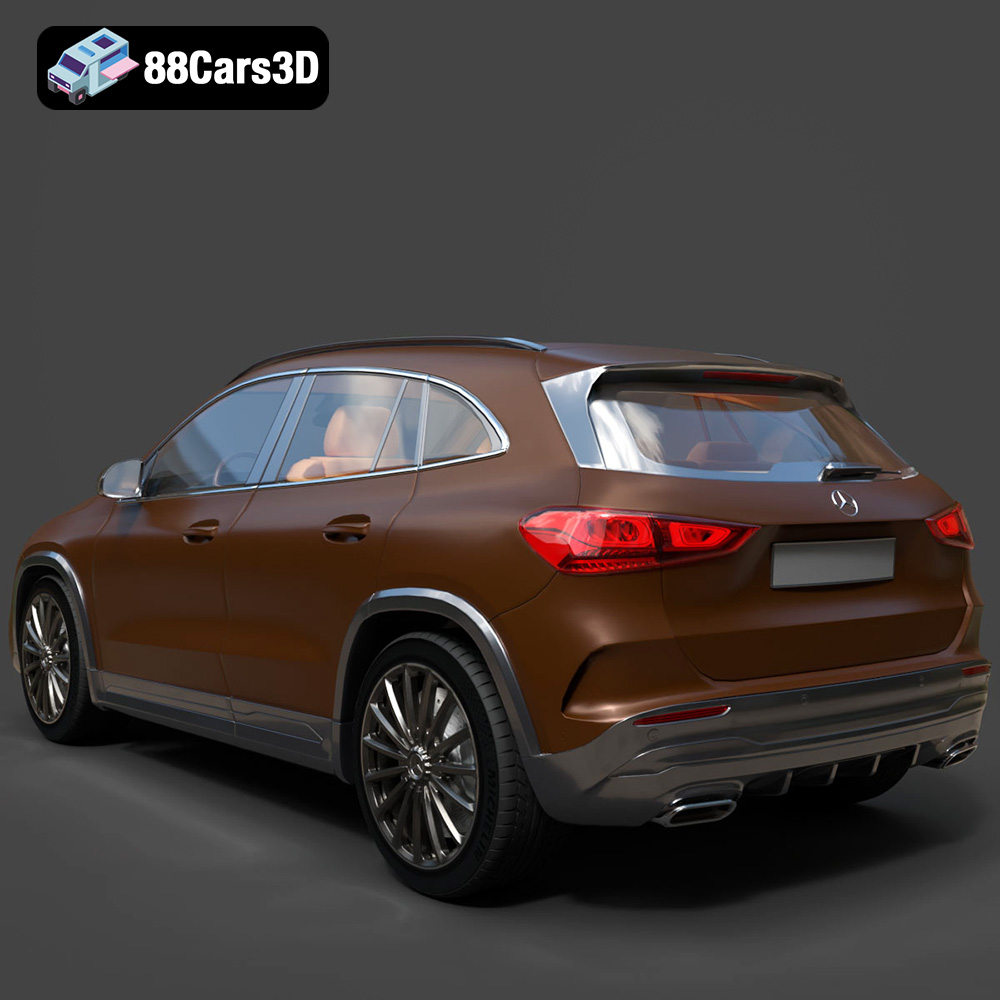
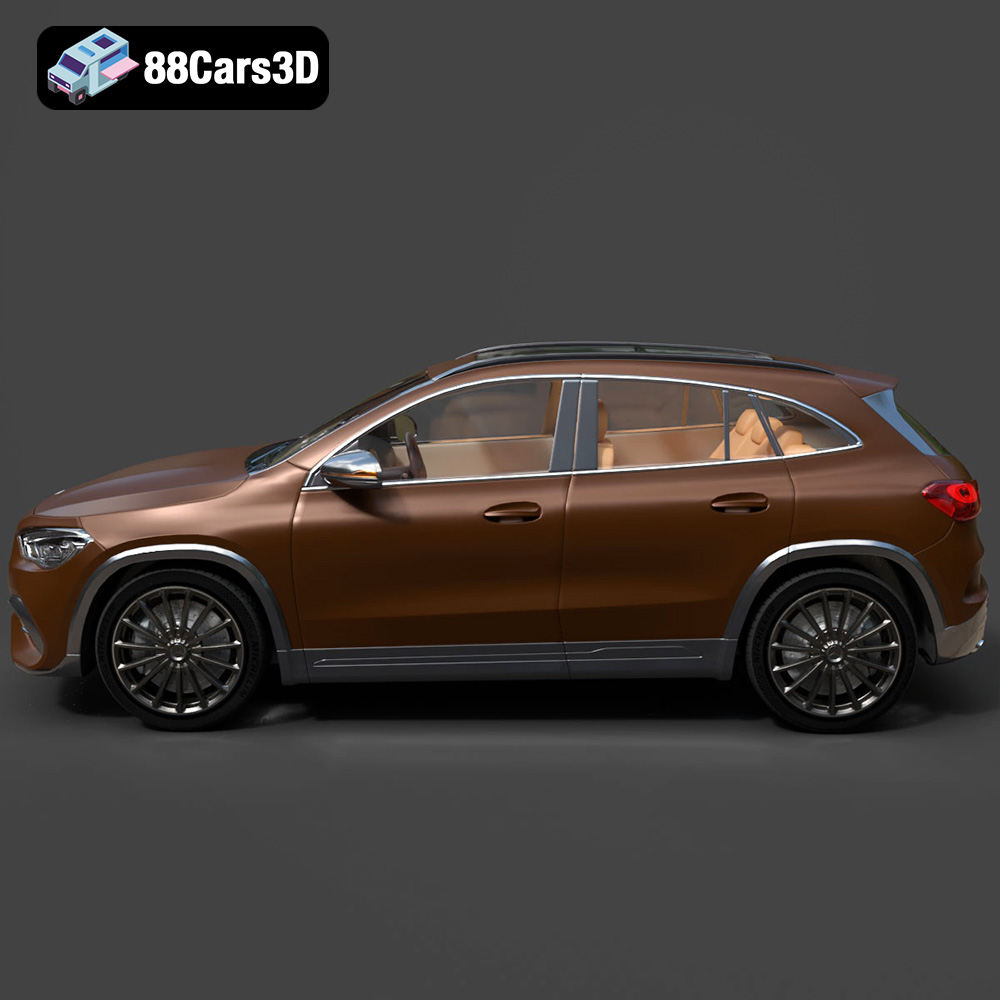
The first impression of any vehicle is its exterior, and the digital GLA-08 captures the dynamic design of the compact crossover SUV flawlessly. Its aggressive front fascia, signature twin-louvre grille with the iconic central star, and sleek, aerodynamic silhouette are all meticulously recreated. Crucial details like the realistic dual exhaust system with chrome-finished elements, intricate LED high-performance headlamp and taillight assemblies, and high-resolution alloy wheels with accurate tire tread patterns and disc brakes contribute to its photorealistic appearance. These elements aren’t just modeled; they convey the luxury and sporty character of the actual vehicle, making it perfect for high-end lifestyle brand campaigns or architectural exterior visualizations where authenticity is key.
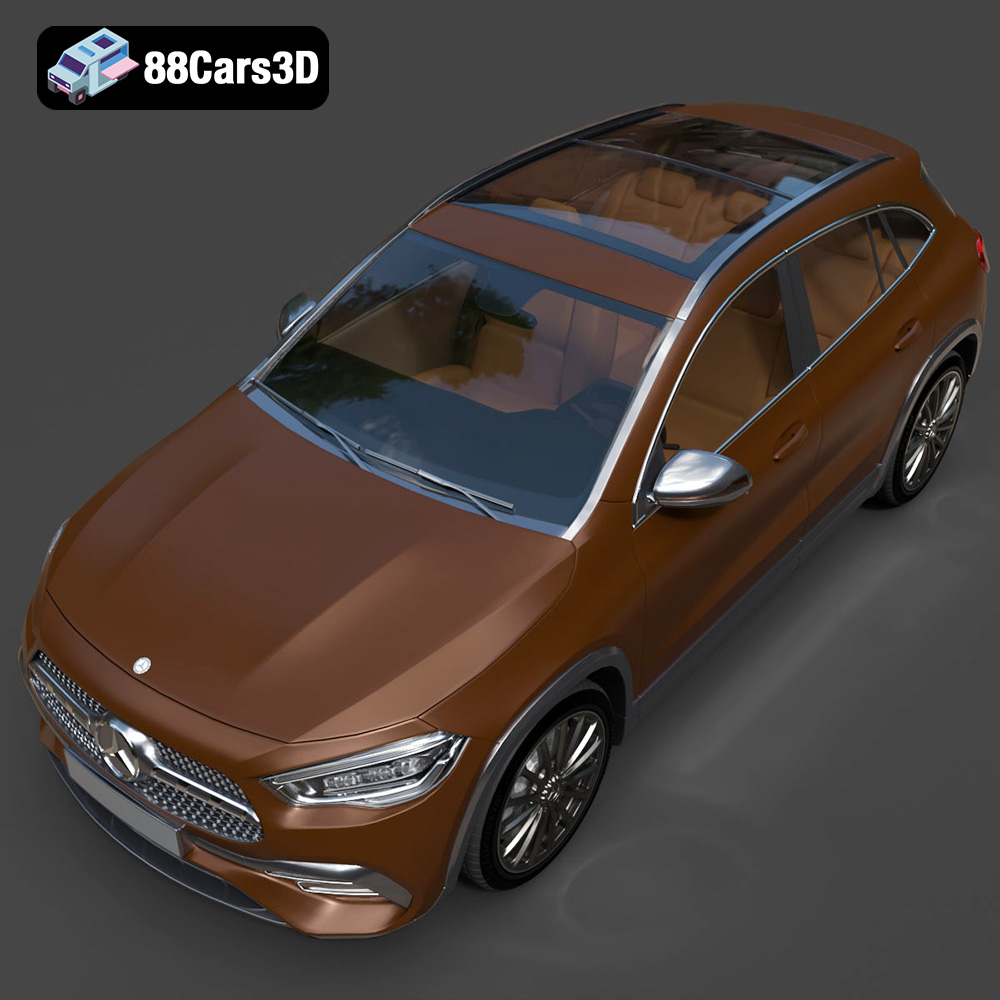
The interior of a vehicle is often where the most complex details reside, especially for luxury models. The GLA-08 model doesn’t disappoint, offering a highly detailed sport luxury seating arrangement with realistic upholstery stitching. The signature Mercedes-Benz multifunction steering wheel, high-fidelity instrument cluster, central infotainment display, accurate center console controls, and pedals are all faithfully reproduced. This level of interior detail is critical for immersive applications like AR/VR experiences, virtual showrooms, or game development where first-person perspectives are common, ensuring a convincing and engaging user experience.
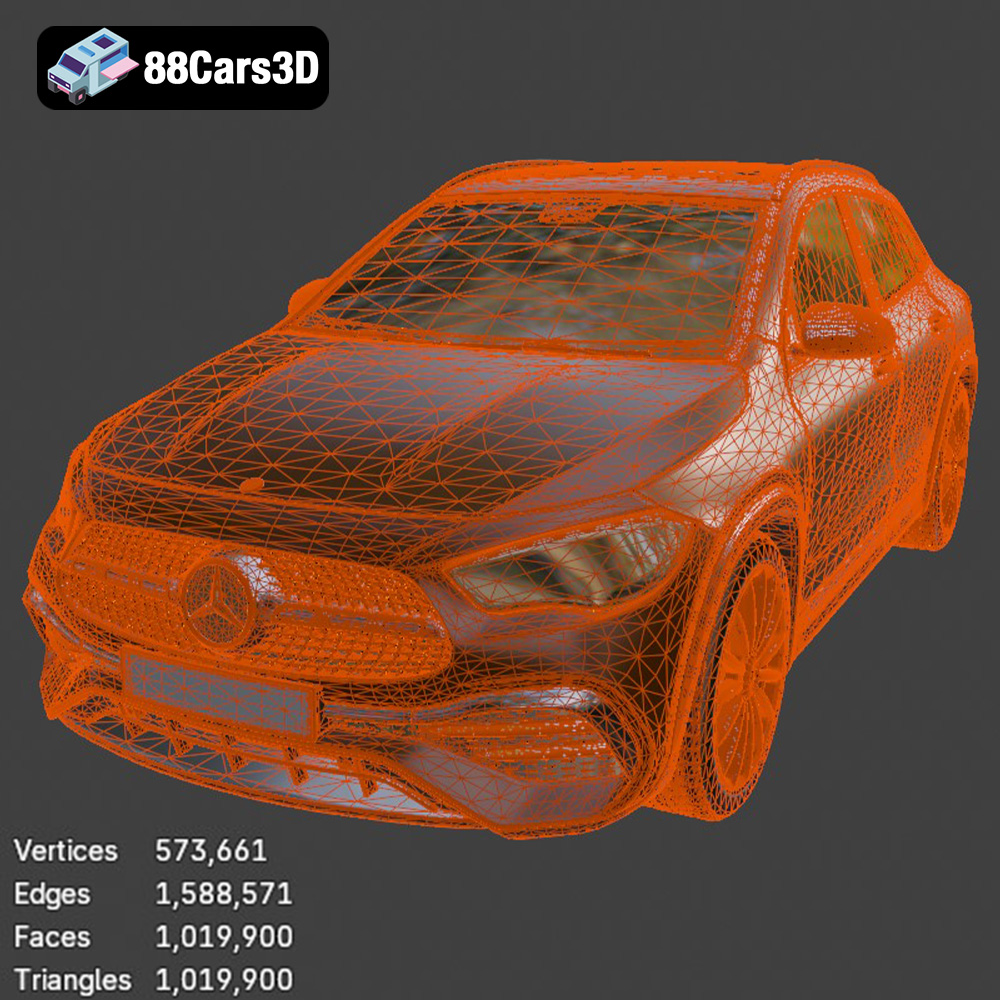
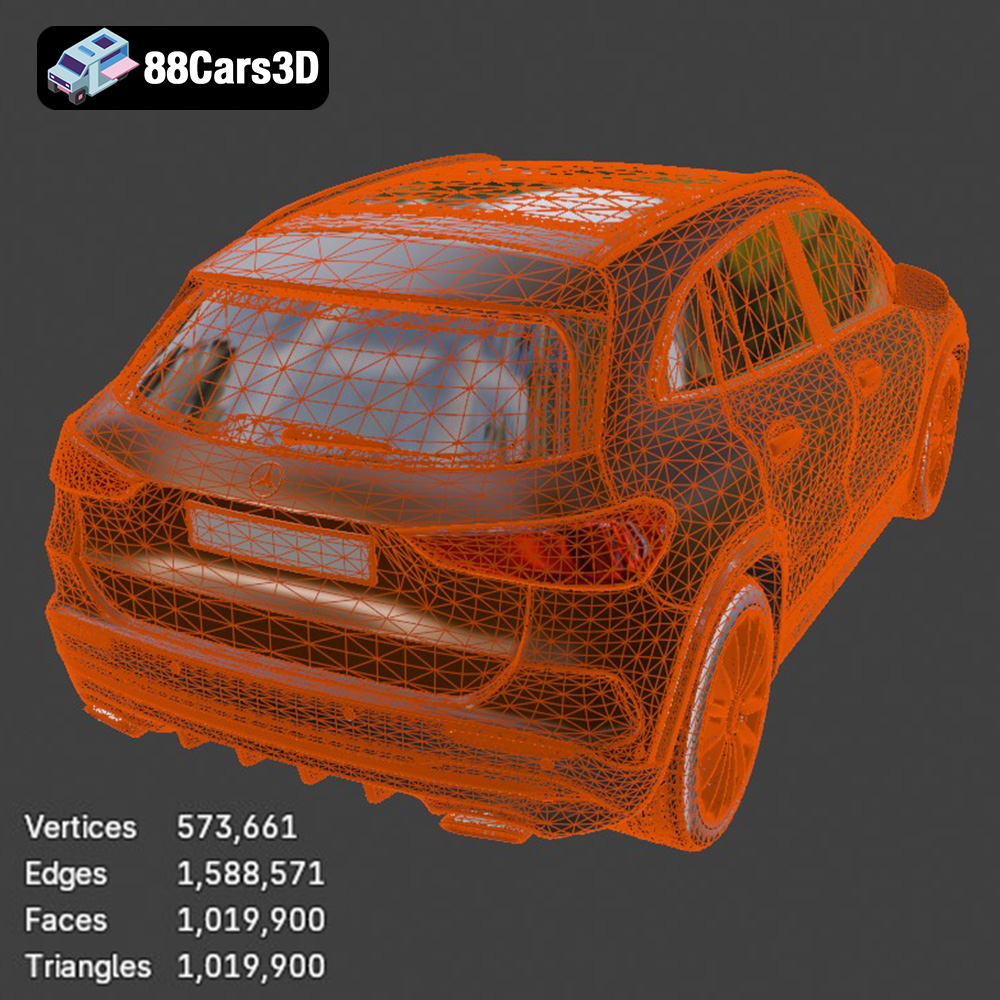
Beyond surface aesthetics, the technical construction of a 3D model dictates its performance across different platforms. With an impressive 1,019,900 triangles, the GLA-08 strikes an ideal balance. This poly count is high enough to deliver unparalleled visual fidelity for close-up renders and cinematic sequences, yet optimized enough to perform efficiently in demanding real-time applications like Unreal Engine and Unity. The model boasts real-world scale accuracy, based on the actual vehicle chassis, ensuring correct proportions in any scene. Furthermore, separate wheels, doors, and steering components, coupled with proper pivot setups for steering, wheel rotation, and suspension travel, mean the model is ready for advanced animation and dynamic simulations straight out of the box.
The true value of a premium 3D car model lies in its seamless integration into various professional pipelines. The Mercedes-Benz GLA-08, with its comprehensive file format support and optimized geometry, is designed to empower artists and developers across different software ecosystems. Whether you’re a visualization artist, game developer, or AR/VR creator, the model provides a robust foundation.
For architectural visualization, the GLA-08 in .max or .fbx format is an invaluable asset. Imagine a sprawling modern villa rendering: placing the GLA-08 in the driveway or on a rooftop helipad instantly elevates the scene’s realism and luxury appeal. Using 3ds Max, artists can import the model, apply sophisticated V-Ray or Corona Renderer materials, and integrate it perfectly with scene lighting. The model’s accurate reflections, detailed exterior, and high-resolution textures will react realistically to HDRI lighting and physically accurate sun systems, providing that crucial sense of scale and life to static architectural imagery. The proper pivot setup for doors means you could even animate a character entering or exiting the vehicle for a dynamic walkthrough.
Blender users will find the .blend file format particularly advantageous. It offers immediate access to the model’s structure, materials, and potentially even basic rigging. This allows for deep customization: changing body colors to match a brand’s palette, modifying tire textures for off-road or track variants, or adjusting material finishes from matte to gloss or metallic. Animators can leverage Blender’s powerful animation tools to create custom sequences, from a simple rotating turntable showcase to complex driving simulations. The optimized topology ensures that even with extensive modifications, performance remains stable, making it a fantastic base for personal projects or client work.
For game developers and real-time experience creators, the .fbx and .unreal (or prepared .fbx for Unity) formats are critical. Importing the Mercedes-Benz GLA-08 into Unreal Engine or Unity means instant access to an optimized asset ready for deployment. The model’s 1,019,900 triangles are well within performance budgets for many high-fidelity games or VR applications. Developers can set up collision meshes, integrate it into vehicle physics systems, and craft immersive driving experiences. The separate components (wheels, doors, steering) are pre-configured for animation, allowing for interactive elements like opening doors, steering, or simulating suspension travel in real-time. This saves countless hours of optimization and setup, allowing teams to focus on gameplay and user interaction.
The true test of a modern 3D car model often lies in its ability to perform robustly in real-time environments. The Mercedes-Benz GLA-08 is engineered with this challenge in mind, making it an exceptional choice for game development, augmented reality (AR), and virtual reality (VR) applications.
Game development demands a delicate balance between visual fidelity and performance. The GLA-08’s poly count of 1,019,900 triangles strikes this balance expertly. For open-world games, racing titles, or even grand theft auto-style simulators, this level of detail allows for stunning visuals without crippling frame rates. Developers can easily import the model into Unreal Engine or Unity via .fbx, utilizing the engine’s advanced physically-based rendering (PBR) pipelines for realistic lighting and material interactions. The pre-separated wheels, doors, and steering components, along with proper pivot setups, significantly streamline the process of rigging for vehicle physics and animation systems. This means less time spent on asset preparation and more time dedicated to crafting engaging gameplay.
Augmented Reality (AR) and Virtual Reality (VR) are transforming how we interact with products, especially in the automotive sector. Imagine a virtual showroom where prospective buyers can walk around the Mercedes-Benz GLA-08, open its doors, explore the interior, and even change colors in real-time. The .glb format, optimized for web and mobile display, is perfect for such interactive experiences. For VR training simulations or design reviews, the highly detailed interior allows for true first-person immersion, providing an accurate representation of the cockpit. The model’s real-world scale is also crucial here, ensuring a believable and comfortable experience within a VR headset or AR overlay.
The demand for engaging content accessible via mobile devices and web browsers is growing. The GLA-08, particularly in its .glb format, is ideal for these lightweight yet impactful applications. Whether it’s a mobile app allowing users to “place” the car in their driveway via AR, or a website enabling a 360-degree interactive view of the vehicle, the optimized geometry and bundled textures of the .glb file ensure smooth performance and fast loading times. This capability extends the reach of your 3D assets to a broader audience without compromising on visual quality.
While the digital realm offers endless possibilities, there’s a unique satisfaction in holding a physical representation of a meticulously crafted 3D car model. The Mercedes-Benz GLA-08 is not just a virtual asset; it’s also designed with 3D printing in mind, opening up avenues for display-scale hobbyists and professional model makers.
The inclusion of the .stl format is a testament to the model’s versatility. The .stl file provides the necessary triangulated surface data for 3D printers to accurately reproduce the vehicle’s form. This allows users to create highly detailed physical models for display, prototyping, or even as collectible items. The process typically involves importing the .stl into a slicing software (like Cura, PrusaSlicer, or Chitubox), where print settings are configured before sending the G-code to the 3D printer.
Achieving a high-quality 3D print of a complex object like the GLA-08 requires careful consideration of print settings. The product description for the Mercedes-Benz GLA-08 offers specific recommendations:
Once printed, the physical model benefits greatly from post-processing. This typically involves removing supports, sanding to smooth out any layer lines or imperfections, applying a primer to create a uniform surface, and finally, painting. Using authentic factory colors with metallic finishes will bring the 3D printed GLA-08 to life, mimicking its real-world counterpart. This hands-on process allows for a unique blend of digital precision and artisanal craftsmanship.
A premium 3D car model isn’t just a static asset; it’s a dynamic foundation for countless creative endeavors. The Mercedes-Benz GLA-08 3D Model offers extensive customization options, ensuring it remains a valuable and adaptable resource for any project, now and in the future.
The flexibility built into the GLA-08 allows for significant creative freedom. Artists can easily change body colors, experimenting with factory hues, custom finishes, or even unique livery designs for game environments. The ability to modify tire textures – from aggressive off-road variants to sleek street profiles – adds another layer of personalization, adapting the vehicle to different narrative contexts or visual styles. Adjusting material finishes (matte, gloss, metallic) can dramatically alter the car’s perceived luxury and reflectiveness, allowing it to seamlessly integrate into various lighting setups and environments. This level of customization ensures that the model can be tailored precisely to client briefs or artistic visions, making it an invaluable asset in a professional’s toolkit.
Beyond aesthetic changes, the GLA-08’s robust construction facilitates adaptation to different digital environments. Its optimized geometry and comprehensive file format support mean it can transition smoothly between high-fidelity rendering engines (like V-Ray or Corona), real-time game engines (Unreal, Unity), and interactive AR/VR platforms. Artists can adapt the lighting to suit different moods – from a sun-drenched outdoor scene to a dramatic studio setup – leveraging the model’s detailed reflections and material properties. This inherent adaptability ensures that your investment in a quality 3D model like the GLA-08 will serve a multitude of projects and evolving technological demands.
In the fast-paced world of 3D, investing in high-quality, well-supported assets is a strategic decision. The Mercedes-Benz GLA-08, with its clean topology, real-world scale, separate components, and extensive file format support, is designed for longevity. It’s not just a model for today’s projects, but a foundation that can be easily updated, re-textured, or re-purposed as software and hardware evolve. Sourcing such a meticulously crafted asset from reputable marketplaces like 88cars3d.com ensures you’re acquiring a professional-grade product that meets industry standards, allowing you to focus on your creative vision rather than battling with poorly optimized geometry or missing textures.
The journey from concept to a compelling digital experience in automotive visualization, game development, or AR/VR hinges on the quality of your foundational assets. As we’ve explored, a premium 3D car model like the Mercedes-Benz GLA-08 is far more than just a visual prop; it’s a meticulously engineered digital component designed for versatility, performance, and aesthetic excellence across a multitude of applications.
From its unparalleled exterior and interior detail to its optimized topology and extensive file format support – including .blend, .fbx, .obj, .glb, .stl, .ply, .unreal, and .max – the GLA-08 provides a robust solution for any professional workflow. Whether you’re aiming for photorealistic renders in 3ds Max, immersive gameplay in Unreal Engine, interactive AR/VR experiences, or even a physical 3D printed replica, this model offers the technical specifications and customization options to bring your vision to life. By understanding the nuances of file formats, the importance of detailed craftsmanship, and the power of optimized assets, artists and developers can significantly elevate their projects. For those seeking top-tier automotive rendering and game-ready game assets, the Mercedes-Benz GLA-08 3D Model from 88cars3d.com stands as an exemplary choice, offering a streamlined path to breathtaking digital realism.
Experience the perfect blend of dynamic design and everyday versatility with the Mercedes-Benz GLA-08. This premium compact crossover SUV represents the pinnacle of modern urban driving, featuring an aggressive front fascia, a distinctive twin-louvre grille with the iconic central star, and a sleek, aerodynamic silhouette. Its sporty character is emphasized by sculpted side panels, dual exhaust ports, and striking lighting signatures that make it an instant standout in the luxury utility segment. This highly detailed 3D model boasts an impressive 1019900 triangles, offering unparalleled visual fidelity while retaining optimized topology. Expertly crafted to deliver photorealistic results, it strikes an ideal balance between high-end architectural visualization and demanding real-time applications. Whether deployed in game development (Unreal Engine, Unity), high-fidelity AR/VR experiences, or professional commercial rendering, this model ensures your project exudes premium quality.
$61.99
.blend
.fbx
.glb
.max
.obj
.ply
.rendering
.stl
.unreal
car-3d-model
compact-suv
game asset
game-ready
gla-08
luxury car
mercedes-benz
optimized
SUV
VR/AR