Get 20% OFF All Premium 3D & STL Models!

In the dynamic world of digital design and visualization, the pursuit of realism and technical precision drives innovation. From breathtaking cinematic sequences to immersive game environments and cutting-edge product configurators, the demand for highly detailed and accurately modeled assets is paramount. Automotive design, in particular, requires an unparalleled commitment to accuracy, capturing every curve, reflection, and engineering detail that defines a vehicle’s identity. This dedication is precisely what separates good 3D models from truly exceptional ones, providing artists and developers with the tools to create captivating experiences.
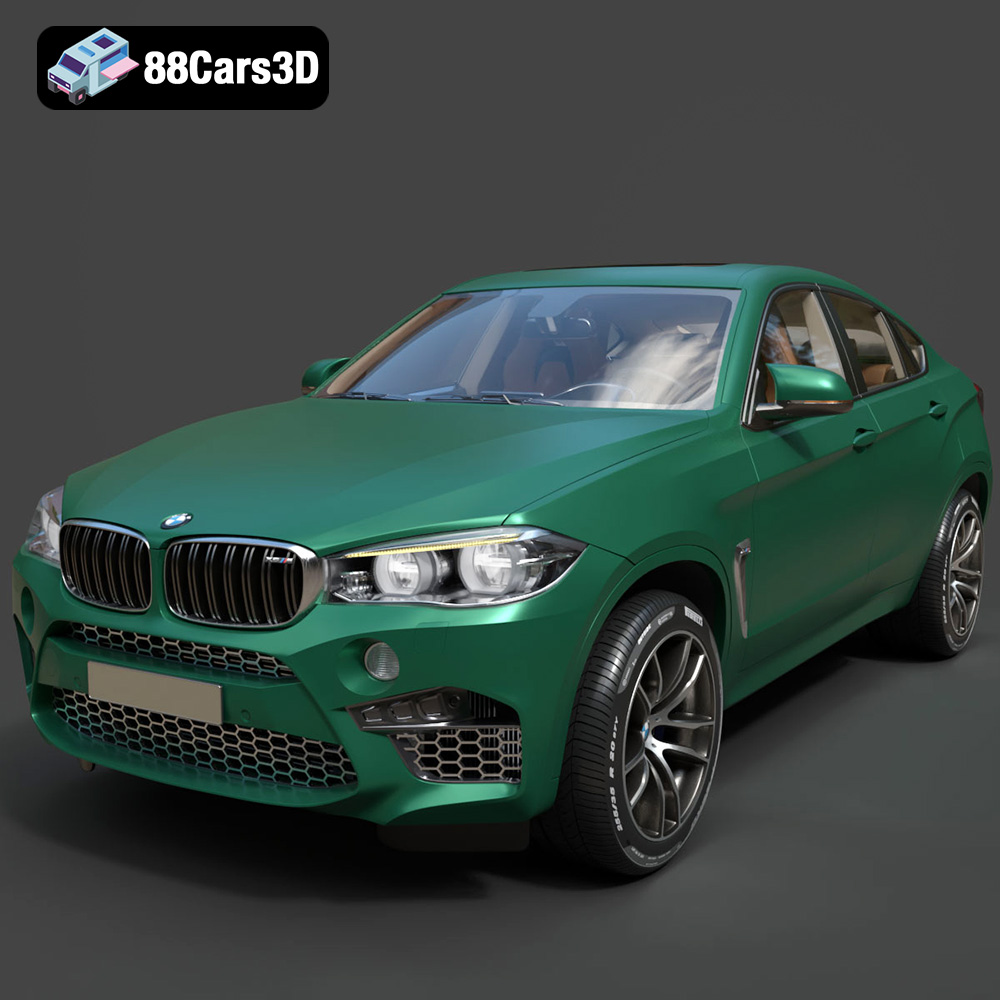
Today, we delve into a prime example of such excellence: the BMW X6M 2015 3D Model, available for download at 88cars3d.com. This model stands as a testament to meticulous craftsmanship, engineered to meet the rigorous demands of professional workflows across diverse industries. Whether your project calls for stunning renders, real-time interactive experiences, or even physical prototypes, understanding the nuances of such an asset is crucial for maximizing its potential.
The digital landscape is constantly evolving, pushing the boundaries of what’s possible in visual storytelling and interactive media. At the heart of this evolution for automotive enthusiasts and professionals alike lies the 3D car model. These aren’t just digital representations; they are fundamental building blocks that empower creators to bring their visions to life with unparalleled fidelity. The quality of a 3D car model directly impacts the final output, influencing everything from rendering photorealism to game performance and user immersion.
For advertising agencies, automotive manufacturers, and architectural visualization studios, the ability to produce photorealistic renders is non-negotiable. High-quality 3D car models like the BMW X6M 2015 are indispensable for creating compelling marketing campaigns, showcasing new vehicle features, or integrating cars into architectural scenes. These models provide the foundation for breathtaking visuals, allowing artists to manipulate lighting, materials, and camera angles to achieve stunning results that are often indistinguishable from actual photography. The level of detail, from the intricacies of the brake calipers to the stitching on the interior seats, is crucial for convincing viewers and conveying luxury.
The gaming industry thrives on immersion, and realistic vehicles are a cornerstone of many successful titles. Racing simulators, open-world adventures, and even tactical shooters often feature a wide array of vehicles, each demanding precise modeling and optimization. A game-ready 3D car model, such as the BMW X6M 2015 with its optimized polycount and separate animatable components, provides developers with a robust asset that can be seamlessly integrated into engines like Unreal and Unity. This allows for realistic physics, dynamic lighting, and engaging gameplay, without sacrificing visual quality or performance.
The utility of premium 3D car models extends far beyond traditional rendering and gaming. Augmented Reality (AR) and Virtual Reality (VR) applications, from virtual showrooms to interactive configurators, rely on optimized models for smooth, real-time experiences. Imagine walking around a virtual BMW X6M 2015 in a VR showroom, inspecting its interior and exterior with unparalleled detail. Furthermore, for product designers, hobbyists, and educators, the ability to convert a detailed digital model into a physical object via 3D printing opens up new avenues for prototyping, display, and tactile interaction. The versatility of file formats included with models like the X6M 2015 makes these diverse applications not just possible, but highly efficient.
Navigating the world of 3D modeling often involves choosing the right file format for the job. Each format serves specific purposes, optimized for different software, workflows, and end applications. A comprehensive 3D model, like the BMW X6M 2015 available on 88cars3d.com, typically comes with a suite of formats to ensure maximum compatibility and flexibility. Understanding these formats is critical for any professional working with 3D assets.
The .blend file format is the native format for Blender, a powerful open-source 3D creation suite. When you receive a .blend file, you’re getting a fully editable Blender scene, complete with all its elements: meshes, materials, textures, lighting, cameras, animations, modifiers, and even scene settings. This makes it ideal for artists who primarily use Blender, offering direct access to the model’s construction, allowing for extensive customization, rigging adjustments, and rendering within the Blender ecosystem. It’s often considered the “source file” for projects initiated in Blender, providing the highest level of flexibility for modification and adaptation.
Autodesk’s .fbx (Filmbox) format is arguably the most widely adopted proprietary 3D file format for data interchange between various 3D applications, game engines, and virtual reality platforms. Its strength lies in its ability to store a comprehensive set of 3D data, including geometry, materials, textures, animations, skinning, and camera information, while maintaining scene hierarchy. This makes it an ideal choice for pipelines involving Unreal Engine, Unity, 3ds Max, Maya, and other professional software. When you need to move an asset efficiently between different software packages for animation, rigging, or real-time implementation, .fbx is often the go-to solution due to its robust support and widespread compatibility.
The .obj (Wavefront OBJ) format is a simple, non-proprietary file format for representing 3D geometry. It primarily stores vertex positions, UV coordinates, normals, and polygon faces. While it doesn’t typically store advanced scene information like animations or complex material nodes, its simplicity and widespread support make it a universal choice for cross-software compatibility. Almost every 3D modeling and rendering application can import and export .obj files, making it excellent for sharing basic mesh data or when you need a clean, geometry-focused transfer. Materials are often defined in a companion .mtl file.
.glb (GL Transmission Format Binary) is a modern, royalty-free specification for the efficient transmission and loading of 3D scenes and models by applications. It’s the binary version of glTF (GL Transmission Format), designed to be compact and fast to load. .glb files embed all data (models, animations, textures) into a single binary file, making them highly optimized for web-based AR, VR, and browser-based display. Major platforms like Google’s Poly and Microsoft’s 3D Viewer support .glb, making it essential for interactive web experiences and mobile AR applications where file size and quick loading are critical.
The .stl (Stereolithography) format is the de facto standard for 3D printing and computer-aided manufacturing. It represents a 3D model as a collection of unconnected triangular facets, providing only the surface geometry of the object without any color, texture, or material information. While simple, its strength lies in its direct compatibility with almost all 3D printers and slicing software. When preparing the BMW X6M 2015 for physical production, converting to .stl is the crucial step to ensure the geometry is accurately translated for layer-by-layer fabrication.
The .ply (Polygon File Format or Stanford Triangle Format) is another common file format for storing 3D data. It can store a wider range of properties than .obj, including color, transparency, surface normals, and even confidence values. It’s frequently used in scientific applications, 3D scanning, and CAD/CAM, particularly for storing point clouds and mesh data from scanners. While less ubiquitous in general 3D art workflows than .fbx or .obj, it’s valuable for precision mesh transfer, especially when dealing with data derived from real-world scans or engineering applications.
The .unreal file designation, while not a standalone file format in the traditional sense like .fbx or .obj, typically refers to an asset package specifically prepared or exported for direct use within the Unreal Engine. This often implies that the asset has been optimized, had its materials configured using Unreal’s physically based rendering (PBR) system, and may include blueprints or other engine-specific data for immediate integration. Receiving an “.unreal” optimized asset means less setup time within the engine, allowing developers to drop the BMW X6M 2015 directly into their project with pre-configured materials and collision meshes for real-time environments.
Similar to .blend for Blender, the .max file format is native to Autodesk 3ds Max, a leading software for 3D modeling, animation, and rendering. A .max file contains the complete 3ds Max scene, including geometry, lights, cameras, materials, textures (referenced, not embedded), animation data, modifiers, and rendering settings. It offers the most comprehensive control for users working in 3ds Max, allowing full access to the original scene setup, modifiers stack, and animation timelines. This format is essential for professional studios that rely on 3ds Max for high-end automotive rendering and animation, providing a fully editable project for bespoke modifications.
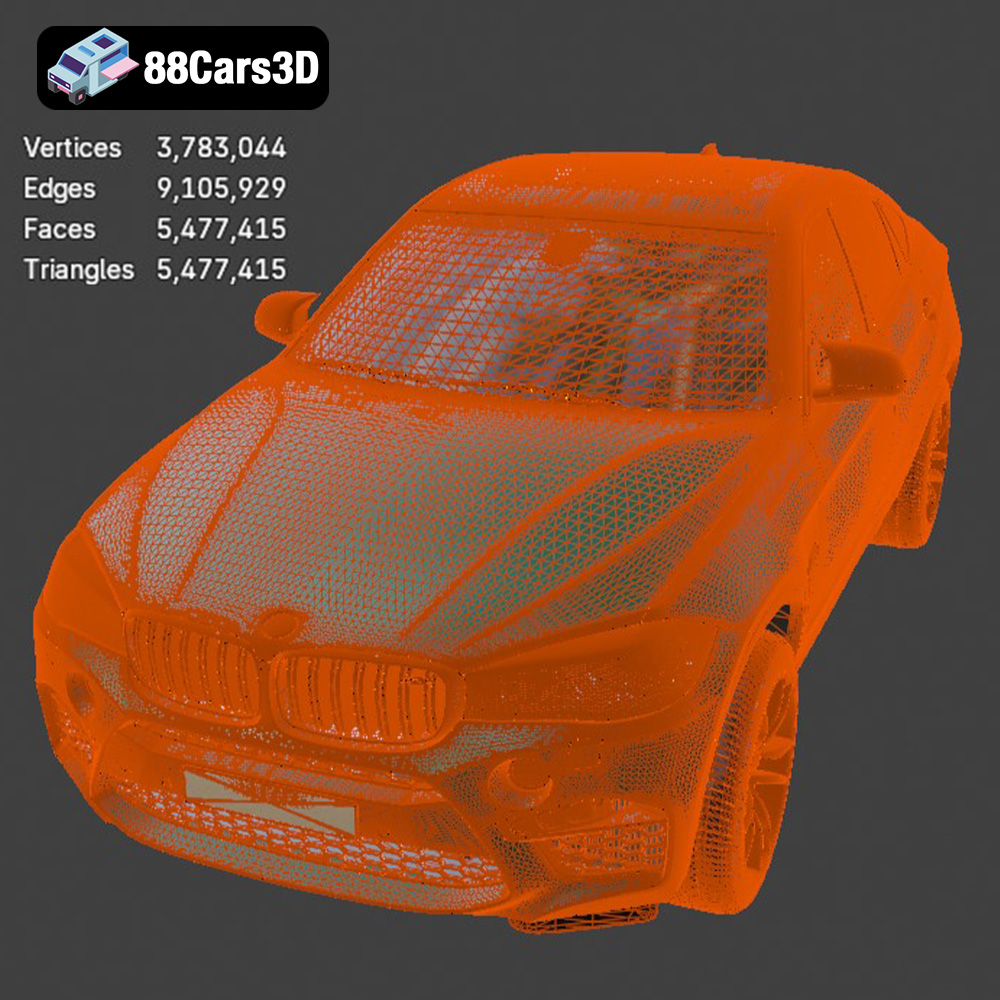
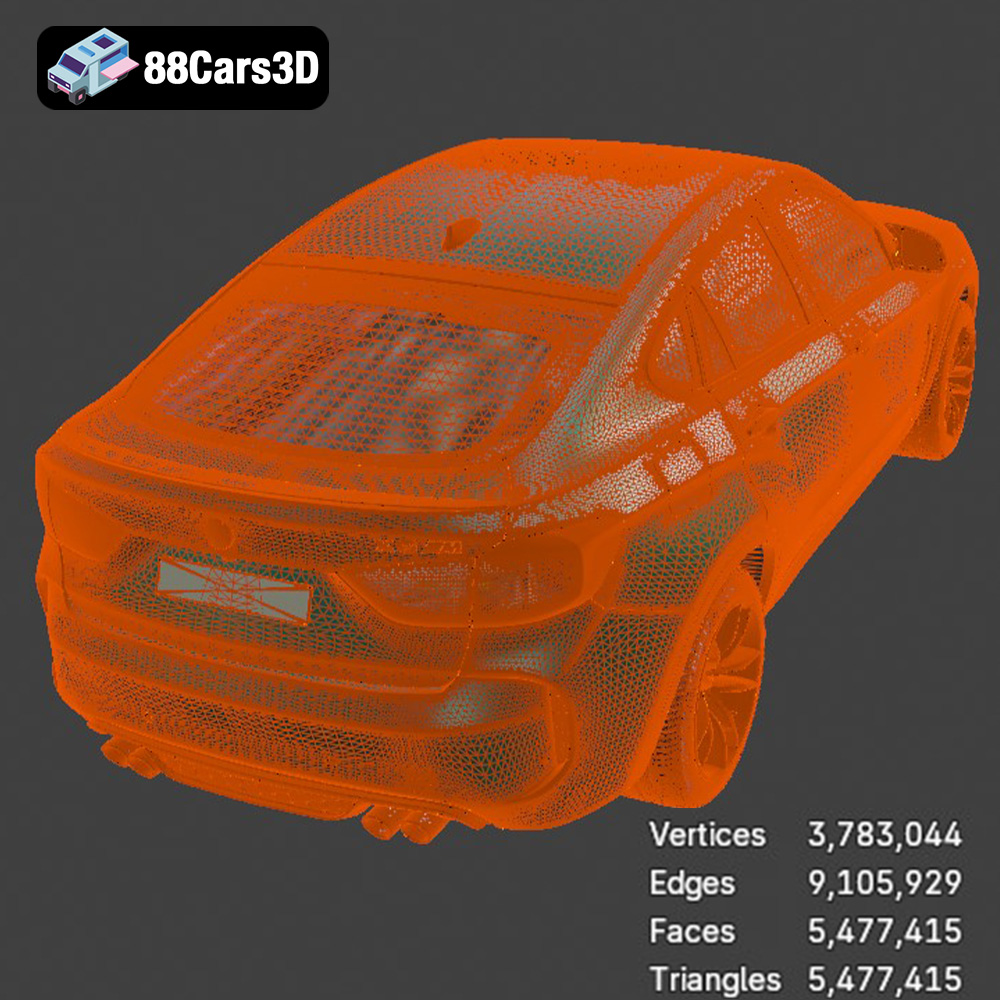
The BMW X6M 2015 3D Model from 88cars3d.com is a testament to what meticulous 3D artistry can achieve. It’s not just a surface representation; it’s a deep dive into the engineering and aesthetic philosophy of one of BMW’s most iconic Sports Activity Coupes. The product description highlights a staggering 5,477,415 triangles, a polycount that strikes a delicate balance: high enough for unparalleled visual realism in close-up renders, yet optimized thoughtfully for performance in real-time engines. This level of detail ensures that every facet of the vehicle is accurately captured, making it a versatile asset for a wide range of applications.
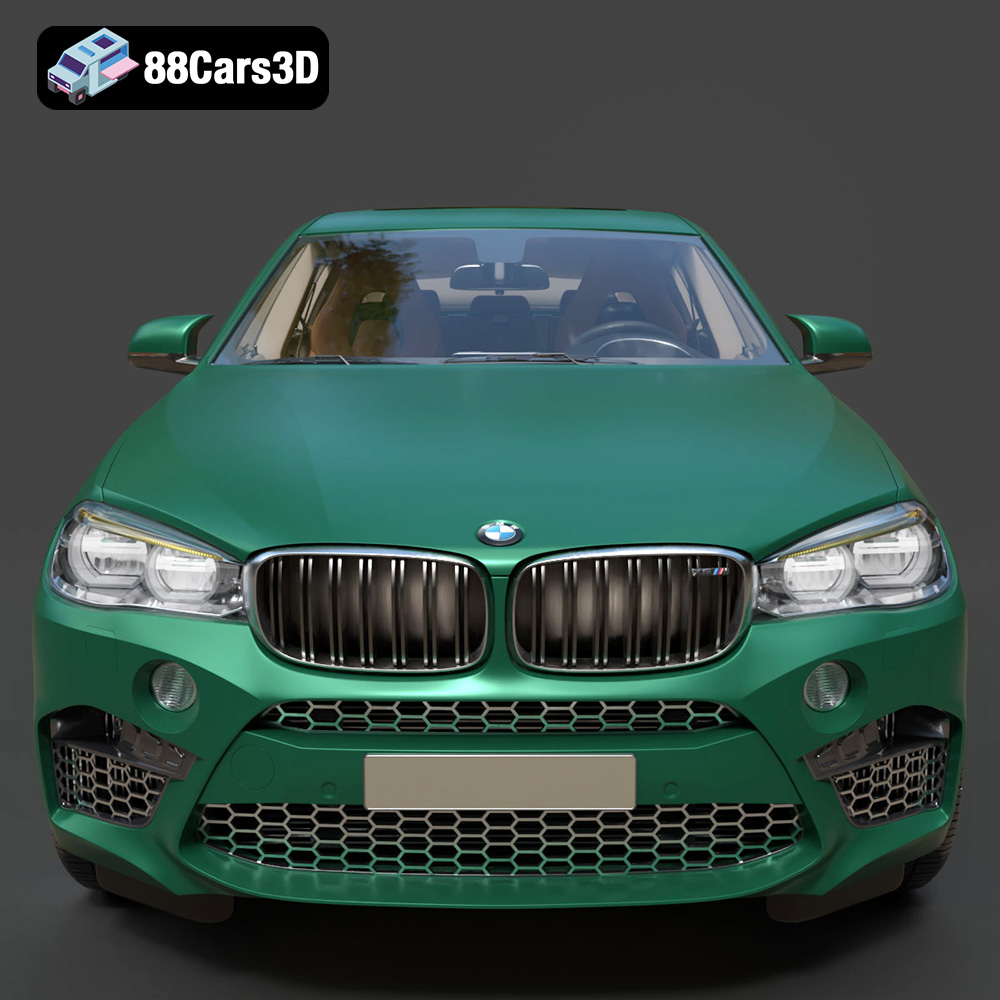
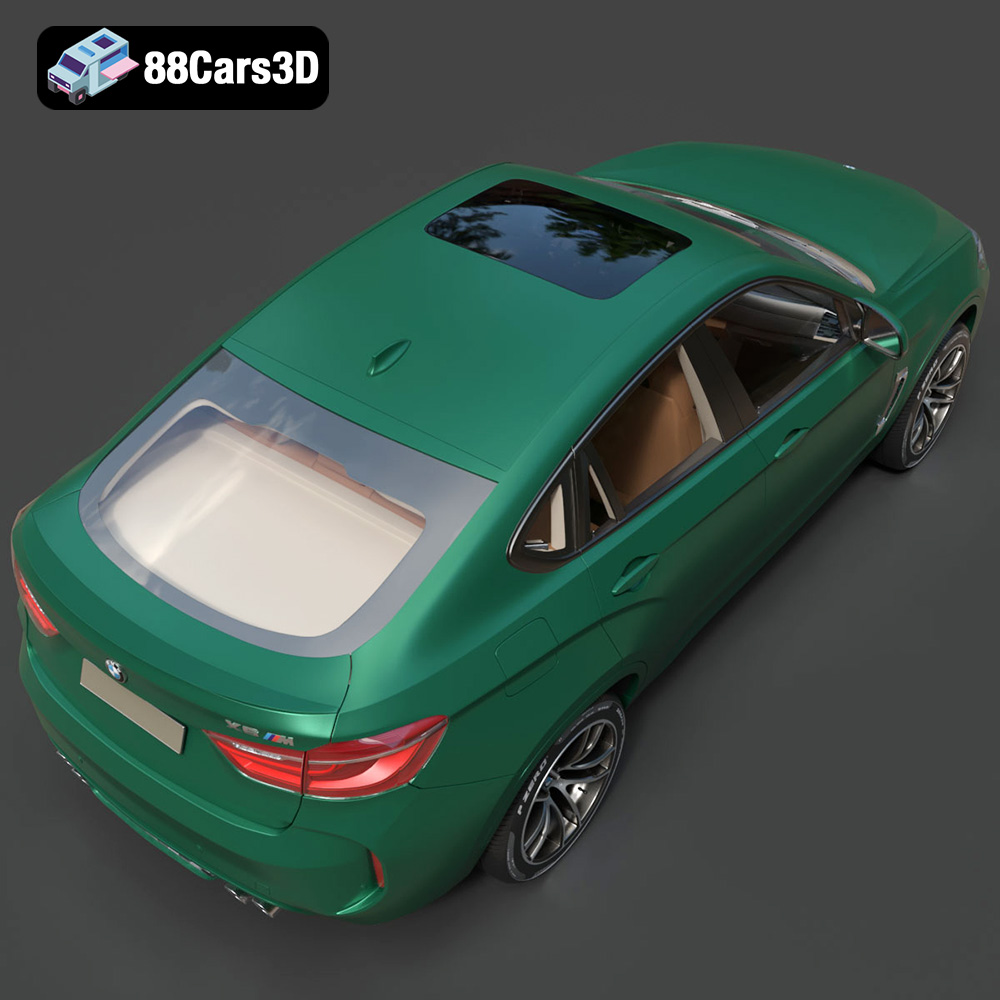
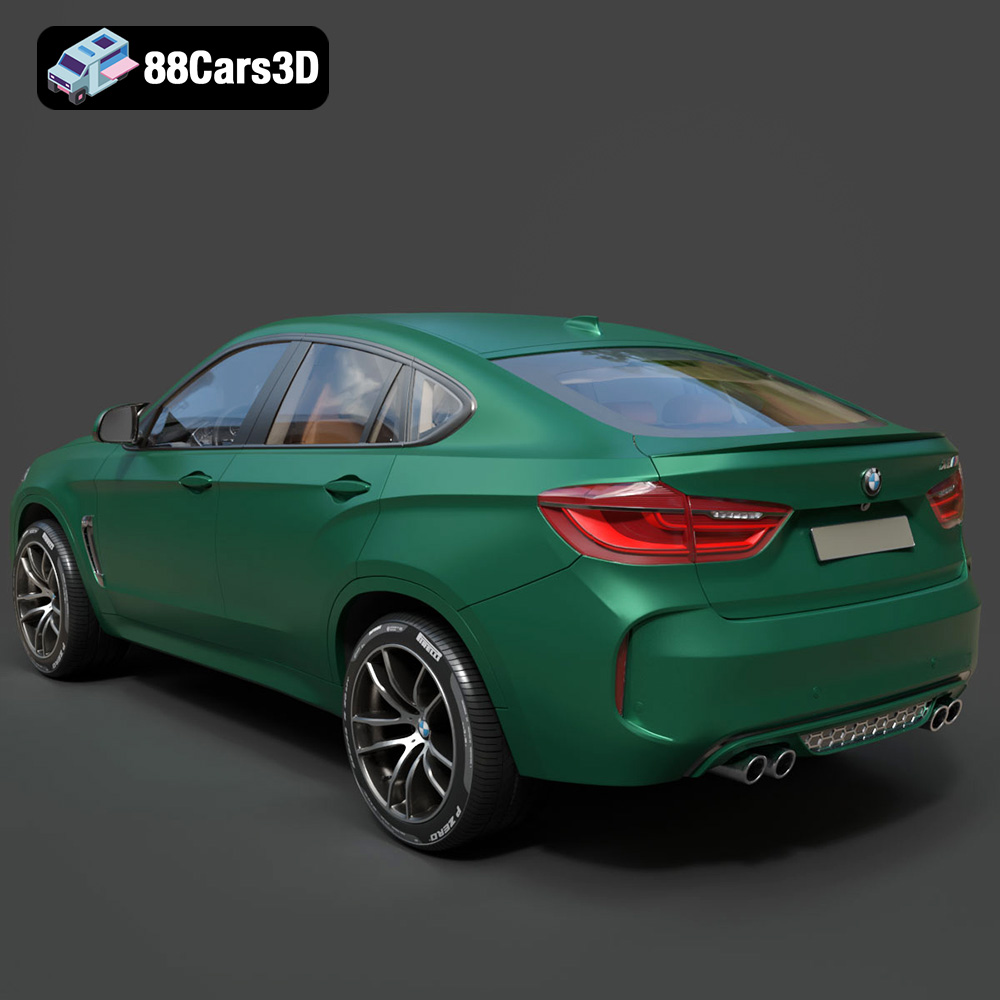
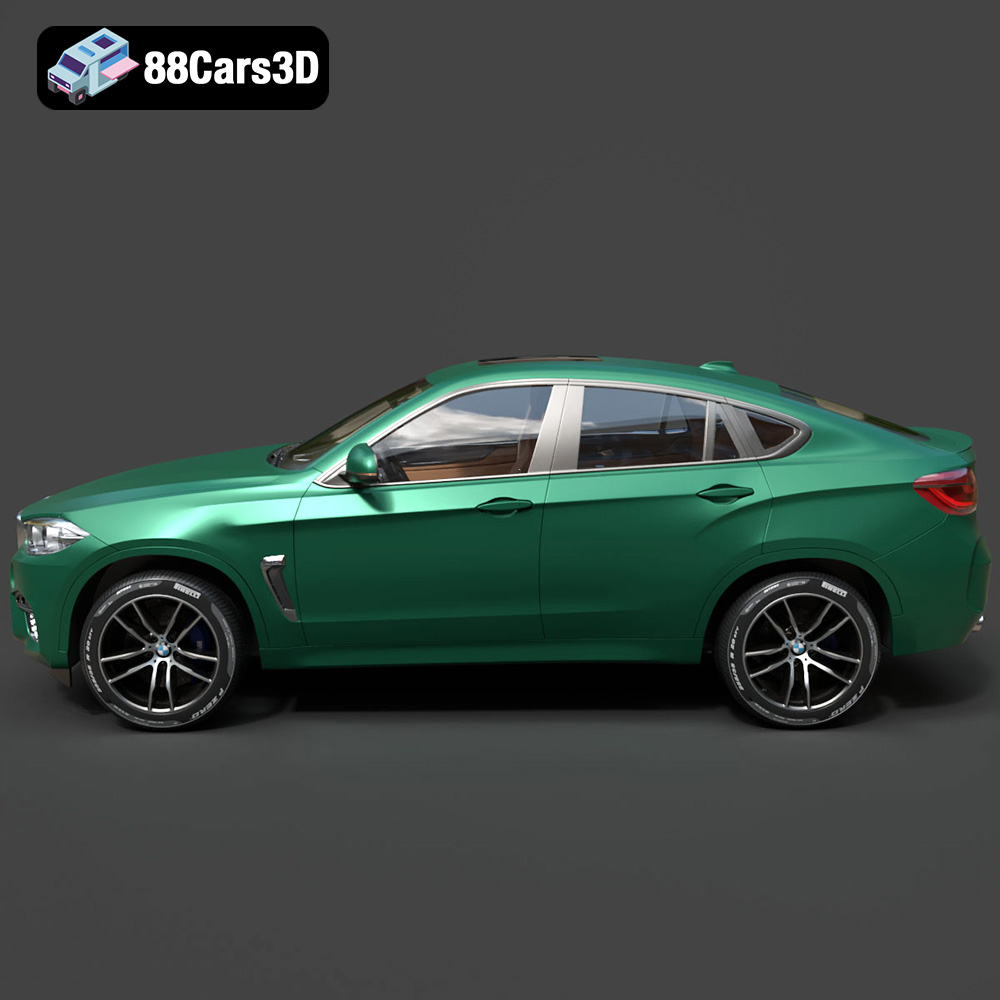
The exterior of the BMW X6M 2015 model is where its aggressive character truly shines. The model faithfully reproduces the vehicle’s accurate frame geometry and proportions, from the signature kidney grilles and aggressive M-specific front fascia to the distinctive quad exhaust system. Details like the adaptive LED headlights, L-shaped LED taillights, and the intricate design of the large M light-alloy double-spoke wheels with high-performance tire treads are all meticulously crafted. Furthermore, the inclusion of M-compound brake calipers with cross-drilled rotors and realistic suspension geometry elevates the model beyond mere aesthetics, appealing to engineers and automotive enthusiasts who appreciate precision.
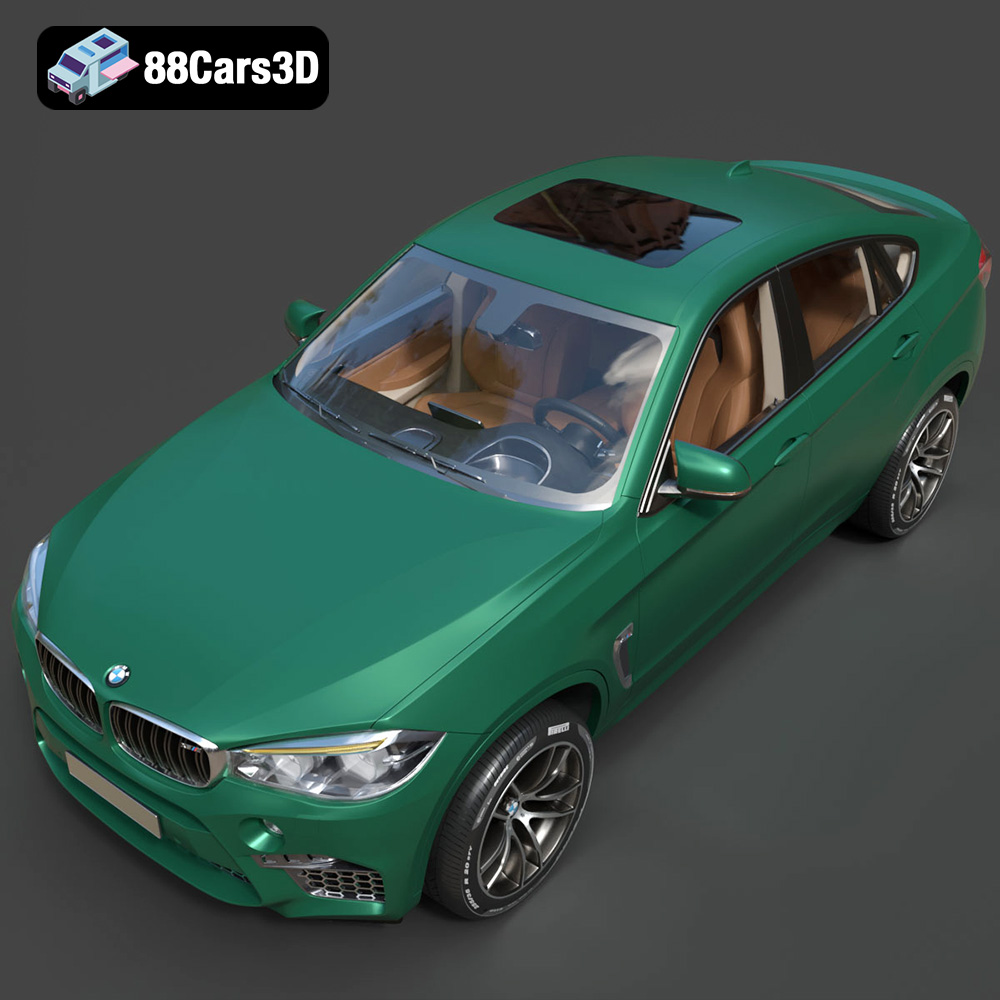
Stepping inside the virtual cockpit, the attention to detail remains just as impressive. The model features premium M multi-function leather seats with authentic stitching, an M leather steering wheel with aluminum paddle shifters, and a highly detailed digital instrument cluster and iDrive infotainment display. Crucially, details like pedals, the gear selector, and carbon fiber interior trim are accurately represented. This level of interior fidelity is particularly significant for applications requiring first-person views, such as virtual showrooms or racing games, where the user directly interacts with the interior environment. The optimized geometry ensures that this rich detail doesn’t compromise real-time performance, making it truly game-ready.
Beyond static beauty, the BMW X6M 2015 3D model is engineered for dynamic performance. The inclusion of separate wheels, suspension, and steering components with proper pivot setups is a critical technical advantage. This allows animators to realistically simulate steering, wheel rotation, and suspension travel, essential for cinematic sequences, driving simulators, and interactive vehicle configurators. The real-world scale accuracy, based on the actual vehicle chassis, further enhances its utility, ensuring that any virtual environment or physical output maintains true-to-life proportions. This robust technical foundation makes the model a valuable asset for any professional production pipeline.
A high-quality 3D model is only as powerful as its application within a professional workflow. The BMW X6M 2015 3D model, with its array of file formats and detailed construction, is designed for seamless integration into various industry-standard pipelines. Understanding how to leverage its features in specific software environments can significantly accelerate production and elevate the final output.
For high-end automotive rendering, 3ds Max paired with renderers like V-Ray or Corona remains a industry staple. The included .max file allows artists to open the BMW X6M 2015 model directly, retaining all scene hierarchy, material assignments, and potentially even initial lighting setups. Artists can then fine-tune materials with advanced physically based shaders, add intricate lighting environments (such as HDRIs or studio lighting rigs), and compose cinematic camera angles. The high polycount of the model (5,477,415 triangles) provides ample geometric detail to hold up to extreme close-ups and reflections, crucial for producing marketing imagery that is indistinguishable from reality. The separate, animatable components mean that dynamic shots, showing the vehicle in motion or interacting with its environment, can be easily choreographed and rendered.
Game developers will find the BMW X6M 2015 model exceptionally useful, especially with the included .fbx and .unreal formats. Importing the .fbx into Unreal Engine or Unity is a straightforward process. The model’s optimized geometry ensures it maintains visual fidelity without overburdening real-time performance. Developers can configure the provided materials using the engines’ respective PBR workflows, creating realistic paint, glass, and metal shaders. The separate components for wheels and suspension are invaluable for setting up vehicle physics systems, allowing for authentic driving dynamics and visual suspension compression. For those needing maximum integration, the “.unreal” optimized asset means even quicker setup, potentially coming with pre-configured collision meshes, LODs (Levels of Detail), and basic blueprints, reducing development time significantly for racing titles, open-world games, or simulators.
The rise of AR/VR technology has created new avenues for showcasing automotive products. The BMW X6M 2015 is perfectly suited for these immersive experiences. Its optimized polycount and real-world scale make it ideal for deployment in mobile AR applications (using frameworks like ARKit or ARCore) or high-fidelity VR showrooms (powered by Unreal, Unity, or custom engines). The .glb format is particularly critical here, offering a highly efficient, single-file solution for web and mobile deployment, enabling users to interact with the vehicle in augmented reality directly from their browser or a lightweight app. Imagine a potential buyer exploring the X6M’s interior in VR, cycling through different paint finishes and wheel options in real-time. This model facilitates such engaging, interactive marketing and sales tools.
One of the most significant advantages of starting with a premium 3D model like the BMW X6M 2015 is the foundation it provides for creative customization. While the model is highly detailed out-of-the-box, its structured design and included file formats empower artists and designers to tailor it precisely to their project’s unique requirements, transforming it from a general asset into a bespoke element of their vision.
The most immediate and impactful customization involves materials and colors. The BMW X6M 2015 model allows for straightforward modification of its paint, interior trim, and wheel finishes. Using the .max or .blend files, artists can dive into the material nodes and adjust parameters for glossiness, metallic flakes, clear coat, and reflections. This means recreating authentic factory colors, experimenting with custom finishes like matte wraps or chrome details, or even simulating different wear and tear levels is easily achievable. Tire textures can also be modified to reflect off-road variants, performance slicks, or standard street tires, adding another layer of realism and context to the scene.
Beyond the vehicle itself, its presentation is crucial. The BMW X6M 2015 model acts as a perfect centerpiece for diverse environmental lighting scenarios. Whether you need to place it in a sun-drenched coastal drive, a sleek urban night scene, or a controlled studio photography setup, the model’s robust geometry and PBR-ready materials will respond beautifully to any lighting scheme. Artists can integrate the model into existing architectural visualizations, dynamically place it within expansive game worlds, or use it to explore complex lighting studies. The ability to animate its components further enhances scene integration, allowing for dynamic camera movements and vehicle interactions that tell a compelling story.
In the relentless pursuit of digital perfection, the quality of foundational assets makes all the difference. The BMW X6M 2015 3D Model exemplifies what a truly professional-grade asset should be: a meticulously crafted, technically robust, and highly versatile tool for creators across various industries. From its astonishingly detailed exterior and immersive interior to its optimized geometry and extensive range of included file formats (.blend, .fbx, .obj, .glb, .stl, .ply, .unreal, .max), this model is engineered to elevate any project it becomes a part of.
Whether you are an automotive renderer striving for photorealism, a game developer building an immersive world, an AR/VR innovator crafting interactive experiences, or a 3D printing enthusiast bringing digital designs to life, this X6M model provides an exceptional starting point. It empowers you with the freedom to create, customize, and push the boundaries of visual storytelling. For those seeking to equip their creative arsenal with the very best 3D car models, 88cars3d.com offers a curated selection of premium assets designed to meet the highest standards of quality and technical performance. Invest in excellence and watch your visions accelerate.
Experience the sheer power and luxury of the BMW X6M 2015 with this highly detailed 3D model. As a pinnacle of the Sports Activity Coupe (SAC) segment, the X6M combines aggressive, muscular styling with track-inspired performance. This model accurately captures the vehicle’s iconic features, including its signature kidney grilles, aggressive M-specific front fascia, large air intakes, and the distinctive quad exhaust system that hints at the twin-turbo V8 engine beneath the hood. Boasting an exceptionally high-fidelity topology with 5,477,415 triangles, this 3D model delivers unparalleled visual realism and intricate detailing. Optimized for modern rendering engines and professional pipelines, it ensures maximum visual fidelity. It is an exceptional asset for cinematic animation, automotive visualization, and immersive virtual experiences.
$37.50
.blend
.bmw
.fbx
.glb
.luxury suv
.max
.obj
.ply
.rendering
.sports car
.stl
.unreal
.x6m
car-3d-model
game asset
game-ready
high poly
optimized
VR/AR
x6m-2015