Get 20% OFF All Premium 3D & STL Models!

In the vibrant world of 3D visualization, automotive design, and immersive digital experiences, the demand for high-quality, technically precise 3D car models has never been greater. Whether you’re a game developer crafting the next blockbuster racing title, an architect visualizing urban landscapes, a marketing professional creating a stunning brand campaign, or an enthusiast bringing virtual reality to life, the foundation of your project lies in the fidelity of your assets. It’s a realm where photorealism meets performance, and accuracy is paramount. This intricate balance is perfectly exemplified by assets like the Chevrolet Captiva Premier 2021 3D Model, a versatile and meticulously crafted digital replica available on 88cars3d.com.
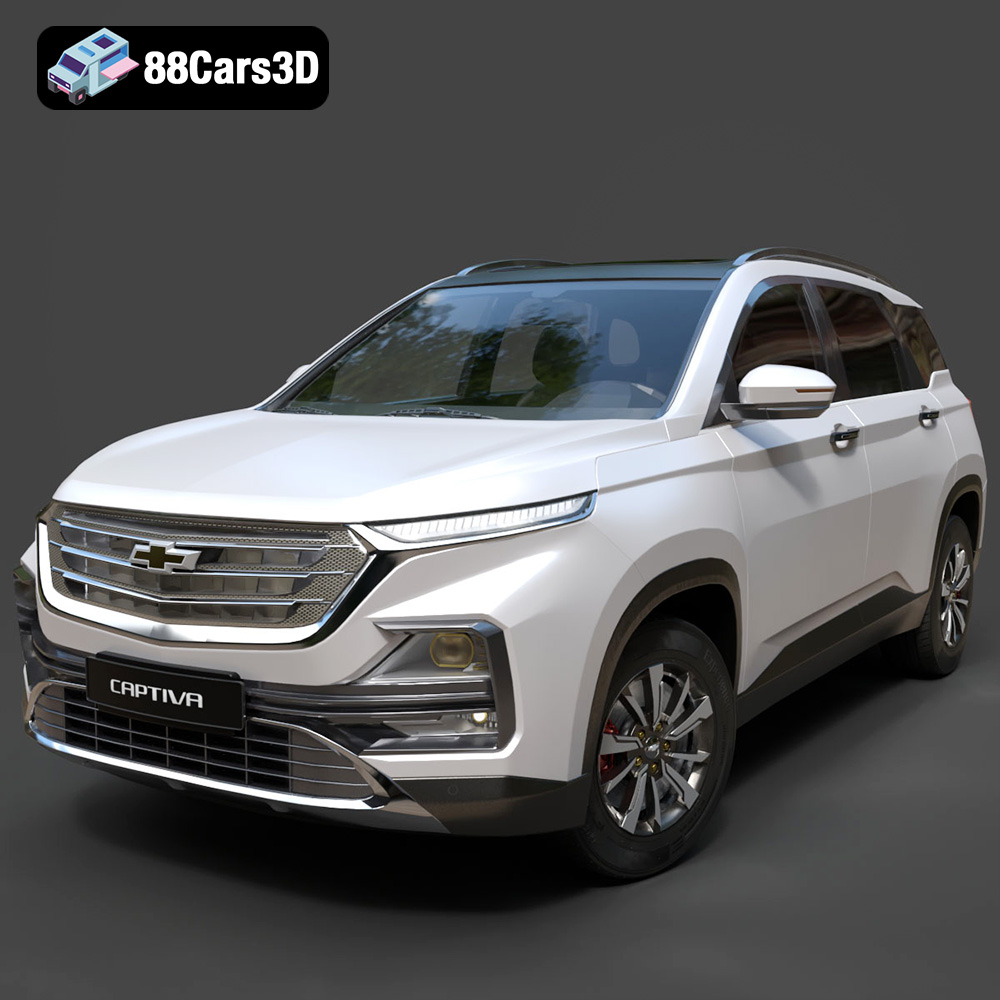
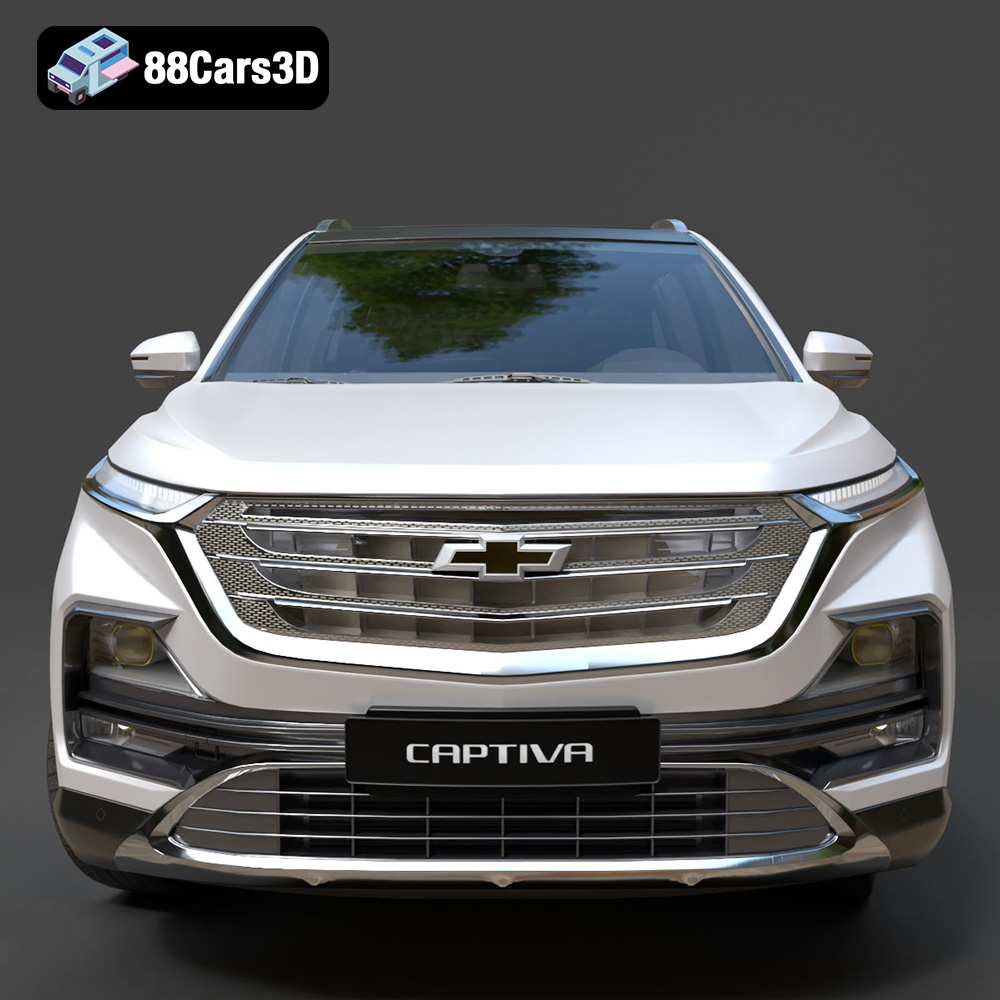
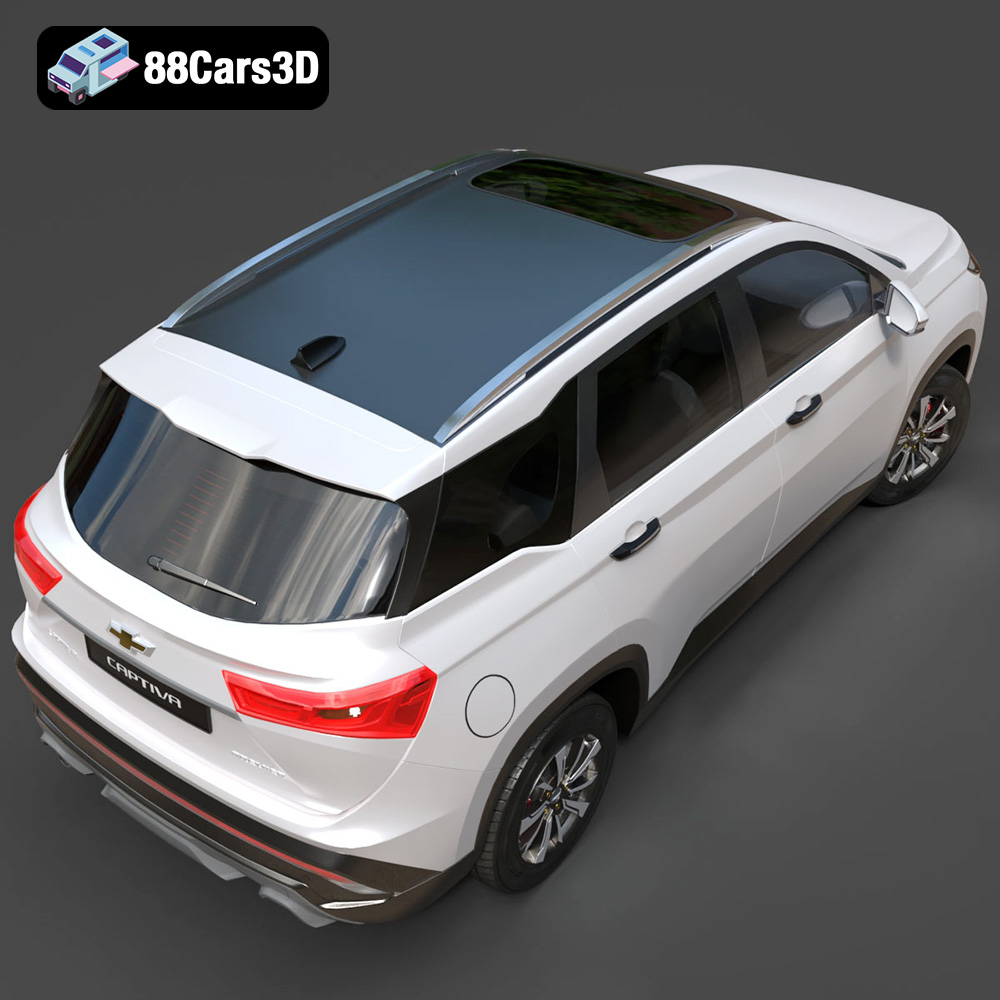
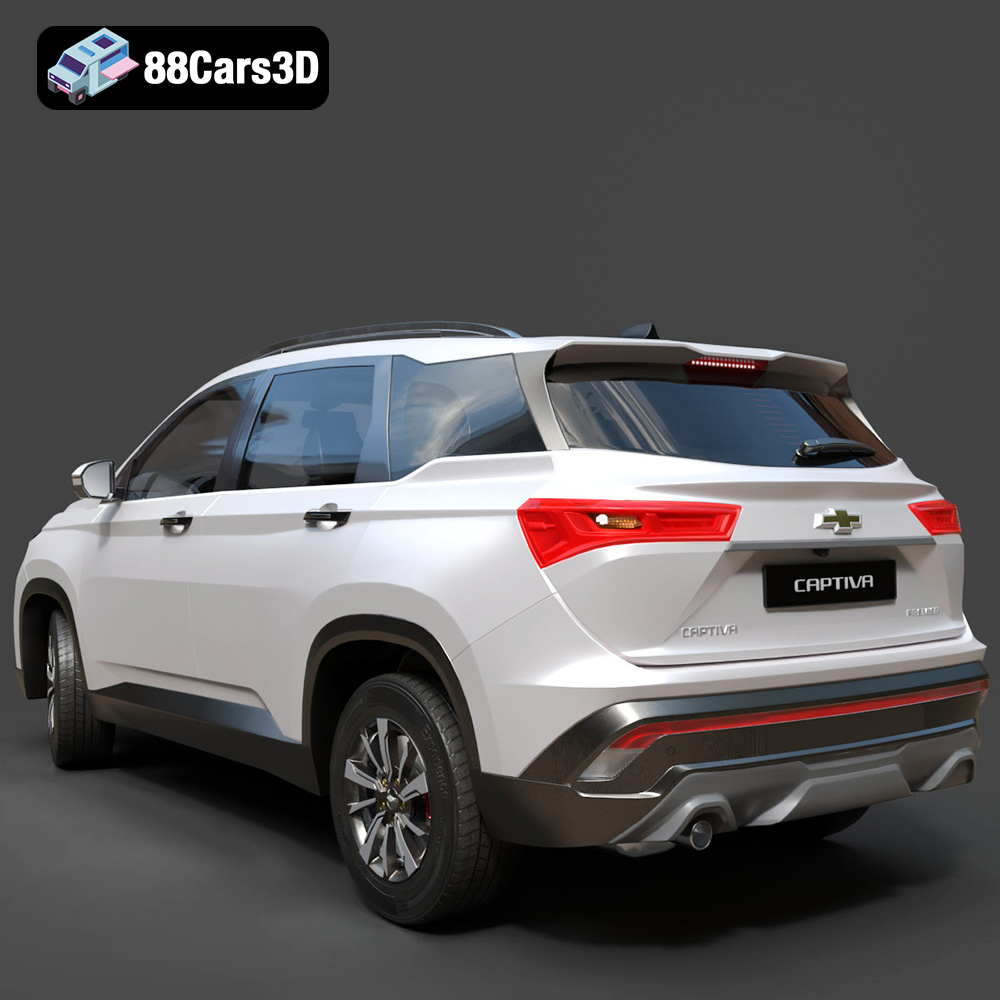
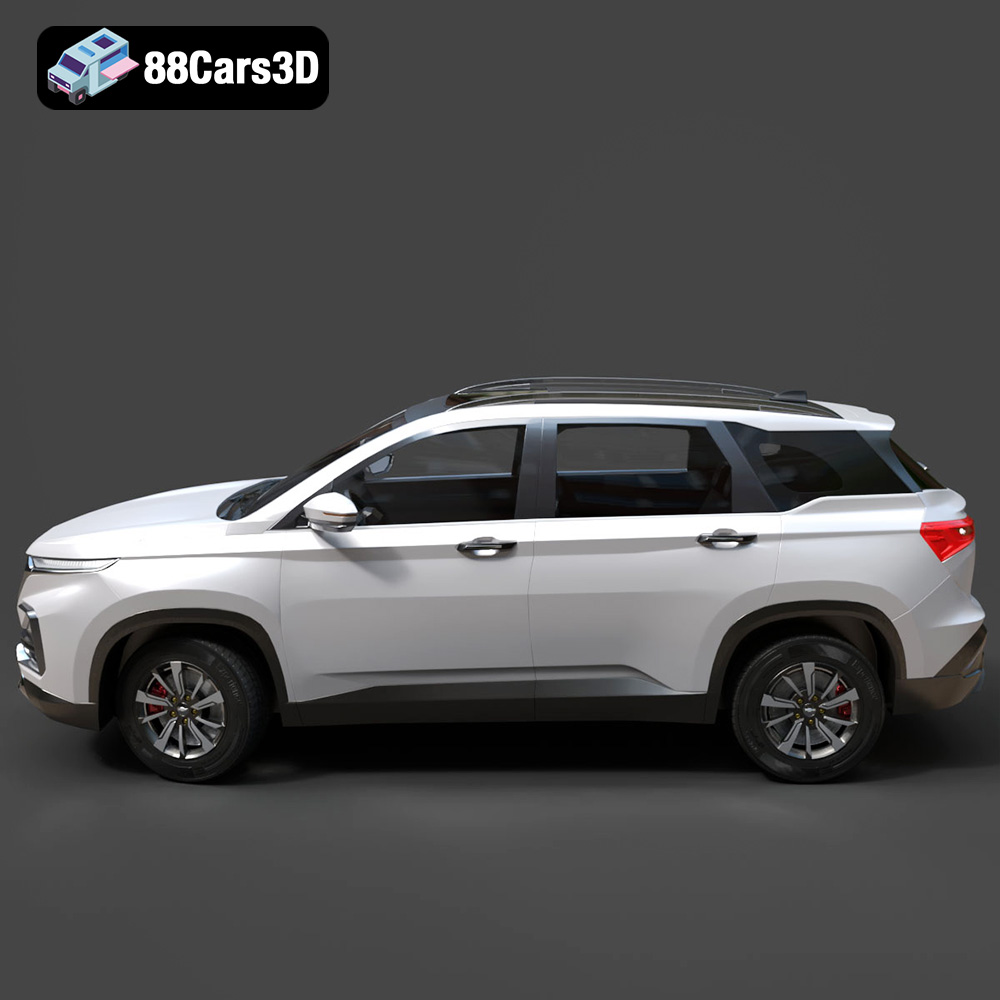
The Chevrolet Captiva Premier 2021 stands as a symbol of modern family versatility and a bold aesthetic. Its digital counterpart captures every curve, every reflection, and every interior detail with stunning precision, offering an unparalleled resource for professionals across various industries. From its signature horizontal front grille and sleek LED daytime running lights to its refined aerodynamic profile, this 3D model is designed not just to look good, but to perform flawlessly within diverse digital pipelines. Join us as we explore the technical depths of integrating such a sophisticated 3D car model into your projects, from understanding crucial file formats to mastering advanced rendering and game development workflows.
The automotive industry has always been at the forefront of technological innovation, and its digital representation is no exception. Modern 3D car models are far more than static representations; they are dynamic tools that drive everything from conceptual design and engineering validation to advertising and interactive entertainment. The shift towards real-time rendering and immersive experiences means that assets must be both visually stunning and highly optimized.
Every vehicle begins as an idea, evolving through sketches, CAD designs, and eventually, high-fidelity 3D models. These models serve as the backbone for virtually every subsequent stage. In design studios, 3D models allow designers to iterate rapidly, visualize changes in real-time, and present concepts with unparalleled realism. For engineers, accurate models facilitate simulations, aerodynamic testing, and collision analysis. Beyond initial design, these assets transition into marketing and sales, creating breathtaking renders for brochures, commercials, and online configurators that showcase every angle and feature. The Chevrolet Captiva Premier 2021 3D Model, with its detailed exterior, engine block, and even undercarriage components, provides a complete package for these demanding applications, ensuring that designers and marketers have a true-to-life representation at their fingertips.
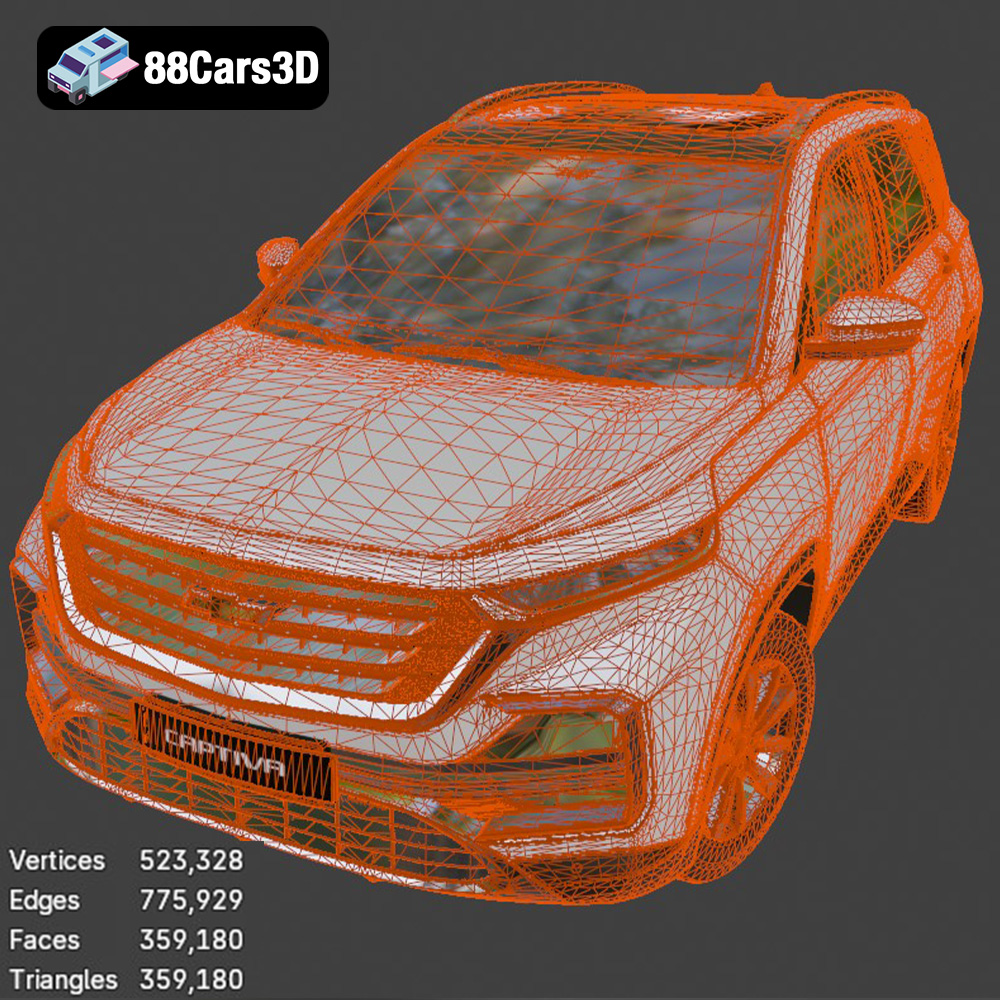
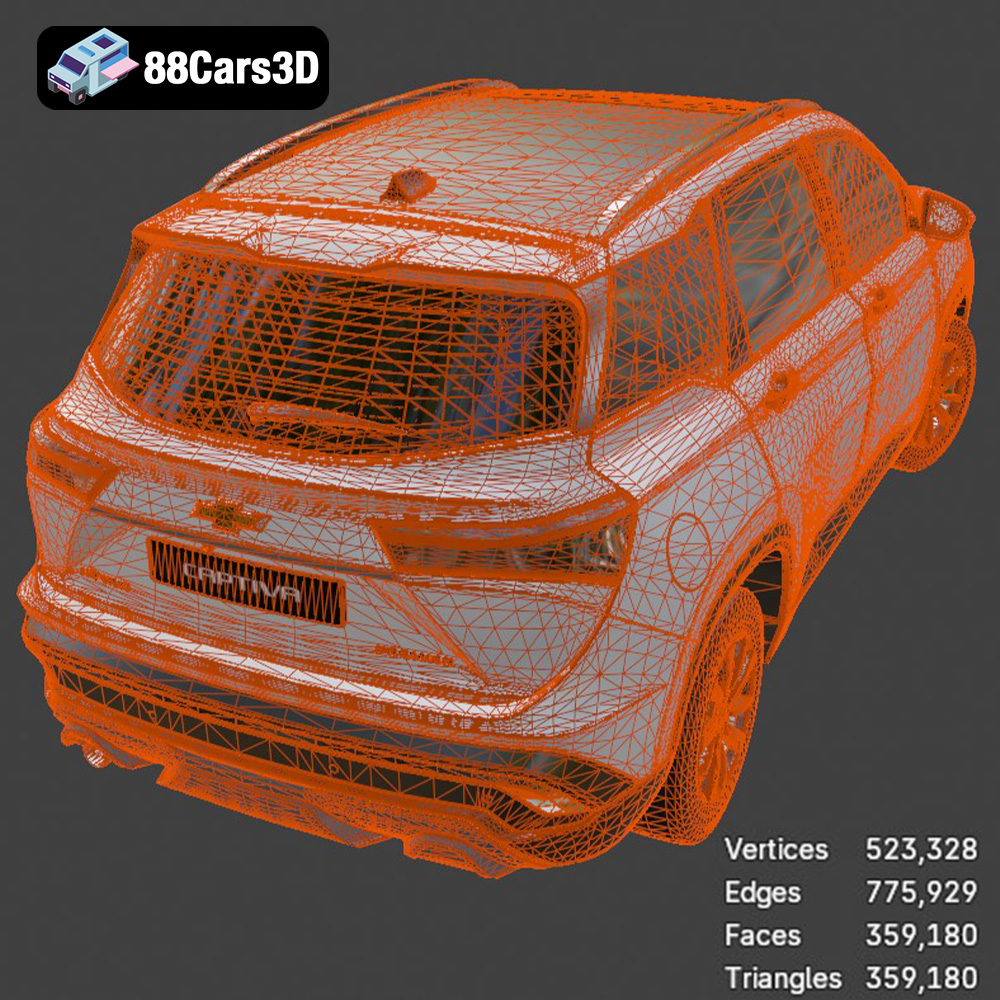
The utility of a high-quality 3D car model extends far beyond traditional automotive design. In game development, optimized 3D car models are the heart of racing simulations, open-world environments, and interactive experiences, demanding a delicate balance between visual fidelity and performance. Architectural visualization (ArchViz) relies on realistic vehicles to populate scenes, adding context, scale, and a sense of bustling life to virtual buildings and cityscapes. Augmented Reality (AR) and Virtual Reality (VR) applications utilize these models for interactive showrooms, virtual test drives, and immersive educational tools. Even fields like forensic reconstruction and film production leverage these assets. The Chevrolet Captiva Premier 2021 3D Model, specifically described as “game-ready” and optimized with 359,180 triangles, is engineered to seamlessly fit into these varied pipelines, providing both visual impact and efficient resource usage.
Navigating the world of 3D assets requires a deep understanding of file formats. Each format serves a specific purpose, offering unique advantages in terms of compatibility, feature support, and optimization for various workflows. The Chevrolet Captiva Premier 2021 3D Model from 88cars3d.com comes bundled with a comprehensive array of formats, ensuring maximum flexibility for any project. Knowing when and why to use each one is crucial for a smooth and efficient production pipeline.
Native scene formats offer the most comprehensive data, preserving all scene information, including lights, cameras, animation, modifiers, and intricate material setups specific to the host software.
These formats are designed for interoperability, allowing models to be transferred between different 3D software applications with varying degrees of data preservation.
These formats are tailored for specific use cases, from web-based 3D to physical production.
Creating a truly professional 3D car model is an intricate process that goes far beyond simply replicating shapes. It involves a deep understanding of mesh topology, material science, and the specific demands of various rendering and real-time environments. The Chevrolet Captiva Premier 2021 3D Model exemplifies this dedication to technical excellence, making it a standout asset for any project.
At the heart of any high-quality 3D model is its mesh. The Captiva Premier model boasts an optimized topology of 359,180 triangles, a figure that represents a crucial balance. Too few triangles, and the model appears blocky and unrealistic; too many, and it becomes a performance bottleneck, especially in real-time applications like games or AR/VR. This poly count is carefully chosen to deliver “exceptional visual fidelity while maintaining efficient performance,” ensuring perfect reflections and smooth shading without taxing your hardware excessively. Clean, well-structured mesh geometry is vital for deformation, subdivision, and efficient UV unwrapping, which is essential for texture mapping and realistic material rendering. The attention to detail extends even to the “detailed engine block and undercarriage components,” which, while often unseen, contribute to the overall authenticity and versatility of the asset for close-up shots or even cutaway animations.
A truly immersive 3D car model must excel in both its exterior and interior details. The Chevrolet Captiva Premier 2021 model does precisely this. Its exterior features accurate frame geometry, authentic exhaust system details, chrome accents, and precision-modeled lighting including sleek LED DRLs and projector headlights. The premium alloy wheel design with accurate tire tread patterns further enhances realism, ensuring that every angle holds up to scrutiny. Inside, the model continues to impress with “premium seating details with accurate stitching lines,” a “multifunction steering wheel with precise emblem and controls,” and a “detailed digital and analog instrument cluster” alongside an accurate center console with infotainment screen and climate controls. This level of granular detail, especially the “optimized geometry for first-person POV in gaming,” is critical for creating believable cockpit experiences and sophisticated virtual showrooms where users might explore the vehicle from within.
For any interactive or animated project, a static model simply won’t suffice. The Captiva Premier model is designed with animation in mind, featuring “separate wheels, suspension, and steering components for animation.” This modularity is crucial, allowing animators to easily set up rigs for realistic wheel rotation, independent suspension travel, and accurate steering kinematics. “Proper pivot setup for steering, wheel rotation, and suspension travel” is a seemingly small detail that makes an enormous difference in workflow efficiency. Without correctly placed pivots, animating these elements becomes a frustrating and time-consuming process. This foresight in preparation saves countless hours in production, enabling smooth and lifelike vehicle movement whether for a game, a cinematic sequence, or an interactive demonstration.
The true value of a versatile 3D asset like the Chevrolet Captiva Premier 2021 3D Model lies in its seamless integration into various professional software and engines. From photorealistic rendering to interactive game environments, this model is built to accelerate your production pipeline.
For artists focused on producing stunning, photorealistic imagery, the .max and .blend formats of the Captiva Premier are invaluable. In 3ds Max, users can leverage powerful renderers like V-Ray or Corona to create breathtaking studio shots or integrate the vehicle into architectural scenes. The model’s clean topology ensures that light interacts realistically with its surfaces, producing accurate reflections and highlights, crucial for conveying the sleekness of modern automotive design. Similarly, Blender users can harness Cycles or Eevee, utilizing the model’s pre-configured materials (or easily customizing them) to achieve cinematic results. Whether it’s showcasing different factory colors, experimenting with matte or gloss finishes, or adapting lighting for diverse environments, the model’s clean structure and detailed geometry provide the perfect canvas for high-fidelity rendering, making it ideal for “brand campaigns, lifestyle scenes, and studio lighting setups.”
The “game-ready & optimized” nature of the Chevrolet Captiva Premier 2021 3D Model, particularly its .fbx and “.unreal” optimized versions, makes it a prime candidate for game development in engines like Unreal Engine and Unity. Its balanced polycount of 359,180 triangles strikes the perfect equilibrium for real-time performance without sacrificing visual realism. For Unreal Engine, importing the model means leveraging its physically based rendering (PBR) pipeline. Developers can quickly set up advanced materials that react to light in a lifelike manner, integrating the model into vehicle physics systems, and populating open-world environments. The separate components for wheels, suspension, and steering facilitate easy rigging for vehicle blueprints, enabling realistic driving mechanics. From racing simulators to urban exploration games, the Captiva Premier provides a solid foundation for engaging interactive experiences.
In the realm of immersive technologies, efficiency and visual quality are paramount. The .glb format of the Captiva Premier is specifically optimized for AR, VR, and browser-based display, making it perfect for “immersive virtual showrooms, configurators, and mobile AR experiences.” Its compact size and single-file nature ensure quick loading times and broad compatibility across devices and platforms. Imagine a customer interacting with a virtual Captiva Premier on a dealership website, rotating it, opening doors, and changing colors in real-time. Or an AR application that lets users “place” the car in their driveway to see how it looks. The model’s accurate real-world scale and optimized geometry are vital for these applications, providing a seamless and convincing user experience. This also extends to virtual reality, where the model can be the centerpiece of a detailed car configurator, allowing users to explore the interior and exterior in full 3D, creating a highly engaging sales or marketing tool.
While digital visualization continues to evolve, the desire to bring virtual objects into the physical world remains strong. The Chevrolet Captiva Premier 2021 3D Model, with its inclusion of the .stl format, bridges this gap, offering enthusiasts and professionals the opportunity to 3D print tangible replicas.
3D printing an automotive model requires a specific approach to ensure both structural integrity and fine detail. The provided .stl file is a tessellated representation of the Captiva Premier’s surface, ready for slicing. However, successful printing relies heavily on preparation and understanding the limitations of 3D print technology. The recommended scales (1:12, 1:18, 1:24) are crucial for capturing intricate details like the grille, headlights, and interior without making the model too fragile or too large. The geometry is optimized for physical output, ensuring solid walls and manifolds meshes, which are necessary for most slicing software. Careful consideration of the model’s design, with separate components for printing (e.g., frame angled for structural integrity, wheels printed separately), reduces the need for excessive support structures and improves the overall print quality.
Achieving a high-quality 3D print of an automotive model, particularly one as detailed as the Chevrolet Captiva Premier, demands adherence to specific print settings and a commitment to post-processing.
Post-processing is where the model truly comes to life. This typically involves sanding to remove layer lines, applying a primer to create a uniform surface, and then meticulously painting with “authentic factory colors with metallic finishes” to mimic the real vehicle’s appearance. This iterative process of printing, refining, and painting transforms the digital asset into a stunning physical display piece, perfect for hobbyists, collectors, or even design studies.
A truly valuable 3D asset offers more than just fidelity; it provides flexibility. The Chevrolet Captiva Premier 2021 3D Model from 88cars3d.com is designed for extensive customization, allowing artists and developers to tailor it precisely to their project’s unique vision and requirements.
The ability to easily modify visual attributes is crucial for any creative project. The Captiva Premier model supports various customization options, starting with changing body colors. Users can apply “factory colors” for authenticity or experiment with “custom finishes” to create unique looks, whether it’s a vibrant racing livery or a muted, elegant tone. Modifying tire textures, from rugged off-road variants to sleek street profiles, can drastically alter the vehicle’s character and suitability for different scenes. Adjusting material finishes (matte, gloss, metallic) allows for precise control over how light interacts with the car’s surfaces, enhancing realism for specific lighting conditions or artistic styles. Furthermore, adapting lighting for different environments—from a sunny outdoor scene to a dramatic night render—can completely transform the mood and impact of the visualization. This level of adaptability ensures the model remains relevant and versatile across numerous creative scenarios.
Beyond cosmetic changes, the technical structure of the Captiva Premier model allows for deeper modifications to extend its utility. For game developers, this might involve integrating custom collision meshes, adding unique damage states, or even modifying geometry for specific performance optimizations within their engine. For cinematic projects, additional rigging could be applied for more complex deformations or intricate interior animations. In architectural visualization, the model can be easily integrated into broader scene compositions, scaled, or duplicated to populate large environments. The clean topology and separated components make these kinds of modifications efficient, saving time and resources. This inherent adaptability transforms the model from a static representation into a dynamic foundation for creative expansion, ensuring that your investment in this high-quality 3D car model from 88cars3d.com continues to pay dividends across a multitude of projects.
The journey through the creation, integration, and utilization of high-quality 3D car models reveals a fascinating intersection of art and technology. From the meticulous detail of an optimized mesh to the strategic choice of file formats, every aspect contributes to the ultimate success of a digital project. The Chevrolet Captiva Premier 2021 3D Model stands as a testament to this commitment to excellence, offering a game-ready, render-ready, and highly customizable asset designed to meet the rigorous demands of modern 3D pipelines.
Whether you are designing the next generation of games, crafting compelling marketing visuals, developing immersive AR/VR experiences, or even bringing virtual designs into the physical realm through 3D printing, the technical fidelity and versatility of this model provide an invaluable head start. By understanding the intricacies of mesh topology, animation readiness, and the nuances of various file formats like .blend, .fbx, .obj, .glb, .stl, .ply, .unreal, and .max, professionals can leverage assets like the Captiva Premier to their fullest potential. For those seeking premium 3D car models that blend visual appeal with technical robustness, exploring the curated selection at 88cars3d.com is a definitive step towards achieving digital mastery in automotive visualization.
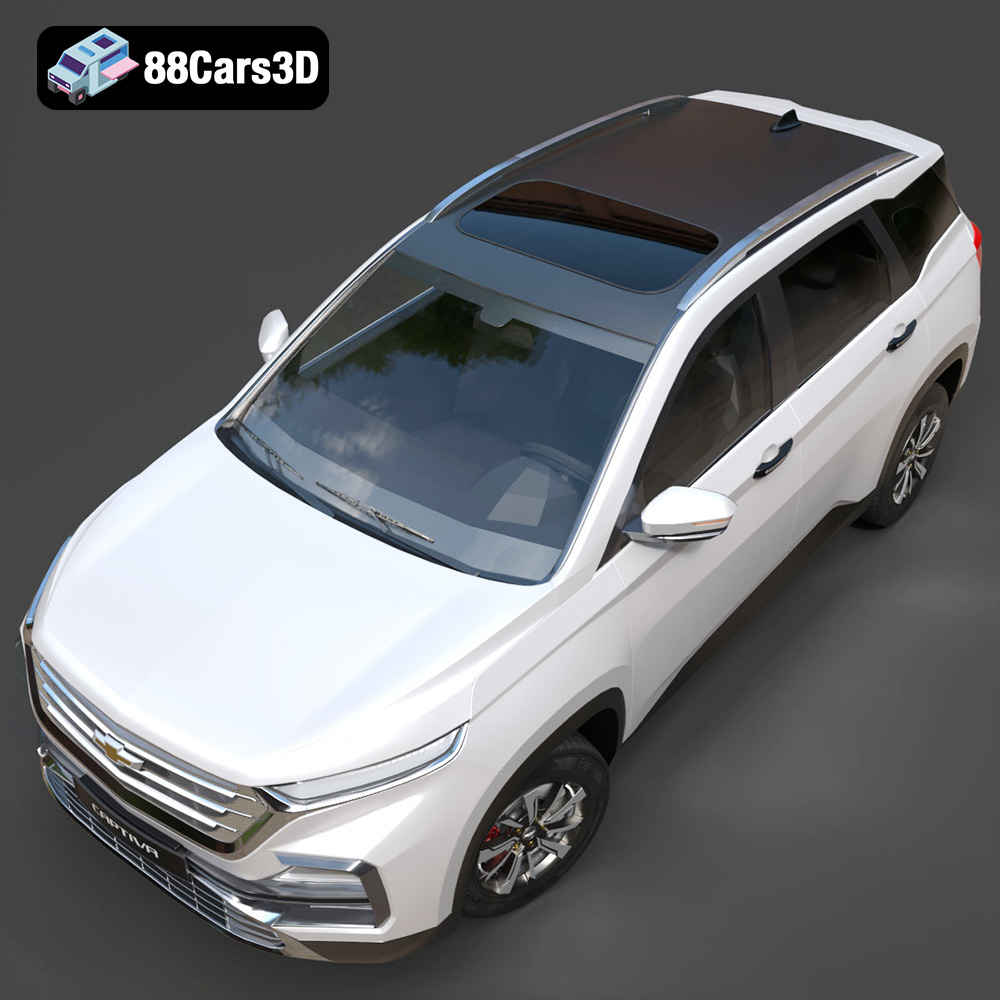
Experience the modern versatility and striking design of the Chevrolet Captiva Premier 2021 with this highly accurate 3D model. Known for its spacious family-oriented design and bold contemporary aesthetics, the Captiva Premier trim boasts a signature horizontal front grille, sleek LED daytime running lights, and a refined aerodynamic profile. Every detail of this popular SUV’s exterior styling has been meticulously captured, making it a standout asset for any digital environment.
$35.99
.2021
.blend
.chevrolet
.fbx
.glb
.max
.obj
.ply
.rendering
.stl
.unreal
captiva-premier
car-3d-model
family-suv
game asset
game-ready
low-poly
optimized
SUV
VR/AR