Get 20% OFF All Premium 3D & STL Models!

In today’s visually driven world, the automotive industry, game development, and architectural visualization sectors are increasingly reliant on stunning, photorealistic 3D car models. These digital assets are not merely pretty pictures; they are fundamental tools that power everything from concept design and marketing campaigns to immersive virtual reality experiences and hyper-realistic gaming environments. The demand for meticulous detail, optimized performance, and broad compatibility has never been higher, pushing the boundaries of what’s possible in digital automotive representation.
The journey from a physical concept car to a virtual showroom, or from a blueprint to a playable in-game vehicle, is paved with complex 3D modeling. Artists and developers strive to capture every curve, reflection, and mechanical nuance, ensuring that the digital counterpart is indistinguishable from its real-world inspiration. This pursuit of realism requires not just artistic skill but also deep technical understanding of mesh topology, material shaders, and file format optimization. High-quality 3D car models are essential for conveying design intent, testing aerodynamics virtually, and creating compelling narratives around a vehicle before it even leaves the factory floor.
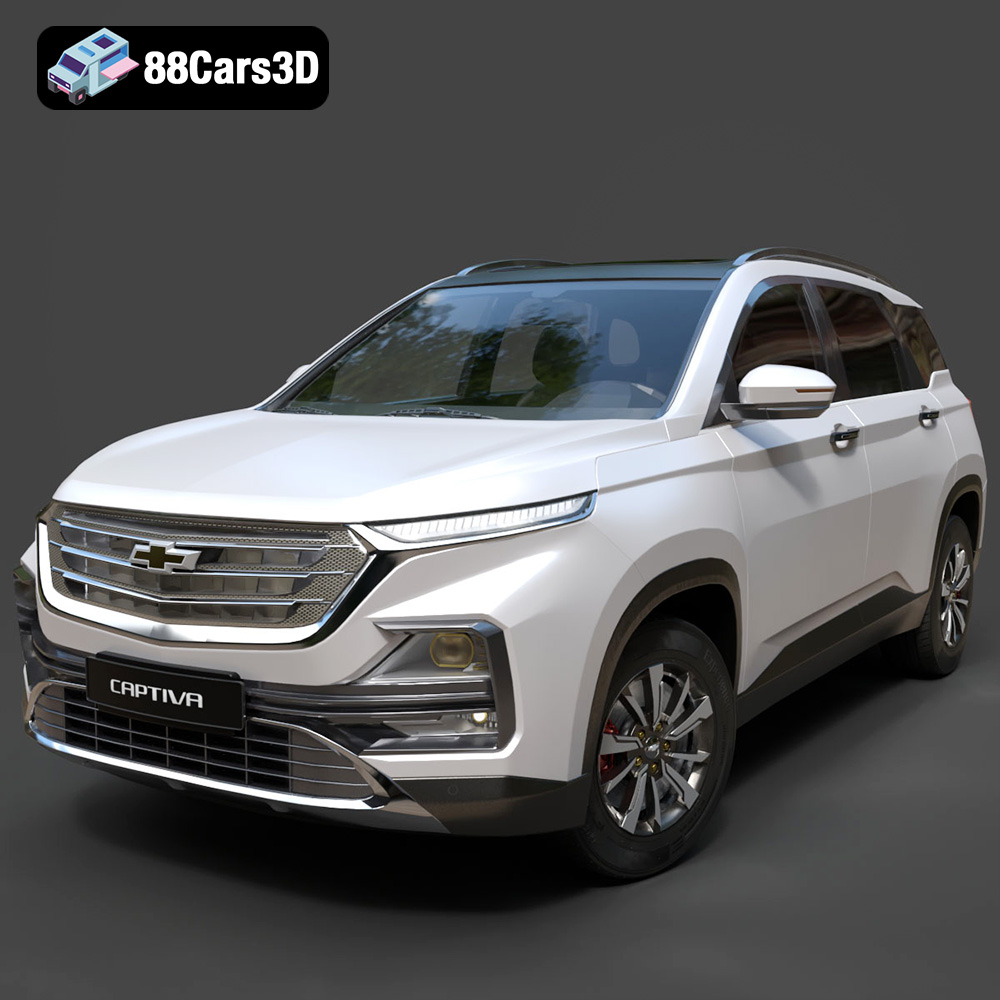
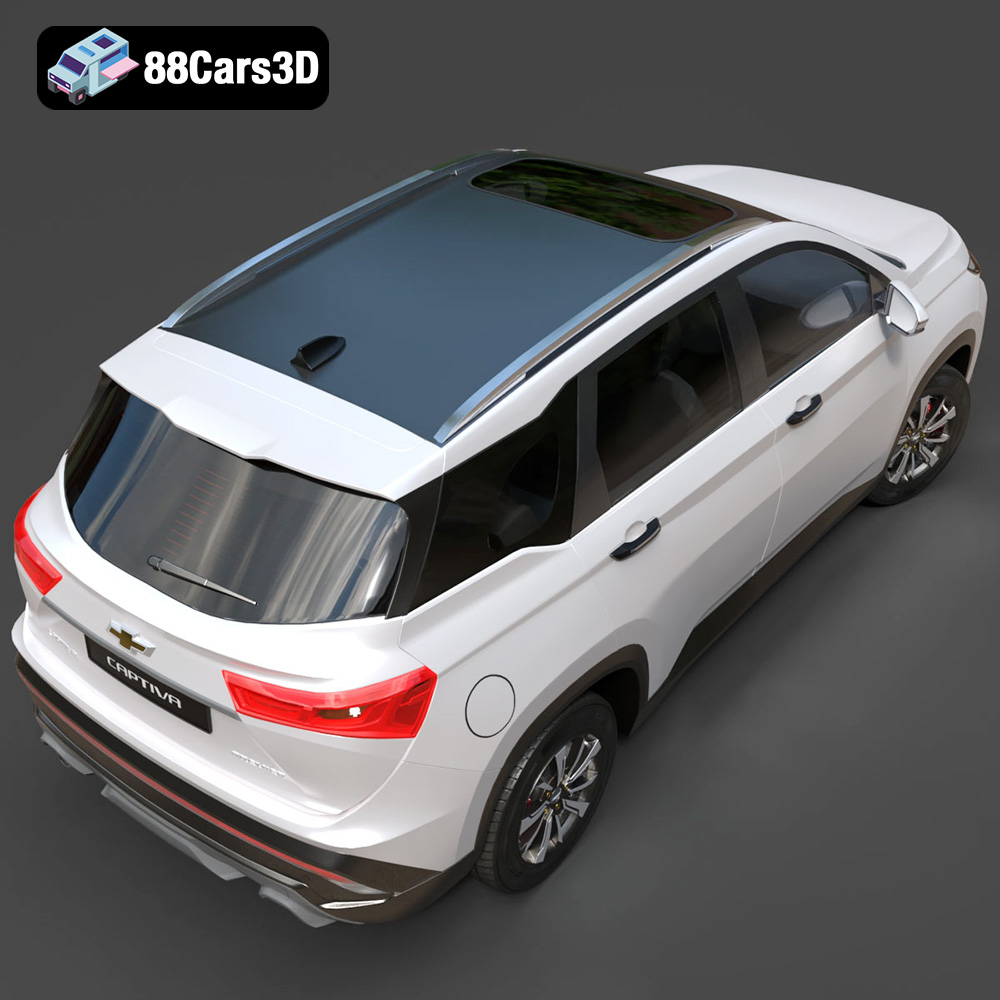
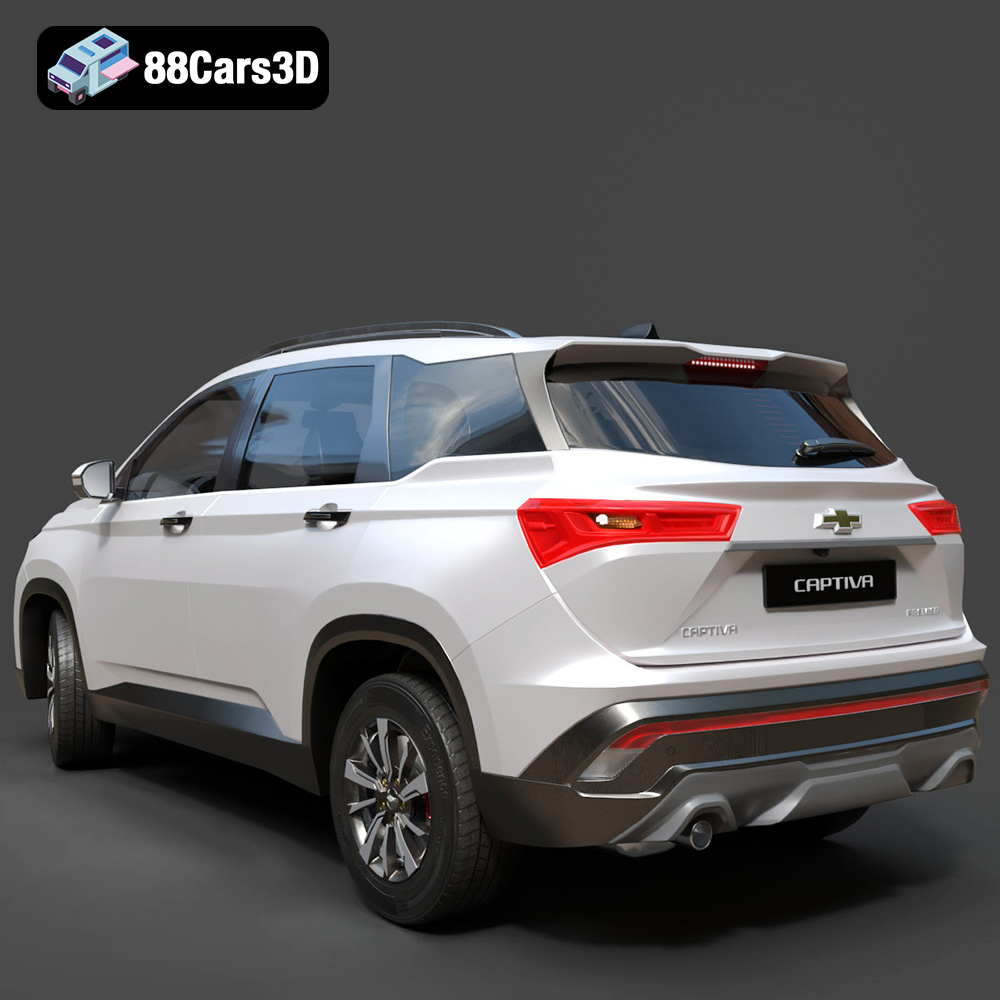
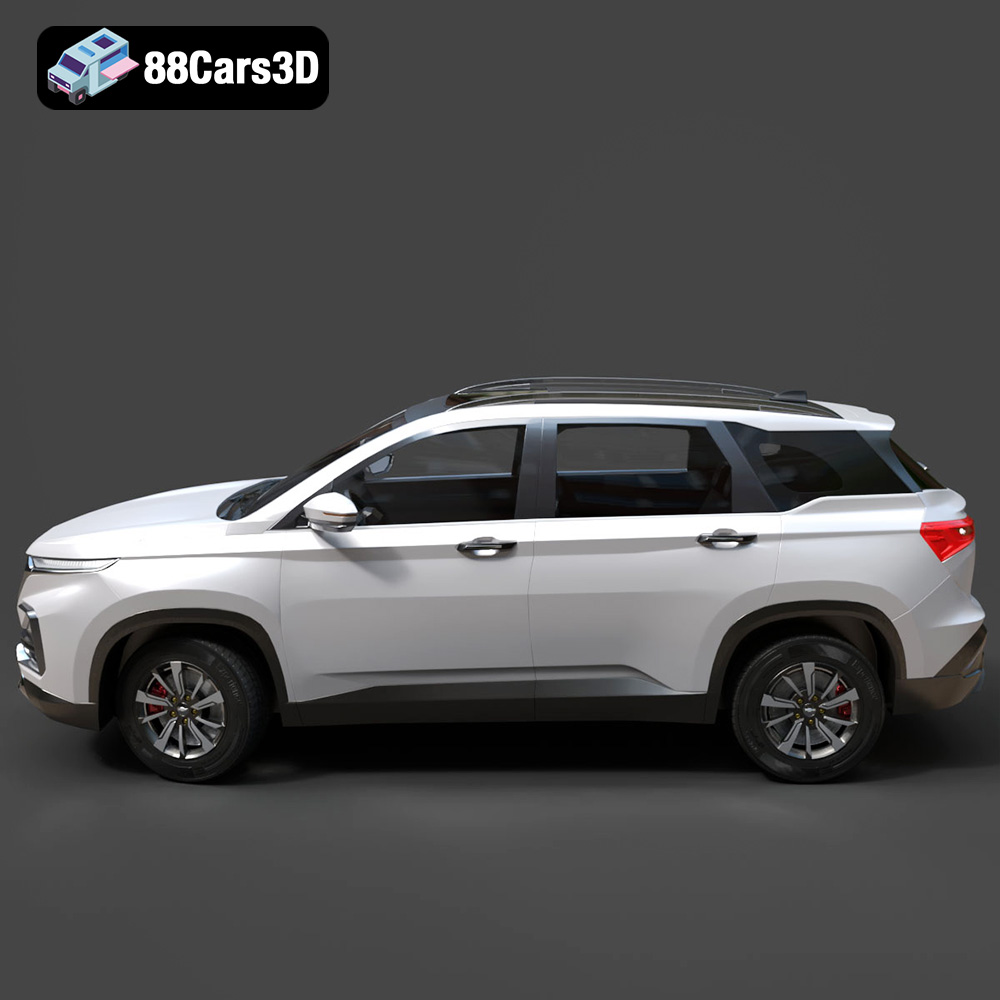
Consider the Chevrolet Captiva Premier 2021. This popular SUV, known for its modern versatility and family-oriented design, presents a perfect example of how a real-world vehicle translates into a highly valuable digital asset. A premium 3D model of this vehicle must encapsulate its signature horizontal front grille, sleek LED daytime running lights, and refined aerodynamic profile. It needs to be precise enough for close-up renders and optimized enough for real-time game engines. Such a model, like the one available on 88cars3d.com, becomes a cornerstone for various professional applications, offering unparalleled detail and flexibility.
Navigating the world of 3D assets often means understanding a plethora of file formats, each designed for specific purposes, software compatibility, and optimization goals. Choosing the correct format is crucial for a smooth workflow, whether you’re rendering a cinematic, developing a game, or preparing for 3D printing. The Chevrolet Captiva Premier 2021 3D model, for instance, offers a comprehensive suite of formats, ensuring its utility across diverse professional pipelines.
The .blend format is native to Blender, the powerful and increasingly popular open-source 3D creation suite. A .blend file typically encapsulates an entire Blender scene, including the mesh geometry, materials, textures, lighting, cameras, animation data, and even modifiers. For users entrenched in the Blender ecosystem, a .blend file offers maximum editability and flexibility. You can easily adjust the model’s topology, fine-tune shaders, or integrate it into complex scenes without losing any scene-specific information. It’s ideal for artists who want to delve deep into the model’s construction, make extensive modifications, or leverage Blender’s Cycles or Eevee render engines.
.fbx (Filmbox) is arguably the most widely adopted proprietary file format for 3D data exchange, developed by Autodesk. It’s an excellent choice for transferring 3D car models between different software packages and, crucially, into game engines like Unreal Engine and Unity. FBX files can store not just mesh data, but also materials, textures, animation, rigging, and even camera and light data. Its strength lies in its ability to maintain data integrity across platforms, making it an ideal “bridge” format for collaborative projects. When working with real-time pipelines, .fbx is often the go-to for importing animated vehicles and complex scenes.
The .obj (Wavefront OBJ) format is a simple, universal 3D data format that is supported by nearly every 3D application. It’s a robust choice for pure geometry transfer, storing vertex positions, UV coordinates, normals, and material group information. While .obj files don’t typically embed animation data or advanced material properties, they are incredibly reliable for mesh exchange. This makes them a fundamental fallback when compatibility issues arise or when you primarily need the raw geometric data of a 3D car model, such as for initial modeling or sculpting tasks.
.glb (GL Transmission Format Binary) is the binary version of glTF, a royalty-free specification for the efficient transmission and loading of 3D scenes and models by applications. GLB files package textures and other assets directly into a single file, making them highly optimized for web-based 3D, augmented reality (AR), and virtual reality (VR) applications. Their small file size and quick loading times make them perfect for interactive product viewers, virtual showrooms, and mobile AR experiences, where performance is paramount. For displaying the Chevrolet Captiva Premier 2021 in a web configurator or an AR app, .glb is the format of choice.
.stl (STereoLithography) is the de facto standard file format for 3D printing. It represents a 3D model as a collection of unconnected triangular facets, without color, texture, or other CAD attributes. This makes it ideal for defining the surface geometry of a 3D object for manufacturing. While lacking aesthetic data, its simplicity ensures broad compatibility with 3D printers and slicing software. Hobbyists and professionals looking to produce physical models of the Chevrolet Captiva Premier 2021, perhaps for display or prototyping, will find the .stl format indispensable.
The .ply (Polygon File Format, or Stanford Triangle Format) is a file format for storing 3D data that allows for more complex descriptions than .stl. It can store not only the geometry (vertices and faces) but also additional properties such as color, transparency, surface normals, and texture coordinates. PLY is often used for scanned data and high-precision CAD applications where preserving a rich dataset is crucial. While less common for everyday artistic exchange, it’s a valuable format when dealing with highly detailed, data-rich 3D models of automotive components.
The .unreal designation refers to assets that are packaged and optimized specifically for direct integration into Unreal Engine projects. While usually transferred via .fbx, having an “.unreal” optimized asset implies it comes pre-configured with Unreal-specific material setups, LODs (Levels of Detail), and possibly collision meshes. This significantly streamlines the workflow for game developers and real-time visualization artists, minimizing the need for manual setup and ensuring peak performance within the engine.
Similar to .blend for Blender, the .max format is native to Autodesk 3ds Max, a leading software for 3D modeling, animation, rendering, and compositing. A .max file contains the complete scene data, including geometry, materials, textures, lighting, camera settings, and animation timelines. For studios and artists who primarily use 3ds Max, this format offers the highest level of detail and editability, making it perfect for complex automotive rendering projects, cinematic animations, and integration with V-Ray or Corona Renderer.
Achieving photorealistic quality in a 3D car model is a labor-intensive process that demands an eye for detail and a mastery of 3D software. The Chevrolet Captiva Premier 2021 3D model, available on 88cars3d.com, exemplifies this dedication, offering a highly accurate representation suitable for the most demanding applications.
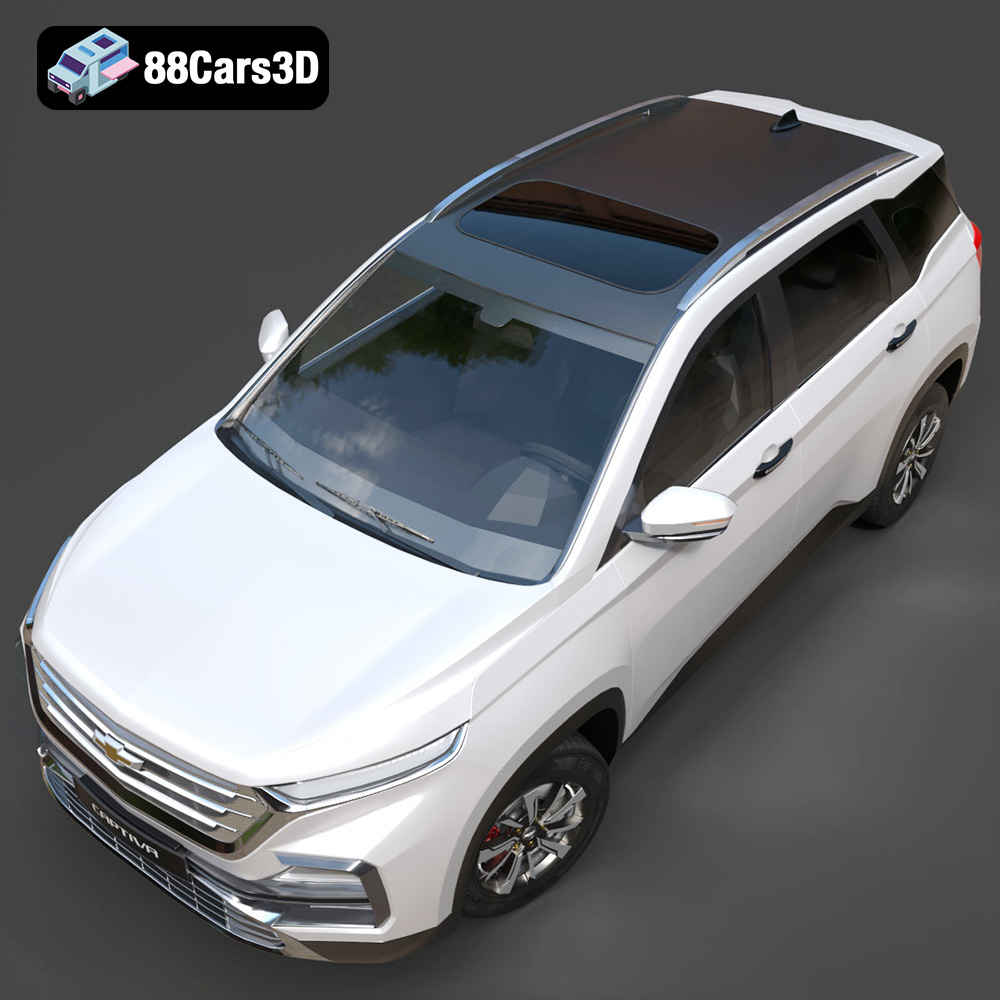
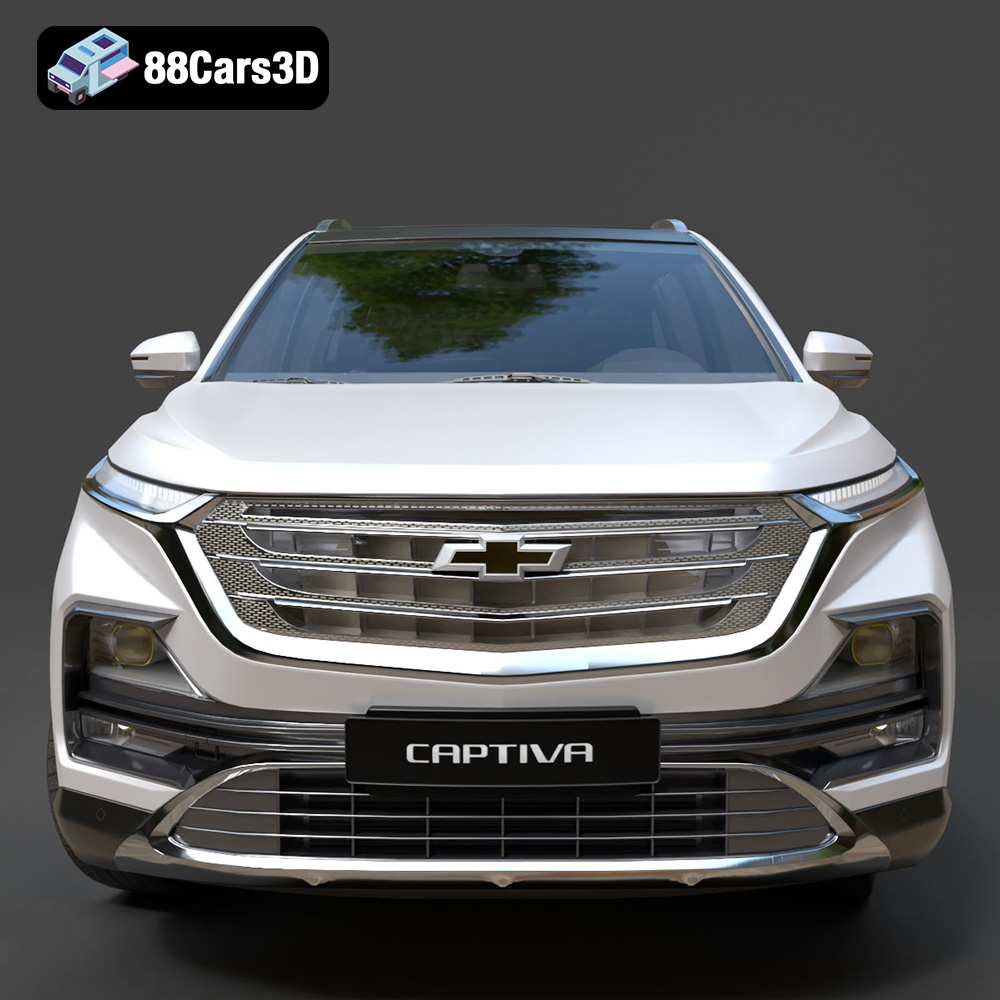
The first impression of any vehicle is its exterior, and in a 3D model, this translates to impeccable surface topology and material fidelity. The Captiva Premier 2021 model boasts accurate frame geometry and proportions, meticulously recreated from its real-world counterpart. This includes not just the main body panels, but also intricate details like the signature horizontal front grille, the sleek LED daytime running lights, projector headlights, and authentic exhaust system components with chrome accents. Even the premium alloy wheel design and accurate tire tread patterns are faithfully rendered, ensuring that every angle holds up to scrutiny in high-resolution renders and close-up views. Furthermore, the detailed engine block and undercarriage components provide a complete representation, vital for projects requiring cutaways or detailed inspections.
For simulations, virtual showrooms, or any first-person perspective in gaming, the interior of a vehicle is just as crucial as the exterior. The Chevrolet Captiva Premier 2021 3D model extends its attention to detail into the cockpit. This includes premium seating with accurate stitching lines, a multifunction steering wheel complete with precise emblems and controls, and a detailed digital and analog instrument cluster. The center console, infotainment screen, climate controls, and gear shifter are all accurately modeled, creating a truly immersive experience for the viewer or player. This optimized interior geometry is especially valuable for game development, where a realistic cockpit can significantly enhance player immersion.
A static model, however beautiful, has limited utility in dynamic environments. The true power of a professional 3D car model lies in its readiness for animation. The Captiva Premier 2021 model is designed with separate wheels, suspension, and steering components, each with proper pivot setups. This thoughtful engineering allows for realistic wheel rotation, independent suspension travel, and accurate steering animations without complex rigging setups. Such features are indispensable for automotive configurators, driving simulators, cinematic sequences, and game development, where the vehicle needs to interact dynamically with its environment.
The versatility of a well-crafted 3D car model like the Chevrolet Captiva Premier 2021 means it can be a pivotal asset across a multitude of professional disciplines. Its optimized topology and comprehensive file format support ensure seamless integration.
For studios specializing in photorealistic visualizations, the Chevrolet Captiva Premier 2021 3D model offers an exceptional foundation. Using software like Autodesk 3ds Max or Blender, artists can take the .max or .blend files and unleash their creative potential. In 3ds Max, paired with powerful renderers like V-Ray or Corona, the model’s clean mesh and accurate geometry allow for flawless reflections and realistic lighting scenarios. Artists can easily adjust body colors to match factory palettes or create custom finishes, modify tire textures, and adapt material properties (matte, gloss, metallic) to achieve specific aesthetic goals for marketing campaigns, product showcases, or print media. Blender users benefit from the fully editable scene, enabling deep customization and leveraging Eevee for real-time previews or Cycles for breathtaking production renders.
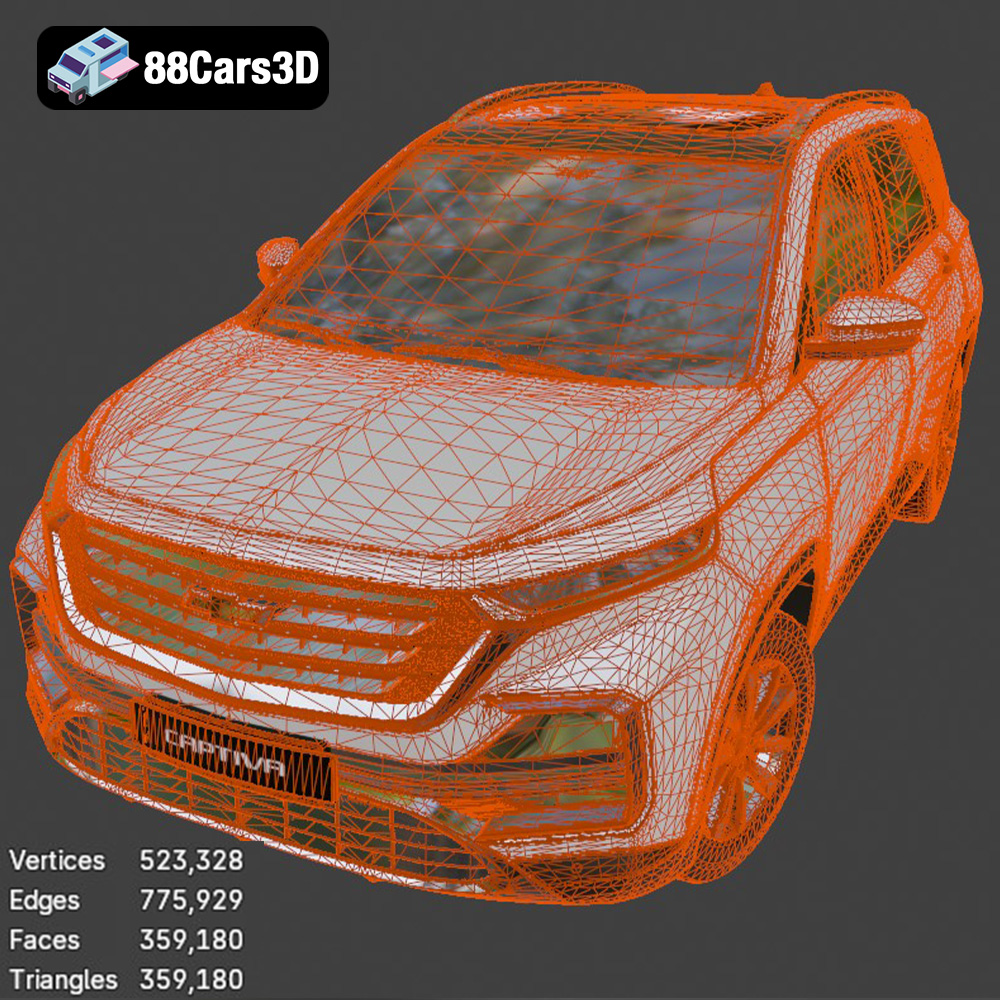
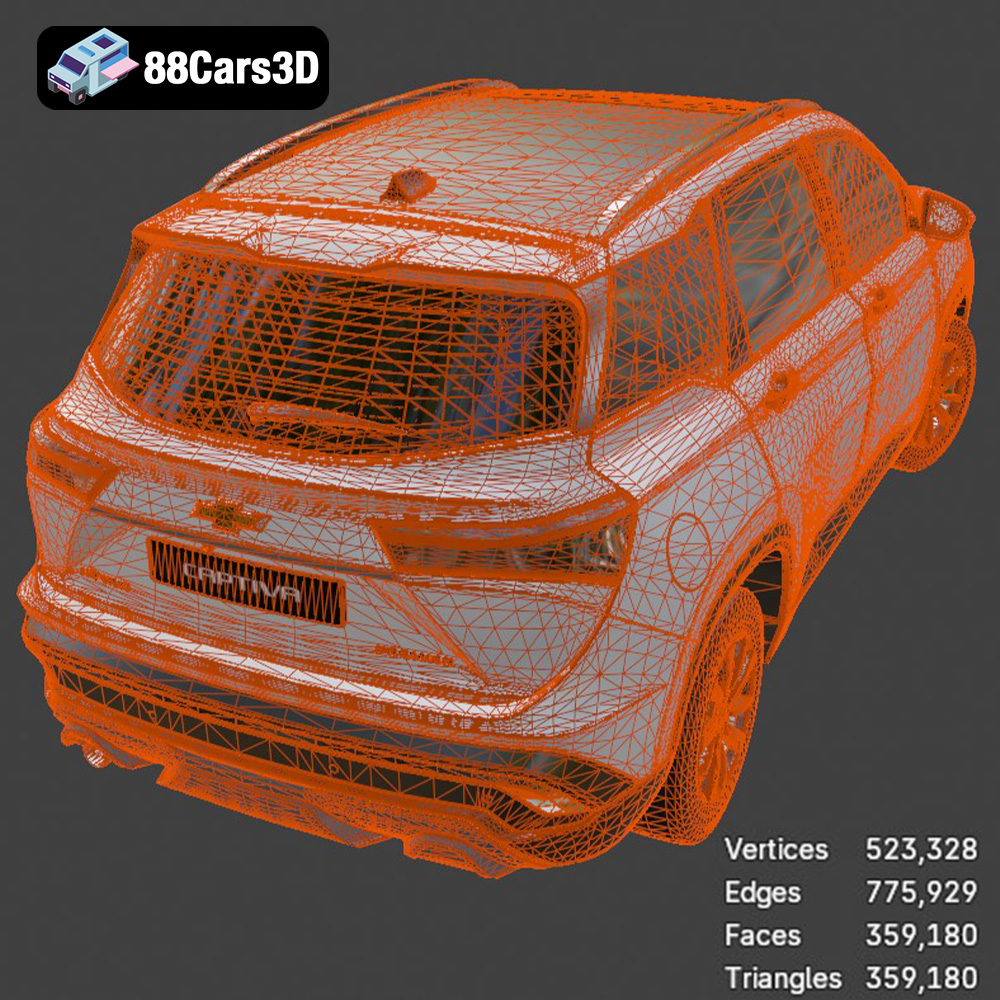
The “game-ready” designation of the Captiva Premier 2021 3D model is a significant advantage for developers. With 359,180 triangles, it strikes an optimal balance between visual fidelity and real-time performance, making it perfectly suited for engines like Unreal Engine and Unity. The included .fbx and .unreal formats streamline the import process, allowing developers to quickly integrate the model into open-world games, racing titles, or driving simulators. Proper pivot setups for wheels and suspension simplify physics integration and animation setup, while clean UVs ensure textures and decals are applied without distortion. The optimized interior geometry is crucial for immersive first-person perspectives, giving players a believable in-cabin experience.
Beyond dedicated automotive projects, high-quality 3D car models are invaluable for architectural visualization (ArchViz) and broader marketing initiatives. Placing a realistic Chevrolet Captiva Premier 2021 in front of a newly designed building instantly adds a sense of scale, lifestyle, and realism to an ArchViz scene. For lifestyle marketing, the model can be rendered in various virtual environments—urban landscapes, suburban driveways, or scenic routes—to evoke specific emotions and target demographics. The ability to customize colors, environments, and lighting within the 3D software provides endless possibilities for creating dynamic and engaging visual content, elevating brand campaigns and product launches.
The utility of a comprehensive 3D car model extends far beyond traditional screens, moving into interactive, immersive, and even tangible experiences. The Chevrolet Captiva Premier 2021 3D model is designed to excel in these emerging applications.
Augmented Reality (AR) and Virtual Reality (VR) are transforming how consumers interact with products, especially in the automotive sector. The optimized nature of the Captiva model, particularly its .glb format, makes it an ideal candidate for immersive applications. Imagine a virtual showroom where potential buyers can explore the Chevrolet Captiva Premier 2021 from every angle, open doors, step inside, and even change exterior colors and interior trims in real-time, all from their web browser or a VR headset. Mobile AR applications can project the car into a user’s driveway, allowing them to visualize its size and presence in a real-world context. These immersive configurators and virtual experiences significantly enhance engagement and provide a powerful tool for pre-purchase exploration, driving sales and brand loyalty.
The inclusion of the .stl format, alongside detailed recommendations for 3D print settings, opens up an entirely new dimension of utility for the Captiva Premier 2021 3D model: physical fabrication. Hobbyists, designers, and educators can convert the digital asset into a tangible object. Recommended scales (1:12, 1:18, 1:24) allow for detailed display models. The guidance on layer height, wall thickness, infill, and support structures ensures successful prints, especially when using resin printing for capturing fine details like the exhaust system or mirrors. Post-processing suggestions, such as sanding, priming, and applying authentic factory colors, empower users to create high-quality, physical replicas, perfect for display, educational purposes, or even as custom prototypes. This bridge between the digital and physical worlds highlights the comprehensive value of such a meticulously prepared 3D asset.
At the core of any high-quality 3D model lies a blend of artistic vision and rigorous technical execution. The Chevrolet Captiva Premier 2021 3D model showcases this balance, designed for both aesthetic excellence and functional efficiency.
One of the most critical technical specifications for any 3D model, especially for real-time applications, is its polygon or triangle count. The Captiva Premier 2021 model boasts an optimized topology of 359,180 triangles. This figure is not arbitrary; it represents a careful balance. It’s high enough to capture the intricate curves, sharp edges, and detailed components of the vehicle, ensuring exceptional visual fidelity for high-end rendering and close-up shots. Simultaneously, it’s optimized to be “game-ready,” meaning it performs efficiently within real-time engines like Unreal and Unity, preventing performance bottlenecks while maintaining a high level of visual realism. This optimization strategy avoids unnecessary polygons in less visible areas while concentrating detail where it matters most, leading to smoother frame rates and faster rendering times.
Accuracy is paramount in automotive 3D modeling. The Chevrolet Captiva Premier 2021 3D model is built with real-world scale accuracy, derived from actual vehicle chassis data. This precise scaling is crucial for seamless integration into architectural scenes, virtual environments, or simulations where dimensional consistency is vital. Furthermore, the model includes a proper pivot setup for steering, wheel rotation, and suspension travel. This technical detail, often overlooked in lower-quality models, significantly simplifies animation and physics integration, saving countless hours for animators and game developers who would otherwise need to manually configure these essential transform points.
Behind the beautiful surface lies a meticulously structured mesh. The Captiva model features clean, quad-based topology (triangles after export, but originating from quads) that ensures perfect reflections and smooth shading across all surfaces. This clean structure prevents shading artifacts and makes the model highly robust for various lighting conditions. While not explicitly detailed in the product description, a professional 3D model of this caliber would inherently feature clean UV mapping. Proper UVs are essential for applying textures, decals, and custom materials without stretching or distortion. They ensure that paint finishes, tire treads, and interior fabric details render precisely, contributing to the overall realism and customization potential of the asset.
A high-quality 3D car model is more than just a static representation; it’s a foundation for boundless creative exploration and a smart investment that can adapt to future project needs. The Chevrolet Captiva Premier 2021 3D model is designed with this versatility in mind.
One of the significant advantages of working with a meticulously crafted 3D asset is the ability to customize it to fit specific project requirements without compromising quality. With the Chevrolet Captiva Premier 2021 model, users can easily change body colors to any desired factory hue or even experiment with custom finishes like pearlescent, metallic, or matte effects. The ability to modify tire textures allows for adaptation to different scenarios, from sleek street variants to rugged off-road styles, impacting the vehicle’s character and environmental context. Adjusting material finishes on chrome accents, interior panels, or glass elements further refines the aesthetic. Moreover, the model’s adaptability means it can be seamlessly integrated into and adapted to various lighting and environmental setups, whether it’s a sunny outdoor scene, a dramatic studio render, or a moody night drive, ensuring it always looks its best.
Investing in a premium 3D car model like the Chevrolet Captiva Premier 2021 from 88cars3d.com is a strategic decision for any professional. Its comprehensive feature set, game-ready optimization, and broad file format support ensure its relevance and utility across current and future projects. As technology evolves, this robust asset can be easily re-textured for higher-resolution displays, optimized further for new real-time engines, or adapted for emerging AR/VR platforms. Its clean topology and detailed components make it a durable and future-proof asset, providing excellent long-term value and empowering creatives to tackle diverse challenges without starting from scratch. It’s an asset that truly pays dividends over time, standing ready for any digital automotive endeavor.
The world of 3D modeling is an intricate blend of artistic vision and technical precision, where every detail contributes to the overall immersive experience. For automotive designers, game developers, visualization artists, and AR/VR creators, the demand for high-quality 3D car models is a constant. Assets like the Chevrolet Captiva Premier 2021 3D model exemplify the pinnacle of this craft, offering unparalleled detail, game-ready optimization, and comprehensive file format support.
From its meticulously captured exterior and interior details to its animation-ready components and versatile customization options, this model serves as a powerful foundation for a myriad of professional applications. Whether you are crafting a photorealistic render in 3ds Max, building an immersive driving simulator in Unreal Engine, developing an interactive AR configurator, or even producing a physical prototype via 3D printing, the technical robustness and aesthetic fidelity of this asset will significantly elevate your projects.
By providing a suite of file formats—including .blend, .fbx, .obj, .glb, .stl, .ply, .unreal, and .max—88cars3d.com ensures that creative professionals have the tools they need to integrate this exceptional 3D car model seamlessly into their diverse workflows. Investing in such a comprehensive and high-fidelity asset is not just about acquiring a model; it’s about empowering your creativity and accelerating your pipeline in the ever-evolving landscape of digital design. Explore the possibilities and drive your projects forward with premium 3D car models available at 88cars3d.com.
Experience the modern versatility and striking design of the Chevrolet Captiva Premier 2021 with this highly accurate 3D model. Known for its spacious family-oriented design and bold contemporary aesthetics, the Captiva Premier trim boasts a signature horizontal front grille, sleek LED daytime running lights, and a refined aerodynamic profile. Every detail of this popular SUV’s exterior styling has been meticulously captured, making it a standout asset for any digital environment.
$35.99
.2021
.blend
.chevrolet
.fbx
.glb
.max
.obj
.ply
.rendering
.stl
.unreal
captiva-premier
car-3d-model
family-suv
game asset
game-ready
low-poly
optimized
SUV
VR/AR