Get 20% OFF All Premium 3D & STL Models!

In the rapidly evolving landscape of digital creation, the demand for exceptionally detailed and versatile 3D car models has never been higher. From breathtaking cinematic renders and immersive virtual reality experiences to cutting-edge game development and precise architectural visualizations, a high-quality automotive asset forms the cornerstone of many professional projects. These models aren’t merely decorative; they are complex digital blueprints that must accurately reflect real-world physics, aesthetics, and functionality. Artists, designers, and developers constantly seek assets that offer both aesthetic fidelity and technical robustness, ensuring seamless integration into diverse pipelines.
Imagine showcasing a luxury SUV, not just as a static image, but as a fully interactive, photorealistic object that can be examined from every angle, driven through virtual landscapes, or even fabricated into a physical prototype. This level of engagement is precisely what premium 3D car models enable. A prime example of such an asset is the Mercedes-Benz Maybach GLS 3D Model available on 88cars3d.com. This model encapsulates the pinnacle of automotive luxury and digital craftsmanship, offering an unparalleled foundation for a multitude of creative endeavors. Its meticulous detail and optimized structure make it an indispensable tool for anyone serious about elevating their digital projects.
The versatility of a 3D model often hinges on the file formats it supports. Each format is designed with specific use cases in mind, catering to different software environments, project requirements, and optimization needs. Understanding these distinctions is crucial for anyone working with 3D assets, ensuring compatibility, preserving data integrity, and maximizing workflow efficiency.
The .blend format is the native file type for Blender, a powerful and popular open-source 3D creation suite. A .blend file typically contains not just the mesh data, but also materials, textures, lighting setups, animations, cameras, and even custom scripts within a single, self-contained project. For users entrenched in the Blender ecosystem, this format offers maximum editability and flexibility. It allows artists to dive deep into the model’s construction, modify its topology, adjust materials at a granular level, or re-rig components for custom animations. This format is ideal for artists who wish to fully integrate the asset into a Blender-centric workflow, leveraging Blender’s robust toolset for rendering, animation, or further optimization.
.fbx (Filmbox) is arguably the most widely adopted proprietary file format for 3D data exchange, developed by Autodesk. Its strength lies in its ability to store a comprehensive range of 3D data, including geometry, materials, textures, animations, rigging, and even camera and light data, making it an excellent choice for transferring assets between different 3D applications such as 3ds Max, Maya, Blender, and game engines like Unreal Engine and Unity. For real-time pipelines, .fbx is often the go-to format due to its robust support for skeletal animations and blend shapes. The Mercedes-Benz Maybach GLS 3D Model provided in .fbx ensures seamless import into virtually any professional 3D environment, preserving key data like pivot points for animation.
The .obj (Wavefront Object) format is a simple, widely supported, and robust format primarily used for storing 3D geometry data. It stores vertex positions, UV coordinates, normals, and face information. While it doesn’t natively support animations or complex rigging, it is excellent for static mesh exchange and is compatible with almost every 3D software package. Materials are typically defined in an accompanying .mtl file. For models like the Maybach GLS, .obj is perfect for users who need a clean mesh for sculpting, retopology, or foundational scene building, offering broad cross-software compatibility without the overhead of more complex formats.
.glb (GL Transmission Format Binary) is the binary version of glTF (GL Transmission Format), designed for efficient transmission and loading of 3D scenes and models by applications. It packages geometry, materials, textures, animations, and even PBR (Physically Based Rendering) data into a single, compact file. This format is quickly becoming the standard for augmented reality (AR), virtual reality (VR), and browser-based 3D applications due to its optimized structure and small file size, allowing for quick loading times and real-time display. For showcasing the Mercedes-Benz Maybach GLS in a web-based configurator or an interactive AR experience, the .glb format is indispensable.
.stl (Stereolithography) is the de facto standard file format for 3D printing and CAD software. It represents a 3D model as a series of connected triangles, describing only the surface geometry of an object without color, texture, or other CAD attributes. While simple, its ubiquity makes it essential for translating digital models into physical objects. For enthusiasts looking to 3D print a scale model of the Mercedes-Benz Maybach GLS, the .stl file provides the necessary data, carefully prepared with considerations for printability such as wall thickness and required supports.
The .ply (Polygon File Format or Stanford Triangle Format) is another format primarily used for storing 3D data from 3D scanners, CAD applications, or for scientific analysis. It supports both triangular and polygon mesh formats and can store additional properties like color, transparency, surface normals, and range data, making it more versatile than .stl for certain applications. While less common for general asset exchange than .fbx or .obj, it’s valuable for precise geometric analysis or when working with highly detailed scan data.
The inclusion of an .unreal file (or an Unreal Engine project folder containing the asset) signifies that the model has been specifically optimized and prepared for direct integration into Unreal Engine. This often means textures are correctly mapped, materials are set up with PBR shaders, collision meshes may be included, and LODs (Levels of Detail) might be configured. For a sophisticated asset like the Maybach GLS, having an Unreal-ready package dramatically reduces setup time for game developers or virtual production artists, allowing them to instantly leverage the model’s high fidelity in their real-time projects.
The .max format is the native file type for Autodesk 3ds Max, a leading software for 3D modeling, animation, and rendering in the architectural visualization and design industries. Like .blend files, .max files contain all scene data, including geometry, modifiers, materials, lights, cameras, and animations. Providing the Mercedes-Benz Maybach GLS in .max format offers 3ds Max users complete control over every aspect of the model, from adjusting complex materials and textures to modifying its underlying structure, making it perfect for high-end rendering and detailed animation sequences within the 3ds Max ecosystem.
Crafting a truly exceptional 3D car model is a delicate balance between artistic vision and rigorous technical execution. It goes far beyond simply mimicking real-world shapes; it involves a deep understanding of surface continuity, material properties, and the demands of various digital environments. For a luxury vehicle like the Mercedes-Benz Maybach GLS, this commitment to detail is paramount, dictating everything from its visual impact to its performance in an interactive scene.
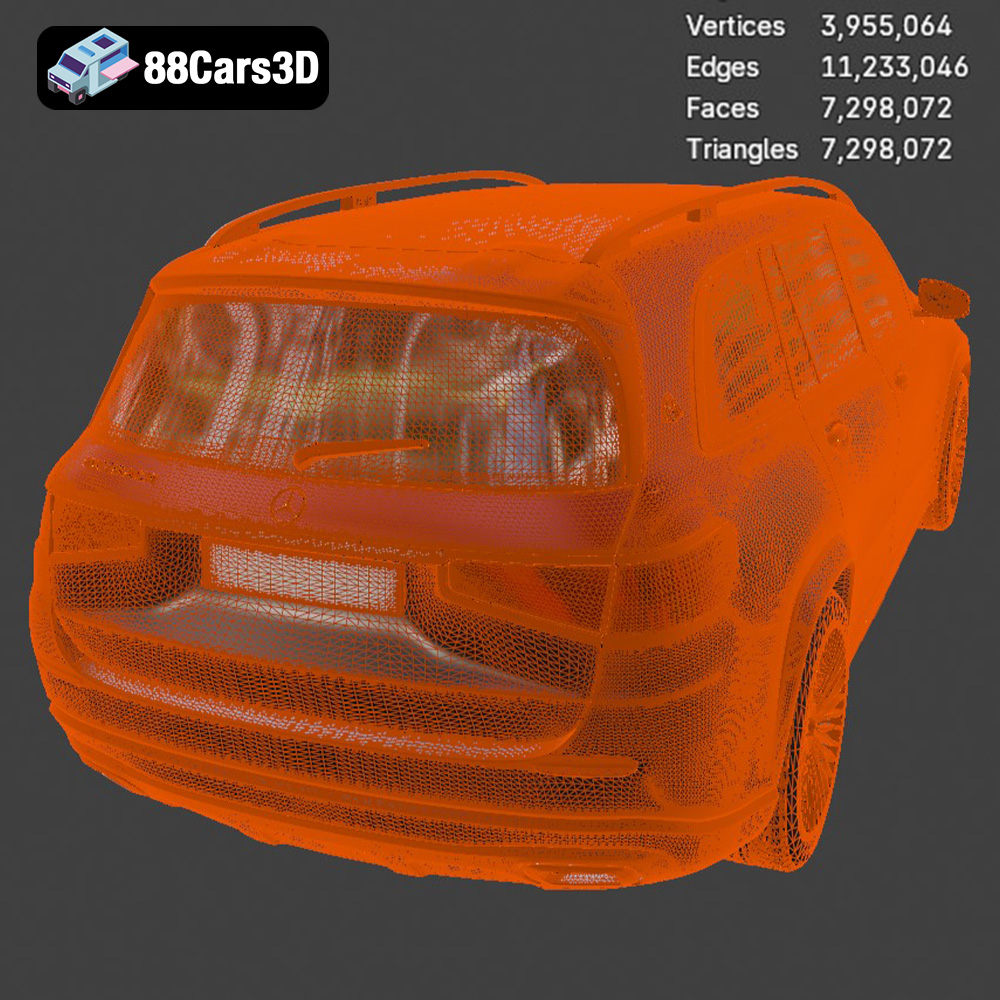
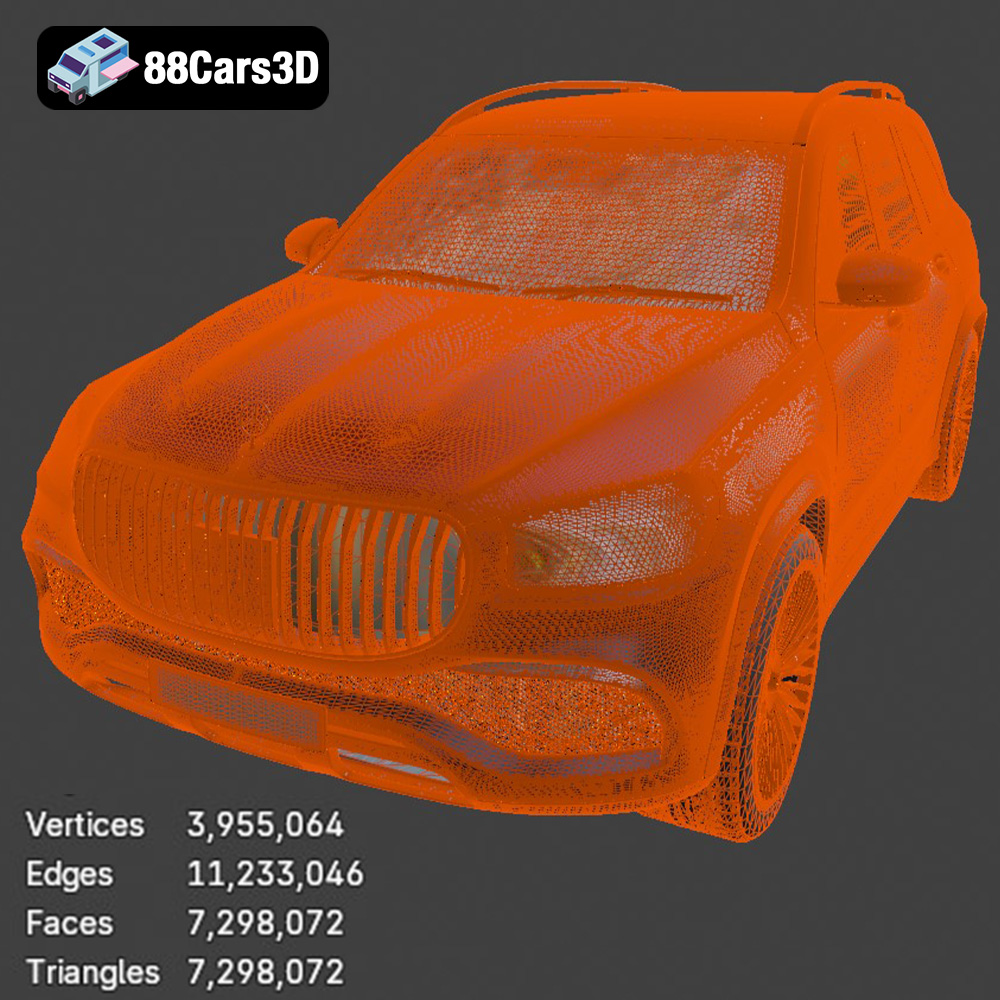
At the core of any high-fidelity 3D model is its geometry and topology. The Maybach GLS model, with its impressive 7,298,072 triangles, is a testament to this principle. High-polygon counts allow for incredibly smooth surfaces and intricate details without relying solely on normal maps. However, it’s not just about the number of polygons, but how they are arranged. Excellent topology ensures that the mesh flows cleanly, accurately representing the vehicle’s complex curves and sharp creases. This is vital for flawless reflections, which are crucial for showcasing the luxury appeal of an automotive paint job, and for clean deformation during animation. Professional models feature clean quad-based topology that facilitates UV mapping, texturing, and potential future modifications.
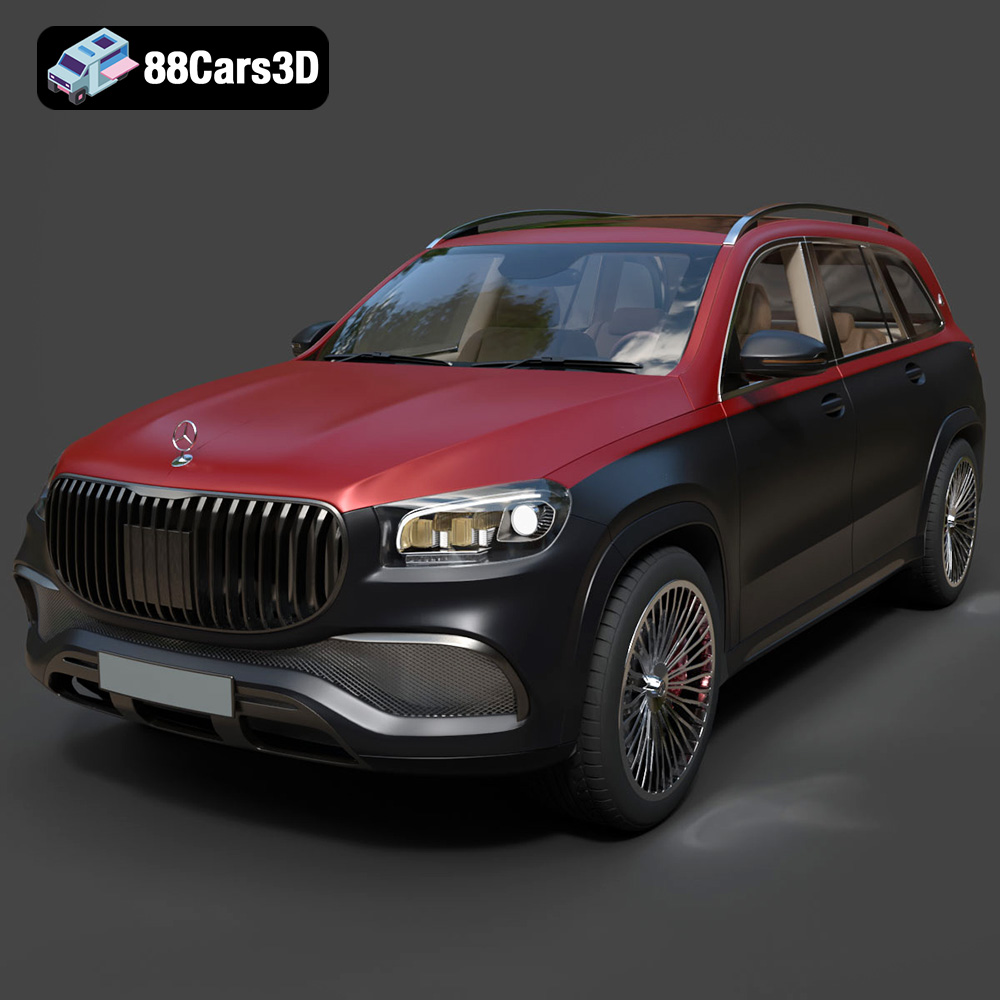
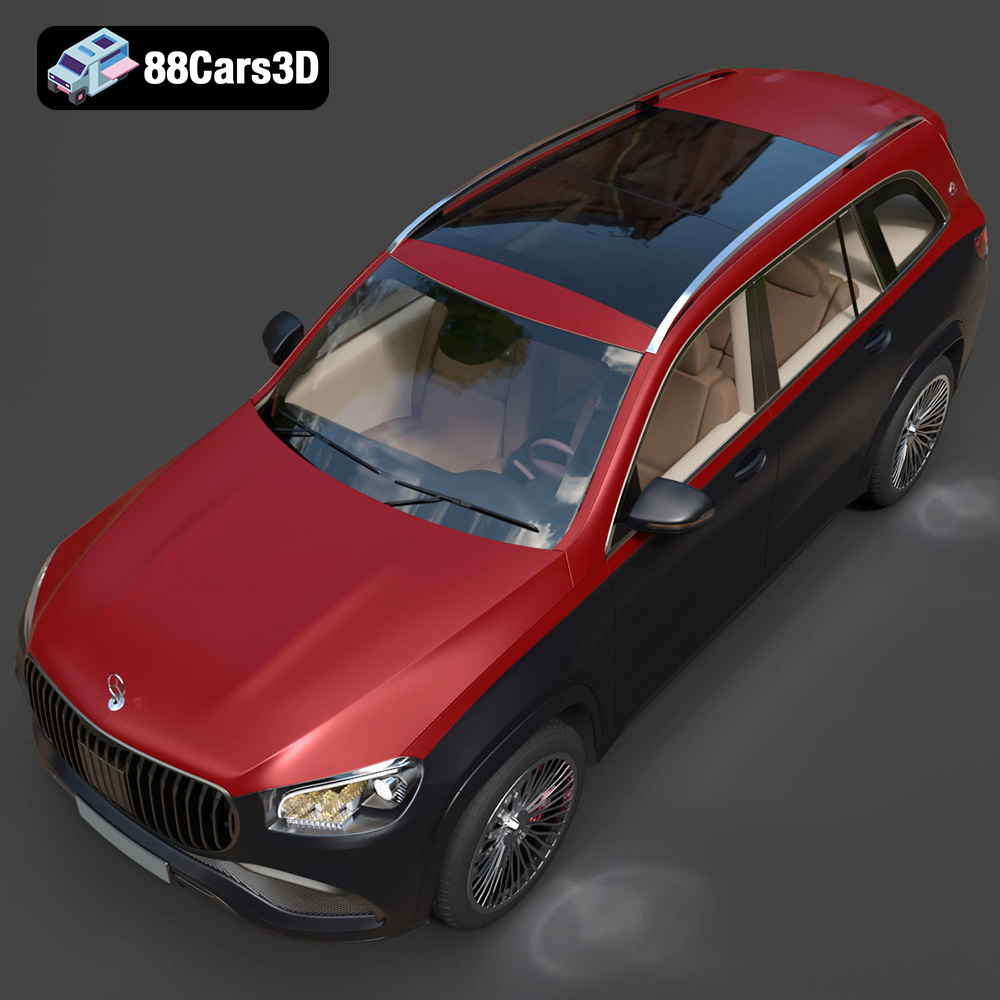
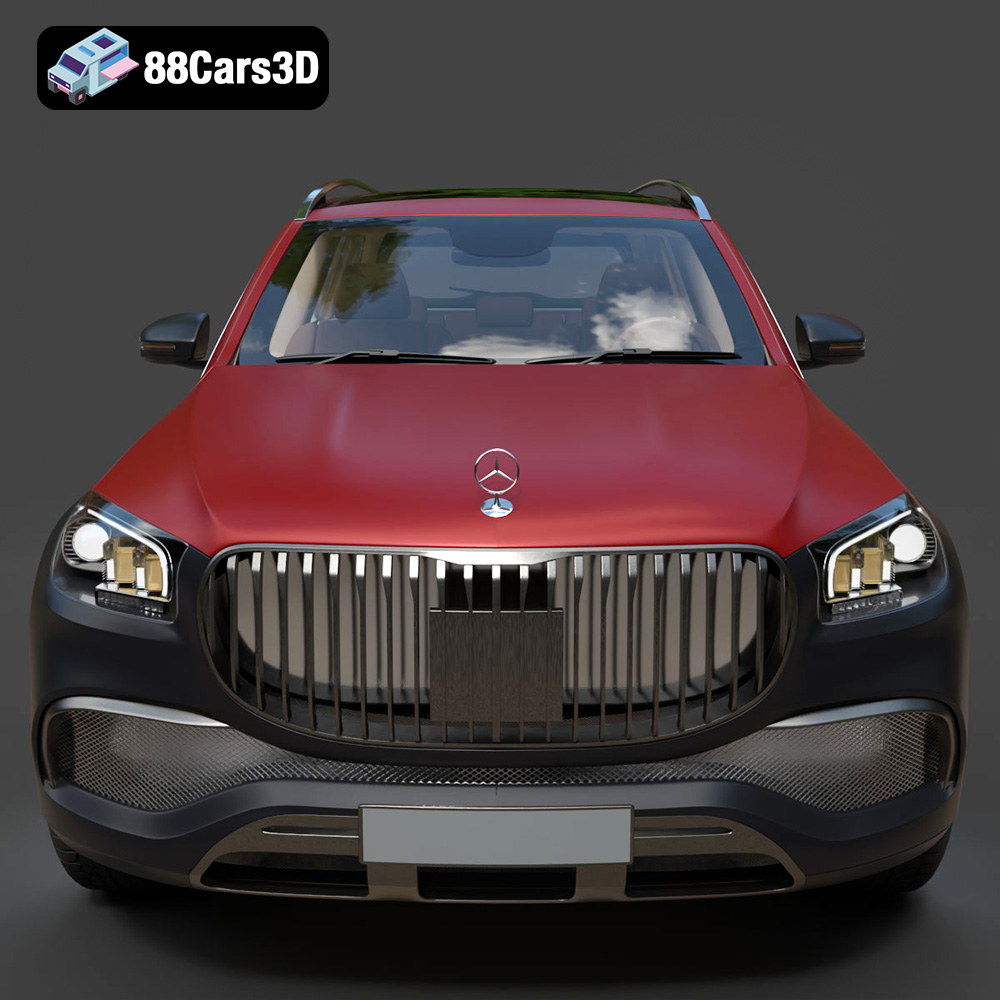
Even the most perfectly sculpted geometry falls flat without compelling materials and textures. For the Maybach GLS, this means meticulously replicating the lustrous two-tone paint, the massive chrome grille with its signature vertical louvers, the intricate details of the Multibeam LED headlights, and the sophisticated multi-spoke forged wheels. PBR (Physically Based Rendering) workflows are standard, ensuring that materials react realistically to light, whether it’s the subtle sheen of quilted leather in the interior or the complex reflections on a metallic exterior. High-resolution textures, correctly UV-mapped across the model, breathe life into surfaces, capturing every stitch, brushed metal finish, and tire tread pattern, making the digital model indistinguishable from its physical counterpart.
The Mercedes-Benz Maybach GLS 3D model from 88cars3d.com isn’t just a static object; it’s a dynamic asset engineered for integration into the most demanding professional pipelines. Its inherent quality and meticulous preparation make it a go-to choice for diverse industry applications, from high-stakes advertising campaigns to interactive showroom experiences.
For cinematic sequences, high-resolution product showcases, or architectural visualizations where a luxury vehicle enhances the scene, the Maybach GLS model excels. Its high-fidelity topology and PBR-ready materials mean it can withstand extreme close-ups and dramatic studio lighting without breaking realism. Imagine this opulent SUV parked gracefully in front of a lavish virtual estate, its reflective surfaces catching the ambient light, or featured in a sleek product launch video. Artists leveraging renderers like V-Ray, Corona, or Arnold within 3ds Max or Blender will find the .max and .blend formats particularly useful, allowing full control over rendering parameters, environmental lighting, and camera angles to achieve photorealistic results.
The digital age increasingly relies on interactive experiences to engage customers. The Mercedes-Benz Maybach GLS model is perfectly suited for virtual showrooms, online configurators, and interactive marketing tools. The provided .fbx and .glb formats are specifically optimized for these applications, allowing for real-time manipulation, color changes, and dynamic presentation in web browsers or dedicated applications. Customers can explore the vehicle’s exterior from all angles, step into its ultra-luxurious executive rear seating, and interact with its meticulously modeled MBUX digital dual-screen instrument cluster, all within a smooth, responsive virtual environment. This level of immersion significantly elevates the product presentation, offering an experience far richer than traditional static images.
In the world of interactive entertainment, balancing visual fidelity with performance is a constant challenge. Game developers require assets that look stunning but also run smoothly at high frame rates. The Mercedes-Benz Maybach GLS 3D model addresses this critical need, offering an optimized solution for next-generation real-time environments.
A key advantage of this model is its “Game-Ready & Optimized” status, featuring 7,298,072 triangles. While this is a high count, it strikes a perfect balance. For next-gen titles targeting high-end PCs or consoles, this polycount provides incredible detail without being overly prohibitive. The geometry is expertly crafted to ensure visual realism while maintaining efficient draw calls. The careful management of mesh density means that critical areas like the engine block, signature Maybach dual exhaust, and interior cockpit elements retain their intricate design without unnecessarily burdening less visible parts of the model. This meticulous optimization is crucial for open-world games, racing simulations, and virtual reality experiences where multiple detailed assets populate a scene.
The inclusion of an .unreal file or an Unreal-ready package specifically highlights its suitability for Unreal Engine 5 (UE5). UE5’s Nanite virtualized geometry system can handle incredibly high-polygon assets with unprecedented efficiency, making this Maybach GLS model an ideal candidate for cinematic quality in real-time. Developers can leverage the model’s detailed geometry directly within UE5, benefiting from advanced features like Lumen global illumination and Virtual Shadow Maps to achieve breathtaking photorealism. The proper pivot setup for steering, wheel rotation, and suspension travel, as noted in the technical specifications, further enhances its utility, allowing for realistic vehicle physics and animation within game engines.
The utility of a high-quality 3D car model extends far beyond traditional rendering and game development. Its inherent versatility allows it to bridge the gap between digital creation and tangible reality, opening up new avenues for engagement and design exploration.
Augmented Reality (AR) and Virtual Reality (VR) are transforming how we interact with digital content. For luxury brands, AR/VR offers an unparalleled opportunity to place a product directly into a customer’s environment or immerse them in a bespoke virtual world. The Mercedes-Benz Maybach GLS model, especially in its .glb format, is ideal for these applications. Imagine a customer using their smartphone to project a life-sized Maybach GLS into their driveway, or exploring its opulent interior in a VR headset. The optimized geometry ensures smooth performance in these demanding real-time scenarios, making it perfect for virtual showrooms, interactive training simulations, or experiential marketing campaigns that offer a truly personalized encounter with the vehicle.
The ability to translate a digital model into a physical object via 3D printing is a fascinating application, particularly for hobbyists, collectors, or designers creating prototypes. The Maybach GLS model, available in .stl format, caters directly to this need. The product description even provides detailed 3D print settings: recommended scales (1:12, 1:18, 1:24), layer height (0.04–0.12 mm for fine details), wall thickness, infill, and specific support requirements. Resin printing is suggested for capturing the fine nuances of the exhaust, mirrors, and intricate bodywork. This thoughtful preparation means that users can confidently transform the digital luxury SUV into a tangible, display-scale replica, applying post-processing techniques like sanding, priming, and authentic factory colors to achieve a miniature masterpiece.
The attention to detail in the Mercedes-Benz Maybach GLS 3D model is what truly sets it apart. Every facet of this luxury SUV, from its commanding exterior to its lavish interior, has been meticulously recreated to ensure uncompromising realism and functional versatility.
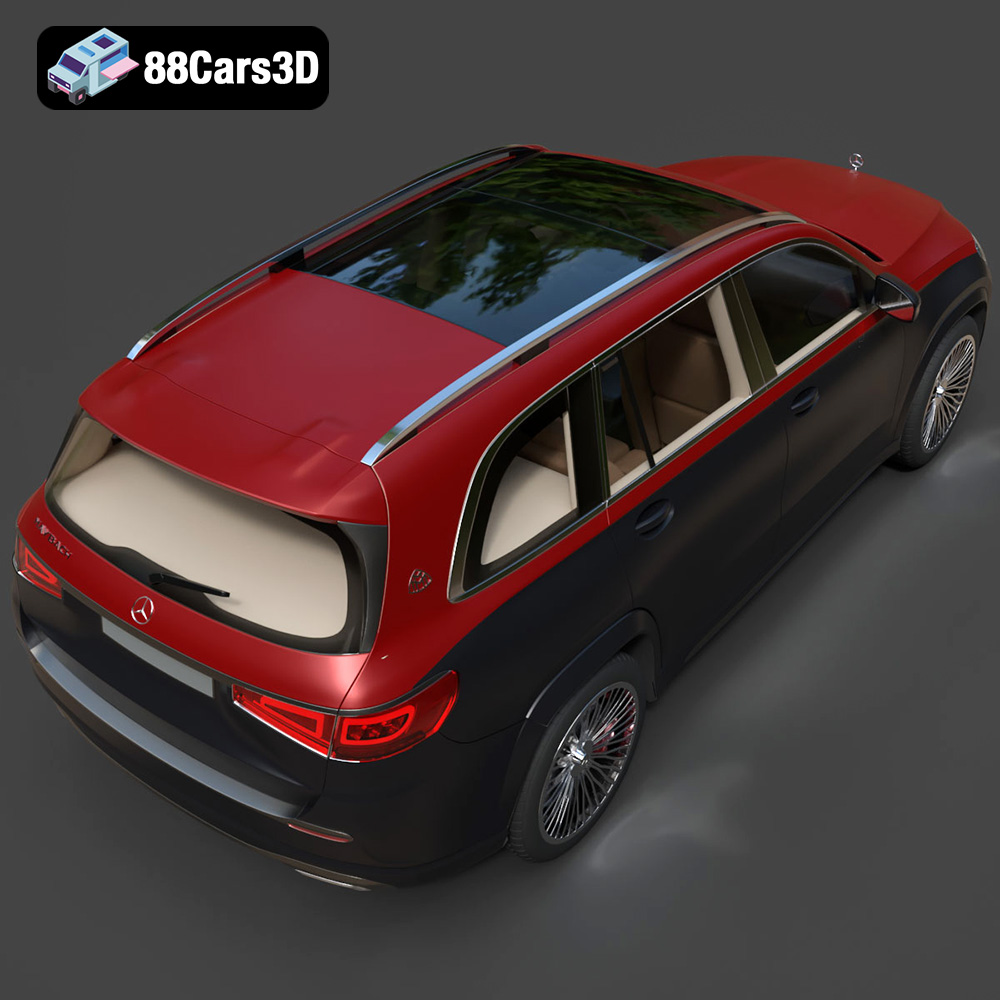
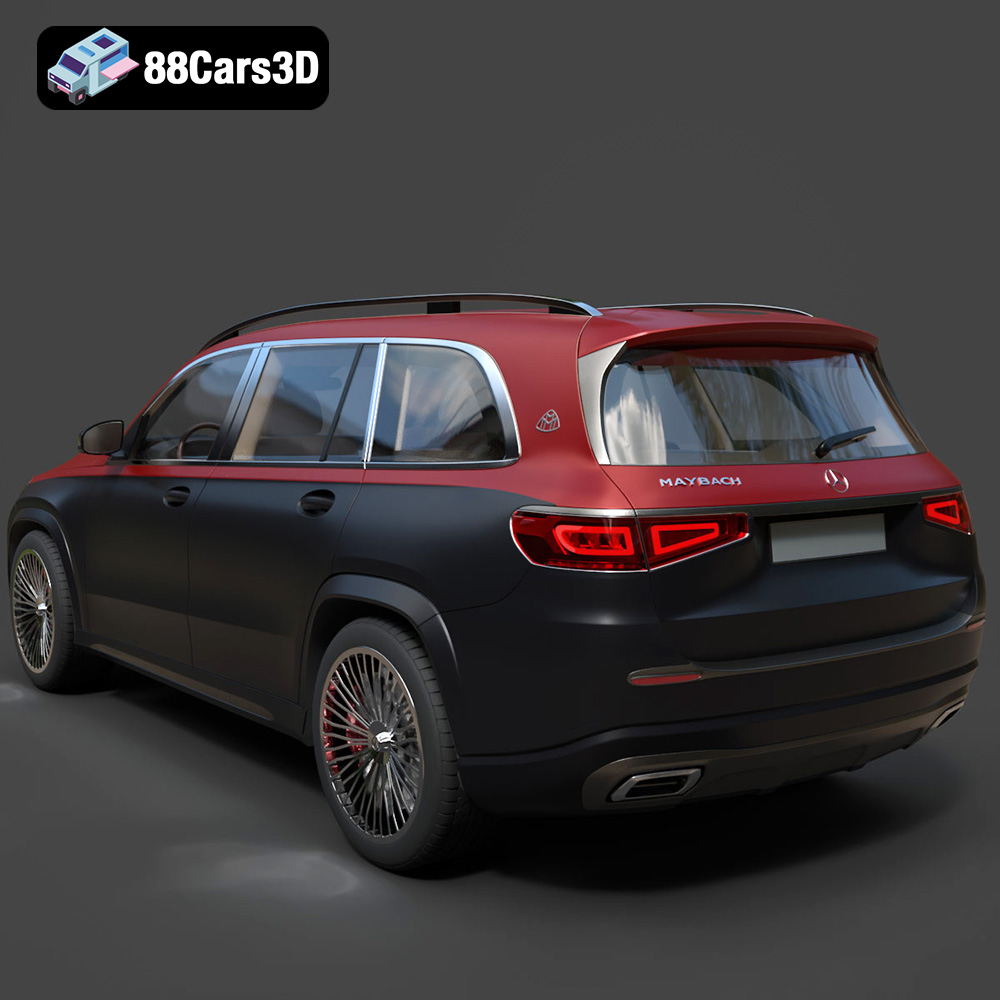
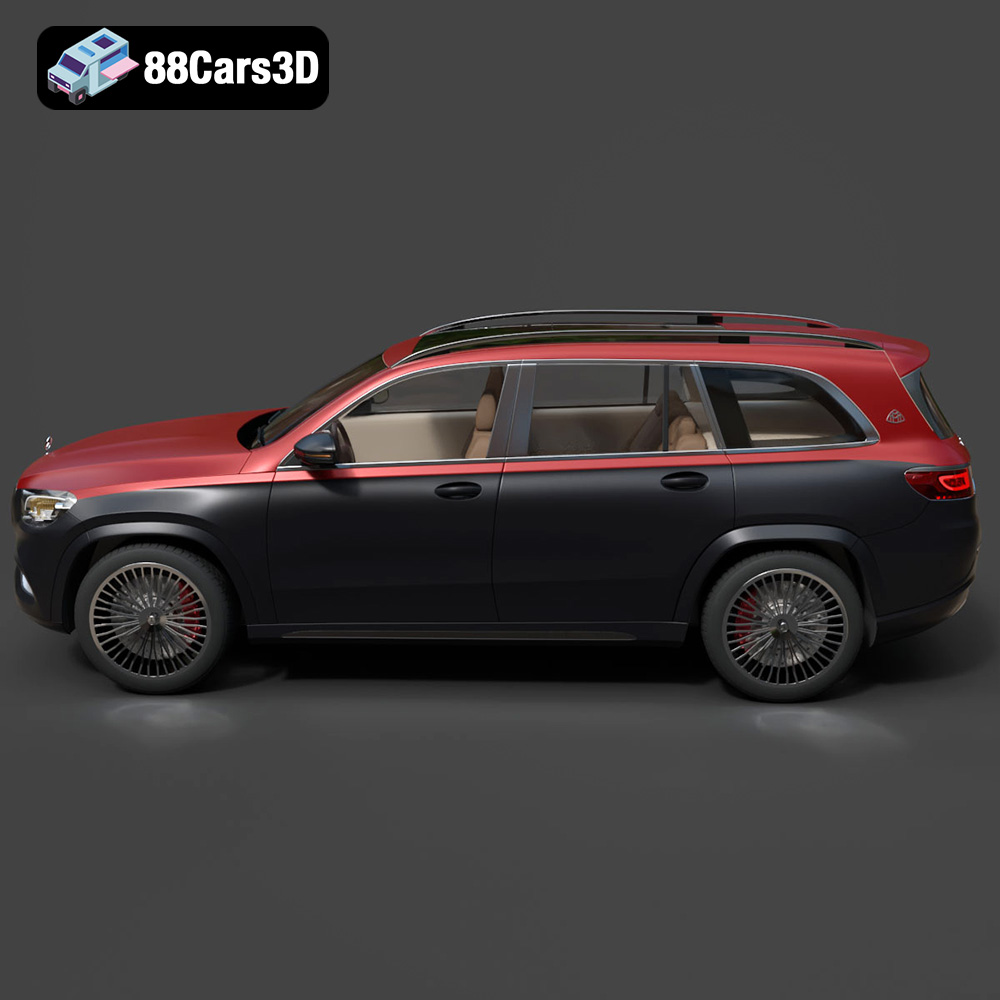
The exterior of the Maybach GLS is a symphony of elegance and power, and this 3D model captures it perfectly. It boasts accurate frame geometry and proportions, ensuring the digital representation is indistinguishable from the real vehicle. Highlights include a detailed engine block with a robust V8 biturbo structure, visible for specific shots or inspections. The signature Maybach dual exhaust system with intricate chrome detailing is present, along with high-resolution Multibeam LED headlights and sophisticated 3D geometric taillights that reflect light realistically. The signature multi-spoke Maybach forged wheels are precisely modeled, coupled with ultra-realistic tire details. Crucially, separate wheels, suspension, and steering components are included, which are essential for animating realistic driving dynamics or showcasing the adaptive air suspension system in action.
Stepping inside the virtual Maybach GLS reveals an equally impressive level of craftsmanship. The ultra-luxurious executive rear seating, complete with quilted leather details, is faithfully represented, inviting viewers into an immersive experience. The high-detail multifunction steering wheel features authentic wood and leather textures, while the MBUX digital dual-screen instrument cluster is accurately modeled for a true-to-life dashboard experience. Even refined control details, such as brushed metal pedals, climate vents, and center console elements, are present. This meticulous interior design is not just for show; its optimized geometry is perfect for first-person POV in gaming or interactive virtual tours, ensuring an authentic and engaging user experience.
Beyond its visual splendor, the Maybach GLS model offers significant technical advantages. Its real-world scale accuracy ensures it fits seamlessly into architectural scenes or virtual environments without needing scale adjustments. The proper pivot setup for steering, wheel rotation, and suspension travel is a game-changer for animators and game developers, allowing for quick and realistic implementation of vehicle dynamics. Furthermore, its compatibility with major 3D software platforms and real-time rendering engines, as evidenced by the array of included file formats (.blend, .fbx, .obj, .glb, .stl, .ply, .unreal, .max), means it’s a truly universal asset ready for any professional pipeline. This robust technical foundation ensures that creativity is unhindered by compatibility issues, allowing artists to focus on realizing their vision.
In the dynamic world of 3D visualization and interactive media, the quality of your assets directly impacts the realism and impact of your projects. Investing in high-fidelity 3D car models is not merely an expense; it is an investment in unparalleled detail, technical versatility, and professional efficiency. The Mercedes-Benz Maybach GLS 3D Model stands as a shining example of this commitment to excellence. Its meticulous craftsmanship, robust technical specifications, and broad file format support make it an indispensable asset for a spectrum of applications, from cinematic rendering to next-generation game development and immersive AR/VR experiences.
Whether you’re an automotive designer showcasing a new concept, a game developer populating an open-world environment, an architect visualizing a luxury property, or a marketing professional creating an interactive product configurator, this model provides the foundation for truly exceptional results. By choosing assets from trusted sources like 88cars3d.com, you ensure that your digital creations possess the realism and performance demanded by today’s leading industries. Elevate your projects and capture the essence of automotive luxury with this masterfully crafted 3D model, ready to integrate into your workflow and inspire your audience.
The Mercedes-Benz Maybach GLS represents the pinnacle of luxury SUV engineering, combining the imposing presence of a flagship SUV with the peerless, bespoke craftsmanship of Maybach. This highly detailed 3D model captures its iconic two-tone exterior, the massive chrome front grille with signature vertical louvers, and its authoritative, elegant silhouette. From the robust biturbo V8 engine structure to the finely crafted exhaust surrounds, every visual element is meticulously represented for true-to-life realism. Boasting a high-fidelity topology with 7,298,072 triangles, this model delivers unparalleled visual realism suited for high-end rendering and next-generation real-time applications like Unreal Engine 5. The geometry is expertly crafted to ensure flawless reflections and premium aesthetics, making it an exceptional asset for high-end game development, interactive AR/VR experiences, cinematic animation, and sophisticated architectural visualizations. Perfect for luxury lifestyle visualizations, high-fidelity virtual showrooms, next-gen automotive simulators, and architectural rendering scenes.
$90.00
.blend
.fbx
.glb
.luxury suv
.max
.obj
.ply
.rendering
.stl
.unreal
car-3d-model
game asset
game-ready
high poly
maybach-gls
mercedes-benz
optimized
SUV
VR/AR