Get 20% OFF All Premium 3D & STL Models!

In the exhilarating world where cutting-edge automotive design meets the boundless possibilities of digital creation, a new benchmark is constantly being set. Electric vehicles, with their sleek lines and revolutionary technology, are not just changing our roads but also transforming the landscape of 3D modeling. For designers, game developers, architects, and visualizers, capturing the essence of these groundbreaking machines in a high-fidelity 3D format is paramount.
Enter the Audi RS E-Tron GT. A masterpiece of electric performance and German engineering, it represents a pivotal moment in automotive evolution. Its aggressive stance, sculpted aerodynamics, and futuristic aesthetic make it an irresistible subject for anyone pushing the boundaries of realism in a digital environment. Imagine harnessing this power for your next project – from cinematic renders to immersive game experiences. This is precisely what a meticulously crafted 3D model of the Audi RS E-Tron GT offers, providing an unparalleled foundation for diverse applications.
Today, we delve deep into the technical intricacies and creative potential unlocked by a premium 3D car model, specifically focusing on the exceptional Audi RS E-Tron GT available on 88cars3d.com. We’ll explore how such an asset empowers professionals, dissecting its features, discussing essential file formats, and illustrating its impact across various industries.
Automotive design has always been at the forefront of innovation, both in the physical and digital realms. From initial sketches to full-scale clay models, the process of bringing a new vehicle to life is intricate. In the modern era, 3D modeling plays an indispensable role, allowing designers to iterate rapidly, visualize concepts in stunning detail, and collaborate globally long before a single physical component is manufactured.
The journey of a vehicle like the Audi RS E-Tron GT begins with bold vision, translating into countless hours of digital sculpting and refinement. Every curve, every vent, and every technological integration must be precisely rendered to maintain the designer’s intent. For 3D artists, this means understanding not just aesthetics but also the underlying engineering principles that dictate form and function. A high-quality 3D car model is more than just a mesh; it’s a digital blueprint imbued with the spirit of the original design.
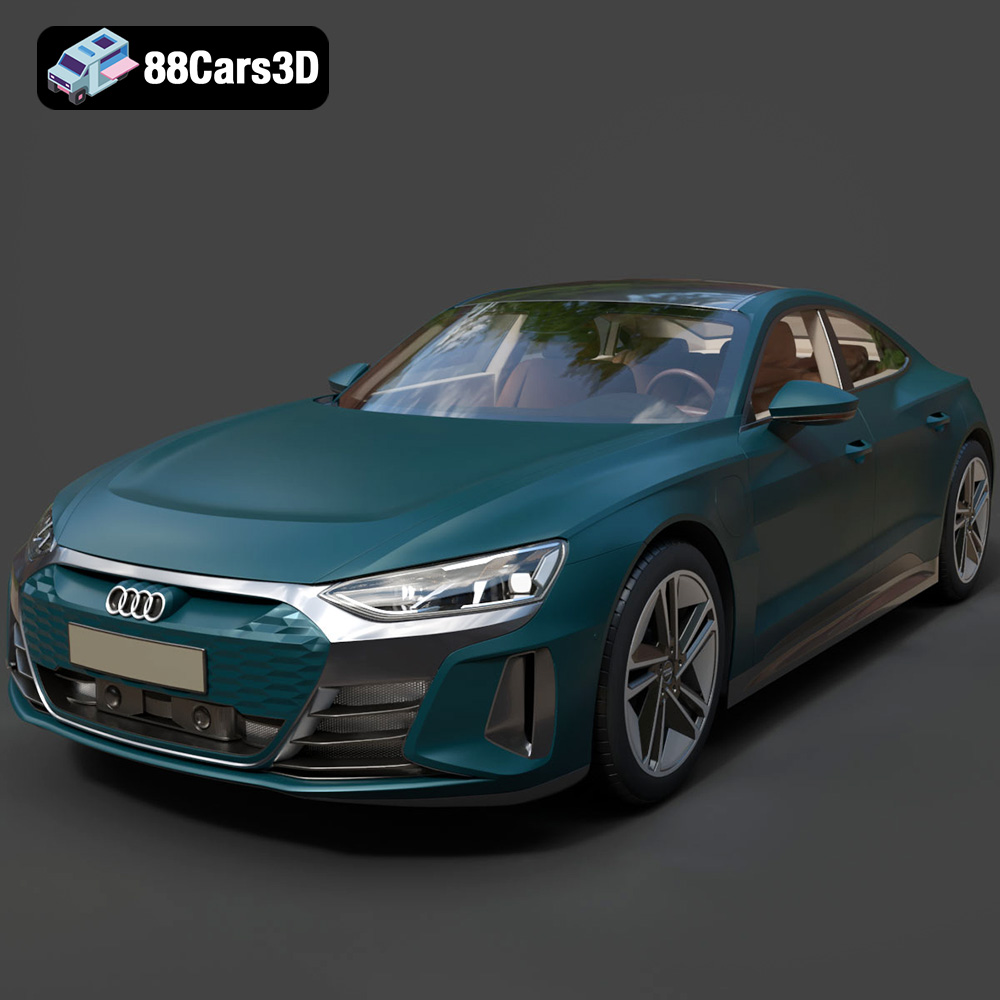
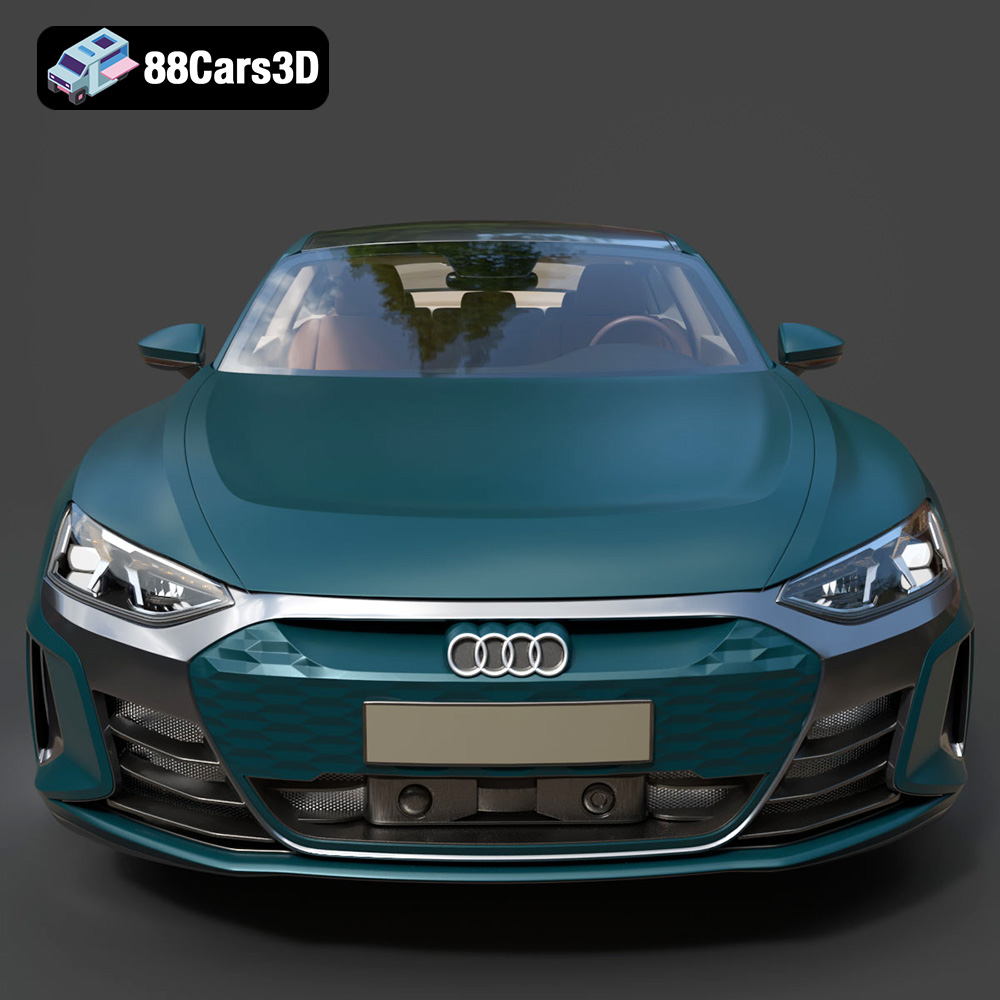
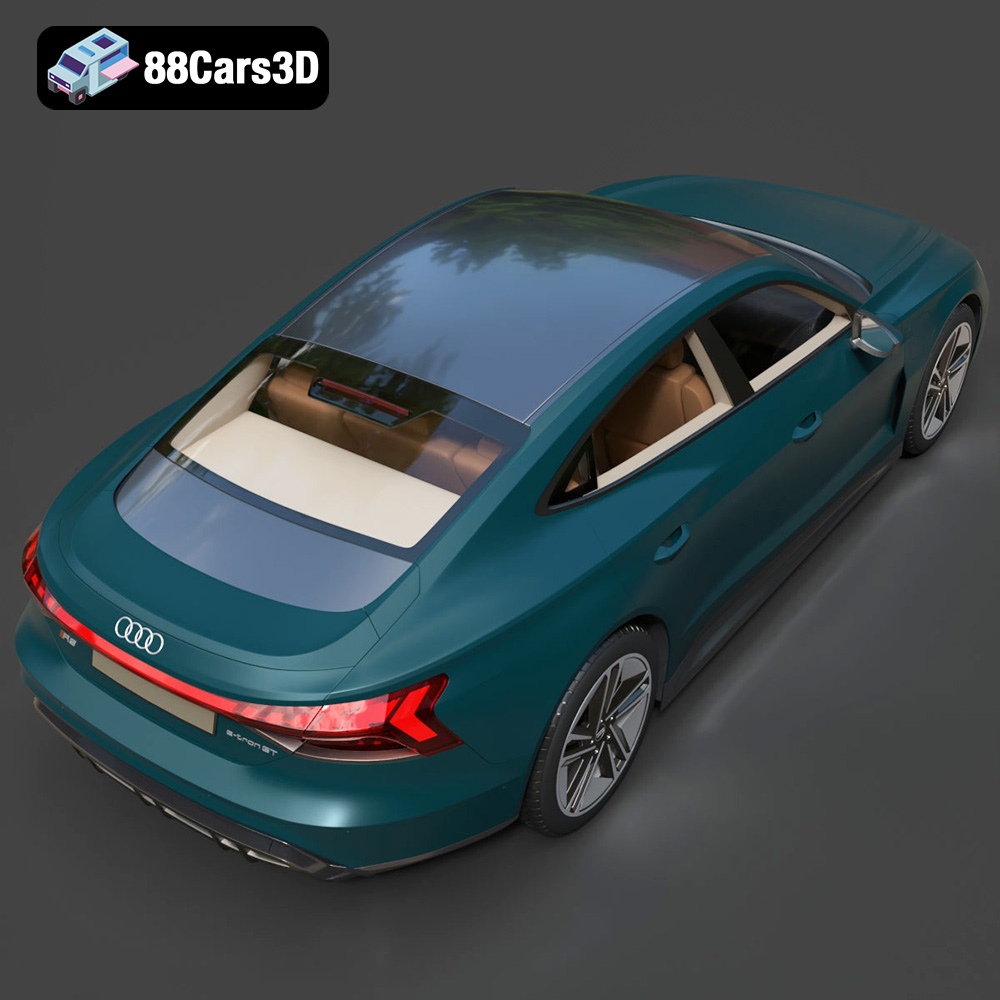
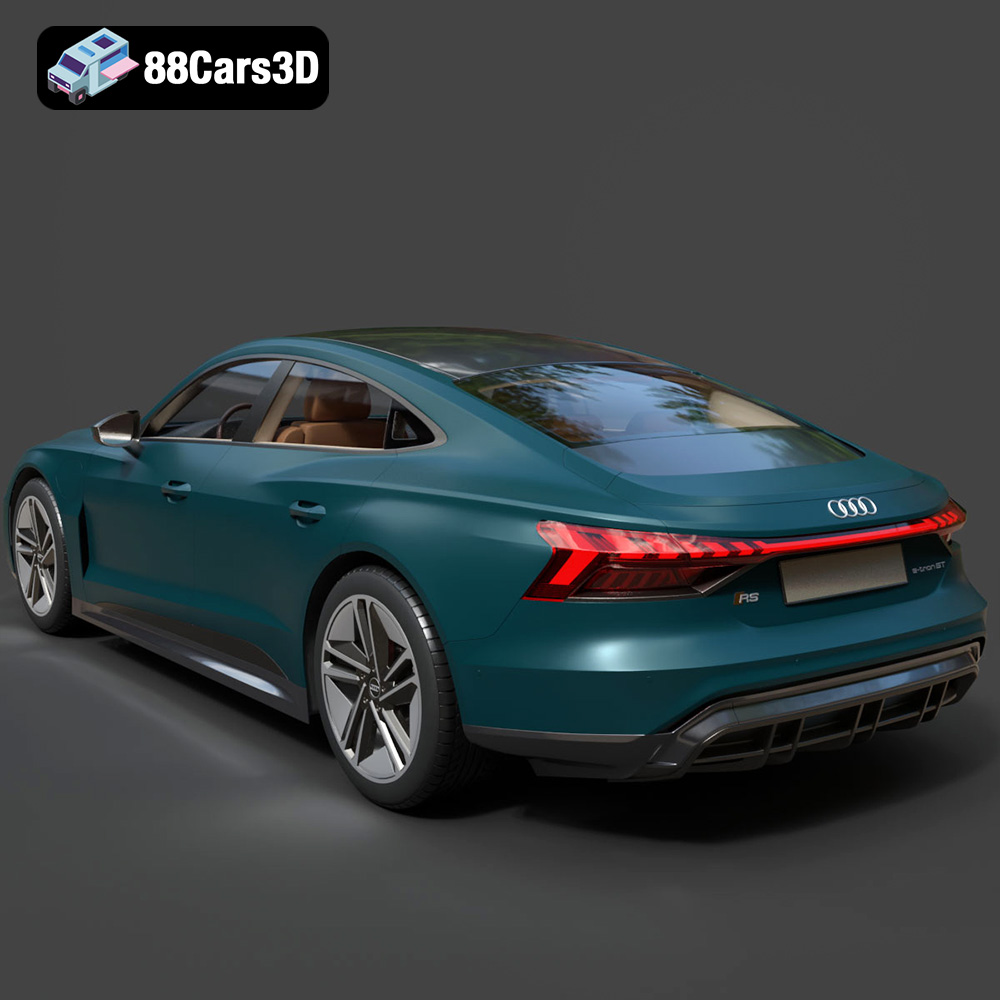
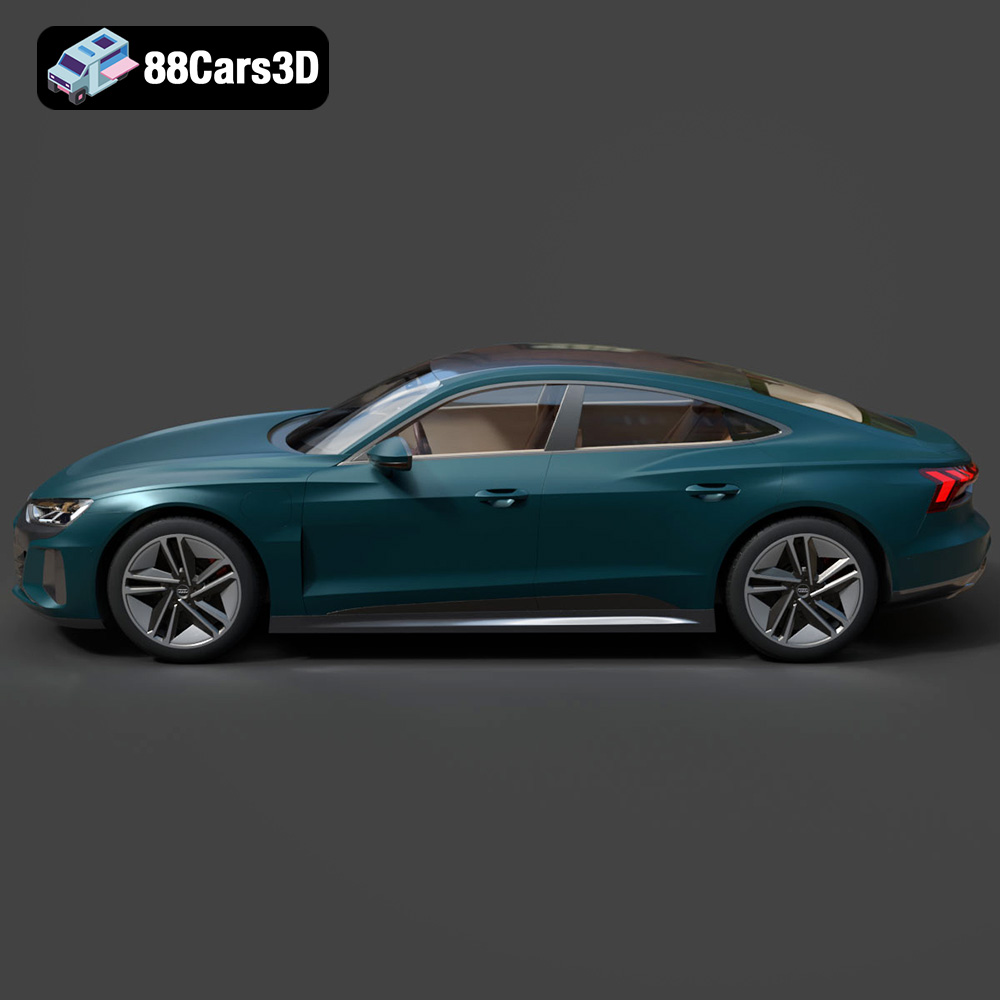
The Audi RS E-Tron GT is a prime example of an automobile whose design demands meticulous attention to detail. Its inverted Singleframe grille, sculpted blistered fenders, and the signature continuous LED taillight strip are not merely stylistic choices but integral elements of its identity. A professional 3D model, such as the one offered for the Audi RS E-Tron GT, captures these nuances with precision. It mirrors the accurate aerodynamic body geometry, the detailed electric vehicle undercarriage, and even the intricate aero-optimized alloy wheels and high-performance brake calipers. This level of fidelity is crucial for projects that require absolute realism, whether for a marketing campaign or a high-stakes racing simulation.
Navigating the world of 3D assets requires a solid understanding of the various file formats available. Each format serves a specific purpose, offering unique advantages for different stages of a project or different software environments. The Audi RS E-Tron GT 3D model, with its comprehensive suite of included formats, exemplifies versatility.
The .blend format is the native file type for Blender, a powerful open-source 3D creation suite. When you download a .blend file, you’re getting a fully editable Blender scene, complete with materials, textures, lighting setups, and potentially animation data. This is ideal for artists who primarily work in Blender, offering maximum flexibility for customization, rigging, animation, and rendering within that ecosystem. It ensures that all original scene data, modifiers, and node setups are preserved, allowing for deep modifications to the Audi RS E-Tron GT model’s geometry or materials.
.fbx (Filmbox) is arguably the most common exchange format in the 3D industry, developed by Autodesk. It’s incredibly robust, supporting not just mesh data but also materials, textures, animations, bones, and even camera and light information. This makes it an ideal choice for pipelines involving multiple software packages, especially for integration into real-time engines like Unreal Engine and Unity. For a game-ready asset like the Audi RS E-Tron GT, an .fbx file is often the preferred starting point for game developers due to its comprehensive data retention and widespread compatibility. Its versatility ensures that the model’s complex hierarchy, pivot points, and separated components (like wheels and suspension) are maintained when transferring between applications.
.obj (Wavefront Object) is another venerable and universal format, known for its simplicity and wide cross-software compatibility. While it primarily stores geometric data (vertices, normals, UVs), it also references external material files (.mtl) for basic material properties and texture maps. It’s a highly stable format for exporting raw mesh data and is excellent for static models or when you need a clean mesh to work with in almost any 3D application, from Maya to ZBrush to Houdini. Though it doesn’t carry animation or advanced rigging, its universality makes it a reliable fallback for ensuring the core geometry of the Audi RS E-Tron GT is accessible everywhere.
.glb (GL Transmission Format Binary) is gaining significant traction, especially for applications in AR, VR, and browser-based display. It’s a self-contained, binary version of the glTF format, meaning all textures and data are embedded within a single file. This makes .glb files incredibly efficient for web delivery and quick loading, perfect for interactive 3D viewers or virtual configurators of the Audi RS E-Tron GT on a website. Its optimization for real-time rendering also makes it suitable for lightweight AR/VR experiences.
The .unreal format, often referring to assets packaged specifically for Unreal Engine, provides an engine-ready asset for real-time environments. While not a standalone file type like .fbx, it signifies that the asset has been properly imported, set up with materials, collision, LODs (Levels of Detail), and potentially Blueprints within the Unreal Engine project. This saves significant setup time for developers, as the Audi RS E-Tron GT model is already configured to leverage Unreal’s powerful rendering capabilities directly, making it truly “game-ready.”
.stl (Stereolithography) is the de facto standard for 3D printing. It represents a 3D model as a series of connected triangles, defining only the surface geometry without color, texture, or material information. While simple, its ubiquity makes it essential for anyone looking to bring the Audi RS E-Tron GT from the screen into the physical world through 3D printing. The model description explicitly mentions its suitability for 3D printing, with recommended scales and settings, demonstrating its adaptability beyond digital visualization.
.ply (Polygon File Format), or Stanford Triangle Format, is a precision mesh format often used for storing 3D data from 3D scanners or for CAD (Computer-Aided Design) and analytical applications. It can store more complex information than .stl, including color, transparency, and sometimes normal vectors, though it’s less commonly used for general asset exchange in creative pipelines. Its inclusion for the Audi RS E-Tron GT implies an attention to detail for precise measurements or specialized engineering analysis.
Lastly, .max is the native file format for Autodesk 3ds Max, one of the leading 3D animation, modeling, simulation, and rendering software packages. Like .blend for Blender, a .max file provides a fully editable 3ds Max project, preserving all scene information, modifiers, materials (V-Ray, Corona, etc.), lighting, and animation data. This is crucial for studios and artists who rely on 3ds Max for high-fidelity rendering, architectural visualization, or complex animation sequences of the Audi RS E-Tron GT, allowing them to leverage all the advanced features of the software directly.
Achieving photorealism and optimal performance in a 3D car model is a delicate balance. It requires both artistic skill and technical acumen. The Audi RS E-Tron GT 3D model exemplifies this fusion, offering a robust foundation for any high-end project.
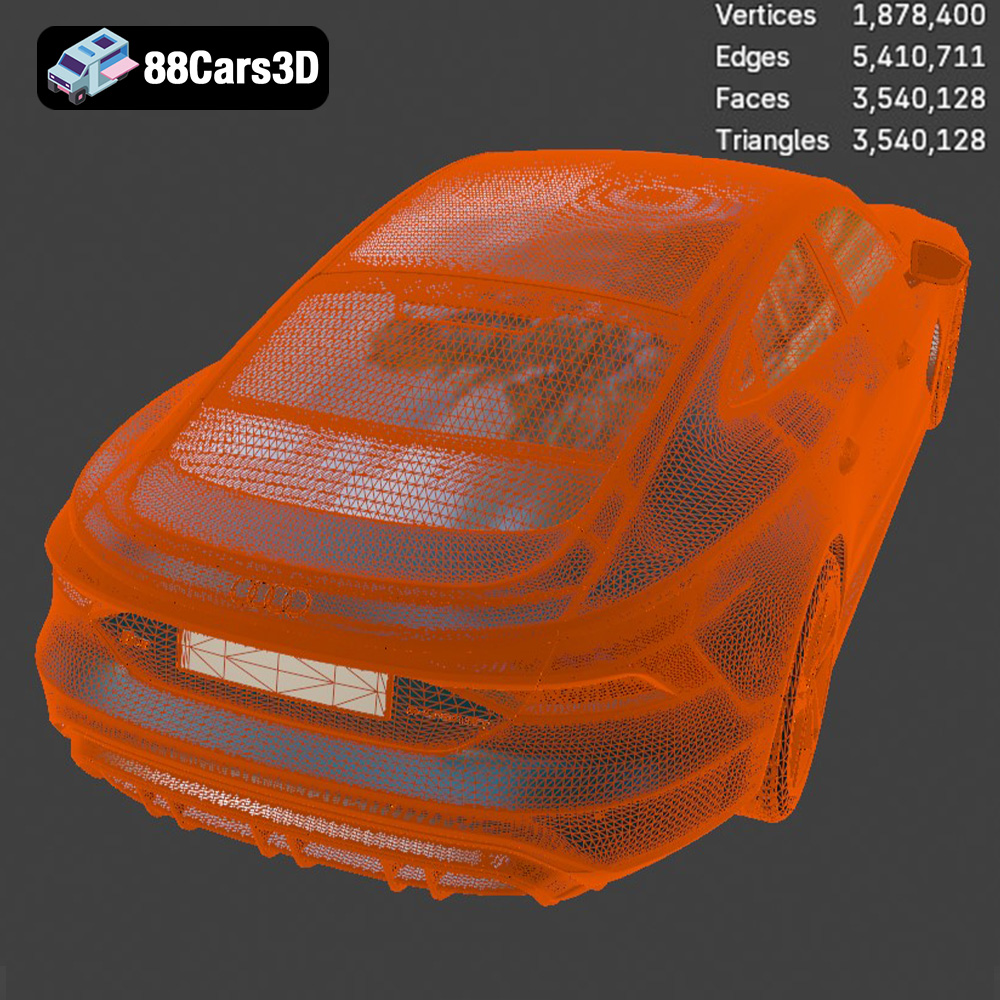
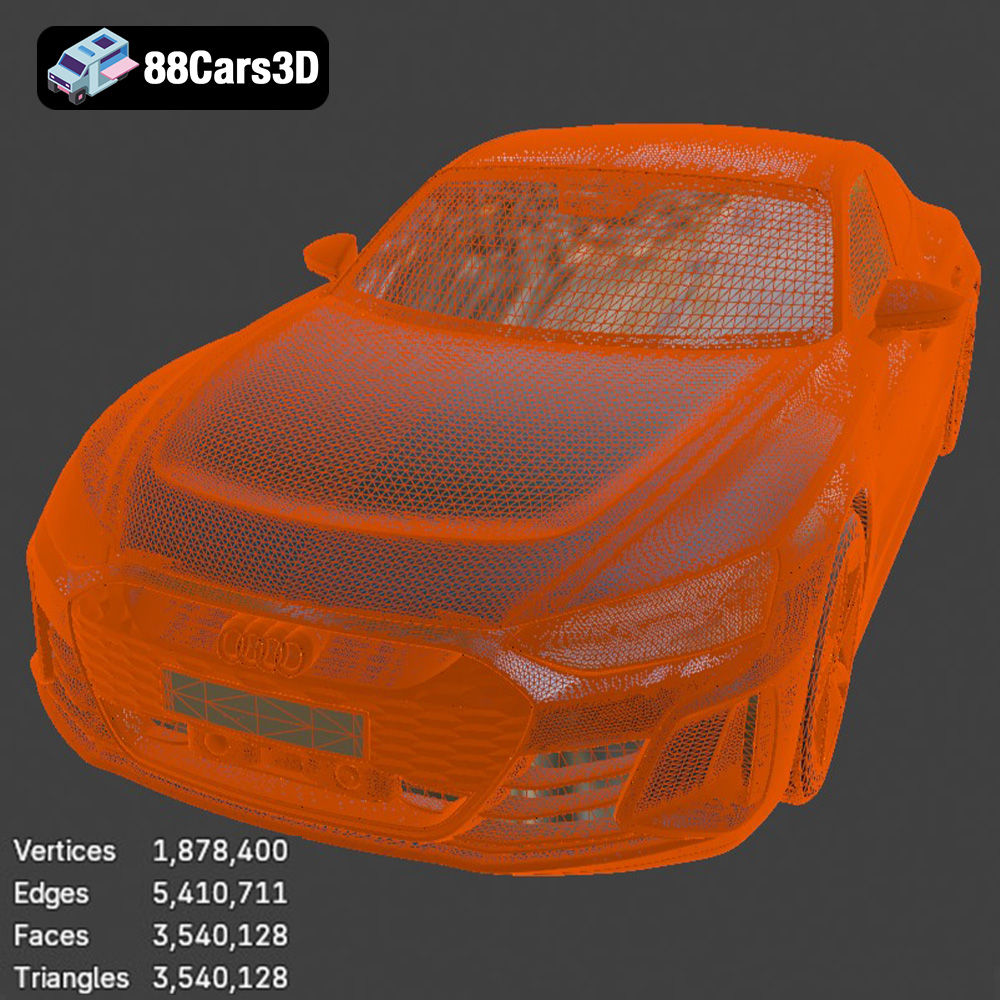
The product description highlights an “impressive 3,540,128 triangle count.” This specific figure is a crucial indicator of the model’s detail level. While some game assets might aim for lower poly counts for extreme optimization, this model strikes a perfect balance. It provides breathtaking high-resolution details, making it ideal for close-up shots and cinematic rendering, where every curve, panel gap, and material transition must stand up to scrutiny. Simultaneously, this polycount maintains structural integrity, ensuring the model’s form holds up even when viewed from different angles or under intense lighting conditions. The model’s exterior features, from the accurate aerodynamic body geometry to the high-resolution matrix LED headlights and intricate aero-optimized alloy wheels, are testament to this commitment to detail.
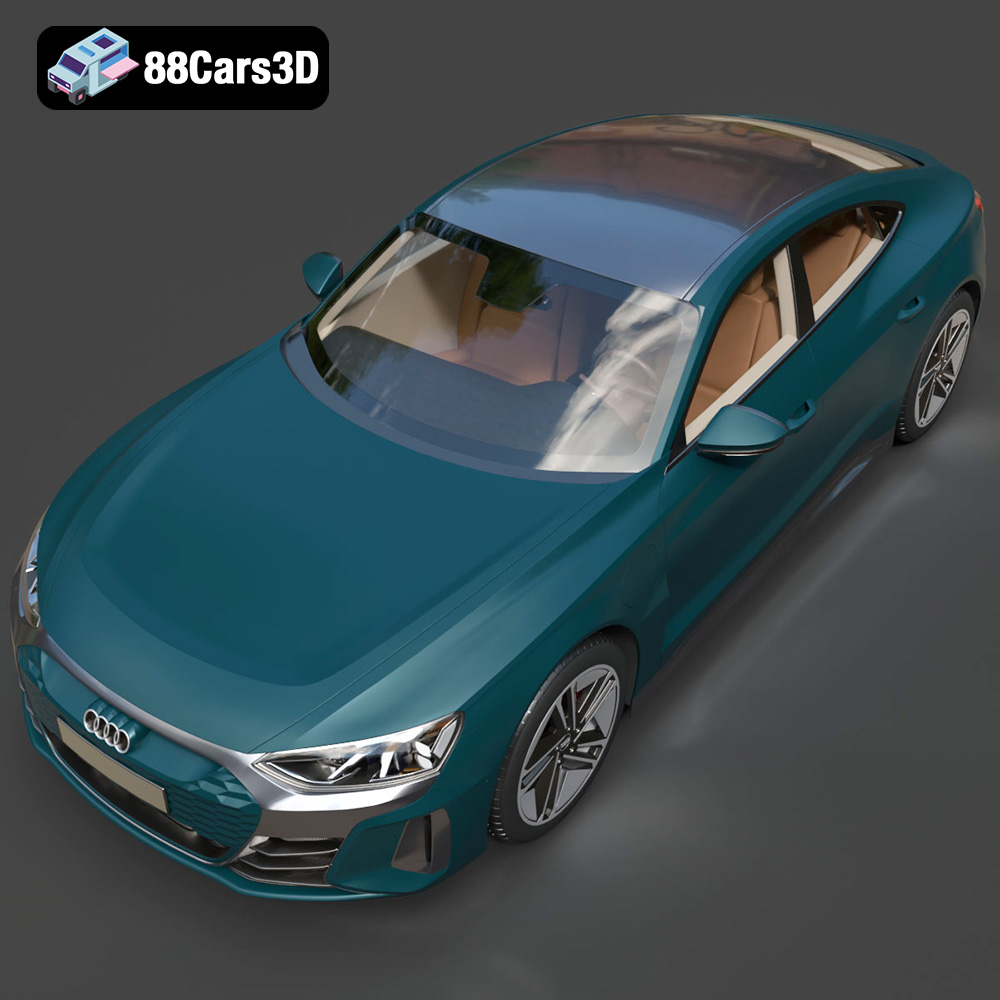
Inside the cockpit, the model continues to impress with “luxurious sport seats with precise stitching and material textures,” a “flat-bottomed Alcantara-wrapped steering wheel,” and a “high-fidelity digital instrument cluster.” Such interior detailing is vital for first-person perspectives in games or for showcasing the vehicle’s luxurious appointments in virtual showrooms.
Beyond static beauty, a truly professional 3D car model is engineered for animation and interaction. The Audi RS E-Tron GT model features “separate wheels, suspension, and steering components for animation.” This is not a trivial detail; it means that a technical artist can easily animate wheel rotation, steering, and realistic suspension travel without complex rigging from scratch. The “proper pivot setup” for these elements is equally critical, ensuring that these animations are physically accurate and convincing, whether the car is navigating a race track or simply turning a corner in a virtual city. This thoughtful preparation saves countless hours in production and enhances the realism of any animated sequence.
Despite its high triangle count, the model is described as “Game-Ready & Optimized.” This implies that while the base mesh is highly detailed, it has been structured in a way that allows for efficient rendering in real-time engines. This could include clean topology, efficient UV mapping (though not explicitly stated, it’s a prerequisite for good materials), and potentially the ability to generate LODs (Levels of Detail) for further optimization. The stated polycount “strikes a perfect balance for real-time engines (Unreal, Unity) while maintaining high-end visual realism,” making it a versatile asset that performs well across different demanding applications, from open-world games to cinematic pre-visualization.
A superior 3D car model like the Audi RS E-Tron GT isn’t just a pretty picture; it’s a powerful tool that integrates seamlessly into professional workflows across various industries, enhancing capabilities and accelerating production.
For game developers, realism and performance are key. The Audi RS E-Tron GT 3D model is explicitly “Ideal for open-world games, racing titles, and simulators due to optimized polycount.” In a racing game, players demand vehicles that look and feel authentic. This model delivers on visual fidelity for close-up action, while its optimized geometry ensures smooth frame rates. The separate, animatable components allow for realistic driving physics and interactive damage systems. Imagine this electric powerhouse dominating a futuristic urban racing environment, its sleek design cutting through the digital wind, all powered by this meticulously crafted asset.
In the realm of advertising, film, and architectural visualization, the demand for photorealistic renders is unwavering. The high-resolution details of this 3D car model make it “Excellent for brand campaigns, lifestyle scenes, and studio lighting setups.” Whether it’s showcasing the E-Tron GT gliding through a hyper-realistic virtual city, parked elegantly outside a cutting-edge architectural marvel, or featured in a high-concept commercial, the model provides the necessary foundation for stunning visuals. Its “real-world scale accuracy” ensures it fits perfectly within any scene, maintaining believable proportions and interactions with its environment.
For animators working in 3ds Max or Blender, the included file formats and pre-set pivot points significantly streamline the rigging and animation process, allowing them to focus on storytelling rather than technical setup. The comprehensive interior details also mean the model is suitable for detailed interior shots or virtual walkthroughs, adding another layer of realism to cinematic productions.
Augmented Reality (AR) and Virtual Reality (VR) are transforming how we interact with products and environments. An optimized 3D car model is crucial for creating convincing immersive experiences. The Audi RS E-Tron GT model is “Perfect for immersive virtual showrooms, configurators, and mobile AR experiences.” Using formats like .glb, it can be seamlessly integrated into web-based AR applications, allowing prospective buyers to view the car in their driveway or explore its features in a virtual environment. For VR showrooms, the model’s detailed interior and exterior allow users to virtually sit inside the car, explore its controls, and appreciate its design from every angle, offering an unparalleled level of engagement.
The versatility of a well-engineered 3D car model extends beyond traditional screen-based rendering, bridging the gap between digital and physical outputs.
Professional visualization pipelines are diverse, utilizing a range of powerful software. Artists using 3ds Max for architectural visualization, product design, or cinematic sequences will find the .max format invaluable. It ensures full compatibility with their established workflows, allowing them to leverage advanced rendering engines like V-Ray or Corona to produce hyper-realistic images of the Audi RS E-Tron GT. Similarly, for real-time visualization and interactive experiences, the .unreal (Unreal Engine ready) format allows for direct integration into an Unreal Engine project, offering access to its cutting-edge real-time ray tracing, advanced material systems, and dynamic lighting capabilities. This flexibility ensures that regardless of the desired output medium or software, the model can be effectively utilized.
Imagine a potential customer exploring the Audi RS E-Tron GT in their own garage via an AR app on their phone, or stepping into a VR showroom where they can virtually open doors, sit inside, and even “drive” the car through a simulated environment. This is where the optimized nature and detailed features of this 3D model shine. Its game-ready status ensures smooth performance in AR/VR applications, while the detailed interior and exterior provide a truly immersive and engaging experience. This innovative approach to showcasing vehicles is revolutionizing how brands connect with their audience, and assets from 88cars3d.com are at the forefront.
Beyond digital displays, the Audi RS E-Tron GT 3D model also offers the exciting possibility of physical replication through 3D printing. With the inclusion of the .stl format, hobbyists, designers, and enthusiasts can bring a tangible piece of the E-Tron GT into their hands. The product description provides comprehensive “3D Print Settings,” recommending scales like 1:12, 1:18, or 1:24, and specific parameters for layer height, wall thickness, infill, and supports. This guidance, coupled with the recommendation for resin printing for fine details, ensures that users can achieve high-quality physical models that accurately represent the digital design, suitable for display or personal collections.
A premium 3D asset is not just about what it is, but what it can become. The Audi RS E-Tron GT 3D model offers extensive customization options, ensuring its longevity and adaptability across numerous projects.
The ability to customize is a significant advantage for any 3D asset. This model allows users to “change body/tank colors,” enabling designers to experiment with authentic factory colors or develop custom finishes that align with specific branding or artistic visions. Modifying “tire textures” (off-road vs. street variants) can instantly transform the car’s character for different scenarios, from urban racing to rugged environments. Adjusting “material finishes” (matte, gloss, metallic) provides further control over the vehicle’s aesthetic, allowing for endless variations to suit any scene or mood. This flexibility makes the Audi RS E-Tron GT 3D model a versatile tool for ongoing creative exploration.
Investing in a high-quality 3D model is an investment in efficiency and quality. A versatile asset, ready for multiple formats and applications, saves invaluable time and resources. Instead of building a model from scratch for each project, professionals can leverage this pre-optimized, highly detailed Audi RS E-Tron GT, adapting it to specific needs. Its compatibility with major 3D software platforms and real-time rendering engines ensures it will remain relevant as technology evolves, providing enduring value across a spectrum of digital endeavors. This comprehensive utility makes the Audi RS E-Tron GT 3D model from 88cars3d.com a smart choice for serious professionals.
The digital automotive landscape is continually evolving, demanding assets that are not only visually stunning but also technically robust and adaptable. The Audi RS E-Tron GT 3D model stands out as an exemplary asset, meticulously crafted to meet the rigorous demands of modern 3D production. From its impressive triangle count and intricate detailing of the exterior and interior, to its optimization for game development and its comprehensive support for various industry-standard file formats (.blend, .fbx, .obj, .glb, .stl, .ply, .unreal, .max), this model offers unparalleled versatility.
Whether you are developing the next generation of racing games, producing high-end cinematic animations, creating immersive AR/VR experiences, or even fabricating physical models through 3D printing, this Audi RS E-Tron GT 3D model provides a robust and reliable foundation. Its commitment to realism, coupled with its game-ready optimization and extensive customization options, makes it an invaluable tool for any professional seeking to elevate their digital projects. Embrace the future of automotive design and enhance your workflow with this exceptional 3D asset. Explore the possibilities and discover this Audi RS E-Tron GT 3D model and many other high-quality 3D car models at 88cars3d.com.
Experience the future of high-performance driving with this incredibly detailed 3D model of the Audi RS E-Tron GT. This all-electric grand tourer masterfully blends Audi’s legendary Quattro heritage with cutting-edge EV technology. Our model captures its aggressive, aerodynamic stance, characterized by the striking inverted Singleframe grille, sculpted blistered fenders, and the signature continuous LED taillight strip that defines its futuristic rear profile. Engineered for maximum visual fidelity, this model features an impressive 3,540,128 triangle count, delivering breathtaking high-resolution details perfect for close-up shots while maintaining structural integrity for optimization. Whether you are building next-generation racing games, crafting high-end cinematic animations, or developing immersive virtual configurators, this model offers unmatched realism. Perfect for urban racing environments, high-end automotive visualizations, virtual reality showrooms, and architectural lifestyle renderings.
$90.00
.audi
.blend
.ev
.fbx
.glb
.max
.obj
.ply
.rendering
.sports car
.stl
.unreal
car-3d-model
electric-car
game asset
game-ready
grand-tourer
optimized
rs-e-tron-gt
VR/AR