Get 20% OFF All Premium 3D & STL Models!

In the rapidly evolving world of digital content creation, the demand for truly photorealistic and functionally versatile 3D assets has never been higher. From breathtaking cinematic sequences and immersive virtual reality experiences to high-octane racing games and precision architectural visualizations, the quality of a 3D model can make or break a project. Automotive design, in particular, thrives on this visual fidelity, requiring models that capture every curve, reflection, and mechanical detail with exacting accuracy. This pursuit of perfection is precisely where a meticulously crafted asset like the BMW X4 3D Model truly shines.
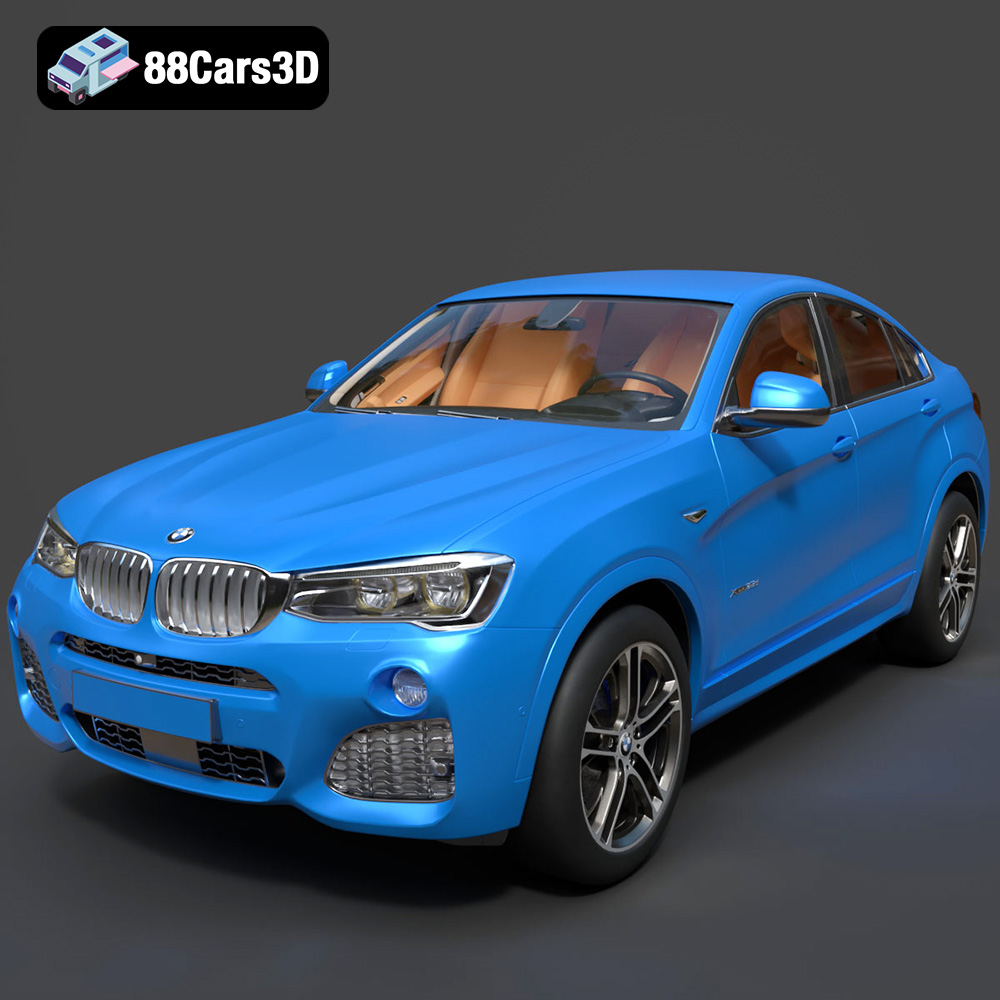
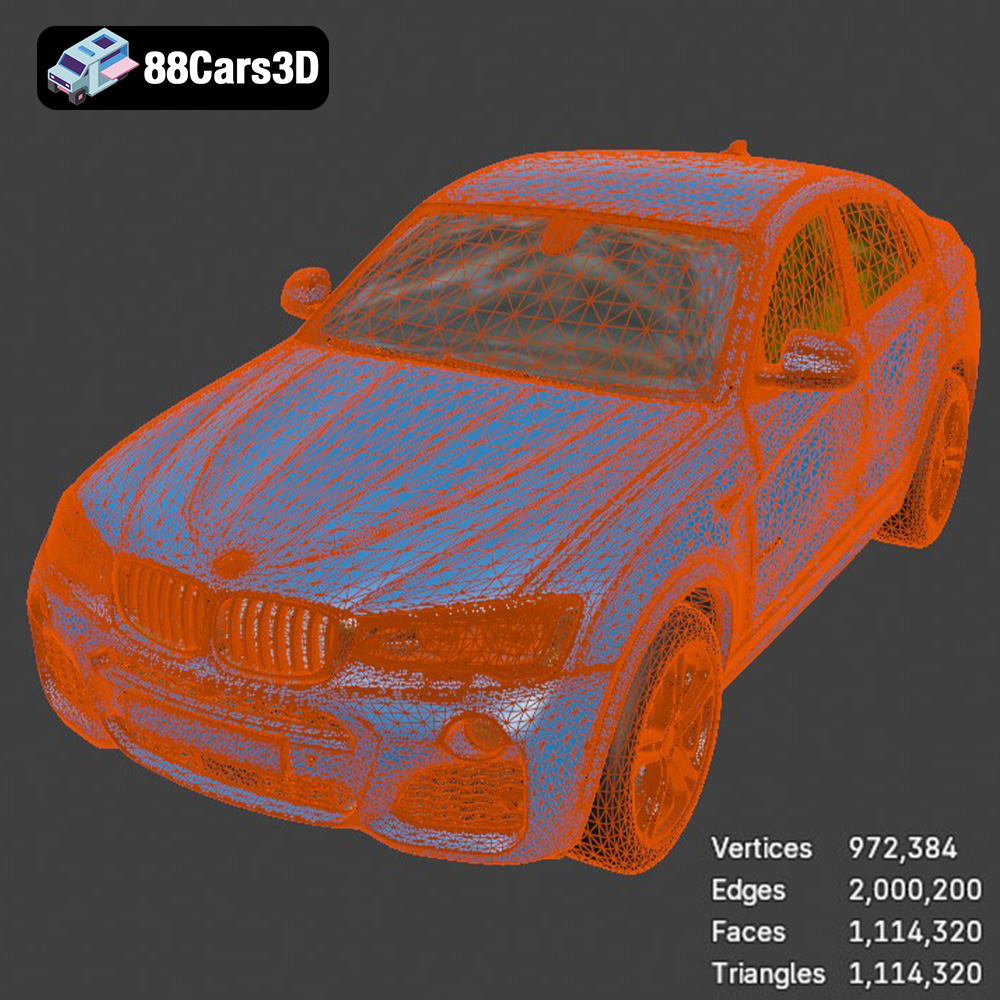
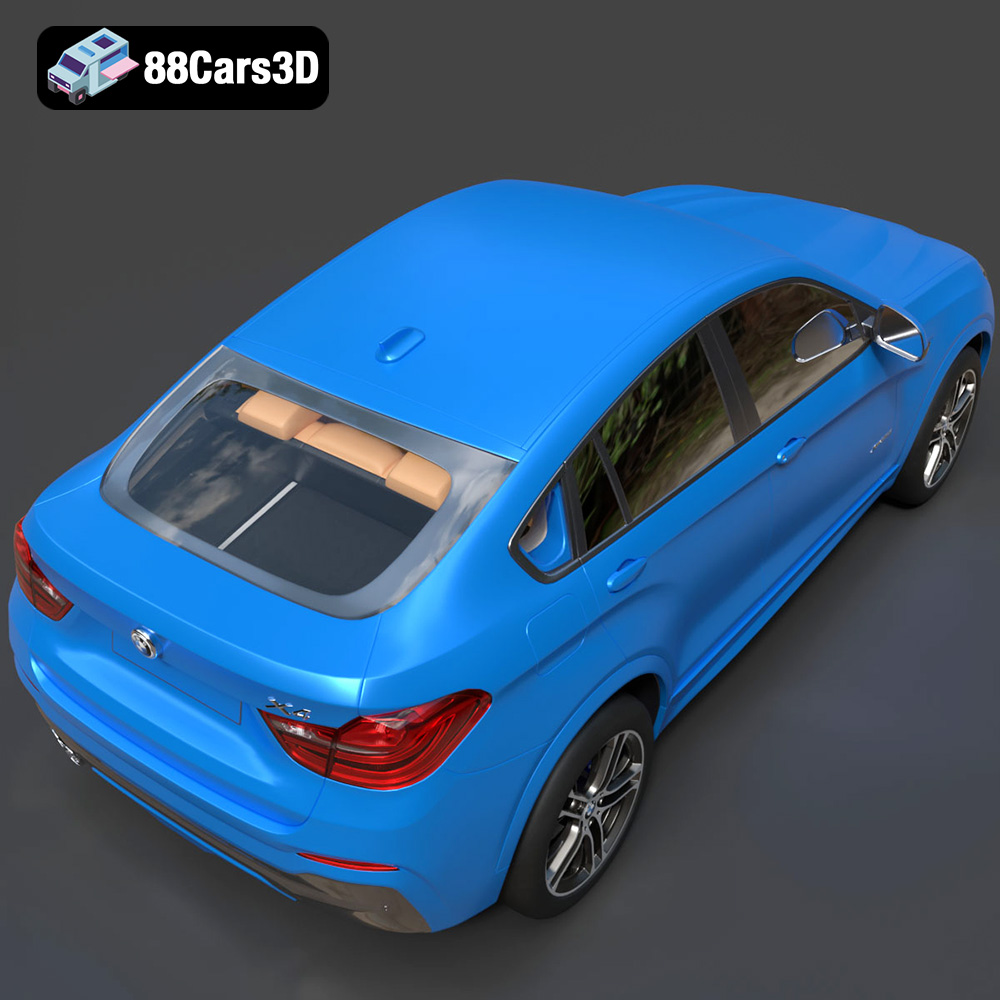
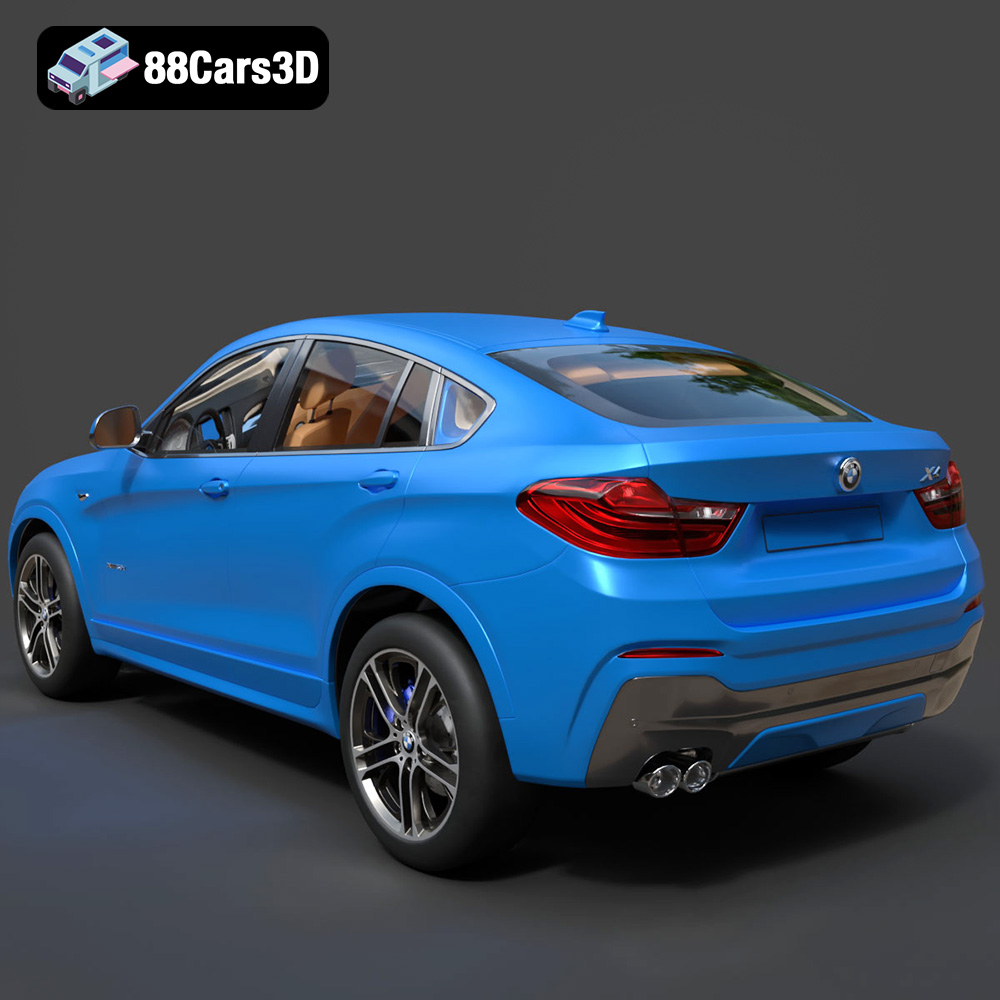
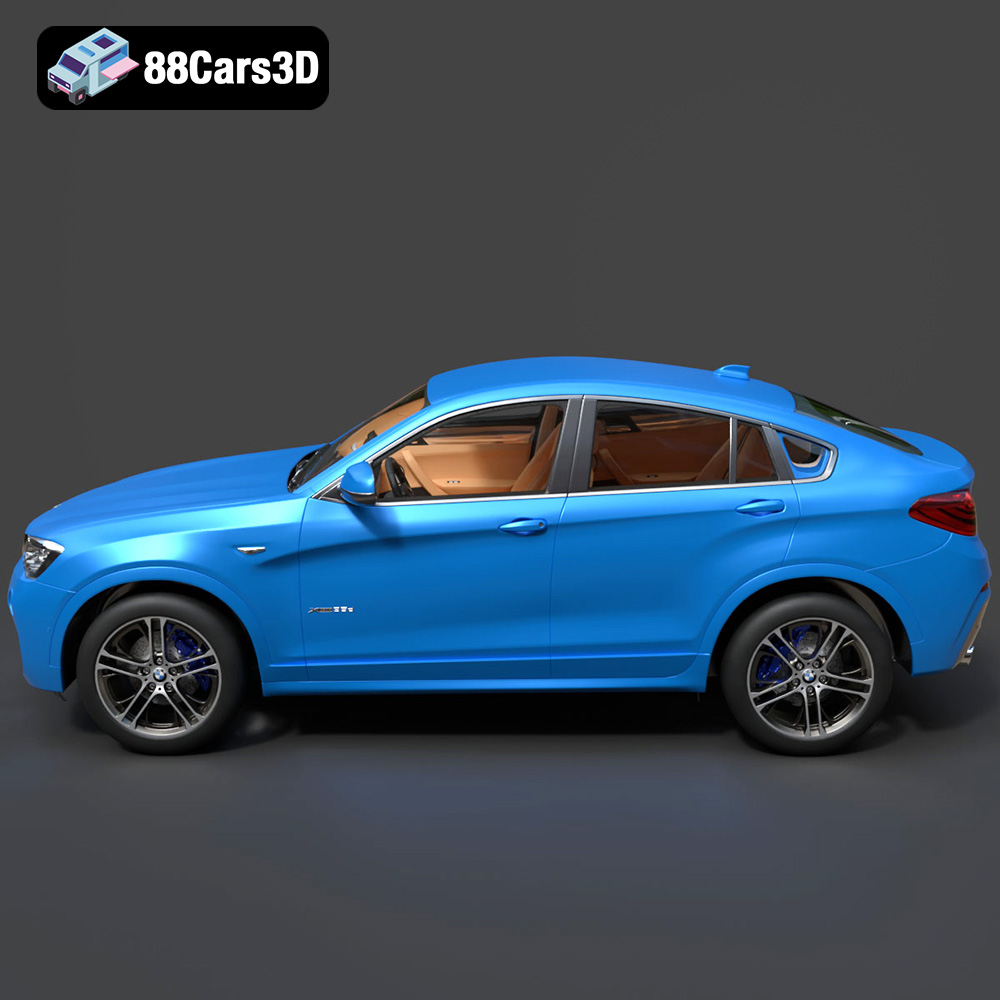
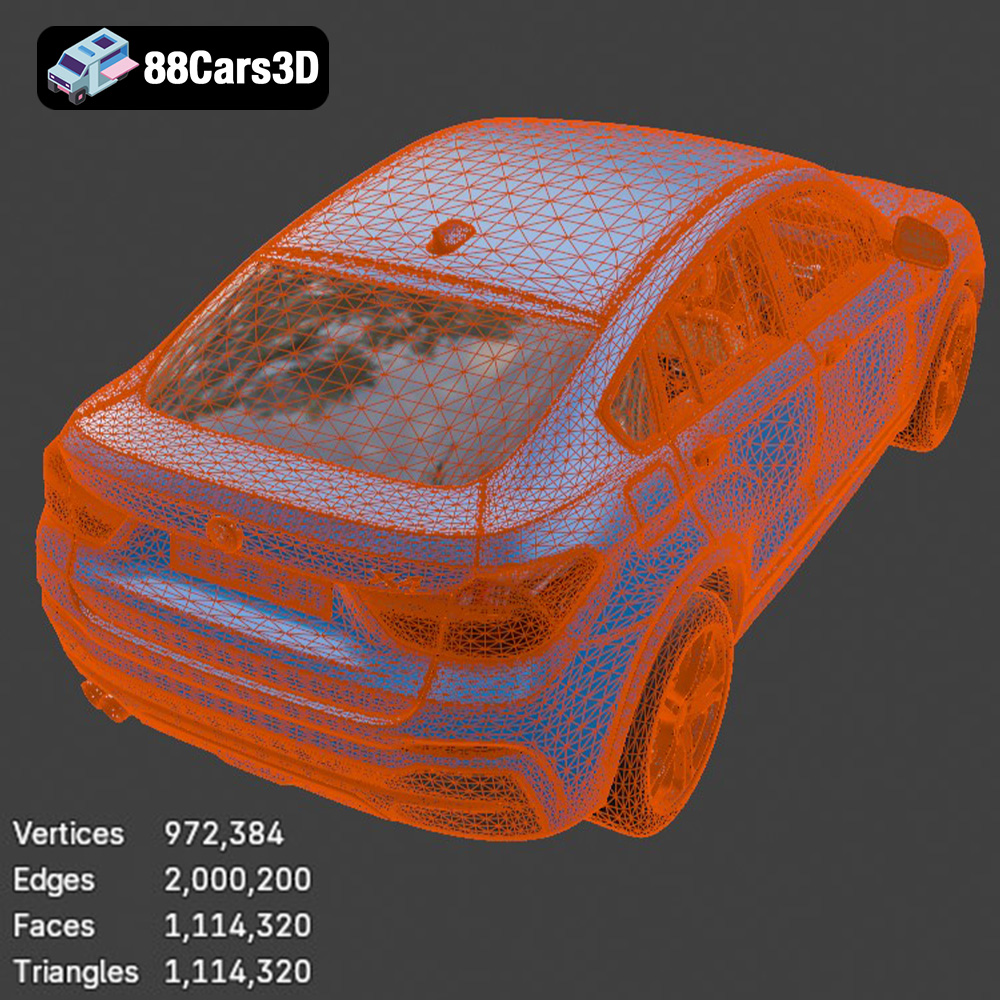
The BMW X4, a distinctive Sports Activity Coupe, represents a harmonious blend of SUV robustness and elegant coupe styling in the real world. Its aggressive front fascia, signature kidney grille, and aerodynamic profile are hallmarks of sophisticated engineering and design. Translating such a vehicle into a digital asset requires an understanding of both artistic nuance and technical precision. The featured BMW X4 3D model is a prime example of how high-quality 3D car models can elevate projects across various industries. Boasting an impressive 1,114,320 triangles, this model is engineered for unparalleled visual fidelity, making it an excellent foundation for any professional endeavor demanding top-tier automotive rendering, engaging game development, or realistic AR/VR experiences. Let’s delve into the technical depths and artistic possibilities that such a premium asset unlocks.
The flexibility and usability of a 3D model are often defined by the file formats it supports. Different formats are optimized for distinct purposes, workflows, and software environments. Understanding these nuances is critical for any professional working with 3D car models, ensuring seamless integration and optimal performance. The BMW X4 3D Model from 88cars3d.com is provided in a comprehensive suite of formats, catering to virtually every professional need.
The .blend format is the native file type for Blender, a powerful and increasingly popular open-source 3D creation suite. A .blend file typically encapsulates an entire Blender scene, including the 3D mesh, materials, textures, lighting setups, animation data, and even physics simulations. This makes it incredibly valuable for users who wish to fully edit, re-rig, or deeply integrate the model into a Blender-centric pipeline. For the BMW X4 model, the .blend file would provide full access to its carefully structured topology and material definitions, allowing artists to make precise adjustments or build upon the existing design with ease.
The Filmbox (.fbx) format is arguably the most widely adopted proprietary file format for 3D data exchange across different software applications. Developed by Autodesk, it’s particularly ideal for real-time pipelines like Unreal Engine and Unity, as well as mainstream 3D applications like 3ds Max, Maya, and Cinema 4D. FBX excels at preserving complex scene data, including meshes, materials, textures, cameras, lights, and crucially, animation data. When exporting the BMW X4 as .fbx, it ensures that its separate wheels, suspension, and steering components, along with their proper pivot setups, translate accurately across platforms, making it a truly game-ready and animation-friendly asset.
The Wavefront .obj format is a foundational and universal 3D data format, known for its widespread compatibility. It primarily stores geometric data (vertices, normals, texture coordinates, and faces) and can reference external material files (.mtl). While it doesn’t typically store animation or rigging information, its simplicity makes it excellent for static mesh exchange and cross-software compatibility. For the BMW X4, the .obj version serves as a robust base mesh, ensuring that virtually any 3D software can import and work with its detailed geometry, making it a reliable choice for static renders or as a starting point for re-texturing in niche applications.
The GL Transmission Format Binary (.glb) is a compact, single-file representation of the GLTF (Graphics Library Transmission Format) standard. GLB files are highly optimized for efficient transmission and loading in web applications, augmented reality (AR), virtual reality (VR), and browser-based display. They encapsulate all necessary 3D data—geometry, materials, textures, and animations—into a single binary file. This makes the BMW X4 .glb model perfect for interactive virtual showrooms, mobile AR apps, or online configurators, delivering rich 3D content with minimal load times.
The Stereolithography (.stl) format is the de facto standard for 3D printing. It represents a 3D model as a series of connected triangles, describing only the surface geometry of an object without color, texture, or other CAD attributes. While simple, its ubiquity in the additive manufacturing world is unmatched. The provided BMW X4 .stl model allows hobbyists and professionals to physically manifest the digital design, creating display-scale replicas. The product description’s specific 3D print settings, like recommended scale, layer height, and support requirements, are crucial for achieving a high-quality physical output.
The Polygon File Format (.ply), sometimes known as the Stanford Triangle Format, is primarily used for storing 3D data from 3D scanners, CAD applications, and for representing precision meshes. It can store various properties beyond geometry, such as color, transparency, normals, and even confidence values. While less common for general animation, .ply is valuable for applications requiring accurate mesh analysis or integration into engineering workflows. For the BMW X4, the .ply format offers an alternative for highly precise geometric data transfer, particularly useful in design review or analytical simulations.
While not a standalone file format in the traditional sense, “.unreal” refers to an asset that is specifically packaged and optimized for direct integration into Unreal Engine. This often implies proper folder structures, material setups, LODs (Levels of Detail), and collision meshes configured within the engine’s ecosystem. For the BMW X4 3D Model, an “unreal” package means it’s prepped to drop into your Unreal Engine project, potentially leveraging features like Nanite for its high poly count, offering an immediate start for game developers or virtual production artists aiming for maximum realism and performance within Unreal’s powerful real-time environment.
The .max format is the native scene file for Autodesk 3ds Max, a leading software for 3D modeling, animation, rendering, and visualization. Similar to .blend, a .max file contains all scene information, including meshes, materials, textures, lighting, cameras, animation keyframes, and modifiers. Having the BMW X4 model available in .max provides 3ds Max users with complete creative control, enabling them to dissect the model’s construction, modify its rig, or integrate it seamlessly into existing 3ds Max scenes for high-end rendering and complex animations.
Automotive visualization is an intricate discipline that blends technical prowess with artistic sensibility. It’s about bringing cars to life digitally, making them indistinguishable from their real-world counterparts. High-quality 3D car models are the bedrock of this process, and the BMW X4 3D Model is engineered to meet these exacting standards.
For marketing agencies, car manufacturers, and architectural visualization firms, photorealistic renders are essential. The BMW X4 3D Model’s 1,114,320 triangles are not just a number; they represent the density of detail needed to capture subtle light refractions, complex surface reflections, and crisp edge definition. This level of detail is paramount for studio lighting setups, where every highlight and shadow must tell a story. Its carefully structured topology ensures that when ray-traced, reflections are smooth and accurate, mirroring the flawless finish of a real vehicle. Furthermore, with separate wheels, suspension, and steering components, animators can bring the X4 to life, from simple wheel rotations to complex driving sequences, making it ideal for high-end commercial animations and digital presentations.
Beyond standalone car commercials, automotive models are crucial for enriching architectural visualizations and lifestyle scenes. Imagine an architectural rendering of a luxury home where a BMW X4 is parked in the driveway, instantly adding a touch of realism, aspiration, and scale. The model’s real-world scale accuracy ensures it fits perfectly into these environments. Its highly detailed exterior, from adaptive LED headlights to the twin-tailpipe exhaust, contributes significantly to the overall believability of a scene, creating a more immersive and engaging experience for clients.
The gaming industry’s relentless pursuit of graphical fidelity demands 3D assets that are not only visually stunning but also optimized for real-time performance. The featured BMW X4 3D Model strikes a delicate balance, offering extreme detail while remaining “game-ready.”
With 1,114,320 triangles, the BMW X4 3D model is designed for cutting-edge game engines like Unreal Engine and Unity. While this polycount might seem high, modern engines, especially with technologies like Unreal Engine 5’s Nanite virtualized micropolygon geometry, can efficiently handle vast amounts of detail. This allows game developers to achieve cinematic quality directly within the game engine, eliminating the need for extensive baking of normal maps or compromising on visual realism. The model’s optimized topology ensures efficient rendering, making it suitable for open-world games, racing titles, and realistic simulators where every vehicle interaction counts.
For games that feature detailed interiors or first-person driving perspectives, the cockpit and interior features of the BMW X4 model are invaluable. Premium leather-textured sport seats, a multi-function M steering wheel, and a detailed iDrive infotainment display contribute to an unparalleled sense of immersion. The optimized geometry ensures that even from a driver’s perspective, the details hold up, enhancing player engagement and realism. Crucially, the proper pivot setup for steering and wheel rotation means developers can easily implement realistic driving mechanics, offering a truly dynamic gameplay experience.
The utility of high-quality 3D car models extends far beyond traditional screens, venturing into immersive realities and tangible physical objects. The versatility of the BMW X4 3D Model caters to these burgeoning applications.
Augmented Reality (AR) and Virtual Reality (VR) are transforming how we interact with digital content. For automotive brands, this means creating virtual showrooms, immersive configurators, and mobile AR experiences where users can explore a car in their own driveway. The BMW X4 3D Model, particularly in its .glb format, is perfectly suited for these applications. Its optimized nature ensures quick loading and smooth interaction in real-time AR/VR environments, allowing users to inspect the vehicle’s accurate geometry, intricate LED adaptive headlights, and premium M-Sport style alloy wheels from every angle. This offers a powerful tool for customer engagement and product showcasing.
The ability to transform a digital model into a physical object via 3D printing is a testament to the precision of modern 3D assets. The BMW X4 3D Model is convertible to .stl format, making it accessible for 3D printing enthusiasts and professionals. The detailed product description even provides specific 3D print settings, recommending resin printing for fine details, appropriate layer heights, and the necessity of supports for intricate parts like the exhaust and mirrors. This allows for the creation of display-scale hobby models, prototypes, or even custom parts, bridging the gap between the virtual and physical worlds.
The true value of a premium 3D model lies in its underlying technical specifications and the meticulous craftsmanship applied during its creation. The BMW X4 3D Model exemplifies this dedication to quality.
With 1,114,320 triangles, the model’s geometry is robust enough for extreme close-ups and high-resolution renders. However, high poly count without proper topology is often detrimental. This model, thankfully, emphasizes carefully structured topology, which is crucial for maintaining smooth reflections and crisp edge loops—qualities essential for automotive surfaces. This attention to detail means that the model will deform cleanly if animated and render flawlessly under various lighting conditions, avoiding common issues like pinching or unwanted artifacts. The accurate BMW X4 Sports Activity Coupe frame geometry and proportions are faithfully recreated, based on real-world scale data, ensuring authenticity.
The model’s separate wheels, suspension, and steering components, each with proper pivot setups, are a significant advantage for animators. This modularity allows for realistic vehicle dynamics, from a simple turn of the wheel to complex suspension travel over uneven terrain. Material fidelity is equally important; while the model includes premium leather textures for the interior and chrome finishes for the exhaust, it also offers customization options. Artists can easily change body colors to factory options or custom finishes, modify tire textures, and adjust material properties (matte, gloss, metallic) to fit any scene or creative vision, highlighting the model’s adaptability within diverse workflows.
Sourcing high-quality 3D assets from reputable marketplaces like 88cars3d.com can dramatically streamline professional workflows, saving countless hours of modeling and texturing from scratch. The BMW X4 3D Model is designed for seamless integration.
For studios operating under tight deadlines, the availability of a pre-modeled, optimized, and ready-to-use asset like the BMW X4 is invaluable. Instead of allocating resources to model a car from the ground up, artists can immediately focus on scene composition, lighting, animation, and fine-tuning materials. This accelerates project timelines and allows teams to deliver higher quality results more consistently. The extensive range of included file formats ensures that regardless of the primary software—be it 3ds Max for architectural renders, Blender for indie game development, or Unreal Engine for virtual production—the model can be integrated without significant conversion headaches.
While the BMW X4 3D Model is delivered in a highly detailed state, its design allows for extensive customization. Beyond material and color adjustments, skilled artists can adapt its lighting for different environments, from a sunny exterior shot to a dramatic night scene. The modular nature of its components (e.g., separate wheels, visible high-performance braking and suspension details) also means that specific parts can be isolated, re-textured, or even modified to create unique variants or explore design concepts. This inherent versatility makes it a valuable long-term asset in any creative professional’s library, capable of fulfilling a wide array of project requirements over time.
The digital landscape of 3D content creation is increasingly reliant on assets that marry breathtaking realism with technical robustness. High-fidelity 3D car models are at the forefront of this demand, powering everything from cinematic automotive campaigns to immersive interactive experiences. The BMW X4 3D Model featured here stands as a testament to the meticulous craftsmanship and technical foresight required in today’s demanding production environments. Its impressive polygon count, careful topology, animation-ready components, and comprehensive suite of file formats (from .blend and .max for full editability, to .fbx and .unreal for real-time engines, and .glb for web/AR/VR, plus .stl for 3D printing) make it an incredibly versatile and powerful tool.
Whether you are an automotive visualization specialist aiming for photorealistic renders, a game developer pushing the boundaries of in-game graphics, or an AR/VR creator building immersive experiences, this BMW X4 model provides an exceptional foundation. It allows professionals to save time, reduce development costs, and elevate the visual quality of their projects. By choosing such high-quality 3D car models from trusted sources like 88cars3d.com, you are investing in assets that are not only visually striking but also technically sound and ready to integrate into the most demanding workflows, ensuring your creative vision is realized with unparalleled precision.
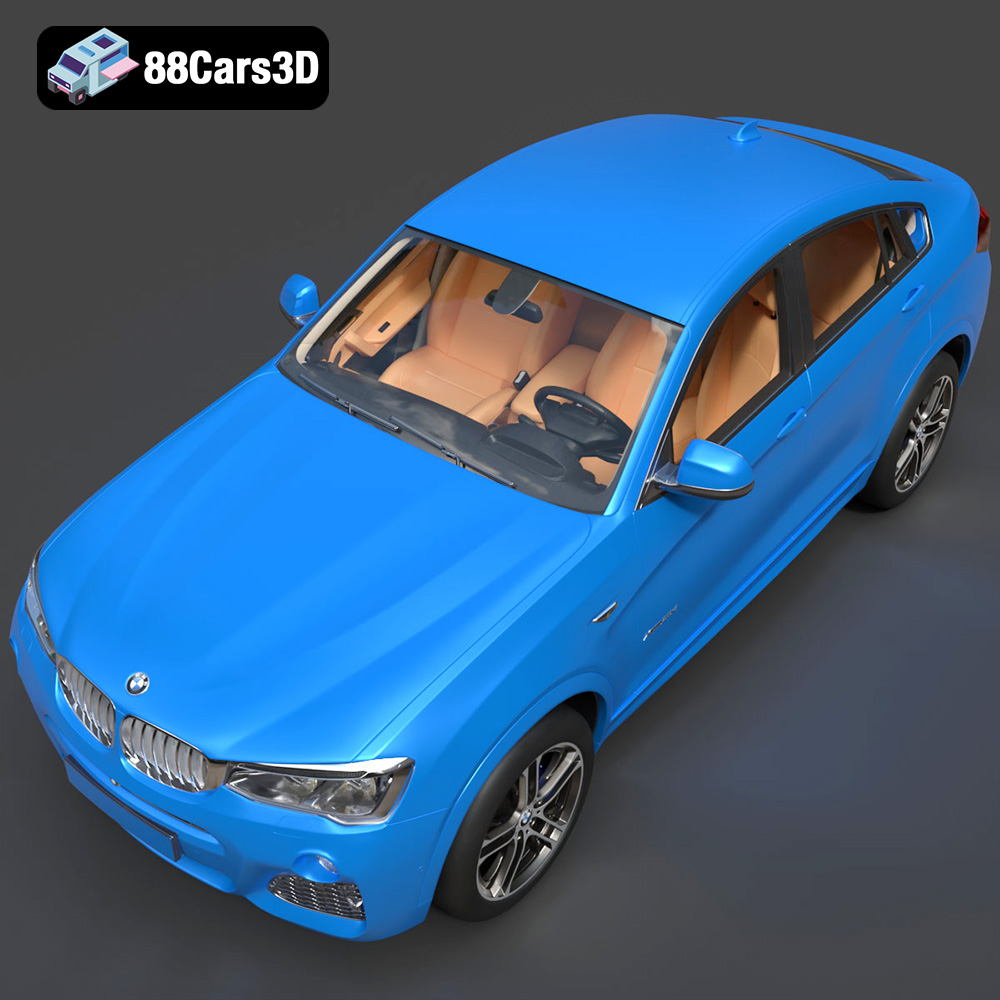
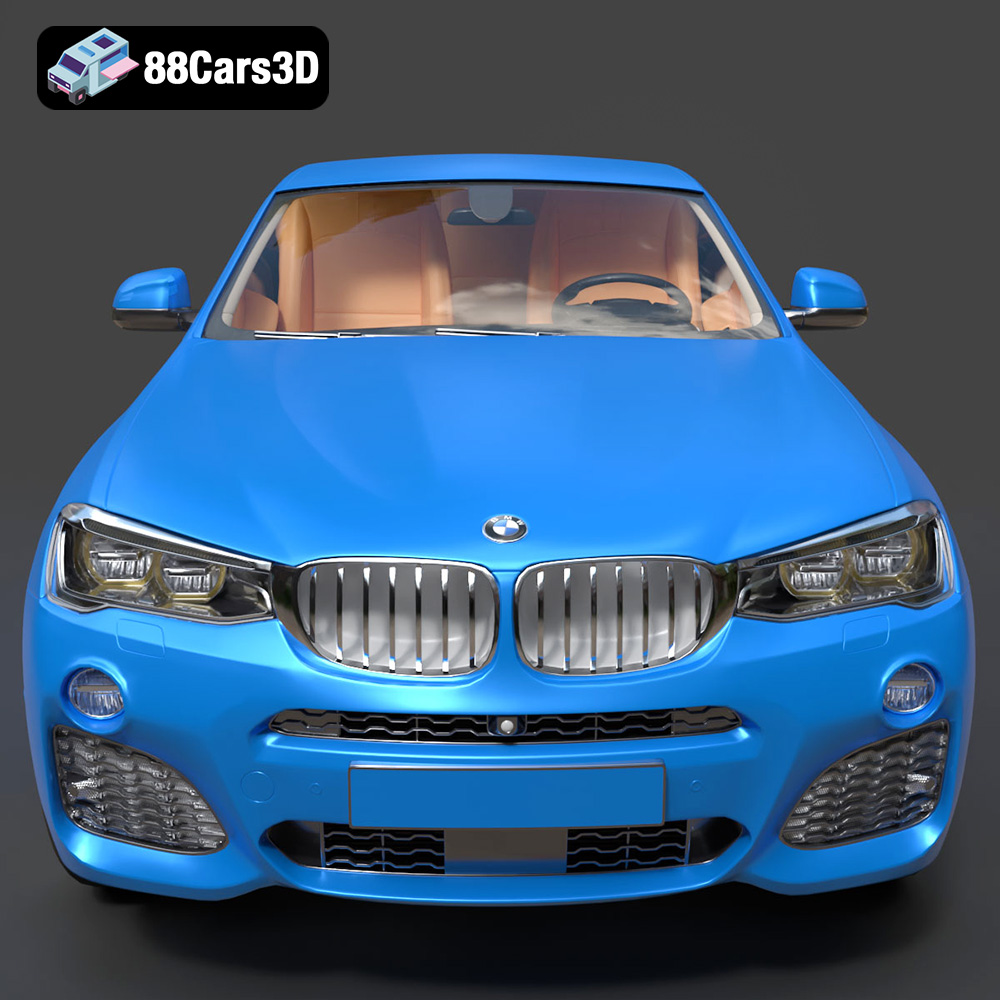
The BMW X4 is a striking Sports Activity Coupe (SAC) that masterfully combines the robust capability of a premium SUV with the elegant, sloping roofline of a sports coupe. Renowned for its dynamic road presence, the X4 boasts an aggressive front fascia with the signature BMW kidney grille, muscular haunches, and a refined aerodynamic profile. Beneath its stylish exterior lies the promise of athletic performance, highlighted by its twin-tailpipe exhaust system and bold aerodynamic styling cues. This premium 3D model boasts an impressive 1,114,320 triangles, ensuring unparalleled visual fidelity and photorealistic accuracy. Despite the high polygon count, the topology is carefully structured to maintain smooth reflections and crisp edge loops, making it an excellent candidate for high-end rendering, cinematic animations, and modern real-time engines utilizing advanced geometry systems like Unreal Engine 5’s Nanite. Perfect for automotive visualizations, high-end commercial animations, architectural rendering, and AAA game development.
$37.50
.blend
.bmw
.fbx
.glb
.max
.obj
.ply
.rendering
.stl
.unreal
bmw-x4
car-3d-model
coupe-suv
game asset
game-ready
high poly
luxury car
optimized
SUV
VR/AR
x4