Get 20% OFF All Premium 3D & STL Models!

The world of 3D modeling has revolutionized how we interact with design, engineering, and entertainment. From blockbuster films and immersive video games to cutting-edge product visualization and virtual reality experiences, high-quality 3D assets are the backbone of digital innovation. In the automotive sector, this shift is particularly profound. Car enthusiasts and professionals alike now demand not just accurate representations, but truly dynamic and customizable 3D models that capture the essence of iconic vehicles. This pursuit of digital perfection is where truly exceptional assets shine, offering unparalleled fidelity for a myriad of applications.
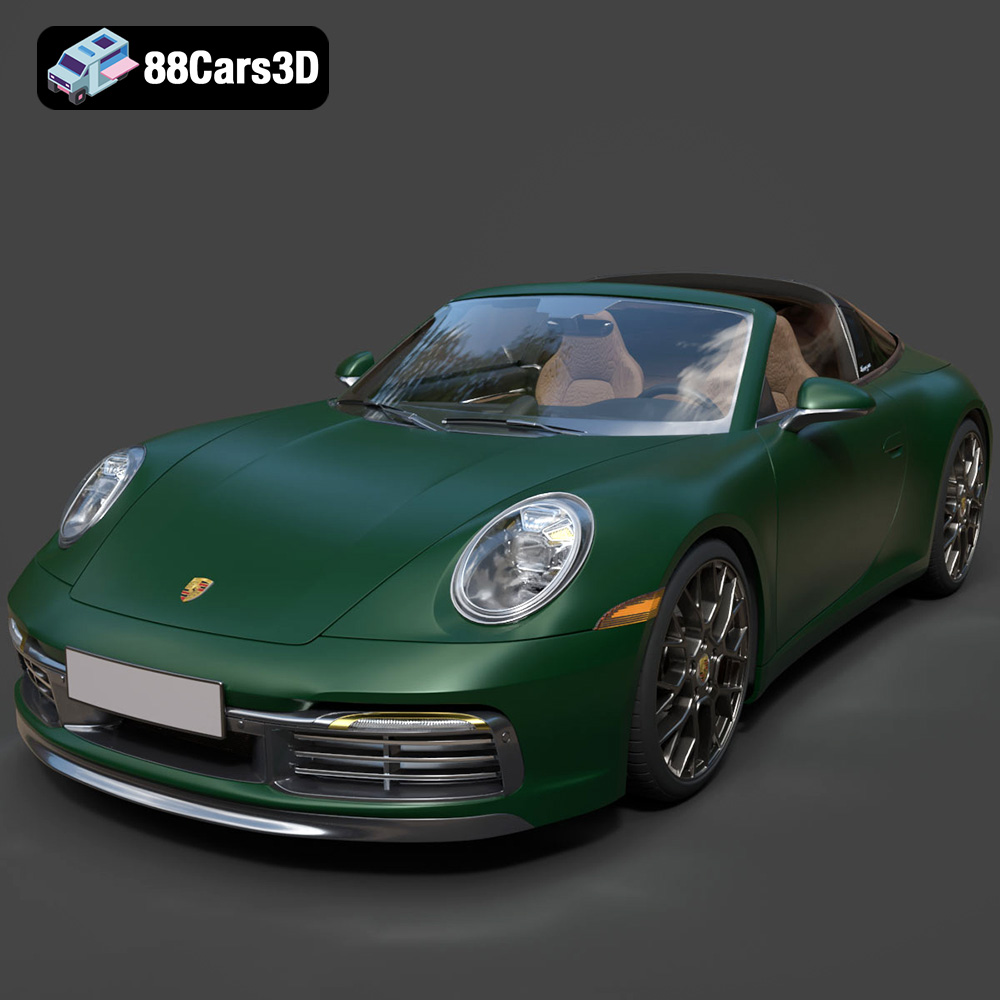
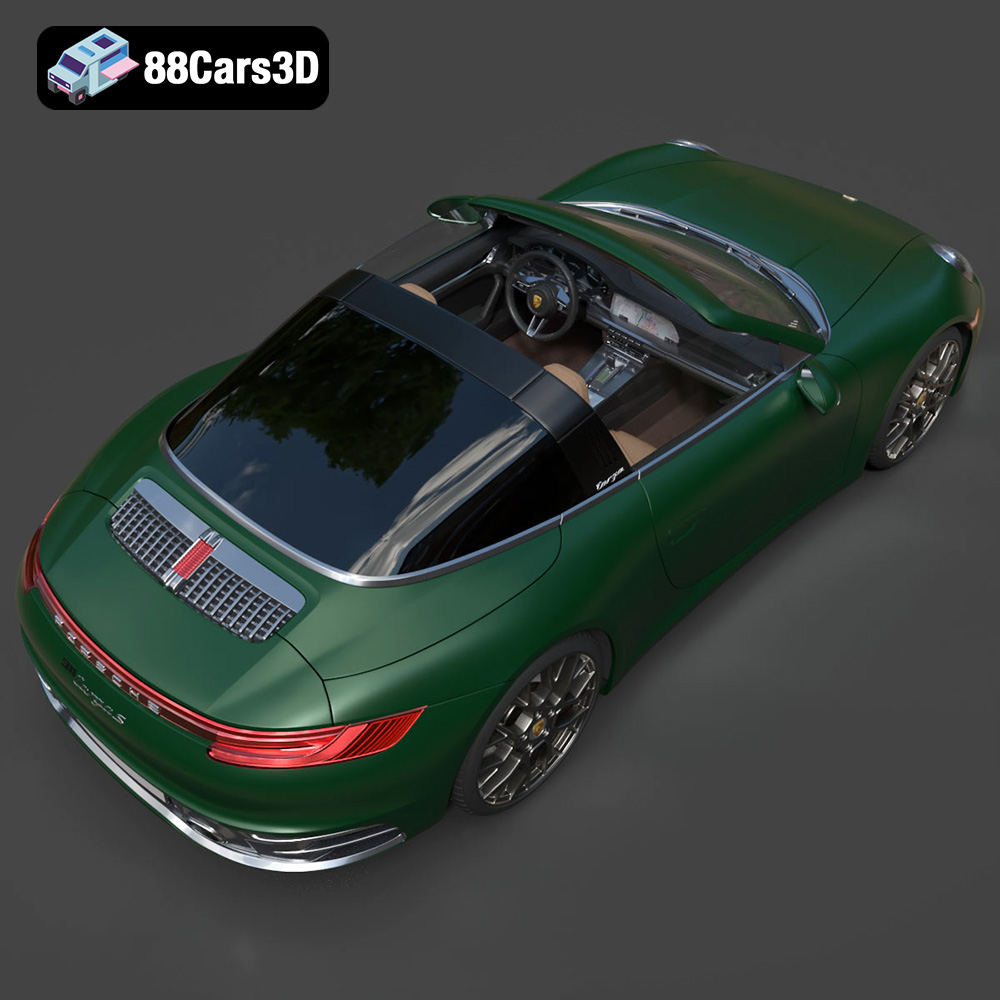
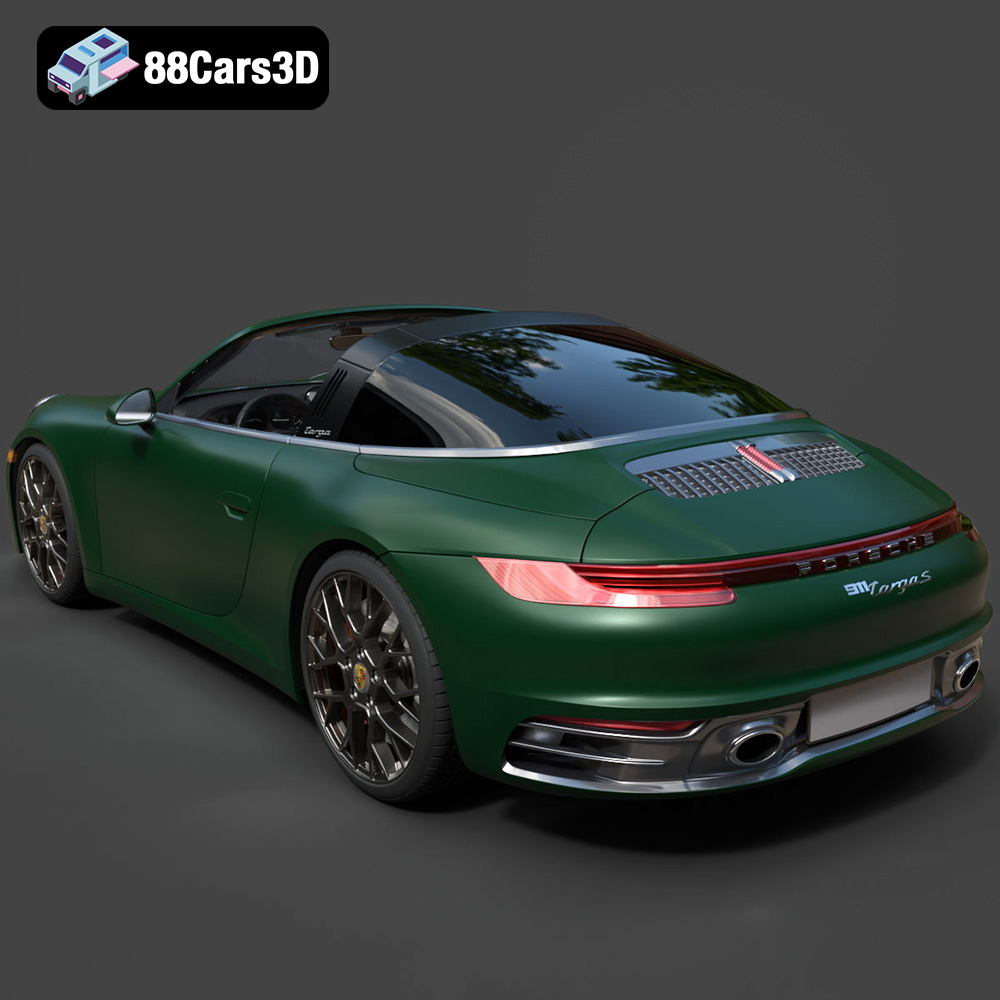
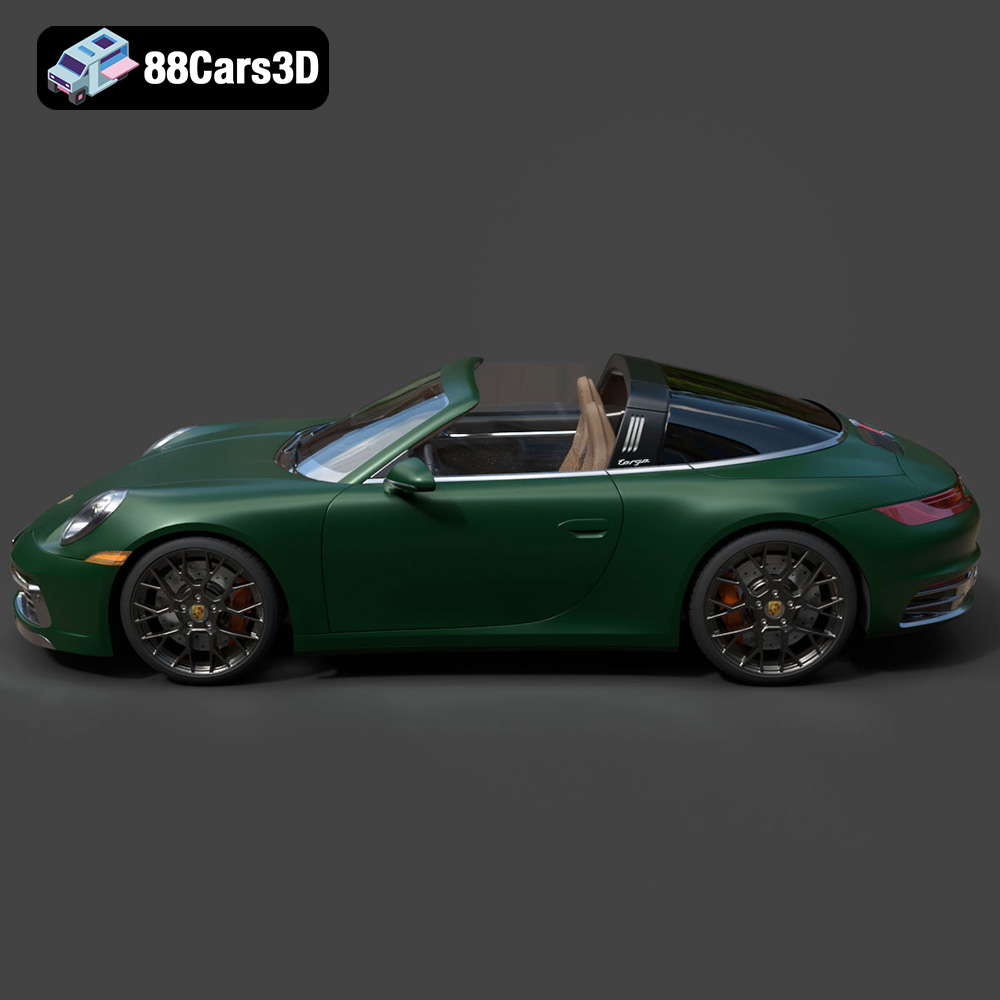
Among the pantheon of automotive legends, the Porsche 911 Targa stands out as a timeless icon, celebrated for its unique blend of open-top exhilaration and classic sports car aesthetics. Recreating such a masterpiece in the digital realm requires immense precision, artistic skill, and technical prowess. We’re delving into a premier example of such a digital recreation: the Porsche 911 Targa 3D Model, a versatile asset available on 88cars3d.com, engineered to meet the rigorous demands of modern professional workflows across rendering, game development, AR/VR, and even 3D printing.
The journey of any 3D asset, especially a complex one like a detailed automotive model, often begins with understanding the various file formats it can be exported in. Each format serves a specific purpose, optimized for different software, engines, or applications. Knowing which format to use is crucial for an efficient workflow and ensures that the model performs as intended, whether it’s for high-fidelity automotive rendering, real-time game environments, or physical prototyping.
The .blend format is the native file type for Blender, the powerful open-source 3D creation suite. When you download a .blend file, you’re getting a complete Blender scene, often including the model’s raw mesh data, materials, textures, lighting setups, cameras, and even animation rigs. For the Porsche 911 Targa 3D model, a .blend file provides full editability. Artists can delve into the intricate node-based material system, adjust modifiers, tweak topology, or modify the scene setup for custom renders directly within Blender, making it invaluable for artists whose primary DCC (Digital Content Creation) tool is Blender.
.fbx (Filmbox) is arguably the most widely adopted 3D exchange format in the industry, especially for game development and animation pipelines. Developed by Autodesk, FBX is excellent at preserving key aspects of a 3D scene, including geometry (meshes), materials (with PBR maps), textures, rigging, skinning, and animation data. It’s the go-to format for importing complex assets like the Porsche 911 Targa into game engines like Unreal Engine and Unity, or exchanging data between different 3D software packages like 3ds Max, Maya, and Blender. Its robust nature ensures that most of the model’s attributes, including pivot points for animation, are maintained during transfer.
The .obj (Wavefront OBJ) format is a highly universal and widely supported format primarily used for exchanging 3D geometry data. It stores vertex positions, UV coordinates, normals, and polygonal faces. While it can reference material files (.mtl) for basic color and texture maps, it doesn’t support advanced material properties, rigging, or animation. Its strength lies in its simplicity and broad compatibility, making it an excellent fallback for cross-software transfers when FBX might cause issues, or for applications that only require raw mesh data. For the Porsche 911 Targa, the .obj version ensures compatibility across virtually any 3D software.
.glb (GL Transmission Format Binary) is a modern, royalty-free format ideal for web-based 3D, augmented reality (AR), and virtual reality (VR) applications. It’s a binary container that bundles the 3D model, textures, and animations into a single, optimized file. This ‘self-contained’ nature makes .glb files incredibly efficient for streaming and display on platforms that require lightweight, performant 3D assets, such as online configurators, mobile AR apps, and metaverse environments. The Porsche 911 Targa in .glb format would be perfect for an immersive virtual showroom on a website.
.stl (Stereolithography) is the ubiquitous format for 3D printing. It represents 3D surfaces as a collection of unconnected triangles, forming a mesh. STL files contain no color, texture, or material information—just the raw geometry. For physically manufacturing a miniature Porsche 911 Targa, the .stl file is what you would feed into a slicer software for your 3D printer. The product description highlights the model’s suitability for this, emphasizing recommended print settings for hobbyists and professionals alike.
The .ply (Polygon File Format) is similar to .obj but often used for precision mesh data, particularly from 3D scanning or CAD applications. It can store a wider range of properties, including color per vertex, transparency, and range data, making it suitable for scientific visualization, reverse engineering, and applications requiring high-fidelity geometric analysis. While not as common for general asset exchange as FBX or OBJ, its inclusion for the Porsche 911 Targa model indicates a commitment to broad technical applicability.
The .unreal format, while not a standalone file extension like .fbx or .obj, refers to assets specifically prepared for the Unreal Engine ecosystem. This usually means the model, often initially imported as an FBX, has been fully integrated into an Unreal project as a .uasset file. It includes optimized meshes, PBR materials, collision volumes, LODs (Levels of Detail), and potentially Blueprints or animation sequences. This ‘Unreal-ready’ version of the Porsche 911 Targa signifies that it’s designed for seamless integration, minimizing setup time and maximizing performance within the engine.
Finally, the .max format is the native file type for Autodesk 3ds Max, another industry-leading 3D modeling, animation, and rendering software. A .max file contains the complete scene data, including all geometry, textures, materials, lighting, cameras, animation, and any modifiers applied. For users of 3ds Max, having the Porsche 911 Targa model in its native .max format offers the highest level of flexibility for editing, setting up complex renders with V-Ray or Corona, or integrating it into intricate architectural visualization projects.
Creating a 3D model of an iconic vehicle like the Porsche 911 Targa is a monumental task, demanding a blend of artistic vision and rigorous technical execution. It’s not just about replicating a car; it’s about translating its spirit, its engineering, and its aesthetic into a digital form that stands up to close scrutiny in any medium.
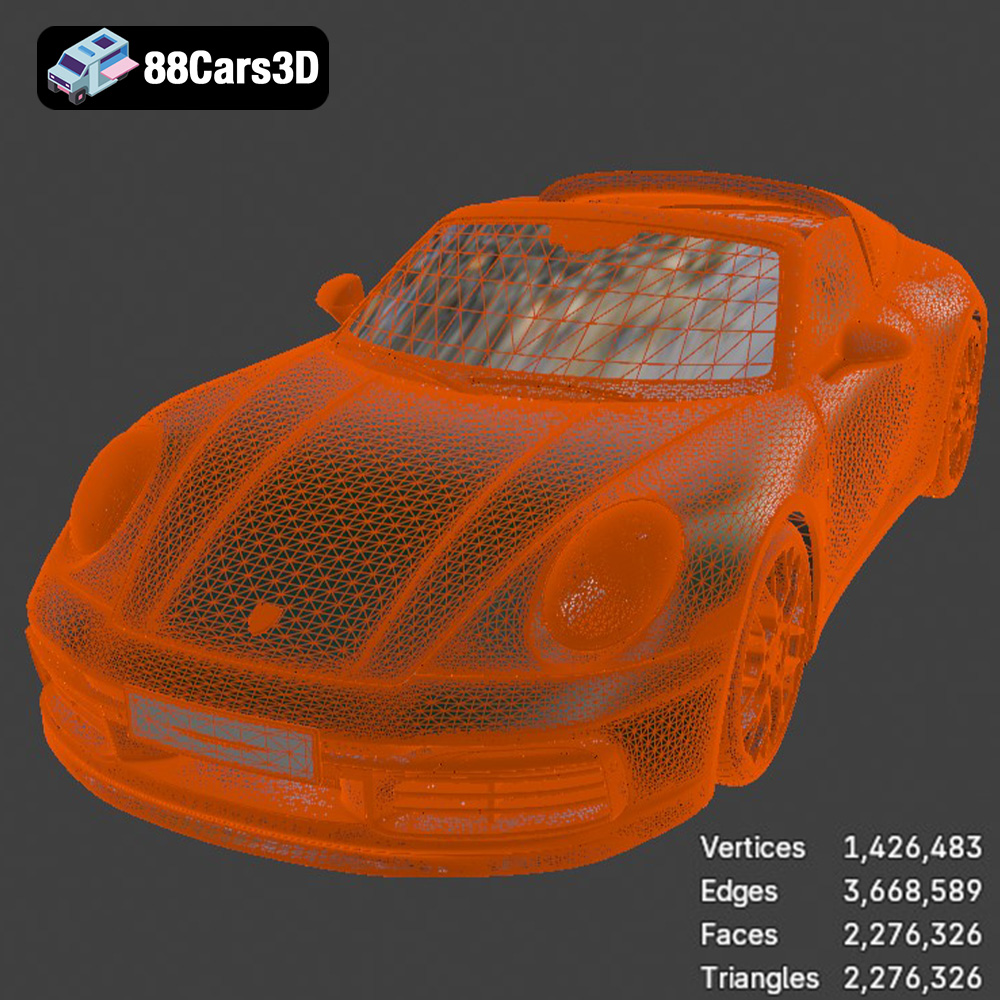
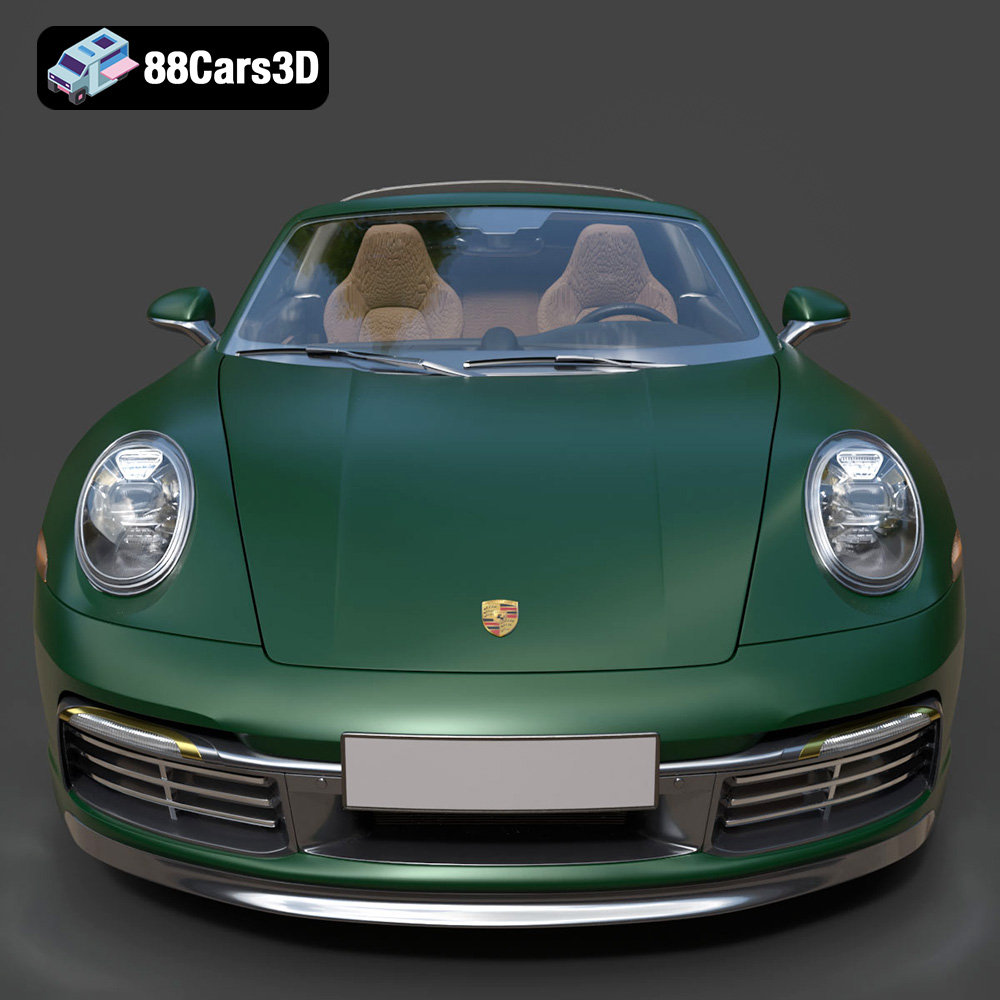
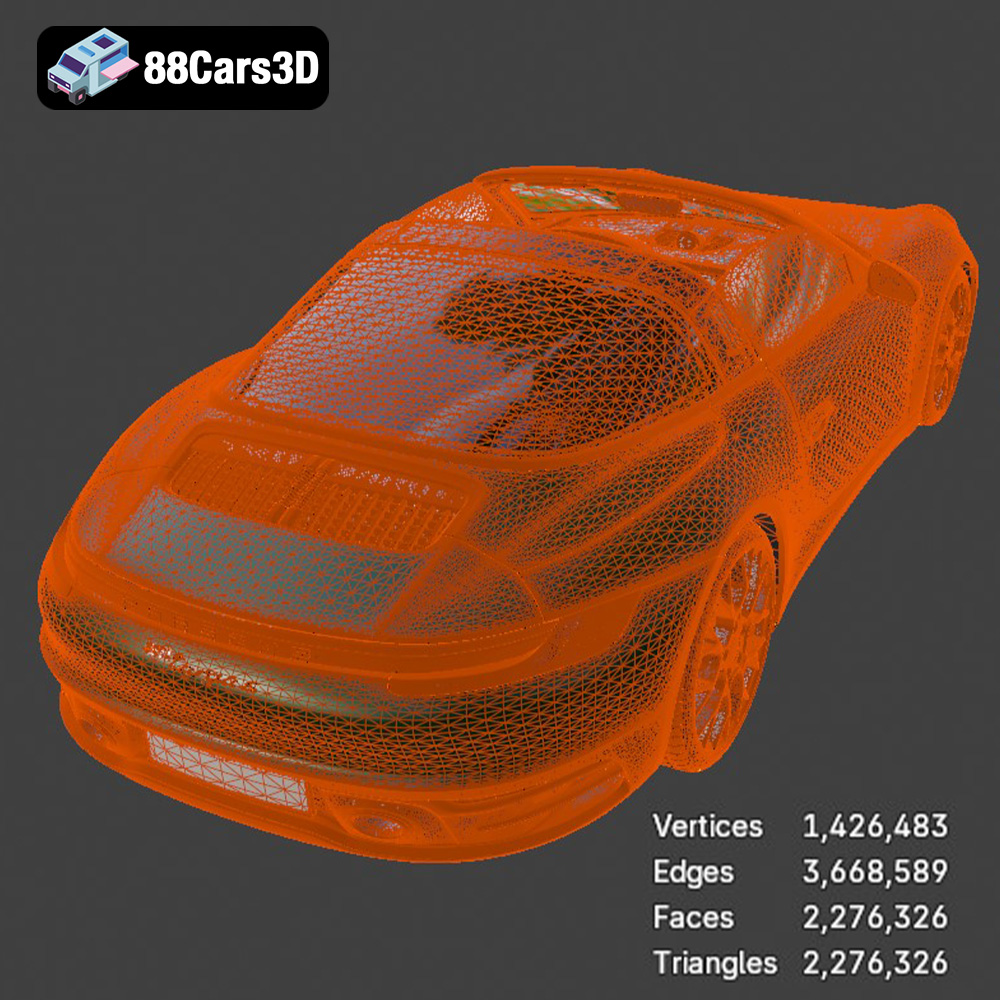
The foundation of any high-quality 3D model lies in its geometry. For the Porsche 911 Targa, this means capturing every curve, every panel gap, and every design nuance with exacting precision. The featured model boasts an exact triangle count of 2,276,326. This specific polycount isn’t arbitrary; it represents a careful balance, high enough to convey unparalleled visual fidelity for cinematic renders and detailed visualizations, yet optimized to perform efficiently in real-time engines. This level of detail ensures that even under extreme close-ups, the model retains its integrity and realism. From the accurate Porsche 911 Targa frame geometry and iconic proportions to the meticulously modeled flat-six engine block and authentic dual exhaust system, every exterior feature is accounted for. The signature LED headlights, continuous rear taillight strip, premium alloy wheels, high-performance low-profile tires, and detailed brake calipers with suspension geometry are all testament to this commitment to accuracy. Crucially, components like wheels, suspension, and steering are separated, enabling realistic animation for racing simulations or virtual test drives.
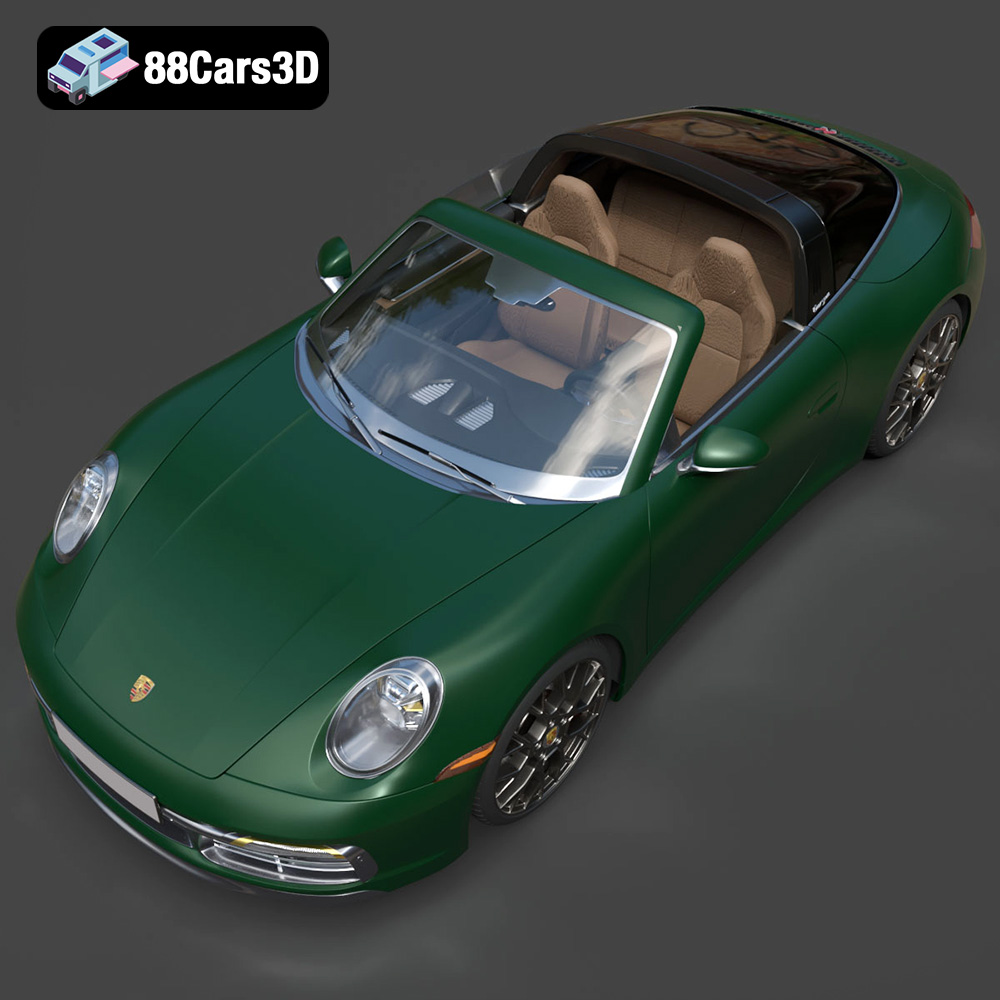
A truly comprehensive automotive 3D model extends beyond the exterior. The interior, or cockpit, is where the driver interacts with the vehicle, and its digital representation must offer the same level of immersion. This Porsche 911 Targa 3D model excels here, featuring premium leather-trimmed sport seats with intricate stitching that convey luxury and craftsmanship. The iconic 911 steering wheel is recreated with functional button layouts, while the classic five-dial analog/digital hybrid instrument cluster offers a faithful reproduction of the real vehicle’s interface. Further details like the center console, pedals, and shifter contribute to a complete and believable cabin. For game developers, the optimized geometry for first-person POV (Point of View) is a significant advantage, ensuring smooth performance and visual clarity when players are inside the vehicle, enhancing the overall gaming experience.
High-quality 3D car models like the Porsche 911 Targa are more than just pretty pictures; they are versatile tools that drive innovation across multiple industries. Their detailed construction and optimization make them indispensable for various professional applications, pushing the boundaries of what’s possible in digital visualization.
In the realm of video games, especially racing titles, open-world adventures, and advanced simulators, authenticity is key. Players expect vehicles that not only look realistic but also behave credibly. The Porsche 911 Targa 3D model is specifically “Game-Ready & Optimized.” Its polycount, while high for visual fidelity, is carefully managed to perform efficiently within real-time engines like Unreal Engine and Unity. When integrating such an asset into an engine, developers typically import the .fbx file, set up Physically Based Rendering (PBR) materials using texture maps (albedo, normal, roughness, metallic), and create collision meshes. The model’s “proper pivot setup” for steering, wheel rotation, and suspension travel is a critical advantage, significantly reducing the rigging and animation setup time for development teams. This makes the model ideal for high-fidelity racing simulators where every turn and acceleration needs to feel authentic, or for populating virtual cityscapes in open-world games with iconic vehicles.
Beyond gaming, the Porsche 911 Targa 3D model finds powerful applications in augmented reality (AR), virtual reality (VR), and high-end cinematic rendering. For AR/VR, models need to be lightweight yet visually rich. The inclusion of the .glb format is crucial here, allowing for seamless integration into immersive virtual showrooms, where potential buyers can explore the car in a 360-degree environment, or even configure it in real-time. Imagine a mobile AR experience where you can place a life-sized Porsche 911 Targa in your driveway with your smartphone. For traditional rendering and visualization, studios use formats like .max, .blend, or .fbx within software like 3ds Max or Blender, leveraging advanced renderers such as V-Ray or Corona Renderer. This enables the creation of breathtaking brand campaigns, luxurious lifestyle scenes, or precise studio lighting setups for marketing materials. The model’s real-world scale accuracy and intricate detailing make it perfect for producing photorealistic imagery and cinematic automotive animations that rival real-life photography.
While the digital applications of 3D models are vast, the journey doesn’t always end on a screen. High-quality 3D car models can be translated into tangible objects through 3D printing, offering enthusiasts and designers a new dimension of interaction with their favorite vehicles. The Porsche 911 Targa 3D model, available at 88cars3d.com, is specifically prepared for this exciting transition.
The inclusion of the .stl format is fundamental for 3D printing. This format strips away all color and texture information, leaving only the raw polygonal mesh, which is exactly what a 3D printer needs to understand the object’s geometry. The process involves taking the .stl file and importing it into a “slicer” software, which then converts the 3D model into a series of thin layers that the printer builds up. For the Porsche 911 Targa, recommended scales like 1:12, 1:18, or 1:24 are provided, catering to different display preferences for hobbyists. Critical technical details for successful printing are also outlined: layer heights between 0.04–0.12 mm (with resin printing being highly recommended for capturing the car’s fine details), wall thicknesses of 1.2–2.0 mm for structural integrity, and an infill of 20–30% for a good balance of strength and material usage. Complex areas like the exhaust, mirrors, and specific chassis components will require support structures, which can be generated automatically by slicer software. Furthermore, careful print orientation, such as printing the frame angled and wheels separately, optimizes for structural integrity and print quality, minimizing imperfections and maximizing detail preservation.
Once the Porsche 911 Targa model has been successfully 3D printed, the work isn’t over. Post-processing is crucial for achieving a professional finish. This typically involves sanding to smooth out layer lines, applying primer to create a uniform surface for paint, and then painting with authentic factory colors, often with metallic finishes to mimic the vehicle’s real-world appearance. This physical customization complements the digital flexibility offered by the 3D model. Digitally, you can easily change body colors, modify tire textures (e.g., swapping street variants for off-road looks), adjust material finishes (matte, gloss, metallic), or adapt lighting for different environments. These digital customizations serve as powerful blueprints for physical modifications, allowing creators to experiment with different looks and finishes before committing to a print. The ability to manipulate the model digitally and then realize it physically provides an unparalleled level of creative control, merging the virtual and tangible worlds of automotive design.
In the fast-paced world of 3D production, time is a precious commodity. Creating a vehicle model with the intricate detail and optimization of the Porsche 911 Targa from scratch can take hundreds, if not thousands, of hours for even experienced artists. This is where a trusted marketplace like 88cars3d.com becomes an invaluable resource, offering professional-grade assets that integrate seamlessly into diverse workflows.
Purchasing a pre-made, high-quality 3D model like the Porsche 911 Targa from 88cars3d.com offers significant advantages in terms of efficiency and cost-effectiveness. Instead of investing extensive resources into modeling and optimizing every component, professionals can acquire a “game-ready” asset with an optimal polycount of 2,276,326 triangles, already configured for real-time engines and high-end rendering. The model’s “real-world scale accuracy” ensures it fits perfectly into existing scenes without scale adjustments, and the “proper pivot setup for steering, wheel rotation, and suspension travel” means animators can immediately begin work without tedious setup. This compatibility with major 3D software platforms and real-time rendering engines means less troubleshooting and more time spent on creative iteration and project completion. Whether you’re a solo developer, a small studio, or a large production house, leveraging such polished assets can dramatically shorten development cycles and elevate the quality of your output.
While pre-made, these models are far from rigid. The Porsche 911 Targa 3D model is designed with customization in mind. Artists can easily change body and tank colors to match specific brand aesthetics or custom finishes. Tire textures can be modified to reflect different driving conditions or styles, and material finishes (matte, gloss, metallic) can be tweaked to achieve distinct visual moods. Adapting lighting for different environments within your chosen 3D software (Blender, 3ds Max, Unreal Engine, etc.) allows the car to shine in any scene, from a sun-drenched coastal road to a neon-lit urban night. For example, in Blender, users can dive into the shader editor to swap out PBR texture maps or adjust material parameters to achieve a unique look. In Unreal Engine, instance materials can be created to quickly change colors or material properties without altering the base asset. This flexibility ensures that while you’re saving time on core modeling, you retain full creative control over the final presentation, making the Porsche 911 Targa 3D model a truly adaptable asset for any professional project.
The journey of a 3D car model from concept to application is a testament to the ever-evolving landscape of digital content creation. For professionals in automotive rendering, game development, AR/VR experiences, and even 3D printing, the demand for high-quality, technically robust assets is paramount. The Porsche 911 Targa 3D model exemplifies the pinnacle of this craftsmanship, offering an unparalleled blend of visual fidelity, technical optimization, and versatile file format support.
From its meticulously sculpted exterior and immersive interior to its game-ready optimizations and print-ready geometry, this model is designed to accelerate professional workflows and elevate the quality of any project. By providing essential file formats like .blend, .fbx, .obj, .glb, .stl, .ply, .unreal, and .max, it ensures seamless integration across virtually any platform or pipeline. This allows artists and developers to focus on creativity, knowing they have a solid, accurate, and highly detailed foundation.
Whether you’re crafting the next generation of racing simulators, designing a captivating virtual showroom, or bringing an iconic vehicle to life through 3D printing, the Porsche 911 Targa 3D model from 88cars3d.com stands as a prime example of excellence in 3D car models. It’s more than just a digital asset; it’s a key to unlocking new creative possibilities and delivering exceptional results.
The Porsche 911 Targa is an iconic masterpiece of automotive engineering, celebrated for its legendary rear-engine layout, unmistakable silhouette, and the classic Targa roof mechanism. Perfectly blending the thrill of open-top driving with the structural rigidity of a coupe, this model features signature round headlights, sweeping rear fenders, and a meticulously crafted dual exhaust system. With an exact triangle count of 2,276,326, this highly detailed 3D model delivers unparalleled visual fidelity and exceptional topology. Optimized for both high-end rendering and detailed visualizations, it maintains the precise geometry needed for cinematic sequences, immersive VR/AR experiences, and next-gen game development. Perfect for high-fidelity racing simulators, luxury virtual showrooms, architectural visualizations, and cinematic automotive animations.
$87.50
.blend
.fbx
.glb
.max
.obj
.ply
.porsche
.rendering
.sports car
.stl
.unreal
911-targa
car-3d-model
classic-car
game asset
game-ready
low-poly
optimized
VR/AR