Get 20% OFF All Premium 3D & STL Models!

In the dynamic world of digital content creation, the pursuit of realism and efficiency is paramount. Whether you’re a seasoned game developer, an architect visualizing urban landscapes, a virtual reality experience designer, or an artist pushing the boundaries of photorealistic rendering, the quality of your foundational assets can make or break a project. Automotive design, in particular, demands an exceptional level of precision and detail, as vehicles often serve as central elements in scenes, demanding scrutiny from discerning eyes.
The ability to integrate highly accurate, meticulously crafted 3D car models into various pipelines is a game-changer. These aren’t just decorative props; they are complex assemblies of geometry, textures, and material definitions engineered for performance and visual fidelity. Imagine creating a logistics simulator where every truck on the road needs to convey a sense of rugged utility, or an open-world game where players can interact with vehicles that look and feel authentic. This level of immersion is only achievable with assets that stand up to close inspection, offering both robust technical specifications and artistic integrity.
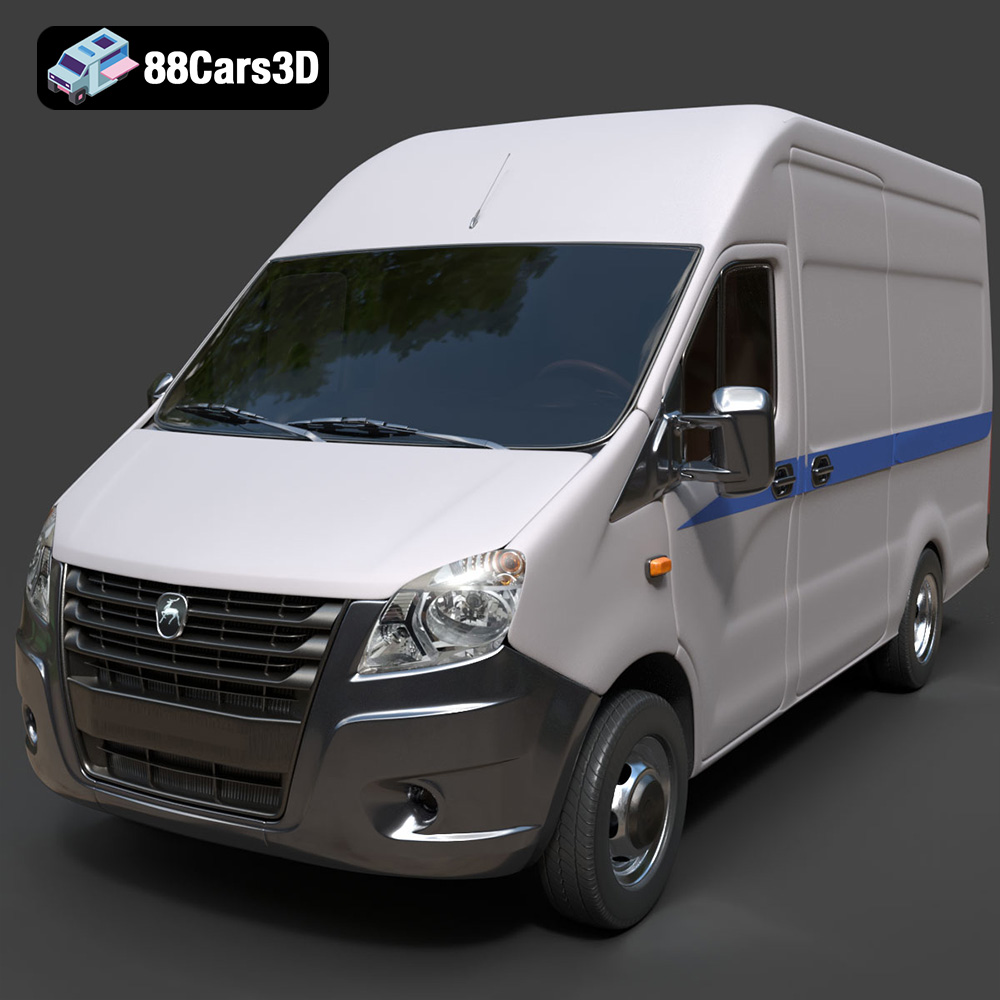
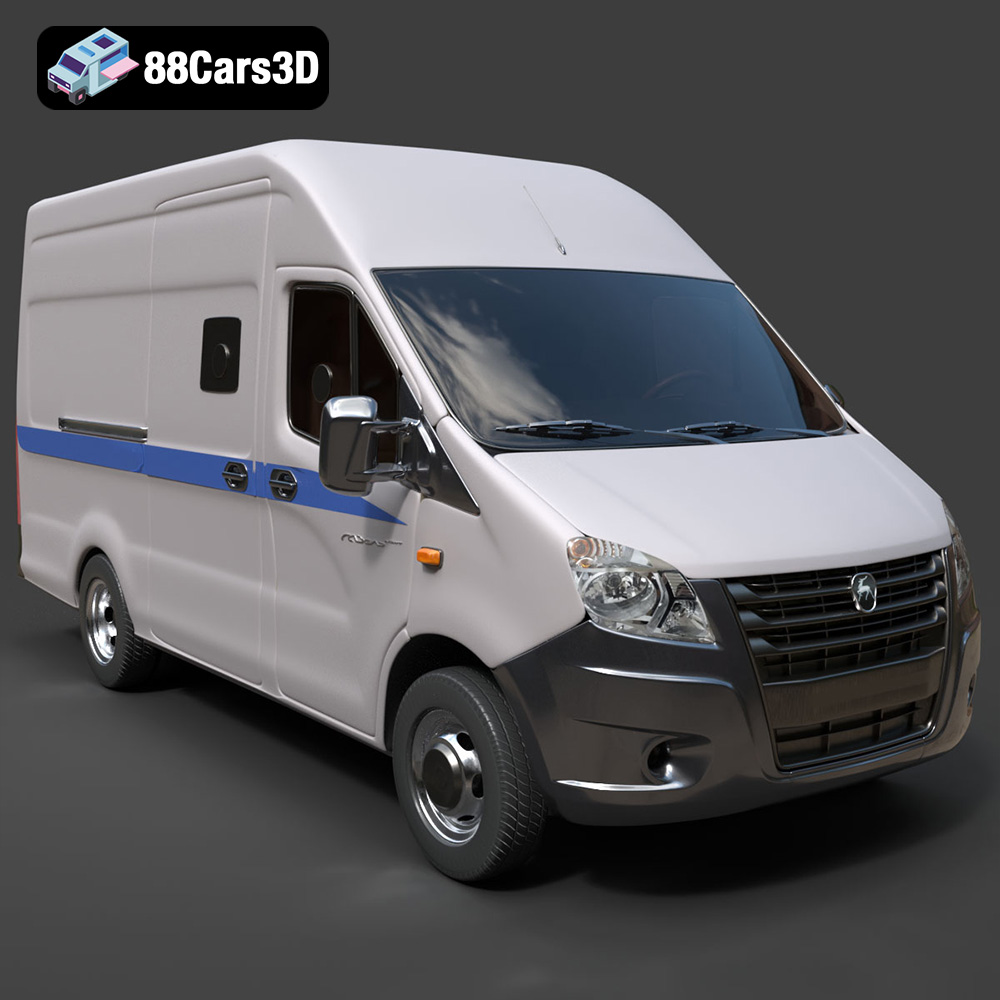
This commitment to excellence is precisely what platforms like 88cars3d.com champion, providing professionals with access to top-tier resources. Take, for instance, the GAZelle Next 3D Model. This particular asset isn’t just a representation; it’s a digital twin designed to perform flawlessly across a spectrum of applications, from intricate architectural visualizations to fast-paced game environments. It exemplifies how a single, well-developed 3D car model can unlock countless creative possibilities, streamlining workflows and elevating the visual standard of any project.
Navigating the landscape of 3D content creation requires a strong grasp of various file formats, each with its own strengths, weaknesses, and intended applications. The GAZelle Next 3D Model package from 88cars3d.com, for example, comes with an impressive array of formats, ensuring maximum compatibility and utility across different professional workflows. Understanding when and how to leverage each format is crucial for maintaining project integrity and efficiency.
The .blend format is the native file type for Blender, an incredibly versatile open-source 3D creation suite. When you receive a .blend file, you’re getting a fully editable Blender scene, complete with geometry, materials, textures, lighting, cameras, animations, and even physics simulations. For artists and studios primarily working in Blender, this format offers the most flexibility for customization, rigging adjustments, material modifications, or integrating the model directly into a larger Blender project without any conversion artifacts. It’s ideal for deep artistic manipulation and maintaining all parametric data.
Autodesk’s .fbx (Filmbox) format has become an undisputed industry standard for exchanging 3D data between different software applications. Its strength lies in its ability to store a wide range of data, including models, materials, textures, animations, and even skeletal rigs. For real-time pipelines such as Unreal Engine and Unity, .fbx is often the go-to format due to its robust support for game engine features and efficient handling of complex scenes. When importing the GAZelle Next model as .fbx, developers can expect a smooth transfer of geometry, UVs, and hierarchical object structures, ready for material assignment and engine-specific optimizations.
The .obj (Wavefront OBJ) format is one of the oldest and most universally supported 3D file formats. Primarily, it excels at storing pure geometric data – vertices, normals, UV coordinates, and faces. While it can reference external material files (.mtl), its strength isn’t in carrying complex material definitions or animations directly. Its universal compatibility makes it an excellent choice for cross-software transfers when you need a clean mesh that almost any 3D application can open. It’s often used as a fallback or a starting point for re-texturing and re-shading in a new environment.
.glb (GL Transmission Format Binary) is the binary version of glTF, a royalty-free specification for the efficient transmission and loading of 3D scenes and models by applications. It’s specifically optimized for AR, VR, and browser-based display, making it incredibly lightweight and fast to load. A .glb file encapsulates the 3D model, textures, and animation data into a single, compact file, perfect for web experiences, online configurators, or mobile augmented reality applications where performance and file size are critical considerations.
The .stl (Stereolithography) format is the ubiquitous standard for 3D printing. It represents a 3D model as a series of connected triangles (a tessellated surface) without any color, texture, or material information. Its simplicity makes it universally compatible with 3D printers and slicing software. While it doesn’t carry visual details, it accurately conveys the geometric form. For models like the GAZelle Next, an .stl export is essential for physical prototyping, creating scale models, or producing custom parts, ensuring the digital design translates flawlessly to a tangible object.
.ply (Polygon File Format) is another format that describes 3D objects, primarily as a list of polygons. It is particularly useful for scanned data and can store a wider range of properties than .obj, including color, transparency, and even properties for individual vertices and faces. It’s often favored in academic and research contexts, as well as for CAD applications, scientific visualization, and 3D scanning, where precision mesh information and additional data attributes are important for analysis or precise reconstruction.
The .unreal format, while not a standalone universal file type in the same vein as FBX or OBJ, implies a highly optimized asset specifically prepared for direct integration into Unreal Engine. This often means the model has already undergone engine-specific packaging, material setup, collision mesh generation, and sometimes even LOD (Level of Detail) configuration. For professionals working with Unreal Engine, an .unreal asset significantly reduces import and setup time, offering an engine-ready solution that minimizes friction and maximizes productivity for game development and architectural visualization.
Finally, the .max format is the native file type for Autodesk 3ds Max, a leading software for 3D modeling, animation, rendering, and compositing. Similar to .blend for Blender, a .max file contains the complete scene, including all objects, modifiers, materials, textures, lighting, and animation data. It provides the highest level of editable control for users entrenched in the 3ds Max ecosystem, allowing for extensive scene manipulation, complex rigging, and high-fidelity rendering for automotive design, product visualization, and cinematic projects.
The provision of the GAZelle Next model in such a comprehensive suite of formats underscores its versatility and the foresight of its creators. This multi-format approach ensures that regardless of your preferred software or end-use application, you have the right tool for the job, minimizing conversion headaches and accelerating your production pipeline.
The GAZelle Next 3D Model is a prime example of meticulous craftsmanship in digital automotive assets. Far from being a mere shell, it’s an intricate digital recreation of a robust light commercial vehicle, designed to excel in both visual fidelity and technical performance. This model’s detailed topology and feature set make it a stand-out asset for professionals seeking accuracy and versatility.
Every external aspect of the GAZelle Next has been carefully considered. The accurate chassis geometry and commercial proportions instantly convey its real-world counterpart’s sturdy utility. Beyond the surface, the model includes a detailed engine block and a robust cooling system layout, providing authenticity for engine bay views or animated repairs. The commercial exhaust system routing is precise, contributing to visual realism even in scenes where it might not be the primary focus. Furthermore, realistic lighting setups, encompassing headlights, taillights, and clearance indicators, are prepared for dynamic illumination. The commercial wheels feature accurate heavy-duty tire tread patterns, and rugged leaf spring suspension detailing adds another layer of realism, crucial for simulating payload dynamics or off-road scenarios. Critically, separate components like wheels, doors, suspension, and steering are structured for animation, making it ideal for simulators or interactive experiences.
The attention to detail extends seamlessly into the interior. The cockpit boasts accurately modeled commercial driver and passenger seats, a detailed steering wheel, and a functional column setup. An authentic instrument cluster and modern dashboard design provide the necessary visual cues for realism, while precise control elements, including pedals, a gear shifter, and utility switches, enhance the sense of interaction. This level of interior fidelity is particularly important for first-person POV in gaming and virtual reality, where players or users will be directly interacting with the vehicle’s interior. The optimized geometry ensures that even with such detail, performance remains viable for real-time applications.
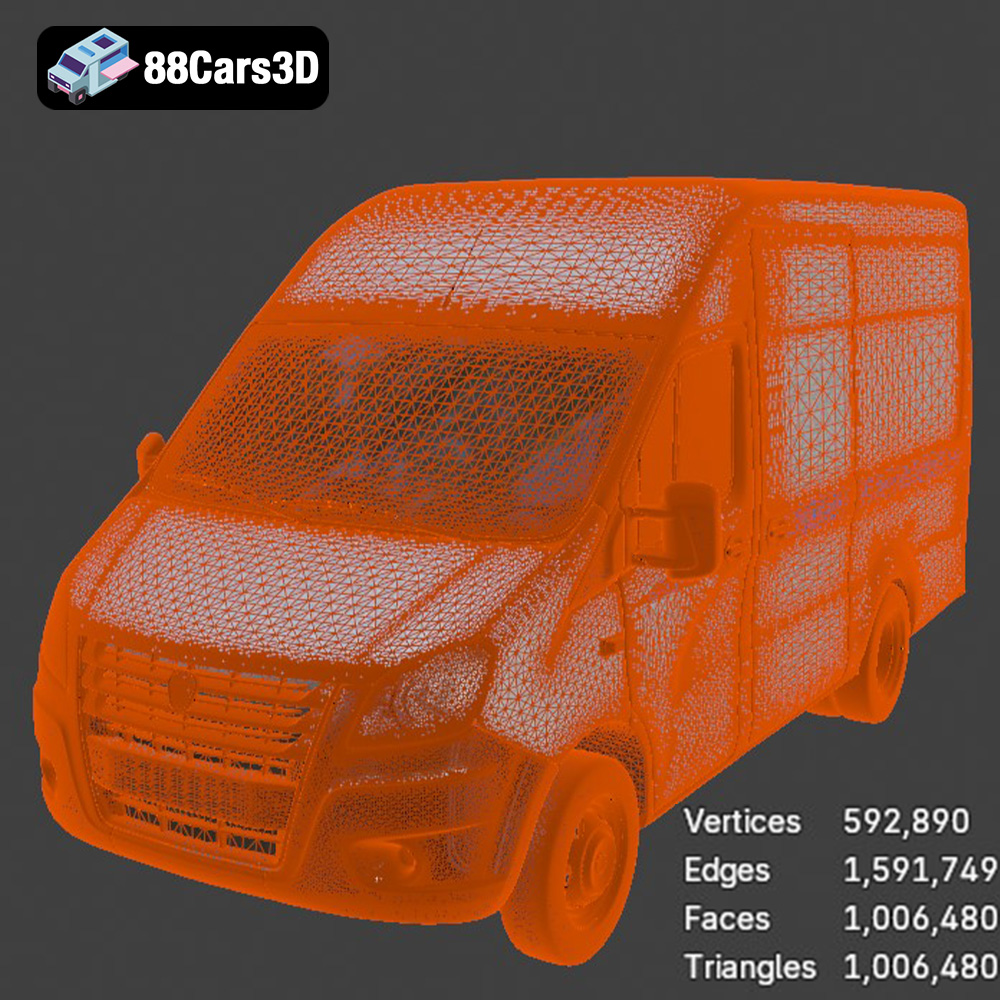
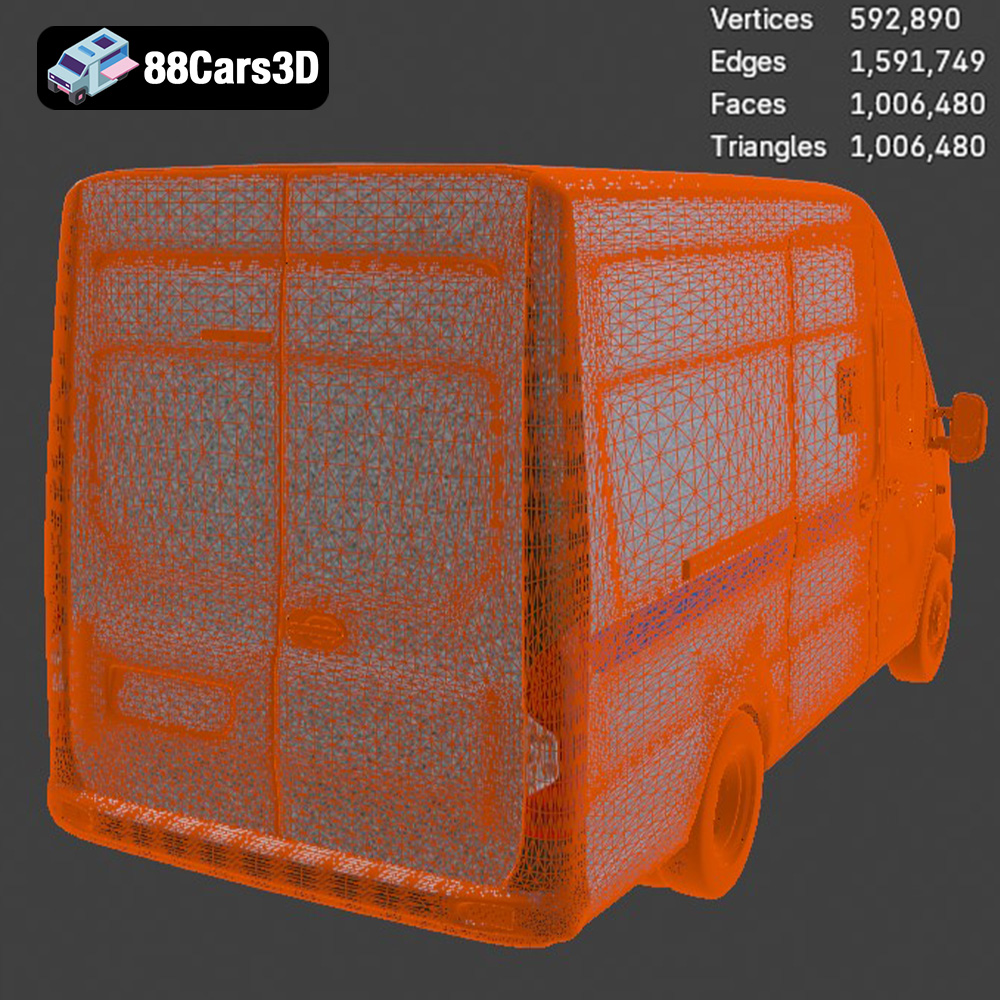
One of the most significant technical achievements of this model is its optimized geometry. With 1,006,480 triangles, it strikes a near-perfect balance, offering high-end visual realism without overburdening real-time engines like Unreal and Unity. This “game-ready” optimization means developers spend less time cleaning meshes and more time integrating. The real-world scale accuracy, based on the actual vehicle chassis, ensures consistency across projects and simplifies integration into existing scenes. Proper pivot setup for steering, wheel rotation, and suspension travel is a crucial advantage, eliminating the need for manual rigging and enabling immediate animation and physics simulation. This comprehensive approach ensures compatibility with major 3D software platforms and real-time rendering engines, solidifying its status as a versatile and high-value asset.
Integrating a high-quality 3D car model like the GAZelle Next into a professional pipeline requires a strategic approach. Different software packages and end-use scenarios demand specific workflows to maximize efficiency and maintain visual integrity. Understanding these workflows is key to unlocking the full potential of your 3D assets.
For users of Autodesk 3ds Max, the inclusion of the native .max file format is a significant advantage. Upon opening, you’ll find a fully constituted scene, allowing for immediate manipulation. For automotive rendering, the workflow typically involves:
Blender artists benefit immensely from the native .blend file. This provides full access to the model’s structure within Blender’s intuitive interface. The workflow might look like this:
For game developers and real-time visualization specialists, the .fbx and specifically the .unreal format are invaluable for Unreal Engine. The workflow emphasizes performance and interactivity:
These tailored workflows underscore the versatility of the GAZelle Next model. Its comprehensive format support means less time spent on conversions and more time on creative development, a significant advantage for any professional seeking high-quality 3D car models.
The utility of a high-quality 3D asset like the GAZelle Next extends far beyond a single application. Its robust design and versatile file formats make it suitable for a multitude of professional domains, each leveraging its features in unique ways to achieve compelling results.
For game developers, the GAZelle Next is an ideal candidate for creating immersive and realistic virtual environments. Its optimized polycount (1,006,480 triangles) strikes a perfect balance, offering exceptional visual detail without overly taxing game engines like Unreal and Unity. This makes it perfect for:
The ability to easily change body colors and modify textures allows developers to create diverse fleets, adding visual variety and depth to their game worlds without needing to model each variant from scratch.
Augmented Reality (AR) and Virtual Reality (VR) applications demand highly optimized yet visually rich assets. The GAZelle Next, particularly with its .glb format, is perfectly suited for these immersive experiences:
The detailed cockpit and interior features are particularly valuable here, providing an authentic first-person perspective that enhances immersion.
Architectural visualization (ArchViz) studios, advertising agencies, and product designers rely on photorealistic rendering to bring their concepts to life. The GAZelle Next model excels in these scenarios:
The model’s compatibility with major 3D software platforms like 3ds Max and Blender, coupled with its accurate geometry and textures, ensures high-quality output every time.
For hobbyists, scale modelers, or professionals requiring physical prototypes, the inclusion of the .stl format is a significant advantage. The GAZelle Next model can be converted and prepared for 3D printing:
The detailed print settings provided (layer height, wall thickness, supports, print orientation) offer a clear roadmap for achieving optimal results, especially with resin printing for finer details and achieving those authentic factory colors during post-processing.
This wide range of applications truly highlights the strategic value of investing in versatile, high-quality 3D assets. The GAZelle Next 3D Model from 88cars3d.com stands as a testament to this versatility, ready to empower creators across multiple industries.
Achieving stunning visual results while maintaining optimal performance in 3D projects is a constant challenge for digital artists and developers. The GAZelle Next 3D Model demonstrates a considered approach to this balancing act, providing an asset that is both visually rich and technically efficient. This optimization is crucial across all applications, from real-time game engines to high-fidelity rendering.
The model’s stated topology of 1,006,480 triangles (approximately 500,000 polygons) is a prime example of intelligent polycount management. For many modern game engines and real-time applications, this figure represents a high-detail asset suitable for close-up shots or hero vehicles, yet still manageable within a well-optimized scene. For demanding real-time environments, developers can implement a Level of Detail (LOD) strategy. This involves creating simplified versions of the model that automatically swap in at further distances, drastically reducing the polycount and draw calls without a noticeable drop in visual quality to the player. The base mesh of the GAZelle Next is robust enough to generate these LODs effectively.
In rendering and visualization contexts, a polycount of this magnitude allows for incredibly smooth surfaces and intricate details, minimizing the need for heavy subdivision modifiers which can slow down render times. This means less compromise between speed and visual quality for still images and cinematic sequences.
While not explicitly detailed, the mention of “unparalleled realism and texture depth” implies a well-executed UV mapping strategy and appropriate texture resolutions. Efficient UV mapping ensures that textures are applied without distortion, maximizing detail and minimizing seams. High-resolution PBR (Physically Based Rendering) textures (albedo, normal, roughness, metallic, ambient occlusion maps) are essential for achieving the lifelike materials seen in modern rendering and game engines. These textures work in conjunction with the geometry to define everything from the metallic sheen of the paint to the subtle wear on the tire treads, making the GAZelle Next appear truly realistic.
The technical advantages of “real-world scale accuracy” and “proper pivot setup for steering, wheel rotation, and suspension travel” cannot be overstated. Real-world scale simplifies scene integration, ensuring the vehicle appears correctly proportionate when placed alongside other assets or architectural elements. Incorrect scale often leads to physics simulation issues, lighting inaccuracies, and tedious manual adjustments.
Correct pivot points are fundamental for animation and physics. Without properly positioned pivots, animating wheels to rotate, doors to swing open, or suspension to compress would require complex workarounds or manual pivot adjustments for every component. By having these pre-configured, the GAZelle Next model saves countless hours of development time, allowing animators and technical artists to focus on creative execution rather than foundational setup. This detail makes the model truly game-ready and production-ready for sophisticated simulations.
A truly valuable 3D asset is not just about its initial quality, but also its adaptability and longevity within a constantly evolving digital landscape. The GAZelle Next 3D Model offers significant customization options and is inherently designed to be future-proof, ensuring its relevance across diverse projects and technological advancements.
The provided customization options for the GAZelle Next are a testament to its flexibility:
These options mean that the single GAZelle Next asset can be leveraged for multiple distinct purposes, significantly increasing its return on investment for any studio or individual.
The future of 3D content relies on assets that can evolve with technology. The GAZelle Next model’s design principles contribute to its long-term viability:
Investing in assets like the GAZelle Next from 88cars3d.com provides not just an immediate solution, but a foundational building block that can grow and adapt with your projects for years to come, truly making it a future-ready asset for demanding digital pipelines.
The journey through the intricacies of the GAZelle Next 3D Model reveals more than just a detailed digital vehicle; it showcases the critical importance of high-quality, versatile 3D car models in today’s demanding creative industries. From game development and immersive AR/VR experiences to photorealistic automotive rendering and physical 3D printing, a well-crafted asset forms the backbone of successful projects.
We’ve explored how the GAZelle Next model, with its meticulously designed exterior and interior features, strikes an optimal balance between visual fidelity and technical performance. Its precise topology, real-world scale, and correctly configured pivot points translate directly into streamlined workflows across industry-standard software like 3ds Max, Blender, and Unreal Engine. Furthermore, the extensive suite of included file formats – from the fully editable .blend and .max files to the universal .fbx and web-optimized .glb – ensures unparalleled compatibility and future-readiness, allowing professionals to choose the right format for every specific use case.
The customization options, allowing for easy adjustments of colors, textures, and material finishes, further extend the model’s lifespan and utility, making it a truly adaptable resource. This thoughtful design minimizes development time, maximizes creative freedom, and ultimately elevates the quality of any digital endeavor. For anyone seeking to integrate top-tier automotive assets into their pipelines, the GAZelle Next 3D Model stands as a compelling example of excellence, readily available at 88cars3d.com, a trusted source for premium 3D assets that truly drive innovation.
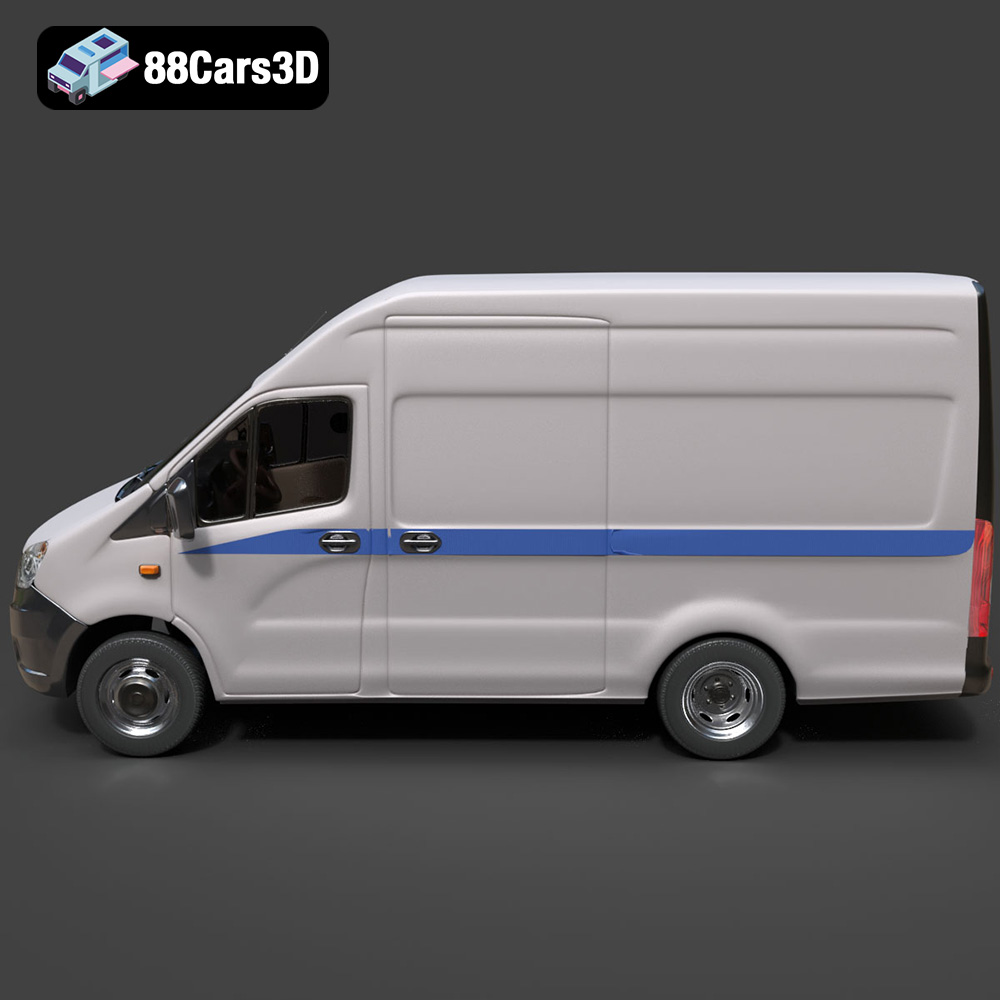
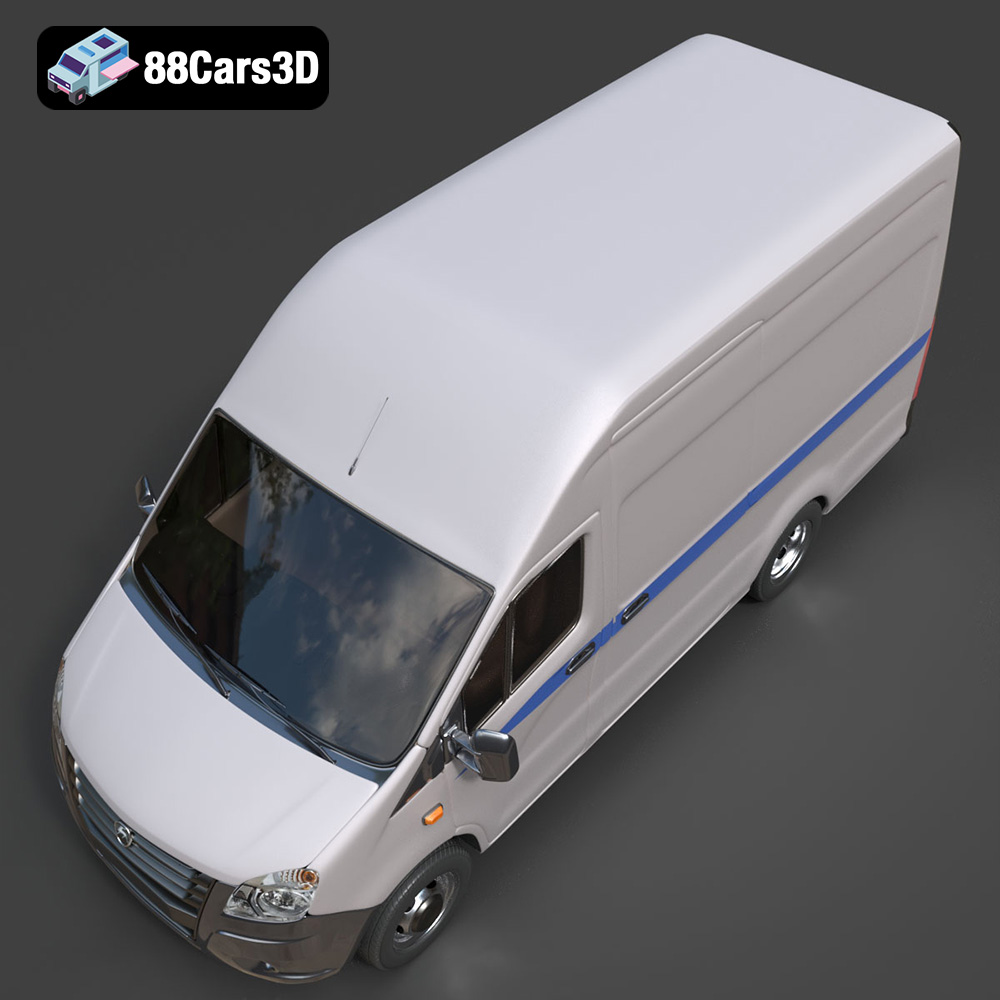
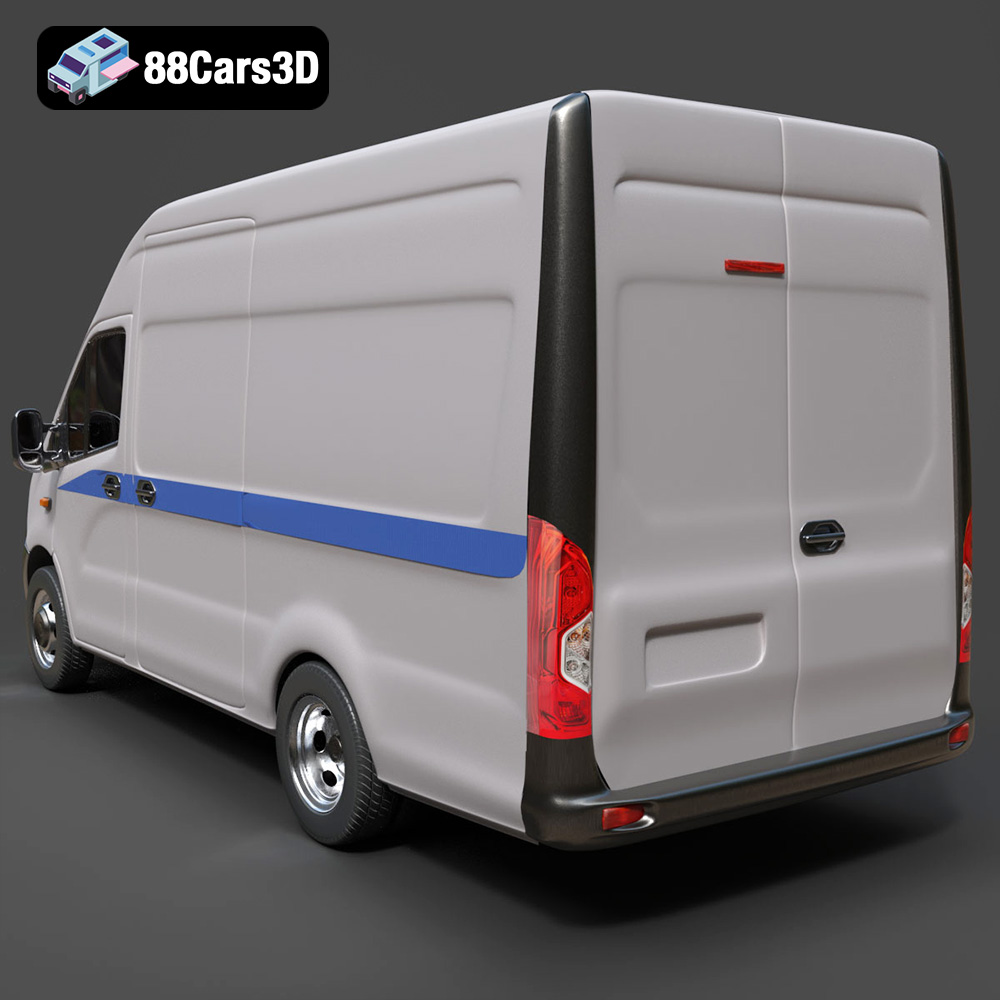
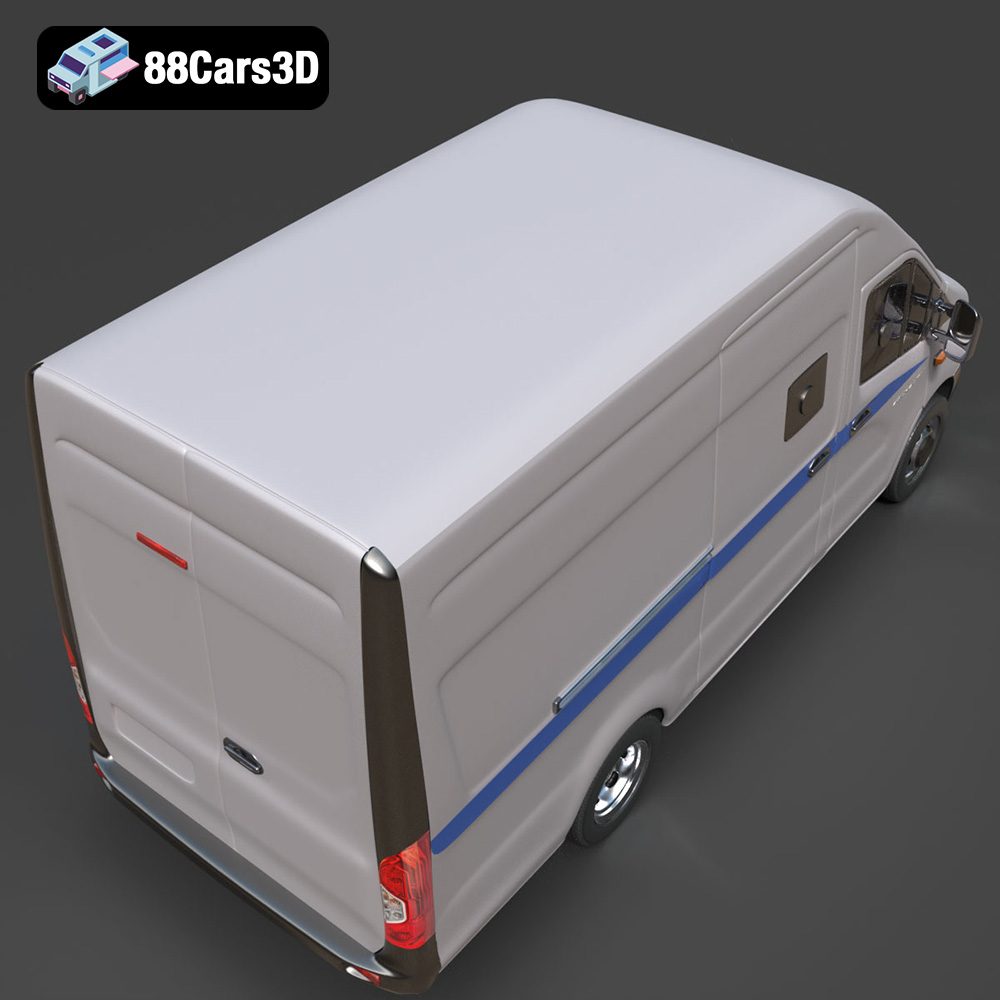
Experience the versatility and robust design of the GAZelle Next, a renowned light commercial vehicle celebrated for its durability and modern utility. This highly detailed 3D model perfectly captures the distinct aesthetic of the GAZelle Next, featuring its aerodynamic front cabin, striking halogen headlights, signature grille, and rugged commercial framework that makes it a staple in modern logistics. Crafted with a meticulous topology of 1,006,480 triangles, this 3D model delivers incredible visual fidelity while remaining optimized for high-end rendering and real-time applications. Whether you are developing a logistics simulator, integrating commercial vehicles into an open-world game, or creating photorealistic architectural visualizations, this asset provides unparalleled realism and texture depth. Perfect for urban environment scenes, driving simulators, virtual showrooms, and commercial fleet visualizations.
$61.50
.blend
.fbx
.gazelle
.glb
.max
.next
.obj
.ply
.rendering
.stl
.truck
.unreal
.van
car-3d-model
commercial-vehicle
game asset
game-ready
optimized
VR/AR