Get 20% OFF All Premium 3D & STL Models!

In the dynamic world of digital content creation, the demand for authentic and highly detailed 3D assets continues to soar. From hyper-realistic automotive rendering to immersive game environments and interactive AR/VR experiences, the quality of your 3D models can make or break a project. Professional artists, developers, and designers understand that a truly exceptional 3D car model is more than just a visual representation; it’s a meticulously crafted digital twin, engineered for performance and visual fidelity across diverse platforms.
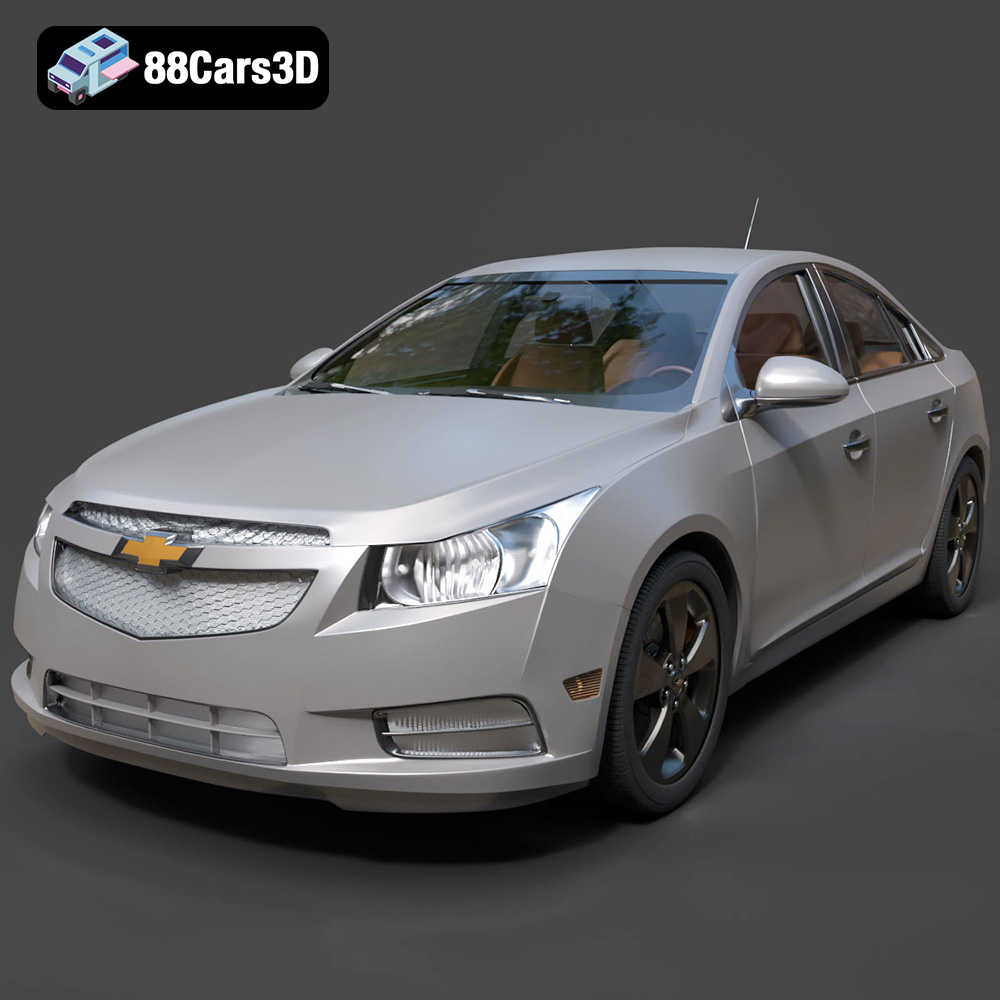
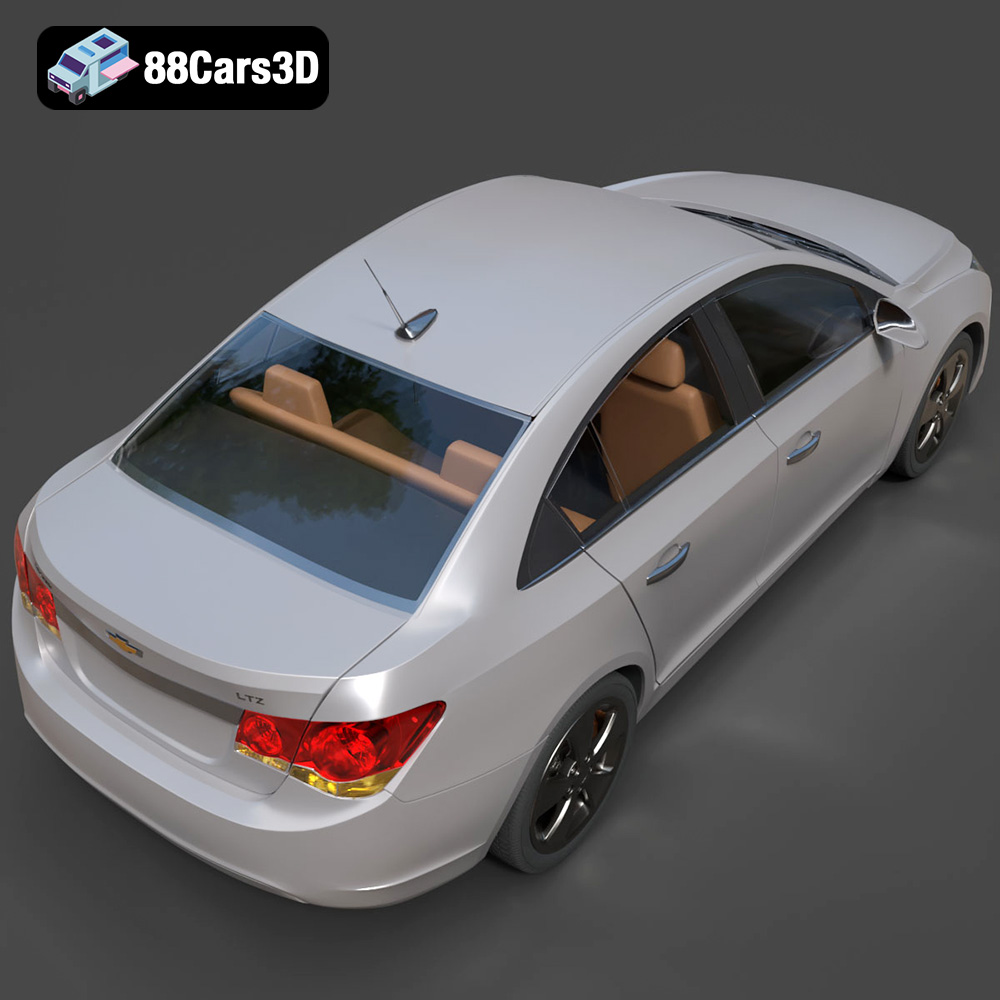
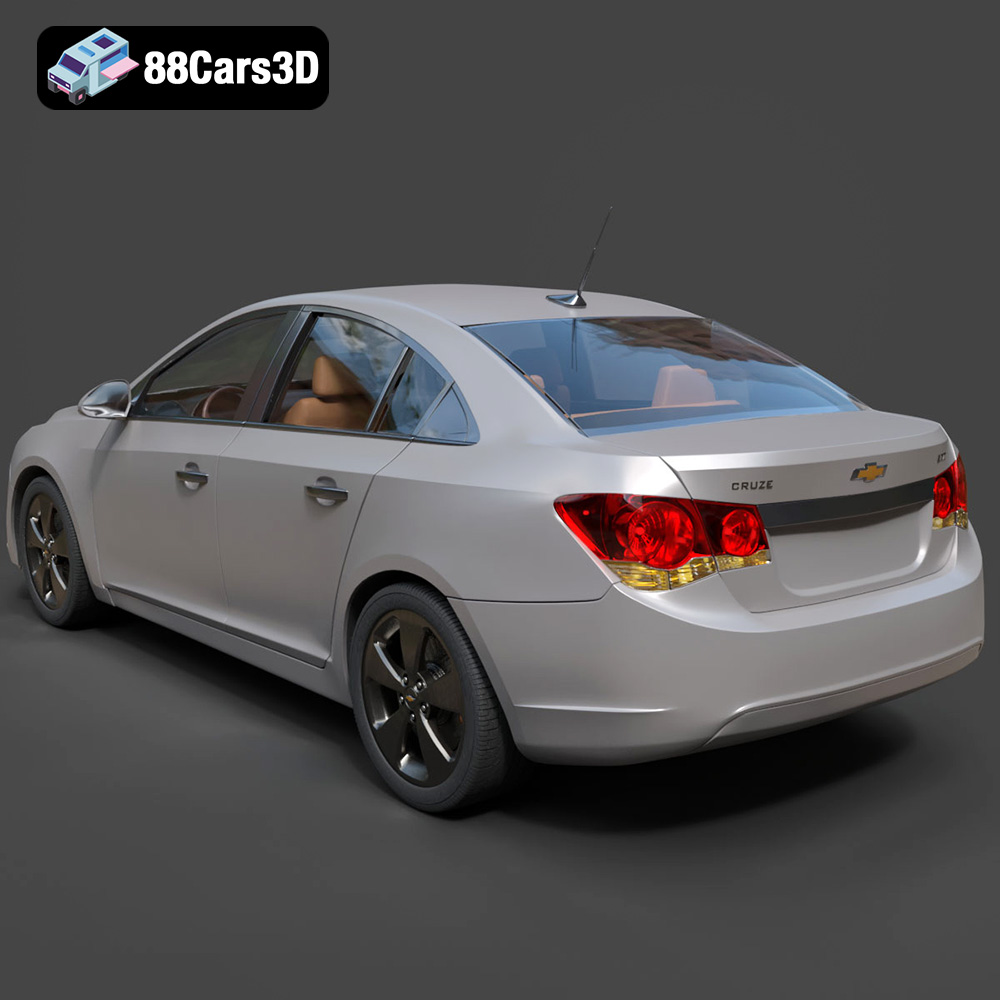
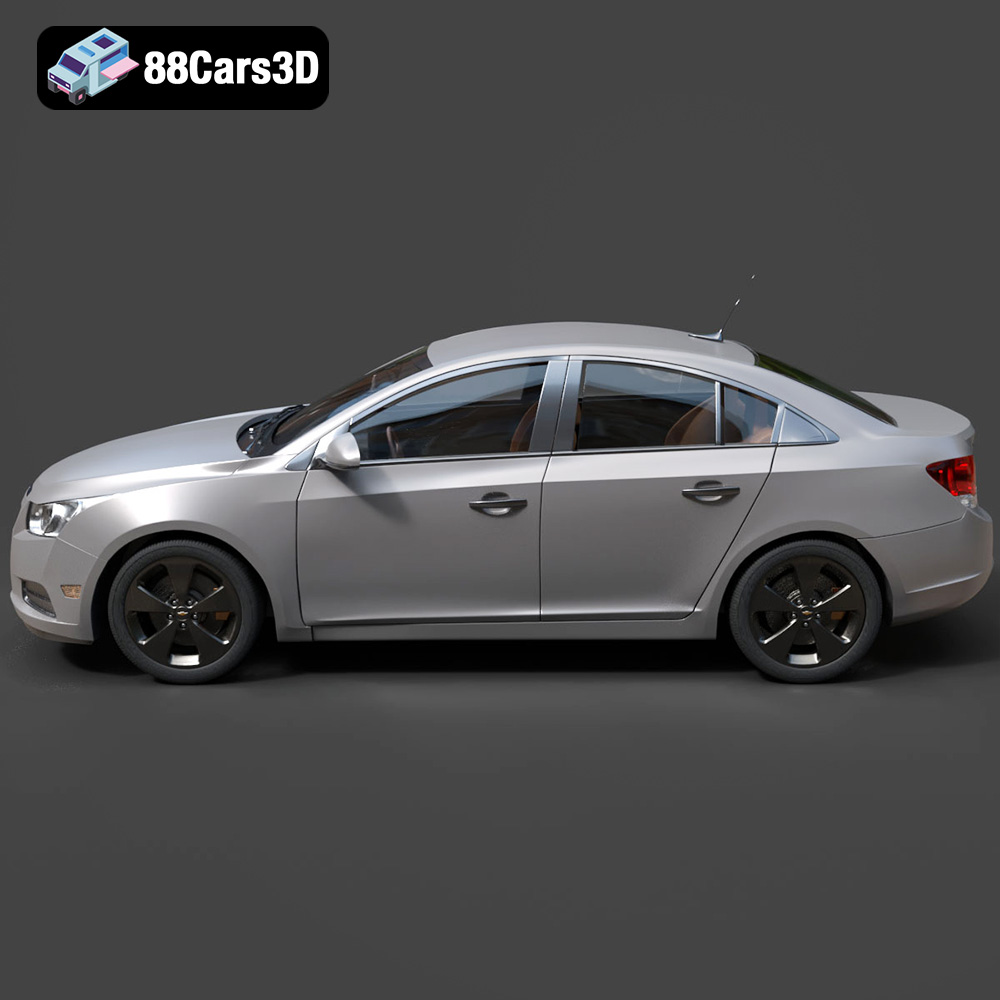
Today, we delve into the intricacies of integrating premium 3D assets into cutting-edge workflows, using a prime example: the Chevrolet Cruze 2011 3D Model available on 88cars3d.com. This model encapsulates the balance between detailed realism and optimization, making it an invaluable asset for a myriad of applications. Whether you’re a game developer seeking a robust vehicle for your open-world title, an architect visualizing urban traffic, or a marketer crafting a compelling brand narrative, understanding the technical backbone of such an asset is crucial.
The choice of file format for your 3D car model is not merely a technicality; it’s a fundamental decision that dictates compatibility, workflow efficiency, and ultimately, the success of your project. Each format serves specific purposes, offering unique advantages depending on your end goal. The Chevrolet Cruze 2011 model, for instance, comes equipped with a comprehensive suite of formats, ensuring maximum flexibility for professionals.
The .blend format is the native file type for Blender, one of the most powerful and widely used open-source 3D content creation suites. A .blend file for the Chevrolet Cruze 2011 would provide a fully editable Blender scene, complete with materials, textures, lighting, and possibly even animation rigs. This format is ideal for artists who intend to extensively modify the model, re-texture it, integrate it into a complex Blender scene, or leverage Blender’s Cycles or Eevee render engines. Its primary advantage lies in retaining all scene information, making it perfect for iterative design and deep customization.
.fbx (Filmbox) is a proprietary file format owned by Autodesk, renowned for its robust support for 3D model data, animation, and scene information across various 3D applications. It’s the go-to format for game engines like Unreal Engine and Unity, making it perfect for real-time pipelines. For the Chevrolet Cruze 2011, an .fbx file would efficiently carry geometry, UVs, textures, materials, and crucial animation data such as wheel rotation pivots and suspension setups. Its widespread adoption ensures seamless transferability between different software packages, making it a critical format for collaborative projects and diverse workflows.
The .obj (Wavefront OBJ) format is a universal standard for storing 3D geometry data. It’s an older, simpler format that primarily focuses on mesh data (vertices, normals, UVs, faces) and can link to external material (.mtl) files for basic shading information. While it doesn’t support animation or rigging as robustly as FBX, its widespread compatibility makes it an excellent choice for cross-software integration where the primary need is clean mesh data. If you need to import the Chevrolet Cruze 2011 into a niche 3D application or a CAD program for further engineering, .obj often provides the most reliable geometric transfer.
.glb (GL Transmission Format Binary) is an increasingly important format optimized for efficient transmission and loading of 3D scenes and models, particularly in web browsers, AR, and VR applications. It’s a binary version of glTF, embedding all assets (models, textures, animations) into a single file, which streamlines deployment. For interactive 3D viewers or virtual car showrooms featuring the Chevrolet Cruze 2011, .glb offers superior performance and ease of integration into modern web and immersive experiences due to its compact size and runtime efficiency.
.stl (Stereolithography) is the de facto standard file format for 3D printing. It represents a 3D model as a series of connected triangles, defining only the surface geometry of an object without color, texture, or other CAD attributes. When converting the Chevrolet Cruze 2011 to .stl, the model is prepared for physical fabrication. This format is crucial for hobbyists and professionals looking to create a tangible scale model of the car, allowing them to experiment with different print settings and materials.
The .ply (Polygon File Format) is another widely supported format for storing 3D data, particularly useful for scanned data, precision mesh representations, and applications in scientific visualization or CAD. It can store not only geometry but also color, transparency, and confidence values per vertex or face. For the Chevrolet Cruze 2011, a .ply file could be valuable in scenarios requiring highly accurate mesh analysis, reverse engineering workflows, or integration into specialized engineering software.
The .unreal designation implies a version of the model specifically packaged and optimized for direct import into Unreal Engine projects. This might involve pre-configured materials using Unreal’s physically based rendering (PBR) system, collision meshes, LODs (Levels of Detail), and appropriate pivot points for animation. An .unreal asset for the Chevrolet Cruze 2011 would provide a seamless drag-and-drop experience, significantly reducing setup time for game developers and real-time visualization artists.
The .max format is the native file type for Autodesk 3ds Max, a powerful 3D modeling, animation, rendering, and compositing software. Similar to .blend, a .max file for the Chevrolet Cruze 2011 would contain the complete scene, including geometry, materials, lighting, cameras, and any animation data. This format is indispensable for users working within the 3ds Max ecosystem, offering full access to the original scene setup for advanced rendering, complex animation, or further modification.
Developing a high-quality 3D car model, particularly one destined for real-time applications, requires a meticulous blend of artistic skill and technical precision. The Chevrolet Cruze 2011 3D Model exemplifies this synergy, engineered to deliver both visual fidelity and optimal performance.
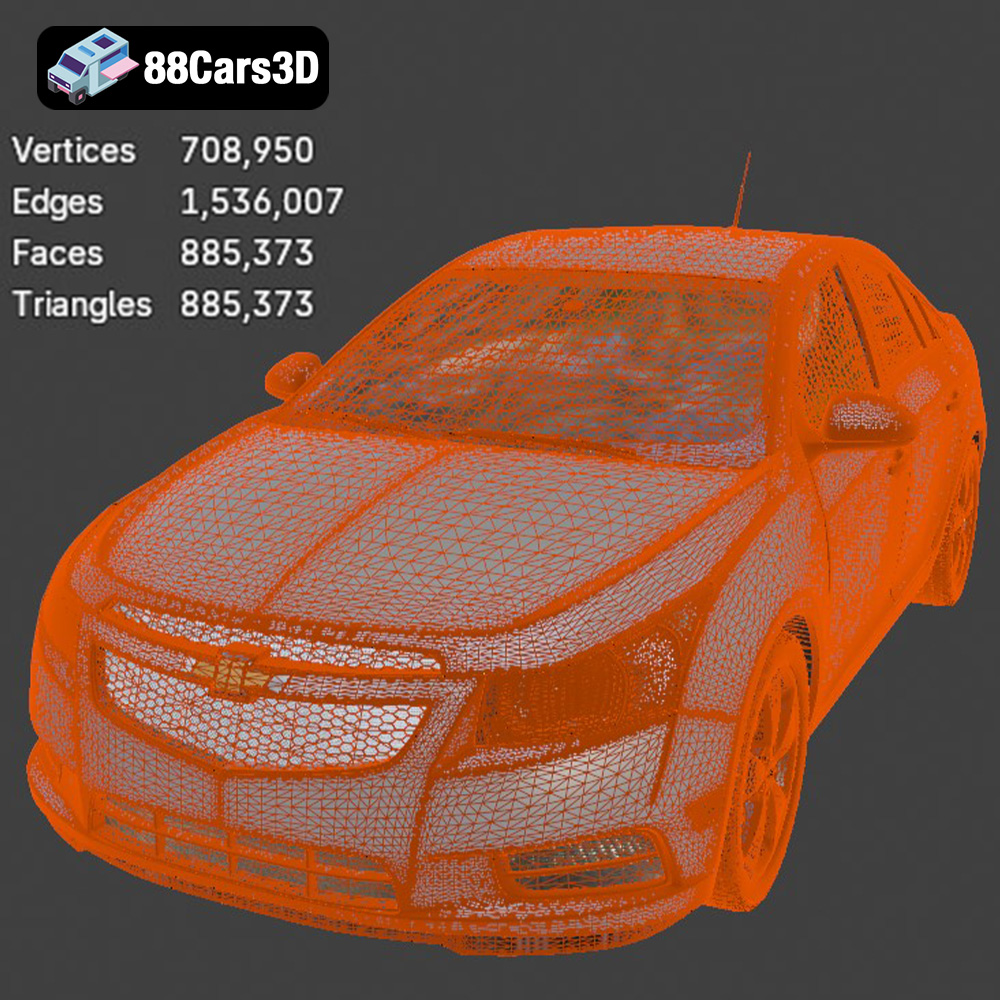
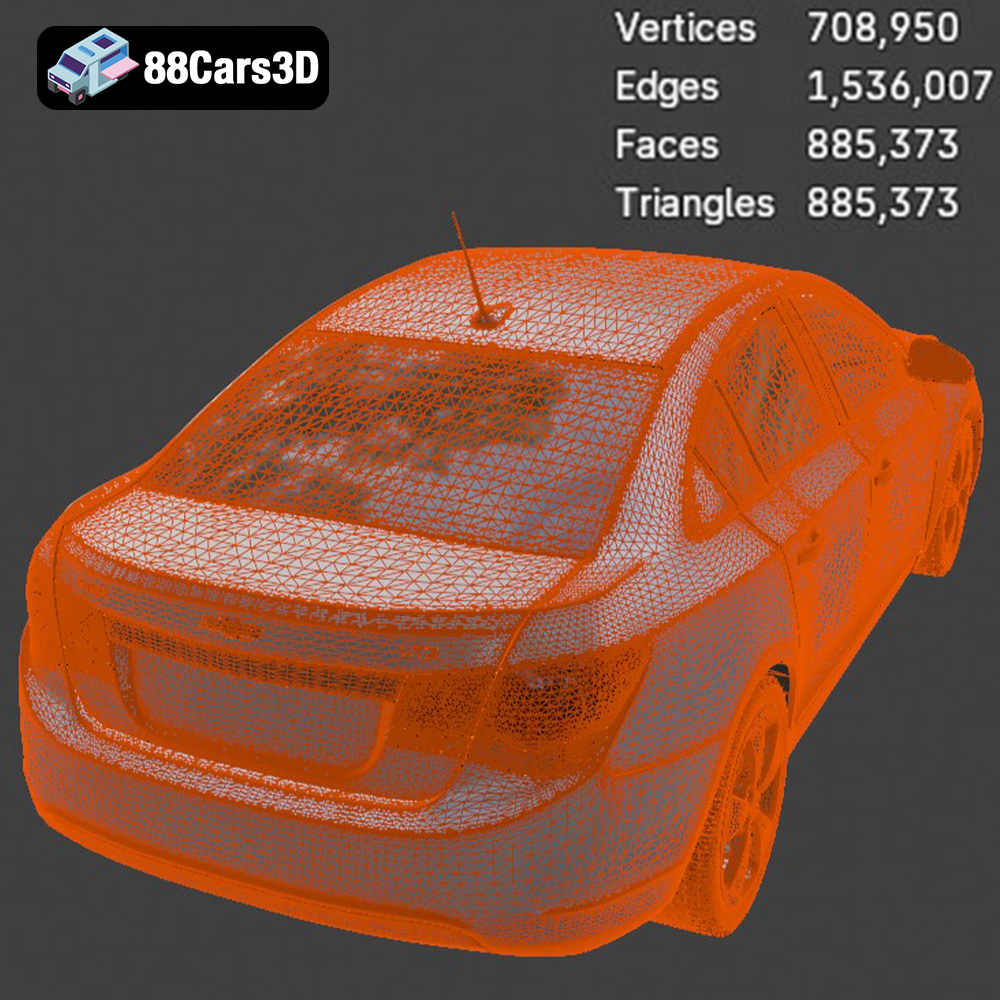
The core of any game-ready asset lies in its topology. The Chevrolet Cruze 2011 model boasts a finely tuned topology of 885,373 triangles. This count strikes a crucial balance: it’s high enough to capture the nuanced curves and sharp edges of the Cruze’s design without being overly complex, which could hinder real-time performance. Pristine edge loops are essential for smooth surface reflections and clean subdivision if needed, ensuring the model looks excellent under various lighting conditions, from studio renders to dynamic game environments.
Authenticity extends beyond the visible surfaces. The Chevrolet Cruze 2011 model includes accurate frame geometry, aerodynamic proportions, and even a detailed representation of the Ecotec inline-four engine block, exhaust system, and undercarriage. This level of detail is crucial for projects requiring close-up shots, transparent vehicle views, or even repair simulations. Highly detailed lighting assemblies, accurate multi-spoke alloy wheel rims, and realistic tire treads further elevate the model’s realism, making it suitable for high-end automotive rendering.
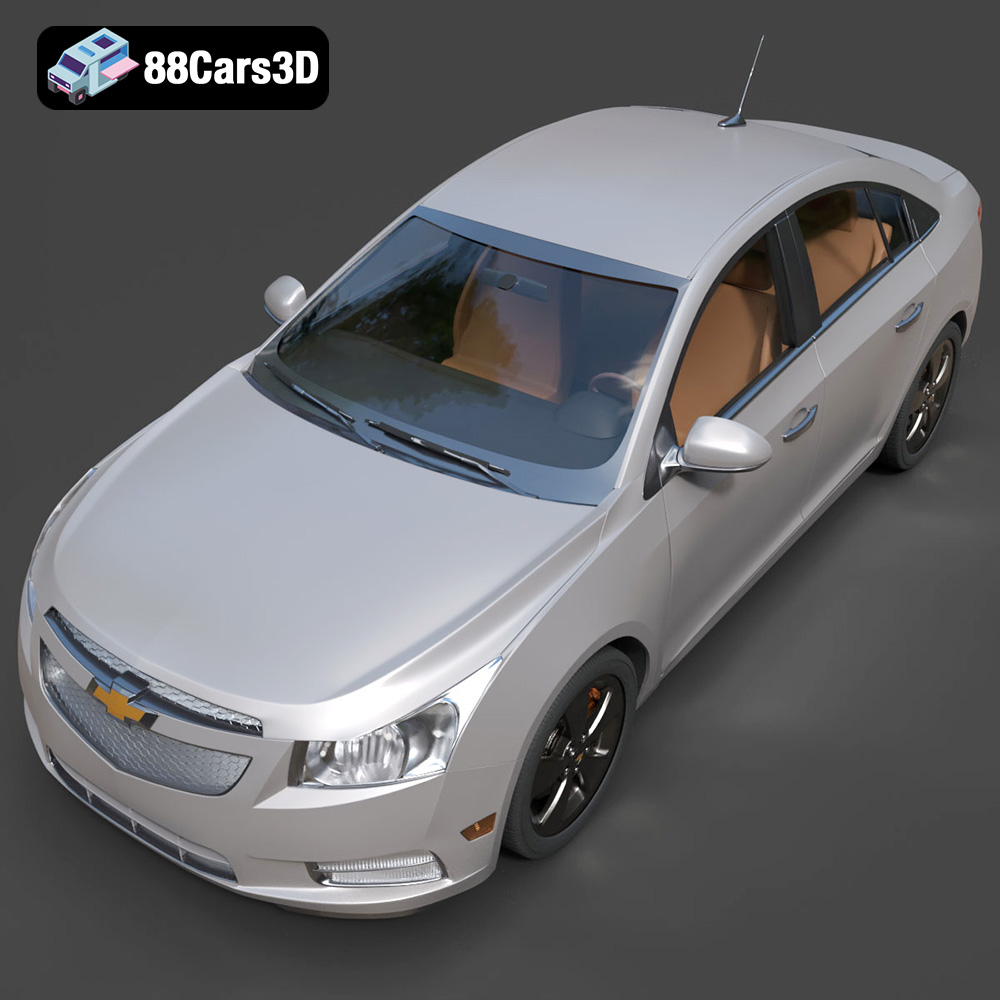
For applications like virtual reality, racing games, or architectural visualizations that feature a first-person perspective, the interior’s quality is paramount. This Chevrolet Cruze model features a detailed twin-cockpit design with cloth and leather textured seats, an accurate multi-function steering wheel, and an intricate instrument cluster. Optimized geometry within the cockpit ensures that even with a high-fidelity exterior, the interior remains efficient for real-time rendering, providing an immersive and believable driving experience.
The versatility of a well-crafted 3D car model like the Chevrolet Cruze 2011 opens doors to a wide array of professional applications, transcending traditional boundaries and enabling new forms of digital interaction and visualization.
For game developers, integrating realistic vehicle assets is fundamental to creating believable virtual worlds. The Chevrolet Cruze 2011 3D Model, with its optimized polycount and game-ready status, is ideal for open-world games where traffic density and variety are key. Its precise pivot setup for steering, wheel rotation, and suspension travel simplifies the integration process, allowing developers to focus on gameplay mechanics rather than asset preparation. This model can serve as a common civilian vehicle, a quest item, or even a player-drivable car in racing titles or traffic simulators.
Augmented Reality (AR) and Virtual Reality (VR) are transforming how we interact with digital content. The Chevrolet Cruze 2011 model is perfect for creating immersive virtual showrooms, where potential customers can explore the car’s features, customize its paint, and even “sit” inside. Mobile AR experiences can project the Cruze onto a real-world surface, offering an engaging way to visualize the vehicle at scale. Its optimized geometry ensures smooth performance on AR/VR platforms, providing a fluid and realistic user experience.
For brand campaigns, lifestyle scenes, and architectural visualization, the Chevrolet Cruze 2011 model offers exceptional quality for offline rendering. Its accurate real-world scale and detailed design make it suitable for product showcases, marketing materials, and cinematic animations. Imagine the Cruze seamlessly integrated into a photorealistic urban environment render, highlighting a new development, or featured in a dynamic advertisement showcasing its features. The ability to easily adjust material finishes (matte, gloss, metallic) allows for diverse visual styles to match any creative brief.
The true value of a premium 3D asset lies in its seamless integration into established professional workflows. Whether you’re a Blender enthusiast, a 3ds Max power user, or an Unreal Engine developer, the Chevrolet Cruze 2011 3D Model from 88cars3d.com is designed for efficient deployment.
Blender users can leverage the native .blend file for the Chevrolet Cruze 2011. This provides immediate access to the model within Blender’s intuitive interface, allowing for quick material adjustments, lighting setups, and rendering with Cycles or Eevee. Artists can easily modify geometry, add custom decals, or rig the vehicle for advanced animations, making it an excellent base for personal projects or commercial work.
For professionals in architectural visualization or broadcast graphics, the .max file offers complete control within Autodesk 3ds Max. This enables the integration of the Cruze into complex urban scenes, traffic simulations, or cinematic sequences with advanced rendering solutions like V-Ray or Corona Renderer. The model’s clean topology and separate, animatable components (wheels, suspension, steering) ensure that it’s ready for high-fidelity animations and still renders.
Game developers and real-time visualization artists relying on Unreal Engine will find the .fbx or dedicated .unreal format particularly useful. These formats are optimized for Unreal’s asset pipeline, allowing for direct import with materials, textures, and proper pivot points pre-configured. This significantly reduces the time spent on preparing the asset for real-time environments, enabling immediate integration into game levels, virtual experiences, or architectural walkthroughs with dynamic lighting and physics.
The utility of a robust 3D model extends beyond digital screens into the realm of physical objects, thanks to 3D printing. The Chevrolet Cruze 2011 model, with its .stl format option, offers a fantastic opportunity for hobbyists and professionals to bring a tangible version of the car to life.
For optimal results, it’s recommended to print the Chevrolet Cruze 2011 model at scales such as 1:12, 1:18, or 1:24. These scales offer a good balance between manageable print time and sufficient detail. For intricate parts and a smooth finish, resin printing is highly recommended, allowing for layer heights between 0.04–0.12 mm. FDM printers can also be used, but fine details might require more post-processing. A wall thickness of 1.2–2.0 mm ensures structural integrity, while an infill of 20–30% provides a good balance of strength and material efficiency.
Due to the complex geometry of a car, supports will be required for overhangs and detailed parts such as the exhaust system, side mirrors, and door handles. Strategic print orientation, such as printing the main frame angled, can enhance structural integrity and reduce the need for excessive supports. Post-processing is key to achieving a professional finish: sanding to smooth layer lines, applying primer for an even surface, and finally, painting with authentic factory colors and metallic finishes to truly bring the Chevrolet Cruze 2011 to life as a physical collectible.
Investing in a high-quality 3D car model is not just about obtaining a static asset; it’s about acquiring a versatile foundation for endless creative possibilities. The Chevrolet Cruze 2011 3D Model offers extensive customization options, allowing artists and developers to tailor it precisely to their project’s needs.
The ability to easily change body and paint colors, whether to replicate factory finishes or experiment with custom hues, adds immense value. Adjusting material finishes—from matte to gloss or metallic with a clear coat—can dramatically alter the car’s perceived luxury and style. Modifying tire textures to represent standard street tires versus all-weather variants allows for adaptation to different environments and scenarios, enhancing realism.
Beyond aesthetics, the model’s structure allows for practical adaptations. Lighting can be adjusted to suit various day/night environments, crucial for game levels that transition through time, or for renders depicting different moods. The modular nature, with separate wheels, suspension, and steering components, facilitates seamless animation for dynamic scenes, traffic simulations, or interactive driving experiences. This flexibility ensures that the Chevrolet Cruze 2011 3D Model remains a relevant and powerful tool across numerous projects and creative iterations.
The digital landscape thrives on visual fidelity and interactive experiences, and high-quality 3D car models are at the forefront of this evolution. From the meticulous detail of its exterior and interior to its optimized topology and multi-format compatibility, the Chevrolet Cruze 2011 3D Model stands as a testament to the power of expertly crafted digital assets. Whether your goal is automotive rendering, game development, AR/VR implementation, or even 3D printing, this model provides a robust and versatile foundation.
Understanding the nuances of file formats, the principles of optimization, and the vast array of applications empowers creators to make informed decisions and elevate their projects to new heights. By choosing professional-grade 3D car models like those offered at 88cars3d.com, you’re not just buying an asset; you’re investing in efficiency, quality, and the limitless potential of digital creation.
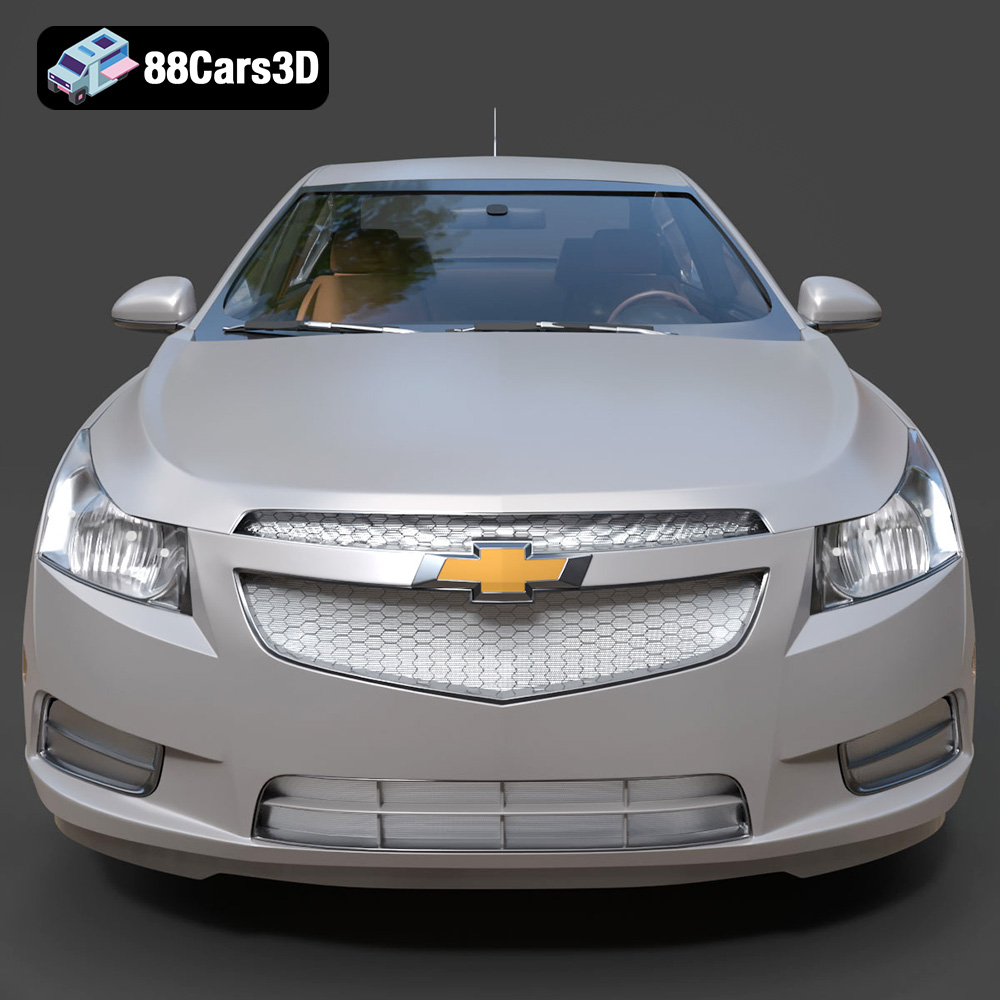
The Chevrolet Cruze 2011 represents a pivotal shift in the compact sedan market, boasting sharp styling, solid build quality, and a well-appointed interior. Key visual elements include the signature Chevrolet dual-port front grille, sweeping halogen headlights, an aerodynamic roofline, and well-proportioned rear styling that gives it an assertive, planted stance. This 3D model features exceptional quality with a finely tuned topology of 885,373 triangles. It is meticulously optimized for game engines while preserving high visual fidelity. The pristine edge loops and smooth surface reflections ensure the model looks breathtaking in real-time lighting scenarios and offline rendering setups alike. It is the perfect digital asset for game development, AR/VR projects, cinematic animation, and architectural visualization.
$58.50
.2011
.blend
.chevrolet
.cruze
.fbx
.glb
.max
.obj
.ply
.rendering
.sedan
.stl
.unreal
car-3d-model
compact-car
game asset
game-ready
low-poly
optimized
VR/AR