Get 20% OFF All Premium 3D & STL Models!

The roar of a big-block V8, the iconic lines that defined an era, and an undeniable aura of raw power—the 1969 Chevrolet Chevelle SS remains a titan of American automotive history. More than just a car, it’s a symbol of muscle, freedom, and an engineering philosophy that prioritized exhilarating performance. For designers, game developers, visualization artists, and automotive enthusiasts, capturing this legend in a digital format with absolute fidelity is paramount.
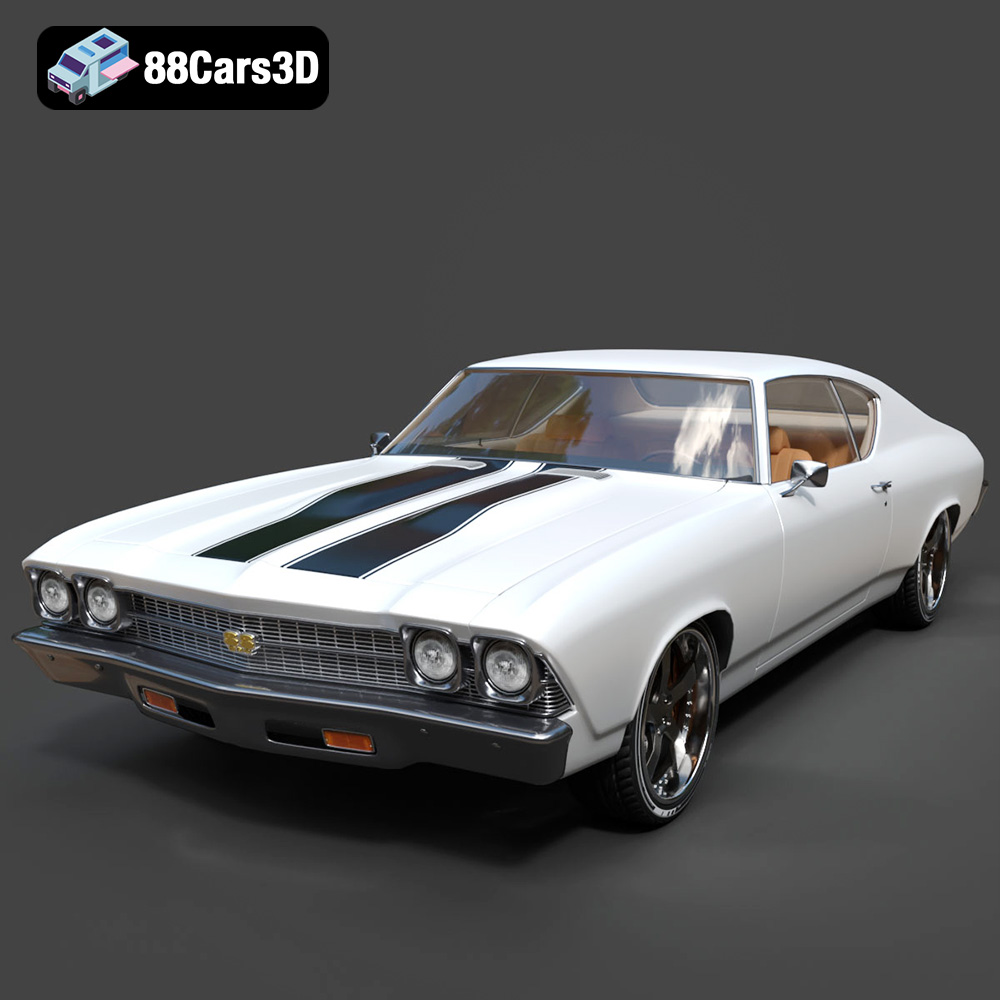
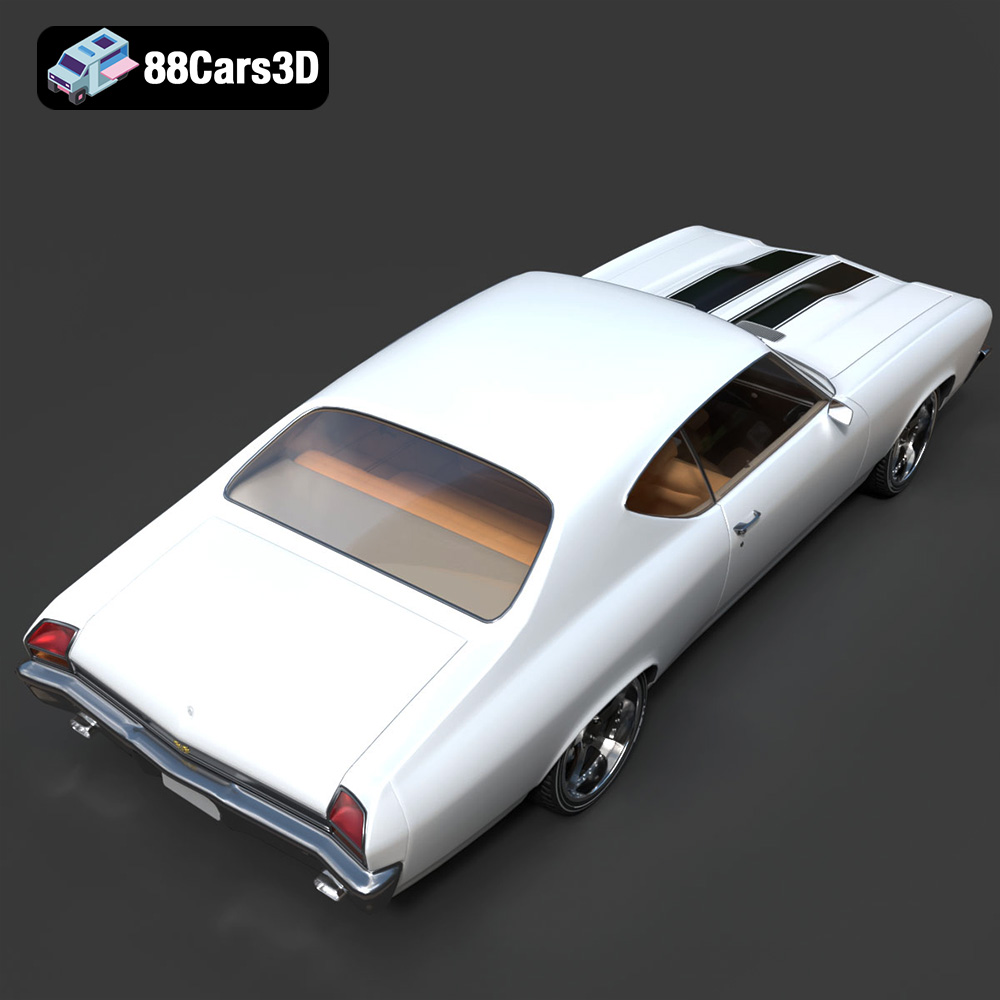
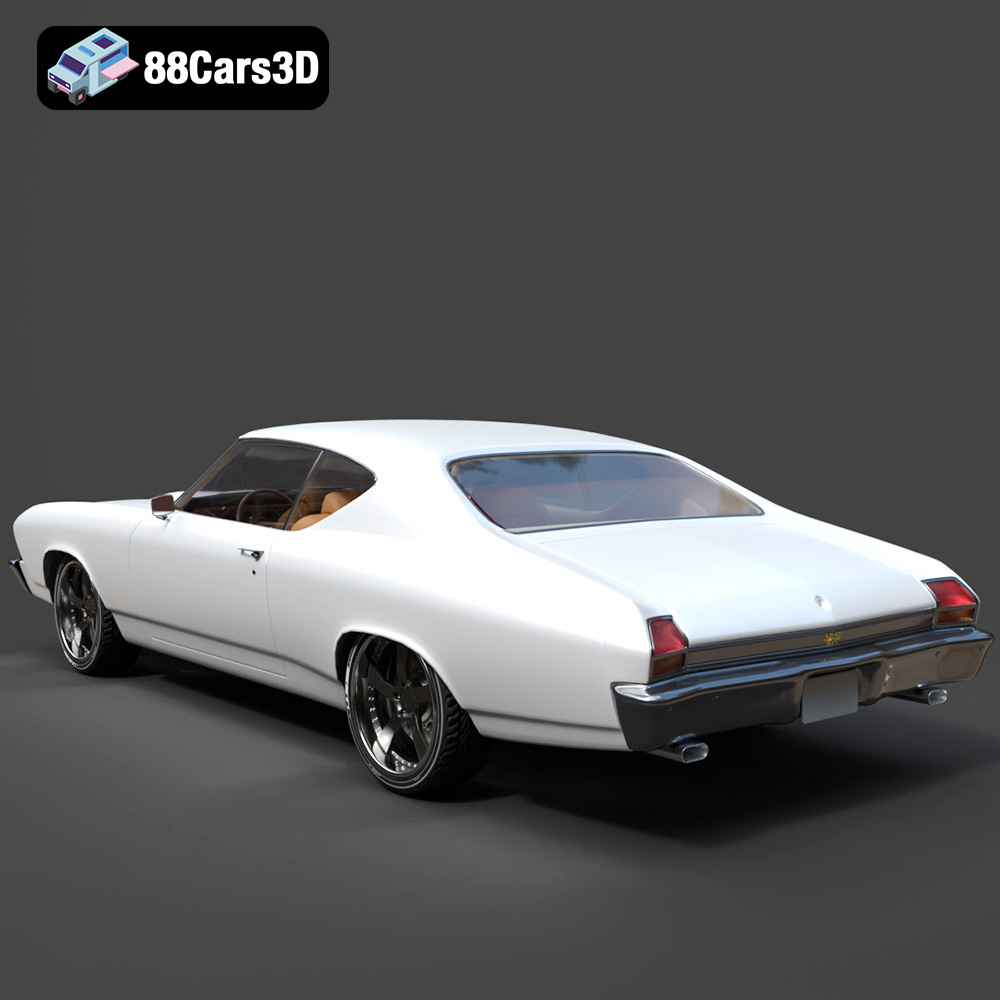
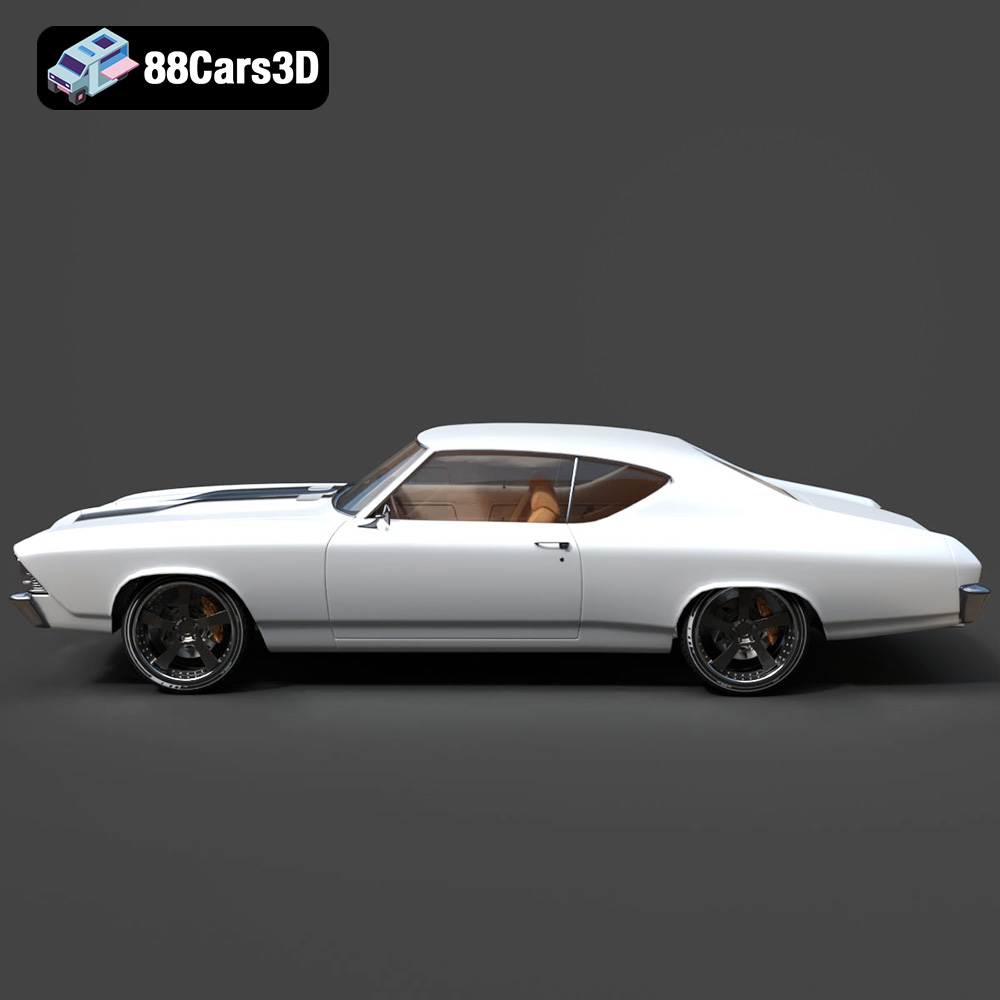
In the world of 3D modeling, precision and versatility are key. Whether you’re crafting an immersive racing game, designing a high-fidelity marketing campaign, or bringing a virtual showroom to life, the quality of your 3D car models dictates the realism and impact of your final output. This is where a meticulously crafted asset, like the Chevrolet Chevelle SS 1969 3D Model, truly shines. It’s not merely a mesh of polygons; it’s a digital recreation imbued with the spirit and technical accuracy required for the most demanding professional projects, offering a complete solution for anyone looking to integrate this classic into their digital landscape. From its signature muscular body lines to its distinctive quad-headlight front grille, every detail of this iconic vehicle has been painstakingly brought to life, ensuring it’s not just a model, but a digital centerpiece for any project.
The backbone of any successful 3D project lies in choosing the right file format. Different formats serve specific purposes, optimizing for editing, real-time performance, universal compatibility, or physical fabrication. The Chevrolet Chevelle SS 1969 3D Model offers an extensive suite of formats, ensuring its adaptability across virtually any professional workflow.
The .blend format is native to Blender, the powerful open-source 3D creation suite. When you download the Chevelle in .blend format, you’re not just getting the mesh; you’re receiving a fully editable Blender scene. This typically includes materials, textures, lighting setups, and sometimes even animation rigs or modifiers. For artists who primarily work in Blender, this is the most convenient format, allowing for direct modification, rendering with Cycles or Eevee, and leveraging Blender’s vast array of tools without any import/export issues. It’s ideal for deep customization of the Chevelle, from tweaking material nodes to preparing intricate renders.
Autodesk’s .fbx (Filmbox) format is arguably the most widely used proprietary 3D file format for transferring models between different software applications. It supports geometry, materials, textures, animations, and rigs, making it perfect for pipelines involving multiple software packages. For game development, .fbx is often the go-to choice for importing assets into Unreal Engine and Unity. Its robust support for skeletal animation and PBR materials makes the Chevelle an engine-ready asset, streamlining its integration into real-time environments. It’s designed for efficiency and broad compatibility, making it a critical format for collaborative projects.
The .obj (Wavefront OBJ) format is a simple, universal 3D data format that represents only the geometry (vertices, faces, UVs) and often references separate .mtl (material) files for basic material properties. While it doesn’t support animation or rigging, its widespread compatibility makes it an excellent choice for basic mesh exchange between virtually any 3D software. If you need a clean mesh of the Chevelle to sculpt, retopologize, or convert into another format, .obj offers a reliable starting point. Its simplicity ensures maximum compatibility, even with older software versions.
.glb (GL Transmission Format Binary) is a relatively newer format, gaining rapid traction as the standard for 3D web content, AR (Augmented Reality), and VR (Virtual Reality) applications. It’s a self-contained binary file that includes models, textures, animations, and PBR materials, all optimized for fast loading and rendering in browsers and mobile devices. For displaying the Chevelle SS in an interactive web viewer, a virtual showroom, or an AR experience on a smartphone, .glb provides the necessary efficiency and visual quality. This format is crucial for showcasing the Chevelle in modern, immersive digital spaces.
.stl (STereoLithography) is the most common file format for 3D printing. It represents a 3D model as a series of connected triangles, essentially describing the surface geometry without color, texture, or material information. When preparing the Chevelle for physical fabrication, the .stl format is essential. It defines the shell of the model, allowing 3D printers to accurately slice and build the object layer by layer. The precision of the Chevelle model’s geometry ensures that when converted to .stl, it retains its iconic lines and details, ready for hobbyists or professional model makers.
The .ply (Polygon File Format) is a file format for storing three-dimensional data from 3D scanners. It can store various properties for each vertex, face, or edge, including color, transparency, surface normals, and texture coordinates. While less common for general asset exchange than .fbx or .obj, .ply is valued for its precision and ability to store rich data, particularly useful in scientific visualization, CAD, or situations where detailed mesh analysis is required. It can be a robust format for certain industrial visualization or inspection workflows of the Chevelle.
The .unreal format, or more broadly, assets specifically configured for Unreal Engine, indicates a model optimized and prepared for direct import and use within the engine. This usually means proper scaling, collision setups, LODs (Levels of Detail), and PBR material configurations are already in place. For developers working with Unreal, having the Chevelle pre-packaged in this manner drastically cuts down on integration time, allowing them to drop the asset directly into their project with minimal tweaking and maximize its potential as a game-ready asset for racing titles or cinematic sequences.
Similar to .blend for Blender, the .max format is the native file type for Autodesk 3ds Max. It contains the entire scene data, including geometry, modifiers, materials, textures, lights, cameras, and animation curves. For professional studios and artists who rely on 3ds Max for high-end rendering, animation, or architectural visualization, the .max file provides the fullest control. It allows users to dive deep into the Chevelle’s structure, modify its components, set up complex animations, and leverage 3ds Max’s powerful rendering capabilities with engines like V-Ray or Corona. This format offers unparalleled flexibility for advanced users.
Creating a truly exceptional 3D car model is a blend of artistic vision and meticulous technical execution. It’s about more than just replicating shapes; it’s about capturing the essence of the vehicle, ensuring every curve and component serves both aesthetic and functional purposes in the digital realm. The Chevrolet Chevelle SS 1969 3D Model exemplifies this synthesis, providing a benchmark for quality in 3D car models.
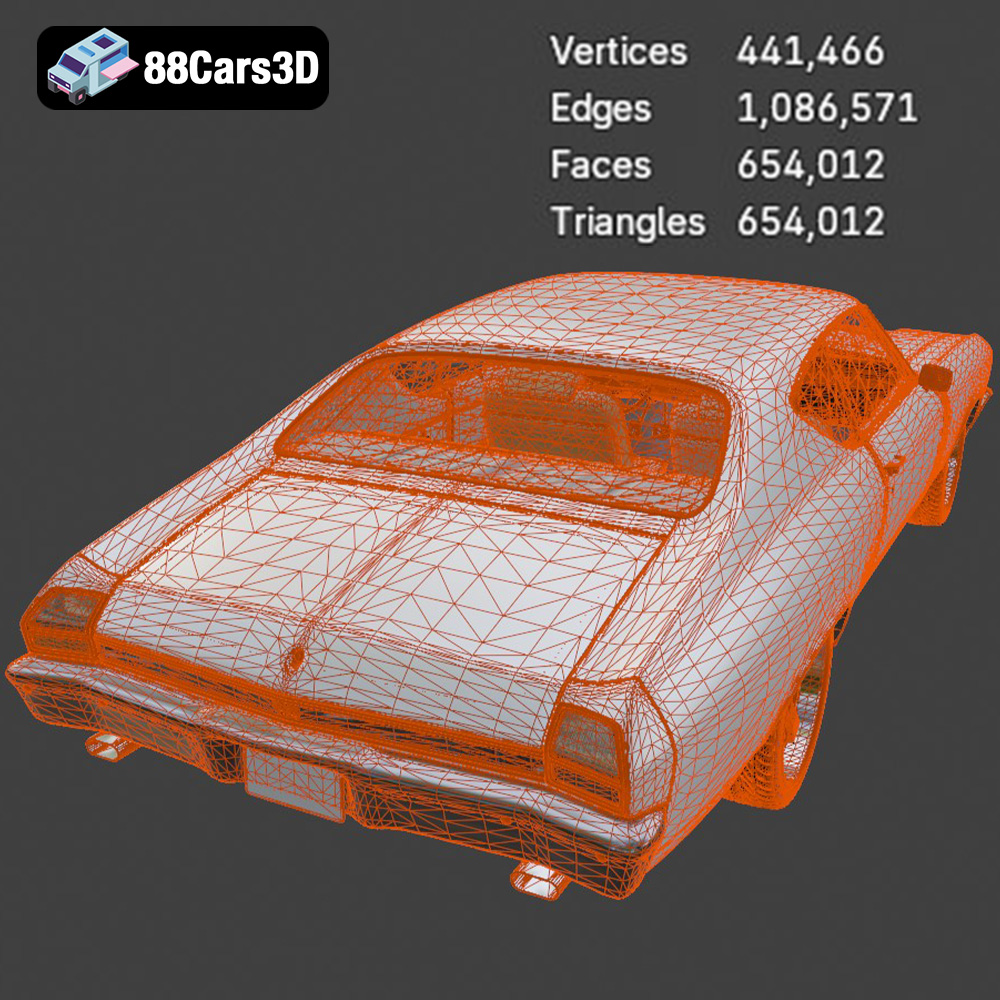
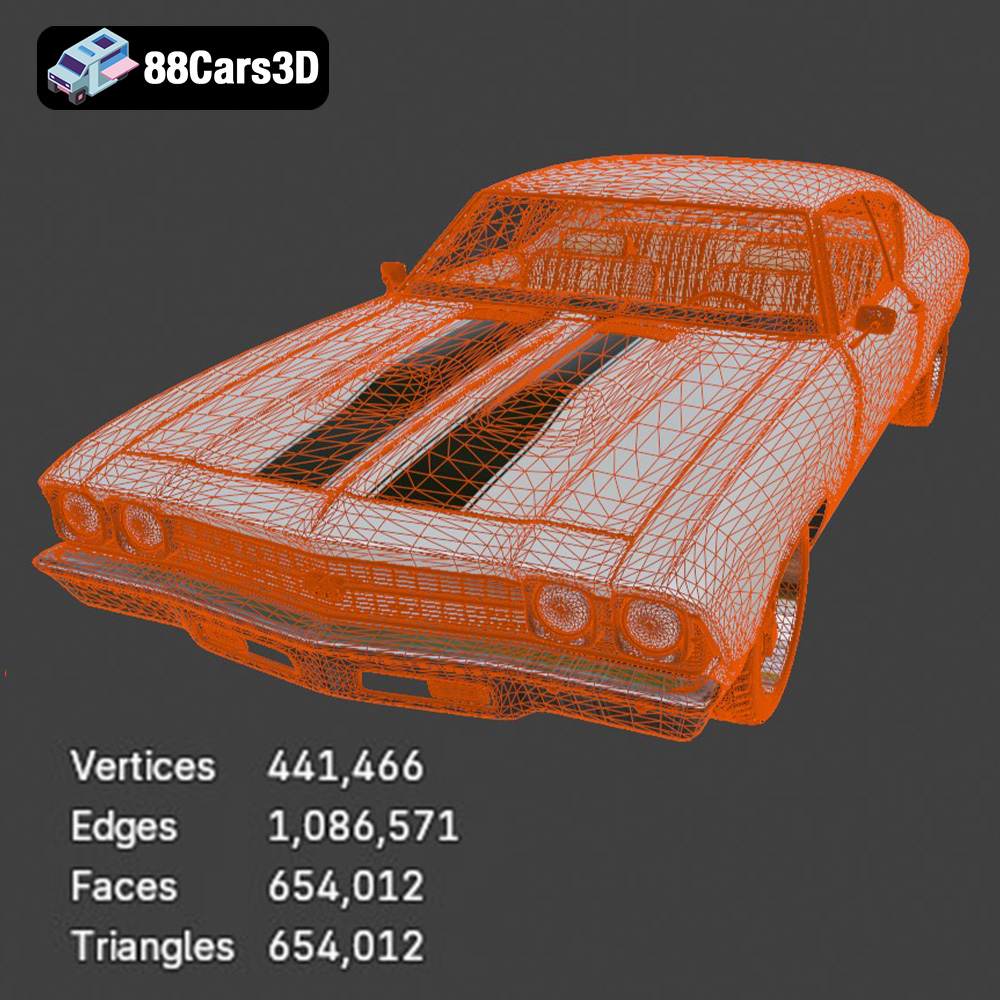
The 1969 Chevelle SS is defined by its aggressive stance and powerful aesthetics. This 3D model brings those characteristics to the forefront. With a highly detailed topology of 654,012 triangles, it strikes a superb balance, offering incredible visual fidelity without becoming prohibitively dense for real-time applications. From extreme close-up shots in automotive rendering to dynamic gameplay, this polycount ensures that the distinct lines, subtle curvatures, and intricate details of the Chevelle are always sharp and present.
High-fidelity models often come with a trade-off in performance, particularly in real-time applications. However, the Chevrolet Chevelle SS 1969 3D Model is specifically designed to circumvent this challenge. Its 654,012 triangles represent a sweet spot—visually rich enough for high-end rendering but efficient enough to be classified as game-ready.
The versatility of a 3D model is measured by its utility across diverse professional applications. The Chevrolet Chevelle SS 1969 3D Model is engineered to excel in several key areas, becoming an invaluable asset for creative professionals.
For studios specializing in automotive rendering and visualization, the .max and .blend formats offer unparalleled control and flexibility. The process typically begins by importing the model into the chosen software. Artists can then set up sophisticated PBR (Physically Based Rendering) materials, leveraging the model’s clean UV mapping (implied by high-quality assets) to apply realistic textures for paint, chrome, glass, and rubber.
The Chevelle SS 3D Model is a prime example of a game-ready asset, optimized for seamless integration into real-time engines. Game developers can leverage the .fbx or .unreal formats to quickly bring this classic muscle car into their projects.
The burgeoning fields of Augmented Reality (AR) and Virtual Reality (VR) demand highly optimized yet visually striking 3D models. The .glb format of the Chevelle SS is specifically tailored for these applications.
The utility of a high-quality 3D model extends beyond digital displays. For hobbyists, collectors, and automotive enthusiasts, the ability to translate a digital asset into a physical object is incredibly appealing. The Chevrolet Chevelle SS 1969 3D Model, available in .stl format, bridges this gap effortlessly.
3D printing allows for the creation of tangible replicas, bringing the iconic Chevelle SS into the real world. The .stl format provides the necessary mesh data for 3D printers, defining the surface geometry with precision. However, successful 3D printing requires careful consideration of various settings to ensure the final physical model truly reflects the digital source.
Beyond creating display models, 3D printed versions of the Chevelle SS can serve various purposes. Hobbyists can customize and build highly detailed dioramas or use the printed parts for scale model kit bashing. Educators might use them as teaching aids for automotive design or engineering principles. The ability to iterate quickly and produce physical prototypes from the same digital asset makes this model incredibly valuable for small-scale manufacturing or custom projects, cementing its status as more than just a digital file.
A truly professional 3D model offers more than just fidelity; it provides a canvas for creative expression. The Chevrolet Chevelle SS 1969 3D Model is designed with customization in mind, allowing artists and developers to adapt its appearance and integration to suit any project’s unique vision.
The base model provides an excellent starting point, but the ability to personalize its look is where its versatility truly shines. Artists can easily modify various aspects of the car’s appearance.
Beyond the car itself, how it interacts with its environment is paramount for believability. The modular nature and clean topology of the Chevelle model facilitate seamless integration into diverse digital scenes.
The 1969 Chevrolet Chevelle SS stands as an enduring icon, and its digital counterpart, the Chevrolet Chevelle SS 1969 3D Model, embodies that legacy with remarkable fidelity and technical prowess. From its stunning visual accuracy—showcasing every muscular curve and interior detail—to its efficient 654,012 triangle topology, this model is engineered for excellence across all digital platforms.
Its availability in a comprehensive array of file formats including .blend, .fbx, .obj, .glb, .stl, .ply, .unreal, and .max, ensures unparalleled compatibility and flexibility for professionals in automotive rendering, game development, AR/VR experiences, and even physical 3D printing. Whether you’re crafting a cinematic masterpiece, building the next generation of racing simulators, or creating an interactive virtual showroom, this Chevelle SS model from 88cars3d.com provides a robust, game-ready, and highly customizable asset.
Ultimately, investing in a high-quality 3D model like this is an investment in efficiency, realism, and creative freedom. It empowers artists and developers to focus on innovation, knowing they have a foundational asset that truly honors the spirit of this American muscle car legend. Explore this exceptional 3D model and elevate your projects to the next level.
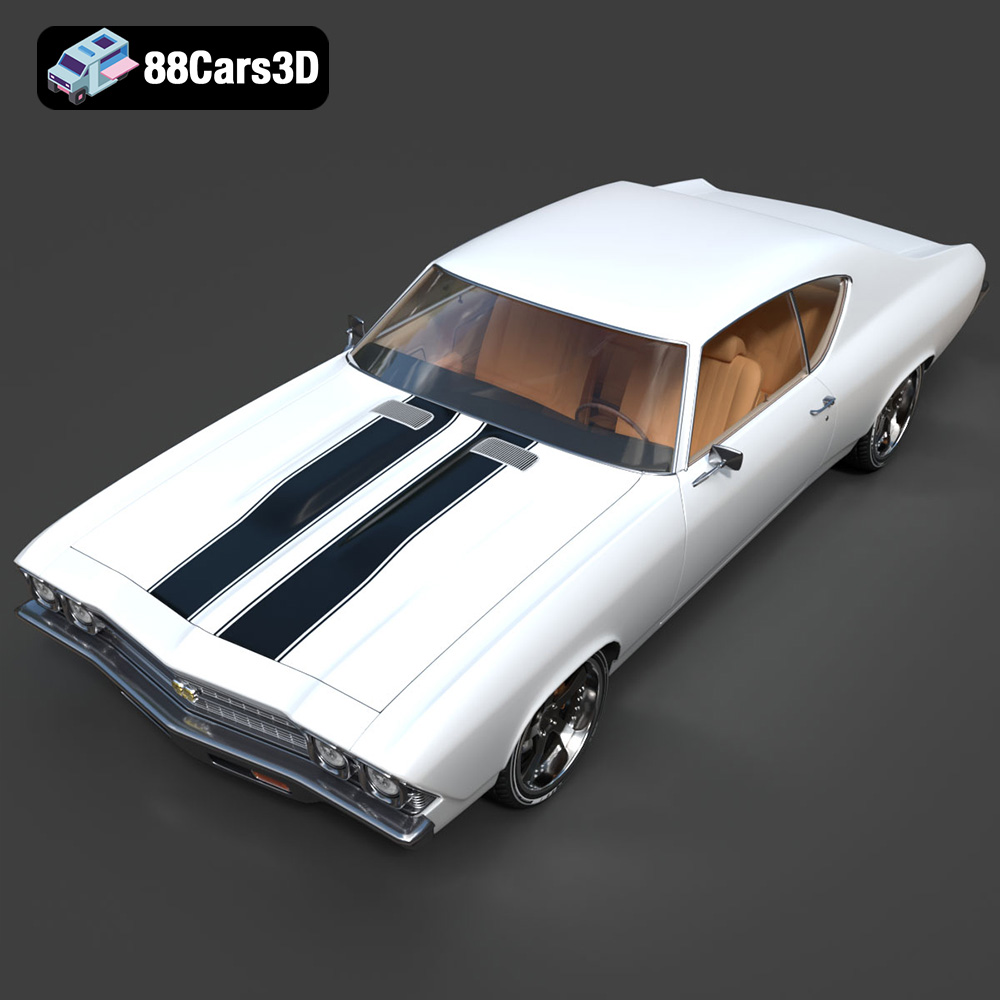
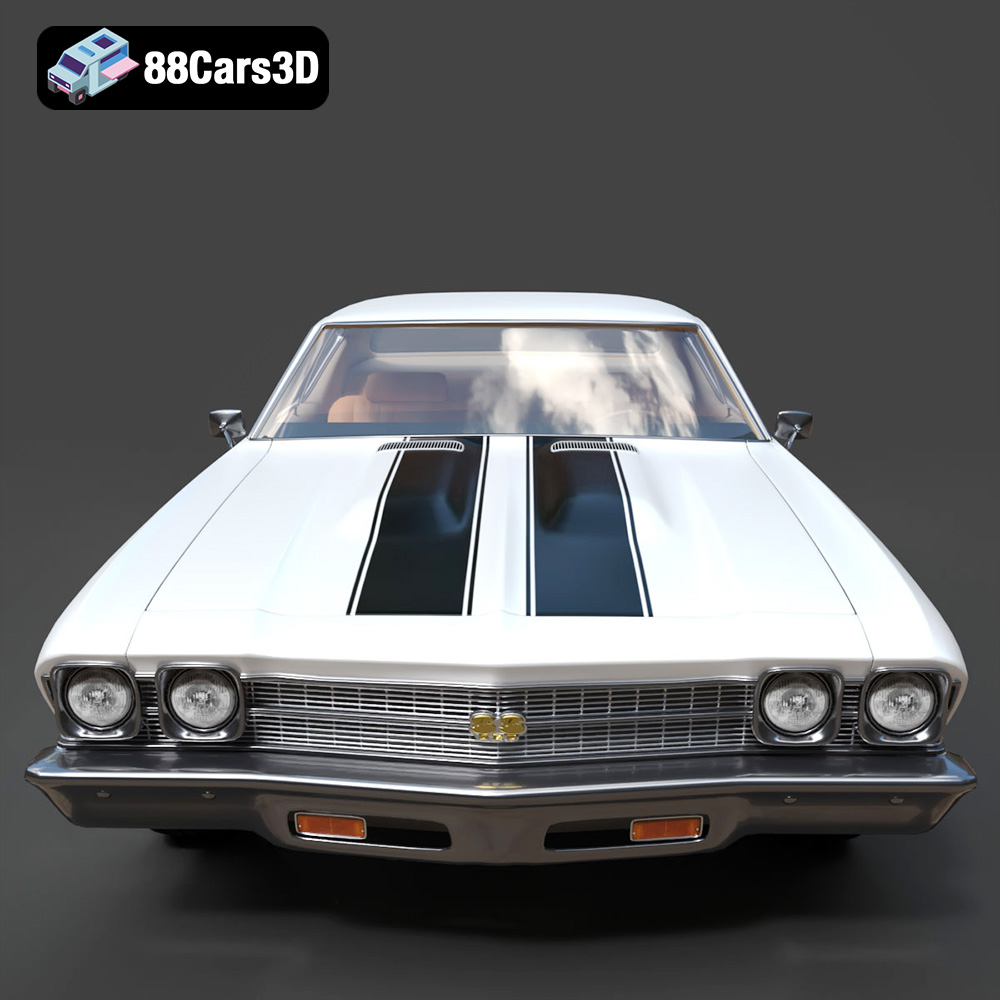
The 1969 Chevrolet Chevelle SS stands as a pinnacle of the American muscle car golden era, bringing aggressive styling and legendary performance to the street. This highly accurate 3D model captures the imposing presence of the iconic ’69 model, featuring its signature muscular body lines, distinctive quad-headlight front grille, and classic dual exhaust system. Every curve of its storied chassis has been meticulously recreated to reflect the raw power and heritage that made the Chevelle SS a feared competitor on the drag strip and a beloved icon among automotive enthusiasts. Boasting a highly detailed topology of 654,012 triangles, this model offers incredible visual fidelity while remaining efficiently structured for robust game development and high-end rendering workflows. Whether you need extreme close-up shots for automotive visualization or a reliable asset for modern racing titles, this model delivers unparalleled realism. Its precise optimization makes it a versatile choice for real-time game engines, VR/AR applications, and stunning cinematic animations.
$46.50
.1969
.blend
.chevrolet
.fbx
.glb
.max
.obj
.ply
.rendering
.stl
.unreal
car-3d-model
chevelle-ss
classic-car
game asset
game-ready
muscle-car
optimized
VR/AR