Get 20% OFF All Premium 3D & STL Models!

The automotive industry has always been a crucible of innovation, where design and engineering converge to create vehicles that are both functional and aspirational. In today’s digital age, this innovation extends far beyond the physical realm, deeply embedding itself in the intricate world of 3D modeling. From conceptualization and marketing to game development and virtual reality experiences, high-quality 3D car models are the fundamental building blocks that bring these visions to life. They enable designers to iterate rapidly, marketers to craft compelling campaigns, and game developers to deliver immersive interactive worlds.
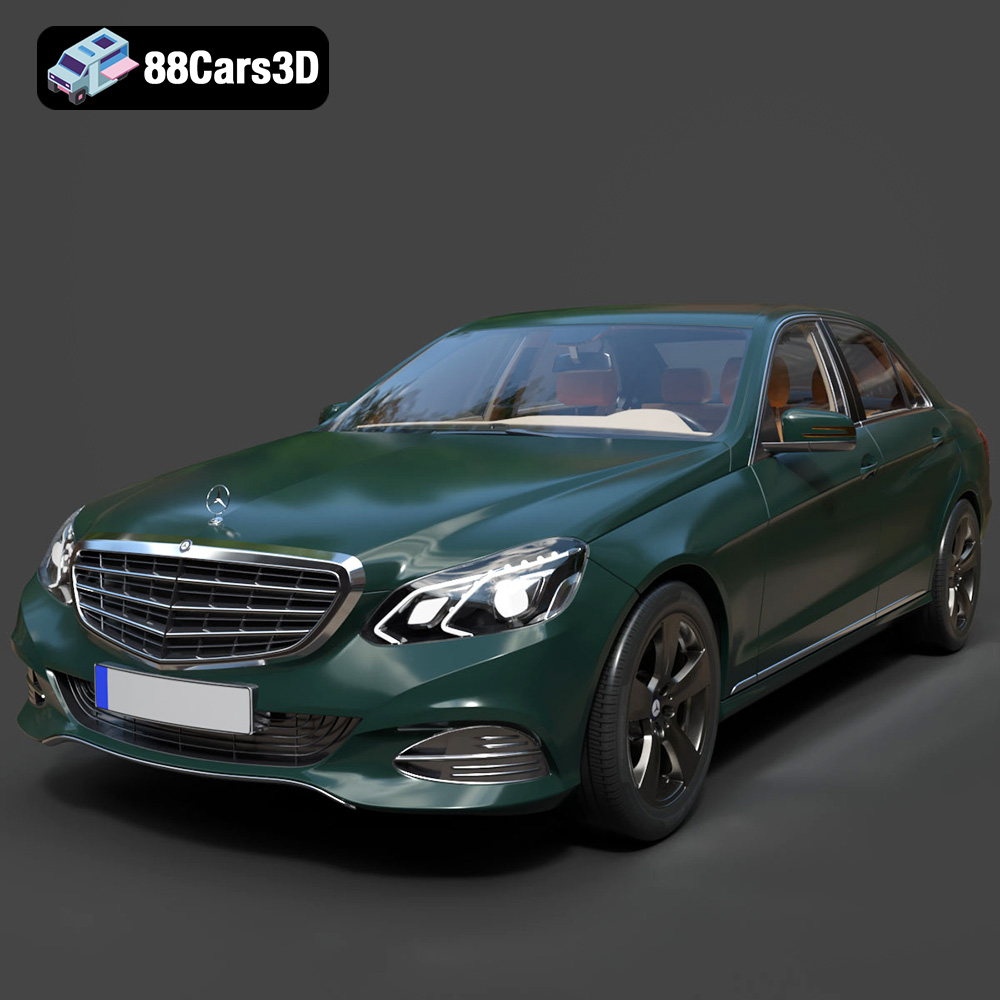
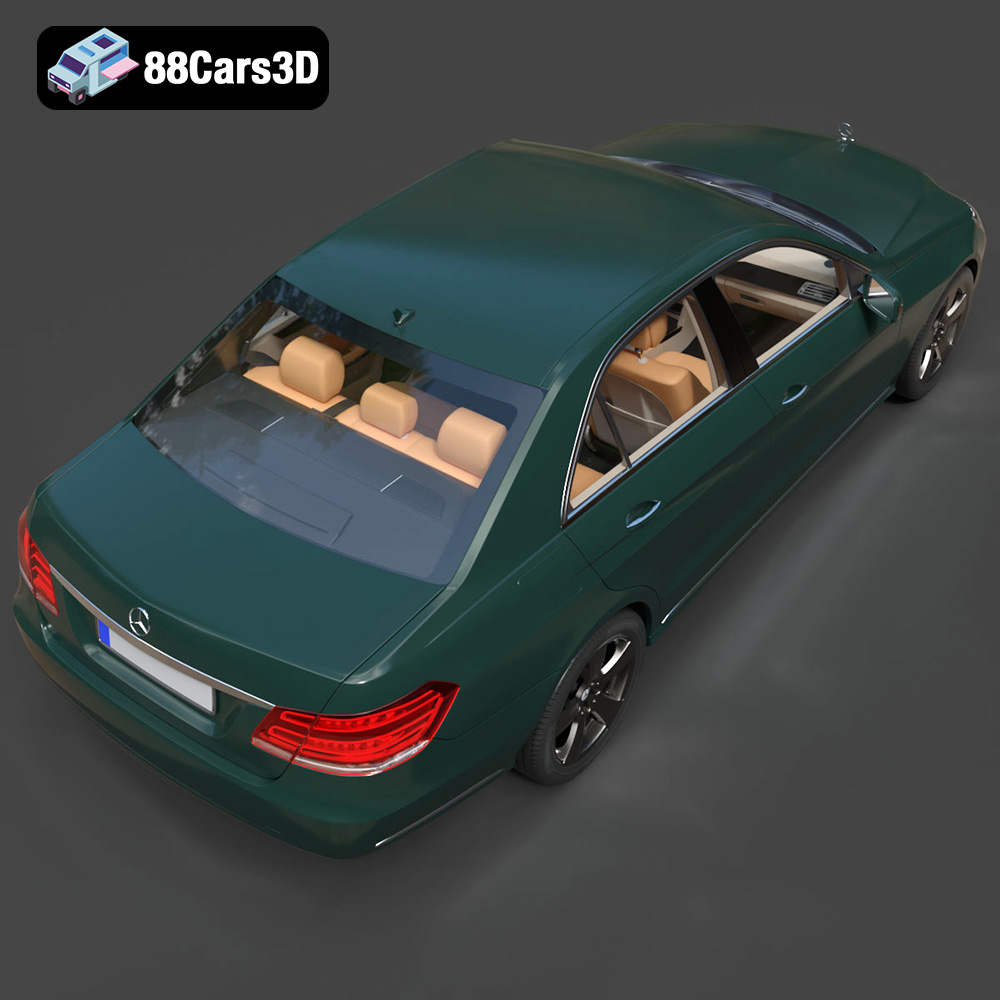
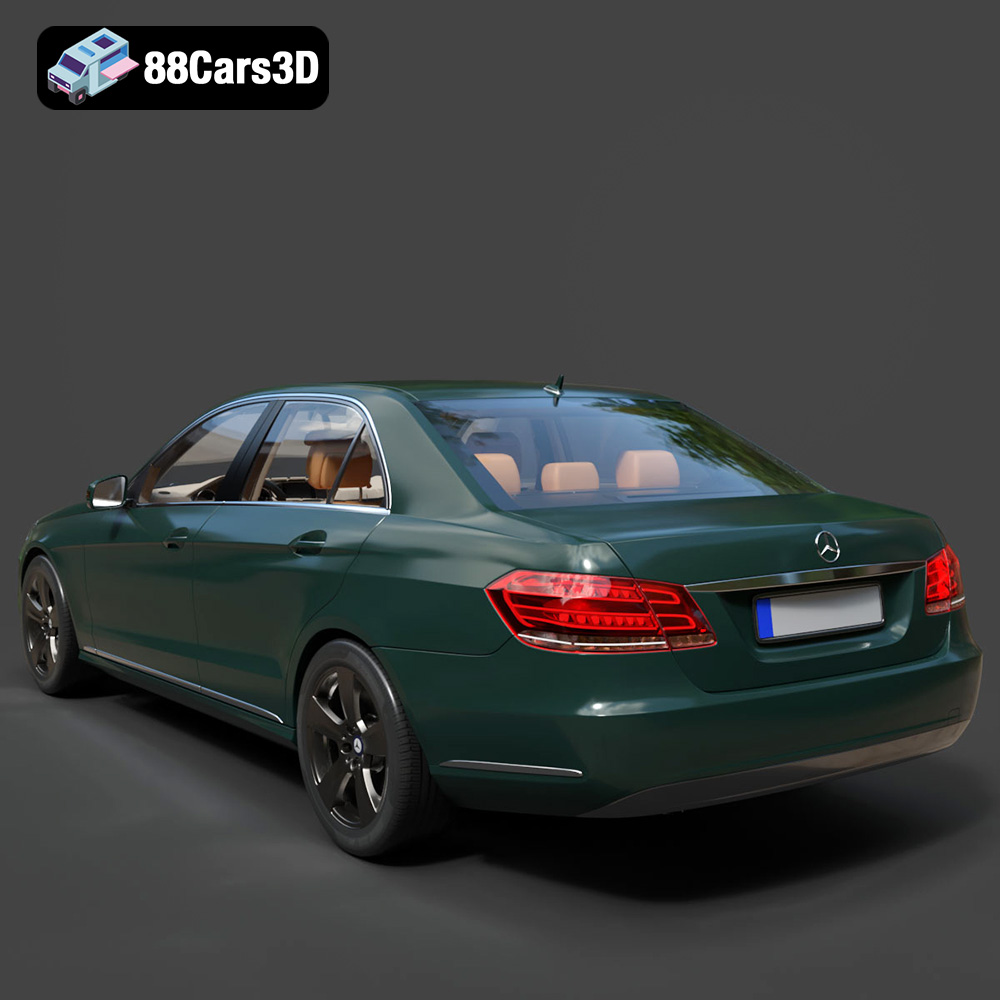
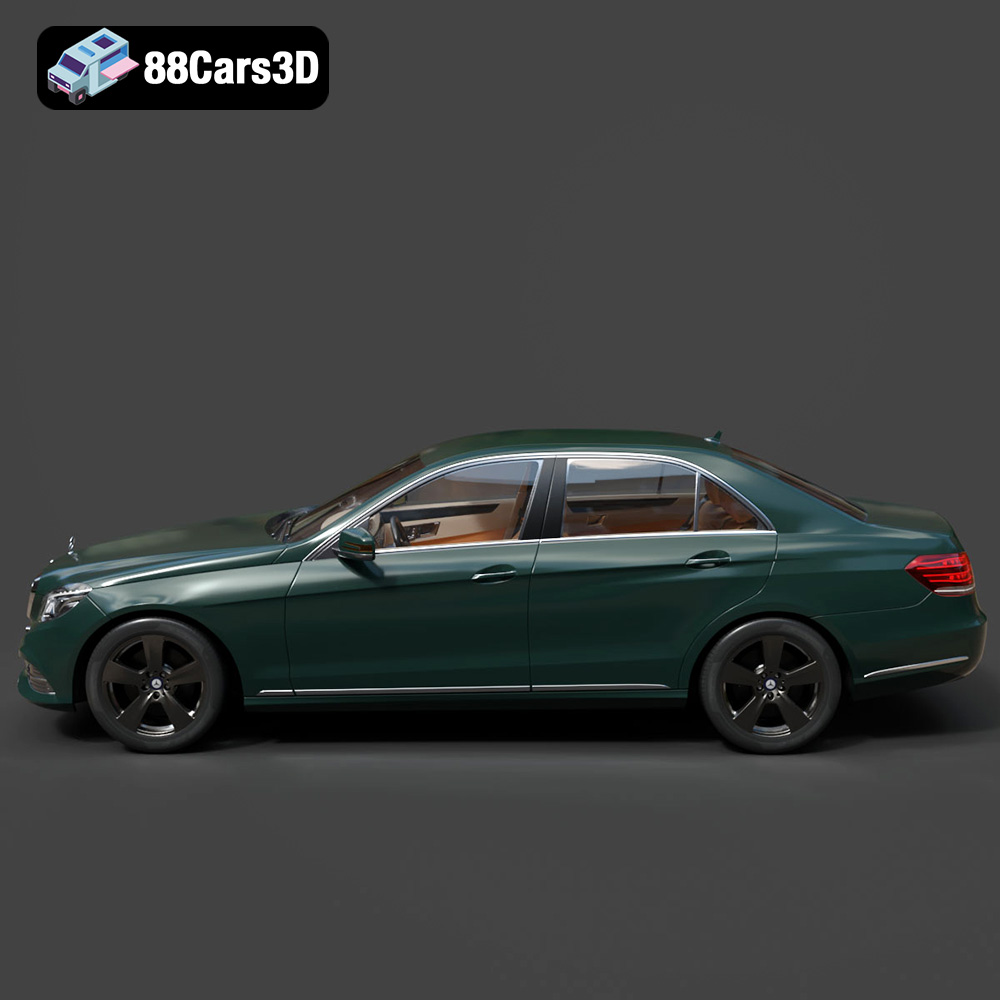
At the forefront of this digital transformation are platforms like 88cars3d.com, which provide meticulously crafted assets for professionals across various sectors. Consider the Mercedes-Benz E13-08 3D model, a prime example of how digital assets transcend mere visuals to become powerful tools. This concept vehicle, envisioned with a sleek, aerodynamic silhouette and advanced technological cues, perfectly encapsulates the potential of a high-fidelity 3D model. It’s not just a render; it’s a versatile asset ready for integration into cinematic animations, immersive virtual reality showrooms, and the demanding environments of next-generation game engines.
In a world driven by visual content and interactive experiences, the demand for sophisticated 3D car models has never been higher. These aren’t simple static objects; they are complex digital blueprints that carry the essence of a vehicle’s design, engineering, and emotional appeal. For professionals in automotive design, advertising, and entertainment, investing in premium 3D assets is not just an advantage—it’s a necessity.
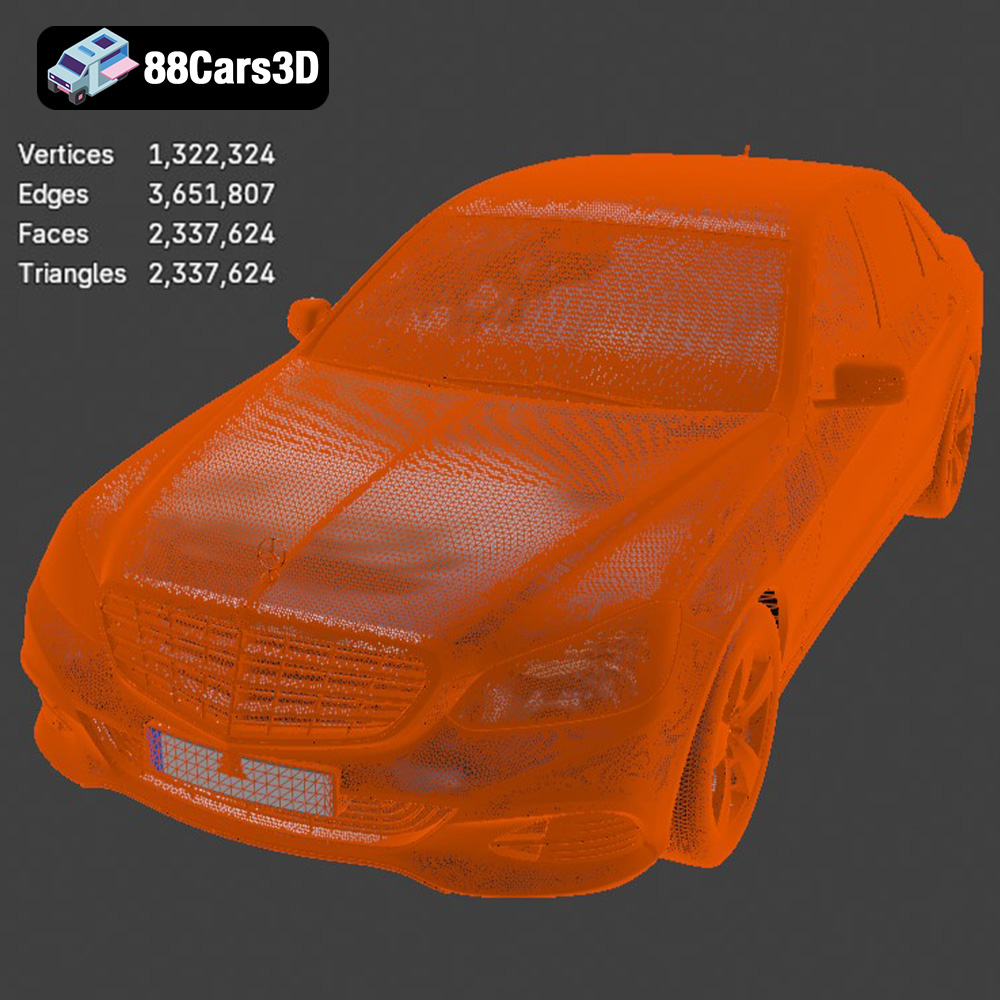
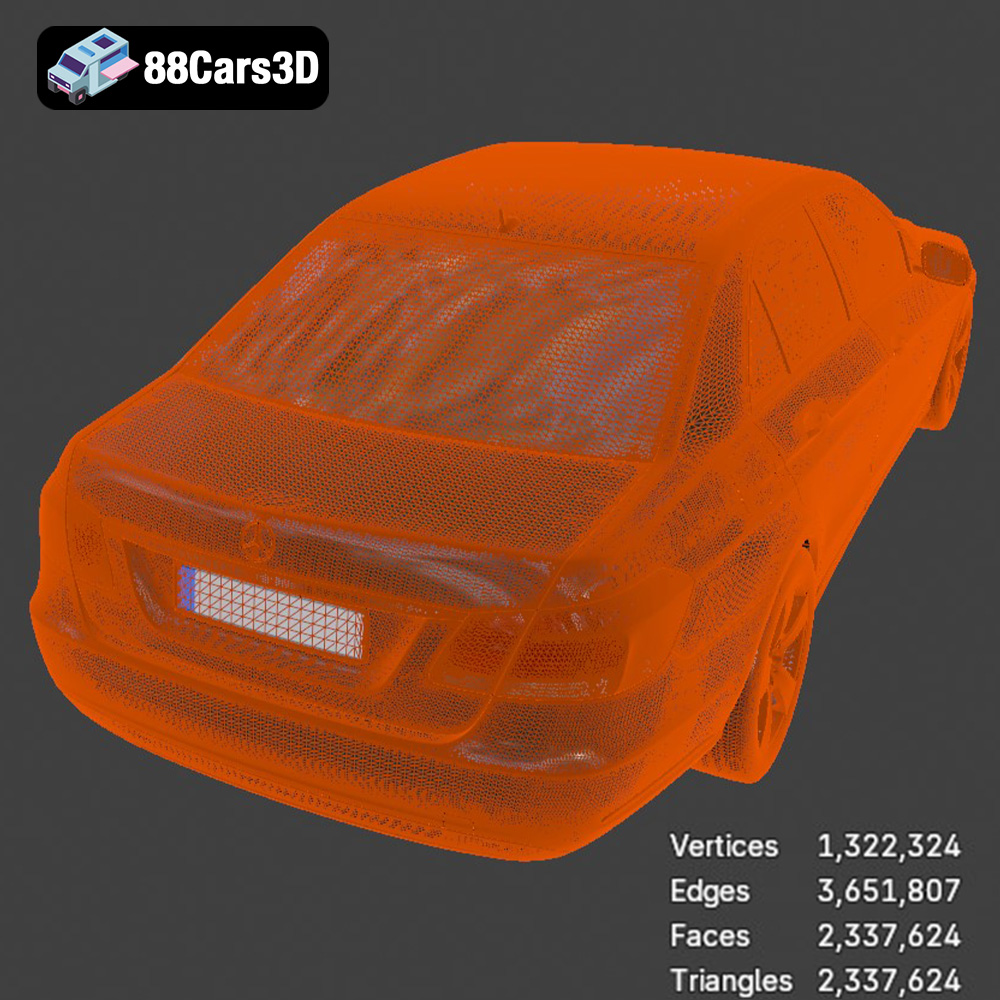
Before a single piece of metal is cut or a component manufactured, automotive designers rely heavily on 3D models to visualize, test, and refine their concepts. High-quality 3D car models allow for detailed analysis of aerodynamics, ergonomics, and aesthetics. Precision geometry, like that found in the Mercedes-Benz E13-08 model with its 2,337,624 triangle count, ensures that reflections are smooth, curves are flawless, and every intricate detail, from advanced LED lighting to sophisticated wheel designs, is accurately represented. This level of fidelity means that designers can make informed decisions, translating abstract ideas into tangible, albeit digital, prototypes with unparalleled accuracy.
Beyond the design studio, high-quality 3D car models are indispensable across a spectrum of visualization applications. In marketing, they power photorealistic renders for advertisements, brochures, and online configurators, allowing potential buyers to customize their dream car before it even exists. For film and animation, these models become digital actors, performing stunts or cruising through virtual landscapes with cinematic realism. In educational and training simulations, they offer interactive learning environments. The versatility of a well-constructed 3D asset means it can serve multiple purposes, significantly reducing development time and costs across different media.
Navigating the diverse landscape of 3D software and applications requires a solid understanding of file formats. Each format is designed with specific use cases, compatibility, and technical characteristics in mind. The Mercedes-Benz E13-08 3D model, for instance, comes equipped with a comprehensive suite of formats, ensuring its utility across virtually any professional pipeline.
The .blend file format is native to Blender, the increasingly popular open-source 3D creation suite. A .blend file encapsulates an entire scene, including mesh data, materials, textures, animations, camera settings, and lighting. This makes it a powerful format for artists and studios working primarily within Blender, allowing for full editability and seamless integration of all scene elements. Professionals appreciate .blend for its completeness and the robust feature set of Blender itself, enabling intricate rigging, complex simulations, and advanced rendering straight out of the box.
Developed by Autodesk, FBX (Filmbox) has become the de facto standard for exchanging 3D data between various software applications. It supports geometry, materials, textures, animations, cameras, and lights, making it incredibly versatile. FBX is particularly ideal for game development pipelines (Unreal, Unity) and film/VFX production, as it efficiently transfers complex animated scenes while preserving hierarchy and animation data. Its broad adoption ensures that an FBX export from one software package can almost always be imported and utilized effectively in another, minimizing conversion headaches and preserving crucial asset data.
The OBJ (Object) format is one of the oldest and most universally supported 3D file types. It primarily stores geometry data—vertices, normals, texture coordinates, and faces—and can reference external material and texture files (typically .mtl for materials). While it doesn’t support animation or rigging, its simplicity and widespread compatibility make it an excellent choice for basic mesh transfer between almost any 3D software. When maximum compatibility is a priority, or when dealing with static models for rendering or sculpting, OBJ remains a reliable workhorse.
GLB (GL Transmission Format Binary) is the binary version of the glTF format, specifically designed for efficient transmission and loading of 3D scenes and models on the web and in AR/VR applications. It’s a self-contained format that embeds textures, materials, and animations directly into a single file, reducing HTTP requests and optimizing performance. For developers building interactive web experiences, augmented reality apps, or virtual reality showrooms, .glb is the go-to format for its compact size, rapid loading times, and native support across many platforms.
STL (Stereolithography) is almost exclusively used for 3D printing and rapid prototyping. It describes only the surface geometry of a 3D object using a tessellation of triangular facets, without any color, texture, or material information. While lacking visual fidelity for rendering, STL is critical for bringing digital models into the physical world. For hobbyists and professionals looking to create a tangible representation of their 3D car models, such as display-scale models of the Mercedes-Benz E13-08, providing an optimized .stl file is essential.
PLY (Polygon File Format) is a format for storing graphical objects that are generally derived from 3D scanners. It supports a wide range of properties, including color, transparency, normals, texture coordinates, and even reliability information. PLY files can store both triangle meshes and point clouds, making them valuable for scientific applications, CAD, and situations where precision mesh data with additional vertex attributes is required. While less common for general artistic asset exchange, it excels in niche applications requiring detailed surface information.
When “unreal” is listed as a file format, it typically refers to an asset that has been specifically prepared and optimized for direct integration into Unreal Engine projects. This isn’t a single file type like FBX, but rather an asset package or a specific configuration within the Unreal Engine project structure. It means the model has likely been imported, its materials set up using Unreal’s physically based rendering (PBR) system, collision meshes generated, and potentially LODs (Levels of Detail) created. An “unreal” asset streamlines the workflow for game developers, allowing them to drag and drop a fully functional and optimized car model, like the Mercedes-Benz E13-08, directly into their scenes with minimal setup.
The .max file format is native to Autodesk 3ds Max, one of the leading 3D modeling, animation, and rendering software packages in the industry. Similar to .blend, a .max file contains the entire scene data, including geometry, modifiers, materials, lights, cameras, animations, and render settings. It provides full editability within 3ds Max, making it the preferred format for studios and artists whose primary workflow revolves around this powerful software. For intricate automotive rendering and animation projects, having the native .max file offers maximum flexibility for customization and refinement.
The Mercedes-Benz E13-08 3D model stands as a testament to the meticulous craftsmanship required for high-end digital assets. Every curve, every surface, and every component has been faithfully recreated to meet the demanding standards of professional visualization and real-time applications. This isn’t just a car; it’s a digital sculpture, ready for diverse deployments.
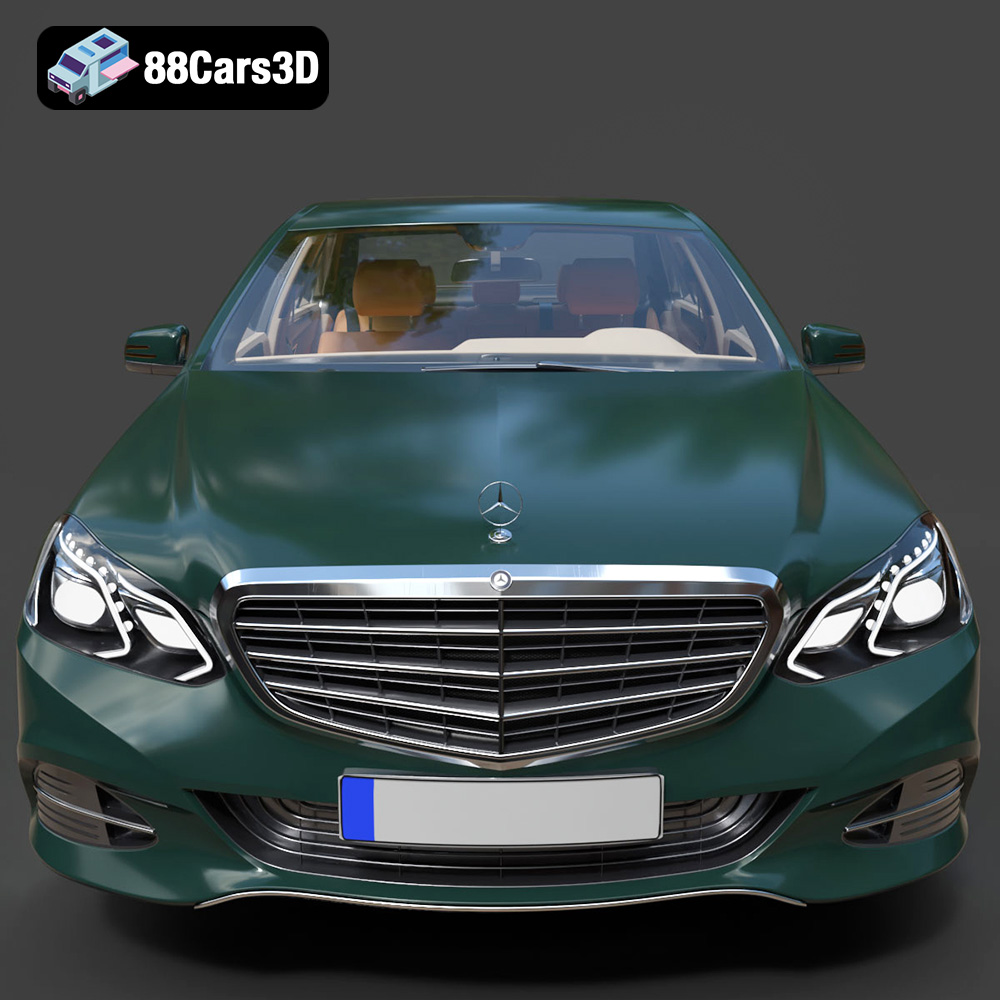
The exterior of the E13-08 model boasts accurate Mercedes-Benz aerodynamic frame geometry and proportions. This level of detail extends to sleek, integrated aerodynamic elements and diffusers, which are crucial for showcasing the vehicle’s performance characteristics in renders. Signature LED lighting, including detailed headlamps and taillights, reflects modern automotive design trends. The high-resolution multi-spoke alloy wheels and realistic tire treads are not merely cosmetic; they are carefully modeled, alongside accurately modeled braking systems and suspension linkages, providing the necessary visual cues for realism. Crucially, components like wheels, suspension, and steering are separated, making the model ideal for animation, allowing for realistic rotation, travel, and steering simulations.
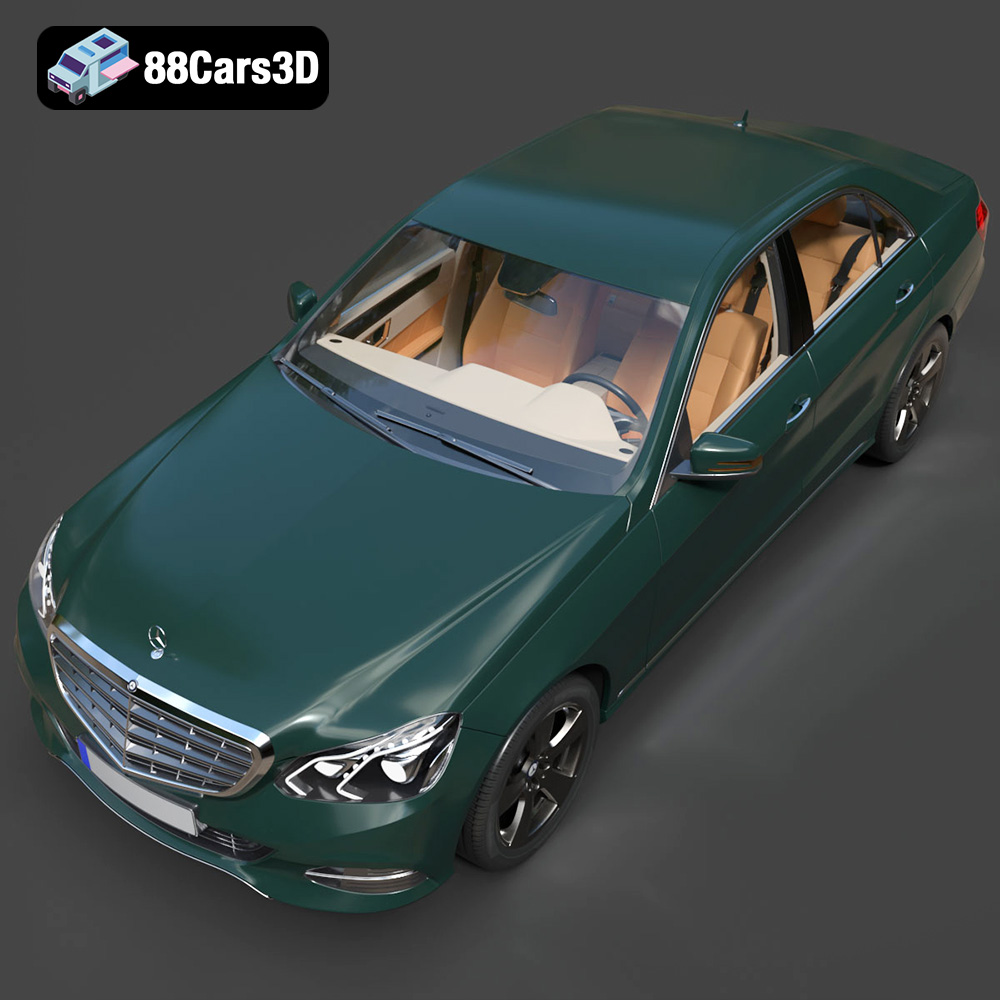
The attention to detail doesn’t stop with the exterior. The E13-08’s cockpit and interior features are designed for premium luxury and ergonomic immersion. From premium seating to a futuristic steering wheel and driver controls, every element contributes to a believable virtual environment. High-tech digital instrument clusters and infotainment screens are meticulously modeled, alongside accurate control details such as pedals, levers, and drive selectors. This comprehensive interior modeling is particularly vital for applications like virtual reality showrooms or first-person POV in racing games, where the user directly interacts with or experiences the cabin.
At its core, the E13-08 model is built for performance and visual fidelity. With a comprehensive topology of 2,337,624 triangles, it strikes a perfect balance: high enough for next-gen cinematic realism, yet optimized for real-time engines like Unreal Engine 5 (leveraging features like Nanite) and Unity. This “Game-Ready & Optimized” status means it’s suitable for the most demanding interactive experiences without sacrificing visual quality. Its real-world scale accuracy, based on actual vehicle chassis, ensures proper integration into any scene. Furthermore, the proper pivot setup for steering, wheel rotation, and suspension travel is a crucial technical advantage, simplifying animation workflows and ensuring realistic movement from the outset.
The true value of a high-quality 3D asset like the Mercedes-Benz E13-08 lies in its seamless integration into various professional pipelines. Whether you’re an automotive visualization artist, a game developer, or an AR/VR content creator, this model provides a robust foundation.
For those specializing in photorealistic automotive rendering, integrating the E13-08 into 3ds Max using renderers like V-Ray or Corona is a streamlined process. The included .max file allows artists to immediately dive into material setup, leveraging advanced physically based shaders to replicate metallic paints, intricate carbon fiber details, and realistic glass. Scene setup involves carefully crafted studio lighting environments, HDRIs for realistic reflections, and fine-tuning camera angles to showcase the vehicle’s dynamic lines. The detailed geometry ensures that even extreme close-ups capture every nuance, from the curvature of the body panels to the precision of the brake calipers, resulting in stunning visual outputs for marketing campaigns or design reviews.
Game developers targeting next-generation platforms will find the E13-08 model exceptionally suited for Unreal Engine 5. The high-fidelity 2.3 million triangle count is perfectly poised to take advantage of Unreal’s Nanite virtualized micropolygon geometry system, allowing for direct import of high-detail assets without the need for manual LOD generation, while maintaining incredible performance. The “unreal” engine-ready asset simplifies the process further, providing pre-configured materials and potentially collision meshes. Developers can quickly integrate the E13-08 into racing titles, open-world environments, or interactive simulators, leveraging Unreal’s advanced rendering capabilities, Lumen for global illumination, and Niagara for visual effects, to create truly immersive experiences.
The advent of augmented and virtual reality has opened new frontiers for automotive visualization. The Mercedes-Benz E13-08 3D model is perfect for creating immersive virtual showrooms or interactive AR configurators. Utilizing the .glb format, developers can deploy the model efficiently across web-based AR platforms or mobile VR applications. Users can then explore the vehicle from every angle, step inside the meticulously detailed cockpit, change colors, or even place the E13-08 in their real-world environment via AR, offering an unparalleled level of interaction and engagement that transcends traditional static imagery.
Beyond screen-based applications, the E13-08 model offers exciting possibilities for 3D printing enthusiasts and professionals. The included .stl format is specifically tailored for this purpose. With recommended scales like 1:12, 1:18, or 1:24, hobbyists can create highly detailed physical replicas. For optimal results, resin printing is recommended to capture the fine details of mirrors, spoilers, and suspension components, with a layer height of 0.04–0.12 mm. Proper support structures are essential, and careful print orientation (e.g., frame angled for structural integrity, wheels printed separately) ensures a successful output. Post-processing, including sanding, priming, and painting with authentic factory colors, can transform the printed model into a stunning display piece.
A truly exceptional 3D asset offers more than just fidelity; it provides flexibility. The Mercedes-Benz E13-08 model from 88cars3d.com is designed with customization at its core, allowing creators to adapt it to an endless array of creative visions and technical requirements.
The ability to change body colors, modify tire textures, and adjust material finishes is critical for diverse projects. Whether a client demands a specific factory color, a custom high-gloss finish, a sleek matte look, or intricate carbon fiber accents, the model’s clean topology and material separation allow for easy adjustments. Adapting the lighting for different environments—be it a sun-drenched coastal road, a futuristic urban landscape, or a minimalist studio setup—drastically alters the mood and message conveyed by the vehicle. This customization transforms the E13-08 from a static model into a dynamic canvas for artistic expression.
The separate components for wheels, suspension, and steering are not just for static accuracy; they are engineered for animation. This modularity allows animators to create realistic driving sequences, show off the suspension’s travel over bumps, or demonstrate the precision of the steering system in a cinematic fly-through. Whether for a car commercial, an in-game cinematic, or an engineering visualization, the E13-08 is built to move and react authentically within its digital environment.
Imagine a global automotive brand launching a futuristic concept vehicle. An agency tasked with creating a compelling campaign turns to the Mercedes-Benz E13-08 3D model from 88cars3d.com. They leverage its .max file to render stunning visuals for print and digital ads, showcasing different color schemes and environments. For an interactive online experience, the .glb version is integrated into a web-based configurator, allowing prospective customers to explore the car in 360 degrees. Simultaneously, game developers receive the optimized .fbx and “unreal” assets to feature the E13-08 in a popular racing simulator, offering players a thrilling virtual drive. The versatility of this single, high-quality asset empowers the agency to execute a multi-faceted campaign efficiently, maintaining visual consistency across all media while delivering exceptional quality.
The world of 3D modeling for automotive design and entertainment is constantly evolving, demanding assets that are not only visually stunning but also technically robust and versatile. The Mercedes-Benz E13-08 3D model exemplifies these qualities, offering unparalleled visual realism, optimized performance, and broad compatibility across a myriad of file formats and professional workflows. From game development and AR/VR experiences to cinematic rendering and even 3D printing, this model provides the foundational quality necessary for cutting-edge projects.
Investing in high-fidelity 3D car models like the E13-08 from 88cars3d.com significantly accelerates creative processes, allowing designers, developers, and artists to focus on innovation rather than laborious asset creation. It’s a strategic choice for anyone looking to produce exceptional automotive renders, build immersive virtual worlds, or bring futuristic concepts to life with professional-grade accuracy and artistic flair. Explore the possibilities and elevate your projects with premium 3D assets that truly drive success.
Experience the future of luxury mobility with this meticulously crafted 3D model of the Mercedes-Benz E13-08. Showcasing the brand’s iconic heritage paired with forward-thinking design, this model captures the sleek, aerodynamic silhouette and high-tech styling cues of a modern concept vehicle. From the intricate details of its signature front fascia and advanced LED lighting systems to its sophisticated wheel design, every element has been faithfully recreated to deliver unparalleled visual realism.
With a comprehensive topology of 2,337,624 triangles, this model offers breathtaking visual fidelity designed for next-generation rendering and high-end game engines. Whether utilized in cinematic animations, immersive virtual reality environments, or real-time configurators, the geometry ensures smooth reflections and flawless close-up shots. The model is fully optimized for professional pipelines, providing the perfect foundation for advanced materials and lighting setups.
Perfect for high-end automotive visualizations, next-gen racing games, VR showrooms, and cinematic animations.
.blend, .fbx, .obj, .glb, .stl, .ply, .unreal, .max
Tags:
mercedes-benz, e13-08, concept-car, electric-car, game-ready, optimized, car-3d-model, game-asset, rendering, vr-ar, blend, fbx, obj, glb, stl, ply, unreal, max
$88.00
.blend
.fbx
.glb
.max
.obj
.ply
.rendering
.stl
.unreal
car-3d-model
concept-car
e13-08
electric-car
game asset
game-ready
mercedes-benz
optimized
VR/AR