Get 20% OFF All Premium 3D & STL Models!

The allure of a luxury vehicle transcends mere transportation; it’s a statement of design, engineering prowess, and an aspirational lifestyle. For artists, designers, game developers, and marketers, capturing this essence in the digital realm is paramount. Creating photo-realistic renders or immersive interactive experiences demands a level of detail and optimization that only truly professional 3D car models can deliver. This is where the Rolls Royce 2013 3D model stands out, offering an unparalleled foundation for a myriad of high-end applications.
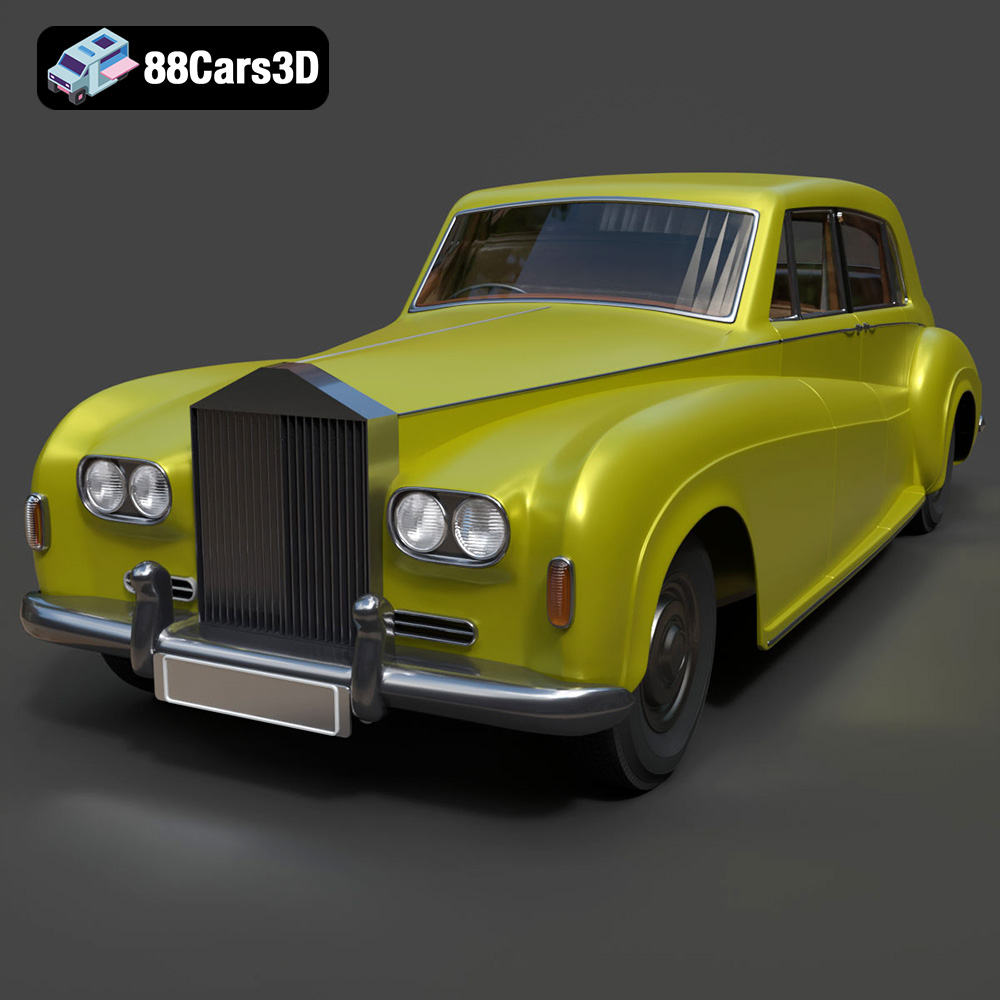
Imagine showcasing the iconic Pantheon grille, the Spirit of Ecstasy hood ornament, and the meticulously sculpted lines of a Rolls Royce without the need for physical photography or complex CAD conversions. The Rolls Royce 2013 3D model provides this exact capability, serving as a versatile asset for everything from cinematic animations and virtual showrooms to cutting-edge game development and even detailed 3D printing. Its meticulous construction and optimization ensure that whether you’re aiming for a stunning still image or a fluid real-time experience, this model is engineered to exceed expectations, streamlining workflows and elevating visual quality.
The versatility of a 3D model is often defined by the range and quality of its available file formats. Each format serves a distinct purpose, optimized for specific software, pipelines, or end-use applications. A comprehensive package like the Rolls Royce 2013 3D model, offering multiple formats, is a testament to its professional readiness and adaptability across diverse creative industries. Understanding these formats is crucial for selecting the right asset for your project, ensuring maximum compatibility, efficiency, and fidelity.
The .blend format is the native file type for Blender, a powerful and increasingly popular open-source 3D creation suite. When you receive a model in .blend format, it typically means a fully editable Blender scene, complete with materials, textures, lighting setups, and sometimes even basic animation rigs. This offers unparalleled flexibility for artists who work in Blender, allowing them to dissect the model, adjust shaders, modify geometry, and integrate it seamlessly into existing Blender projects without any loss of data or conversion artifacts. It’s the go-to format for full artistic control within the Blender ecosystem.
FBX, or Filmbox, is arguably the most widely adopted proprietary file format for 3D content interchange. Developed by Autodesk, it excels at storing not just geometry, but also materials, textures, animation data, and even camera and lighting information. This makes .fbx an ideal choice for transferring models between different 3D software packages like Maya, 3ds Max, Blender, and crucially, into real-time game engines such as Unreal Engine and Unity. Its robust support for skeletal animations and PBR (Physically Based Rendering) materials makes it indispensable for game development and cinematics where animation and material consistency are critical.
The .obj (Object) format is a widely supported, open standard for 3D geometry. It’s a simpler format compared to .fbx, primarily storing vertex positions, UV coordinates, normals, and material references (often in a separate .mtl file). While it doesn’t typically embed animation or advanced scene data, its universality makes it an excellent choice for basic mesh exchange between almost any 3D application. For static renders or when you primarily need the raw geometry for detailed sculpting or retopology, .obj offers a reliable, cross-software compatible solution.
.glb (GL Transmission Format Binary) is the binary version of glTF, a royalty-free specification for 3D scenes and models. Designed for efficient transmission and loading of 3D assets, .glb packages all model data—geometry, textures, animations—into a single, self-contained file. This optimization makes it perfect for web-based 3D viewers, AR/VR applications, and mobile experiences where file size and loading speed are critical. The Rolls Royce 2013 3D model in .glb format would be ideal for a virtual car configurator on a website or an augmented reality app showcasing the vehicle in a real-world environment.
STL (Stereolithography) is the de facto standard file format for 3D printing. It represents a 3D model as a collection of unconnected triangular facets, making it suitable for manufacturing processes like additive printing. While it doesn’t contain color or texture information, its simplicity ensures widespread compatibility with slicing software. The Rolls Royce 2013 model, when converted to .stl, opens up possibilities for creating physical scale models, a fantastic way to bring digital designs into the tangible world for display or prototyping.
PLY (Polygon File Format) is another format for storing 3D data, often used in scientific applications, 3D scanning, and CAD/CAM. It can store a wider range of properties, including color per vertex, transparency, and sometimes even surface normal information, providing a more detailed representation of the mesh than .obj in some contexts. For highly precise engineering visualizations or analysis, a .ply file might be preferred.
While not a universal file extension in the traditional sense, a “.unreal” file often implies a pre-packaged asset designed specifically for direct import and optimal performance within Unreal Engine. This could be an FBX file expertly pre-configured with materials, collision meshes, LODs (Levels of Detail), and pivot points correctly set up, saving significant setup time for developers. Such an asset accelerates integration into game worlds, virtual productions, and architectural visualizations powered by Unreal Engine, ensuring the Rolls Royce 2013 is truly game-ready.
The .max format is the native file type for Autodesk 3ds Max, a leading software for 3D modeling, animation, rendering, and visual effects. Similar to .blend, a .max file offers a complete 3ds Max scene, including geometry, materials, lighting, cameras, and any animation or rigging applied. For studios and artists deeply integrated into the 3ds Max pipeline, this format provides full editability and control, making it ideal for high-fidelity rendering projects and complex animation sequences involving the Rolls Royce 2013 3D model.
Automotive rendering is a specialized field where the marriage of technical precision and artistic vision creates compelling imagery. The Rolls Royce 2013 3D model from 88cars3d.com offers an exquisite foundation for this, providing the detailed geometry necessary to achieve photorealistic results in any high-end rendering engine. Every curve, panel gap, and material transition is meticulously crafted, allowing artists to focus on lighting, composition, and storytelling.
Achieving a photorealistic render of a luxury vehicle like the Rolls Royce demands careful attention to detail in three key areas: lighting, materials, and composition. The model’s clean topology and accurate proportions mean that reflections will behave realistically on its polished surfaces. Artists can experiment with various studio lighting setups, from softbox arrays for elegant diffused lighting to sharp rim lights that highlight the vehicle’s contours. Paired with advanced PBR materials for paint, chrome, glass, and leather, the Rolls Royce 2013 model truly shines. The meticulous interior details, from plush leather seating to the elegant wood veneer dashboard, come alive under precise lighting, making it perfect for luxury lifestyle visualizations.
Beyond isolated studio shots, the Rolls Royce 2013 3D model excels when integrated into larger architectural visualization (Arch-Viz) or lifestyle scenes. Imagine this majestic vehicle gracing the driveway of a modern mansion, parked elegantly outside a high-end boutique, or featured in a vibrant urban landscape. Its real-world scale accuracy ensures seamless integration without disproportionate scaling issues. The model acts as a powerful narrative element, enhancing the perceived value and sophistication of the overall scene, making it invaluable for real estate marketing, product placements, and commercial advertising.
For many rendering professionals, Autodesk 3ds Max remains a cornerstone of their workflow. The inclusion of the .max file format for the Rolls Royce 2013 3D model is a significant advantage. It means artists can open the project directly, accessing the model with its original material assignments, potentially even pre-rigged components for animation. This accelerates the setup of complex rendering scenarios using powerful renderers like V-Ray or Corona, allowing for intricate material layering, detailed environment creation, and the production of breathtaking high-resolution images and cinematic animations showcasing every facet of this luxurious sedan.
The world of interactive media demands a unique balance between visual fidelity and performance optimization. For game developers, AR/VR creators, and simulation engineers, a high-quality 3D car model must look stunning without bogging down the real-time engine. The Rolls Royce 2013 3D model is engineered with this critical requirement in mind, striking a perfect balance for demanding interactive experiences.
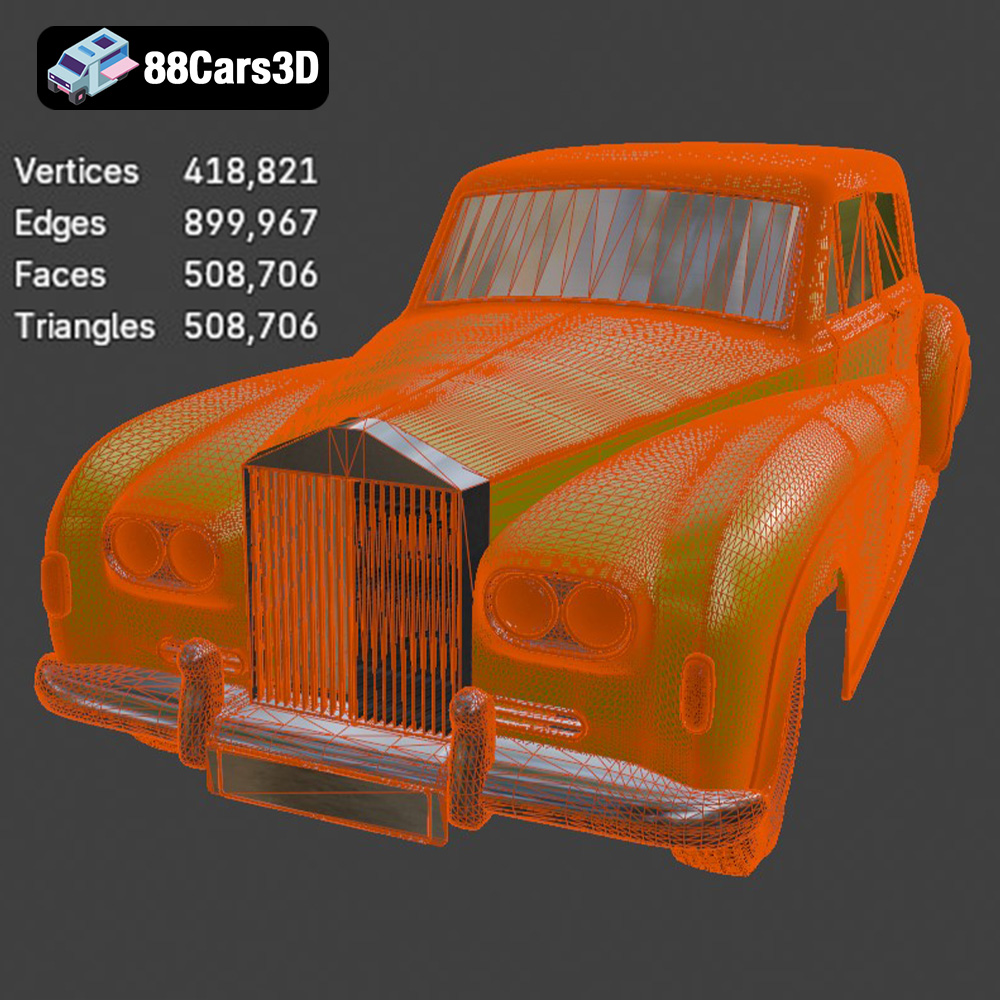
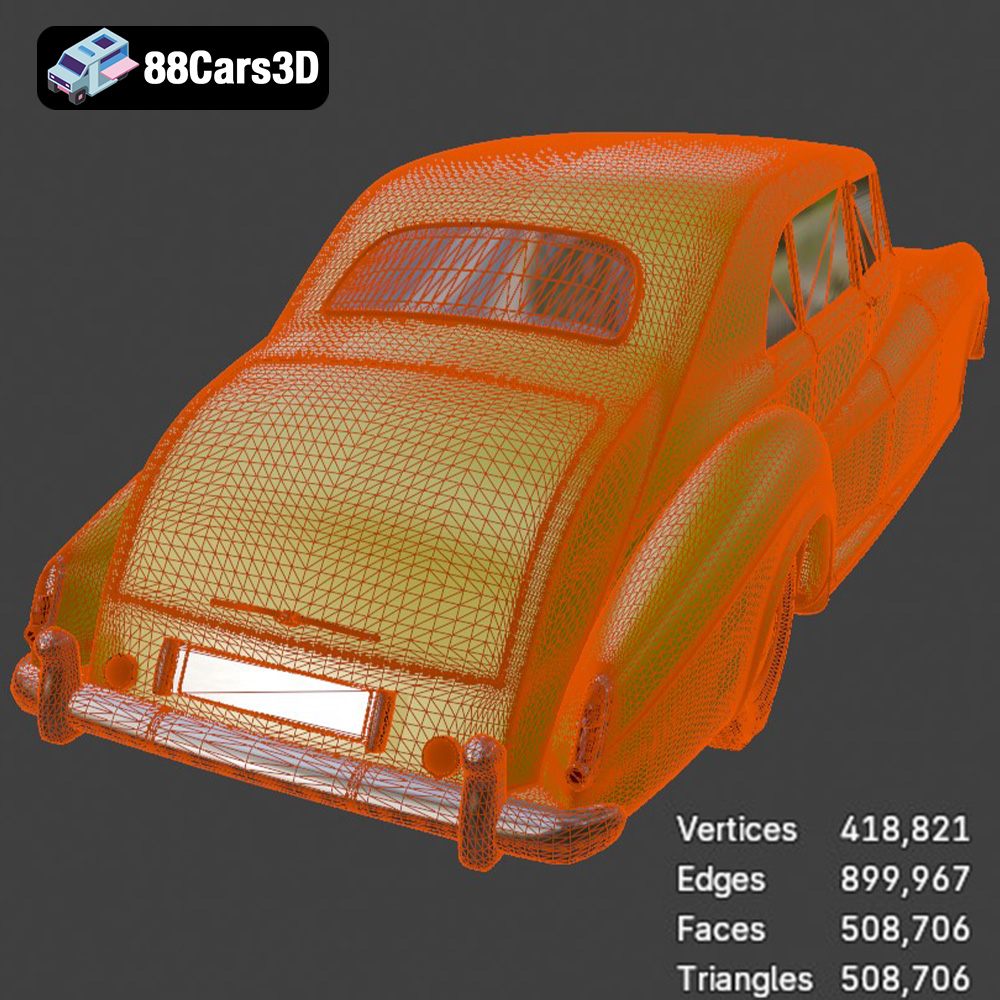
With its optimized topology of 508,706 triangles, the Rolls Royce 2013 model is perfectly suited for modern game engines like Unreal Engine and Unity. The inclusion of the .fbx format, and even a dedicated .unreal asset, greatly simplifies the import process. Developers can bring the model directly into their projects, knowing that its geometry is clean and efficient. Proper pivot setups for steering, wheel rotation, and suspension travel are critical for realistic physics and animation in-game, and this model delivers. Artists can then apply engine-specific PBR materials, set up collision meshes, and implement LODs (Levels of Detail) to ensure optimal performance across various platforms, making it ideal for open-world games, racing titles, and virtual simulators.
The rise of AR/VR technology has opened new frontiers for automotive visualization. Virtual showrooms and interactive configurators allow potential customers to explore vehicles in unparalleled detail, from any angle, and even customize them in real-time. The Rolls Royce 2013 3D model is an excellent candidate for such applications. Its high fidelity ensures that even up close in a VR headset, details like the multi-spoke alloy wheels with weighted self-righting center caps or the bespoke leather seating remain crisp and convincing. The .glb format, optimized for AR/VR and web, further facilitates deployment on various immersive platforms, making it a powerful tool for luxury brand engagement.
While 508,706 triangles offer incredible visual fidelity, true game-ready optimization goes beyond raw polycount. It involves efficient UV mapping, baked normal maps for finer surface details, and well-organized material IDs. For high-end game assets like this Rolls Royce, ensuring clean geometry minimizes shading artifacts and allows for efficient texture baking. The careful design of the model means less time spent on manual optimization, allowing developers to focus on gameplay mechanics and environmental storytelling. This makes it a valuable asset for any studio looking for premium 3D car models that deliver both visual impact and smooth performance.
The utility of a high-quality 3D model extends far beyond digital screens. With advancements in additive manufacturing, the same digital asset can be transformed into a tangible object. The Rolls Royce 2013 3D model provides this dual functionality, offering both digital and physical applications, alongside extensive customization options to truly make it your own.
The inclusion of the .stl format for the Rolls Royce 2013 3D model means it’s ready for 3D printing, transforming a digital luxury car into a physical collectible or prototype. For enthusiasts and designers, this opens up exciting possibilities. Printing at recommended scales like 1:12, 1:18, or 1:24 allows for detailed display models. Resin printing is often recommended for such fine details, ensuring crisp lines on the iconic grille, LED headlights, and even the intricate wheel designs. Specific print settings, such as a layer height of 0.04–0.12 mm and proper support structures for delicate parts like mirrors and the exhaust system, ensure a successful print. Post-processing with sanding, primer, and authentic factory colors can bring the physical model to life with stunning realism.
One of the significant advantages of working with a professional 3D model like the Rolls Royce 2013 is the extensive freedom for customization. Artists are not limited to a single factory finish or environment. The model allows for easy modification of body and tank colors, enabling exploration of various factory paint options or even speculative custom finishes. Tire textures can be swapped between off-road and street variants to suit different scene requirements, and material finishes—matte, gloss, or metallic—can be adjusted to achieve the desired aesthetic. Furthermore, adapting the lighting for different environments, from a sunny outdoor scene to a dramatic night setting, provides endless creative possibilities for marketing and visualization projects.
A static render is powerful, but animation adds another layer of storytelling. The Rolls Royce 2013 3D model is designed with animation in mind, featuring separate wheels, suspension, and steering components. This crucial detail allows for realistic motion: wheels can rotate and turn, suspension can compress and extend, and the entire vehicle can be animated along a path with accurate ground interaction. Imagine a cinematic sequence of the Rolls Royce cruising elegantly down a scenic route, or pulling up to a grand estate. This level of articulation is invaluable for automotive advertisements, virtual production, and interactive simulations, transforming a beautiful static model into a dynamic, living asset within any professional pipeline.
In the world of professional 3D, technical specifications are not just numbers; they are guarantees of quality, performance, and compatibility. The Rolls Royce 2013 3D model embodies this precision, making it an indispensable asset for a wide range of industry applications where accuracy and efficiency are paramount.
Accuracy begins with scale. This 3D model is built to real-world scale, based on the actual vehicle chassis, ensuring that it integrates seamlessly into any scene or engine without requiring tedious resizing. This level of detail extends to the model’s articulation: proper pivot setups for steering, wheel rotation, and suspension travel are meticulously implemented. This means that if you’re developing a racing simulator, an engineering visualization, or an automotive configurator, the mechanical movements of the vehicle will be authentic and functionally correct right out of the box, saving countless hours of rigging and adjustment. The separate engine block and refined dual exhaust system further enhance the model’s technical integrity, offering depth for close-up inspections and detailed renders.
High-quality 3D car models are central to modern brand campaigns and digital marketing strategies. For a luxury brand like Rolls Royce, presenting its vehicles in the most sophisticated light is critical. The Rolls Royce 2013 3D model is perfectly suited for creating stunning visuals for social media campaigns, interactive website elements, or high-definition advertisements. Imagine a global campaign showcasing the vehicle in diverse virtual environments, each designed to appeal to a specific demographic, all rendered from the same consistent and highly detailed 3D asset. This allows for unparalleled consistency across all marketing touchpoints and the flexibility to generate endless variations without the cost and logistics of physical photoshoots.
For professional designers, developers, and artists, the quality and reliability of 3D assets are non-negotiable. 88cars3d.com is dedicated to providing high-quality 3D car models that meet these rigorous industry standards. The Rolls Royce 2013 3D model exemplifies this commitment, offering optimized geometry, real-world scale, and broad file format compatibility. This ensures that whether your project demands a high-fidelity render, a game-ready asset, or a printable model, you are starting with a premium foundation. Investing in such a meticulously crafted asset from 88cars3d.com significantly reduces development time and enhances the final output, providing a competitive edge in a demanding market.
The journey from concept to compelling visual in the 3D world is intricate, but with the right assets, it becomes an exhilarating experience. The Rolls Royce 2013 3D model is more than just a digital representation of an iconic luxury car; it’s a meticulously engineered tool designed to empower professionals across various industries. From the precision required for automotive rendering and the demanding optimizations for game development to the tangible possibilities of 3D printing and the immersive potential of AR/VR, this model delivers versatility and quality in equal measure. Its broad compatibility through various file formats ensures seamless integration into any professional workflow, while its attention to detail guarantees stunning visual fidelity.
Whether you are a seasoned animator creating a cinematic masterpiece, a game developer crafting an immersive open world, or an architect visualizing a high-end property, the Rolls Royce 2013 3D model provides an unparalleled foundation. It encapsulates the essence of automotive luxury in a format that is both technically robust and aesthetically sublime, ready to elevate your projects to new heights. Explore this exceptional asset and many other high-quality 3D car models at 88cars3d.com, and discover how premium digital assets can transform your creative vision into a tangible reality.
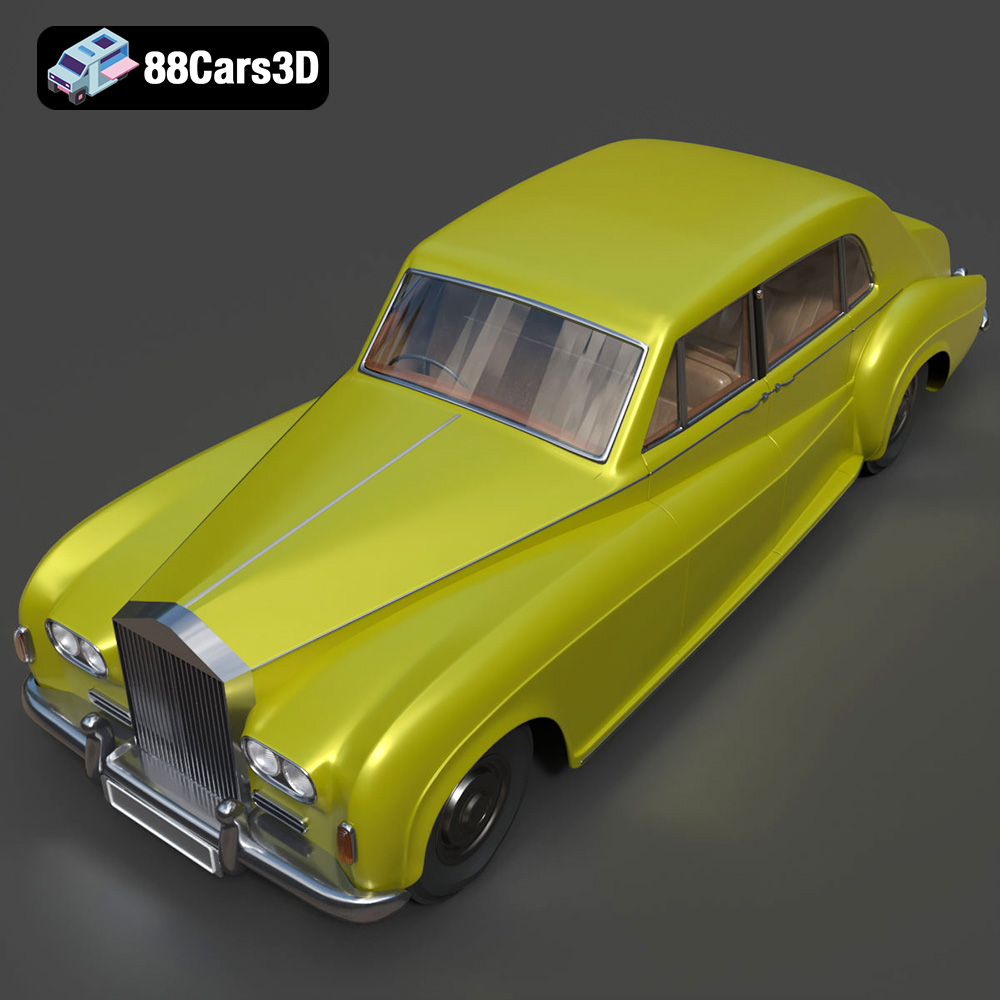
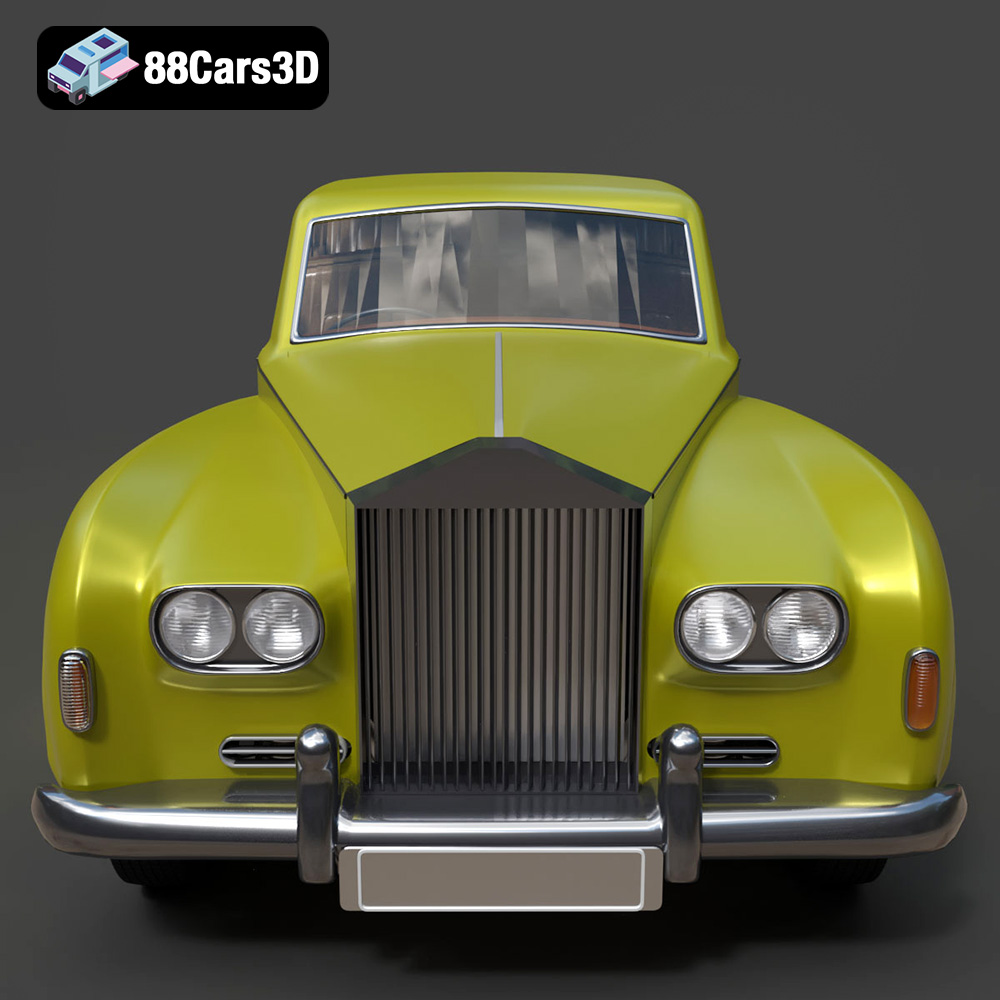
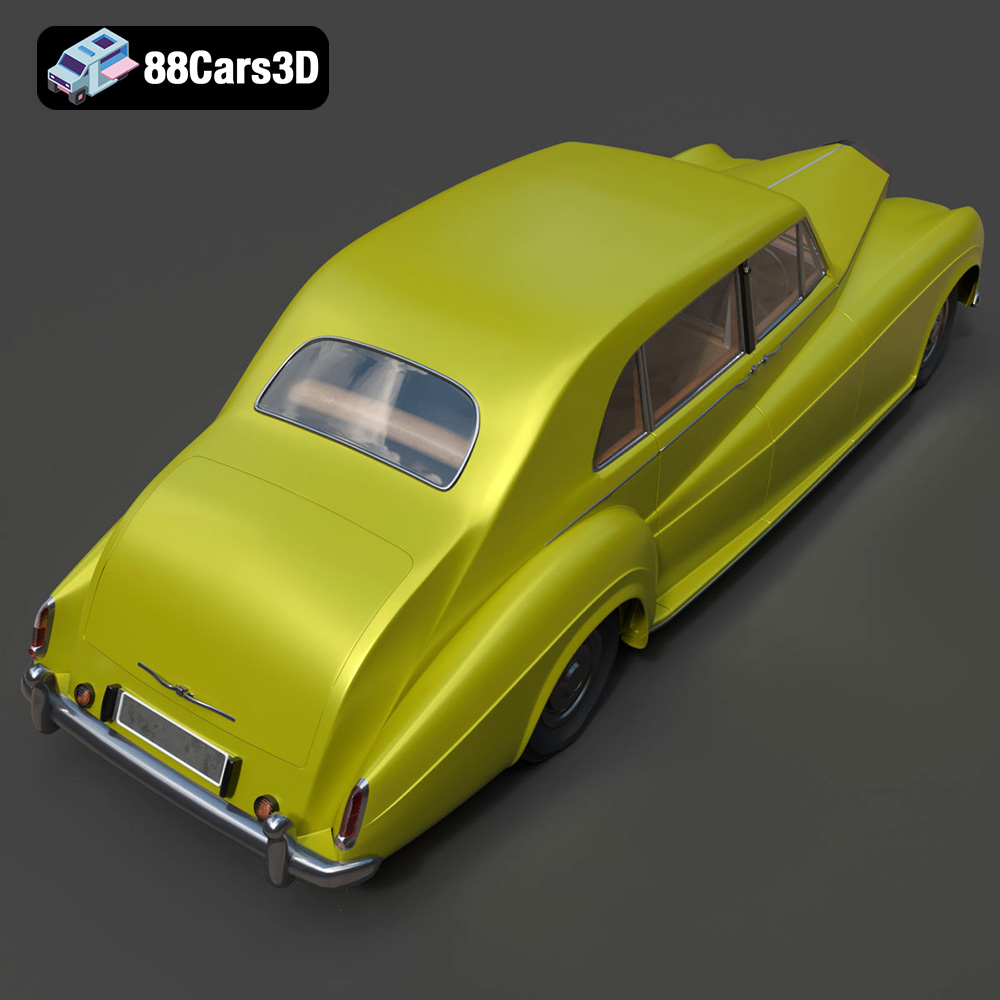
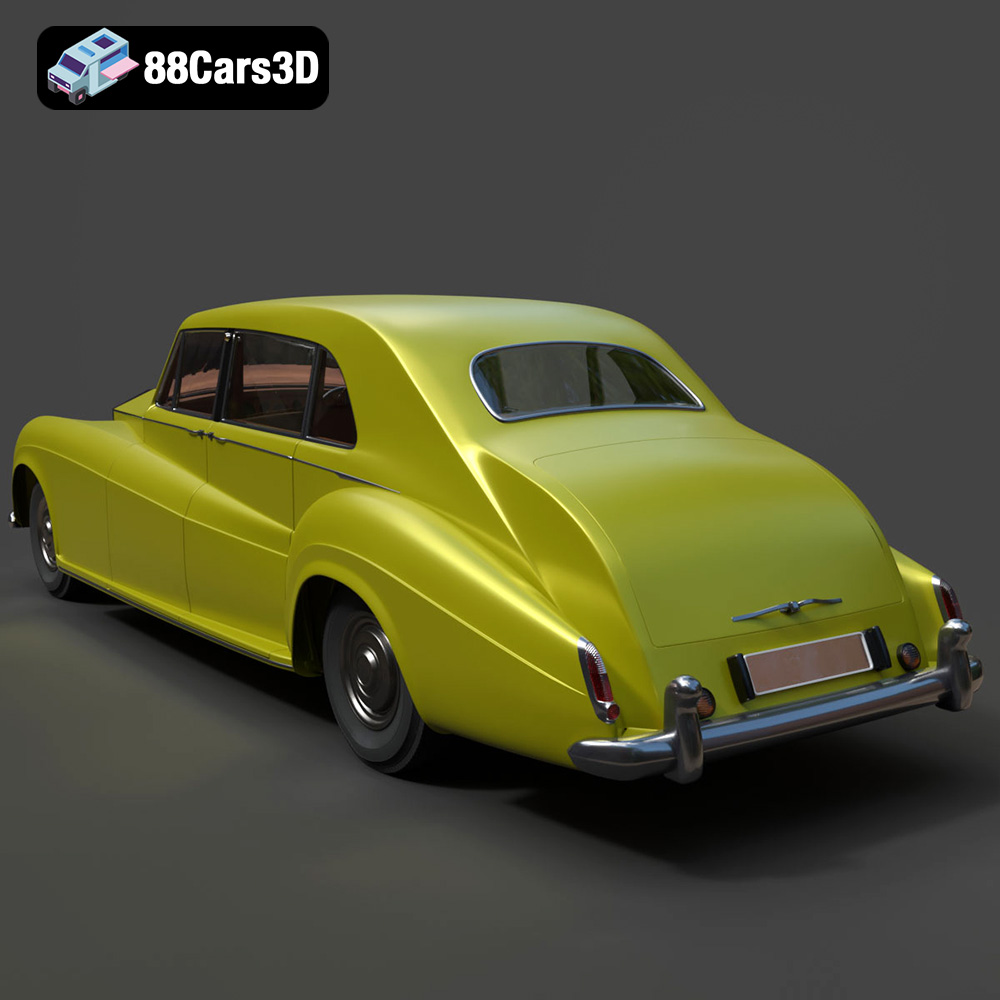
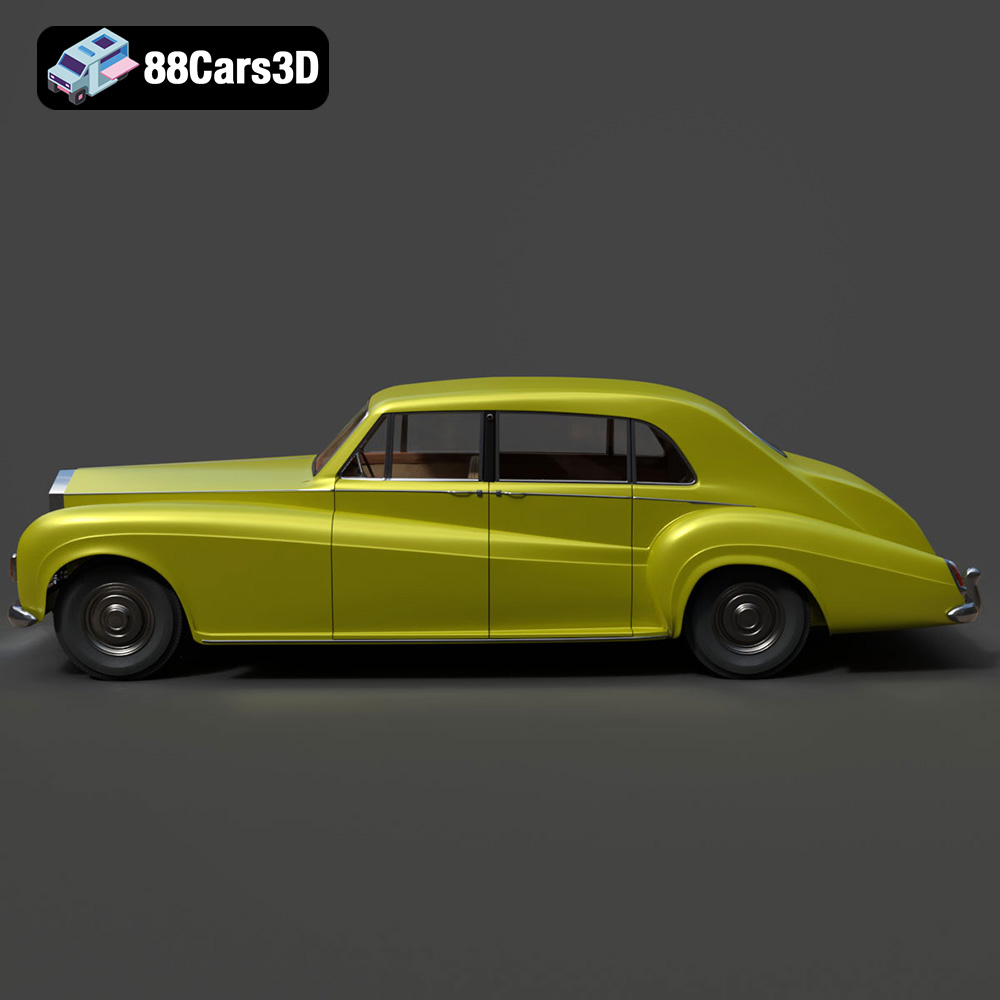
The majestic Rolls Royce 2013 represents the pinnacle of British automotive luxury, combining an imposing road presence with unparalleled elegance. Characterized by its iconic Pantheon grille, Spirit of Ecstasy hood ornament, and exquisite sweeping lines, this luxury vehicle boasts a massive V12 engine and a meticulously crafted dual-exhaust setup that hints at its refined power. This highly detailed 3D model features a meticulously optimized topology with 508,706 triangles, delivering incredible visual fidelity for real-time applications and rendering. Designed with game-ready optimization in mind, the geometry captures every nuanced curve of the vehicle’s opulent design, making it a perfect fit for game development, AR/VR, animation, and visualization.
$41.50
.blend
.fbx
.glb
.max
.obj
.ply
.rendering
.sedan
.stl
.unreal
car-3d-model
game asset
game-ready
luxury car
optimized
rolls-royce
rolls-royce-2013
VR/AR