Get 40% OFF All Premium 3D & STL Models!

In the rapidly evolving landscape of digital media, from blockbuster video games to cinematic visualizations and immersive AR/VR experiences, the demand for hyper-realistic 3D assets is skyrocketing. Automotive design, in particular, thrives on precision, detail, and visual fidelity. Creating a truly compelling digital experience often hinges on the quality of its 3D car models – assets that can convey the power, elegance, and intricate engineering of their real-world counterparts.
Whether you’re a game developer crafting the next-generation racing simulator, an architect visualizing an urban street scene, a marketing professional building an interactive product configurator, or an automotive enthusiast eager to 3D print your dream car, the foundation of your project lies in exceptional 3D models. These digital representations are not just pretty pictures; they are complex data sets optimized for performance, realism, and versatility across a myriad of platforms.
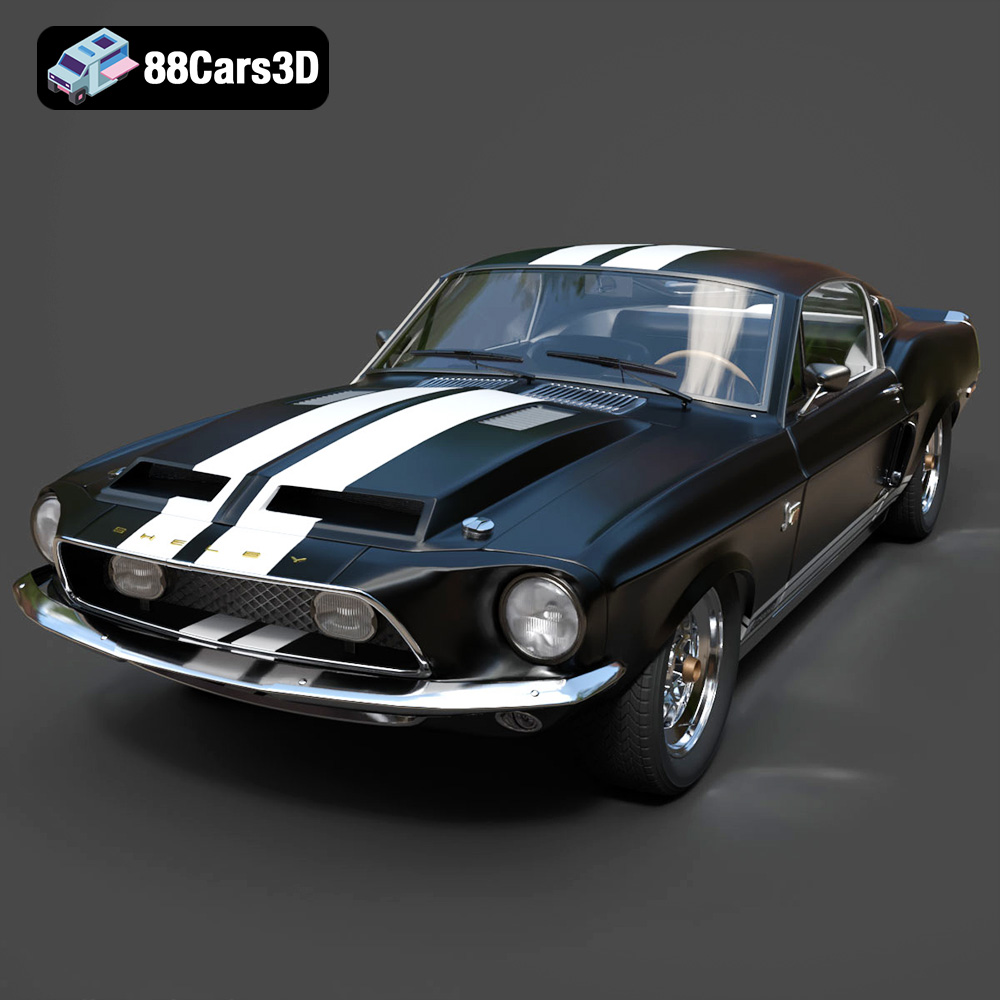
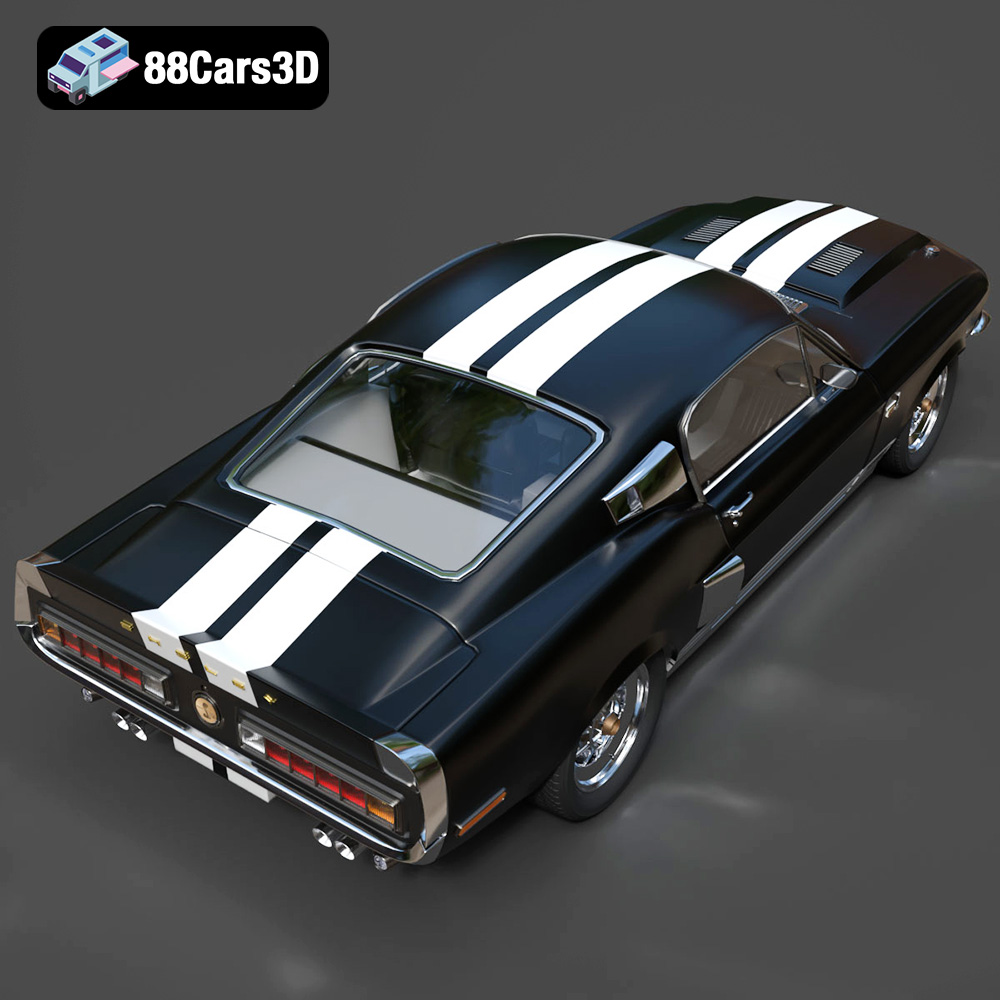
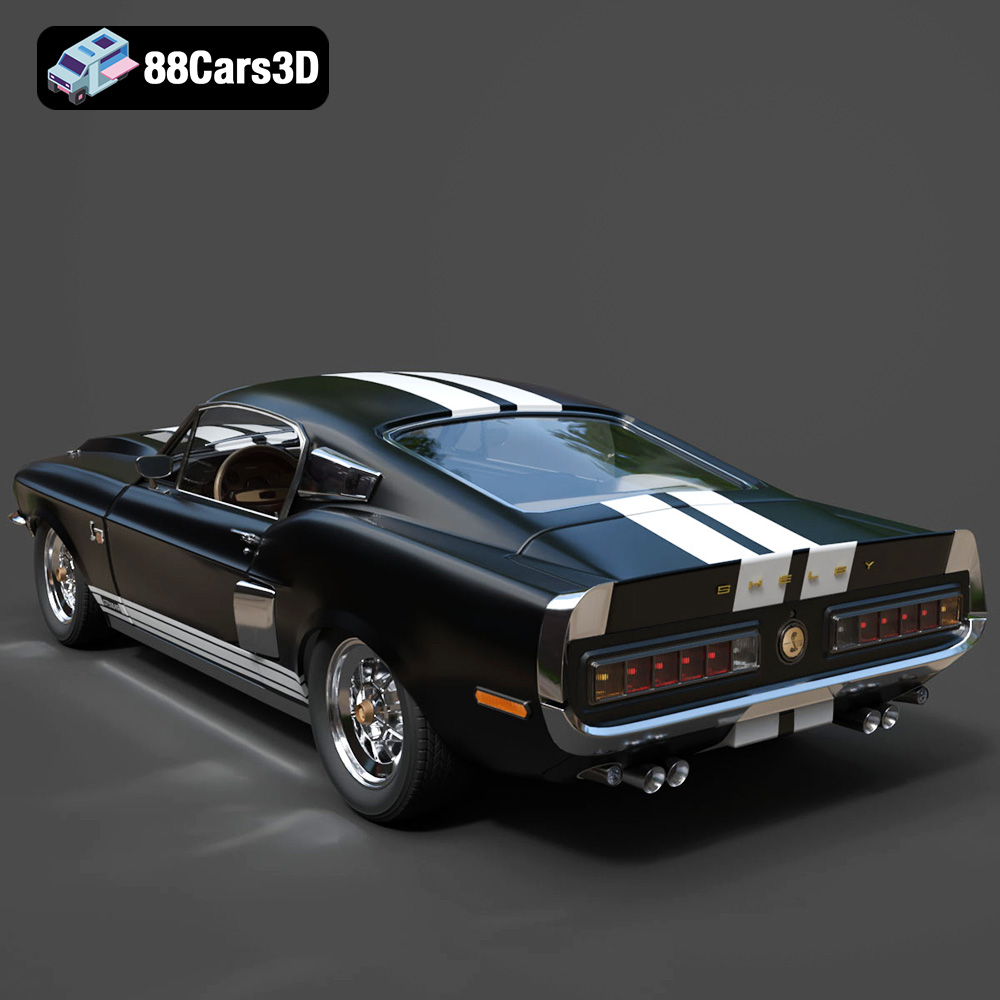
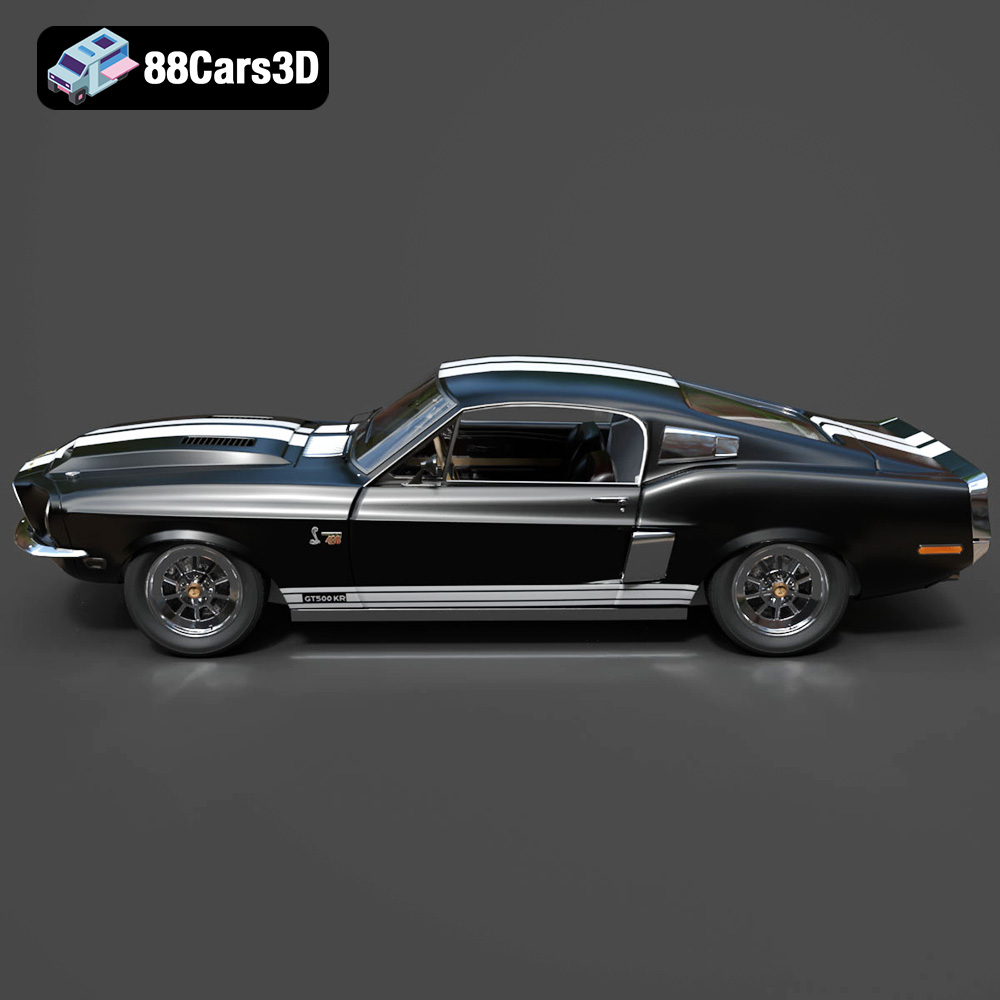
Today, we’re diving deep into the technical prowess and artistic fidelity of a truly iconic machine: the Ford Mustang Shelby GT500KR 2015. Known as the “King of the Road,” this legendary vehicle embodies raw power and a commanding presence. A high-quality 3D model of such a car offers unparalleled opportunities for creators to integrate a piece of automotive history into their digital realms. The Ford Mustang Shelby GT500KR 2015 3D model, available on 88cars3d.com, exemplifies the pinnacle of detail and optimization required for modern digital production pipelines.
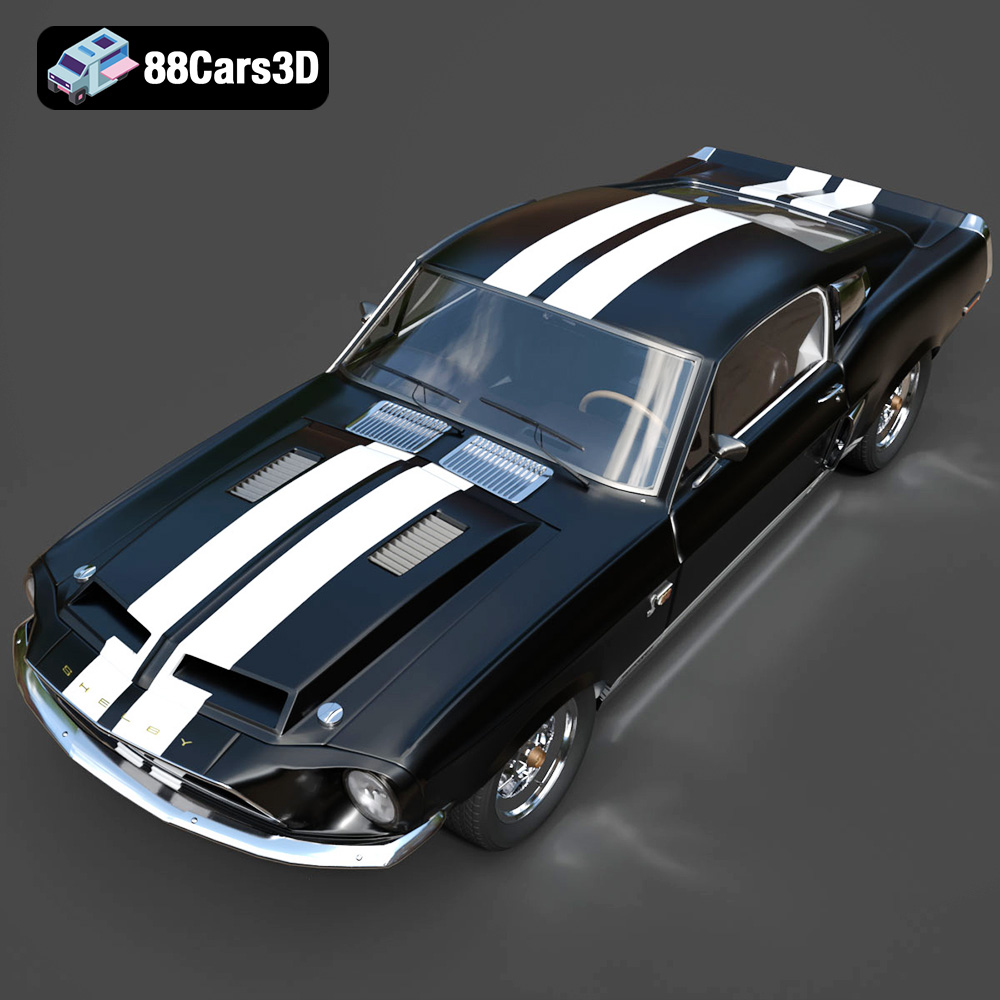
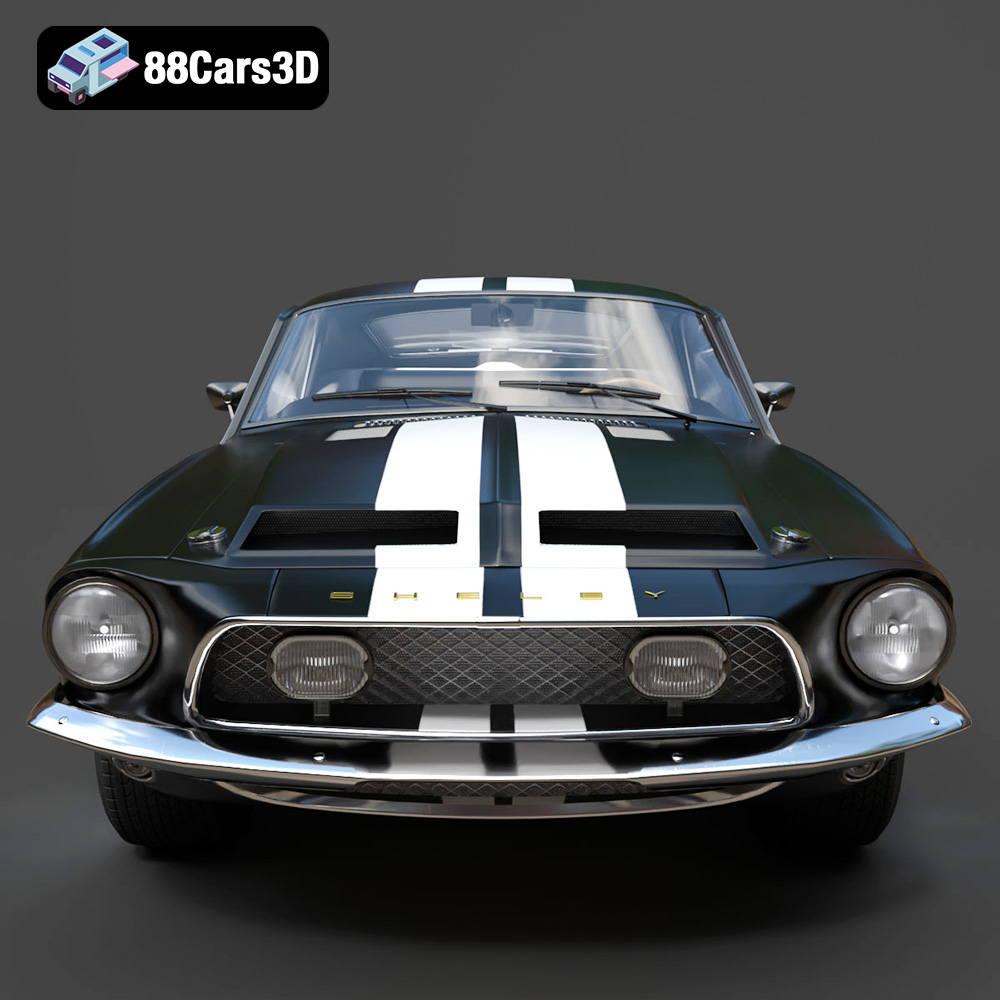
The Ford Mustang Shelby GT500KR 2015 is more than just a car; it’s a statement. Its aggressive stance, signature dual racing stripes, carbon fiber hood vents, and quad-tip exhaust system are instantly recognizable and evoke a sense of power and performance. Translating such an iconic vehicle into a high-fidelity 3D model is an art form that blends technical precision with a deep understanding of automotive design.
The journey from a physical car to a digital asset involves meticulous attention to every curve, vent, and badge. Artists and engineers meticulously study blueprints, photographs, and even real-world examples to ensure that every dimension and proportion is accurately represented. This process goes beyond mere surface details, delving into the underlying structure and mechanics that give the GT500KR its distinctive character. The goal is to create a digital twin that not only looks authentic but also behaves realistically within simulated environments.
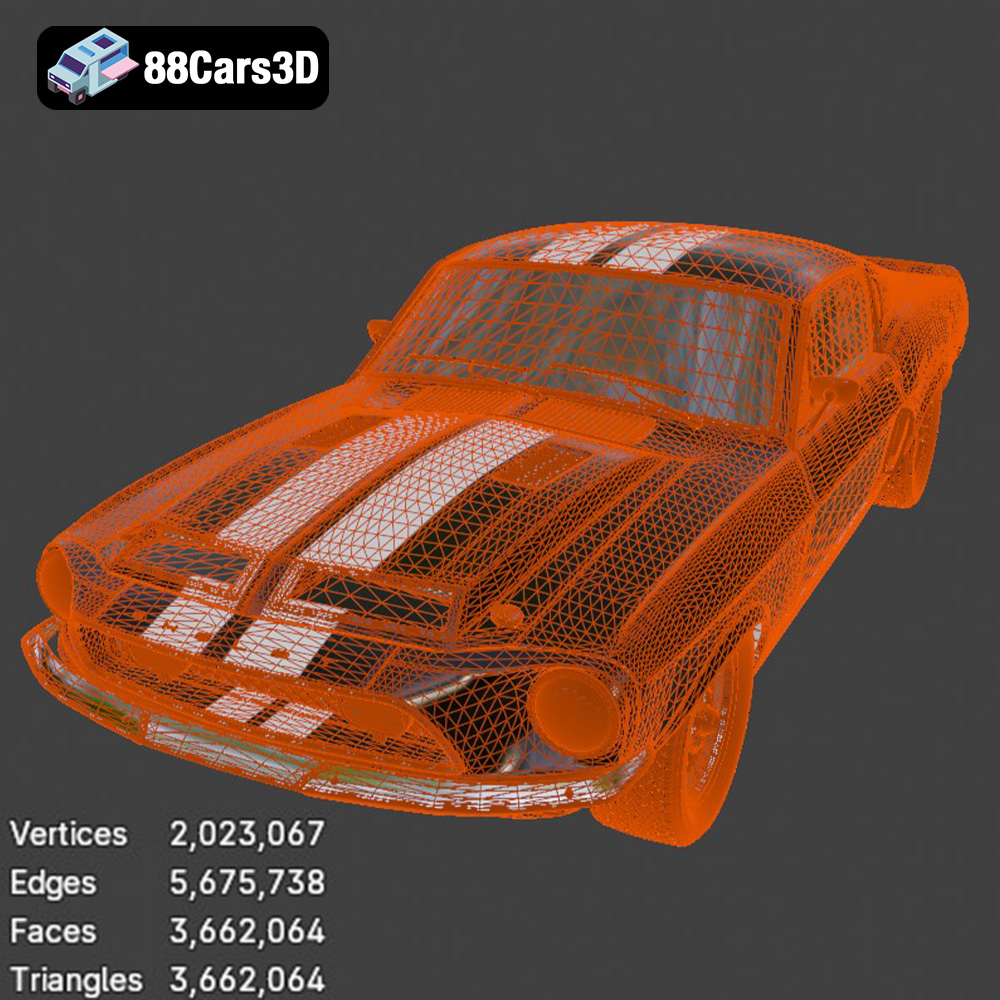
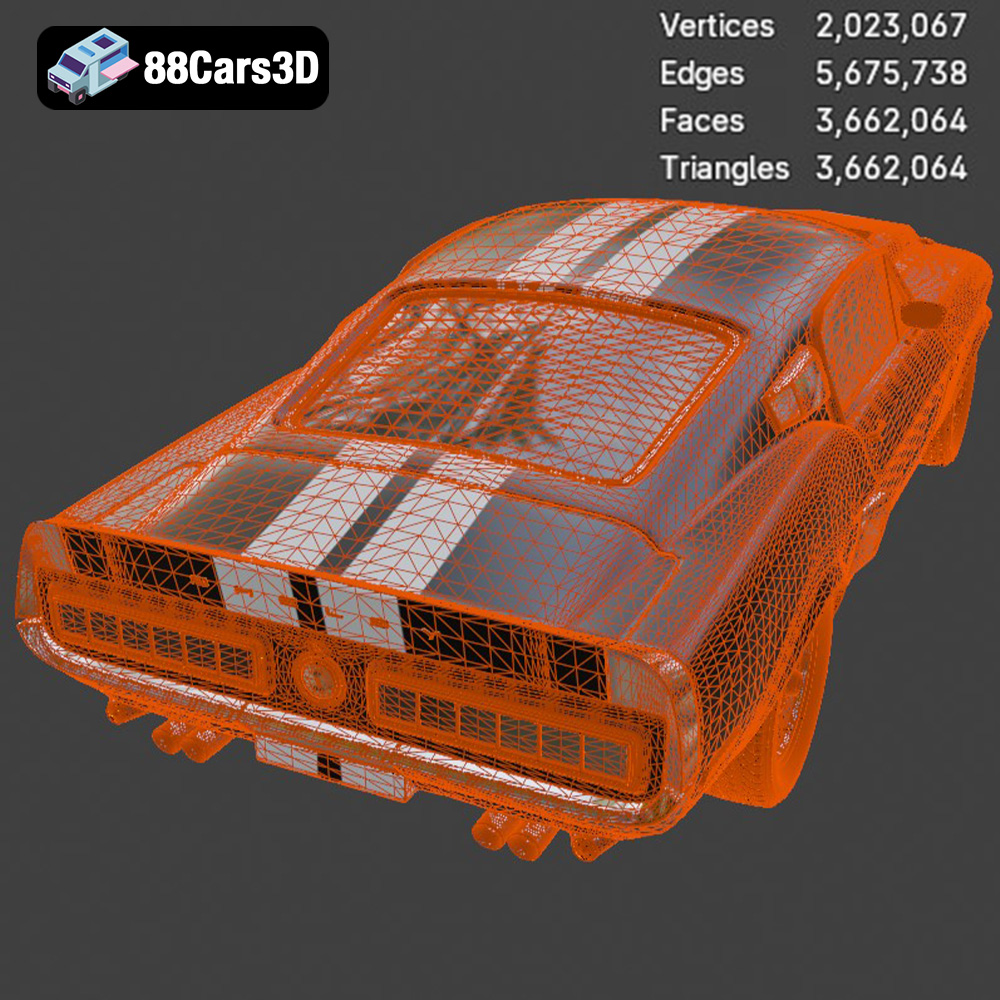
The Ford Mustang Shelby GT500KR 2015 3D model is a prime example of this commitment to detail. Its meticulously crafted topology, consisting of 3,662,064 triangles, strikes a perfect balance. This poly count is substantial enough to capture the intricate contours and sharp lines of the Shelby GT500KR without sacrificing optimization for real-time applications. This means that whether you’re rendering a breathtaking cinematic sequence or driving it in a fast-paced game, the model maintains exceptional visual realism and structural integrity. Every aspect, from the detailed engine block based on the 5.8L supercharged V8 layout to the high-performance forged alloy wheels wrapped in low-profile track tires, is designed to deliver an uncompromised visual experience. This level of detail extends to functional elements like separate wheels, suspension, and steering components, all set up with proper pivots for realistic animation.
Choosing the correct file format for your 3D car models is crucial for project success, impacting everything from software compatibility to performance and specific application use cases. Different formats excel in different scenarios, and understanding their nuances is key for any professional working with 3D assets. The Ford Mustang Shelby GT500KR 2015 3D model is delivered with an impressive array of formats, ensuring maximum versatility.
The .blend format is native to Blender, a powerful open-source 3D creation suite. When you receive a .blend file, you’re getting a fully editable Blender scene, complete with materials, textures, lighting, cameras, and even animation data. This format is ideal for users deeply integrated into the Blender ecosystem, allowing for immediate customization, material adjustments, or scene modifications without needing to re-import or re-set up anything. It preserves all the intricate details of the model, making it perfect for artists who wish to adapt the asset extensively within Blender for rendering, animation, or further development.
.fbx (Filmbox) is arguably the most widely adopted interchange format in the 3D industry, particularly for game development and real-time pipelines like Unreal Engine and Unity. Developed by Autodesk, FBX supports geometry, materials, textures, animations, skinning, and camera data in a single file. Its strength lies in its ability to transfer complex scene data between different 3D applications while maintaining a high degree of fidelity. For game assets, FBX is highly efficient and optimized for performance, making it the go-to choice for integrating the Shelby GT500KR into interactive environments.
The .obj (Wavefront OBJ) format is a universal standard renowned for its simplicity and wide compatibility. It stores only geometry data (vertices, normals, texture coordinates, and faces) and references external material files (.mtl) for shading information. While it doesn’t store animation or rigging data, its widespread support across virtually every 3D software makes it an excellent choice for cross-software compatibility. If you need a clean mesh that can be imported into almost any application, OBJ is a robust and reliable option, perfect for foundational asset transfer or archiving.
.glb (GL Transmission Format Binary) is a modern, optimized format specifically designed for efficient transmission and loading of 3D scenes and models in web and AR/VR environments. It’s a binary format that embeds all necessary data (geometry, materials, textures, animations) into a single file, making it incredibly easy to share and display. GLB is becoming the standard for interactive 3D content on the web and in mobile AR/VR applications, as it prioritizes small file sizes and fast loading times. For showcasing the Ford Mustang Shelby GT500KR in a virtual showroom or an augmented reality experience, GLB is an indispensable format.
The .stl (Standard Tessellation Language) format is the de facto standard for 3D printing. It represents a 3D model as a series of connected triangles, defining only the surface geometry of an object without color, texture, or other attributes. For hobbyists or professionals looking to bring the digital Shelby GT500KR into the physical world, the STL file provides the necessary data for a 3D printer. While it requires specific considerations for printability (like wall thickness and support structures), the availability of this format opens up a world of tangible possibilities.
.ply (Polygon File Format) is a versatile format for storing 3D data, particularly scan data and point clouds. It can store a variety of properties including color, transparency, normals, texture coordinates, and even reliability information. While less common for general 3D asset exchange than FBX or OBJ, PLY is valued in fields requiring high-precision mesh data, such as CAD, scientific visualization, and 3D scanning. It’s an excellent option for archival purposes or for integration into specific engineering or analytical workflows where mesh integrity and detailed attribute storage are paramount.
The .unreal format signifies an asset specifically prepared and optimized for direct import into Unreal Engine. While Unreal Engine primarily uses FBX for importing models, an “.unreal” file often implies a package that is already set up with Unreal-specific materials, collision meshes, LODs (Levels of Detail), and possibly Blueprints for interactive functionality. This greatly streamlines the workflow for Unreal Engine developers, saving considerable time on asset preparation and integration, making the GT500KR immediately usable within a high-performance game environment.
The .max format is native to Autodesk 3ds Max, a leading software for 3D modeling, animation, rendering, and visualization. Like .blend for Blender, a .max file contains the complete 3ds Max scene, including geometry, materials, textures, lighting setups, cameras, and animation data. This format is crucial for professionals who use 3ds Max for architectural visualization, product rendering, or character animation, allowing for full editability and leveraging 3ds Max’s powerful rendering capabilities for highly realistic automotive visualizations and cinematic sequences.
True realism in 3D automotive models extends far beyond superficial details. It involves a sophisticated interplay of geometry, materials, and structural integrity. The Ford Mustang Shelby GT500KR 2015 3D model exemplifies this technical mastery, designed from the ground up to meet the rigorous demands of professional production.
The model’s impressive 3,662,064 triangles is a critical specification. For high-fidelity rendering and close-up shots, a high polygon count allows for smoother curves and sharper details without relying heavily on normal maps, resulting in superior visual quality. However, for real-time applications like games or AR/VR, excessive polygons can cripple performance. This model strikes a “perfect balance,” indicating that while it’s highly detailed, it has likely undergone careful optimization techniques such as intelligent mesh topology, efficient edge flow, and potentially even built-in LODs (Levels of Detail) that automatically swap out higher-poly meshes for lower-poly versions as the camera moves further away. This ensures smooth performance without visual compromise, making it genuinely “Game-Ready & Optimized.”
Every exterior feature of the GT500KR has been meticulously recreated. This includes the accurate frame geometry and proportions, which are essential for true-to-life representation. The detailed engine block, based on the 5.8L supercharged V8 layout, provides a glimpse into the car’s powerhouse, adding depth even if not always fully visible. The aggressive quad-tip exhaust system, signature projector headlights, and iconic three-bar sequential taillights are not merely texture maps but distinct geometric elements with realistic depth and shading. Crucially, the model features high-performance forged alloy wheels wrapped in low-profile track tires, and track-tuned suspension details with visible brake calipers and slotted rotors. The fact that the wheels, suspension, and steering components are separate entities with proper pivot setups means the model is intrinsically ready for complex animation, simulating real-world suspension travel and steering dynamics.
The interior of a car model is just as vital as its exterior, especially for first-person views in gaming or interactive virtual showrooms. This GT500KR model boasts a cockpit designed for immersion. Racing-inspired Recaro bucket seats feature intricate stitching details, while the Alcantara-wrapped steering wheel showcases the iconic Shelby Cobra badging. The instrument cluster, complete with performance gauges and digital displays, is accurately represented, providing critical visual feedback. Precise control details, including aluminum pedals, a short-throw shifter, and a center console, further enhance the realism. This optimized geometry ensures a compelling first-person POV, critical for engaging gameplay and virtual experiences.
High-quality 3D car models are the backbone of numerous digital industries. The Ford Mustang Shelby GT500KR 2015 3D model, with its versatile file formats and optimized structure, is engineered to seamlessly integrate into diverse professional workflows.
For game developers, a ready-to-use asset like the Shelby GT500KR significantly accelerates production. The model’s “Game-Ready & Optimized” status means it’s prepped for engines like Unreal and Unity. The 3.6 million triangle count, while high, indicates it’s designed for current-gen racing games or open-world titles where visual fidelity is paramount. Developers can directly import the .fbx or .unreal formats, which often include proper UV mapping for textures, collision meshes, and sometimes even pre-set materials. The separate and pivot-ready wheels, suspension, and steering components are invaluable for rigging, allowing animators to easily set up realistic physics-based driving dynamics and complex interactions like drifting or suspension compression, crucial for a truly immersive driving experience.
In architectural visualization (arch-viz) and cinematic rendering, realism is non-negotiable. Placing a high-detail 3D car model into an arch-viz scene can breathe life into an otherwise static rendering, grounding it in reality. For cinematics, the model’s fidelity allows for stunning close-ups and dynamic shots. Professionals using 3ds Max can leverage the .max file for full editability, adjusting materials, lighting, and animation sequences to match the specific artistic direction of their project. Similarly, Blender users can utilize the .blend file. The real-world scale accuracy of the model ensures it fits perfectly within any environment, whether it’s an urban street, a suburban driveway, or a sprawling showroom, enhancing the overall believability of the scene.
Augmented Reality (AR) and Virtual Reality (VR) are transforming how consumers interact with products, especially in the automotive sector. Imagine a virtual showroom where prospective buyers can walk around the Ford Mustang Shelby GT500KR 2015, open its doors, and even sit inside, all before stepping foot into a dealership. The .glb format is tailor-made for such applications, offering optimized performance for mobile AR and web-based VR experiences. Developers can build interactive configurators, allowing users to change body colors, modify tire textures, or adjust material finishes (matte, gloss, metallic) in real-time, providing an engaging and personalized preview of the vehicle. This immersive potential makes high-quality 3D car models like this a powerful tool for marketing and sales.
Beyond the digital realm, 3D printing offers a unique opportunity to bring the Ford Mustang Shelby GT500KR 2015 into physical existence. The inclusion of the .stl format makes this model accessible to hobbyists and professionals looking to create display-scale replicas or prototypes. This process requires careful planning and understanding of 3D printing mechanics.
The recommended scales (1:12, 1:18, 1:24) are ideal for balancing detail with manageable print times and material usage. A layer height of 0.04–0.12 mm is suggested, particularly recommending resin printing (SLA/DLP) for capturing the fine details inherent in the model’s design, like the intricate stitching on the Recaro seats or the subtle curves of the bodywork. FDM printers can also be used, but with potentially less fidelity. Crucially, supports are required for detailed parts such as the exhaust system, mirrors, and even parts of the suspension, to prevent gravity from distorting the print. The recommended print orientation—frame angled for structural integrity, wheels printed separately—is a common technique to optimize print quality, minimize supports, and facilitate post-processing. A wall thickness of 1.2–2.0 mm and an infill of 20–30% ensure structural robustness for the physical model.
Once printed, the physical model enters the post-processing phase, which is where the true artistry comes to life. This typically involves removing supports, sanding down imperfections to achieve a smooth surface, and applying a primer. The ultimate step is painting, where enthusiasts can apply authentic factory colors with metallic finishes, or unleash their creativity with custom schemes. The ability to assemble separate components (like wheels) after printing allows for sharper details and easier painting of individual parts, culminating in a miniature replica that truly honors the “King of the Road.” This tactile experience bridges the gap between digital design and tangible craftsmanship.
One of the most significant advantages of purchasing a professional-grade 3D model from platforms like 88cars3d.com is the inherent flexibility it offers. The Ford Mustang Shelby GT500KR 2015 3D model is designed not just for immediate use but for extensive customization, allowing artists and developers to tailor it precisely to their project’s unique requirements.
The ability to change body and interior colors is fundamental. Whether you need the car in its classic factory hues or a completely bespoke custom finish, the underlying material setup allows for straightforward adjustments. Beyond color, modifying tire textures from track-focused slicks to all-weather variants can drastically alter the car’s context within a scene. Adjusting material finishes—switching between matte, gloss, or various metallic properties—can transform the vehicle’s perceived luxury or ruggedness. Furthermore, adapting the lighting for different environments is key to achieving realistic renders. A studio lighting setup will emphasize reflections and contours, while an outdoor environment requires careful consideration of natural light and shadows to integrate the model seamlessly.
The model’s technical specifications highlight its readiness for animation. With separate wheels, suspension, and steering components, and proper pivot setups for steering, wheel rotation, and suspension travel, animators have full control. This means creating realistic driving sequences, dynamic camera moves that follow the car’s movements, or even interactive elements in a game where the suspension reacts to terrain, becomes a much more streamlined process. The ability to manipulate these individual parts independently is critical for producing compelling automotive animations, showcasing the vehicle’s dynamic capabilities and engineering prowess in a way static renders cannot.
The digital realm of 3D modeling offers unparalleled opportunities for artists, developers, and designers to create captivating, immersive experiences. At the heart of this capability lies the quality of the assets used. The Ford Mustang Shelby GT500KR 2015 3D model stands as a testament to what’s possible when technical precision meets artistic dedication. From its meticulously crafted exterior and interior details to its optimized geometry and extensive range of file formats, this model is a robust foundation for a wide array of projects.
Whether your goal is to dominate the virtual track in a racing game, create breathtaking automotive visualizations, build a groundbreaking AR/VR showroom, or even bring this “King of the Road” to life on your 3D printer, this model provides the fidelity and flexibility required. Its careful balance of poly count for both high-end rendering and real-time performance, coupled with its animation-ready components, ensures that it can seamlessly integrate into various professional pipelines.
Investing in high-quality 3D car models like the Ford Mustang Shelby GT500KR 2015 available at 88cars3d.com isn’t just about acquiring a digital asset; it’s about acquiring a powerful tool that elevates your creative potential, streamlines your workflow, and delivers exceptional results across every facet of 3D production. Explore the possibilities and bring your automotive visions to life with models that truly capture the spirit and power of legendary vehicles.
The Ford Mustang Shelby GT500KR 2015 represents the pinnacle of American muscle car performance and heritage. Known as the “King of the Road,” this legendary vehicle commands attention with its aggressive stance, signature dual racing stripes, carbon fiber hood vents, and quad-tip exhaust system. Underneath its muscular exterior lies the spirit of a supercharged V8 powerhouse, boasting aerodynamic enhancements and an iconic front grille that make it an unforgettable visual masterpiece in automotive history. This meticulously crafted 3D model features a highly detailed topology consisting of 3662064 triangles. Despite its high-fidelity geometry, it maintains exceptional visual realism and structural optimization, providing uncompromised quality for close-up renders and high-end real-time environments. It is engineered for maximum versatility across game development, immersive AR/VR experiences, top-tier CGI animations, and hyper-realistic automotive visualizations.
$90.00
.2015
.blend
.fbx
.ford
.glb
.max
.obj
.ply
.rendering
.sports car
.stl
.unreal
car-3d-model
game asset
game-ready
muscle-car
mustang-shelby-gt500kr
optimized
VR/AR