Get 40% OFF All Premium 3D & STL Models!

In the dynamic world of digital content creation, where photorealism and immersive experiences are the benchmarks, the quality of your 3D assets is paramount. From blockbuster game titles and cinematic automotive advertisements to groundbreaking AR/VR applications and precision engineering visualizations, a meticulously crafted 3D model can be the linchpin of a successful project. Imagine bringing the raw power and exquisite design of a hypercar to life, not just as a static image, but as a fully interactive, customizable, and performance-optimized digital twin.
Today, we delve into the intricate world of premium 3D car models, exploring their technical nuances, professional applications, and the transformative impact they have across various industries. We’ll specifically spotlight an exceptional example: the Pagani Huayra 3D Model available at 88cars3d.com. This isn’t just any model; it’s a testament to the blend of artistic mastery and technical precision required to replicate one of the world’s most iconic hypercars in the digital realm.
The choice of file format for a 3D model is not merely a technicality; it’s a strategic decision that dictates compatibility, performance, and the scope of manipulation. Each format serves specific purposes, catering to different stages of the 3D pipeline, from initial modeling to final deployment. Understanding these distinctions is crucial for anyone working with premium 3D car models, ensuring seamless integration and optimal results.
The .blend format is the native file type for Blender, a powerful open-source 3D creation suite. A .blend file typically encapsulates an entire Blender scene, including the mesh geometry, materials, textures, lighting, cameras, animations, and even physics simulations. Its primary advantage lies in its comprehensive nature, allowing for full editability within Blender. For artists who primarily work within the Blender ecosystem, or those looking to dive deep into a model’s construction for learning or extensive modification, a .blend file is invaluable. It provides access to every component, every node setup, and every modifier used in the creation process.
.fbx (Filmbox) is a proprietary file format owned by Autodesk and has become an industry standard for 3D data interchange, especially between different 3D software applications and game engines. Its strength lies in its ability to store not just geometry, but also animation, rigging, skinning, lights, and cameras in a single file. For game development (Unreal, Unity) and real-time pipelines, .fbx is often the go-to format due to its robust support for animation and hierarchal structures, making it perfect for animated vehicles with spinning wheels and moving suspensions. While less editable than a native format, it’s highly compatible and optimized for transfer.
The .obj (Wavefront OBJ) format is one of the oldest and most widely supported 3D file formats. It’s a universal choice for simple mesh geometry, texture coordinate information, and material references. Its ASCII-based nature makes it highly readable and compatible across virtually all 3D software. While it doesn’t typically store advanced features like animation or rigging, its universality makes it excellent for static models or as a base for further development in a new application. For pure geometry transfer, .obj remains a reliable workhorse.
.glb (GLB format, often referred to as glTF Binary) is the binary version of the glTF (GL Transmission Format), designed for efficient transmission and loading of 3D scenes and models by applications. It’s quickly becoming the standard for 3D web delivery, augmented reality (AR), virtual reality (VR), and mobile applications. A .glb file packages geometry, materials, textures, and animation into a single compact file, optimized for size and runtime performance. For interactive 3D configurators on websites or immersive mobile AR experiences featuring a Pagani Huayra, .glb is the ideal choice due to its lean structure and modern engine support.
.stl (STereoLithography) is the most common file format for 3D printing. It represents a 3D model as a series of connected triangles (a triangulated surface), defining only the surface geometry of a 3D object without any color, texture, or other CAD attributes. For hobbyists and professionals looking to materialize a digital Pagani Huayra model, the .stl format is essential. While it lacks visual fidelity information, it provides the precise geometric data necessary for slicing software to prepare the model for additive manufacturing.
The .ply (Polygon File Format) is another popular format for storing 3D data, particularly from 3D scanners. It can store a wider range of properties than .stl, including color, transparency, texture coordinates, and normal vectors for each vertex or face. While not as universally supported for animation as .fbx, .ply is often used in scientific computing, CAD, and mesh analysis applications where precision and additional data per vertex/face are important. For highly accurate reproductions or reverse engineering tasks, .ply can be a robust choice.
While not a standalone file extension in the traditional sense, the term .unreal often refers to assets specifically prepared and optimized for the Unreal Engine. This typically involves .fbx imports that have been meticulously set up within Unreal, including material assignments, collision meshes, LODs (Levels of Detail), and blueprint configurations for interactive elements. An “.unreal” file package might contain an asset ready to be dragged and dropped into an Unreal project, complete with pre-configured PBR materials, skeletal meshes, and animations, ensuring maximum compatibility and efficiency within Epic’s powerful engine.
Similar to .blend for Blender, .max is the native project file format for Autodesk 3ds Max. It stores all information related to a 3ds Max scene, including geometry, materials, textures, lights, cameras, modifiers, and animation data. For users entrenched in the 3ds Max ecosystem, the .max file provides the highest degree of flexibility and editability. It’s the starting point for complex animation sequences, detailed architectural visualizations, and high-end automotive rendering, offering complete control over every aspect of the model and scene.
The Pagani Huayra is a marvel of automotive engineering and design, a symphonic blend of performance and luxury. Replicating such an icon in 3D demands not just skill, but an obsessive attention to detail. The Pagani Huayra 3D Model from 88cars3d.com exemplifies this dedication, offering an asset that is both visually stunning and technically sound for a multitude of applications.
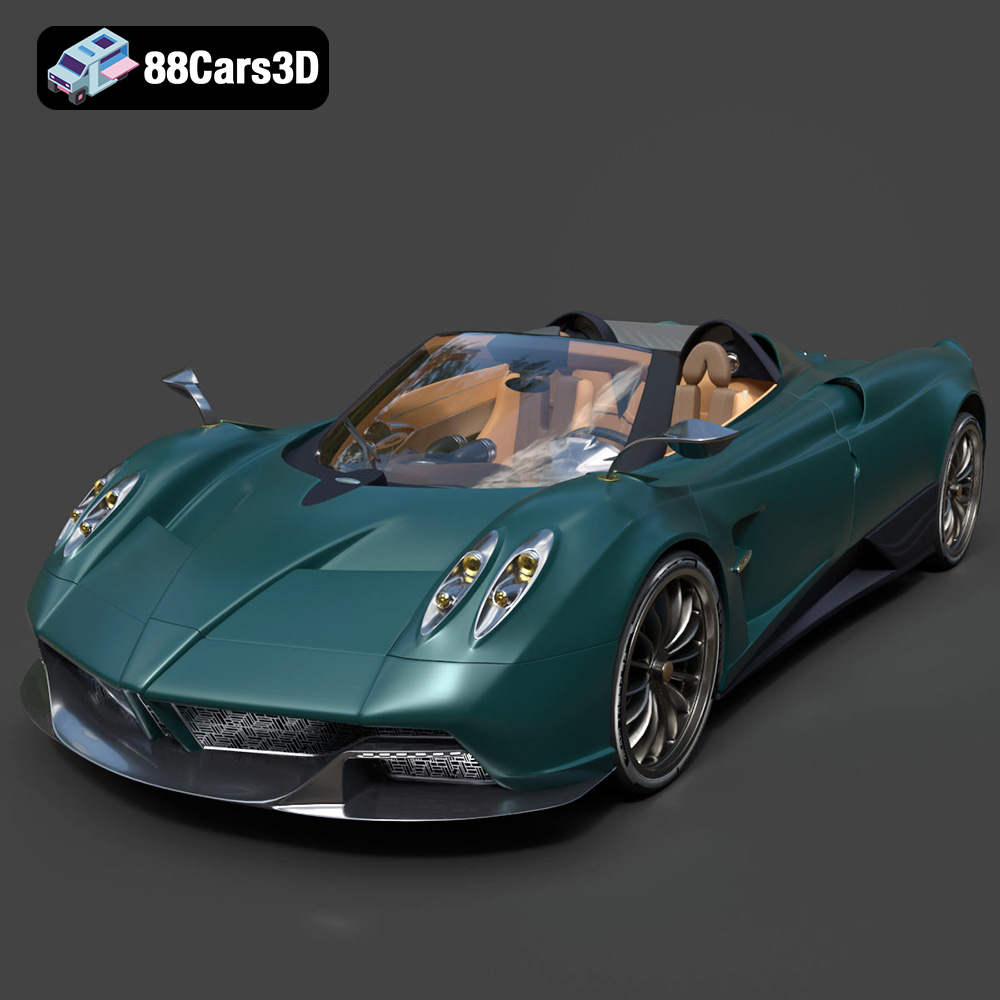
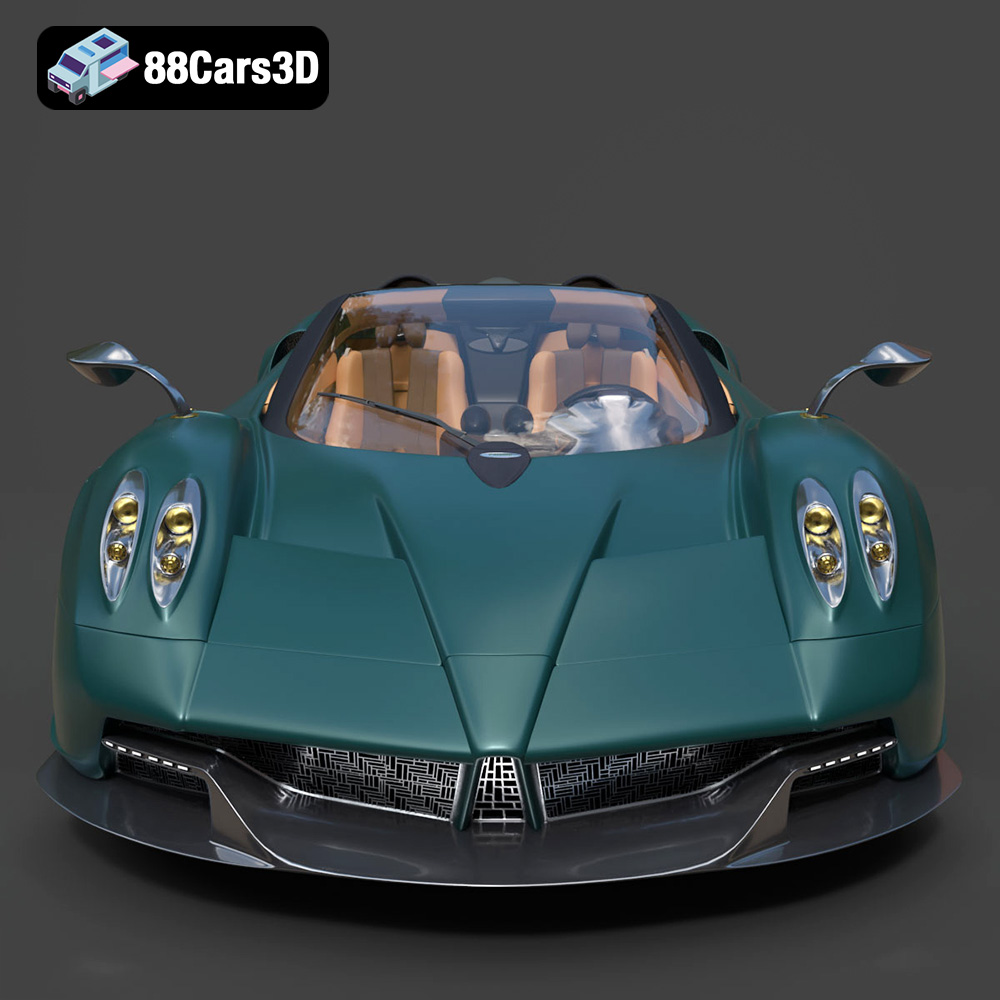
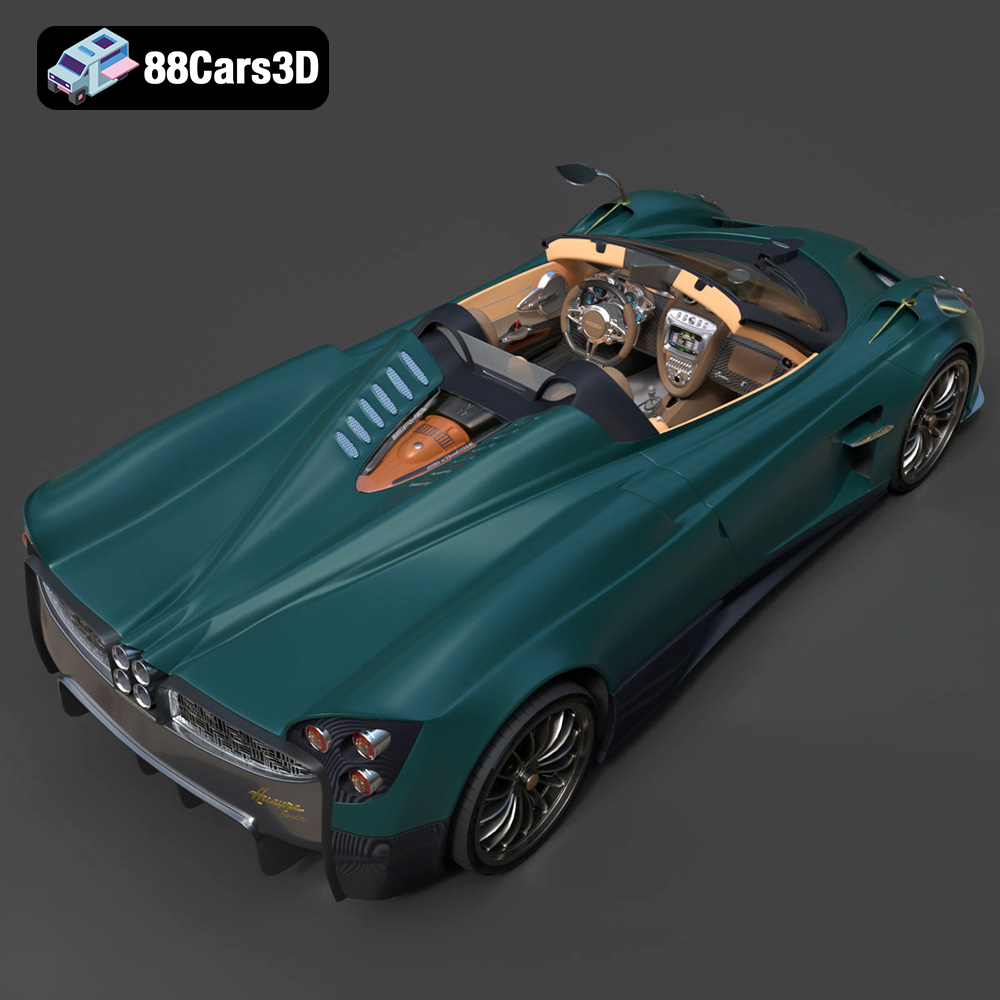
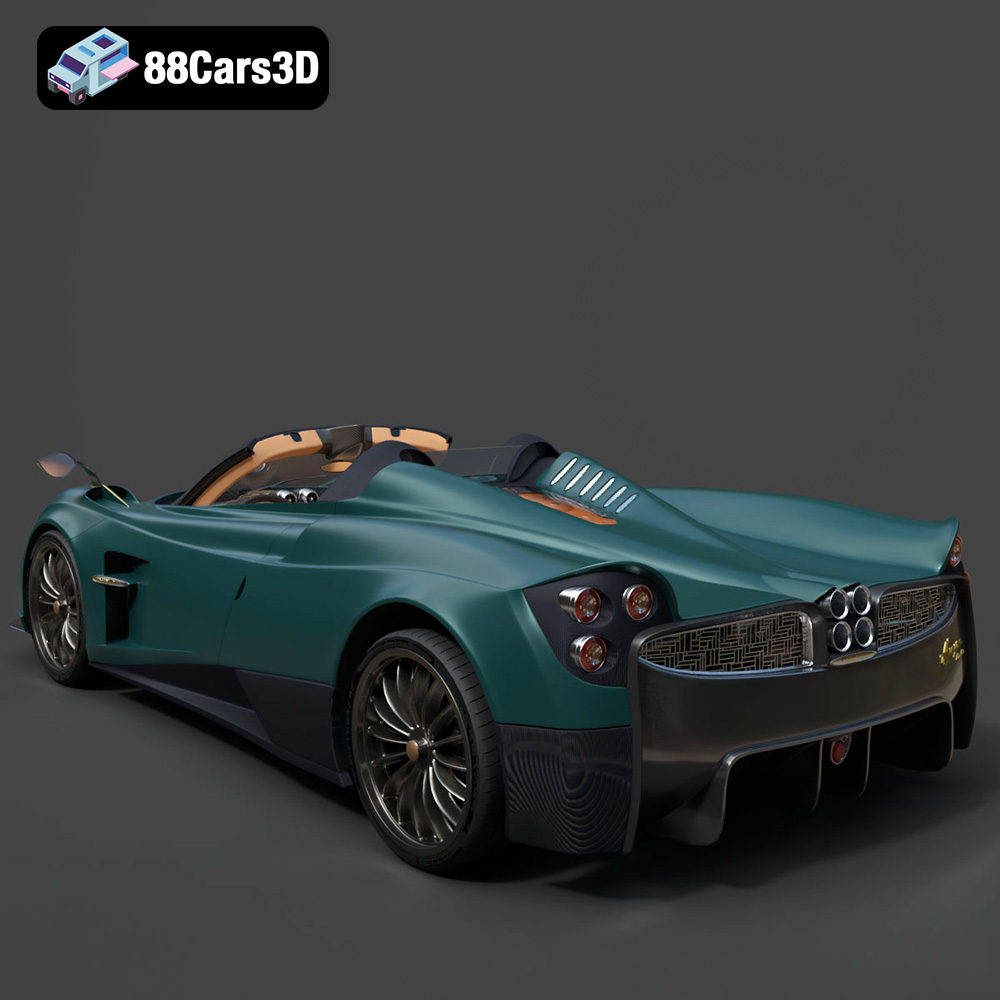
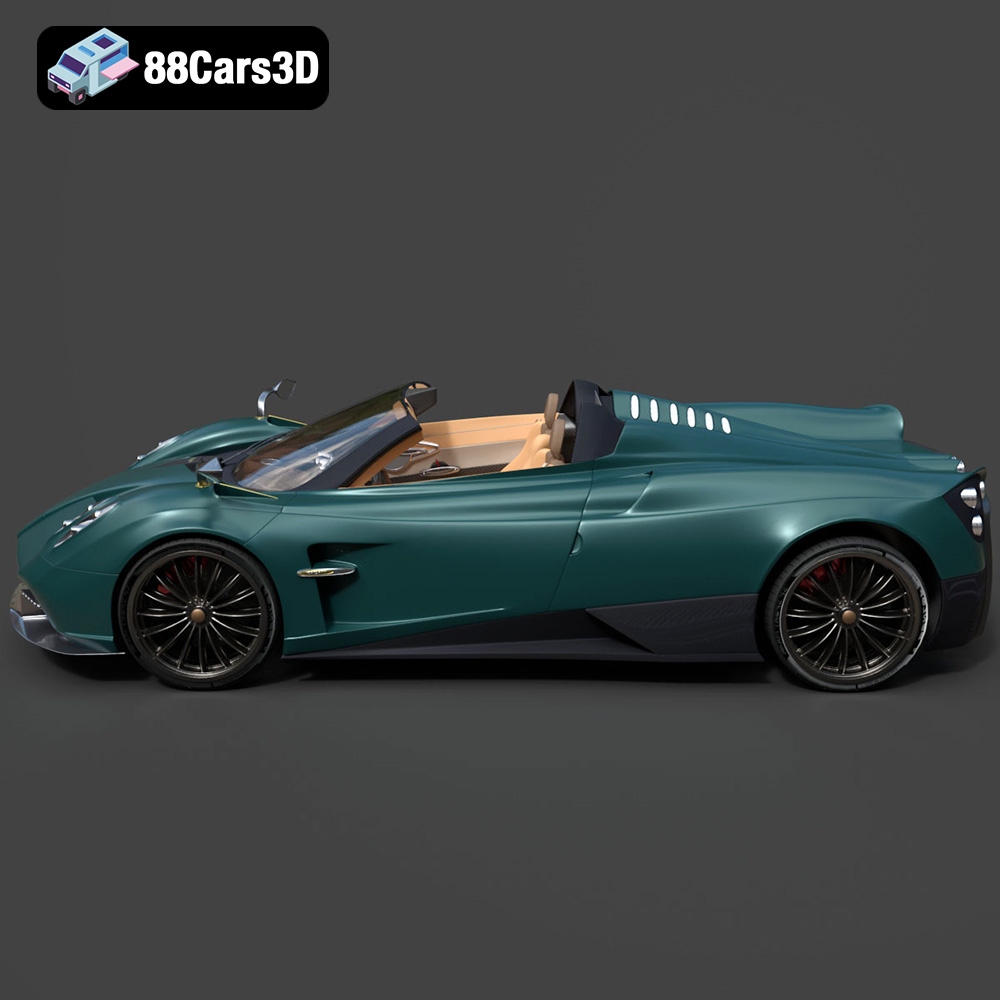
The initial impression of any supercar lies in its exterior. This Pagani Huayra 3D model boasts accurate aerodynamic frame geometry and proportions, crucial for conveying the car’s dynamic stance and purpose. Every curve and crease of the carbon-fiber bodywork, from the aggressive front fascia to the distinctive active aerodynamic flaps, has been meticulously sculpted. The signature quad-exhaust system, a Pagani hallmark, is faithfully reproduced, as are the intricate bi-xenon headlights and LED taillight clusters. Even the forged alloy wheels, wrapped in high-performance track tires, and the massive carbon-ceramic brake calipers are rendered with stunning detail. Furthermore, the model wisely separates wheels, suspension, and steering components, making it animation-ready for realistic vehicle dynamics in simulations or cinematic sequences.
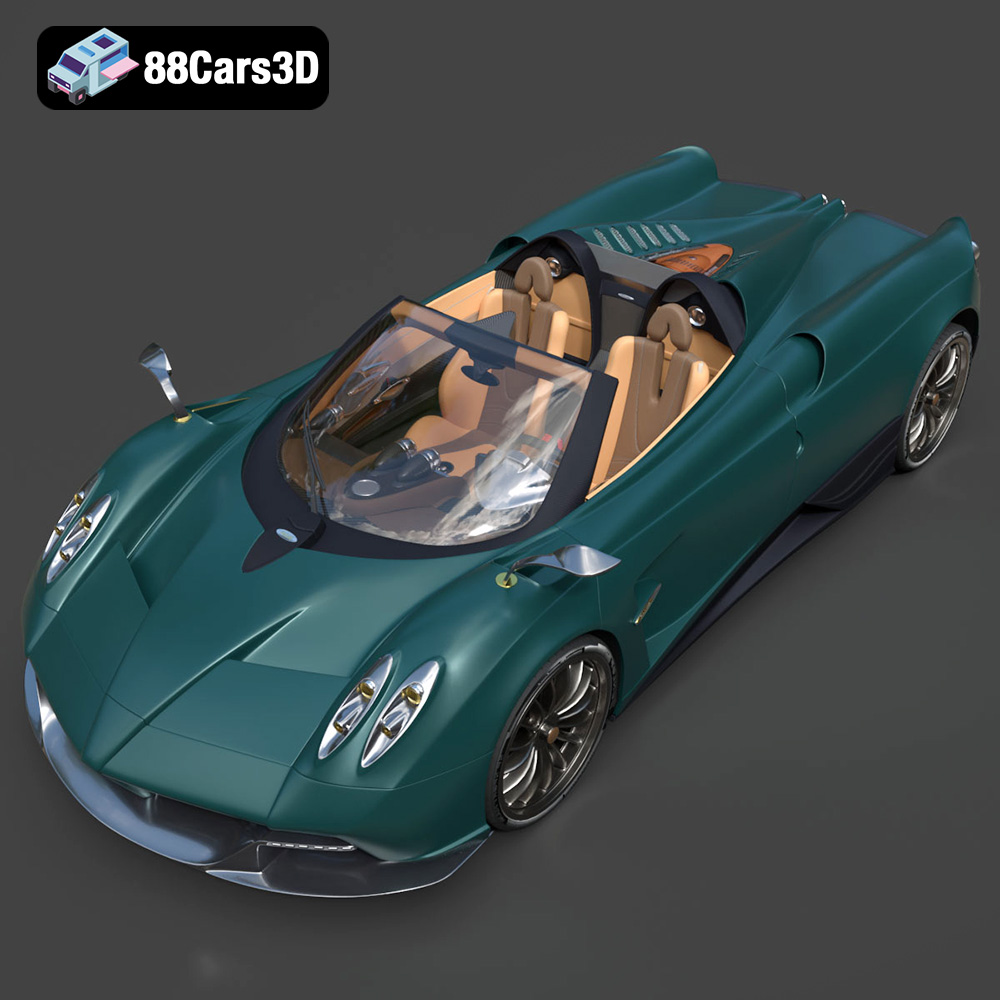
A true hypercar experience extends beyond the exterior, deep into the cockpit. The interior of this Pagani Huayra 3D model is equally impressive, featuring premium sculpted leather racing seats with exposed carbon fiber detailing, mirroring the real vehicle’s luxurious yet performance-oriented cabin. The signature flat-bottom steering wheel, complete with integrated controls, is a focal point, alongside a highly detailed analog-style instrument cluster and central infotainment screen. The intricate exposed gear shifter mechanism and sculpted aluminum pedals further enhance the sense of authenticity. This level of interior detail is critical for first-person perspective gameplay, VR tours, or any application where the user will be “inside” the vehicle, providing an immersive experience.
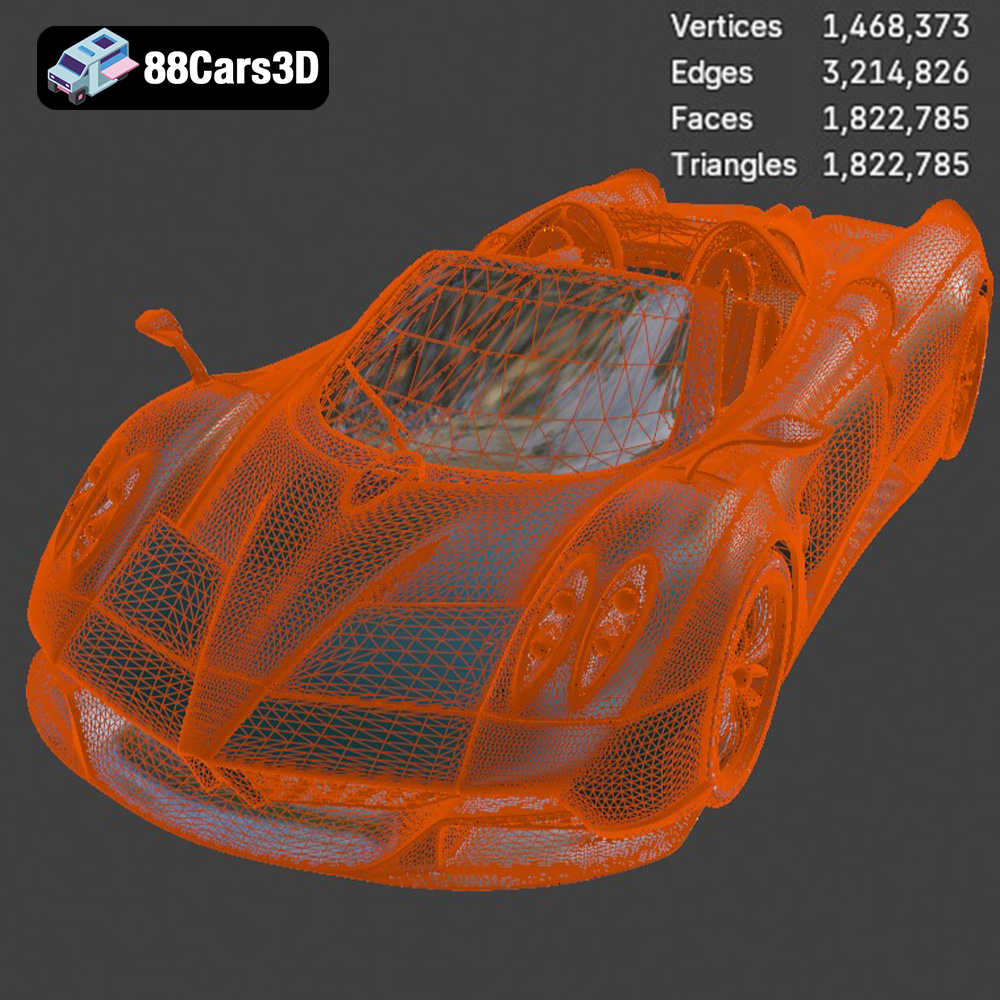
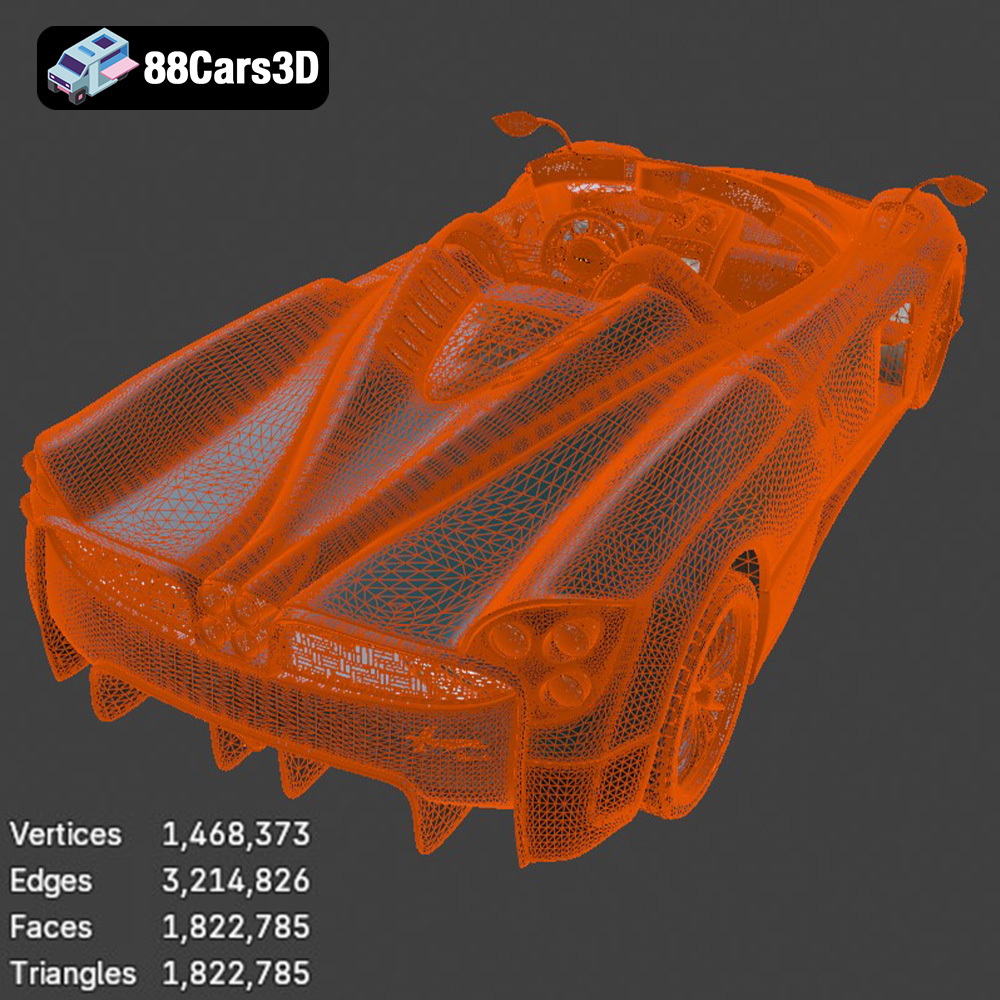
Achieving photorealistic visuals while maintaining performance, especially in real-time applications, is a constant balancing act. This Pagani Huayra 3D model strikes an exemplary balance with a highly detailed triangle count of 1,822,785. This figure is significant: it’s high enough to capture exceptional visual fidelity and smooth surfaces, preventing the “blocky” appearance common in lower-poly models, yet optimized enough for high-end game engines like Unreal and Unity. The model is game-ready, meaning its topology is clean, UVs are likely organized (a crucial but often unstated technical detail for texturing), and pivot points for crucial components like wheels and suspension are correctly set up. This “real-world scale accuracy” further ensures that the model behaves correctly within any digital environment, from physics simulations to augmented reality overlays.
The versatility of a high-quality 3D car model like the Pagani Huayra extends across diverse professional pipelines. Studios and individual artists leverage such assets to expedite production, enhance realism, and deliver compelling visual content.
For high-end automotive rendering, both 3ds Max and Blender offer robust toolsets. With the .max and .blend formats included, artists can directly open the Pagani Huayra 3D model in their preferred software. In 3ds Max, this means immediate access to its powerful rendering engines like V-Ray or Corona, allowing for intricate studio lighting setups, realistic material shaders (paint, leather, carbon fiber), and cinematic camera animation. Similarly, Blender users can harness Cycles or Eevee, leveraging its advanced node-based material system to achieve stunning photorealism. Artists can experiment with different environments, customize lighting scenarios, and apply various paint finishes – from metallic flakes to matte wraps – to showcase the Huayra in countless breathtaking configurations for marketing campaigns or personal portfolios. The model’s clean topology ensures smooth subdivision for close-up shots without visual artifacts.
The included .fbx and .unreal (referring to Unreal-optimized assets) formats make this Pagani Huayra 3D model a perfect fit for game development and real-time simulations. In Unreal Engine, developers can import the .fbx, apply physically based rendering (PBR) materials, and integrate it into vehicle blueprints. The separate wheels, suspension, and steering components are vital for implementing realistic vehicle physics and animation, allowing for dynamic racing experiences or interactive configurators. Similarly, in Unity, the .fbx model can be quickly integrated, scripts can be attached for handling vehicle dynamics, and LODs (Levels of Detail) can be generated or utilized to ensure optimal performance across various hardware specifications, from high-end PCs to mobile devices. This game-ready optimization ensures smooth frame rates even with such a detailed model.
Augmented Reality (AR) and Virtual Reality (VR) are revolutionizing how we interact with digital content. The .glb format, optimized for web and mobile, makes this Pagani Huayra model ideal for AR applications, allowing users to “place” the hypercar in their real-world environment via a smartphone or tablet. Imagine a customer exploring a virtual showroom where they can walk around the Huayra, peer into its interior, and even change its color in real-time. For VR, the model can be integrated into immersive virtual showrooms or driving experiences, offering a level of interaction previously unattainable. In virtual production, this high-fidelity asset can be placed into LED volumes or green screen environments, allowing filmmakers to composite digital vehicles with live-action footage seamlessly, blurring the line between physical and digital reality.
The utility of a comprehensive 3D model extends beyond digital screens, offering tangible outputs and creative freedom.
For enthusiasts and collectors, the ability to 3D print a scaled replica of the Pagani Huayra is an exciting prospect. The inclusion of the .stl format, specifically tailored for additive manufacturing, makes this possible. The product description provides excellent guidance for 3D printing settings, recommending scales like 1:12, 1:18, or 1:24, and suggesting resin printing for fine details – a critical tip for capturing the intricate bodywork. Details like recommended layer height, wall thickness, infill, and the necessity of supports are invaluable. Printing crucial components separately, like the frame angled for structural integrity and wheels independently, demonstrates a deep understanding of 3D printing best practices. Post-processing steps like sanding, priming, and applying authentic factory colors can transform a digital file into a museum-quality display piece.
A premium 3D model serves as a robust foundation for creative exploration. The Pagani Huayra 3D model is designed with customization in mind. Artists can effortlessly change body colors, experimenting with a spectrum of factory hues or even bespoke custom finishes that might be impossible or prohibitively expensive in the real world. Modifying tire textures to switch between high-performance track variants and more conventional street tires can alter the car’s perceived context. Adjusting material finishes from high-gloss to matte or a unique metallic sheen allows for endless stylistic interpretations. Furthermore, adapting lighting for different environments – be it a sun-drenched coastal road or a dramatic studio setting – can dramatically change the mood and focus of a render or scene. This flexibility ensures the model remains relevant and inspiring for diverse projects over time.
To truly appreciate the value of a high-quality asset like the Pagani Huayra 3D model, it’s helpful to consider its real-world impact in various professional scenarios.
A leading game development studio, renowned for its hyper-realistic racing simulations, was developing its next flagship title. They needed premium 3D car models that could stand up to intense scrutiny, both graphically and physically. Integrating the Pagani Huayra 3D model from 88cars3d.com into their Unreal Engine pipeline, they leveraged its optimized geometry and separate, animatable components. The artists utilized the detailed exterior and interior to craft stunning in-game visuals and first-person cockpit views. Physics programmers fine-tuned handling characteristics based on the model’s accurate scale and component separation, leading to a driving experience that was not only visually breathtaking but also incredibly authentic. This allowed them to hit tight deadlines by starting with a high-quality base asset rather than building from scratch, saving hundreds of hours of modeling and optimization.
A luxury automotive marketing agency was tasked with creating an innovative digital launch experience for a fictional hypercar brand. They needed a vehicle that epitomized exclusivity and performance. Opting for the Pagani Huayra 3D model as a stand-in, they used its .glb format to build an interactive web-based configurator. Customers could rotate the car 360 degrees, switch paint colors and wheel designs in real-time, and even launch an AR experience to view the virtual car parked in their driveway. The agency also utilized the .max file for high-resolution cinematic renders used in print and video advertisements, showcasing the car’s exquisite details under various lighting conditions. The model’s versatility allowed the agency to deliver a multi-platform campaign that captivated their target audience and set a new standard for digital product showcases.
The journey through the world of high-fidelity 3D car models reveals a fascinating intersection of artistic vision and technical prowess. From the foundational understanding of file formats to the intricate details of automotive replication and their diverse applications, it’s clear that premium assets are indispensable for professionals across industries. The Pagani Huayra 3D model, with its remarkable detail, technical optimization, and versatile file format offerings, stands out as a prime example of what a top-tier asset can achieve.
Whether you’re an automotive designer seeking to visualize future concepts, a game developer crafting the next racing sensation, an architect integrating vehicles into visualizations, or an AR/VR innovator building immersive experiences, the investment in quality 3D car models pays dividends in realism, efficiency, and creative freedom. Resources like 88cars3d.com are dedicated to providing these essential building blocks, empowering creators to push the boundaries of digital content. Embrace the power of precision-engineered 3D assets and accelerate your projects to new levels of excellence.
Experience the pinnacle of Italian automotive artistry with this meticulously crafted Pagani Huayra 3D model. Known for its breathtaking aerodynamics, masterfully sculpted carbon-fiber bodywork, and the iconic twin-turbo V12 AMG engine, the Huayra is a true hypercar legend. This model captures the striking visual elements, including the signature quad-exhaust system, active aerodynamic flaps, and aggressive yet elegant styling that defines the Pagani brand.
$82.50
.blend
.fbx
.glb
.huayra
.hypercar
.max
.obj
.ply
.rendering
.sports car
.stl
.unreal
car-3d-model
game asset
game-ready
low-poly
optimized
Pagani
VR/AR