Get 40% OFF All Premium 3D & STL Models!

In the dynamic world of 3D visualization, automotive design stands as a pillar of complexity and artistic challenge. Creating a believable, high-fidelity car model requires a deep understanding of form, engineering, and digital craftsmanship. Whether for cinematic renders, immersive game environments, or interactive AR/VR experiences, the demand for exceptionally detailed and optimized 3D car models is constant. Professionals and enthusiasts alike seek assets that not only look stunning but are also technically robust and versatile across various platforms.
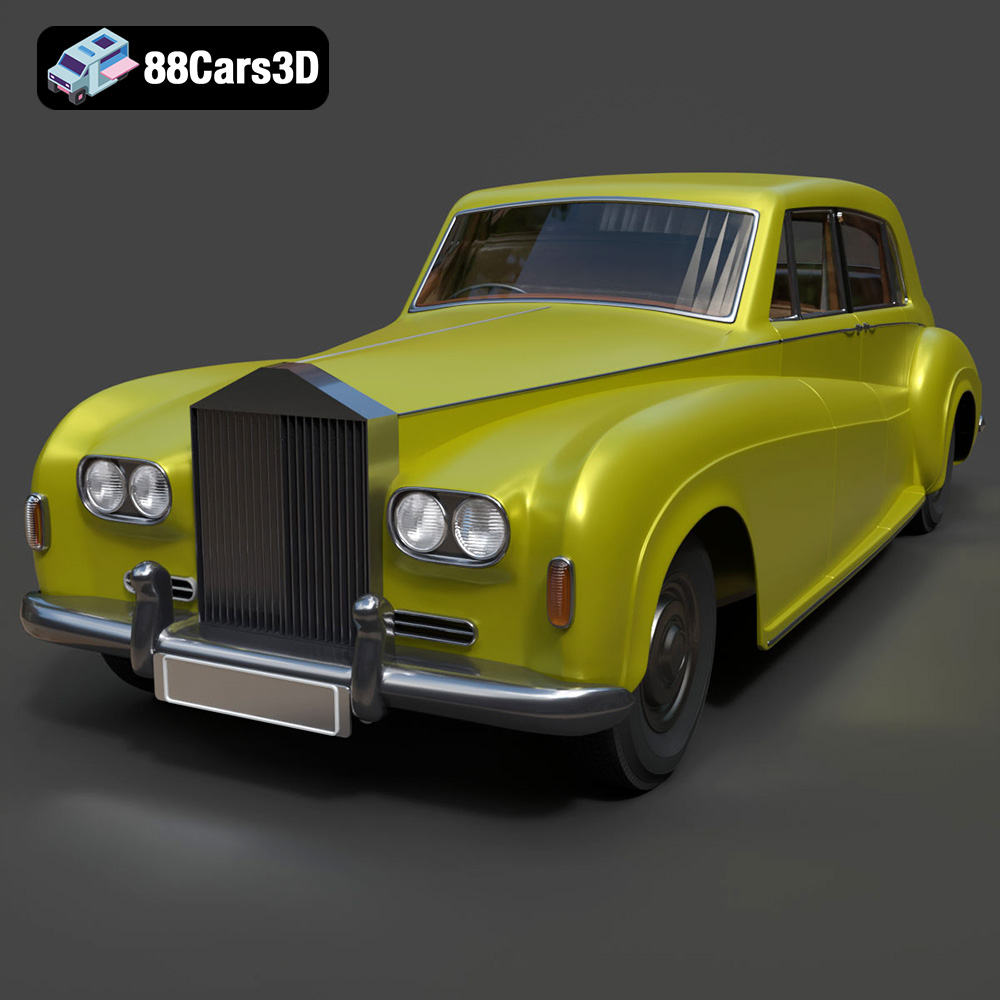
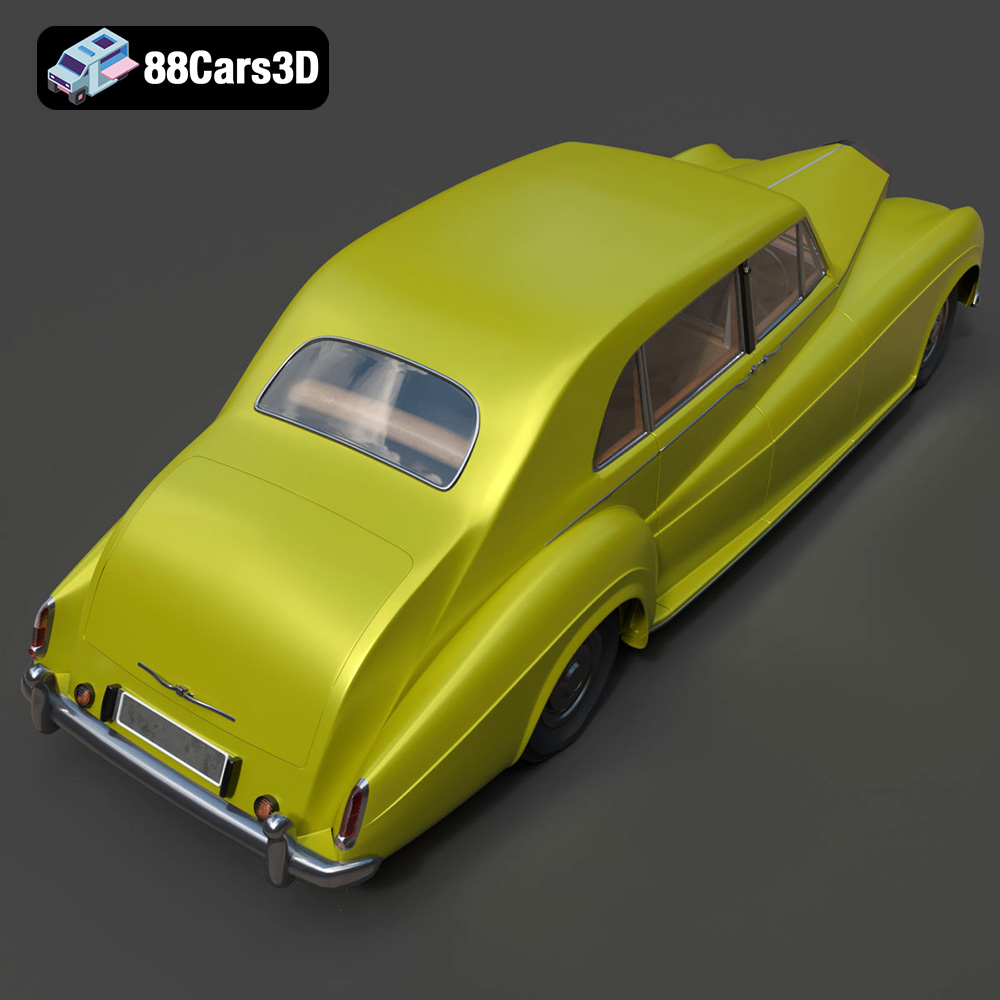
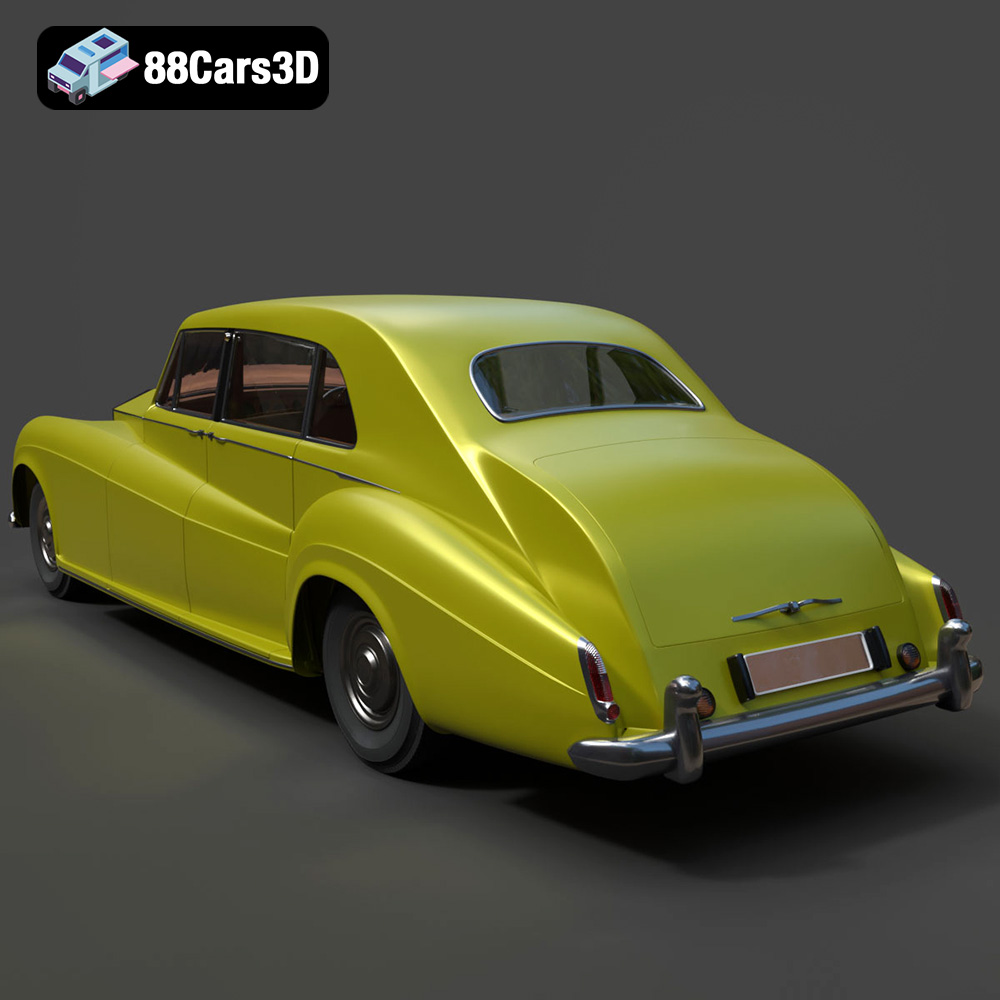
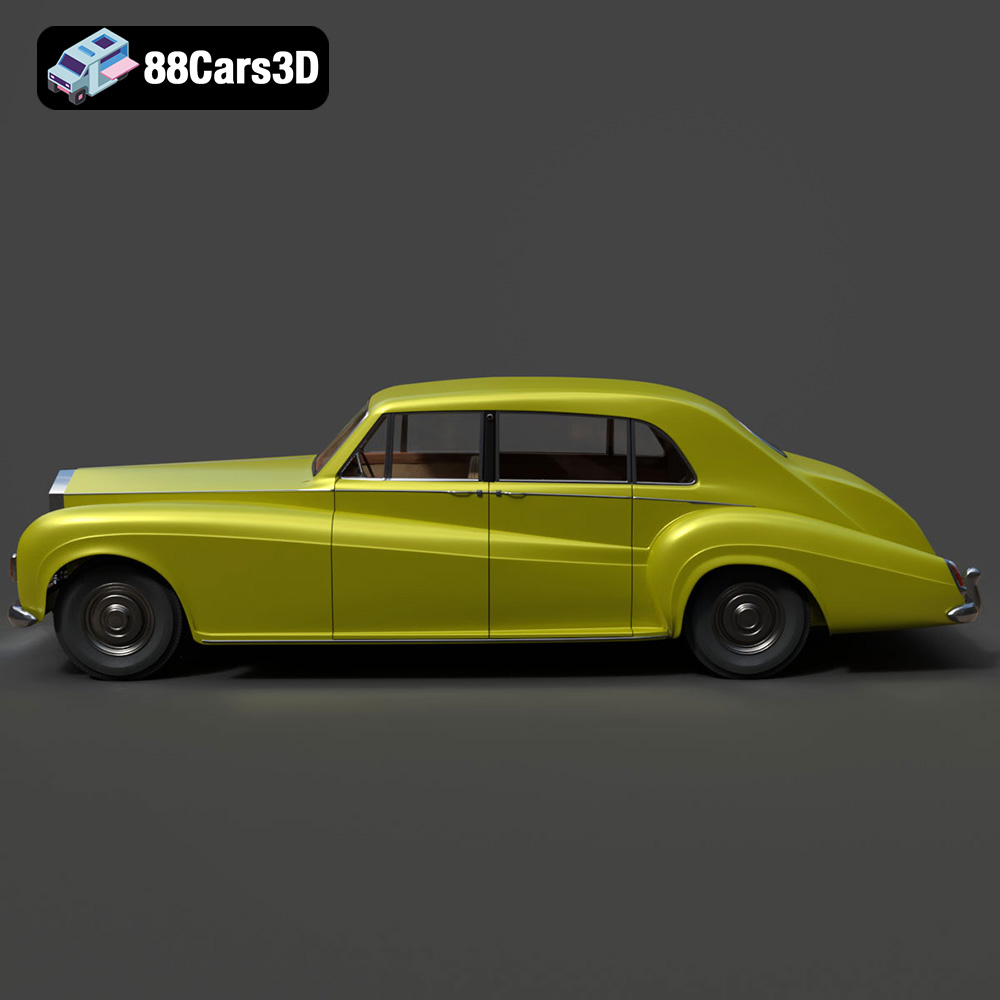
This pursuit of perfection is precisely where premium resources like the majestic Rolls Royce 2013 3D model excel. This isn’t just a static representation; it’s a meticulously engineered digital asset designed to meet the rigorous demands of modern 3D pipelines. From its iconic Pantheon grille to the intricate V12 engine block, every detail has been crafted to deliver unparalleled visual fidelity and performance, making it an invaluable tool for any automotive rendering or game development project. This particular asset, available on 88cars3d.com, exemplifies the blend of luxury and technical precision required in today’s digital landscape.
The versatility of a 3D model is often defined by the range and quality of its available file formats. Each format serves a specific purpose, catering to different software ecosystems and end-use applications. Understanding these distinctions is paramount for any professional working with 3D assets, ensuring smooth integration and optimal performance. The Rolls Royce 2013 3D model, for instance, comes with an impressive array of formats, each optimized for various workflows.
The `.blend` file is native to Blender, a powerful open-source 3D creation suite. When you acquire a `.blend` file like that of the Rolls Royce 2013, you gain access to the complete scene, including the model’s geometry, materials, textures, lighting, and even animation data, precisely as the artist intended within Blender. This format is ideal for users who primarily work in Blender and wish to modify the model, re-rig it, adjust materials, or render it directly within their preferred environment. The advantage here is full editability and preservation of all native Blender features, making it a cornerstone for customization.
The Filmbox (`.fbx`) format is an industry standard for exchanging 3D data between various software applications. It’s particularly favored in game development for engines like Unreal Engine and Unity, as well as in film and animation pipelines. `.fbx` files efficiently store not just geometry but also materials, textures, animations, and skeletal data. Its robust nature and widespread compatibility make it the go-to choice for importing complex animated models into real-time environments, ensuring that the Rolls Royce 2013 retains its intricate details and setup across different platforms without significant data loss.
The Wavefront Object (`.obj`) format is one of the oldest and most universally supported 3D file formats. While it primarily stores geometry (vertices, normals, UV coordinates) and can reference external material files (`.mtl`), it typically doesn’t carry animation data or complex rigging. Its strength lies in its simplicity and unparalleled compatibility, making it an excellent choice for basic mesh transfer between almost any 3D software. For the Rolls Royce 2013, the `.obj` file ensures that anyone, regardless of their primary software, can import and work with the model’s core geometry.
The GL Transmission Format (`.glb` or `.gltf`) is a relatively newer, open-standard format for 3D scenes and models. Often referred to as the “JPEG for 3D,” it’s specifically designed for efficient transmission and loading of 3D assets in web applications, augmented reality (AR), and virtual reality (VR) experiences. `.glb` is a binary version of `.gltf`, packaging all assets (geometry, materials, textures) into a single file, which streamlines deployment. For showcasing the Rolls Royce 2013 in an interactive virtual showroom or on a website, `.glb` offers optimized performance and ease of integration.
The Stereolithography (`.stl`) format represents a 3D model as a series of connected triangles, forming the surface geometry. It’s the de facto standard for 3D printing, defining only the surface geometry of a 3D object without color, texture, or other CAD attributes. While simple, its efficiency for manufacturing makes it indispensable. The inclusion of an `.stl` file for the Rolls Royce 2013 means hobbyists and professionals can translate the digital model into a physical replica, perfect for display-scale models or prototyping, provided appropriate scaling and print settings are applied.
The Polygon File Format (`.ply`), also known as the Stanford Triangle Format, is primarily used for storing 3D data from 3D scanners. It supports a wide range of properties, including color, transparency, surface normals, and texture coordinates, and can represent models using polygons (faces) or point clouds. While less common for general-purpose asset exchange than `.fbx` or `.obj`, `.ply` files are valuable in applications requiring high precision or direct data from 3D scanning, making it suitable for CAD, reverse engineering, or detailed analysis of the Rolls Royce 2013’s complex geometry.
An `.unreal` file, or more accurately a packaged asset specifically for Unreal Engine, signifies a model that has been pre-configured and optimized for direct import and use within the Unreal Engine ecosystem. This can often mean that the model comes with collision meshes, LODs (Levels of Detail), materials, and possibly even skeletal rigs already set up according to Unreal’s best practices. For a complex asset like the Rolls Royce 2013, having an Unreal-ready package significantly accelerates development time for game artists and developers, allowing them to drop the asset into their scene with minimal setup.
The `.max` file is the native file format for Autodesk 3ds Max, a powerful 3D modeling, animation, rendering, and compositing software. Similar to a Blender file, a `.max` file contains the complete 3ds Max scene, including geometry, modifiers, materials, lights, cameras, and animation keyframes. For professionals who use 3ds Max, the `.max` file of the Rolls Royce 2013 provides the highest level of control and flexibility, enabling them to delve into the model’s construction, adapt it for specific rendering engines like V-Ray or Corona, or integrate it into complex architectural visualizations and animations.
Creating a truly high-fidelity 3D car model is a meticulous process that balances artistic vision with technical precision. It’s about capturing not just the visual appeal but also the underlying engineering and proportions that define a vehicle. The Rolls Royce 2013 3D model exemplifies this fusion, standing as a testament to what’s achievable with expert modeling techniques.
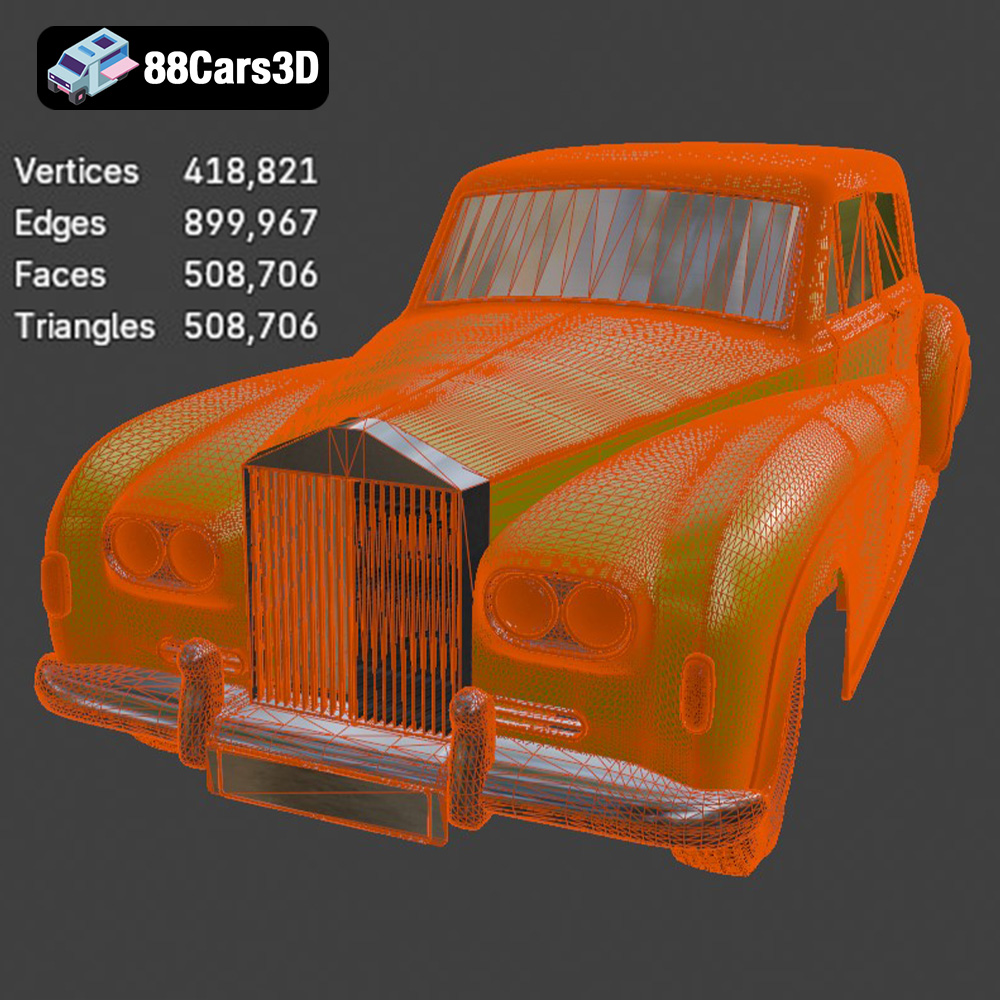
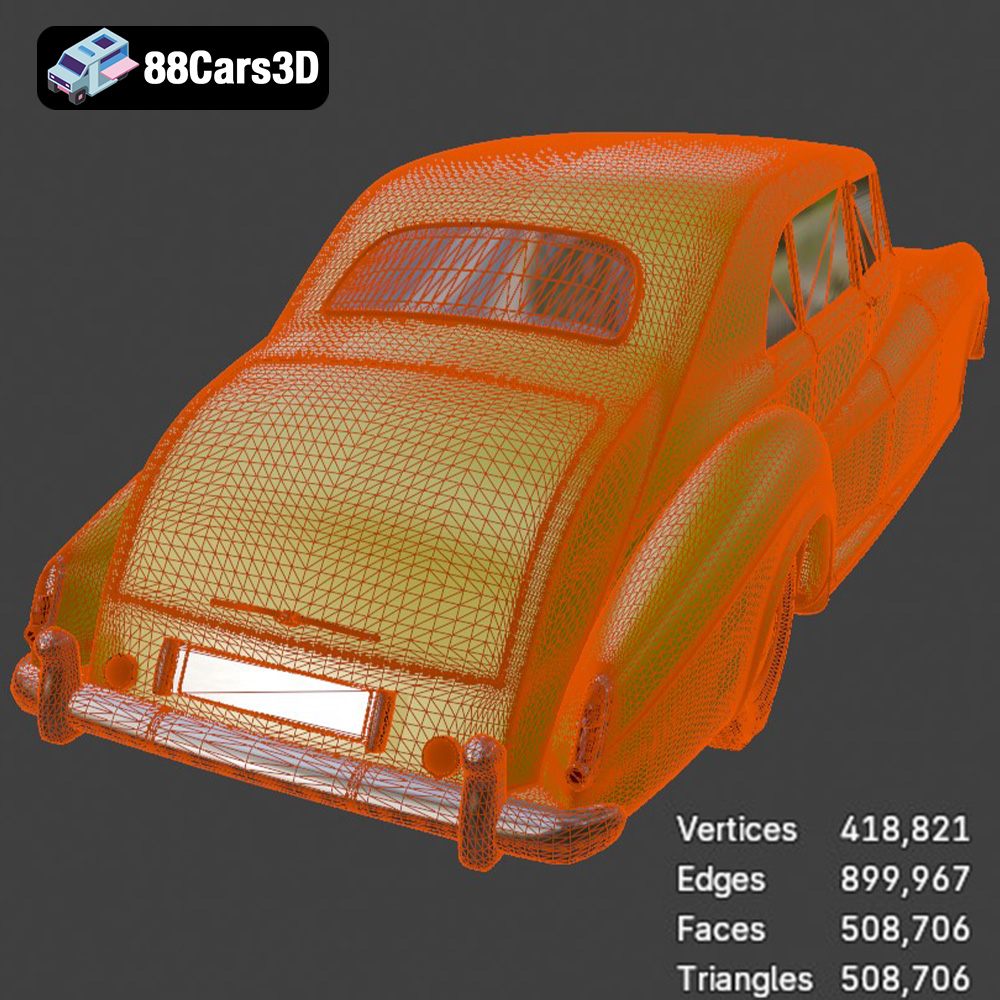
At the heart of any good 3D model is its topology – the arrangement of polygons (faces, edges, vertices) that form the mesh. Clean, quad-based topology is crucial for smooth deformations, efficient UV unwrapping, and optimal performance. For the Rolls Royce 2013, a meticulously optimized topology with 508,706 triangles strikes a perfect balance. This poly count is high enough to capture the nuanced curves and intricate details of the luxury vehicle, from the subtle fillets on the body panels to the refined edges of the iconic grille, ensuring stunning visual realism. Yet, it remains optimized enough for real-time applications like game engines and AR/VR, where performance is paramount. Achieving this balance is a significant technical challenge that seasoned 3D artists master, differentiating a premium asset from a mediocre one.
Realism in automotive 3D models goes beyond just the overall shape. It delves into the granular details that bring a vehicle to life. The Rolls Royce 2013 model showcases this with its comprehensive detailing. Externally, this includes accurate frame geometry, a detailed V12 engine block visible through subtle openings, and a refined dual exhaust system. Precision-modeled LED headlights and taillights, along with multi-spoke alloy wheels featuring weighted self-righting center caps, further enhance authenticity. Critically, separate components for wheels, suspension, and steering allow for realistic animation, essential for simulations and interactive experiences.
Inside, the cockpit and interior features are equally elaborate. Plush bespoke leather seating configurations, elegant wood veneer dashboards, and a classic analog instrument cluster—complete with the signature power reserve dial—all contribute to an immersive experience. Precision-machined control details like pedals and levers are modeled for fidelity, and the optimized geometry ensures it’s suitable for first-person POV in gaming, making the experience truly immersive.
High-quality 3D car models are essential tools across various professional domains. The Rolls Royce 2013 3D model, with its versatile file formats and meticulous design, is perfectly poised to integrate into demanding production pipelines.
For game developers, the Rolls Royce 2013 3D model is a dream asset. Its “game-ready & optimized” status, with 508,706 triangles, signifies that it has been specifically prepared for real-time engines like Unreal Engine and Unity. This polycount allows for high visual fidelity without crippling frame rates, a common challenge with complex automotive assets. The accurate real-world scale and proper pivot setup for steering, wheel rotation, and suspension travel are critical for realistic physics and animation within racing games, open-world environments, or even vehicular combat titles. Developers can integrate this model, confident in its performance and visual quality, enhancing player immersion and visual appeal.
In the realm of AR/VR, the Rolls Royce 2013 model shines. Its optimized geometry and attention to detail make it ideal for creating immersive virtual showrooms where customers can explore the car in a photorealistic environment, customizing options and experiencing its luxury up close. For architectural visualization, integrating a high-end vehicle like this into a scene elevates the entire presentation, adding a touch of prestige and realism to luxury properties. Cinematic animations and brand campaigns also benefit immensely from such a detailed model, allowing artists to craft breathtaking shots and sequences that highlight the vehicle’s elegance and power. The `.glb` format, in particular, makes it ready for mobile AR experiences and browser-based configurators, pushing the boundaries of interactive visualization.
The utility of a robust 3D model extends far beyond digital screens. With the advent of accessible 3D printing technology, these digital assets can be transformed into tangible objects, opening up new avenues for display, prototyping, and even educational purposes. The Rolls Royce 2013 3D model’s inclusion of an `.stl` file makes this transition seamless.
Translating a complex 3D car model into a physical print requires careful consideration of various print settings. The Rolls Royce 2013 model provides specific recommendations: ideal scales like 1:12, 1:18, or 1:24 for display, and recommended layer heights (0.04–0.12 mm) which suggest resin printing for capturing fine details like the grilles, emblems, and interior components. Wall thickness (1.2–2.0 mm) and infill (20–30%) are crucial for structural integrity without excessive material usage. Crucially, supports are often required for intricate or overhanging parts like the exhaust system, mirrors, and specific chassis elements. Proper print orientation, such as printing the frame angled and wheels separately, further enhances structural integrity and print quality, minimizing issues.
The journey from a raw 3D print to a showroom-quality replica involves diligent post-processing. This typically includes sanding to smooth layer lines, applying primer to create an even surface for paint, and then meticulously painting the model with authentic factory colors and metallic finishes. Achieving realistic results often requires advanced painting techniques, such as airbrushing, and attention to details like window tinting, tire tread painting, and applying chrome accents. For hobbyists and model makers, a high-quality `.stl` file provides an excellent foundation for creating stunning physical reproductions of the iconic Rolls Royce 2013, blurring the lines between the digital and physical realms.
In real-time applications like video games and interactive simulations, performance is as critical as visual fidelity. A visually stunning 3D car model that causes frame rate drops is ultimately unusable. This is why “game-ready” optimization, as seen in the Rolls Royce 2013 3D model from 88cars3d.com, is so valuable.
When integrating a model like the Rolls Royce 2013 into Unreal Engine or Unity, several best practices ensure optimal performance and visual quality. The `.fbx` format is the common bridge, allowing seamless import of geometry, materials, and animations. For Unreal Engine, artists often leverage the `.unreal` specific file or ensure the `.fbx` has proper scene hierarchy, pivot points (as specified for the Rolls Royce 2013), and potentially pre-built LODs (Levels of Detail). LODs are crucial for real-time performance, allowing the engine to swap lower-polygon versions of the model when it’s further from the camera, saving valuable rendering resources. Materials need to be set up correctly within the engine, utilizing physically based rendering (PBR) workflows to achieve photorealistic results that react accurately to light. This includes configuring base color, roughness, metallic, and normal maps, all of which would typically be included with a premium asset.
Beyond visual meshes, game-ready car models require additional components for interactive experiences. Collision meshes, often simpler versions of the visual mesh, are vital for physical interactions, allowing the car to collide realistically with other objects and the environment. The “proper pivot setup for steering, wheel rotation, and suspension travel” mentioned for the Rolls Royce 2013 is fundamental for integrating vehicle physics systems. This allows for accurate suspension compression, wheel rotation based on speed, and steering that correlates with player input. Animating separate components like doors, hoods, and trunks further enhances realism, allowing for interactive vehicle damage, customization, or cinematic sequences within the game engine. These technical underpinnings are what truly differentiate a raw 3D model from a fully integrated game asset.
A premium 3D model isn’t just about its initial state; it’s also about its flexibility and potential for customization. The Rolls Royce 2013 3D model provides ample opportunities for artists and developers to tailor its appearance to specific project requirements.
The ability to customize materials is a powerful tool for adapting a 3D model to diverse scenarios. For the Rolls Royce 2013, options include changing body colors to match specific factory shades or bespoke finishes, modifying tire textures to switch between street and off-road variants, and adjusting material finishes such as matte, gloss, or metallic. This flexibility is achieved through well-organized UV maps and PBR material setups, allowing artists to easily swap texture sets or tweak shader parameters in their chosen 3D software (Blender, 3ds Max) or game engine (Unreal, Unity). This is crucial for creating unique visual identities for the vehicle in different contexts, from a pristine showroom display to a grittier game environment.
Integrating the Rolls Royce 2013 into a cohesive scene also involves careful consideration of lighting and environment. A high-quality model will react realistically to different lighting conditions. Whether it’s rendered under a studio lighting setup to highlight its elegant lines, placed in a high dynamic range image (HDRI) environment for realistic outdoor reflections, or illuminated by a game engine’s real-time global illumination, the model’s materials and geometry are designed to respond authentically. Adjusting lighting for different environments allows artists to convey specific moods and times of day, from the warm glow of a sunset drive to the stark realism of a virtual garage, enhancing the overall visual narrative of any project featuring this exceptional 3D car model.
The journey through the creation and application of high-quality 3D car models reveals a fascinating intersection of art, engineering, and digital innovation. From the meticulous modeling of complex curves and interior details to the careful optimization for diverse platforms, every step contributes to assets that drive modern visualization. The Rolls Royce 2013 3D model is a prime example of such an asset, embodying the pinnacle of luxury automotive design translated into a technically robust and versatile digital form. Its comprehensive file format support, from `.blend` and `.max` for full editability to `.fbx` for game engines and `.stl` for 3D printing, ensures it can seamlessly integrate into virtually any professional workflow.
Whether you are a game developer crafting immersive open worlds, an architectural renderer elevating your visualizations, an AR/VR designer building interactive showrooms, or a hobbyist bringing iconic vehicles to life through 3D printing, the Rolls Royce 2013 3D model offers an unparalleled foundation. Its balance of visual fidelity and game-ready optimization makes it a powerful tool, saving countless hours of modeling work while delivering stunning results. For those seeking premium 3D car models that push the boundaries of digital realism and performance, resources like 88cars3d.com continue to be an invaluable source for high-caliber assets.
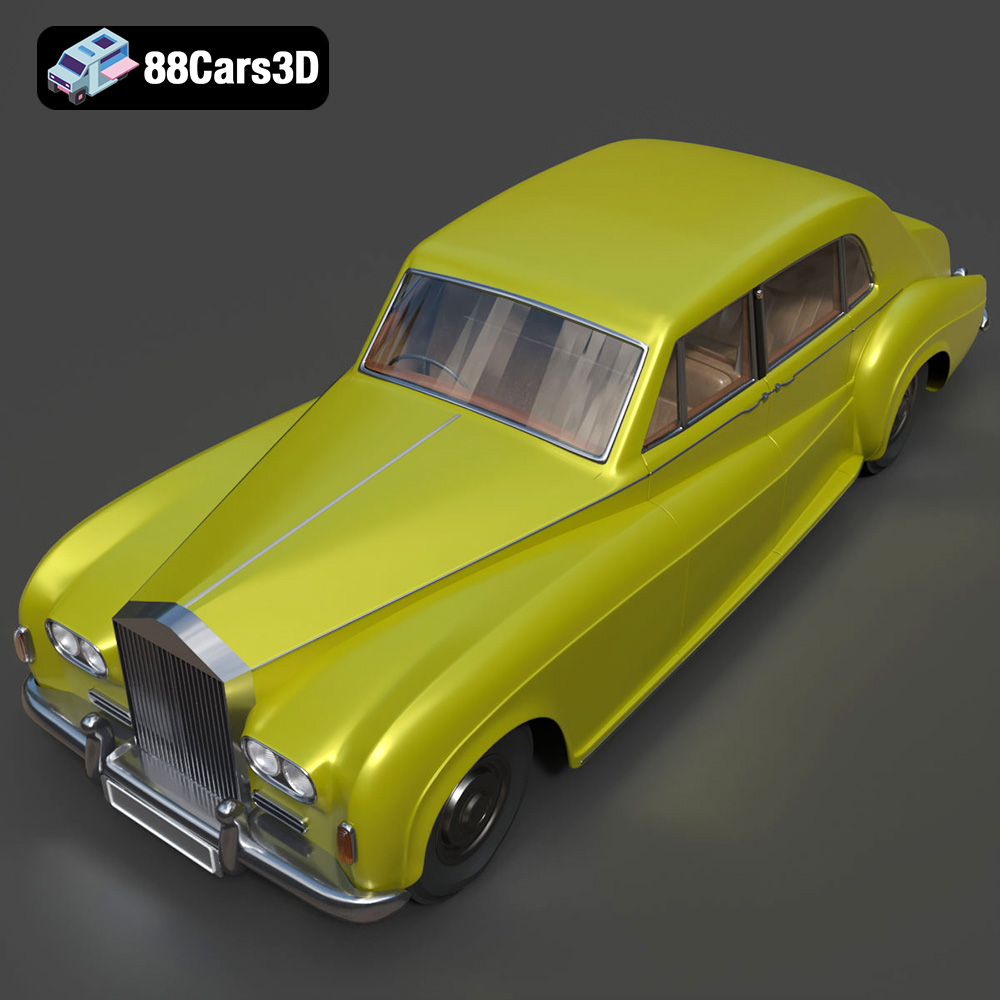
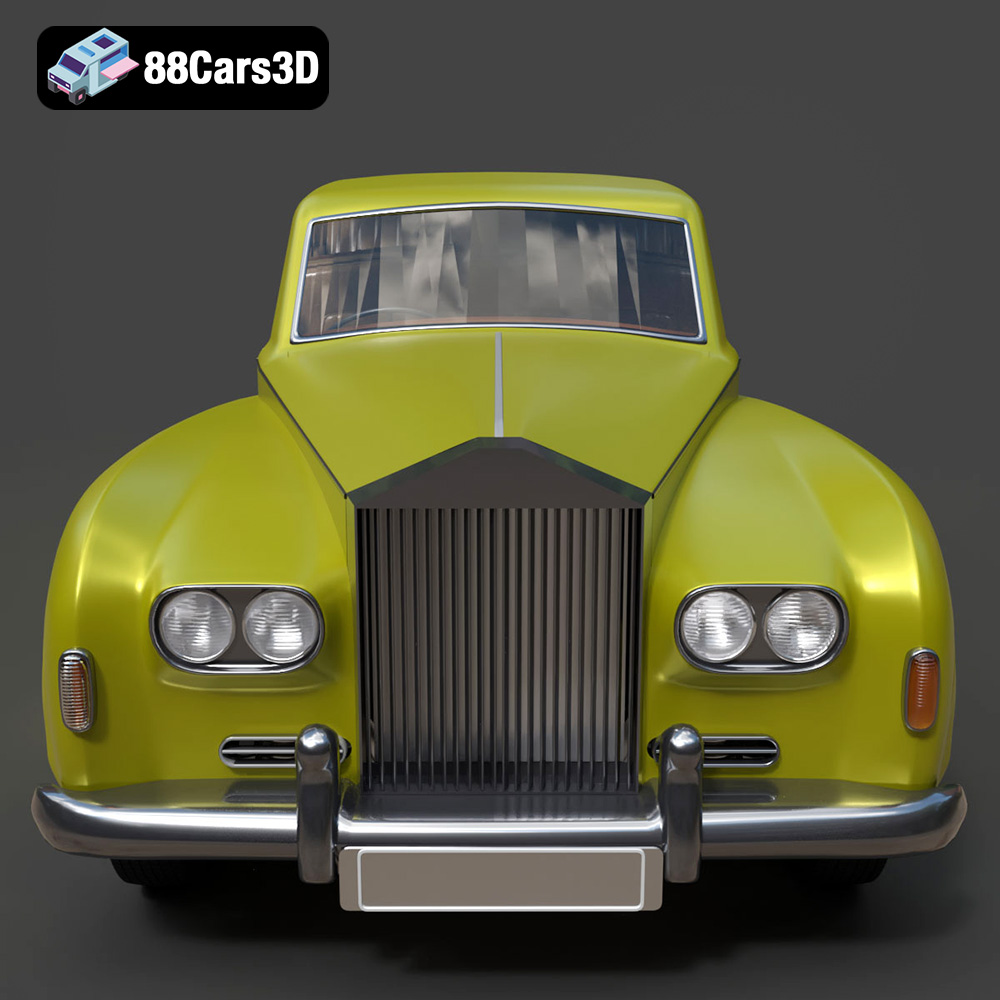
The majestic Rolls Royce 2013 represents the pinnacle of British automotive luxury, combining an imposing road presence with unparalleled elegance. Characterized by its iconic Pantheon grille, Spirit of Ecstasy hood ornament, and exquisite sweeping lines, this luxury vehicle boasts a massive V12 engine and a meticulously crafted dual-exhaust setup that hints at its refined power.
This highly detailed 3D model features a meticulously optimized topology with 508,706 triangles, delivering incredible visual fidelity for real-time applications and rendering. Designed with game-ready optimization in mind, the geometry captures every nuanced curve of the vehicle’s opulent design, making it a perfect fit for game development, AR/VR, animation, and visualization.
Perfect for luxury lifestyle visualizations, VR showrooms, high-end architectural renders, and cinematic animations.
.blend, .fbx, .obj, .glb, .stl, .ply, .unreal, .max
Tags:
rolls-royce, rolls-royce-2013, luxury-car, sedan, game-ready, optimized, car-3d-model, game-asset, rendering, vr-ar, blend, fbx, obj, glb, stl, ply, unreal, max
$41.50
.blend
.fbx
.glb
.max
.obj
.ply
.rendering
.sedan
.stl
.unreal
car-3d-model
game asset
game-ready
luxury car
optimized
rolls-royce
rolls-royce-2013
VR/AR