Get 40% OFF All Premium 3D & STL Models!

In the dynamic world of 3D content creation, the demand for highly detailed and versatile assets continues to grow across industries. From cinematic CGI and hyper-realistic architectural visualizations to immersive game environments and interactive AR/VR experiences, the foundational element remains a meticulously crafted 3D model. Among the most sought-after categories are vehicles, and commercial vehicles, in particular, play a crucial role in populating urban landscapes, industrial scenes, and logistics simulations. They add an undeniable layer of authenticity and functionality to any digital project.
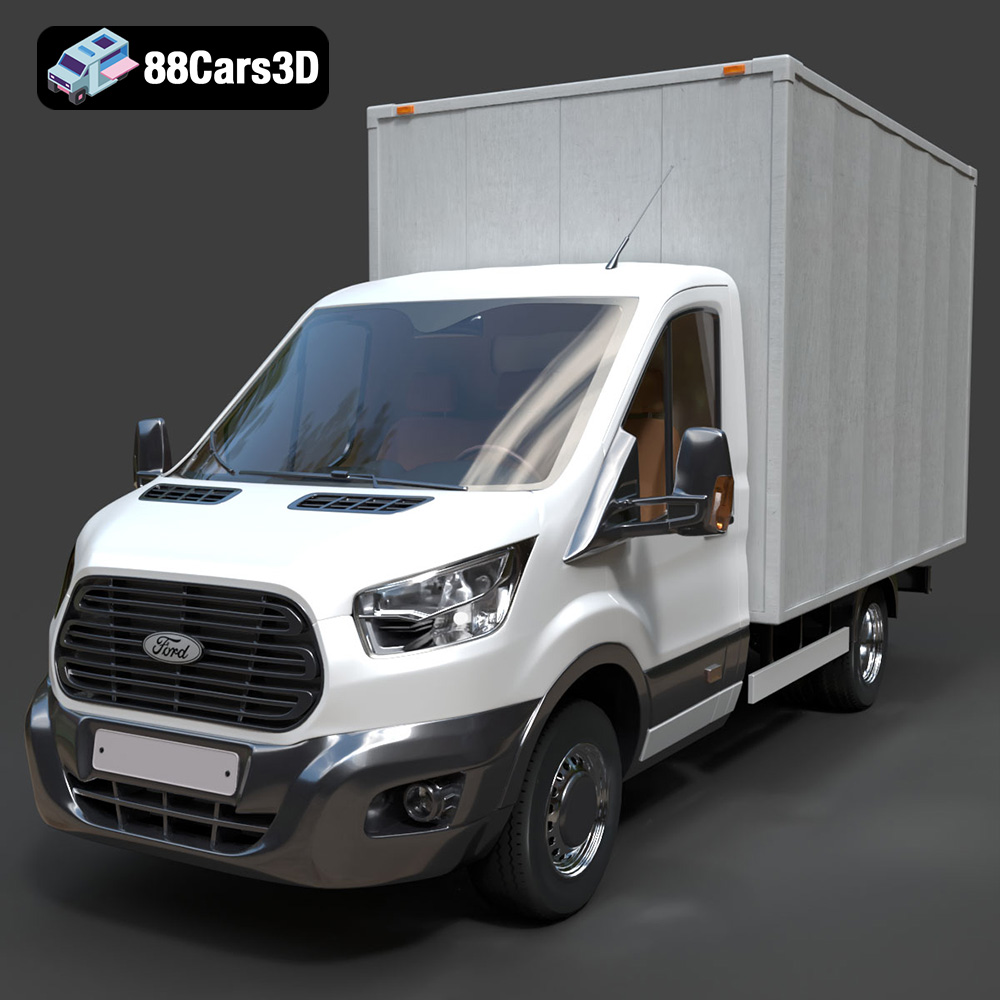
Today, we delve into the technical intricacies and creative potential offered by expertly designed automotive assets, exemplified by the Ford Transit Camion 2008 3D Model. This specific model, available at 88cars3d.com, is not just a digital representation; it’s a testament to the blend of technical precision and artistic vision required to create assets that truly stand out and serve a multitude of professional applications.
The versatility of a 3D model often hinges on the range of file formats it supports. Each format is optimized for specific use cases, software environments, or pipeline stages. Understanding these differences is crucial for any professional working with 3D assets, ensuring smooth workflows and maximum compatibility. The Ford Transit Camion 2008 3D Model, for instance, comes equipped with a comprehensive suite of formats, making it incredibly adaptable.
The .blend file format is the native format for Blender, a powerful open-source 3D creation suite. A .blend file typically contains not just the mesh data but also all aspects of the Blender scene: materials (including node setups for PBR workflows), textures, lighting, cameras, animations, rigging, and even Grease Pencil data. For users working primarily in Blender, this format offers the highest level of editability and preservation of all original scene configurations. When you download a .blend file like the one for the Ford Transit Camion, you receive a fully integrated scene, ready for immediate tweaking, rendering, or animation within Blender.
.fbx (Filmbox) is an industry-standard proprietary file format developed by Autodesk, renowned for its excellent interoperability across various 3D software and game engines. It’s particularly favored for animation, as it can store not only mesh and material data but also skeletal animations, blend shapes, and camera information. For real-time applications, such as game development in Unreal Engine or Unity, .fbx is often the go-to choice due to its robust support for exporting complex scenes and character rigs efficiently. The .fbx version of the Ford Transit Camion 2008 3D Model ensures that all separated components, like wheels and suspension, retain their pivot information, critical for animation setups in any major DCC (Digital Content Creation) application.
The .obj (Wavefront OBJ) format is one of the most widely supported and simplest 3D file formats, making it a universal choice for cross-software compatibility. It stores mesh geometry (vertices, normals, texture coordinates, and faces) and typically references an accompanying .mtl (Material Template Library) file for basic material definitions. While .obj does not support animations or advanced material nodes, its simplicity ensures it can be imported into almost any 3D software or CAD program without issues. For a model like the Ford Transit Camion, the .obj format serves as a reliable fallback, guaranteeing access to the core mesh geometry for a broad spectrum of users.
.glb (GL Transmission Format Binary) is a relatively newer format that’s rapidly gaining traction, especially in web-based 3D applications, augmented reality (AR), and virtual reality (VR). It’s a binary version of glTF, designed for efficient transmission and loading of 3D scenes and models. A .glb file packages all assets (geometry, textures, materials, animations) into a single, self-contained file, making it ideal for embedding 3D models directly into web pages, mobile AR experiences, or standalone VR applications. The inclusion of the .glb format for the Ford Transit Camion 2008 3D Model highlights its readiness for the future of interactive 3D content, enabling immersive virtual showrooms or mobile configurators.
.stl (STereoLithography) is the standard file format for 3D printing. It represents a 3D model as a series of connected triangles (a triangular mesh), defining only the surface geometry of an object without color, texture, or other CAD attributes. While it lacks visual fidelity, it’s essential for translating digital models into physical objects. The Ford Transit Camion 2008 3D Model, when provided in .stl, is directly ready for slicing software, allowing hobbyists and professionals to 3D print scaled versions of this iconic vehicle, perfect for display or prototyping.
.ply (Polygon File Format) is another format for storing 3D data, often used for scanned 3D data. It can store a wider range of properties than .obj or .stl, including color, transparency, and data confidence, for each vertex or face. While not as universally used for general 3D model exchange as .fbx or .obj, it’s valuable in applications requiring high precision mesh data, such as scientific visualization, CAD, or reverse engineering workflows. For the Ford Transit Camion, its inclusion ensures compatibility for specialized analytical or manufacturing-focused pipelines.
The .unreal designation implies a format or asset optimized specifically for direct import and use within Unreal Engine. This often means the asset has already been processed with appropriate material setups, collision meshes, LODs (Levels of Detail), and potentially even Blueprints, saving developers significant time. A .unreal packaged asset for the Ford Transit Camion would provide an engine-ready solution, minimizing setup time and ensuring optimal performance within real-time environments, aligning perfectly with its ‘Game-Ready’ claim.
Finally, the .max file format is the native scene file for Autodesk 3ds Max, a leading software in professional 3D modeling, animation, and rendering. Similar to .blend, a .max file stores the entire scene, including geometry, materials (with complex V-Ray or Corona shaders), lighting, cameras, modifiers, and animation data. For professionals entrenched in the 3ds Max ecosystem, having the native .max file for the Ford Transit Camion allows for full editability, re-rigging, re-texturing, and leveraging all of 3ds Max’s powerful rendering and animation toolsets.
Creating a high-fidelity 3D car model is a complex endeavor that balances artistic interpretation with strict technical requirements. It demands an understanding of vehicle design, engineering principles, and 3D software mastery. The Ford Transit Camion 2008 3D Model exemplifies this synthesis, offering a robust foundation for various professional applications.
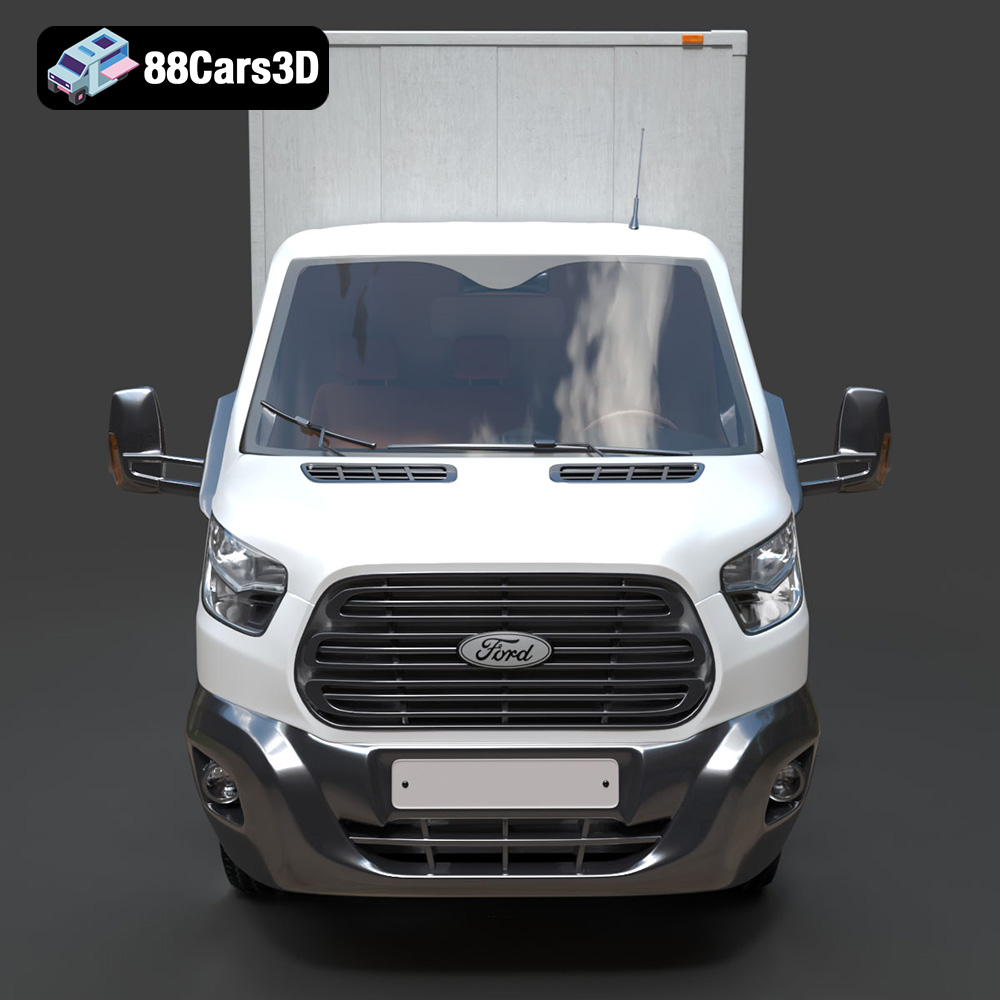
The journey begins long before a single polygon is laid. Extensive research into the real-world vehicle, including blueprints, photographic references, and technical specifications, is paramount. This allows modelers to capture accurate proportions, intricate details, and the unique character of the vehicle. For a model like the Ford Transit Camion, this means meticulously recreating its classic commercial truck bed configuration, detailed chassis framework, and the unmistakable front fascia. High-poly modeling often starts with foundational forms, progressively adding detail through subdivision surfacing or careful edge modeling, ensuring smooth curves and crisp edges.
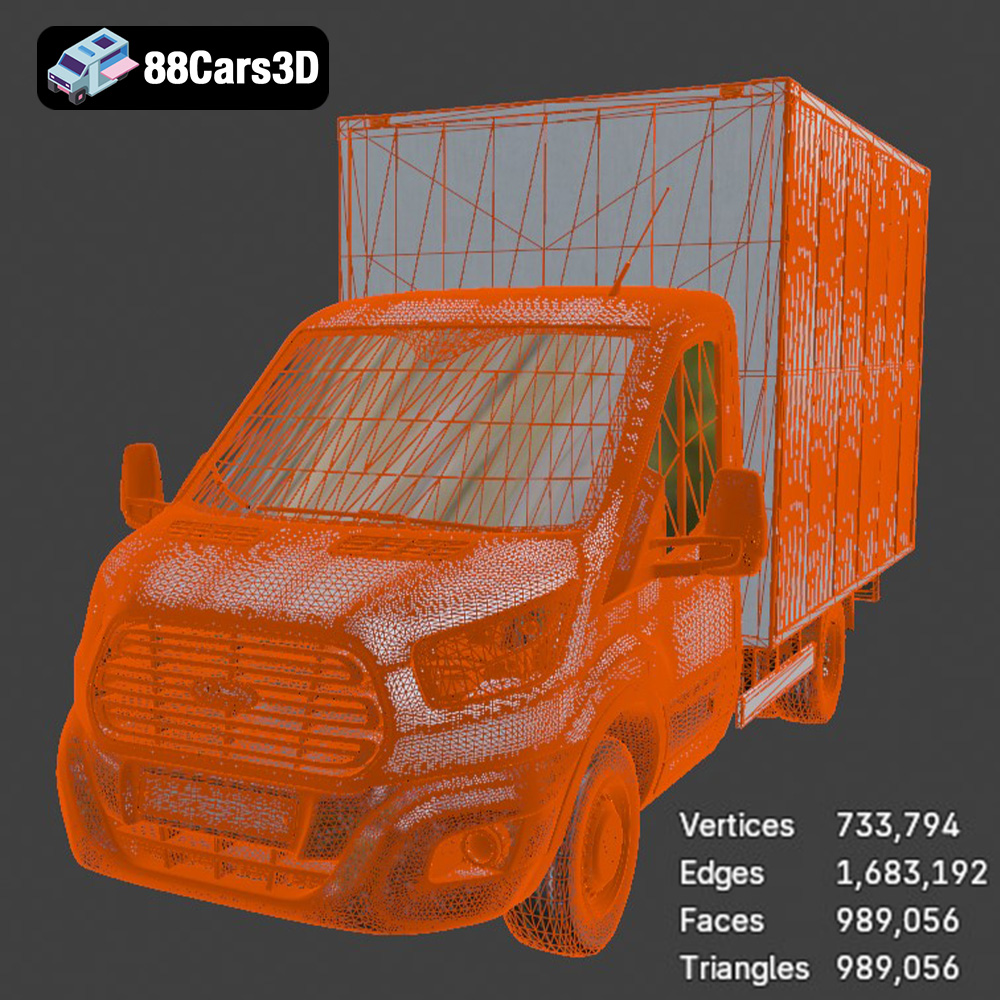
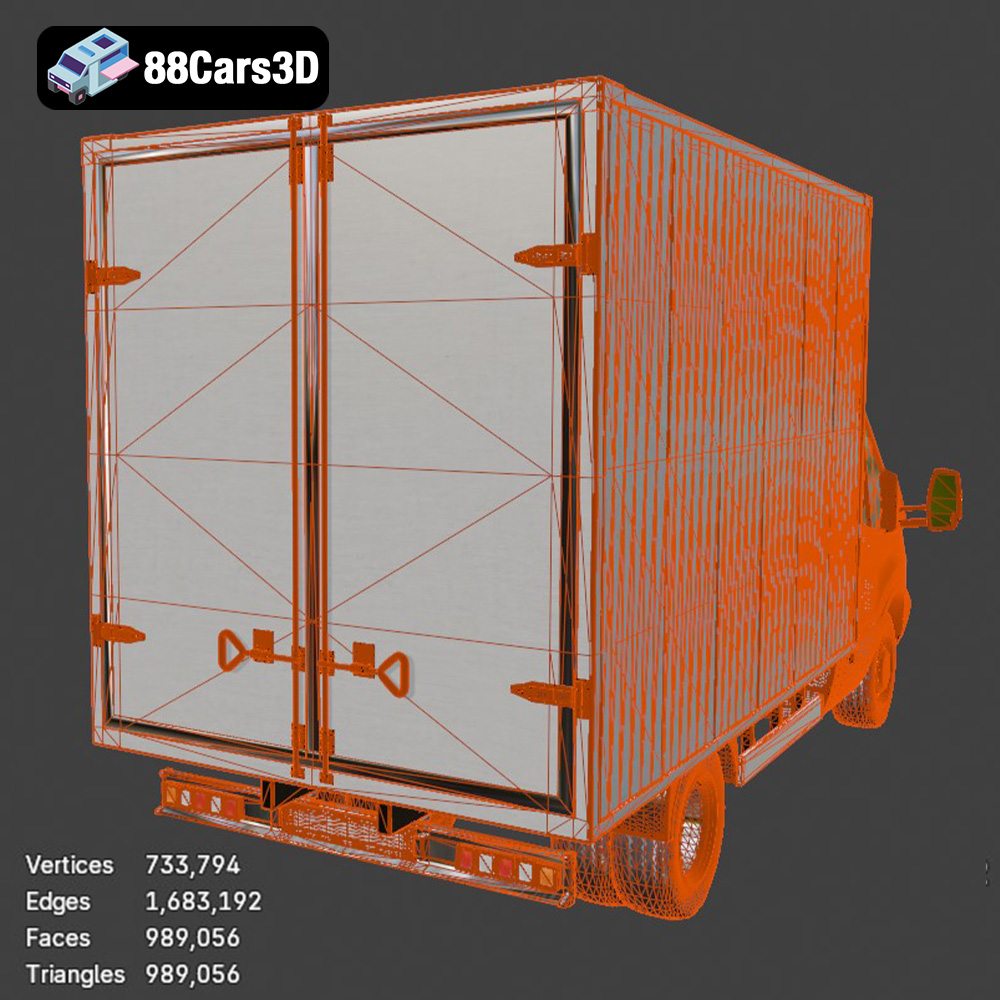
One of the most critical aspects of 3D modeling, especially for assets destined for real-time engines, is the balance between visual fidelity and performance. The Ford Transit Camion 2008 3D Model strikes this balance expertly with 989,056 triangles. This polycount is sufficiently high to deliver exceptional visual realism for close-up shots and high-end renders, yet optimized enough for seamless integration into game engines like Unreal and Unity. Beyond polycount, proper UV mapping is essential for applying textures without distortion, and PBR (Physically Based Rendering) material setup ensures that surfaces react realistically to light, mimicking real-world metals, plastics, and glass.
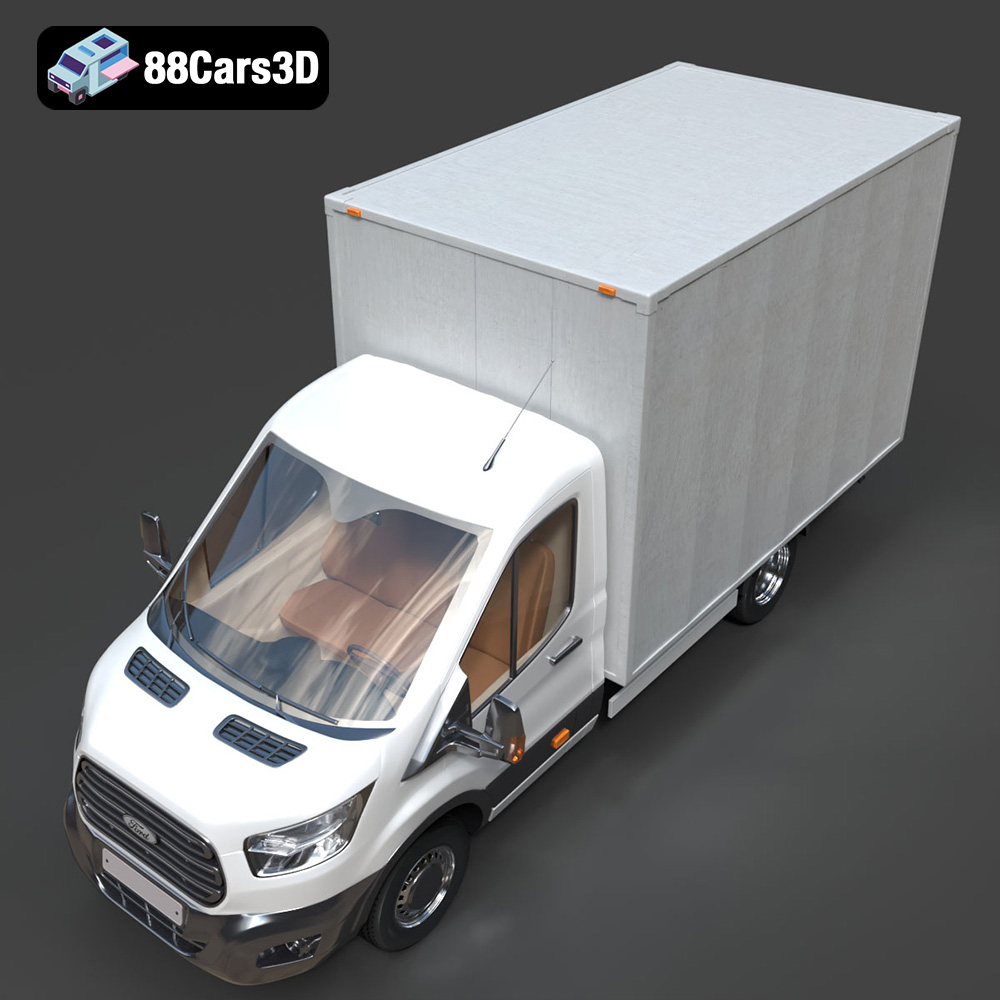
True realism in a 3D vehicle model extends far beyond its silhouette. Every component, from the engine block and under-hood components to the realistic commercial exhaust system and undercarriage details, contributes to the overall authenticity. The Ford Transit Camion also features accurately modeled headlights, taillights, roof-mounted indicators, and high-resolution heavy-duty wheel, tire, and hubcap details. Inside, the cockpit boasts authentic commercial driver and passenger seating, a detailed steering wheel, an accurate dashboard, and utility-focused instrument clusters. This level of detail ensures the model holds up under intense scrutiny, whether for a cinematic render or a first-person perspective in a game.
Once a 3D model is perfected, the next step is bringing it to life through rendering. Automotive rendering is an art form in itself, transforming raw 3D data into stunning, photorealistic images or animations that captivate audiences and convey brand messages. The quality of the base 3D model, such as those found on 88cars3d.com, is paramount to achieving these results.
Modern rendering engines like V-Ray, Corona Renderer, Arnold, and Cycles are capable of producing images virtually indistinguishable from photographs. When paired with a high-quality asset like the Ford Transit Camion 2008 3D Model, these engines can simulate global illumination, physically accurate reflections, refractions, and intricate material properties. This is vital for automotive advertising, product showcases, and design reviews, where every curve, shadow, and reflection must contribute to an aspirational visual narrative. The detailed surfaces and PBR-ready materials of the Transit Camion ensure it can be rendered with exceptional fidelity in any of these powerful software packages.
Effective lighting is the key to a compelling automotive render. Studio lighting setups, often involving HDR (High Dynamic Range) environments or carefully placed area lights, are used to highlight the vehicle’s form, materials, and design features. For a commercial vehicle like the Ford Transit Camion, environmental lighting can play an even greater role, placing it within a realistic urban street, a bustling industrial dock, or a serene rural landscape. The model’s real-world scale accuracy and proper pivot setup for components like wheels and suspension allow it to be seamlessly integrated into these complex lighting scenarios, reacting credibly to its virtual surroundings.
Beyond static images, the Ford Transit Camion 3D model is designed for dynamic motion. With separate wheels, suspension, and steering components, it’s primed for complex animations. This allows for animated commercials showing the vehicle in motion, product configurators demonstrating customization options, or even intricate simulations of logistics operations. The ability to animate these individual parts means artists can create realistic suspension travel over bumps, steering actions, and wheel rotations, bringing a cinematic quality to any visualization project.
The demands of real-time environments, particularly game development, are unique. Assets must be highly optimized for performance while maintaining visual quality. The Ford Transit Camion 2008 3D Model is specifically engineered to meet these rigorous requirements, making it an invaluable “game asset” for developers.
For game developers, efficiency is paramount. The Ford Transit Camion’s ‘Game-Ready’ status and its availability in .fbx and .unreal formats streamline integration into leading engines like Unreal Engine and Unity. The workflow typically involves importing the FBX file, which carries the mesh, UVs, and pivot information. Materials are then set up within the engine, often utilizing PBR textures (Albedo, Normal, Roughness, Metallic, AO) to achieve photorealistic surfaces. Collision meshes are generated to ensure physical interactions, and LODs (Levels of Detail) are implemented to optimize performance by swapping out higher-poly versions for lower-poly ones as the camera moves away from the vehicle. The optimized polycount of 989,056 triangles strikes an excellent balance, ensuring the model looks great up close without crippling frame rates in an open-world setting.
Game assets must be meticulously managed to maintain optimal performance. The polycount, texture resolution, and draw calls associated with each asset directly impact the game’s frame rate. A model like the Ford Transit Camion is designed with these considerations in mind. Its structured topology is efficient, and its materials are set up for performance. Further optimization might involve creating additional, even lower-poly LODs for very distant views or utilizing instancing techniques if many identical vehicles are present. The included pivot setup for steering, wheel rotation, and suspension travel simplifies rigging and animation within the engine, saving valuable development time.
Commercial vehicles like the Ford Transit Camion are ubiquitous in the real world, and their presence is essential for creating believable virtual environments. Whether it’s an open-world game needing realistic traffic, a racing title focused on utility vehicles, or an industrial simulator, high-quality 3D car models populate these scenes, adding depth and authenticity. Developers can utilize this model to create bustling urban centers, detailed logistics hubs, or even specific mission objectives, leveraging its detailed interior for first-person POV experiences and its robust exterior for environmental realism.
The utility of high-quality 3D models extends beyond traditional rendering and gaming. Emerging technologies like Augmented Reality (AR), Virtual Reality (VR), and 3D printing are opening up new avenues for interaction and physical manifestation.
AR and VR offer unprecedented levels of immersion, and 3D models are their fundamental building blocks. For automotive brands, models like the Ford Transit Camion can power virtual showrooms, allowing customers to explore vehicles in a virtual space, customize colors and configurations, or even “place” the vehicle in their driveway using AR on a smartphone. The .glb format, included with this model, is specifically optimized for these applications, offering efficient delivery and rendering in WebGL-based AR/VR experiences. Imagine a logistics company using a VR simulation powered by this model to train new drivers on loading procedures or urban navigation.
The ability to convert a digital asset into a physical object via 3D printing is a fascinating application. The Ford Transit Camion 2008 3D Model is suitable for this, convertible to .stl format, allowing hobbyists and professionals to create tangible scale models. The product description provides excellent guidance for 3D print settings: recommending resin printing for fine details, specific layer heights, wall thickness, and infill percentages. Crucially, it advises on print orientation and the necessity of supports for complex parts like the exhaust and mirrors. Post-processing steps like sanding, priming, and painting are essential to achieve a museum-quality replica, making the digital design truly come alive.
Premium 3D car models from marketplaces like 88cars3d.com are invaluable in numerous professional scenarios. Urban planners use them to visualize traffic flow or new infrastructure projects. Logistics companies simulate fleet movements and warehouse layouts to optimize efficiency. Automotive manufacturers create virtual prototypes for design reviews, reducing the need for costly physical mock-ups. These models serve as foundational elements for training simulations, marketing campaigns, and even forensic reconstructions, demonstrating their immense practical value across diverse industries.
In a world where time is money, acquiring high-quality, pre-made 3D assets offers a significant advantage. Instead of building models from scratch, studios and individual artists can leverage meticulously crafted products, dedicating their resources to creative direction and project execution.
Investing in premium 3D car models from reputable sources like 88cars3d.com guarantees several benefits: professional-grade quality, adherence to industry standards, and comprehensive file format support. This ensures compatibility across various software and pipelines, saving countless hours in modeling, texturing, and optimization. Furthermore, these models are often built with animation and real-time performance in mind, offering a ‘game-ready’ asset that requires minimal additional work.
The Ford Transit Camion 2008 3D Model embodies this value proposition. It is a high-fidelity representation of an iconic commercial vehicle, robustly detailed from its external frame geometry to its interior cockpit features. Its optimized polycount and real-world scale make it ideal for high-end rendering, immersive game development, and interactive AR/VR experiences. The included array of file formats (.blend, .fbx, .obj, .glb, .stl, .ply, .unreal, .max) speaks to its unparalleled versatility, catering to virtually any professional workflow. This model isn’t just an asset; it’s a foundation for creating realistic and engaging digital content.
Beyond its inherent quality, the Ford Transit Camion 3D model offers extensive customization options. Artists can easily change cabin colors, apply commercial fleet liveries, modify tire textures, and adjust material finishes to suit specific project needs. This flexibility ensures the model can be adapted for a multitude of scenarios and remain relevant across diverse projects. By providing such a comprehensive and adaptable asset, 88cars3d.com empowers creators to focus on their vision, confident in the technical integrity of their foundational elements.
The pursuit of digital realism and efficiency in 3D content creation hinges on the availability of high-quality, versatile assets. The Ford Transit Camion 2008 3D Model stands as a prime example of such an asset, meticulously crafted to meet the demanding technical and creative needs of modern industries. Whether for breathtaking automotive rendering, high-performance game assets, immersive AR/VR applications, or even tangible 3D prints, its detailed construction and extensive file format support make it an indispensable tool for professionals. By understanding the nuances of 3D modeling, file formats, and application-specific optimizations, creators can unlock the full potential of such models.
For those seeking to elevate their projects with premium 3D car models that combine realism with technical excellence, exploring the collection at 88cars3d.com is a definitive step towards achieving superior results. The Ford Transit Camion 2008 3D Model is more than just a purchase; it’s an investment in quality, versatility, and the seamless integration of digital assets into any professional workflow.
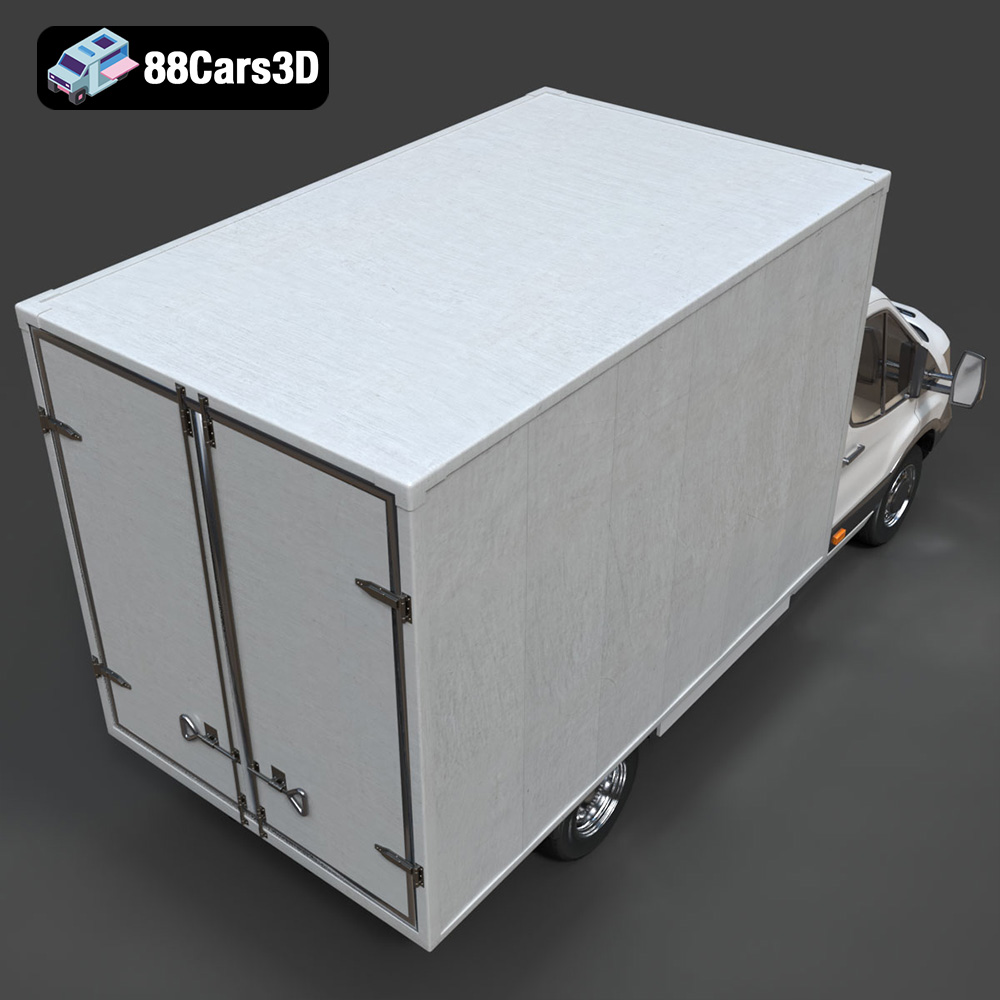
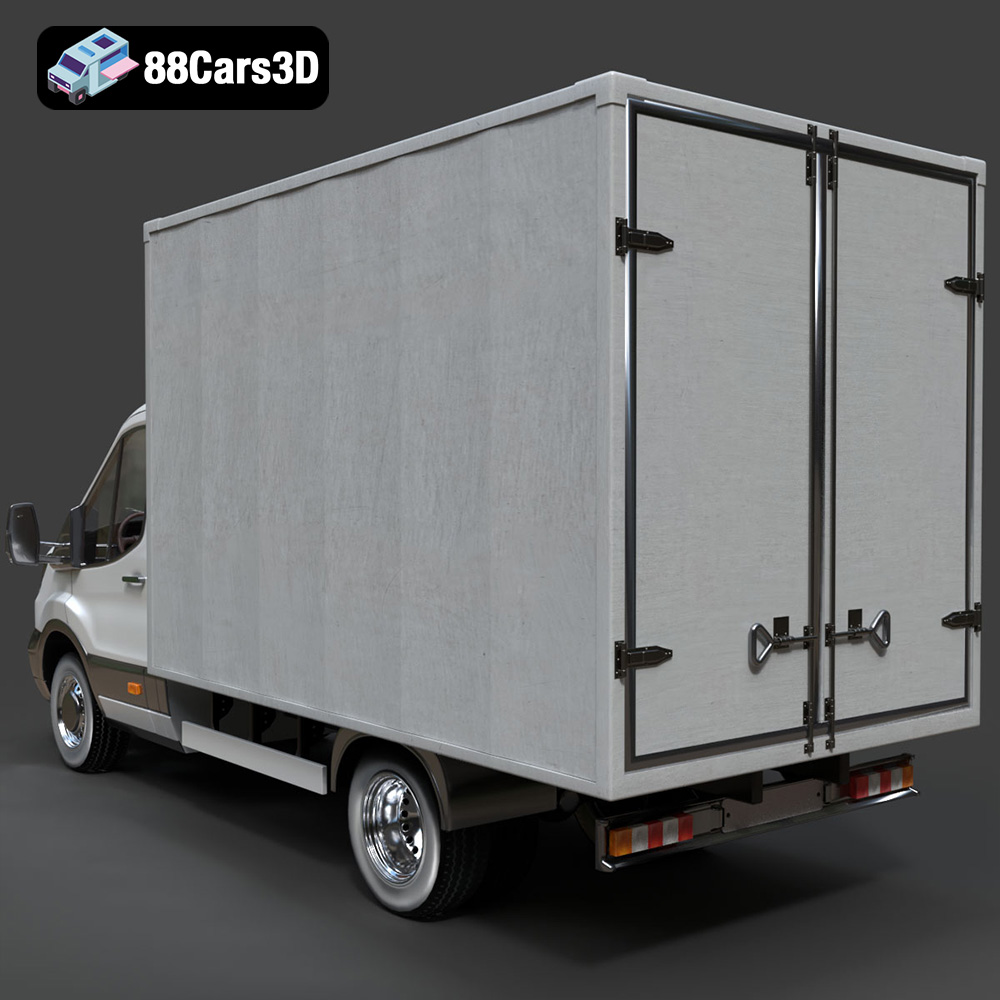
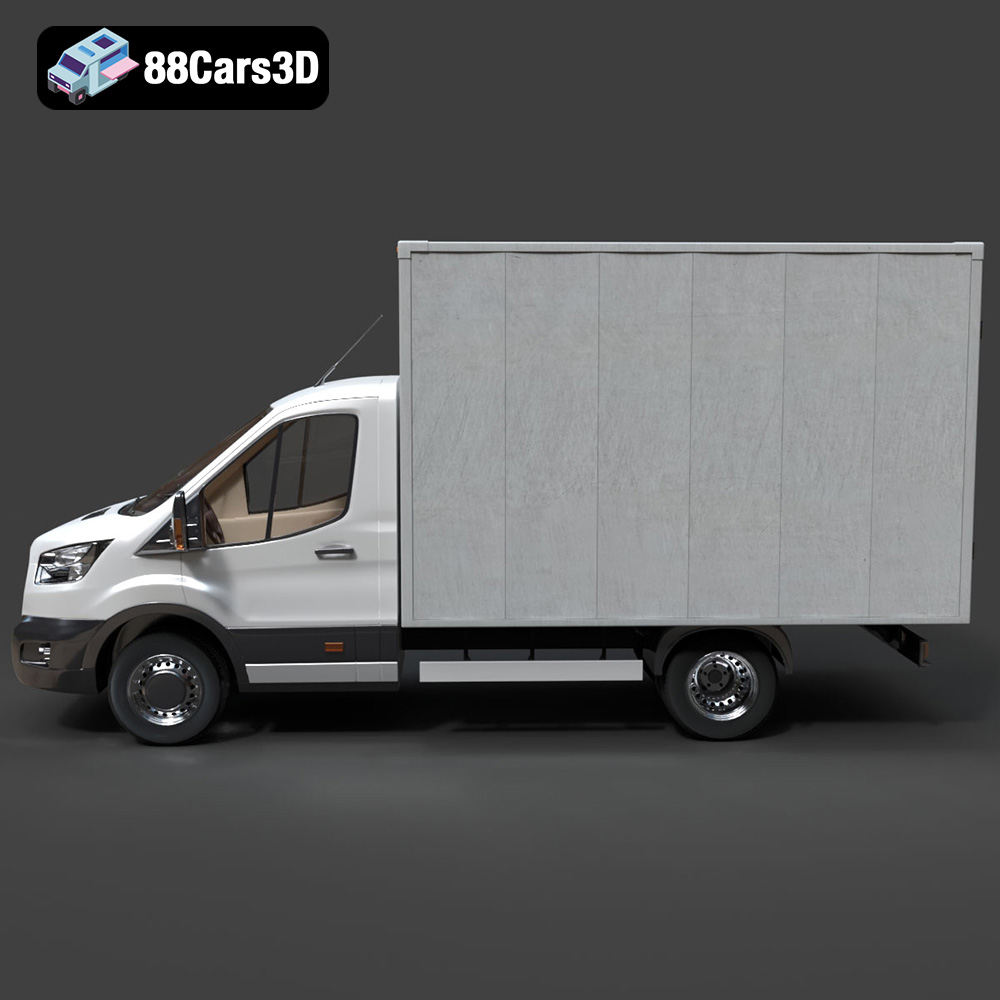
The Ford Transit Camion represents a pinnacle of commercial vehicle reliability, offering robust utility and iconic styling tailored for heavy-duty logistics and transport. This 2008 model features the classic commercial truck bed configuration, detailed chassis framework, and the unmistakable front fascia of the Transit series, making it an essential asset for realistic urban and industrial scenes. Boasting an impressive 989,056 triangles, this high-fidelity 3D model delivers exceptional visual realism while maintaining structured topology for seamless integration. Whether utilized in game development, architectural visualization, or cinematic animation, this asset provides unparalleled detail for close-up shots and immersive environments. Perfect for industrial simulations, urban environment population, logistics-focused gaming titles, and commercial fleet visualizations.
$61.00
.2008
.blend
.fbx
.ford
.glb
.max
.obj
.ply
.rendering
.stl
.truck
.unreal
car-3d-model
commercial-vehicle
game asset
game-ready
high poly
optimized
transit-camion
truck-3d-model
VR/AR