Get 20% OFF All Premium 3D & STL Models!

The automotive industry has always been at the forefront of design and engineering innovation. In the digital age, this innovation extends beyond physical prototypes into the realm of high-fidelity 3D modeling and visualization. From conceptualization to marketing, detailed 3D car models are indispensable tools for designers, engineers, game developers, and marketers alike. These digital assets allow for unparalleled exploration, customization, and presentation of vehicles before a single physical component is manufactured.
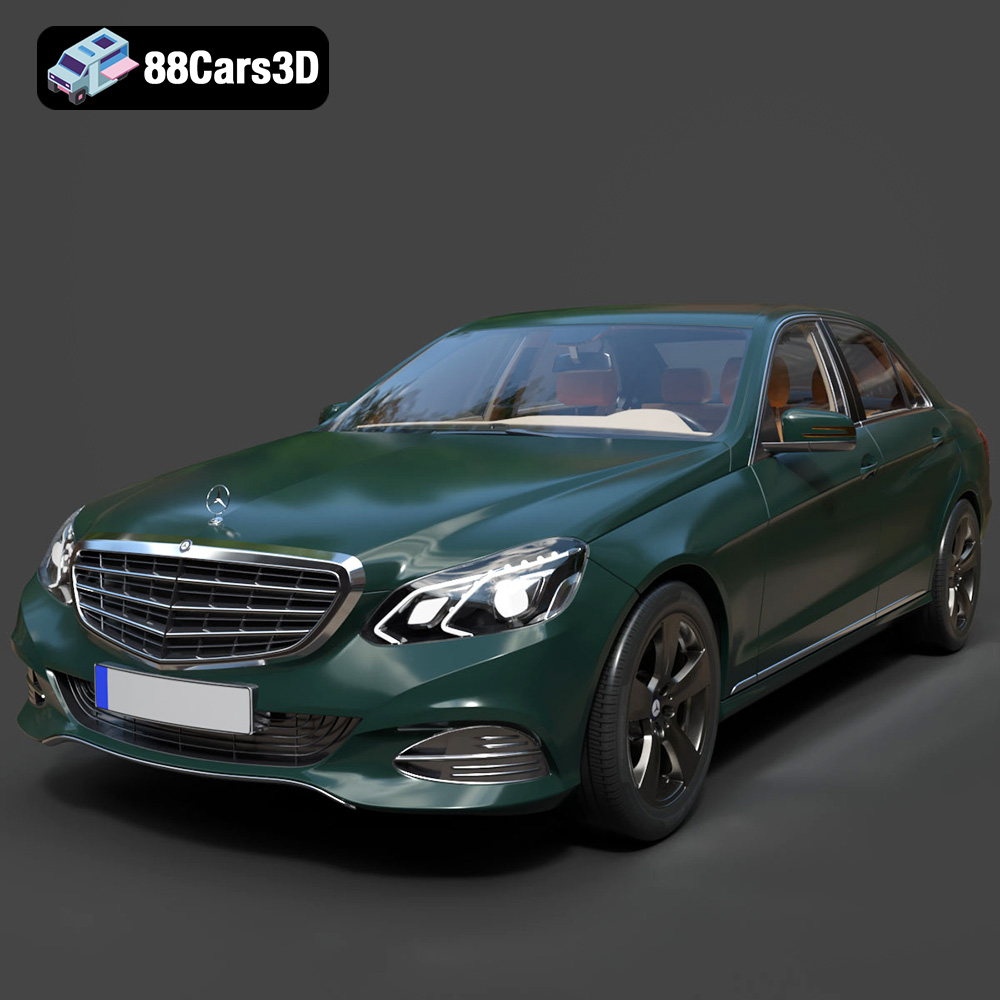
Imagine showcasing a futuristic luxury car, complete with advanced aerodynamics, intricate lighting, and a sophisticated interior, years before it hits the production line. This is precisely the power that premium 3D models offer. Today, we’re taking an in-depth look at such an asset: the Mercedes-Benz E13-08 3D Model. This meticulously crafted concept vehicle exemplifies the pinnacle of digital automotive design, offering a versatile foundation for a multitude of professional applications, from cinematic rendering to immersive real-time experiences.
The demand for high-quality 3D car models has surged across various industries. Automotive manufacturers use them for design iteration, engineering analysis, and marketing campaigns. Game developers leverage them to create realistic and engaging virtual worlds. Architectural visualization specialists integrate them into scenes to add realism and scale. Each application requires models that are not only visually stunning but also technically robust and optimized for specific pipelines.
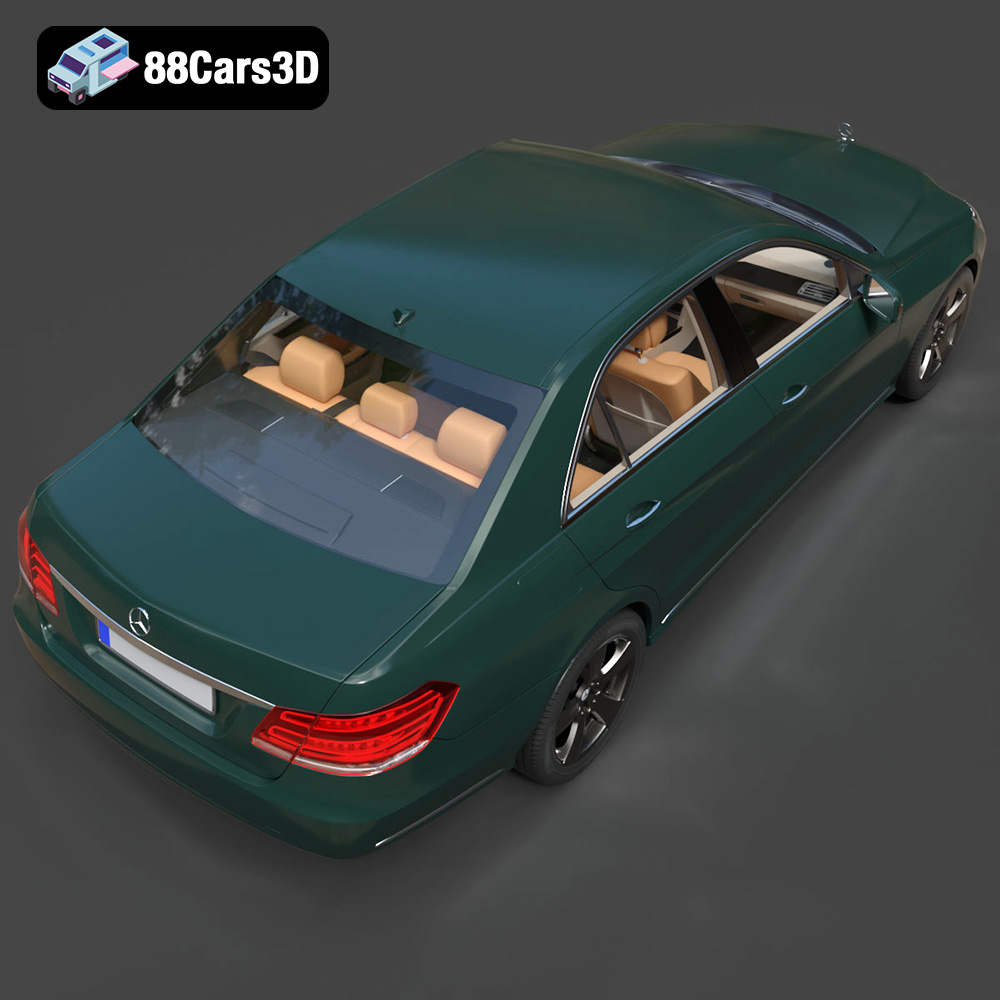
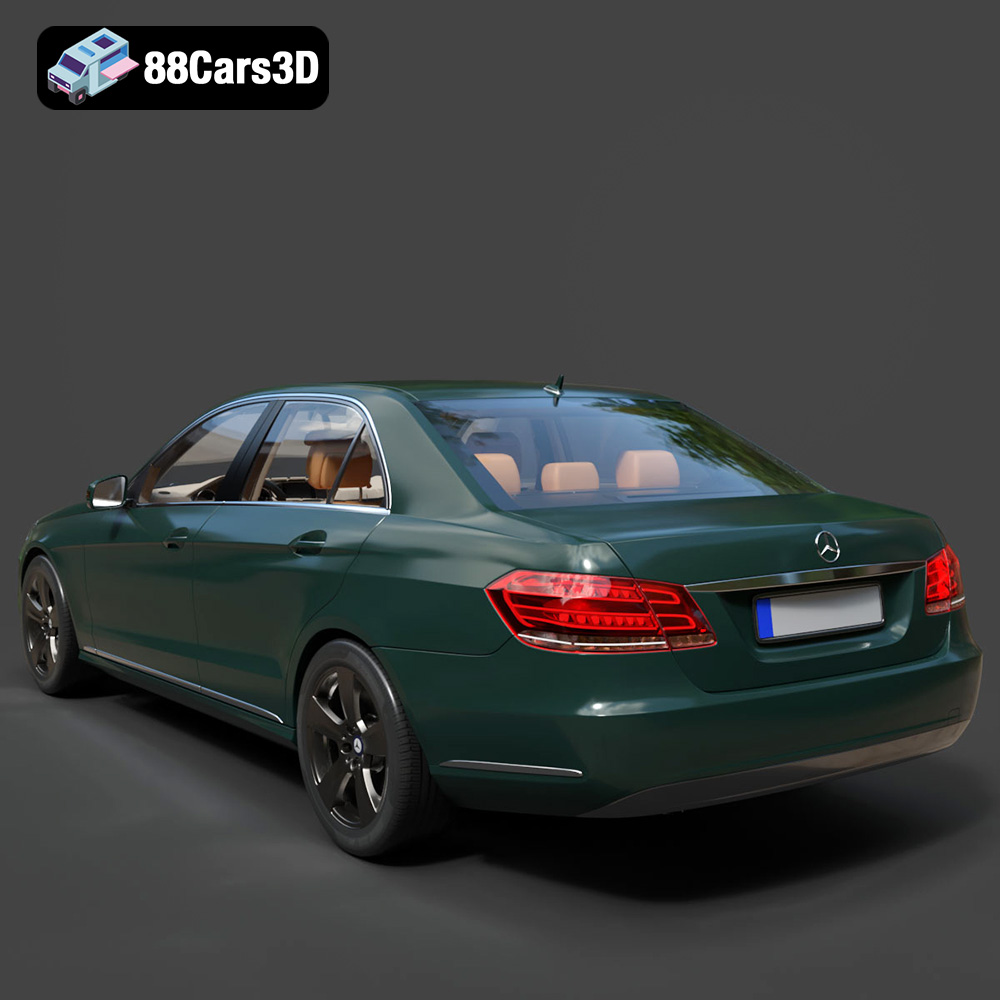
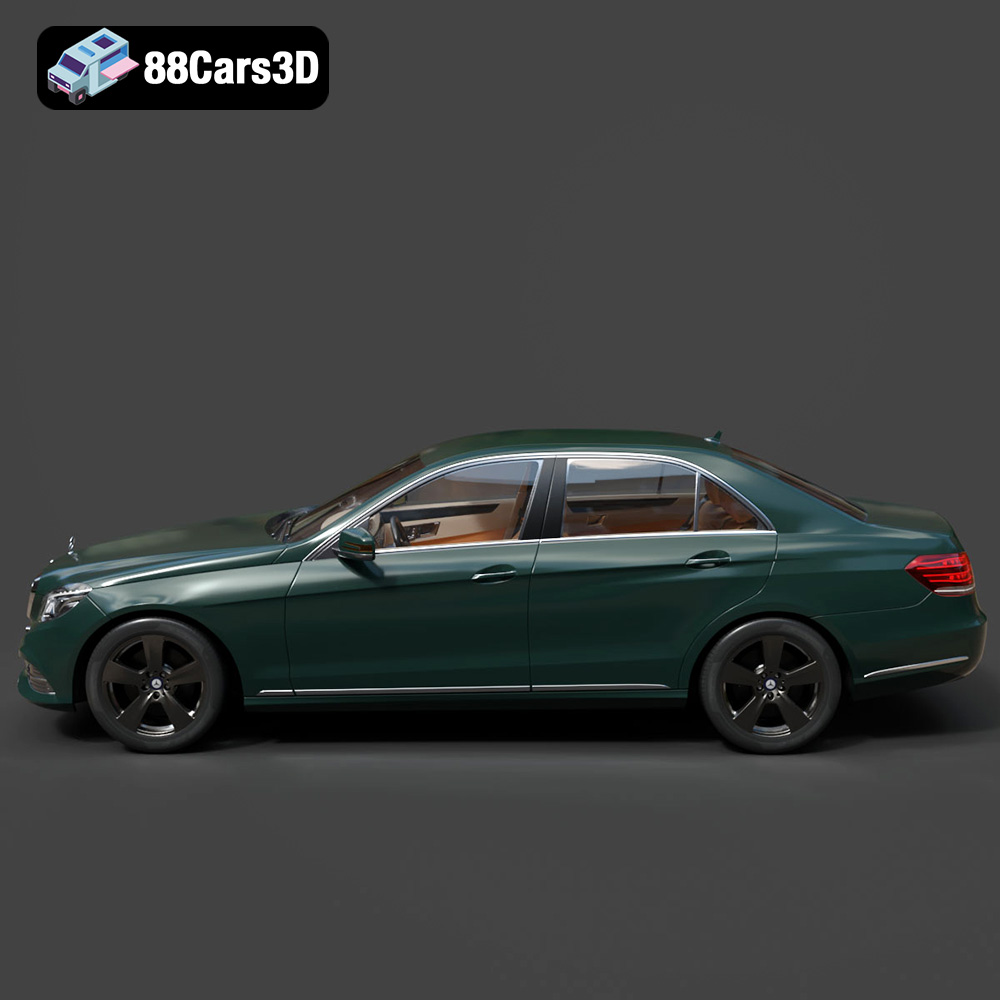
In the automotive design cycle, the gap between concept sketches and physical prototypes can be vast and expensive. High-fidelity 3D models bridge this gap, enabling designers to transform initial ideas into tangible digital forms. They can iterate on shapes, experiment with materials, and evaluate ergonomics in a virtual environment. The Mercedes-Benz E13-08 model, for instance, perfectly captures the sleek, aerodynamic silhouette and high-tech styling cues of a modern concept vehicle, allowing for a detailed exploration of its aesthetic and functional elements long before physical construction begins.
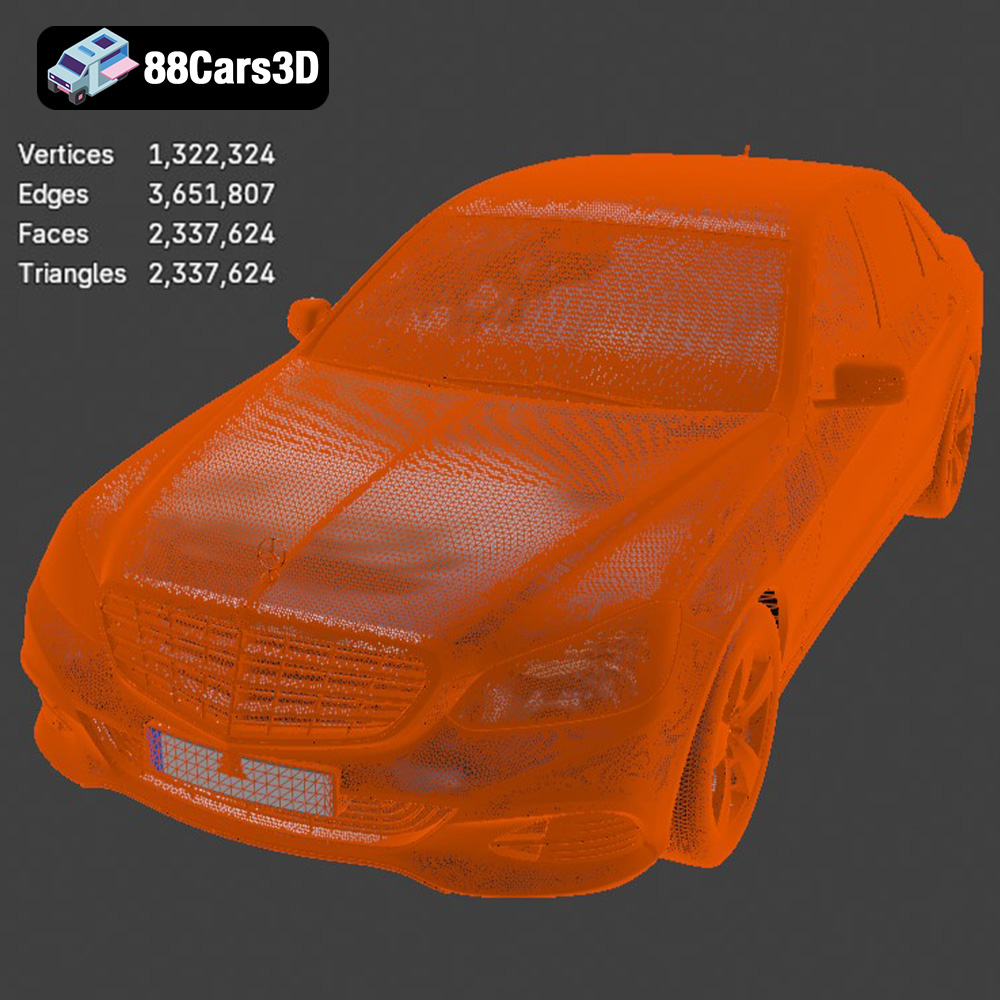
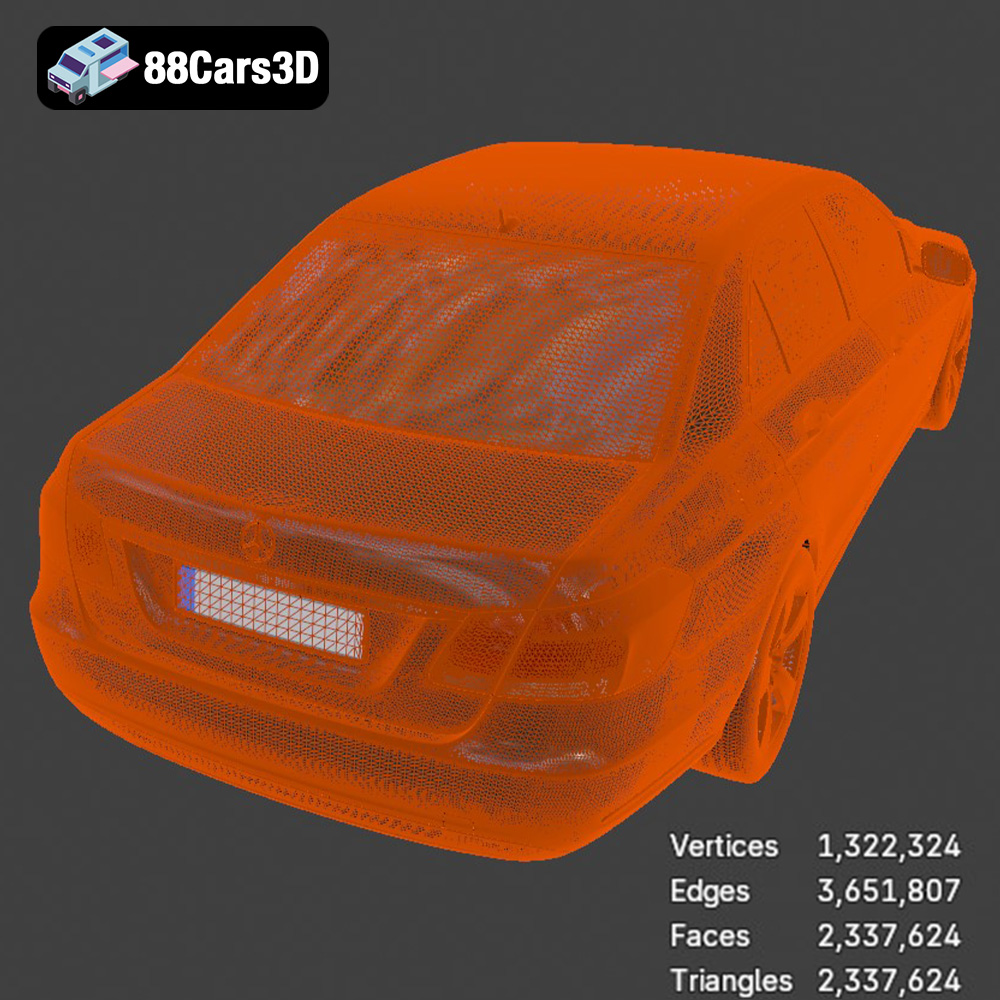
A truly professional 3D car model goes beyond mere visual representation. It’s an engineered asset, built with precision geometry, proper topology, and often, functional attributes like pivot points for animation. Models like the Mercedes-Benz E13-08, with its comprehensive topology of 2,337,624 triangles, ensure breathtaking visual fidelity. This level of detail is crucial for smooth reflections, accurate shadow casting, and flawless close-up shots, essential for high-end automotive rendering and cinematic sequences. Such detail isn’t just for beauty; it’s a technical requirement for photorealism.
The true value of a premium 3D asset lies in its versatility. A single model, correctly built, can serve multiple purposes. It can be a hero asset in a game, a central figure in an architectural render, or the subject of an augmented reality experience. This cross-platform adaptability reduces development time and costs, making assets like those found on 88cars3d.com an invaluable investment for any creative professional.
Choosing the correct file format is a critical step in any 3D workflow, dictating compatibility, feature retention, and overall pipeline efficiency. For a versatile asset like the Mercedes-Benz E13-08, a comprehensive suite of formats is provided, each serving specific purposes within different ecosystems.
The .blend format is native to Blender, a powerful open-source 3D creation suite. When you download a .blend file, you’re getting a fully editable Blender scene. This includes not just the mesh geometry, but also materials, textures, lighting setups, cameras, animation data, and even physics simulations. For artists primarily working in Blender, this is the most convenient and feature-rich format, allowing for direct manipulation and customization without any data loss from conversion. It’s perfect for complex scene assembly, animation, and fine-tuning materials and lighting specific to Blender’s Cycles or Eevee render engines.
.fbx (Filmbox) is a proprietary file format owned by Autodesk, widely regarded as the industry standard for 3D data exchange between various software applications. It excels at preserving complex scene information, including geometry, materials, textures, animations, skinning, and even camera data. Its robust nature makes it ideal for transferring assets from DCC (Digital Content Creation) tools like 3ds Max or Blender into game engines like Unreal Engine and Unity, or other rendering applications. For real-time pipelines, .fbx is often the go-to choice due to its comprehensive data encapsulation and broad software support.
.obj (Wavefront OBJ) is one of the oldest and most universally compatible 3D file formats. It’s a simpler format compared to .fbx, primarily storing geometry data (vertices, normals, texture coordinates) and references to external material files (.mtl). While it doesn’t support animation or rigging directly, its widespread support across virtually all 3D software makes it an excellent choice for basic mesh exchange when maximum compatibility is required. If you need a clean mesh to start with in a new application, .obj is a reliable foundation.
.glb (GL Transmission Format Binary) is an increasingly popular, royalty-free specification for 3D scenes and models. It’s a binary version of glTF, designed for efficient transmission and loading of 3D models in web applications, augmented reality (AR), and virtual reality (VR) environments. A .glb file packages geometry, materials, textures, and animation into a single, compact file, making it ideal for performance-critical applications like mobile AR experiences, browser-based configurators, and low-latency VR. The Mercedes-Benz E13-08 in .glb format would be perfect for an interactive 3D viewer on a website or an AR app showcasing the vehicle in a real-world setting.
The .unreal format refers to assets specifically exported or packaged for Unreal Engine. While not a standalone file format in the traditional sense like .fbx or .obj, it signifies that the asset is engine-ready. This often means the model has been correctly scaled, optimized for Unreal’s rendering pipeline, and may include Unreal-specific material setups, collision meshes, or LODs (Levels of Detail). Using an .unreal-ready asset significantly streamlines the import process into Unreal Engine, saving developers time on setup and optimization.
.stl (Stereolithography) is a standard file format used for 3D printing and computer-aided manufacturing (CAM). It represents a 3D model as a series of connected triangles, describing the surface geometry without color, texture, or other attributes. For hobbyists or professionals looking to 3D print a physical representation of the Mercedes-Benz E13-08, the .stl format is essential. It’s straightforward and universally supported by 3D slicing software.
.ply (Polygon File Format or Stanford Triangle Format) is a file format for storing three-dimensional data from 3D scanners. It can store a variety of properties including color, transparency, surface normals, texture coordinates, and data confidence values. While less common for general asset exchange than .fbx or .obj, it’s a precision mesh format valuable for scientific visualization, CAD, or situations where very specific mesh data integrity is crucial.
Finally, .max is the native project file format for Autodesk 3ds Max, a leading software for 3D modeling, animation, and rendering. Like .blend, a .max file contains the entire scene, including geometry, materials, textures, lighting, cameras, animation, and modifiers. For professionals who use 3ds Max as their primary DCC tool, the .max file provides the highest level of editability and ensures all scene data is preserved, making it ideal for advanced animation, rendering setups, and integrating into existing 3ds Max pipelines.
The Mercedes-Benz E13-08 3D model isn’t just another car; it’s a statement of digital engineering and artistic precision. It embodies the attention to detail and technical prowess expected from high-end 3D car models available on platforms like 88cars3d.com. Every aspect, from its overall form to its most minute components, has been meticulously recreated to offer an unparalleled level of realism.
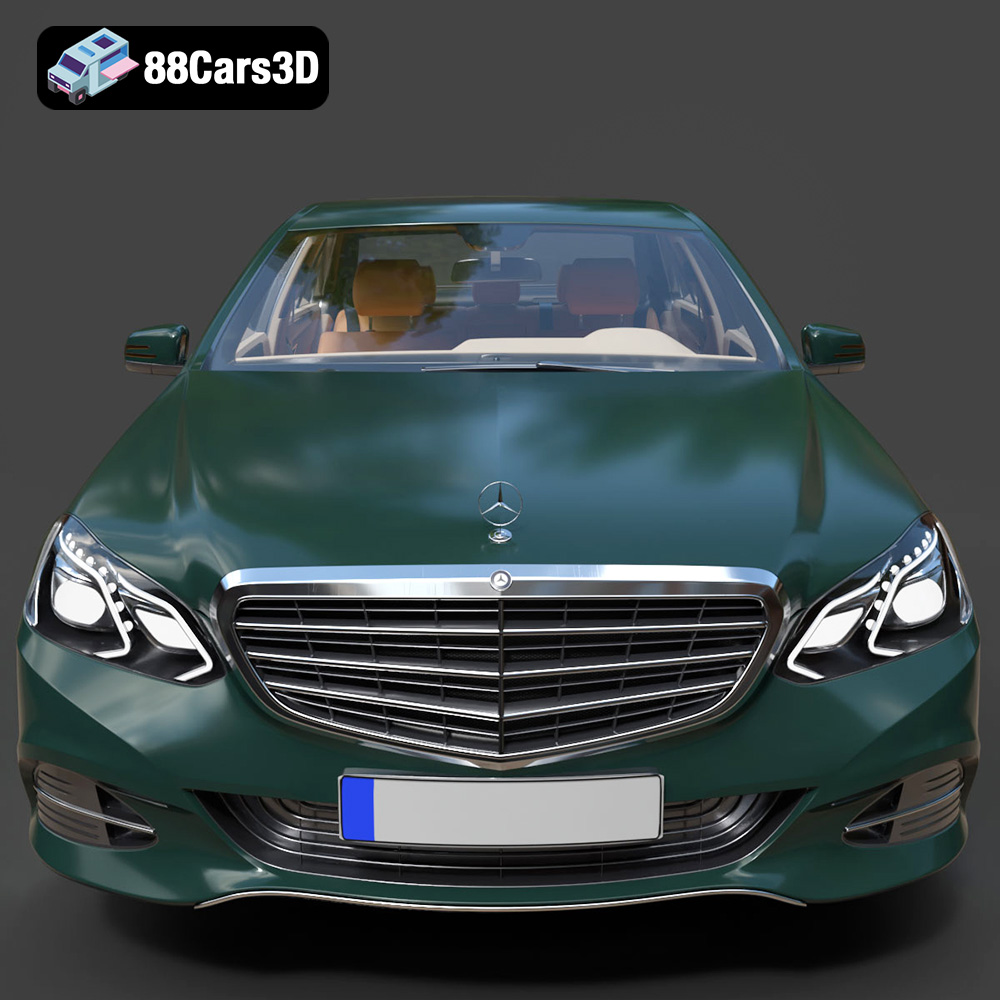
The model’s exterior is a testament to accurate automotive representation. It boasts accurate Mercedes-Benz E13-08 aerodynamic frame geometry and proportions, essential for any realistic portrayal. Designers and artists can analyze the sleek, integrated aerodynamic elements and diffusers, understanding how form meets function. Signature LED lighting setups, including detailed headlamps and taillights, are faithfully replicated, allowing for realistic lighting scenarios and cinematic flair. Furthermore, high-resolution multi-spoke alloy wheels with realistic tire treads and accurately modeled braking systems and suspension linkages provide the depth of detail required for close-up shots and physically accurate simulations. Importantly, the separate wheels, suspension, and steering components are designed for animation, offering dynamic possibilities for showcases and game physics.
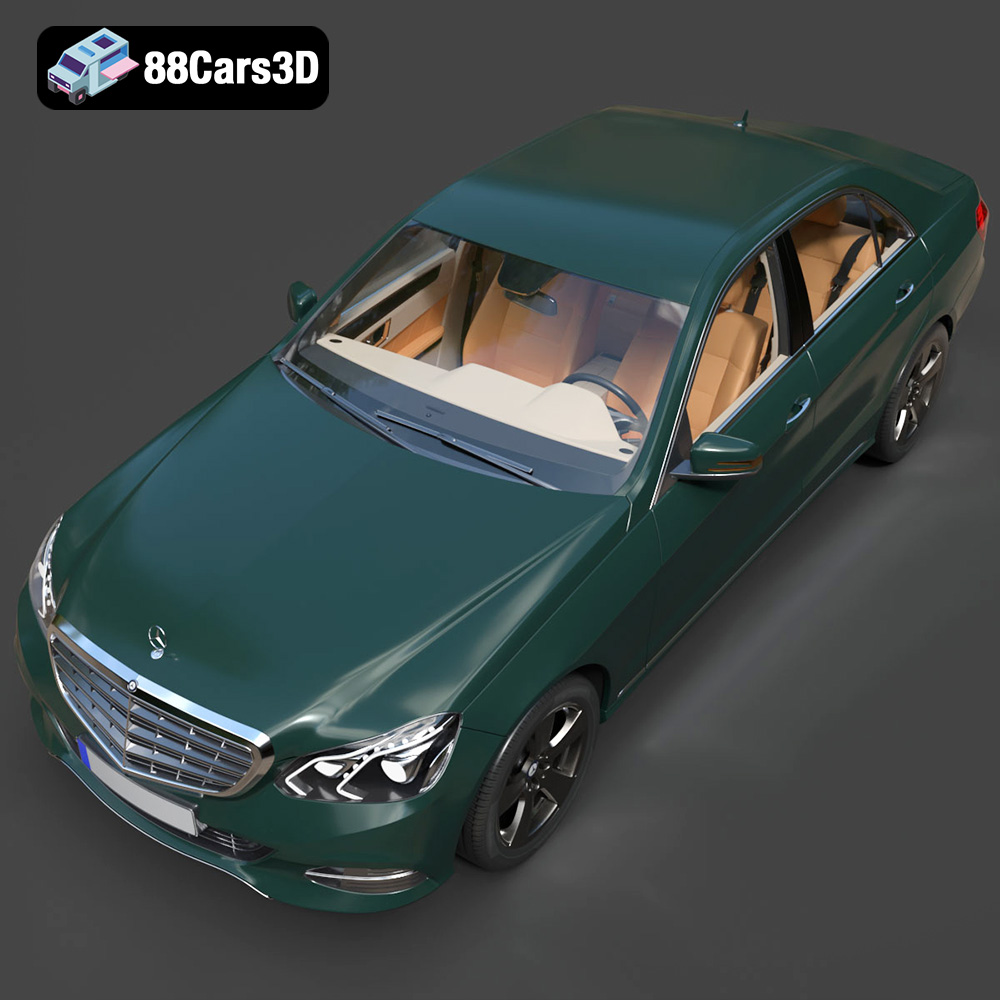
The interior of a vehicle is just as crucial as its exterior, especially for immersive experiences. The Mercedes-Benz E13-08 model delivers with a premium luxury seating and ergonomic cabin layout. Detailed futuristic steering wheel and driver controls, along with a high-tech digital instrument cluster and infotainment screens, create a believable and engaging cockpit. Accurate control details, including pedals, levers, and drive selectors, are optimized for first-person POV in gaming and VR, ensuring a seamless and believable user experience. This level of interior detail is critical for virtual showrooms or driving simulators where user interaction is key.
At its core, the Mercedes-Benz E13-08 model is built for performance and fidelity. Its 2,337,624 triangle count strikes a perfect balance, making it game-ready and optimized for next-gen real-time engines like Unreal Engine 5 (Nanite compatible) and Unity, while simultaneously maintaining the high-end cinematic realism needed for professional rendering. Real-world scale accuracy, based on actual vehicle chassis dimensions, ensures that the model fits seamlessly into any scene without scaling issues. Crucially, proper pivot setups for steering, wheel rotation, and suspension travel are implemented, making the model animation-ready right out of the box. These technical advantages significantly reduce the workload for integrating the model into various production pipelines.
The true power of a high-quality asset like the Mercedes-Benz E13-08 is unleashed within professional workflows. Its robust construction and versatile file format offerings make it a foundational element for diverse projects across multiple industries.
For automotive studios and visualization artists, the Mercedes-Benz E13-08 model serves as an ideal base for creating stunning marketing materials. In software like 3ds Max or Blender, artists can leverage the detailed geometry to craft photorealistic renders. They can apply advanced material shaders, simulate complex lighting environments (from studio setups to outdoor scenes), and create breathtaking animations. The separate, animatable components mean dynamic sequences, like a car turning a corner with realistic suspension compression or doors opening to reveal the detailed interior, are easily achievable. The .max and .blend files provide full flexibility for these sophisticated rendering tasks.
The “game-ready & optimized” nature of this model makes it a prime candidate for next-gen racing titles, high-end open-world games, and simulators. Using the .fbx or .unreal format, developers can easily import the Mercedes-Benz E13-08 into Unreal Engine. Its optimized triangle count is ideal for leveraging technologies like Unreal Engine 5’s Nanite, allowing for high geometric detail without significant performance overhead. Developers can integrate the model into a vehicle physics system, set up advanced materials for realistic paint and glass, and ensure it performs optimally in a real-time environment, providing an immersive driving experience for players.
The future of car sales and interaction increasingly lies in AR/VR. With formats like .glb, the Mercedes-Benz E13-08 is perfect for immersive virtual showrooms, configurators, and mobile AR experiences. Imagine a customer exploring the car in full 3D from their living room via an AR app, changing colors, inspecting the interior, or even placing it virtually in their driveway. For VR, the optimized geometry and detailed interior allow for a truly immersive “sit-in” experience, letting potential buyers explore every detail of the cabin in a virtual environment. This application of 3D car models revolutionizes how brands connect with their audience.
While digital visualization is powerful, the ability to bring a virtual model into the physical world offers a unique dimension of interaction and prototyping. The Mercedes-Benz E13-08 model is also designed with 3D printing in mind, allowing for tangible representations.
The inclusion of the .stl format directly supports 3D printing, enabling hobbyists, designers, and engineers to create physical models of this futuristic vehicle. Whether for display, detailed design review, or scale model prototyping, 3D printing transforms the digital data into a physical object. This capability extends the utility of the 3D car model beyond purely digital applications, allowing for hands-on interaction with the design.
To achieve the best results when 3D printing the Mercedes-Benz E13-08, several factors are crucial. Recommended scales like 1:12, 1:18, or 1:24 allow for a good balance of detail and manageable size. Using resin printing is highly recommended for capturing the fine details, especially at smaller scales, with layer heights between 0.04–0.12 mm. Proper wall thickness (1.2–2.0 mm), infill (20–30%), and the use of supports for intricate parts like mirrors and suspension components are essential. Strategic print orientation, such as printing the frame angled for structural integrity and wheels separately, ensures optimal print quality and ease of assembly. Post-processing involving sanding, primer, and authentic factory colors with metallic finishes can elevate the physical model to a showroom-quality piece.
A premium 3D model is not a static object; it’s a flexible foundation for creative expression and project requirements. The Mercedes-Benz E13-08 offers extensive customization options, allowing users to tailor its appearance and performance to specific needs.
Artists can easily change body colors to match specific brand campaigns, explore custom high-gloss finishes, or experiment with matte and metallic looks. Modifying tire textures to switch between sport and street variants adds another layer of realism and context. Material finishes, from the body paint to interior trims, can be adjusted to showcase different luxury configurations or futuristic elements like carbon fiber accents. This level of aesthetic control is paramount for achieving unique visual narratives and meeting diverse client demands in automotive rendering and marketing.
Beyond visual customization, the model’s adaptability extends to technical optimization. While the base model is high-fidelity, it can be further optimized for specific platform constraints. For mobile AR/VR, further polygon reduction or creation of lower Levels of Detail (LODs) might be necessary to ensure smooth performance. Conversely, for high-resolution cinematic renders, additional surface detail through subdivision or displacement maps can be applied. This inherent flexibility makes the Mercedes-Benz E13-08 a truly future-proof asset, capable of adapting to evolving technological demands and project scopes.
High-fidelity 3D car models are more than just digital representations; they are pivotal tools driving innovation across the automotive, gaming, and visualization industries. The Mercedes-Benz E13-08 3D model stands as an exemplary asset, showcasing the incredible potential when meticulous design meets robust technical execution. Its detailed exterior and interior, optimized topology, and compatibility with a wide array of software and file formats make it an indispensable asset for any professional workflow.
Whether you are developing a cutting-edge racing game, crafting cinematic automotive renders, building an immersive VR showroom, or even creating a detailed 3D printed display model, the Mercedes-Benz E13-08 provides the foundation for excellence. Platforms like 88cars3d.com continue to empower creators by providing access to such high-quality 3D car models, accelerating project development and elevating visual standards across the board. Investing in such a versatile and technically sound asset is investing in the future of digital creation.
Experience the future of luxury mobility with this meticulously crafted 3D model of the Mercedes-Benz E13-08. Showcasing the brand’s iconic heritage paired with forward-thinking design, this model captures the sleek, aerodynamic silhouette and high-tech styling cues of a modern concept vehicle. From the intricate details of its signature front fascia and advanced LED lighting systems to its sophisticated wheel design, every element has been faithfully recreated to deliver unparalleled visual realism. With a comprehensive topology of 2,337,624 triangles, this model offers breathtaking visual fidelity designed for next-generation rendering and high-end game engines. Whether utilized in cinematic animations, immersive virtual reality environments, or real-time configurators, the geometry ensures smooth reflections and flawless close-up shots. The model is fully optimized for professional pipelines, providing the perfect foundation for advanced materials and lighting setups. Perfect for high-end automotive visualizations, next-gen racing games, VR showrooms, and cinematic animations.
$88.00
.blend
.fbx
.glb
.max
.obj
.ply
.rendering
.stl
.unreal
car-3d-model
concept-car
e13-08
electric-car
game asset
game-ready
mercedes-benz
optimized
VR/AR