Get 20% OFF All Premium 3D & STL Models!

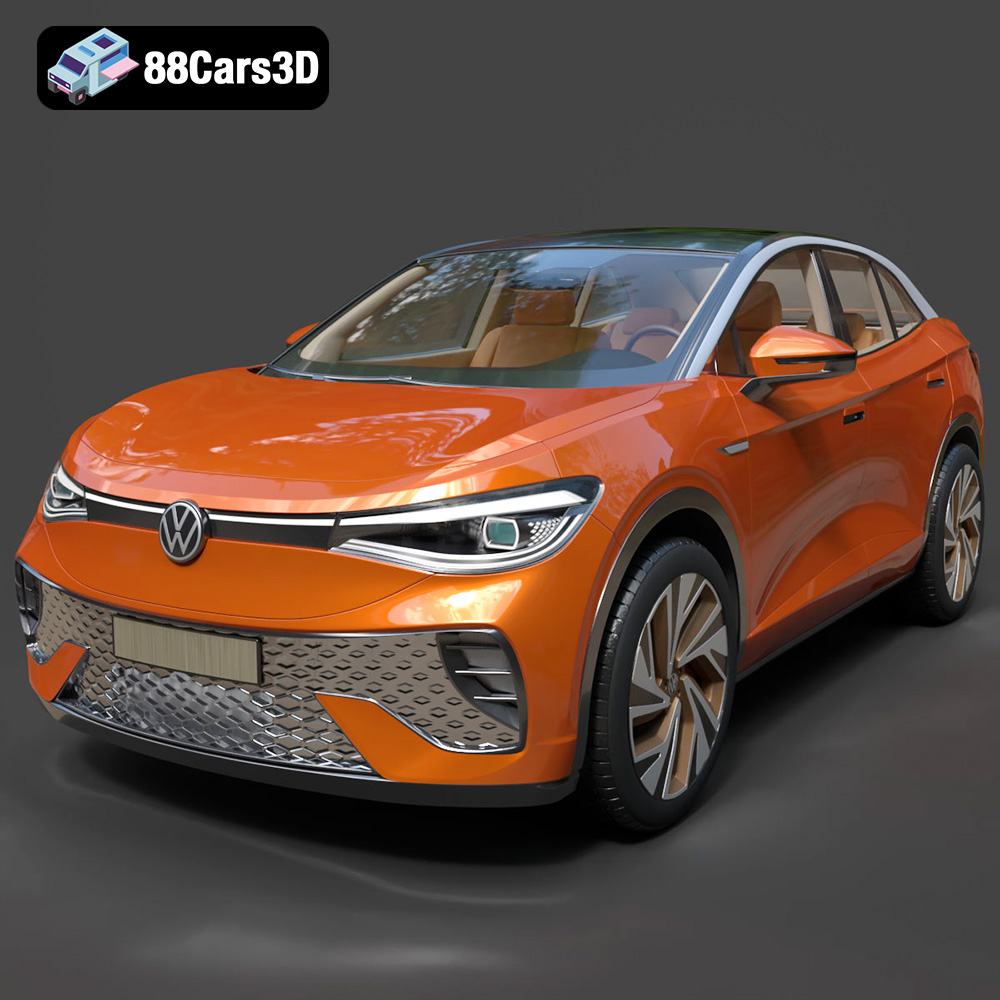
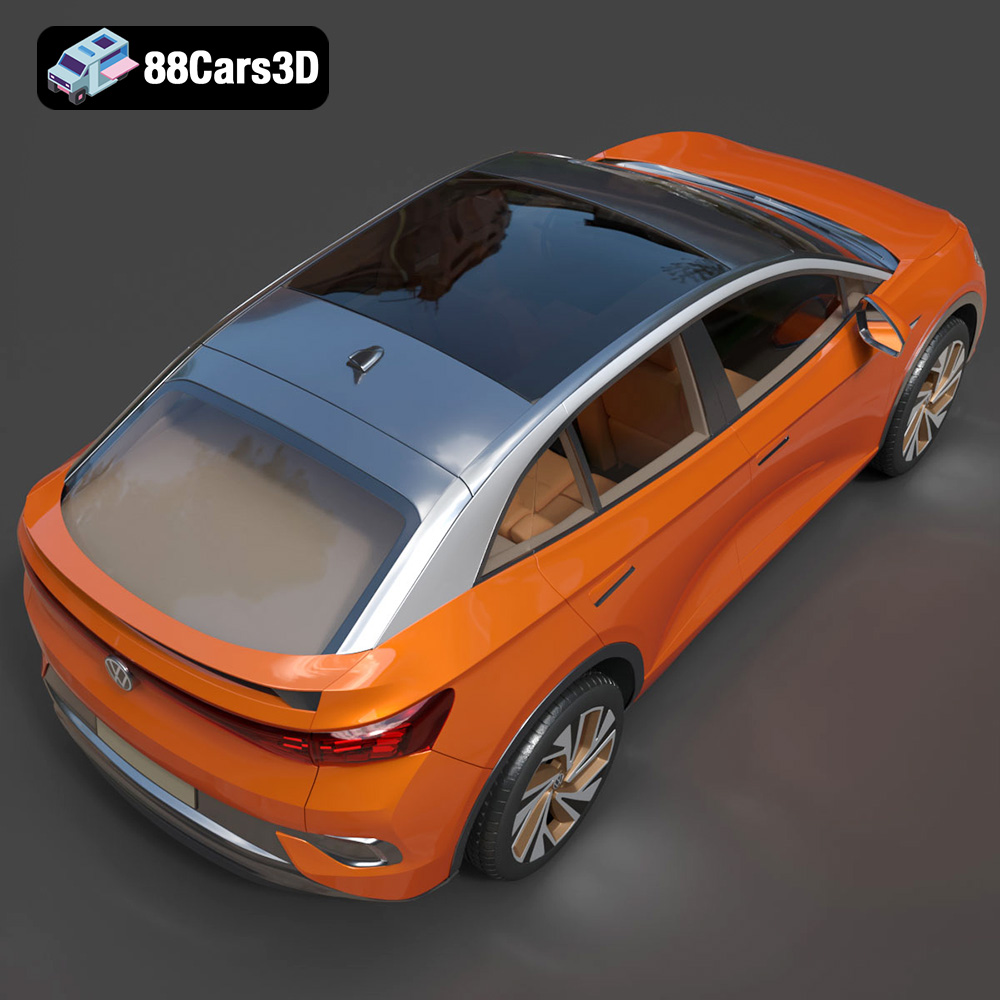
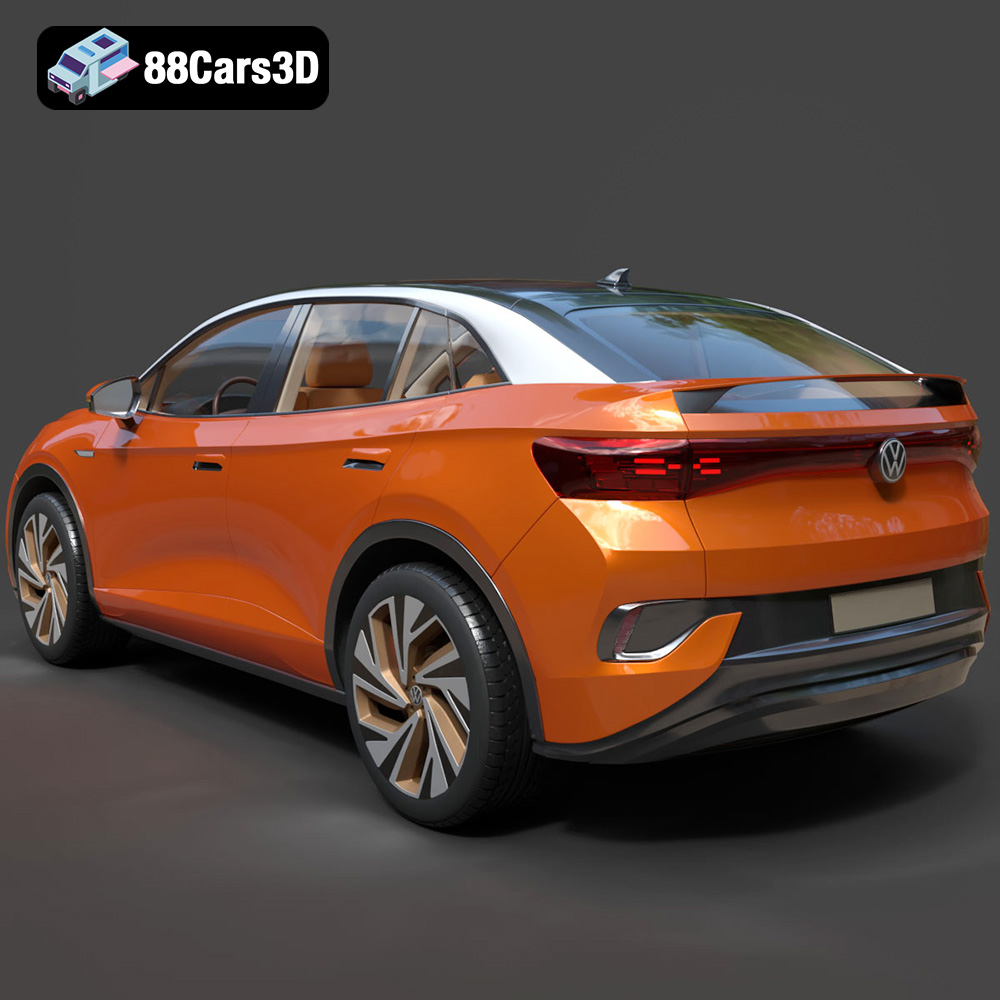
In the rapidly evolving landscape of automotive design, visualization, and entertainment, the demand for high-quality 3D car models has never been greater. From concept ideation to hyper-realistic marketing campaigns and immersive game environments, digital representations of vehicles are the cornerstone of modern workflows. Today, we delve into the intricate world of professional 3D car modeling, using a prime example: the Volkswagen ID5 3D Model, a stunning rendition available at 88cars3d.com.
The Volkswagen ID5 itself embodies the future of electric mobility, merging the sleek aesthetics of a coupe with the practicalities of an SUV. Translating such an innovative design into a flawless 3D asset requires meticulous attention to detail, technical precision, and an understanding of diverse application needs. This comprehensive guide will explore how a model like the Volkswagen ID5 elevates projects across industries, from automotive rendering and game development to augmented reality and 3D printing, highlighting the technical specifications and workflows that make it an indispensable tool for professionals.
Creating a truly exceptional 3D car model is far more than just replicating a vehicle’s silhouette. It involves a deep understanding of its engineering, design philosophy, and the subtle nuances that give it character. The Volkswagen ID5 3D Model exemplifies this dedication, offering a highly detailed and technically accurate representation.
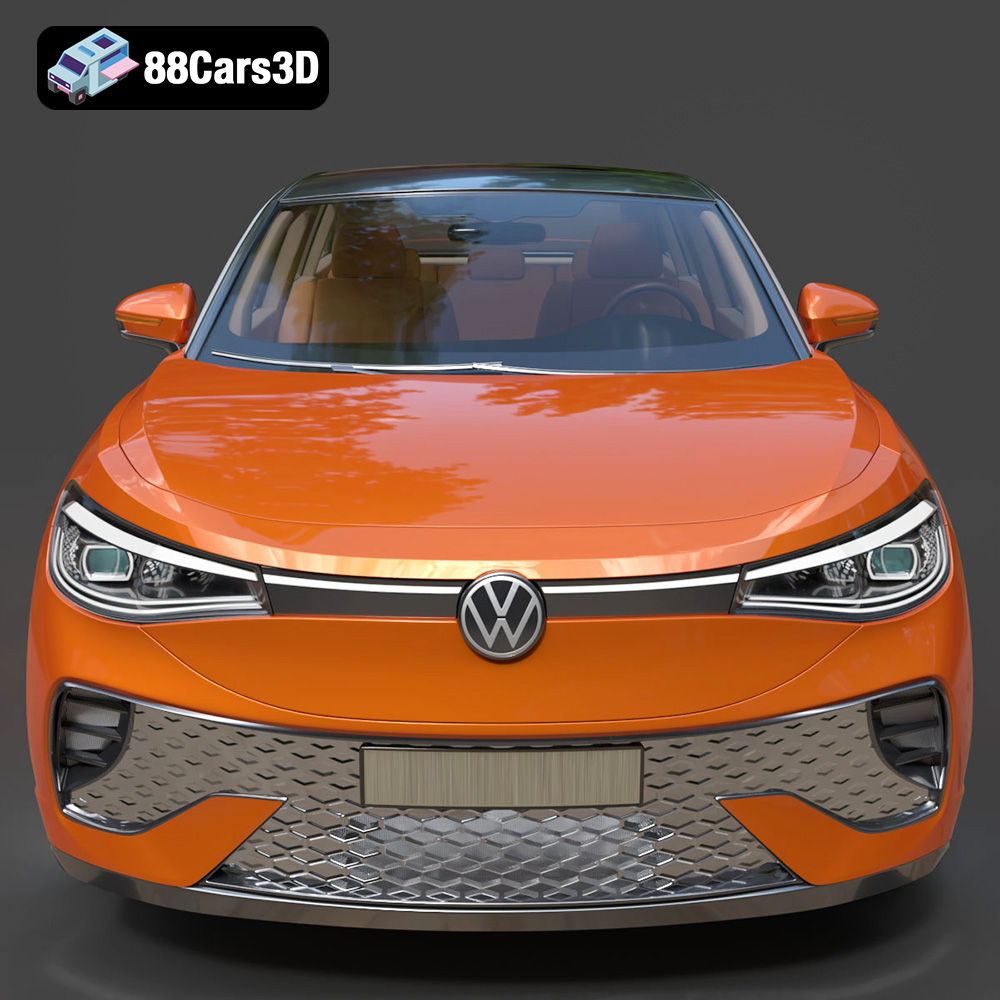
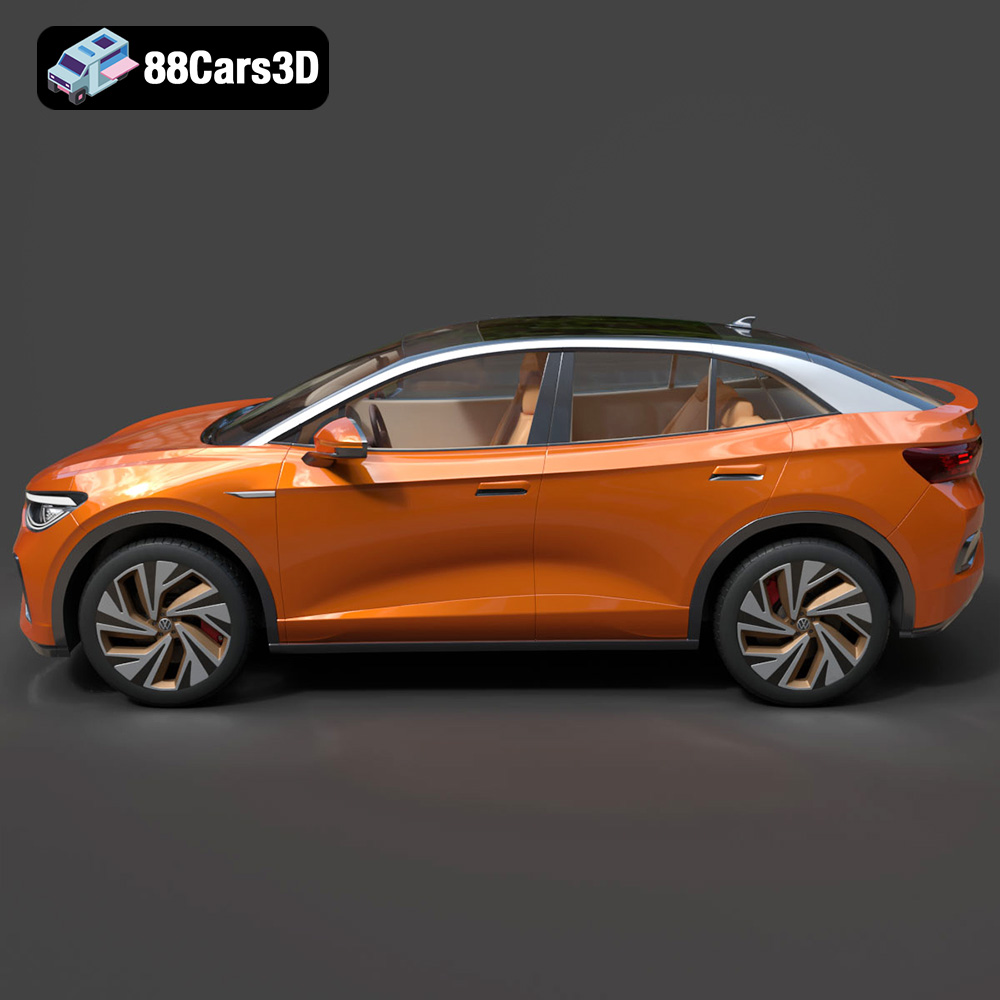
The journey of a vehicle like the Volkswagen ID5 from a designer’s sketch to a fully realized 3D model is a complex process. It typically begins with CAD data, which provides the foundational blueprints for accuracy. Experienced 3D artists then take this data and refine it, optimizing the topology for various applications. For the Volkswagen ID5 model, this means crafting a mesh that balances visual fidelity with performance, crucial for demanding real-time environments. Its distinctive sloping roofline, minimalist styling, and futuristic LED matrix lighting signature are all meticulously translated, ensuring the digital asset perfectly reflects Volkswagen’s innovative electric vehicle architecture.
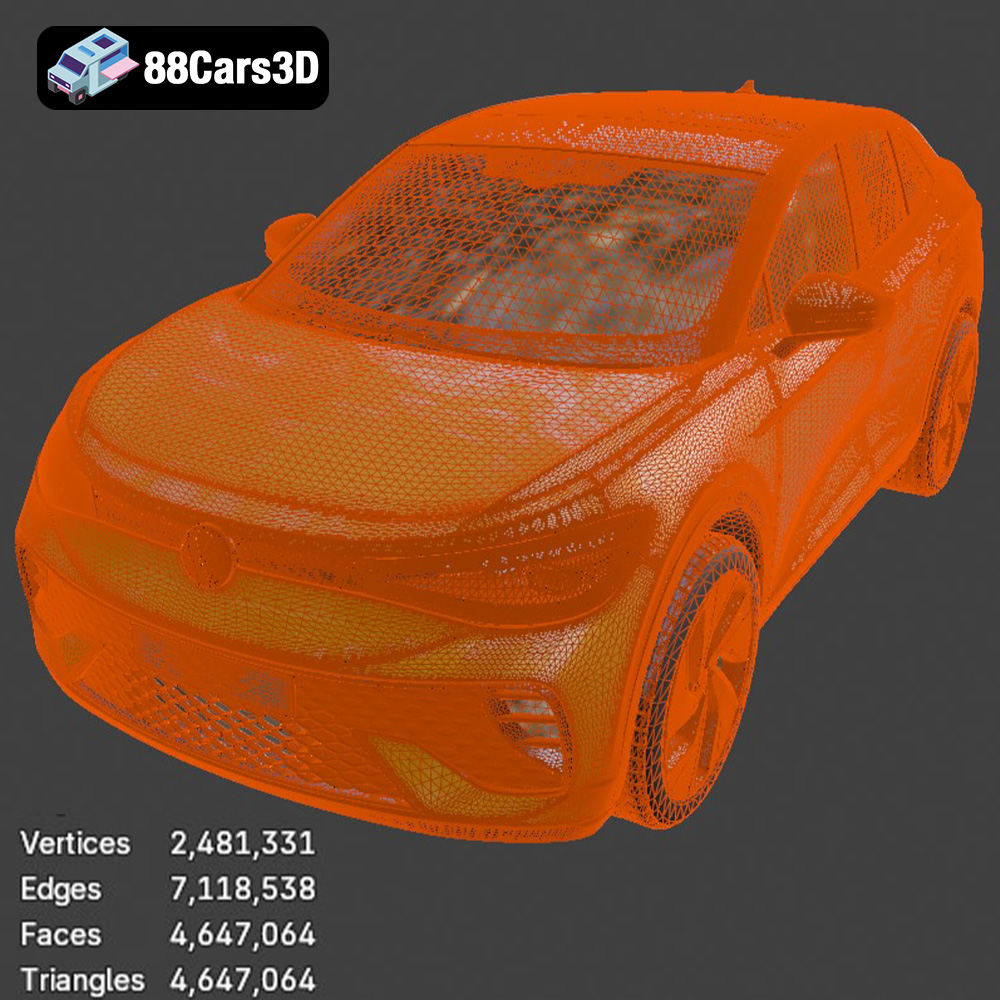
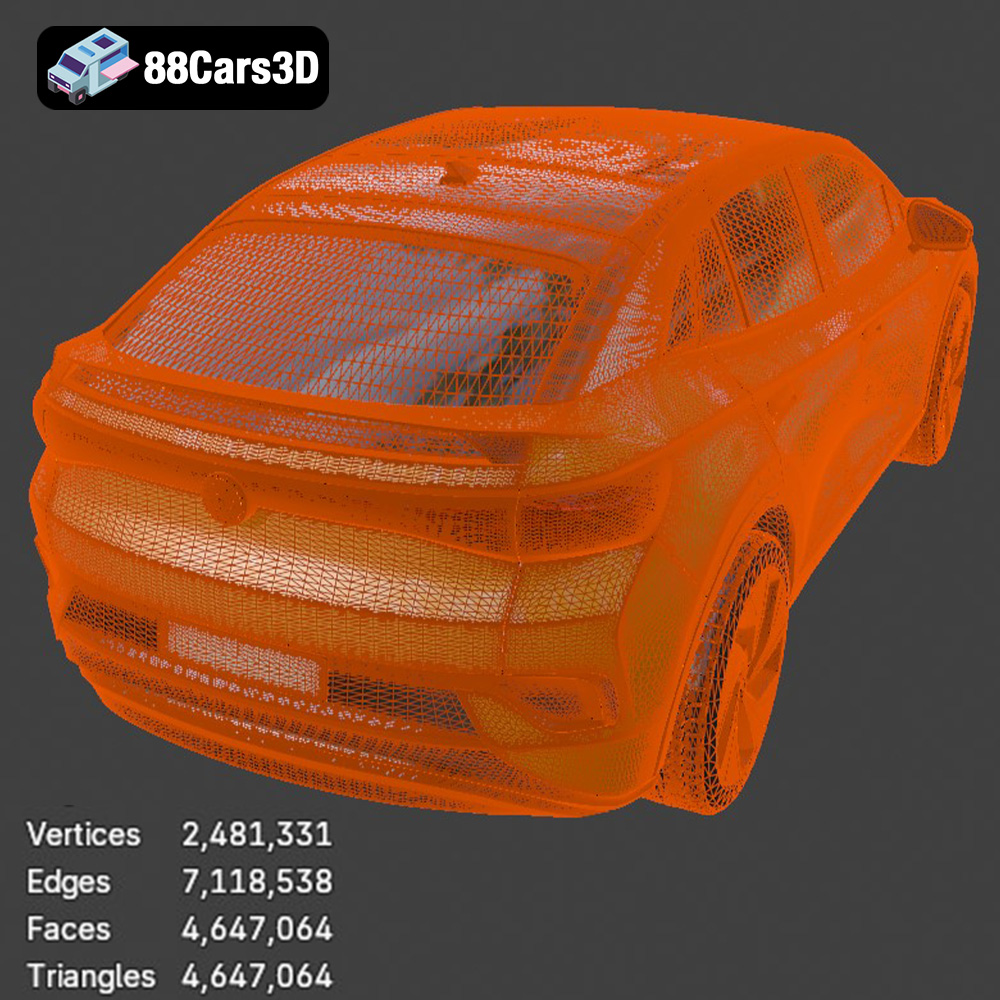
With a staggering 4,647,064 triangles, the Volkswagen ID5 3D Model offers unparalleled visual fidelity. This polycount strikes an ideal balance, providing enough geometric detail for high-end rendering without overwhelming real-time engines when properly optimized. Every exterior feature, from the accurate frame geometry and enclosed EV grille to the IQ.LIGHT LED matrix headlights and aerodynamically optimized alloy wheels, is precisely rendered. The model even includes detailed dual-motor/RWD drivetrain casing details and MacPherson strut front and multi-link rear suspension components, which are separated for animation purposes.
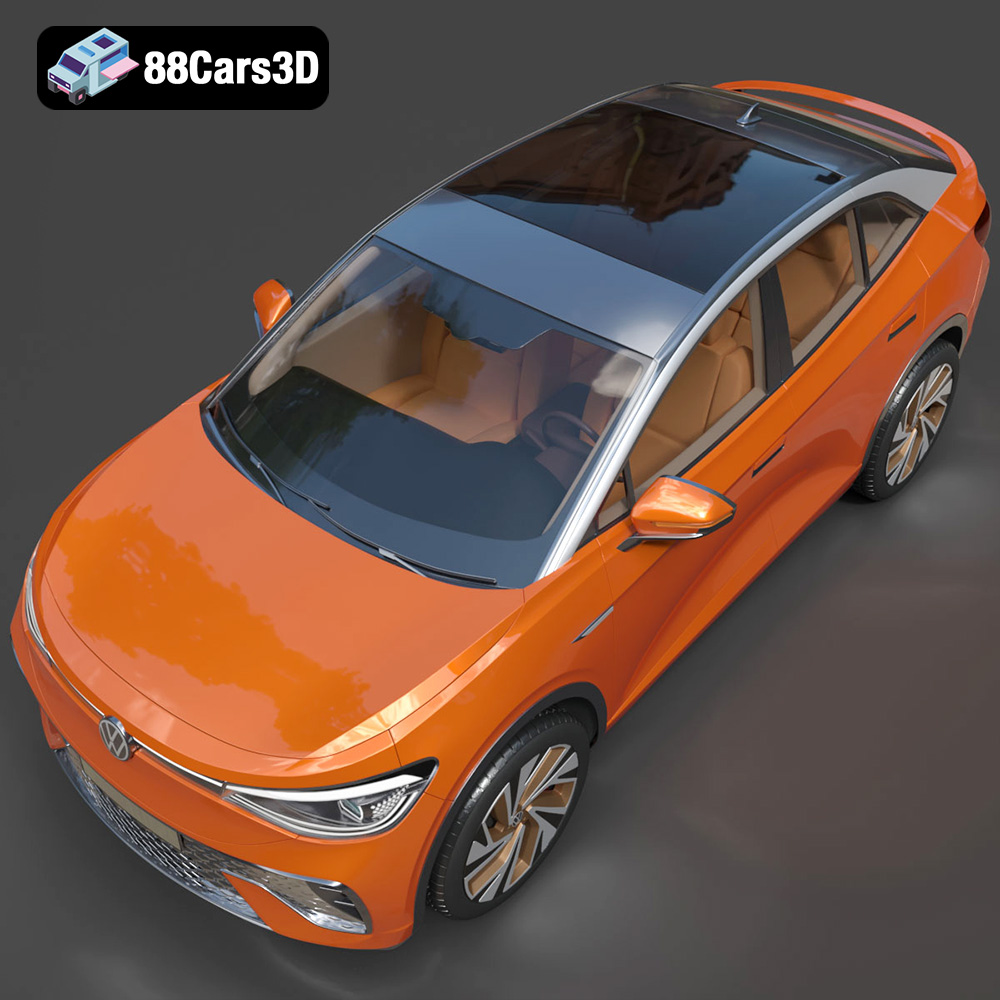
The interior is equally impressive. The cockpit features ergonomic ErgoActive seats with detailed stitching, a minimalist multifunction steering wheel with touch controls, high-resolution digital displays, and realistic pedals. This attention to internal detail makes the ID5 model perfect for first-person POV experiences in gaming and virtual reality simulations, where users can truly immerse themselves in the vehicle’s environment.
Choosing the correct file format for your 3D car models is a critical decision that impacts compatibility, workflow efficiency, and the ultimate quality of your project. The Volkswagen ID5 3D Model, for instance, comes in a comprehensive suite of formats, each serving distinct purposes. Understanding their strengths and limitations is key to maximizing your productivity and ensuring your assets function seamlessly across different software and platforms.
The versatility of a 3D asset is often defined by the formats it supports. For professionals working with 3D car models, knowing which format to use for specific tasks—be it high-end automotive rendering, game asset integration, or 3D printing—is paramount. A robust asset like the Volkswagen ID5 model offers a range of options to cater to these diverse needs, ensuring that whether you’re working in a complex VFX pipeline or creating a simple AR experience, you have the right tool for the job.
The true value of a high-quality 3D car model like the Volkswagen ID5 lies in its seamless integration into diverse professional workflows. Whether it’s crafting photorealistic marketing visuals or building an interactive game world, the model’s technical foundation supports a wide array of applications.
For cinematic visuals and stunning advertising campaigns, automotive rendering demands peak realism. Software like 3ds Max, often paired with renderers like V-Ray or Corona, and Blender with its Cycles or Eevee engine, are industry mainstays. The Volkswagen ID5 3D Model, with its detailed geometry and real-world scale accuracy, provides an exceptional base. Artists can leverage its robust topology to apply sophisticated PBR (Physically Based Rendering) materials, simulating metallic paints, realistic glass, and intricate interior textures. With separate components for wheels, suspension, and steering, it’s straightforward to set up complex animations, showcasing features like adaptive suspension or turning radii, creating dynamic and engaging automotive rendering sequences.
In game development and AR/VR, the balance between visual quality and performance is paramount. The Volkswagen ID5 model, described as “Game-Ready & Optimized” with its 4,647,064 triangles, is perfectly suited for real-time engines like Unreal and Unity. Its optimized polycount ensures high visual realism without causing significant performance bottlenecks. Crucially, the model features proper pivot setup for steering, wheel rotation, and suspension travel, allowing game developers to easily implement realistic vehicle physics and animations. For AR/VR experiences, especially virtual showrooms or configurators, the model’s high detail in the cockpit and interior makes it ideal for immersive first-person perspectives, bringing the virtual car to life on mobile devices or VR headsets.
A versatile asset like the Volkswagen ID5 3D Model from 88cars3d.com isn’t just a digital sculpture; it’s a powerful tool with tangible impacts across various industries. Its adaptability allows for innovative solutions to complex visualization and interaction challenges.
The automotive industry has embraced 3D models to transform the customer experience. Interactive car configurators allow prospective buyers to customize their dream car, selecting colors, wheel options, and interior finishes in real-time. The Volkswagen ID5 model is perfect for this, offering customization options such as changing body colors (including factory and two-tone finishes) and adjusting material finishes (matte, gloss, metallic). Similarly, virtual showrooms, powered by AR/VR technologies, enable customers to explore vehicles in a simulated environment, opening doors, sitting inside, and even “driving” the car from the comfort of their home. The ID5’s optimized geometry and detailed interior make these experiences truly immersive.
For brand campaigns and lifestyle scenes, the visual impact of a high-fidelity 3D model is unmatched. Agencies utilize models like the Volkswagen ID5 to create breathtaking cinematic animations, showcasing the vehicle in various environments, from urban landscapes to scenic routes, without the logistical complexities and costs of physical photoshoots. The ability to adapt lighting for different environments further enhances its utility, allowing for dynamic storytelling that captures the essence of the ID5’s modern EV design. These renders become the backbone of commercials, online promotions, and print media, offering a consistent and flawless visual narrative.
Beyond the digital realm, 3D printing offers a unique application for detailed 3D car models. The Volkswagen ID5 model, convertible to .stl format, opens avenues for physical prototypes or collectible display-scale models. Hobbyists can print the ID5 at recommended scales like 1:12, 1:18, or 1:24, allowing them to examine its distinctive sloping roofline and aerodynamically optimized contours in a tangible form. Specific print settings, such as a layer height of 0.04–0.12 mm (with resin printing recommended for fine details), wall thickness of 1.2–2.0 mm, and strategic use of supports, ensure successful reproduction. Post-processing steps like sanding, priming, and applying authentic factory colors can further enhance the realism of the physical model, bridging the gap between digital design and physical craftsmanship.
While polycount (triangle count) is a significant factor in game asset optimization, it’s by no means the only one. For a game-ready asset like the Volkswagen ID5 3D Model, a holistic approach to optimization is crucial for achieving smooth performance in real-time engines without sacrificing visual quality.
Effective UV mapping is fundamental for applying textures accurately and efficiently. A well-laid-out UV set minimizes distortion and maximizes texture resolution, allowing for high-quality PBR (Physically Based Rendering) materials. For the Volkswagen ID5, detailed textures for its ergonomic ErgoActive seats, digital displays, and metallic body finishes are critical. PBR workflows ensure that materials react realistically to light, creating believable reflections, refractions, and surface properties. This involves creating albedo, normal, roughness, metallic, and ambient occlusion maps that are optimized for game engines, ensuring that the car looks consistent and stunning under various lighting conditions, whether in a racing game or a virtual showroom.
A static 3D model, no matter how detailed, has limited utility in interactive environments. The Volkswagen ID5’s design, with separate wheels, suspension, and steering components, is a testament to its animation readiness. Proper rigging—the process of creating a hierarchical bone structure—is essential for dynamic movements. For a vehicle, this typically includes bones for each wheel (allowing rotation and steering), suspension (for absorbing bumps), and potentially doors or a hood. The “proper pivot setup for steering, wheel rotation, and suspension travel” mentioned in the product description is a key indicator of its suitability for advanced animation and physics simulations, enabling developers to bring the ID5 to life with realistic driving dynamics.
Investing in high-quality 3D car models is a long-term strategy. The ability to customize and adapt these assets ensures they remain relevant and valuable across numerous projects and technological advancements.
The Volkswagen ID5 3D Model offers excellent flexibility for customization. Artists can easily change body colors, applying various factory shades or even custom two-tone finishes to match branding or creative visions. Modifying tire textures, perhaps switching between eco-tires and sport variants, allows for subtle but impactful changes in aesthetic and narrative. Adjusting material finishes—from matte to gloss or highly metallic—can dramatically alter the car’s perceived luxury or sportiness. Furthermore, the ability to adapt lighting for different environments allows the ID5 to convincingly fit into diverse scenes, from bright, sunlit urban settings to moody, evening industrial backdrops.
Starting with a meticulously crafted base model like the Volkswagen ID5 from 88cars3d.com significantly accelerates production workflows. It eliminates the time-consuming and costly process of modeling a vehicle from scratch, allowing artists and developers to focus on creative customization and integration. The technical accuracy, optimized polycount, and inclusion of multiple file formats ensure compatibility and versatility, making it a reliable asset for both current and future projects. This level of professional detail and comprehensive file support underlines the commitment to quality that 88cars3d.com offers to its clients, ensuring they receive game assets and rendering-ready models that exceed expectations.
The digital realm continues to redefine how we interact with and perceive automotive design. High-quality 3D car models, such as the Volkswagen ID5 from 88cars3d.com, are at the forefront of this transformation. From capturing the intricate details of a cutting-edge electric vehicle to providing a flexible foundation for game development, architectural visualization, and even 3D printing, the technical precision and versatile format support of such assets are invaluable.
Understanding the nuances of different file formats, optimizing models for real-time performance, and leveraging customization options are key skills for professionals in this space. By choosing assets that are “Game-Ready & Optimized” and compatible with major software, creators can unlock new possibilities, delivering immersive experiences and stunning visuals that truly drive the digital frontier forward. The Volkswagen ID5 3D Model stands as a testament to what’s possible when expert craftsmanship meets technical excellence, making it an indispensable tool for anyone serious about top-tier automotive rendering and game asset creation.
The Volkswagen ID5 represents the pinnacle of modern EV design, blending the sleek aerodynamics of a coupe with the versatility of an SUV. This 3D model captures its distinctive sloping roofline, minimalist styling, futuristic LED matrix lighting signature, and aerodynamically optimized contours, perfectly reflecting Volkswagen’s innovative electric vehicle architecture. With a highly detailed geometry featuring 4,647,064 triangles, this 3D model offers unparalleled visual fidelity. Its topology is meticulously crafted for high-end rendering, advanced game development, and photorealistic visualization, ensuring every curve and crease matches the real-world counterpart flawlessly while maintaining game-ready optimization. Perfect for architectural visualization, high-end automotive configurators, cinematic animations, and next-gen virtual showrooms.
$90.00
.blend
.ev
.fbx
.glb
.id5
.max
.obj
.ply
.rendering
.stl
.unreal
.volkswagen
car-3d-model
coupe-suv
electric-suv
game asset
game-ready
high poly
optimized
VR/AR