Get 20% OFF All Premium 3D & STL Models!

In the dynamic world of 3D visualization, the demand for high-fidelity automotive models has never been greater. From blockbuster game titles and cinematic advertisements to cutting-edge AR/VR experiences and intricate product visualizations, a meticulously crafted 3D car model is the foundation for success. These digital assets aren’t merely decorative; they are complex technical constructions, embodying countless hours of artistic vision, engineering precision, and software expertise. They must perform flawlessly across diverse platforms, from real-time game engines to high-end rendering software, all while maintaining breathtaking visual realism.
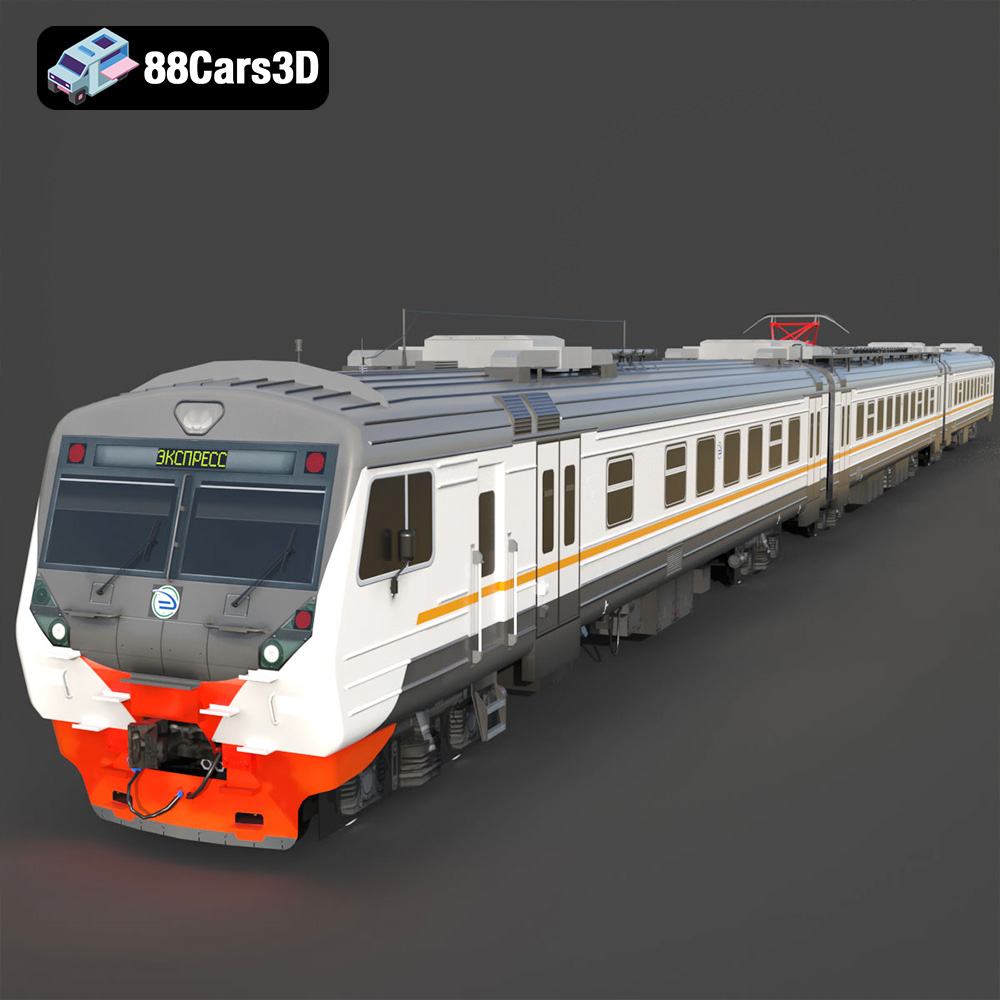
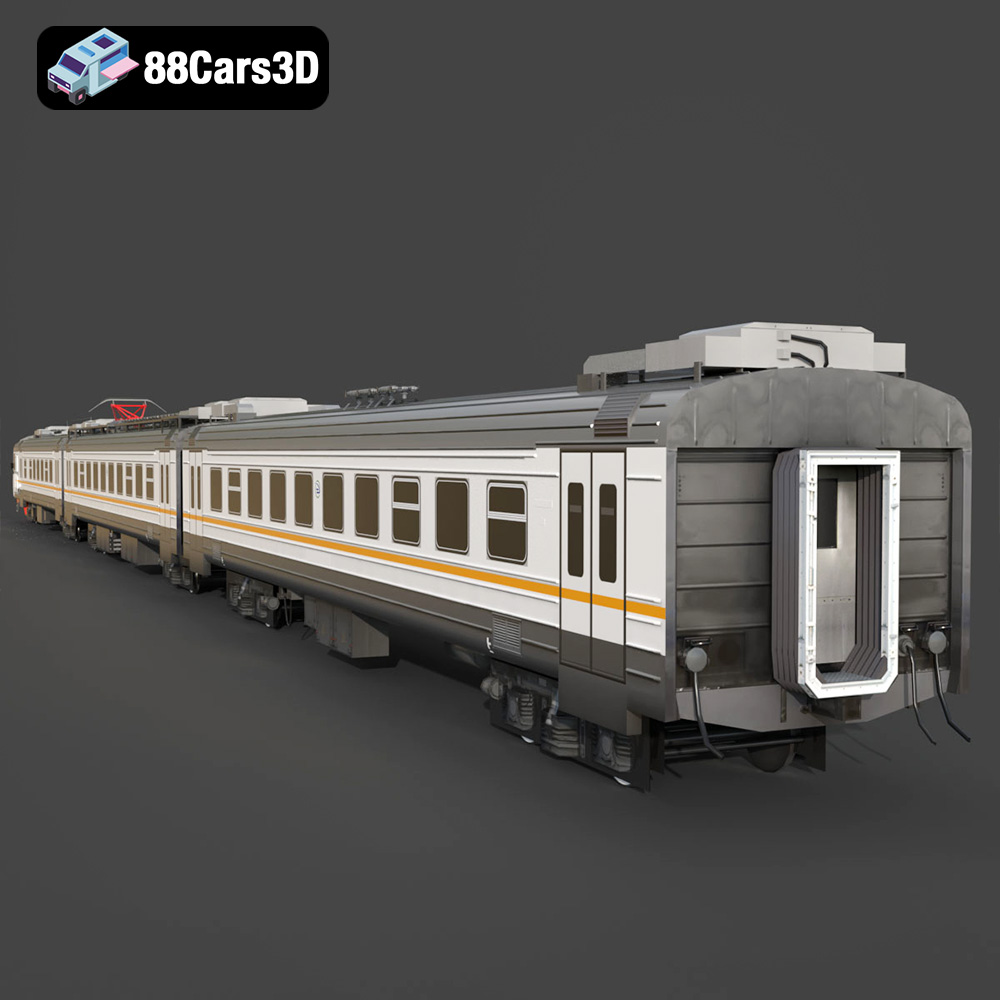
Today, we delve into the intricate processes and technical considerations behind creating and utilizing such assets, with a spotlight on an exceptional example: the ED4M 002 2018 3D Model. This advanced concept vehicle, with its aggressive aerodynamic profile, sleek modern lines, and futuristic styling cues, stands as a testament to what’s achievable in digital automotive design. It’s a prime example of a game-ready asset that doesn’t compromise on visual fidelity, offering an optimized topology perfect for a myriad of professional applications, available for download on 88cars3d.com.
Navigating the landscape of 3D assets requires a deep understanding of file formats. Each format serves a specific purpose, excelling in certain workflows and software environments. Choosing the right format is critical for compatibility, performance, and preserving the integrity of your 3D model. The ED4M 002 2018 model exemplifies versatility by offering a comprehensive suite of formats, ensuring it seamlessly integrates into virtually any professional pipeline.
The .blend format is the native file type for Blender, a powerful open-source 3D creation suite. When you download a .blend file, you’re not just getting the mesh; you’re getting the entire Blender scene. This includes all materials, textures, lighting setups, cameras, animation data, and modifiers. For artists working primarily in Blender, this format offers the most flexibility. It allows for full editability, letting users dissect the model’s construction, understand its material nodes, or even repurpose parts of the scene for their own projects. The ED4M 002 2018 .blend file would provide complete access to its detailed internal structure, ideal for deep customization or learning from its optimized topology and material setup.
.fbx (Filmbox) is arguably the most ubiquitous 3D file format in the industry, developed by Autodesk. It’s designed for efficient data interchange between different 3D software applications and, crucially, between 3D software and game engines like Unreal Engine and Unity. FBX files can store a vast array of data, including mesh geometry, materials, textures (though often linked externally), animation data (rigs, skinning, keyframes), cameras, and lights. Its strength lies in its ability to maintain scene hierarchy and animation data, making it ideal for character and vehicle rigging and export to real-time pipelines. For the ED4M 002 2018, an .fbx file would be the go-to for importing it into Unreal, Unity, or even other DCC (Digital Content Creation) tools like Maya or Cinema 4D, ensuring all its separate, animatable components (wheels, steering, suspension) are correctly maintained.
The .obj (Wavefront OBJ) format is a simple, universal 3D data format primarily used for transferring mesh geometry between applications. It’s highly compatible and can be opened by almost any 3D software. An OBJ file stores vertices, normals, UV coordinates, and polygons. Materials and textures are usually referenced in a separate .mtl (material library) file. While it doesn’t support animation or complex scene data, its simplicity and widespread support make it excellent for static mesh transfers. The ED4M 002 2018 as an .obj offers a clean mesh for those who prefer to set up materials and lighting from scratch in their preferred renderer, or for use in applications that may not support more advanced formats.
.glb (GLB, a binary version of glTF) is an increasingly popular format optimized for efficient transmission and loading of 3D scenes and models in web-based, AR (Augmented Reality), and VR (Virtual Reality) environments. It packages geometry, materials, textures, and even animation into a single, compact file. Its small file size and rapid parsing make it perfect for real-time interactive experiences where performance is paramount. The ED4M 002 2018 in .glb format would be ideal for embedding a virtual showroom on a website, creating an AR car configurator on a mobile device, or building lightweight VR scenes, demonstrating its suitability for modern immersive applications.
.stl (Stereolithography) is the most common file format for 3D printing. It represents a 3D model as a series of connected triangles, essentially describing only the surface geometry of an object without color, texture, or material information. While simplistic, its universal acceptance by 3D printers and slicer software makes it indispensable for physical fabrication. The ED4M 002 2018, convertible to .stl, provides hobbyists and professionals the opportunity to bring this futuristic concept car into the physical realm, allowing for display-scale models after careful slicing and printing considerations like supports and orientation.
The .ply (Polygon File Format or Stanford Triangle Format) is another format that describes 3D objects as a collection of polygons. It’s often used in academic and scientific fields for storing data from 3D scanners, CAD software, and other mesh processing applications. PLY can store properties like color, transparency, and even normal information per vertex or face, offering more flexibility than STL in some contexts for data analysis or precision engineering tasks. For detailed analyses of the ED4M 002 2018’s aerodynamic surface or structural components, the .ply format could be invaluable.
The .unreal file (often a .uasset) isn’t a standalone format you’d download from 88cars3d.com directly in most cases, but rather represents the model *after* it has been imported, processed, and optimized within the Unreal Engine environment. When a seller states “.unreal” included, it typically implies that the asset is provided in a format (like .fbx) that is already configured, tested, and ready for drag-and-drop integration into Unreal Engine projects, potentially with pre-configured materials, collision meshes, and LODs (Levels of Detail). This streamlines workflow considerably for game developers, guaranteeing that the ED4M 002 2018 is immediately usable in an Unreal project without extensive setup.
Similar to .blend, the .max format is the native project file for Autodesk 3ds Max. It contains all the scene data, including geometry, materials, textures, lighting, cameras, animation, and any modifiers or scripts used within 3ds Max. For users primarily working with 3ds Max for architectural visualization, animation, or detailed rendering, the .max file provides the most comprehensive and editable version of the ED4M 002 2018, allowing for full control over every aspect of the model’s presentation and animation rig.
Creating a high-quality 3D car model like the ED4M 002 2018 is a sophisticated blend of artistic skill and technical precision. It demands an understanding of real-world vehicle design, physics, and the specific constraints of the target application, whether it’s a real-time game or a photorealistic rendering.
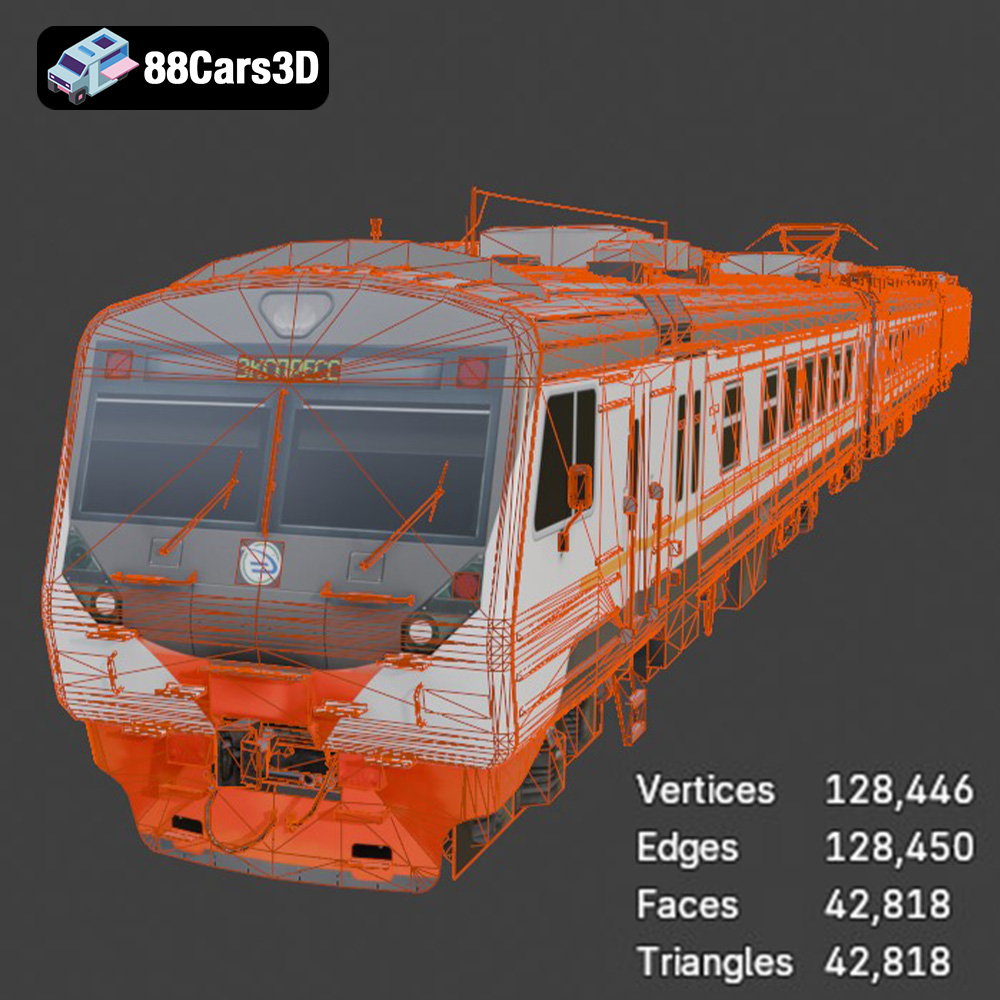
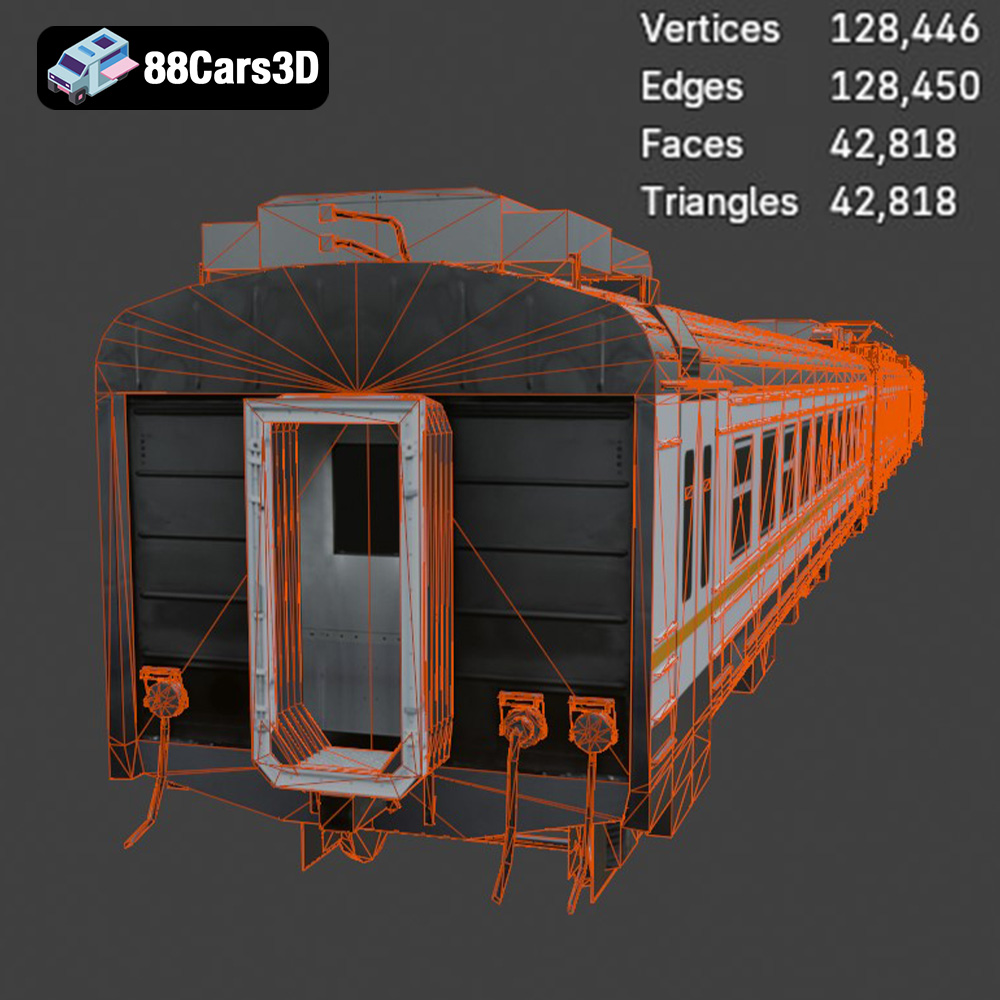
One of the most critical aspects of professional 3D car models, especially for game development, is their topology. The ED4M 002 2018 boasts an optimized topology with a triangle count of 42818. This number is not arbitrary; it strikes a perfect balance. For real-time engines like Unreal and Unity, a lower polycount translates to better performance, higher frame rates, and a smoother user experience. However, too low, and visual fidelity suffers. The skill lies in strategically placing polygons to define key curves and details, using normal maps and other texturing techniques to convey finer details without increasing the actual geometry. This “game-ready” optimization ensures that the model renders efficiently while still maintaining its aggressive aerodynamic profile and sleek modern lines.
Key considerations for optimized topology include:
The ED4M 002 2018 distinguishes itself through its meticulously crafted details, both inside and out. These aren’t just aesthetic choices; they are crucial for immersion and realism.
Once a 3D model is meticulously crafted, the next step is to bring it to life through rendering. Automotive rendering is an art form itself, requiring a deep understanding of light, materials, and composition to achieve photorealism. The ED4M 002 2018 is designed to excel in this domain, ready for stunning architectural visualizations, brand campaigns, and lifestyle scenes.
Modern rendering relies heavily on Physically Based Rendering (PBR). PBR materials simulate how light interacts with surfaces in a physically accurate way, resulting in incredibly realistic visuals. This involves creating various texture maps:
The ED4M 002 2018 would typically come with a robust set of PBR textures, allowing users to instantly achieve high-quality renders in software like Blender (Cycles/Eevee), 3ds Max (V-Ray, Corona), or directly within game engines. The ability to customize body and trim colors, modify tire textures, and adjust material finishes (matte, gloss, carbon fiber) provides endless possibilities for unique visual storytelling.
Even the best 3D car model will look flat without proper lighting. Automotive rendering often employs complex lighting setups to highlight the vehicle’s form, reflections, and surface details. This can range from studio lighting environments with softboxes and rim lights to dynamic outdoor scenes with HDRI (High Dynamic Range Image) backgrounds for realistic reflections and global illumination. The ED4M 002 2018, with its clean reflections and smooth rendering capabilities, is perfectly suited for these environments. Adjusting lighting setups for different digital environments allows artists to convey various moods and emphasize the concept car’s aggressive aesthetics.
The gaming industry is a massive consumer of high-quality 3D car models. From hyper-realistic racing simulators to sprawling open-world urban environments, vehicles are central to the player experience. The ED4M 002 2018 is specifically designed as a “game-ready” asset, making it an invaluable tool for developers.
Unreal Engine is a powerhouse for creating visually stunning games and real-time experiences. Integrating the ED4M 002 2018 into Unreal typically involves importing the .fbx file. During import, developers configure options for skeletal meshes (if animated), static meshes, and materials. The “.unreal” designation suggests that this model is already pre-configured for Unreal, meaning it might have optimal scales, collision meshes, and basic material setups, significantly reducing the setup time for developers. Its optimized polycount of 42818 triangles ensures it maintains high-end visual realism without burdening the engine, crucial for maintaining high frame rates in demanding game scenarios.
For a realistic driving experience, a 3D car model needs to be more than just a static object. The ED4M 002 2018 features a proper pivot setup for steering, wheel rotation, and suspension travel, and its separate wheels, suspension, and steering components are key for animation. In game engines, this allows developers to:
This level of detail and preparation makes the ED4M 002 2018 an ideal choice for open-world games, racing titles, and simulators where vehicle behavior is paramount.
The utility of high-quality 3D car models extends far beyond traditional rendering and gaming. Emerging technologies like Augmented Reality (AR), Virtual Reality (VR), and 3D printing are opening new frontiers for digital assets, and models like the ED4M 002 2018 are perfectly poised to capitalize on these advancements.
AR and VR offer unprecedented levels of immersion, allowing users to interact with 3D models in new and exciting ways. For automotive applications, this translates into virtual showrooms, configurators, and mobile AR experiences where customers can explore a vehicle in their own environment. The ED4M 002 2018, especially in its .glb format, is tailor-made for these applications due to its optimized geometry and combined texture data, ensuring rapid loading and smooth performance on various devices. Imagine being able to “place” the ED4M 002 2018 on your driveway via an AR app, walk around it, and change its colors in real-time. This is the power of optimized 3D assets in immersive technology.
The ability to convert a digital 3D model into a physical object via 3D printing is a fascinating application. While the .stl format, common for 3D printing, strips away color and material information, it accurately represents the model’s geometry. For enthusiasts or designers, being able to 3D print the ED4M 002 2018 at scales like 1:12, 1:18, or 1:24 provides a tangible link to the digital design. The provided print settings (layer height, wall thickness, infill, supports, and orientation) are crucial for successful output. Resin printing, for instance, is highly recommended for retaining the fine details of the exhaust, mirrors, spoilers, and suspension. Post-processing, including sanding, priming, and applying authentic factory colors, allows for a truly professional physical display piece, blurring the line between digital concept and physical reality.
Investing in a high-quality 3D model is about more than just its immediate use; it’s about its versatility and longevity. The ED4M 002 2018 is designed with customization in mind, ensuring it remains relevant across multiple projects and evolving design trends.
The flexibility to change body and trim colors, modify tire textures, and adjust material finishes is invaluable. A single model can be repurposed for vastly different scenarios:
This dynamic adaptability ensures that the ED4M 002 2018 can evolve with your creative vision, making it a truly future-proof asset for any designer or developer.
For studios and independent creators alike, building a robust and versatile library of 3D assets is paramount. High-quality 3D car models, especially those with comprehensive file format support and optimization like the ED4M 002 2018, significantly accelerate production pipelines. Instead of starting from scratch, artists can quickly integrate and adapt existing assets, saving countless hours and resources. Platforms like 88cars3d.com provide an essential resource for acquiring such professionally vetted models, allowing creators to focus on innovation and storytelling rather than repetitive modeling tasks.
The creation and utilization of high-quality 3D car models represent a fascinating intersection of art, engineering, and digital technology. From the intricate detailing of every component to the meticulous optimization for real-time performance and the expansive compatibility across various file formats, these assets are the backbone of modern visual media. The ED4M 002 2018 3D Model stands as an exemplary product, embodying the aggressive aerodynamic profile, futuristic styling, and technical precision demanded by today’s leading professionals.
Whether you’re developing the next generation of racing simulators, crafting immersive AR/VR experiences, producing stunning cinematic renders, or even bringing digital concepts to life through 3D printing, the ED4M 002 2018 offers unparalleled quality and versatility. Its game-ready optimization, comprehensive feature set, and wide array of included file formats—from .blend and .fbx to .glb and .stl—ensure it seamlessly integrates into any professional workflow. Explore this exceptional model and more at 88cars3d.com, where premium 3D assets power your creative vision.
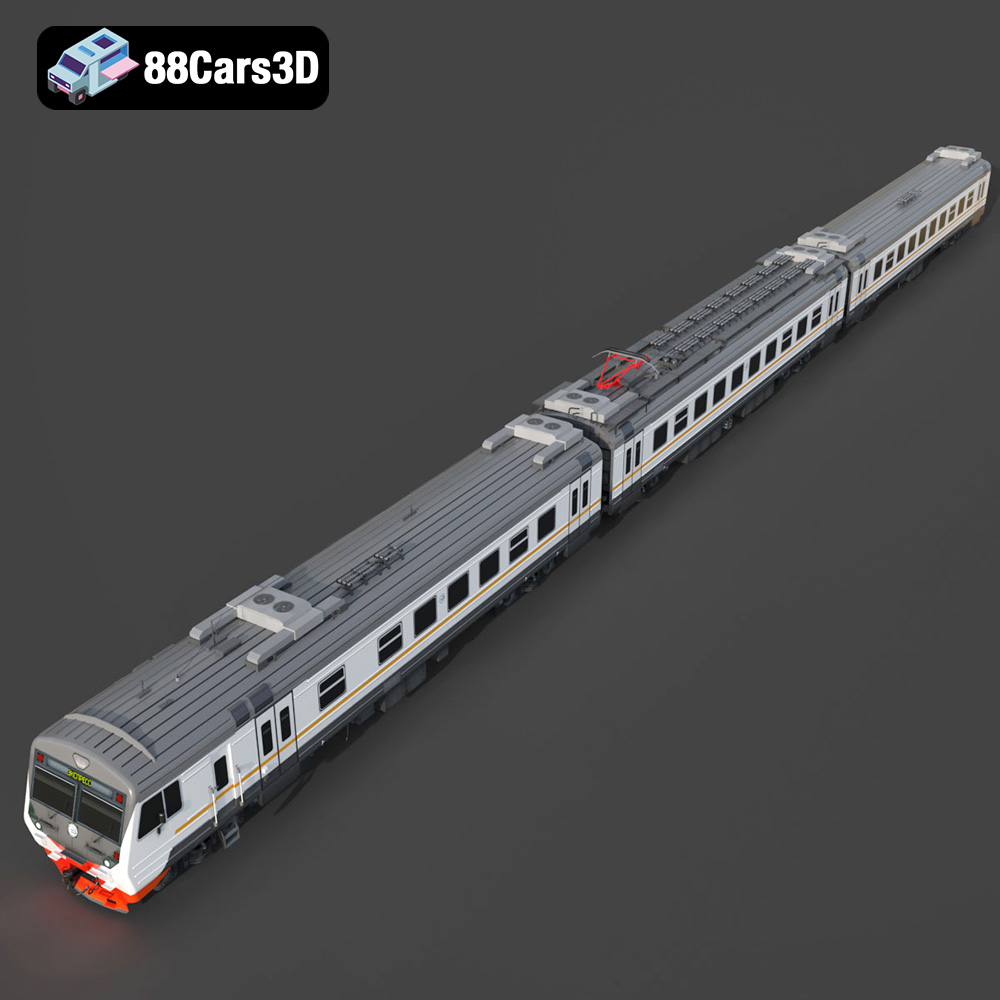
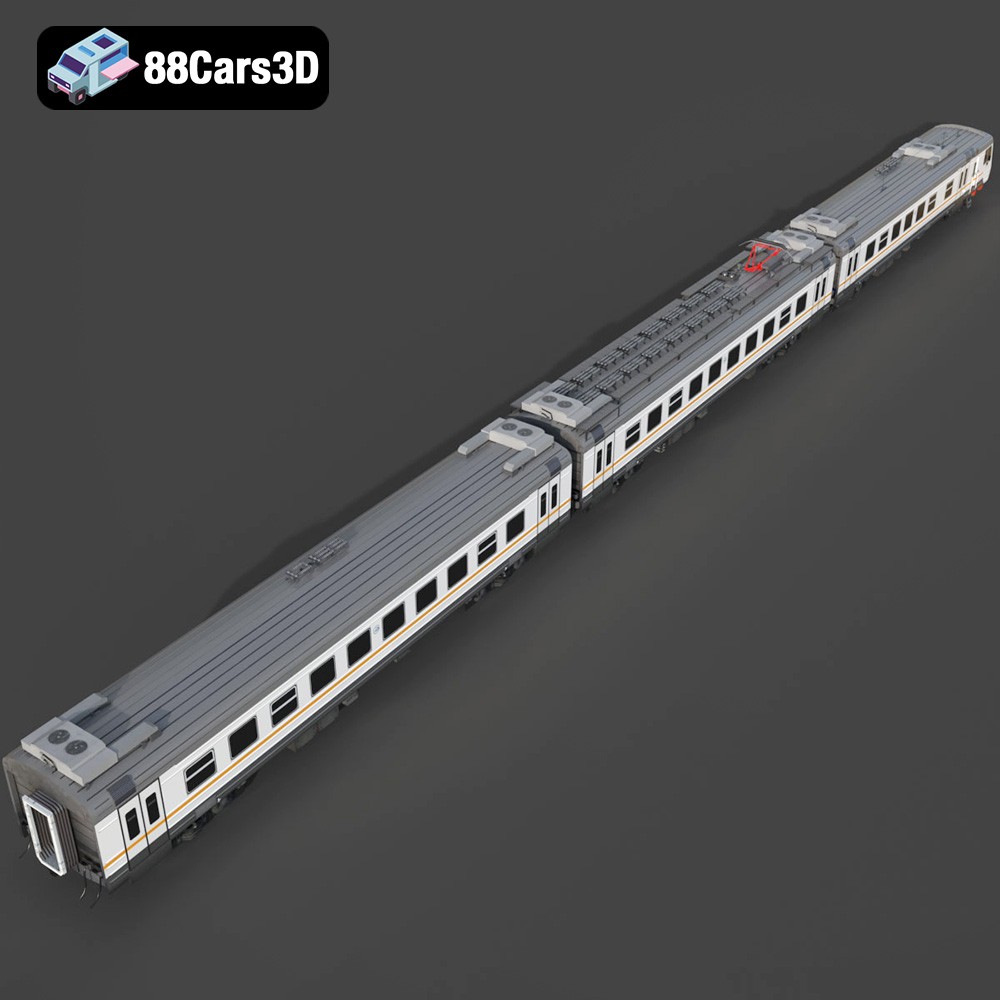
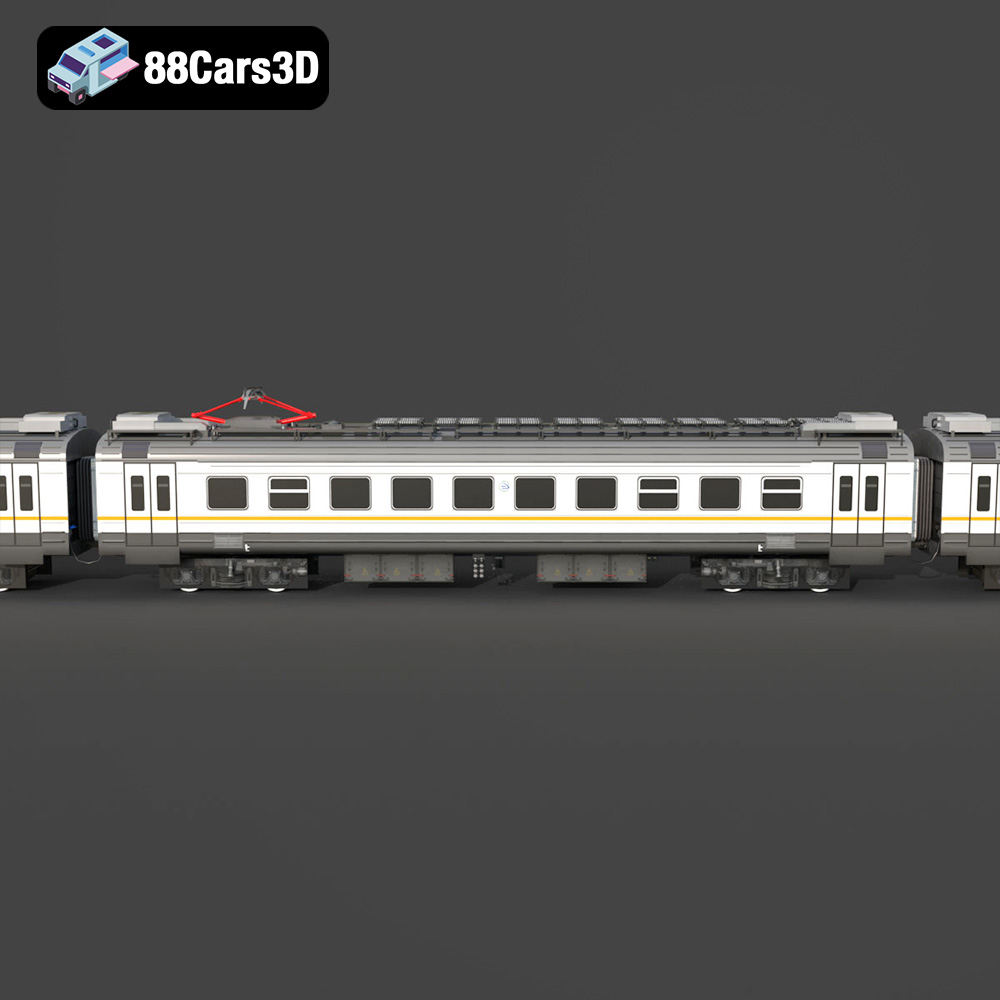
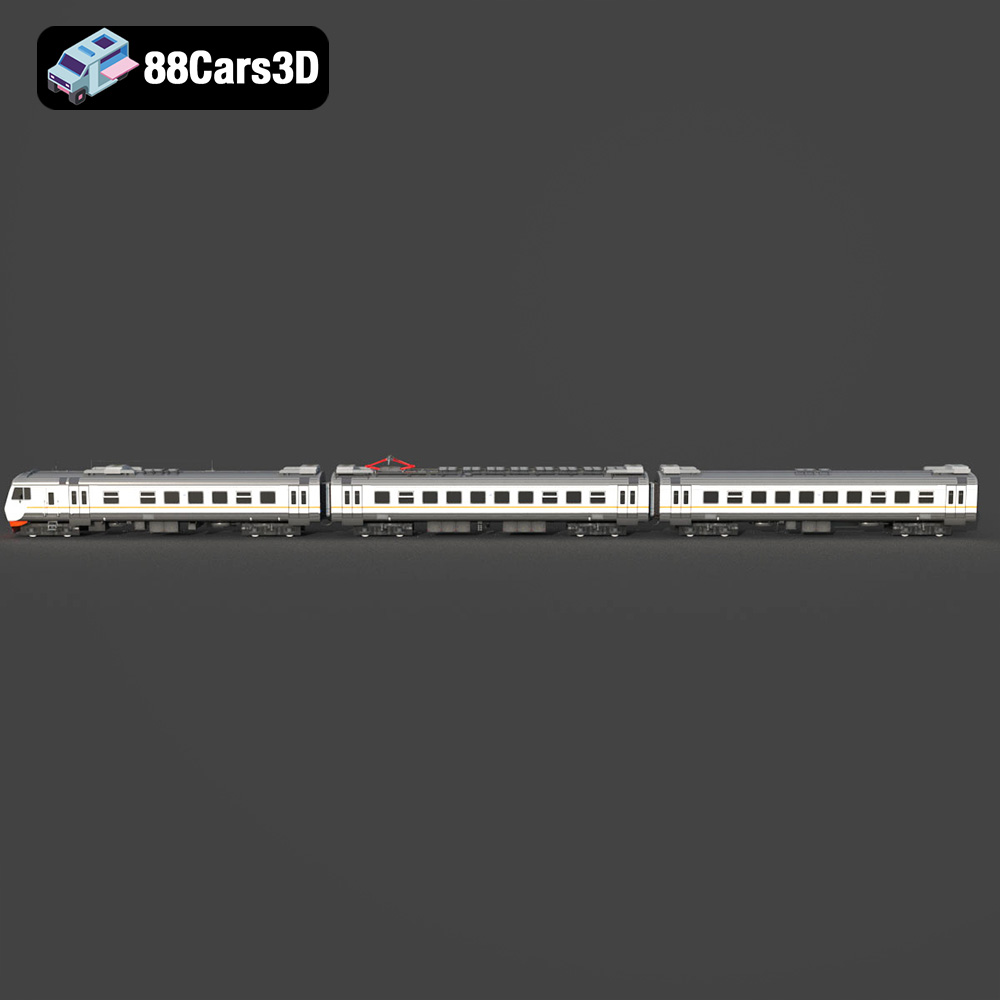
Explore the striking design of the ED4M 002 2018, a highly detailed 3D representation of an advanced concept vehicle. Known for its aggressive aerodynamic profile, sleek modern lines, and futuristic styling cues, this model captures the essence of next-generation automotive design. Key visual elements like the high-performance engine bay, custom exhaust system, wide track stance, and sculpted bodywork are meticulously crafted to deliver a premium visual experience.
This game-ready 3D model boasts an optimized topology with a triangle count of 42818, striking the ultimate balance between high-end visual fidelity and real-time performance. Designed for seamless integration into modern game engines like Unreal and Unity, the mesh allows for realistic lighting interactions, crisp reflections, and smooth rendering. Whether you are developing a next-gen racing game, creating immersive VR automotive experiences, or producing high-quality cinematic animations, this model delivers exceptional quality.
Perfect for high-speed racing simulators, open-world urban game environments, virtual automotive showrooms, and stunning architectural visualizations.
.blend, .fbx, .obj, .glb, .stl, .ply, .unreal, .max
Tags:
ed4m, 002-2018, concept-car, prototype-vehicle, sports-car, car-3d-model, game-ready, low-poly, optimized, game-asset, rendering, vr-ar, blend, fbx, obj, glb, stl, ply, unreal, max
$17.00
.blend
.ed4m
.fbx
.glb
.max
.obj
.ply
.rendering
.sports car
.stl
.train
.unreal
002-2018
car-3d-model
concept-car
game asset
game-ready
low-poly
optimized
prototype-vehicle
VR/AR