Get 20% OFF All Premium 3D & STL Models!

In the rapidly evolving world of 3D visualization, game development, and virtual reality, the demand for exceptionally detailed and technically sound 3D car models has never been higher. Automotive design is a domain where precision, aesthetics, and real-world accuracy converge, requiring artists and developers to work with assets that meet stringent professional standards. Whether you’re crafting a cinematic commercial, building an immersive racing simulator, or creating an interactive AR configurator, the quality of your 3D assets directly impacts the final output.
Today, we delve into the intricate world of high-fidelity automotive 3D models, exploring the technical considerations, essential file formats, and diverse applications that professionals navigate daily. We’ll examine how a meticulously crafted asset, such as the Mercedes-Benz E14-08 3D Model, serves as a cornerstone for various demanding projects, offering both visual splendor and robust technical foundations. Understanding the nuances behind these models is crucial for anyone aiming to produce cutting-edge automotive content.
The choice of file format is often the first critical decision in any 3D project, dictating compatibility, feature support, and overall workflow efficiency. For a versatile asset like the Mercedes-Benz E14-08 3D Model, which is designed for multiple applications, understanding each format’s strengths is paramount.
The .blend format is native to Blender, a powerful open-source 3D creation suite. When you download a .blend file, you gain access to a fully editable Blender scene, complete with materials, textures, lighting setups, cameras, and even animations. This format is ideal for artists who primarily work in Blender, offering maximum flexibility for customization, rigging, and rendering within the Blender ecosystem. It’s often considered the “source file” for projects initiated in Blender, ensuring all original data and modifiers are preserved.
.fbx (Filmbox) is a proprietary file format owned by Autodesk, widely recognized as the industry standard for exchanging 3D data between different software applications. Its strength lies in its ability to store not just mesh geometry but also critical information like materials, textures, animations, skinning, and camera data. This makes .fbx invaluable for workflows involving multiple software packages, such as exporting a model from 3ds Max or Blender to game engines like Unreal Engine or Unity. For real-time pipelines, .fbx is often the go-to choice due to its robust support for skeletal animations and efficient data transfer.
The .obj (Wavefront OBJ) format is one of the most widely supported and simplest 3D geometry definitions. It’s a universal format for cross-software compatibility, containing only vertex positions, UV coordinates, normals, and face information. While it doesn’t store animations, rigging, or advanced material properties directly (materials are typically referenced in an accompanying .mtl file), its simplicity ensures broad compatibility across virtually all 3D software. It’s excellent for basic mesh exchange and when you need a clean, unadorned geometry asset for further processing.
.glb (GL Transmission Format Binary) is an increasingly important format, especially for modern applications. It’s an optimized, self-contained file designed for efficient transmission and loading of 3D scenes and models. Often dubbed the “JPEG of 3D,” .glb combines the 3D model, textures, and animations into a single binary file. This makes it exceptionally well-suited for augmented reality (AR), virtual reality (VR), and browser-based display, where quick loading times and broad platform support are crucial. Models like the Mercedes-Benz E14-08 in .glb are perfect for virtual showrooms or interactive web experiences.
.stl (STereoLithography) is the most common file format for 3D printing. It represents a 3D model as a series of connected triangles, describing only the surface geometry of an object without color, texture, or other CAD attributes. While it lacks visual detail in a rendering context, its simplicity makes it ideal for additive manufacturing. For hobbyists or professionals looking to 3D print a physical replica of the Mercedes-Benz E14-08, the .stl format is essential, requiring careful consideration of print settings like scale and supports.
The .ply (Polygon File Format or Stanford Triangle Format) is a versatile format for storing 3D data, particularly from 3D scanners. It can store a wider range of properties than .obj, including color, transparency, surface normals, and even confidence values for each vertex. It’s a precision mesh format often used in scientific visualization, CAD, and analysis, especially when working with dense point clouds or detailed geometric captures. While less common for direct rendering, it’s valuable for specific engineering or reverse-engineering workflows.
While not a standalone file format in the traditional sense, “.unreal” typically refers to an asset that has been specifically prepared, optimized, and often imported into the Unreal Engine project structure. This might involve specific FBX imports with material setups, collision meshes, LODs (Levels of Detail), and blueprint configurations. When a model is supplied as “.unreal,” it implies it’s an engine-ready asset, saving developers significant setup time and ensuring seamless integration into real-time environments for game development or interactive experiences.
The .max format is the native scene file for Autodesk 3ds Max, a powerful software for 3D modeling, animation, and rendering. Similar to .blend for Blender, a .max file contains all scene information, including geometry, materials, lighting, cameras, animations, and modifiers specific to 3ds Max. It offers full editability and control over the model within 3ds Max, making it the preferred format for users of this software who need to perform extensive customization, create complex animations, or achieve high-end renders using renderers like V-Ray or Corona.
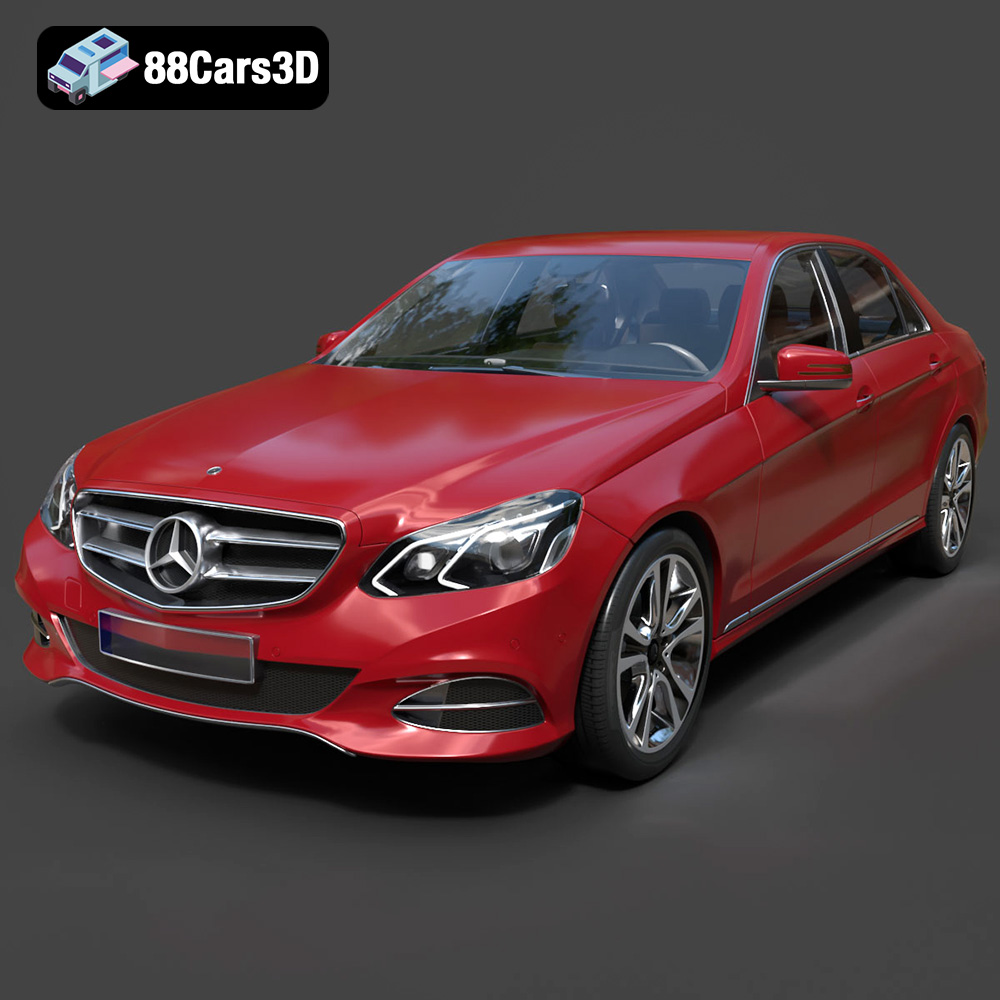
Creating a truly high-fidelity 3D car model is a delicate balance between artistic vision and technical precision. It goes far beyond simply replicating a vehicle’s shape; it involves capturing its essence, engineering details, and material realism. The Mercedes-Benz E14-08 3D Model exemplifies this approach, built with extraordinary visual fidelity and structural optimization.
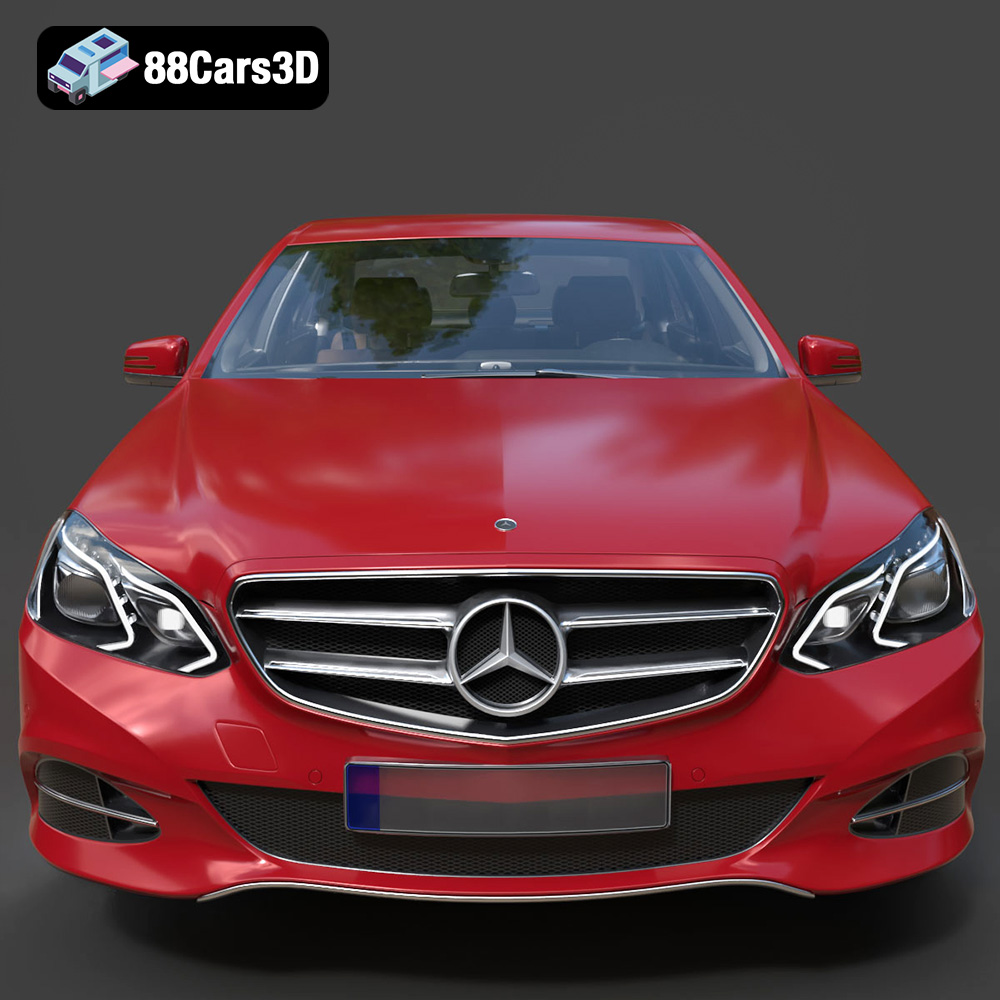
The foundation of any exceptional 3D car model is its geometry. For the Mercedes-Benz E14-08, this means accurate frame geometry and aerodynamic proportions that mirror the real-world vehicle. Every curve, panel gap, and ventilation inlet must be meticulously modeled to ensure the car looks authentic from all angles. This level of detail is critical for close-up shots, realistic reflections, and visually convincing animations, where even subtle inaccuracies can break immersion.
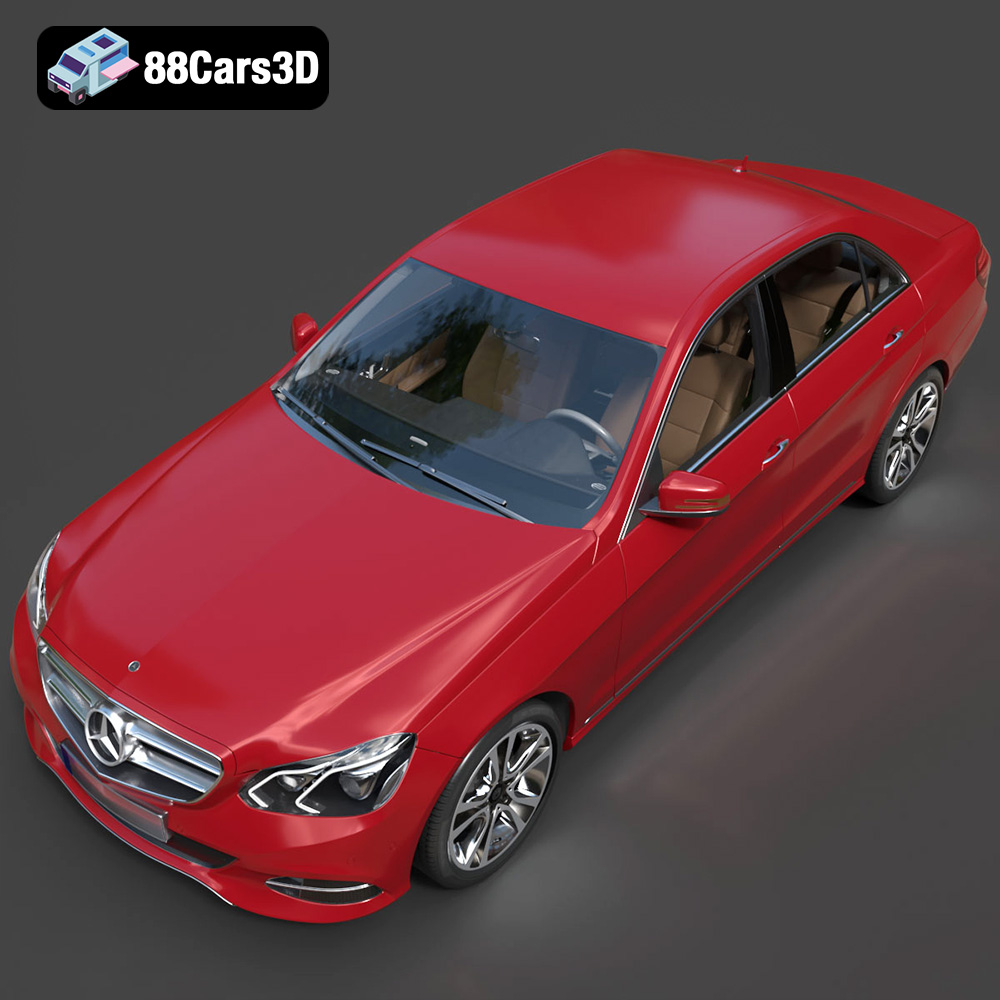
While often overlooked in external shots, a detailed interior is vital for first-person views, virtual showrooms, and immersive AR/VR experiences. The Mercedes-Benz E14-08 model excels here with premium leather-textured seating, a meticulously crafted cabin layout, an accurate steering wheel with multimedia buttons, a high-tech instrument cluster, and precise control details like pedals and a realistic center console shifter. This attention to cockpit detail transforms the model from a shell into a fully realized vehicle environment.
Professional 3D car models must be versatile, fitting seamlessly into diverse production pipelines. The Mercedes-Benz E14-08 3D Model is designed with this in mind, offering compatibility across major 3D software and real-time engines, streamlining workflows for artists and developers.
For high-end rendering and animation, software like Autodesk 3ds Max and Blender are industry staples. The .max and .blend file formats provided ensure full editability, allowing artists to customize materials, lighting, and animation sequences with ease. In 3ds Max, professionals can leverage powerful renderers like V-Ray or Corona Renderer to achieve photorealistic visuals, adjusting every nuance from paint reflectivity to headlight dispersion. Similarly, Blender users can utilize Cycles or Eevee to produce stunning renders or sophisticated animations, taking advantage of the model’s separate components for wheels, suspension, and steering to create dynamic car movements.
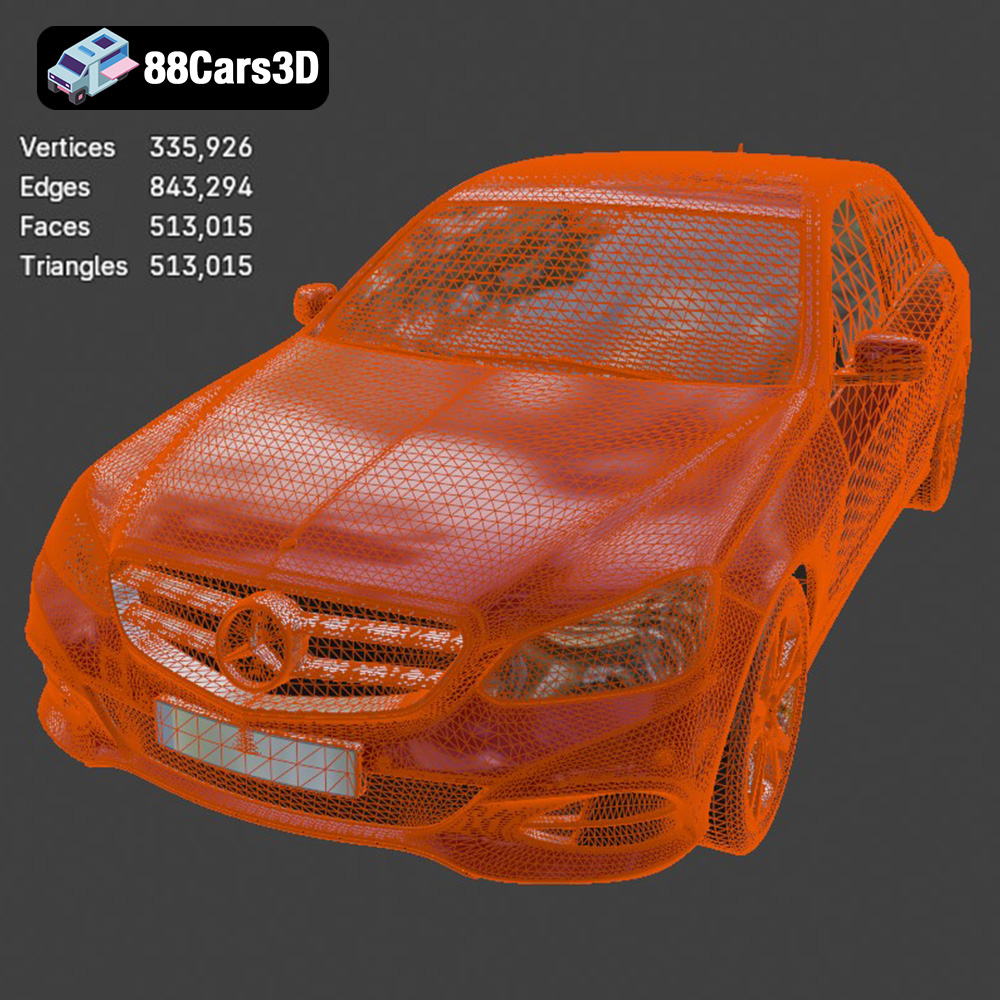
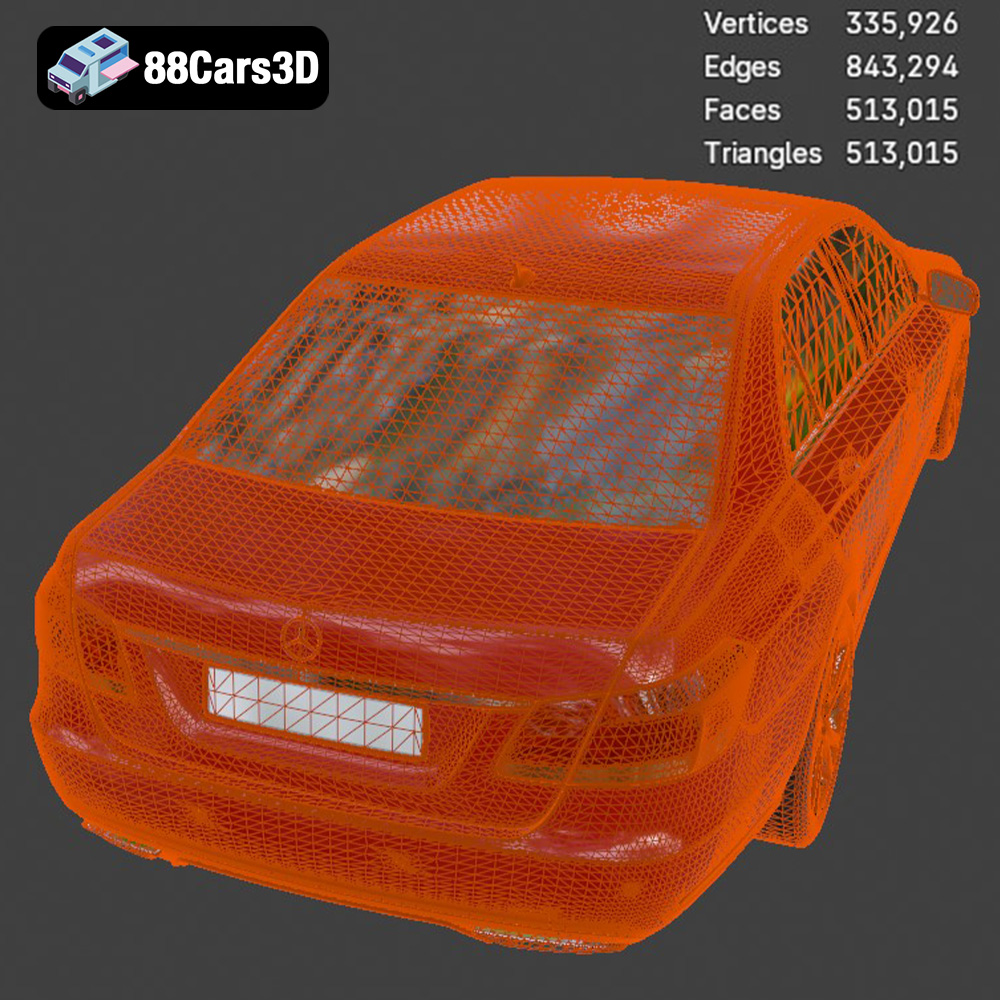
Game development and real-time visualization demand assets that are not only visually impressive but also highly optimized for performance. Unreal Engine, with its cutting-edge rendering capabilities, is a preferred choice for many. The Mercedes-Benz E14-08 3D Model, with its game-ready optimization and 513,015 triangles, strikes an excellent balance for real-time engines. The inclusion of .fbx and “.unreal” formats ensures a smooth import process, with proper pivot setups for steering, wheel rotation, and suspension travel pre-configured, drastically reducing development time. This makes it an ideal game asset for racing titles, open-world games, and simulators.
The versatility of a premium 3D car model extends beyond traditional rendering, finding critical applications in various cutting-edge fields. The Mercedes-Benz E14-08 3D Model is engineered to excel across these diverse domains.
In game development, the line between reality and virtuality continues to blur. High-quality 3D car models are essential for creating believable game worlds. With its optimized polycount and real-world scale accuracy, the Mercedes-Benz E14-08 is perfect for urban racing games, luxury lifestyle simulations, and even police chase scenarios. Its detailed exterior and interior mean players can enjoy both exhilarating external views and immersive first-person cockpit experiences, crucial for a truly engaging game. The separate animatable components (wheels, suspension, steering) are a huge advantage for creating complex vehicle physics and destruction systems.
Augmented Reality (AR) and Virtual Reality (VR) are transforming how we interact with products, especially in the automotive sector. Imagine a virtual showroom where customers can explore the Mercedes-Benz E14-08 in 3D, customize its colors, and even “sit” inside it, all from their living room. The .glb format is particularly beneficial here, offering efficient loading for mobile AR experiences and immersive VR configurators. This level of interaction enhances engagement and allows brands to showcase vehicles in innovative ways, providing a glimpse into the future of car shopping.
For enthusiasts and collectors, the ability to physically hold a scale replica of a favorite car is highly appealing. The Mercedes-Benz E14-08 3D Model is convertible to .stl format, making it suitable for 3D printing. This opens up avenues for display-scale hobbyists to create their own models. Careful attention to print settings, such as recommended scales (1:12, 1:18, 1:24), layer height, wall thickness, infill, and support structures, ensures a successful print. Resin printing is often recommended for capturing the fine details of luxury car models, followed by post-processing like sanding, priming, and applying authentic factory colors.
Achieving a harmonious blend of stunning visual realism and optimal performance is a constant challenge in 3D production. Professional 3D car models, like those found on 88cars3d.com, are meticulously engineered to deliver on both fronts.
The specified 513,015 triangles for the Mercedes-Benz E14-08 3D Model is a testament to careful optimization. While high for a game asset, it’s considered balanced for delivering extraordinary visual fidelity in a real-time environment without overburdening the rendering engine. For more demanding scenarios or across different platforms, developers often implement Level of Detail (LOD) strategies. This involves creating multiple versions of the model, each with a progressively lower polycount, which are dynamically swapped out based on the camera’s distance to the object. This ensures that distant objects consume fewer resources while close-up views retain full detail.
Accuracy in scale is non-negotiable for professional projects. The Mercedes-Benz E14-08 3D Model boasts real-world scale accuracy, based on the actual vehicle chassis. This is critical for architectural visualization, where cars need to fit realistically into environments, and for game development, where consistent scale is vital for player immersion and physics calculations. Correct proportions ensure that the vehicle interacts believably with its surroundings, from shadows cast to reflections on surfaces.
The market for 3D assets is vast, but finding models that combine artistic excellence with technical robustness can be challenging. For professionals, the decision hinges on several factors, all aimed at ensuring a smooth workflow and a high-quality end product.
When selecting a 3D car model, evaluate its level of detail (polycount, component separation, interior fidelity) against your project’s requirements. For cinematic rendering or high-end visualization, a model like the Mercedes-Benz E14-08 with its high triangle count and intricate features is ideal. For mobile AR or less demanding game titles, a lower polycount might be preferable, or the ability to easily generate LODs from a high-quality base model. The description of the Mercedes-Benz E14-08 clearly outlines its strengths in balancing fidelity with optimization.
As discussed, file formats are crucial. A model that offers a wide array of formats, like the Mercedes-Benz E14-08 (including .blend, .fbx, .obj, .glb, .stl, .ply, .unreal, .max), provides unparalleled flexibility. This ensures compatibility with your preferred software (Blender, 3ds Max), target engine (Unreal, Unity), and intended application (rendering, gaming, 3D printing, AR/VR). Having multiple formats available from a single purchase streamlines the integration process and minimizes potential conversion issues.
Finally, consider the source of your 3D assets. Platforms like 88cars3d.com specialize in providing high-quality, reliable 3D car models that meet professional standards. This often means models are rigorously checked for topology, UV mapping, scale accuracy, and material setup. Choosing a reputable marketplace ensures you receive well-prepared assets, reducing the time spent on clean-up and troubleshooting, allowing you to focus on creative development. The Mercedes-Benz E14-08 is a prime example of the caliber of 3D car models available for demanding projects.
The world of 3D automotive modeling is a testament to the blend of artistic skill and technical mastery. From the intricate details of a car’s aerodynamic profile to the precision of its interior components, every element contributes to an immersive and visually stunning experience. Understanding the nuances of file formats, optimization strategies, and workflow integration is paramount for professionals aiming to push the boundaries of automotive rendering, game development, AR/VR, and even 3D printing.
The Mercedes-Benz E14-08 3D Model stands as an exemplary asset, meticulously crafted to meet the diverse needs of modern 3D pipelines. Its balance of high fidelity and technical optimization, coupled with comprehensive file format support, makes it an invaluable tool for any professional project. By choosing such high-quality 3D car models from trusted sources like 88cars3d.com, artists and developers can significantly enhance their workflows, elevate their visual outputs, and truly drive innovation in the digital automotive landscape.
Embrace the power of premium 3D assets and transform your creative vision into breathtaking realities.
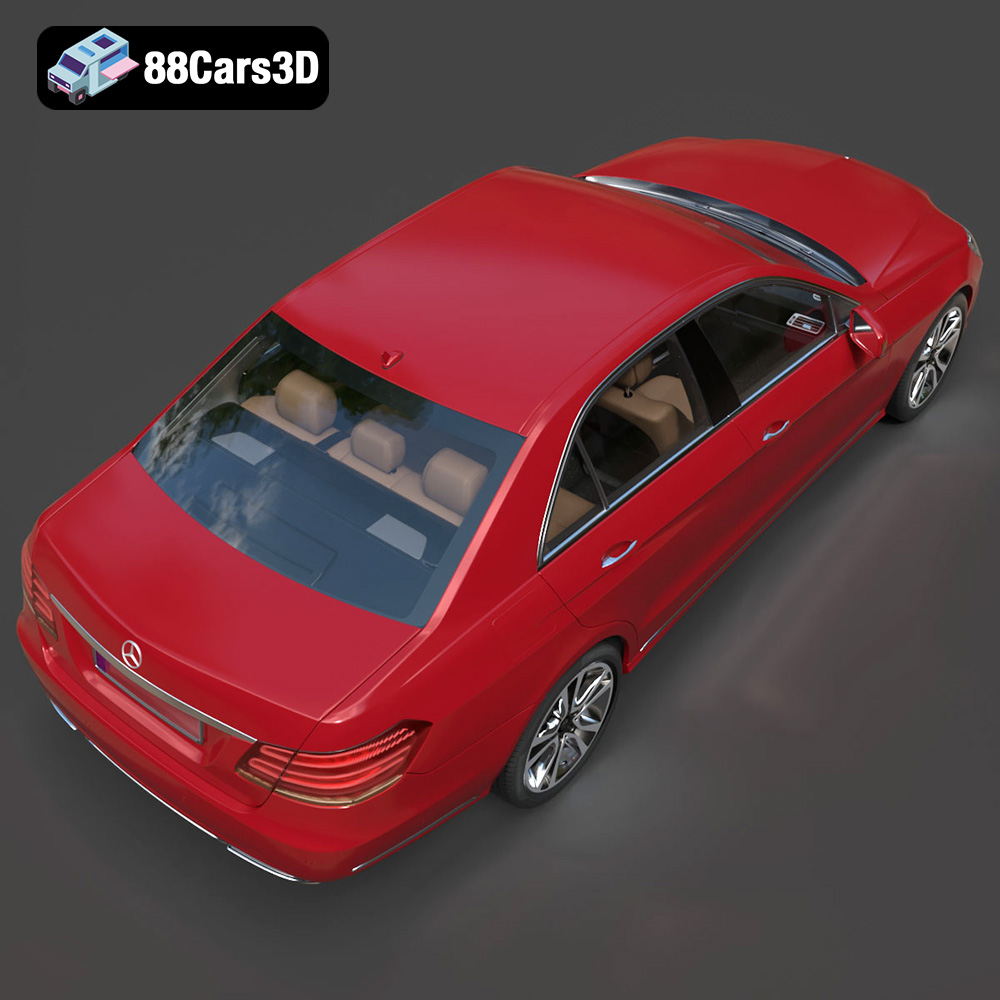
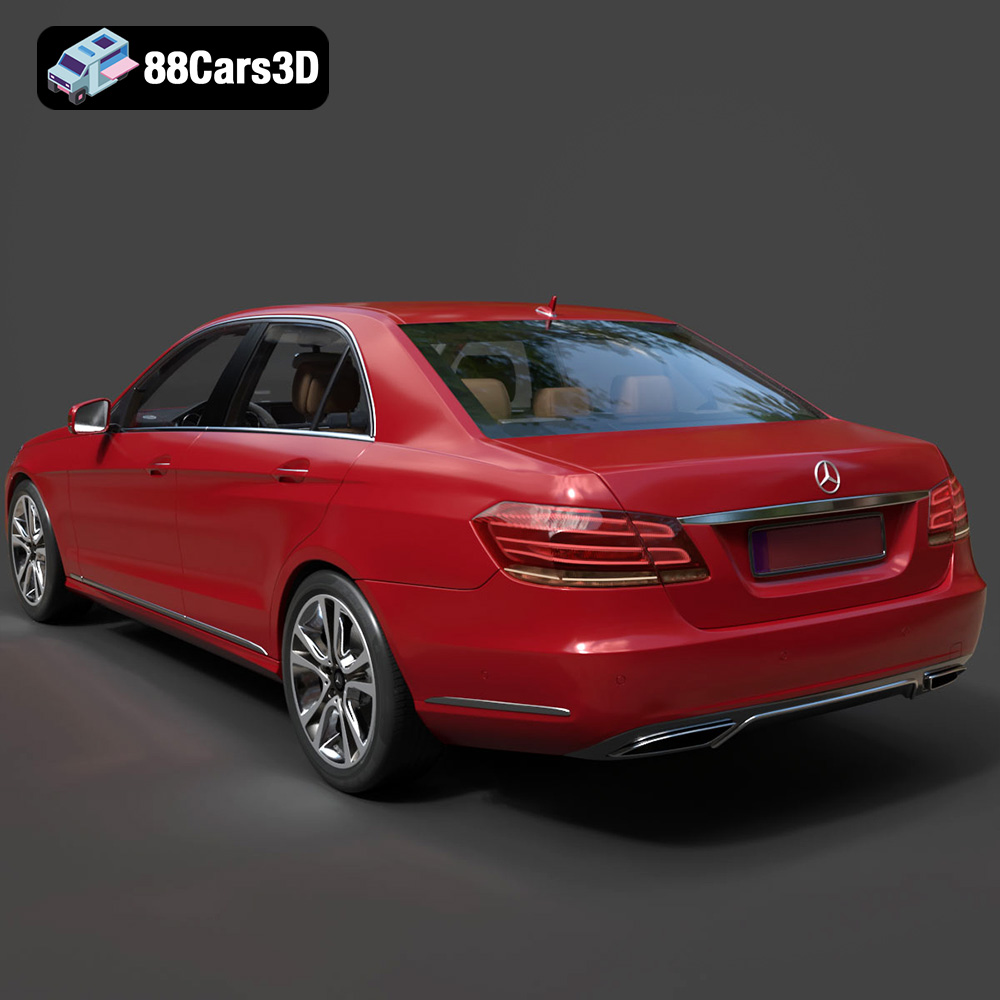
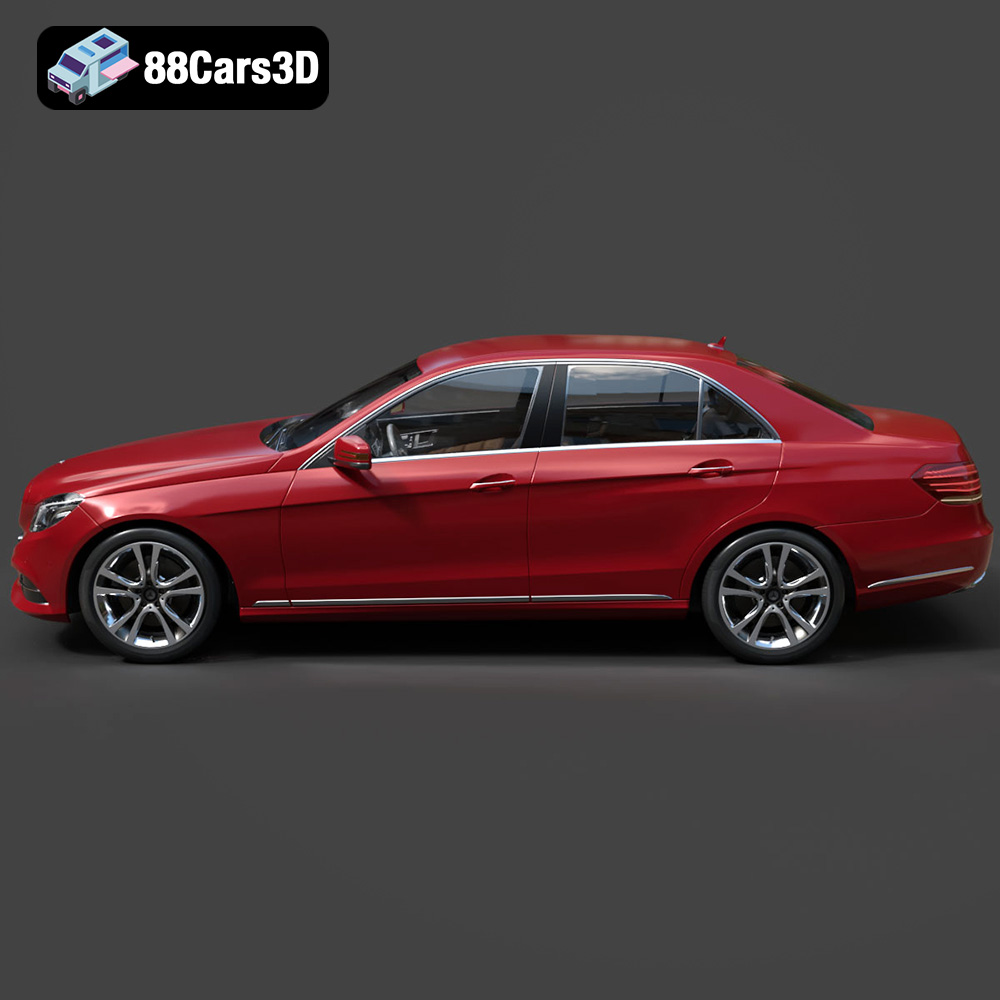
The Mercedes-Benz E14-08 3D model captures the essence of luxury automotive engineering with its distinctive aerodynamic profile and commanding road presence. Boasting 513,015 triangles, this premium model delivers extraordinary visual fidelity and is meticulously optimized for high-end rendering, game development, AR/VR, and 3D printing, making it ideal for urban racing games, virtual showrooms, and cinematic sequences.
$41.50
.blend
.fbx
.glb
.max
.obj
.ply
.rendering
.stl
.unreal
car-3d-model
e14-08
game asset
game-ready
low-poly
luxury car
mercedes-benz
optimized
VR/AR