Get 20% OFF All Premium 3D & STL Models!

In the fast-evolving landscape of 3D visualization, automotive design, and real-time interactive experiences, the demand for high-fidelity 3D car models is ceaseless. Professionals across various industries, from game developers and architects to advertising agencies and product designers, rely on accurately crafted digital assets to bring their projects to life. A truly exceptional 3D model doesn’t just look good; it’s a meticulously engineered asset, optimized for performance, scalability, and seamless integration into diverse pipelines.
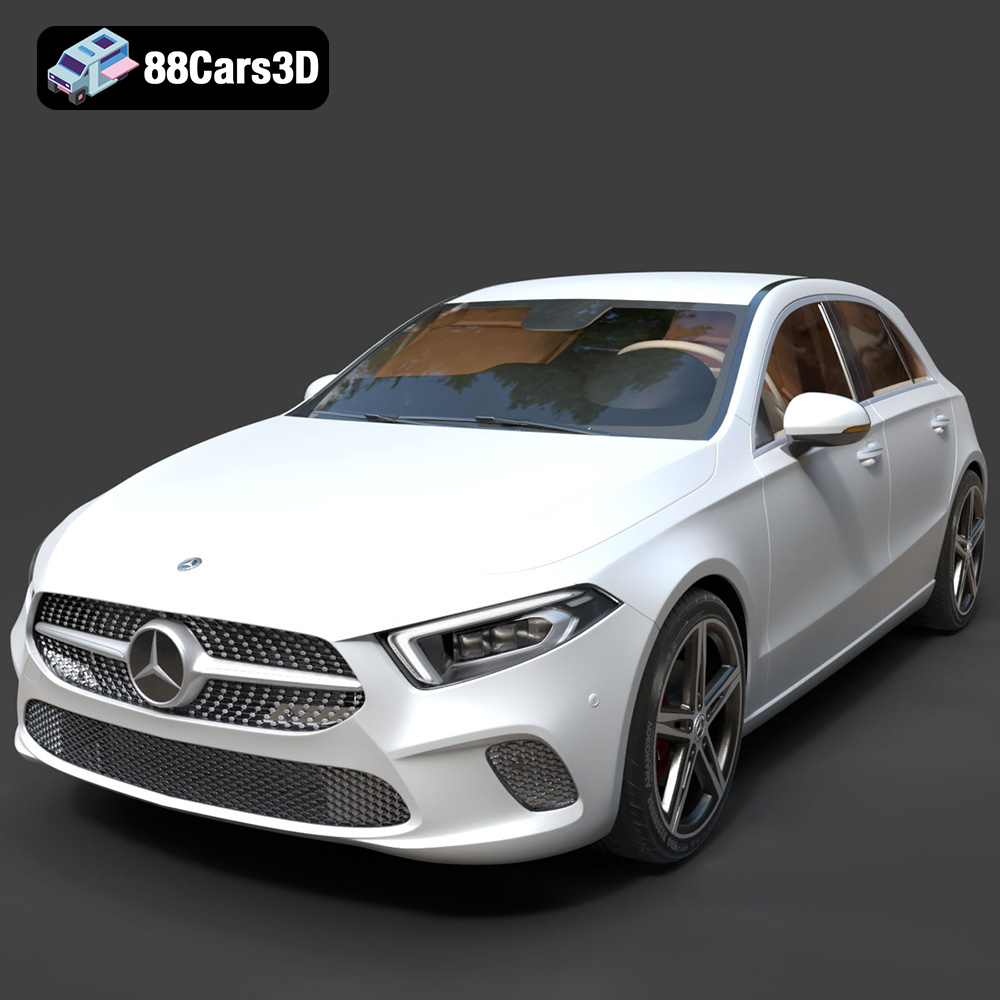
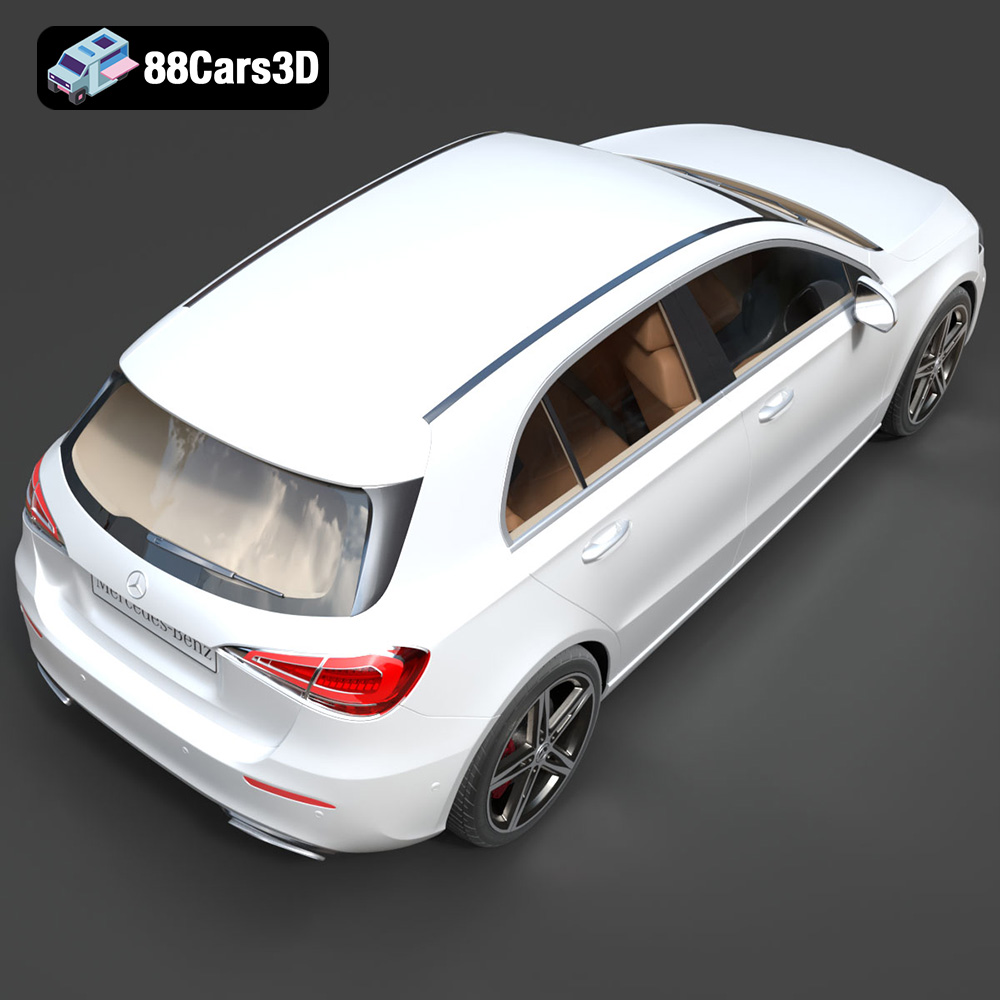
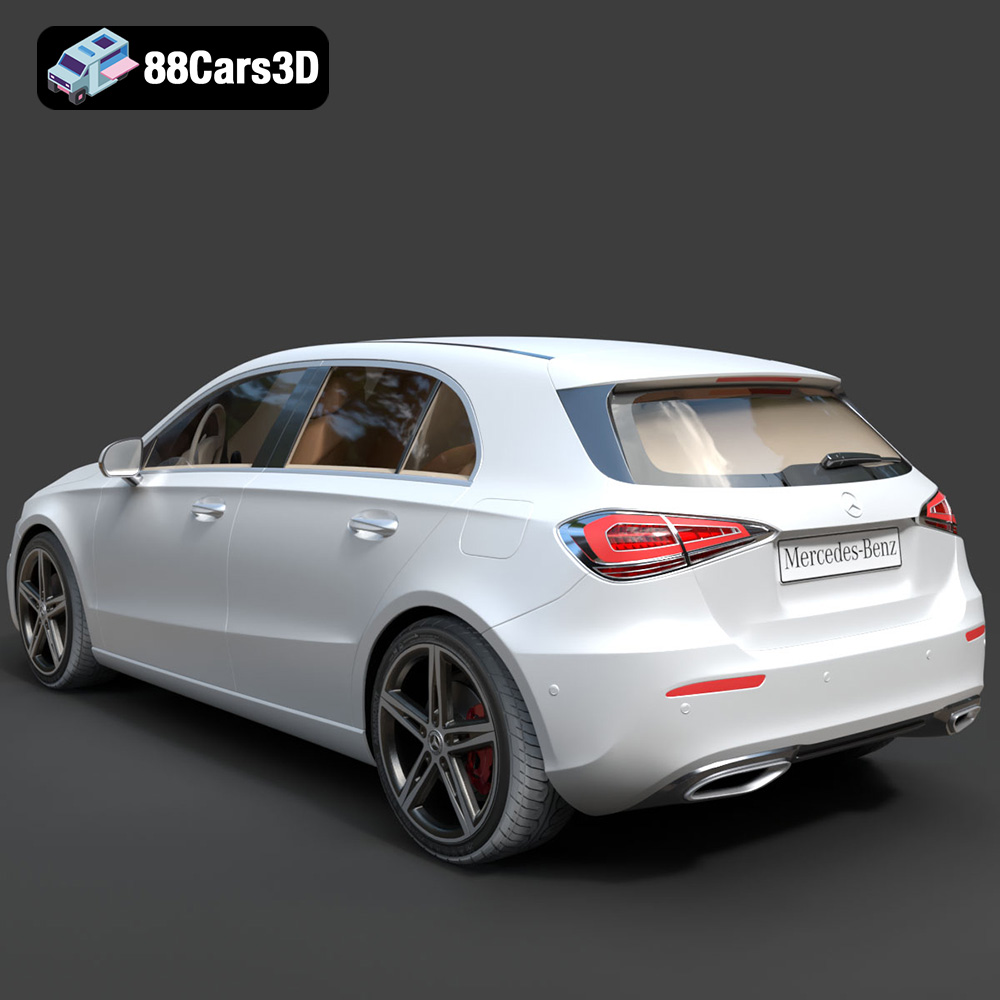
Today, we delve into the intricate world of premium 3D assets, focusing on a standout example that embodies precision and versatility: the Mercedes-Benz A H-08 3D Model. This asset, available on 88cars3d.com, is more than just a digital representation; it’s a testament to the fusion of artistry and technical mastery, designed to meet the rigorous demands of modern creative endeavors. From its aggressive front fascia to the finely detailed lighting clusters and luxurious interior, this model captures the essence of Mercedes-Benz engineering, providing a powerful foundation for your next project, be it a stunning automotive render, an immersive virtual reality experience, or a high-octane racing game.
The choice of file format for a 3D model is not merely a technicality; it’s a critical decision that dictates compatibility, functionality, and performance across different software and platforms. A versatile asset like the Mercedes-Benz A H-08 3D Model is typically offered in a range of formats to cater to specific professional needs. Understanding each format’s strengths and weaknesses is paramount for seamless workflow integration.
The .blend format is native to Blender, a powerful open-source 3D creation suite. When you acquire a .blend file, you’re not just getting a mesh; you’re getting a fully editable Blender scene. This includes the model’s geometry, materials, textures, lighting, camera setups, and even animations. For artists working primarily in Blender, this format offers the highest degree of flexibility for modification, refinement, and animation. It’s ideal for those who want to dive deep into the model’s structure, adjust materials, or re-rig components for custom animations. The Mercedes-Benz A H-08 in .blend format allows for unparalleled customization within Blender’s intuitive environment.
Autodesk’s .fbx (Filmbox) format is arguably the most widely adopted interchange format in the 3D industry. It supports a vast array of data types, including geometry, materials, textures, animations, and skeletal rigs. Its primary advantage lies in its excellent compatibility with popular 3D software like 3ds Max, Maya, Cinema 4D, and critically, game engines such as Unreal Engine and Unity. For developers looking to integrate the Mercedes-Benz A H-08 into a real-time environment, .fbx is often the go-to choice due to its robust support for animation and PBR (Physically Based Rendering) material data, ensuring assets translate accurately across platforms.
The .obj (Wavefront OBJ) format is a venerable and widely supported option primarily for storing 3D geometry and basic material information. It’s renowned for its universal compatibility, making it an excellent fallback or starting point when cross-software interoperability is key. While it doesn’t typically carry animation or advanced material definitions like .fbx, it’s robust for transferring static meshes. For users needing the Mercedes-Benz A H-08’s core geometry for re-texturing in specialized software or importing into less common applications, .obj serves as a reliable conduit.
.glb (GL Transmission Format Binary) is the binary version of glTF, a royalty-free specification for the efficient transmission and loading of 3D scenes and models by applications. .glb files encapsulate geometry, materials, textures, and animation into a single compact file, making them highly optimized for web-based 3D, augmented reality (AR), and virtual reality (VR) applications. Its efficiency and widespread adoption by web viewers and AR platforms make the Mercedes-Benz A H-08 .glb format perfect for interactive product configurators, virtual showrooms, or mobile AR experiences.
The .stl (Stereolithography) format is the standard for 3D printing. It represents a 3D model as a series of connected triangles (a triangulated surface), defining only the surface geometry of a 3D object without any color, texture, or material information. For hobbyists or professionals planning to physically produce a replica of the Mercedes-Benz A H-08, the .stl file is essential. The provided .stl for this model is likely optimized for scale and printability, ensuring a successful physical output.
.ply (Polygon File Format or Stanford Triangle Format) is another format primarily used for storing 3D data, particularly from 3D scanners. It can store a variety of data, including color, transparency, surface normals, and even texture coordinates, making it more comprehensive than .obj in some aspects for mesh data. While less common for direct content creation than .fbx or .blend, it’s valuable in scientific visualization, CAD, and scenarios requiring highly precise mesh representation or data analysis of scanned objects.
The inclusion of an .unreal file (often a .uasset or a specifically packaged asset) signifies a model optimized and prepared directly for Unreal Engine. This means the model likely comes with pre-configured materials, collision meshes, LODs (Levels of Detail), and possibly even Blueprints for quick integration into an Unreal project. This direct integration streamlines the workflow considerably for game developers or virtual production studios using Unreal Engine, minimizing setup time for the Mercedes-Benz A H-08.
Finally, the .max format is the native project file for Autodesk 3ds Max, a leading software for 3D modeling, animation, and rendering. Similar to .blend, a .max file contains the complete scene, including geometry, lights, cameras, materials, and animations. For artists and studios heavily invested in the 3ds Max ecosystem, this format offers full editing capabilities, allowing for deep customization, complex animation setups, and high-end rendering with V-Ray or Corona. The Mercedes-Benz A H-08 .max file ensures users can leverage 3ds Max’s powerful toolset to its fullest potential.
Creating a truly photorealistic 3D car model, especially one as recognizable as a Mercedes-Benz, requires a delicate balance of artistic vision and meticulous technical execution. It’s not just about replicating shapes; it’s about capturing the nuances of industrial design, the interplay of light on complex surfaces, and the functional integrity of every component.
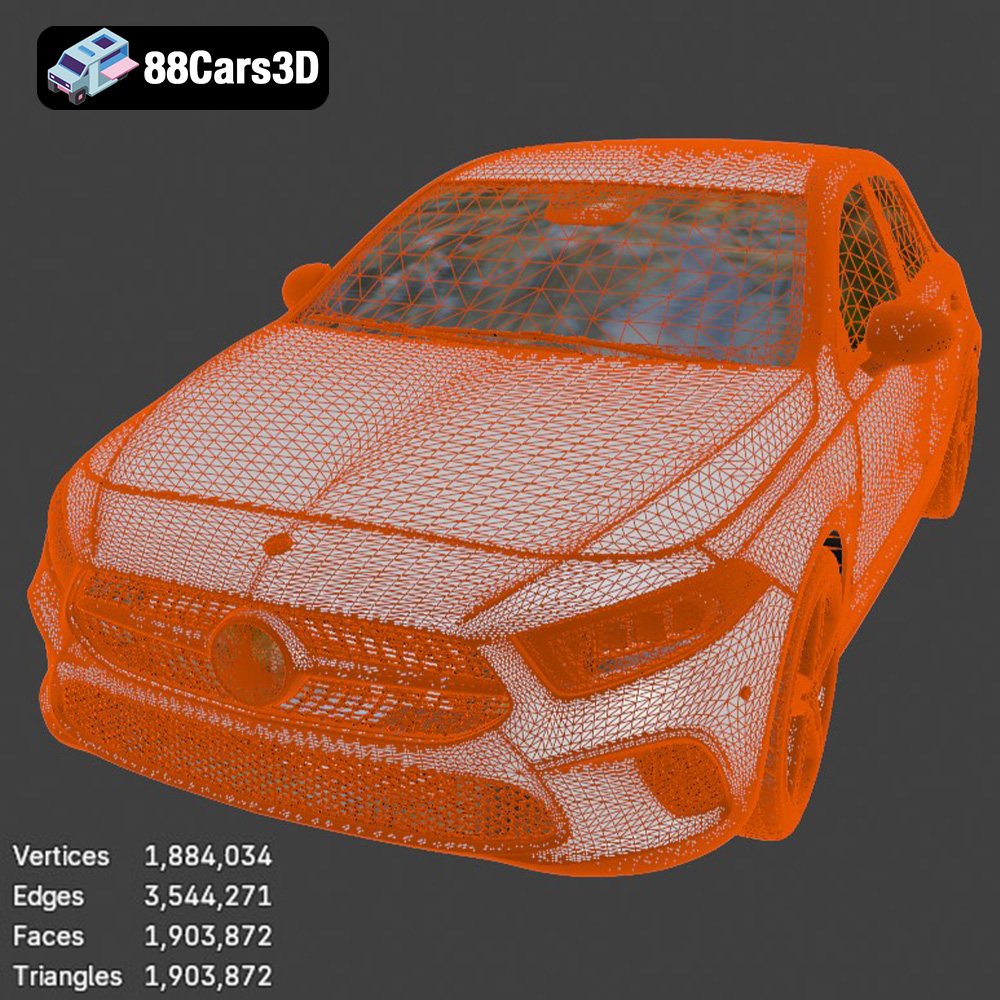
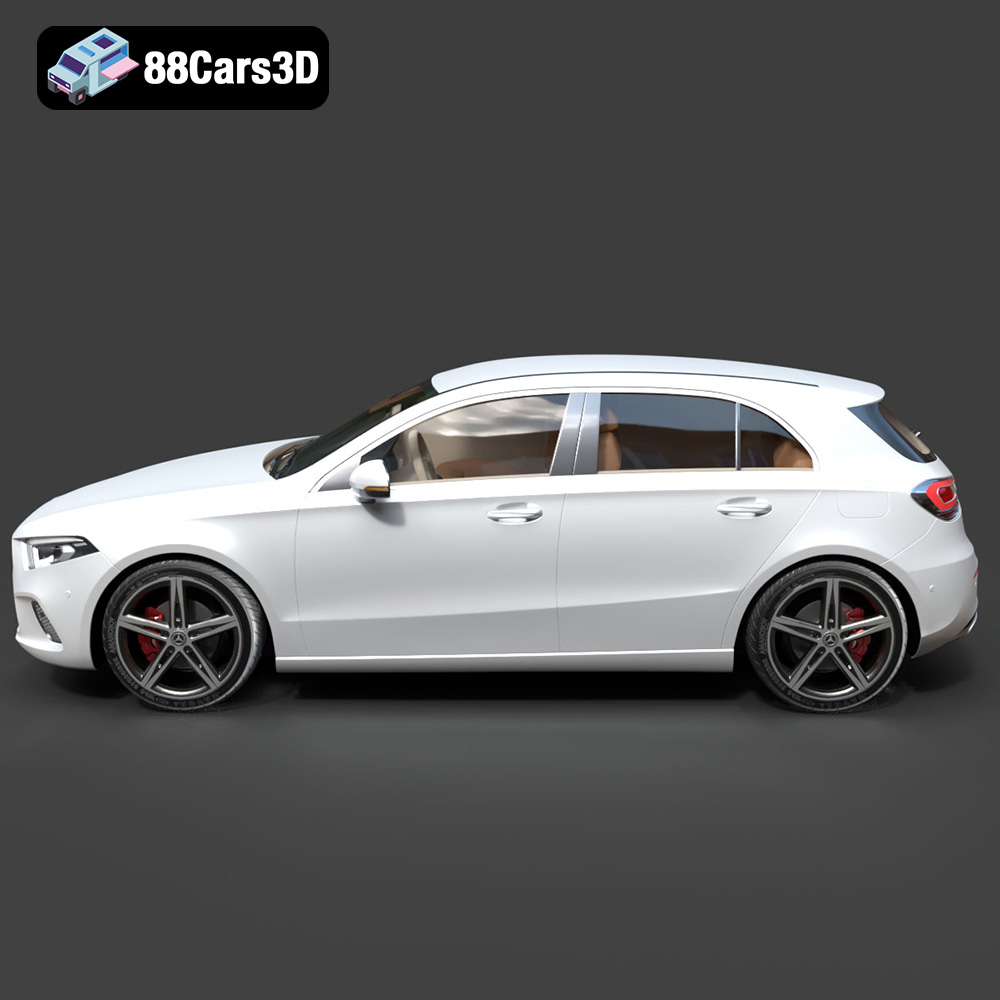
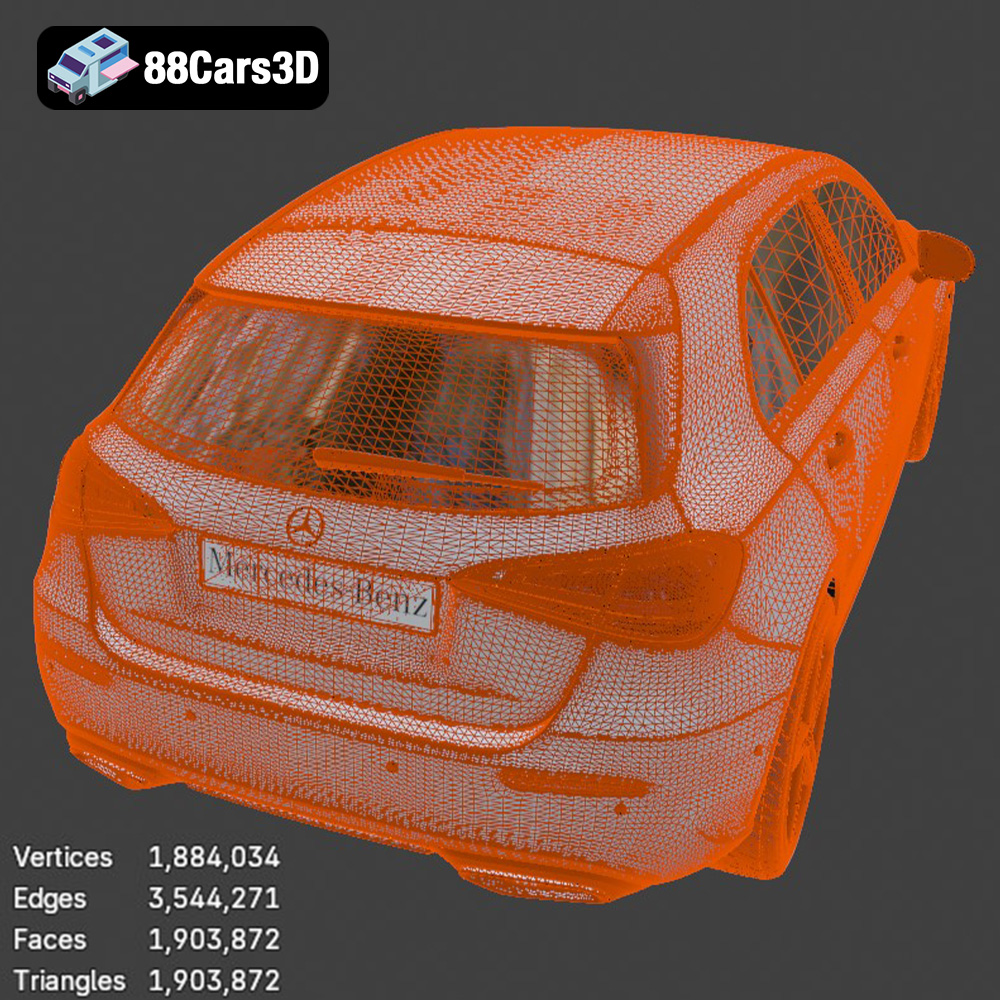
The foundation of any high-quality automotive 3D model is accurate geometry. The Mercedes-Benz A H-08 3D Model exemplifies this with its “accurate Mercedes Benz A H-08 frame geometry and athletic proportions.” This means reference images, blueprints, and often CAD data are used to ensure every curve, panel gap, and body line precisely matches the real-world vehicle. The result is a model that looks correct from every angle, crucial for convincing renders and immersive experiences. The 1,903,872 triangle count is a sweet spot, offering immense detail without becoming overly cumbersome for real-time applications.
Beyond the overall shape, the devil is in the details. The model boasts “intricate LED headlight assemblies and signature taillight clusters,” components that are often complex due to their transparent materials, reflectors, and light sources. “Authentic multi-spoke alloy wheels with high-resolution tire tread patterns” further elevate realism, as wheels are a major focal point. Crucially, “separate wheels, suspension, and steering components for animation” highlight its utility for simulations and cinematics, allowing for realistic driving sequences and dynamic showcases. Even “detailed engine bay elements representing the sophisticated powertrain” ensure authenticity, even if not always seen in a final render, it adds a layer of depth for close-up shots or technical visualizations.
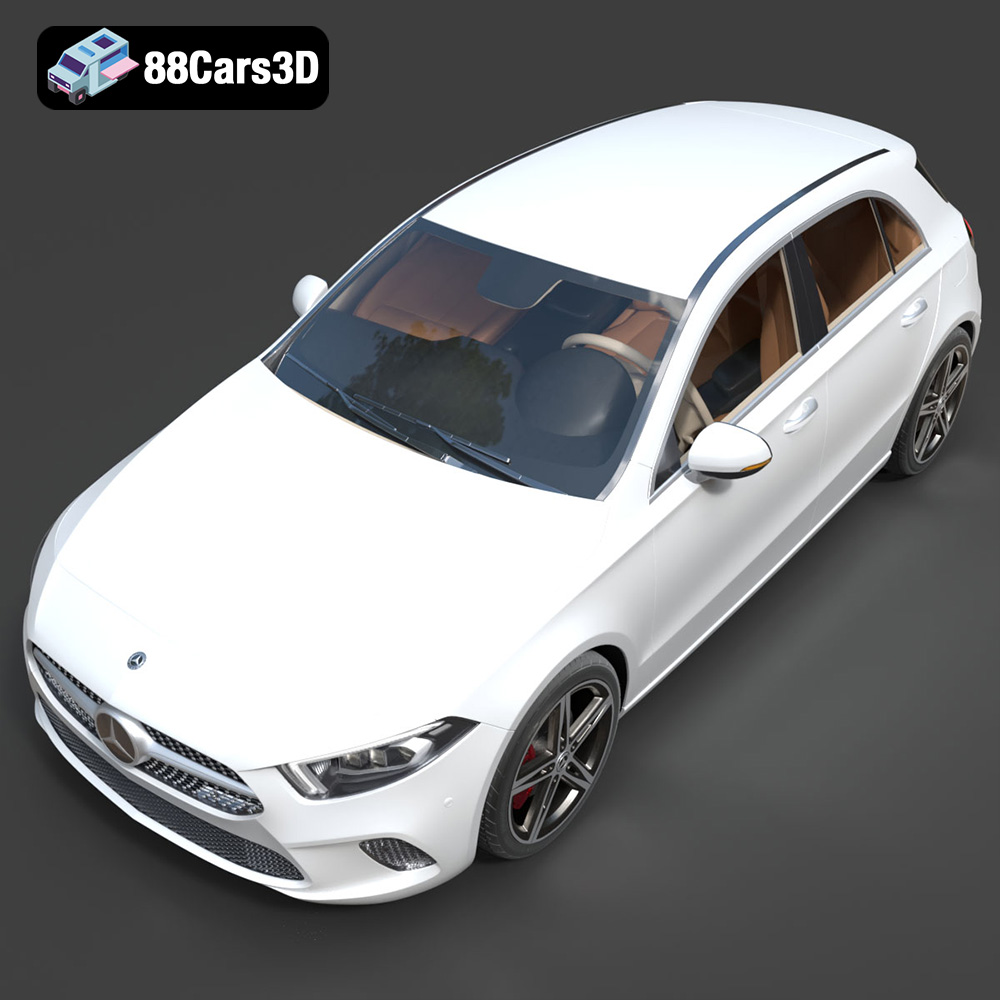
While the exterior grabs immediate attention, a detailed interior is vital for first-person perspectives in games, VR experiences, and high-end marketing visualizations. The Mercedes-Benz A H-08 model delivers here with “luxurious ergonomic seating with accurate material textures,” “multifunction steering wheel with detailed center emblem,” and “high-tech dual-screen digital instrument cluster and infotainment panel.” These elements, combined with “accurate driver controls, pedals, and center console elements,” create an immersive cockpit. The “optimized geometry ideal for realistic first-person POV in gaming” ensures that this detail doesn’t come at the cost of performance in real-time environments.
A premium 3D asset should be a plug-and-play solution, designed for efficiency within professional pipelines. The Mercedes-Benz A H-08 3D Model, with its comprehensive file format support, allows for streamlined integration into leading 3D software and game engines.
For users of 3ds Max, the included .max file offers immediate access to a fully prepared scene. This means materials are likely already set up using V-Ray, Corona, or Arnold shaders, textures are assigned, and the model is scaled correctly. Artists can quickly adjust lighting, camera angles, and rendering settings to achieve stunning photorealistic renders. Furthermore, the separate components (wheels, suspension) make it easy to set up basic car rigs for animation, simulating driving dynamics or showcasing features like independent suspension movement. The clean topology also aids in applying modifiers or subdivision surfaces for even higher detail if needed.
Blender users benefit from the dedicated .blend file, ensuring all native Blender materials, textures, and scene settings are preserved. This allows for immediate rendering with Cycles or Eevee. The model’s clean mesh and ‘proper pivot setup for steering, wheel rotation, and suspension travel’ are critical for rigging the vehicle. Artists can easily create custom animations, modify textures for different paint finishes (as suggested in the customization options), or integrate the car into complex environmental scenes using Blender’s powerful toolset. The comprehensive nature of the .blend file makes it a versatile starting point for any Blender-centric project.
Game developers and virtual production artists using Unreal Engine will find the .fbx and .unreal formats particularly valuable. Importing the .fbx provides a robust base, allowing for easy setup of PBR materials using Unreal’s material editor. The ‘optimized: 1,903,872 triangle count’ strikes an excellent balance for next-gen real-time engines, ensuring visual fidelity without excessive draw calls. The pre-configured .unreal asset, if available, would further simplify this, potentially including LODs, collision meshes, and ready-to-use car blueprints for physics and control. This significantly accelerates development for racing games, urban simulators, or interactive virtual showrooms featuring the Mercedes-Benz A H-08.
The utility of a high-quality 3D car model extends far beyond static renders. Its robust technical specifications and versatile file formats unlock a myriad of possibilities across interactive media and physical production.
The Mercedes-Benz A H-08 3D Model is tailor-made for “Game Development.” Its “Game-Ready & Optimized” nature, characterized by its balanced triangle count, ensures it can be seamlessly integrated into demanding game engines like Unreal and Unity. For racing titles, the “separate wheels, suspension, and steering components for animation” are indispensable for realistic physics and dynamic driving experiences. In open-world games or urban driving simulators, the “optimized geometry ideal for realistic first-person POV in gaming” allows players to immerse themselves fully, experiencing the luxurious interior and precise controls. High-resolution textures for materials like tires and interior fabrics further enhance the realism, creating a believable virtual world.
Augmented Reality (AR) and Virtual Reality (VR) are transforming how consumers interact with products. The Mercedes-Benz A H-08 model is “Perfect for immersive virtual showrooms, configurators, and mobile AR experiences.” Using formats like .glb, the model can be displayed interactively in web browsers or on mobile devices, allowing potential buyers to explore the car from any angle, customize colors, and even place it in their real-world environment via AR. Imagine walking around a life-sized Mercedes-Benz A H-08 in your driveway or sitting inside it virtually, changing interior trim with a tap – this model makes such experiences a reality.
For enthusiasts, designers, or educators, the ability to convert a digital model into a physical object is invaluable. The inclusion of the .stl format, optimized for 3D printing, means the Mercedes-Benz A H-08 can transition from screen to tangible display piece. The recommended settings for layer height, wall thickness, infill, and supports, especially for resin printing, ensure that fine details like the dual exhaust system, intricate headlight clusters, and delicate interior elements are accurately reproduced. This opens up possibilities for creating scale models for display, rapid prototyping, or even educational purposes, offering a tactile connection to the digital asset.
The mark of a professional 3D asset is its ability to balance stunning visual fidelity with optimal performance. The Mercedes-Benz A H-08 3D Model showcases several key technical advantages that ensure it excels in both areas.
The stated “1,903,872 triangle count” is a critical specification. For next-generation real-time engines like Unreal and Unity, this count strikes a perfect balance. It’s high enough to maintain “photorealistic visual realism” even in close-up shots, capturing the subtle curves and intricate details of the Mercedes-Benz. Yet, it’s optimized enough to prevent excessive strain on rendering pipelines, allowing for smooth framerates in interactive applications. This careful optimization means developers don’t have to compromise between visual quality and performance.
“Real-world scale accuracy based on actual vehicle chassis” is fundamental for consistency across different projects and for seamless integration into architectural visualizations or simulations. A correctly scaled model feels right in any environment. Equally important is the “proper pivot setup for steering, wheel rotation, and suspension travel.” Without correctly positioned pivots, animating a car becomes a frustrating and often inaccurate endeavor. This thoughtful preparation saves countless hours for animators and riggers, enabling realistic movement right out of the box.
Professional assets offer flexibility. The Mercedes-Benz A H-08 model provides “Customization Options” that are vital for diverse applications. The ability to “Change body colors (e.g., factory colors, custom finishes)” is crucial for marketing campaigns or personalized configurators. Modifying “tire textures (summer vs. all-season variants)” adds another layer of realism for specific scenarios, while adjusting “material finishes (matte, gloss, metallic, carbon fiber)” allows artists to fine-tune the car’s appearance to match specific lighting conditions or brand aesthetics. This level of adaptability ensures the model can serve a wide range of creative briefs without requiring extensive re-modeling.
Investing in high-quality 3D car models like the Mercedes-Benz A H-08 from 88cars3d.com offers significant advantages over creating assets from scratch. Time is often the most valuable commodity in production, and starting with a pre-optimized, expertly crafted model drastically reduces development cycles. From concept visualization to final rendering, the ability to rapidly deploy a photorealistic vehicle asset can be a game-changer for project deadlines and budget constraints.
Furthermore, the technical precision embedded in such models ensures consistency and reliability across various applications. Clean topology means fewer rendering artifacts and easier integration. Comprehensive material setups accelerate the texturing process, while multiple file formats guarantee compatibility regardless of your preferred software. This level of professional preparation ensures that your focus remains on creative direction and narrative, rather than wrestling with technical glitches or optimizing sub-par geometry.
Whether you’re an independent game developer needing a hero vehicle, an architect integrating automotive elements into a visualization, or a marketing firm creating a captivating ad campaign, the Mercedes-Benz A H-08 3D Model represents a strategic asset. It’s a foundation of quality and versatility that empowers you to achieve breathtaking results, efficiently and effectively, standing as a prime example of the premium 3D car models available today.
In the demanding world of 3D content creation, the difference between good and great often lies in the quality of your assets. The Mercedes-Benz A H-08 3D Model is a stellar example of a professional-grade asset that empowers creators across various industries. Its meticulously detailed exterior and interior, optimized mesh for real-time performance, accurate real-world scale, and thoughtful inclusion of animation-ready components make it an indispensable tool.
From captivating automotive rendering to immersive game development and cutting-edge AR/VR experiences, this model’s versatility is enhanced by its availability in a comprehensive suite of file formats, including .blend, .fbx, .obj, .glb, .stl, .ply, .unreal, and .max. This ensures seamless integration into virtually any professional workflow. Whether you’re aiming for photorealistic renders or dynamic interactive simulations, the Mercedes-Benz A H-08 provides the technical foundation and visual fidelity required to elevate your projects.
For those seeking to equip their creative arsenal with top-tier 3D car models, exploring resources like 88cars3d.com is a vital step. High-quality assets like this Mercedes-Benz model not only save valuable production time but also guarantee a level of detail and optimization that sets your work apart. Embrace the precision and versatility of professional 3D models to drive your next project to success.
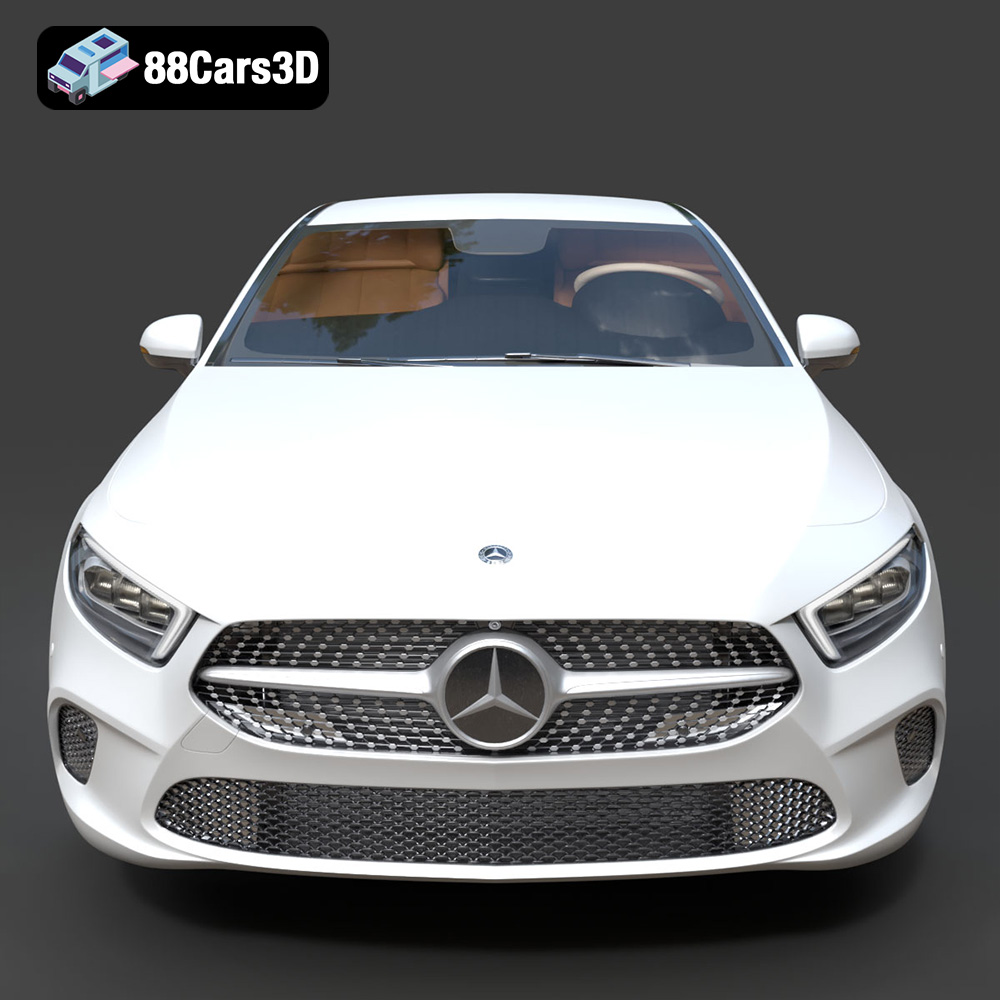
Experience the precision and modern luxury of the Mercedes Benz A H-08 with this exceptionally detailed 3D model. Capturing the iconic heritage and sleek aerodynamics of the renowned German marque, this model faithfully recreates the aggressive front fascia, prominent grille, and dynamic styling cues that make this class a standout. From its meticulously crafted exterior bodywork to the finely detailed lighting clusters, every curve and contour reflects the premium quality expected from Mercedes-Benz.
Featuring a comprehensive high-fidelity mesh with 1,903,872 triangles, this 3D model delivers unparalleled visual fidelity. Designed with clean topology and optimization for next-generation engines, it stands as the perfect asset for high-end automotive visualization, cutting-edge game development, and immersive AR/VR applications.
Perfect for urban driving simulators, luxury virtual showrooms, architectural visualizations, and high-resolution automotive renders.
.blend, .fbx, .obj, .glb, .stl, .ply, .unreal, .max
Tags:
mercedes-benz, mercedes-benz-a, a-class, luxury-car, hatchback, game-ready, high-poly, optimized, car-3d-model, game-asset, rendering, vr-ar, blend, fbx, obj, glb, stl, ply, unreal, max
$83.50
.blend
.fbx
.glb
.hatchback
.max
.obj
.ply
.rendering
.stl
.unreal
a-class
car-3d-model
game asset
game-ready
high poly
luxury car
mercedes-benz
mercedes-benz-a
optimized
VR/AR