Get 20% OFF All Premium 3D & STL Models!

The automotive industry has always been at the forefront of design and technological innovation. In the digital realm, this translates into an ever-increasing demand for high-fidelity 3D car models that accurately represent the elegance, power, and intricate details of modern vehicles. From blockbuster video games to immersive virtual showrooms and cinematic advertising, the need for photorealistic and performance-optimized 3D assets is paramount.
Crafting these digital masterpieces from scratch is a time-consuming and highly specialized endeavor. Artists and developers often spend hundreds of hours meticulously modeling, texturing, and optimizing every curve and component. This is where a meticulously prepared asset, like the Lexus ES 300 2022 3D model, becomes an invaluable resource. It offers a shortcut to excellence, providing a fully realized, game-ready, and render-optimized representation of one of today’s most distinguished luxury sedans.
This article delves deep into the technical intricacies of working with premium 3D car models, exploring their applications across various industries, from game development and AR/VR to high-end rendering and even 3D printing. We’ll uncover the secrets behind efficient workflows, essential file formats, and how a top-tier asset can elevate your projects to new heights of realism and performance. Whether you’re an experienced professional or an aspiring enthusiast, understanding the nuances of these digital vehicles is key to unlocking their full potential.
The visual standards across all digital media are constantly rising. Consumers expect cinematic quality in games, interactive realism in virtual experiences, and perfect accuracy in product visualizations. For automotive brands, the digital representation of their vehicles is as crucial as their physical presence, influencing perception and sales. This drives the need for 3D car models that not only look stunning but are also technically robust and adaptable to diverse platforms and pipelines.
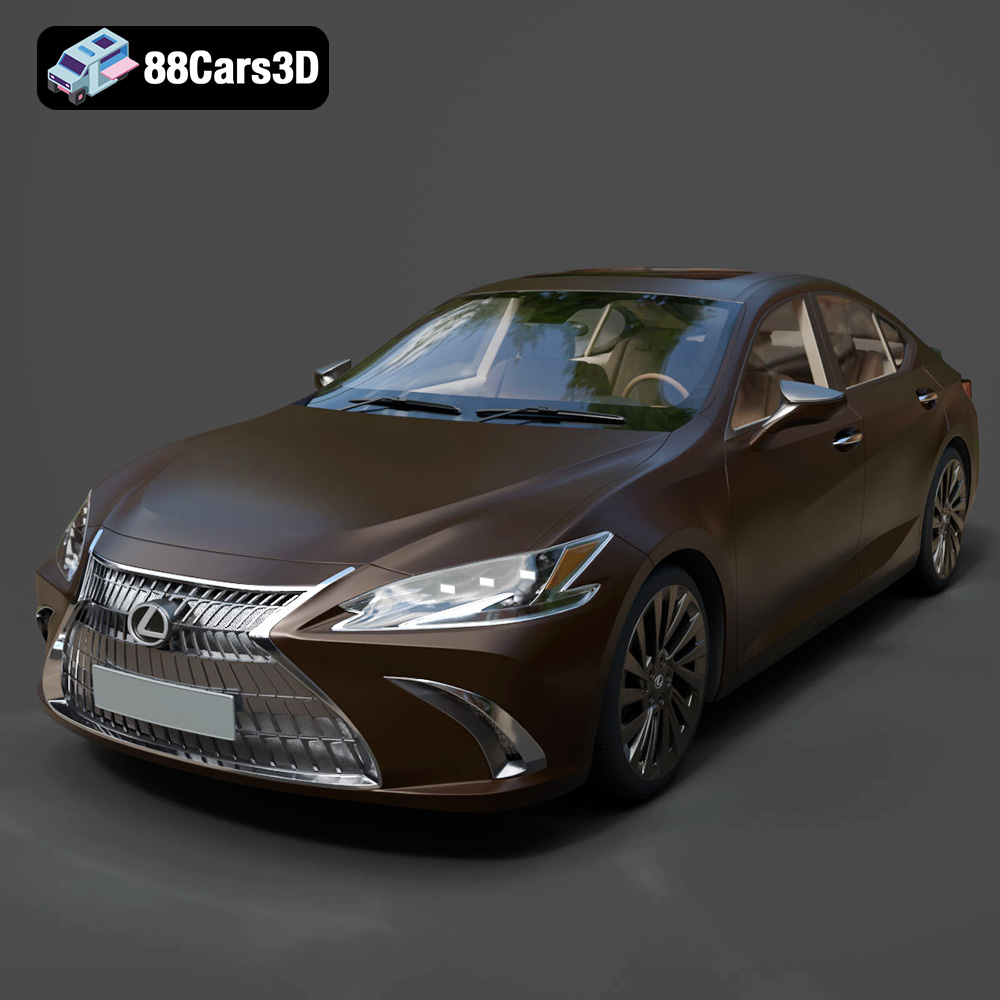
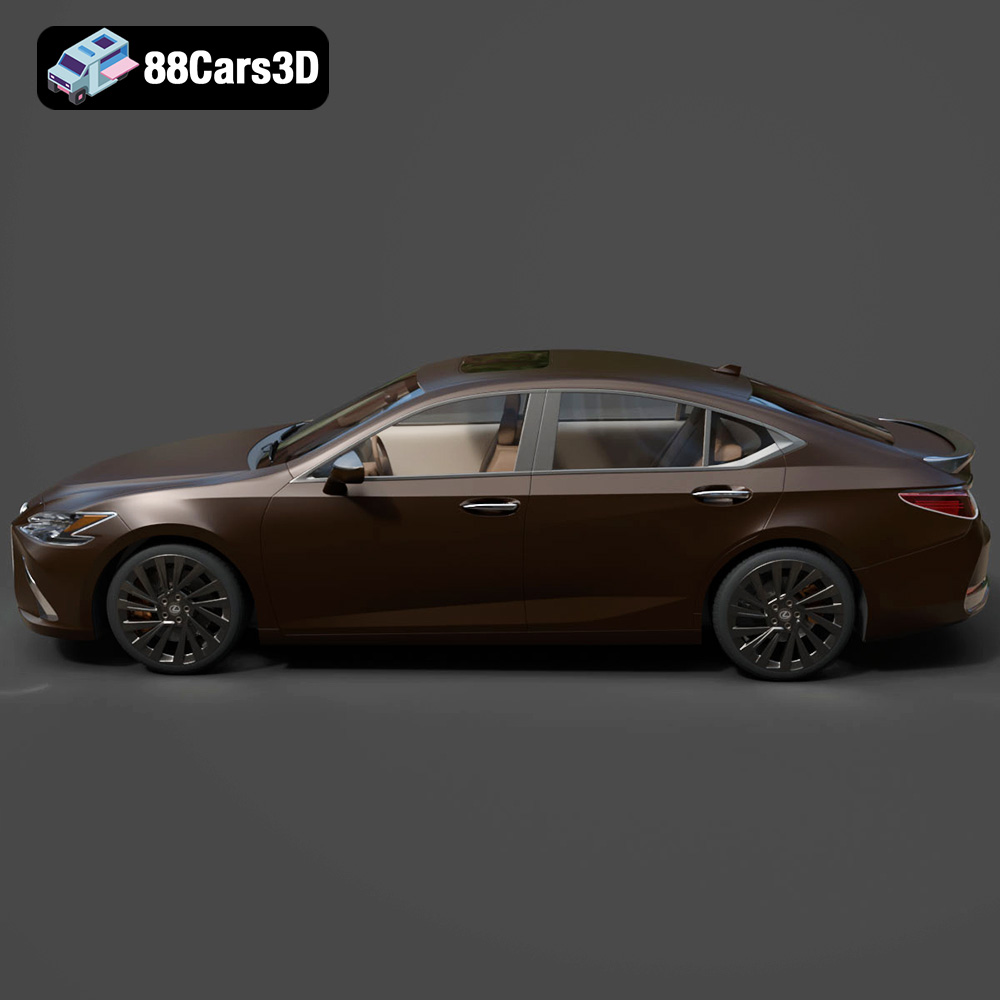
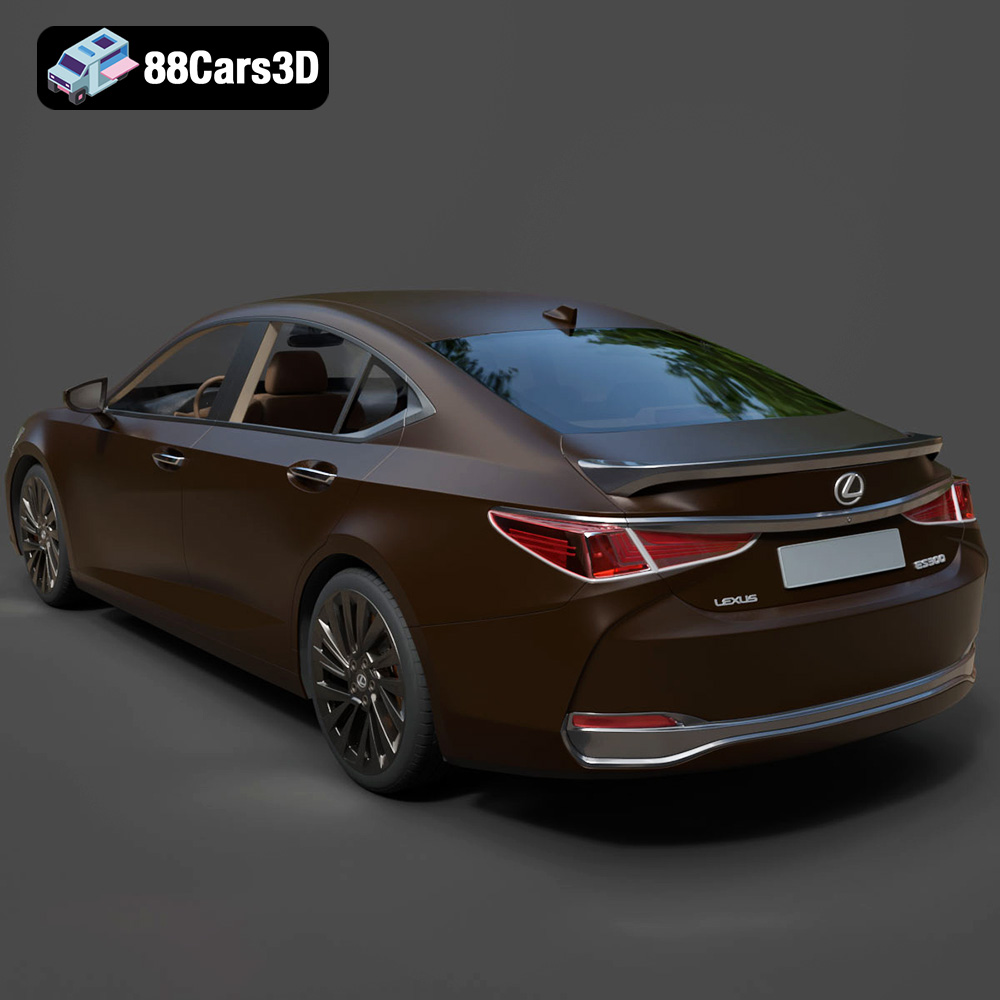
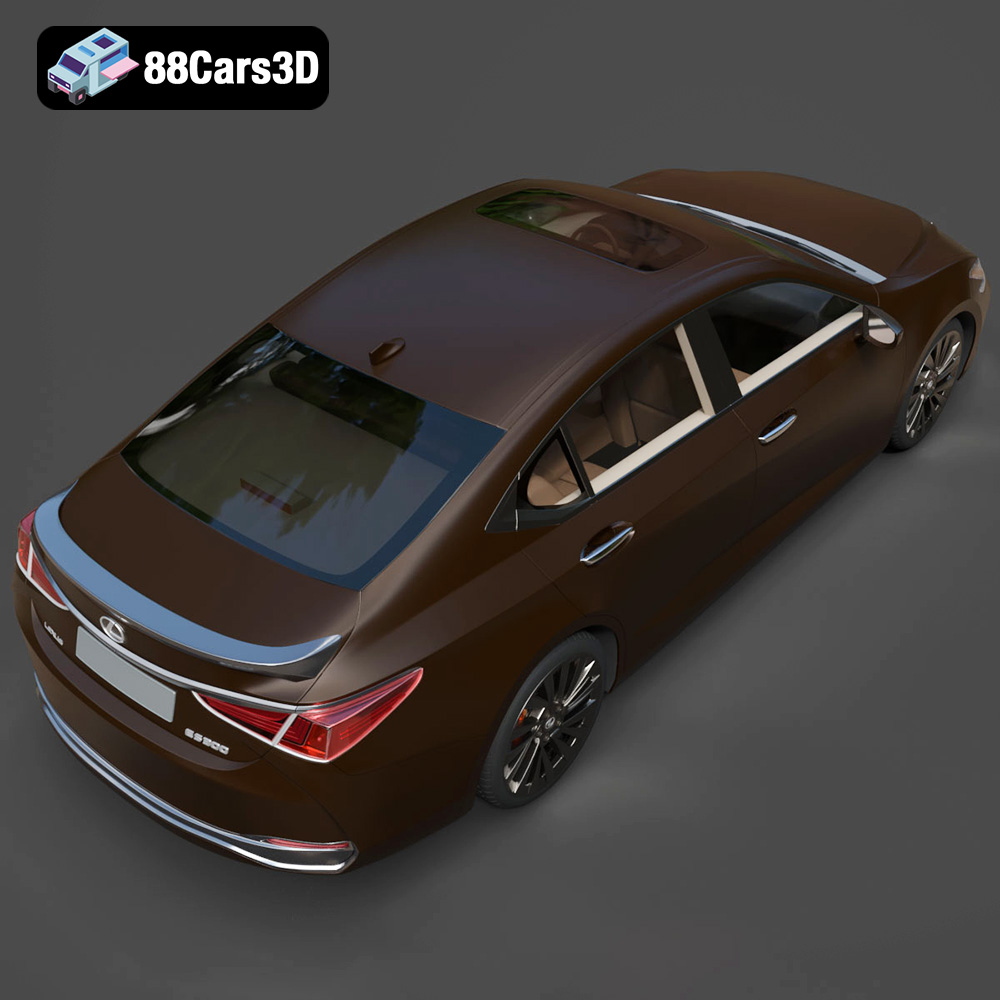
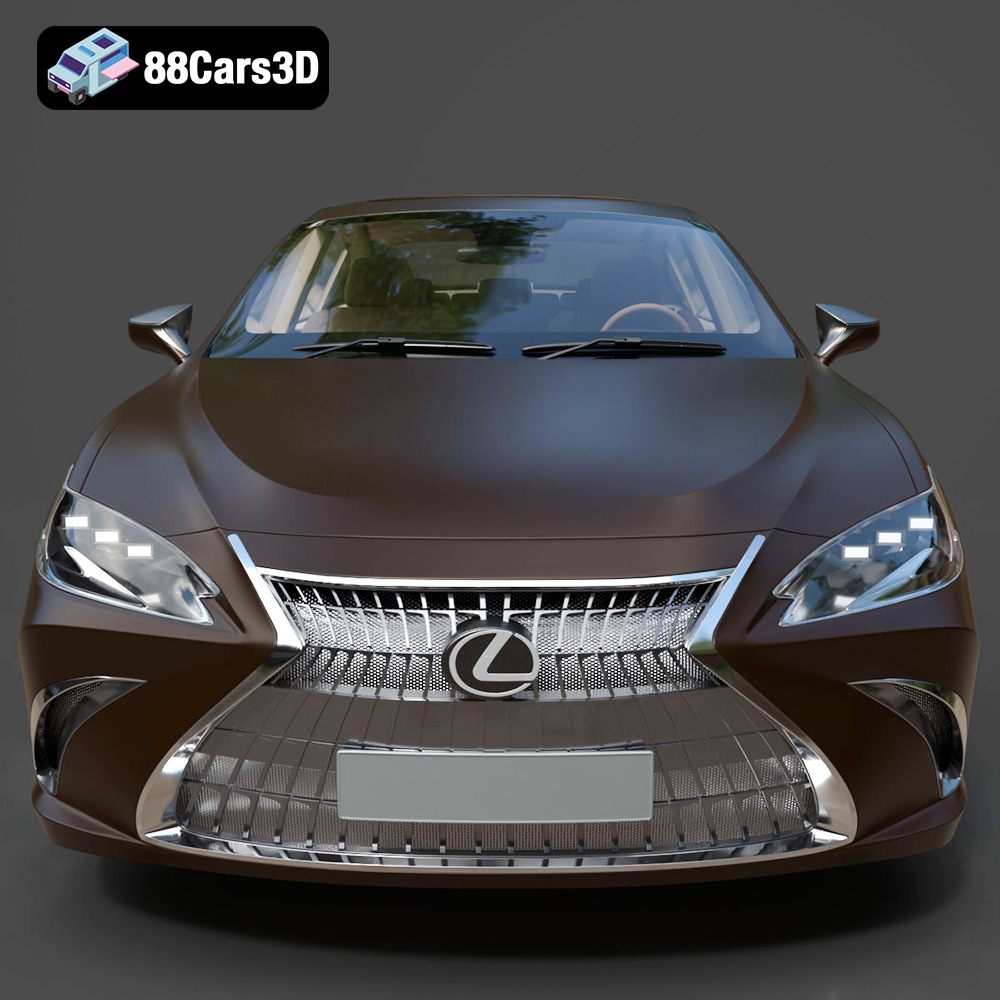
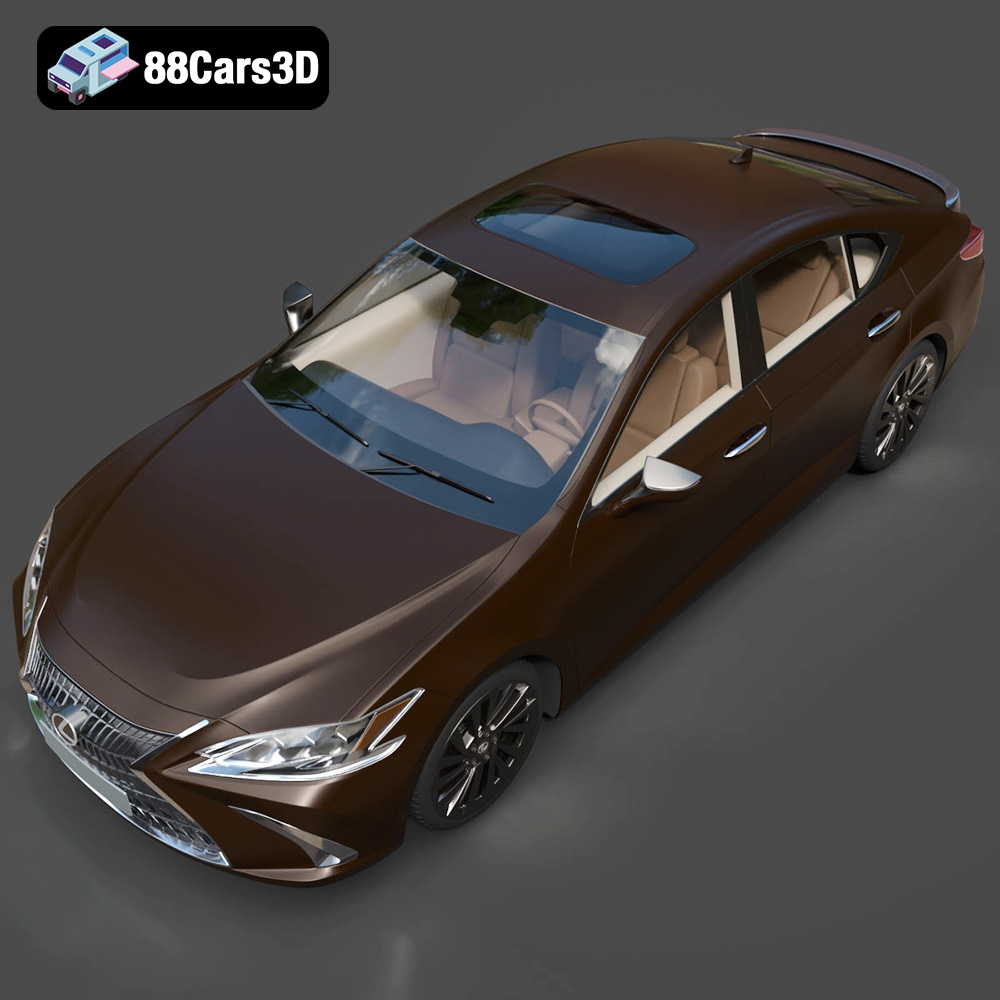
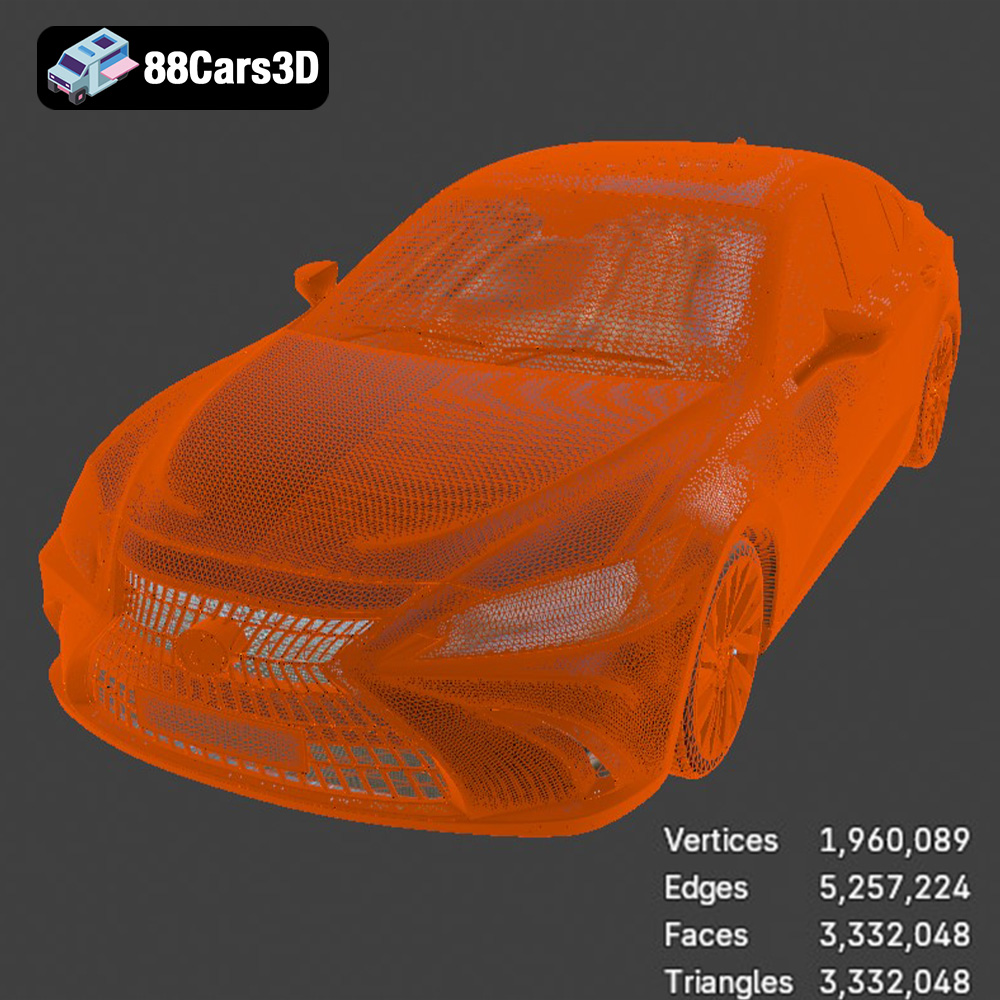
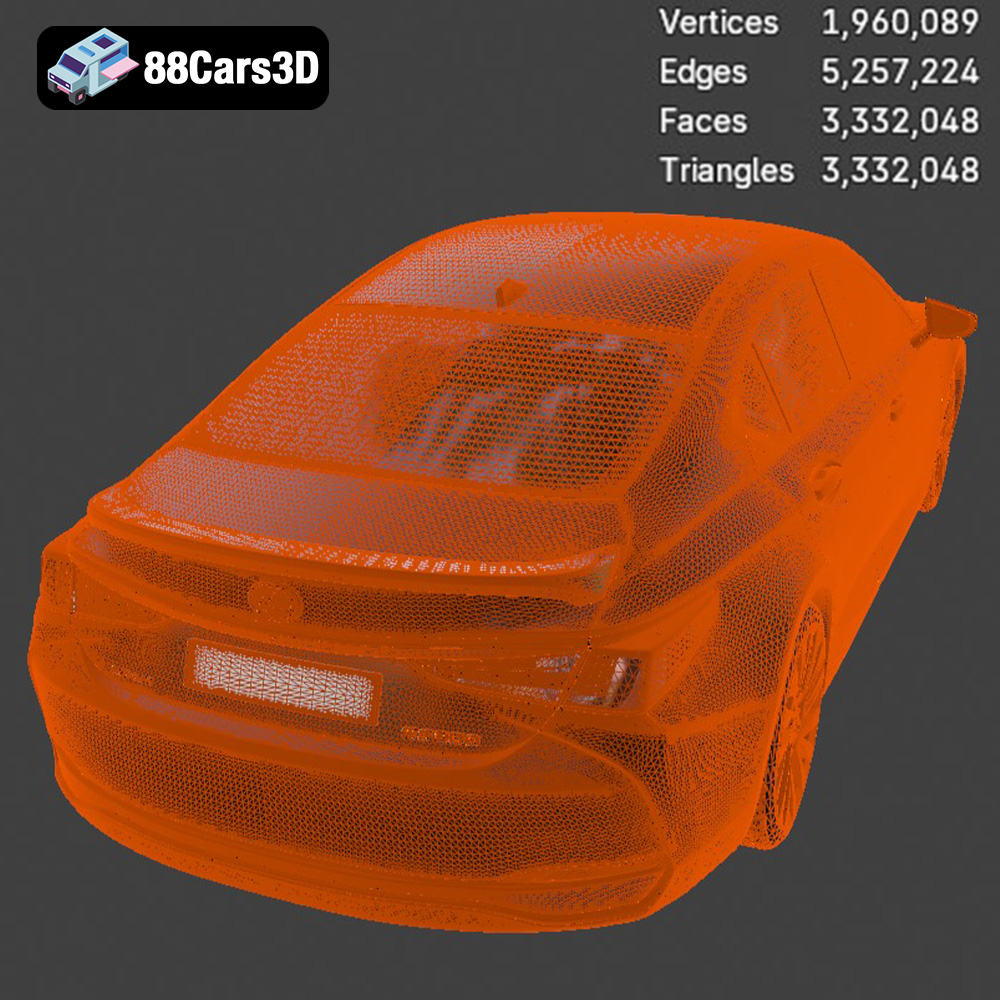
The Lexus ES 300 2022 embodies executive luxury, with its sophisticated lines, signature spindle grille, and refined interior. A 3D model of such a vehicle must capture every nuance, from the subtle reflections on its paintwork to the intricate stitching in its leather seats. The specific Lexus ES 300 2022 3D model, with its impressive 3,332,048 triangles, strikes an exceptional balance, delivering visual fidelity suitable for high-end rendering while remaining optimized enough for real-time applications. This dual capability makes it a powerhouse asset for any professional workflow, significantly reducing development time and costs.
Accuracy is non-negotiable when dealing with automotive 3D models. Real-world scale, correct proportions, and precise component separation (wheels, suspension, steering) are critical for realistic animations, physics simulations in games, and accurate product configurators. A model that adheres to these principles ensures seamless integration and believable behavior, providing a foundation that allows artists and developers to focus on creative enhancements rather than corrective modeling.
The world of 3D modeling is rich with various file formats, each designed for specific purposes, software compatibility, and optimization goals. Choosing the correct format for your project is crucial for maintaining data integrity, facilitating smooth workflows, and ensuring optimal performance. A premium 3D car model, such as the Lexus ES 300 2022 available on 88cars3d.com, is often provided in a multitude of formats to cater to diverse professional needs. Understanding these distinctions is key to maximizing the utility of your assets.
The availability of the Lexus ES 300 2022 in all these formats from 88cars3d.com demonstrates its versatility and readiness for virtually any professional pipeline, providing a robust foundation for diverse projects.
The demand for realistic automotive experiences in interactive media is skyrocketing. Whether it’s an open-world racing game, a detailed simulator, or a cutting-edge AR/VR car configurator, high-quality 3D car models are the backbone of these applications. The Lexus ES 300 2022 3D model is specifically designed to excel in these demanding environments, balancing visual fidelity with performance efficiency.
Achieving photorealism in real-time engines like Unreal Engine and Unity requires not just high-quality assets but also meticulous optimization. The Lexus ES 300 2022 model, with its 3,332,048 triangles, is described as “game-ready.” This means its topology is structured cleanly, UV maps are likely laid out efficiently for texture baking, and materials are prepared to leverage physically-based rendering (PBR) workflows. The model’s proper pivot setup for steering, wheel rotation, and suspension travel is crucial for integrating realistic vehicle physics and animations, allowing game developers to quickly implement driving mechanics without extensive re-rigging.
Augmented Reality (AR) and Virtual Reality (VR) are transforming how consumers interact with products, especially high-value items like luxury cars. Imagine stepping into a virtual showroom or overlaying a Lexus ES 300 directly onto your driveway via your smartphone. For these experiences, models must be incredibly detailed yet light enough to run smoothly on various devices. The Lexus ES 300 2022 model, optimized for game engines and available in .glb format, is a perfect fit for building immersive virtual showrooms, interactive configurators where users can change colors and features, and compelling mobile AR experiences, all delivering exceptional visual quality without compromising performance.
Integrating a complex vehicle model into a game engine is a multi-step process. Using the .fbx format, or even better, the .unreal (Unreal Engine project) package provided by 88cars3d.com, developers can quickly import the Lexus ES 300. This typically includes the mesh, PBR material maps (albedo, normal, roughness, metallic, ambient occlusion), and the initial rig. Once in the engine, artists can apply custom shaders, set up dynamic lighting, and integrate the model with the game’s physics system, leveraging its pre-configured pivots and separated components for realistic driving dynamics. The optimized geometry ensures minimal draw calls and efficient rendering, critical for maintaining high frame rates in complex game worlds.
While game development and AR/VR push the boundaries of real-time performance, traditional rendering and visualization pipelines demand the absolute pinnacle of photorealism. The Lexus ES 300 2022 3D model is not only game-ready but also boasts an exceptional level of detail that makes it perfect for high-end studio renders, architectural visualizations, and brand campaigns. Its clean topology and meticulous detail ensure breathtaking results in offline renderers.
For automotive advertising, brochures, or cinematic presentations, every detail matters. The Lexus ES 300 2022 model, with its accurate frame geometry, detailed engine block, refined exhaust system, and signature LED lighting, provides an ideal foundation. Using software like 3ds Max or Blender, artists can set up sophisticated studio lighting, apply advanced materials (such as car paint shaders with clear coat and metallic flakes), and utilize powerful renderers like V-Ray, Corona, or Cycles to produce images indistinguishable from real photographs. The model’s high poly count ensures smooth curves and crisp edges, even in extreme close-ups, making it suitable for even the most discerning clients.
Architectural visualization often benefits from integrating realistic vehicles to convey a sense of scale, luxury, and liveliness in exterior renders. Placing a meticulously rendered Lexus ES 300 2022 in front of a modern building or within a luxurious residential scene instantly elevates the visual narrative. Its striking design and executive appeal make it a perfect fit for depicting upscale environments. The model’s real-world scale accuracy ensures it fits seamlessly into any architectural context, adding a layer of realism and aspiration to the scene.
The ability to customize a 3D model is crucial for visualization professionals. The Lexus ES 300 2022 model allows for extensive modifications. Users can easily change body colors to match factory palettes or explore custom finishes like matte or metallic variations. Tire textures can be swapped for different looks, and material finishes can be adjusted to react realistically to various lighting conditions. This flexibility ensures the model can be adapted to any creative brief, from showcasing specific trim levels to creating unique concept visualizations.
The true value of a premium 3D car model lies not just in its aesthetic appeal but in its underlying technical precision. The Lexus ES 300 2022 3D model demonstrates this through its meticulously crafted geometry, animation-ready rigging, and faithful reproduction of both exterior and interior elements. These technical specifications are what empower artists and developers to achieve professional-grade results.
The model’s topology, consisting of 3,332,048 triangles, is a testament to its detailed construction. While this might seem high for a simple game asset, for modern real-time engines and high-end rendering, it represents an optimal balance. It ensures that smooth surfaces remain smooth even under close scrutiny and that intricate details like grilles, badges, and panel gaps are accurately represented. The clean structure implies good edge flow, which is crucial for deformation during animation and for producing artifact-free renders with various shading techniques. Efficient UV mapping, although not explicitly detailed in the description, is implied by its “game-ready” status, ensuring textures can be applied without stretching or distortion.
A static model has limited utility. For applications like games, simulations, or cinematic animations, the model must be prepared for movement. The Lexus ES 300 2022 model excels here with its proper pivot setup for steering, wheel rotation, and suspension travel. This means the individual components (wheels, suspension, steering) are correctly separated and have their pivot points accurately placed, enabling animators to quickly rig and animate realistic driving sequences without having to spend hours on initial setup. This attention to animation readiness significantly streamlines production workflows.
The level of detail extends beyond the exterior. The model boasts an accurate Lexus ES 300 2022 frame geometry and proportions, along with a detailed engine block and under-hood components. The dual exhaust system and signature bi-LED headlights and L-shaped LED taillights are precisely replicated. Inside, the plush leather-trimmed seating, multi-function steering wheel, high-resolution digital instrument cluster, infotainment screen, and accurate control details (pedals, levers, gear shifter) ensure a fully immersive cockpit experience. This comprehensive detail is critical for first-person POV in gaming and for compelling interior architectural visualizations or virtual tours.
The versatility of a high-quality 3D model extends beyond digital screens. With the advent of accessible 3D printing technology, these virtual assets can be transformed into tangible objects. The Lexus ES 300 2022 3D model includes the .stl format, making it directly suitable for additive manufacturing. This opens up possibilities for hobbyists, collectors, and even professional designers seeking physical prototypes or display models.
While the .stl format is ideal for 3D printing, preparing a complex automotive model requires careful consideration. The model needs to be “watertight” (no holes in the mesh) and have sufficient wall thickness to ensure structural integrity during printing. The product description’s recommendations for wall thickness (1.2–2.0 mm) and infill (20–30%) are crucial starting points to prevent fragile prints. Resin printing is specifically recommended for fine details, which is highly advisable for a model as intricate as the Lexus ES 300, capturing subtle curves and small components like grilles and badges with high fidelity.
The recommended scales (1:12 / 1:18 / 1:24) are popular choices for display models, offering a good balance between detail and manageable print size. Supports are almost always required for complex geometries with overhangs, such as exhaust pipes, mirrors, and even parts of the frame. Proper print orientation, like printing the frame angled, is suggested to enhance structural integrity and reduce the need for excessive supports. Post-processing, including sanding, priming, and painting with authentic factory colors and metallic finishes, is essential to achieve a professional, showroom-quality physical replica that truly reflects the digital model’s luxury.
For hobbyists, 3D printing a meticulously detailed Lexus ES 300 2022 offers a rewarding project, allowing them to own a physical representation of their favorite luxury sedan. For professionals, it can be a valuable tool for rapid prototyping new design elements, creating physical mock-ups for presentations, or even producing custom promotional items. The availability of such a high-quality model in a print-ready format significantly lowers the barrier to entry for these applications, demonstrating the comprehensive nature of the assets provided by 88cars3d.com.
In the dynamic landscape of 3D visualization, the demand for high-quality, versatile, and technically sound assets is unwavering. The Lexus ES 300 2022 3D model stands as a prime example of what a premium asset should be: a detailed, game-ready, and render-optimized masterpiece designed to accelerate workflows and elevate project quality across diverse industries. From creating hyper-realistic automotive renders and immersive AR/VR experiences to developing engaging game environments and producing tangible 3D prints, this model offers a robust foundation for countless creative endeavors.
Understanding the nuances of various file formats and the technical specifications required for different applications empowers artists and developers to make informed decisions and maximize the potential of their digital assets. The meticulous attention to detail, from its detailed interior to its animation-ready pivots, ensures that the Lexus ES 300 2022 is not just a model, but a comprehensive solution for automotive visualization.
By providing such a high-caliber 3D car model, 88cars3d.com continues to equip professionals and enthusiasts with the tools they need to push the boundaries of digital realism. Investing in assets like the Lexus ES 300 2022 means investing in efficiency, quality, and the boundless possibilities of automotive 3D visualization.
Experience the pinnacle of executive luxury with the Lexus ES 300 2022. Known for its whisper-quiet ride and striking design, this vehicle combines aggressive yet elegant styling cues. This 3D model boasts exceptional detail with 3,332,048 triangles, ensuring maximum visual fidelity for high-end rendering and visualization. Game-ready optimization supports smooth integration into game development, AR/VR, and photorealistic animations.
$90.00
.2022
.blend
.fbx
.glb
.lexus
.max
.obj
.ply
.rendering
.sedan
.stl
.unreal
car-3d-model
es-300
game asset
game-ready
luxury-sedan
optimized
VR/AR