Get 20% OFF All Premium 3D & STL Models!

In the dynamic world of 3D visualization, from cinematic renders to immersive game environments, the demand for high-fidelity automotive models is ceaseless. Professionals across industries continually seek assets that balance intricate detail with optimal performance. Whether you’re an architectural visualizer populating an urban street scene, a game developer crafting a logistics simulator, or an animator bringing commercial vehicles to life, the quality of your 3D car models dictates the realism and impact of your final output. This comprehensive guide delves into the technical intricacies and vast applications of premium 3D vehicle assets, highlighting how models like the GAZelle Next can revolutionize your projects.
The GAZelle Next, a quintessential light commercial vehicle known for its rugged utility and modern design, stands as an exemplary case study. A meticulously crafted 3D model of this vehicle, available at 88cars3d.com, offers an unparalleled level of detail and optimization, making it a versatile tool for any professional workflow. From its aerodynamic cabin to its heavy-duty suspension, every element is designed to meet the rigorous demands of photorealistic rendering, real-time engines, and even physical fabrication.
At the heart of any exceptional 3D automotive asset lies a fusion of artistic fidelity and technical precision. The GAZelle Next 3D model exemplifies this balance, providing artists and developers with a foundation that is both visually stunning and functionally robust. Its design philosophy prioritizes realism without compromising on performance, a critical factor for professional applications.
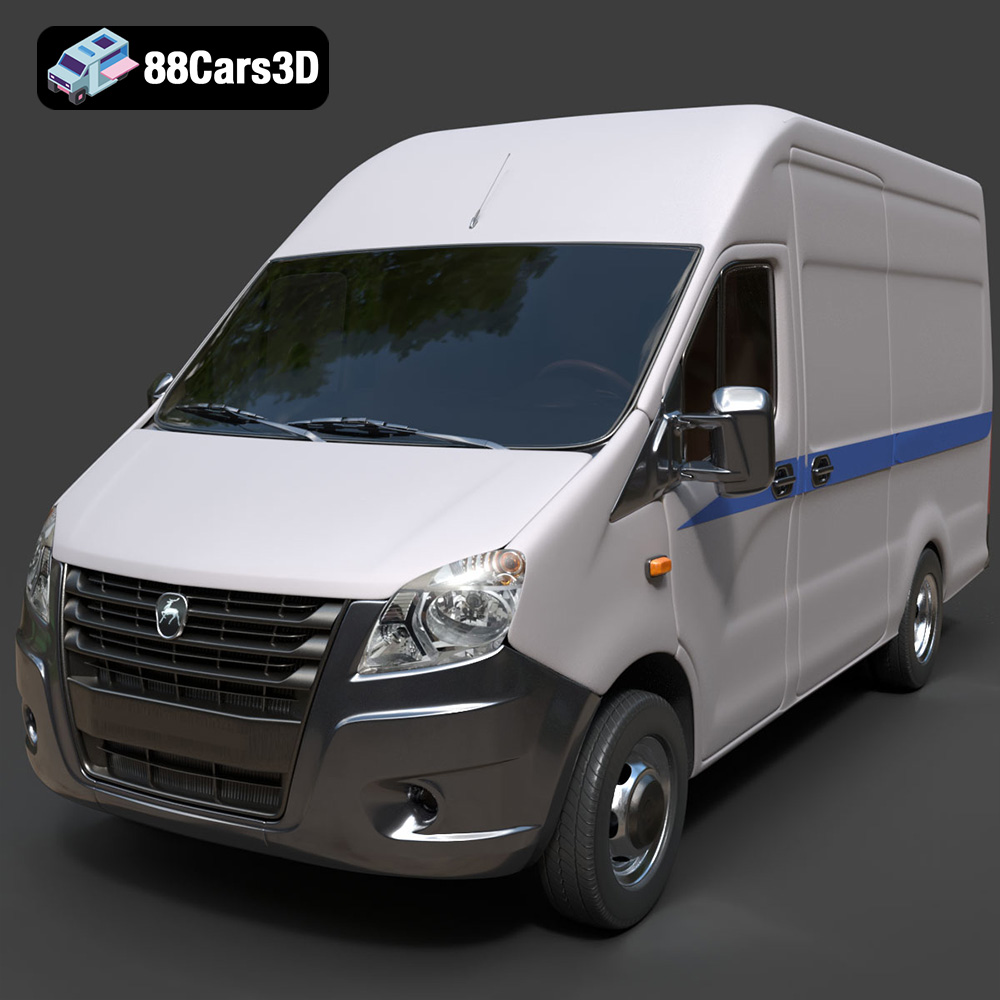
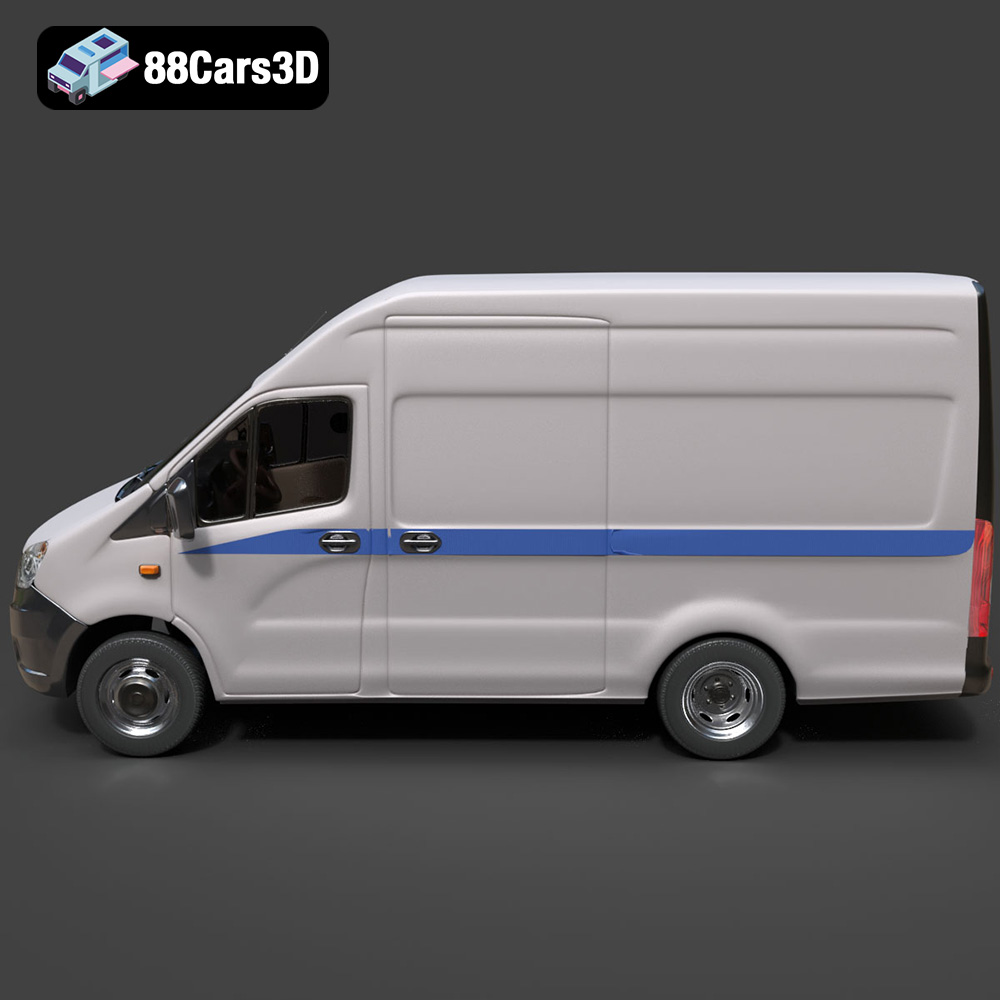
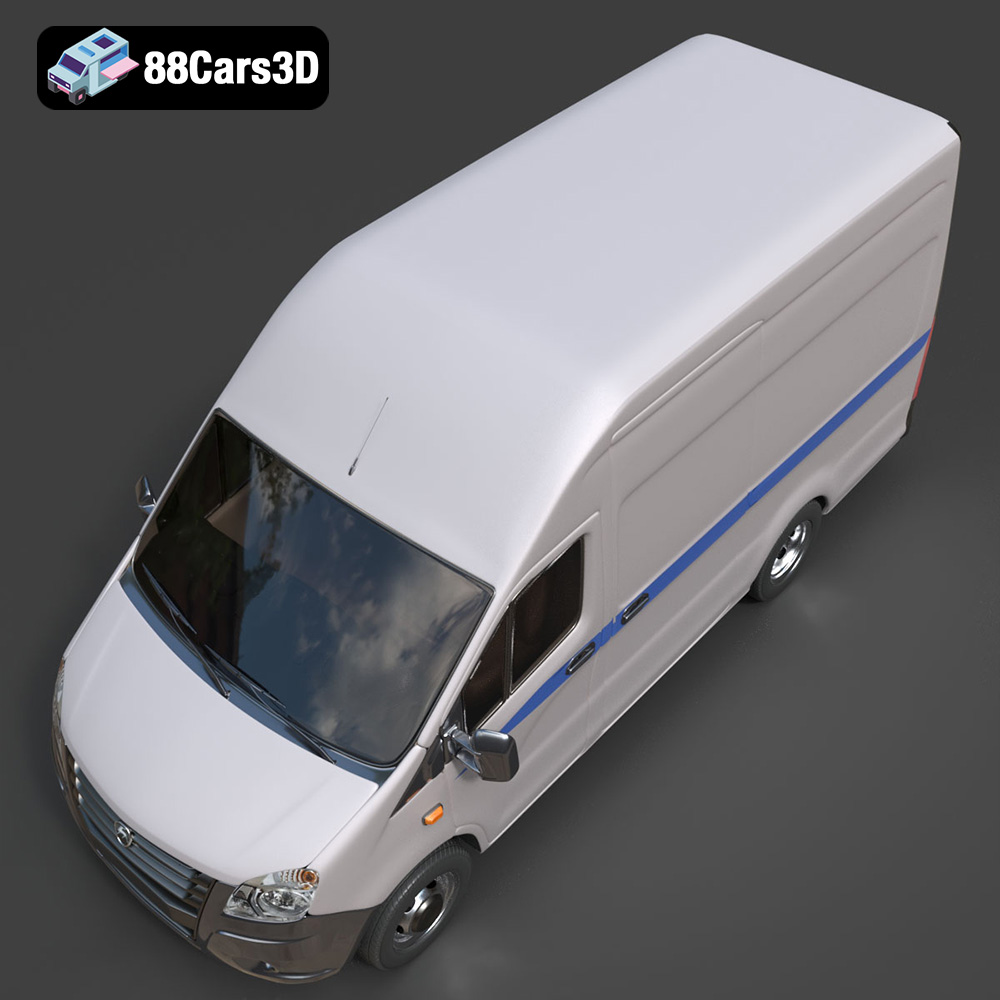
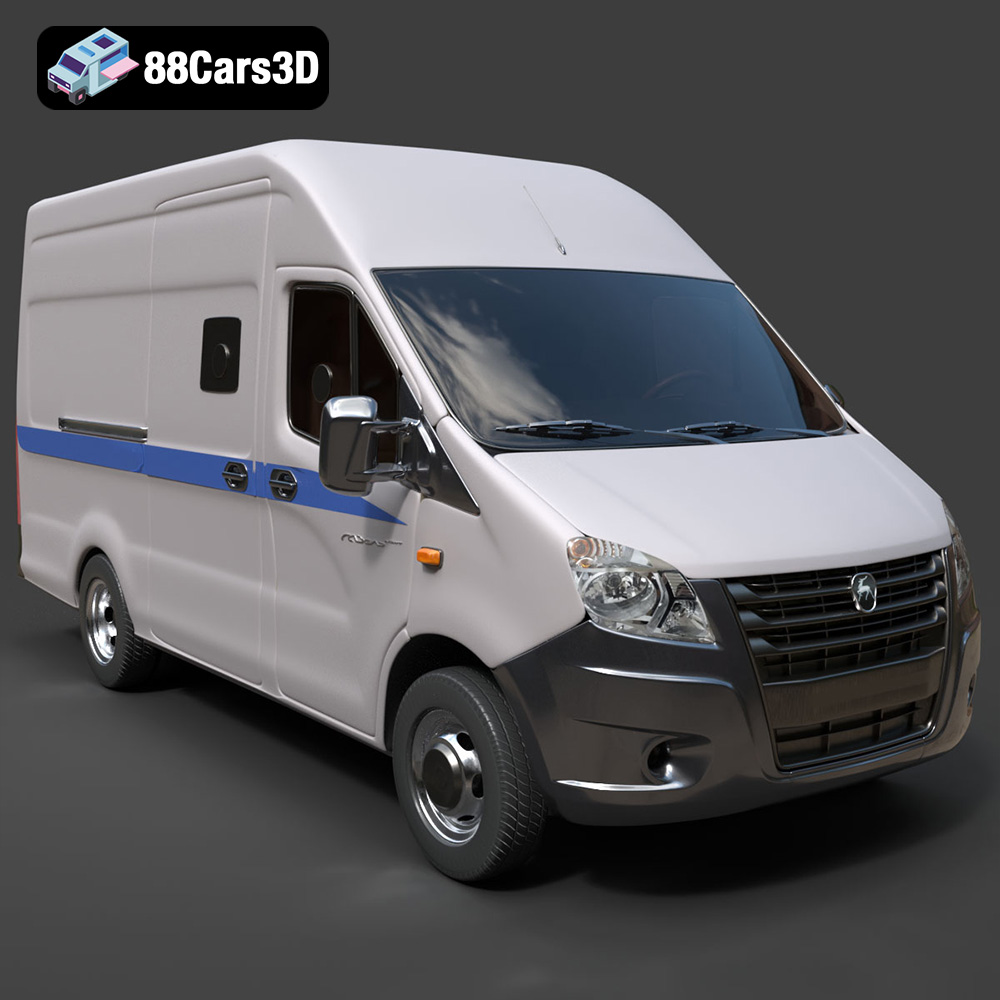
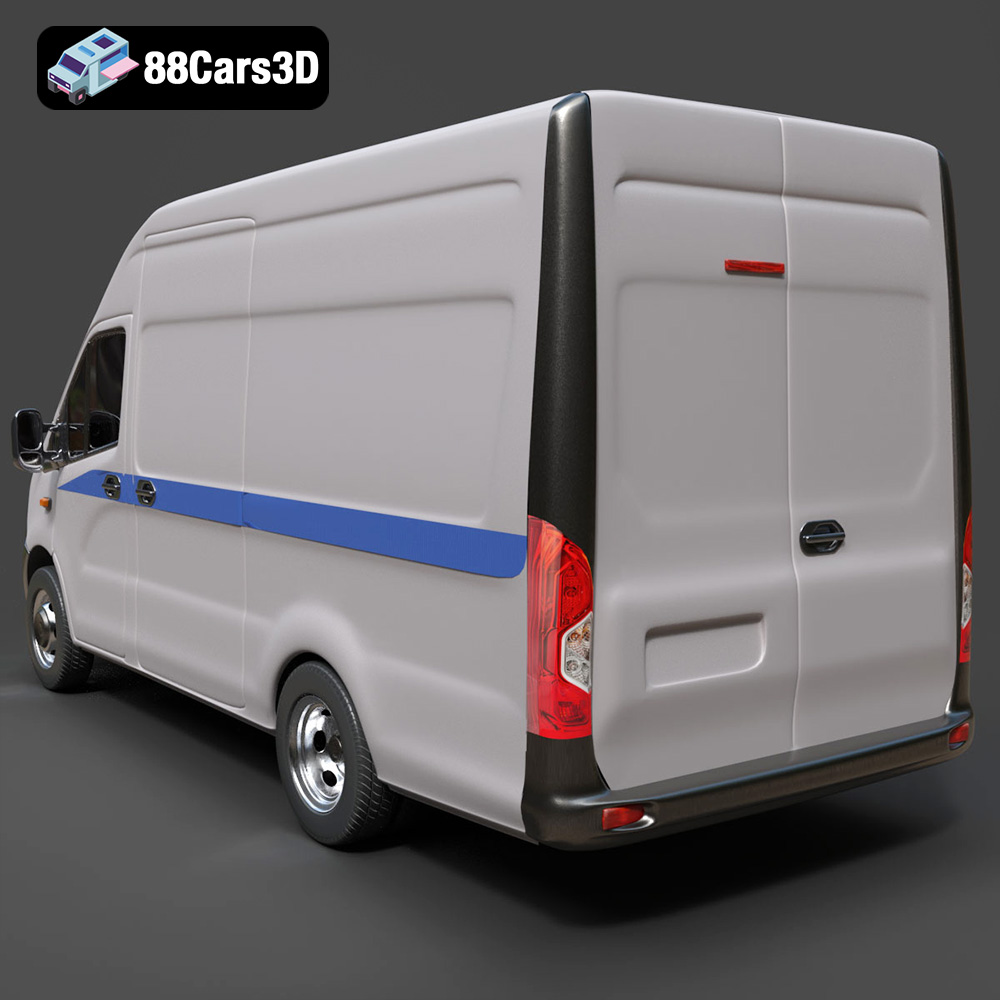
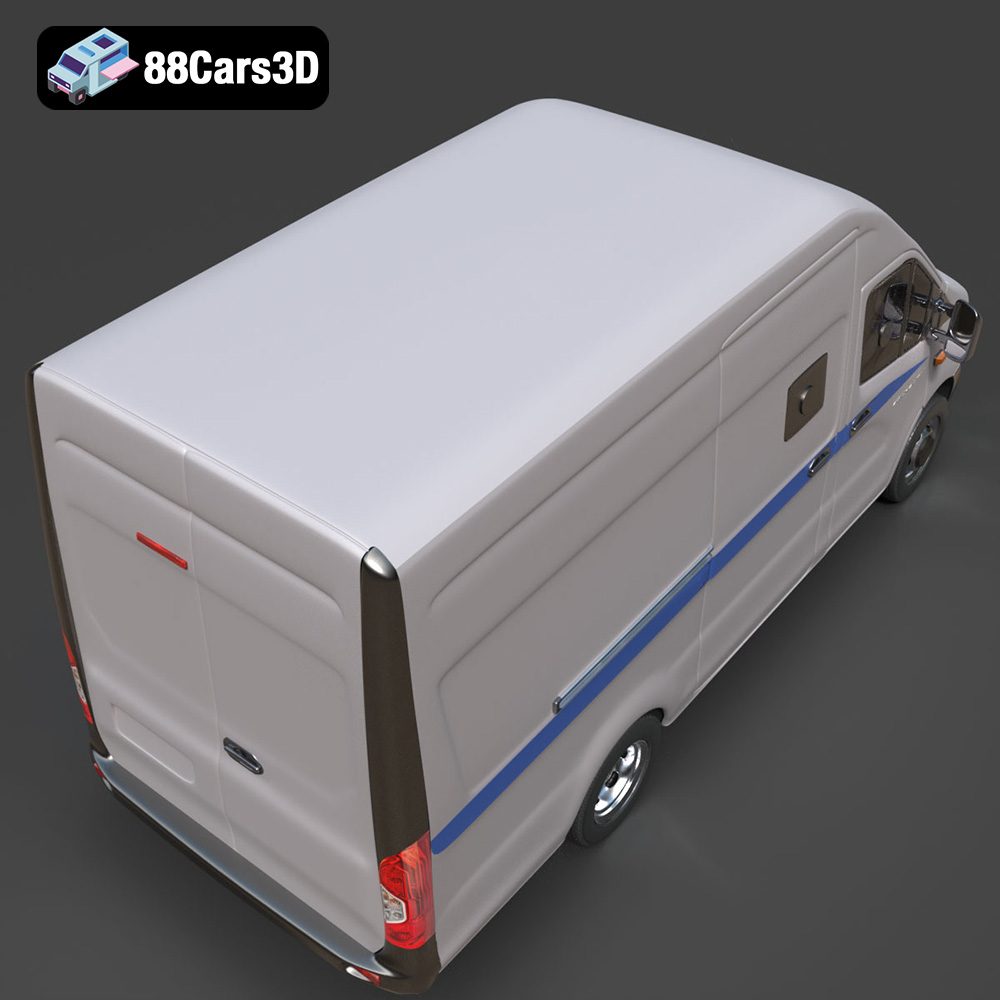
The exterior of the GAZelle Next 3D model is a masterclass in faithful recreation. Every curve and panel of its aerodynamic front cabin has been accurately modeled, reflecting the vehicle’s modern utility aesthetic. The striking halogen headlights, signature grille, and the rugged commercial framework are all rendered with meticulous attention to detail. This isn’t merely about visual appeal; it’s about capturing the authentic character of a vehicle that is a staple in modern logistics.
Further exterior features include an accurately modeled engine block and robust cooling system layout, providing depth for under-the-hood close-ups or detailed animations. The authentic commercial exhaust system routing, realistic lighting setups (headlights, taillights, clearance indicators), and detailed commercial wheels with accurate heavy-duty tire tread patterns all contribute to an unparalleled level of realism. Even the rugged leaf spring suspension detailing is included, allowing for realistic payload simulation and dynamic animations, making it a prime asset for complex simulations or detailed environmental storytelling.
While the exterior often grabs the initial attention, a truly professional 3D car model also excels in its interior representation. The GAZelle Next model’s cockpit and interior features are crafted with the same commitment to precision. Accurately modeled commercial driver and passenger seats provide a comfortable and functional aesthetic. The detailed steering wheel, functional column setup, authentic instrument cluster, and modern dashboard design offer a believable environment for virtual occupants. Precise control elements, including pedals, the gear shifter, and utility switches, enhance the sense of realism and are crucial for applications like driving simulators. Moreover, the optimized geometry of the interior is specifically designed for first-person POV in gaming, ensuring smooth performance even in immersive real-time scenarios.
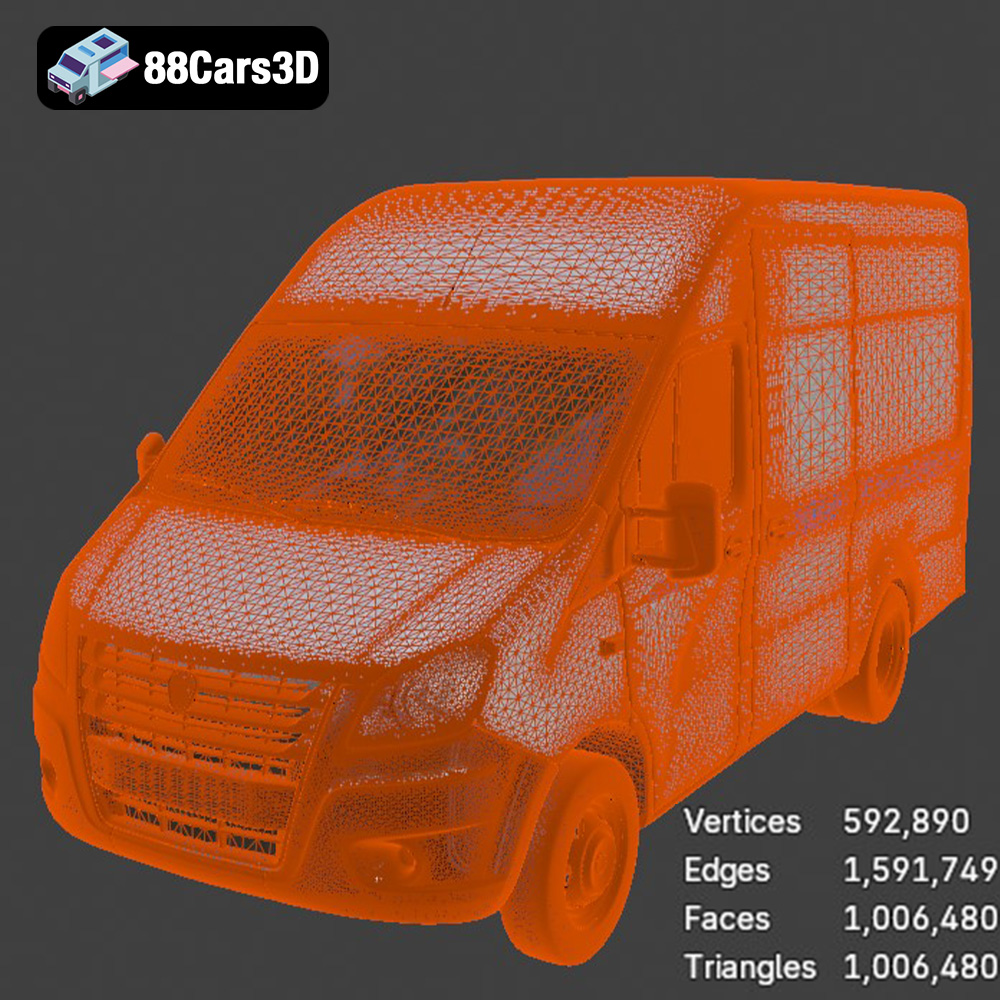
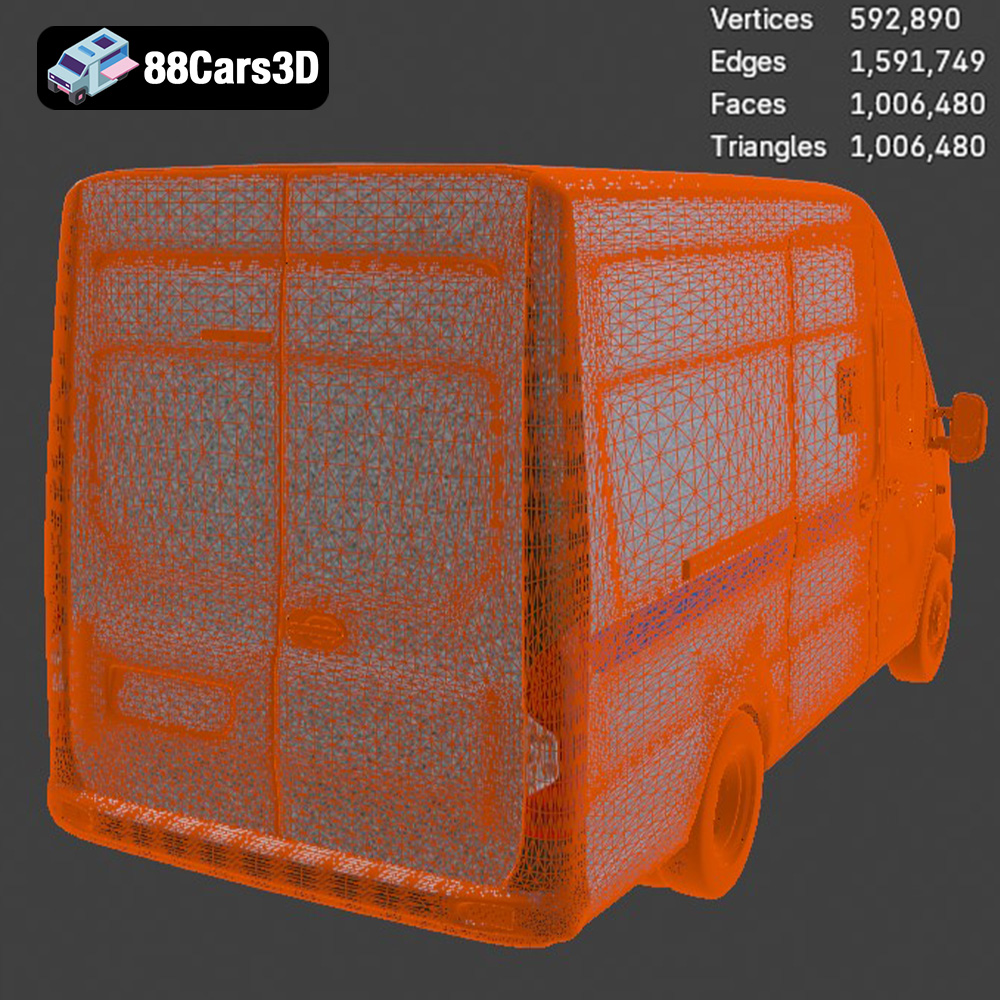
The true strength of the GAZelle Next 3D model lies in its technical specifications. With a meticulous topology of 1,006,480 triangles, the model achieves an incredible visual fidelity without becoming prohibitively heavy for real-time engines. This “game-ready” optimization strikes a perfect balance, making it suitable for high-end rendering in V-Ray or Cycles, as well as for seamless integration into Unreal Engine or Unity. The model boasts real-world scale accuracy, based on actual vehicle chassis dimensions, which is essential for consistent scene integration and realistic physical interactions.
A critical advantage for animators and simulation developers is the proper pivot setup for steering, wheel rotation, and suspension travel. Furthermore, the model includes separate wheels, doors, suspension, and steering components, providing maximum flexibility for complex animations and interactive elements. This modularity allows for dynamic simulations, such as opening doors, realistic steering kinematics, or responsive suspension, all vital for creating truly interactive and believable virtual experiences.
Navigating the diverse landscape of 3D modeling requires a fundamental understanding of various file formats. Each format serves specific purposes, offering unique advantages for different stages of the 3D pipeline—from initial creation and editing to real-time deployment and physical fabrication. The GAZelle Next 3D model, like many premium assets from 88cars3d.com, is offered in a comprehensive range of formats, ensuring maximum compatibility and utility.
The **.fbx** (Filmbox) format is arguably the industry standard for 3D model exchange, especially in professional pipelines involving animation, game development, and visual effects. Developed by Autodesk, FBX files are incredibly versatile, capable of storing not just mesh data (vertices, faces, UVs), but also scene information like cameras, lights, animations, skinning, and blend shapes. This makes FBX ideal for transferring complex assets, such as the GAZelle Next with its separated animated components, between different software packages like 3ds Max, Maya, Blender, and directly into game engines like Unreal and Unity. Its robust nature and widespread support make it the go-to choice for ensuring all elements of a detailed model transfer smoothly.
The **.obj** (Wavefront Object) format is another widely recognized and highly compatible format. While less feature-rich than FBX, OBJ is excellent for transferring raw geometric data. It stores mesh information (vertices, UV coordinates, normals, faces) and can reference external material files (.mtl). Its simplicity ensures near-universal support across virtually all 3D software. For the GAZelle Next, an OBJ file would be perfect for scenarios where you primarily need the mesh geometry and plan to set up materials and rigging from scratch in your target application. It’s a reliable “lowest common denominator” for cross-software compatibility.
**.blend** is the native file format for Blender, a powerful open-source 3D creation suite. A .blend file for the GAZelle Next would include the entire Blender scene, complete with mesh data, materials, textures, lighting setups, and any modifiers or rigging applied within Blender. This format is invaluable for Blender users who wish to fully edit the model, modify its topology, tweak materials, or leverage Blender’s extensive toolset without any conversion artifacts. It represents the fully editable, source file within the Blender ecosystem.
Similarly, **.max** is the native file format for Autodesk 3ds Max, another industry-leading 3D modeling, animation, and rendering software. A .max file would contain the complete 3ds Max project, allowing users to access all modifiers, materials, lighting, and animation tracks defined within 3ds Max. This format is crucial for users deeply integrated into the Autodesk ecosystem, providing full editability and leveraging 3ds Max’s powerful rendering capabilities for high-quality architectural or product visualizations of the GAZelle Next.
The **.unreal** format signifies an engine-ready asset specifically optimized for Unreal Engine. While not a standalone file format in the same sense as FBX or OBJ, it typically refers to an asset package containing the model, textures, materials, and potentially collision meshes and LODs (Levels of Detail) pre-configured for direct import and optimal performance within Unreal Engine. For the GAZelle Next, this means the model is prepared to seamlessly integrate into Unreal Engine projects, saving developers significant time on setup and optimization, and ensuring it performs well in real-time environments.
**.glb** (GL Transmission Format Binary) is an increasingly important format optimized for AR (Augmented Reality), VR (Virtual Reality), and browser-based display. It’s a self-contained binary file that includes 3D model data, textures, and animation, making it highly efficient for web and mobile applications. Its compact size and single-file nature are perfect for quickly deploying the GAZelle Next into interactive web experiences, virtual showrooms, or AR apps, offering a streamlined path for modern immersive content.
**.stl** (Stereolithography) is the de facto standard format for 3D printing. It represents a 3D model as a collection of triangular facets, defining the surface geometry of an object without color or texture information. While simple, its ubiquity in 3D printing workflows is unmatched. The GAZelle Next model, when converted to STL, becomes a blueprint for physical fabrication, allowing hobbyists and professionals alike to print display-scale replicas or prototypes. Considerations like manifold geometry and scale are paramount when working with STL files.
Finally, **.ply** (Polygon File Format) is a precision mesh format often used for storing 3D scanner data, CAD models, or highly detailed meshes for scientific visualization and analysis. It can store a wider range of properties, including color, transparency, and surface normals, associated with each vertex or face. While not as common for general asset exchange, its precision makes it valuable for applications where exact geometric representation of the GAZelle Next is critical, such as for reverse engineering or high-fidelity technical analysis.
Understanding these formats empowers professionals to select the right tool for the job, ensuring seamless integration and optimal performance for their 3D car models across diverse applications.
The true value of a high-quality 3D automotive model like the GAZelle Next lies in its seamless integration into a variety of professional workflows. From initial concept visualization to final product deployment, these assets streamline processes and elevate the quality of output across architectural visualization, game development, and industrial design.
For artists working in industry-standard software like 3ds Max or Blender, the GAZelle Next provides an excellent starting point for complex scene development. Importing the .max or .blend files directly or using .fbx for universal compatibility allows for immediate access to the detailed geometry. Artists can then proceed with fine-tuning material setups using advanced render engines like V-Ray, Corona Renderer (for 3ds Max), or Cycles (for Blender). This involves configuring realistic car paint shaders, tire rubber, glass, and chrome materials to achieve photorealism.
The separate components of the GAZelle Next (wheels, doors, suspension, steering) are crucial here. Animators can easily set up rigs for dynamic simulations: a logistics animation might show the truck driving through an urban environment, its suspension reacting to road bumps, and its doors opening to reveal cargo. This level of granular control over individual parts significantly reduces setup time and enhances the fidelity of motion, making the GAZelle Next an ideal asset for illustrative animations or cinematic sequences.
Game developers and real-time visualization specialists benefit immensely from assets optimized for engines like Unreal and Unity. The GAZelle Next’s “game-ready” topology, with its 1,006,480 triangles, strikes the perfect balance for performance and visual realism within these demanding environments. Using the .fbx or the dedicated .unreal format for Unreal Engine, developers can import the model with PBR (Physically Based Rendering) materials, textures, and even basic collision geometry already configured.
The separate components are vital for game mechanics: implementing realistic driving physics requires individual wheel rotation, steering, and suspension travel. Collision meshes ensure accurate interactions with the environment. For AR/VR experiences, the optimized geometry means lower draw calls and faster rendering, crucial for maintaining high frame rates and preventing motion sickness. The GAZelle Next model enables developers to quickly populate their virtual worlds with believable, interactive vehicles that enhance gameplay and immersion.
Flexibility is paramount in professional 3D production. The GAZelle Next 3D model offers extensive customization options, allowing artists to adapt it to diverse project requirements. Changing body or tank colors is a common need, from factory utility hues to custom fleet finishes for branding purposes. Modifying tire textures to switch between off-road and street variants can dramatically alter the vehicle’s context. Adjusting material finishes—matte, gloss, metallic—allows for precise control over reflectivity and overall aesthetic. Furthermore, adapting lighting for different environments (day, night, studio) can showcase the model in various scenarios, from a sunny urban delivery to a moody industrial setting. This inherent adaptability makes the GAZelle Next a reusable and valuable asset across multiple projects.
In the rapidly evolving sectors of game development and augmented/virtual reality, high-quality, optimized 3D car models are not just an asset, but a cornerstone of immersive experiences. The GAZelle Next 3D model, with its technical specifications, is perfectly poised to meet these demands.
The designation “game-ready” isn’t just a marketing term; it signifies a rigorous approach to asset creation where polygon count, texture resolution, and material complexity are all balanced for real-time performance. The GAZelle Next’s 1,006,480 triangles are a testament to this, providing exceptional visual detail while remaining efficient enough for demanding game engines. This polycount allows for detailed close-ups and high-quality reflections without crippling frame rates.
Beyond raw polygon numbers, optimization also involves proper UV mapping, efficient material setups, and sometimes multiple Levels of Detail (LODs) that swap out higher-poly meshes for lower-poly versions as the object moves further from the camera. While not explicitly stated for LODs, the model’s overall optimization and separated components lay the groundwork for a smooth implementation, making it an ideal choice for the core vehicle assets in game titles.
For game developers creating open-world environments, racing titles, or highly detailed logistics simulators, the GAZelle Next 3D model is invaluable. Its real-world scale accuracy and detailed components make it perfect for creating believable simulations. Imagine a logistics game where players manage a fleet of GAZelle Next vans, each with realistic suspension behavior and interior details for a first-person driving experience. The model can populate urban scenes, transportation hubs, or industrial zones, adding a layer of authenticity that significantly enhances player immersion. Its robust design is particularly suited for creating engaging scenarios in commercial transportation and utility settings.
Augmented and Virtual Reality demand a unique blend of visual fidelity and performance efficiency. The GAZelle Next model, especially in the .glb format, is tailor-made for these applications. In AR, users could place a virtual GAZelle Next in their driveway, examining its exterior from all angles, opening doors, or even changing its color in real-time. For VR, the model could serve as the centerpiece of an immersive virtual showroom, allowing potential buyers to explore its interior and exterior with unprecedented realism. Its optimized geometry ensures smooth, lag-free experiences, crucial for preventing user discomfort in immersive environments. This makes the GAZelle Next a prime asset for virtual configurators, training simulations, and mobile AR experiences, pushing the boundaries of interactive product visualization.
Beyond interactive applications, high-quality 3D car models like the GAZelle Next are indispensable for creating stunning, photorealistic renders and visualizations. These are crucial for marketing, advertising, product showcasing, and architectural illustration.
Achieving photorealistic automotive renders is an art form that heavily relies on sophisticated lighting and material setups. With the GAZelle Next, artists can leverage its detailed geometry and PBR-ready textures to create breathtaking visuals. In a virtual studio setup, designers can experiment with various lighting rigs – from softbox arrays to dramatic rim lights – to highlight the vehicle’s contours and materials. Realistic car paint shaders, configured with multiple layers (base coat, clear coat, metallic flakes), combined with accurate reflections and refractions for glass and chrome, bring the model to life. The fine details on the tires, suspension, and engine can be accentuated, creating renders suitable for high-end brochures or advertising campaigns.
The utility of 3D car models extends far beyond just showcasing the vehicle itself. In architectural visualization, populating a street scene or a parking lot with a realistic GAZelle Next can instantly elevate the perceived realism of the entire render. It adds a sense of scale, life, and real-world context to static buildings and environments. For brand visualizations, a high-fidelity model can be used to integrate the vehicle into specific branding campaigns, demonstrating its utility in a relevant commercial setting. A render of the GAZelle Next delivering goods to a modern distribution center or parked outside a bustling urban cafe can tell a story, making it a powerful tool for visual communication.
In an increasingly visual world, compelling imagery is crucial for marketing and advertising. The GAZelle Next 3D model allows for the creation of virtually unlimited marketing assets without the need for expensive physical photography or videography. From high-resolution still images showcasing specific features to animated sequences demonstrating its versatility, the model provides a cost-effective and flexible solution. Customization options, such as changing body colors or adapting lighting, enable rapid iteration and creation of targeted content for different markets or campaigns, ensuring that the GAZelle Next’s presence in your visuals is always impactful and on-brand.
The journey of a 3D model doesn’t always end on screen. With the advent of accessible 3D printing technologies, detailed assets like the GAZelle Next can transition from the digital realm to physical reality, offering enthusiasts and professionals alike the opportunity to hold a tangible replica.
The first step in 3D printing the GAZelle Next involves converting the detailed model into an .stl format. While the provided .stl file simplifies this, understanding the process is key. This conversion triangulates the model’s surface, creating a manifold mesh crucial for successful printing. Once in STL format, the model is imported into a ‘slicer’ software. This software analyzes the 3D model and translates it into a series of thin layers, generating G-code instructions for the 3D printer. During this stage, critical settings like scale, layer height, wall thickness, and infill are determined, ensuring the final print accurately reflects the digital model.
For a model as detailed as the GAZelle Next, the choice of 3D printing technology and settings significantly impacts the final quality. The product description recommends specific scales (1:12 / 1:18 / 1:24) and a layer height of 0.04–0.12 mm, strongly advising resin printing for fine details. Resin (SLA/DLP) printers excel at producing high-resolution, smooth surfaces with intricate details, perfect for replicating the GAZelle Next’s headlights, grille, and small interior components. For structural integrity, specific print orientations are recommended, such as printing the frame angled and wheels separately, to minimize warping and optimize support placement. Infill of 20-30% provides a good balance between material usage and structural strength. Supports will be required for overhanging parts like the exhaust system, mirrors, and delicate interior elements to prevent them from collapsing during the printing process.
A raw 3D print is just the beginning. To achieve a truly professional finish, post-processing is essential. This typically involves carefully removing support structures, followed by sanding to smooth out any layer lines or imperfections. A primer coat is then applied to provide a uniform surface for painting and to help the final paint adhere better. For the GAZelle Next, enthusiasts can recreate authentic factory colors with metallic finishes, using airbrushing or fine detail painting techniques. This meticulous process transforms a raw 3D print into a display-quality model, reflecting the care and detail invested in its original 3D creation.
The journey through the intricacies of the GAZelle Next 3D model reveals its immense value as a versatile and high-quality asset for a broad spectrum of creative and professional applications. From the precise engineering of its exterior and interior to its meticulous optimization for both real-time engines and rendering software, this model stands as a testament to the power of expertly crafted 3D car models.
Whether your project demands photorealistic renders for marketing campaigns, optimized game assets for immersive open-world environments, a highly detailed vehicle for AR/VR experiences, or even a physical replica through 3D printing, the GAZelle Next delivers. Its compatibility across various file formats, including .blend, .fbx, .obj, .glb, .stl, .ply, .unreal, and .max, ensures seamless integration into virtually any professional workflow. Investing in such a comprehensive and adaptable 3D model significantly streamlines production, enhances visual fidelity, and ultimately elevates the quality of your final output. Explore the full potential of premium 3D assets and bring your visions to life with models like the GAZelle Next, available for download at 88cars3d.com.
Experience the versatility and robust design of the GAZelle Next, a renowned light commercial vehicle celebrated for its durability and modern utility. This highly detailed 3D model perfectly captures the distinct aesthetic of the GAZelle Next, featuring its aerodynamic front cabin, striking halogen headlights, signature grille, and rugged commercial framework that makes it a staple in modern logistics.
Crafted with a meticulous topology of 1,006,480 triangles, this 3D model delivers incredible visual fidelity while remaining optimized for high-end rendering and real-time applications. Whether you are developing a logistics simulator, integrating commercial vehicles into an open-world game, or creating photorealistic architectural visualizations, this asset provides unparalleled realism and texture depth.
Perfect for urban environment scenes, driving simulators, virtual showrooms, and commercial fleet visualizations.
.blend, .fbx, .obj, .glb, .stl, .ply, .unreal, .max
Tags:
gazelle, next, van, truck, commercial-vehicle, game-ready, optimized, car-3d-model, game-asset, rendering, vr-ar, blend, fbx, obj, glb, stl, ply, unreal, max
$61.50
.blend
.fbx
.gazelle
.glb
.max
.next
.obj
.ply
.rendering
.stl
.truck
.unreal
.van
car-3d-model
commercial-vehicle
game asset
game-ready
optimized
VR/AR