Get 20% OFF All Premium 3D & STL Models!

The world of digital visualization, game development, and interactive experiences has evolved dramatically, demanding ever-increasing levels of realism and technical precision. From the sleek lines of a concept car in an automotive advertisement to the rugged utility of a commercial truck navigating a virtual landscape, the quality of 3D assets forms the bedrock of any compelling visual project. Professionals across industries are constantly seeking high-fidelity models that not only look authentic but are also technically robust and versatile enough to integrate seamlessly into diverse workflows. This pursuit of excellence is where platforms like 88cars3d.com shine, offering a curated selection of premium 3D car models designed to meet these exact demands.
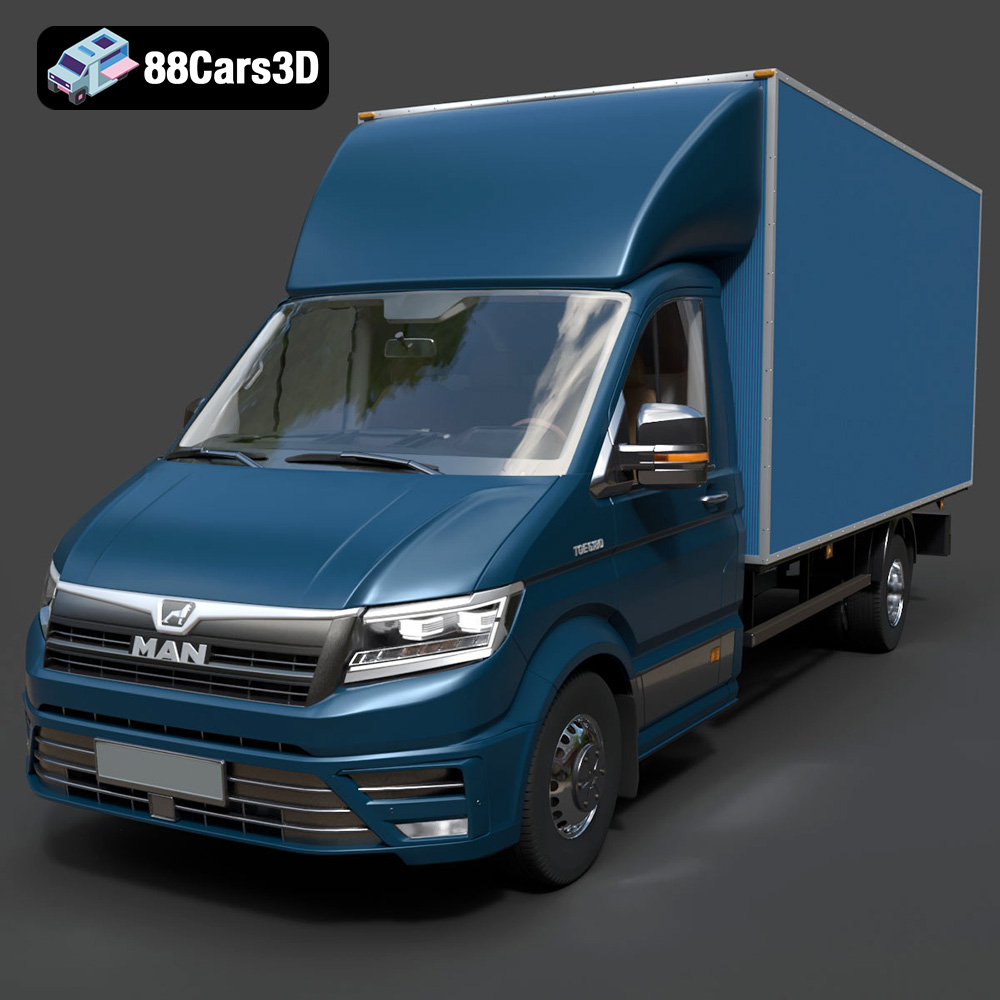
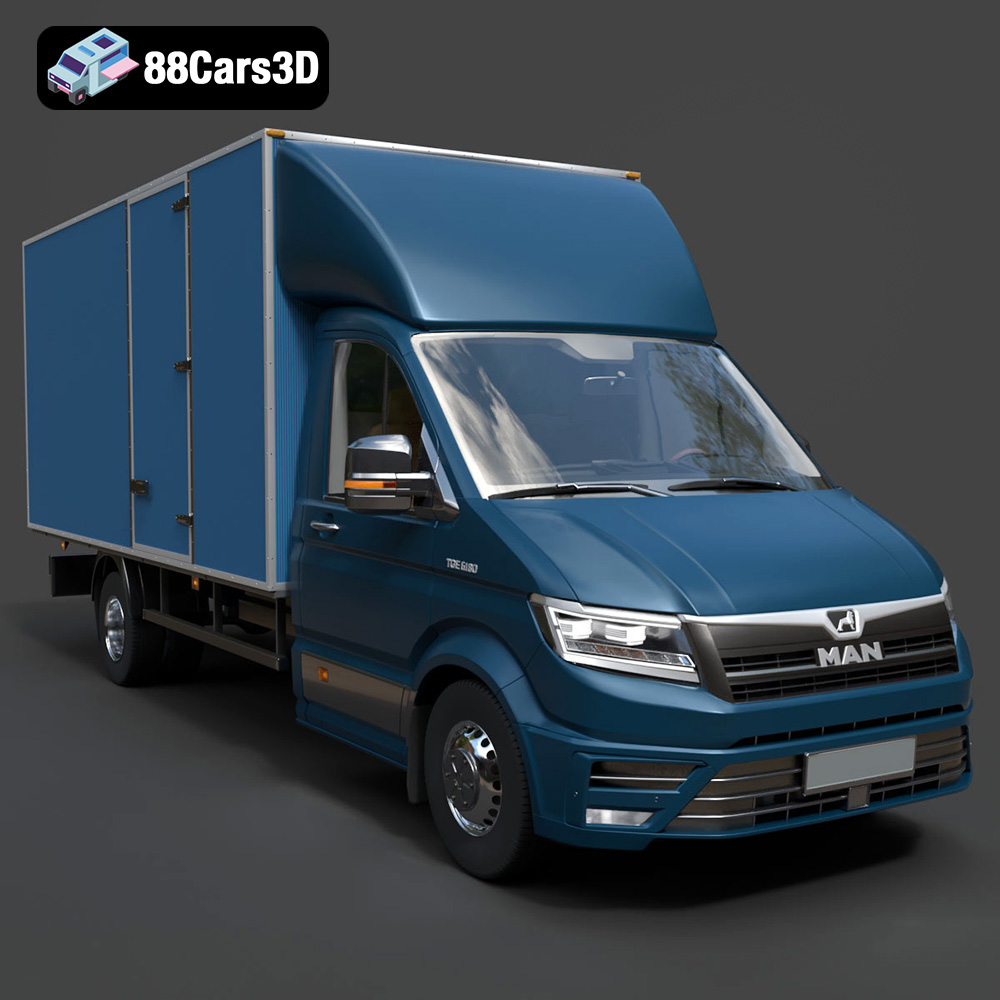
Today, we’re diving deep into the technical intricacies and creative possibilities offered by a specific class of these assets: the workhorses of the highway. Our focus will be on a prime example, the MAN Isotermal 3D Model, a meticulously crafted commercial truck that embodies the fusion of design detail and technical optimization. This exceptional model is a testament to what’s possible when professional modeling standards meet the practical needs of various applications, from photorealistic rendering to real-time game environments and even physical 3D prints. Join us as we explore the journey from a raw mesh to a fully realized digital vehicle, ready to power your next project.
Navigating the diverse landscape of 3D model file formats is crucial for any professional working with digital assets. Each format serves distinct purposes, offering unique advantages in terms of compatibility, data retention, and optimization for specific applications. Understanding these nuances ensures a smooth workflow and optimal performance, preventing frustrating conversion issues and loss of critical data. The MAN Isotermal 3D Model, for instance, is offered in an extensive range of formats, making it highly adaptable for various production pipelines.
The .blend format is the native file type for Blender, a powerful open-source 3D creation suite. When you download a .blend file, you’re not just getting the model; you’re often receiving a complete Blender scene. This typically includes the mesh geometry, PBR (Physically Based Rendering) materials with all their textures, lighting setups, cameras, and potentially even rigging or animation data. For artists who primarily work in Blender, this format offers maximum flexibility and full editability. You can dissect the scene, tweak materials, adjust topology, or use any of Blender’s robust toolsets without concern for data loss during import/export. It’s ideal for deep customization and leveraging Blender’s expansive ecosystem.
.fbx (Filmbox) is arguably the most widely used proprietary 3D exchange format, developed by Autodesk. Its strength lies in its ability to store not only mesh data but also a wide array of other crucial information, including materials (though PBR material setup can vary across software), textures, rigging, skinning, and animations. This makes .fbx an ideal choice for pipelines involving multiple software packages, especially for real-time engines like Unreal Engine and Unity. When exporting from 3ds Max or Blender to Unreal, .fbx is the go-to. Its robust capabilities for animation transfer ensure that complex articulated models like the MAN Isotermal truck, with its separate wheels and suspension, retain their motion potential across platforms.
The .obj (Wavefront OBJ) format is one of the oldest and most universally supported 3D file formats. It’s an excellent choice for transferring pure geometric data—vertices, faces, and UV coordinates—between almost any 3D software. While it can reference external material (.mtl) files, it typically doesn’t embed complex PBR material properties, rigging, or animation. This makes .obj exceptionally stable and reliable for basic model exchange, particularly when the primary concern is the mesh itself. For archival purposes or when starting a new project in an unfamiliar software where compatibility is key, .obj offers a foundational level of access, ensuring the MAN Isotermal’s core geometry is always accessible.
.glb (GL Transmission Format Binary) is an increasingly popular format for web-based 3D applications, augmented reality (AR), and virtual reality (VR). It’s a binary representation of the glTF format, designed for efficient transmission and loading of 3D scenes and models. Crucially, .glb files embed all assets (geometry, textures, animations, and PBR material data) into a single file, making them highly portable and self-contained. For showcasing the MAN Isotermal in an online configurator, a mobile AR experience, or a lightweight VR scene, .glb offers superior performance and ease of deployment due to its optimization for real-time rendering on various devices.
The .stl (Stereolithography) format is the undisputed standard for 3D printing. It represents a 3D model as a series of connected triangles, describing only the surface geometry without color, texture, or other advanced attributes. Its simplicity is its strength in the additive manufacturing workflow, as virtually all 3D printers and slicing software support it. For hobbyists or professionals looking to physically manifest the MAN Isotermal 3D Model, converting it to .stl is the essential first step, ensuring the digital design can be translated into a tangible object with precision, following the provided 3D print settings.
.ply (Polygon File Format or Stanford Triangle Format) is another format for storing 3D data, often used in scientific applications, CAD, and scanner data. It can store a wider range of properties than .obj or .stl, including color, transparency, and sometimes even point clouds and face properties. While less common for general animation or rendering pipelines, its ability to store precise geometric and attribute data makes it valuable for specialized engineering, analysis, or for models derived from 3D scanning, offering a highly accurate representation of the MAN Isotermal’s robust structure.
The inclusion of a dedicated .unreal file (often a .uasset or an optimized .fbx specifically configured for Unreal Engine import) signifies a model that has been pre-prepared for seamless integration into Epic Games’ Unreal Engine. This often means the model has been correctly scaled, materials are set up with appropriate PBR nodes, collision meshes might be pre-generated, and pivots are correctly aligned for engine use. For game developers or architectural visualizers working in Unreal, this format streamlines the import process significantly, allowing them to drop the MAN Isotermal directly into their project with minimal post-import setup, ensuring optimal performance and visual fidelity within the engine.
Similar to .blend for Blender users, the .max format is the native file type for Autodesk 3ds Max. This comprehensive file contains the entire 3ds Max scene, including all geometry, materials (with complex V-Ray or Corona setups if applicable), textures, lighting, cameras, animation, and rigging data. For professionals who use 3ds Max as their primary modeling and rendering software, the .max file provides full creative control and access to all parameters and modifiers. It’s the ultimate format for customization, animation, and high-end rendering projects, allowing artists to fully leverage the detailed architecture and components of the MAN Isotermal 3D Model within a familiar environment.
Automotive rendering is a specialized field that blends artistic vision with technical precision to create photorealistic images and animations of vehicles. It’s where the raw data of a 3D model, like the MAN Isotermal, truly comes to life, captivating audiences in advertisements, product visualizations, and cinematic sequences. The goal is not just to display the vehicle, but to evoke emotion and communicate its essence.
The foundation of a stunning render lies in the materials. Modern rendering relies heavily on PBR (Physically Based Rendering) workflows, which simulate how light interacts with surfaces in the real world. For a commercial truck like the MAN Isotermal, this means meticulous attention to details like the subtle metallic flakes in the cabin’s paint, the slight roughness of the heavy-duty tires, the reflective quality of glass, and the specific texture of the isothermal cargo box paneling. Each material needs accurate albedo (base color), roughness, metallic, normal, and sometimes displacement maps. The MAN Isotermal 3D Model is designed with this in mind, ensuring its surfaces can be configured to react realistically to light, delivering an authentic visual experience whether it’s a glossy showroom finish or a weathered, road-worn look. This level of detail in material definition is crucial for capturing the robust engineering described in its product features.
Just as in real-world photography, lighting is paramount in 3D rendering. It defines mood, highlights form, and provides crucial visual information. For automotive rendering, various techniques are employed. HDRIs (High Dynamic Range Images) are widely used to simulate real-world lighting environments, offering complex reflections and ambient illumination that instantly grounds the vehicle in a believable space, be it a sun-drenched highway or a bustling city street. Studio lighting setups, using virtual softboxes and area lights, are perfect for showcasing the MAN Isotermal in a controlled, elegant environment, emphasizing its design and features. For dynamic scenes, integrating volumetric lights, lens flares, and even ray-traced global illumination (in engines supporting it) adds another layer of realism, making the truck feel truly present within the digital scene.
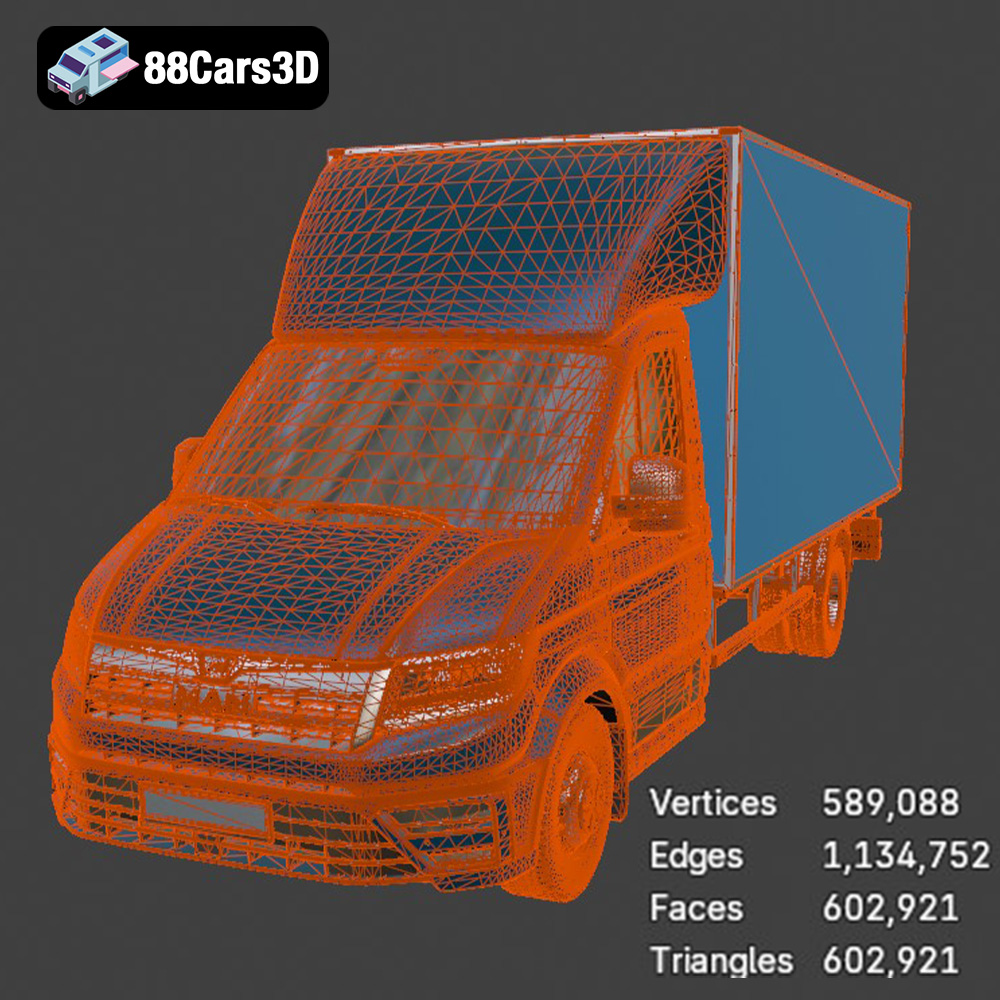
Imagine the MAN Isotermal 3D Model, with its detailed geometry and finely tuned PBR materials, positioned in a virtual studio. Large, soft area lights illuminate the cab, highlighting its aerodynamic curves and the distinctive front grille. A rim light catches the edge of the isothermal cargo box, emphasizing its robust paneling and the functional details of the cooling unit. Reflections of the studio environment subtly play across the paintwork, revealing the truck’s metallic sheen. Shadows are soft yet defined, giving depth to the heavy-duty wheels and intricate suspension. This level of presentation, achievable with the high-quality assets found on 88cars3d.com, elevates a simple render into a powerful visual narrative for a commercial brand campaign or a product showcase. The model’s 620,921 triangle count ensures that even close-up shots of the exhaust systems or headlight clusters maintain stunning visual fidelity.
Creating a 3D vehicle model that is both visually impressive and technically optimized for performance requires a blend of artistic skill and engineering precision. It’s about balancing aesthetic fidelity with the practical constraints of real-time rendering, ensuring that a model performs as beautifully as it looks.
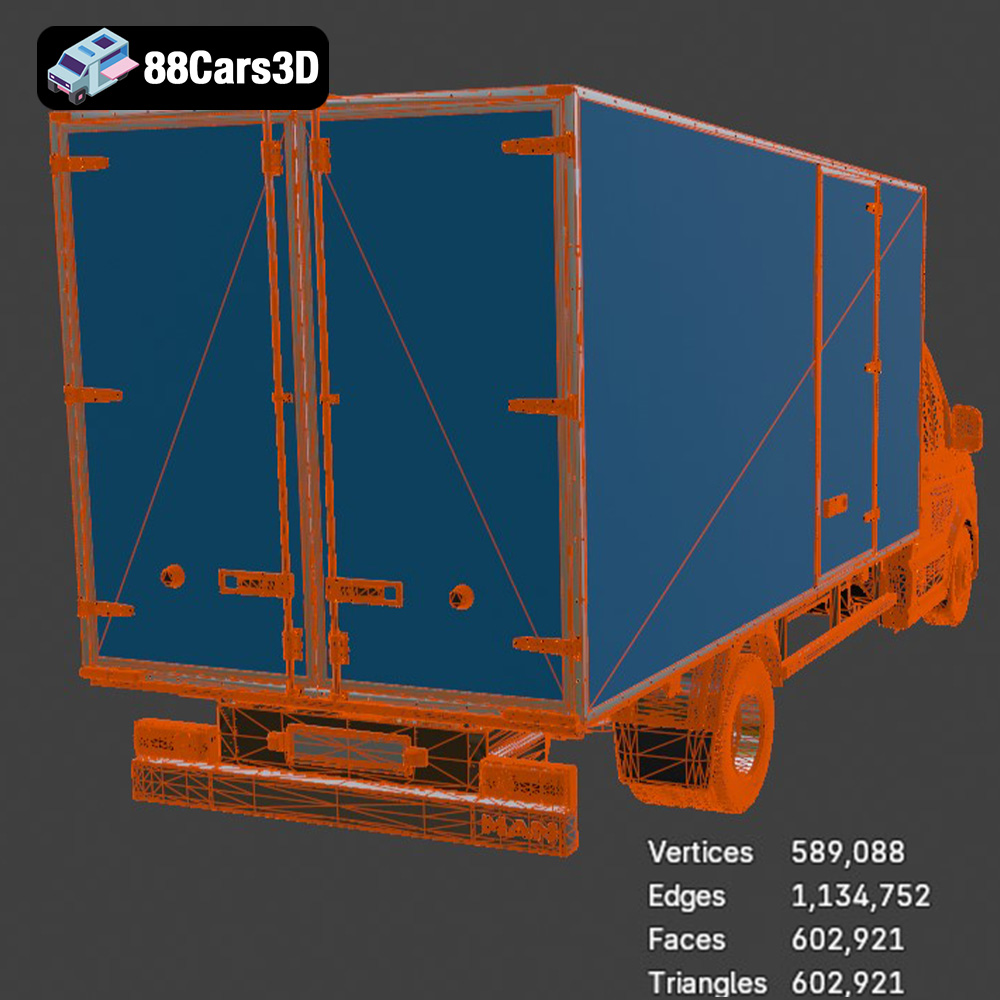
The core of any high-quality 3D model is its topology – the arrangement of its polygons. For assets like the MAN Isotermal, meticulous topology ensures clean deformations for animation, efficient UV mapping for textures, and a smooth appearance even under subdivision. The stated triangle count of 620,921 for the MAN Isotermal strikes a perfect balance. It’s detailed enough to support close-up shots and high-end rendering without being excessively heavy for game engines. This “game-ready & optimized” characteristic means the model has been carefully structured to minimize unnecessary polygons while retaining essential details, which is critical for maintaining high frame rates in interactive applications. This level of optimization requires careful decision-making during the modeling process, distinguishing essential geometric details from those that can be conveyed through normal maps or textures.
A static model, however detailed, offers limited utility in dynamic environments. For a commercial truck, the ability to animate components is paramount. The MAN Isotermal 3D Model boasts “separate wheels, suspension, and steering components for animation,” along with “proper pivot setup for steering, wheel rotation, and suspension travel.” This indicates that the model is prepared for professional rigging workflows. A well-rigged truck can be animated to navigate diverse terrains, articulate its steering, and show realistic suspension compression, bringing an unprecedented level of realism to simulations and game play. Imagine the truck’s cabin tilting, or its multi-axle tires conforming to uneven road surfaces—these subtle movements add significant immersion and functionality.
Beyond the exterior, the interior of a commercial truck is where the “driving immersion” truly begins. The MAN Isotermal model includes an “ergonomic commercial driver seat and cabin layout,” a “detailed multi-function steering wheel,” “accurate instrument cluster and digital displays,” and “complete dashboard controls, pedals, levers, and commercial shifter.” This level of interior detail is crucial for first-person POV in trucking simulators or VR training applications. Players or trainees need to feel truly present in the cab, interacting with functional elements. The “optimized geometry for first-person POV” means that these interior details are modeled efficiently, visible when needed, but not adding unnecessary overhead when the camera is outside the vehicle. Such thoroughness is a hallmark of professional-grade 3D car models.
Game development demands a unique blend of visual excellence and technical performance. Assets must not only look good but also run smoothly within the constraints of real-time engines, often across various hardware specifications. High-quality 3D car models are central to creating believable and engaging virtual worlds.
Unreal Engine and Unity are the two dominant real-time engines in the industry, and integrating 3D assets like the MAN Isotermal into them requires specific considerations. For Unreal, leveraging the provided .unreal or a carefully prepared .fbx file simplifies the process. This involves importing the mesh, setting up PBR materials using the engine’s node-based material editor, applying textures, configuring proper scale, and setting up collision meshes for realistic physics interactions. For Unity, a similar process is followed, often starting with an .fbx import and then configuring materials and components within its editor. Both engines benefit from assets with clean topology, optimized UVs, and consistent scaling, ensuring the MAN Isotermal truck can be dropped into a game world without extensive post-import cleanup. The “game-ready & optimized” nature of the MAN Isotermal (620,921 triangles) makes it an ideal candidate for seamless integration.
In open-world games, where hundreds or even thousands of objects are rendered simultaneously, performance optimization is paramount. While the MAN Isotermal’s polycount is balanced, developers would typically employ further optimizations such as Level of Detail (LOD) models. These are progressively simpler versions of the truck that swap in as the vehicle moves further from the camera, significantly reducing rendering overhead. Occlusion culling and instancing are also vital techniques to ensure that only visible objects are rendered efficiently. For a commercial truck that might appear in various configurations (e.g., with different liveries), customization options within the engine, utilizing material instances, allow for visual variety without multiplying the asset count. Assets from 88cars3d.com, like this truck, are built to a standard that allows these advanced optimizations to be implemented effectively.
Logistics simulation games, a growing niche, rely heavily on realistic commercial vehicle assets. The MAN Isotermal 3D Model is tailor-made for this application. Its accurate MAN commercial truck frame geometry, highly detailed insulated isothermal cargo box, and intricate suspension detailing provide the visual fidelity required for immersive gameplay. Players can experience the nuances of driving, parking, and delivering goods with a vehicle that feels authentic. The detailed cockpit and interior features further enhance this, providing an “optimized geometry for first-person POV in trucking simulators.” Whether it’s navigating tight city streets, traversing long highways, or managing a virtual fleet, the MAN Isotermal serves as a foundational element, contributing to a rich and believable simulation experience.
The utility of high-quality 3D car models extends far beyond traditional rendering and game development. Augmented Reality (AR), Virtual Reality (VR), and 3D printing represent emerging frontiers where digital assets bridge the gap between virtual and physical realms, offering new dimensions of interaction and visualization.
AR and VR offer unprecedented opportunities for immersive visualization. Imagine a potential client viewing the MAN Isotermal truck in their own driveway via an AR app, able to walk around it, change its color, or even peer into its detailed interior. Or a VR training simulation where new drivers can practice maneuvering the truck in various scenarios before ever stepping into a real cab. For such applications, performance is critical, and models need to be highly optimized yet visually rich. The MAN Isotermal 3D Model, with its “game-ready & optimized” triangle count and its inclusion of the .glb format, is perfectly suited for these environments. The .glb format, in particular, ensures efficient loading and rendering on mobile devices and VR headsets, delivering a smooth and interactive experience. This capability allows for immersive virtual showrooms, configurators, and mobile AR experiences, adding significant value for commercial applications.
The ability to transform a digital 3D model into a physical object via 3D printing is a captivating prospect. The MAN Isotermal model is “convertible to .stl format for display-scale hobbyists,” making this possible. However, 3D printing requires specific considerations that differ from digital rendering. The provided 3D print settings are invaluable:
These guidelines underscore the thoughtful design behind the MAN Isotermal 3D Model, making it accessible not just for digital projects but also for tangible creations.
Beyond individual AR/VR, mixed reality (MR) combines aspects of both, allowing digital objects to interact with the real world in sophisticated ways. Imagine an engineer wearing an MR headset, viewing a holographic MAN Isotermal truck superimposed over a real-world warehouse, allowing them to assess loading procedures or simulate traffic flow in real-time. The meticulous detail, real-world scale accuracy, and robust geometry of the MAN Isotermal 3D Model are essential for these advanced applications, ensuring that the digital overlay is both believable and functionally accurate.
The true value of a premium 3D asset lies not just in its initial quality but also in its adaptability and how seamlessly it integrates into various production pipelines. The MAN Isotermal 3D Model is designed with versatility in mind, offering extensive customization options and compatibility across major software.
No two projects are identical, and the ability to customize a 3D asset is invaluable. The MAN Isotermal provides excellent “Customization Options,” allowing artists to “Change cabin colors and apply custom fleet livery/decals to the cargo box.” This means a single high-quality model can be adapted to represent multiple vehicles in a fleet, different brands, or specific scenarios without needing to create entirely new assets. Furthermore, the option to “Modify tire textures (weathered vs. clean factory variants)” and “Adjust material finishes (matte panels, gloss paint, metallic accents)” enables artists to control the narrative – whether depicting a brand-new vehicle or a seasoned workhorse. Finally, the ability to “Adapt lighting for daytime or night-time highway environments” ensures the truck looks its best under any conditions, from a sunny day to a dramatic night scene. This flexibility significantly extends the lifespan and utility of the asset.
Professional studios often utilize a combination of 3D software packages. An artist might model in 3ds Max, animate in Blender, and render in a third-party engine. The fact that the MAN Isotermal 3D Model comes with native .max and .blend files, alongside universal formats like .fbx and .obj, speaks volumes about its workflow compatibility. This means a project can start in 3ds Max, taking advantage of its robust modeling tools, then seamlessly transfer to Blender for specific rigging or physics simulations, and finally export via .fbx to Unreal Engine for real-time visualization. Such multi-platform support minimizes friction, saves time, and ensures that teams can use their preferred tools without compromising asset quality or fidelity. This is a core advantage when acquiring assets from platforms like 88cars3d.com, which prioritize versatile delivery formats.
In any production environment, time is money. Starting a project with a high-quality, pre-optimized 3D model like the MAN Isotermal dramatically reduces development cycles. Instead of spending weeks on modeling, texturing, and optimizing a complex commercial vehicle from scratch, artists can immediately focus on scene composition, animation, and fine-tuning. The “real-world scale accuracy” and “proper pivot setup” mean less time spent on correctional adjustments. Moreover, the detailed geometry and optimized polycount ensure that the asset performs well out-of-the-box, mitigating the need for costly post-production optimization. Investing in premium assets from trusted sources like 88cars3d.com is not just about aesthetics; it’s a strategic decision that drives efficiency, elevates production quality, and ultimately delivers a better return on investment for any creative or technical project involving 3D car models.
The landscape of 3D visualization is continuously evolving, demanding assets that are not only visually captivating but also technically sound and highly versatile. From photorealistic automotive rendering to immersive game development, and groundbreaking AR/VR experiences to precise 3D prints, the foundation of success lies in the quality of the digital models we employ. The MAN Isotermal 3D Model exemplifies this standard, offering an exceptional blend of meticulous detail, optimized geometry, and broad format compatibility.
Whether you are a seasoned professional building a logistics simulator, an automotive designer crafting a brand campaign, or an enthusiast venturing into 3D printing, this model provides the robust framework necessary to bring your vision to life. Its carefully balanced triangle count, detailed interior and exterior features, and game-ready attributes ensure it can integrate seamlessly into almost any professional workflow. By understanding the nuances of different file formats and leveraging the comprehensive features of such high-quality assets, artists and developers can unlock unparalleled creative potential and efficiency. For premium 3D car models and assets that truly empower your projects, explore the extensive selection available at 88cars3d.com – where quality meets versatility.
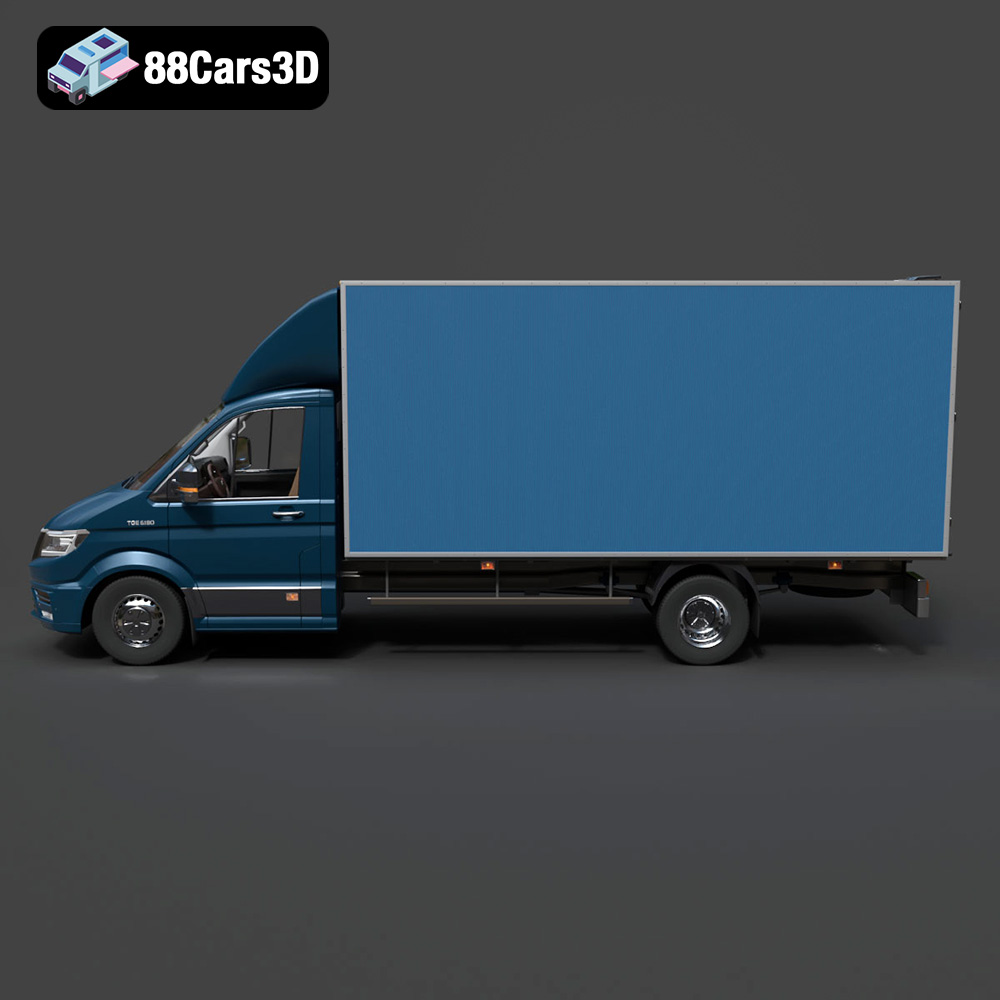
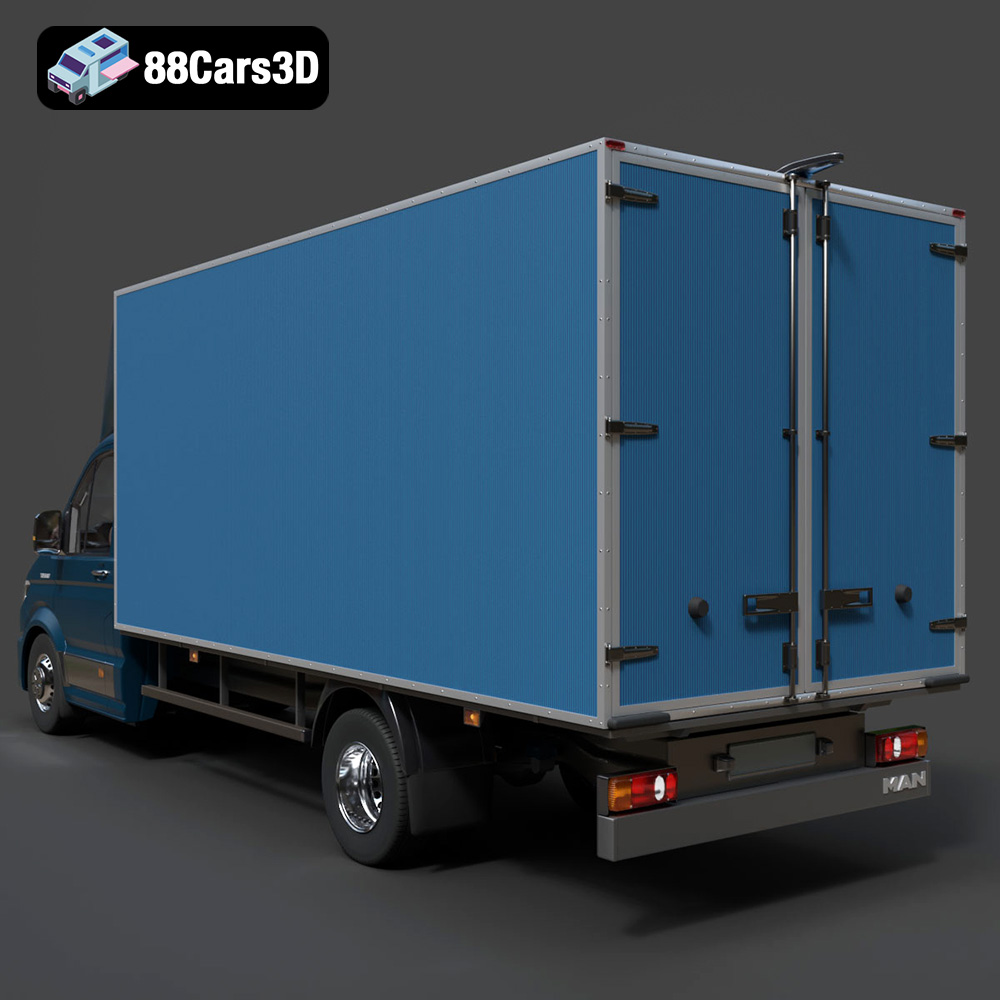
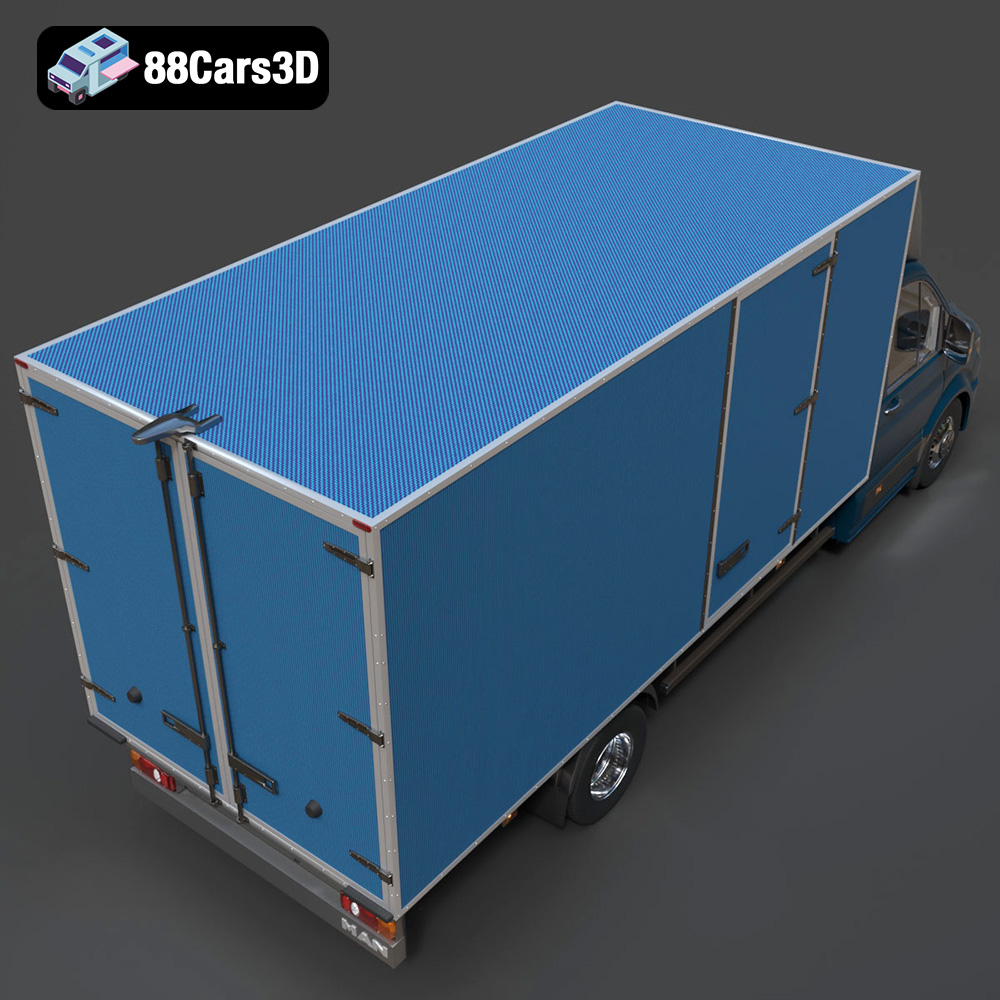
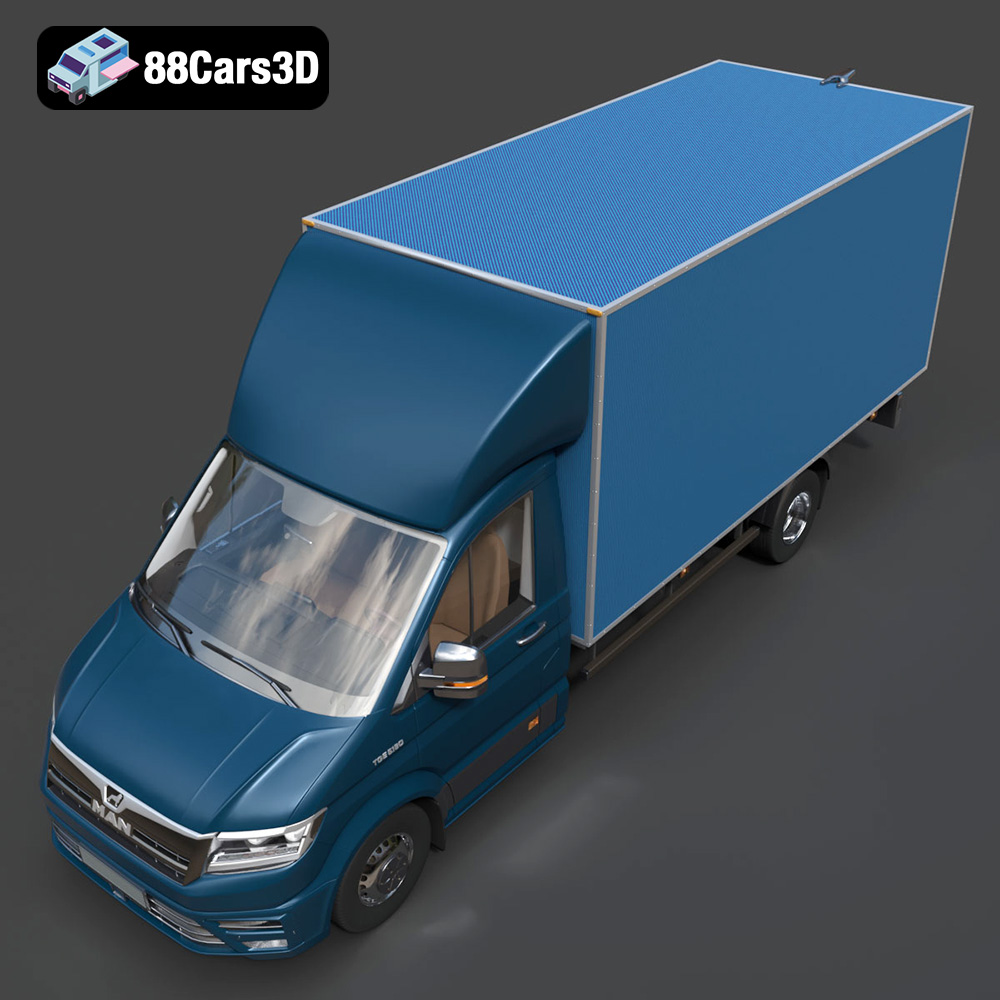
The MAN Isotermal truck represents the pinnacle of modern commercial transport and cold-chain logistics. Known for its robust engineering and highly efficient insulated cargo box, this commercial vehicle features a heavy-duty chassis, an aerodynamic cabin design, and a specialized isothermal body designed for temperature-sensitive cargo. From its distinctive front grille to the functional details of the rear cargo doors and cooling unit, every element captures the essence of a true workhorse of the highway. This premium 3D model boasts a detailed geometry with a triangle count of 620,921, ensuring stunning visual fidelity while remaining optimized for high-end rendering and detailed simulations. The model’s topology is meticulously crafted to support close-up shots, fleet visualizations, and realistic commercial driving games. Whether you are building an immersive logistics simulator, creating a commercial brand campaign, or developing a VR training application, this model delivers uncompromising quality.
$45.50
.blend
.fbx
.glb
.man
.max
.obj
.ply
.rendering
.stl
.unreal
box-truck
commercial-truck
game asset
game-ready
isotermal
optimized
truck-3d-model
VR/AR