Get 20% OFF All Premium 3D & STL Models!

The world of automotive design, visualization, and interactive experiences is undergoing a profound transformation. From the sleek curves of concept cars to the intricate mechanics of their powertrains, every detail can now be meticulously recreated in the digital realm. This capability empowers designers, game developers, marketers, and enthusiasts to explore, present, and interact with vehicles in unprecedented ways. High-quality 3D car models are no longer just assets; they are the foundation for innovation, enabling everything from cinematic renders to immersive virtual reality experiences.
At the forefront of this digital evolution stands the Mercedes-Benz EQC, a vehicle that symbolizes the future of luxury electric mobility. Its pioneering design and advanced technology make it a prime candidate for sophisticated digital representation. Capturing the essence of such a vehicle requires an equally sophisticated 3D model. We delve into the intricacies of creating and utilizing these complex assets, using the Mercedes-Benz EQC 3D Model from 88cars3d.com as our benchmark, a model designed to meet the rigorous demands of professional production.
In the expansive landscape of 3D content creation, understanding the various file formats is paramount. Each format serves a specific purpose, offering unique advantages in terms of compatibility, data retention, and optimization for particular applications. Selecting the correct format can significantly impact a project’s workflow efficiency, visual quality, and overall success. Let’s explore the critical formats often included with premium 3D car models, such as the Mercedes-Benz EQC 3D Model.
The .blend format is the native file type for Blender, the powerful open-source 3D creation suite. A .blend file is a complete scene package, containing not just the mesh geometry but also materials, textures, lighting setups, camera positions, animations, modifiers, and even custom scripts. This makes it an incredibly versatile format for artists working within the Blender ecosystem, allowing for full editability and easy iteration. For automotive rendering specialists using Blender’s Cycles or Eevee renderers, the .blend file provides a ready-to-render scene with all PBR (Physically Based Rendering) materials pre-configured, making it ideal for immediate high-quality output or further customization.
Autodesk’s .fbx (Filmbox) format has become the industry standard for exchanging 3D data between various software applications, especially within game development and animation pipelines. It supports geometry, materials, textures, animations, skinning, and camera data. Its robust nature and widespread adoption make it ideal for exporting assets to real-time engines like Unreal Engine and Unity, where its ability to handle complex scene data efficiently is invaluable. For a detailed 3D car model like the Mercedes-Benz EQC, an .fbx file ensures that the meticulously crafted hierarchy, pivot points for wheels and steering, and UV mapping are preserved when transferring the model to a new environment.
The .obj (Object) format is one of the oldest and most widely supported file types for 3D geometry. It primarily stores mesh data (vertices, normals, UVs) and can link to external .mtl (Material Template Library) files for basic material properties and texture references. While it doesn’t support animation or rigging as comprehensively as .fbx, its simplicity and universal compatibility make it an excellent choice for basic mesh exchange between virtually any 3D software. It’s often used as a fallback or for situations where pure geometry transfer is the priority, ensuring that the core structure of a 3D car model is accessible regardless of the user’s software.
The .glb (GL Transmission Format Binary) is an increasingly important format, particularly for modern interactive applications. It’s a single-file, binary representation of the glTF (GL Transmission Format) standard, which is designed for efficient transmission and loading of 3D scenes and models in web browsers, AR (Augmented Reality), and VR (Virtual Reality) experiences. .glb files are highly optimized for performance, making them perfect for virtual showrooms, online configurators, and mobile AR applications where the Mercedes-Benz EQC model might be displayed in real-time on a smartphone or through a headset. They encapsulate geometry, materials, textures, and even animations in a compact and web-friendly package.
The .stl (Stereolithography) format is the undisputed standard for 3D printing. It represents 3D surfaces as a collection of unconnected triangles, making it a simple yet effective way to define the geometry of a physical object for additive manufacturing. While .stl files do not contain color or texture information, they are crucial for bringing digital models into the physical world. For enthusiasts or professionals wanting to 3D print a scale model of the Mercedes-Benz EQC, the .stl file provides the necessary data for slicing software to prepare the model for printing, ensuring physical accuracy and structural integrity.
The .ply (Polygon File Format) is a file format for storing graphical objects that are described as a collection of polygons. It’s more flexible than .obj and can store not only geometry but also color, transparency, texture coordinates, and even properties like normal vectors, making it useful in scientific and CAD applications. While less common for general 3D asset exchange than .fbx or .obj, .ply can offer a more robust representation of complex mesh data for specialized tasks such as reverse engineering, scanning data, or precise analytical modeling, where the detailed surface of the EQC might be scrutinized.
While not a traditional open format, an .unreal designation often refers to a model specifically packaged and optimized for direct import and use within Unreal Engine. This might involve pre-configured material instances, collision meshes, LODs (Levels of Detail), and blueprint setups to facilitate immediate integration into a game or interactive experience. For a game-ready asset like the Mercedes-Benz EQC, an .unreal package significantly streamlines the development pipeline, providing an asset that performs optimally in real-time, leveraging Unreal Engine’s advanced rendering capabilities without extensive setup.
The .max format is the native file type for Autodesk 3ds Max, one of the most widely used 3D modeling, animation, and rendering software packages in the industry. Like .blend, a .max file stores a complete scene with all associated data—geometry, materials, textures, lighting, cameras, animation keyframes, and plugins. It offers full editability and is essential for artists who use 3ds Max for high-end architectural visualization, product design, or cinematic rendering. For complex automotive projects requiring intricate animation and realistic rendering with V-Ray or Corona, the .max file provides the ultimate flexibility and control over the Mercedes-Benz EQC model.
Bringing a real-world vehicle like the Mercedes-Benz EQC into the digital realm with absolute fidelity is an art form that blends technical skill with an obsessive attention to detail. This isn’t merely about replicating shapes; it’s about capturing the essence of the vehicle’s design philosophy, its material properties, and its functional elements. The Mercedes-Benz EQC 3D Model exemplifies this pursuit of perfection, offering a level of detail that meets the demands of even the most discerning professional.
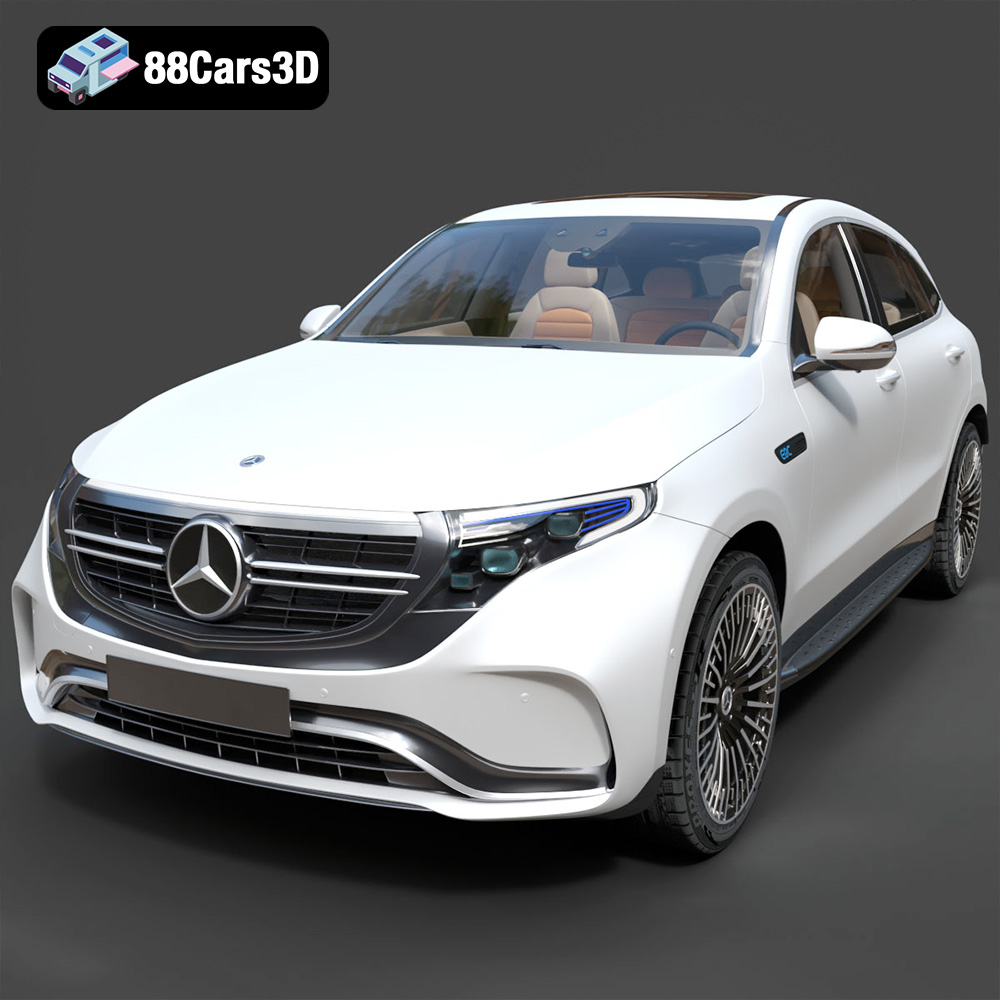
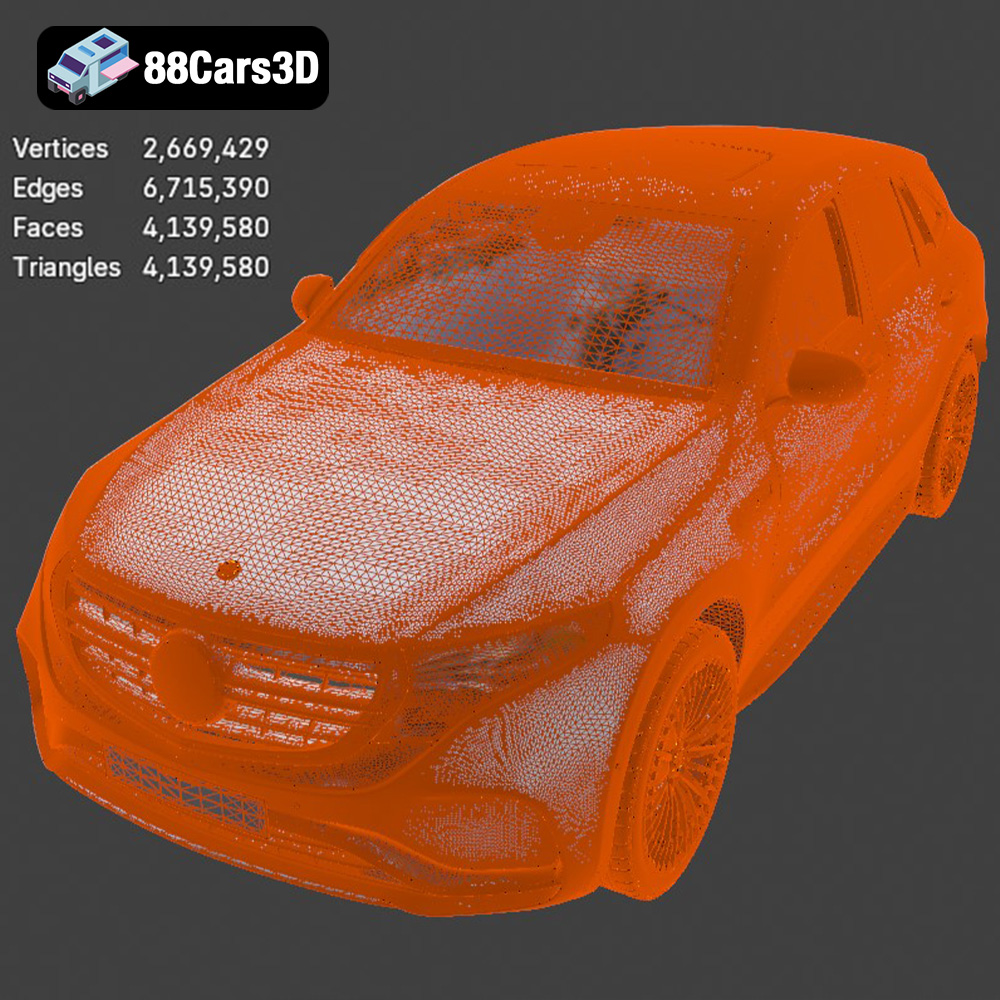
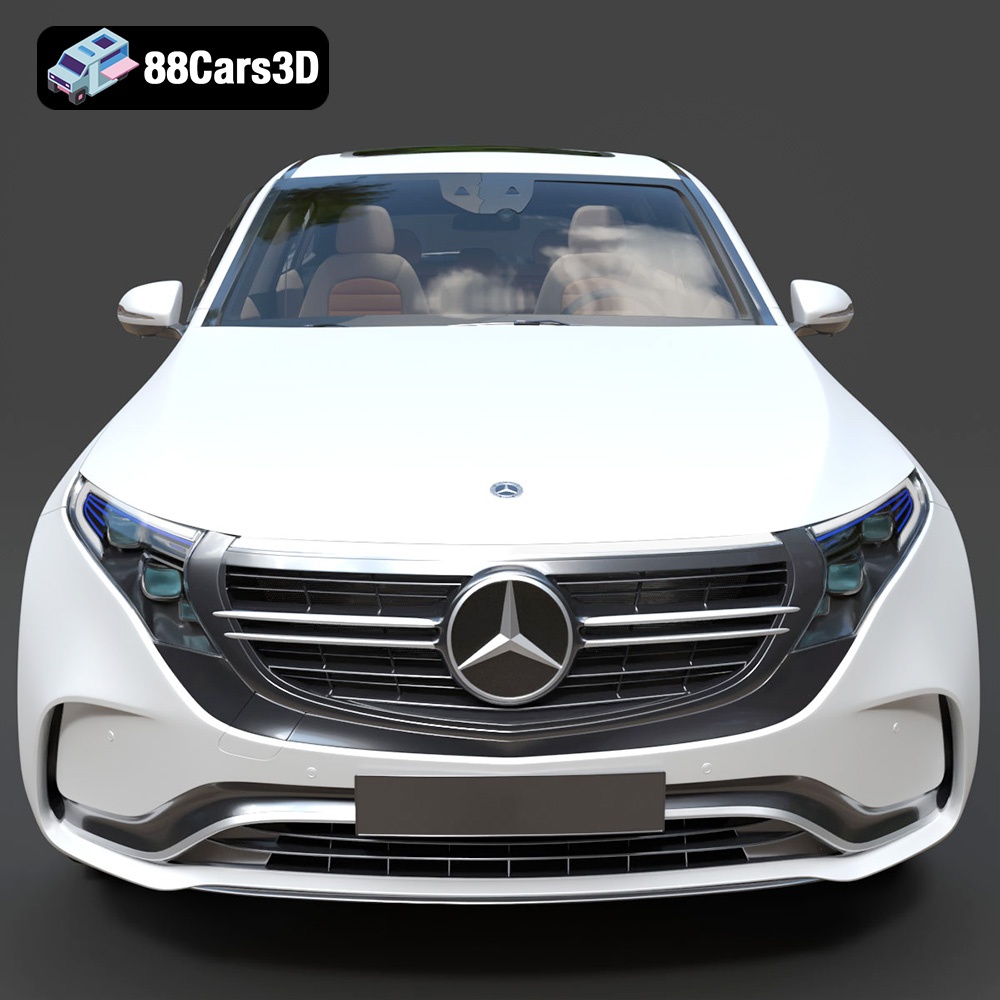
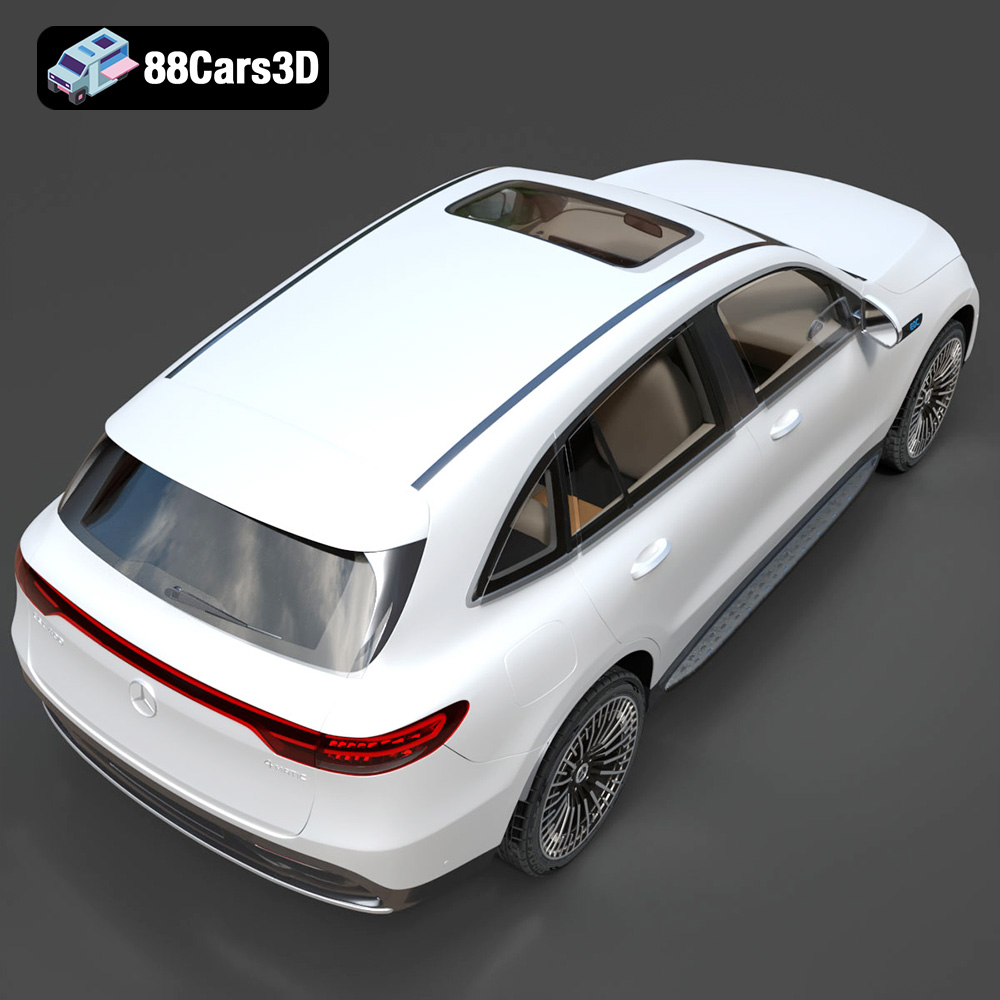
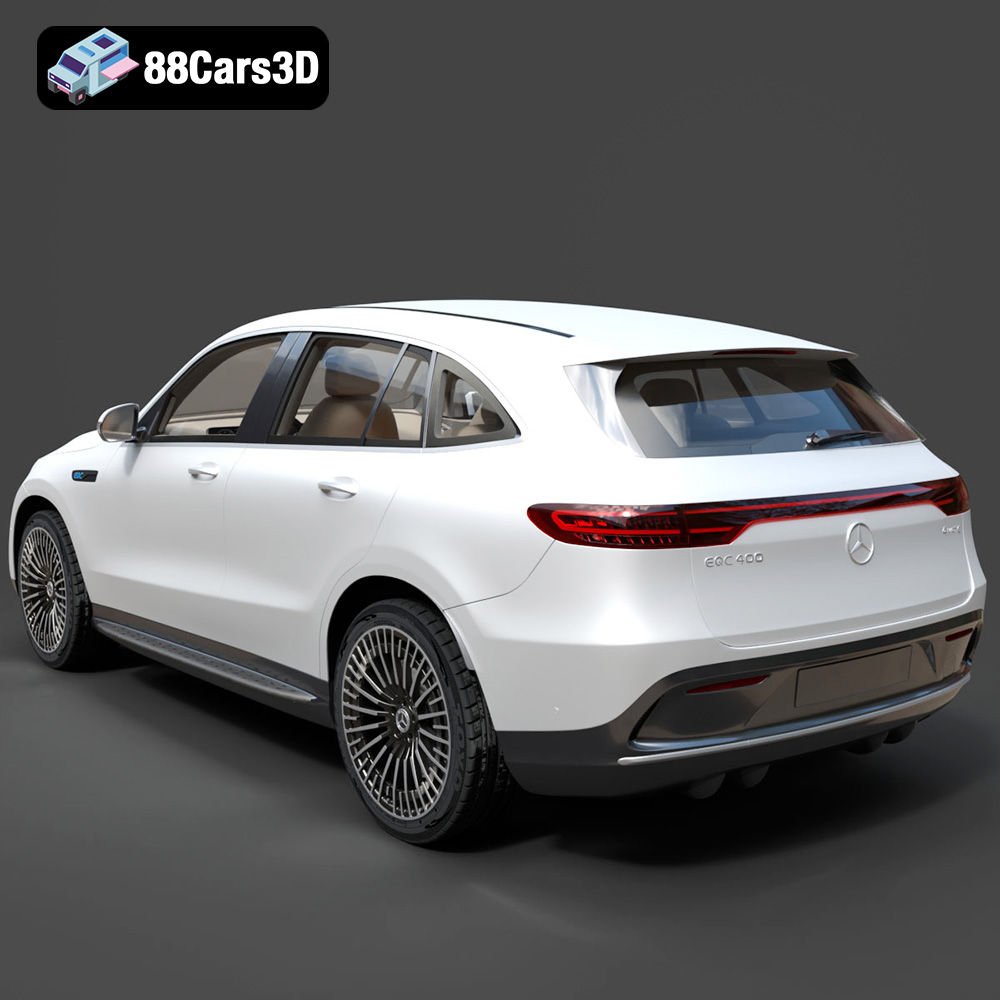
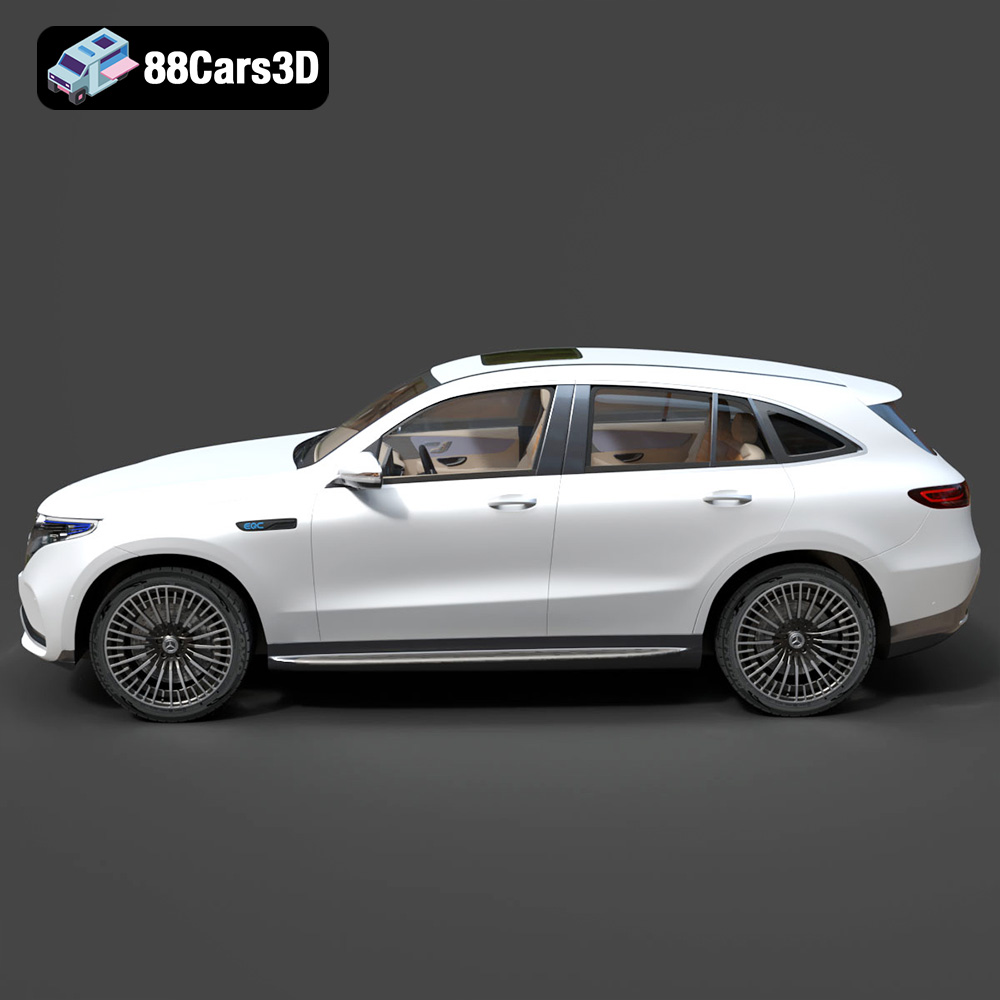
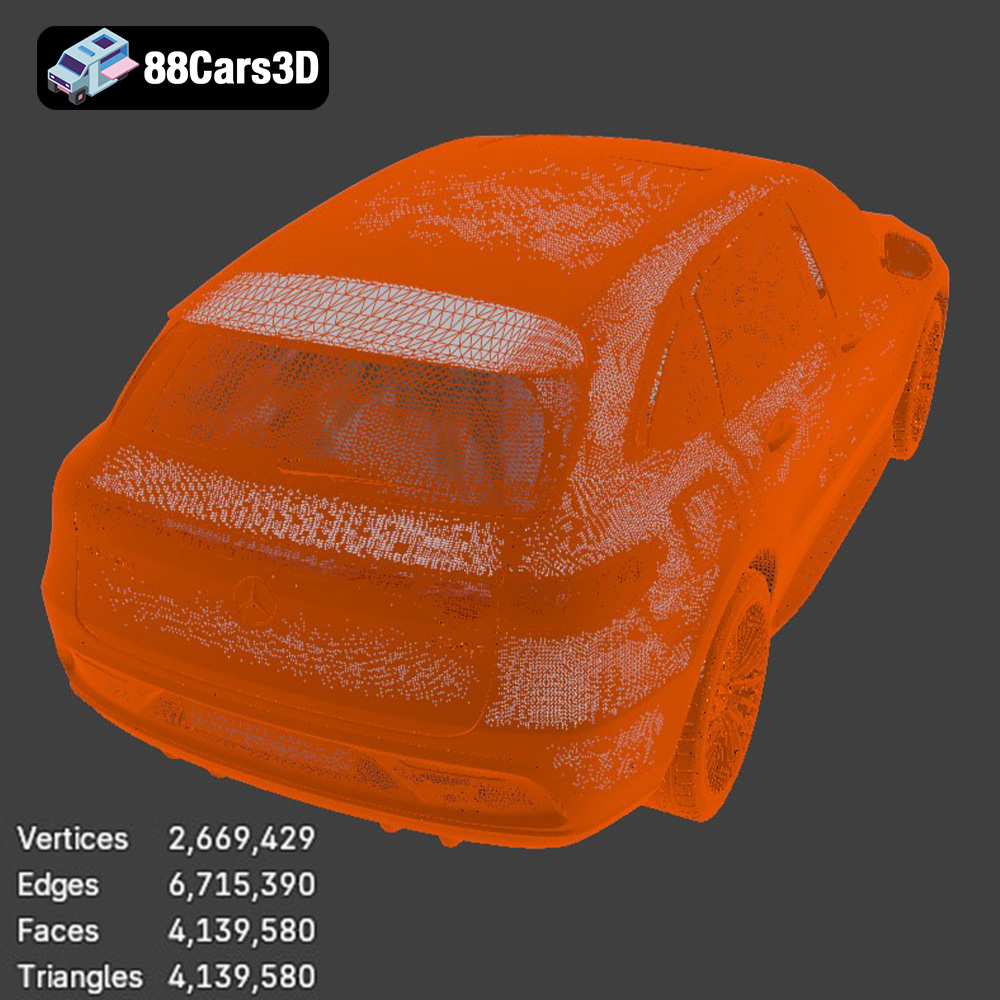
The EQC’s exterior is defined by its seamless, aerodynamic silhouette and distinctive electro-aesthetic. This 3D model accurately translates these features, from the signature black-panel radiator grille that integrates headlights into a single visual unit, to the continuous LED light bands at the front and rear. Every curve, panel gap, and subtle surface reflection has been meticulously crafted. The geometry boasts a high fidelity with a triangle count of 4,139,580, ensuring that even in extreme close-ups, surfaces remain flawlessly smooth and reflections behave realistically. Details extend to the aero-optimized multi-spoke alloy wheels and realistic tire treads, as well as accurate independent suspension components. Crucially, the model features logical part separation—wheels, suspension, and steering are distinct, allowing for realistic animation and customization, a vital feature for automotive rendering and simulation.
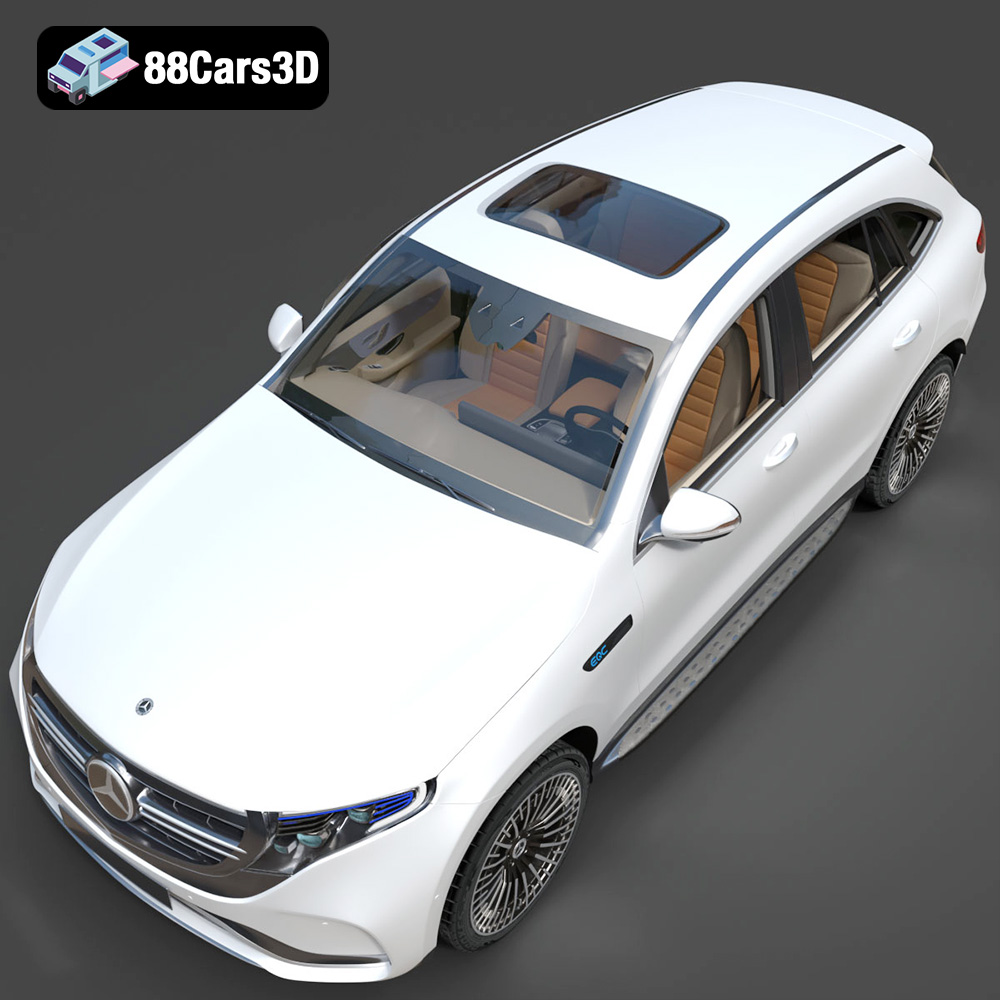
The interior of a luxury electric vehicle like the EQC is just as critical as its exterior, defining the user’s experience. This 3D model provides a highly detailed cockpit that invites exploration. Premium contoured seats with realistic upholstery flow are accurately represented, along with a multifunction steering wheel featuring detailed touch control buttons. The widescreen cockpit dual-display instrument cluster and the MBUX interface are meticulously recreated, bringing digital intelligence to life. Even the central console, pedals, and intuitive EV drive selectors are modeled with precision. This level of interior detail makes the model exceptionally suitable for first-person POV in gaming, virtual tours, or interactive configurators, delivering a truly immersive experience.
The balance between high visual realism and technical optimization is a tightrope walk in 3D asset creation, especially for real-time applications. With 4,139,580 triangles, the Mercedes-Benz EQC model strikes an excellent balance. This polycount is sufficiently high to ensure stunning visual fidelity for high-end rendering and cinematic productions, yet it’s also optimized to be “game-ready” for demanding real-time engines like Unreal Engine and Unity. The model adheres to real-world scale accuracy, based on actual vehicle chassis dimensions, providing an authentic foundation for any project. Furthermore, proper pivot setups for steering, wheel rotation, and suspension travel are included, which are non-negotiable for dynamic simulations and interactive animations. This robust technical foundation ensures compatibility with major 3D software platforms and rendering engines, making it a truly versatile asset for any professional workflow.
The true value of a premium 3D asset like the Mercedes-Benz EQC model becomes apparent in its seamless integration into professional production pipelines. Whether the goal is photorealistic rendering, real-time game development, or interactive AR/VR experiences, a well-structured and optimized model significantly accelerates workflows and elevates output quality.
For automotive rendering, the EQC model offers an exceptional starting point. Using software like 3ds Max with V-Ray or Corona Renderer, or Blender with Cycles, artists can achieve breathtaking photorealism. The model’s clean topology ensures flawless reflections and smooth surfaces, crucial for capturing the metallic sheen and sophisticated paint finishes characteristic of Mercedes-Benz vehicles. The logical part separation allows for detailed material assignments – separate shaders for body paint, glass, chrome accents, tire rubber, and interior fabrics. With the included .max and .blend formats, artists gain full control over materials, lighting environments, and camera angles, enabling them to produce stunning studio shots, dynamic action sequences, or lifestyle renders for advertising campaigns. The detailed underbody and suspension also mean that the vehicle can be rendered from any angle, including low-angle shots that reveal intricate engineering.
In game development, performance is as critical as visual quality. The EQC model, with its optimized 4,139,580 triangles, is engineered to excel in real-time environments. Developers can import the .fbx or .unreal formats directly into engines like Unreal Engine 5 or Unity. The accurate real-world scale and proper pivot setups for wheels and steering are essential for realistic physics simulations and vehicle control. Developers can utilize the model in open-world games, high-fidelity racing titles, or even driving simulators. Further optimization steps, such as creating Levels of Detail (LODs) for distant views or generating custom collision meshes, can be implemented on top of this already robust base to ensure smooth framerates across different platforms.
Augmented Reality (AR) and Virtual Reality (VR) represent the next frontier for automotive visualization, offering immersive ways to interact with vehicles. The EQC 3D Model is perfectly suited for these applications. The .glb format, optimized for web and mobile, allows for creation of interactive virtual showrooms accessible directly through a browser or dedicated AR/VR apps. Imagine configuring your dream EQC in real-time, walking around it in your living room via AR, or exploring its luxurious interior in a full VR experience. The model’s detailed cockpit is particularly valuable for first-person VR, allowing users to sit inside the vehicle and interact with its MBUX interface or admire the intricate dashboard details. This capability is invaluable for automotive marketing, sales, and training.
The utility of a high-quality 3D car model extends far beyond digital screens. With advancements in additive manufacturing, these models can transcend the virtual realm, becoming tangible objects. Furthermore, the inherent flexibility of digital assets allows for extensive customization, empowering creators to tailor the vehicle to specific project needs or artistic visions.
For hobbyists, collectors, or designers who wish to hold a physical representation of the future of electric luxury, the Mercedes-Benz EQC 3D Model is ready for 3D printing. The inclusion of the .stl format makes this process straightforward. While the digital model is incredibly detailed, preparing it for physical output requires careful consideration. The product description provides excellent recommendations:
Post-processing, including sanding, priming, and painting with authentic factory colors, can transform the raw print into a stunning, display-quality scale model, a testament to the digital craftsmanship.
One of the most powerful advantages of working with a premium 3D car model is the flexibility it offers for customization. Unlike physical objects, digital assets can be infinitely altered to fit any scenario, mood, or brand aesthetic. The Mercedes-Benz EQC model provides a robust foundation for extensive modifications:
This level of control ensures that the Mercedes-Benz EQC model is not just a static representation but a dynamic canvas for creative expression, adaptable to an endless array of visual narratives and project requirements.
The deployment of high-fidelity 3D car models like the Mercedes-Benz EQC across various industries is revolutionizing how we interact with and perceive automotive design. These models are not just static images; they are dynamic tools that drive innovation, engagement, and understanding.
In an increasingly digital world, virtual showrooms offer an unparalleled opportunity for automotive brands to connect with potential customers. Imagine a luxury car manufacturer launching a new electric SUV. Instead of relying solely on physical events, they could deploy the Mercedes-Benz EQC 3D Model in an interactive web-based configurator or a full-blown VR showroom. Customers could “walk around” the EQC, change its paint color, explore the interior in 360 degrees, and even trigger animations of its unique lighting signature. For high-end marketing campaigns, the model allows for cinematic quality renders in impossible or expensive real-world locations, showcasing the vehicle’s elegance and features in the most compelling visual narratives possible, without the logistical challenges and costs of physical photography shoots.
The racing game genre, in particular, demands extreme fidelity and accurate physics. A detailed 3D car model like the EQC, with its optimized polycount and accurate pivot points, is invaluable here. Game developers can integrate it into next-generation racing titles, allowing players to experience the electric SUV’s performance characteristics within a realistic virtual environment. Beyond entertainment, these models are critical for advanced driving simulators used for professional driver training, autonomous vehicle research, or virtual prototyping. The EQC model’s detailed suspension and steering components enable precise vehicle dynamics modeling, offering a truly immersive and educational simulation experience for engineers and drivers alike.
For educational institutions and automotive design studios, 3D models serve as powerful teaching and prototyping tools. Students can study the intricate design elements of a modern electric vehicle, dissecting its aerodynamics or interior ergonomics in a way that wouldn’t be possible with a physical vehicle. Designers can use the EQC model as a foundation for conceptual modifications, experimenting with new body kits, interior layouts, or lighting schemes without the need for expensive physical prototypes. This rapid iteration capability significantly shortens design cycles and fosters innovation. Furthermore, for AR applications, engineers can overlay virtual EQC components onto a real chassis during assembly or maintenance training, providing interactive guides and enhancing understanding.
The demand for high-quality 3D car models continues to grow, driven by advancements in rendering technology, the proliferation of real-time engines, and the increasing adoption of AR/VR experiences. These digital assets are fundamental to pushing the boundaries of automotive visualization, design, and interactive engagement. The Mercedes-Benz EQC 3D Model stands as a prime example of a meticulously crafted asset that meets these stringent professional requirements.
From its exceptionally detailed exterior and immersive interior to its game-ready optimization and extensive file format support (.blend, .fbx, .obj, .glb, .stl, .ply, .unreal, .max), this model provides an unparalleled foundation for a myriad of projects. Whether you’re an automotive renderer aiming for cinematic photorealism, a game developer building a cutting-edge racing title, an AR/VR specialist crafting an interactive showroom, or a designer prototyping future vehicles, this EQC model offers the fidelity, flexibility, and technical precision needed to bring your vision to life. Investing in such a high-caliber asset from 88cars3d.com ensures that your projects are built upon a foundation of excellence, ready to tackle the complexities of modern digital production.
Experience the future of luxury mobility with this exceptionally detailed 3D model of the Mercedes-Benz EQC. As the pioneer of the Mercedes-EQ family, this fully electric SUV combines avant-garde styling with legendary Mercedes craftsmanship. The model accurately captures its seamless, aerodynamic silhouette, the signature black-panel radiator grille, and the distinctive continuous LED light bands at the front and rear that define its striking electro-aesthetic. Boasting a highly detailed topology with a triangle count of 4,139,580, this high-fidelity 3D model offers unparalleled visual realism suitable for extreme close-ups while maintaining logical part separation for optimization. The geometry ensures flawless reflections and smooth surfaces, making it an exceptional asset for high-end rendering, virtual showrooms, and advanced interactive experiences. Perfect for cinematic automotive renders, cutting-edge AR/VR configurators, luxury lifestyle visualizations, and high-fidelity racing simulations.
$90.00
.blend
.eqc
.fbx
.glb
.max
.obj
.ply
.rendering
.stl
.unreal
car-3d-model
electric-vehicle
game asset
game-ready
high poly
luxury car
mercedes-benz
optimized
SUV
VR/AR