Get 20% OFF All Premium 3D & STL Models!

In the dynamic world of digital content creation, the demand for hyper-realistic and meticulously crafted 3D assets continues to surge. From groundbreaking video games and cinematic visualizations to immersive AR/VR experiences and detailed product configurators, the quality of a 3D model can significantly impact the final output and user engagement. Among these assets, 3D car models hold a special place, requiring an intricate balance of artistic fidelity and technical precision to capture the essence of automotive design. They are not merely static objects but complex assemblies of engineering and aesthetics, demanding expertise to translate into the digital realm.
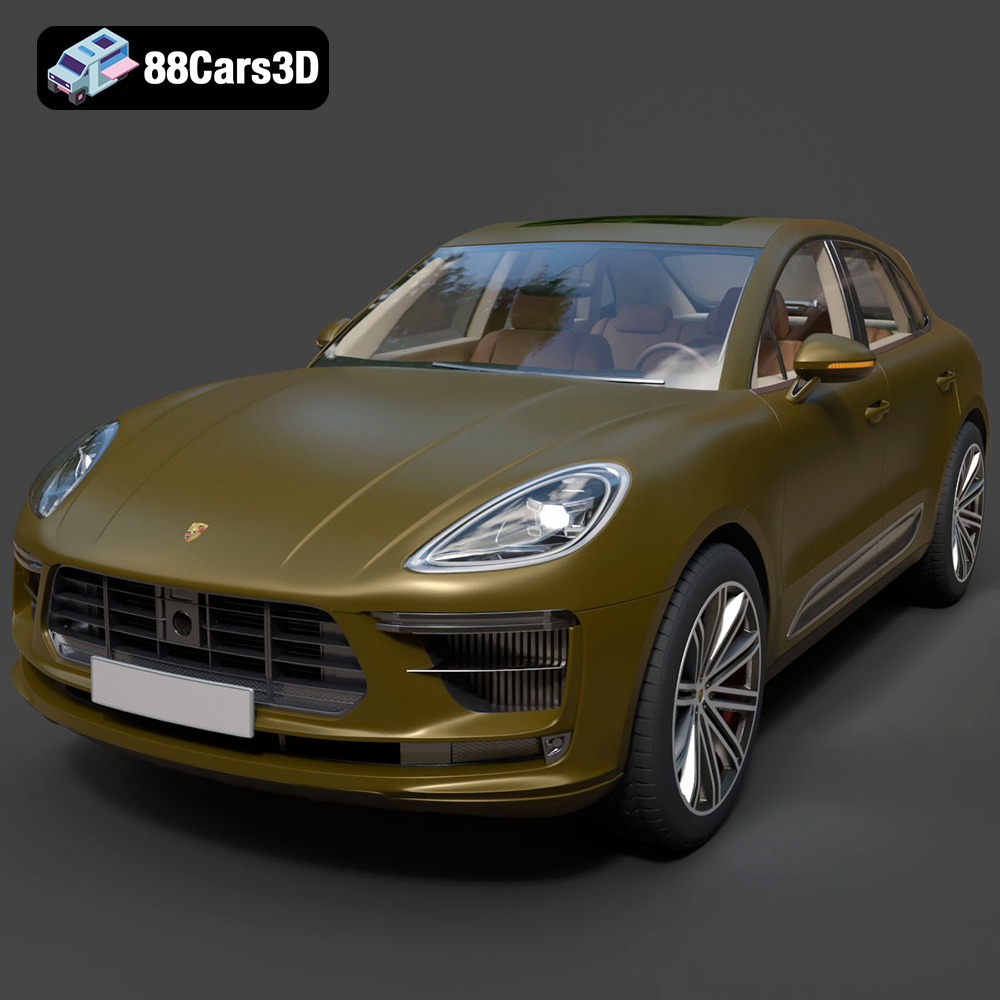
This quest for perfection often leads professionals to specialized marketplaces that understand these stringent requirements. We delve into the critical aspects of acquiring and utilizing top-tier automotive assets, exemplified by a standout offering: the **Porsche Macan Turbo 3D Model** available on 88cars3d.com. This model represents the pinnacle of digital craftsmanship, perfectly bridging the gap between a versatile compact SUV and a true sports car, ready to be integrated into any high-end digital project. Understanding the technical nuances behind such a model is crucial for anyone looking to elevate their automotive rendering, game development, or visualization projects.
Creating an exceptional 3D car model is far more than just replicating shapes; it’s a sophisticated process that merges artistic vision with rigorous technical standards. Every curve, panel gap, and material finish must be precisely translated to achieve photorealism, while simultaneously ensuring the model is optimized for various digital environments.
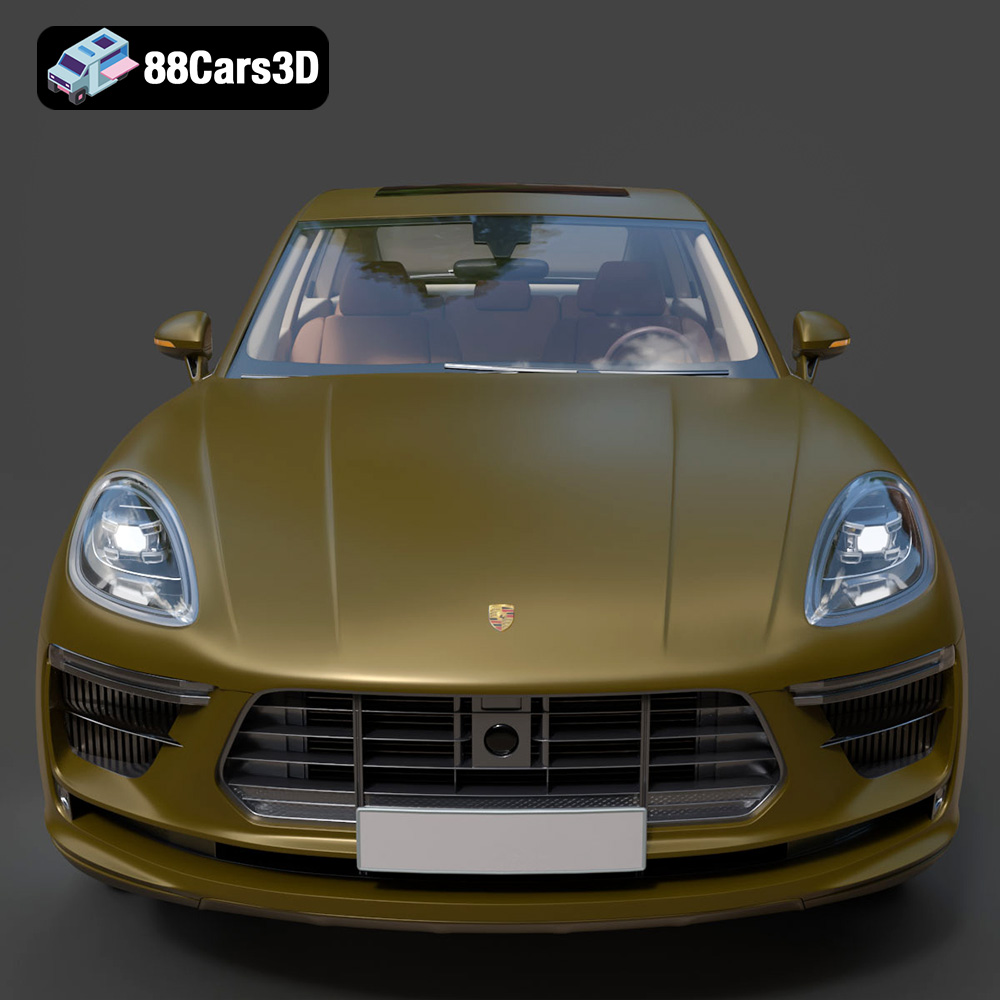
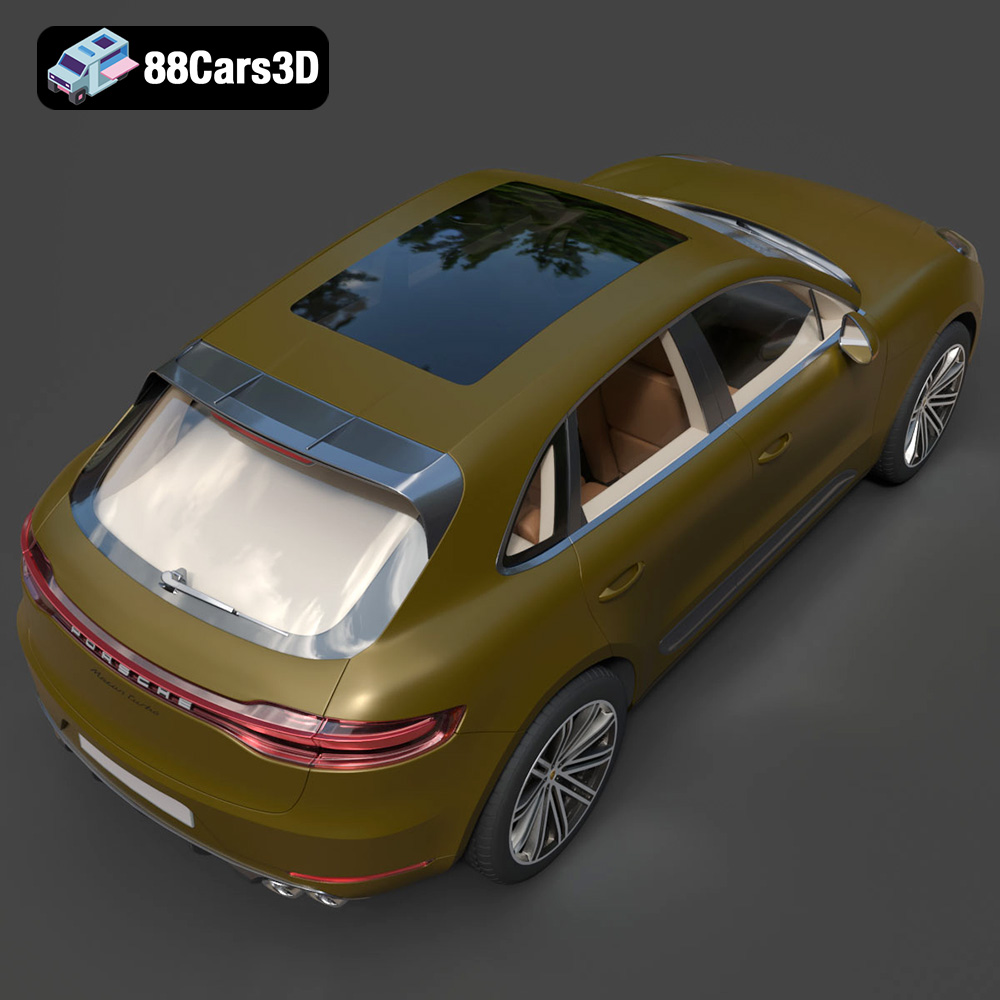
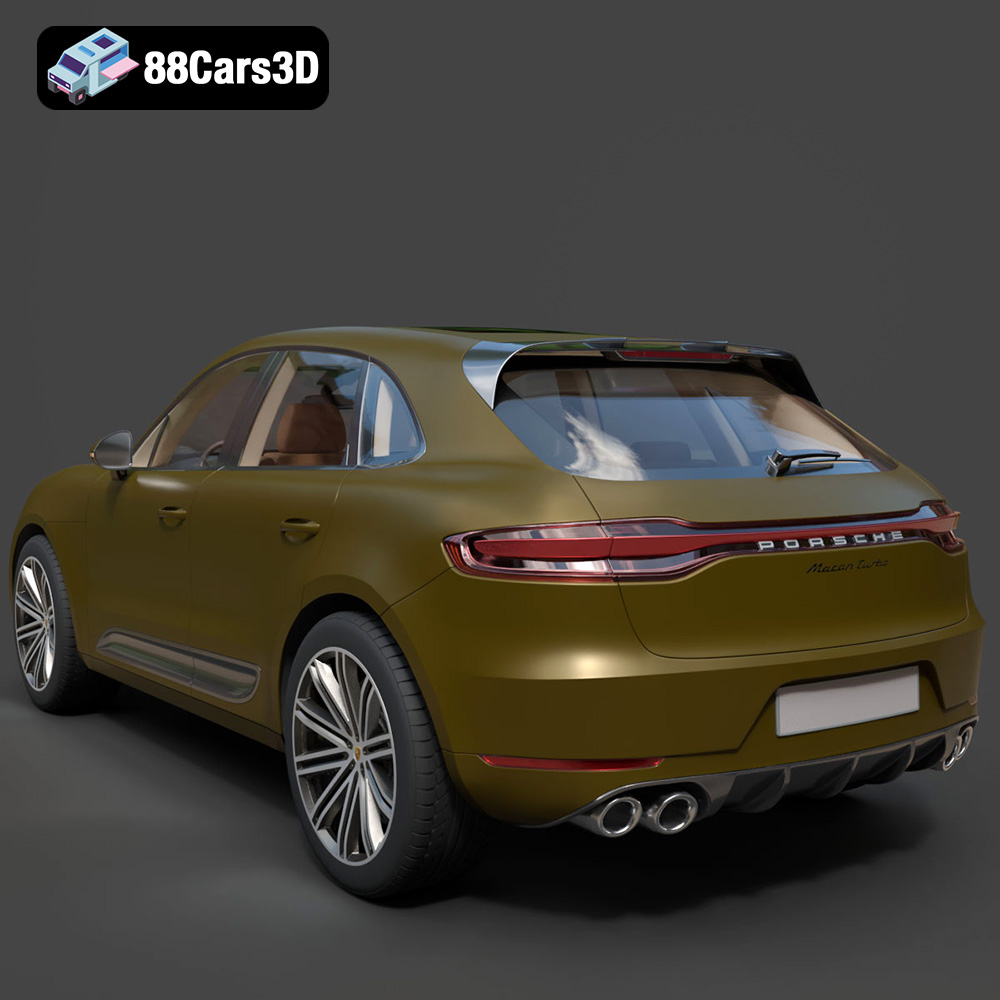
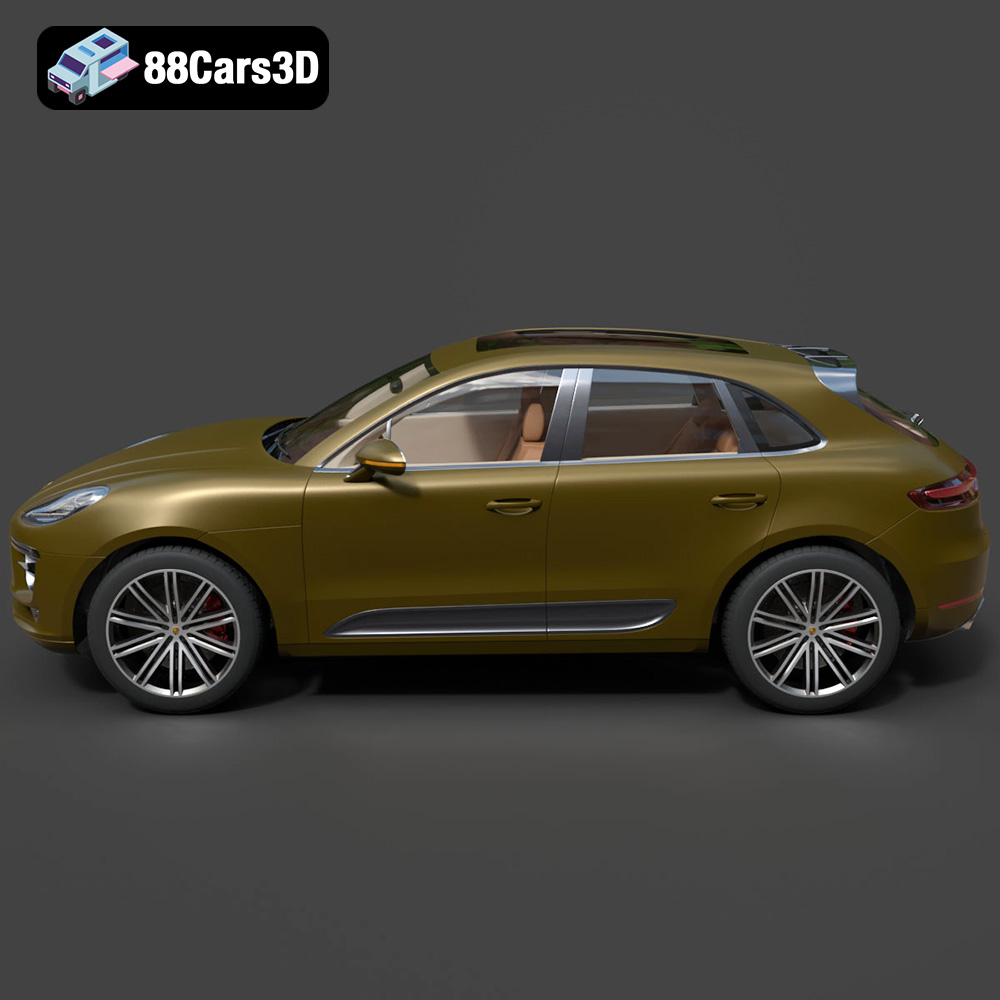
Authenticity begins with accurate reference data and a deep understanding of automotive design principles. For a vehicle like the Porsche Macan Turbo, this means meticulously studying its iconic styling cues, aggressive front fascia, muscular stance, and signature LED light signatures. A premium 3D model will capture these details with unparalleled fidelity, down to the subtle reflections on its aerodynamic exterior and the intricate design of its quad exhaust system. This level of detail is paramount for projects where brand recognition and visual accuracy are non-negotiable, such as virtual showrooms or automotive configurators. The goal is to make the digital representation indistinguishable from its real-world counterpart, enabling truly immersive experiences.
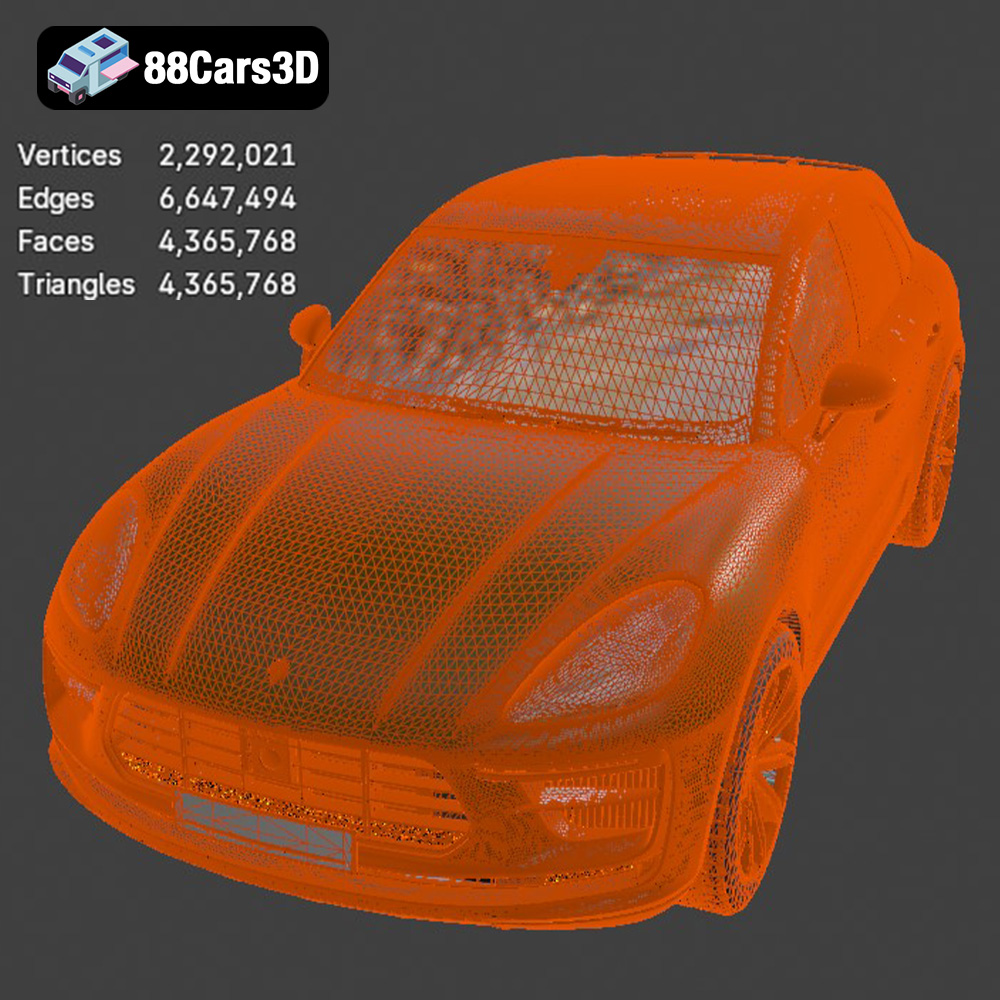
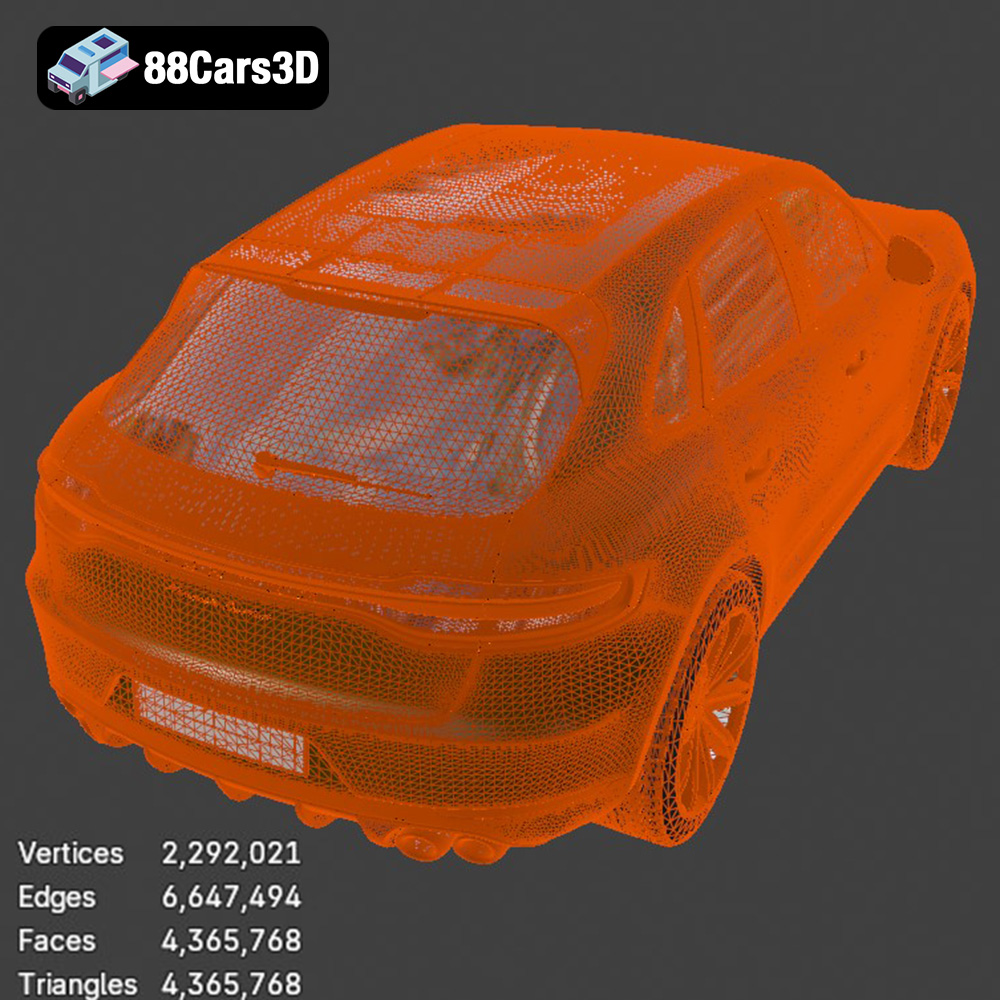
High detail often comes at the cost of performance, especially in real-time applications like game engines or AR/VR. The true mastery in 3D car model creation lies in striking a perfect balance. This involves intelligent topology management, where polygons are distributed efficiently to maintain visual fidelity without overburdening rendering pipelines. Techniques like strategic edge loops, clean quad-based geometry (before triangulation), and efficient UV mapping are critical. For instance, the Porsche Macan Turbo 3D model, boasting an exceptional topology of 4,365,768 triangles, is a testament to this balance. It delivers unparalleled visual fidelity suitable for high-end rendering while remaining optimized for real-time engines like Unreal and Unity, making it a truly versatile game asset.
The world of 3D modeling is rich with various file formats, each serving specific purposes and offering unique advantages for different workflows. Choosing the right format for your project is crucial for compatibility, efficiency, and maintaining data integrity. High-quality 3D car models, like the Porsche Macan Turbo from 88cars3d.com, are often provided in multiple formats to cater to diverse professional needs.
.fbx – Ideal for Unreal, Unity, and real-time pipelines: The Filmbox (FBX) format is widely considered the industry standard for interoperability between 3D applications and game engines. Developed by Autodesk, FBX can store not only geometry (meshes, polygons, normals, UVs) but also animation data (skeletons, skinning, keyframes), cameras, lights, and materials. Its robust nature makes it an excellent choice for transferring complex animated 3D car models into real-time environments like Unreal Engine and Unity. When working with .fbx, it’s important to note the version number, as compatibility can sometimes vary, and to ensure scaling is consistent across different software. For game development, .fbx is often the go-to due to its ability to retain pivot points and hierarchical structures necessary for interactive elements like steering and wheel rotation.
.obj – Universal format for cross-software compatibility: The Wavefront OBJ format is one of the simplest and most universally supported 3D file types. It primarily stores 3D geometry data – vertices, normals, texture coordinates, and faces – and can reference external material files (.mtl) for basic color and texture information. While .obj does not support animation, rigging, or scene information, its simplicity makes it incredibly stable and compatible across virtually all 3D software packages, from 3ds Max and Blender to ZBrush and Maya. It’s an excellent choice for static mesh transfer, archival, or when you need a clean, fundamental representation of your 3D car models without any extra data that might cause import issues.
.unreal – Engine-ready asset for real-time environments: This isn’t a standalone file format in the traditional sense, but rather an indicator that the asset has been specifically pre-processed and optimized for direct integration into Unreal Engine projects. Such assets typically include correctly scaled meshes, optimized materials (PBR ready), collision setups, LODs (Levels of Detail), and potentially Blueprints or animation sequences. When you download a “.unreal” file, you’re getting a package designed to drop straight into your Unreal project, saving significant time on setup and conversion. This is particularly valuable for game assets where performance and engine compatibility are paramount.
.blend – Fully editable Blender scene with materials: As the native file format for Blender, a powerful open-source 3D creation suite, .blend files contain everything related to a Blender project. This includes not just the 3D car model’s geometry and UVs, but also materials, textures, lighting, cameras, animation data, physics simulations, and even custom scripts. A .blend file offers maximum flexibility for artists using Blender, allowing full editability, re-texturing, re-rigging, and scene composition. For those who prefer Blender’s workflow for automotive rendering or game asset preparation, having the native .blend file is indispensable.
.max – Editable 3ds Max project for animation and rendering: Similar to .blend for Blender, .max is the native file format for Autodesk 3ds Max, another industry-leading software for 3D modeling, animation, and rendering. A .max file encapsulates the entire scene, including geometry, materials (with all their complex shader networks), textures, lighting, cameras, modifiers, animation paths, and rendering settings. This format provides the most comprehensive control for artists working in 3ds Max, enabling extensive customization for cinematic renders, complex animations, and detailed architectural visualization projects involving vehicles.
.glb – Optimized for AR, VR, and browser-based display: The GL Transmission Format (glTF) and its binary variant (.glb) are rapidly gaining traction as the “JPEG of 3D.” .glb files package 3D model data (geometry, materials, textures, animation) into a single, compact file, making them ideal for efficient transmission and loading in web browsers, AR/VR applications, and mobile devices. They are designed for real-time rendering and are widely supported by platforms like Google’s Scene Viewer and Facebook 3D posts. For virtual showrooms, online configurators, or interactive web experiences featuring 3D car models, .glb is an increasingly essential format.
.stl – Suitable for 3D printing output: The Stereolithography (STL) format is the de-facto standard for 3D printing. It represents a 3D model as a series of connected triangles, describing only the surface geometry without color, texture, or material information. While simpler, it is universally recognized by 3D printers and slicing software. When preparing a 3D car model for physical output, converting it to .stl is the standard procedure. The Porsche Macan Turbo 3D model, for instance, is suitable for 3D printing, with recommended scales and settings provided for optimal results.
.ply – Precision mesh format for CAD or analysis: The Polygon File Format (PLY) is another common format for storing 3D data, particularly useful for scanned data, CAD, and scientific applications. It can store a wide range of properties, including color, transparency, normals, texture coordinates, and even reliability information for each polygon. While less common for general animation or game development compared to FBX or OBJ, .ply offers a highly precise and extensible way to represent mesh data, making it valuable for detailed analysis or specific industrial design workflows where accuracy beyond visual appeal is critical.
Understanding these formats empowers professionals to select the best option for their current task, ensuring maximum compatibility, efficiency, and control over their 3D car models.
The **Porsche Macan Turbo 3D Model** from 88cars3d.com isn’t just a collection of polygons; it’s a meticulously engineered digital asset designed to meet the highest demands of professional production pipelines. Its features are tailored to deliver both aesthetic brilliance and technical performance across a wide spectrum of applications.
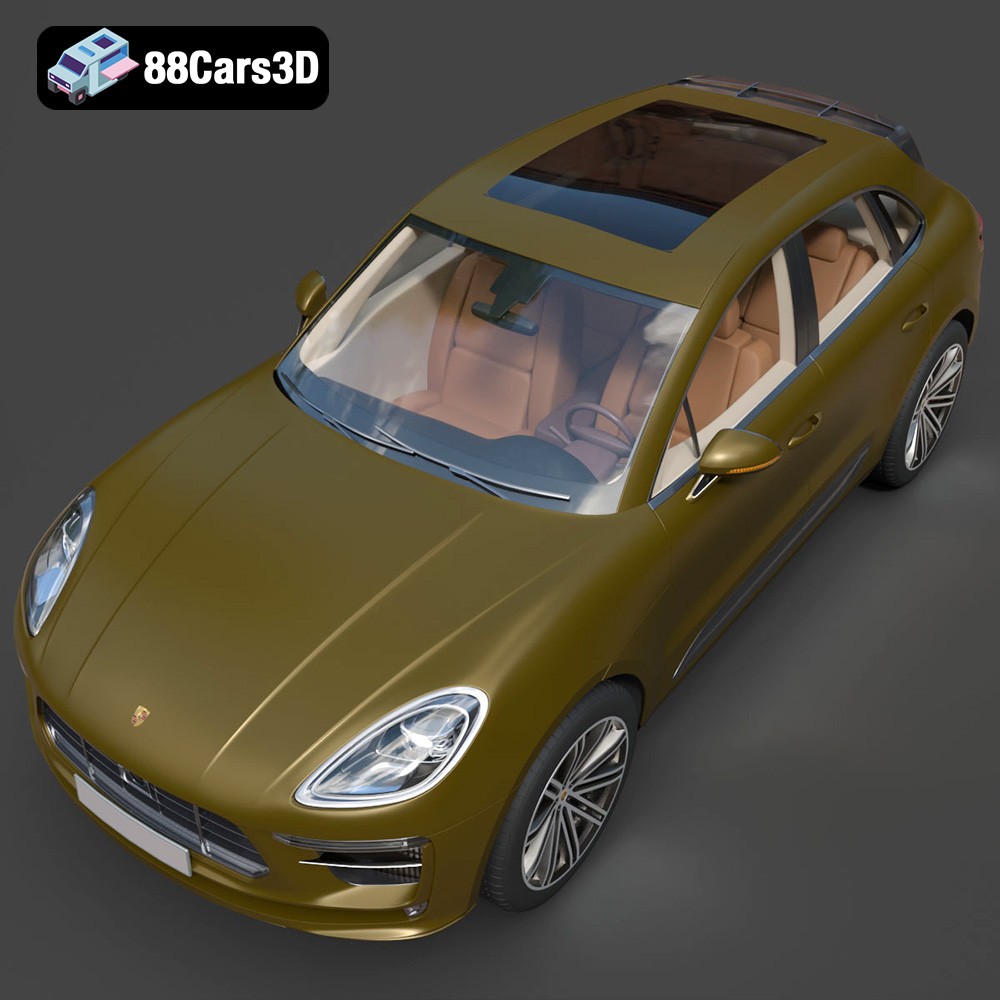
Every aspect of this 3D car model has been crafted with an unwavering commitment to realism. The exterior captures the authentic Porsche Macan Turbo frame geometry and proportions, including its distinctive front grille, aggressive aerodynamic air intakes, and the signature quad exhaust system. Iconic details like the LED matrix headlights and the continuous 3D taillight strip are replicated with precision, enhancing its visual impact. The high-fidelity alloy wheels and performance brake calipers further contribute to its stunning visual accuracy. Inside, the attention to detail continues into the cockpit, featuring premium sport seats with detailed stitching, an authentic GT sports steering wheel, and advanced digital instrument clusters. This granular detailing is crucial for projects requiring close-up shots or first-person perspectives, such as virtual tours or driving simulations.
A core strength of this Porsche Macan Turbo model is its ‘game-ready’ status. With 4,365,768 triangles, it strikes an ideal balance, providing the rich detail necessary for high-end cinematic rendering while remaining optimized for smooth performance in real-time engines like Unreal Engine and Unity. This careful optimization ensures that developers can integrate the model into AAA racing games, open-world environments, or VR experiences without sacrificing frame rates or visual quality. The model also boasts real-world scale accuracy, based on the actual vehicle chassis, ensuring correct proportions and physics interaction within any digital environment. This makes it an invaluable game asset.
Beyond its static beauty, the model is built for dynamic applications. It features a proper pivot setup for steering, wheel rotation, and suspension travel, making it animation-ready for driving sequences and interactive controls. Separate components for wheels, suspension, and steering allow for complex mechanical animations. Furthermore, the model offers extensive customization options. Artists can easily change body colors to match factory palettes or custom finishes, modify tire textures for off-road or street variants, and adjust material finishes (matte, gloss, metallic) to suit specific rendering styles. Lighting can also be adapted to create diverse environmental moods, offering unparalleled flexibility for automotive rendering projects.
The versatility of a high-quality 3D car model, such as the Porsche Macan Turbo from 88cars3d.com, is best demonstrated through its seamless integration into various professional workflows, each leveraging specific technical attributes.
For game developers and real-time visualization artists, the integration of 3D car models into engines like Unreal and Unity is a streamlined process. The Porsche Macan Turbo 3D model, provided in .fbx and .unreal formats, is primed for drag-and-drop deployment. In Unreal Engine, artists can import the .fbx, apply PBR (Physically Based Rendering) materials using the engine’s advanced shader system, and set up dynamic lighting. The “game-ready” optimization, with its balanced polycount, ensures smooth performance, while properly set pivots facilitate easy animation for driving mechanics and interactive elements. Similarly, in Unity, the .fbx format imports with all necessary mesh data, allowing developers to quickly configure colliders, integrate suspension physics, and create realistic driving simulations. These workflows benefit immensely from models that are pre-scaled and topologically sound, minimizing costly post-import adjustments.
When it comes to creating breathtaking cinematic sequences or high-resolution marketing visuals, 3ds Max and Blender offer robust toolsets. The Porsche Macan Turbo model, available in its native .max and .blend formats, provides artists with full editability. In 3ds Max, users can leverage advanced rendering engines like V-Ray or Corona to produce photorealistic automotive rendering. This involves setting up complex studio lighting, applying intricate material shaders (e.g., car paint with flakes, detailed tire rubber, chrome accents), and utilizing advanced camera effects like depth of field and motion blur. For Blender artists, the .blend file allows direct access to all scene data, enabling the use of Cycles or Eevee renderers for stunning visuals. Both platforms benefit from the model’s meticulously crafted geometry and detailed interior, allowing for close-up shots that highlight its luxury features. Artists can also animate door openings, interior elements, and camera movements to create engaging visual stories.
Beyond traditional rendering and game development, high-quality 3D car models open doors to innovative applications. For AR/VR experiences, the .glb format of the Porsche Macan Turbo model is particularly advantageous. Its optimized nature allows for quick loading and smooth interaction in virtual showrooms or augmented reality apps, providing immersive virtual configurators where customers can explore the vehicle in real-time. The real-world scale accuracy is critical here, ensuring a believable experience. For 3D printing enthusiasts, the model’s availability in .stl format means it can be physically realized. Hobbyists can scale it down to 1:12, 1:18, or 1:24, using resin printing for fine details. The provided print settings (layer height, supports, print orientation) guide users through the process, allowing them to create tangible display models with authentic factory colors, bridging the digital and physical worlds.
The strategic deployment of high-fidelity 3D car models transforms various digital projects, bringing a level of professionalism and engagement that standard assets simply cannot achieve.
Consider an online automotive configurator for a luxury car brand. The integration of a model like the Porsche Macan Turbo 3D model allows potential buyers to explore every detail of the vehicle in a stunning, interactive 3D environment. Users can change body colors, switch wheel designs, open doors to view the intricate interior, and even simulate different lighting conditions. The model’s customization options—changing colors and materials—are crucial here, directly impacting the user’s ability to personalize their virtual vehicle. This level of interaction, powered by game-ready assets, significantly enhances the online shopping experience and drives sales engagement.
In the fiercely competitive world of AAA racing games, realism is paramount. Developers need meticulously crafted 3D car models that not only look authentic but also perform flawlessly within complex game engines. The Porsche Macan Turbo model, with its optimized polycount and real-world scale, is an ideal game asset. It can be integrated into high-speed chases, open-world exploration, or detailed garage scenes, providing players with an immersive driving experience. The separate components for animation, such as wheels and suspension, enable realistic physics and dynamic vehicle damage systems, elevating the gameplay to new heights.
Architectural visualization often benefits from contextual elements, and a high-quality 3D car model can dramatically enhance the realism of a scene. Imagine a luxurious villa rendering; placing a meticulously detailed Porsche Macan Turbo in the driveway instantly adds a layer of sophistication and lifestyle aspiration. Similarly, for product visualization, showing how a new car accessory fits onto a photorealistic vehicle model provides clarity and visual appeal that simple product shots cannot. The ability to render the model with diverse material finishes and lighting setups makes it incredibly versatile for these varied visualization needs, enriching the overall aesthetic narrative.
The journey through the intricacies of 3D car modeling reveals that true excellence lies at the intersection of artistic skill, technical precision, and strategic optimization. For professionals seeking to create impactful digital content, investing in premium 3D assets is not just a luxury but a necessity. Whether for cutting-edge game development, stunning automotive rendering, immersive AR/VR experiences, or precise 3D printing, the foundational quality of your 3D models dictates the success of your project.
The **Porsche Macan Turbo 3D Model Download STL FBX OBJ GLB Blend** stands as a shining example of such an asset. Its exceptional topology, meticulous detailing, game-ready optimization, and comprehensive file format support ensure it seamlessly integrates into any professional pipeline. By offering such a versatile and high-fidelity model, 88cars3d.com empowers creators to push the boundaries of realism and deliver truly unforgettable digital experiences. Elevate your next project by harnessing the power of a world-class 3D car model that embodies both luxury and performance.
Experience the thrill of high-performance luxury with this stunning 3D model of the Porsche Macan Turbo. Known for bridging the gap between a versatile compact SUV and a true sports car, the Macan Turbo boasts iconic Porsche styling cues, an aggressive front fascia, and a muscular stance. This model perfectly captures its aerodynamic exterior, signature quad exhaust system, and distinctive LED light signature that defines modern Porsche design. Engineered with an exceptional topology of 4,365,768 triangles, this 3D model delivers unparalleled visual fidelity while remaining optimized for high-end digital environments. Every curve, panel gap, and interior detail has been meticulously crafted to provide maximum realism. It is fully prepped for advanced game development, automotive configurators, immersive AR/VR experiences, and cinematic visualization. Perfect for AAA racing games, luxury lifestyle visualizations, virtual showrooms, and high-end automotive rendering scenes.
$90.00
.blend
.fbx
.glb
.luxury suv
.max
.obj
.ply
.porsche
.rendering
.stl
.unreal
car-3d-model
game asset
game-ready
macan-turbo
optimized
porsche-macan
SUV
VR/AR