Get 20% OFF All Premium 3D & STL Models!

In the rapidly evolving landscape of automotive design and digital content creation, the demand for hyper-realistic 3D car models has never been higher. From groundbreaking racing simulators to breathtaking cinematic visualizations and immersive virtual reality experiences, a high-fidelity digital representation of a vehicle serves as the cornerstone of many professional projects. Today, we delve into the intricate world of 3D modeling by focusing on a magnificent example: the Audi RS E-Tron GT 3D Model available on 88cars3d.com. This all-electric grand tourer is not just a triumph of automotive engineering in the real world, but its digital counterpart represents a pinnacle of 3D artistry and technical optimization, offering unparalleled realism and versatility for a multitude of applications.
The Audi RS E-Tron GT stands as a beacon of performance and sustainability, blending Audi’s storied Quattro heritage with cutting-edge electric vehicle technology. Its digital twin must capture every aggressive line, every sculpted fender, and the unmistakable presence that defines this futuristic machine. This blog post will explore the technical nuances, workflow applications, and diverse uses of such a detailed model, demonstrating why acquiring a premium asset like the Audi RS E-Tron GT 3D model is a strategic investment for any serious digital artist, game developer, or visualization specialist.
Choosing the correct file format for your 3D assets is paramount to a smooth workflow and successful project execution. Each format serves a specific purpose, offering unique advantages in terms of compatibility, data integrity, and optimization for particular applications. When you download a sophisticated 3D car model like the Audi RS E-Tron GT from 88cars3d.com, you gain access to a comprehensive suite of formats, ensuring seamless integration into virtually any professional pipeline.
Understanding these formats empowers creators to select the right tool for the job, streamlining their workflow and ensuring the highest quality output for their 3D car models, whether for cinematic rendering, interactive games, or physical fabrication.
The Audi RS E-Tron GT represents a bold step into the electric future, and its digital rendition must reflect this innovation with impeccable detail and structural integrity. A truly professional 3D car model, such as the one for the Audi RS E-Tron GT found on 88cars3d.com, is far more than just a shell; it’s a meticulously engineered digital asset designed to perform across diverse platforms.
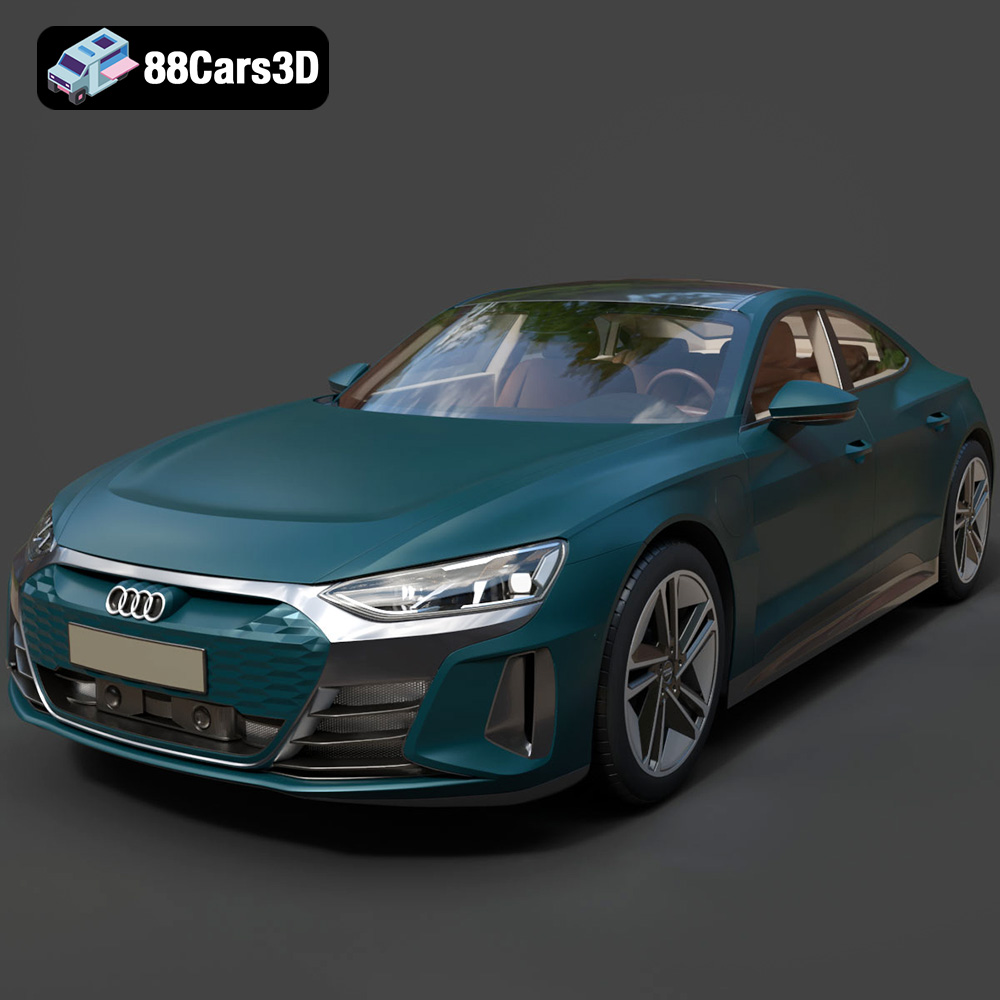
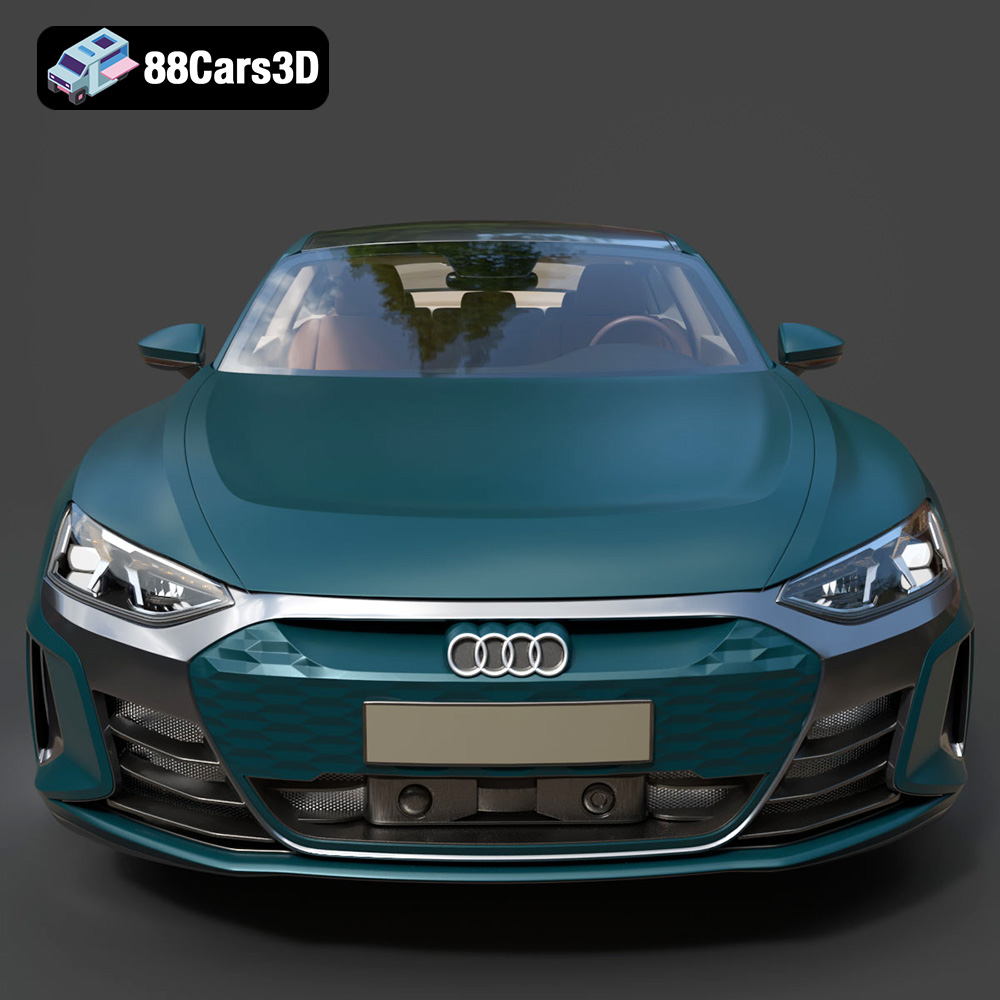
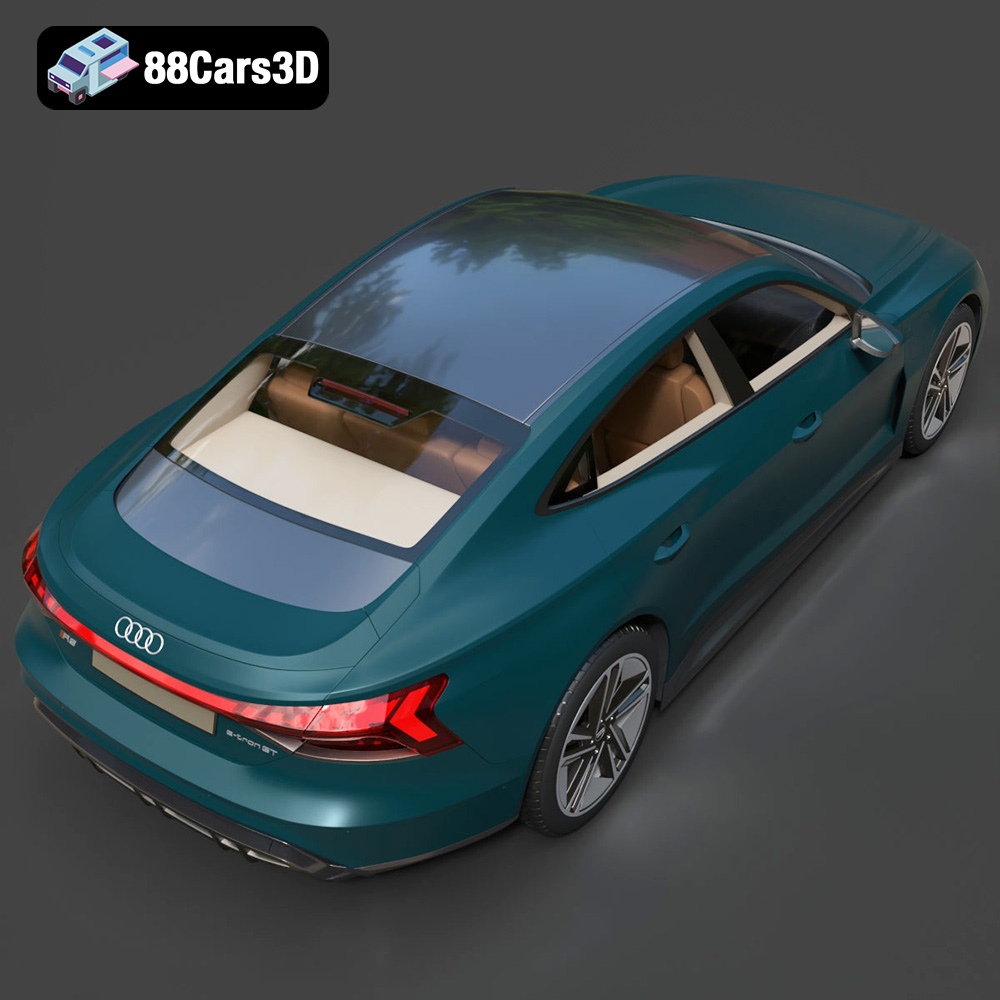
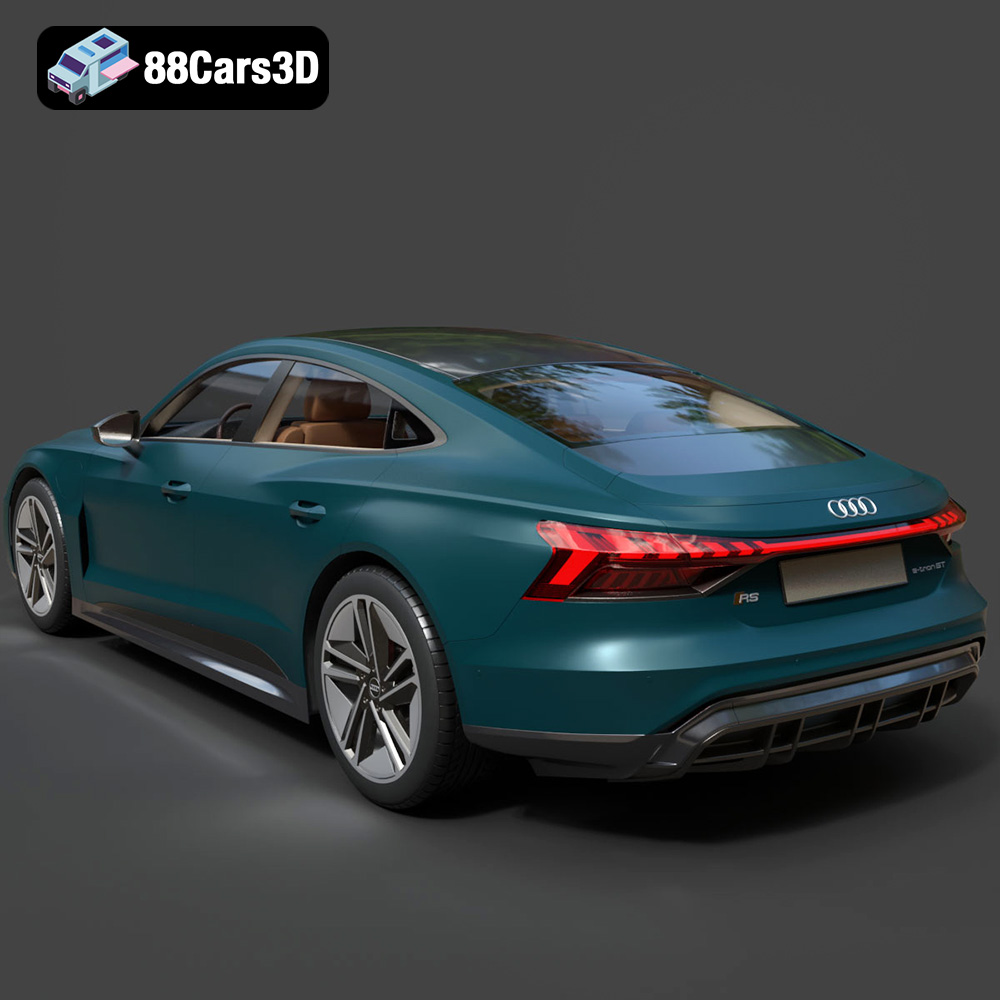
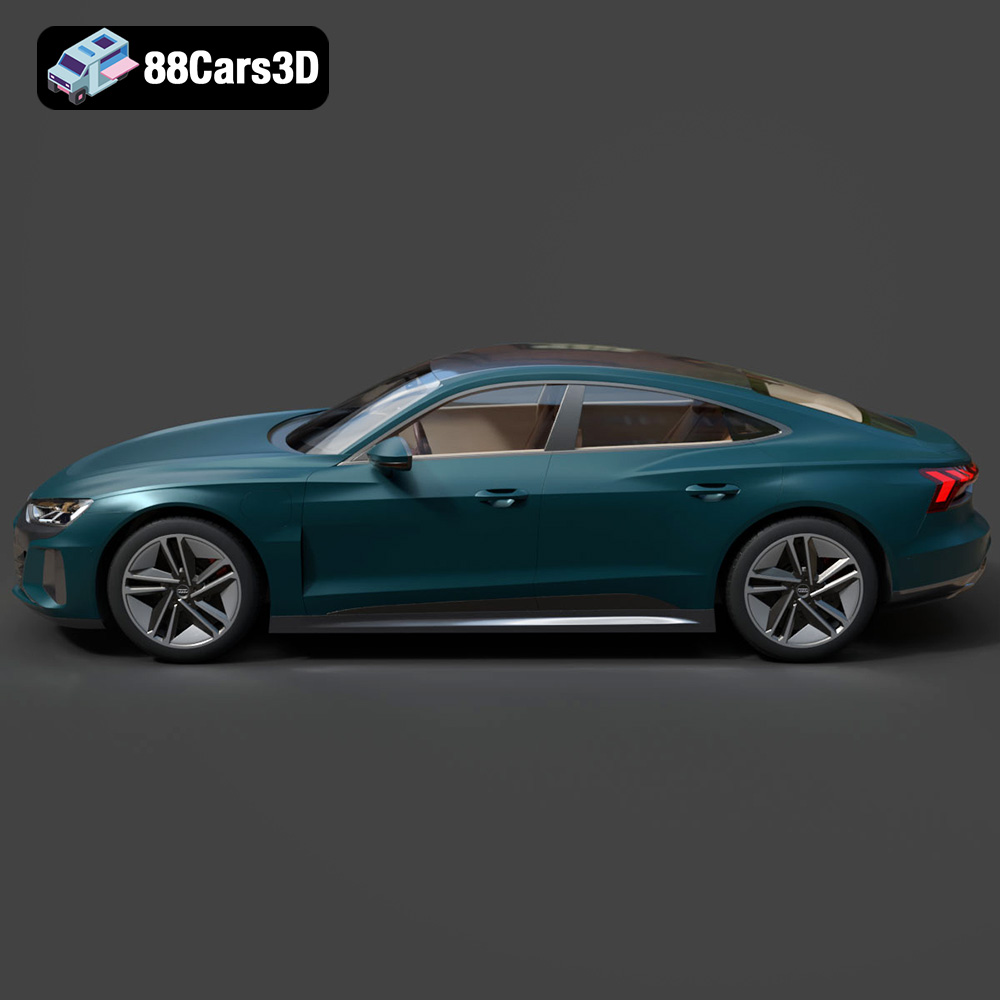
The essence of a high-quality 3D model lies in its ability to replicate the real-world vehicle’s design philosophy. For the Audi RS E-Tron GT, this means faithfully reproducing its aggressive, aerodynamic stance, the distinctive inverted Singleframe grille, and the sculpted blistered fenders. Every curve, every sharp crease, and the signature continuous LED taillight strip must be accurately translated from the physical car into its digital counterpart. This level of accuracy is critical for brand consistency in automotive rendering and for creating believable environments in game assets. Attention to details like the intricate aero-optimized alloy wheels and high-performance brake calipers ensures that even in close-up shots, the model holds up to scrutiny, providing the visual fidelity demanded by discerning clients and audiences.
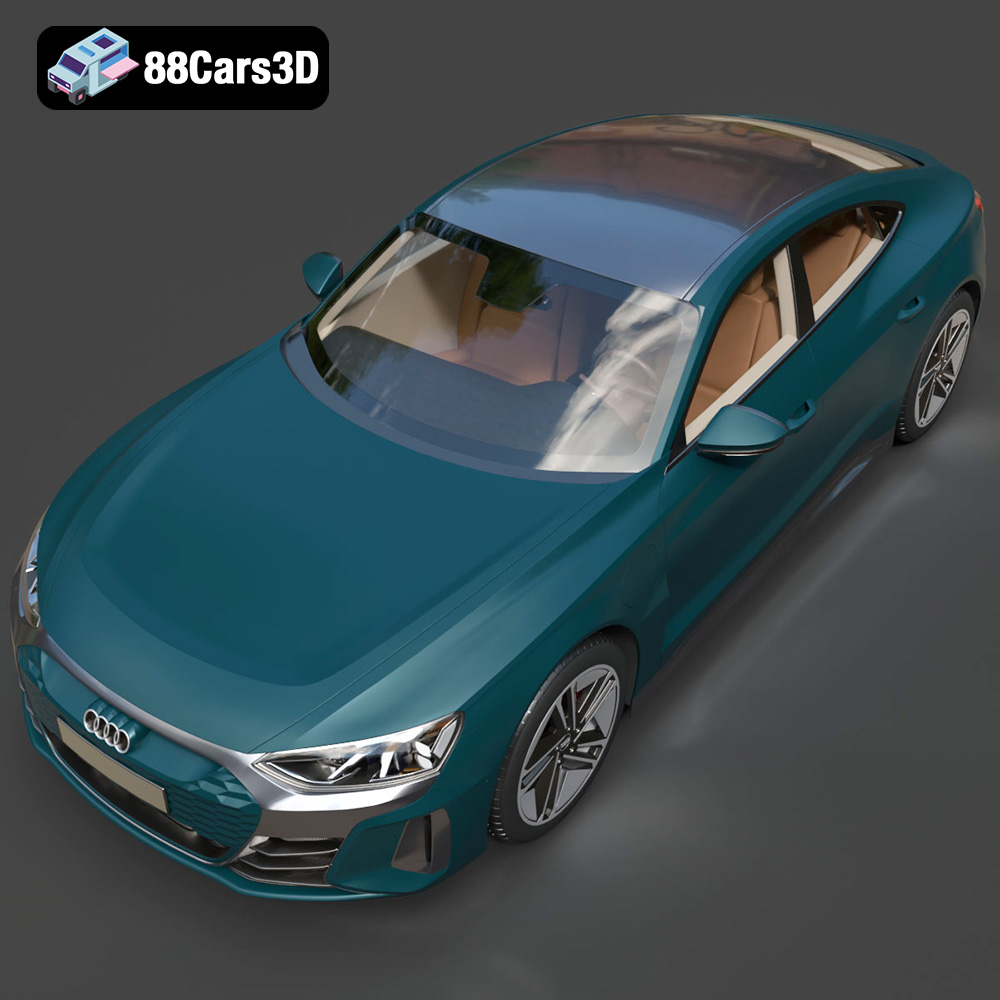
Beyond the exterior, the interior of a premium 3D model like this Audi RS E-Tron GT is equally vital. The model boasts luxurious sport seats with precise stitching, a flat-bottomed Alcantara-wrapped steering wheel, and high-fidelity digital instrument clusters. These elements are not merely aesthetic; they are engineered for functionality in digital environments. For game development, features like an optimized geometry for first-person POV enhance player immersion. For virtual showrooms, the ability to showcase accurate center console details and MMI touch response displays allows for interactive product exploration. The integration of separate wheels, suspension, and steering components with proper pivot setups is a testament to the engineering thought put into the 3D model, enabling realistic animation of driving dynamics and suspension travel.
The quality of a 3D model is often defined by its technical specifications and how those translate into visual realism and performance. For complex subjects like high-performance 3D car models, striking the right balance between detail and optimization is crucial. The Audi RS E-Tron GT 3D model exemplifies this balance.
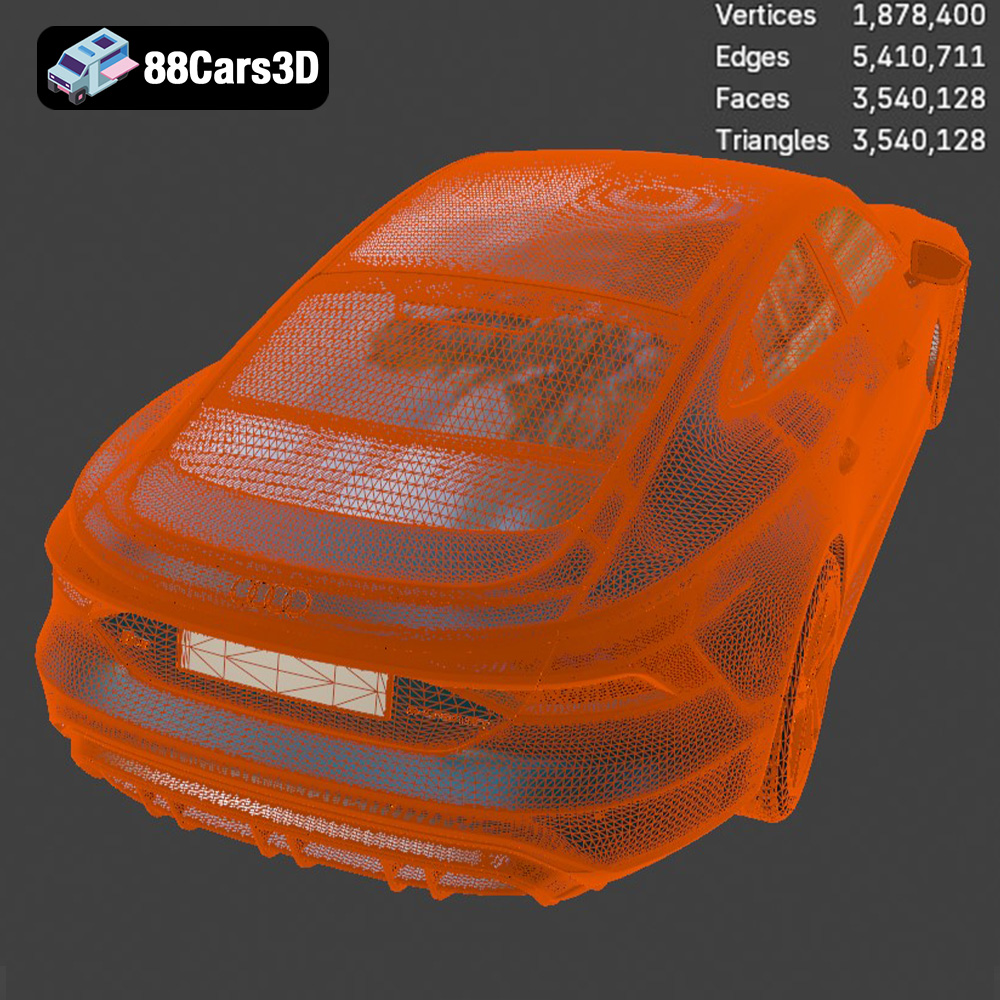
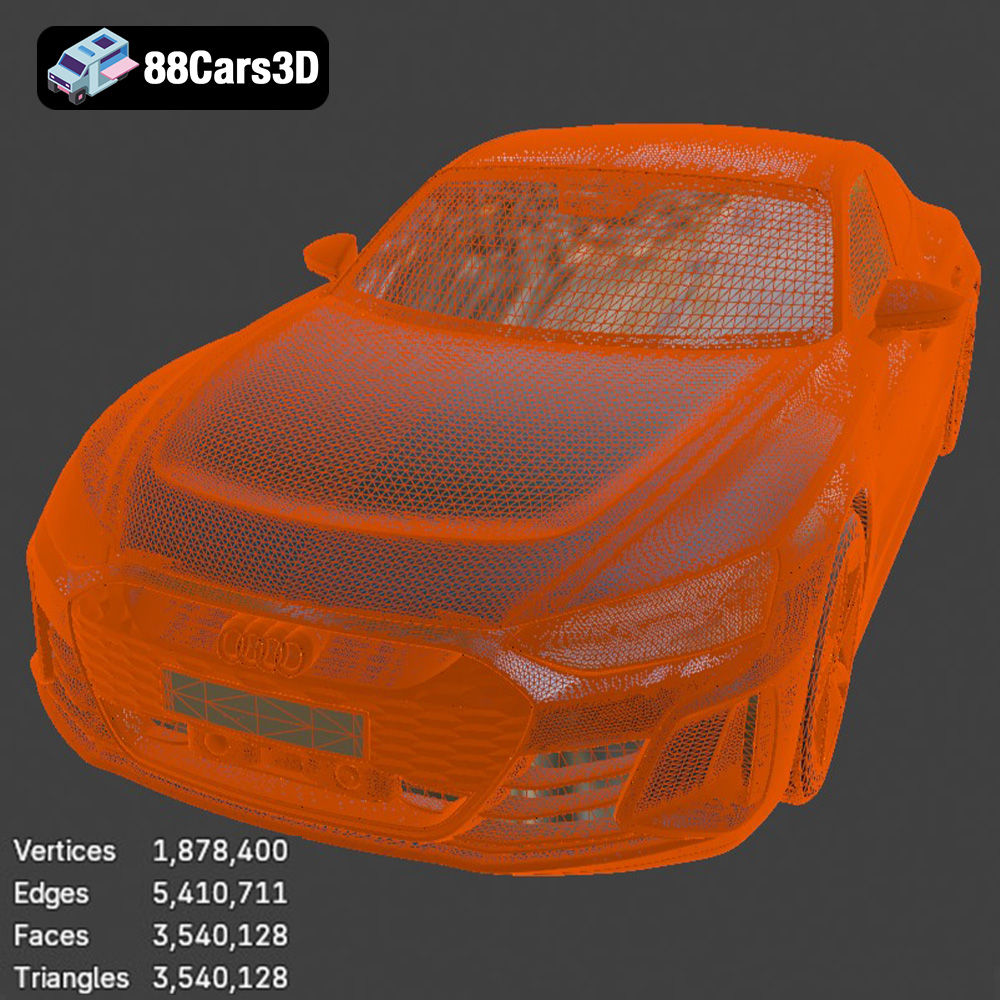
With an impressive 3,540,128 triangle count, this Audi RS E-Tron GT model is engineered for maximum visual fidelity. This poly count is high enough to deliver breathtaking resolution for close-up shots in cinematic rendering and high-end visualizations, capturing the subtle nuances of the car’s design, from panel gaps to intricate vents. Crucially, this detailed geometry maintains structural integrity, ensuring that surfaces remain smooth and reflections behave realistically under various lighting conditions. Simultaneously, it is optimized to be “game-ready,” meaning that while highly detailed, its mesh topology is clean and efficient enough to be integrated into real-time engines like Unreal Engine and Unity without causing undue performance bottlenecks, especially when used as a hero asset.
Beyond raw geometry, the realism of a 3D model hinges on its materials and textures. The Audi RS E-Tron GT model comes equipped with materials designed to simulate real-world surfaces – from the metallic sheen of the body paint to the subtle reflectivity of glass and the fine textures of interior fabrics. High-resolution PBR (Physically Based Rendering) textures are essential for achieving photorealism, allowing the model to react accurately to light in any scene. The flexibility to customize body colors, modify tire textures, and adjust material finishes (matte, gloss, metallic) provides artists with immense creative control, enabling them to adapt the car to specific branding, environmental conditions, or artistic visions. Features like detailed electric vehicle undercarriage and battery pack housing further underscore the depth of this model’s technical completeness.
A versatile 3D asset like the Audi RS E-Tron GT model is designed for seamless integration into various professional 3D software environments. Each software offers unique strengths, and the model’s multi-format availability ensures that artists can leverage their preferred tools effectively.
Blender users benefit immensely from the native .blend file, which provides a fully editable scene. Artists can dive into the model’s hierarchical structure, making adjustments to individual components, creating custom animations for opening doors or steering, or even modifying the suspension behavior. The proper pivot setup for steering, wheel rotation, and suspension travel is particularly useful here. Blender’s powerful rendering engines (Eevee and Cycles) allow for stunning automotive rendering, from studio shots to dynamic action sequences. The open-source nature of Blender, combined with such a high-quality asset from 88cars3d.com, makes professional-grade automotive visualization accessible to a wider audience.
For those entrenched in the Autodesk ecosystem, the .max file provides native access to the model within 3ds Max. This allows for leveraging 3ds Max’s robust modeling tools for minor adjustments, its powerful material editor for complex shader creation, and its industry-leading rendering engines like V-Ray or Corona for producing photorealistic visualizations. Professionals in architectural visualization often integrate high-quality 3D car models like the Audi RS E-Tron GT into their scenes to add realism and scale to lifestyle renderings. The detailed exterior and interior features make it perfect for showcasing premium environments or creating captivating product advertisements.
The inclusion of .fbx and “unreal” specific formats highlights the model’s readiness for real-time engines. In Unreal Engine, artists can import the Audi RS E-Tron GT, apply advanced PBR materials, set up realistic lighting with Lumen and Nanite (where applicable for static meshes), and animate it using Sequencer. The “game-ready optimized” nature, with its balanced poly count, is ideal for populating open-world game environments or serving as a hero vehicle in a racing title. The separate, animatable components (wheels, suspension, steering) are critical for implementing realistic physics and interactive controls, allowing for a truly immersive driving experience within a game or simulation.
The utility of a detailed 3D car model extends far beyond static images or pre-rendered animations. Its inherent versatility makes it an invaluable asset across multiple industries, driving innovation in how we interact with and perceive automotive design.
For automotive brands, high-fidelity 3D car models like the Audi RS E-Tron GT are transformative. They enable the creation of virtual showrooms where potential buyers can explore a vehicle from every angle, customize its features (body/tank colors, material finishes), and even “drive” it in a simulated environment. This level of interaction, often delivered via web-based 3D or AR configurators utilizing formats like .glb, offers an engaging and personalized experience that traditional marketing struggles to match. It allows for showcasing product variations and features without the need for physical prototypes, saving significant time and resources. Imagine selecting custom finishes for the RS E-Tron GT and seeing the changes instantly rendered in 3D, all powered by this meticulous model.
The burgeoning fields of Augmented Reality (AR) and Virtual Reality (VR) find immense value in optimized 3D car models. The Audi RS E-Tron GT can be placed into a user’s real-world environment via a smartphone AR app, allowing them to “see” the car in their driveway or garage. In VR, it forms the centerpiece of immersive virtual showrooms or educational experiences, where users can step inside the cockpit, examine the flat-bottomed Alcantara-wrapped steering wheel, or interact with the MMI touch response display as if they were physically present. These applications, leveraging game-ready assets, create unparalleled engagement and understanding of the product, moving beyond passive viewing to active participation.
While often used for digital rendering, high-quality 3D car models also bridge the gap into the physical world through 3D printing. The Audi RS E-Tron GT 3D model provides .stl format support, opening up avenues for hobbyists and professionals to bring the digital design to life as a tangible object.
Converting a complex model designed for digital rendering into one suitable for 3D printing requires careful consideration. The .stl format triangulates the entire surface of the model, creating a water-tight mesh essential for successful printing. This allows for the creation of display-scale models, collector’s items, or even functional prototypes for specialized applications. The precise geometry of the Audi RS E-Tron GT ensures that details like the aggressive rear diffuser and the shape of the matrix LED headlights are accurately preserved in the physical print.
The product description provides detailed 3D print settings, which are crucial for achieving optimal results. Recommended scales (1:12, 1:18, 1:24) cater to different display preferences, while suggested layer heights (0.04–0.12 mm) emphasize the need for fine detail, particularly recommending resin printing for the best finish. Specifications like wall thickness (1.2–2.0 mm) and infill (20–30%) are vital for structural integrity and material efficiency. Furthermore, the advice on supports for detailed parts and print orientation (frame angled, wheels separately) highlights the expertise behind preparing such a model for fabrication. Post-processing steps like sanding, priming, and applying authentic factory colors with metallic finishes ensure the printed model achieves a professional, realistic appearance that mirrors its digital counterpart.
In the realm of interactive entertainment and real-time simulations, the performance of 3D assets is as critical as their visual fidelity. The Audi RS E-Tron GT 3D model is specifically engineered to excel in these demanding environments.
The “Game-Ready & Optimized” tag for the Audi RS E-Tron GT model signifies a meticulous balance. Its 3,540,128 triangle count is a sweet spot, providing enough detail for stunning close-ups and realistic reflections without overburdening game engines. This allows for the integration of the vehicle into open-world games, racing titles, and high-fidelity simulators where performance is paramount. The proper pivot setup for all moving parts (steering, wheels, suspension) is invaluable, allowing game developers to directly implement realistic physics and driving mechanics without extensive re-rigging. This streamlines the development process significantly, enabling faster iteration and higher quality output for automotive rendering within games.
The versatility of this 3D car model means it can be much more than a static prop. Its separate, animatable components enable dynamic gameplay, from customizable paint jobs to destructible parts, or even interactive showrooms where players can open doors and explore the interior. The optimized geometry for first-person POV in gaming makes it perfect for driving simulations or in-car camera perspectives, truly immersing the player in the luxurious sport seats and digital cockpit. Whether building urban racing environments or crafting immersive virtual configurators, this Audi RS E-Tron GT 3D model provides the foundational quality needed to create compelling and realistic interactive experiences.
The Audi RS E-Tron GT 3D model is a testament to the power and potential of high-quality digital assets in today’s creative industries. It seamlessly blends breathtaking visual fidelity with robust technical optimization, making it an indispensable tool for a wide array of applications – from cinematic automotive rendering to cutting-edge game development, immersive AR/VR experiences, and even precise 3D printing. Its comprehensive suite of included file formats ensures compatibility across all major professional 3D software and real-time engines, offering unparalleled flexibility.
Investing in such a meticulously crafted 3D car model from a reputable source like 88cars3d.com not only saves countless hours of development time but also guarantees a level of detail and realism that will elevate any project. Whether you’re a seasoned professional or an aspiring artist, this Audi RS E-Tron GT 3D model provides the foundation for creating stunning visualizations and interactive experiences that truly capture the essence of this magnificent electric grand tourer. Explore this model and other premium 3D car models at 88cars3d.com today and accelerate your creative journey.
Experience the future of high-performance driving with this incredibly detailed 3D model of the Audi RS E-Tron GT. This all-electric grand tourer masterfully blends Audi’s legendary Quattro heritage with cutting-edge EV technology. Our model captures its aggressive, aerodynamic stance, characterized by the striking inverted Singleframe grille, sculpted blistered fenders, and the signature continuous LED taillight strip that defines its futuristic rear profile. Engineered for maximum visual fidelity, this model features an impressive 3,540,128 triangle count, delivering breathtaking high-resolution details perfect for close-up shots while maintaining structural integrity for optimization. Whether you are building next-generation racing games, crafting high-end cinematic animations, or developing immersive virtual configurators, this model offers unmatched realism. Perfect for urban racing environments, high-end automotive visualizations, virtual reality showrooms, and architectural lifestyle renderings.
$90.00
.audi
.blend
.ev
.fbx
.glb
.max
.obj
.ply
.rendering
.sports car
.stl
.unreal
car-3d-model
electric-car
game asset
game-ready
grand-tourer
optimized
rs-e-tron-gt
VR/AR