Get 20% OFF All Premium 3D & STL Models!

In the dynamic world of 3D design, where realism and performance are paramount, the demand for high-quality 3D car models has never been greater. From cinematic automotive rendering to immersive game development and cutting-edge AR/VR experiences, the foundational asset—the 3D model itself—dictates the final output’s fidelity and utility. Professionals across industries are constantly seeking models that strike the perfect balance between intricate detail and optimized performance, ready to be dropped into diverse pipelines.
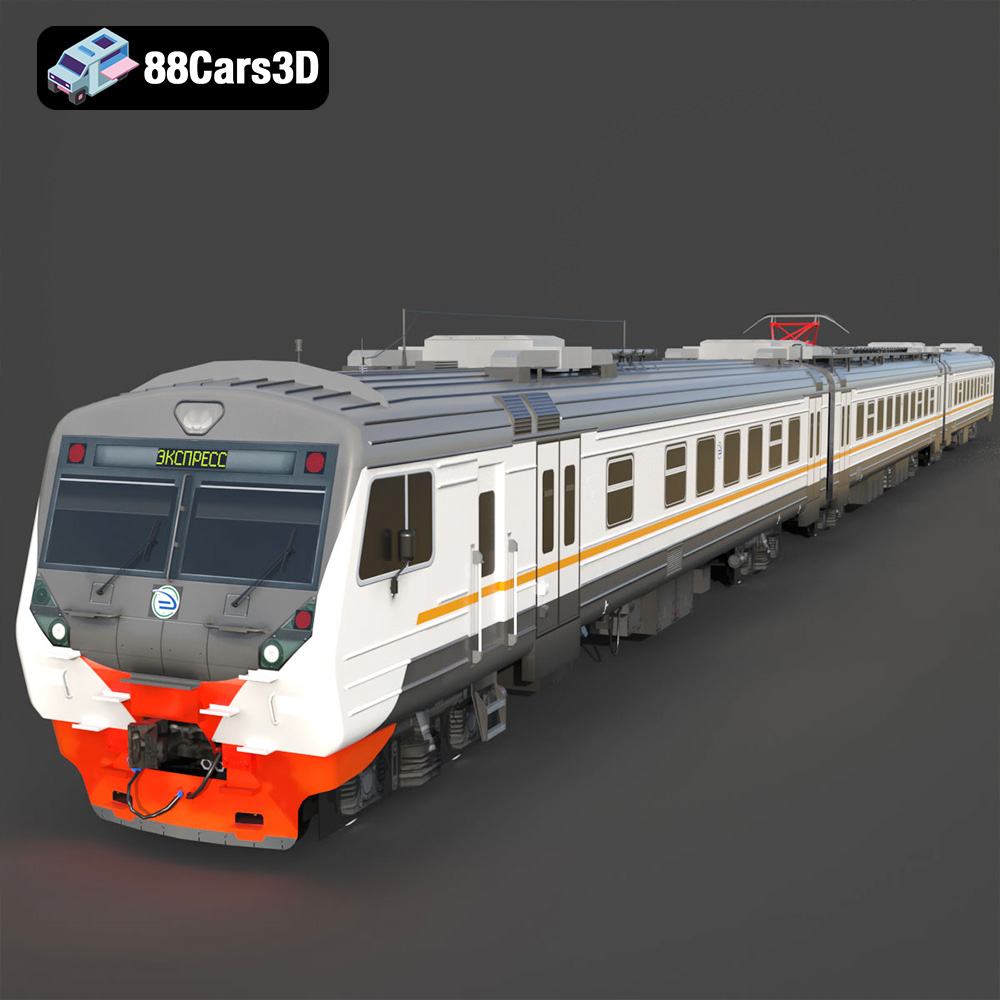
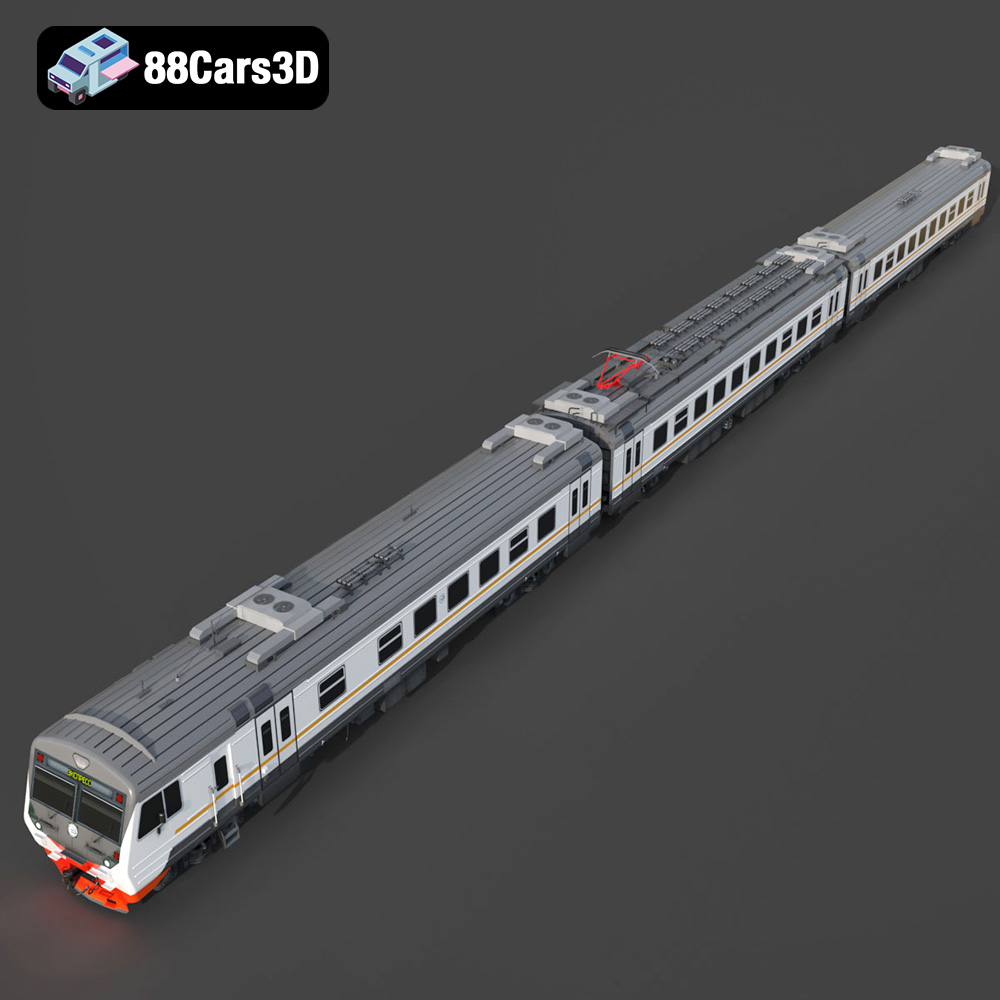
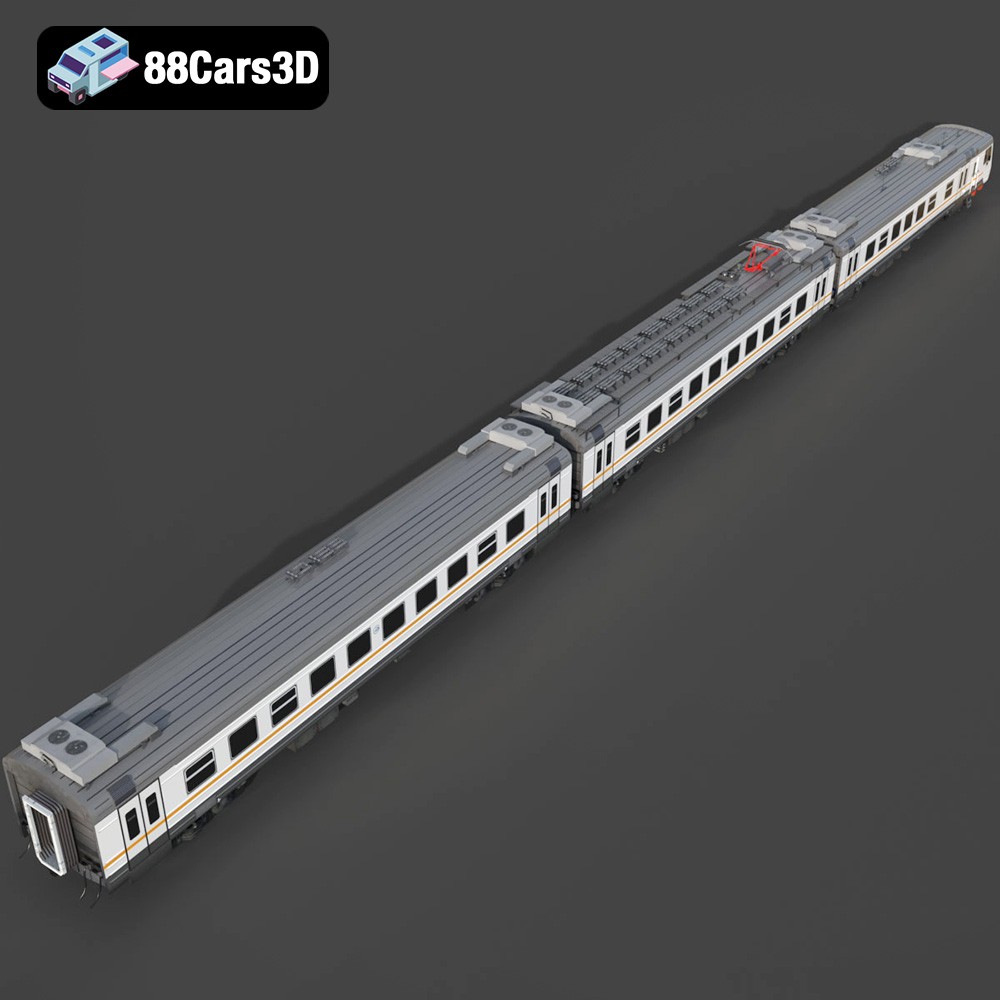
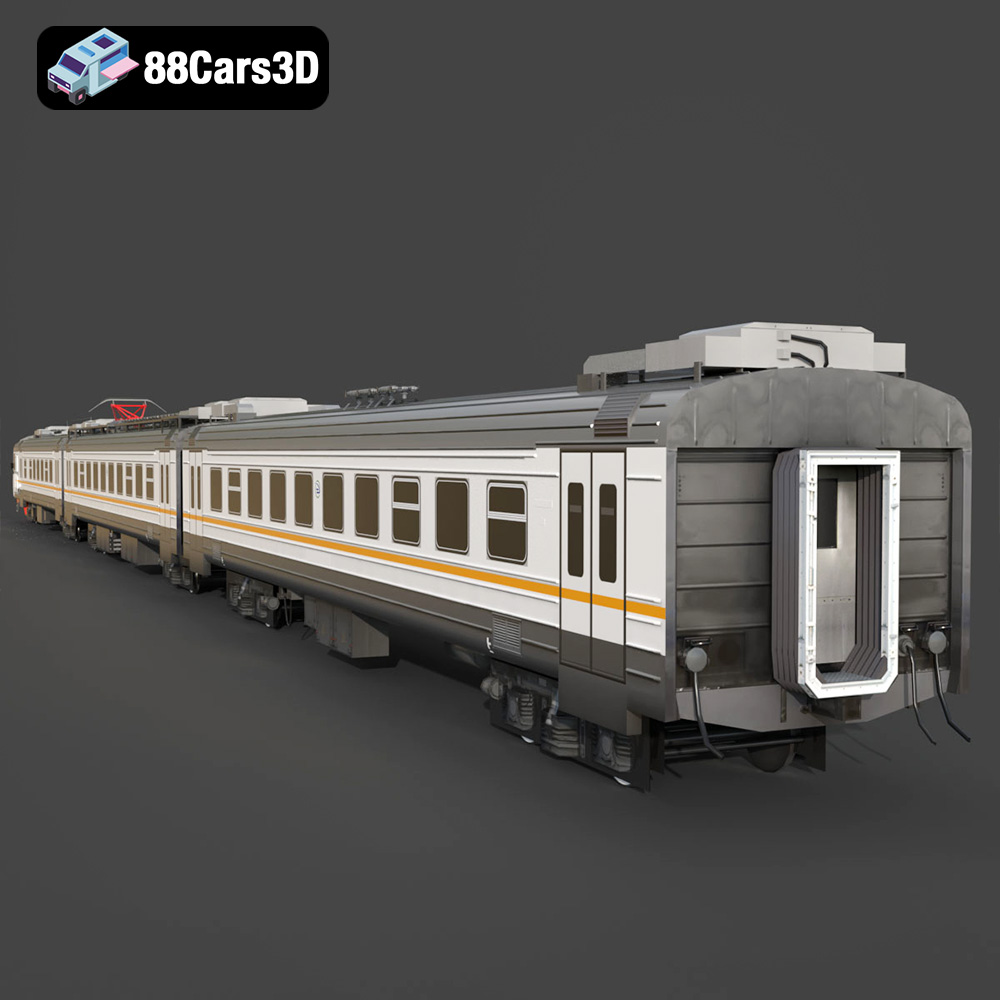
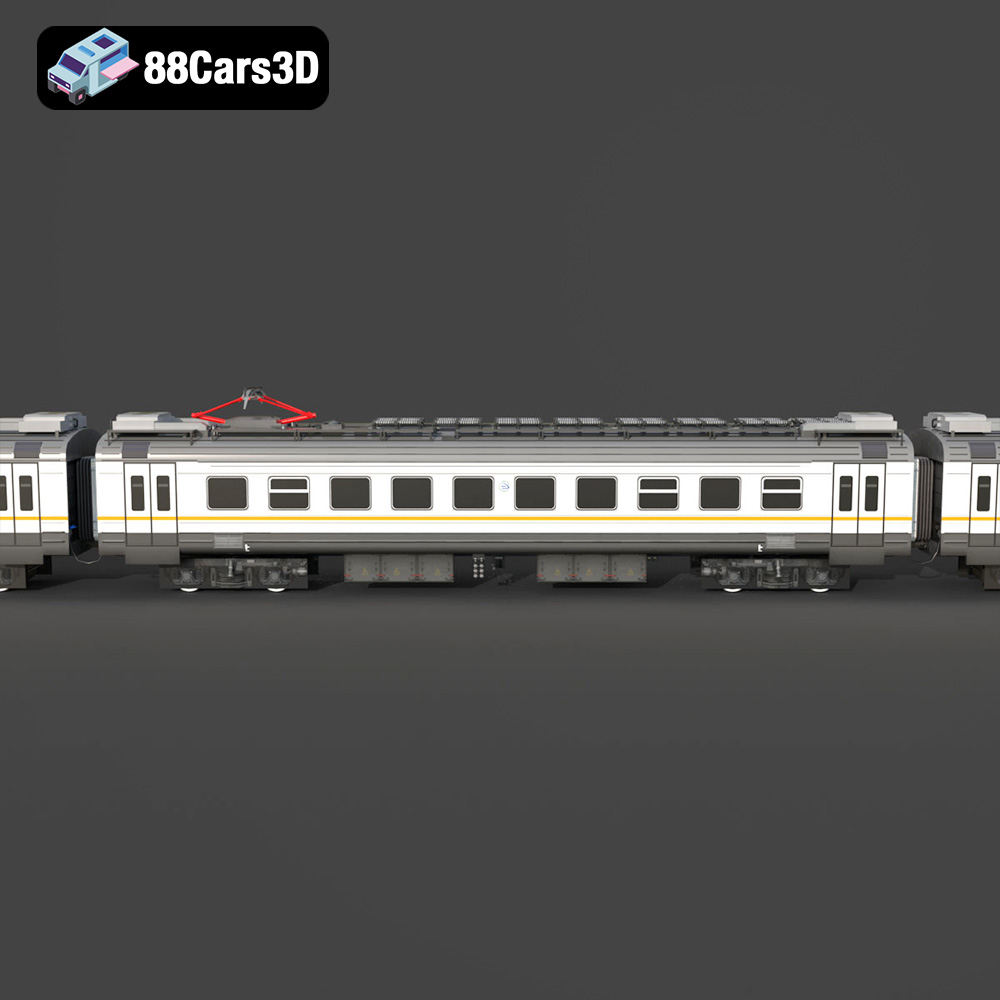
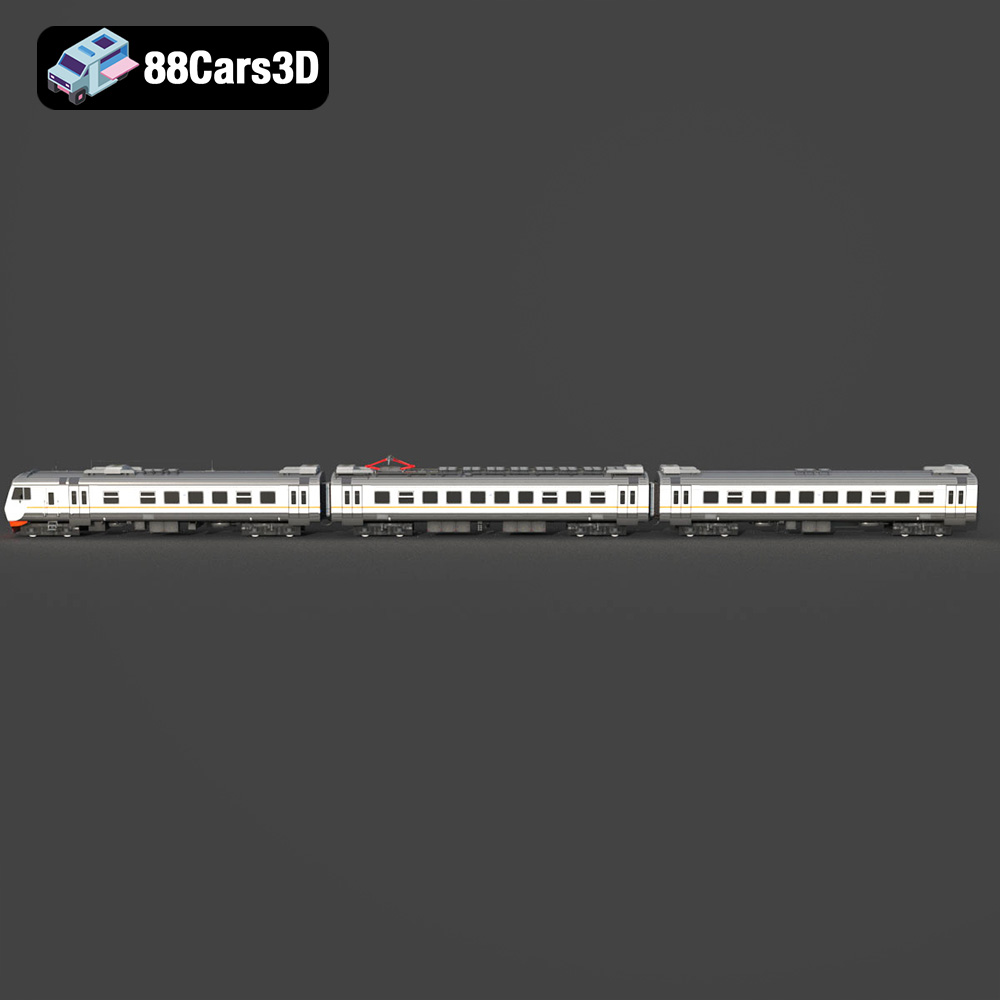
Today, we delve into the nuances of professional 3D car model utilization, exploring how a meticulously crafted asset can elevate projects from good to extraordinary. We’ll specifically highlight the exceptional versatility and detail found in models like the Train ED4M 002 2018 3D Model, available on 88cars3d.com. This particular model embodies the blend of aggressive aerodynamic profiling, sleek modern lines, and futuristic styling that concept vehicles are known for, all while being engineered for seamless integration into various digital environments. Understanding the technical specifications and application breadth of such a model is crucial for anyone serious about pushing the boundaries of digital automotive content.
Choosing the correct file format for your 3D model is often as critical as the model’s design itself. It dictates compatibility, workflow efficiency, and even the ultimate quality of your project. The Train ED4M 002 2018 3D Model offers a comprehensive suite of formats, each serving distinct purposes within the professional pipeline.
The .blend format is the native file type for Blender, a powerful open-source 3D creation suite. When you download the ED4M 002 in .blend format, you gain access to the full, editable scene. This includes all mesh data, materials, textures, lighting setups, and even animation rigs if present. It’s ideal for artists who primarily work in Blender and require maximum flexibility for modifications, re-texturing, or integrating the model into existing Blender projects. The .blend file preserves node-based materials, custom shaders, and scene organization, making it perfect for iterative design and deep customization.
The .fbx (Filmbox) format is an industry-standard proprietary format developed by Autodesk, widely adopted for its excellent interoperability. It efficiently stores not just mesh data, but also complex scenes including materials, textures, cameras, lights, and crucially, animation data. For game development, .fbx is the go-to choice for engines like Unreal Engine and Unity. Its robust handling of skeletal animations, blend shapes, and PBR (Physically Based Rendering) material assignments ensures that the ED4M 002 model translates with high fidelity into real-time environments. It’s designed for efficiency and broad compatibility across 3D software and game engines.
The .obj (Wavefront OBJ) format is one of the oldest and most widely supported 3D file formats, making it a universal choice for basic mesh exchange. It stores geometry (vertices, normals, texture coordinates, and faces) and can reference external .mtl (Material Template Library) files for basic material properties. While it doesn’t handle animations or complex PBR materials directly within the file, its simplicity and widespread support mean the ED4M 002 model can be imported into virtually any 3D software for initial setup or rendering. It’s perfect for static mesh imports where you intend to apply materials and textures within your target software.
The .glb (GL Transmission Format Binary) is the binary version of the glTF format, designed for efficient transmission and loading of 3D scenes and models by engines and applications. It packages textures, animations, and other data directly into a single file, making it highly optimized for web-based AR/VR, browser viewers, and mobile applications. The ED4M 002 in .glb format ensures quick loading times and seamless integration into interactive 3D web experiences or augmented reality applications, offering a compact and performant solution for digital showcases.
The .stl (STereoLithography) format is the standard file type for 3D printing. It represents a 3D model as a series of connected triangles, defining only the surface geometry without color or texture information. For hobbyists or professionals looking to physically manifest the ED4M 002, the .stl version is essential. It’s prepped for slicing software, allowing users to prepare the model for additive manufacturing, with considerations for scale, layer height, and support structures as detailed in the product specifications.
The .ply (Polygon File Format or Stanford Triangle Format) is a versatile format capable of storing a wide range of information, including color, transparency, normals, texture coordinates, and even properties for each vertex and face. It’s often used in applications that involve scanning, CAD, and scientific analysis, where precise mesh data is crucial. While less common for general rendering than FBX or OBJ, its ability to store detailed mesh attributes makes it valuable for specialized pipelines or for converting to other formats while retaining rich geometric information.
While not a standalone file format in the traditional sense, an “.unreal” asset often implies a project file or a specific import process optimized for Unreal Engine. This could mean a .fbx file pre-configured with materials, textures, and possibly blueprints or LODs (Levels of Detail) structured for direct integration into an Unreal project. It signifies a model that has undergone specific preparation to maximize performance and visual quality within Unreal Engine, such as correct material setups and collision meshes, making the ED4M 002 immediately usable for game developers.
The .max format is the native file type for Autodesk 3ds Max, a leading software for 3D modeling, animation, and rendering. Similar to .blend for Blender, the .max file contains the complete scene data—geometry, materials, textures, lighting, cameras, and animations. For artists working in 3ds Max, this format provides full control to modify the ED4M 002, animate its components (wheels, steering, suspension), or integrate it into complex architectural visualization or product rendering scenes. It allows for advanced rendering with V-Ray, Corona, or other renderers compatible with 3ds Max, ensuring maximum visual fidelity.
Automotive rendering is an art form that combines technical precision with aesthetic vision. Utilizing a high-quality 3D car model like the ED4M 002 from 88cars3d.com significantly streamlines this process, allowing artists to focus on creative aspects rather than laborious modeling.
For those leveraging the power of 3ds Max or Blender, the ED4M 002 model provides a robust foundation. In 3ds Max, an artist would typically import the .max or .fbx file, which preserves much of the model’s material assignments. The first steps involve setting up a studio lighting environment, often using an HDRI (High Dynamic Range Image) coupled with area lights to simulate a realistic studio or outdoor setting. The ED4M 002’s meticulously crafted geometry, including its sleek bodywork and detailed engine bay, responds beautifully to advanced lighting, showcasing crisp reflections and accurate highlights. Photorealistic materials—especially PBR-based ones—are then fine-tuned for the body paint (e.g., custom factory finishes, metallic flakes), glass, tires, and interior elements. The separate components for wheels, suspension, and steering also allow for dynamic scene composition, such as a vehicle turning or leaning into a corner.
The ED4M 002’s design lends itself to a wide array of material customizations. In a professional rendering workflow, artists would go beyond basic color changes. This involves creating complex layered shaders for car paint to simulate clear coat, base color, and metallic flakes. Tire textures can be swapped between track slicks and street variants, impacting the visual narrative of the render. Carbon fiber accents, often seen in high-performance concept cars, can be applied to diffusers or interior panels using intricate normal and diffuse maps. The model’s optimized topology ensures that these detailed textures map cleanly, preventing stretching or pixelation, which is crucial for high-resolution output for brand campaigns or lifestyle scenes.
After rendering, the image is rarely complete without a crucial post-processing stage. Using software like Adobe Photoshop or Affinity Photo, artists can enhance exposure, color balance, and add effects such as depth of field, motion blur, and lens flares to imbue the render with cinematic quality. The ED4M 002, with its aggressive profile and modern LED lighting details, can be strategically lit to create dramatic shadows and vibrant light trails, especially when depicting movement. This stage is vital for delivering stunning architectural visualizations or compelling product showcases where the vehicle is the star.
Game development places unique demands on 3D assets: high visual fidelity must be paired with extreme performance optimization. The ED4M 002 2018 3D Model is specifically engineered as a game-ready asset, demonstrating how intricate detail can coexist with real-time efficiency.
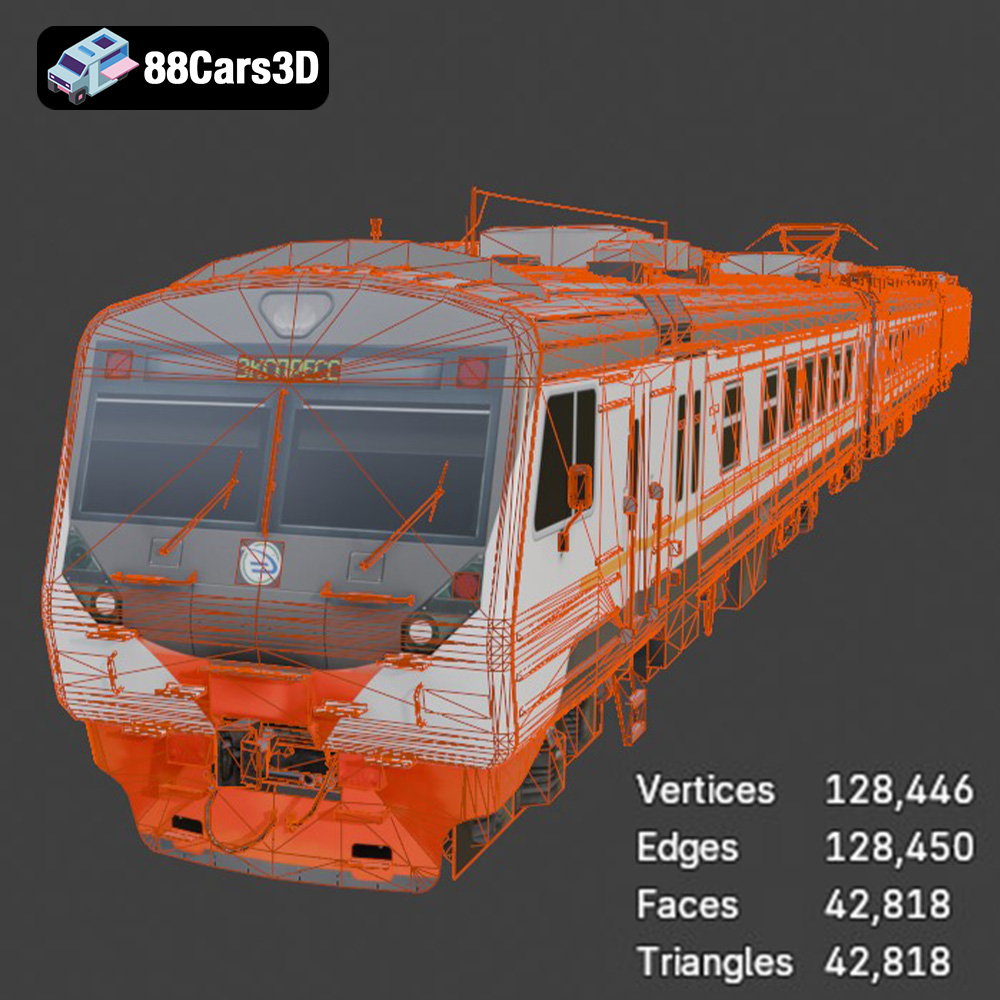
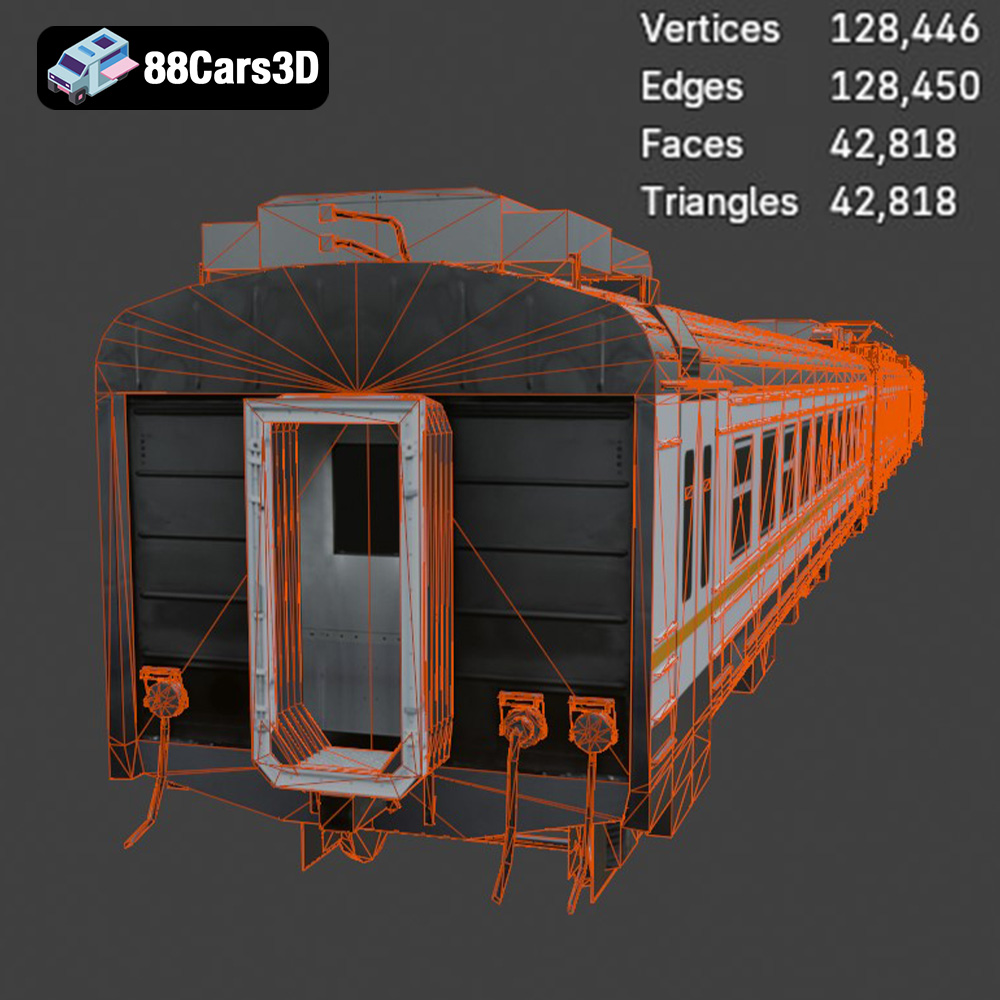
The stated 42818 triangle count for the ED4M 002 is a prime example of intelligent optimization. For a next-gen game, this polycount allows for impressive visual realism without overburdening the game engine. Each polygon contributes to the vehicle’s “aggressive aerodynamic profile” and “sculpted bodywork,” ensuring that the model looks detailed even up close. Game developers can utilize techniques like LODs (Levels of Detail) to further optimize performance, swapping lower-poly versions of the ED4M 002 when it’s further from the camera, seamlessly maintaining performance across diverse game environments—from open-world urban settings to high-speed racing simulators.
With its .fbx and .unreal file formats, the ED4M 002 is primed for integration into Unreal Engine and Unity. When imported, the proper pivot setup for steering, wheel rotation, and suspension travel is critical for implementing realistic physics and animation. Developers can leverage these pre-configured pivots to attach wheel colliders and suspension components, ensuring that the ED4M 002 behaves dynamically within the game engine. The optimized mesh allows for realistic lighting interactions through engine-native global illumination and ray tracing, contributing to crisp reflections and authentic material responses crucial for an immersive experience.
Beyond static meshes, game assets often require complex interactive elements. The ED4M 002’s separate components for wheels, suspension, and steering are invaluable. These allow for custom animation blueprints in Unreal or animation controllers in Unity, enabling realistic vehicle dynamics like independent suspension movement, responsive steering, and dynamic wheel rotation. Furthermore, the detailed interior—with its sport-contoured bucket seats, digital instrument cluster, and ergonomic steering wheel—is designed for a highly immersive first-person POV, essential for racing games or VR automotive experiences. Implementing interactive elements like opening doors or animated dashboards becomes straightforward with this well-structured model.
The versatility of a well-designed 3D car model extends far beyond traditional screens, finding impactful uses in augmented reality, virtual reality, and even physical manufacturing through 3D printing.
For AR/VR applications, performance is paramount, and the .glb format of the ED4M 002 model shines. Its optimized nature ensures quick loading and smooth interaction in real-time virtual showrooms, configurators, or mobile AR experiences. Imagine a customer exploring the ED4M 002 in their driveway through an AR app, changing body and trim colors in real-time, or stepping into a VR environment to experience the cockpit’s ergonomic design firsthand. The accuracy of the ED4M 002’s concept frame geometry and real-world scale makes these immersive experiences highly believable and engaging, offering a new dimension to product visualization and marketing.
The inclusion of the .stl format for the ED4M 002 makes it ready for 3D printing, catering to hobbyists and professional model makers alike. The product description provides crucial print settings: recommended scales (1:12, 1:18, 1:24), layer height, infill, and specific support requirements. For a detailed model like this, resin printing is often recommended to capture the “aggressive rear diffuser,” “custom exhaust system details,” and “modern LED lighting details” with precision. Proper print orientation, with the frame angled for structural integrity and wheels printed separately, is essential for a successful print. Post-processing involving sanding, priming, and painting with authentic factory colors can transform the digital concept into a tangible collectible or prototype.
Beyond static display models, 3D printed versions of the ED4M 002 could serve as rapid prototypes for design reviews or as unique physical marketing assets. Designers can evaluate the physical form and proportions, gaining insights that might be missed on a screen. Agencies could use these physical models at events or in showrooms, offering a tactile experience of the futuristic design. The ability to bridge the gap between digital ideation and physical manifestation underscores the value of a multi-purpose 3D asset like the ED4M 002, demonstrating the foresight in offering a .stl version.
The true value of a professional 3D car model lies not just in its initial appearance, but in its underlying technical structure and the avenues it opens for customization. The ED4M 002 excels in both.
The ED4M 002 is more than just a pretty mesh. Its “game-ready & optimized” tag is backed by technical advantages: 42818 triangles, ensuring a perfect balance between visual realism and real-time performance. This optimized topology means cleaner meshes, easier UV unwrapping (implied by good performance and rendering), and more efficient rendering. “Real-world scale accuracy” based on actual vehicle chassis proportions guarantees that the model will fit correctly into any environment, whether it’s a virtual garage or an architectural visualization scene. Crucially, the “proper pivot setup for steering, wheel rotation, and suspension travel” signifies that the model is intelligently prepared for animation and physics integration, saving countless hours for animators and game developers. This level of technical thoughtfulness is a hallmark of premium 3D car models available on platforms like 88cars3d.com.
The ED4M 002 is a canvas for creativity. Its customization options are extensive, allowing artists to truly make the model their own. Changing body and trim colors is just the beginning; complex racing liveries can transform its character. Modifying tire textures from track slicks to street variants alters its intended use and narrative. Adjusting material finishes—from matte to gloss, or introducing exotic materials like carbon fiber—can drastically change its aesthetic appeal for different scenarios. Furthermore, adapting lighting setups for diverse digital environments, from a brightly lit showroom to a dramatic nighttime street, further enhances its versatility. This flexibility ensures the ED4M 002 remains relevant across a multitude of projects, offering a solid investment for any 3D professional.
The journey through the world of advanced 3D automotive design reveals that the core asset—the 3D model—is the linchpin for success across rendering, game development, and immersive experiences. The Train ED4M 002 2018 3D Model exemplifies what a professional-grade asset should be: a meticulously crafted, technically optimized, and highly versatile foundation for a myriad of digital projects.
From its broad file format compatibility catering to specific workflows in 3ds Max, Blender, Unreal, and Unity, to its intelligent polycount and detailed interior, the ED4M 002 is built for performance and visual fidelity. Its readiness for AR/VR and 3D printing further broadens its appeal, offering tangible and interactive applications beyond traditional screens. By understanding the intricate details of such a model and leveraging its customization potential, artists and developers can significantly enhance their creative output and efficiency.
For those seeking to elevate their projects with high-quality 3D car models that blend aesthetic excellence with technical robustness, exploring offerings like the ED4M 002 at 88cars3d.com is a worthwhile endeavor. It’s an investment in efficiency, quality, and the limitless possibilities of modern 3D visualization.
Explore the striking design of the ED4M 002 2018, a highly detailed 3D representation of an advanced concept vehicle. Known for its aggressive aerodynamic profile, sleek modern lines, and futuristic styling cues, this model captures the essence of next-generation automotive design. Key visual elements like the high-performance engine bay, custom exhaust system, wide track stance, and sculpted bodywork are meticulously crafted to deliver a premium visual experience. This game-ready 3D model boasts an optimized topology with a triangle count of 42818, striking the ultimate balance between high-end visual fidelity and real-time performance. Designed for seamless integration into modern game engines like Unreal and Unity, the mesh allows for realistic lighting interactions, crisp reflections, and smooth rendering. Whether you are developing a next-gen racing game, creating immersive VR automotive experiences, or producing high-quality cinematic animations, this model delivers exceptional quality. Perfect for high-speed racing simulators, open-world urban game environments, virtual automotive showrooms, and stunning architectural visualizations.
$17.00
.blend
.ed4m
.fbx
.glb
.max
.obj
.ply
.rendering
.sports car
.stl
.train
.unreal
002-2018
car-3d-model
concept-car
game asset
game-ready
low-poly
optimized
prototype-vehicle
VR/AR