Get 20% OFF All Premium 3D & STL Models!

In the rapidly evolving landscape of digital media, from photorealistic cinematic renders to immersive virtual realities, the demand for incredibly detailed and versatile 3D assets has never been higher. Automotive design and visualization stand at the forefront of this revolution, requiring models that are not just visually appealing but also technically robust and adaptable to diverse workflows. Whether you’re an architect visualizing a sleek vehicle in a future city, a game developer crafting an open-world racing title, or an automotive designer presenting a new concept, the foundation of your project hinges on the quality of your 3D car models.
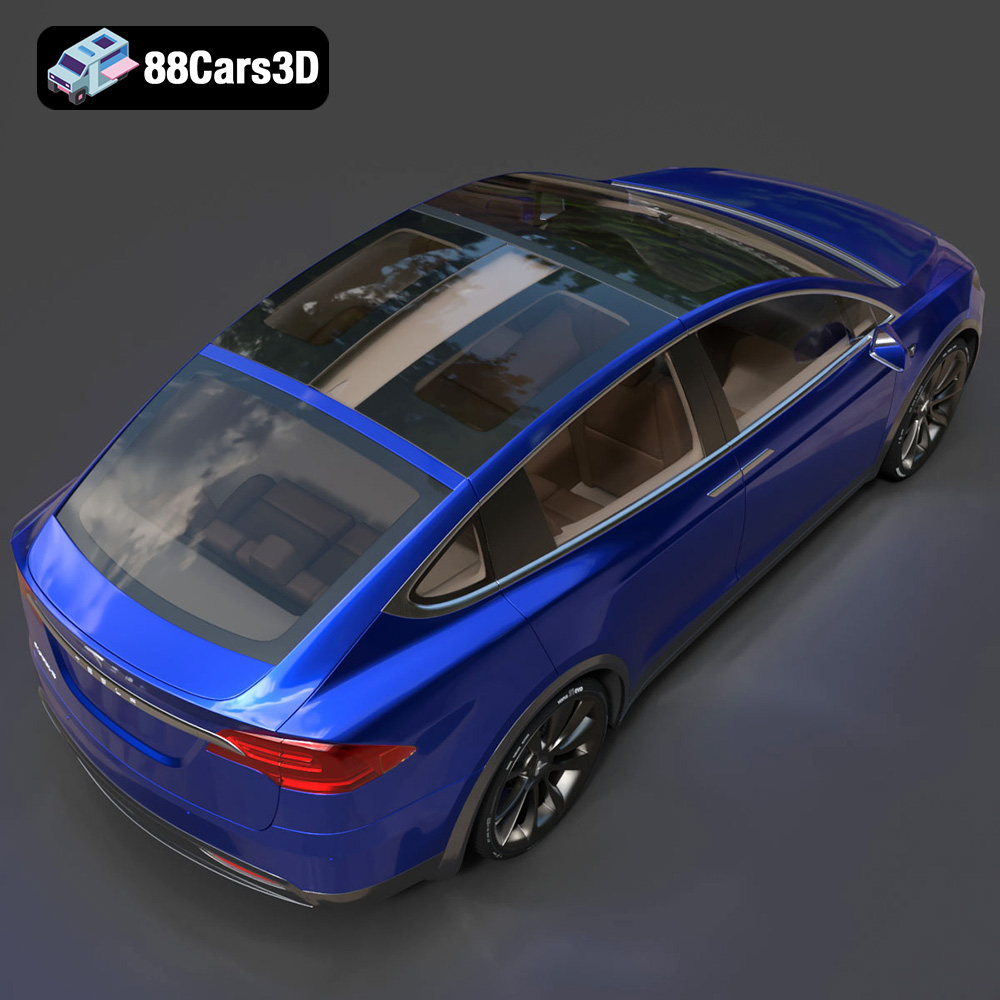
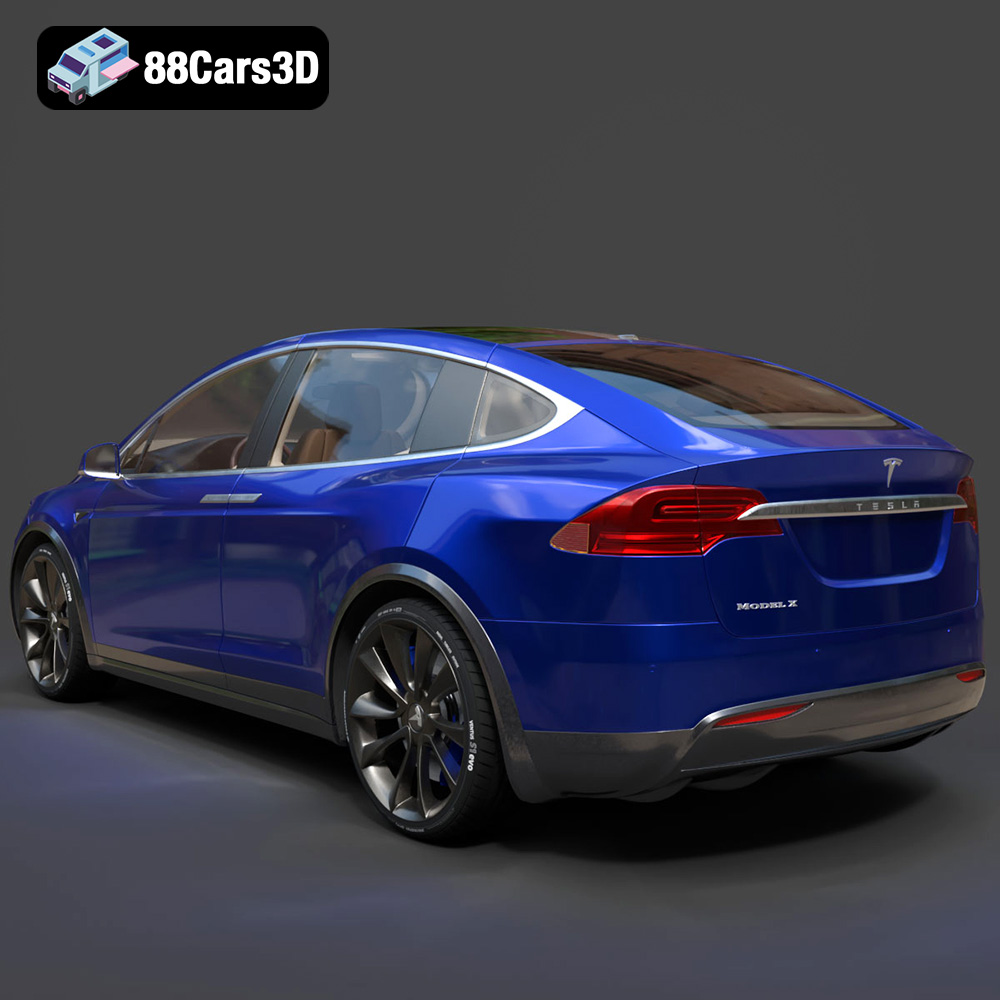
Few vehicles capture the spirit of modern innovation quite like the Tesla Model X. With its groundbreaking electric performance, distinctive Falcon Wing doors, and minimalist, futuristic interior, it represents a significant leap in automotive engineering and aesthetics. Digitally recreating such an iconic vehicle demands meticulous attention to detail, ensuring that every curve, every light, and every interior element is faithfully represented. A premium 3D model of the Tesla Model X isn’t just an asset; it’s a statement piece, capable of elevating any digital scene it inhabits, whether cruising through a virtual metropolis or gracing a high-end product showcase.
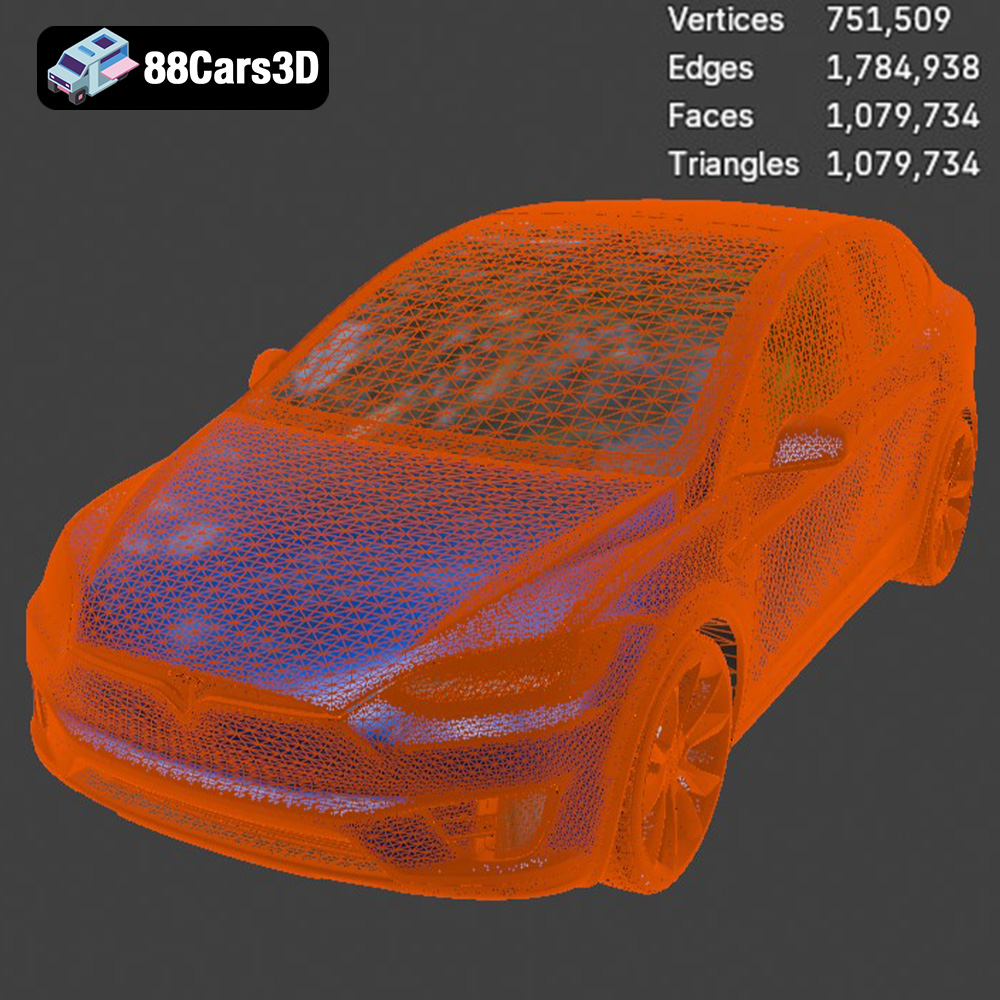
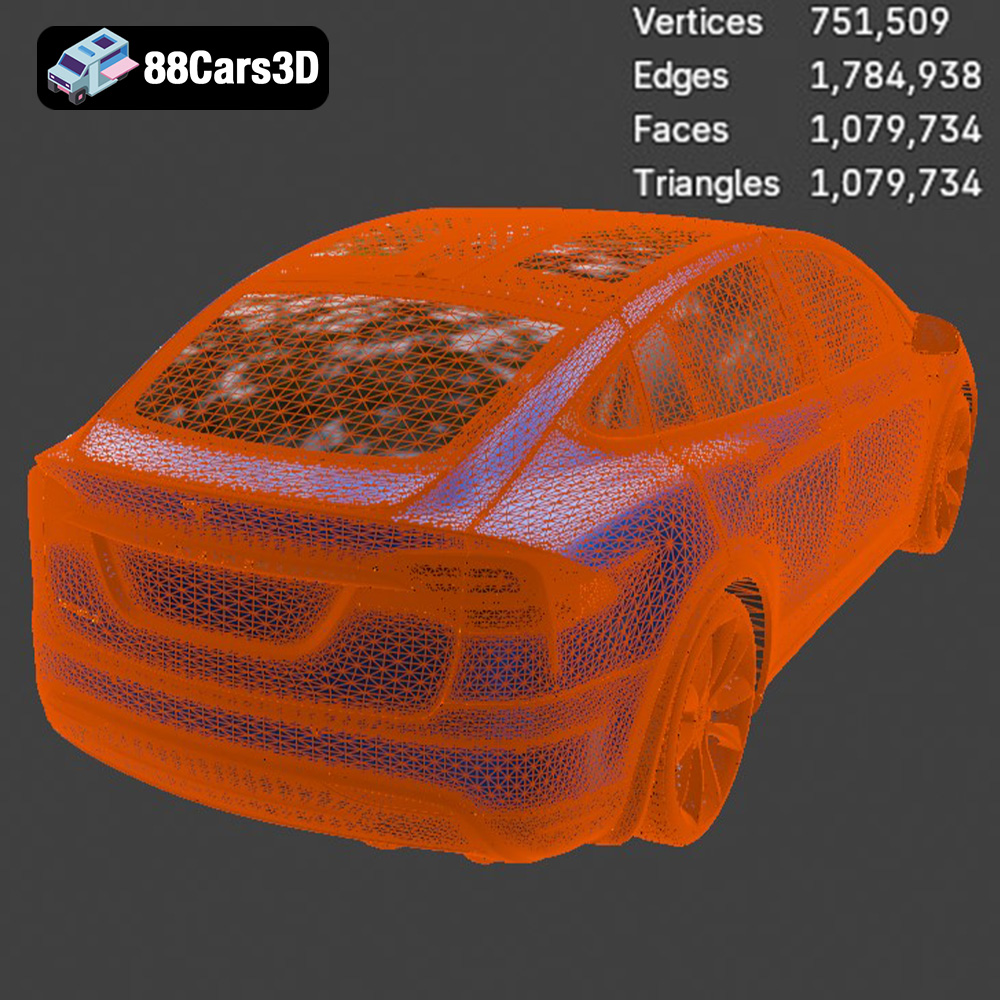
The transition from a physical concept to a digital representation requires a deep understanding of geometry, materials, and real-world scale. A high-quality model, like the Tesla Model X 3D model available on 88cars3d.com, acts as a bridge, bringing the tangible essence of the vehicle into the digital realm with unparalleled fidelity. This particular model, boasting 1,079,734 triangles, strikes a delicate balance between high detail for photorealistic renders and optimized topology for real-time applications, making it an incredibly versatile tool for professionals across various industries.
The journey of a 3D model from creation to deployment is often defined by its file format. Each format serves specific purposes, catering to different software, pipelines, and end-use applications. Understanding these nuances is crucial for any professional working with 3D assets, especially for complex models like the Tesla Model X. The comprehensive package offered with this particular 3D model includes a wide array of formats, ensuring maximum compatibility and utility for any project.
The .blend format is Blender’s native file type, encompassing the entire scene data. This includes not only the mesh geometry but also materials, textures, lighting, cameras, animations, rigging, and even internal scripts. For users deeply integrated into the Blender ecosystem, the .blend file is the most robust and editable option. It retains all non-destructive modifiers, node-based materials (Cycles/Eevee), and scene setup, allowing for complete customization and iteration without losing any original project data. This format is ideal for artists who want to delve deep into the model’s construction, make significant modifications, or integrate it seamlessly into existing Blender projects.
The .fbx (Filmbox) format is a proprietary file format owned by Autodesk, widely regarded as the industry standard for interoperability between various 3D software applications, game engines, and animation packages. It supports geometry, materials (with some limitations on complex shaders), textures, animations, skinning, and blend shapes. For game developers using Unreal Engine or Unity, .fbx is often the go-to choice due to its excellent support for animation and skeletal data. Its ability to encapsulate a wide range of data makes it an essential format for transferring complex animated assets. The Tesla Model X 3D model in .fbx ensures it is ready for real-time engine integration.
The .obj (Wavefront OBJ) format is one of the oldest and most universally supported 3D file formats. It primarily stores geometric data, including vertices, normals, UV coordinates, and polygonal faces. While it can reference external material files (.mtl), its strength lies in its widespread compatibility. Almost every 3D software can import and export .obj files. It’s often used as a robust interchange format when only static mesh data is required, or when working between very different software ecosystems where more complex formats might break. For rendering and general visualization, .obj remains a reliable workhorse, guaranteeing that the Tesla Model X geometry can be accessed in virtually any 3D application.
.glb (GLB format, Binary glTF) is the binary version of the glTF (GL Transmission Format), designed for efficient transmission and loading of 3D scenes and models in web and mobile applications. It’s a “single-file” format that bundles geometry, materials, textures, and animations into one self-contained package. .glb is rapidly becoming the standard for AR, VR, and browser-based 3D experiences due to its compact size and optimization for real-time rendering on various platforms. For interactive virtual showrooms or AR experiences featuring the Tesla Model X, .glb is the perfect choice.
The .stl (Stereolithography) format is the industry standard for 3D printing. It represents a 3D model as a series of connected triangles (facets) without any color, texture, or material information. Its simplicity makes it universally compatible with 3D slicer software and printers. While not suitable for rendering or animation, its role in manufacturing and prototyping is paramount. For hobbyists or automotive collectors looking to 3D print a display-scale Tesla Model X, the .stl format included provides a direct pathway from digital to physical.
.ply (Polygon File Format or Stanford Triangle Format) is a versatile format for storing 3D data, particularly scan data from 3D scanners. It can store a wide range of properties beyond just geometry, including color per vertex, transparency, surface normals, and texture coordinates. While less common for general 3D model distribution, its precision makes it valuable for applications requiring accurate mesh representation, such as scientific visualization, CAD analysis, or when working with highly detailed scanned data. The inclusion of .ply for the Tesla Model X indicates its suitability for rigorous technical analysis and specific visualization pipelines.
The .unreal format refers to assets specifically configured and exported for direct integration into Unreal Engine projects. This often means the asset has been optimized for Unreal’s rendering pipeline, includes proper material setups, collision meshes, and potentially LODs (Levels of Detail). Using a pre-packaged .unreal asset significantly streamlines the workflow for Unreal developers, reducing the time spent on import, setup, and optimization. This ensures the Tesla Model X 3D model is truly “game-ready” for high-fidelity Unreal projects.
Finally, the .max format is the native file type for Autodesk 3ds Max, a powerful 3D modeling, animation, and rendering software widely used in architectural visualization, product design, and game development. Similar to .blend, a .max file contains all scene data, including geometry, materials (V-Ray, Corona, Arnold), lights, cameras, modifiers, and animations. It offers the most comprehensive editing capabilities for users working within the 3ds Max environment, making the Tesla Model X fully editable and animatable for those professional pipelines.
Rendering a photorealistic vehicle like the Tesla Model X is an intricate process that combines artistic vision with technical precision. It’s about more than just placing a model in a scene; it’s about crafting an atmosphere, conveying a story, and making the digital feel tangible. The Tesla Model X 3D model from 88cars3d.com provides an exceptional foundation for this demanding task, with its highly detailed topology and accurate geometry.
In a studio rendering setup, control over lighting and materials is paramount. High-resolution textures, physically based rendering (PBR) materials, and realistic lighting environments (often HDRIs) are crucial for convincing results. The Tesla Model X’s sleek aerodynamic profile and premium finishes demand materials that react correctly to light, showcasing crisp reflections and subtle subsurface scattering. With its meticulously crafted geometry, the model ensures that light bounces and refracts accurately, creating truly photorealistic metallic flakes on the paint, subtle imperfections on glass, and the luxurious texture of the interior upholstery. Software like 3ds Max with V-Ray or Corona Renderer, or Blender with Cycles, can leverage this model’s detail to produce stunning visualizations that are indistinguishable from real-world photography.
Beyond static studio shots, the Tesla Model X excels in dynamic environments. Imagine it parked against a backdrop of a futuristic cityscape at dusk, its LED headlights casting a warm glow, or cruising through a rain-slicked street, reflections dancing across its polished surface. This level of realism requires advanced material setups for wet surfaces, dynamic environmental lighting, and careful integration with scene elements. The model’s detailed exterior features, including high-fidelity LED headlights and taillights, allow for realistic illumination effects, while its accurate proportions ensure it sits naturally within any scene. Furthermore, the customization options – changing body colors, modifying tire textures, and adjusting material finishes – provide endless possibilities for adapting the vehicle to diverse narrative and aesthetic requirements, from a pristine showroom model to a rugged urban cruiser.
The demands of real-time rendering, particularly in game development and AR/VR, are fundamentally different from those of offline rendering. Here, performance is king, requiring assets that are not only visually impressive but also highly optimized to run smoothly on various hardware. The Tesla Model X 3D model is specifically designed with these constraints in mind, making it an ideal choice for next-generation interactive projects.
With 1,079,734 triangles, this Tesla Model X model strikes an excellent balance for high-end real-time engines like Unreal Engine and Unity. This polycount allows for impressive visual fidelity without overwhelming rendering pipelines, especially when combined with modern optimization techniques such as LODs (Levels of Detail). Game developers can integrate this model directly, knowing it is built to real-world scale accuracy and possesses clean, structured geometry that minimizes rendering artifacts. Crucially, the model features proper pivot setups for all animatable components: steering, wheel rotation, the iconic Falcon Wing doors, and suspension travel. This ‘game-ready’ status means less time spent rigging and more time on gameplay and immersion.
For AR/VR applications, particularly in creating immersive virtual showrooms or interactive configurators, the Tesla Model X 3D model shines. Its optimized geometry and detailed interior features—including the premium multi-passenger seating, futuristic steering yoke, and high-resolution 17-inch cinematic center touchscreen—are perfect for first-person POV experiences. Users can virtually sit inside the vehicle, explore its features, and even customize its appearance in real-time. The availability of the .glb format is particularly beneficial here, as it’s optimized for efficient loading and display in web-based AR/VR platforms, enabling seamless integration into mobile AR experiences or browser-based virtual environments. This level of detail and optimization creates truly engaging and educational experiences for potential customers or enthusiasts.
While often associated with digital screens, 3D models can transcend the virtual realm and become tangible objects through 3D printing. For automotive enthusiasts, collectors, or designers wanting a physical prototype, turning a high-quality 3D car model into a physical replica offers a unique satisfaction. The Tesla Model X 3D model, with its .stl format inclusion, is well-prepared for this transformation.
The process of 3D printing requires specific considerations to ensure that the intricate details of the digital model are accurately reproduced in plastic or resin. The provided 3D print settings for the Tesla Model X are crucial guidelines. Recommended scales like 1:12, 1:18, or 1:24 allow for various display sizes, catering to different preferences and printer capabilities. For achieving the fine details of the Model X’s sleek body lines, delicate grille, and interior components, resin printing is often recommended due to its ability to produce thinner layers (0.04–0.12 mm) and smoother surfaces compared to FDM (Fused Deposition Modeling) printers.
Successful 3D printing involves more than just hitting ‘print’. Wall thickness (1.2–2.0 mm) and infill (20–30%) recommendations ensure structural integrity without excessive material use. Supports are essential for overhangs and intricate elements such as side mirrors, the detailed undercarriage, and delicate interior parts. The advice to print the frame angled and wheels separately is a testament to experienced modelers understanding how to maximize print success and post-processing ease. Post-processing, including sanding, priming, and applying authentic factory colors like Pearl White Multi-Coat or Solid Black, can transform a raw print into a stunning, display-worthy replica. This comprehensive guidance ensures that even hobbyists can achieve professional-looking results with this exceptional Tesla Model X 3D model.
A truly professional 3D asset offers more than just stunning out-of-the-box visuals; it provides the flexibility to be adapted, modified, and integrated into a vast array of creative scenarios. The Tesla Model X 3D model is built with customization in mind, empowering artists and developers to tailor the vehicle to their exact project needs.
The ability to change body colors is fundamental for automotive visualization. With this model, artists can effortlessly switch between Tesla factory colors, apply custom matte wraps, or experiment with unique metallic and pearlescent finishes to match specific branding or artistic visions. Beyond paint, the model allows for modifications to tire textures, enabling transitions between sporty performance tires and more rugged all-season variants. Material finishes, such as gloss, matte, metallic, and carbon fiber accents, can be adjusted across various components, from exterior trim to interior paneling, creating subtle yet impactful differences that significantly alter the vehicle’s perceived luxury and style. This level of control ensures the Tesla Model X can fit seamlessly into any narrative or aesthetic, from a high-stakes racing game to a serene architectural visualization.
The versatility extends to how the Tesla Model X interacts with its environment. The model’s lighting can be adapted for different environments, transitioning from crisp daytime running lights to full night illumination, perfect for showcasing its futuristic LED signature. This dynamic lighting control is crucial for creating convincing scenes, whether it’s a promotional video, an interactive AR experience, or a detailed game level. Furthermore, the model’s clean topology and accurate PBR materials ensure that it responds beautifully to various lighting conditions, from bright, direct sunlight to soft, diffused studio lighting. This adaptability means that a single high-quality asset can serve multiple purposes, significantly enhancing efficiency and creative output in diverse professional pipelines. Such a robust and customizable 3D car model truly is an invaluable resource for any digital artist or developer.
In the competitive world of 3D visualization, game development, and immersive experiences, the foundation of any successful project lies in the quality of its assets. A detailed, optimized, and versatile 3D model can save countless hours of development time, elevate visual fidelity, and open doors to new creative possibilities. The Tesla Model X, a symbol of modern automotive innovation, demands nothing less than a perfectly crafted digital representation.
The Tesla Model X 3D model discussed here exemplifies what a premium asset should be: meticulously detailed geometry, real-world scale accuracy, game-ready optimization, and comprehensive file format support. From its iconic Falcon Wing doors to its futuristic interior and precise undercarriage, every aspect has been engineered to provide unparalleled visual fidelity across rendering, gaming, AR/VR, and even 3D printing applications. The availability of formats like .blend, .fbx, .obj, .glb, .stl, .ply, .unreal, and .max ensures that this model integrates seamlessly into virtually any professional workflow, making it an invaluable tool for artists, designers, and developers alike.
For professionals seeking the highest standard in automotive 3D assets, investing in a model like this Tesla Model X is a strategic decision. It eliminates the need for time-consuming modeling from scratch, allowing teams to focus on creativity and project execution. Whether you are building an immersive virtual showroom, designing a high-octane racing game, or rendering a cinematic advertisement, the quality of your 3D car models will define the realism and impact of your work. Discover this exceptional Tesla Model X 3D model and many other high-quality 3D car models at 88cars3d.com, your ultimate destination for premium automotive digital assets.
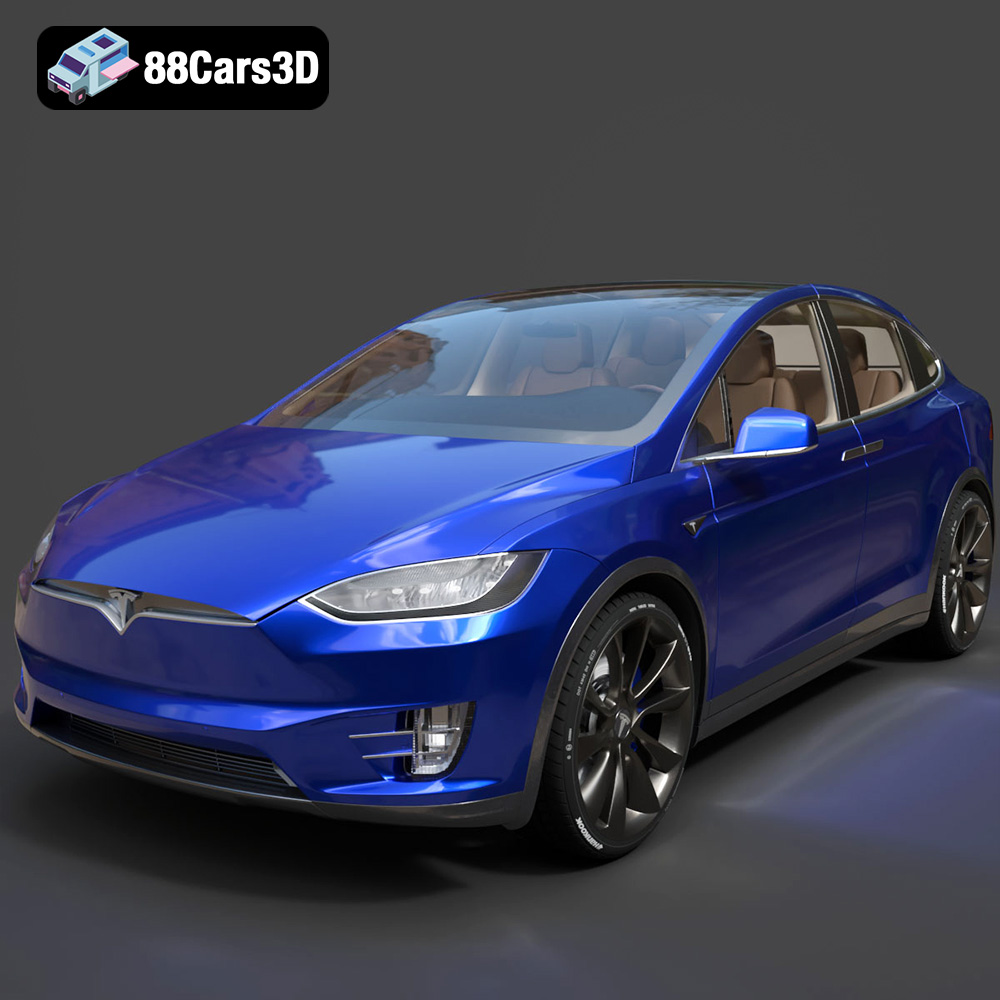
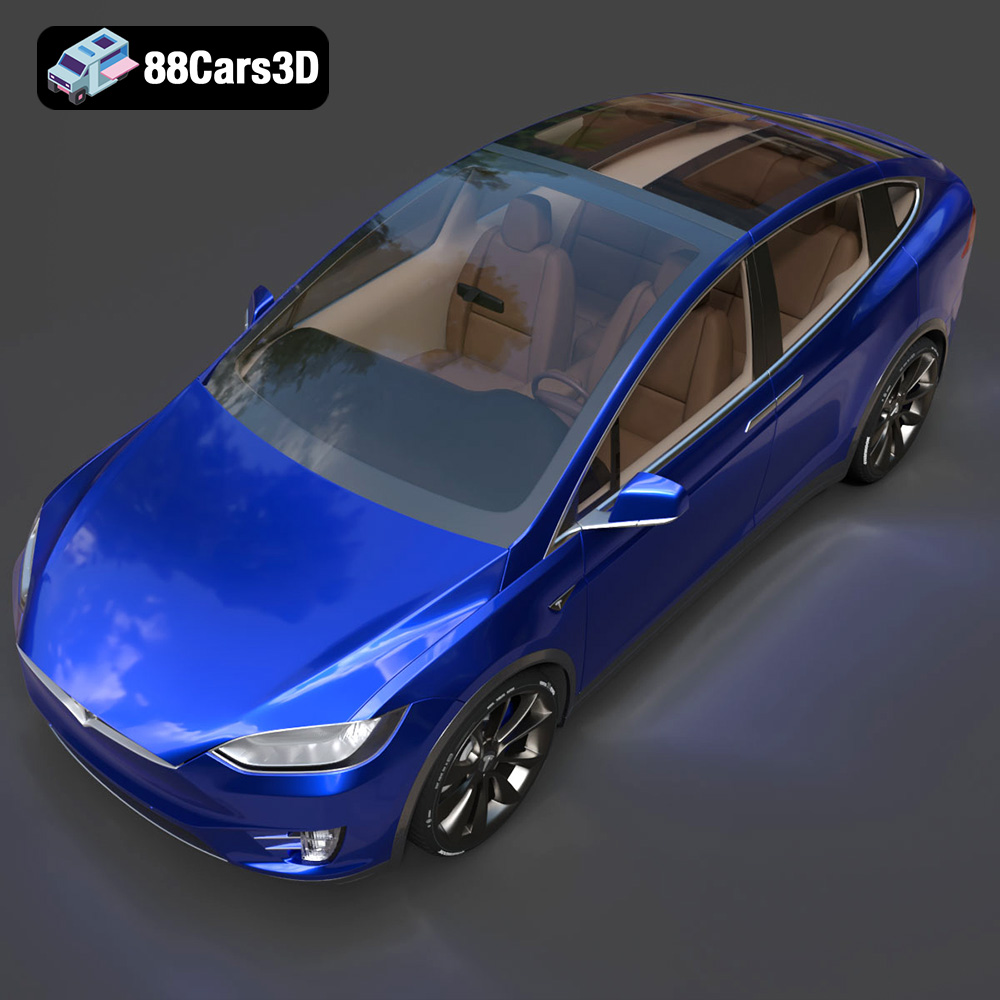
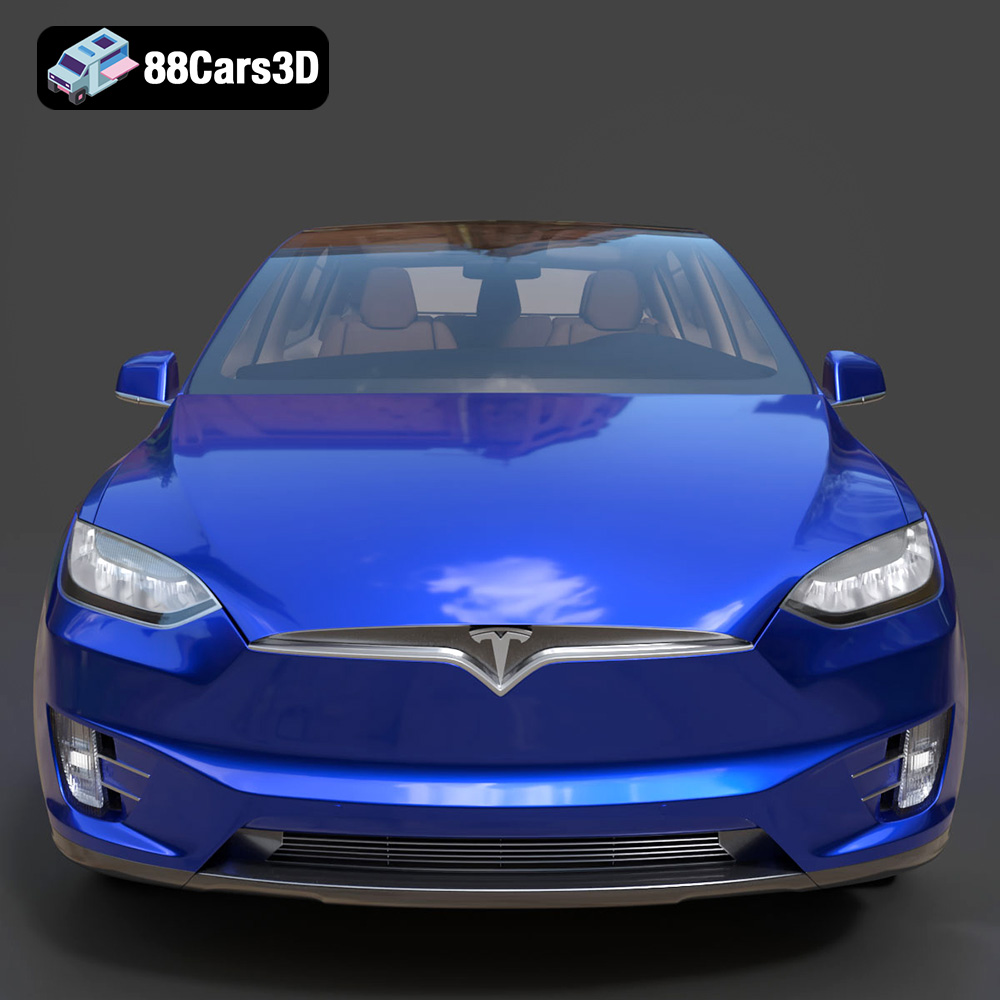
Experience the future of automotive design with this highly detailed 3D model of the Tesla Model X. Renowned for its groundbreaking electric performance, sleek aerodynamic styling, and iconic Falcon Wing doors, this luxury SUV redefines family transport. Every key visual element, from its signature closed front fascia to the panoramic windshield and futuristic interior, has been meticulously recreated to capture the essence of Tesla’s flagship utility vehicle. Boasting a highly detailed topology of 1,079,734 triangles, this model offers unparalleled visual fidelity while remaining structured for optimal use. Whether you are developing next-generation video games, creating immersive AR/VR automotive showrooms, or rendering photorealistic animations, this model delivers stunning high-end realism. The geometry is crafted to provide crisp reflections and smooth curves under any lighting condition. Perfect for urban environments, futuristic cityscapes, luxury automotive showrooms, and photorealistic lifestyle renders.
$63.50
.blend
.fbx
.glb
.luxury suv
.max
.obj
.ply
.rendering
.stl
.tesla
.unreal
car-3d-model
electric-suv
game asset
game-ready
model-x
optimized
VR/AR